

Poems in this topic
Emotions and Feelings
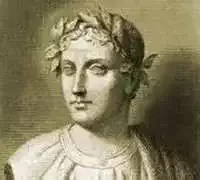
Horácio
BkIII:IV Temper Power With Wisdom
BkIII:IV Temper Power With Wisdom
O royal Calliope, come from heaven,
and play a lengthy melody on the flute,
or, if you prefer, use your clear voice,
or pluck at the strings of Apollo’s lute.
Do you hear her, or does some lovely fancy
toy with me? I hear, and seem to wander, now,
through the sacred groves, where delightful
waters steal, where delightful breezes stray.
In my childhood, once, on pathless Vultur’s slopes,
beyond the bounds of nurturing Apulia,
exhausted with my play and weariness,
the fabled doves covered me with new leaves,
which was a wonder to everyone who holds
Acherontia’s high nest, and Bantia’s
woodland pastures, and the rich meadows
of low-lying Forentum, since I slept
safe from the bears and from the dark vipers,
the sacred laurel and the gathered myrtle
spread above me, a courageous child,
though it was thanks to the power of the gods.
Yours Muses, yours, I climb the high Sabine Hills,
or I’m carried off to my cool Praeneste,
to the slopes of Tibur, if I please,
or the cloudless loveliness of Baiae.
A friend of your sacred fountains and your
choirs, the rout of the army at Philippi
failed to kill me, and that accursed
tree, and Palinurus’ Sicilian Sea.
Whenever you are with me, as a sailor
I’ll attempt the raging Bosphorus, or be
a traveller in the burning sands
of the Syrian shore: as a stranger
I’ll see the fierce inhospitable Britons,
the Spaniards that love drinking horses’ blood,
I’ll see the quiver-bearing Thracians,
and, unharmed, visit the Scythian stream.
It’s you then who refresh our noble Caesar,
in your Pierian caves, when he’s settled
his weary troops in all the cities,
and he’s ready to complete his labours.
You give calm advice, and you delight in that
giving, kindly ones. We know how the evil
Titans, how their savage supporters
were struck down by the lightning from above,
by him who rules the silent earth, the stormy
sea, the cities, and the kingdoms of darkness,
alone, in imperial justice,
commanding the gods and the mortal crowd.
Great terror was visited on Jupiter
by all those bold warriors bristling with hands,
and by the brothers who tried to set
Pelion on shadowy Olympus.
But what power could Giant Typhoeus have,
or mighty Mimas, or that Porphyrion
with his menacing stance, Rhoetus,
or Enceladus, audacious hurler
of uprooted trees, against the bronze breastplate,
Minerva’s aegis? On one side stood eager
Vulcan, on the other maternal
Juno, and Apollo of Patera
and Delos, who is never without the bow
on his shoulder, who bathes his flowing hair
in Castalia’s pure dew, who holds
the forests, and thickets of Lycia.
Power without wisdom falls by its own weight:
The gods themselves advance temperate power:
and likewise hate force that, with its whole
consciousness, is intent on wickedness.
Let hundred-handed Gyas be the witness
to my statement: Orion too, well-known as
chaste Dian’s attacker, and tamed
by the arrows of the virgin goddess.
Earth, heaped above her monstrous children, laments
and grieves for her offspring, hurled down to murky
Orcus by the lightning bolt: The swift
fires have not yet eaten Aetna, set there,
nor the vultures ceased tearing at the liver
of intemperate Tityus, those guardians placed
over his sin: and three hundred chains
hold the amorous Pirithous fast.
O royal Calliope, come from heaven,
and play a lengthy melody on the flute,
or, if you prefer, use your clear voice,
or pluck at the strings of Apollo’s lute.
Do you hear her, or does some lovely fancy
toy with me? I hear, and seem to wander, now,
through the sacred groves, where delightful
waters steal, where delightful breezes stray.
In my childhood, once, on pathless Vultur’s slopes,
beyond the bounds of nurturing Apulia,
exhausted with my play and weariness,
the fabled doves covered me with new leaves,
which was a wonder to everyone who holds
Acherontia’s high nest, and Bantia’s
woodland pastures, and the rich meadows
of low-lying Forentum, since I slept
safe from the bears and from the dark vipers,
the sacred laurel and the gathered myrtle
spread above me, a courageous child,
though it was thanks to the power of the gods.
Yours Muses, yours, I climb the high Sabine Hills,
or I’m carried off to my cool Praeneste,
to the slopes of Tibur, if I please,
or the cloudless loveliness of Baiae.
A friend of your sacred fountains and your
choirs, the rout of the army at Philippi
failed to kill me, and that accursed
tree, and Palinurus’ Sicilian Sea.
Whenever you are with me, as a sailor
I’ll attempt the raging Bosphorus, or be
a traveller in the burning sands
of the Syrian shore: as a stranger
I’ll see the fierce inhospitable Britons,
the Spaniards that love drinking horses’ blood,
I’ll see the quiver-bearing Thracians,
and, unharmed, visit the Scythian stream.
It’s you then who refresh our noble Caesar,
in your Pierian caves, when he’s settled
his weary troops in all the cities,
and he’s ready to complete his labours.
You give calm advice, and you delight in that
giving, kindly ones. We know how the evil
Titans, how their savage supporters
were struck down by the lightning from above,
by him who rules the silent earth, the stormy
sea, the cities, and the kingdoms of darkness,
alone, in imperial justice,
commanding the gods and the mortal crowd.
Great terror was visited on Jupiter
by all those bold warriors bristling with hands,
and by the brothers who tried to set
Pelion on shadowy Olympus.
But what power could Giant Typhoeus have,
or mighty Mimas, or that Porphyrion
with his menacing stance, Rhoetus,
or Enceladus, audacious hurler
of uprooted trees, against the bronze breastplate,
Minerva’s aegis? On one side stood eager
Vulcan, on the other maternal
Juno, and Apollo of Patera
and Delos, who is never without the bow
on his shoulder, who bathes his flowing hair
in Castalia’s pure dew, who holds
the forests, and thickets of Lycia.
Power without wisdom falls by its own weight:
The gods themselves advance temperate power:
and likewise hate force that, with its whole
consciousness, is intent on wickedness.
Let hundred-handed Gyas be the witness
to my statement: Orion too, well-known as
chaste Dian’s attacker, and tamed
by the arrows of the virgin goddess.
Earth, heaped above her monstrous children, laments
and grieves for her offspring, hurled down to murky
Orcus by the lightning bolt: The swift
fires have not yet eaten Aetna, set there,
nor the vultures ceased tearing at the liver
of intemperate Tityus, those guardians placed
over his sin: and three hundred chains
hold the amorous Pirithous fast.
249
Horácio
BkIII:II Dulce Et Decorum Est
BkIII:II Dulce Et Decorum Est
Let the boy toughened by military service
learn how to make bitterest hardship his friend,
and as a horseman, with fearful lance,
go to vex the insolent Parthians,
spending his life in the open, in the heart
of dangerous action. And seeing him, from
the enemy’s walls, let the warring
tyrant’s wife, and her grown-up daughter, sigh:
‘Ah, don’t let the inexperienced lover
provoke the lion that’s dangerous to touch,
whom a desire for blood sends raging
so swiftly through the core of destruction.’
It’s sweet and fitting to die for one’s country.
Yet death chases after the soldier who runs,
and it won’t spare the cowardly back
or the limbs, of peace-loving young men.
Virtue, that’s ignorant of sordid defeat,
shines out with its honour unstained, and never
takes up the axes or puts them down
at the request of a changeable mob.
Virtue, that opens the heavens for those who
did not deserve to die, takes a road denied
to others, and scorns the vulgar crowd
and the bloodied earth, on ascending wings.
And there’s a true reward for loyal silence:
I forbid the man who divulged those secret
rites of Ceres, to exist beneath
the same roof as I, or untie with me
the fragile boat: often careless Jupiter
included the innocent with the guilty,
but lame-footed Punishment rarely
forgets the wicked man, despite his start.
Let the boy toughened by military service
learn how to make bitterest hardship his friend,
and as a horseman, with fearful lance,
go to vex the insolent Parthians,
spending his life in the open, in the heart
of dangerous action. And seeing him, from
the enemy’s walls, let the warring
tyrant’s wife, and her grown-up daughter, sigh:
‘Ah, don’t let the inexperienced lover
provoke the lion that’s dangerous to touch,
whom a desire for blood sends raging
so swiftly through the core of destruction.’
It’s sweet and fitting to die for one’s country.
Yet death chases after the soldier who runs,
and it won’t spare the cowardly back
or the limbs, of peace-loving young men.
Virtue, that’s ignorant of sordid defeat,
shines out with its honour unstained, and never
takes up the axes or puts them down
at the request of a changeable mob.
Virtue, that opens the heavens for those who
did not deserve to die, takes a road denied
to others, and scorns the vulgar crowd
and the bloodied earth, on ascending wings.
And there’s a true reward for loyal silence:
I forbid the man who divulged those secret
rites of Ceres, to exist beneath
the same roof as I, or untie with me
the fragile boat: often careless Jupiter
included the innocent with the guilty,
but lame-footed Punishment rarely
forgets the wicked man, despite his start.
252
Horácio
BkII:XVII We’ll Go Together
BkII:XVII We’ll Go Together
Why do you stifle me with your complaining?
It’s neither the gods’ idea nor mine to die
before you, Maecenas, you’re the great
glory, and pillar of my existence.
Ah, if some premature blow snatches away
half of my spirit, why should the rest remain,
no longer as loved, nor surviving
entire? That day shall lead us to ruin
together. I’m not making some treacherous
promise: whenever you lead the way, let’s go,
let’s go, prepared as friends to set out,
you and I, to try the final journey.
No Chimaera’s fiery breath will ever tear
me from you, or if he should rise against me
hundred handed Gyas: that’s the will
of all-powerful Justice and the Fates.
Whether Libra or fearful Scorpio shone
more powerfully on me at my natal hour,
or Capricorn, which is the ruler
of the waters that flow round Italy,
our stars were mutually aspected in their
marvellous way. Jupiter’s protection shone,
brighter for you than baleful Saturn,
and rescued you, and held back the rapid
wings of Fate, that day when the people crowding
the theatre, three times broke into wild applause:
I’d have received the trunk of a tree
on my head, if Faunus, the guardian
of Mercurial poets, hadn’t warded off
the blow with his hand. So remember to make
due offering: you build a votive shrine:
I’ll come and sacrifice a humble lamb.
Why do you stifle me with your complaining?
It’s neither the gods’ idea nor mine to die
before you, Maecenas, you’re the great
glory, and pillar of my existence.
Ah, if some premature blow snatches away
half of my spirit, why should the rest remain,
no longer as loved, nor surviving
entire? That day shall lead us to ruin
together. I’m not making some treacherous
promise: whenever you lead the way, let’s go,
let’s go, prepared as friends to set out,
you and I, to try the final journey.
No Chimaera’s fiery breath will ever tear
me from you, or if he should rise against me
hundred handed Gyas: that’s the will
of all-powerful Justice and the Fates.
Whether Libra or fearful Scorpio shone
more powerfully on me at my natal hour,
or Capricorn, which is the ruler
of the waters that flow round Italy,
our stars were mutually aspected in their
marvellous way. Jupiter’s protection shone,
brighter for you than baleful Saturn,
and rescued you, and held back the rapid
wings of Fate, that day when the people crowding
the theatre, three times broke into wild applause:
I’d have received the trunk of a tree
on my head, if Faunus, the guardian
of Mercurial poets, hadn’t warded off
the blow with his hand. So remember to make
due offering: you build a votive shrine:
I’ll come and sacrifice a humble lamb.
184
Horácio
BkII:XII Terentia’s Singing
BkII:XII Terentia’s Singing
You’d not wish the theme of Numantia’s fierce wars
matched to the lyre’s soft tones, nor cruel Hannibal,
nor the Sicilian Sea turned to dark crimson
by the Carthaginians’ blood,
nor the savage Lapiths, and drunken Hylaeus
filled with excess wine, nor Hercules with his hand
taming the sons of earth, at the danger of which
ancient Saturn’s glittering house
was shaken: you’d be better yourself, Maecenas,
at writing prose histories of Caesar’s battles,
and telling us about all those menacing kings,
now led by the neck through the streets.
The Muse wishes me to speak of the sweet singing
of your lady Terentia, and speak of her bright
flashing eyes, and speak of that heart of hers, that is
so faithful in mutual love:
she to whom it’s not unbecoming to adopt
the lead among the dancers, or compete in wit,
or, that holy day that honours Diana, give
her arm in play to shining girls.
Would you exchange now, one hair of Terentia’s
for what rich Achaemenes owned, Mygdonian
wealth of fertile Phrygia, or
the Arabians’ well-stocked homes,
while she bends her neck for those passionate kisses,
or in gentle cruelty refuses to yield them,
more than he who asks likes having them taken: then
at times surprises by taking?
You’d not wish the theme of Numantia’s fierce wars
matched to the lyre’s soft tones, nor cruel Hannibal,
nor the Sicilian Sea turned to dark crimson
by the Carthaginians’ blood,
nor the savage Lapiths, and drunken Hylaeus
filled with excess wine, nor Hercules with his hand
taming the sons of earth, at the danger of which
ancient Saturn’s glittering house
was shaken: you’d be better yourself, Maecenas,
at writing prose histories of Caesar’s battles,
and telling us about all those menacing kings,
now led by the neck through the streets.
The Muse wishes me to speak of the sweet singing
of your lady Terentia, and speak of her bright
flashing eyes, and speak of that heart of hers, that is
so faithful in mutual love:
she to whom it’s not unbecoming to adopt
the lead among the dancers, or compete in wit,
or, that holy day that honours Diana, give
her arm in play to shining girls.
Would you exchange now, one hair of Terentia’s
for what rich Achaemenes owned, Mygdonian
wealth of fertile Phrygia, or
the Arabians’ well-stocked homes,
while she bends her neck for those passionate kisses,
or in gentle cruelty refuses to yield them,
more than he who asks likes having them taken: then
at times surprises by taking?
208
Horácio
BkII:X The Golden Mean
BkII:X The Golden Mean
You’ll live more virtuously, my Murena,
by not setting out to sea, while you’re in dread
of the storm, or hugging fatal shores
too closely, either.
Whoever takes delight in the golden mean,
safely avoids the squalor of a shabby house,
and, soberly, avoids the regal palace
that incites envy.
The tall pine’s more often shaken by the wind,
and it’s a high tower that falls with a louder
crash, while the mountainous summits are places
where lightning strikes.
The heart that is well prepared for any fate
hopes in adversity, fears prosperity.
Though Jupiter brings us all the unlovely
winters: he also
takes them away again. If there’s trouble now
it won’t always be so: sometimes Apollo
rouses the sleeping Muse with his lyre, when he’s
not flexing his bow.
Appear brave and resolute in difficult
times: and yet be wise and take in all your sails
when they’re swollen by too powerful
a following wind.
You’ll live more virtuously, my Murena,
by not setting out to sea, while you’re in dread
of the storm, or hugging fatal shores
too closely, either.
Whoever takes delight in the golden mean,
safely avoids the squalor of a shabby house,
and, soberly, avoids the regal palace
that incites envy.
The tall pine’s more often shaken by the wind,
and it’s a high tower that falls with a louder
crash, while the mountainous summits are places
where lightning strikes.
The heart that is well prepared for any fate
hopes in adversity, fears prosperity.
Though Jupiter brings us all the unlovely
winters: he also
takes them away again. If there’s trouble now
it won’t always be so: sometimes Apollo
rouses the sleeping Muse with his lyre, when he’s
not flexing his bow.
Appear brave and resolute in difficult
times: and yet be wise and take in all your sails
when they’re swollen by too powerful
a following wind.
288
Horácio
BkII:X The Golden Mean
BkII:X The Golden Mean
You’ll live more virtuously, my Murena,
by not setting out to sea, while you’re in dread
of the storm, or hugging fatal shores
too closely, either.
Whoever takes delight in the golden mean,
safely avoids the squalor of a shabby house,
and, soberly, avoids the regal palace
that incites envy.
The tall pine’s more often shaken by the wind,
and it’s a high tower that falls with a louder
crash, while the mountainous summits are places
where lightning strikes.
The heart that is well prepared for any fate
hopes in adversity, fears prosperity.
Though Jupiter brings us all the unlovely
winters: he also
takes them away again. If there’s trouble now
it won’t always be so: sometimes Apollo
rouses the sleeping Muse with his lyre, when he’s
not flexing his bow.
Appear brave and resolute in difficult
times: and yet be wise and take in all your sails
when they’re swollen by too powerful
a following wind.
You’ll live more virtuously, my Murena,
by not setting out to sea, while you’re in dread
of the storm, or hugging fatal shores
too closely, either.
Whoever takes delight in the golden mean,
safely avoids the squalor of a shabby house,
and, soberly, avoids the regal palace
that incites envy.
The tall pine’s more often shaken by the wind,
and it’s a high tower that falls with a louder
crash, while the mountainous summits are places
where lightning strikes.
The heart that is well prepared for any fate
hopes in adversity, fears prosperity.
Though Jupiter brings us all the unlovely
winters: he also
takes them away again. If there’s trouble now
it won’t always be so: sometimes Apollo
rouses the sleeping Muse with his lyre, when he’s
not flexing his bow.
Appear brave and resolute in difficult
times: and yet be wise and take in all your sails
when they’re swollen by too powerful
a following wind.
288
Horácio
BkII:VII A Friend Home From the Wars
BkII:VII A Friend Home From the Wars
O Pompey, often led, with me, by Brutus,
the head of our army, into great danger,
who’s sent you back, as a citizen,
to your country’s gods and Italy’s sky,
Pompey, the very dearest of my comrades,
with whom I’ve often drawn out the lingering
day in wine, my hair wreathed, and glistening
with perfumed balsam, of Syrian nard?
I was there at Philippi, with you, in that
headlong flight, sadly leaving my shield behind,
when shattered Virtue, and what threatened
from an ignoble purpose, fell to earth.
While in my fear Mercury dragged me, swiftly,
through the hostile ranks in a thickening cloud:
the wave was drawing you back to war,
carried once more by the troubled waters.
So grant Jupiter the feast he’s owed, and stretch
your limbs, wearied by long campaigning, under
my laurel boughs, and don’t spare the jars
that were destined to be opened by you.
Fill the smooth cups with Massic oblivion,
pour out the perfume from generous dishes,
Who’ll hurry to weave the wreathes for us
of dew-wet parsley or pliant myrtle?
Who’ll throw high Venus at dice and so become
the master of drink? I’ll rage as insanely
as any Thracian: It’s sweet to me
to revel when a friend is home again.
O Pompey, often led, with me, by Brutus,
the head of our army, into great danger,
who’s sent you back, as a citizen,
to your country’s gods and Italy’s sky,
Pompey, the very dearest of my comrades,
with whom I’ve often drawn out the lingering
day in wine, my hair wreathed, and glistening
with perfumed balsam, of Syrian nard?
I was there at Philippi, with you, in that
headlong flight, sadly leaving my shield behind,
when shattered Virtue, and what threatened
from an ignoble purpose, fell to earth.
While in my fear Mercury dragged me, swiftly,
through the hostile ranks in a thickening cloud:
the wave was drawing you back to war,
carried once more by the troubled waters.
So grant Jupiter the feast he’s owed, and stretch
your limbs, wearied by long campaigning, under
my laurel boughs, and don’t spare the jars
that were destined to be opened by you.
Fill the smooth cups with Massic oblivion,
pour out the perfume from generous dishes,
Who’ll hurry to weave the wreathes for us
of dew-wet parsley or pliant myrtle?
Who’ll throw high Venus at dice and so become
the master of drink? I’ll rage as insanely
as any Thracian: It’s sweet to me
to revel when a friend is home again.
249
Horácio
BkII:VII A Friend Home From the Wars
BkII:VII A Friend Home From the Wars
O Pompey, often led, with me, by Brutus,
the head of our army, into great danger,
who’s sent you back, as a citizen,
to your country’s gods and Italy’s sky,
Pompey, the very dearest of my comrades,
with whom I’ve often drawn out the lingering
day in wine, my hair wreathed, and glistening
with perfumed balsam, of Syrian nard?
I was there at Philippi, with you, in that
headlong flight, sadly leaving my shield behind,
when shattered Virtue, and what threatened
from an ignoble purpose, fell to earth.
While in my fear Mercury dragged me, swiftly,
through the hostile ranks in a thickening cloud:
the wave was drawing you back to war,
carried once more by the troubled waters.
So grant Jupiter the feast he’s owed, and stretch
your limbs, wearied by long campaigning, under
my laurel boughs, and don’t spare the jars
that were destined to be opened by you.
Fill the smooth cups with Massic oblivion,
pour out the perfume from generous dishes,
Who’ll hurry to weave the wreathes for us
of dew-wet parsley or pliant myrtle?
Who’ll throw high Venus at dice and so become
the master of drink? I’ll rage as insanely
as any Thracian: It’s sweet to me
to revel when a friend is home again.
O Pompey, often led, with me, by Brutus,
the head of our army, into great danger,
who’s sent you back, as a citizen,
to your country’s gods and Italy’s sky,
Pompey, the very dearest of my comrades,
with whom I’ve often drawn out the lingering
day in wine, my hair wreathed, and glistening
with perfumed balsam, of Syrian nard?
I was there at Philippi, with you, in that
headlong flight, sadly leaving my shield behind,
when shattered Virtue, and what threatened
from an ignoble purpose, fell to earth.
While in my fear Mercury dragged me, swiftly,
through the hostile ranks in a thickening cloud:
the wave was drawing you back to war,
carried once more by the troubled waters.
So grant Jupiter the feast he’s owed, and stretch
your limbs, wearied by long campaigning, under
my laurel boughs, and don’t spare the jars
that were destined to be opened by you.
Fill the smooth cups with Massic oblivion,
pour out the perfume from generous dishes,
Who’ll hurry to weave the wreathes for us
of dew-wet parsley or pliant myrtle?
Who’ll throw high Venus at dice and so become
the master of drink? I’ll rage as insanely
as any Thracian: It’s sweet to me
to revel when a friend is home again.
249
Horácio
BkII:V Be Patient
BkII:V Be Patient
She’s not ready to bear a yoke on her bowed
neck yet, she’s not yet equal to the duty
of coupling, or bearing the heavy
weight of a charging bull in the mating act.
The thoughts of your heifer are on green pastures,
on easing her burning heat in the river,
and sporting with the eager calves
in the depths of moist willow plantations.
Forget this passion of yours for the unripe
grape: autumn, the season of many-colours,
will soon be dyeing bluish clusters
a darker purple, on the vine, for you.
Soon she’ll pursue you, since fierce time rushes on
and will add to her the years it takes from you,
soon Lalage herself will be eager
to search you out as a husband, Lalage,
beloved as shy Pholoë was not, nor your
Chloris, with shoulders gleaming white, like a clear
moon shining over a midnight sea,
nor Cnidian Gyges, that lovely boy,
whom you could inser in a choir of girls,
and the wisest of strangers would fail to tell
the difference, with him hidden behind
his flowing hair, and ambiguous looks.
She’s not ready to bear a yoke on her bowed
neck yet, she’s not yet equal to the duty
of coupling, or bearing the heavy
weight of a charging bull in the mating act.
The thoughts of your heifer are on green pastures,
on easing her burning heat in the river,
and sporting with the eager calves
in the depths of moist willow plantations.
Forget this passion of yours for the unripe
grape: autumn, the season of many-colours,
will soon be dyeing bluish clusters
a darker purple, on the vine, for you.
Soon she’ll pursue you, since fierce time rushes on
and will add to her the years it takes from you,
soon Lalage herself will be eager
to search you out as a husband, Lalage,
beloved as shy Pholoë was not, nor your
Chloris, with shoulders gleaming white, like a clear
moon shining over a midnight sea,
nor Cnidian Gyges, that lovely boy,
whom you could inser in a choir of girls,
and the wisest of strangers would fail to tell
the difference, with him hidden behind
his flowing hair, and ambiguous looks.
253
Horácio
BkI:XXXVIII The Simple Myrtle
BkI:XXXVIII The Simple Myrtle
My child, how I hate Persian ostentation,
garlands twined around lime-tree bark displease me:
forget your chasing, to find all the places
where late roses fade.
You’re eager, take care, that nothing enhances
the simple myrtle: it’s not only you that
it graces, the servant, but me as I drink,
beneath the dark vine.
My child, how I hate Persian ostentation,
garlands twined around lime-tree bark displease me:
forget your chasing, to find all the places
where late roses fade.
You’re eager, take care, that nothing enhances
the simple myrtle: it’s not only you that
it graces, the servant, but me as I drink,
beneath the dark vine.
253
Horácio
BkI:XXXVI Numida’s Back Again
BkI:XXXVI Numida’s Back Again
With music, and incense, and blood
of a bullock, delight in placating the gods
that guarded our Numida well,
who’s returned safe and sound, from the farthest West, now,
showering a host of kisses
on every dear friend, but on none of us more than
lovely Lamia, remembering
their boyhood spent under the self-same master,
their togas exchanged together.
Don’t allow this sweet day to lack a white marker,
no end to the wine jars at hand,
no rest for our feet in the Salian fashion,
Don’t let wine-heavy Damalis
conquer our Bassus in downing the Thracian draughts.
Don’t let our feast lack for roses,
or the long-lasting parsley, or the brief lilies:
we’ll all cast our decadent eyes
on Damalis, but Damalis won’t be parted
from that new lover of hers she’s
clasping, more tightly than the wandering ivy.
With music, and incense, and blood
of a bullock, delight in placating the gods
that guarded our Numida well,
who’s returned safe and sound, from the farthest West, now,
showering a host of kisses
on every dear friend, but on none of us more than
lovely Lamia, remembering
their boyhood spent under the self-same master,
their togas exchanged together.
Don’t allow this sweet day to lack a white marker,
no end to the wine jars at hand,
no rest for our feet in the Salian fashion,
Don’t let wine-heavy Damalis
conquer our Bassus in downing the Thracian draughts.
Don’t let our feast lack for roses,
or the long-lasting parsley, or the brief lilies:
we’ll all cast our decadent eyes
on Damalis, but Damalis won’t be parted
from that new lover of hers she’s
clasping, more tightly than the wandering ivy.
201
Horácio
BkI:XXXVI Numida’s Back Again
BkI:XXXVI Numida’s Back Again
With music, and incense, and blood
of a bullock, delight in placating the gods
that guarded our Numida well,
who’s returned safe and sound, from the farthest West, now,
showering a host of kisses
on every dear friend, but on none of us more than
lovely Lamia, remembering
their boyhood spent under the self-same master,
their togas exchanged together.
Don’t allow this sweet day to lack a white marker,
no end to the wine jars at hand,
no rest for our feet in the Salian fashion,
Don’t let wine-heavy Damalis
conquer our Bassus in downing the Thracian draughts.
Don’t let our feast lack for roses,
or the long-lasting parsley, or the brief lilies:
we’ll all cast our decadent eyes
on Damalis, but Damalis won’t be parted
from that new lover of hers she’s
clasping, more tightly than the wandering ivy.
With music, and incense, and blood
of a bullock, delight in placating the gods
that guarded our Numida well,
who’s returned safe and sound, from the farthest West, now,
showering a host of kisses
on every dear friend, but on none of us more than
lovely Lamia, remembering
their boyhood spent under the self-same master,
their togas exchanged together.
Don’t allow this sweet day to lack a white marker,
no end to the wine jars at hand,
no rest for our feet in the Salian fashion,
Don’t let wine-heavy Damalis
conquer our Bassus in downing the Thracian draughts.
Don’t let our feast lack for roses,
or the long-lasting parsley, or the brief lilies:
we’ll all cast our decadent eyes
on Damalis, but Damalis won’t be parted
from that new lover of hers she’s
clasping, more tightly than the wandering ivy.
201
Horácio
BkI:XXXVI Numida’s Back Again
BkI:XXXVI Numida’s Back Again
With music, and incense, and blood
of a bullock, delight in placating the gods
that guarded our Numida well,
who’s returned safe and sound, from the farthest West, now,
showering a host of kisses
on every dear friend, but on none of us more than
lovely Lamia, remembering
their boyhood spent under the self-same master,
their togas exchanged together.
Don’t allow this sweet day to lack a white marker,
no end to the wine jars at hand,
no rest for our feet in the Salian fashion,
Don’t let wine-heavy Damalis
conquer our Bassus in downing the Thracian draughts.
Don’t let our feast lack for roses,
or the long-lasting parsley, or the brief lilies:
we’ll all cast our decadent eyes
on Damalis, but Damalis won’t be parted
from that new lover of hers she’s
clasping, more tightly than the wandering ivy.
With music, and incense, and blood
of a bullock, delight in placating the gods
that guarded our Numida well,
who’s returned safe and sound, from the farthest West, now,
showering a host of kisses
on every dear friend, but on none of us more than
lovely Lamia, remembering
their boyhood spent under the self-same master,
their togas exchanged together.
Don’t allow this sweet day to lack a white marker,
no end to the wine jars at hand,
no rest for our feet in the Salian fashion,
Don’t let wine-heavy Damalis
conquer our Bassus in downing the Thracian draughts.
Don’t let our feast lack for roses,
or the long-lasting parsley, or the brief lilies:
we’ll all cast our decadent eyes
on Damalis, but Damalis won’t be parted
from that new lover of hers she’s
clasping, more tightly than the wandering ivy.
201
Horácio
BkI:XXX Ode To Venus
BkI:XXX Ode To Venus
O Venus, the queen of Cnidos and Paphos,
spurn your beloved Cyprus, and summoned
by copious incense, come to the lovely shrine
of my Glycera.
And let that passionate boy of yours, Cupid,
and the Graces with loosened zones, and the Nymphs,
and Youth, less lovely without you, hasten here,
and Mercury too.
O Venus, the queen of Cnidos and Paphos,
spurn your beloved Cyprus, and summoned
by copious incense, come to the lovely shrine
of my Glycera.
And let that passionate boy of yours, Cupid,
and the Graces with loosened zones, and the Nymphs,
and Youth, less lovely without you, hasten here,
and Mercury too.
963
Horácio
BkI:XXVII Entanglement
BkI:XXVII Entanglement
To fight with wine-cups intended for pleasure
only suits Thracians: forget those barbarous
games, and keep modest Bacchus away
from all those bloodthirsty quarrels of yours.
The Persian scimitar’s quite out of keeping
with the wine and the lamplight: my friends restrain
all that impious clamour, and rest
on the couches, lean back on your elbows.
So you want me to drink up my share, as well,
of the heavy Falernian? Then let’s hear
Opuntian Megylla’s brother tell
by what wound, and what arrow, blessed, he dies.
Does your will waver? I’ll drink on no other
terms. Whatever the passion rules over you,
it’s not with a shameful fire it burns,
and you always sin with the noblest
of lovers. Whoever it is, ah, come now,
let it be heard by faithful ears – oh, you wretch!
What a Charybdis you’re swimming in,
my boy, you deserve a far better flame!
What magician, with Thessalian potions,
what enchantress, or what god could release you?
Caught by the triple-formed Chimaera,
even Pegasus could barely free you.
To fight with wine-cups intended for pleasure
only suits Thracians: forget those barbarous
games, and keep modest Bacchus away
from all those bloodthirsty quarrels of yours.
The Persian scimitar’s quite out of keeping
with the wine and the lamplight: my friends restrain
all that impious clamour, and rest
on the couches, lean back on your elbows.
So you want me to drink up my share, as well,
of the heavy Falernian? Then let’s hear
Opuntian Megylla’s brother tell
by what wound, and what arrow, blessed, he dies.
Does your will waver? I’ll drink on no other
terms. Whatever the passion rules over you,
it’s not with a shameful fire it burns,
and you always sin with the noblest
of lovers. Whoever it is, ah, come now,
let it be heard by faithful ears – oh, you wretch!
What a Charybdis you’re swimming in,
my boy, you deserve a far better flame!
What magician, with Thessalian potions,
what enchantress, or what god could release you?
Caught by the triple-formed Chimaera,
even Pegasus could barely free you.
255
Horácio
BkI:XXVII Entanglement
BkI:XXVII Entanglement
To fight with wine-cups intended for pleasure
only suits Thracians: forget those barbarous
games, and keep modest Bacchus away
from all those bloodthirsty quarrels of yours.
The Persian scimitar’s quite out of keeping
with the wine and the lamplight: my friends restrain
all that impious clamour, and rest
on the couches, lean back on your elbows.
So you want me to drink up my share, as well,
of the heavy Falernian? Then let’s hear
Opuntian Megylla’s brother tell
by what wound, and what arrow, blessed, he dies.
Does your will waver? I’ll drink on no other
terms. Whatever the passion rules over you,
it’s not with a shameful fire it burns,
and you always sin with the noblest
of lovers. Whoever it is, ah, come now,
let it be heard by faithful ears – oh, you wretch!
What a Charybdis you’re swimming in,
my boy, you deserve a far better flame!
What magician, with Thessalian potions,
what enchantress, or what god could release you?
Caught by the triple-formed Chimaera,
even Pegasus could barely free you.
To fight with wine-cups intended for pleasure
only suits Thracians: forget those barbarous
games, and keep modest Bacchus away
from all those bloodthirsty quarrels of yours.
The Persian scimitar’s quite out of keeping
with the wine and the lamplight: my friends restrain
all that impious clamour, and rest
on the couches, lean back on your elbows.
So you want me to drink up my share, as well,
of the heavy Falernian? Then let’s hear
Opuntian Megylla’s brother tell
by what wound, and what arrow, blessed, he dies.
Does your will waver? I’ll drink on no other
terms. Whatever the passion rules over you,
it’s not with a shameful fire it burns,
and you always sin with the noblest
of lovers. Whoever it is, ah, come now,
let it be heard by faithful ears – oh, you wretch!
What a Charybdis you’re swimming in,
my boy, you deserve a far better flame!
What magician, with Thessalian potions,
what enchantress, or what god could release you?
Caught by the triple-formed Chimaera,
even Pegasus could barely free you.
255
Horácio
BkI:XXV A Prophecy of Age
BkI:XXV A Prophecy of Age
Now the young men come less often, violently
beating your shutters, with blow after blow, or
stealing away your sleep, while the door sits tight,
hugging the threshold,
yet was once known to move its hinges, more than
readily. You’ll hear, less and less often now:
‘Are you sleeping, Lydia, while your lover
dies in the long night?’
Old, in your turn, you’ll bemoan coarse adulterers,
as you tremble in some deserted alley,
while the Thracian wind rages, furiously,
through the moonless nights,
while flagrant desire, libidinous passion,
those powers that will spur on a mare in heat,
will storm all around your corrupted heart, ah,
and you’ll complain,
that the youths, filled with laughter, take more delight
in the green ivy, the dark of the myrtle,
leaving the withering leaves to this East wind,
winter’s accomplice.
Now the young men come less often, violently
beating your shutters, with blow after blow, or
stealing away your sleep, while the door sits tight,
hugging the threshold,
yet was once known to move its hinges, more than
readily. You’ll hear, less and less often now:
‘Are you sleeping, Lydia, while your lover
dies in the long night?’
Old, in your turn, you’ll bemoan coarse adulterers,
as you tremble in some deserted alley,
while the Thracian wind rages, furiously,
through the moonless nights,
while flagrant desire, libidinous passion,
those powers that will spur on a mare in heat,
will storm all around your corrupted heart, ah,
and you’ll complain,
that the youths, filled with laughter, take more delight
in the green ivy, the dark of the myrtle,
leaving the withering leaves to this East wind,
winter’s accomplice.
258
Horácio
BkI:XXV A Prophecy of Age
BkI:XXV A Prophecy of Age
Now the young men come less often, violently
beating your shutters, with blow after blow, or
stealing away your sleep, while the door sits tight,
hugging the threshold,
yet was once known to move its hinges, more than
readily. You’ll hear, less and less often now:
‘Are you sleeping, Lydia, while your lover
dies in the long night?’
Old, in your turn, you’ll bemoan coarse adulterers,
as you tremble in some deserted alley,
while the Thracian wind rages, furiously,
through the moonless nights,
while flagrant desire, libidinous passion,
those powers that will spur on a mare in heat,
will storm all around your corrupted heart, ah,
and you’ll complain,
that the youths, filled with laughter, take more delight
in the green ivy, the dark of the myrtle,
leaving the withering leaves to this East wind,
winter’s accomplice.
Now the young men come less often, violently
beating your shutters, with blow after blow, or
stealing away your sleep, while the door sits tight,
hugging the threshold,
yet was once known to move its hinges, more than
readily. You’ll hear, less and less often now:
‘Are you sleeping, Lydia, while your lover
dies in the long night?’
Old, in your turn, you’ll bemoan coarse adulterers,
as you tremble in some deserted alley,
while the Thracian wind rages, furiously,
through the moonless nights,
while flagrant desire, libidinous passion,
those powers that will spur on a mare in heat,
will storm all around your corrupted heart, ah,
and you’ll complain,
that the youths, filled with laughter, take more delight
in the green ivy, the dark of the myrtle,
leaving the withering leaves to this East wind,
winter’s accomplice.
258
Horácio
BkI:XXIV A Lament For Quintilius
BkI:XXIV A Lament For Quintilius
What limit, or restraint, should we show at the loss
of so dear a life? Melpomene, teach me, Muse,
a song of mourning, you, whom the Father granted
a clear voice, the sound of the lyre.
Does endless sleep lie heavy on Quintilius,
now? When will Honour, and unswerving Loyalty,
that is sister to Justice, and our naked Truth,
ever discover his equal?
Many are the good men who weep for his dying,
none of them, Virgil, weep more profusely than you.
Piously, you ask the gods for him, alas, in vain:
not so was he given to us.
Even if you played on the Thracian lyre, listened
to by the trees, more sweetly than Orpheus could,
would life then return, to that empty phantom,
once Mercury, with fearsome wand,
who won’t simply re-open the gates of Fate
at our bidding, has gathered him to the dark throng?
It is hard: but patience makes more tolerable
whatever wrong’s to be righted.
What limit, or restraint, should we show at the loss
of so dear a life? Melpomene, teach me, Muse,
a song of mourning, you, whom the Father granted
a clear voice, the sound of the lyre.
Does endless sleep lie heavy on Quintilius,
now? When will Honour, and unswerving Loyalty,
that is sister to Justice, and our naked Truth,
ever discover his equal?
Many are the good men who weep for his dying,
none of them, Virgil, weep more profusely than you.
Piously, you ask the gods for him, alas, in vain:
not so was he given to us.
Even if you played on the Thracian lyre, listened
to by the trees, more sweetly than Orpheus could,
would life then return, to that empty phantom,
once Mercury, with fearsome wand,
who won’t simply re-open the gates of Fate
at our bidding, has gathered him to the dark throng?
It is hard: but patience makes more tolerable
whatever wrong’s to be righted.
234
Horácio
BkI:XXIV A Lament For Quintilius
BkI:XXIV A Lament For Quintilius
What limit, or restraint, should we show at the loss
of so dear a life? Melpomene, teach me, Muse,
a song of mourning, you, whom the Father granted
a clear voice, the sound of the lyre.
Does endless sleep lie heavy on Quintilius,
now? When will Honour, and unswerving Loyalty,
that is sister to Justice, and our naked Truth,
ever discover his equal?
Many are the good men who weep for his dying,
none of them, Virgil, weep more profusely than you.
Piously, you ask the gods for him, alas, in vain:
not so was he given to us.
Even if you played on the Thracian lyre, listened
to by the trees, more sweetly than Orpheus could,
would life then return, to that empty phantom,
once Mercury, with fearsome wand,
who won’t simply re-open the gates of Fate
at our bidding, has gathered him to the dark throng?
It is hard: but patience makes more tolerable
whatever wrong’s to be righted.
What limit, or restraint, should we show at the loss
of so dear a life? Melpomene, teach me, Muse,
a song of mourning, you, whom the Father granted
a clear voice, the sound of the lyre.
Does endless sleep lie heavy on Quintilius,
now? When will Honour, and unswerving Loyalty,
that is sister to Justice, and our naked Truth,
ever discover his equal?
Many are the good men who weep for his dying,
none of them, Virgil, weep more profusely than you.
Piously, you ask the gods for him, alas, in vain:
not so was he given to us.
Even if you played on the Thracian lyre, listened
to by the trees, more sweetly than Orpheus could,
would life then return, to that empty phantom,
once Mercury, with fearsome wand,
who won’t simply re-open the gates of Fate
at our bidding, has gathered him to the dark throng?
It is hard: but patience makes more tolerable
whatever wrong’s to be righted.
234
Horácio
BkI:XXII Singing of Lalage (Integer Vitae)
BkI:XXII Singing of Lalage (Integer Vitae)
The man who is pure of life, and free of sin,
has no need, dear Fuscus, for Moorish javelins,
nor a bow and a quiver, fully loaded
with poisoned arrows,
whether his path’s through the sweltering Syrtes,
or through the inhospitable Caucasus,
or makes its way through those fabulous regions
Hydaspes waters.
While I was wandering, beyond the boundaries
of my farm, in the Sabine woods, and singing
free from care, lightly-defended, of my Lalage,
a wolf fled from me:
a monster not even warlike Apulia
nourishes deep in its far-flung oak forests,
or that Juba’s parched Numidian land breeds,
nursery of lions.
Set me down on the lifeless plains, where no trees
spring to life in the burning midsummer wind,
that wide stretch of the world that’s burdened by mists
and a gloomy sky:
set me down in a land denied habitation,
where the sun’s chariot rumbles too near the earth:
I’ll still be in love with my sweetly laughing,
sweet talking Lalage.
The man who is pure of life, and free of sin,
has no need, dear Fuscus, for Moorish javelins,
nor a bow and a quiver, fully loaded
with poisoned arrows,
whether his path’s through the sweltering Syrtes,
or through the inhospitable Caucasus,
or makes its way through those fabulous regions
Hydaspes waters.
While I was wandering, beyond the boundaries
of my farm, in the Sabine woods, and singing
free from care, lightly-defended, of my Lalage,
a wolf fled from me:
a monster not even warlike Apulia
nourishes deep in its far-flung oak forests,
or that Juba’s parched Numidian land breeds,
nursery of lions.
Set me down on the lifeless plains, where no trees
spring to life in the burning midsummer wind,
that wide stretch of the world that’s burdened by mists
and a gloomy sky:
set me down in a land denied habitation,
where the sun’s chariot rumbles too near the earth:
I’ll still be in love with my sweetly laughing,
sweet talking Lalage.
245
Horácio
BkI:XX To Maecenas
BkI:XX To Maecenas
Come and drink with me, rough Sabine in cheap cups,
yet wine that I sealed myself, and laid up
in a Grecian jar, when you dear Maecenas,
flower of knighthood,
received the theatre’s applause, so your native
river-banks, and, also, the Vatican Hill,
together returned that praise again, to you,
in playful echoes.
Then, drink Caecubum, and the juice of the grape
crushed in Campania’s presses, my cups are
unmixed with what grows on Falernian vines,
or Formian hills.
Come and drink with me, rough Sabine in cheap cups,
yet wine that I sealed myself, and laid up
in a Grecian jar, when you dear Maecenas,
flower of knighthood,
received the theatre’s applause, so your native
river-banks, and, also, the Vatican Hill,
together returned that praise again, to you,
in playful echoes.
Then, drink Caecubum, and the juice of the grape
crushed in Campania’s presses, my cups are
unmixed with what grows on Falernian vines,
or Formian hills.
259
Horácio
BkI:XIV The Ship of State
BkI:XIV The Ship of State
O ship the fresh tide carries back to sea again.
Where are you going! Quickly, run for harbour.
Can’t you see how your sides
have been stripped bare of oars,
how your shattered masts and yards are groaning loudly
in the swift south-westerly, and bare of rigging,
your hull can scarce tolerate
the overpowering waters?
You haven’t a single sail that’s still intact now,
no gods, that people call to when they’re in trouble.
Though you’re built of Pontic pine,
a child of those famous forests,
though you can boast of your race, and an idle name:
the fearful sailor puts no faith in gaudy keels.
You must beware of being
merely a plaything of the winds.
You, who not long ago were troubling weariness
to me, and now are my passion and anxious care,
avoid the glistening seas
between the shining Cyclades.
O ship the fresh tide carries back to sea again.
Where are you going! Quickly, run for harbour.
Can’t you see how your sides
have been stripped bare of oars,
how your shattered masts and yards are groaning loudly
in the swift south-westerly, and bare of rigging,
your hull can scarce tolerate
the overpowering waters?
You haven’t a single sail that’s still intact now,
no gods, that people call to when they’re in trouble.
Though you’re built of Pontic pine,
a child of those famous forests,
though you can boast of your race, and an idle name:
the fearful sailor puts no faith in gaudy keels.
You must beware of being
merely a plaything of the winds.
You, who not long ago were troubling weariness
to me, and now are my passion and anxious care,
avoid the glistening seas
between the shining Cyclades.
304
Horácio
BkI:V Treacherous Girl
BkI:V Treacherous Girl
What slender boy, Pyrrha, drowned in liquid perfume,
urges you on, there, among showers of roses,
deep down in some pleasant cave?
For whom did you tie up your hair,
with simple elegance? How often he’ll cry at
the changes of faith and of gods, ah, he’ll wonder,
surprised by roughening water,
surprised by the darkening storms,
who enjoys you now and believes you’re golden,
who thinks you’ll always be single and lovely,
ignoring the treacherous
breeze. Wretched are those you dazzle
while still untried. As for me the votive tablet
that hangs on the temple wall reveals, suspended,
my dripping clothes, for the god,
who holds power over the sea.
What slender boy, Pyrrha, drowned in liquid perfume,
urges you on, there, among showers of roses,
deep down in some pleasant cave?
For whom did you tie up your hair,
with simple elegance? How often he’ll cry at
the changes of faith and of gods, ah, he’ll wonder,
surprised by roughening water,
surprised by the darkening storms,
who enjoys you now and believes you’re golden,
who thinks you’ll always be single and lovely,
ignoring the treacherous
breeze. Wretched are those you dazzle
while still untried. As for me the votive tablet
that hangs on the temple wall reveals, suspended,
my dripping clothes, for the god,
who holds power over the sea.
280