

Poems in this topic
Emotions and Feelings
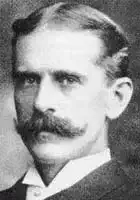
Henry Van Dyke
If All the Skies
If All the Skies
If all the skies were sunshine,
Our faces would be fain
To feel once more upon them
The cooling splash of rain.
If all the world were music,
Our hearts would often long
For one sweet strain of silence,
To break the endless song.
If life were always merry,
Our souls would seek relief,
And rest from weary laughter
In the quiet arms of grief.
If all the skies were sunshine,
Our faces would be fain
To feel once more upon them
The cooling splash of rain.
If all the world were music,
Our hearts would often long
For one sweet strain of silence,
To break the endless song.
If life were always merry,
Our souls would seek relief,
And rest from weary laughter
In the quiet arms of grief.
268
Henry Van Dyke
Inscriptions for a Friend's House
Inscriptions for a Friend's House
THE HOUSE
The cornerstone in Truth is laid,
The guardian walls of Honour made,
The roof of Faith is built above,
The fire upon the hearth is Love:
Though rains descend and loud winds call,
This happy house shall never fall.
THE DOORSTEAD
The lintel low enough to keep out pomp and pride:
The threshold high enough to turn deceit aside:
The doorband strong enough from robbers to defend:
This door will open at a touch to welcome every friend.
THE HEARTHSTONE
When the logs are burning free,
Then the fire is full of glee:
When each heart gives out its best,
Then the talk is full of zest:
Light your fire and never fear,
Life was made for love and cheer.
THE SUN-DIAL
Time can never take
What Time did not give;
When my shadows have all passed,
You shall live.
THE HOUSE
The cornerstone in Truth is laid,
The guardian walls of Honour made,
The roof of Faith is built above,
The fire upon the hearth is Love:
Though rains descend and loud winds call,
This happy house shall never fall.
THE DOORSTEAD
The lintel low enough to keep out pomp and pride:
The threshold high enough to turn deceit aside:
The doorband strong enough from robbers to defend:
This door will open at a touch to welcome every friend.
THE HEARTHSTONE
When the logs are burning free,
Then the fire is full of glee:
When each heart gives out its best,
Then the talk is full of zest:
Light your fire and never fear,
Life was made for love and cheer.
THE SUN-DIAL
Time can never take
What Time did not give;
When my shadows have all passed,
You shall live.
333
Henry Van Dyke
Hide and Seek
Hide and Seek
All the trees are sleeping, all the winds are still,
All the flocks of fleecy clouds have wandered past the hill;
Through the noonday silence, down the woods of June,
Hark, a little hunter's voice comes running with a tune.
"Hide and seek!
"When I speak,
"You must answer me:
"Call again,
"Merry men,
"Coo-ee, coo-ee, coo-ee!"
Now I hear his footsteps, rustling through the grass:
Hidden in my leafy nook, shall I let him pass?
Just a low, soft whistle,--quick the hunter turns,
Leaps upon me laughing, rolls me in the ferns.
"Hold him fast,
"Caught at last!
"Now you're it, you see.
"Hide your eye,
"Till I cry,
"Coo-ee, coo-ee, coo-ee!"
II
Long ago he left me, long and long ago:
Now I wander through the world and seek him high and low;
Hidden safe and happy, in some pleasant place,--
Ah, if I could hear his voice, I soon should find his face.
Far away,
Many a day,
Where can Barney be?
Answer, dear,
Don't you hear?
Coo-ee, coo-ee, coo-ee!
Birds that in the spring-time thrilled his heart with joy,
Flowers he loved to pick for me, mind me of my boy.
Surely he is waiting till my steps come nigh;
Love may hide itself awhile, but love can never die.
Heart, be glad,
The little lad
Will call some day to thee:
"Father dear,
"Heaven is here,
"Coo-ee, coo-ee, coo-ee!"
All the trees are sleeping, all the winds are still,
All the flocks of fleecy clouds have wandered past the hill;
Through the noonday silence, down the woods of June,
Hark, a little hunter's voice comes running with a tune.
"Hide and seek!
"When I speak,
"You must answer me:
"Call again,
"Merry men,
"Coo-ee, coo-ee, coo-ee!"
Now I hear his footsteps, rustling through the grass:
Hidden in my leafy nook, shall I let him pass?
Just a low, soft whistle,--quick the hunter turns,
Leaps upon me laughing, rolls me in the ferns.
"Hold him fast,
"Caught at last!
"Now you're it, you see.
"Hide your eye,
"Till I cry,
"Coo-ee, coo-ee, coo-ee!"
II
Long ago he left me, long and long ago:
Now I wander through the world and seek him high and low;
Hidden safe and happy, in some pleasant place,--
Ah, if I could hear his voice, I soon should find his face.
Far away,
Many a day,
Where can Barney be?
Answer, dear,
Don't you hear?
Coo-ee, coo-ee, coo-ee!
Birds that in the spring-time thrilled his heart with joy,
Flowers he loved to pick for me, mind me of my boy.
Surely he is waiting till my steps come nigh;
Love may hide itself awhile, but love can never die.
Heart, be glad,
The little lad
Will call some day to thee:
"Father dear,
"Heaven is here,
"Coo-ee, coo-ee, coo-ee!"
325
Henry Van Dyke
Hide and Seek
Hide and Seek
All the trees are sleeping, all the winds are still,
All the flocks of fleecy clouds have wandered past the hill;
Through the noonday silence, down the woods of June,
Hark, a little hunter's voice comes running with a tune.
"Hide and seek!
"When I speak,
"You must answer me:
"Call again,
"Merry men,
"Coo-ee, coo-ee, coo-ee!"
Now I hear his footsteps, rustling through the grass:
Hidden in my leafy nook, shall I let him pass?
Just a low, soft whistle,--quick the hunter turns,
Leaps upon me laughing, rolls me in the ferns.
"Hold him fast,
"Caught at last!
"Now you're it, you see.
"Hide your eye,
"Till I cry,
"Coo-ee, coo-ee, coo-ee!"
II
Long ago he left me, long and long ago:
Now I wander through the world and seek him high and low;
Hidden safe and happy, in some pleasant place,--
Ah, if I could hear his voice, I soon should find his face.
Far away,
Many a day,
Where can Barney be?
Answer, dear,
Don't you hear?
Coo-ee, coo-ee, coo-ee!
Birds that in the spring-time thrilled his heart with joy,
Flowers he loved to pick for me, mind me of my boy.
Surely he is waiting till my steps come nigh;
Love may hide itself awhile, but love can never die.
Heart, be glad,
The little lad
Will call some day to thee:
"Father dear,
"Heaven is here,
"Coo-ee, coo-ee, coo-ee!"
All the trees are sleeping, all the winds are still,
All the flocks of fleecy clouds have wandered past the hill;
Through the noonday silence, down the woods of June,
Hark, a little hunter's voice comes running with a tune.
"Hide and seek!
"When I speak,
"You must answer me:
"Call again,
"Merry men,
"Coo-ee, coo-ee, coo-ee!"
Now I hear his footsteps, rustling through the grass:
Hidden in my leafy nook, shall I let him pass?
Just a low, soft whistle,--quick the hunter turns,
Leaps upon me laughing, rolls me in the ferns.
"Hold him fast,
"Caught at last!
"Now you're it, you see.
"Hide your eye,
"Till I cry,
"Coo-ee, coo-ee, coo-ee!"
II
Long ago he left me, long and long ago:
Now I wander through the world and seek him high and low;
Hidden safe and happy, in some pleasant place,--
Ah, if I could hear his voice, I soon should find his face.
Far away,
Many a day,
Where can Barney be?
Answer, dear,
Don't you hear?
Coo-ee, coo-ee, coo-ee!
Birds that in the spring-time thrilled his heart with joy,
Flowers he loved to pick for me, mind me of my boy.
Surely he is waiting till my steps come nigh;
Love may hide itself awhile, but love can never die.
Heart, be glad,
The little lad
Will call some day to thee:
"Father dear,
"Heaven is here,
"Coo-ee, coo-ee, coo-ee!"
325
Henry Van Dyke
Hide and Seek
Hide and Seek
All the trees are sleeping, all the winds are still,
All the flocks of fleecy clouds have wandered past the hill;
Through the noonday silence, down the woods of June,
Hark, a little hunter's voice comes running with a tune.
"Hide and seek!
"When I speak,
"You must answer me:
"Call again,
"Merry men,
"Coo-ee, coo-ee, coo-ee!"
Now I hear his footsteps, rustling through the grass:
Hidden in my leafy nook, shall I let him pass?
Just a low, soft whistle,--quick the hunter turns,
Leaps upon me laughing, rolls me in the ferns.
"Hold him fast,
"Caught at last!
"Now you're it, you see.
"Hide your eye,
"Till I cry,
"Coo-ee, coo-ee, coo-ee!"
II
Long ago he left me, long and long ago:
Now I wander through the world and seek him high and low;
Hidden safe and happy, in some pleasant place,--
Ah, if I could hear his voice, I soon should find his face.
Far away,
Many a day,
Where can Barney be?
Answer, dear,
Don't you hear?
Coo-ee, coo-ee, coo-ee!
Birds that in the spring-time thrilled his heart with joy,
Flowers he loved to pick for me, mind me of my boy.
Surely he is waiting till my steps come nigh;
Love may hide itself awhile, but love can never die.
Heart, be glad,
The little lad
Will call some day to thee:
"Father dear,
"Heaven is here,
"Coo-ee, coo-ee, coo-ee!"
All the trees are sleeping, all the winds are still,
All the flocks of fleecy clouds have wandered past the hill;
Through the noonday silence, down the woods of June,
Hark, a little hunter's voice comes running with a tune.
"Hide and seek!
"When I speak,
"You must answer me:
"Call again,
"Merry men,
"Coo-ee, coo-ee, coo-ee!"
Now I hear his footsteps, rustling through the grass:
Hidden in my leafy nook, shall I let him pass?
Just a low, soft whistle,--quick the hunter turns,
Leaps upon me laughing, rolls me in the ferns.
"Hold him fast,
"Caught at last!
"Now you're it, you see.
"Hide your eye,
"Till I cry,
"Coo-ee, coo-ee, coo-ee!"
II
Long ago he left me, long and long ago:
Now I wander through the world and seek him high and low;
Hidden safe and happy, in some pleasant place,--
Ah, if I could hear his voice, I soon should find his face.
Far away,
Many a day,
Where can Barney be?
Answer, dear,
Don't you hear?
Coo-ee, coo-ee, coo-ee!
Birds that in the spring-time thrilled his heart with joy,
Flowers he loved to pick for me, mind me of my boy.
Surely he is waiting till my steps come nigh;
Love may hide itself awhile, but love can never die.
Heart, be glad,
The little lad
Will call some day to thee:
"Father dear,
"Heaven is here,
"Coo-ee, coo-ee, coo-ee!"
325
Henry Van Dyke
Francis Makemie
Francis Makemie
(Presbyter of Christ in Americas 1683-1708)
To thee, plain hero of a rugged race,
We bring the meed of praise too long delayed!
Thy fearless word and faithful work have made
For God's Republic firmer path and place
In this New World: thou hast proclaimed the grace
And power of Christ in many a forest glade,
Teaching the truth that leaves men unafraid
Of frowning tyranny or death's dark face.
Oh, who can tell how much we owe to thee,
Makemie, and to labour such as thine,
For all that makes America the shrine
Of faith untrammeled and of conscience free?
Stand here, grey stone, and consecrate the sod
Where rests this brave Scotch-Irish man of God!
(Presbyter of Christ in Americas 1683-1708)
To thee, plain hero of a rugged race,
We bring the meed of praise too long delayed!
Thy fearless word and faithful work have made
For God's Republic firmer path and place
In this New World: thou hast proclaimed the grace
And power of Christ in many a forest glade,
Teaching the truth that leaves men unafraid
Of frowning tyranny or death's dark face.
Oh, who can tell how much we owe to thee,
Makemie, and to labour such as thine,
For all that makes America the shrine
Of faith untrammeled and of conscience free?
Stand here, grey stone, and consecrate the sod
Where rests this brave Scotch-Irish man of God!
323
Henry Van Dyke
Gratitude
Gratitude
"Do you give thanks for this? -- or that?"
No, God be thanked
I am not grateful
In that cold, calculating way, with blessing ranked
As one, two, three, and four, -- that would be hateful.
I only know that every day brings good above"
My poor deserving;
I only feel that, in the road of Life, true Love
Is leading me along and never swerving.
Whatever gifts and mercies in my lot may fall,
I would not measure
As worth a certain price in praise, or great or small;
But take and use them all with simple pleasure.
For when we gladly eat our daily bread, we bless
The Hand that feeds us;
And when we tread the road of Life in cheerfulness,
Our very heart-beats praise the Love that leads us.
"Do you give thanks for this? -- or that?"
No, God be thanked
I am not grateful
In that cold, calculating way, with blessing ranked
As one, two, three, and four, -- that would be hateful.
I only know that every day brings good above"
My poor deserving;
I only feel that, in the road of Life, true Love
Is leading me along and never swerving.
Whatever gifts and mercies in my lot may fall,
I would not measure
As worth a certain price in praise, or great or small;
But take and use them all with simple pleasure.
For when we gladly eat our daily bread, we bless
The Hand that feeds us;
And when we tread the road of Life in cheerfulness,
Our very heart-beats praise the Love that leads us.
309
Henry Van Dyke
Gratitude
Gratitude
"Do you give thanks for this? -- or that?"
No, God be thanked
I am not grateful
In that cold, calculating way, with blessing ranked
As one, two, three, and four, -- that would be hateful.
I only know that every day brings good above"
My poor deserving;
I only feel that, in the road of Life, true Love
Is leading me along and never swerving.
Whatever gifts and mercies in my lot may fall,
I would not measure
As worth a certain price in praise, or great or small;
But take and use them all with simple pleasure.
For when we gladly eat our daily bread, we bless
The Hand that feeds us;
And when we tread the road of Life in cheerfulness,
Our very heart-beats praise the Love that leads us.
"Do you give thanks for this? -- or that?"
No, God be thanked
I am not grateful
In that cold, calculating way, with blessing ranked
As one, two, three, and four, -- that would be hateful.
I only know that every day brings good above"
My poor deserving;
I only feel that, in the road of Life, true Love
Is leading me along and never swerving.
Whatever gifts and mercies in my lot may fall,
I would not measure
As worth a certain price in praise, or great or small;
But take and use them all with simple pleasure.
For when we gladly eat our daily bread, we bless
The Hand that feeds us;
And when we tread the road of Life in cheerfulness,
Our very heart-beats praise the Love that leads us.
309
Henry Van Dyke
Edmund Clarence Stedman
Edmund Clarence Stedman
Oh, quick to feel the lightest touch
Of beauty or of truth,
Rich in the thoughtfulness of age,
The hopefulness of youth,
The courage of the gentle heart,
The wisdom of the pure,
The strength of finely tempered souls
To labour and endure!
The blue of springtime in your eyes
Was never quenched by pain;
And winter brought your head the crown
Of snow without a stain.
The poet's mind, the prince's heart,
You kept until the end,
Nor ever faltered in your work,
Nor ever failed a friend.
Oh, quick to feel the lightest touch
Of beauty or of truth,
Rich in the thoughtfulness of age,
The hopefulness of youth,
The courage of the gentle heart,
The wisdom of the pure,
The strength of finely tempered souls
To labour and endure!
The blue of springtime in your eyes
Was never quenched by pain;
And winter brought your head the crown
Of snow without a stain.
The poet's mind, the prince's heart,
You kept until the end,
Nor ever faltered in your work,
Nor ever failed a friend.
319
Henry Van Dyke
Edmund Clarence Stedman
Edmund Clarence Stedman
Oh, quick to feel the lightest touch
Of beauty or of truth,
Rich in the thoughtfulness of age,
The hopefulness of youth,
The courage of the gentle heart,
The wisdom of the pure,
The strength of finely tempered souls
To labour and endure!
The blue of springtime in your eyes
Was never quenched by pain;
And winter brought your head the crown
Of snow without a stain.
The poet's mind, the prince's heart,
You kept until the end,
Nor ever faltered in your work,
Nor ever failed a friend.
Oh, quick to feel the lightest touch
Of beauty or of truth,
Rich in the thoughtfulness of age,
The hopefulness of youth,
The courage of the gentle heart,
The wisdom of the pure,
The strength of finely tempered souls
To labour and endure!
The blue of springtime in your eyes
Was never quenched by pain;
And winter brought your head the crown
Of snow without a stain.
The poet's mind, the prince's heart,
You kept until the end,
Nor ever faltered in your work,
Nor ever failed a friend.
319
Henry Van Dyke
Flood-Tide of Flowers
Flood-Tide of Flowers
IN HOLLAND
The laggard winter ebbed so slow
With freezing rain and melting snow,
It seemed as if the earth would stay
Forever where the tide was low,
In sodden green and watery gray.
But now from depths beyond our sight,
The tide is turning in the night,
And floods of color long concealed
Come silent rising toward the light,
Through garden bare and empty field.
And first, along the sheltered nooks,
The crocus runs in little brooks
Of joyance, till by light made bold
They show the gladness of their looks
In shining pools of white and gold.
The tiny scilla, sapphire blue,
Is gently seeping in, to strew
The earth with heaven; and sudden rills
Of sunlit yellow, sweeping through,
Spread into lakes of daffodils.
The hyacinths, with fragrant heads,
Have overflowed their sandy beds,
And fill the earth with faint perfume,
The breath that Spring around her sheds.
And now the tulips break in bloom!
A sea, a rainbow-tinted sea,
A splendor and a mystery,
Floods o'er the fields of faded gray:
The roads are full of folks in glee,
For lo, -- to-day is Easter Day!
IN HOLLAND
The laggard winter ebbed so slow
With freezing rain and melting snow,
It seemed as if the earth would stay
Forever where the tide was low,
In sodden green and watery gray.
But now from depths beyond our sight,
The tide is turning in the night,
And floods of color long concealed
Come silent rising toward the light,
Through garden bare and empty field.
And first, along the sheltered nooks,
The crocus runs in little brooks
Of joyance, till by light made bold
They show the gladness of their looks
In shining pools of white and gold.
The tiny scilla, sapphire blue,
Is gently seeping in, to strew
The earth with heaven; and sudden rills
Of sunlit yellow, sweeping through,
Spread into lakes of daffodils.
The hyacinths, with fragrant heads,
Have overflowed their sandy beds,
And fill the earth with faint perfume,
The breath that Spring around her sheds.
And now the tulips break in bloom!
A sea, a rainbow-tinted sea,
A splendor and a mystery,
Floods o'er the fields of faded gray:
The roads are full of folks in glee,
For lo, -- to-day is Easter Day!
323
Henry Van Dyke
Dulcis Memoria
Dulcis Memoria
Long, long ago I heard a little song,
(Ah, was it long ago, or yesterday?)
So lowly, slowly wound the tune along,
That far into my heart it found the way:
A melody consoling and endearing;
And still, in silent hours, I'm often hearing
The small, sweet song that does not die away.
Long, long ago I saw a little flower,-(
Ah, was it long ago, or yesterday?)
So fair of face and fragrant for an hour,
That something dear to me it seemed to say:
A thought of joy that blossomed into being
Without a word; and now I'm often seeing
The friendly flower that does not fade away.
Long, long ago we had a little child,-(
Ah, was it long ago, or yesterday?)
Into his mother's eyes and mine he smiled
Unconscious love; warm in our arms he lay.
An angel called! Dear heart, we could not hold him;
Yet secretly your arms and mine infold him--
Our little child who does not go away.
Long, long ago? Ah, memory, make it clear-(
It was not long ago, but yesterday,)
So little and so helpless and so dear
Let not the song be lost, the flower decay!
His voice, his waking eyes, his gentle sleeping:
The smallest things are safest in thy keeping.
Sweet memory, keep our child with us always.
Long, long ago I heard a little song,
(Ah, was it long ago, or yesterday?)
So lowly, slowly wound the tune along,
That far into my heart it found the way:
A melody consoling and endearing;
And still, in silent hours, I'm often hearing
The small, sweet song that does not die away.
Long, long ago I saw a little flower,-(
Ah, was it long ago, or yesterday?)
So fair of face and fragrant for an hour,
That something dear to me it seemed to say:
A thought of joy that blossomed into being
Without a word; and now I'm often seeing
The friendly flower that does not fade away.
Long, long ago we had a little child,-(
Ah, was it long ago, or yesterday?)
Into his mother's eyes and mine he smiled
Unconscious love; warm in our arms he lay.
An angel called! Dear heart, we could not hold him;
Yet secretly your arms and mine infold him--
Our little child who does not go away.
Long, long ago? Ah, memory, make it clear-(
It was not long ago, but yesterday,)
So little and so helpless and so dear
Let not the song be lost, the flower decay!
His voice, his waking eyes, his gentle sleeping:
The smallest things are safest in thy keeping.
Sweet memory, keep our child with us always.
360
Henry Van Dyke
Departure
Departure
Oh, why are you shining so bright, big Sun,
And why is the garden so gay?
Do you know that my days of delight are done,
Do you know I am going away?
If you covered your face with a cloud, I 'd dream
You were sorry for me in my pain,
And the heads of the flowers all bowed would seem
To be weeping with me in the rain.
But why is your head so low, sweet heart,
And why are your eyes overcast?
Are they clouded because you know we must part,
Do you think this embrace is our last?
Then kiss me again, and again, and again,
Look up as you bid me good-bye!
For your face is too dear for the stain of a tear,
And your smile is the sun in my sky.
Oh, why are you shining so bright, big Sun,
And why is the garden so gay?
Do you know that my days of delight are done,
Do you know I am going away?
If you covered your face with a cloud, I 'd dream
You were sorry for me in my pain,
And the heads of the flowers all bowed would seem
To be weeping with me in the rain.
But why is your head so low, sweet heart,
And why are your eyes overcast?
Are they clouded because you know we must part,
Do you think this embrace is our last?
Then kiss me again, and again, and again,
Look up as you bid me good-bye!
For your face is too dear for the stain of a tear,
And your smile is the sun in my sky.
294
Henry Van Dyke
Autumn in the Garden
Autumn in the Garden
When the frosty kiss of Autumn in the dark
Makes its mark
On the flowers, and the misty morning grieves
Over fallen leaves;
Then my olden garden, where the golden soil
Through the toil
Of a hundred years is mellow, rich, and deep,
Whispers in its sleep.
'Mid the crumpled beds of marigold and phlox,
Where the box
Borders with its glossy green the ancient walks,
There's a voice that talks
Of the human hopes that bloomed and withered here
Year by year,--
Dreams of joy, that brightened all the labouring hours,
Fading as the flowers.
Yet the whispered story does not deepen grief;
But relief
For the loneliness of sorrow seems to flow
From the Long-Ago,
When I think of other lives that learned, like mine,
To resign,
And remember that the sadness of the fall
Comes alike to all.
What regrets, what longings for the lost were theirs!
And what prayers
For the silent strength that nerves us to endure
Things we cannot cure!
Pacing up and down the garden where they paced,
I have traced
All their well-worn paths of patience, till I find
Comfort in my mind.
Faint and far away their ancient griefs appear:
Yet how near
Is the tender voice, the careworn, kindly face,
Of the human race!
Let us walk together in the garden, dearest heart,
Not apart!
They who know the sorrows other lives have known
Never walk alone.
When the frosty kiss of Autumn in the dark
Makes its mark
On the flowers, and the misty morning grieves
Over fallen leaves;
Then my olden garden, where the golden soil
Through the toil
Of a hundred years is mellow, rich, and deep,
Whispers in its sleep.
'Mid the crumpled beds of marigold and phlox,
Where the box
Borders with its glossy green the ancient walks,
There's a voice that talks
Of the human hopes that bloomed and withered here
Year by year,--
Dreams of joy, that brightened all the labouring hours,
Fading as the flowers.
Yet the whispered story does not deepen grief;
But relief
For the loneliness of sorrow seems to flow
From the Long-Ago,
When I think of other lives that learned, like mine,
To resign,
And remember that the sadness of the fall
Comes alike to all.
What regrets, what longings for the lost were theirs!
And what prayers
For the silent strength that nerves us to endure
Things we cannot cure!
Pacing up and down the garden where they paced,
I have traced
All their well-worn paths of patience, till I find
Comfort in my mind.
Faint and far away their ancient griefs appear:
Yet how near
Is the tender voice, the careworn, kindly face,
Of the human race!
Let us walk together in the garden, dearest heart,
Not apart!
They who know the sorrows other lives have known
Never walk alone.
310
Henry Van Dyke
Autumn in the Garden
Autumn in the Garden
When the frosty kiss of Autumn in the dark
Makes its mark
On the flowers, and the misty morning grieves
Over fallen leaves;
Then my olden garden, where the golden soil
Through the toil
Of a hundred years is mellow, rich, and deep,
Whispers in its sleep.
'Mid the crumpled beds of marigold and phlox,
Where the box
Borders with its glossy green the ancient walks,
There's a voice that talks
Of the human hopes that bloomed and withered here
Year by year,--
Dreams of joy, that brightened all the labouring hours,
Fading as the flowers.
Yet the whispered story does not deepen grief;
But relief
For the loneliness of sorrow seems to flow
From the Long-Ago,
When I think of other lives that learned, like mine,
To resign,
And remember that the sadness of the fall
Comes alike to all.
What regrets, what longings for the lost were theirs!
And what prayers
For the silent strength that nerves us to endure
Things we cannot cure!
Pacing up and down the garden where they paced,
I have traced
All their well-worn paths of patience, till I find
Comfort in my mind.
Faint and far away their ancient griefs appear:
Yet how near
Is the tender voice, the careworn, kindly face,
Of the human race!
Let us walk together in the garden, dearest heart,
Not apart!
They who know the sorrows other lives have known
Never walk alone.
When the frosty kiss of Autumn in the dark
Makes its mark
On the flowers, and the misty morning grieves
Over fallen leaves;
Then my olden garden, where the golden soil
Through the toil
Of a hundred years is mellow, rich, and deep,
Whispers in its sleep.
'Mid the crumpled beds of marigold and phlox,
Where the box
Borders with its glossy green the ancient walks,
There's a voice that talks
Of the human hopes that bloomed and withered here
Year by year,--
Dreams of joy, that brightened all the labouring hours,
Fading as the flowers.
Yet the whispered story does not deepen grief;
But relief
For the loneliness of sorrow seems to flow
From the Long-Ago,
When I think of other lives that learned, like mine,
To resign,
And remember that the sadness of the fall
Comes alike to all.
What regrets, what longings for the lost were theirs!
And what prayers
For the silent strength that nerves us to endure
Things we cannot cure!
Pacing up and down the garden where they paced,
I have traced
All their well-worn paths of patience, till I find
Comfort in my mind.
Faint and far away their ancient griefs appear:
Yet how near
Is the tender voice, the careworn, kindly face,
Of the human race!
Let us walk together in the garden, dearest heart,
Not apart!
They who know the sorrows other lives have known
Never walk alone.
310
Henry Van Dyke
Ameria's Welcome Home
Ameria's Welcome Home
Oh, gallantly they fared forth in khaki and in blue,
America's crusading host of warriors bold and true;
They battled for the rights of man beside our brave Allies,
And now they're coming home to us with glory in their eyes.
Oh, it's home again, and home again, America for me!
Our hearts are turning home again and there we long to be,
In our beautiful big country beyond the ocean bars,
Where the air is full of sunlight and the flag is full of stars.
Our boys have seen the Old World as none have seen before.
They know the grisly horror of the German gods of war:
The noble faith of Britain and the hero-heart of France,
The soul of Belgium's fortitude and Italy's romance.
They bore our country's great word across the rolling sea,
'America swears brotherhood with all the just and free.'
They wrote that word victorious on fields of mortal strife,
And many a valiant lad was proud to seal it with his life.
Oh, welcome home in Heaven's peace, dear spirits of the dead!
And welcome home ye living sons America hath bred!
The lords of war are beaten down, your glorious task is done;
You fought to make the whole world free, and the victory is won.
Now it's home again, and home again, our hearts are turning west,
Of all the lands beneath the sun America is best.
We're going home to our own folks, beyond the ocean bars,
Where the air is full of sunlight and the flag is full of stars.
Oh, gallantly they fared forth in khaki and in blue,
America's crusading host of warriors bold and true;
They battled for the rights of man beside our brave Allies,
And now they're coming home to us with glory in their eyes.
Oh, it's home again, and home again, America for me!
Our hearts are turning home again and there we long to be,
In our beautiful big country beyond the ocean bars,
Where the air is full of sunlight and the flag is full of stars.
Our boys have seen the Old World as none have seen before.
They know the grisly horror of the German gods of war:
The noble faith of Britain and the hero-heart of France,
The soul of Belgium's fortitude and Italy's romance.
They bore our country's great word across the rolling sea,
'America swears brotherhood with all the just and free.'
They wrote that word victorious on fields of mortal strife,
And many a valiant lad was proud to seal it with his life.
Oh, welcome home in Heaven's peace, dear spirits of the dead!
And welcome home ye living sons America hath bred!
The lords of war are beaten down, your glorious task is done;
You fought to make the whole world free, and the victory is won.
Now it's home again, and home again, our hearts are turning west,
Of all the lands beneath the sun America is best.
We're going home to our own folks, beyond the ocean bars,
Where the air is full of sunlight and the flag is full of stars.
331
Henry Van Dyke
A Prayer for a Mother's Birthday
A Prayer for a Mother's Birthday
Lord Jesus, Thou hast known
A mother's love and tender care:
And Thou wilt hear, while for my own
Mother most dear I make this birthday prayer.
Protect her life, I pray,
Who gave the gift of life to me;
And may she know, from day to day,
The deepening glow of Life that comes from Thee.
As once upon her breast
Fearless and well content I lay,
So let her heart, on Thee at rest,
Feel fears depart and troubles fade away.
Her every wish fulfill;
And even if Thou must refuse
In anything, let Thy wise will
A comfort bring such as kind mothers use.
Ah, hold her by the hand,
As once her hand held mine;
And though she may not understand
Life's winding way, lead her in peace divine.
I cannot pay my debt
For all the love that she has given;
But Thou, love's Lord, wilt not forget
Her due reward,--bless her in earth and heaven.
Lord Jesus, Thou hast known
A mother's love and tender care:
And Thou wilt hear, while for my own
Mother most dear I make this birthday prayer.
Protect her life, I pray,
Who gave the gift of life to me;
And may she know, from day to day,
The deepening glow of Life that comes from Thee.
As once upon her breast
Fearless and well content I lay,
So let her heart, on Thee at rest,
Feel fears depart and troubles fade away.
Her every wish fulfill;
And even if Thou must refuse
In anything, let Thy wise will
A comfort bring such as kind mothers use.
Ah, hold her by the hand,
As once her hand held mine;
And though she may not understand
Life's winding way, lead her in peace divine.
I cannot pay my debt
For all the love that she has given;
But Thou, love's Lord, wilt not forget
Her due reward,--bless her in earth and heaven.
332
Henry Van Dyke
A Legend of Service
A Legend of Service
It pleased the Lord of Angels (praise His name!)
To hear, one day, report from those who came
With pitying sorrow, or exultant joy,
To tell of earthly tasks in His employ:
For some were sorry when they saw how slow
The stream of heavenly love on earth must flow;
And some were glad because their eyes had seen,
Along its banks, fresh flowers and living green.
So, at a certain hour, before the throne
The youngest angel, Asmiel, stood alone;
Nor glad, nor sad, but full of earnest thought,
And thus his tidings to the Master brought:
"Lord, in the city Lupon I have found
"Three servants of thy holy name, renowned
"Above their fellows. One is very wise,
"With thoughts that ever range above the skies;
"And one is gifted with the golden speech
"That makes men glad to hear when he will teach;
"And one, with no rare gift or grace endued,
"Has won the people's love by doing good.
"With three such saints Lupon is trebly blest;
"But, Lord, I fain would know, which loves Thee best?"
Then spake the Lord of Angels, to whose look
The hearts of all are like an open book:
"In every soul the secret thought I read,
"And well I know who loves me best indeed.
"But every life has pages vacant still,
"Whereon a man may write the thing he will;
"Therefore I read in silence, day by day,
"And wait for hearts untaught to learn my way.
"But thou shalt go to Lupon, to the three
"Who serve me there, and take this word from me:
"Tell each of them his Master bids him go
"Alone to Spiran's huts, across the snow;
"There he shall find a certain task for me:
"But what, I do not tell to them nor thee.
"Give thou the message, make my word the test,
"And crown for me the one who answers best."
Silent the angel stood, with folded hands,
To take the imprint of his Lord's commands;
Then drew one breath, obedient and elate,
And passed, the self-same hour, through Lupon's gate.
First to the Temple door he made his way;
And there, because it was an holy-day,
He saw the folk by thousands thronging, stirred
By ardent thirst to hear the preacher's word.
Then, while the echoes murmured Bernol's name,
Through aisles that hushed behind him, Bernol came;
Strung to the keenest pitch of conscious might,
With lips prepared and firm, and eyes alight.
One moment at the pulpit steps he knelt
In silent prayer, and on his shoulder felt
The angel's hand: --"The Master bids thee go
"Alone to Spiran's huts, across the snow,
"To serve Him there." Then Bernol's hidden face
Went white as death, and for about the space
Of ten slow heart-beats there was no reply;
Till Bernol looked around and whispered, "WHY?"
But answer to his question came there none;
The angel sighed, and with a sigh was gone.
Within the humble house where Malvin spent
His studious years, on holy things intent,
Sweet stillness reigned; and there the angel found
The saintly sage immersed in thought profound,
Weaving with patient toil and willing care
A web of wisdom, wonderful and fair:
A seamless robe for Truth's great bridal meet,
And needing but one thread to be complete.
Then Asmiel touched his hand, and broke the thread
Of fine-spun thought, and very gently said,
"The One of whom thou thinkest bids thee go
"Alone to Spiran's huts, across the snow,
"To serve Him there." With sorrow and surprise
Malvin looked up, reluctance in his eyes.
The broken thought, the strangeness of the call,
The perilous passage of the mountain-wall,
The solitary journey, and the length
Of ways unknown, too great for his frail strength,
Appalled him. With a doubtful brow
He scanned the doubtful task, and muttered "HOW?"
But Asmiel answered, as he turned to go,
With cold, disheartened voice, "I do not know."
Now as he went, with fading hope, to seek
The third and last to whom God bade him speak,
Scarce twenty steps away whom should he meet
But Fermor, hurrying cheerful down the street,
With ready heart that faced his work like play,
And joyed to find it greater every day!
The angel stopped him with uplifted hand,
And gave without delay his Lord's command:
"He whom thou servest here would have thee go
"Alone to Spiran's huts, across the snow,
"To serve Him there." Ere Asmiel breathed again
The eager answer leaped to meet him, "WHEN?"
The angel's face with inward joy grew bright,
And all his figure glowed with heavenly light;
He took the golden circlet from his brow
And gave the crown to Fermor, answering, "Now!
"For thou hast met the Master's bidden test,
"And I have found the man who loves Him best.
"Not thine, nor mine, to question or reply
"When He commands us, asking 'how?' or 'why?'
"He knows the cause; His ways are wise and just;
"Who serves the King must serve with perfect trust."
It pleased the Lord of Angels (praise His name!)
To hear, one day, report from those who came
With pitying sorrow, or exultant joy,
To tell of earthly tasks in His employ:
For some were sorry when they saw how slow
The stream of heavenly love on earth must flow;
And some were glad because their eyes had seen,
Along its banks, fresh flowers and living green.
So, at a certain hour, before the throne
The youngest angel, Asmiel, stood alone;
Nor glad, nor sad, but full of earnest thought,
And thus his tidings to the Master brought:
"Lord, in the city Lupon I have found
"Three servants of thy holy name, renowned
"Above their fellows. One is very wise,
"With thoughts that ever range above the skies;
"And one is gifted with the golden speech
"That makes men glad to hear when he will teach;
"And one, with no rare gift or grace endued,
"Has won the people's love by doing good.
"With three such saints Lupon is trebly blest;
"But, Lord, I fain would know, which loves Thee best?"
Then spake the Lord of Angels, to whose look
The hearts of all are like an open book:
"In every soul the secret thought I read,
"And well I know who loves me best indeed.
"But every life has pages vacant still,
"Whereon a man may write the thing he will;
"Therefore I read in silence, day by day,
"And wait for hearts untaught to learn my way.
"But thou shalt go to Lupon, to the three
"Who serve me there, and take this word from me:
"Tell each of them his Master bids him go
"Alone to Spiran's huts, across the snow;
"There he shall find a certain task for me:
"But what, I do not tell to them nor thee.
"Give thou the message, make my word the test,
"And crown for me the one who answers best."
Silent the angel stood, with folded hands,
To take the imprint of his Lord's commands;
Then drew one breath, obedient and elate,
And passed, the self-same hour, through Lupon's gate.
First to the Temple door he made his way;
And there, because it was an holy-day,
He saw the folk by thousands thronging, stirred
By ardent thirst to hear the preacher's word.
Then, while the echoes murmured Bernol's name,
Through aisles that hushed behind him, Bernol came;
Strung to the keenest pitch of conscious might,
With lips prepared and firm, and eyes alight.
One moment at the pulpit steps he knelt
In silent prayer, and on his shoulder felt
The angel's hand: --"The Master bids thee go
"Alone to Spiran's huts, across the snow,
"To serve Him there." Then Bernol's hidden face
Went white as death, and for about the space
Of ten slow heart-beats there was no reply;
Till Bernol looked around and whispered, "WHY?"
But answer to his question came there none;
The angel sighed, and with a sigh was gone.
Within the humble house where Malvin spent
His studious years, on holy things intent,
Sweet stillness reigned; and there the angel found
The saintly sage immersed in thought profound,
Weaving with patient toil and willing care
A web of wisdom, wonderful and fair:
A seamless robe for Truth's great bridal meet,
And needing but one thread to be complete.
Then Asmiel touched his hand, and broke the thread
Of fine-spun thought, and very gently said,
"The One of whom thou thinkest bids thee go
"Alone to Spiran's huts, across the snow,
"To serve Him there." With sorrow and surprise
Malvin looked up, reluctance in his eyes.
The broken thought, the strangeness of the call,
The perilous passage of the mountain-wall,
The solitary journey, and the length
Of ways unknown, too great for his frail strength,
Appalled him. With a doubtful brow
He scanned the doubtful task, and muttered "HOW?"
But Asmiel answered, as he turned to go,
With cold, disheartened voice, "I do not know."
Now as he went, with fading hope, to seek
The third and last to whom God bade him speak,
Scarce twenty steps away whom should he meet
But Fermor, hurrying cheerful down the street,
With ready heart that faced his work like play,
And joyed to find it greater every day!
The angel stopped him with uplifted hand,
And gave without delay his Lord's command:
"He whom thou servest here would have thee go
"Alone to Spiran's huts, across the snow,
"To serve Him there." Ere Asmiel breathed again
The eager answer leaped to meet him, "WHEN?"
The angel's face with inward joy grew bright,
And all his figure glowed with heavenly light;
He took the golden circlet from his brow
And gave the crown to Fermor, answering, "Now!
"For thou hast met the Master's bidden test,
"And I have found the man who loves Him best.
"Not thine, nor mine, to question or reply
"When He commands us, asking 'how?' or 'why?'
"He knows the cause; His ways are wise and just;
"Who serves the King must serve with perfect trust."
365
Henry Van Dyke
A Mile With Me
A Mile With Me
O who will walk a mile with me
Along life's merry way?
A comrade blithe and full of glee,
Who dares to laugh out loud and free,
And let his frolic fancy play,
Like a happy child, through the flowers gay
That fill the field and fringe the way
Where he walks a mile with me.
And who will walk a mile with me
Along life's weary way?
A friend whose heart has eyes to see
The stars shine out o'er the darkening lea,
And the quiet rest at the end o' the day,--
A friend who knows, and dares to say,
The brave, sweet words that cheer the way
Where he walks a mile with me.
With such a comrade, such a friend,
I fain would walk till journeys end,
Through summer sunshine, winter rain,
And then?--Farewell, we shall meet again!
O who will walk a mile with me
Along life's merry way?
A comrade blithe and full of glee,
Who dares to laugh out loud and free,
And let his frolic fancy play,
Like a happy child, through the flowers gay
That fill the field and fringe the way
Where he walks a mile with me.
And who will walk a mile with me
Along life's weary way?
A friend whose heart has eyes to see
The stars shine out o'er the darkening lea,
And the quiet rest at the end o' the day,--
A friend who knows, and dares to say,
The brave, sweet words that cheer the way
Where he walks a mile with me.
With such a comrade, such a friend,
I fain would walk till journeys end,
Through summer sunshine, winter rain,
And then?--Farewell, we shall meet again!
245
Henry Van Dyke
A Mile With Me
A Mile With Me
O who will walk a mile with me
Along life's merry way?
A comrade blithe and full of glee,
Who dares to laugh out loud and free,
And let his frolic fancy play,
Like a happy child, through the flowers gay
That fill the field and fringe the way
Where he walks a mile with me.
And who will walk a mile with me
Along life's weary way?
A friend whose heart has eyes to see
The stars shine out o'er the darkening lea,
And the quiet rest at the end o' the day,--
A friend who knows, and dares to say,
The brave, sweet words that cheer the way
Where he walks a mile with me.
With such a comrade, such a friend,
I fain would walk till journeys end,
Through summer sunshine, winter rain,
And then?--Farewell, we shall meet again!
O who will walk a mile with me
Along life's merry way?
A comrade blithe and full of glee,
Who dares to laugh out loud and free,
And let his frolic fancy play,
Like a happy child, through the flowers gay
That fill the field and fringe the way
Where he walks a mile with me.
And who will walk a mile with me
Along life's weary way?
A friend whose heart has eyes to see
The stars shine out o'er the darkening lea,
And the quiet rest at the end o' the day,--
A friend who knows, and dares to say,
The brave, sweet words that cheer the way
Where he walks a mile with me.
With such a comrade, such a friend,
I fain would walk till journeys end,
Through summer sunshine, winter rain,
And then?--Farewell, we shall meet again!
245
Henry Van Dyke
A Mile With Me
A Mile With Me
O who will walk a mile with me
Along life's merry way?
A comrade blithe and full of glee,
Who dares to laugh out loud and free,
And let his frolic fancy play,
Like a happy child, through the flowers gay
That fill the field and fringe the way
Where he walks a mile with me.
And who will walk a mile with me
Along life's weary way?
A friend whose heart has eyes to see
The stars shine out o'er the darkening lea,
And the quiet rest at the end o' the day,--
A friend who knows, and dares to say,
The brave, sweet words that cheer the way
Where he walks a mile with me.
With such a comrade, such a friend,
I fain would walk till journeys end,
Through summer sunshine, winter rain,
And then?--Farewell, we shall meet again!
O who will walk a mile with me
Along life's merry way?
A comrade blithe and full of glee,
Who dares to laugh out loud and free,
And let his frolic fancy play,
Like a happy child, through the flowers gay
That fill the field and fringe the way
Where he walks a mile with me.
And who will walk a mile with me
Along life's weary way?
A friend whose heart has eyes to see
The stars shine out o'er the darkening lea,
And the quiet rest at the end o' the day,--
A friend who knows, and dares to say,
The brave, sweet words that cheer the way
Where he walks a mile with me.
With such a comrade, such a friend,
I fain would walk till journeys end,
Through summer sunshine, winter rain,
And then?--Farewell, we shall meet again!
245
Henry Van Dyke
A Health to Mark Twain
A Health to Mark Twain
At his Birthday Feast
With memories old and wishes new
We crown our cups again,
And here's to you, and here's to you
With love that ne'er shall wane!
And may you keep, at sixty-seven,
The joy of earth, the hope of heaven,
And fame well-earned, and friendship true,
And peace that comforts every pain,
And faith that fights the battle through,
And all your heart's unbounded wealth,
And all your wit, and all your health,--
Yes, here's a hearty health to you,
And here's to you, and here's to you,
Long life to you, Mark Twain.
At his Birthday Feast
With memories old and wishes new
We crown our cups again,
And here's to you, and here's to you
With love that ne'er shall wane!
And may you keep, at sixty-seven,
The joy of earth, the hope of heaven,
And fame well-earned, and friendship true,
And peace that comforts every pain,
And faith that fights the battle through,
And all your heart's unbounded wealth,
And all your wit, and all your health,--
Yes, here's a hearty health to you,
And here's to you, and here's to you,
Long life to you, Mark Twain.
236
Henry Van Dyke
A Child in the Garden
A Child in the Garden
When to the garden of untroubled thought
I came of late, and saw the open door,
And wished again to enter, and explore
The sweet, wild ways with stainless bloom inwrought,
And bowers of innocence with beauty fraught,
It seemed some purer voice must speak before
I dared to tread that garden loved of yore,
That Eden lost unknown and found unsought.
Then just within the gate I saw a child, --
A stranger-child, yet to my heart most dear;
He held his hands to me, and softly smiled
With eyes that knew no shade of sin or fear:
"Come in," he said, "and play awhile with me;"
"I am the little child you used to be."
When to the garden of untroubled thought
I came of late, and saw the open door,
And wished again to enter, and explore
The sweet, wild ways with stainless bloom inwrought,
And bowers of innocence with beauty fraught,
It seemed some purer voice must speak before
I dared to tread that garden loved of yore,
That Eden lost unknown and found unsought.
Then just within the gate I saw a child, --
A stranger-child, yet to my heart most dear;
He held his hands to me, and softly smiled
With eyes that knew no shade of sin or fear:
"Come in," he said, "and play awhile with me;"
"I am the little child you used to be."
328

Henry Lawson
Years After the War In Australia
Years After the War In Australia
The Big rough boys from the runs out back were first where the balls flew free,
And yelled in the slang of the Outside Track: ‘By God, it’s a Christmas spree!’
‘It’s not too rusty’—and ‘Wool away!’—‘stand clear of the blazing shoots!’—
‘Sheep O! Sheep O!’—‘We’ll cut out to-day’—‘Look out for the boss’s boots!’
‘What price the tally in camp to-night!’—‘What price the boys Out Back!’
‘Go it, you tigers, for Right or Might and the pride of the Outside Track!’
‘Needle and thread!’—‘I have broke my comb!’—‘Now ride, you flour-bags, ride!’
‘Fight for your mates and the folk at home!’—‘Here’s for the Lachlan side!’
Those men of the West would sneer and scoff at the gates of hell ajar,
And oft the sight of a head cut off was hailed by a yell for ‘Tar!’
I heard the push in the Red Redoubt, irate at a luckless shot:
‘Look out for the blooming shell, look out!’—‘Gor’ bli’me, but that’s red-hot!’
‘It’s Bill the Slogger—poor bloke—he’s done. A chunk of the shell was his;
‘I wish the beggar that fired that gun could get within reach of Liz.’
‘Those foreign gunners will give us rats, but I wish it was Bill they missed.’
‘I’d like to get at their bleeding hats with a rock in my (something) fist.’
‘Hold up, Billy; I’ll stick to you; they’ve hit you under the belt;
‘If we get the waddle I’ll swag you through, if the blazing mountains melt;
‘You remember the night when the traps got me for stoushing a bleeding Chow,
‘And you went for ’em proper and laid out three, and I won’t forget it now.’
And, groaning and swearing, the pug replied: ‘I’m done . . . they’ve knocked me out!
‘I’d fight them all for a pound a-side, from the boss to the rouseabout.
‘My nut is cracked and my legs is broke, and it gives me worse than hell;
‘I trained for a scrap with a twelve-stone bloke, and not with a bursting shell.
‘You needn’t mag, for I knowed, old chum, I knowed, old pal, you’d stick;
‘But you can’t hold out till the reg’lars come, and you’d best be nowhere quick.
‘They’ve got a force and a gun ashore, both of our wings is broke;
‘They’ll storm the ridge in a minute more, and the best you can do is smoke.’
And Jim exclaimed: ‘You can smoke, you chaps, but me—Gor’ bli’me, no!
‘The push that ran from the George-street traps won’t run from a foreign foe.
‘I’ll stick to the gun while she makes them sick, and I’ll stick to what’s left of Bill.’
And they hiss through their blackened teeth: ‘We’ll stick! by the blazing flame, we will!’
And long years after the war was past, they told in the town and bush
How the ridge of death to the bloody last was held by a Sydney push;
How they fought to the end in a sheet of flame, how they fought with their rifle-stocks,
And earned, in a nobler sense, the name of their ancient weapons—‘rocks.’
In the western camps it was ever our boast, when ’twas bad for the kangaroo:
If the enemy’s forces take the coast, they must take the mountains, too;
‘They may force their way by the western line or round by a northern track,
But they won’t run short of a decent spree with the men who are left out back!’
When we burst the enemy’s ironclads and won by a run of luck,
We whooped as loudly as Nelson’s lads when a French three-decker struck—
And when the enemy’s troops prevailed the truth was never heard—
We lied like heroes who never failed explaining how that occurred.
You bushmen sneer in the old bush way at the new-chum jackeroo,
But ‘cuffs-’n’-collers’ were out that day, and they stuck to their posts like glue;
I never believed that a dude could fight till a Johnny led us then;
We buried his bits in the rear that night for the honour of George-street men.
And Jim the Ringer—he fought, he did. The regiment nicknamed Jim,
‘Old Heads a Caser’ and ‘Heads a Quid,’ but it never was ‘tails’ with him.
The way that he rode was a racing rhyme, and the way that he finished grand;
He backed the enemy every time, and died in a hand-to-hand!
I’ll never forget when the ringer and I were first in the Bush Brigade,
With Warrego Bill, from the Live-till-you-Die, in the last grand charge we made.
And Billy died—he was full of sand—he said, as I raised his head:
‘I’m full of love for my native land, but a lot too full of lead.
‘Tell ’em,’ said Billy, ‘and tell old dad, to look after the cattle pup;’
But his eyes grew bright, though his voice was sad, and he said, as I held him up:
‘I have been happy on western farms. And once, when I first went wrong,
‘Around my neck were the trembling arms of the girl I’d loved so long.
‘Far out on the southern seas I’ve sailed, and ridden where brumbies roam,
‘And oft, when all on the station failed, I’ve driven the outlaw home.
‘I’ve spent a cheque in a day and night, and I’ve made a cheque as quick;
‘I struck a nugget when times were tight, and the stores had stopped our tick.
‘I’ve led the field on the old bay mare, and I hear the cheering still,
‘When mother and sister and she were there, and the old man yelled for Bill;
‘But, save for her, could I live my while again in the old bush way,
‘I’d give it all for the last half-mile in the race we rode to-day!’
And he passed away as the stars came out—he died as old heroes die—
I heard the sound of the distant rout, and the Southern Cross was high.
The Big rough boys from the runs out back were first where the balls flew free,
And yelled in the slang of the Outside Track: ‘By God, it’s a Christmas spree!’
‘It’s not too rusty’—and ‘Wool away!’—‘stand clear of the blazing shoots!’—
‘Sheep O! Sheep O!’—‘We’ll cut out to-day’—‘Look out for the boss’s boots!’
‘What price the tally in camp to-night!’—‘What price the boys Out Back!’
‘Go it, you tigers, for Right or Might and the pride of the Outside Track!’
‘Needle and thread!’—‘I have broke my comb!’—‘Now ride, you flour-bags, ride!’
‘Fight for your mates and the folk at home!’—‘Here’s for the Lachlan side!’
Those men of the West would sneer and scoff at the gates of hell ajar,
And oft the sight of a head cut off was hailed by a yell for ‘Tar!’
I heard the push in the Red Redoubt, irate at a luckless shot:
‘Look out for the blooming shell, look out!’—‘Gor’ bli’me, but that’s red-hot!’
‘It’s Bill the Slogger—poor bloke—he’s done. A chunk of the shell was his;
‘I wish the beggar that fired that gun could get within reach of Liz.’
‘Those foreign gunners will give us rats, but I wish it was Bill they missed.’
‘I’d like to get at their bleeding hats with a rock in my (something) fist.’
‘Hold up, Billy; I’ll stick to you; they’ve hit you under the belt;
‘If we get the waddle I’ll swag you through, if the blazing mountains melt;
‘You remember the night when the traps got me for stoushing a bleeding Chow,
‘And you went for ’em proper and laid out three, and I won’t forget it now.’
And, groaning and swearing, the pug replied: ‘I’m done . . . they’ve knocked me out!
‘I’d fight them all for a pound a-side, from the boss to the rouseabout.
‘My nut is cracked and my legs is broke, and it gives me worse than hell;
‘I trained for a scrap with a twelve-stone bloke, and not with a bursting shell.
‘You needn’t mag, for I knowed, old chum, I knowed, old pal, you’d stick;
‘But you can’t hold out till the reg’lars come, and you’d best be nowhere quick.
‘They’ve got a force and a gun ashore, both of our wings is broke;
‘They’ll storm the ridge in a minute more, and the best you can do is smoke.’
And Jim exclaimed: ‘You can smoke, you chaps, but me—Gor’ bli’me, no!
‘The push that ran from the George-street traps won’t run from a foreign foe.
‘I’ll stick to the gun while she makes them sick, and I’ll stick to what’s left of Bill.’
And they hiss through their blackened teeth: ‘We’ll stick! by the blazing flame, we will!’
And long years after the war was past, they told in the town and bush
How the ridge of death to the bloody last was held by a Sydney push;
How they fought to the end in a sheet of flame, how they fought with their rifle-stocks,
And earned, in a nobler sense, the name of their ancient weapons—‘rocks.’
In the western camps it was ever our boast, when ’twas bad for the kangaroo:
If the enemy’s forces take the coast, they must take the mountains, too;
‘They may force their way by the western line or round by a northern track,
But they won’t run short of a decent spree with the men who are left out back!’
When we burst the enemy’s ironclads and won by a run of luck,
We whooped as loudly as Nelson’s lads when a French three-decker struck—
And when the enemy’s troops prevailed the truth was never heard—
We lied like heroes who never failed explaining how that occurred.
You bushmen sneer in the old bush way at the new-chum jackeroo,
But ‘cuffs-’n’-collers’ were out that day, and they stuck to their posts like glue;
I never believed that a dude could fight till a Johnny led us then;
We buried his bits in the rear that night for the honour of George-street men.
And Jim the Ringer—he fought, he did. The regiment nicknamed Jim,
‘Old Heads a Caser’ and ‘Heads a Quid,’ but it never was ‘tails’ with him.
The way that he rode was a racing rhyme, and the way that he finished grand;
He backed the enemy every time, and died in a hand-to-hand!
I’ll never forget when the ringer and I were first in the Bush Brigade,
With Warrego Bill, from the Live-till-you-Die, in the last grand charge we made.
And Billy died—he was full of sand—he said, as I raised his head:
‘I’m full of love for my native land, but a lot too full of lead.
‘Tell ’em,’ said Billy, ‘and tell old dad, to look after the cattle pup;’
But his eyes grew bright, though his voice was sad, and he said, as I held him up:
‘I have been happy on western farms. And once, when I first went wrong,
‘Around my neck were the trembling arms of the girl I’d loved so long.
‘Far out on the southern seas I’ve sailed, and ridden where brumbies roam,
‘And oft, when all on the station failed, I’ve driven the outlaw home.
‘I’ve spent a cheque in a day and night, and I’ve made a cheque as quick;
‘I struck a nugget when times were tight, and the stores had stopped our tick.
‘I’ve led the field on the old bay mare, and I hear the cheering still,
‘When mother and sister and she were there, and the old man yelled for Bill;
‘But, save for her, could I live my while again in the old bush way,
‘I’d give it all for the last half-mile in the race we rode to-day!’
And he passed away as the stars came out—he died as old heroes die—
I heard the sound of the distant rout, and the Southern Cross was high.
251