

Poems in this topic
Emotions and Feelings
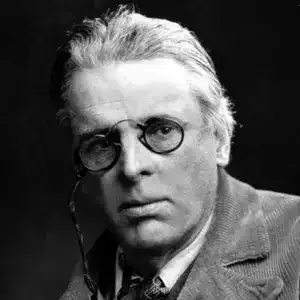
William Butler Yeats
The Man Who Dreamed Of Faeryland
The Man Who Dreamed Of Faeryland
HE stood among a crowd at Dromahair;
His heart hung all upon a silken dress,
And he had known at last some tenderness,
Before earth took him to her stony care;
But when a man poured fish into a pile,
It Seemed they raised their little silver heads,
And sang what gold morning or evening sheds
Upon a woven world-forgotten isle
Where people love beside the ravelled seas;
That Time can never mar a lover's vows
Under that woven changeless roof of boughs:
The singing shook him out of his new ease.
He wandered by the sands of Lissadell;
His mind ran all on money cares and fears,
And he had known at last some prudent years
Before they heaped his grave under the hill;
But while he passed before a plashy place,
A lug-worm with its grey and muddy mouth
Sang that somewhere to north or west or south
There dwelt a gay, exulting, gentle race
Under the golden or the silver skies;
That if a dancer stayed his hungry foot
It seemed the sun and moon were in the fruit:
And at that singing he was no more wise.
He mused beside the well of Scanavin,
He mused upon his mockers: without fail
His sudden vengeance were a country tale,
When earthy night had drunk his body in;
But one small knot-grass growing by the pool
Sang where -- unnecessary cruel voice --
Old silence bids its chosen race rejoice,
Whatever ravelled waters rise and fall
Or stormy silver fret the gold of day,
And midnight there enfold them like a fleece
And lover there by lover be at peace.
The tale drove his fine angry mood away.
He slept under the hill of Lugnagall;
And might have known at last unhaunted sleep
Under that cold and vapour-turbaned steep,
Now that the earth had taken man and all:
Did not the worms that spired about his bones
proclaim with that unwearied, reedy cry
That God has laid His fingers on the sky,
That from those fingers glittering summer runs
Upon the dancer by the dreamless wave.
Why should those lovers that no lovers miss
Dream, until God burn Nature with a kiss?
The man has found no comfort in the grave.
HE stood among a crowd at Dromahair;
His heart hung all upon a silken dress,
And he had known at last some tenderness,
Before earth took him to her stony care;
But when a man poured fish into a pile,
It Seemed they raised their little silver heads,
And sang what gold morning or evening sheds
Upon a woven world-forgotten isle
Where people love beside the ravelled seas;
That Time can never mar a lover's vows
Under that woven changeless roof of boughs:
The singing shook him out of his new ease.
He wandered by the sands of Lissadell;
His mind ran all on money cares and fears,
And he had known at last some prudent years
Before they heaped his grave under the hill;
But while he passed before a plashy place,
A lug-worm with its grey and muddy mouth
Sang that somewhere to north or west or south
There dwelt a gay, exulting, gentle race
Under the golden or the silver skies;
That if a dancer stayed his hungry foot
It seemed the sun and moon were in the fruit:
And at that singing he was no more wise.
He mused beside the well of Scanavin,
He mused upon his mockers: without fail
His sudden vengeance were a country tale,
When earthy night had drunk his body in;
But one small knot-grass growing by the pool
Sang where -- unnecessary cruel voice --
Old silence bids its chosen race rejoice,
Whatever ravelled waters rise and fall
Or stormy silver fret the gold of day,
And midnight there enfold them like a fleece
And lover there by lover be at peace.
The tale drove his fine angry mood away.
He slept under the hill of Lugnagall;
And might have known at last unhaunted sleep
Under that cold and vapour-turbaned steep,
Now that the earth had taken man and all:
Did not the worms that spired about his bones
proclaim with that unwearied, reedy cry
That God has laid His fingers on the sky,
That from those fingers glittering summer runs
Upon the dancer by the dreamless wave.
Why should those lovers that no lovers miss
Dream, until God burn Nature with a kiss?
The man has found no comfort in the grave.
372
William Butler Yeats
The Man Who Dreamed Of Faeryland
The Man Who Dreamed Of Faeryland
HE stood among a crowd at Dromahair;
His heart hung all upon a silken dress,
And he had known at last some tenderness,
Before earth took him to her stony care;
But when a man poured fish into a pile,
It Seemed they raised their little silver heads,
And sang what gold morning or evening sheds
Upon a woven world-forgotten isle
Where people love beside the ravelled seas;
That Time can never mar a lover's vows
Under that woven changeless roof of boughs:
The singing shook him out of his new ease.
He wandered by the sands of Lissadell;
His mind ran all on money cares and fears,
And he had known at last some prudent years
Before they heaped his grave under the hill;
But while he passed before a plashy place,
A lug-worm with its grey and muddy mouth
Sang that somewhere to north or west or south
There dwelt a gay, exulting, gentle race
Under the golden or the silver skies;
That if a dancer stayed his hungry foot
It seemed the sun and moon were in the fruit:
And at that singing he was no more wise.
He mused beside the well of Scanavin,
He mused upon his mockers: without fail
His sudden vengeance were a country tale,
When earthy night had drunk his body in;
But one small knot-grass growing by the pool
Sang where -- unnecessary cruel voice --
Old silence bids its chosen race rejoice,
Whatever ravelled waters rise and fall
Or stormy silver fret the gold of day,
And midnight there enfold them like a fleece
And lover there by lover be at peace.
The tale drove his fine angry mood away.
He slept under the hill of Lugnagall;
And might have known at last unhaunted sleep
Under that cold and vapour-turbaned steep,
Now that the earth had taken man and all:
Did not the worms that spired about his bones
proclaim with that unwearied, reedy cry
That God has laid His fingers on the sky,
That from those fingers glittering summer runs
Upon the dancer by the dreamless wave.
Why should those lovers that no lovers miss
Dream, until God burn Nature with a kiss?
The man has found no comfort in the grave.
HE stood among a crowd at Dromahair;
His heart hung all upon a silken dress,
And he had known at last some tenderness,
Before earth took him to her stony care;
But when a man poured fish into a pile,
It Seemed they raised their little silver heads,
And sang what gold morning or evening sheds
Upon a woven world-forgotten isle
Where people love beside the ravelled seas;
That Time can never mar a lover's vows
Under that woven changeless roof of boughs:
The singing shook him out of his new ease.
He wandered by the sands of Lissadell;
His mind ran all on money cares and fears,
And he had known at last some prudent years
Before they heaped his grave under the hill;
But while he passed before a plashy place,
A lug-worm with its grey and muddy mouth
Sang that somewhere to north or west or south
There dwelt a gay, exulting, gentle race
Under the golden or the silver skies;
That if a dancer stayed his hungry foot
It seemed the sun and moon were in the fruit:
And at that singing he was no more wise.
He mused beside the well of Scanavin,
He mused upon his mockers: without fail
His sudden vengeance were a country tale,
When earthy night had drunk his body in;
But one small knot-grass growing by the pool
Sang where -- unnecessary cruel voice --
Old silence bids its chosen race rejoice,
Whatever ravelled waters rise and fall
Or stormy silver fret the gold of day,
And midnight there enfold them like a fleece
And lover there by lover be at peace.
The tale drove his fine angry mood away.
He slept under the hill of Lugnagall;
And might have known at last unhaunted sleep
Under that cold and vapour-turbaned steep,
Now that the earth had taken man and all:
Did not the worms that spired about his bones
proclaim with that unwearied, reedy cry
That God has laid His fingers on the sky,
That from those fingers glittering summer runs
Upon the dancer by the dreamless wave.
Why should those lovers that no lovers miss
Dream, until God burn Nature with a kiss?
The man has found no comfort in the grave.
372
William Butler Yeats
The Man Who Dreamed Of Faeryland
The Man Who Dreamed Of Faeryland
HE stood among a crowd at Dromahair;
His heart hung all upon a silken dress,
And he had known at last some tenderness,
Before earth took him to her stony care;
But when a man poured fish into a pile,
It Seemed they raised their little silver heads,
And sang what gold morning or evening sheds
Upon a woven world-forgotten isle
Where people love beside the ravelled seas;
That Time can never mar a lover's vows
Under that woven changeless roof of boughs:
The singing shook him out of his new ease.
He wandered by the sands of Lissadell;
His mind ran all on money cares and fears,
And he had known at last some prudent years
Before they heaped his grave under the hill;
But while he passed before a plashy place,
A lug-worm with its grey and muddy mouth
Sang that somewhere to north or west or south
There dwelt a gay, exulting, gentle race
Under the golden or the silver skies;
That if a dancer stayed his hungry foot
It seemed the sun and moon were in the fruit:
And at that singing he was no more wise.
He mused beside the well of Scanavin,
He mused upon his mockers: without fail
His sudden vengeance were a country tale,
When earthy night had drunk his body in;
But one small knot-grass growing by the pool
Sang where -- unnecessary cruel voice --
Old silence bids its chosen race rejoice,
Whatever ravelled waters rise and fall
Or stormy silver fret the gold of day,
And midnight there enfold them like a fleece
And lover there by lover be at peace.
The tale drove his fine angry mood away.
He slept under the hill of Lugnagall;
And might have known at last unhaunted sleep
Under that cold and vapour-turbaned steep,
Now that the earth had taken man and all:
Did not the worms that spired about his bones
proclaim with that unwearied, reedy cry
That God has laid His fingers on the sky,
That from those fingers glittering summer runs
Upon the dancer by the dreamless wave.
Why should those lovers that no lovers miss
Dream, until God burn Nature with a kiss?
The man has found no comfort in the grave.
HE stood among a crowd at Dromahair;
His heart hung all upon a silken dress,
And he had known at last some tenderness,
Before earth took him to her stony care;
But when a man poured fish into a pile,
It Seemed they raised their little silver heads,
And sang what gold morning or evening sheds
Upon a woven world-forgotten isle
Where people love beside the ravelled seas;
That Time can never mar a lover's vows
Under that woven changeless roof of boughs:
The singing shook him out of his new ease.
He wandered by the sands of Lissadell;
His mind ran all on money cares and fears,
And he had known at last some prudent years
Before they heaped his grave under the hill;
But while he passed before a plashy place,
A lug-worm with its grey and muddy mouth
Sang that somewhere to north or west or south
There dwelt a gay, exulting, gentle race
Under the golden or the silver skies;
That if a dancer stayed his hungry foot
It seemed the sun and moon were in the fruit:
And at that singing he was no more wise.
He mused beside the well of Scanavin,
He mused upon his mockers: without fail
His sudden vengeance were a country tale,
When earthy night had drunk his body in;
But one small knot-grass growing by the pool
Sang where -- unnecessary cruel voice --
Old silence bids its chosen race rejoice,
Whatever ravelled waters rise and fall
Or stormy silver fret the gold of day,
And midnight there enfold them like a fleece
And lover there by lover be at peace.
The tale drove his fine angry mood away.
He slept under the hill of Lugnagall;
And might have known at last unhaunted sleep
Under that cold and vapour-turbaned steep,
Now that the earth had taken man and all:
Did not the worms that spired about his bones
proclaim with that unwearied, reedy cry
That God has laid His fingers on the sky,
That from those fingers glittering summer runs
Upon the dancer by the dreamless wave.
Why should those lovers that no lovers miss
Dream, until God burn Nature with a kiss?
The man has found no comfort in the grave.
372
William Butler Yeats
The Man Who Dreamed Of Faeryland
The Man Who Dreamed Of Faeryland
HE stood among a crowd at Dromahair;
His heart hung all upon a silken dress,
And he had known at last some tenderness,
Before earth took him to her stony care;
But when a man poured fish into a pile,
It Seemed they raised their little silver heads,
And sang what gold morning or evening sheds
Upon a woven world-forgotten isle
Where people love beside the ravelled seas;
That Time can never mar a lover's vows
Under that woven changeless roof of boughs:
The singing shook him out of his new ease.
He wandered by the sands of Lissadell;
His mind ran all on money cares and fears,
And he had known at last some prudent years
Before they heaped his grave under the hill;
But while he passed before a plashy place,
A lug-worm with its grey and muddy mouth
Sang that somewhere to north or west or south
There dwelt a gay, exulting, gentle race
Under the golden or the silver skies;
That if a dancer stayed his hungry foot
It seemed the sun and moon were in the fruit:
And at that singing he was no more wise.
He mused beside the well of Scanavin,
He mused upon his mockers: without fail
His sudden vengeance were a country tale,
When earthy night had drunk his body in;
But one small knot-grass growing by the pool
Sang where -- unnecessary cruel voice --
Old silence bids its chosen race rejoice,
Whatever ravelled waters rise and fall
Or stormy silver fret the gold of day,
And midnight there enfold them like a fleece
And lover there by lover be at peace.
The tale drove his fine angry mood away.
He slept under the hill of Lugnagall;
And might have known at last unhaunted sleep
Under that cold and vapour-turbaned steep,
Now that the earth had taken man and all:
Did not the worms that spired about his bones
proclaim with that unwearied, reedy cry
That God has laid His fingers on the sky,
That from those fingers glittering summer runs
Upon the dancer by the dreamless wave.
Why should those lovers that no lovers miss
Dream, until God burn Nature with a kiss?
The man has found no comfort in the grave.
HE stood among a crowd at Dromahair;
His heart hung all upon a silken dress,
And he had known at last some tenderness,
Before earth took him to her stony care;
But when a man poured fish into a pile,
It Seemed they raised their little silver heads,
And sang what gold morning or evening sheds
Upon a woven world-forgotten isle
Where people love beside the ravelled seas;
That Time can never mar a lover's vows
Under that woven changeless roof of boughs:
The singing shook him out of his new ease.
He wandered by the sands of Lissadell;
His mind ran all on money cares and fears,
And he had known at last some prudent years
Before they heaped his grave under the hill;
But while he passed before a plashy place,
A lug-worm with its grey and muddy mouth
Sang that somewhere to north or west or south
There dwelt a gay, exulting, gentle race
Under the golden or the silver skies;
That if a dancer stayed his hungry foot
It seemed the sun and moon were in the fruit:
And at that singing he was no more wise.
He mused beside the well of Scanavin,
He mused upon his mockers: without fail
His sudden vengeance were a country tale,
When earthy night had drunk his body in;
But one small knot-grass growing by the pool
Sang where -- unnecessary cruel voice --
Old silence bids its chosen race rejoice,
Whatever ravelled waters rise and fall
Or stormy silver fret the gold of day,
And midnight there enfold them like a fleece
And lover there by lover be at peace.
The tale drove his fine angry mood away.
He slept under the hill of Lugnagall;
And might have known at last unhaunted sleep
Under that cold and vapour-turbaned steep,
Now that the earth had taken man and all:
Did not the worms that spired about his bones
proclaim with that unwearied, reedy cry
That God has laid His fingers on the sky,
That from those fingers glittering summer runs
Upon the dancer by the dreamless wave.
Why should those lovers that no lovers miss
Dream, until God burn Nature with a kiss?
The man has found no comfort in the grave.
372
William Butler Yeats
The Lover Speaks To The Hearers Of His Songs In Coming Days
The Lover Speaks To The Hearers Of His Songs In Coming Days
O WOMEN, kneeling by your altar-rails long hence,
When songs I wove for my beloved hide the prayer,
And smoke from this dead heart drifts through the violet air
And covers away the smoke of myrrh and frankincense;
Bend down and pray for all that sin I wove in song,
Till the Attorney for Lost Souls cry her sweet cry,
And.call to my beloved and me: 'No longer fly
Amid the hovering, piteouS, penitential throng.'
O WOMEN, kneeling by your altar-rails long hence,
When songs I wove for my beloved hide the prayer,
And smoke from this dead heart drifts through the violet air
And covers away the smoke of myrrh and frankincense;
Bend down and pray for all that sin I wove in song,
Till the Attorney for Lost Souls cry her sweet cry,
And.call to my beloved and me: 'No longer fly
Amid the hovering, piteouS, penitential throng.'
394
William Butler Yeats
The Lover Speaks To The Hearers Of His Songs In Coming Days
The Lover Speaks To The Hearers Of His Songs In Coming Days
O WOMEN, kneeling by your altar-rails long hence,
When songs I wove for my beloved hide the prayer,
And smoke from this dead heart drifts through the violet air
And covers away the smoke of myrrh and frankincense;
Bend down and pray for all that sin I wove in song,
Till the Attorney for Lost Souls cry her sweet cry,
And.call to my beloved and me: 'No longer fly
Amid the hovering, piteouS, penitential throng.'
O WOMEN, kneeling by your altar-rails long hence,
When songs I wove for my beloved hide the prayer,
And smoke from this dead heart drifts through the violet air
And covers away the smoke of myrrh and frankincense;
Bend down and pray for all that sin I wove in song,
Till the Attorney for Lost Souls cry her sweet cry,
And.call to my beloved and me: 'No longer fly
Amid the hovering, piteouS, penitential throng.'
394
William Butler Yeats
The Lover Speaks To The Hearers Of His Songs In Coming Days
The Lover Speaks To The Hearers Of His Songs In Coming Days
O WOMEN, kneeling by your altar-rails long hence,
When songs I wove for my beloved hide the prayer,
And smoke from this dead heart drifts through the violet air
And covers away the smoke of myrrh and frankincense;
Bend down and pray for all that sin I wove in song,
Till the Attorney for Lost Souls cry her sweet cry,
And.call to my beloved and me: 'No longer fly
Amid the hovering, piteouS, penitential throng.'
O WOMEN, kneeling by your altar-rails long hence,
When songs I wove for my beloved hide the prayer,
And smoke from this dead heart drifts through the violet air
And covers away the smoke of myrrh and frankincense;
Bend down and pray for all that sin I wove in song,
Till the Attorney for Lost Souls cry her sweet cry,
And.call to my beloved and me: 'No longer fly
Amid the hovering, piteouS, penitential throng.'
394
William Butler Yeats
The Lover's Song
The Lover's Song
BIRD sighs for the air,
Thought for I know not where,
For the womb the seed sighs.
Now sinks the same rest
On mind, on nest,
On straining thighs.
BIRD sighs for the air,
Thought for I know not where,
For the womb the seed sighs.
Now sinks the same rest
On mind, on nest,
On straining thighs.
276
William Butler Yeats
The Lover Mourns For The Loss Of Love
The Lover Mourns For The Loss Of Love
PALE brows, still hands and dim hair,
I had a beautiful friend
And dreamed that the old despair
Would end in love in the end:
She looked in my heart one day
And saw your image was there;
She has gone weeping away.
PALE brows, still hands and dim hair,
I had a beautiful friend
And dreamed that the old despair
Would end in love in the end:
She looked in my heart one day
And saw your image was there;
She has gone weeping away.
428
William Butler Yeats
The Lover Mourns For The Loss Of Love
The Lover Mourns For The Loss Of Love
PALE brows, still hands and dim hair,
I had a beautiful friend
And dreamed that the old despair
Would end in love in the end:
She looked in my heart one day
And saw your image was there;
She has gone weeping away.
PALE brows, still hands and dim hair,
I had a beautiful friend
And dreamed that the old despair
Would end in love in the end:
She looked in my heart one day
And saw your image was there;
She has gone weeping away.
428
William Butler Yeats
The Living Beauty
The Living Beauty
I BADE, because the wick and oil are spent
And frozen are the channels of the blood,
My discontented heart to draw content
From beauty that is cast out of a mould
In bronze, or that in dazzling marble appears,
Appears, but when wc have gone is gone again,
Being more indifferent to our solitude
Than 'twere an apparition. O heart, we are old;
The living beauty is for younger men:
We cannot pay its rribute of wild tears.
I BADE, because the wick and oil are spent
And frozen are the channels of the blood,
My discontented heart to draw content
From beauty that is cast out of a mould
In bronze, or that in dazzling marble appears,
Appears, but when wc have gone is gone again,
Being more indifferent to our solitude
Than 'twere an apparition. O heart, we are old;
The living beauty is for younger men:
We cannot pay its rribute of wild tears.
283
William Butler Yeats
The Lady's Third Song
The Lady's Third Song
WHEN you and my true lover meet
And he plays tunes between your feet.
Speak no evil of the soul,
Nor think that body is the whole,
For I that am his daylight lady
Know worse evil of the body;
But in honour split his love
Till either neither have enough,
That I may hear if we should kiss
A contrapuntal serpent hiss,
You, should hand explore a thigh,
All the labouring heavens sigh.
WHEN you and my true lover meet
And he plays tunes between your feet.
Speak no evil of the soul,
Nor think that body is the whole,
For I that am his daylight lady
Know worse evil of the body;
But in honour split his love
Till either neither have enough,
That I may hear if we should kiss
A contrapuntal serpent hiss,
You, should hand explore a thigh,
All the labouring heavens sigh.
358
William Butler Yeats
The Lady's Third Song
The Lady's Third Song
WHEN you and my true lover meet
And he plays tunes between your feet.
Speak no evil of the soul,
Nor think that body is the whole,
For I that am his daylight lady
Know worse evil of the body;
But in honour split his love
Till either neither have enough,
That I may hear if we should kiss
A contrapuntal serpent hiss,
You, should hand explore a thigh,
All the labouring heavens sigh.
WHEN you and my true lover meet
And he plays tunes between your feet.
Speak no evil of the soul,
Nor think that body is the whole,
For I that am his daylight lady
Know worse evil of the body;
But in honour split his love
Till either neither have enough,
That I may hear if we should kiss
A contrapuntal serpent hiss,
You, should hand explore a thigh,
All the labouring heavens sigh.
358
William Butler Yeats
The Lady's First Song
The Lady's First Song
I TURN round
Like a dumb beast in a show.
Neither know what I am
Nor where I go,
My language beaten
Into one name;
I am in love
And that is my shame.
What hurts the soul
My soul adores,
No better than a beast
Upon all fours.
I TURN round
Like a dumb beast in a show.
Neither know what I am
Nor where I go,
My language beaten
Into one name;
I am in love
And that is my shame.
What hurts the soul
My soul adores,
No better than a beast
Upon all fours.
362
William Butler Yeats
The Lady's First Song
The Lady's First Song
I TURN round
Like a dumb beast in a show.
Neither know what I am
Nor where I go,
My language beaten
Into one name;
I am in love
And that is my shame.
What hurts the soul
My soul adores,
No better than a beast
Upon all fours.
I TURN round
Like a dumb beast in a show.
Neither know what I am
Nor where I go,
My language beaten
Into one name;
I am in love
And that is my shame.
What hurts the soul
My soul adores,
No better than a beast
Upon all fours.
362
William Butler Yeats
The Heart Of The Woman
The Heart Of The Woman
O WHAT to me the little room
That was brimmed up with prayer and rest;
He bade me out into the gloom,
And my breast lies upon his breast.
O what to me my mother's care,
The house where I was safe and warm;
The shadowy blossom of my hair
Will hide us from the bitter storm.
O hiding hair and dewy eyes,
I am no more with life and death,
My heart upon his warm heart lies,
My breath is mixed into his breath.
O WHAT to me the little room
That was brimmed up with prayer and rest;
He bade me out into the gloom,
And my breast lies upon his breast.
O what to me my mother's care,
The house where I was safe and warm;
The shadowy blossom of my hair
Will hide us from the bitter storm.
O hiding hair and dewy eyes,
I am no more with life and death,
My heart upon his warm heart lies,
My breath is mixed into his breath.
389
William Butler Yeats
The Harp Of Aengus
The Harp Of Aengus
Edain came out of Midhir's hill, and lay
Beside young Aengus in his tower of glass,
Where time is drowned in odour-laden winds
And Druid moons, and murmuring of boughs,
And sleepy boughs, and boughs where apples made
Of opal and ruhy and pale chrysolite
Awake unsleeping fires; and wove seven strings,
Sweet with all music, out of his long hair,
Because her hands had been made wild by love.
When Midhir's wife had changed her to a fly,
He made a harp with Druid apple-wood
That she among her winds might know he wept;
And from that hour he has watched over none
But faithful lovers.
Edain came out of Midhir's hill, and lay
Beside young Aengus in his tower of glass,
Where time is drowned in odour-laden winds
And Druid moons, and murmuring of boughs,
And sleepy boughs, and boughs where apples made
Of opal and ruhy and pale chrysolite
Awake unsleeping fires; and wove seven strings,
Sweet with all music, out of his long hair,
Because her hands had been made wild by love.
When Midhir's wife had changed her to a fly,
He made a harp with Druid apple-wood
That she among her winds might know he wept;
And from that hour he has watched over none
But faithful lovers.
436
William Butler Yeats
The Great Day
The Great Day
HURRAH for revolution and more cannon-shot!
A beggar upon horseback lashes a beggar on foot.
Hurrah for revolution and cannon come again!
The beggars have changed places, but the lash goes on.
HURRAH for revolution and more cannon-shot!
A beggar upon horseback lashes a beggar on foot.
Hurrah for revolution and cannon come again!
The beggars have changed places, but the lash goes on.
303
William Butler Yeats
The Fairy Pendant
The Fairy Pendant
Scene: A circle of Druidic stones
First Fairy: Afar from our lawn and our levee,
O sister of sorrowful gaze!
Where the roses in scarlet are heavy
And dream of the end of their days,
You move in another dominion
And hang o'er the historied stone:
Unpruned in your beautiful pinion
Who wander and whisper alone.
All: Come away while the moon's in the woodland,
We'll dance and then feast in a dairy.
Though youngest of all in our good band,
You are wasting away, little fairy.
Second Fairy: Ah! cruel ones, leave me alone now
While I murmur a little and ponder
The history here in the stone now;
Then away and away I will wander,
And measure the minds of the flowers,
And gaze on the meadow-mice wary,
And number their days and their hours--
All: You're wasting away, little fairy.
Second Fairy: O shining ones, lightly with song pass,
Ah! leave me, I pray you and beg.
My mother drew forth from the long grass
A piece of a nightingle's egg,
And cradled me here where are sung,
Of birds even, longings for aery
Wild wisdoms of spirit and tongue.
All: You're wasting away, little fairy.
First Fairy [turning away]: Though the tenderest roses were round you,
The soul of this pitiless place
With pitiless magic has bound you--
Ah! woe for the loss of your face,
And the loss of your laugh with its lightness--
Ah! woe for your wings and your head--
Ah! woe for your eyes and their brightness--
Ah! woe for your slippers of red.
We'll dance and then feast in a dairy.
Though youngest of all in our good band,
She's wasting away, little fairy.
Scene: A circle of Druidic stones
First Fairy: Afar from our lawn and our levee,
O sister of sorrowful gaze!
Where the roses in scarlet are heavy
And dream of the end of their days,
You move in another dominion
And hang o'er the historied stone:
Unpruned in your beautiful pinion
Who wander and whisper alone.
All: Come away while the moon's in the woodland,
We'll dance and then feast in a dairy.
Though youngest of all in our good band,
You are wasting away, little fairy.
Second Fairy: Ah! cruel ones, leave me alone now
While I murmur a little and ponder
The history here in the stone now;
Then away and away I will wander,
And measure the minds of the flowers,
And gaze on the meadow-mice wary,
And number their days and their hours--
All: You're wasting away, little fairy.
Second Fairy: O shining ones, lightly with song pass,
Ah! leave me, I pray you and beg.
My mother drew forth from the long grass
A piece of a nightingle's egg,
And cradled me here where are sung,
Of birds even, longings for aery
Wild wisdoms of spirit and tongue.
All: You're wasting away, little fairy.
First Fairy [turning away]: Though the tenderest roses were round you,
The soul of this pitiless place
With pitiless magic has bound you--
Ah! woe for the loss of your face,
And the loss of your laugh with its lightness--
Ah! woe for your wings and your head--
Ah! woe for your eyes and their brightness--
Ah! woe for your slippers of red.
We'll dance and then feast in a dairy.
Though youngest of all in our good band,
She's wasting away, little fairy.
400
William Butler Yeats
The Fairy Pendant
The Fairy Pendant
Scene: A circle of Druidic stones
First Fairy: Afar from our lawn and our levee,
O sister of sorrowful gaze!
Where the roses in scarlet are heavy
And dream of the end of their days,
You move in another dominion
And hang o'er the historied stone:
Unpruned in your beautiful pinion
Who wander and whisper alone.
All: Come away while the moon's in the woodland,
We'll dance and then feast in a dairy.
Though youngest of all in our good band,
You are wasting away, little fairy.
Second Fairy: Ah! cruel ones, leave me alone now
While I murmur a little and ponder
The history here in the stone now;
Then away and away I will wander,
And measure the minds of the flowers,
And gaze on the meadow-mice wary,
And number their days and their hours--
All: You're wasting away, little fairy.
Second Fairy: O shining ones, lightly with song pass,
Ah! leave me, I pray you and beg.
My mother drew forth from the long grass
A piece of a nightingle's egg,
And cradled me here where are sung,
Of birds even, longings for aery
Wild wisdoms of spirit and tongue.
All: You're wasting away, little fairy.
First Fairy [turning away]: Though the tenderest roses were round you,
The soul of this pitiless place
With pitiless magic has bound you--
Ah! woe for the loss of your face,
And the loss of your laugh with its lightness--
Ah! woe for your wings and your head--
Ah! woe for your eyes and their brightness--
Ah! woe for your slippers of red.
We'll dance and then feast in a dairy.
Though youngest of all in our good band,
She's wasting away, little fairy.
Scene: A circle of Druidic stones
First Fairy: Afar from our lawn and our levee,
O sister of sorrowful gaze!
Where the roses in scarlet are heavy
And dream of the end of their days,
You move in another dominion
And hang o'er the historied stone:
Unpruned in your beautiful pinion
Who wander and whisper alone.
All: Come away while the moon's in the woodland,
We'll dance and then feast in a dairy.
Though youngest of all in our good band,
You are wasting away, little fairy.
Second Fairy: Ah! cruel ones, leave me alone now
While I murmur a little and ponder
The history here in the stone now;
Then away and away I will wander,
And measure the minds of the flowers,
And gaze on the meadow-mice wary,
And number their days and their hours--
All: You're wasting away, little fairy.
Second Fairy: O shining ones, lightly with song pass,
Ah! leave me, I pray you and beg.
My mother drew forth from the long grass
A piece of a nightingle's egg,
And cradled me here where are sung,
Of birds even, longings for aery
Wild wisdoms of spirit and tongue.
All: You're wasting away, little fairy.
First Fairy [turning away]: Though the tenderest roses were round you,
The soul of this pitiless place
With pitiless magic has bound you--
Ah! woe for the loss of your face,
And the loss of your laugh with its lightness--
Ah! woe for your wings and your head--
Ah! woe for your eyes and their brightness--
Ah! woe for your slippers of red.
We'll dance and then feast in a dairy.
Though youngest of all in our good band,
She's wasting away, little fairy.
400
William Butler Yeats
The Fairy Pendant
The Fairy Pendant
Scene: A circle of Druidic stones
First Fairy: Afar from our lawn and our levee,
O sister of sorrowful gaze!
Where the roses in scarlet are heavy
And dream of the end of their days,
You move in another dominion
And hang o'er the historied stone:
Unpruned in your beautiful pinion
Who wander and whisper alone.
All: Come away while the moon's in the woodland,
We'll dance and then feast in a dairy.
Though youngest of all in our good band,
You are wasting away, little fairy.
Second Fairy: Ah! cruel ones, leave me alone now
While I murmur a little and ponder
The history here in the stone now;
Then away and away I will wander,
And measure the minds of the flowers,
And gaze on the meadow-mice wary,
And number their days and their hours--
All: You're wasting away, little fairy.
Second Fairy: O shining ones, lightly with song pass,
Ah! leave me, I pray you and beg.
My mother drew forth from the long grass
A piece of a nightingle's egg,
And cradled me here where are sung,
Of birds even, longings for aery
Wild wisdoms of spirit and tongue.
All: You're wasting away, little fairy.
First Fairy [turning away]: Though the tenderest roses were round you,
The soul of this pitiless place
With pitiless magic has bound you--
Ah! woe for the loss of your face,
And the loss of your laugh with its lightness--
Ah! woe for your wings and your head--
Ah! woe for your eyes and their brightness--
Ah! woe for your slippers of red.
We'll dance and then feast in a dairy.
Though youngest of all in our good band,
She's wasting away, little fairy.
Scene: A circle of Druidic stones
First Fairy: Afar from our lawn and our levee,
O sister of sorrowful gaze!
Where the roses in scarlet are heavy
And dream of the end of their days,
You move in another dominion
And hang o'er the historied stone:
Unpruned in your beautiful pinion
Who wander and whisper alone.
All: Come away while the moon's in the woodland,
We'll dance and then feast in a dairy.
Though youngest of all in our good band,
You are wasting away, little fairy.
Second Fairy: Ah! cruel ones, leave me alone now
While I murmur a little and ponder
The history here in the stone now;
Then away and away I will wander,
And measure the minds of the flowers,
And gaze on the meadow-mice wary,
And number their days and their hours--
All: You're wasting away, little fairy.
Second Fairy: O shining ones, lightly with song pass,
Ah! leave me, I pray you and beg.
My mother drew forth from the long grass
A piece of a nightingle's egg,
And cradled me here where are sung,
Of birds even, longings for aery
Wild wisdoms of spirit and tongue.
All: You're wasting away, little fairy.
First Fairy [turning away]: Though the tenderest roses were round you,
The soul of this pitiless place
With pitiless magic has bound you--
Ah! woe for the loss of your face,
And the loss of your laugh with its lightness--
Ah! woe for your wings and your head--
Ah! woe for your eyes and their brightness--
Ah! woe for your slippers of red.
We'll dance and then feast in a dairy.
Though youngest of all in our good band,
She's wasting away, little fairy.
400
William Butler Yeats
The Fascination Of What's Difficult
The Fascination Of What's Difficult
THE fascination of what's difficult
Has dried the sap out of my veins, and rent
Spontaneous joy and natural content
Out of my heart. There's something ails our colt
That must, as if it had not holy blood
Nor on Olympus leaped from cloud to cloud,
Shiver under the lash, strain, sweat and jolt
As though it dragged road-metal. My curse on plays
That have to be set up in fifty ways,
On the day's war with every knave and dolt,
Theatre business, management of men.
I swear before the dawn comes round again
I'll find the stable and pull out the bolt.
THE fascination of what's difficult
Has dried the sap out of my veins, and rent
Spontaneous joy and natural content
Out of my heart. There's something ails our colt
That must, as if it had not holy blood
Nor on Olympus leaped from cloud to cloud,
Shiver under the lash, strain, sweat and jolt
As though it dragged road-metal. My curse on plays
That have to be set up in fifty ways,
On the day's war with every knave and dolt,
Theatre business, management of men.
I swear before the dawn comes round again
I'll find the stable and pull out the bolt.
385
William Butler Yeats
The Fascination Of What's Difficult
The Fascination Of What's Difficult
THE fascination of what's difficult
Has dried the sap out of my veins, and rent
Spontaneous joy and natural content
Out of my heart. There's something ails our colt
That must, as if it had not holy blood
Nor on Olympus leaped from cloud to cloud,
Shiver under the lash, strain, sweat and jolt
As though it dragged road-metal. My curse on plays
That have to be set up in fifty ways,
On the day's war with every knave and dolt,
Theatre business, management of men.
I swear before the dawn comes round again
I'll find the stable and pull out the bolt.
THE fascination of what's difficult
Has dried the sap out of my veins, and rent
Spontaneous joy and natural content
Out of my heart. There's something ails our colt
That must, as if it had not holy blood
Nor on Olympus leaped from cloud to cloud,
Shiver under the lash, strain, sweat and jolt
As though it dragged road-metal. My curse on plays
That have to be set up in fifty ways,
On the day's war with every knave and dolt,
Theatre business, management of men.
I swear before the dawn comes round again
I'll find the stable and pull out the bolt.
385
William Butler Yeats
The Double Vision Of Michael Robartes
The Double Vision Of Michael Robartes
I
ON the grey rock of Cashel the mind's eye
Has called up the cold spirits that are born
When the old moon is vanished from the sky
And the new still hides her horn.
Under blank eyes and fingers never still
The particular is pounded till it is man.
When had I my own will?
O not since life began.
Constrained, arraigned, baffled, bent and unbent
By these wire-jointed jaws and limbs of wood,
Themselves obedient,
Knowing not evil and good;
Obedient to some hidden magical breath.
They do not even feel, so abstract are they.
So dead beyond our death,
Triumph that we obey.
On the grey rock of Cashel I suddenly saw
A Sphinx with woman breast and lion paw.
A Buddha, hand at rest,
Hand lifted up that blest;
And right between these two a girl at play
That, it may be, had danced her life away,
For now being dead it seemed
That she of dancing dreamed.
Although I saw it all in the mind's eye
There can be nothing solider till I die;
I saw by the moon's light
Now at its fifteenth night.
One lashed her tail; her eyes lit by the moon
Gazed upon all things known, all things unknown,
In triumph of intellect
With motionless head erect.
That other's moonlit eyeballs never moved,
Being fixed on all things loved, all things unloved.
Yet little peace he had,
For those that love are sad.
Little did they care who danced between,
And little she by whom her dance was seen
So she had outdanced thought.
Body perfection brought,
For what but eye and ear silence the mind
With the minute particulars of mankind?
Mind moved yet seemed to stop
As 'twere a spinning-top.
In contemplation had those three so wrought
Upon a moment, and so stretched it out
That they, time overthrown,
Were dead yet flesh and bone.
I knew that I had seen, had seen at last
That girl my unremembering nights hold fast
Or else my dreams that fly
If I should rub an eye,
And yet in flying fling into my meat
A crazy juice that makes the pulses beat
As though I had been undone
By Homer's Paragon
Who never gave the burning town a thought;
To such a pitch of folly I am brought,
Being caught between the pull
Of the dark moon and the full,
The commonness of thought and images
That have the frenzy of our western seas.
Thereon I made my moan,
And after kissed a stone,
And after that arranged it in a song
Seeing that I, ignorant for So long,
Had been rewarded thus
In Cormac's ruined house.
MICHAEL ROBARTES AND THE DANCER
He. Opinion is not worth a rush;
In this altar-piece the knight,
Who grips his long spear so to push
That dragon through the fading light,
Loved the lady; and it's plain
The half-dead dragon was her thought,
That every morning rose again
And dug its claws and shrieked and fought.
Could the impossible come to pass
She would have time to turn her eyes,
Her lover thought, upon the glass
And on the instant would grow wise.
She. You mean they argued.
He. Put it so;
But bear in mind your lover's wage
Is what your looking-glass can show,
And that he will turn green with rage
At all that is not pictured there.
She. May I not put myself to college?
He. Go pluck Athene by the hair;
For what mere book can grant a knowledge
With an impassioned gravity
Appropriate to that beating breast,
That vigorous thigh, that dreaming eye?
And may the Devil take the rest.
She. And must no beautiful woman be
Learned like a man?
He. Paul Veronese
And all his sacred company
Imagined bodies all their days
By the lagoon you love so much,
For proud, soft, ceremonious proof
That all must come to sight and touch;
While Michael Angelo's Sistine roof,
His 'Morning' and his 'Night' disclose
How sinew that has been pulled tight,
Or it may be loosened in repose,
Can rule by supernatural right
Yet be but sinew.
She. I have heard said
There is great danger in the body.
He. Did God in portioning wine and bread
Give man His thought or His mere body?
She. My wretched dragon is perplexed.
Hec. I have principles to prove me right.
It follows from this Latin text
That blest souls are not composite,
And that all beautiful women may
Live in uncomposite blessedness,
And lead us to the like -- if they
Will banish every thought, unless
The lineaments that please their view
When the long looking-glass is full,
Even from the foot-sole think it too.
She. They say such different things at school.
I
ON the grey rock of Cashel the mind's eye
Has called up the cold spirits that are born
When the old moon is vanished from the sky
And the new still hides her horn.
Under blank eyes and fingers never still
The particular is pounded till it is man.
When had I my own will?
O not since life began.
Constrained, arraigned, baffled, bent and unbent
By these wire-jointed jaws and limbs of wood,
Themselves obedient,
Knowing not evil and good;
Obedient to some hidden magical breath.
They do not even feel, so abstract are they.
So dead beyond our death,
Triumph that we obey.
On the grey rock of Cashel I suddenly saw
A Sphinx with woman breast and lion paw.
A Buddha, hand at rest,
Hand lifted up that blest;
And right between these two a girl at play
That, it may be, had danced her life away,
For now being dead it seemed
That she of dancing dreamed.
Although I saw it all in the mind's eye
There can be nothing solider till I die;
I saw by the moon's light
Now at its fifteenth night.
One lashed her tail; her eyes lit by the moon
Gazed upon all things known, all things unknown,
In triumph of intellect
With motionless head erect.
That other's moonlit eyeballs never moved,
Being fixed on all things loved, all things unloved.
Yet little peace he had,
For those that love are sad.
Little did they care who danced between,
And little she by whom her dance was seen
So she had outdanced thought.
Body perfection brought,
For what but eye and ear silence the mind
With the minute particulars of mankind?
Mind moved yet seemed to stop
As 'twere a spinning-top.
In contemplation had those three so wrought
Upon a moment, and so stretched it out
That they, time overthrown,
Were dead yet flesh and bone.
I knew that I had seen, had seen at last
That girl my unremembering nights hold fast
Or else my dreams that fly
If I should rub an eye,
And yet in flying fling into my meat
A crazy juice that makes the pulses beat
As though I had been undone
By Homer's Paragon
Who never gave the burning town a thought;
To such a pitch of folly I am brought,
Being caught between the pull
Of the dark moon and the full,
The commonness of thought and images
That have the frenzy of our western seas.
Thereon I made my moan,
And after kissed a stone,
And after that arranged it in a song
Seeing that I, ignorant for So long,
Had been rewarded thus
In Cormac's ruined house.
MICHAEL ROBARTES AND THE DANCER
He. Opinion is not worth a rush;
In this altar-piece the knight,
Who grips his long spear so to push
That dragon through the fading light,
Loved the lady; and it's plain
The half-dead dragon was her thought,
That every morning rose again
And dug its claws and shrieked and fought.
Could the impossible come to pass
She would have time to turn her eyes,
Her lover thought, upon the glass
And on the instant would grow wise.
She. You mean they argued.
He. Put it so;
But bear in mind your lover's wage
Is what your looking-glass can show,
And that he will turn green with rage
At all that is not pictured there.
She. May I not put myself to college?
He. Go pluck Athene by the hair;
For what mere book can grant a knowledge
With an impassioned gravity
Appropriate to that beating breast,
That vigorous thigh, that dreaming eye?
And may the Devil take the rest.
She. And must no beautiful woman be
Learned like a man?
He. Paul Veronese
And all his sacred company
Imagined bodies all their days
By the lagoon you love so much,
For proud, soft, ceremonious proof
That all must come to sight and touch;
While Michael Angelo's Sistine roof,
His 'Morning' and his 'Night' disclose
How sinew that has been pulled tight,
Or it may be loosened in repose,
Can rule by supernatural right
Yet be but sinew.
She. I have heard said
There is great danger in the body.
He. Did God in portioning wine and bread
Give man His thought or His mere body?
She. My wretched dragon is perplexed.
Hec. I have principles to prove me right.
It follows from this Latin text
That blest souls are not composite,
And that all beautiful women may
Live in uncomposite blessedness,
And lead us to the like -- if they
Will banish every thought, unless
The lineaments that please their view
When the long looking-glass is full,
Even from the foot-sole think it too.
She. They say such different things at school.
398