

Poems in this topic
Emotions and Feelings
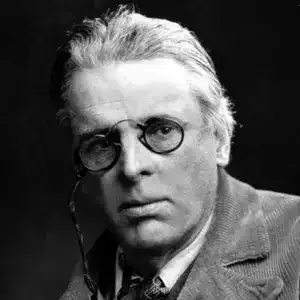
William Butler Yeats
The Double Vision Of Michael Robartes
The Double Vision Of Michael Robartes
I
ON the grey rock of Cashel the mind's eye
Has called up the cold spirits that are born
When the old moon is vanished from the sky
And the new still hides her horn.
Under blank eyes and fingers never still
The particular is pounded till it is man.
When had I my own will?
O not since life began.
Constrained, arraigned, baffled, bent and unbent
By these wire-jointed jaws and limbs of wood,
Themselves obedient,
Knowing not evil and good;
Obedient to some hidden magical breath.
They do not even feel, so abstract are they.
So dead beyond our death,
Triumph that we obey.
On the grey rock of Cashel I suddenly saw
A Sphinx with woman breast and lion paw.
A Buddha, hand at rest,
Hand lifted up that blest;
And right between these two a girl at play
That, it may be, had danced her life away,
For now being dead it seemed
That she of dancing dreamed.
Although I saw it all in the mind's eye
There can be nothing solider till I die;
I saw by the moon's light
Now at its fifteenth night.
One lashed her tail; her eyes lit by the moon
Gazed upon all things known, all things unknown,
In triumph of intellect
With motionless head erect.
That other's moonlit eyeballs never moved,
Being fixed on all things loved, all things unloved.
Yet little peace he had,
For those that love are sad.
Little did they care who danced between,
And little she by whom her dance was seen
So she had outdanced thought.
Body perfection brought,
For what but eye and ear silence the mind
With the minute particulars of mankind?
Mind moved yet seemed to stop
As 'twere a spinning-top.
In contemplation had those three so wrought
Upon a moment, and so stretched it out
That they, time overthrown,
Were dead yet flesh and bone.
I knew that I had seen, had seen at last
That girl my unremembering nights hold fast
Or else my dreams that fly
If I should rub an eye,
And yet in flying fling into my meat
A crazy juice that makes the pulses beat
As though I had been undone
By Homer's Paragon
Who never gave the burning town a thought;
To such a pitch of folly I am brought,
Being caught between the pull
Of the dark moon and the full,
The commonness of thought and images
That have the frenzy of our western seas.
Thereon I made my moan,
And after kissed a stone,
And after that arranged it in a song
Seeing that I, ignorant for So long,
Had been rewarded thus
In Cormac's ruined house.
MICHAEL ROBARTES AND THE DANCER
He. Opinion is not worth a rush;
In this altar-piece the knight,
Who grips his long spear so to push
That dragon through the fading light,
Loved the lady; and it's plain
The half-dead dragon was her thought,
That every morning rose again
And dug its claws and shrieked and fought.
Could the impossible come to pass
She would have time to turn her eyes,
Her lover thought, upon the glass
And on the instant would grow wise.
She. You mean they argued.
He. Put it so;
But bear in mind your lover's wage
Is what your looking-glass can show,
And that he will turn green with rage
At all that is not pictured there.
She. May I not put myself to college?
He. Go pluck Athene by the hair;
For what mere book can grant a knowledge
With an impassioned gravity
Appropriate to that beating breast,
That vigorous thigh, that dreaming eye?
And may the Devil take the rest.
She. And must no beautiful woman be
Learned like a man?
He. Paul Veronese
And all his sacred company
Imagined bodies all their days
By the lagoon you love so much,
For proud, soft, ceremonious proof
That all must come to sight and touch;
While Michael Angelo's Sistine roof,
His 'Morning' and his 'Night' disclose
How sinew that has been pulled tight,
Or it may be loosened in repose,
Can rule by supernatural right
Yet be but sinew.
She. I have heard said
There is great danger in the body.
He. Did God in portioning wine and bread
Give man His thought or His mere body?
She. My wretched dragon is perplexed.
Hec. I have principles to prove me right.
It follows from this Latin text
That blest souls are not composite,
And that all beautiful women may
Live in uncomposite blessedness,
And lead us to the like -- if they
Will banish every thought, unless
The lineaments that please their view
When the long looking-glass is full,
Even from the foot-sole think it too.
She. They say such different things at school.
I
ON the grey rock of Cashel the mind's eye
Has called up the cold spirits that are born
When the old moon is vanished from the sky
And the new still hides her horn.
Under blank eyes and fingers never still
The particular is pounded till it is man.
When had I my own will?
O not since life began.
Constrained, arraigned, baffled, bent and unbent
By these wire-jointed jaws and limbs of wood,
Themselves obedient,
Knowing not evil and good;
Obedient to some hidden magical breath.
They do not even feel, so abstract are they.
So dead beyond our death,
Triumph that we obey.
On the grey rock of Cashel I suddenly saw
A Sphinx with woman breast and lion paw.
A Buddha, hand at rest,
Hand lifted up that blest;
And right between these two a girl at play
That, it may be, had danced her life away,
For now being dead it seemed
That she of dancing dreamed.
Although I saw it all in the mind's eye
There can be nothing solider till I die;
I saw by the moon's light
Now at its fifteenth night.
One lashed her tail; her eyes lit by the moon
Gazed upon all things known, all things unknown,
In triumph of intellect
With motionless head erect.
That other's moonlit eyeballs never moved,
Being fixed on all things loved, all things unloved.
Yet little peace he had,
For those that love are sad.
Little did they care who danced between,
And little she by whom her dance was seen
So she had outdanced thought.
Body perfection brought,
For what but eye and ear silence the mind
With the minute particulars of mankind?
Mind moved yet seemed to stop
As 'twere a spinning-top.
In contemplation had those three so wrought
Upon a moment, and so stretched it out
That they, time overthrown,
Were dead yet flesh and bone.
I knew that I had seen, had seen at last
That girl my unremembering nights hold fast
Or else my dreams that fly
If I should rub an eye,
And yet in flying fling into my meat
A crazy juice that makes the pulses beat
As though I had been undone
By Homer's Paragon
Who never gave the burning town a thought;
To such a pitch of folly I am brought,
Being caught between the pull
Of the dark moon and the full,
The commonness of thought and images
That have the frenzy of our western seas.
Thereon I made my moan,
And after kissed a stone,
And after that arranged it in a song
Seeing that I, ignorant for So long,
Had been rewarded thus
In Cormac's ruined house.
MICHAEL ROBARTES AND THE DANCER
He. Opinion is not worth a rush;
In this altar-piece the knight,
Who grips his long spear so to push
That dragon through the fading light,
Loved the lady; and it's plain
The half-dead dragon was her thought,
That every morning rose again
And dug its claws and shrieked and fought.
Could the impossible come to pass
She would have time to turn her eyes,
Her lover thought, upon the glass
And on the instant would grow wise.
She. You mean they argued.
He. Put it so;
But bear in mind your lover's wage
Is what your looking-glass can show,
And that he will turn green with rage
At all that is not pictured there.
She. May I not put myself to college?
He. Go pluck Athene by the hair;
For what mere book can grant a knowledge
With an impassioned gravity
Appropriate to that beating breast,
That vigorous thigh, that dreaming eye?
And may the Devil take the rest.
She. And must no beautiful woman be
Learned like a man?
He. Paul Veronese
And all his sacred company
Imagined bodies all their days
By the lagoon you love so much,
For proud, soft, ceremonious proof
That all must come to sight and touch;
While Michael Angelo's Sistine roof,
His 'Morning' and his 'Night' disclose
How sinew that has been pulled tight,
Or it may be loosened in repose,
Can rule by supernatural right
Yet be but sinew.
She. I have heard said
There is great danger in the body.
He. Did God in portioning wine and bread
Give man His thought or His mere body?
She. My wretched dragon is perplexed.
Hec. I have principles to prove me right.
It follows from this Latin text
That blest souls are not composite,
And that all beautiful women may
Live in uncomposite blessedness,
And lead us to the like -- if they
Will banish every thought, unless
The lineaments that please their view
When the long looking-glass is full,
Even from the foot-sole think it too.
She. They say such different things at school.
398
William Butler Yeats
The Dedication To A Book Of Stories
The Dedication To A Book Of Stories
SELECTED FROM THE IRISH NOVELISTS
THERE was a green branch hung with many a bell
When her own people ruled this tragic Eire;
And from its murmuring greenness, calm of Faery,
A Druid kindness, on all hearers fell.
It charmed away the merchant from his guile,
And turned the farmer's memory from his cattle,
And hushed in sleep the roaring ranks of battle:
And all grew friendly for a little while.
Ah, Exiles wandering over lands and seas,
And planning, plotting always that some morrow
May set a stone upon ancestral Sorrow!
I also bear a bell-branch full of ease.
I tore it from green boughs winds tore and tossed
Until the sap of summer had grown weary!
I tore it from the barren boughs of Eire,
That country where a man can be so crossed;
Can be so battered, badgered and destroyed
That he's a loveless man: gay bells bring laughter
That shakes a mouldering cobweb from the rafter;
And yet the saddest chimes are best enjoyed.
Gay bells or sad, they bring you memories
Of half-forgotten innocent old places:
We and our bitterness have left no traces
On Munster grass and Connemara skies.
SELECTED FROM THE IRISH NOVELISTS
THERE was a green branch hung with many a bell
When her own people ruled this tragic Eire;
And from its murmuring greenness, calm of Faery,
A Druid kindness, on all hearers fell.
It charmed away the merchant from his guile,
And turned the farmer's memory from his cattle,
And hushed in sleep the roaring ranks of battle:
And all grew friendly for a little while.
Ah, Exiles wandering over lands and seas,
And planning, plotting always that some morrow
May set a stone upon ancestral Sorrow!
I also bear a bell-branch full of ease.
I tore it from green boughs winds tore and tossed
Until the sap of summer had grown weary!
I tore it from the barren boughs of Eire,
That country where a man can be so crossed;
Can be so battered, badgered and destroyed
That he's a loveless man: gay bells bring laughter
That shakes a mouldering cobweb from the rafter;
And yet the saddest chimes are best enjoyed.
Gay bells or sad, they bring you memories
Of half-forgotten innocent old places:
We and our bitterness have left no traces
On Munster grass and Connemara skies.
397
William Butler Yeats
The Dedication To A Book Of Stories
The Dedication To A Book Of Stories
SELECTED FROM THE IRISH NOVELISTS
THERE was a green branch hung with many a bell
When her own people ruled this tragic Eire;
And from its murmuring greenness, calm of Faery,
A Druid kindness, on all hearers fell.
It charmed away the merchant from his guile,
And turned the farmer's memory from his cattle,
And hushed in sleep the roaring ranks of battle:
And all grew friendly for a little while.
Ah, Exiles wandering over lands and seas,
And planning, plotting always that some morrow
May set a stone upon ancestral Sorrow!
I also bear a bell-branch full of ease.
I tore it from green boughs winds tore and tossed
Until the sap of summer had grown weary!
I tore it from the barren boughs of Eire,
That country where a man can be so crossed;
Can be so battered, badgered and destroyed
That he's a loveless man: gay bells bring laughter
That shakes a mouldering cobweb from the rafter;
And yet the saddest chimes are best enjoyed.
Gay bells or sad, they bring you memories
Of half-forgotten innocent old places:
We and our bitterness have left no traces
On Munster grass and Connemara skies.
SELECTED FROM THE IRISH NOVELISTS
THERE was a green branch hung with many a bell
When her own people ruled this tragic Eire;
And from its murmuring greenness, calm of Faery,
A Druid kindness, on all hearers fell.
It charmed away the merchant from his guile,
And turned the farmer's memory from his cattle,
And hushed in sleep the roaring ranks of battle:
And all grew friendly for a little while.
Ah, Exiles wandering over lands and seas,
And planning, plotting always that some morrow
May set a stone upon ancestral Sorrow!
I also bear a bell-branch full of ease.
I tore it from green boughs winds tore and tossed
Until the sap of summer had grown weary!
I tore it from the barren boughs of Eire,
That country where a man can be so crossed;
Can be so battered, badgered and destroyed
That he's a loveless man: gay bells bring laughter
That shakes a mouldering cobweb from the rafter;
And yet the saddest chimes are best enjoyed.
Gay bells or sad, they bring you memories
Of half-forgotten innocent old places:
We and our bitterness have left no traces
On Munster grass and Connemara skies.
397
William Butler Yeats
The Crazed Moon
The Crazed Moon
CRAZED through much child-bearing
The moon is staggering in the sky;
Moon-struck by the despairing
Glances of her wandering eye
We grope, and grope in vain,
For children born of her pain.
Children dazed or dead!
When she in all her virginal pride
First trod on the mountain's head
What stir ran through the countryside
Where every foot obeyed her glance!
What manhood led the dance!
Fly-catchers of the moon,
Our hands are blenched, our fingers seem
But slender needles of bone;
Blenched by that malicious dream
They are spread wide that each
May rend what comes in reach.
CRAZED through much child-bearing
The moon is staggering in the sky;
Moon-struck by the despairing
Glances of her wandering eye
We grope, and grope in vain,
For children born of her pain.
Children dazed or dead!
When she in all her virginal pride
First trod on the mountain's head
What stir ran through the countryside
Where every foot obeyed her glance!
What manhood led the dance!
Fly-catchers of the moon,
Our hands are blenched, our fingers seem
But slender needles of bone;
Blenched by that malicious dream
They are spread wide that each
May rend what comes in reach.
351
William Butler Yeats
The Crazed Moon
The Crazed Moon
CRAZED through much child-bearing
The moon is staggering in the sky;
Moon-struck by the despairing
Glances of her wandering eye
We grope, and grope in vain,
For children born of her pain.
Children dazed or dead!
When she in all her virginal pride
First trod on the mountain's head
What stir ran through the countryside
Where every foot obeyed her glance!
What manhood led the dance!
Fly-catchers of the moon,
Our hands are blenched, our fingers seem
But slender needles of bone;
Blenched by that malicious dream
They are spread wide that each
May rend what comes in reach.
CRAZED through much child-bearing
The moon is staggering in the sky;
Moon-struck by the despairing
Glances of her wandering eye
We grope, and grope in vain,
For children born of her pain.
Children dazed or dead!
When she in all her virginal pride
First trod on the mountain's head
What stir ran through the countryside
Where every foot obeyed her glance!
What manhood led the dance!
Fly-catchers of the moon,
Our hands are blenched, our fingers seem
But slender needles of bone;
Blenched by that malicious dream
They are spread wide that each
May rend what comes in reach.
351
William Butler Yeats
The Crazed Moon
The Crazed Moon
CRAZED through much child-bearing
The moon is staggering in the sky;
Moon-struck by the despairing
Glances of her wandering eye
We grope, and grope in vain,
For children born of her pain.
Children dazed or dead!
When she in all her virginal pride
First trod on the mountain's head
What stir ran through the countryside
Where every foot obeyed her glance!
What manhood led the dance!
Fly-catchers of the moon,
Our hands are blenched, our fingers seem
But slender needles of bone;
Blenched by that malicious dream
They are spread wide that each
May rend what comes in reach.
CRAZED through much child-bearing
The moon is staggering in the sky;
Moon-struck by the despairing
Glances of her wandering eye
We grope, and grope in vain,
For children born of her pain.
Children dazed or dead!
When she in all her virginal pride
First trod on the mountain's head
What stir ran through the countryside
Where every foot obeyed her glance!
What manhood led the dance!
Fly-catchers of the moon,
Our hands are blenched, our fingers seem
But slender needles of bone;
Blenched by that malicious dream
They are spread wide that each
May rend what comes in reach.
351
William Butler Yeats
The Cold Heaven
The Cold Heaven
SUDDENLY I saw the cold and rook-delighting heaven
That seemed as though ice burned and was but the more ice,
And thereupon imagination and heart were driven
So wild that every casual thought of that and this
Vanished, and left but memories, that should be out of season
With the hot blood of youth, of love crossed long ago;
And I took all thc blame out of all sense and reason,
Until I cried and trembled and rocked to and fro,
Riddled with light. Ah! when the ghost begins to quicken,
Confusion of the death-bed over, is it sent
Out naked on the roads, as the books say, and stricken
By the injustice of the skies for punishment?
SUDDENLY I saw the cold and rook-delighting heaven
That seemed as though ice burned and was but the more ice,
And thereupon imagination and heart were driven
So wild that every casual thought of that and this
Vanished, and left but memories, that should be out of season
With the hot blood of youth, of love crossed long ago;
And I took all thc blame out of all sense and reason,
Until I cried and trembled and rocked to and fro,
Riddled with light. Ah! when the ghost begins to quicken,
Confusion of the death-bed over, is it sent
Out naked on the roads, as the books say, and stricken
By the injustice of the skies for punishment?
303
William Butler Yeats
The Cold Heaven
The Cold Heaven
SUDDENLY I saw the cold and rook-delighting heaven
That seemed as though ice burned and was but the more ice,
And thereupon imagination and heart were driven
So wild that every casual thought of that and this
Vanished, and left but memories, that should be out of season
With the hot blood of youth, of love crossed long ago;
And I took all thc blame out of all sense and reason,
Until I cried and trembled and rocked to and fro,
Riddled with light. Ah! when the ghost begins to quicken,
Confusion of the death-bed over, is it sent
Out naked on the roads, as the books say, and stricken
By the injustice of the skies for punishment?
SUDDENLY I saw the cold and rook-delighting heaven
That seemed as though ice burned and was but the more ice,
And thereupon imagination and heart were driven
So wild that every casual thought of that and this
Vanished, and left but memories, that should be out of season
With the hot blood of youth, of love crossed long ago;
And I took all thc blame out of all sense and reason,
Until I cried and trembled and rocked to and fro,
Riddled with light. Ah! when the ghost begins to quicken,
Confusion of the death-bed over, is it sent
Out naked on the roads, as the books say, and stricken
By the injustice of the skies for punishment?
303
William Butler Yeats
The Cloak, The Boat And The Shoes
The Cloak, The Boat And The Shoes
'What do you make so fair and bright?'
'I make the cloak of Sorrow:
O lovely to see in all men's sight
Shall be the cloak of Sorrow,
In all men's sight.'
'What do you build with sails for flight?'
'I build a boat for Sorrow:
O swift on the seas all day and night
Saileth the rover Sorrow,
All day and night.'
What do you weave with wool so white?'
'I weave the shoes of Sorrow:
Soundless shall be the footfall light
In all men's ears of Sorrow,
Sudden and light.'
'What do you make so fair and bright?'
'I make the cloak of Sorrow:
O lovely to see in all men's sight
Shall be the cloak of Sorrow,
In all men's sight.'
'What do you build with sails for flight?'
'I build a boat for Sorrow:
O swift on the seas all day and night
Saileth the rover Sorrow,
All day and night.'
What do you weave with wool so white?'
'I weave the shoes of Sorrow:
Soundless shall be the footfall light
In all men's ears of Sorrow,
Sudden and light.'
371
William Butler Yeats
The Cloak, The Boat And The Shoes
The Cloak, The Boat And The Shoes
'What do you make so fair and bright?'
'I make the cloak of Sorrow:
O lovely to see in all men's sight
Shall be the cloak of Sorrow,
In all men's sight.'
'What do you build with sails for flight?'
'I build a boat for Sorrow:
O swift on the seas all day and night
Saileth the rover Sorrow,
All day and night.'
What do you weave with wool so white?'
'I weave the shoes of Sorrow:
Soundless shall be the footfall light
In all men's ears of Sorrow,
Sudden and light.'
'What do you make so fair and bright?'
'I make the cloak of Sorrow:
O lovely to see in all men's sight
Shall be the cloak of Sorrow,
In all men's sight.'
'What do you build with sails for flight?'
'I build a boat for Sorrow:
O swift on the seas all day and night
Saileth the rover Sorrow,
All day and night.'
What do you weave with wool so white?'
'I weave the shoes of Sorrow:
Soundless shall be the footfall light
In all men's ears of Sorrow,
Sudden and light.'
371
William Butler Yeats
The Chambermaid's First Song
The Chambermaid's First Song
HOW came this ranger
Now sunk in rest,
Stranger with strangcr.
On my cold breast?
What's left to Sigh for?
Strange night has come;
God's love has hidden him
Out of all harm,
Pleasure has made him
Weak as a worm.
HOW came this ranger
Now sunk in rest,
Stranger with strangcr.
On my cold breast?
What's left to Sigh for?
Strange night has come;
God's love has hidden him
Out of all harm,
Pleasure has made him
Weak as a worm.
284
William Butler Yeats
The Chambermaid's First Song
The Chambermaid's First Song
HOW came this ranger
Now sunk in rest,
Stranger with strangcr.
On my cold breast?
What's left to Sigh for?
Strange night has come;
God's love has hidden him
Out of all harm,
Pleasure has made him
Weak as a worm.
HOW came this ranger
Now sunk in rest,
Stranger with strangcr.
On my cold breast?
What's left to Sigh for?
Strange night has come;
God's love has hidden him
Out of all harm,
Pleasure has made him
Weak as a worm.
284
William Butler Yeats
The Choice
The Choice
The intellect of man is forced to choose
perfection of the life, or of the work,
And if it take the second must refuse
A heavenly mansion, raging in the dark.
When all that story's finished, what's the news?
In luck or out the toil has left its mark:
That old perplexity an empty purse,
Or the day's vanity, the night's remorse.
The intellect of man is forced to choose
perfection of the life, or of the work,
And if it take the second must refuse
A heavenly mansion, raging in the dark.
When all that story's finished, what's the news?
In luck or out the toil has left its mark:
That old perplexity an empty purse,
Or the day's vanity, the night's remorse.
347
William Butler Yeats
The Black Tower
The Black Tower
SAY that the men of the old black tower,
Though they but feed as the goatherd feeds,
Their money spent, their wine gone sour,
Lack nothing that a soldier needs,
That all are oath-bound men:
Those banners come not in.
There in the tomb stand the dead upright,
But winds come up from the shore:
They shake when the winds roar,
Old bones upon the mountain shake.
Those banners come to bribe or threaten,
Or whisper that a man's a fool
Who, when his own right king's forgotten,
Cares what king sets up his rule.
If he died long ago
Why do yopu dread us so?
There in the tomb drops the faint moonlight,
But wind comes up from the shore:
They shake when the winds roar,
Old bones upon the mountain shake.
The tower's old cook that must climb and clamber
Catching small birds in the dew of the morn
When we hale men lie stretched in slumber
Swears that he hears the king's great horn.
But he's a lying hound:
Stand we on guard oath-bound!
There in the tomb the dark grows blacker,
But wind comes up from the shore:
They shake when the winds roar,
Old bones upon the mountain shake.
SAY that the men of the old black tower,
Though they but feed as the goatherd feeds,
Their money spent, their wine gone sour,
Lack nothing that a soldier needs,
That all are oath-bound men:
Those banners come not in.
There in the tomb stand the dead upright,
But winds come up from the shore:
They shake when the winds roar,
Old bones upon the mountain shake.
Those banners come to bribe or threaten,
Or whisper that a man's a fool
Who, when his own right king's forgotten,
Cares what king sets up his rule.
If he died long ago
Why do yopu dread us so?
There in the tomb drops the faint moonlight,
But wind comes up from the shore:
They shake when the winds roar,
Old bones upon the mountain shake.
The tower's old cook that must climb and clamber
Catching small birds in the dew of the morn
When we hale men lie stretched in slumber
Swears that he hears the king's great horn.
But he's a lying hound:
Stand we on guard oath-bound!
There in the tomb the dark grows blacker,
But wind comes up from the shore:
They shake when the winds roar,
Old bones upon the mountain shake.
427
William Butler Yeats
The Ballad Of Father O'Hart
The Ballad Of Father O'Hart
GOOD Father John O'Hart
In penal days rode out
To a Shoneen who had free lands
And his own snipe and trout.
In trust took he John's lands;
Sleiveens were all his race;
And he gave them as dowers to his daughters.
And they married beyond their place.
But Father John went up,
And Father John went down;
And he wore small holes in his Shoes,
And he wore large holes in his gown.
All loved him, only the shoneen,
Whom the devils have by the hair,
From the wives, and the cats, and the children,
To the birds in the white of the air.
The birds, for he opened their cages
As he went up and down;
And he said with a smile, 'Have peace now';
And he went his way with a frown.
But if when anyone died
Came keeners hoarser than rooks,
He bade them give over their keening;
For he was a man of books.
And these were the works of John,
When, weeping score by score,
People came into Colooney;
For he'd died at ninety-four.
There was no human keening;
The birds from Knocknarea
And the world round Knocknashee
Came keening in that day.
The young birds and old birds
Came flying, heavy and sad;
Keening in from Tiraragh,
Keening from Ballinafad;
Keening from Inishmurray.
Nor stayed for bite or sup;
This way were all reproved
Who dig old customs up.
GOOD Father John O'Hart
In penal days rode out
To a Shoneen who had free lands
And his own snipe and trout.
In trust took he John's lands;
Sleiveens were all his race;
And he gave them as dowers to his daughters.
And they married beyond their place.
But Father John went up,
And Father John went down;
And he wore small holes in his Shoes,
And he wore large holes in his gown.
All loved him, only the shoneen,
Whom the devils have by the hair,
From the wives, and the cats, and the children,
To the birds in the white of the air.
The birds, for he opened their cages
As he went up and down;
And he said with a smile, 'Have peace now';
And he went his way with a frown.
But if when anyone died
Came keeners hoarser than rooks,
He bade them give over their keening;
For he was a man of books.
And these were the works of John,
When, weeping score by score,
People came into Colooney;
For he'd died at ninety-four.
There was no human keening;
The birds from Knocknarea
And the world round Knocknashee
Came keening in that day.
The young birds and old birds
Came flying, heavy and sad;
Keening in from Tiraragh,
Keening from Ballinafad;
Keening from Inishmurray.
Nor stayed for bite or sup;
This way were all reproved
Who dig old customs up.
424
William Butler Yeats
The Apparitions
The Apparitions
BECAUSE there is safety in derision
I talked about an apparition,
I took no trouble to convince,
Or seem plausible to a man of sense.
Distrustful of thar popular eye
Whether it be bold or sly.
Fifteen apparitions have I seen;
The worst a coat upon a coat-hanger.
I have found nothing half so good
As my long-planned half solitude,
Where I can sit up half the night
With some friend that has the wit
Not to allow his looks to tell
When I am unintelligible.
Fifteen apparitions have I seen;
The worst a coat upon a coat-hanger.
When a man grows old his joy
Grows more deep day after day,
His empty heart is full at length,
But he has need of all that strength
Because of the increasing Night
That opens her mystery and fright.
Fifteen apparitions have I seen;
The worst a coat upon a coat-hanger.
BECAUSE there is safety in derision
I talked about an apparition,
I took no trouble to convince,
Or seem plausible to a man of sense.
Distrustful of thar popular eye
Whether it be bold or sly.
Fifteen apparitions have I seen;
The worst a coat upon a coat-hanger.
I have found nothing half so good
As my long-planned half solitude,
Where I can sit up half the night
With some friend that has the wit
Not to allow his looks to tell
When I am unintelligible.
Fifteen apparitions have I seen;
The worst a coat upon a coat-hanger.
When a man grows old his joy
Grows more deep day after day,
His empty heart is full at length,
But he has need of all that strength
Because of the increasing Night
That opens her mystery and fright.
Fifteen apparitions have I seen;
The worst a coat upon a coat-hanger.
375
William Butler Yeats
The Apparitions
The Apparitions
BECAUSE there is safety in derision
I talked about an apparition,
I took no trouble to convince,
Or seem plausible to a man of sense.
Distrustful of thar popular eye
Whether it be bold or sly.
Fifteen apparitions have I seen;
The worst a coat upon a coat-hanger.
I have found nothing half so good
As my long-planned half solitude,
Where I can sit up half the night
With some friend that has the wit
Not to allow his looks to tell
When I am unintelligible.
Fifteen apparitions have I seen;
The worst a coat upon a coat-hanger.
When a man grows old his joy
Grows more deep day after day,
His empty heart is full at length,
But he has need of all that strength
Because of the increasing Night
That opens her mystery and fright.
Fifteen apparitions have I seen;
The worst a coat upon a coat-hanger.
BECAUSE there is safety in derision
I talked about an apparition,
I took no trouble to convince,
Or seem plausible to a man of sense.
Distrustful of thar popular eye
Whether it be bold or sly.
Fifteen apparitions have I seen;
The worst a coat upon a coat-hanger.
I have found nothing half so good
As my long-planned half solitude,
Where I can sit up half the night
With some friend that has the wit
Not to allow his looks to tell
When I am unintelligible.
Fifteen apparitions have I seen;
The worst a coat upon a coat-hanger.
When a man grows old his joy
Grows more deep day after day,
His empty heart is full at length,
But he has need of all that strength
Because of the increasing Night
That opens her mystery and fright.
Fifteen apparitions have I seen;
The worst a coat upon a coat-hanger.
375
William Butler Yeats
The Apparitions
The Apparitions
BECAUSE there is safety in derision
I talked about an apparition,
I took no trouble to convince,
Or seem plausible to a man of sense.
Distrustful of thar popular eye
Whether it be bold or sly.
Fifteen apparitions have I seen;
The worst a coat upon a coat-hanger.
I have found nothing half so good
As my long-planned half solitude,
Where I can sit up half the night
With some friend that has the wit
Not to allow his looks to tell
When I am unintelligible.
Fifteen apparitions have I seen;
The worst a coat upon a coat-hanger.
When a man grows old his joy
Grows more deep day after day,
His empty heart is full at length,
But he has need of all that strength
Because of the increasing Night
That opens her mystery and fright.
Fifteen apparitions have I seen;
The worst a coat upon a coat-hanger.
BECAUSE there is safety in derision
I talked about an apparition,
I took no trouble to convince,
Or seem plausible to a man of sense.
Distrustful of thar popular eye
Whether it be bold or sly.
Fifteen apparitions have I seen;
The worst a coat upon a coat-hanger.
I have found nothing half so good
As my long-planned half solitude,
Where I can sit up half the night
With some friend that has the wit
Not to allow his looks to tell
When I am unintelligible.
Fifteen apparitions have I seen;
The worst a coat upon a coat-hanger.
When a man grows old his joy
Grows more deep day after day,
His empty heart is full at length,
But he has need of all that strength
Because of the increasing Night
That opens her mystery and fright.
Fifteen apparitions have I seen;
The worst a coat upon a coat-hanger.
375
William Butler Yeats
Sweet Dancer
Sweet Dancer
THE girl goes dancing there
On the leaf-sown, new-mown, smooth
Grass plot of the garden;
Escaped from bitter youth,
Escaped out of her crowd,
Or out of her black cloud.
Ah, dancer, ah, sweet dancer.!
If strange men come from the house
To lead her away, do not say
That she is happy being crazy;
Lead them gently astray;
Let her finish her dance,
Let her finish her dance.
Ah, dancer, ah, sweet dancer.!
THE girl goes dancing there
On the leaf-sown, new-mown, smooth
Grass plot of the garden;
Escaped from bitter youth,
Escaped out of her crowd,
Or out of her black cloud.
Ah, dancer, ah, sweet dancer.!
If strange men come from the house
To lead her away, do not say
That she is happy being crazy;
Lead them gently astray;
Let her finish her dance,
Let her finish her dance.
Ah, dancer, ah, sweet dancer.!
395
William Butler Yeats
Solomon And The Witch
Solomon And The Witch
AND thus declared that Arab lady:
'Last night, where under the wild moon
On grassy mattress I had laid me,
Within my arms great Solomon,
I suddenly cried out in a strange tongue
Not his, not mine.'
Who understood
Whatever has been said, sighed, sung,
Howled, miau-d, barked, brayed, belled, yelled, cried, crowed,
Thereon replied: 'A cockerel
Crew from a blossoming apple bough
Three hundred years before the Fall,
And never crew again till now,
And would not now but that he thought,
Chance being at one with Choice at last,
All that the brigand apple brought
And this foul world were dead at last.
He that crowed out eternity
Thought to have crowed it in again.
For though love has a spider's eye
To find out some appropriate pain --
Aye, though all passion's in the glance --
For every nerve, and tests a lover
With cruelties of Choice and Chance;
And when at last that murder's over
Maybe the bride-bed brings despair,
For each an imagined image brings
And finds a real image there;
Yet the world ends when these two things,
Though several, are a single light,
When oil and wick are burned in one;
Therefore a blessed moon last night
Gave Sheba to her Solomon.'
'Yet the world stays.'
'If that be so,
Your cockerel found us in the wrong
Although he thought it. worth a crow.
Maybe an image is too strong
Or maybe is not strong enough.'
'The night has fallen; not a sound
In the forbidden sacred grove
Unless a petal hit the ground,
Nor any human sight within it
But the crushed grass where we have lain!
And the moon is wilder every minute.
O! Solomon! let us try again.'
AND thus declared that Arab lady:
'Last night, where under the wild moon
On grassy mattress I had laid me,
Within my arms great Solomon,
I suddenly cried out in a strange tongue
Not his, not mine.'
Who understood
Whatever has been said, sighed, sung,
Howled, miau-d, barked, brayed, belled, yelled, cried, crowed,
Thereon replied: 'A cockerel
Crew from a blossoming apple bough
Three hundred years before the Fall,
And never crew again till now,
And would not now but that he thought,
Chance being at one with Choice at last,
All that the brigand apple brought
And this foul world were dead at last.
He that crowed out eternity
Thought to have crowed it in again.
For though love has a spider's eye
To find out some appropriate pain --
Aye, though all passion's in the glance --
For every nerve, and tests a lover
With cruelties of Choice and Chance;
And when at last that murder's over
Maybe the bride-bed brings despair,
For each an imagined image brings
And finds a real image there;
Yet the world ends when these two things,
Though several, are a single light,
When oil and wick are burned in one;
Therefore a blessed moon last night
Gave Sheba to her Solomon.'
'Yet the world stays.'
'If that be so,
Your cockerel found us in the wrong
Although he thought it. worth a crow.
Maybe an image is too strong
Or maybe is not strong enough.'
'The night has fallen; not a sound
In the forbidden sacred grove
Unless a petal hit the ground,
Nor any human sight within it
But the crushed grass where we have lain!
And the moon is wilder every minute.
O! Solomon! let us try again.'
393
William Butler Yeats
Solomon And The Witch
Solomon And The Witch
AND thus declared that Arab lady:
'Last night, where under the wild moon
On grassy mattress I had laid me,
Within my arms great Solomon,
I suddenly cried out in a strange tongue
Not his, not mine.'
Who understood
Whatever has been said, sighed, sung,
Howled, miau-d, barked, brayed, belled, yelled, cried, crowed,
Thereon replied: 'A cockerel
Crew from a blossoming apple bough
Three hundred years before the Fall,
And never crew again till now,
And would not now but that he thought,
Chance being at one with Choice at last,
All that the brigand apple brought
And this foul world were dead at last.
He that crowed out eternity
Thought to have crowed it in again.
For though love has a spider's eye
To find out some appropriate pain --
Aye, though all passion's in the glance --
For every nerve, and tests a lover
With cruelties of Choice and Chance;
And when at last that murder's over
Maybe the bride-bed brings despair,
For each an imagined image brings
And finds a real image there;
Yet the world ends when these two things,
Though several, are a single light,
When oil and wick are burned in one;
Therefore a blessed moon last night
Gave Sheba to her Solomon.'
'Yet the world stays.'
'If that be so,
Your cockerel found us in the wrong
Although he thought it. worth a crow.
Maybe an image is too strong
Or maybe is not strong enough.'
'The night has fallen; not a sound
In the forbidden sacred grove
Unless a petal hit the ground,
Nor any human sight within it
But the crushed grass where we have lain!
And the moon is wilder every minute.
O! Solomon! let us try again.'
AND thus declared that Arab lady:
'Last night, where under the wild moon
On grassy mattress I had laid me,
Within my arms great Solomon,
I suddenly cried out in a strange tongue
Not his, not mine.'
Who understood
Whatever has been said, sighed, sung,
Howled, miau-d, barked, brayed, belled, yelled, cried, crowed,
Thereon replied: 'A cockerel
Crew from a blossoming apple bough
Three hundred years before the Fall,
And never crew again till now,
And would not now but that he thought,
Chance being at one with Choice at last,
All that the brigand apple brought
And this foul world were dead at last.
He that crowed out eternity
Thought to have crowed it in again.
For though love has a spider's eye
To find out some appropriate pain --
Aye, though all passion's in the glance --
For every nerve, and tests a lover
With cruelties of Choice and Chance;
And when at last that murder's over
Maybe the bride-bed brings despair,
For each an imagined image brings
And finds a real image there;
Yet the world ends when these two things,
Though several, are a single light,
When oil and wick are burned in one;
Therefore a blessed moon last night
Gave Sheba to her Solomon.'
'Yet the world stays.'
'If that be so,
Your cockerel found us in the wrong
Although he thought it. worth a crow.
Maybe an image is too strong
Or maybe is not strong enough.'
'The night has fallen; not a sound
In the forbidden sacred grove
Unless a petal hit the ground,
Nor any human sight within it
But the crushed grass where we have lain!
And the moon is wilder every minute.
O! Solomon! let us try again.'
393
William Butler Yeats
Slim adolescence that a nymph has stripped
Slim adolescence that a nymph has stripped
III
Slim adolescence that a nymph has stripped,
Peleus on Thetis stares.
Her limbs are delicate as an eyelid,
Love has blinded him with tears;
But Thetis' belly listens.
Down the mountain walls
From where pan's cavern is
Intolerable music falls.
Foul goat-head, brutal arm appear,
Belly, shoulder, bum,
Flash fishlike; nymphs and satyrs
Copulate in the foam.
III
Slim adolescence that a nymph has stripped,
Peleus on Thetis stares.
Her limbs are delicate as an eyelid,
Love has blinded him with tears;
But Thetis' belly listens.
Down the mountain walls
From where pan's cavern is
Intolerable music falls.
Foul goat-head, brutal arm appear,
Belly, shoulder, bum,
Flash fishlike; nymphs and satyrs
Copulate in the foam.
277
William Butler Yeats
September 1913
September 1913
What need you, being come to sense,
But fumble in a greasy till
And add the halfpence to the pence
And prayer to shivering prayer, until
You have dried the marrow from the bone?
For men were born to pray and save:
Romantic Ireland's dead and gone,
It's with O'Leary in the grave.
Yet they were of a different kind,
The names that stilled your childish play,
They have gone about the world like wind,
But little time had they to pray
For whom the hangman's rope was spun,
And what, God help us, could they save?
Romantic Ireland's dead and gone,
It's with O'Leary in the grave.
Was it for this the wild geese spread
The grey wing upon every tide;
For this that all that blood was shed,
For this Edward Fitzgerald died,
And Robert Emmet and Wolfe Tone,
All that delirium of the brave?
Romantic Ireland's dead and gone,
It's with O'Leary in the grave.
Yet could we turn the years again,
And call those exiles as they were
In all their loneliness and pain,
You'd cry, 'Some woman's yellow hair
Has maddened every mother's son':
They weighed so lightly what they gave.
But let them be, they're dead and gone,
They're with O'Leary in the grave.
What need you, being come to sense,
But fumble in a greasy till
And add the halfpence to the pence
And prayer to shivering prayer, until
You have dried the marrow from the bone?
For men were born to pray and save:
Romantic Ireland's dead and gone,
It's with O'Leary in the grave.
Yet they were of a different kind,
The names that stilled your childish play,
They have gone about the world like wind,
But little time had they to pray
For whom the hangman's rope was spun,
And what, God help us, could they save?
Romantic Ireland's dead and gone,
It's with O'Leary in the grave.
Was it for this the wild geese spread
The grey wing upon every tide;
For this that all that blood was shed,
For this Edward Fitzgerald died,
And Robert Emmet and Wolfe Tone,
All that delirium of the brave?
Romantic Ireland's dead and gone,
It's with O'Leary in the grave.
Yet could we turn the years again,
And call those exiles as they were
In all their loneliness and pain,
You'd cry, 'Some woman's yellow hair
Has maddened every mother's son':
They weighed so lightly what they gave.
But let them be, they're dead and gone,
They're with O'Leary in the grave.
528
William Butler Yeats
Remorse For Intemperate Speech
Remorse For Intemperate Speech
I RANTED to the knave and fool,
But outgrew that school,
Would transform the part,
Fit audience found, but cannot rule
My fanatic heart.
I sought my betters: though in each
Fine manners, liberal speech,
Turn hatred into sport,
Nothing said or done can reach
My fanatic heart,
Out of Ireland have we come.
Great hatred, little room,
Maimed us at the start.
I carry from my mother's womb
A fanatic heart.
I RANTED to the knave and fool,
But outgrew that school,
Would transform the part,
Fit audience found, but cannot rule
My fanatic heart.
I sought my betters: though in each
Fine manners, liberal speech,
Turn hatred into sport,
Nothing said or done can reach
My fanatic heart,
Out of Ireland have we come.
Great hatred, little room,
Maimed us at the start.
I carry from my mother's womb
A fanatic heart.
360