

Poems in this topic
Emotions and Feelings
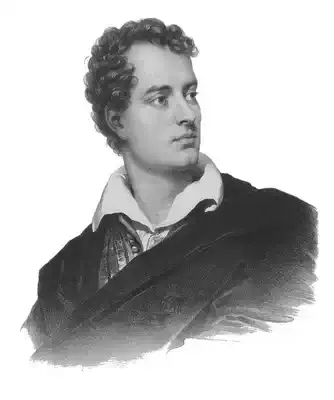
Lord Byron
To Anne: Oh, Say Not, Sweet Anne
To Anne: Oh, Say Not, Sweet Anne
Oh, say not, sweet Anne, that the Fates have decreed
The heart which adores you should wish to dissever;
Such Fates were to me most unkind ones indeed,
To bear me from love and from beauty for ever.
Your frowns, lovely girl, are the Fates which alone
Could bid me from fond admiration refrain;
By these, every hope, every wish were o'erthrown,
Till smiles should restore me to rapture again.
As the ivy and oak, in the forest entwined,
The rage of the tempest united must weather;
My love and my life were by nature design'd
To flourish alike, or to perish together.
Then say not, sweet Anne, that the Fates have decreed
Your lover should bid you a lasting adieu;
Till Fate can ordain that his bosom shall bleed,
His soul, his existence, are centred in you.
Oh, say not, sweet Anne, that the Fates have decreed
The heart which adores you should wish to dissever;
Such Fates were to me most unkind ones indeed,
To bear me from love and from beauty for ever.
Your frowns, lovely girl, are the Fates which alone
Could bid me from fond admiration refrain;
By these, every hope, every wish were o'erthrown,
Till smiles should restore me to rapture again.
As the ivy and oak, in the forest entwined,
The rage of the tempest united must weather;
My love and my life were by nature design'd
To flourish alike, or to perish together.
Then say not, sweet Anne, that the Fates have decreed
Your lover should bid you a lasting adieu;
Till Fate can ordain that his bosom shall bleed,
His soul, his existence, are centred in you.
530
Lord Byron
To A Lady, Who Presented The Author With The Velvet Band Which Bound Her
To A Lady, Who Presented The Author With The Velvet Band Which Bound Her
Tresses
This Band, which bound thy yellow hair,
Is mine, sweet girl! Thy pledge of love;
It claims my warmest, dearest care,
Like relics left of saints above.
Oh! I will wear it next my heart;
'Twill blind my soul in bonds to thee;
From me again 't will ne'er depart,
But mingle in the grave with me.
The dew I gather from thy lip
Is not so dear to me as this;
That I but for a moment sip,
And banquet on a transient bliss:
This will recall each youthful scene,
E'en when our lives are on the wane;
The leaves of Love will still be green
When Memory bids them bud again.
Oh! little lock of golden hue,
In gently waving ringlet curl'd
By the dear head on which you grow,
I would not lose you for a world.
Not though a thousand more adorn
The polish'd brow where once you shone,
Like rays which gild a cloudless morn,
Beneath Columbia's fervid zone.
Tresses
This Band, which bound thy yellow hair,
Is mine, sweet girl! Thy pledge of love;
It claims my warmest, dearest care,
Like relics left of saints above.
Oh! I will wear it next my heart;
'Twill blind my soul in bonds to thee;
From me again 't will ne'er depart,
But mingle in the grave with me.
The dew I gather from thy lip
Is not so dear to me as this;
That I but for a moment sip,
And banquet on a transient bliss:
This will recall each youthful scene,
E'en when our lives are on the wane;
The leaves of Love will still be green
When Memory bids them bud again.
Oh! little lock of golden hue,
In gently waving ringlet curl'd
By the dear head on which you grow,
I would not lose you for a world.
Not though a thousand more adorn
The polish'd brow where once you shone,
Like rays which gild a cloudless morn,
Beneath Columbia's fervid zone.
495
Lord Byron
To A Vain Lady
To A Vain Lady
Ah! heedless girl! why thus disclose
What ne'er was meant for other ears:
Why thus destroy thine own repose
And dig the source of future tears?
Oh, thou wilt weep, imprudent maid,
While lurking envious foes will smile,
For all the follies thou hast said
Of those who spoke but to beguile.
Vain girl! thy ling'ring woes are nigh,
If thou believ'st what striplings say:
Oh, from the deep temptation fly,
Nor fall the specious spoiler's prey.
Dost thou repeat, in childish boast,
The words man utters to deceive?
Thy peace, thy hope, thy all is lost,
If thou canst venture to believe.
While now amongst thy female peers
Thou tell'st again the soothing tale,
Canst thou not mark the rising sneers
Duplicity in vain would veil?
These tales in secret silence hush,
Nor make thyself the public gaze:
What modest maid without a blush
Recounts a flattering coxcomb's praise?
Will not the laughing boy despise
Her who relates each fond conceit Who,
thinking Heaven is in her eyes,
Yet cannot see the slight deceit?
For she who takes a soft delight
These amorous nothings in revealing,
Must credit all we say or write,
While vanity prevents concealing.
Cease, if you prize your beauty's reign!
No jealousy bids me reprove:
One, who is thus from nature vain,
I pity, but I cannot love.
January 15,1807.
Ah! heedless girl! why thus disclose
What ne'er was meant for other ears:
Why thus destroy thine own repose
And dig the source of future tears?
Oh, thou wilt weep, imprudent maid,
While lurking envious foes will smile,
For all the follies thou hast said
Of those who spoke but to beguile.
Vain girl! thy ling'ring woes are nigh,
If thou believ'st what striplings say:
Oh, from the deep temptation fly,
Nor fall the specious spoiler's prey.
Dost thou repeat, in childish boast,
The words man utters to deceive?
Thy peace, thy hope, thy all is lost,
If thou canst venture to believe.
While now amongst thy female peers
Thou tell'st again the soothing tale,
Canst thou not mark the rising sneers
Duplicity in vain would veil?
These tales in secret silence hush,
Nor make thyself the public gaze:
What modest maid without a blush
Recounts a flattering coxcomb's praise?
Will not the laughing boy despise
Her who relates each fond conceit Who,
thinking Heaven is in her eyes,
Yet cannot see the slight deceit?
For she who takes a soft delight
These amorous nothings in revealing,
Must credit all we say or write,
While vanity prevents concealing.
Cease, if you prize your beauty's reign!
No jealousy bids me reprove:
One, who is thus from nature vain,
I pity, but I cannot love.
January 15,1807.
475
Lord Byron
To A Lady
To A Lady
O! had my Fate been join'd with thine,
As once this pledge appear'd a token,
These follies had not, then, been mine,
For, then, my peace had not been broken.
To thee, these early faults I owe,
To thee, the wise and old reproving:
They know my sins, but do not know
'Twas thine to break the bonds of loving.
For once my soul, like thine, was pure,
And all its rising fires could smother;
But, now, thy vows no more endure,
Bestow'd by thee upon another.
Perhaps, his peace I could destroy,
And spoil the blisses that await him;
Yet let my Rival smile in joy,
For thy dear sake, I cannot hate him.
Ah! since thy angel form is gone,
My heart no more can rest with any;
But what it sought in thee alone,
Attempts, alas! to find in many.
Then, fare thee well, deceitful Maid!
'Twere vain and fruitless to regret thee;
Nor Hope, nor Memory yield their aid,
But Pride may teach me to forget thee.
Yet all this giddy waste of years,
This tiresome round of palling pleasures;
These varied loves, these matrons' fears,
These thoughtless strains to Passion's measures
If thou wert mine, had all been hush'd:This
cheek, now pale from early riot,
With Passion's hectic ne'er had flush'd,
But bloom'd in calm domestic quiet.
Yes, once the rural Scene was sweet,
For Nature seem'd to smile before thee;
And once my Breast abhorr'd deceit,For
then it beat but to adore thee.
But, now, I seek for other joysTo
think, would drive my soul to madness;
In thoughtless throngs, and empty noise,
I conquer half my Bosom's sadness.
Yet, even in these, a thought will steal,
In spite of every vain endeavor;
And fiends might pity what I feelTo
know that thou art lost for ever.
O! had my Fate been join'd with thine,
As once this pledge appear'd a token,
These follies had not, then, been mine,
For, then, my peace had not been broken.
To thee, these early faults I owe,
To thee, the wise and old reproving:
They know my sins, but do not know
'Twas thine to break the bonds of loving.
For once my soul, like thine, was pure,
And all its rising fires could smother;
But, now, thy vows no more endure,
Bestow'd by thee upon another.
Perhaps, his peace I could destroy,
And spoil the blisses that await him;
Yet let my Rival smile in joy,
For thy dear sake, I cannot hate him.
Ah! since thy angel form is gone,
My heart no more can rest with any;
But what it sought in thee alone,
Attempts, alas! to find in many.
Then, fare thee well, deceitful Maid!
'Twere vain and fruitless to regret thee;
Nor Hope, nor Memory yield their aid,
But Pride may teach me to forget thee.
Yet all this giddy waste of years,
This tiresome round of palling pleasures;
These varied loves, these matrons' fears,
These thoughtless strains to Passion's measures
If thou wert mine, had all been hush'd:This
cheek, now pale from early riot,
With Passion's hectic ne'er had flush'd,
But bloom'd in calm domestic quiet.
Yes, once the rural Scene was sweet,
For Nature seem'd to smile before thee;
And once my Breast abhorr'd deceit,For
then it beat but to adore thee.
But, now, I seek for other joysTo
think, would drive my soul to madness;
In thoughtless throngs, and empty noise,
I conquer half my Bosom's sadness.
Yet, even in these, a thought will steal,
In spite of every vain endeavor;
And fiends might pity what I feelTo
know that thou art lost for ever.
554
Lord Byron
To-- : From The French
To-- : From The French
Must thou go, my glorious Chief,
Sever'd from thy faithful few?
Who can tell thy warrior's grief,
Maddening o'er that long adieu?
Woman's love, and friendship's zeal,
Dear as both have been to meWhat
are they to all I feel,
With a soldier's faith for thee?
Idol of the soldier's soul!
First in fight, but mightiest now;
Many could a world control;
Thee alone no doom can bow.
By thy side for years I dared
Death; and envied those who fell,
When their dying shout was heard,
Blessing him they served so well.
Would that I were cold with those,
Since this hour I live to see;
When the doubts of coward foes
Scarce dare trust a man with thee,
Dreading each should set thee free!
Oh! although in dungeons pent,
All their chains were light to me,
Gazing on thy soul unbent.
Would the sycophants of him
Now so deaf to duty's prayer,
Were his borrow'd glories dim,
In his native darkness share?
Were that world this hour his own,
All thou calmly dost resign,
Could he purchase with that throne
Hearts like those which still are thine?
My chief, my king, my friend, adieu!
Never did I droop before;
Never to my sovereign sue,
As his foes I now implore:
All I ask is to divide
Every peril he must brave;
Sharing by the hero's side
His fall, his exile, and his grave.
Must thou go, my glorious Chief,
Sever'd from thy faithful few?
Who can tell thy warrior's grief,
Maddening o'er that long adieu?
Woman's love, and friendship's zeal,
Dear as both have been to meWhat
are they to all I feel,
With a soldier's faith for thee?
Idol of the soldier's soul!
First in fight, but mightiest now;
Many could a world control;
Thee alone no doom can bow.
By thy side for years I dared
Death; and envied those who fell,
When their dying shout was heard,
Blessing him they served so well.
Would that I were cold with those,
Since this hour I live to see;
When the doubts of coward foes
Scarce dare trust a man with thee,
Dreading each should set thee free!
Oh! although in dungeons pent,
All their chains were light to me,
Gazing on thy soul unbent.
Would the sycophants of him
Now so deaf to duty's prayer,
Were his borrow'd glories dim,
In his native darkness share?
Were that world this hour his own,
All thou calmly dost resign,
Could he purchase with that throne
Hearts like those which still are thine?
My chief, my king, my friend, adieu!
Never did I droop before;
Never to my sovereign sue,
As his foes I now implore:
All I ask is to divide
Every peril he must brave;
Sharing by the hero's side
His fall, his exile, and his grave.
520
Lord Byron
To-- : From The French
To-- : From The French
Must thou go, my glorious Chief,
Sever'd from thy faithful few?
Who can tell thy warrior's grief,
Maddening o'er that long adieu?
Woman's love, and friendship's zeal,
Dear as both have been to meWhat
are they to all I feel,
With a soldier's faith for thee?
Idol of the soldier's soul!
First in fight, but mightiest now;
Many could a world control;
Thee alone no doom can bow.
By thy side for years I dared
Death; and envied those who fell,
When their dying shout was heard,
Blessing him they served so well.
Would that I were cold with those,
Since this hour I live to see;
When the doubts of coward foes
Scarce dare trust a man with thee,
Dreading each should set thee free!
Oh! although in dungeons pent,
All their chains were light to me,
Gazing on thy soul unbent.
Would the sycophants of him
Now so deaf to duty's prayer,
Were his borrow'd glories dim,
In his native darkness share?
Were that world this hour his own,
All thou calmly dost resign,
Could he purchase with that throne
Hearts like those which still are thine?
My chief, my king, my friend, adieu!
Never did I droop before;
Never to my sovereign sue,
As his foes I now implore:
All I ask is to divide
Every peril he must brave;
Sharing by the hero's side
His fall, his exile, and his grave.
Must thou go, my glorious Chief,
Sever'd from thy faithful few?
Who can tell thy warrior's grief,
Maddening o'er that long adieu?
Woman's love, and friendship's zeal,
Dear as both have been to meWhat
are they to all I feel,
With a soldier's faith for thee?
Idol of the soldier's soul!
First in fight, but mightiest now;
Many could a world control;
Thee alone no doom can bow.
By thy side for years I dared
Death; and envied those who fell,
When their dying shout was heard,
Blessing him they served so well.
Would that I were cold with those,
Since this hour I live to see;
When the doubts of coward foes
Scarce dare trust a man with thee,
Dreading each should set thee free!
Oh! although in dungeons pent,
All their chains were light to me,
Gazing on thy soul unbent.
Would the sycophants of him
Now so deaf to duty's prayer,
Were his borrow'd glories dim,
In his native darkness share?
Were that world this hour his own,
All thou calmly dost resign,
Could he purchase with that throne
Hearts like those which still are thine?
My chief, my king, my friend, adieu!
Never did I droop before;
Never to my sovereign sue,
As his foes I now implore:
All I ask is to divide
Every peril he must brave;
Sharing by the hero's side
His fall, his exile, and his grave.
520
Lord Byron
Thoughts Suggested By A College Examination
Thoughts Suggested By A College Examination
High in the midst, surrounded by his peers,
MAGNUS his ample front sublime up rears:
Placed on his chair of state, he seems a god.
While Sophs and Freshmen tremble at his nod.
As all around sit wrapt in speechless gloom,
His voice in thunder shakes the sounding dome;
Denouncing dire reproach to luckless fools,
Unskill'd to plod in mathematic rules.
Happy the youth in Euclid's axiorn tried,
Though littie versed in any art beside;
Who, scarcely skill'd an English line tc pen,
Scans Attic metres with a critic's ken.
What, though he knows not how his fathers bled,
When civil discord piled the fields with dead,
When Edward bade his conquering bands advance
Or Henry trampled on the crest of France.
Though marvelling at the name of Magna Charta,
Yet well he recollects the laws of Sparta;
Can tell what edicts sage Lycurgus made,
While Blackstone's on the shelf neglected laid;
Of Grecian dramas vaunts the deathless fame,
Of Avon's bard remembering scarce the name.
Such is the youth whose scientific pate
Classhonours,
medals, fellowships, await
Or even, perhaps, the declamation prize
If to such glorious height he lifts his eyes.
But lo! no common orator can hope
The envied silver cup within his scope.
Not that our heads much eloquence require,
Th' ATHENIAN'S glowing style, or Tully's fire.
A manner clear or warm is useless, since
We do not try by speaking to convince.
Be other orators of pleasing proud,We
speak to please ourselves, not move the crowd:
Our gravity prefers the muttering tone,
A proper mixture of the squeak and groan:
No borrow'd grace of action must he seen;
The slightest motion would displease the Dean;
Whilst everv staring graduate would prate
Against what he could never imitate.
The man who hopes t' obtain the promised cup
Must in one posture stand, and ne'er look up;
Nor stop, but rattle over every word No
matter what, so it can not be heard.
Thus let him hurry on, nor think to rest:
Who speaks the fastest's sure to speak the best;
Who utters most within the shortest space
May safely hope to win the wordy race.
The sons of science these, who, thus repaid,
Linger in ease in Granta's sluggish shade;
Where on Cam's sedgy banks supine they lie,
Unknown, unhonour'd live, unweptfor
die:
Dull as the pictures which adorn their halls,
They think all learning fix'd within their walls:
In manners rude, in foolish forms precise,
All modern arts affecting to despise;
Yet prizing Bentley's, Brunck's, or Porson's note,
More than the verse on which the critic wrote:
Vain as their honours, heavy as their ale,
Sad as their wit, and tedious as their tale;
To friendship dead, though not untaught to feel
When Self and Church demand a bigot zeal.
With eager haste they court the lord of power,
Whether 'tis Pitt or Petty rules the hour;
To him, with suppliant smiles, they bend the head,
While distant mitres to their eyes are spread.
But should a storm o'erwhelm him with disgrace,
They'd fly to seek the next who fill'd his place.
Such are the men who learning's treasures guard!
Such is their practice, such is their reward!
This much, at least, we may presume to say The
premium can't exceed the price they pay.
High in the midst, surrounded by his peers,
MAGNUS his ample front sublime up rears:
Placed on his chair of state, he seems a god.
While Sophs and Freshmen tremble at his nod.
As all around sit wrapt in speechless gloom,
His voice in thunder shakes the sounding dome;
Denouncing dire reproach to luckless fools,
Unskill'd to plod in mathematic rules.
Happy the youth in Euclid's axiorn tried,
Though littie versed in any art beside;
Who, scarcely skill'd an English line tc pen,
Scans Attic metres with a critic's ken.
What, though he knows not how his fathers bled,
When civil discord piled the fields with dead,
When Edward bade his conquering bands advance
Or Henry trampled on the crest of France.
Though marvelling at the name of Magna Charta,
Yet well he recollects the laws of Sparta;
Can tell what edicts sage Lycurgus made,
While Blackstone's on the shelf neglected laid;
Of Grecian dramas vaunts the deathless fame,
Of Avon's bard remembering scarce the name.
Such is the youth whose scientific pate
Classhonours,
medals, fellowships, await
Or even, perhaps, the declamation prize
If to such glorious height he lifts his eyes.
But lo! no common orator can hope
The envied silver cup within his scope.
Not that our heads much eloquence require,
Th' ATHENIAN'S glowing style, or Tully's fire.
A manner clear or warm is useless, since
We do not try by speaking to convince.
Be other orators of pleasing proud,We
speak to please ourselves, not move the crowd:
Our gravity prefers the muttering tone,
A proper mixture of the squeak and groan:
No borrow'd grace of action must he seen;
The slightest motion would displease the Dean;
Whilst everv staring graduate would prate
Against what he could never imitate.
The man who hopes t' obtain the promised cup
Must in one posture stand, and ne'er look up;
Nor stop, but rattle over every word No
matter what, so it can not be heard.
Thus let him hurry on, nor think to rest:
Who speaks the fastest's sure to speak the best;
Who utters most within the shortest space
May safely hope to win the wordy race.
The sons of science these, who, thus repaid,
Linger in ease in Granta's sluggish shade;
Where on Cam's sedgy banks supine they lie,
Unknown, unhonour'd live, unweptfor
die:
Dull as the pictures which adorn their halls,
They think all learning fix'd within their walls:
In manners rude, in foolish forms precise,
All modern arts affecting to despise;
Yet prizing Bentley's, Brunck's, or Porson's note,
More than the verse on which the critic wrote:
Vain as their honours, heavy as their ale,
Sad as their wit, and tedious as their tale;
To friendship dead, though not untaught to feel
When Self and Church demand a bigot zeal.
With eager haste they court the lord of power,
Whether 'tis Pitt or Petty rules the hour;
To him, with suppliant smiles, they bend the head,
While distant mitres to their eyes are spread.
But should a storm o'erwhelm him with disgrace,
They'd fly to seek the next who fill'd his place.
Such are the men who learning's treasures guard!
Such is their practice, such is their reward!
This much, at least, we may presume to say The
premium can't exceed the price they pay.
394
Lord Byron
There Was A Time, I Need Not Name
There Was A Time, I Need Not Name
There was a time, I need not name,
Since it will ne'er forgotten be,
When all our feelings were the same
As still my soul hath been to thee.
And from that hour when first thy tongue
Confess'd a love which equall'd mine,
Though many a grief my heart hath wrung,
Unknown, and thus unfelt, by thine,
None, none hath sunk so deep as thisTo
think how all that love hath flown;
Transient as every faithless kiss,
But transient in thy breast alone.
And yet my heart some solace knew,
When late I heard thy lips declare,
In accents once imagined true,
Remembrance of the days that were.
Yes! my adored, yet most unkind!
Though thou wilt never love again,
To me 'tis doubly sweet to find
Remembrance of that love remain.
Yes! 'tis a glorious thought to me,
Nor longer shall my soul repine,
Whate'er thou art or e'er shalt be,
Thou hast been dearly, solely mine.
There was a time, I need not name,
Since it will ne'er forgotten be,
When all our feelings were the same
As still my soul hath been to thee.
And from that hour when first thy tongue
Confess'd a love which equall'd mine,
Though many a grief my heart hath wrung,
Unknown, and thus unfelt, by thine,
None, none hath sunk so deep as thisTo
think how all that love hath flown;
Transient as every faithless kiss,
But transient in thy breast alone.
And yet my heart some solace knew,
When late I heard thy lips declare,
In accents once imagined true,
Remembrance of the days that were.
Yes! my adored, yet most unkind!
Though thou wilt never love again,
To me 'tis doubly sweet to find
Remembrance of that love remain.
Yes! 'tis a glorious thought to me,
Nor longer shall my soul repine,
Whate'er thou art or e'er shalt be,
Thou hast been dearly, solely mine.
550
Lord Byron
There Was A Time, I Need Not Name
There Was A Time, I Need Not Name
There was a time, I need not name,
Since it will ne'er forgotten be,
When all our feelings were the same
As still my soul hath been to thee.
And from that hour when first thy tongue
Confess'd a love which equall'd mine,
Though many a grief my heart hath wrung,
Unknown, and thus unfelt, by thine,
None, none hath sunk so deep as thisTo
think how all that love hath flown;
Transient as every faithless kiss,
But transient in thy breast alone.
And yet my heart some solace knew,
When late I heard thy lips declare,
In accents once imagined true,
Remembrance of the days that were.
Yes! my adored, yet most unkind!
Though thou wilt never love again,
To me 'tis doubly sweet to find
Remembrance of that love remain.
Yes! 'tis a glorious thought to me,
Nor longer shall my soul repine,
Whate'er thou art or e'er shalt be,
Thou hast been dearly, solely mine.
There was a time, I need not name,
Since it will ne'er forgotten be,
When all our feelings were the same
As still my soul hath been to thee.
And from that hour when first thy tongue
Confess'd a love which equall'd mine,
Though many a grief my heart hath wrung,
Unknown, and thus unfelt, by thine,
None, none hath sunk so deep as thisTo
think how all that love hath flown;
Transient as every faithless kiss,
But transient in thy breast alone.
And yet my heart some solace knew,
When late I heard thy lips declare,
In accents once imagined true,
Remembrance of the days that were.
Yes! my adored, yet most unkind!
Though thou wilt never love again,
To me 'tis doubly sweet to find
Remembrance of that love remain.
Yes! 'tis a glorious thought to me,
Nor longer shall my soul repine,
Whate'er thou art or e'er shalt be,
Thou hast been dearly, solely mine.
550
Lord Byron
The Spell Is Broke, The Charm Is Flown!
The Spell Is Broke, The Charm Is Flown!
The spell is broke; the charm is flown!
Thus is it with life's fitful fever:
We madly smile when we should groan:
Delirium is our best deceiver.
Each lucid interval of thought
Recalls the woes of Nature's charter;
And he that acts as wise men ought,
But lives, as saints have died, a martyr.
The spell is broke; the charm is flown!
Thus is it with life's fitful fever:
We madly smile when we should groan:
Delirium is our best deceiver.
Each lucid interval of thought
Recalls the woes of Nature's charter;
And he that acts as wise men ought,
But lives, as saints have died, a martyr.
378
Lord Byron
The Siege and Conquest of Alhama
The Siege and Conquest of Alhama
The Moorish King rides up and down,
Through Granada's royal town;
From Elvira's gate to those
Of Bivarambla on he goes.
Woe is me, Alhama!
Letters to the monarch tell
How Alhama's city fell:
In the fire the scroll he threw,
And the messenger he slew.
Woe is me, Albamal
He quits his mule, and mounts his horse,
And through the street directs his course;
Through the street of Zacatin
To the Alhambra spurring in.
Woe is me, Alhama!
When the Alhambra walls he gain'd,
On the moment he ordain'd
That the trumpet straight should sound
With the silver clarion round.
Woe is me, Alhamal
And when the hollow drums of war
Beat the loud alarm afar,
That the Moors of town and plain
Might answer to the martial strain.
Woe is me, Alhama!
Then the Moors, by this aware,
That bloody Mars recall'd them there,
One by one, and two by two,
To a mighty squadron grew.
Woe is me, Alhama!
Out then spake an aged Moor
In these words the king before,
'Wherefore call on us, oh King?
What may mean this gathering?'
Woe is me, Alhama!
'Friends! ye have, alas! to know
Of a most disastrous blow;
That the Christians, stern and bold,
Have obtain'd Alhama's hold.'
Woe is me, Alhama!
Out then spake old Alfaqui,
With his beard so white to see,
'Good King! thou art justly served,
Good King! this thou hast deserved.
Woe is me, Alhama!
'By thee were slain, in evil hour,
The Abencerrage, Granada's flower;
And strangers were received by thee
Of Cordova the Chivalry.
Woe is me, Alhama!
'And for this, oh King! is sent
On thee a double chastisement:
Thee and thine, thy crown and realm,
One last wreck shall overwhelm.
Woe is me, Alhama!
'He who holds no laws in awe,
He must perish by the law;
And Granada must be won,
And thyself with her undone.'
Woe is me, Alhama!
Fire crashed from out the old Moor's eyes,
The Monarch's wrath began to rise,
Because he answer'd, and because
He spake exceeding well of laws.
Woe is me, Alhama!
'There is no law to say such things
As may disgust the ear of kings:
'Thus, snorting with his choler, said
The Moorish King, and doom'd him dead.
Woe is me, Alhama!
Moor Alfaqui! Moor Alfaqui!
Though thy beard so hoary be,
The King hath sent to have thee seized,
For Alhama's loss displeased.
Woe is me, Alhama!
And to fix thy head upon
High Alhambra's loftiest stone;
That thus for thee should be the law,
And others tremble when they saw.
Woe is me, Alhama!
'Cavalier, and man of worth!
Let these words of mine go forth!
Let the Moorish Monarch know,
That to him I nothing owe.
Woe is me, Alhama!
'But on my soul Alhama weighs,
And on my inmost spirit preys;
And if the King his land hath lost,
Yet others may have lost the most.
Woe is me, Alhama!
'Sires have lost their children, wives
Their lords, and valiant men their lives!
One what best his love might claim
Hath lost, another wealth, or fame.
Woe is me, Alhama!
'I lost a damsel in that hour,
Of all the land the loveliest flower;
Doubloons a hundred I would pay,
And think her ransom cheap that day.'
Woe is me, Alhama!
And as these things the old Moor said,
They sever'd from the trunk his head;
And to the Alhambra's wall with speed
'Twas carried, as the King decreed.
Woe is me, Alhama!
And men and infants therein weep
Their loss, so heavy and so deep;
Granada's ladies, all she rears
Within her walls, burst into tears.
Woe is me, Alhama!
And from the windows o'er the walls
The sable web of mourning falls;
The King weeps as a woman o'er
His loss, for it is much and sore.
Woe is me, Alhama!
The Moorish King rides up and down,
Through Granada's royal town;
From Elvira's gate to those
Of Bivarambla on he goes.
Woe is me, Alhama!
Letters to the monarch tell
How Alhama's city fell:
In the fire the scroll he threw,
And the messenger he slew.
Woe is me, Albamal
He quits his mule, and mounts his horse,
And through the street directs his course;
Through the street of Zacatin
To the Alhambra spurring in.
Woe is me, Alhama!
When the Alhambra walls he gain'd,
On the moment he ordain'd
That the trumpet straight should sound
With the silver clarion round.
Woe is me, Alhamal
And when the hollow drums of war
Beat the loud alarm afar,
That the Moors of town and plain
Might answer to the martial strain.
Woe is me, Alhama!
Then the Moors, by this aware,
That bloody Mars recall'd them there,
One by one, and two by two,
To a mighty squadron grew.
Woe is me, Alhama!
Out then spake an aged Moor
In these words the king before,
'Wherefore call on us, oh King?
What may mean this gathering?'
Woe is me, Alhama!
'Friends! ye have, alas! to know
Of a most disastrous blow;
That the Christians, stern and bold,
Have obtain'd Alhama's hold.'
Woe is me, Alhama!
Out then spake old Alfaqui,
With his beard so white to see,
'Good King! thou art justly served,
Good King! this thou hast deserved.
Woe is me, Alhama!
'By thee were slain, in evil hour,
The Abencerrage, Granada's flower;
And strangers were received by thee
Of Cordova the Chivalry.
Woe is me, Alhama!
'And for this, oh King! is sent
On thee a double chastisement:
Thee and thine, thy crown and realm,
One last wreck shall overwhelm.
Woe is me, Alhama!
'He who holds no laws in awe,
He must perish by the law;
And Granada must be won,
And thyself with her undone.'
Woe is me, Alhama!
Fire crashed from out the old Moor's eyes,
The Monarch's wrath began to rise,
Because he answer'd, and because
He spake exceeding well of laws.
Woe is me, Alhama!
'There is no law to say such things
As may disgust the ear of kings:
'Thus, snorting with his choler, said
The Moorish King, and doom'd him dead.
Woe is me, Alhama!
Moor Alfaqui! Moor Alfaqui!
Though thy beard so hoary be,
The King hath sent to have thee seized,
For Alhama's loss displeased.
Woe is me, Alhama!
And to fix thy head upon
High Alhambra's loftiest stone;
That thus for thee should be the law,
And others tremble when they saw.
Woe is me, Alhama!
'Cavalier, and man of worth!
Let these words of mine go forth!
Let the Moorish Monarch know,
That to him I nothing owe.
Woe is me, Alhama!
'But on my soul Alhama weighs,
And on my inmost spirit preys;
And if the King his land hath lost,
Yet others may have lost the most.
Woe is me, Alhama!
'Sires have lost their children, wives
Their lords, and valiant men their lives!
One what best his love might claim
Hath lost, another wealth, or fame.
Woe is me, Alhama!
'I lost a damsel in that hour,
Of all the land the loveliest flower;
Doubloons a hundred I would pay,
And think her ransom cheap that day.'
Woe is me, Alhama!
And as these things the old Moor said,
They sever'd from the trunk his head;
And to the Alhambra's wall with speed
'Twas carried, as the King decreed.
Woe is me, Alhama!
And men and infants therein weep
Their loss, so heavy and so deep;
Granada's ladies, all she rears
Within her walls, burst into tears.
Woe is me, Alhama!
And from the windows o'er the walls
The sable web of mourning falls;
The King weeps as a woman o'er
His loss, for it is much and sore.
Woe is me, Alhama!
483
Lord Byron
The Prayer Of Nature
The Prayer Of Nature
Father of Light! great God of Heaven!
Hear'st thou the accents of despair?
Can guilt like man's be e'er forgiven?
Can vice atone for crimes by prayer?
Father of Light, on thee I call!
Thou seest my soul is dark within;
Thou who canst'mark the sparrow's fall,
Avert from me the death of sin.
No shrine I seek, to sects unknown;
Oh, point to me the path of truth!
Thy dread omnipotence I own;
Spare, yet amend, the faults of youth.
Let bigots rear a gloomy fane,
Let superstitition hail the pile,
Let priests, to spread their sable reign,
With tales of mystic rites beguile.
Shall man confine his Maker's sway
To Gothic domes of mouldering stone?
Thy temple is the face of the day;
Earth, ocean, heaven, thy boundless throne.
Shall man condemn his race to hell,
Unless they bend in pompous form?
Tell us that all, of one who fell,
Must perish in the mingling storm?
Shall each pretend to reach the skies,
Yet doom his brother to expire,
Whose soul a different hope supplies,
Or doctrines less severe inspire?
Shall these, by creeds they can't expound,
Prepare a fancied bliss or woe?
Shall reptiles, grovelling on the ground,
Their great Creator's purpose know?
Shall those, who live for self alone,
Whose years float on in a daily crime Shall
they by Faith for guilt atone,
And live beyond the bounds of Time?
Father! no prophet's laws I seek,Thy
laws in Nature's works appear;I
own myself corrupt and weak,
Yet will I pray, for thou wilt hear!
Thou, who canst guide the wandering star
Through trackness realms of other's space;
Who calm'st the elemental war,
Whose hand from pole to pole I trace.
Thou, who in wisdom placed me here,
Who, when thou wilt, canst take me hence,
Ah! whilst I tread this earthly sphere,
Extend to me thy wide defence.
To Thee, my God, to thee I call!
Whatever weal or woe betide,
By thy command I rise or fall,
In thy protection I confide.
If, when this dust to dust's restored,
My soul shall float on airy wing,
How shall thy glorious name adored
Inspire her feedle voice to sing!
But, if this fleeting spirit share
With clay the gaves eternal bed,
While life yet throbs I raise my prayer,
Though doom'd no more to quit the dead.
To Thee I breathe my humble strain;
Grateful for all thy mercies past,
And hope, my God, to thee again
This erring life may fly at last.
December 29, 1806
Father of Light! great God of Heaven!
Hear'st thou the accents of despair?
Can guilt like man's be e'er forgiven?
Can vice atone for crimes by prayer?
Father of Light, on thee I call!
Thou seest my soul is dark within;
Thou who canst'mark the sparrow's fall,
Avert from me the death of sin.
No shrine I seek, to sects unknown;
Oh, point to me the path of truth!
Thy dread omnipotence I own;
Spare, yet amend, the faults of youth.
Let bigots rear a gloomy fane,
Let superstitition hail the pile,
Let priests, to spread their sable reign,
With tales of mystic rites beguile.
Shall man confine his Maker's sway
To Gothic domes of mouldering stone?
Thy temple is the face of the day;
Earth, ocean, heaven, thy boundless throne.
Shall man condemn his race to hell,
Unless they bend in pompous form?
Tell us that all, of one who fell,
Must perish in the mingling storm?
Shall each pretend to reach the skies,
Yet doom his brother to expire,
Whose soul a different hope supplies,
Or doctrines less severe inspire?
Shall these, by creeds they can't expound,
Prepare a fancied bliss or woe?
Shall reptiles, grovelling on the ground,
Their great Creator's purpose know?
Shall those, who live for self alone,
Whose years float on in a daily crime Shall
they by Faith for guilt atone,
And live beyond the bounds of Time?
Father! no prophet's laws I seek,Thy
laws in Nature's works appear;I
own myself corrupt and weak,
Yet will I pray, for thou wilt hear!
Thou, who canst guide the wandering star
Through trackness realms of other's space;
Who calm'st the elemental war,
Whose hand from pole to pole I trace.
Thou, who in wisdom placed me here,
Who, when thou wilt, canst take me hence,
Ah! whilst I tread this earthly sphere,
Extend to me thy wide defence.
To Thee, my God, to thee I call!
Whatever weal or woe betide,
By thy command I rise or fall,
In thy protection I confide.
If, when this dust to dust's restored,
My soul shall float on airy wing,
How shall thy glorious name adored
Inspire her feedle voice to sing!
But, if this fleeting spirit share
With clay the gaves eternal bed,
While life yet throbs I raise my prayer,
Though doom'd no more to quit the dead.
To Thee I breathe my humble strain;
Grateful for all thy mercies past,
And hope, my God, to thee again
This erring life may fly at last.
December 29, 1806
577
Lord Byron
The Island: Canto III.
The Island: Canto III.
I.
The fight was o'er; the flashing through the gloom,
Which robes the cannon as he wings a tomb,
Had ceased; and sulphury vapours upward driven
Had left the Earth, and but polluted Heaven:
The rattling roar which rung in every volley
Had left the echoes to their melancholy;
No more they shrieked their horror, boom for boom;
The strife was done, the vanquished had their doom;
The mutineers were crushed, dispersed, or ta'en,
Or lived to deem the happiest were the slain.
Few, few escaped, and these were hunted o'er
The isle they loved beyond their native shore.
No further home was theirs, it seemed, on earth,
Once renegades to that which gave them birth;
Tracked like wild beasts, like them they sought the wild,
As to a Mother's bosom flies the child;
But vainly wolves and lions seek their den,
And still more vainly men escape from men,
II.
Beneath a rock whose jutting base protrudes
Far over Ocean in its fiercest moods,
When scaling his enormous crag the wave
Is hurled down headlong, like the foremost brave,
And falls back on the foaming crowd behind,
Which fight beneath the banners of the wind,
But now at rest, a little remnant drew
Together, bleeding, thirsty, faint, and few;
But still their weapons in their hands, and still
With something of the pride of former will,
As men not all unused to meditate,
And strive much more than wonder at their fate.
Their present lot was what they had foreseen,
And dared as what was likely to have been;
Yet still the lingering hope, which deemed their lot
Not pardoned, but unsought for or forgot,
Or trusted that, if sought, their distant caves
Might still be missed amidst the world of waves,
Had weaned their thoughts in part from what they saw
And felt, the vengeance of their country's law.
Their seagreen
isle, their guiltwon
Paradise,
No more could shield their Virtue or their Vice:
Their better feelings, if such were, were thrown
Back on themselves,their
sins remained alone.
Proscribed even in their second country, they
Were lost; in vain the World before them lay;
All outlets seemed secured. Their new allies
Had fought and bled in mutual sacrifice;
But what availed the club and spear, and arm
Of Hercules, against the sulphury charm,
The magic of the thunder, which destroyed
The warrior ere his strength could be employed?
Dug, like a spreading pestilence, the grave
No less of human bravery than the brave!
Their own scant numbers acted all the few
Against the many oft will dare and do;
But though the choice seems native to die free,
Even Greece can boast but one Thermopylae,
Till now, when she has forged her broken chain
Back to a sword, and dies and lives again!
III.
Beside the jutting rock the few appeared,
Like the last remnant of the reddeer's
herd;
Their eyes were feverish, and their aspect worn,
But still the hunter's blood was on their horn.
A little stream came tumbling from the height,
And straggling into ocean as it might,
Its bounding crystal frolicked in the ray,
And gushed from cliff to crag with saltless spray;
Close on the wild, wide ocean, yet as pure
And fresh as Innocettce, and more secure,
Its silver torrent glittered o'er the deep,
As the shy chamois' eye o'erlooks the steep,
While far below the vast and sullen swell
Of Ocean's alpine azure rose and fell.
To this young spring they rushed,all
feelings first
Absorbed in Passion's and in Nature's thirst,Drank
as they do who drink their last, and threw
Their arms aside to revel in its dew;
Cooled their scorched throats, and washed the gory stains
From wounds whose only bandage might be chains;
Then,when their drought was quenched, looked sadly round,
As wondering how so many still were found
Alive and fetterless:but
silent all,
Each sought his fellow's eyes, as if to call
On him for language which his lips denied,
As though their voices with their cause had died.
IV.
Stern, and aloof a little from the rest,
Stood Christian, with his arms across his chest.
The ruddy, reckless, dauntless hue once spread
Along his cheek was livid now as lead;
His lightbrown
locks, so graceful in their flow,
Now rose like startled vipers o'er his brow.
Still as a statue, with his lips coinprest
To stifle even the breath within his breast,
Fast by the rock, all menacing, but mute,
He stood; and, save a slight beat of his foot,
Which deepened now and then the sandy dint
Beneath his heel, his form seemed turned to flint.
Some paces further Torquil leaned his head
Against a bank, and spoke not, but he bled,Not
mortally:his
worst wound was within;
His brow was pale, his blue eyes sunken in,too
And blooddrops,
sprinkled o'er his yellow hair,
Showed that his faintness came not from despair,
But Nature's ebb. Beside him was another,
Rough as a bear, but willing as a brother,Ben
Bunting, who essayed to wash, and wipe,
And bind his woundthen
calmly lit his pipe,
A trophy which survived a hundred fights,
A beacon which had cheered ten thousand nights.
The fourth and last of this deserted group
Walked up and downat
times would stand, then stoop
To pick a pebble upthen
let it dropThen
hurry as in hastethen
quickly stopThen
cast his eyes on his companionsthen
Half whistle half a tune, and pause againAnd
then his former movements would redouble,
With something between carelessness and trouble.
This is a long description, but applies
To scarce five minutes passed before the eyes;
But yet what minutes! Moments like to these
Rend men's lives into immortalities.
V.
At length Jack Skyscrape, a mercurial man,
Who fluttered over all things like a fan,
More brave than firm, and more disposed to dare
And die at once than wrestle with despair,
Exclaimed, 'Gd
damn I'those
syllables intense,Nucleus
of England's native eloquence,
As the Turk's 'Allah!' or the Roman's more
Pagan 'Proh Jupiter!' was wont of yore
To give their first impressions such a vent,
By way of echo to embarrassment.
Jack was embarrassed,never
hero more,
Till on the surf their skimming paddles play,
Buoyant as wings, and flitting through the spray;Now
perching on the wave's high curl, and now
Dashed downward in the thundering foam below,
Which flings it broad and boiling sheet on sheet,
And slings its high flakes, shivered into sleet:
But floating still through surf and swell, drew nigh
The barks, like small birds through a lowering sky.
Their art seemed naturesuch
the skill to sweep
The wave of these born playmates of the deep.
VIII.
And who the first that, springing on the strand,
Leaped like a Nereid from her shell to land,
With dark but brilliant skin, and dewy eye
Shining with love, and, hope, and constancy?
Neuhathe
fond, the faithful, the adoredHer
heart on Torquil's like a torrent poured;
And smiled, and wept, and near, and nearer clasped,
As if to be assured 'twas him she grasped;
Shuddered to see his yet warm wound, and then,
To find it trivial, smiled and wept again.
She was a warrior's daughter, and could bear
Such sights, and feel, and mourn, but not despair.
Her lover lived,nor
foes nor fears could blight
That fullblown
moment in its all delight:
Joy trickled in her tears, joy filled the sob
That rocked her heart till almost HEARD to throb;
And Paradise was breathing in the sigh
Of Nature's child in Nature's ecstasy.
IX.
The sterner spirits who beheld that meeting
Were not unmoved; who are, when hearts are greeting?
Even Christian gazed upon the maid and boy
With tearless eye, but yet a gloomy joy
Mixed with those bitter thoughts the soul arrays
In hopeless visions of our better days,
When all 's goneto
the rainbow's latest ray.
'And but for me!' he said, and turned away;
Then gazed upon the pair, as in his den
A lion looks upon his cubs again;
And then relapsed into his sullen guise,
As heedless of his further destinies.
X.
But brief their time for good or evil thought;
The billows round the promontory brought
The plash of hostile oars.Alas!
who made
That sound a dread? All around them seemed arrayed
Against them, save the bride of Toobonai
She, as she caught the first glimpse o'er the bay
Of the armed boats, which hurried to complete
The remnant's ruin with their flying feet,
Beckoned the natives round her to their prows,
Embarked their guests and launched their light canoes;
In one placed Christian and his comrades twainBut
she and Torquil must not part again.
She fixed him in her own.Away!
away!
They cleared the breakers, dart along the bay,
And towards a group of islets, such as bear
The seabird's
nest and seal's surfhollowed
lair,
They skim the blue tops of the billows; fast
They flew, and fast their fierce pursuers chased.
They gain upon themnow
they lose again,Again
make way and menace o'er the main;
And now the two canoes in chase divide,
Arid follow different courses o'er the tide,
To baffle the pursuit.Away!
away!
As Life is on each paddle's flight today,
And more than Life or lives to Neuha: Love
Freights the frail bark and urges to the cove;
And now the refuge and the foe are nighYet,
yet a moment! Fly, thou light ark, fly!
I.
The fight was o'er; the flashing through the gloom,
Which robes the cannon as he wings a tomb,
Had ceased; and sulphury vapours upward driven
Had left the Earth, and but polluted Heaven:
The rattling roar which rung in every volley
Had left the echoes to their melancholy;
No more they shrieked their horror, boom for boom;
The strife was done, the vanquished had their doom;
The mutineers were crushed, dispersed, or ta'en,
Or lived to deem the happiest were the slain.
Few, few escaped, and these were hunted o'er
The isle they loved beyond their native shore.
No further home was theirs, it seemed, on earth,
Once renegades to that which gave them birth;
Tracked like wild beasts, like them they sought the wild,
As to a Mother's bosom flies the child;
But vainly wolves and lions seek their den,
And still more vainly men escape from men,
II.
Beneath a rock whose jutting base protrudes
Far over Ocean in its fiercest moods,
When scaling his enormous crag the wave
Is hurled down headlong, like the foremost brave,
And falls back on the foaming crowd behind,
Which fight beneath the banners of the wind,
But now at rest, a little remnant drew
Together, bleeding, thirsty, faint, and few;
But still their weapons in their hands, and still
With something of the pride of former will,
As men not all unused to meditate,
And strive much more than wonder at their fate.
Their present lot was what they had foreseen,
And dared as what was likely to have been;
Yet still the lingering hope, which deemed their lot
Not pardoned, but unsought for or forgot,
Or trusted that, if sought, their distant caves
Might still be missed amidst the world of waves,
Had weaned their thoughts in part from what they saw
And felt, the vengeance of their country's law.
Their seagreen
isle, their guiltwon
Paradise,
No more could shield their Virtue or their Vice:
Their better feelings, if such were, were thrown
Back on themselves,their
sins remained alone.
Proscribed even in their second country, they
Were lost; in vain the World before them lay;
All outlets seemed secured. Their new allies
Had fought and bled in mutual sacrifice;
But what availed the club and spear, and arm
Of Hercules, against the sulphury charm,
The magic of the thunder, which destroyed
The warrior ere his strength could be employed?
Dug, like a spreading pestilence, the grave
No less of human bravery than the brave!
Their own scant numbers acted all the few
Against the many oft will dare and do;
But though the choice seems native to die free,
Even Greece can boast but one Thermopylae,
Till now, when she has forged her broken chain
Back to a sword, and dies and lives again!
III.
Beside the jutting rock the few appeared,
Like the last remnant of the reddeer's
herd;
Their eyes were feverish, and their aspect worn,
But still the hunter's blood was on their horn.
A little stream came tumbling from the height,
And straggling into ocean as it might,
Its bounding crystal frolicked in the ray,
And gushed from cliff to crag with saltless spray;
Close on the wild, wide ocean, yet as pure
And fresh as Innocettce, and more secure,
Its silver torrent glittered o'er the deep,
As the shy chamois' eye o'erlooks the steep,
While far below the vast and sullen swell
Of Ocean's alpine azure rose and fell.
To this young spring they rushed,all
feelings first
Absorbed in Passion's and in Nature's thirst,Drank
as they do who drink their last, and threw
Their arms aside to revel in its dew;
Cooled their scorched throats, and washed the gory stains
From wounds whose only bandage might be chains;
Then,when their drought was quenched, looked sadly round,
As wondering how so many still were found
Alive and fetterless:but
silent all,
Each sought his fellow's eyes, as if to call
On him for language which his lips denied,
As though their voices with their cause had died.
IV.
Stern, and aloof a little from the rest,
Stood Christian, with his arms across his chest.
The ruddy, reckless, dauntless hue once spread
Along his cheek was livid now as lead;
His lightbrown
locks, so graceful in their flow,
Now rose like startled vipers o'er his brow.
Still as a statue, with his lips coinprest
To stifle even the breath within his breast,
Fast by the rock, all menacing, but mute,
He stood; and, save a slight beat of his foot,
Which deepened now and then the sandy dint
Beneath his heel, his form seemed turned to flint.
Some paces further Torquil leaned his head
Against a bank, and spoke not, but he bled,Not
mortally:his
worst wound was within;
His brow was pale, his blue eyes sunken in,too
And blooddrops,
sprinkled o'er his yellow hair,
Showed that his faintness came not from despair,
But Nature's ebb. Beside him was another,
Rough as a bear, but willing as a brother,Ben
Bunting, who essayed to wash, and wipe,
And bind his woundthen
calmly lit his pipe,
A trophy which survived a hundred fights,
A beacon which had cheered ten thousand nights.
The fourth and last of this deserted group
Walked up and downat
times would stand, then stoop
To pick a pebble upthen
let it dropThen
hurry as in hastethen
quickly stopThen
cast his eyes on his companionsthen
Half whistle half a tune, and pause againAnd
then his former movements would redouble,
With something between carelessness and trouble.
This is a long description, but applies
To scarce five minutes passed before the eyes;
But yet what minutes! Moments like to these
Rend men's lives into immortalities.
V.
At length Jack Skyscrape, a mercurial man,
Who fluttered over all things like a fan,
More brave than firm, and more disposed to dare
And die at once than wrestle with despair,
Exclaimed, 'Gd
damn I'those
syllables intense,Nucleus
of England's native eloquence,
As the Turk's 'Allah!' or the Roman's more
Pagan 'Proh Jupiter!' was wont of yore
To give their first impressions such a vent,
By way of echo to embarrassment.
Jack was embarrassed,never
hero more,
Till on the surf their skimming paddles play,
Buoyant as wings, and flitting through the spray;Now
perching on the wave's high curl, and now
Dashed downward in the thundering foam below,
Which flings it broad and boiling sheet on sheet,
And slings its high flakes, shivered into sleet:
But floating still through surf and swell, drew nigh
The barks, like small birds through a lowering sky.
Their art seemed naturesuch
the skill to sweep
The wave of these born playmates of the deep.
VIII.
And who the first that, springing on the strand,
Leaped like a Nereid from her shell to land,
With dark but brilliant skin, and dewy eye
Shining with love, and, hope, and constancy?
Neuhathe
fond, the faithful, the adoredHer
heart on Torquil's like a torrent poured;
And smiled, and wept, and near, and nearer clasped,
As if to be assured 'twas him she grasped;
Shuddered to see his yet warm wound, and then,
To find it trivial, smiled and wept again.
She was a warrior's daughter, and could bear
Such sights, and feel, and mourn, but not despair.
Her lover lived,nor
foes nor fears could blight
That fullblown
moment in its all delight:
Joy trickled in her tears, joy filled the sob
That rocked her heart till almost HEARD to throb;
And Paradise was breathing in the sigh
Of Nature's child in Nature's ecstasy.
IX.
The sterner spirits who beheld that meeting
Were not unmoved; who are, when hearts are greeting?
Even Christian gazed upon the maid and boy
With tearless eye, but yet a gloomy joy
Mixed with those bitter thoughts the soul arrays
In hopeless visions of our better days,
When all 's goneto
the rainbow's latest ray.
'And but for me!' he said, and turned away;
Then gazed upon the pair, as in his den
A lion looks upon his cubs again;
And then relapsed into his sullen guise,
As heedless of his further destinies.
X.
But brief their time for good or evil thought;
The billows round the promontory brought
The plash of hostile oars.Alas!
who made
That sound a dread? All around them seemed arrayed
Against them, save the bride of Toobonai
She, as she caught the first glimpse o'er the bay
Of the armed boats, which hurried to complete
The remnant's ruin with their flying feet,
Beckoned the natives round her to their prows,
Embarked their guests and launched their light canoes;
In one placed Christian and his comrades twainBut
she and Torquil must not part again.
She fixed him in her own.Away!
away!
They cleared the breakers, dart along the bay,
And towards a group of islets, such as bear
The seabird's
nest and seal's surfhollowed
lair,
They skim the blue tops of the billows; fast
They flew, and fast their fierce pursuers chased.
They gain upon themnow
they lose again,Again
make way and menace o'er the main;
And now the two canoes in chase divide,
Arid follow different courses o'er the tide,
To baffle the pursuit.Away!
away!
As Life is on each paddle's flight today,
And more than Life or lives to Neuha: Love
Freights the frail bark and urges to the cove;
And now the refuge and the foe are nighYet,
yet a moment! Fly, thou light ark, fly!
543
Lord Byron
The Eve Of Waterloo
The Eve Of Waterloo
There was a sound of revelry by night,
And Belgium's capital had gathered then
Her beauty and her chivalry, and bright
The lamps shone o'er fair women and brave men.
A thousand hearts beat happily; and when
Music arose with its voluptuous swell,
Soft eyes looked love to eyes which spake again,
And all went merry as a marriage bell;
But hush! hark! a deep sound strikes like a rising knell!
Did ye not hear it? No;
'twas but the wind,
Or the car rattling o'er the stony street;
On with the dance! let joy be unconfined;
No sleep till morn, when youth and pleasure meet
To chase the glowing hours with flying feet.
But hark! that
heavy sound breaks in once more,
As if the clouds its echo would repeat;
And nearer, clearer, deadlier than before;
Arm! arm! it is it
is the
cannon's opening roar!
Within a windowed niche of that high hall
Sate Brunswick's fated chieftain; he did hear
That sound the first amidst the festival,
And caught its tone with death's prophetic ear;
And when they smiled because he deemed it near,
His heart more truly knew that peal too well
Which stretched his father on a bloody bier,
And roused the vengeance blood alone could quell;
He rushed into the field, and, foremost fighting, fell.
Ah! then and there was hurrying to and fro,
And gathering tears, and tremblings of distress,
And cheeks all pale, which, but an hour ago,
Blushed at the praise of their own loveliness.
And there were sudden partings, such as press
The life from out young hearts, and choking sighs
Which ne'er might be repeated; who would guess
If ever more should meet those mutual eyes,
Since upon night so sweet such awful morn could rise!
And there was mounting in hot haste; the steed,
The mustering squadron, and the clattering car,
Went pouring forward with impetuous speed,
And swiftly forming in the ranks of war;
And the deep thunder, peal on peal afar;
And near, the beat of the alarming drum
Roused up the soldier ere the morning star;
While thronged the citizens with terror dumb,
Or whispering, with white lips '
The foe! they come! they come!'
There was a sound of revelry by night,
And Belgium's capital had gathered then
Her beauty and her chivalry, and bright
The lamps shone o'er fair women and brave men.
A thousand hearts beat happily; and when
Music arose with its voluptuous swell,
Soft eyes looked love to eyes which spake again,
And all went merry as a marriage bell;
But hush! hark! a deep sound strikes like a rising knell!
Did ye not hear it? No;
'twas but the wind,
Or the car rattling o'er the stony street;
On with the dance! let joy be unconfined;
No sleep till morn, when youth and pleasure meet
To chase the glowing hours with flying feet.
But hark! that
heavy sound breaks in once more,
As if the clouds its echo would repeat;
And nearer, clearer, deadlier than before;
Arm! arm! it is it
is the
cannon's opening roar!
Within a windowed niche of that high hall
Sate Brunswick's fated chieftain; he did hear
That sound the first amidst the festival,
And caught its tone with death's prophetic ear;
And when they smiled because he deemed it near,
His heart more truly knew that peal too well
Which stretched his father on a bloody bier,
And roused the vengeance blood alone could quell;
He rushed into the field, and, foremost fighting, fell.
Ah! then and there was hurrying to and fro,
And gathering tears, and tremblings of distress,
And cheeks all pale, which, but an hour ago,
Blushed at the praise of their own loveliness.
And there were sudden partings, such as press
The life from out young hearts, and choking sighs
Which ne'er might be repeated; who would guess
If ever more should meet those mutual eyes,
Since upon night so sweet such awful morn could rise!
And there was mounting in hot haste; the steed,
The mustering squadron, and the clattering car,
Went pouring forward with impetuous speed,
And swiftly forming in the ranks of war;
And the deep thunder, peal on peal afar;
And near, the beat of the alarming drum
Roused up the soldier ere the morning star;
While thronged the citizens with terror dumb,
Or whispering, with white lips '
The foe! they come! they come!'
460
Lord Byron
The Dream
The Dream
I
Our life is twofold; Sleep hath its own world,
A boundary between the things misnamed
Death and existence: Sleep hath its own world,
And a wide realm of wild reality,
And dreams in their development have breath,
And tears, and tortures, and the touch of joy;
They leave a weight upon our waking thoughts,
They take a weight from off waking toils,
They do divide our being; they become
A portion of ourselves as of our time,
And look like heralds of eternity;
They pass like spirits of the past they
speak
Like sibyls of the future; they have power The
tyranny of pleasure and of pain;
They make us what we were not what
they will,
And shake us with the vision that's gone by,
The dread of vanished shadows Are
they so?
Is not the past all shadow? What
are they?
Creations of the mind? The
mind can make
Substances, and people planets of its own
With beings brighter than have been, and give
A breath to forms which can outlive all flesh.
I would recall a vision which I dreamed
Perchance in sleep for
in itself a thought,
A slumbering thought, is capable of years,
And curdles a long life into one hour.
II
I saw two beings in the hues of youth
Standing upon a hill, a gentle hill,
Green and of mild declivity, the last
As 'twere the cape of a long ridge of such,
Save that there was no sea to lave its base,
But a most living landscape, and the wave
Of woods and cornfields,
and the abodes of men
Scattered at intervals, and wreathing smoke
Arising from such rustic roofs: the hill
Was crowned with a peculiar diadem
Of trees, in circular array, so fixed,
Not by the sport of nature, but of man:
These two, a maiden and a youth, were there
Gazing the
one on all that was beneath
Fair as herself but
the boy gazed on her;
And both were young, and one was beautiful:
And both were young yet
not alike in youth.
As the sweet moon on the horizon's verge,
The maid was on the eve of womanhood;
The boy had fewer summers, but his heart
Had far outgrown his years, and to his eye
There was but one beloved face on earth,
And that was shining on him; he had looked
Upon it till it could not pass away;
He had no breath, no being, but in hers:
She was his voice; he did not speak to her,
But trembled on her words; she was his sight,
For his eye followed hers, and saw with hers,
Which coloured all his objects; he
had ceased
To live within himself: she was his life,
The ocean to the river of his thoughts,
Which terminated all; upon a tone,
A touch of hers, his blood would ebb and flow,
And his cheek change tempestuously his
heart
Unknowing of its cause of agony.
But she in these fond feelings had no share:
Her sighs were not for him; to her he was
Even as a brother but
no more; 'twas much,
For brotherless she was, save in the name
Her infant friendship had bestowed on him;
Herself the solitary scion left
Of a timehonoured
race. It
was a name
Which pleased him, and yet pleased him not and
why?
Time taught him a deep answer when
she loved
Another; even now she loved another,
And on the summit of that hill she stood
Looking afar if yet her lover's steed
Kept pace with her expectancy, and flew.
III
A change came o'er the spirit of my dream.
There was an ancient mansion, and before
Its walls there was a steed caparisoned:
Within an antique Oratory stood
The Boy of whom I spake; he
was alone,
And pale, and pacing to and fro: anon
He sate him down, and seized a pen, and traced
Words which I could not guess of; then he leaned
His bowed head on his hands and shook, as 'twere
With a convulsion then
rose again,
And with his teeth and quivering hands did tear
What he had written, but he shed no tears.
And he did calm himself, and fix his brow
Into a kind of quiet: as he paused,
The Lady of his love reentered
there;
She was serene and smiling then, and yet
She knew she was by him beloved; she knew For
quickly comes such knowledge that
his heart
Was darkened with her shadow, and she saw
That he was wretched, but she saw not all.
He rose, and with a cold and gentle grasp
He took her hand; a moment o'er his face
A tablet of unutterable thoughts
Was traced, and then it faded, as it came;
He dropped the hand he held, and with slow steps
Retired, but not as bidding her adieu,
For they did part with mutual smiles; he passed
From out the massy gate of that old Hall,
And mounting on his steed he went his way;
And ne'er repassed that hoary threshold more.
IV
A change came o'er the spirit of my dream.
The Boy was sprung to manhood: in the wilds
Of fiery climes he made himself a home,
And his Soul drank their sunbeams; he was girt
With strange and dusky aspects; he was not
Himself like what he had been; on the sea
And on the shore he was a wanderer;
There was a mass of many images
Crowded like waves upon me, but he was
A part of all; and in the last he lay
Reposing from the noontide sultriness,
Couched among fallen columns, in the shade
Of ruined walls that had survived the names
Of those who reared them; by his sleeping side
Stood camels grazing, and some goodly steeds
Were fastened near a fountain; and a man,
Glad in a flowing garb, did watch the while,
While many of his tribe slumbered around:
And they were canopied by the blue sky,
So cloudless, clear, and purely beautiful,
That God alone was to be seen in heaven.
V
A change came o'er the spirit of my dream.
The Lady of his love was wed with One
Who did not love her better: in her home,
A thousand leagues from his, her
native home,
She dwelt, begirt with growing Infancy,
Daughters and sons of Beauty, but
behold!
Upon her face there was a tint of grief,
The settled shadow of an inward strife,
And an unquiet drooping of the eye,
As if its lid were charged with unshed tears.
What could her grief be? she
had all she loved,
And he who had so loved her was not there
To trouble with bad hopes, or evil wish,
Or illrepressed
affliction, her pure thoughts.
What could her grief be? she
had loved him not,
Nor given him cause to deem himself beloved,
Nor could he be a part of that which preyed
Upon her mind a
spectre of the past.
VI
A change came o'er the spirit of my dream.
The Wanderer was returned. I
saw him stand
Before an altar with
a gentle bride;
Her face was fair, but was not that which made
The Starlight of his Boyhood; as
he stood
Even at the altar, o'er his brow there came
The selfsame aspect and the quivering shock
That in the antique Oratory shook
His bosom in its solitude; and then As
in that hour a
moment o'er his face
The tablet of unutterable thoughts
Was traced and
then it faded as it came,
And he stood calm and quiet, and he spoke
The fitting vows, but heard not his own words,
And all things reeled around him; he could see
Not that which was, nor that which should have been But
the old mansion, and the accustomed hall,
And the remembered chambers, and the place,
The day, the hour, the sunshine, and the shade,
All things pertaining to that place and hour,
And her who was his destiny, came back
And thrust themselves between him and the light;
What business had they there at such a time?
VII
A change came o'er the spirit of my dream.
The Lady of his love; Oh!
she was changed,
As by the sickness of the soul; her mind
Had wandered from its dwelling, and her eyes,
They had not their own lustre, but the look
Which is not of the earth; she was become
The queen of a fantastic realm; her thoughts
Were combinations of disjointed things;
And forms impalpable and unperceived
Of others' sight familiar were to hers.
And this the world calls frenzy; but the wise
Have a far deeper madness, and the glance
Of melancholy is a fearful gift;
What is it but the telescope of truth?
Which strips the distance of its fantasies,
And brings life near in utter nakedness,
Making the cold reality too real!
VIII
A change came o'er the spirit of my dream.
The Wanderer was alone as heretofore,
The beings which surrounded him were gone,
Or were at war with him; he was a mark
For blight and desolation, compassed round
With Hatred and Contention; Pain was mixed
In all which was served up to him, until,
Like to the Pontic monarch of old days,
He fed on poisons, and they had no power,
But were a kind of nutriment; he lived
Through that which had been death to many men,
And made him friends of mountains; with the stars
And the quick Spirit of the Universe
He held his dialogues: and they did teach
To him the magic of their mysteries;
To him the book of Night was opened wide,
And voices from the deep abyss revealed
A marvel and a secret. Be
it so.
IX
My dream is past; it had no further change.
It was of a strange order, that the doom
Of these two creatures should be thus traced out
Almost like a reality the
one
To end in madness both
in misery.
I
Our life is twofold; Sleep hath its own world,
A boundary between the things misnamed
Death and existence: Sleep hath its own world,
And a wide realm of wild reality,
And dreams in their development have breath,
And tears, and tortures, and the touch of joy;
They leave a weight upon our waking thoughts,
They take a weight from off waking toils,
They do divide our being; they become
A portion of ourselves as of our time,
And look like heralds of eternity;
They pass like spirits of the past they
speak
Like sibyls of the future; they have power The
tyranny of pleasure and of pain;
They make us what we were not what
they will,
And shake us with the vision that's gone by,
The dread of vanished shadows Are
they so?
Is not the past all shadow? What
are they?
Creations of the mind? The
mind can make
Substances, and people planets of its own
With beings brighter than have been, and give
A breath to forms which can outlive all flesh.
I would recall a vision which I dreamed
Perchance in sleep for
in itself a thought,
A slumbering thought, is capable of years,
And curdles a long life into one hour.
II
I saw two beings in the hues of youth
Standing upon a hill, a gentle hill,
Green and of mild declivity, the last
As 'twere the cape of a long ridge of such,
Save that there was no sea to lave its base,
But a most living landscape, and the wave
Of woods and cornfields,
and the abodes of men
Scattered at intervals, and wreathing smoke
Arising from such rustic roofs: the hill
Was crowned with a peculiar diadem
Of trees, in circular array, so fixed,
Not by the sport of nature, but of man:
These two, a maiden and a youth, were there
Gazing the
one on all that was beneath
Fair as herself but
the boy gazed on her;
And both were young, and one was beautiful:
And both were young yet
not alike in youth.
As the sweet moon on the horizon's verge,
The maid was on the eve of womanhood;
The boy had fewer summers, but his heart
Had far outgrown his years, and to his eye
There was but one beloved face on earth,
And that was shining on him; he had looked
Upon it till it could not pass away;
He had no breath, no being, but in hers:
She was his voice; he did not speak to her,
But trembled on her words; she was his sight,
For his eye followed hers, and saw with hers,
Which coloured all his objects; he
had ceased
To live within himself: she was his life,
The ocean to the river of his thoughts,
Which terminated all; upon a tone,
A touch of hers, his blood would ebb and flow,
And his cheek change tempestuously his
heart
Unknowing of its cause of agony.
But she in these fond feelings had no share:
Her sighs were not for him; to her he was
Even as a brother but
no more; 'twas much,
For brotherless she was, save in the name
Her infant friendship had bestowed on him;
Herself the solitary scion left
Of a timehonoured
race. It
was a name
Which pleased him, and yet pleased him not and
why?
Time taught him a deep answer when
she loved
Another; even now she loved another,
And on the summit of that hill she stood
Looking afar if yet her lover's steed
Kept pace with her expectancy, and flew.
III
A change came o'er the spirit of my dream.
There was an ancient mansion, and before
Its walls there was a steed caparisoned:
Within an antique Oratory stood
The Boy of whom I spake; he
was alone,
And pale, and pacing to and fro: anon
He sate him down, and seized a pen, and traced
Words which I could not guess of; then he leaned
His bowed head on his hands and shook, as 'twere
With a convulsion then
rose again,
And with his teeth and quivering hands did tear
What he had written, but he shed no tears.
And he did calm himself, and fix his brow
Into a kind of quiet: as he paused,
The Lady of his love reentered
there;
She was serene and smiling then, and yet
She knew she was by him beloved; she knew For
quickly comes such knowledge that
his heart
Was darkened with her shadow, and she saw
That he was wretched, but she saw not all.
He rose, and with a cold and gentle grasp
He took her hand; a moment o'er his face
A tablet of unutterable thoughts
Was traced, and then it faded, as it came;
He dropped the hand he held, and with slow steps
Retired, but not as bidding her adieu,
For they did part with mutual smiles; he passed
From out the massy gate of that old Hall,
And mounting on his steed he went his way;
And ne'er repassed that hoary threshold more.
IV
A change came o'er the spirit of my dream.
The Boy was sprung to manhood: in the wilds
Of fiery climes he made himself a home,
And his Soul drank their sunbeams; he was girt
With strange and dusky aspects; he was not
Himself like what he had been; on the sea
And on the shore he was a wanderer;
There was a mass of many images
Crowded like waves upon me, but he was
A part of all; and in the last he lay
Reposing from the noontide sultriness,
Couched among fallen columns, in the shade
Of ruined walls that had survived the names
Of those who reared them; by his sleeping side
Stood camels grazing, and some goodly steeds
Were fastened near a fountain; and a man,
Glad in a flowing garb, did watch the while,
While many of his tribe slumbered around:
And they were canopied by the blue sky,
So cloudless, clear, and purely beautiful,
That God alone was to be seen in heaven.
V
A change came o'er the spirit of my dream.
The Lady of his love was wed with One
Who did not love her better: in her home,
A thousand leagues from his, her
native home,
She dwelt, begirt with growing Infancy,
Daughters and sons of Beauty, but
behold!
Upon her face there was a tint of grief,
The settled shadow of an inward strife,
And an unquiet drooping of the eye,
As if its lid were charged with unshed tears.
What could her grief be? she
had all she loved,
And he who had so loved her was not there
To trouble with bad hopes, or evil wish,
Or illrepressed
affliction, her pure thoughts.
What could her grief be? she
had loved him not,
Nor given him cause to deem himself beloved,
Nor could he be a part of that which preyed
Upon her mind a
spectre of the past.
VI
A change came o'er the spirit of my dream.
The Wanderer was returned. I
saw him stand
Before an altar with
a gentle bride;
Her face was fair, but was not that which made
The Starlight of his Boyhood; as
he stood
Even at the altar, o'er his brow there came
The selfsame aspect and the quivering shock
That in the antique Oratory shook
His bosom in its solitude; and then As
in that hour a
moment o'er his face
The tablet of unutterable thoughts
Was traced and
then it faded as it came,
And he stood calm and quiet, and he spoke
The fitting vows, but heard not his own words,
And all things reeled around him; he could see
Not that which was, nor that which should have been But
the old mansion, and the accustomed hall,
And the remembered chambers, and the place,
The day, the hour, the sunshine, and the shade,
All things pertaining to that place and hour,
And her who was his destiny, came back
And thrust themselves between him and the light;
What business had they there at such a time?
VII
A change came o'er the spirit of my dream.
The Lady of his love; Oh!
she was changed,
As by the sickness of the soul; her mind
Had wandered from its dwelling, and her eyes,
They had not their own lustre, but the look
Which is not of the earth; she was become
The queen of a fantastic realm; her thoughts
Were combinations of disjointed things;
And forms impalpable and unperceived
Of others' sight familiar were to hers.
And this the world calls frenzy; but the wise
Have a far deeper madness, and the glance
Of melancholy is a fearful gift;
What is it but the telescope of truth?
Which strips the distance of its fantasies,
And brings life near in utter nakedness,
Making the cold reality too real!
VIII
A change came o'er the spirit of my dream.
The Wanderer was alone as heretofore,
The beings which surrounded him were gone,
Or were at war with him; he was a mark
For blight and desolation, compassed round
With Hatred and Contention; Pain was mixed
In all which was served up to him, until,
Like to the Pontic monarch of old days,
He fed on poisons, and they had no power,
But were a kind of nutriment; he lived
Through that which had been death to many men,
And made him friends of mountains; with the stars
And the quick Spirit of the Universe
He held his dialogues: and they did teach
To him the magic of their mysteries;
To him the book of Night was opened wide,
And voices from the deep abyss revealed
A marvel and a secret. Be
it so.
IX
My dream is past; it had no further change.
It was of a strange order, that the doom
Of these two creatures should be thus traced out
Almost like a reality the
one
To end in madness both
in misery.
704
Lord Byron
The Destruction of Sennacherib
The Destruction of Sennacherib
The Assyrian came down like the wolf on the fold,
And his cohorts were gleaming in purple and gold;
And the sheen of their spears was like stars on the sea,
When the blue wave rolls nightly on deep Galilee.
Like the leaves of the forest when Summer is green,
That host with their banners at sunset were seen:
Like the leaves of the forest when Autumn hath blown,
That host on the morrow lay withered and strown.
For the Angel of Death spread his wings on the blast,
And breathed in the face of the foe as he passed;
And the eyes of the sleepers waxed deadly and chill,
And their hearts but once heaved, and for ever grew still!
And there lay the steed with his nostril all wide,
But through it there rolled not the breath of his pride;
And the foam of his gasping lay white on the turf,
And cold as the spray of the rockbeating
surf.
And there lay the rider distorted and pale,
With the dew on his brow, and the rust on his mail:
And the tents were all silent, the banners alone,
The lances unlifted, the trumpet unblown.
And the widows of Ashur are loud in their wail,
And the idols are broke in the temple of Baal;
And the might of the Gentile, unsmote by the sword,
Hath melted like snow in the glance of the Lord!
The Assyrian came down like the wolf on the fold,
And his cohorts were gleaming in purple and gold;
And the sheen of their spears was like stars on the sea,
When the blue wave rolls nightly on deep Galilee.
Like the leaves of the forest when Summer is green,
That host with their banners at sunset were seen:
Like the leaves of the forest when Autumn hath blown,
That host on the morrow lay withered and strown.
For the Angel of Death spread his wings on the blast,
And breathed in the face of the foe as he passed;
And the eyes of the sleepers waxed deadly and chill,
And their hearts but once heaved, and for ever grew still!
And there lay the steed with his nostril all wide,
But through it there rolled not the breath of his pride;
And the foam of his gasping lay white on the turf,
And cold as the spray of the rockbeating
surf.
And there lay the rider distorted and pale,
With the dew on his brow, and the rust on his mail:
And the tents were all silent, the banners alone,
The lances unlifted, the trumpet unblown.
And the widows of Ashur are loud in their wail,
And the idols are broke in the temple of Baal;
And the might of the Gentile, unsmote by the sword,
Hath melted like snow in the glance of the Lord!
658
Lord Byron
The Adieu
The Adieu
Written Under The Impression That The Author Would Soon Die.
Adieu, thou Hill! where early joy
Spread roses o'er my brow;
Where Science seeks each loitering boy
With knowledge to endow.
Adieu, my youthful friends or foes,
Partners of former bliss or woes;
No more through Ida's paths we stray;
Soon must I share the gloomy cell,
Whose ever‑slumbering inmates dwell
Unconscious of the day.
Adieu, ye hoary Regal Fanes,
Ye spires of Granta's vale,
Where Learning robed in sable reigns,
And Melancholy pale.
Ye comrades of the jovial hour,
Ye tenants of the classic bower,
On Cama's verdant margin placed,
Adieu! while memory still is mine,
For, offerings on Oblivion's shrine,
These scenes must be effaced.
Adieu, ye mountains of the clime
Where grew my youthful years;
Where Loch na Garr in snows sublime
His giant summit rears.
Why did my childhood wander forth
From you, ye regions of the North,
With sons of pride to roam?
Why did I quit my Highland cave,
Mar's dusky heath, and Dee's clear wave,
To seek a Sotheron home!
Hall of my Sires! a long farewellYet
why to thee adieu?
Thy vaults will echo back my knell,
Thy towers my tomb will view:
The faltering tongue which sung thy fall,
And former glories of thy Hall,
Forgets its wonted simple noteBut
yet the Lyre retains the strings,
And sometimes, on Æolian wings,
In dying strains may float.
Fields which surround yon rustic cot,
While yet I linger here,
Adieu! you are not now forgot,
To retrospection dear.
Streamlet! along whose rippling surge
My youthful limbs were wont to urge,
At noontide heat, their pliant course;
Plunging with ardour from the shore,
Thy springs will lave these limbs no more,
Deprived of active force.
And shall I here forget the scene,
Still nearest to my breast?
Rocks rise and rivers roll between
The spot which passion blest;
Yet, Mary, all thy beauties seem
Fresh as in Love's bewitching dream,
To me in smiles display'd;
Till slow disease resigns his prey
To Death, the parent of decay,
Thine image cannot fade.
And thou, my Friend! whose gentle love
Yet thrills my bosom's chords,
How much thy friendship was above
Description's power of words!
Still near my breast thy gift I wear
Which sparkled once with Feeling's tear,
Of Love the pure, the sacred gem;
Our souls were equal, and our lot
In that dear moment quite forgot;
Let Pride alone condemn!
All, all is dark and cheerless now!
No smile of Love's deceit
Can warm my veins with wonted glow,
Can bid Life's pulses beat:
Not e'en the hope of future fame
Can wake my faint, exhausted frame,
Or crown with fancied wreaths my head.
Mine is a short inglorious race,To
humble in the dust my face,
And mingle with the dead.
Oh Fame! thou goddess of my heart;
On him who gains thy praise,
Pointless must fall the Spectre's dart,
Consumed in Glory's blaze;
But me she beckons from the earth,
My name obscure, unmark'd my birth,
My life a short and vulgar dream:
Lost in the dull, ignoble crowd,
My hopes recline within a shroud,
My fate is Lathe's stream.
When I repose beneath the sod,
Unheeded in the clay,
Where once my playful footsteps trod,
Where now my head must lay,
The weed of Pity will be shed
In dewdrops
o'er my narrow bed,
By nightly skies, and storms alone;
No mortal eye will deign to steep
With tears the dark sepulchral deep
Which hides a name unknown.
Forget this world, my restless sprite,
Turn, turn thy thoughts to Heaven:
There must thou soon direct thy flight,
If errors are forgiven.
To bigots and to sects unknown,
Bow down beneath the Almighty's Throne;
To Him address thy trembling prayer:
He, who is merciful and just,
Will not reject a child of dust,
Although his meanest care.
Father of Light! to Thee I call;
My soul is dark within:
Thou who canst mark the sparrow's fall,
Avert the death of sin.
Thou, who canst guide the wandering star,
Who calm'st the elemental war,
Whose mantle is yon boundless sky,
My thoughts, my words, my crimes forgive:
And, since I soon must cease to live,
Instruct me how to die.
Written Under The Impression That The Author Would Soon Die.
Adieu, thou Hill! where early joy
Spread roses o'er my brow;
Where Science seeks each loitering boy
With knowledge to endow.
Adieu, my youthful friends or foes,
Partners of former bliss or woes;
No more through Ida's paths we stray;
Soon must I share the gloomy cell,
Whose ever‑slumbering inmates dwell
Unconscious of the day.
Adieu, ye hoary Regal Fanes,
Ye spires of Granta's vale,
Where Learning robed in sable reigns,
And Melancholy pale.
Ye comrades of the jovial hour,
Ye tenants of the classic bower,
On Cama's verdant margin placed,
Adieu! while memory still is mine,
For, offerings on Oblivion's shrine,
These scenes must be effaced.
Adieu, ye mountains of the clime
Where grew my youthful years;
Where Loch na Garr in snows sublime
His giant summit rears.
Why did my childhood wander forth
From you, ye regions of the North,
With sons of pride to roam?
Why did I quit my Highland cave,
Mar's dusky heath, and Dee's clear wave,
To seek a Sotheron home!
Hall of my Sires! a long farewellYet
why to thee adieu?
Thy vaults will echo back my knell,
Thy towers my tomb will view:
The faltering tongue which sung thy fall,
And former glories of thy Hall,
Forgets its wonted simple noteBut
yet the Lyre retains the strings,
And sometimes, on Æolian wings,
In dying strains may float.
Fields which surround yon rustic cot,
While yet I linger here,
Adieu! you are not now forgot,
To retrospection dear.
Streamlet! along whose rippling surge
My youthful limbs were wont to urge,
At noontide heat, their pliant course;
Plunging with ardour from the shore,
Thy springs will lave these limbs no more,
Deprived of active force.
And shall I here forget the scene,
Still nearest to my breast?
Rocks rise and rivers roll between
The spot which passion blest;
Yet, Mary, all thy beauties seem
Fresh as in Love's bewitching dream,
To me in smiles display'd;
Till slow disease resigns his prey
To Death, the parent of decay,
Thine image cannot fade.
And thou, my Friend! whose gentle love
Yet thrills my bosom's chords,
How much thy friendship was above
Description's power of words!
Still near my breast thy gift I wear
Which sparkled once with Feeling's tear,
Of Love the pure, the sacred gem;
Our souls were equal, and our lot
In that dear moment quite forgot;
Let Pride alone condemn!
All, all is dark and cheerless now!
No smile of Love's deceit
Can warm my veins with wonted glow,
Can bid Life's pulses beat:
Not e'en the hope of future fame
Can wake my faint, exhausted frame,
Or crown with fancied wreaths my head.
Mine is a short inglorious race,To
humble in the dust my face,
And mingle with the dead.
Oh Fame! thou goddess of my heart;
On him who gains thy praise,
Pointless must fall the Spectre's dart,
Consumed in Glory's blaze;
But me she beckons from the earth,
My name obscure, unmark'd my birth,
My life a short and vulgar dream:
Lost in the dull, ignoble crowd,
My hopes recline within a shroud,
My fate is Lathe's stream.
When I repose beneath the sod,
Unheeded in the clay,
Where once my playful footsteps trod,
Where now my head must lay,
The weed of Pity will be shed
In dewdrops
o'er my narrow bed,
By nightly skies, and storms alone;
No mortal eye will deign to steep
With tears the dark sepulchral deep
Which hides a name unknown.
Forget this world, my restless sprite,
Turn, turn thy thoughts to Heaven:
There must thou soon direct thy flight,
If errors are forgiven.
To bigots and to sects unknown,
Bow down beneath the Almighty's Throne;
To Him address thy trembling prayer:
He, who is merciful and just,
Will not reject a child of dust,
Although his meanest care.
Father of Light! to Thee I call;
My soul is dark within:
Thou who canst mark the sparrow's fall,
Avert the death of sin.
Thou, who canst guide the wandering star,
Who calm'st the elemental war,
Whose mantle is yon boundless sky,
My thoughts, my words, my crimes forgive:
And, since I soon must cease to live,
Instruct me how to die.
505
Lord Byron
The Adieu
The Adieu
Written Under The Impression That The Author Would Soon Die.
Adieu, thou Hill! where early joy
Spread roses o'er my brow;
Where Science seeks each loitering boy
With knowledge to endow.
Adieu, my youthful friends or foes,
Partners of former bliss or woes;
No more through Ida's paths we stray;
Soon must I share the gloomy cell,
Whose ever‑slumbering inmates dwell
Unconscious of the day.
Adieu, ye hoary Regal Fanes,
Ye spires of Granta's vale,
Where Learning robed in sable reigns,
And Melancholy pale.
Ye comrades of the jovial hour,
Ye tenants of the classic bower,
On Cama's verdant margin placed,
Adieu! while memory still is mine,
For, offerings on Oblivion's shrine,
These scenes must be effaced.
Adieu, ye mountains of the clime
Where grew my youthful years;
Where Loch na Garr in snows sublime
His giant summit rears.
Why did my childhood wander forth
From you, ye regions of the North,
With sons of pride to roam?
Why did I quit my Highland cave,
Mar's dusky heath, and Dee's clear wave,
To seek a Sotheron home!
Hall of my Sires! a long farewellYet
why to thee adieu?
Thy vaults will echo back my knell,
Thy towers my tomb will view:
The faltering tongue which sung thy fall,
And former glories of thy Hall,
Forgets its wonted simple noteBut
yet the Lyre retains the strings,
And sometimes, on Æolian wings,
In dying strains may float.
Fields which surround yon rustic cot,
While yet I linger here,
Adieu! you are not now forgot,
To retrospection dear.
Streamlet! along whose rippling surge
My youthful limbs were wont to urge,
At noontide heat, their pliant course;
Plunging with ardour from the shore,
Thy springs will lave these limbs no more,
Deprived of active force.
And shall I here forget the scene,
Still nearest to my breast?
Rocks rise and rivers roll between
The spot which passion blest;
Yet, Mary, all thy beauties seem
Fresh as in Love's bewitching dream,
To me in smiles display'd;
Till slow disease resigns his prey
To Death, the parent of decay,
Thine image cannot fade.
And thou, my Friend! whose gentle love
Yet thrills my bosom's chords,
How much thy friendship was above
Description's power of words!
Still near my breast thy gift I wear
Which sparkled once with Feeling's tear,
Of Love the pure, the sacred gem;
Our souls were equal, and our lot
In that dear moment quite forgot;
Let Pride alone condemn!
All, all is dark and cheerless now!
No smile of Love's deceit
Can warm my veins with wonted glow,
Can bid Life's pulses beat:
Not e'en the hope of future fame
Can wake my faint, exhausted frame,
Or crown with fancied wreaths my head.
Mine is a short inglorious race,To
humble in the dust my face,
And mingle with the dead.
Oh Fame! thou goddess of my heart;
On him who gains thy praise,
Pointless must fall the Spectre's dart,
Consumed in Glory's blaze;
But me she beckons from the earth,
My name obscure, unmark'd my birth,
My life a short and vulgar dream:
Lost in the dull, ignoble crowd,
My hopes recline within a shroud,
My fate is Lathe's stream.
When I repose beneath the sod,
Unheeded in the clay,
Where once my playful footsteps trod,
Where now my head must lay,
The weed of Pity will be shed
In dewdrops
o'er my narrow bed,
By nightly skies, and storms alone;
No mortal eye will deign to steep
With tears the dark sepulchral deep
Which hides a name unknown.
Forget this world, my restless sprite,
Turn, turn thy thoughts to Heaven:
There must thou soon direct thy flight,
If errors are forgiven.
To bigots and to sects unknown,
Bow down beneath the Almighty's Throne;
To Him address thy trembling prayer:
He, who is merciful and just,
Will not reject a child of dust,
Although his meanest care.
Father of Light! to Thee I call;
My soul is dark within:
Thou who canst mark the sparrow's fall,
Avert the death of sin.
Thou, who canst guide the wandering star,
Who calm'st the elemental war,
Whose mantle is yon boundless sky,
My thoughts, my words, my crimes forgive:
And, since I soon must cease to live,
Instruct me how to die.
Written Under The Impression That The Author Would Soon Die.
Adieu, thou Hill! where early joy
Spread roses o'er my brow;
Where Science seeks each loitering boy
With knowledge to endow.
Adieu, my youthful friends or foes,
Partners of former bliss or woes;
No more through Ida's paths we stray;
Soon must I share the gloomy cell,
Whose ever‑slumbering inmates dwell
Unconscious of the day.
Adieu, ye hoary Regal Fanes,
Ye spires of Granta's vale,
Where Learning robed in sable reigns,
And Melancholy pale.
Ye comrades of the jovial hour,
Ye tenants of the classic bower,
On Cama's verdant margin placed,
Adieu! while memory still is mine,
For, offerings on Oblivion's shrine,
These scenes must be effaced.
Adieu, ye mountains of the clime
Where grew my youthful years;
Where Loch na Garr in snows sublime
His giant summit rears.
Why did my childhood wander forth
From you, ye regions of the North,
With sons of pride to roam?
Why did I quit my Highland cave,
Mar's dusky heath, and Dee's clear wave,
To seek a Sotheron home!
Hall of my Sires! a long farewellYet
why to thee adieu?
Thy vaults will echo back my knell,
Thy towers my tomb will view:
The faltering tongue which sung thy fall,
And former glories of thy Hall,
Forgets its wonted simple noteBut
yet the Lyre retains the strings,
And sometimes, on Æolian wings,
In dying strains may float.
Fields which surround yon rustic cot,
While yet I linger here,
Adieu! you are not now forgot,
To retrospection dear.
Streamlet! along whose rippling surge
My youthful limbs were wont to urge,
At noontide heat, their pliant course;
Plunging with ardour from the shore,
Thy springs will lave these limbs no more,
Deprived of active force.
And shall I here forget the scene,
Still nearest to my breast?
Rocks rise and rivers roll between
The spot which passion blest;
Yet, Mary, all thy beauties seem
Fresh as in Love's bewitching dream,
To me in smiles display'd;
Till slow disease resigns his prey
To Death, the parent of decay,
Thine image cannot fade.
And thou, my Friend! whose gentle love
Yet thrills my bosom's chords,
How much thy friendship was above
Description's power of words!
Still near my breast thy gift I wear
Which sparkled once with Feeling's tear,
Of Love the pure, the sacred gem;
Our souls were equal, and our lot
In that dear moment quite forgot;
Let Pride alone condemn!
All, all is dark and cheerless now!
No smile of Love's deceit
Can warm my veins with wonted glow,
Can bid Life's pulses beat:
Not e'en the hope of future fame
Can wake my faint, exhausted frame,
Or crown with fancied wreaths my head.
Mine is a short inglorious race,To
humble in the dust my face,
And mingle with the dead.
Oh Fame! thou goddess of my heart;
On him who gains thy praise,
Pointless must fall the Spectre's dart,
Consumed in Glory's blaze;
But me she beckons from the earth,
My name obscure, unmark'd my birth,
My life a short and vulgar dream:
Lost in the dull, ignoble crowd,
My hopes recline within a shroud,
My fate is Lathe's stream.
When I repose beneath the sod,
Unheeded in the clay,
Where once my playful footsteps trod,
Where now my head must lay,
The weed of Pity will be shed
In dewdrops
o'er my narrow bed,
By nightly skies, and storms alone;
No mortal eye will deign to steep
With tears the dark sepulchral deep
Which hides a name unknown.
Forget this world, my restless sprite,
Turn, turn thy thoughts to Heaven:
There must thou soon direct thy flight,
If errors are forgiven.
To bigots and to sects unknown,
Bow down beneath the Almighty's Throne;
To Him address thy trembling prayer:
He, who is merciful and just,
Will not reject a child of dust,
Although his meanest care.
Father of Light! to Thee I call;
My soul is dark within:
Thou who canst mark the sparrow's fall,
Avert the death of sin.
Thou, who canst guide the wandering star,
Who calm'st the elemental war,
Whose mantle is yon boundless sky,
My thoughts, my words, my crimes forgive:
And, since I soon must cease to live,
Instruct me how to die.
505
Lord Byron
Stanzas Written On The Road Between Florence And Pisa
Stanzas Written On The Road Between Florence And Pisa
Oh, talk not to me of a name great in story;
The days of our youth are the days of our glory;
And the myrtle and ivy of sweet twoandtwenty
Are worth all your laurels, though ever so plenty.
What are garlands and crowns to the brow that is wrinkled?
'Tis but as a dead flower with Maydew
besprinkled:
Then away with all such from the head that is hoary!
What care I for the wreaths that can only give glory?
O Fame!—if I e'er took delight in thy praises,
'Twas less for the sake of thy highsounding
phrases,
Than to see the bright eyes of the dear one discover
She thought that I was not unworthy to love her.
There chiefly I sought thee, there only I found thee;
Her glance was the best of the rays that surround thee;
When it sparkled o'er aught that was bright in my story,
I knew it was love, and I felt it was glory.
Oh, talk not to me of a name great in story;
The days of our youth are the days of our glory;
And the myrtle and ivy of sweet twoandtwenty
Are worth all your laurels, though ever so plenty.
What are garlands and crowns to the brow that is wrinkled?
'Tis but as a dead flower with Maydew
besprinkled:
Then away with all such from the head that is hoary!
What care I for the wreaths that can only give glory?
O Fame!—if I e'er took delight in thy praises,
'Twas less for the sake of thy highsounding
phrases,
Than to see the bright eyes of the dear one discover
She thought that I was not unworthy to love her.
There chiefly I sought thee, there only I found thee;
Her glance was the best of the rays that surround thee;
When it sparkled o'er aught that was bright in my story,
I knew it was love, and I felt it was glory.
458
Lord Byron
Stanzas To The Po
Stanzas To The Po
River, that rollest by the ancient walls,
Where dwells the Lady of my love, when she
Walks by thy brink, and there perchance recalls
A faint and fleeting memory of me:
What if thy deep and ample stream should be
A mirror of my heart, where she may read
The thousand thoughts I now betray to thee,
Wild as thy wave, and headlong as thy speed!
What do I saya
mirror of my heart?
Are not thy waters sweeping, dark, and strong?
Such as my feelings were and are, thou art;
And such as thou art were my passions long.
Time may have somewhat tamed them,not
for ever
Thou overflow'st thy banks, and not for aye
Thy bosom overboils, congenial river!
Thy floods subside, and mine have sunk away:
But left long wrecks behind, and now again,
Borne in our old unchanged career, we move:
Thou tendest wildly onwards to the main,
And Ito
loving one I should not love.
The current I behold will sweep beneath
Her native walls, and murmur at her feet;
Her eyes will look on thee, when she shall breathe
The twilight air, unharmed by summer's heat.
She will look on thee,I
have looked on thee,
Full of that thought: and, from that moment, ne'er
Thy waters could I dream of, name, or see,
Without the inseparable sigh for her!
Her bright eyes will be imaged in thy stream,Yes!
they will meet the wave I gaze on now:
Mine cannot witness, even in a dream,
That happy wave repass me in its flow!
The wave that bears my tears returns no more:
Will she return by whom that wave shall sweep?Both
tread thy banks, both wander on thy shore,
I by thy source, she by the darkblue
deep.
But that which keepeth us apart is not
Distance, nor depth of wave, nor space of earth,
But the distraction of a various lot,
As various as the climates of our birth.
A stranger loves the Lady of the land;
Born far beyond the mountains, but his blood
Is all meridian, as if never fanned
By the black wind that chills the polar flood.
My blood is all meridian; were it not
I had not left my clime, nor should I be,
In spite of tortures, ne'er to be forgot
A slave again of love,at
least of thee.
'Tis vain to strugglelet
me perish youngLive
as I lived, and love as I have loved;
To dust if I return, from dust I sprung,
And then, at least, my heart can ne'er be moved.
River, that rollest by the ancient walls,
Where dwells the Lady of my love, when she
Walks by thy brink, and there perchance recalls
A faint and fleeting memory of me:
What if thy deep and ample stream should be
A mirror of my heart, where she may read
The thousand thoughts I now betray to thee,
Wild as thy wave, and headlong as thy speed!
What do I saya
mirror of my heart?
Are not thy waters sweeping, dark, and strong?
Such as my feelings were and are, thou art;
And such as thou art were my passions long.
Time may have somewhat tamed them,not
for ever
Thou overflow'st thy banks, and not for aye
Thy bosom overboils, congenial river!
Thy floods subside, and mine have sunk away:
But left long wrecks behind, and now again,
Borne in our old unchanged career, we move:
Thou tendest wildly onwards to the main,
And Ito
loving one I should not love.
The current I behold will sweep beneath
Her native walls, and murmur at her feet;
Her eyes will look on thee, when she shall breathe
The twilight air, unharmed by summer's heat.
She will look on thee,I
have looked on thee,
Full of that thought: and, from that moment, ne'er
Thy waters could I dream of, name, or see,
Without the inseparable sigh for her!
Her bright eyes will be imaged in thy stream,Yes!
they will meet the wave I gaze on now:
Mine cannot witness, even in a dream,
That happy wave repass me in its flow!
The wave that bears my tears returns no more:
Will she return by whom that wave shall sweep?Both
tread thy banks, both wander on thy shore,
I by thy source, she by the darkblue
deep.
But that which keepeth us apart is not
Distance, nor depth of wave, nor space of earth,
But the distraction of a various lot,
As various as the climates of our birth.
A stranger loves the Lady of the land;
Born far beyond the mountains, but his blood
Is all meridian, as if never fanned
By the black wind that chills the polar flood.
My blood is all meridian; were it not
I had not left my clime, nor should I be,
In spite of tortures, ne'er to be forgot
A slave again of love,at
least of thee.
'Tis vain to strugglelet
me perish youngLive
as I lived, and love as I have loved;
To dust if I return, from dust I sprung,
And then, at least, my heart can ne'er be moved.
595
Lord Byron
Stanzas To Augusta (II.)
Stanzas To Augusta (II.)
I.
Though the day of my destiny's over,
And the star of my fate hath declined,
Thy soft heart refused to discover
The faults which so many could find;
Though thy soul with my grief was acquainted,
It shrunk not to share it with me,
And the love which my spirit hath painted
It never hath found but in thee.
II.
Then when nature around me is smiling,
The last smile which answers to mine,
I do not believe it beguiling,
Because it reminds me of thine;
And when winds are at war with the ocean.
As the breasts I believed in with me,
If their billows excite an emotion,
It is that they bear me from thee.
III.
Though the rock of my last hope is shiver'd,
And its fragments are sunk in the wave,
Though I feel that my soul is deliver'd
To pain it
shall not be its slave.
There is many a pang to pursue me:
They may crush, but they shall not contemn;
They may torture, but shall not subdue me
'Tis of thee that I think not
of them.
IV.
Though human, thou didst not deceive me,
Though woman, thou didst not forsake,
Though loved, thou forborest to grieve me,
Though slander'd, thou never couldst shake;
Though trusted, thou didst not disclaim me,
Though parted, it was not to fly,
Though watchful, 'twas not to defame me,
Nor, mute, that the world might belie.
V.
Yet I blame not the world, nor despise it,
Nor the war of the many with one;
If my soul was not fitted to prize it,
'Twas folly not sooner to shun:
And if dearly that error hath cost me,
And more than I once could foresee,
I have found that, whatever it lost me,
It could not deprive me of thee.
VI.
From the wreck of the past, which hath perish'd
Thus much I at least may recall
It hath taught me that what I most cherish'd
Deserved to be dearest of all:
In the desert a fountain is springing,
In the wide waste there still is a tree,
And a bird in the solitude singing,
Which speaks to my spirit of thee.
I.
Though the day of my destiny's over,
And the star of my fate hath declined,
Thy soft heart refused to discover
The faults which so many could find;
Though thy soul with my grief was acquainted,
It shrunk not to share it with me,
And the love which my spirit hath painted
It never hath found but in thee.
II.
Then when nature around me is smiling,
The last smile which answers to mine,
I do not believe it beguiling,
Because it reminds me of thine;
And when winds are at war with the ocean.
As the breasts I believed in with me,
If their billows excite an emotion,
It is that they bear me from thee.
III.
Though the rock of my last hope is shiver'd,
And its fragments are sunk in the wave,
Though I feel that my soul is deliver'd
To pain it
shall not be its slave.
There is many a pang to pursue me:
They may crush, but they shall not contemn;
They may torture, but shall not subdue me
'Tis of thee that I think not
of them.
IV.
Though human, thou didst not deceive me,
Though woman, thou didst not forsake,
Though loved, thou forborest to grieve me,
Though slander'd, thou never couldst shake;
Though trusted, thou didst not disclaim me,
Though parted, it was not to fly,
Though watchful, 'twas not to defame me,
Nor, mute, that the world might belie.
V.
Yet I blame not the world, nor despise it,
Nor the war of the many with one;
If my soul was not fitted to prize it,
'Twas folly not sooner to shun:
And if dearly that error hath cost me,
And more than I once could foresee,
I have found that, whatever it lost me,
It could not deprive me of thee.
VI.
From the wreck of the past, which hath perish'd
Thus much I at least may recall
It hath taught me that what I most cherish'd
Deserved to be dearest of all:
In the desert a fountain is springing,
In the wide waste there still is a tree,
And a bird in the solitude singing,
Which speaks to my spirit of thee.
700
Lord Byron
Stanzas To Augusta (II.)
Stanzas To Augusta (II.)
I.
Though the day of my destiny's over,
And the star of my fate hath declined,
Thy soft heart refused to discover
The faults which so many could find;
Though thy soul with my grief was acquainted,
It shrunk not to share it with me,
And the love which my spirit hath painted
It never hath found but in thee.
II.
Then when nature around me is smiling,
The last smile which answers to mine,
I do not believe it beguiling,
Because it reminds me of thine;
And when winds are at war with the ocean.
As the breasts I believed in with me,
If their billows excite an emotion,
It is that they bear me from thee.
III.
Though the rock of my last hope is shiver'd,
And its fragments are sunk in the wave,
Though I feel that my soul is deliver'd
To pain it
shall not be its slave.
There is many a pang to pursue me:
They may crush, but they shall not contemn;
They may torture, but shall not subdue me
'Tis of thee that I think not
of them.
IV.
Though human, thou didst not deceive me,
Though woman, thou didst not forsake,
Though loved, thou forborest to grieve me,
Though slander'd, thou never couldst shake;
Though trusted, thou didst not disclaim me,
Though parted, it was not to fly,
Though watchful, 'twas not to defame me,
Nor, mute, that the world might belie.
V.
Yet I blame not the world, nor despise it,
Nor the war of the many with one;
If my soul was not fitted to prize it,
'Twas folly not sooner to shun:
And if dearly that error hath cost me,
And more than I once could foresee,
I have found that, whatever it lost me,
It could not deprive me of thee.
VI.
From the wreck of the past, which hath perish'd
Thus much I at least may recall
It hath taught me that what I most cherish'd
Deserved to be dearest of all:
In the desert a fountain is springing,
In the wide waste there still is a tree,
And a bird in the solitude singing,
Which speaks to my spirit of thee.
I.
Though the day of my destiny's over,
And the star of my fate hath declined,
Thy soft heart refused to discover
The faults which so many could find;
Though thy soul with my grief was acquainted,
It shrunk not to share it with me,
And the love which my spirit hath painted
It never hath found but in thee.
II.
Then when nature around me is smiling,
The last smile which answers to mine,
I do not believe it beguiling,
Because it reminds me of thine;
And when winds are at war with the ocean.
As the breasts I believed in with me,
If their billows excite an emotion,
It is that they bear me from thee.
III.
Though the rock of my last hope is shiver'd,
And its fragments are sunk in the wave,
Though I feel that my soul is deliver'd
To pain it
shall not be its slave.
There is many a pang to pursue me:
They may crush, but they shall not contemn;
They may torture, but shall not subdue me
'Tis of thee that I think not
of them.
IV.
Though human, thou didst not deceive me,
Though woman, thou didst not forsake,
Though loved, thou forborest to grieve me,
Though slander'd, thou never couldst shake;
Though trusted, thou didst not disclaim me,
Though parted, it was not to fly,
Though watchful, 'twas not to defame me,
Nor, mute, that the world might belie.
V.
Yet I blame not the world, nor despise it,
Nor the war of the many with one;
If my soul was not fitted to prize it,
'Twas folly not sooner to shun:
And if dearly that error hath cost me,
And more than I once could foresee,
I have found that, whatever it lost me,
It could not deprive me of thee.
VI.
From the wreck of the past, which hath perish'd
Thus much I at least may recall
It hath taught me that what I most cherish'd
Deserved to be dearest of all:
In the desert a fountain is springing,
In the wide waste there still is a tree,
And a bird in the solitude singing,
Which speaks to my spirit of thee.
700
Lord Byron
Stanzas To Augusta (II.)
Stanzas To Augusta (II.)
I.
Though the day of my destiny's over,
And the star of my fate hath declined,
Thy soft heart refused to discover
The faults which so many could find;
Though thy soul with my grief was acquainted,
It shrunk not to share it with me,
And the love which my spirit hath painted
It never hath found but in thee.
II.
Then when nature around me is smiling,
The last smile which answers to mine,
I do not believe it beguiling,
Because it reminds me of thine;
And when winds are at war with the ocean.
As the breasts I believed in with me,
If their billows excite an emotion,
It is that they bear me from thee.
III.
Though the rock of my last hope is shiver'd,
And its fragments are sunk in the wave,
Though I feel that my soul is deliver'd
To pain it
shall not be its slave.
There is many a pang to pursue me:
They may crush, but they shall not contemn;
They may torture, but shall not subdue me
'Tis of thee that I think not
of them.
IV.
Though human, thou didst not deceive me,
Though woman, thou didst not forsake,
Though loved, thou forborest to grieve me,
Though slander'd, thou never couldst shake;
Though trusted, thou didst not disclaim me,
Though parted, it was not to fly,
Though watchful, 'twas not to defame me,
Nor, mute, that the world might belie.
V.
Yet I blame not the world, nor despise it,
Nor the war of the many with one;
If my soul was not fitted to prize it,
'Twas folly not sooner to shun:
And if dearly that error hath cost me,
And more than I once could foresee,
I have found that, whatever it lost me,
It could not deprive me of thee.
VI.
From the wreck of the past, which hath perish'd
Thus much I at least may recall
It hath taught me that what I most cherish'd
Deserved to be dearest of all:
In the desert a fountain is springing,
In the wide waste there still is a tree,
And a bird in the solitude singing,
Which speaks to my spirit of thee.
I.
Though the day of my destiny's over,
And the star of my fate hath declined,
Thy soft heart refused to discover
The faults which so many could find;
Though thy soul with my grief was acquainted,
It shrunk not to share it with me,
And the love which my spirit hath painted
It never hath found but in thee.
II.
Then when nature around me is smiling,
The last smile which answers to mine,
I do not believe it beguiling,
Because it reminds me of thine;
And when winds are at war with the ocean.
As the breasts I believed in with me,
If their billows excite an emotion,
It is that they bear me from thee.
III.
Though the rock of my last hope is shiver'd,
And its fragments are sunk in the wave,
Though I feel that my soul is deliver'd
To pain it
shall not be its slave.
There is many a pang to pursue me:
They may crush, but they shall not contemn;
They may torture, but shall not subdue me
'Tis of thee that I think not
of them.
IV.
Though human, thou didst not deceive me,
Though woman, thou didst not forsake,
Though loved, thou forborest to grieve me,
Though slander'd, thou never couldst shake;
Though trusted, thou didst not disclaim me,
Though parted, it was not to fly,
Though watchful, 'twas not to defame me,
Nor, mute, that the world might belie.
V.
Yet I blame not the world, nor despise it,
Nor the war of the many with one;
If my soul was not fitted to prize it,
'Twas folly not sooner to shun:
And if dearly that error hath cost me,
And more than I once could foresee,
I have found that, whatever it lost me,
It could not deprive me of thee.
VI.
From the wreck of the past, which hath perish'd
Thus much I at least may recall
It hath taught me that what I most cherish'd
Deserved to be dearest of all:
In the desert a fountain is springing,
In the wide waste there still is a tree,
And a bird in the solitude singing,
Which speaks to my spirit of thee.
700
Lord Byron
Stanzas To A Hindoo Air
Stanzas To A Hindoo Air
Oh! my lonelylonelylonelyPillow!
Where is my lover? where is my lover?
Is it his bark which my dreary dreams discover?
Farfar
away! and alone along the billow?
Oh! my lonelylonelylonelyPillow!
Why must my head ache where his gentle brow lay?
How the long night flags lovelessly and slowly,
And my head droops over thee like the willow!
Oh! thou, my sad and solitary Pillow!
Send me kind dreams to keep my heart from breaking,
In return for the tears I shed upon thee waking;
Let me not die till he comes back o'er the billow.
Then if thou wiltno
more my lonely Pillow,
In one embrace let these arms again enfold him,
And then expire of the joybut
to behold him!
Oh! my lone bosom!oh!
my lonely Pillow!
Oh! my lonelylonelylonelyPillow!
Where is my lover? where is my lover?
Is it his bark which my dreary dreams discover?
Farfar
away! and alone along the billow?
Oh! my lonelylonelylonelyPillow!
Why must my head ache where his gentle brow lay?
How the long night flags lovelessly and slowly,
And my head droops over thee like the willow!
Oh! thou, my sad and solitary Pillow!
Send me kind dreams to keep my heart from breaking,
In return for the tears I shed upon thee waking;
Let me not die till he comes back o'er the billow.
Then if thou wiltno
more my lonely Pillow,
In one embrace let these arms again enfold him,
And then expire of the joybut
to behold him!
Oh! my lone bosom!oh!
my lonely Pillow!
478