

Poems in this topic
Emotions and Feelings
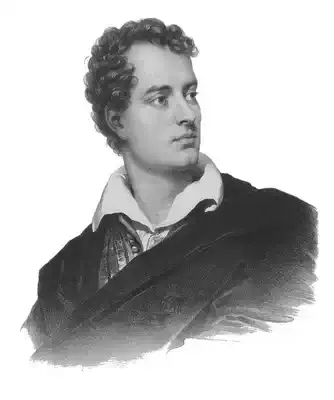
Lord Byron
Stanzas To A Hindoo Air
Stanzas To A Hindoo Air
Oh! my lonelylonelylonelyPillow!
Where is my lover? where is my lover?
Is it his bark which my dreary dreams discover?
Farfar
away! and alone along the billow?
Oh! my lonelylonelylonelyPillow!
Why must my head ache where his gentle brow lay?
How the long night flags lovelessly and slowly,
And my head droops over thee like the willow!
Oh! thou, my sad and solitary Pillow!
Send me kind dreams to keep my heart from breaking,
In return for the tears I shed upon thee waking;
Let me not die till he comes back o'er the billow.
Then if thou wiltno
more my lonely Pillow,
In one embrace let these arms again enfold him,
And then expire of the joybut
to behold him!
Oh! my lone bosom!oh!
my lonely Pillow!
Oh! my lonelylonelylonelyPillow!
Where is my lover? where is my lover?
Is it his bark which my dreary dreams discover?
Farfar
away! and alone along the billow?
Oh! my lonelylonelylonelyPillow!
Why must my head ache where his gentle brow lay?
How the long night flags lovelessly and slowly,
And my head droops over thee like the willow!
Oh! thou, my sad and solitary Pillow!
Send me kind dreams to keep my heart from breaking,
In return for the tears I shed upon thee waking;
Let me not die till he comes back o'er the billow.
Then if thou wiltno
more my lonely Pillow,
In one embrace let these arms again enfold him,
And then expire of the joybut
to behold him!
Oh! my lone bosom!oh!
my lonely Pillow!
478
Lord Byron
Stanzas For Music: There's Not A Joy The World Can Give
Stanzas For Music: There's Not A Joy The World Can Give
There's not a joy the world can give like that it takes away
When the glow of early thought declines in feeling's dull decay;
'Tis not on youth's smooth cheek the blush alone, which fades so fast,
But the tender bloom of heart is gone, ere youth itself be past.
Then the few whose spirits float above the wreck of happiness
Are driven o'er the shoals of guilt, or ocean of excess:
The magnet of their course is gone, or only points in vain
The shore to which their shivered sail shall never stretch again.
Then the mortal coldness of the soul like death itself comes down;
It cannot feel for others' woes, it dare not dream its own;
That heavy chill has frozen o'er the fountain of our tears,
And though the eye may sparkle still, 'tis where the ice appears.
Though wit may flash from fluent lips, and mirth distract the breast,
Through midnight hours that yield no more their former hope of rest,
'Tis but as ivyleaves
around the ruined turret wreath—
All green and wildly fresh without, but worn and grey beneath.
Oh, could I feel as I have felt, or be what I have been,
Or weep as I could once have wept, o'er many a vanished scene;
As springs in deserts found seem sweet, all brackish though they be,
So, midst the withered waste of life, those tears would flow to me.
There's not a joy the world can give like that it takes away
When the glow of early thought declines in feeling's dull decay;
'Tis not on youth's smooth cheek the blush alone, which fades so fast,
But the tender bloom of heart is gone, ere youth itself be past.
Then the few whose spirits float above the wreck of happiness
Are driven o'er the shoals of guilt, or ocean of excess:
The magnet of their course is gone, or only points in vain
The shore to which their shivered sail shall never stretch again.
Then the mortal coldness of the soul like death itself comes down;
It cannot feel for others' woes, it dare not dream its own;
That heavy chill has frozen o'er the fountain of our tears,
And though the eye may sparkle still, 'tis where the ice appears.
Though wit may flash from fluent lips, and mirth distract the breast,
Through midnight hours that yield no more their former hope of rest,
'Tis but as ivyleaves
around the ruined turret wreath—
All green and wildly fresh without, but worn and grey beneath.
Oh, could I feel as I have felt, or be what I have been,
Or weep as I could once have wept, o'er many a vanished scene;
As springs in deserts found seem sweet, all brackish though they be,
So, midst the withered waste of life, those tears would flow to me.
399
Lord Byron
Stanzas For Music: There's Not A Joy The World Can Give
Stanzas For Music: There's Not A Joy The World Can Give
There's not a joy the world can give like that it takes away
When the glow of early thought declines in feeling's dull decay;
'Tis not on youth's smooth cheek the blush alone, which fades so fast,
But the tender bloom of heart is gone, ere youth itself be past.
Then the few whose spirits float above the wreck of happiness
Are driven o'er the shoals of guilt, or ocean of excess:
The magnet of their course is gone, or only points in vain
The shore to which their shivered sail shall never stretch again.
Then the mortal coldness of the soul like death itself comes down;
It cannot feel for others' woes, it dare not dream its own;
That heavy chill has frozen o'er the fountain of our tears,
And though the eye may sparkle still, 'tis where the ice appears.
Though wit may flash from fluent lips, and mirth distract the breast,
Through midnight hours that yield no more their former hope of rest,
'Tis but as ivyleaves
around the ruined turret wreath—
All green and wildly fresh without, but worn and grey beneath.
Oh, could I feel as I have felt, or be what I have been,
Or weep as I could once have wept, o'er many a vanished scene;
As springs in deserts found seem sweet, all brackish though they be,
So, midst the withered waste of life, those tears would flow to me.
There's not a joy the world can give like that it takes away
When the glow of early thought declines in feeling's dull decay;
'Tis not on youth's smooth cheek the blush alone, which fades so fast,
But the tender bloom of heart is gone, ere youth itself be past.
Then the few whose spirits float above the wreck of happiness
Are driven o'er the shoals of guilt, or ocean of excess:
The magnet of their course is gone, or only points in vain
The shore to which their shivered sail shall never stretch again.
Then the mortal coldness of the soul like death itself comes down;
It cannot feel for others' woes, it dare not dream its own;
That heavy chill has frozen o'er the fountain of our tears,
And though the eye may sparkle still, 'tis where the ice appears.
Though wit may flash from fluent lips, and mirth distract the breast,
Through midnight hours that yield no more their former hope of rest,
'Tis but as ivyleaves
around the ruined turret wreath—
All green and wildly fresh without, but worn and grey beneath.
Oh, could I feel as I have felt, or be what I have been,
Or weep as I could once have wept, o'er many a vanished scene;
As springs in deserts found seem sweet, all brackish though they be,
So, midst the withered waste of life, those tears would flow to me.
399
Lord Byron
Stanzas For Music: There's Not A Joy The World Can Give
Stanzas For Music: There's Not A Joy The World Can Give
There's not a joy the world can give like that it takes away
When the glow of early thought declines in feeling's dull decay;
'Tis not on youth's smooth cheek the blush alone, which fades so fast,
But the tender bloom of heart is gone, ere youth itself be past.
Then the few whose spirits float above the wreck of happiness
Are driven o'er the shoals of guilt, or ocean of excess:
The magnet of their course is gone, or only points in vain
The shore to which their shivered sail shall never stretch again.
Then the mortal coldness of the soul like death itself comes down;
It cannot feel for others' woes, it dare not dream its own;
That heavy chill has frozen o'er the fountain of our tears,
And though the eye may sparkle still, 'tis where the ice appears.
Though wit may flash from fluent lips, and mirth distract the breast,
Through midnight hours that yield no more their former hope of rest,
'Tis but as ivyleaves
around the ruined turret wreath—
All green and wildly fresh without, but worn and grey beneath.
Oh, could I feel as I have felt, or be what I have been,
Or weep as I could once have wept, o'er many a vanished scene;
As springs in deserts found seem sweet, all brackish though they be,
So, midst the withered waste of life, those tears would flow to me.
There's not a joy the world can give like that it takes away
When the glow of early thought declines in feeling's dull decay;
'Tis not on youth's smooth cheek the blush alone, which fades so fast,
But the tender bloom of heart is gone, ere youth itself be past.
Then the few whose spirits float above the wreck of happiness
Are driven o'er the shoals of guilt, or ocean of excess:
The magnet of their course is gone, or only points in vain
The shore to which their shivered sail shall never stretch again.
Then the mortal coldness of the soul like death itself comes down;
It cannot feel for others' woes, it dare not dream its own;
That heavy chill has frozen o'er the fountain of our tears,
And though the eye may sparkle still, 'tis where the ice appears.
Though wit may flash from fluent lips, and mirth distract the breast,
Through midnight hours that yield no more their former hope of rest,
'Tis but as ivyleaves
around the ruined turret wreath—
All green and wildly fresh without, but worn and grey beneath.
Oh, could I feel as I have felt, or be what I have been,
Or weep as I could once have wept, o'er many a vanished scene;
As springs in deserts found seem sweet, all brackish though they be,
So, midst the withered waste of life, those tears would flow to me.
399
Lord Byron
Stanzas Composed During A Thunderstorm
Stanzas Composed During A Thunderstorm
Chill and mirk is the nightly blast,
Where Pindus' mountains rise,
And angry clouds are pouring fast
The vengeance of the skies.
Our guides are gone, our hope is lost,
And lightnings, as they play,
But show where rocks our path have crost,
Or gild the torrent's spray.
Is yon a cot I saw, though low?
When lightning broke the gloom
How welcome were its shade!ah,
no!
'Tis but a Turkish tomb.
Through sounds of foaming waterfalls,
I hear a voice exclaim
My wayworn
countryman, who calls
On distant England's name.
A shot is firedby
foe or friend?
Another'
tis to tell
The mountainpeasants
to descend,
And lead us where they dwell.
Oh! who in such a night will dare
To tempt the wilderness?
And who 'mid thunderpeals
can hear
Our signal of distress?
And who that heard our shouts would rise
To try the dubious road?
Nor rather deem from nightly cries
That outlaws were abroad.
Clouds burst, skies flash, oh, dreadful hour!
More fiercely pours the storm!
Yet here one thought has still the power
To keep my bosom warm.
While wandering through each broken path,
O'er brake and craggy brow;
While elements exhaust their wrath,
Sweet Florence, where art thou?
Not on the sea, not on the seaThy
bark hath long been gone:
Oh, may the storm that pours on me,
Bow down my head alone!
Full swiftly blew the swift Siroc,
When last I pressed thy lip;
And long ere now, with foaming shock,
Impelled thy gallant ship.
Now thou art safe; nay, long ere now
Hast trod the shore of Spain;
'Twere hard if aught so fair as thou
Should linger on the main.
And since I now remember thee
In darkness and in dread,
As in those hours of revelry
Which Mirth and Music sped;
Do thou, amid the fair white walls,
If Cadiz yet be free,
At times from out her latticed halls
Look o'er the dark blue sea;
Then think upon Calypso's isles,
Endeared by days gone by;
To others give a thousand smiles,
To me a single sigh.
And when the admiring circle mark
The paleness of thy face,
A halfformed
tear, a transient spark
Of melancholy grace,
Again thou'lt smile, and blushing shun
Some coxcomb's raillery;
Nor own for once thou thought'st on one,
Who ever thinks on thee.
Though smile and sigh alike are vain,
When severed hearts repine
My spirit flies o'er Mount and Main
And mourns in search of thine.
Chill and mirk is the nightly blast,
Where Pindus' mountains rise,
And angry clouds are pouring fast
The vengeance of the skies.
Our guides are gone, our hope is lost,
And lightnings, as they play,
But show where rocks our path have crost,
Or gild the torrent's spray.
Is yon a cot I saw, though low?
When lightning broke the gloom
How welcome were its shade!ah,
no!
'Tis but a Turkish tomb.
Through sounds of foaming waterfalls,
I hear a voice exclaim
My wayworn
countryman, who calls
On distant England's name.
A shot is firedby
foe or friend?
Another'
tis to tell
The mountainpeasants
to descend,
And lead us where they dwell.
Oh! who in such a night will dare
To tempt the wilderness?
And who 'mid thunderpeals
can hear
Our signal of distress?
And who that heard our shouts would rise
To try the dubious road?
Nor rather deem from nightly cries
That outlaws were abroad.
Clouds burst, skies flash, oh, dreadful hour!
More fiercely pours the storm!
Yet here one thought has still the power
To keep my bosom warm.
While wandering through each broken path,
O'er brake and craggy brow;
While elements exhaust their wrath,
Sweet Florence, where art thou?
Not on the sea, not on the seaThy
bark hath long been gone:
Oh, may the storm that pours on me,
Bow down my head alone!
Full swiftly blew the swift Siroc,
When last I pressed thy lip;
And long ere now, with foaming shock,
Impelled thy gallant ship.
Now thou art safe; nay, long ere now
Hast trod the shore of Spain;
'Twere hard if aught so fair as thou
Should linger on the main.
And since I now remember thee
In darkness and in dread,
As in those hours of revelry
Which Mirth and Music sped;
Do thou, amid the fair white walls,
If Cadiz yet be free,
At times from out her latticed halls
Look o'er the dark blue sea;
Then think upon Calypso's isles,
Endeared by days gone by;
To others give a thousand smiles,
To me a single sigh.
And when the admiring circle mark
The paleness of thy face,
A halfformed
tear, a transient spark
Of melancholy grace,
Again thou'lt smile, and blushing shun
Some coxcomb's raillery;
Nor own for once thou thought'st on one,
Who ever thinks on thee.
Though smile and sigh alike are vain,
When severed hearts repine
My spirit flies o'er Mount and Main
And mourns in search of thine.
529
Lord Byron
Stanzas Composed During A Thunderstorm
Stanzas Composed During A Thunderstorm
Chill and mirk is the nightly blast,
Where Pindus' mountains rise,
And angry clouds are pouring fast
The vengeance of the skies.
Our guides are gone, our hope is lost,
And lightnings, as they play,
But show where rocks our path have crost,
Or gild the torrent's spray.
Is yon a cot I saw, though low?
When lightning broke the gloom
How welcome were its shade!ah,
no!
'Tis but a Turkish tomb.
Through sounds of foaming waterfalls,
I hear a voice exclaim
My wayworn
countryman, who calls
On distant England's name.
A shot is firedby
foe or friend?
Another'
tis to tell
The mountainpeasants
to descend,
And lead us where they dwell.
Oh! who in such a night will dare
To tempt the wilderness?
And who 'mid thunderpeals
can hear
Our signal of distress?
And who that heard our shouts would rise
To try the dubious road?
Nor rather deem from nightly cries
That outlaws were abroad.
Clouds burst, skies flash, oh, dreadful hour!
More fiercely pours the storm!
Yet here one thought has still the power
To keep my bosom warm.
While wandering through each broken path,
O'er brake and craggy brow;
While elements exhaust their wrath,
Sweet Florence, where art thou?
Not on the sea, not on the seaThy
bark hath long been gone:
Oh, may the storm that pours on me,
Bow down my head alone!
Full swiftly blew the swift Siroc,
When last I pressed thy lip;
And long ere now, with foaming shock,
Impelled thy gallant ship.
Now thou art safe; nay, long ere now
Hast trod the shore of Spain;
'Twere hard if aught so fair as thou
Should linger on the main.
And since I now remember thee
In darkness and in dread,
As in those hours of revelry
Which Mirth and Music sped;
Do thou, amid the fair white walls,
If Cadiz yet be free,
At times from out her latticed halls
Look o'er the dark blue sea;
Then think upon Calypso's isles,
Endeared by days gone by;
To others give a thousand smiles,
To me a single sigh.
And when the admiring circle mark
The paleness of thy face,
A halfformed
tear, a transient spark
Of melancholy grace,
Again thou'lt smile, and blushing shun
Some coxcomb's raillery;
Nor own for once thou thought'st on one,
Who ever thinks on thee.
Though smile and sigh alike are vain,
When severed hearts repine
My spirit flies o'er Mount and Main
And mourns in search of thine.
Chill and mirk is the nightly blast,
Where Pindus' mountains rise,
And angry clouds are pouring fast
The vengeance of the skies.
Our guides are gone, our hope is lost,
And lightnings, as they play,
But show where rocks our path have crost,
Or gild the torrent's spray.
Is yon a cot I saw, though low?
When lightning broke the gloom
How welcome were its shade!ah,
no!
'Tis but a Turkish tomb.
Through sounds of foaming waterfalls,
I hear a voice exclaim
My wayworn
countryman, who calls
On distant England's name.
A shot is firedby
foe or friend?
Another'
tis to tell
The mountainpeasants
to descend,
And lead us where they dwell.
Oh! who in such a night will dare
To tempt the wilderness?
And who 'mid thunderpeals
can hear
Our signal of distress?
And who that heard our shouts would rise
To try the dubious road?
Nor rather deem from nightly cries
That outlaws were abroad.
Clouds burst, skies flash, oh, dreadful hour!
More fiercely pours the storm!
Yet here one thought has still the power
To keep my bosom warm.
While wandering through each broken path,
O'er brake and craggy brow;
While elements exhaust their wrath,
Sweet Florence, where art thou?
Not on the sea, not on the seaThy
bark hath long been gone:
Oh, may the storm that pours on me,
Bow down my head alone!
Full swiftly blew the swift Siroc,
When last I pressed thy lip;
And long ere now, with foaming shock,
Impelled thy gallant ship.
Now thou art safe; nay, long ere now
Hast trod the shore of Spain;
'Twere hard if aught so fair as thou
Should linger on the main.
And since I now remember thee
In darkness and in dread,
As in those hours of revelry
Which Mirth and Music sped;
Do thou, amid the fair white walls,
If Cadiz yet be free,
At times from out her latticed halls
Look o'er the dark blue sea;
Then think upon Calypso's isles,
Endeared by days gone by;
To others give a thousand smiles,
To me a single sigh.
And when the admiring circle mark
The paleness of thy face,
A halfformed
tear, a transient spark
Of melancholy grace,
Again thou'lt smile, and blushing shun
Some coxcomb's raillery;
Nor own for once thou thought'st on one,
Who ever thinks on thee.
Though smile and sigh alike are vain,
When severed hearts repine
My spirit flies o'er Mount and Main
And mourns in search of thine.
529
Lord Byron
Sonnet, To The Same (Genevra)
Sonnet, To The Same (Genevra)
Thy cheek is pale with thought, but not from woe,
And yet so lovely, that if Mirth could flush
Its rose of whiteness with the brightest blush,
My heart would wish away that ruder glow:
And dazzle not thy deepblue
eyesbut,
oh!
While gazing on them sterner eyes will gush,
And into mine my mother's weakness rush,
Soft as the last drops round heaven's airy bow.
For, through thy long dark lashes low depending,
The soul of melancholy Gentleness
Gleams like a seraph from the sky descending,
Above all pain, yet pitying all distress;
At once such majesty with sweetness blending,
I worship more, but cannot love thee less.
Thy cheek is pale with thought, but not from woe,
And yet so lovely, that if Mirth could flush
Its rose of whiteness with the brightest blush,
My heart would wish away that ruder glow:
And dazzle not thy deepblue
eyesbut,
oh!
While gazing on them sterner eyes will gush,
And into mine my mother's weakness rush,
Soft as the last drops round heaven's airy bow.
For, through thy long dark lashes low depending,
The soul of melancholy Gentleness
Gleams like a seraph from the sky descending,
Above all pain, yet pitying all distress;
At once such majesty with sweetness blending,
I worship more, but cannot love thee less.
512
Lord Byron
Sonnet - to Genevra
Sonnet - to Genevra
Thy cheek is pale with thought, but not from woe,
And yet so lovely, that if Mirth could flush
Its rose of whiteness with the brightest blush,
My heart would wish away that ruder glow:
And dazzle not thy deepblue
eyesbut,
oh!
While gazing on them sterner eyes will gush,
And into mine my mother's weakness rush,
Soft as the last drops round Heaven's airy bow.
For, though thy long dark lashes low depending,
The soul of melancholy Gentleness
Gleams like a Seraph from the sky descending,
Above all pain, yet pitying all distress;
At once such majesty with sweetness blending,
I worship more, but cannot love thee less.
Thy cheek is pale with thought, but not from woe,
And yet so lovely, that if Mirth could flush
Its rose of whiteness with the brightest blush,
My heart would wish away that ruder glow:
And dazzle not thy deepblue
eyesbut,
oh!
While gazing on them sterner eyes will gush,
And into mine my mother's weakness rush,
Soft as the last drops round Heaven's airy bow.
For, though thy long dark lashes low depending,
The soul of melancholy Gentleness
Gleams like a Seraph from the sky descending,
Above all pain, yet pitying all distress;
At once such majesty with sweetness blending,
I worship more, but cannot love thee less.
658
Lord Byron
Song For The Luddites
Song For The Luddites
I.
As the Liberty lads o'er the sea
Bought their freedom, and cheaply, with blood,
So we, boys, we
Will die fighting, or live free,
And down with all kings but King Ludd!
II.
When the web that we weave is complete,
And the shuttle exchanged for the sword,
We will fling the winding sheet
O'er the despot at our feet,
And dye it deep in the gore he has pour'd.
III.
Though black as his heart its hue,
Since his veins are corrupted to mud,
Yet this is the dew
Which the tree shall renew
Of Liberty, planted by Ludd!
I.
As the Liberty lads o'er the sea
Bought their freedom, and cheaply, with blood,
So we, boys, we
Will die fighting, or live free,
And down with all kings but King Ludd!
II.
When the web that we weave is complete,
And the shuttle exchanged for the sword,
We will fling the winding sheet
O'er the despot at our feet,
And dye it deep in the gore he has pour'd.
III.
Though black as his heart its hue,
Since his veins are corrupted to mud,
Yet this is the dew
Which the tree shall renew
Of Liberty, planted by Ludd!
685
Lord Byron
Remind Me Not, Remind Me Not
Remind Me Not, Remind Me Not
Remind me not, remind me not,
Of those beloved, those vanish'd hours,
When all my soul was given to thee;
Hours that may never be forgot,
Till Time unnerves our vital powers,
And thou and I shall cease to be.
Can I forgetcanst
thou forget,
When playing with thy golden hair,
How quick thy fluttering heart did move?
Oh! by my soul, I see thee yet,
With eyes so languid, breast so fair,
And lips, though silent, breathing love.
When thus reclining on my breast,
Those eyes threw back a glance so sweet,
As half reproach'd yet rais'd desire,
And still we near and nearer prest,
And still our glowing lips would meet,
As if in kisses to expire.
And then those pensive eyes would close,
And bid their lids each other seek,
Veiling the azure orbs below;
While their long lashes' darken'd gloss
Seem'd stealing o'er thy brilliant cheek,
Like raven's plumage smooth'd on snow.
I dreamt last night our love return'd,
And, sooth to say, that very dream
Was sweeter in its phantasy,
Than if for other hearts I burn'd,
For eyes that ne'er like thine could beam
In Rapture's wild reality.
Then tell me not, remind me not,
Of hours which, though for ever gone,
Can still a pleasing dream restore,
Till Thou and I shall be forgot,
And senseless, as the mouldering stone
Which tells that we shall be no more.
Remind me not, remind me not,
Of those beloved, those vanish'd hours,
When all my soul was given to thee;
Hours that may never be forgot,
Till Time unnerves our vital powers,
And thou and I shall cease to be.
Can I forgetcanst
thou forget,
When playing with thy golden hair,
How quick thy fluttering heart did move?
Oh! by my soul, I see thee yet,
With eyes so languid, breast so fair,
And lips, though silent, breathing love.
When thus reclining on my breast,
Those eyes threw back a glance so sweet,
As half reproach'd yet rais'd desire,
And still we near and nearer prest,
And still our glowing lips would meet,
As if in kisses to expire.
And then those pensive eyes would close,
And bid their lids each other seek,
Veiling the azure orbs below;
While their long lashes' darken'd gloss
Seem'd stealing o'er thy brilliant cheek,
Like raven's plumage smooth'd on snow.
I dreamt last night our love return'd,
And, sooth to say, that very dream
Was sweeter in its phantasy,
Than if for other hearts I burn'd,
For eyes that ne'er like thine could beam
In Rapture's wild reality.
Then tell me not, remind me not,
Of hours which, though for ever gone,
Can still a pleasing dream restore,
Till Thou and I shall be forgot,
And senseless, as the mouldering stone
Which tells that we shall be no more.
511
Lord Byron
Prometheus
Prometheus
Titan! to whose immortal eyes
The sufferings of mortality,
Seen in their sad reality,
Were not as things that gods despise;
What was thy pity's recompense?
A silent suffering, and intense;
The rock, the vulture, and the chain,
All that the proud can feel of pain,
The agony they do not show,
The suffocating sense of woe,
Which speaks but in its loneliness,
And then is jealous lest the sky
Should have a listener, nor will sigh
Until its voice is echoless.
Titan! to thee the strife was given
Between the suffering and the will,
Which torture where they cannot kill;
And the inexorable Heaven,
And the deaf tyranny of Fate,
The ruling principle of Hate,
Which for its pleasure doth create
The things it may annihilate,
Refus'd thee even the boon to die:
The wretched gift Eternity
Was thineand
thou hast borne it well.
All that the Thunderer wrung from thee
Was but the menace which flung back
On him the torments of thy rack;
The fate thou didst so well foresee,
But would not to appease him tell;
And in thy Silence was his Sentence,
And in his Soul a vain repentance,
And evil dread so ill dissembled,
That in his hand the lightnings trembled.
Thy Godlike crime was to be kind,
To render with thy precepts less
The sum of human wretchedness,
And strengthen Man with his own mind;
But baffled as thou wert from high,
Still in thy patient energy,
In the endurance, and repulse
Of thine impenetrable Spirit,
Which Earth and Heaven could not convulse,
A mighty lesson we inherit:
Thou art a symbol and a sign
To Mortals of their fate and force;
Like thee, Man is in part divine,
A troubled stream from a pure source;
And Man in portions can foresee
His own funereal destiny;
His wretchedness, and his resistance,
And his sad unallied existence:
To which his Spirit may oppose
Itselfand
equal to all woes,
And a firm will, and a deep sense,
Which even in torture can descry
Its own concenter'd recompense,
Triumphant where it dares defy,
And making Death a Victory.
Titan! to whose immortal eyes
The sufferings of mortality,
Seen in their sad reality,
Were not as things that gods despise;
What was thy pity's recompense?
A silent suffering, and intense;
The rock, the vulture, and the chain,
All that the proud can feel of pain,
The agony they do not show,
The suffocating sense of woe,
Which speaks but in its loneliness,
And then is jealous lest the sky
Should have a listener, nor will sigh
Until its voice is echoless.
Titan! to thee the strife was given
Between the suffering and the will,
Which torture where they cannot kill;
And the inexorable Heaven,
And the deaf tyranny of Fate,
The ruling principle of Hate,
Which for its pleasure doth create
The things it may annihilate,
Refus'd thee even the boon to die:
The wretched gift Eternity
Was thineand
thou hast borne it well.
All that the Thunderer wrung from thee
Was but the menace which flung back
On him the torments of thy rack;
The fate thou didst so well foresee,
But would not to appease him tell;
And in thy Silence was his Sentence,
And in his Soul a vain repentance,
And evil dread so ill dissembled,
That in his hand the lightnings trembled.
Thy Godlike crime was to be kind,
To render with thy precepts less
The sum of human wretchedness,
And strengthen Man with his own mind;
But baffled as thou wert from high,
Still in thy patient energy,
In the endurance, and repulse
Of thine impenetrable Spirit,
Which Earth and Heaven could not convulse,
A mighty lesson we inherit:
Thou art a symbol and a sign
To Mortals of their fate and force;
Like thee, Man is in part divine,
A troubled stream from a pure source;
And Man in portions can foresee
His own funereal destiny;
His wretchedness, and his resistance,
And his sad unallied existence:
To which his Spirit may oppose
Itselfand
equal to all woes,
And a firm will, and a deep sense,
Which even in torture can descry
Its own concenter'd recompense,
Triumphant where it dares defy,
And making Death a Victory.
543
Lord Byron
Prometheus
Prometheus
Titan! to whose immortal eyes
The sufferings of mortality,
Seen in their sad reality,
Were not as things that gods despise;
What was thy pity's recompense?
A silent suffering, and intense;
The rock, the vulture, and the chain,
All that the proud can feel of pain,
The agony they do not show,
The suffocating sense of woe,
Which speaks but in its loneliness,
And then is jealous lest the sky
Should have a listener, nor will sigh
Until its voice is echoless.
Titan! to thee the strife was given
Between the suffering and the will,
Which torture where they cannot kill;
And the inexorable Heaven,
And the deaf tyranny of Fate,
The ruling principle of Hate,
Which for its pleasure doth create
The things it may annihilate,
Refus'd thee even the boon to die:
The wretched gift Eternity
Was thineand
thou hast borne it well.
All that the Thunderer wrung from thee
Was but the menace which flung back
On him the torments of thy rack;
The fate thou didst so well foresee,
But would not to appease him tell;
And in thy Silence was his Sentence,
And in his Soul a vain repentance,
And evil dread so ill dissembled,
That in his hand the lightnings trembled.
Thy Godlike crime was to be kind,
To render with thy precepts less
The sum of human wretchedness,
And strengthen Man with his own mind;
But baffled as thou wert from high,
Still in thy patient energy,
In the endurance, and repulse
Of thine impenetrable Spirit,
Which Earth and Heaven could not convulse,
A mighty lesson we inherit:
Thou art a symbol and a sign
To Mortals of their fate and force;
Like thee, Man is in part divine,
A troubled stream from a pure source;
And Man in portions can foresee
His own funereal destiny;
His wretchedness, and his resistance,
And his sad unallied existence:
To which his Spirit may oppose
Itselfand
equal to all woes,
And a firm will, and a deep sense,
Which even in torture can descry
Its own concenter'd recompense,
Triumphant where it dares defy,
And making Death a Victory.
Titan! to whose immortal eyes
The sufferings of mortality,
Seen in their sad reality,
Were not as things that gods despise;
What was thy pity's recompense?
A silent suffering, and intense;
The rock, the vulture, and the chain,
All that the proud can feel of pain,
The agony they do not show,
The suffocating sense of woe,
Which speaks but in its loneliness,
And then is jealous lest the sky
Should have a listener, nor will sigh
Until its voice is echoless.
Titan! to thee the strife was given
Between the suffering and the will,
Which torture where they cannot kill;
And the inexorable Heaven,
And the deaf tyranny of Fate,
The ruling principle of Hate,
Which for its pleasure doth create
The things it may annihilate,
Refus'd thee even the boon to die:
The wretched gift Eternity
Was thineand
thou hast borne it well.
All that the Thunderer wrung from thee
Was but the menace which flung back
On him the torments of thy rack;
The fate thou didst so well foresee,
But would not to appease him tell;
And in thy Silence was his Sentence,
And in his Soul a vain repentance,
And evil dread so ill dissembled,
That in his hand the lightnings trembled.
Thy Godlike crime was to be kind,
To render with thy precepts less
The sum of human wretchedness,
And strengthen Man with his own mind;
But baffled as thou wert from high,
Still in thy patient energy,
In the endurance, and repulse
Of thine impenetrable Spirit,
Which Earth and Heaven could not convulse,
A mighty lesson we inherit:
Thou art a symbol and a sign
To Mortals of their fate and force;
Like thee, Man is in part divine,
A troubled stream from a pure source;
And Man in portions can foresee
His own funereal destiny;
His wretchedness, and his resistance,
And his sad unallied existence:
To which his Spirit may oppose
Itselfand
equal to all woes,
And a firm will, and a deep sense,
Which even in torture can descry
Its own concenter'd recompense,
Triumphant where it dares defy,
And making Death a Victory.
543
Lord Byron
Remember Thee! Remember Thee!
Remember Thee! Remember Thee!
Remember thee! remember thee!
Till Lethe quench life's burning stream
Remorse and shame shall cling to thee,
And haunt thee like a feverish dream!
Remember thee! Aye, doubt it not.
Thy husband too shall think of thee:
By neither shalt thou be forgot,
Thou false to him, thou fiend to me!
Remember thee! remember thee!
Till Lethe quench life's burning stream
Remorse and shame shall cling to thee,
And haunt thee like a feverish dream!
Remember thee! Aye, doubt it not.
Thy husband too shall think of thee:
By neither shalt thou be forgot,
Thou false to him, thou fiend to me!
409
Lord Byron
On this Day I Complete my Thirty-Sixth Year
On this Day I Complete my Thirty-Sixth Year
'Tis time the heart should be unmoved,
Since others it hath ceased to move:
Yet, though I cannot be beloved,
Still let me love!
My days are in the yellow leaf;
The flowers and fruits of love are gone;
The worm, the canker, and the grief
Are mine alone!
The fire that on my bosom preys
Is lone as some volcanic isle;
No torch is kindled at its blazeA
funeral pile.
The hope, the fear, the jealous care,
The exalted portion of the pain
And power of love, I cannot share,
But wear the chain.
But 'tis not thusand
'tis not hereSuch
thoughts should shake my soul nor now,
Where glory decks the hero's bier,
Or binds his brow.
The sword, the banner, and the field,
Glory and Greece, around me see!
The Spartan, borne upon his shield,
Was not more free.
Awake! (not Greeceshe
is awake!)
Awake, my spirit! Think through whom
Thy lifeblood
tracks its parent lake,
And then strike home!
Tread those reviving passions down,
Unworthy manhood!unto
thee
Indifferent should the smile or frown
Of beauty be.
If thou regrett'st thy youth, why live?
The land of honourable death
Is here:up
to the field, and give
Away thy breath!
Seek outless
often sought than foundA
soldier's grave, for thee the best;
Then look around, and choose thy ground,
And take thy rest.
'Tis time the heart should be unmoved,
Since others it hath ceased to move:
Yet, though I cannot be beloved,
Still let me love!
My days are in the yellow leaf;
The flowers and fruits of love are gone;
The worm, the canker, and the grief
Are mine alone!
The fire that on my bosom preys
Is lone as some volcanic isle;
No torch is kindled at its blazeA
funeral pile.
The hope, the fear, the jealous care,
The exalted portion of the pain
And power of love, I cannot share,
But wear the chain.
But 'tis not thusand
'tis not hereSuch
thoughts should shake my soul nor now,
Where glory decks the hero's bier,
Or binds his brow.
The sword, the banner, and the field,
Glory and Greece, around me see!
The Spartan, borne upon his shield,
Was not more free.
Awake! (not Greeceshe
is awake!)
Awake, my spirit! Think through whom
Thy lifeblood
tracks its parent lake,
And then strike home!
Tread those reviving passions down,
Unworthy manhood!unto
thee
Indifferent should the smile or frown
Of beauty be.
If thou regrett'st thy youth, why live?
The land of honourable death
Is here:up
to the field, and give
Away thy breath!
Seek outless
often sought than foundA
soldier's grave, for thee the best;
Then look around, and choose thy ground,
And take thy rest.
541
Lord Byron
On this Day I Complete my Thirty-Sixth Year
On this Day I Complete my Thirty-Sixth Year
'Tis time the heart should be unmoved,
Since others it hath ceased to move:
Yet, though I cannot be beloved,
Still let me love!
My days are in the yellow leaf;
The flowers and fruits of love are gone;
The worm, the canker, and the grief
Are mine alone!
The fire that on my bosom preys
Is lone as some volcanic isle;
No torch is kindled at its blazeA
funeral pile.
The hope, the fear, the jealous care,
The exalted portion of the pain
And power of love, I cannot share,
But wear the chain.
But 'tis not thusand
'tis not hereSuch
thoughts should shake my soul nor now,
Where glory decks the hero's bier,
Or binds his brow.
The sword, the banner, and the field,
Glory and Greece, around me see!
The Spartan, borne upon his shield,
Was not more free.
Awake! (not Greeceshe
is awake!)
Awake, my spirit! Think through whom
Thy lifeblood
tracks its parent lake,
And then strike home!
Tread those reviving passions down,
Unworthy manhood!unto
thee
Indifferent should the smile or frown
Of beauty be.
If thou regrett'st thy youth, why live?
The land of honourable death
Is here:up
to the field, and give
Away thy breath!
Seek outless
often sought than foundA
soldier's grave, for thee the best;
Then look around, and choose thy ground,
And take thy rest.
'Tis time the heart should be unmoved,
Since others it hath ceased to move:
Yet, though I cannot be beloved,
Still let me love!
My days are in the yellow leaf;
The flowers and fruits of love are gone;
The worm, the canker, and the grief
Are mine alone!
The fire that on my bosom preys
Is lone as some volcanic isle;
No torch is kindled at its blazeA
funeral pile.
The hope, the fear, the jealous care,
The exalted portion of the pain
And power of love, I cannot share,
But wear the chain.
But 'tis not thusand
'tis not hereSuch
thoughts should shake my soul nor now,
Where glory decks the hero's bier,
Or binds his brow.
The sword, the banner, and the field,
Glory and Greece, around me see!
The Spartan, borne upon his shield,
Was not more free.
Awake! (not Greeceshe
is awake!)
Awake, my spirit! Think through whom
Thy lifeblood
tracks its parent lake,
And then strike home!
Tread those reviving passions down,
Unworthy manhood!unto
thee
Indifferent should the smile or frown
Of beauty be.
If thou regrett'st thy youth, why live?
The land of honourable death
Is here:up
to the field, and give
Away thy breath!
Seek outless
often sought than foundA
soldier's grave, for thee the best;
Then look around, and choose thy ground,
And take thy rest.
541
Lord Byron
On Revisiting Harrow
On Revisiting Harrow
Here once engaged the stranger's view
Young Friendship's record simply traced;
Few were her words; but yet, though few,
Resentment's hand the line defaced.
Deeply she cutbut
not erased,
The characters were still so pain,
That Friendship once return'd, and gazed,Till
Memory hail'd the words again.
Repentance placed them as before;
Forgiveness join d her gentle name;
So fair the inscription seem'd once more,
That Friendship thought it still the same.
Thus might the Record now have been;
But, ah, in spite of Hopes endeavour,
Or Friendships tears, Pride rush'd between
And blotted out the line for ever.
Here once engaged the stranger's view
Young Friendship's record simply traced;
Few were her words; but yet, though few,
Resentment's hand the line defaced.
Deeply she cutbut
not erased,
The characters were still so pain,
That Friendship once return'd, and gazed,Till
Memory hail'd the words again.
Repentance placed them as before;
Forgiveness join d her gentle name;
So fair the inscription seem'd once more,
That Friendship thought it still the same.
Thus might the Record now have been;
But, ah, in spite of Hopes endeavour,
Or Friendships tears, Pride rush'd between
And blotted out the line for ever.
581
Lord Byron
On Revisiting Harrow
On Revisiting Harrow
Here once engaged the stranger's view
Young Friendship's record simply traced;
Few were her words; but yet, though few,
Resentment's hand the line defaced.
Deeply she cutbut
not erased,
The characters were still so pain,
That Friendship once return'd, and gazed,Till
Memory hail'd the words again.
Repentance placed them as before;
Forgiveness join d her gentle name;
So fair the inscription seem'd once more,
That Friendship thought it still the same.
Thus might the Record now have been;
But, ah, in spite of Hopes endeavour,
Or Friendships tears, Pride rush'd between
And blotted out the line for ever.
Here once engaged the stranger's view
Young Friendship's record simply traced;
Few were her words; but yet, though few,
Resentment's hand the line defaced.
Deeply she cutbut
not erased,
The characters were still so pain,
That Friendship once return'd, and gazed,Till
Memory hail'd the words again.
Repentance placed them as before;
Forgiveness join d her gentle name;
So fair the inscription seem'd once more,
That Friendship thought it still the same.
Thus might the Record now have been;
But, ah, in spite of Hopes endeavour,
Or Friendships tears, Pride rush'd between
And blotted out the line for ever.
581
Lord Byron
On Revisiting Harrow
On Revisiting Harrow
Here once engaged the stranger's view
Young Friendship's record simply traced;
Few were her words; but yet, though few,
Resentment's hand the line defaced.
Deeply she cutbut
not erased,
The characters were still so pain,
That Friendship once return'd, and gazed,Till
Memory hail'd the words again.
Repentance placed them as before;
Forgiveness join d her gentle name;
So fair the inscription seem'd once more,
That Friendship thought it still the same.
Thus might the Record now have been;
But, ah, in spite of Hopes endeavour,
Or Friendships tears, Pride rush'd between
And blotted out the line for ever.
Here once engaged the stranger's view
Young Friendship's record simply traced;
Few were her words; but yet, though few,
Resentment's hand the line defaced.
Deeply she cutbut
not erased,
The characters were still so pain,
That Friendship once return'd, and gazed,Till
Memory hail'd the words again.
Repentance placed them as before;
Forgiveness join d her gentle name;
So fair the inscription seem'd once more,
That Friendship thought it still the same.
Thus might the Record now have been;
But, ah, in spite of Hopes endeavour,
Or Friendships tears, Pride rush'd between
And blotted out the line for ever.
581
Lord Byron
On Chillon
On Chillon
Eternal Spirit of the chainless Mind!
Brightest in dungeons, Liberty, thou art;
For there thy habitation is the heart—
The heart which love of thee alone can bind;
And when thy sons to fetters are consigned,
To
fetters, and the damp vault's dayless gloom—
Their country conquers with their martyrdom,
And Freedom's fame finds wings on every wind.
Chillon! thy prison is a holy place,
And thy sad floor and altar, for 'twas trod,
Until his very steps have left a trace,
Worn, as if thy cold pavement were a sod,
By Bonnivard.—May none those marks efface!
For they appeal from tyranny to God.
Eternal Spirit of the chainless Mind!
Brightest in dungeons, Liberty, thou art;
For there thy habitation is the heart—
The heart which love of thee alone can bind;
And when thy sons to fetters are consigned,
To
fetters, and the damp vault's dayless gloom—
Their country conquers with their martyrdom,
And Freedom's fame finds wings on every wind.
Chillon! thy prison is a holy place,
And thy sad floor and altar, for 'twas trod,
Until his very steps have left a trace,
Worn, as if thy cold pavement were a sod,
By Bonnivard.—May none those marks efface!
For they appeal from tyranny to God.
571
Lord Byron
On Lord Thurlow's Poems
On Lord Thurlow's Poems
When Thurlow this damn'd nonsense sent
(I hope I am not violent),
Nor men nor gods knew what he meant.
And since not even our Rogers' praise
To common sense his thoughts could raiseWhy
would they let him print his lays'
To me, divine Apollo, grantO!
Hermilda s first and second canto,
I'm fitting up a new portmanteau;
And thus to furnish decent lining,
My own and others' bays I'm twining,So,
gentle Thurlow, throw me thine in.
When Thurlow this damn'd nonsense sent
(I hope I am not violent),
Nor men nor gods knew what he meant.
And since not even our Rogers' praise
To common sense his thoughts could raiseWhy
would they let him print his lays'
To me, divine Apollo, grantO!
Hermilda s first and second canto,
I'm fitting up a new portmanteau;
And thus to furnish decent lining,
My own and others' bays I'm twining,So,
gentle Thurlow, throw me thine in.
579
Lord Byron
On A Nun
On A Nun
Of two fair virgins, modest, though admired,
Heaven made us happy; and now, wretched sires,
Heaven for a nobler doom their worth desires,
And gazing upon either, both required.
Mine, while the torch of Hymen newly fired
Becomes extinguish'd, soon too
soon expires:
But thine, within the closing grate retired,
Eternal captive, to her God aspires.
But thou at least from out the jealous door,
Which shuts between your never meeting
eyes,
May'st hear her sweet and pious voice once more:
I to the marble, where my daughter lies,
Rush, the
swoln flood of bitterness I pour,
And knock, and knock, and knock but none replies.
Of two fair virgins, modest, though admired,
Heaven made us happy; and now, wretched sires,
Heaven for a nobler doom their worth desires,
And gazing upon either, both required.
Mine, while the torch of Hymen newly fired
Becomes extinguish'd, soon too
soon expires:
But thine, within the closing grate retired,
Eternal captive, to her God aspires.
But thou at least from out the jealous door,
Which shuts between your never meeting
eyes,
May'st hear her sweet and pious voice once more:
I to the marble, where my daughter lies,
Rush, the
swoln flood of bitterness I pour,
And knock, and knock, and knock but none replies.
446
Lord Byron
On A Nun
On A Nun
Of two fair virgins, modest, though admired,
Heaven made us happy; and now, wretched sires,
Heaven for a nobler doom their worth desires,
And gazing upon either, both required.
Mine, while the torch of Hymen newly fired
Becomes extinguish'd, soon too
soon expires:
But thine, within the closing grate retired,
Eternal captive, to her God aspires.
But thou at least from out the jealous door,
Which shuts between your never meeting
eyes,
May'st hear her sweet and pious voice once more:
I to the marble, where my daughter lies,
Rush, the
swoln flood of bitterness I pour,
And knock, and knock, and knock but none replies.
Of two fair virgins, modest, though admired,
Heaven made us happy; and now, wretched sires,
Heaven for a nobler doom their worth desires,
And gazing upon either, both required.
Mine, while the torch of Hymen newly fired
Becomes extinguish'd, soon too
soon expires:
But thine, within the closing grate retired,
Eternal captive, to her God aspires.
But thou at least from out the jealous door,
Which shuts between your never meeting
eyes,
May'st hear her sweet and pious voice once more:
I to the marble, where my daughter lies,
Rush, the
swoln flood of bitterness I pour,
And knock, and knock, and knock but none replies.
446
Lord Byron
On A Cornelian Heart Which Was Broken
On A Cornelian Heart Which Was Broken
Illfated
Heart! And can it be,
That thou should'st thus be rent in vain?
Have years of care for thine and thee
Alike been all employ'd in vain?
Yet precious seems each shatter'd part
And every fragment dearer grown
Since he who wears thee feels thou art
A fitter emblem of his own.
March 16, 1812
Illfated
Heart! And can it be,
That thou should'st thus be rent in vain?
Have years of care for thine and thee
Alike been all employ'd in vain?
Yet precious seems each shatter'd part
And every fragment dearer grown
Since he who wears thee feels thou art
A fitter emblem of his own.
March 16, 1812
404
Lord Byron
On A Cornelian Heart Which Was Broken
On A Cornelian Heart Which Was Broken
Illfated
Heart! And can it be,
That thou should'st thus be rent in vain?
Have years of care for thine and thee
Alike been all employ'd in vain?
Yet precious seems each shatter'd part
And every fragment dearer grown
Since he who wears thee feels thou art
A fitter emblem of his own.
March 16, 1812
Illfated
Heart! And can it be,
That thou should'st thus be rent in vain?
Have years of care for thine and thee
Alike been all employ'd in vain?
Yet precious seems each shatter'd part
And every fragment dearer grown
Since he who wears thee feels thou art
A fitter emblem of his own.
March 16, 1812
404