

Poems in this topic
Emotions and Feelings
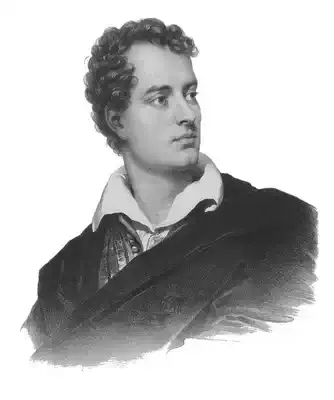
Lord Byron
My Soul is Dark
My Soul is Dark
My soul is dark Oh!
quickly string
The harp I yet can brook to hear;
And let thy gentle fingers fling
Its melting murmurs o'er mine ear.
If in this heart a hope be dear,
That sound shall charm it forth again:
If in these eyes there lurk a tear,
'Twill flow, and cease to burn my brain.
But bid the strain be wild and deep,
Nor let thy notes of joy be first:
I tell thee, minstrel, I must weep,
Or else this heavy heart will burst;
For it hath been by sorrow nursed,
And ached in sleepless silence, long;
And now 'tis doomed to know the worst,
And break at once or
yield to song.
My soul is dark Oh!
quickly string
The harp I yet can brook to hear;
And let thy gentle fingers fling
Its melting murmurs o'er mine ear.
If in this heart a hope be dear,
That sound shall charm it forth again:
If in these eyes there lurk a tear,
'Twill flow, and cease to burn my brain.
But bid the strain be wild and deep,
Nor let thy notes of joy be first:
I tell thee, minstrel, I must weep,
Or else this heavy heart will burst;
For it hath been by sorrow nursed,
And ached in sleepless silence, long;
And now 'tis doomed to know the worst,
And break at once or
yield to song.
475
Lord Byron
My Soul is Dark
My Soul is Dark
My soul is dark Oh!
quickly string
The harp I yet can brook to hear;
And let thy gentle fingers fling
Its melting murmurs o'er mine ear.
If in this heart a hope be dear,
That sound shall charm it forth again:
If in these eyes there lurk a tear,
'Twill flow, and cease to burn my brain.
But bid the strain be wild and deep,
Nor let thy notes of joy be first:
I tell thee, minstrel, I must weep,
Or else this heavy heart will burst;
For it hath been by sorrow nursed,
And ached in sleepless silence, long;
And now 'tis doomed to know the worst,
And break at once or
yield to song.
My soul is dark Oh!
quickly string
The harp I yet can brook to hear;
And let thy gentle fingers fling
Its melting murmurs o'er mine ear.
If in this heart a hope be dear,
That sound shall charm it forth again:
If in these eyes there lurk a tear,
'Twill flow, and cease to burn my brain.
But bid the strain be wild and deep,
Nor let thy notes of joy be first:
I tell thee, minstrel, I must weep,
Or else this heavy heart will burst;
For it hath been by sorrow nursed,
And ached in sleepless silence, long;
And now 'tis doomed to know the worst,
And break at once or
yield to song.
475
Lord Byron
Monody On The Death Of The Right Hon. R. B. Sheridan
Monody On The Death Of The Right Hon. R. B. Sheridan
When the last sunshine of expiring day
In summer's twilight weeps itself away,
Who hath not felt the softness of the hour
Sink on the heart, as dew along the flower?
With a pure feeling which absorbs and awes
While Nature makes that melancholy pause,
Her breathing moment on the bridge where Time
Of light and darkness forms an arch sublime,
Who hath not shared that calm, so still and deep,
The voiceless thought which would not speak but weep,
A holy concord, and a bright regret,
A glorious sympathy with suns that set?
'Tis not harsh sorrow, but a tenderer woe,
Nameless, but dear to gentle hearts below,
Felt without bitterness, but full and clear,
A sweet dejection, a transparent tear,
Unmix'd with worldly grief or selfish stain,
Shed without shame, and secret without pain.
Even as the tenderness that hour instils
When Summer's day declines along the hills.
So feels the fulness of our heart and eyes
When all of Genius which can perish dies.
A mighty Spirit is eclipsed a
Power
Hath pass'd from day to darkness to
whose hour
Of light no likeness is bequeath'd no
name,
Focus at once of all the rays of Fame!
The flash of Wit, the bright Intelligence,
The beam of Song, the blaze of Eloquence,
Set with their Sun, but still have left behind
The enduring produce of immortal Mind;
Fruits of a genial morn, and glorious noon,
A deathless part of him who died too soon.
But small that portion of the wondrous whole,
These sparkling segments of that circling soul,
Which all embraced, and lighten'd over all,
To cheer, to pierce, to please, or to appal.
From the charm'd council to the festive board,
Of human feelings the unbounded lord;
In whose acclaim the loftiest voices vied,
The praised, the proud, who made his praise their pride.
When the loud cry of trampled Hindostan
Arose to Heaven in her appeal from man,
His was the thunder, his the avenging rod,
The wrath the
delegated voice of God!
Which shook the nations through his lips, and blazed
Till vanquish 'd senates trembled as they praised.
And here, oh! here, where yet all young and warm,
The gay creations of is spirit charm,
The matchless dialogue, the deathless wit,
Which knew not what it was to intermit;
The glowing portraits, fresh from life, that bring
Home to our hearts the truth from which they spring;
These wondrous beings of his fancy, wrought
To fulness by the fiat of his thought,
Here in their first abode you still may meet,
Bright with the hues of his Promethean heat;
A halo of the light of other days,
Which still the splendour of its orb betrays.
But should there be to whom the fatal blight
Of failing Wisdom yields a base delight,
Men who exult when minds of heavenly tone
Jar in the music which was born their own,
Still let them pause ah!
little do they know
That what to them seem'd Vice might be but Woo.
Hard is his fate on whom the public gaze
Is fix'd for ever to detract or praise;
Repose denies her requiem to his name,
And Folly loves the martyrdom of Fame.
The secret enemy whose sleepless eye
Stands sentinel, accuser, judge, and spy,
The foe, the fool, the jealous, and the vain,
The envious who but breathe in others' pain,
Behold the host! delighting to deprave,
Who track the steps of Glory to the grave,
Watch every fault that daring Genius owes
Half to the ardour which its birth bestows,
Distort the troth, accumulate the lie,
And pile the pyramid of Calumny!
These are his portion but
if join'd to these
Gaunt Poverty should league with deep Disease,
If the high Spirit must forget to soar,
And stoop to strive with Misery at the door,
To soothe Indignity and
face to face
Meet sordid Rage, and wrestle with Disgrace,
To find in Hope but the renew'd caress,
The serpentfold
of further Faithlessness:If
such may be the ills which men assail,
What marvel if at last the mightiest fail?
Breasts to whom all the strength of feeling given
Bear hearts electriccharged
with fire from Heaven,
Black with the rude collision inly torn,
By clouds surrounded, and on whirlwinds
borne,
Driven o'er the lowering atmosphere that nurst
Thoughts which have turn'd to thunderscorch, and burst.
But far from us and from our mimic scene
Such things should be if
such have ever been
Ours be the gentler wish, the kinder task,
To give the tribute Glory need not ask,
To mourn the vanish'd beam, and add our mite
Of praise in payment of a long delight.
Ye Orators! whom yet our councils yield,
Mourn for the veteran Hero of your field!
The worthy rival of the wondrous Three!
Whose words were sparks of Immortality!
Ye Bards! to whom the Drama's muse is dear,
He was your Masteremulate
him her!
Ye men of wit and social eloquence!
He was your brother bear
his ashes hence!
While Powers of mind almost of boundless range,
Complete in kind, as various in their change,
While Eloquence, Wit, Poesy, and Mirth,
That humbler Harmonist of care on Earth,
Survive within our souls while
lives our sense
Of pride in Merit's proud preeminence,
Long shall we seek his likeness, long in vain,
And turn to all of him which may remain,
Sighing that nature form'd but one such man,
And broke the die in
moulding Sheridan!
When the last sunshine of expiring day
In summer's twilight weeps itself away,
Who hath not felt the softness of the hour
Sink on the heart, as dew along the flower?
With a pure feeling which absorbs and awes
While Nature makes that melancholy pause,
Her breathing moment on the bridge where Time
Of light and darkness forms an arch sublime,
Who hath not shared that calm, so still and deep,
The voiceless thought which would not speak but weep,
A holy concord, and a bright regret,
A glorious sympathy with suns that set?
'Tis not harsh sorrow, but a tenderer woe,
Nameless, but dear to gentle hearts below,
Felt without bitterness, but full and clear,
A sweet dejection, a transparent tear,
Unmix'd with worldly grief or selfish stain,
Shed without shame, and secret without pain.
Even as the tenderness that hour instils
When Summer's day declines along the hills.
So feels the fulness of our heart and eyes
When all of Genius which can perish dies.
A mighty Spirit is eclipsed a
Power
Hath pass'd from day to darkness to
whose hour
Of light no likeness is bequeath'd no
name,
Focus at once of all the rays of Fame!
The flash of Wit, the bright Intelligence,
The beam of Song, the blaze of Eloquence,
Set with their Sun, but still have left behind
The enduring produce of immortal Mind;
Fruits of a genial morn, and glorious noon,
A deathless part of him who died too soon.
But small that portion of the wondrous whole,
These sparkling segments of that circling soul,
Which all embraced, and lighten'd over all,
To cheer, to pierce, to please, or to appal.
From the charm'd council to the festive board,
Of human feelings the unbounded lord;
In whose acclaim the loftiest voices vied,
The praised, the proud, who made his praise their pride.
When the loud cry of trampled Hindostan
Arose to Heaven in her appeal from man,
His was the thunder, his the avenging rod,
The wrath the
delegated voice of God!
Which shook the nations through his lips, and blazed
Till vanquish 'd senates trembled as they praised.
And here, oh! here, where yet all young and warm,
The gay creations of is spirit charm,
The matchless dialogue, the deathless wit,
Which knew not what it was to intermit;
The glowing portraits, fresh from life, that bring
Home to our hearts the truth from which they spring;
These wondrous beings of his fancy, wrought
To fulness by the fiat of his thought,
Here in their first abode you still may meet,
Bright with the hues of his Promethean heat;
A halo of the light of other days,
Which still the splendour of its orb betrays.
But should there be to whom the fatal blight
Of failing Wisdom yields a base delight,
Men who exult when minds of heavenly tone
Jar in the music which was born their own,
Still let them pause ah!
little do they know
That what to them seem'd Vice might be but Woo.
Hard is his fate on whom the public gaze
Is fix'd for ever to detract or praise;
Repose denies her requiem to his name,
And Folly loves the martyrdom of Fame.
The secret enemy whose sleepless eye
Stands sentinel, accuser, judge, and spy,
The foe, the fool, the jealous, and the vain,
The envious who but breathe in others' pain,
Behold the host! delighting to deprave,
Who track the steps of Glory to the grave,
Watch every fault that daring Genius owes
Half to the ardour which its birth bestows,
Distort the troth, accumulate the lie,
And pile the pyramid of Calumny!
These are his portion but
if join'd to these
Gaunt Poverty should league with deep Disease,
If the high Spirit must forget to soar,
And stoop to strive with Misery at the door,
To soothe Indignity and
face to face
Meet sordid Rage, and wrestle with Disgrace,
To find in Hope but the renew'd caress,
The serpentfold
of further Faithlessness:If
such may be the ills which men assail,
What marvel if at last the mightiest fail?
Breasts to whom all the strength of feeling given
Bear hearts electriccharged
with fire from Heaven,
Black with the rude collision inly torn,
By clouds surrounded, and on whirlwinds
borne,
Driven o'er the lowering atmosphere that nurst
Thoughts which have turn'd to thunderscorch, and burst.
But far from us and from our mimic scene
Such things should be if
such have ever been
Ours be the gentler wish, the kinder task,
To give the tribute Glory need not ask,
To mourn the vanish'd beam, and add our mite
Of praise in payment of a long delight.
Ye Orators! whom yet our councils yield,
Mourn for the veteran Hero of your field!
The worthy rival of the wondrous Three!
Whose words were sparks of Immortality!
Ye Bards! to whom the Drama's muse is dear,
He was your Masteremulate
him her!
Ye men of wit and social eloquence!
He was your brother bear
his ashes hence!
While Powers of mind almost of boundless range,
Complete in kind, as various in their change,
While Eloquence, Wit, Poesy, and Mirth,
That humbler Harmonist of care on Earth,
Survive within our souls while
lives our sense
Of pride in Merit's proud preeminence,
Long shall we seek his likeness, long in vain,
And turn to all of him which may remain,
Sighing that nature form'd but one such man,
And broke the die in
moulding Sheridan!
455
Lord Byron
Maid Of Athens, Ere We Part
Maid Of Athens, Ere We Part
Maid of Athens, ere we part,
Give, oh give me back my heart!
Or, since that has left my breast,
Keep it now, and take the rest!
Hear my vow before I go,
Zoë mou, sas agapo!
By those tresses unconfined,
Wood by each Ægean wind;
By those lids whose jetty fringe
Kiss thy soft cheeks' blooming tinge;
By those wild eyes like the roe,
Zoë mou, sas agapo!
By that lip I long to taste;
By that zone encircled waist;
By all the tokenflowers
that tell
What words can never speak so well;
By love's alternate joy and woe.
Zoë mou, sas agapo!
Maid of Athens! I am gone:
Think of me, sweet! when alone.
Though I fly to Istambol,
Athens holds my heart and soul:
Can I cease to love thee? No!
Zoë mou, sas agapo!
Maid of Athens, ere we part,
Give, oh give me back my heart!
Or, since that has left my breast,
Keep it now, and take the rest!
Hear my vow before I go,
Zoë mou, sas agapo!
By those tresses unconfined,
Wood by each Ægean wind;
By those lids whose jetty fringe
Kiss thy soft cheeks' blooming tinge;
By those wild eyes like the roe,
Zoë mou, sas agapo!
By that lip I long to taste;
By that zone encircled waist;
By all the tokenflowers
that tell
What words can never speak so well;
By love's alternate joy and woe.
Zoë mou, sas agapo!
Maid of Athens! I am gone:
Think of me, sweet! when alone.
Though I fly to Istambol,
Athens holds my heart and soul:
Can I cease to love thee? No!
Zoë mou, sas agapo!
619
Lord Byron
Lines Written Beneath An Elm In The Churchyard Of Harrow On The Hill, Sept.
Lines Written Beneath An Elm In The Churchyard Of Harrow On The Hill, Sept.
2, 1807
Spot of my youth! whose hoary branches sigh,
Swept by the breeze that fans thy cloudless sky;
Where now alone I muse, who oft have trod,
With those I loved, thy soft and verdant sod;
With those who, scattered far, perchance deplore,
Like me, the happy scenes they knew before:
Oh! as I trace again thy winding hill,
Mine eyes admire, my heart adores thee still,
Thou drooping Elm! beneath whose boughs I lay,
And frequent mused the twilight hours away;
Where, as they once were wont, my limbs recline,
But ah! without the thoughts which then were mine.
How do thy branches, moaning to the blast,
Invite the bosom to recall the past,
And seem to whisper, as the gently swell,
'Take, while thou canst, a lingering, last farewell!'
When fate shall chill, at length, this fevered breast,
And calm its cares and passions into rest,
Oft have I thought, 'twould soothe my dying hour,—
If aught may soothe when life resigns her power,—
To know some humbler grave, some narrow cell,
Would hide my bosom where it loved to dwell.
With this fond dream, methinks, 'twere sweet to die—
And here it lingered, here my heart might lie;
Here might I sleep, where all my hopes arose,
Scene of my youth, and couch of my repose;
For ever stretched beneath this mantling shade,
Pressed by the turf where once my childhood played;
Wrapped by the soil that veils the spot I loved,
Mixed with the earth o'er which my footsteps moved;
Blest by the tongues that charmed my youthful ear,
Mourned by the few my soul acknowledged here;
Deplored by those in early days allied,
And unremembered by the world beside.
2, 1807
Spot of my youth! whose hoary branches sigh,
Swept by the breeze that fans thy cloudless sky;
Where now alone I muse, who oft have trod,
With those I loved, thy soft and verdant sod;
With those who, scattered far, perchance deplore,
Like me, the happy scenes they knew before:
Oh! as I trace again thy winding hill,
Mine eyes admire, my heart adores thee still,
Thou drooping Elm! beneath whose boughs I lay,
And frequent mused the twilight hours away;
Where, as they once were wont, my limbs recline,
But ah! without the thoughts which then were mine.
How do thy branches, moaning to the blast,
Invite the bosom to recall the past,
And seem to whisper, as the gently swell,
'Take, while thou canst, a lingering, last farewell!'
When fate shall chill, at length, this fevered breast,
And calm its cares and passions into rest,
Oft have I thought, 'twould soothe my dying hour,—
If aught may soothe when life resigns her power,—
To know some humbler grave, some narrow cell,
Would hide my bosom where it loved to dwell.
With this fond dream, methinks, 'twere sweet to die—
And here it lingered, here my heart might lie;
Here might I sleep, where all my hopes arose,
Scene of my youth, and couch of my repose;
For ever stretched beneath this mantling shade,
Pressed by the turf where once my childhood played;
Wrapped by the soil that veils the spot I loved,
Mixed with the earth o'er which my footsteps moved;
Blest by the tongues that charmed my youthful ear,
Mourned by the few my soul acknowledged here;
Deplored by those in early days allied,
And unremembered by the world beside.
425
Lord Byron
Lines Written On A Blank Leaf Of 'The Pleasures Of Memory'
Lines Written On A Blank Leaf Of 'The Pleasures Of Memory'
Absent or present, still to thee,
My friend, what magic spells belong!
As all can tell, who share, like me,
In turn thy converse and thy song.
But when the dreaded hour shall come
By Friendship ever deem'd too nigh,
And `MEMORY' o'er her Druid's tomb
Shall weep that aught of thee can die,
How fondly will she then repay
Thy homage offer'd at her shrine, to
And blend, while ages roll away,
Her name immortally with thine!
April 19, 1812
Absent or present, still to thee,
My friend, what magic spells belong!
As all can tell, who share, like me,
In turn thy converse and thy song.
But when the dreaded hour shall come
By Friendship ever deem'd too nigh,
And `MEMORY' o'er her Druid's tomb
Shall weep that aught of thee can die,
How fondly will she then repay
Thy homage offer'd at her shrine, to
And blend, while ages roll away,
Her name immortally with thine!
April 19, 1812
326
Lord Byron
Lines Written On A Blank Leaf Of 'The Pleasures Of Memory'
Lines Written On A Blank Leaf Of 'The Pleasures Of Memory'
Absent or present, still to thee,
My friend, what magic spells belong!
As all can tell, who share, like me,
In turn thy converse and thy song.
But when the dreaded hour shall come
By Friendship ever deem'd too nigh,
And `MEMORY' o'er her Druid's tomb
Shall weep that aught of thee can die,
How fondly will she then repay
Thy homage offer'd at her shrine, to
And blend, while ages roll away,
Her name immortally with thine!
April 19, 1812
Absent or present, still to thee,
My friend, what magic spells belong!
As all can tell, who share, like me,
In turn thy converse and thy song.
But when the dreaded hour shall come
By Friendship ever deem'd too nigh,
And `MEMORY' o'er her Druid's tomb
Shall weep that aught of thee can die,
How fondly will she then repay
Thy homage offer'd at her shrine, to
And blend, while ages roll away,
Her name immortally with thine!
April 19, 1812
326
Lord Byron
Lines On Hearing That Lady Byron Was Ill
Lines On Hearing That Lady Byron Was Ill
And thou wert sad yet
I was not with thee;
And thou wert sick, and yet I was not near;
Methought that joy and health alone could be
Where I was not and
pain and sorrow here!
And is it thus?it
is as I foretold,
And shall be more so; for the mind recoils
Upon itself, and the wreck'd heart lies cold,
While heaviness collects the shatter'd spoils.
It is not in the storm nor in the strife
We feel benumb'd, and wish to be no more,
But in the after silence
on the shore.
When all is lost, except a little life.
I am too well avenged! but
'twas my right ;
Whate'er my sins might be, thou wert not sent
To be the Nemesis who should requite Nor
did Heaven choose so near an instrument.
Mercy is for the merciful! thou
Hast been of such, 'twill be accorded now.
Thy nights are banish'd from the realms of sleep! Yes!
they may flatter thee, but thou shalt feel
A hollow agony which will not heal,
For thou art pillow'd on a curse too deep;
Thou hast sown in my sorrow, and must reap
The bitter harvest in a woe as real!
I have had many foes, but none like thee;
For 'gainst the rest myself I could defend,
And be avenged, or turn them into friend;
But thou in safe implacability
Hadst nought to dread in
thy own weakness shielded,
And in my love, which hath but too much yielded,
And spared, for thy sake, some I should not spare;
And thus upon the world trust
in thy truth,
And the wild fame of my ungovern'd youth On
things that were not, and on things that are Even
upon such a basis hast thou built
A monument, whose cement hath been guilt!
The moral Clytemnestra of thy lord,
And hew'd down, with an unsuspected sword,
Fame, peace, and hope and
all the better life,
Which, but for this cold treason of thy heart,
Might still have risen from out the grave of strife,
And found a nobler duty than to part.
But of thy virtues didst thou make a vice,
Trafficking with them in a purpose cold,
For present anger, and for future gold And
buying others' grief at any price.
And thus once enter 'd into crooked ways,
The earthly truth, which was thy proper praise,
Did not still walk beside thee but
at times,
And with a breast unknowing its own crimes,
Deceit, averments incompatible,
Equivocations, and the thoughts which dwell
In Janusspirits
the
significant eye
Which learns to lie with silence the
pretext
Of prudence, with advantages annex'd The
acquiescence in all things which tend,
No matter how, to the desired end
All found a place in thy philosophy.
The means were worthy, and the end is won
I would not do by thee as thou hast done!
September 1816.
And thou wert sad yet
I was not with thee;
And thou wert sick, and yet I was not near;
Methought that joy and health alone could be
Where I was not and
pain and sorrow here!
And is it thus?it
is as I foretold,
And shall be more so; for the mind recoils
Upon itself, and the wreck'd heart lies cold,
While heaviness collects the shatter'd spoils.
It is not in the storm nor in the strife
We feel benumb'd, and wish to be no more,
But in the after silence
on the shore.
When all is lost, except a little life.
I am too well avenged! but
'twas my right ;
Whate'er my sins might be, thou wert not sent
To be the Nemesis who should requite Nor
did Heaven choose so near an instrument.
Mercy is for the merciful! thou
Hast been of such, 'twill be accorded now.
Thy nights are banish'd from the realms of sleep! Yes!
they may flatter thee, but thou shalt feel
A hollow agony which will not heal,
For thou art pillow'd on a curse too deep;
Thou hast sown in my sorrow, and must reap
The bitter harvest in a woe as real!
I have had many foes, but none like thee;
For 'gainst the rest myself I could defend,
And be avenged, or turn them into friend;
But thou in safe implacability
Hadst nought to dread in
thy own weakness shielded,
And in my love, which hath but too much yielded,
And spared, for thy sake, some I should not spare;
And thus upon the world trust
in thy truth,
And the wild fame of my ungovern'd youth On
things that were not, and on things that are Even
upon such a basis hast thou built
A monument, whose cement hath been guilt!
The moral Clytemnestra of thy lord,
And hew'd down, with an unsuspected sword,
Fame, peace, and hope and
all the better life,
Which, but for this cold treason of thy heart,
Might still have risen from out the grave of strife,
And found a nobler duty than to part.
But of thy virtues didst thou make a vice,
Trafficking with them in a purpose cold,
For present anger, and for future gold And
buying others' grief at any price.
And thus once enter 'd into crooked ways,
The earthly truth, which was thy proper praise,
Did not still walk beside thee but
at times,
And with a breast unknowing its own crimes,
Deceit, averments incompatible,
Equivocations, and the thoughts which dwell
In Janusspirits
the
significant eye
Which learns to lie with silence the
pretext
Of prudence, with advantages annex'd The
acquiescence in all things which tend,
No matter how, to the desired end
All found a place in thy philosophy.
The means were worthy, and the end is won
I would not do by thee as thou hast done!
September 1816.
445
Lord Byron
Lines On Hearing That Lady Byron Was Ill
Lines On Hearing That Lady Byron Was Ill
And thou wert sad yet
I was not with thee;
And thou wert sick, and yet I was not near;
Methought that joy and health alone could be
Where I was not and
pain and sorrow here!
And is it thus?it
is as I foretold,
And shall be more so; for the mind recoils
Upon itself, and the wreck'd heart lies cold,
While heaviness collects the shatter'd spoils.
It is not in the storm nor in the strife
We feel benumb'd, and wish to be no more,
But in the after silence
on the shore.
When all is lost, except a little life.
I am too well avenged! but
'twas my right ;
Whate'er my sins might be, thou wert not sent
To be the Nemesis who should requite Nor
did Heaven choose so near an instrument.
Mercy is for the merciful! thou
Hast been of such, 'twill be accorded now.
Thy nights are banish'd from the realms of sleep! Yes!
they may flatter thee, but thou shalt feel
A hollow agony which will not heal,
For thou art pillow'd on a curse too deep;
Thou hast sown in my sorrow, and must reap
The bitter harvest in a woe as real!
I have had many foes, but none like thee;
For 'gainst the rest myself I could defend,
And be avenged, or turn them into friend;
But thou in safe implacability
Hadst nought to dread in
thy own weakness shielded,
And in my love, which hath but too much yielded,
And spared, for thy sake, some I should not spare;
And thus upon the world trust
in thy truth,
And the wild fame of my ungovern'd youth On
things that were not, and on things that are Even
upon such a basis hast thou built
A monument, whose cement hath been guilt!
The moral Clytemnestra of thy lord,
And hew'd down, with an unsuspected sword,
Fame, peace, and hope and
all the better life,
Which, but for this cold treason of thy heart,
Might still have risen from out the grave of strife,
And found a nobler duty than to part.
But of thy virtues didst thou make a vice,
Trafficking with them in a purpose cold,
For present anger, and for future gold And
buying others' grief at any price.
And thus once enter 'd into crooked ways,
The earthly truth, which was thy proper praise,
Did not still walk beside thee but
at times,
And with a breast unknowing its own crimes,
Deceit, averments incompatible,
Equivocations, and the thoughts which dwell
In Janusspirits
the
significant eye
Which learns to lie with silence the
pretext
Of prudence, with advantages annex'd The
acquiescence in all things which tend,
No matter how, to the desired end
All found a place in thy philosophy.
The means were worthy, and the end is won
I would not do by thee as thou hast done!
September 1816.
And thou wert sad yet
I was not with thee;
And thou wert sick, and yet I was not near;
Methought that joy and health alone could be
Where I was not and
pain and sorrow here!
And is it thus?it
is as I foretold,
And shall be more so; for the mind recoils
Upon itself, and the wreck'd heart lies cold,
While heaviness collects the shatter'd spoils.
It is not in the storm nor in the strife
We feel benumb'd, and wish to be no more,
But in the after silence
on the shore.
When all is lost, except a little life.
I am too well avenged! but
'twas my right ;
Whate'er my sins might be, thou wert not sent
To be the Nemesis who should requite Nor
did Heaven choose so near an instrument.
Mercy is for the merciful! thou
Hast been of such, 'twill be accorded now.
Thy nights are banish'd from the realms of sleep! Yes!
they may flatter thee, but thou shalt feel
A hollow agony which will not heal,
For thou art pillow'd on a curse too deep;
Thou hast sown in my sorrow, and must reap
The bitter harvest in a woe as real!
I have had many foes, but none like thee;
For 'gainst the rest myself I could defend,
And be avenged, or turn them into friend;
But thou in safe implacability
Hadst nought to dread in
thy own weakness shielded,
And in my love, which hath but too much yielded,
And spared, for thy sake, some I should not spare;
And thus upon the world trust
in thy truth,
And the wild fame of my ungovern'd youth On
things that were not, and on things that are Even
upon such a basis hast thou built
A monument, whose cement hath been guilt!
The moral Clytemnestra of thy lord,
And hew'd down, with an unsuspected sword,
Fame, peace, and hope and
all the better life,
Which, but for this cold treason of thy heart,
Might still have risen from out the grave of strife,
And found a nobler duty than to part.
But of thy virtues didst thou make a vice,
Trafficking with them in a purpose cold,
For present anger, and for future gold And
buying others' grief at any price.
And thus once enter 'd into crooked ways,
The earthly truth, which was thy proper praise,
Did not still walk beside thee but
at times,
And with a breast unknowing its own crimes,
Deceit, averments incompatible,
Equivocations, and the thoughts which dwell
In Janusspirits
the
significant eye
Which learns to lie with silence the
pretext
Of prudence, with advantages annex'd The
acquiescence in all things which tend,
No matter how, to the desired end
All found a place in thy philosophy.
The means were worthy, and the end is won
I would not do by thee as thou hast done!
September 1816.
445
Lord Byron
Lines On Hearing That Lady Byron Was Ill
Lines On Hearing That Lady Byron Was Ill
And thou wert sad yet
I was not with thee;
And thou wert sick, and yet I was not near;
Methought that joy and health alone could be
Where I was not and
pain and sorrow here!
And is it thus?it
is as I foretold,
And shall be more so; for the mind recoils
Upon itself, and the wreck'd heart lies cold,
While heaviness collects the shatter'd spoils.
It is not in the storm nor in the strife
We feel benumb'd, and wish to be no more,
But in the after silence
on the shore.
When all is lost, except a little life.
I am too well avenged! but
'twas my right ;
Whate'er my sins might be, thou wert not sent
To be the Nemesis who should requite Nor
did Heaven choose so near an instrument.
Mercy is for the merciful! thou
Hast been of such, 'twill be accorded now.
Thy nights are banish'd from the realms of sleep! Yes!
they may flatter thee, but thou shalt feel
A hollow agony which will not heal,
For thou art pillow'd on a curse too deep;
Thou hast sown in my sorrow, and must reap
The bitter harvest in a woe as real!
I have had many foes, but none like thee;
For 'gainst the rest myself I could defend,
And be avenged, or turn them into friend;
But thou in safe implacability
Hadst nought to dread in
thy own weakness shielded,
And in my love, which hath but too much yielded,
And spared, for thy sake, some I should not spare;
And thus upon the world trust
in thy truth,
And the wild fame of my ungovern'd youth On
things that were not, and on things that are Even
upon such a basis hast thou built
A monument, whose cement hath been guilt!
The moral Clytemnestra of thy lord,
And hew'd down, with an unsuspected sword,
Fame, peace, and hope and
all the better life,
Which, but for this cold treason of thy heart,
Might still have risen from out the grave of strife,
And found a nobler duty than to part.
But of thy virtues didst thou make a vice,
Trafficking with them in a purpose cold,
For present anger, and for future gold And
buying others' grief at any price.
And thus once enter 'd into crooked ways,
The earthly truth, which was thy proper praise,
Did not still walk beside thee but
at times,
And with a breast unknowing its own crimes,
Deceit, averments incompatible,
Equivocations, and the thoughts which dwell
In Janusspirits
the
significant eye
Which learns to lie with silence the
pretext
Of prudence, with advantages annex'd The
acquiescence in all things which tend,
No matter how, to the desired end
All found a place in thy philosophy.
The means were worthy, and the end is won
I would not do by thee as thou hast done!
September 1816.
And thou wert sad yet
I was not with thee;
And thou wert sick, and yet I was not near;
Methought that joy and health alone could be
Where I was not and
pain and sorrow here!
And is it thus?it
is as I foretold,
And shall be more so; for the mind recoils
Upon itself, and the wreck'd heart lies cold,
While heaviness collects the shatter'd spoils.
It is not in the storm nor in the strife
We feel benumb'd, and wish to be no more,
But in the after silence
on the shore.
When all is lost, except a little life.
I am too well avenged! but
'twas my right ;
Whate'er my sins might be, thou wert not sent
To be the Nemesis who should requite Nor
did Heaven choose so near an instrument.
Mercy is for the merciful! thou
Hast been of such, 'twill be accorded now.
Thy nights are banish'd from the realms of sleep! Yes!
they may flatter thee, but thou shalt feel
A hollow agony which will not heal,
For thou art pillow'd on a curse too deep;
Thou hast sown in my sorrow, and must reap
The bitter harvest in a woe as real!
I have had many foes, but none like thee;
For 'gainst the rest myself I could defend,
And be avenged, or turn them into friend;
But thou in safe implacability
Hadst nought to dread in
thy own weakness shielded,
And in my love, which hath but too much yielded,
And spared, for thy sake, some I should not spare;
And thus upon the world trust
in thy truth,
And the wild fame of my ungovern'd youth On
things that were not, and on things that are Even
upon such a basis hast thou built
A monument, whose cement hath been guilt!
The moral Clytemnestra of thy lord,
And hew'd down, with an unsuspected sword,
Fame, peace, and hope and
all the better life,
Which, but for this cold treason of thy heart,
Might still have risen from out the grave of strife,
And found a nobler duty than to part.
But of thy virtues didst thou make a vice,
Trafficking with them in a purpose cold,
For present anger, and for future gold And
buying others' grief at any price.
And thus once enter 'd into crooked ways,
The earthly truth, which was thy proper praise,
Did not still walk beside thee but
at times,
And with a breast unknowing its own crimes,
Deceit, averments incompatible,
Equivocations, and the thoughts which dwell
In Janusspirits
the
significant eye
Which learns to lie with silence the
pretext
Of prudence, with advantages annex'd The
acquiescence in all things which tend,
No matter how, to the desired end
All found a place in thy philosophy.
The means were worthy, and the end is won
I would not do by thee as thou hast done!
September 1816.
445
Lord Byron
Lines To A Lady Weeping
Lines To A Lady Weeping
Weep, daughter of a royal line,
A Sire's disgrace, a realm's decay;
Ah! happy if each tear of thine
Could wash a father's fault away!
Weepfor
thy tears are Virtue's tearsAuspicious
to these suffering isles;
And be each drop in future years
Repaid thee by thy people's smiles!
Weep, daughter of a royal line,
A Sire's disgrace, a realm's decay;
Ah! happy if each tear of thine
Could wash a father's fault away!
Weepfor
thy tears are Virtue's tearsAuspicious
to these suffering isles;
And be each drop in future years
Repaid thee by thy people's smiles!
452
Lord Byron
Lines To A Lady Weeping
Lines To A Lady Weeping
Weep, daughter of a royal line,
A Sire's disgrace, a realm's decay;
Ah! happy if each tear of thine
Could wash a father's fault away!
Weepfor
thy tears are Virtue's tearsAuspicious
to these suffering isles;
And be each drop in future years
Repaid thee by thy people's smiles!
Weep, daughter of a royal line,
A Sire's disgrace, a realm's decay;
Ah! happy if each tear of thine
Could wash a father's fault away!
Weepfor
thy tears are Virtue's tearsAuspicious
to these suffering isles;
And be each drop in future years
Repaid thee by thy people's smiles!
452
Lord Byron
Lines In The Travellers' Book At Orchomenus
Lines In The Travellers' Book At Orchomenus
In this book a traveller had written:'
Fair Albion, smiling, sees her son depart
To trace the birth and nursery of art:
Noble his object, glorious is his aim;
He comes to Athens, and he writes his name.'
BENEATH WHICH LORD BYRON INSERTED THE FOLLOWING.
The modest bard, like many a bard unknown,
Rhymes on our names, but wisely hides his own;
But yet, whoe'er he be, to say no worse,
His name would bring more credit than his verse.
In this book a traveller had written:'
Fair Albion, smiling, sees her son depart
To trace the birth and nursery of art:
Noble his object, glorious is his aim;
He comes to Athens, and he writes his name.'
BENEATH WHICH LORD BYRON INSERTED THE FOLLOWING.
The modest bard, like many a bard unknown,
Rhymes on our names, but wisely hides his own;
But yet, whoe'er he be, to say no worse,
His name would bring more credit than his verse.
386
Lord Byron
Lines Addressed To A Young Lady
Lines Addressed To A Young Lady
Doubtless, sweet girl! the hissing lead,
Wafting destruction o'er thy charms,
And hurtling o'er thy lovely head,
Has fill'd that breast with fond alarms.
Surely some envious demon's force,
Vex'd to behold such beauty here,
Impell'd the bullet's viewless course,
Diverted from its first career.
Yes! in that nearly fatal hour
The ball obey'd some hellborn
guide;
But Heaven, with interposing power,
In pity turn'd the death aside.
Yet, as perchance one trembling tear
Upon that thrilling bosom fell;
Which I, th' unconscious cause of fear,
Extracted fromn its glistening cell:
Say, what dire penance can atone
For such an outrage done to thee?
Arraign'd before thy beauty's throne,
What punishment wilt thou decree?
Might I perform the judge's part,
The sentence I should scarce deplore;
It only would restore a heart
Which but belong'd to thee before.
The least atonement I can make
Is to become no longer free;
Henceforth I breathe but for thy sake,
Thou shalt be all in all to me.
But thou, perhaps, may'st now reject
Such expiation of my guilt;
Come then, some other mode elect;
Let it be death, or what thou wilt.
Choose then, relentless! and I swear
Nought shall thy dread decree prevent;
Yet holdone
little word forbear!
Let it be aught but banishment.
Doubtless, sweet girl! the hissing lead,
Wafting destruction o'er thy charms,
And hurtling o'er thy lovely head,
Has fill'd that breast with fond alarms.
Surely some envious demon's force,
Vex'd to behold such beauty here,
Impell'd the bullet's viewless course,
Diverted from its first career.
Yes! in that nearly fatal hour
The ball obey'd some hellborn
guide;
But Heaven, with interposing power,
In pity turn'd the death aside.
Yet, as perchance one trembling tear
Upon that thrilling bosom fell;
Which I, th' unconscious cause of fear,
Extracted fromn its glistening cell:
Say, what dire penance can atone
For such an outrage done to thee?
Arraign'd before thy beauty's throne,
What punishment wilt thou decree?
Might I perform the judge's part,
The sentence I should scarce deplore;
It only would restore a heart
Which but belong'd to thee before.
The least atonement I can make
Is to become no longer free;
Henceforth I breathe but for thy sake,
Thou shalt be all in all to me.
But thou, perhaps, may'st now reject
Such expiation of my guilt;
Come then, some other mode elect;
Let it be death, or what thou wilt.
Choose then, relentless! and I swear
Nought shall thy dread decree prevent;
Yet holdone
little word forbear!
Let it be aught but banishment.
439
Lord Byron
Lines Addressed To A Young Lady
Lines Addressed To A Young Lady
Doubtless, sweet girl! the hissing lead,
Wafting destruction o'er thy charms,
And hurtling o'er thy lovely head,
Has fill'd that breast with fond alarms.
Surely some envious demon's force,
Vex'd to behold such beauty here,
Impell'd the bullet's viewless course,
Diverted from its first career.
Yes! in that nearly fatal hour
The ball obey'd some hellborn
guide;
But Heaven, with interposing power,
In pity turn'd the death aside.
Yet, as perchance one trembling tear
Upon that thrilling bosom fell;
Which I, th' unconscious cause of fear,
Extracted fromn its glistening cell:
Say, what dire penance can atone
For such an outrage done to thee?
Arraign'd before thy beauty's throne,
What punishment wilt thou decree?
Might I perform the judge's part,
The sentence I should scarce deplore;
It only would restore a heart
Which but belong'd to thee before.
The least atonement I can make
Is to become no longer free;
Henceforth I breathe but for thy sake,
Thou shalt be all in all to me.
But thou, perhaps, may'st now reject
Such expiation of my guilt;
Come then, some other mode elect;
Let it be death, or what thou wilt.
Choose then, relentless! and I swear
Nought shall thy dread decree prevent;
Yet holdone
little word forbear!
Let it be aught but banishment.
Doubtless, sweet girl! the hissing lead,
Wafting destruction o'er thy charms,
And hurtling o'er thy lovely head,
Has fill'd that breast with fond alarms.
Surely some envious demon's force,
Vex'd to behold such beauty here,
Impell'd the bullet's viewless course,
Diverted from its first career.
Yes! in that nearly fatal hour
The ball obey'd some hellborn
guide;
But Heaven, with interposing power,
In pity turn'd the death aside.
Yet, as perchance one trembling tear
Upon that thrilling bosom fell;
Which I, th' unconscious cause of fear,
Extracted fromn its glistening cell:
Say, what dire penance can atone
For such an outrage done to thee?
Arraign'd before thy beauty's throne,
What punishment wilt thou decree?
Might I perform the judge's part,
The sentence I should scarce deplore;
It only would restore a heart
Which but belong'd to thee before.
The least atonement I can make
Is to become no longer free;
Henceforth I breathe but for thy sake,
Thou shalt be all in all to me.
But thou, perhaps, may'st now reject
Such expiation of my guilt;
Come then, some other mode elect;
Let it be death, or what thou wilt.
Choose then, relentless! and I swear
Nought shall thy dread decree prevent;
Yet holdone
little word forbear!
Let it be aught but banishment.
439
Lord Byron
Lachin Y Gair
Lachin Y Gair
Away, ye gay landscapes, ye garden of roses!
In you let the minions of luxury rove;
Restore me to the rocks, where the snowflake reposes,
Though still they are sacred to freedom and love:
Yet, Caledonia, beloved are thy mountains,
Round their white summits though elements war;
Though cataracts foam 'stead of smoothflowing
fountains,
I sigh for the valley of dark Loch na Garr.
Ah! there my young footsteps in infancy wandered;
My cap was teh bonnet, my cloak was the plaid;
On chieftains long perished my memory pondered,
As daily I strode through the pinecovered
glade;
I sought not my home till the day's dying glory
Gave place to the rays of the bright polar star;
For fancy was cheered by traditional story,
Disclosed by the natives of dark Loch na Garr.
"Shades of the dead! have I not heard your voices
Rise on the nightrolling
breath of the gale?"
Surely the soul of the hero rejoices,
And rides on the wind, o'er his own Highland vale.
Rouch Loch na Garr while the stormy mist gathers,
Winter presides in his cold icy car:
Clouds there encircle the forms of my fathers;
They dwell in the tempests of dark Loch na Garr.
"Illstarred,
though brave, did no visions foreboding
Tell you that fate had forsaken your cause?"
Ah! were you destined to die at Culloden,
Victory crowned not your fall with applause:
Still were you happy in death's earthy slumber,
You rest with your clan in the caves of Braemar;
The pibroch resounds, to the piper's loud number,
Your deeds on the echoes of dark Loch na Garr.
Years have rolled on, Loch na Garr, since I left you,
Years must elapse ere I tread you again:
Nature of verdure and flowers has bereft you,
Yet still are you dearer than Albion's plain.
England! thy beauties are tame and domestic
To one who has roved o'er the mountains afar:
Oh for the crags that are wild and majestic!
The steep frowning glories of the dark Loch na Garr.
Away, ye gay landscapes, ye garden of roses!
In you let the minions of luxury rove;
Restore me to the rocks, where the snowflake reposes,
Though still they are sacred to freedom and love:
Yet, Caledonia, beloved are thy mountains,
Round their white summits though elements war;
Though cataracts foam 'stead of smoothflowing
fountains,
I sigh for the valley of dark Loch na Garr.
Ah! there my young footsteps in infancy wandered;
My cap was teh bonnet, my cloak was the plaid;
On chieftains long perished my memory pondered,
As daily I strode through the pinecovered
glade;
I sought not my home till the day's dying glory
Gave place to the rays of the bright polar star;
For fancy was cheered by traditional story,
Disclosed by the natives of dark Loch na Garr.
"Shades of the dead! have I not heard your voices
Rise on the nightrolling
breath of the gale?"
Surely the soul of the hero rejoices,
And rides on the wind, o'er his own Highland vale.
Rouch Loch na Garr while the stormy mist gathers,
Winter presides in his cold icy car:
Clouds there encircle the forms of my fathers;
They dwell in the tempests of dark Loch na Garr.
"Illstarred,
though brave, did no visions foreboding
Tell you that fate had forsaken your cause?"
Ah! were you destined to die at Culloden,
Victory crowned not your fall with applause:
Still were you happy in death's earthy slumber,
You rest with your clan in the caves of Braemar;
The pibroch resounds, to the piper's loud number,
Your deeds on the echoes of dark Loch na Garr.
Years have rolled on, Loch na Garr, since I left you,
Years must elapse ere I tread you again:
Nature of verdure and flowers has bereft you,
Yet still are you dearer than Albion's plain.
England! thy beauties are tame and domestic
To one who has roved o'er the mountains afar:
Oh for the crags that are wild and majestic!
The steep frowning glories of the dark Loch na Garr.
514
Lord Byron
Inscription On The Monument Of A Newfoundland Dog
Inscription On The Monument Of A Newfoundland Dog
When some proud son of man returns to earth,
Unknown to glory, but upheld by birth,
The sculptor's art exhausts the pomp of woe,
And storied urns record who rest below:
When all is done, upon the tomb is seen,
Not what he was, but what he should have been:
But the poor dog, in life the firmest friend,
The first to welcome, foremost to defend,
Whose honest heart, is still his master's own,
Who labours, fights, lives, breathes for him alone,
Unhonour'd falls, unnoticed all his worth,
Denied in heaven the soul he held on earth,
While man, vain insect! hopes to be forgiven,
And claims himself a sole exclusive heaven.
Oh man! thou feeble tenant of an hour,
Debased by slavery, or corrupt by power,
Who knows thee well must quit thee with disgust,
Degraded mass of animated dust!
Thy love is lust, thy friendship all a cheat,
Thy smiles hypocrisy, thy words deceit!
By nature vile, ennobled but by name,
Each kindred brute might bid thee blush for shame.
Ye! who perchance behold this simple urn,
Pass onit
honours none you wish to mourn:
To mark a friend's remains these stones arise;
I never knew but one,and
here he lies.
When some proud son of man returns to earth,
Unknown to glory, but upheld by birth,
The sculptor's art exhausts the pomp of woe,
And storied urns record who rest below:
When all is done, upon the tomb is seen,
Not what he was, but what he should have been:
But the poor dog, in life the firmest friend,
The first to welcome, foremost to defend,
Whose honest heart, is still his master's own,
Who labours, fights, lives, breathes for him alone,
Unhonour'd falls, unnoticed all his worth,
Denied in heaven the soul he held on earth,
While man, vain insect! hopes to be forgiven,
And claims himself a sole exclusive heaven.
Oh man! thou feeble tenant of an hour,
Debased by slavery, or corrupt by power,
Who knows thee well must quit thee with disgust,
Degraded mass of animated dust!
Thy love is lust, thy friendship all a cheat,
Thy smiles hypocrisy, thy words deceit!
By nature vile, ennobled but by name,
Each kindred brute might bid thee blush for shame.
Ye! who perchance behold this simple urn,
Pass onit
honours none you wish to mourn:
To mark a friend's remains these stones arise;
I never knew but one,and
here he lies.
456
Lord Byron
Impromptu, In Reply To A Friend
Impromptu, In Reply To A Friend
When, from the heart where Sorrow sits,
Her dusky shadow mounts too high,
And o'er the changing aspect flits,
And clouds the brow, or fills the eye;
Heed not that gloom, which soon shall sink:
My thoughts their dungeon know too well;
Back to my breast the wanderers shrink,
And droop within their silent cell.
When, from the heart where Sorrow sits,
Her dusky shadow mounts too high,
And o'er the changing aspect flits,
And clouds the brow, or fills the eye;
Heed not that gloom, which soon shall sink:
My thoughts their dungeon know too well;
Back to my breast the wanderers shrink,
And droop within their silent cell.
421
Lord Byron
Impromptu, In Reply To A Friend
Impromptu, In Reply To A Friend
When, from the heart where Sorrow sits,
Her dusky shadow mounts too high,
And o'er the changing aspect flits,
And clouds the brow, or fills the eye;
Heed not that gloom, which soon shall sink:
My thoughts their dungeon know too well;
Back to my breast the wanderers shrink,
And droop within their silent cell.
When, from the heart where Sorrow sits,
Her dusky shadow mounts too high,
And o'er the changing aspect flits,
And clouds the brow, or fills the eye;
Heed not that gloom, which soon shall sink:
My thoughts their dungeon know too well;
Back to my breast the wanderers shrink,
And droop within their silent cell.
421
Lord Byron
Imitation Of Tibullus
Imitation Of Tibullus
'Sulpicia ad Cerinthum.'Lib.
iv.
Cruel Cerinthus! does the fell disease
Which racks my breast your fickle bosom please?
Alas! I wish'd but to o'ercome the pain,
That I might live for love and you again;
But now I scarcely shall bewail my fate:
By death alone I can avoid your hate
'Sulpicia ad Cerinthum.'Lib.
iv.
Cruel Cerinthus! does the fell disease
Which racks my breast your fickle bosom please?
Alas! I wish'd but to o'ercome the pain,
That I might live for love and you again;
But now I scarcely shall bewail my fate:
By death alone I can avoid your hate
439
Lord Byron
Imitation Of Tibullus
Imitation Of Tibullus
'Sulpicia ad Cerinthum.'Lib.
iv.
Cruel Cerinthus! does the fell disease
Which racks my breast your fickle bosom please?
Alas! I wish'd but to o'ercome the pain,
That I might live for love and you again;
But now I scarcely shall bewail my fate:
By death alone I can avoid your hate
'Sulpicia ad Cerinthum.'Lib.
iv.
Cruel Cerinthus! does the fell disease
Which racks my breast your fickle bosom please?
Alas! I wish'd but to o'ercome the pain,
That I might live for love and you again;
But now I scarcely shall bewail my fate:
By death alone I can avoid your hate
439
Lord Byron
I Speak Not, I Trace Not, I Breathe Not Thy Name
I Speak Not, I Trace Not, I Breathe Not Thy Name
I speak not, I trace not, I breathe not thy name;
There is grief in the sound, there is guilt in the fame;
But the tear that now burns on my cheek may impart
The deep thoughts that dwell in that silence of heart.
Too brief for our passion, too long for our peace,
Were those hours can
their joy or their bitterness cease?
We repent, we abjure, we will break from our chain, We
will part, we will fly to unite
it again!
Oh! thine be the gladness, and mine be the guilt!
Forgive me, adored one! forsake
if thou wilt;
But the heart which is thine shall expire undebased,
And man shall not break it whatever
thou may'st.
And stern to the haughty, but humble to thee,
This soul in its bitterest blackness shall be;
And our days seem as swift, and our moments more sweet,
With thee at my side, than with worlds at our feet.
One sigh of thy sorrow, one look of thy love,
Shall turn me or fix, shall reward or reprove.
And the heartless may wonder at all I resign Thy
lips shall reply, not to them, but to mine.
May, 1814.
I speak not, I trace not, I breathe not thy name;
There is grief in the sound, there is guilt in the fame;
But the tear that now burns on my cheek may impart
The deep thoughts that dwell in that silence of heart.
Too brief for our passion, too long for our peace,
Were those hours can
their joy or their bitterness cease?
We repent, we abjure, we will break from our chain, We
will part, we will fly to unite
it again!
Oh! thine be the gladness, and mine be the guilt!
Forgive me, adored one! forsake
if thou wilt;
But the heart which is thine shall expire undebased,
And man shall not break it whatever
thou may'st.
And stern to the haughty, but humble to thee,
This soul in its bitterest blackness shall be;
And our days seem as swift, and our moments more sweet,
With thee at my side, than with worlds at our feet.
One sigh of thy sorrow, one look of thy love,
Shall turn me or fix, shall reward or reprove.
And the heartless may wonder at all I resign Thy
lips shall reply, not to them, but to mine.
May, 1814.
663
Lord Byron
I Speak Not, I Trace Not, I Breathe Not Thy Name
I Speak Not, I Trace Not, I Breathe Not Thy Name
I speak not, I trace not, I breathe not thy name;
There is grief in the sound, there is guilt in the fame;
But the tear that now burns on my cheek may impart
The deep thoughts that dwell in that silence of heart.
Too brief for our passion, too long for our peace,
Were those hours can
their joy or their bitterness cease?
We repent, we abjure, we will break from our chain, We
will part, we will fly to unite
it again!
Oh! thine be the gladness, and mine be the guilt!
Forgive me, adored one! forsake
if thou wilt;
But the heart which is thine shall expire undebased,
And man shall not break it whatever
thou may'st.
And stern to the haughty, but humble to thee,
This soul in its bitterest blackness shall be;
And our days seem as swift, and our moments more sweet,
With thee at my side, than with worlds at our feet.
One sigh of thy sorrow, one look of thy love,
Shall turn me or fix, shall reward or reprove.
And the heartless may wonder at all I resign Thy
lips shall reply, not to them, but to mine.
May, 1814.
I speak not, I trace not, I breathe not thy name;
There is grief in the sound, there is guilt in the fame;
But the tear that now burns on my cheek may impart
The deep thoughts that dwell in that silence of heart.
Too brief for our passion, too long for our peace,
Were those hours can
their joy or their bitterness cease?
We repent, we abjure, we will break from our chain, We
will part, we will fly to unite
it again!
Oh! thine be the gladness, and mine be the guilt!
Forgive me, adored one! forsake
if thou wilt;
But the heart which is thine shall expire undebased,
And man shall not break it whatever
thou may'st.
And stern to the haughty, but humble to thee,
This soul in its bitterest blackness shall be;
And our days seem as swift, and our moments more sweet,
With thee at my side, than with worlds at our feet.
One sigh of thy sorrow, one look of thy love,
Shall turn me or fix, shall reward or reprove.
And the heartless may wonder at all I resign Thy
lips shall reply, not to them, but to mine.
May, 1814.
663
Lord Byron
I Speak Not, I Trace Not, I Breathe Not Thy Name
I Speak Not, I Trace Not, I Breathe Not Thy Name
I speak not, I trace not, I breathe not thy name;
There is grief in the sound, there is guilt in the fame;
But the tear that now burns on my cheek may impart
The deep thoughts that dwell in that silence of heart.
Too brief for our passion, too long for our peace,
Were those hours can
their joy or their bitterness cease?
We repent, we abjure, we will break from our chain, We
will part, we will fly to unite
it again!
Oh! thine be the gladness, and mine be the guilt!
Forgive me, adored one! forsake
if thou wilt;
But the heart which is thine shall expire undebased,
And man shall not break it whatever
thou may'st.
And stern to the haughty, but humble to thee,
This soul in its bitterest blackness shall be;
And our days seem as swift, and our moments more sweet,
With thee at my side, than with worlds at our feet.
One sigh of thy sorrow, one look of thy love,
Shall turn me or fix, shall reward or reprove.
And the heartless may wonder at all I resign Thy
lips shall reply, not to them, but to mine.
May, 1814.
I speak not, I trace not, I breathe not thy name;
There is grief in the sound, there is guilt in the fame;
But the tear that now burns on my cheek may impart
The deep thoughts that dwell in that silence of heart.
Too brief for our passion, too long for our peace,
Were those hours can
their joy or their bitterness cease?
We repent, we abjure, we will break from our chain, We
will part, we will fly to unite
it again!
Oh! thine be the gladness, and mine be the guilt!
Forgive me, adored one! forsake
if thou wilt;
But the heart which is thine shall expire undebased,
And man shall not break it whatever
thou may'st.
And stern to the haughty, but humble to thee,
This soul in its bitterest blackness shall be;
And our days seem as swift, and our moments more sweet,
With thee at my side, than with worlds at our feet.
One sigh of thy sorrow, one look of thy love,
Shall turn me or fix, shall reward or reprove.
And the heartless may wonder at all I resign Thy
lips shall reply, not to them, but to mine.
May, 1814.
663