

Poems in this topic
Emotions and Feelings
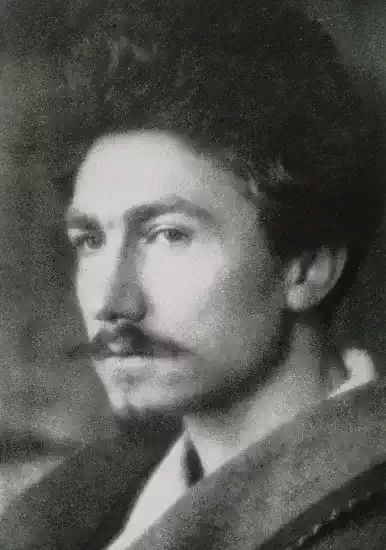
Ezra Pound
Piere Vidal Old
Piere Vidal Old
When I but think upon the great dead days
And turn my mind upon that splendid madness,
Lo! I do curse my strength
And blame the sun his gladness;
For that the one is dead
And the red sun mocks my sadness.
Behold me, Vidal, that was fool of fools!
Swift as the king wolf was I and as strong
When tall stags fled me through the alder brakes,
And every jongleur knew me in his song,
And the hounds fled and the deer fled
And none fled over long.
Even the grey pack knew me and knew fear.
God! how the swiftest hind's blood spurted hot
Over the sharpened teeth and purpling lips!
Hot was that hind's blood yet it scorched me not
As did first scorn, then lips of the Penautier!
Aye ye are fools, if ye think time can blot
From Piere Vidal’s remembrance that blue night.
God! but the purple of the sky was deep!
Clear, deep, translucent, so the stars me seemed
Set deep in crystal; and because my sleep
Rare visitor came not, the Saints I guerdon
For that restlessness Piere set to keep
One more fool's vigil with the hollyhocks.
Swift came the Loba, as a branch that's caught,
Torn, green and silent in the swollen Rhone,
Green was her mantle, close, and wrought
Of some thin silk stuff that's scarce stuff at all,
But like a mist wherethrough her white form fought,
And conquered! Ah God! conquered!
Silent my mate came as the night was still.
Speech? Words? Faugh! Who talks of words and love?!
Hot is such love and silent,
Silent as fate is, and as strong until
It faints in taking and in giving all.
Stark, keen, triumphant, till it plays at death.
God! she was white then, splendid as some tomb
High wrought of marble, and the panting breath
Ceased utterly. Well, then I waited, drew,
Half-sheathed, then naked from its saffron sheath
Drew full this dagger that doth tremble here.
Just then she woke and mocked the less keen blade.
Ah God, the Loba! and my only mate!
Was there such flesh made ever and unmade!
God curse the years that turn such women grey!
Behold here Vidal, that was hunted, flayed,
Shamed and yet bowed not and that won at last.
And yet I curse the sun for his red gladness,
I that have known strath, garth, brake, dale,
And every run-away of the wood through that great
madness,
Behold me shrivelled as an old oak's trunk
And made men's mock'ry in my rotten sadness!
No man hath heard the glory of my days:
No man hath dared and won his dare as I:
One night, one body and one welding flame!
What do ye own, ye niggards! that can buy
Such glory of the earth? Or who will win
Such battle-guerdon with his 'prowesse high' ?
O age gone lax! O stunted followers,
That mask at passions and desire desires,
Behold me shrivelled, and your mock of mocks;
And yet I mock you by the mighty fires
That burnt me to this ash.
Ah! Cabaret! Ah Cabaret, thy hills again!
Take your hands off me! . . . [Sniffing the air.
Ha! this scent is hot!
When I but think upon the great dead days
And turn my mind upon that splendid madness,
Lo! I do curse my strength
And blame the sun his gladness;
For that the one is dead
And the red sun mocks my sadness.
Behold me, Vidal, that was fool of fools!
Swift as the king wolf was I and as strong
When tall stags fled me through the alder brakes,
And every jongleur knew me in his song,
And the hounds fled and the deer fled
And none fled over long.
Even the grey pack knew me and knew fear.
God! how the swiftest hind's blood spurted hot
Over the sharpened teeth and purpling lips!
Hot was that hind's blood yet it scorched me not
As did first scorn, then lips of the Penautier!
Aye ye are fools, if ye think time can blot
From Piere Vidal’s remembrance that blue night.
God! but the purple of the sky was deep!
Clear, deep, translucent, so the stars me seemed
Set deep in crystal; and because my sleep
Rare visitor came not, the Saints I guerdon
For that restlessness Piere set to keep
One more fool's vigil with the hollyhocks.
Swift came the Loba, as a branch that's caught,
Torn, green and silent in the swollen Rhone,
Green was her mantle, close, and wrought
Of some thin silk stuff that's scarce stuff at all,
But like a mist wherethrough her white form fought,
And conquered! Ah God! conquered!
Silent my mate came as the night was still.
Speech? Words? Faugh! Who talks of words and love?!
Hot is such love and silent,
Silent as fate is, and as strong until
It faints in taking and in giving all.
Stark, keen, triumphant, till it plays at death.
God! she was white then, splendid as some tomb
High wrought of marble, and the panting breath
Ceased utterly. Well, then I waited, drew,
Half-sheathed, then naked from its saffron sheath
Drew full this dagger that doth tremble here.
Just then she woke and mocked the less keen blade.
Ah God, the Loba! and my only mate!
Was there such flesh made ever and unmade!
God curse the years that turn such women grey!
Behold here Vidal, that was hunted, flayed,
Shamed and yet bowed not and that won at last.
And yet I curse the sun for his red gladness,
I that have known strath, garth, brake, dale,
And every run-away of the wood through that great
madness,
Behold me shrivelled as an old oak's trunk
And made men's mock'ry in my rotten sadness!
No man hath heard the glory of my days:
No man hath dared and won his dare as I:
One night, one body and one welding flame!
What do ye own, ye niggards! that can buy
Such glory of the earth? Or who will win
Such battle-guerdon with his 'prowesse high' ?
O age gone lax! O stunted followers,
That mask at passions and desire desires,
Behold me shrivelled, and your mock of mocks;
And yet I mock you by the mighty fires
That burnt me to this ash.
Ah! Cabaret! Ah Cabaret, thy hills again!
Take your hands off me! . . . [Sniffing the air.
Ha! this scent is hot!
555
Ezra Pound
Poem
Poem
(Abbreviated from the conversation with Mr. T E H.
Over the flat slope of St Eloi
A wide wall of sandbags.
Night,
In the silence desultory men
Pottering over small fires, cleaning their mess-tins:
To and fro, from the lines,
Men walk as on Piccadilly,
Making paths in the dark,
Through scattered dead horses,
Over a dead Belgian’s body.
The Germans have rockets. The English have no rockets,
Behind the lines, cannon, hidden, lying back miles.
Before the line, chaos.
My mind is a corridor. The minds about me are
corridors.
Nothing suggests itself. There is nothing to do but keep on.
(Abbreviated from the conversation with Mr. T E H.
Over the flat slope of St Eloi
A wide wall of sandbags.
Night,
In the silence desultory men
Pottering over small fires, cleaning their mess-tins:
To and fro, from the lines,
Men walk as on Piccadilly,
Making paths in the dark,
Through scattered dead horses,
Over a dead Belgian’s body.
The Germans have rockets. The English have no rockets,
Behind the lines, cannon, hidden, lying back miles.
Before the line, chaos.
My mind is a corridor. The minds about me are
corridors.
Nothing suggests itself. There is nothing to do but keep on.
454
Ezra Pound
Poem
Poem
(Abbreviated from the conversation with Mr. T E H.
Over the flat slope of St Eloi
A wide wall of sandbags.
Night,
In the silence desultory men
Pottering over small fires, cleaning their mess-tins:
To and fro, from the lines,
Men walk as on Piccadilly,
Making paths in the dark,
Through scattered dead horses,
Over a dead Belgian’s body.
The Germans have rockets. The English have no rockets,
Behind the lines, cannon, hidden, lying back miles.
Before the line, chaos.
My mind is a corridor. The minds about me are
corridors.
Nothing suggests itself. There is nothing to do but keep on.
(Abbreviated from the conversation with Mr. T E H.
Over the flat slope of St Eloi
A wide wall of sandbags.
Night,
In the silence desultory men
Pottering over small fires, cleaning their mess-tins:
To and fro, from the lines,
Men walk as on Piccadilly,
Making paths in the dark,
Through scattered dead horses,
Over a dead Belgian’s body.
The Germans have rockets. The English have no rockets,
Behind the lines, cannon, hidden, lying back miles.
Before the line, chaos.
My mind is a corridor. The minds about me are
corridors.
Nothing suggests itself. There is nothing to do but keep on.
454
Ezra Pound
Phyllidula
Phyllidula
Phyllidula is scrawny but amorous,
Thus have the gods awarded her,
That in pleasure she receives more than she can give;
If she does not count this blessed
Let her change her religion.
Phyllidula is scrawny but amorous,
Thus have the gods awarded her,
That in pleasure she receives more than she can give;
If she does not count this blessed
Let her change her religion.
481
Ezra Pound
Phyllidula
Phyllidula
Phyllidula is scrawny but amorous,
Thus have the gods awarded her,
That in pleasure she receives more than she can give;
If she does not count this blessed
Let her change her religion.
Phyllidula is scrawny but amorous,
Thus have the gods awarded her,
That in pleasure she receives more than she can give;
If she does not count this blessed
Let her change her religion.
481
Ezra Pound
Night Litany
Night Litany
O Dieu, purifiez nos cceurs!
Purifiez nos coeurs !
Yea the lines hast thou laid unto me
in pleasant places,
And the beauty of this thy Venice
hast thou shown unto me
Until is its loveliness become unto me
a thing of tears.
O God, what great kindness
have we done in times past
and forgotten it,
That thou givest this wonder unto us,
O God of waters?
O God of the night,
What great sorrow
Cometh unto us,
That thou thus repayest us
Before the time of its coming?
O God of silence,
Purifiez nos coeurs,
Purifiez nos coeurs,
For we have seen
The glory of the shadow of the
likeness of thine handmaid,
Yea, the glory of the shadow
of thy Beauty hath walked
Upon the shadow of the waters
In this thy Venice.
And before the holiness
Of the shadow of thy handmaid
Have I hidden mine eyes,
O God of waters.
O God of silence,
Purifiez nos coeurs,
Purifiez nos coeurs,
O God of waters,
make clean our hearts within us,
For I have seen the
Shadow of this thy Venice
Floating upon the waters,
And thy stars
Have seen this thing, out of their far courses
Have they seen this thing,
O God of waters,
Even as are thy stars
Silent unto us in their far-coursing,
Even so is mine heart
become silent within me.
Purifiez nos coeurs,
O God of the silence,
Purifiez nos coeurs,
O God of waters.
O Dieu, purifiez nos cceurs!
Purifiez nos coeurs !
Yea the lines hast thou laid unto me
in pleasant places,
And the beauty of this thy Venice
hast thou shown unto me
Until is its loveliness become unto me
a thing of tears.
O God, what great kindness
have we done in times past
and forgotten it,
That thou givest this wonder unto us,
O God of waters?
O God of the night,
What great sorrow
Cometh unto us,
That thou thus repayest us
Before the time of its coming?
O God of silence,
Purifiez nos coeurs,
Purifiez nos coeurs,
For we have seen
The glory of the shadow of the
likeness of thine handmaid,
Yea, the glory of the shadow
of thy Beauty hath walked
Upon the shadow of the waters
In this thy Venice.
And before the holiness
Of the shadow of thy handmaid
Have I hidden mine eyes,
O God of waters.
O God of silence,
Purifiez nos coeurs,
Purifiez nos coeurs,
O God of waters,
make clean our hearts within us,
For I have seen the
Shadow of this thy Venice
Floating upon the waters,
And thy stars
Have seen this thing, out of their far courses
Have they seen this thing,
O God of waters,
Even as are thy stars
Silent unto us in their far-coursing,
Even so is mine heart
become silent within me.
Purifiez nos coeurs,
O God of the silence,
Purifiez nos coeurs,
O God of waters.
529
Ezra Pound
Na Audiart
Na Audiart
Though thou well dost wish me ill
Audiart, Audiart,
Where thy bodice laces start
As ivy fingers clutching through
Its crevices,
Audiart, Audiart,
Stately, tall and lovely tender
Who shall render
Audiart, Audiart,
Praises meet unto thy fashion?
Here a word kiss !
Pass I on
Unto Lady ‘Miels-de-Ben’,
Having praised thy girdle's scope
How the stays ply back from it;
I breath no hope
That thou shouldst . . .
Nay no whit
Bespeak thyself for anything.
Just a word in thy praise, girl,
Just for the swirl
Thy satins make upon the stair,
'Cause never a flaw was there
Where thy torse and limbs are met
Though thou hate me, read it set
In rose and gold.
Or when the minstrel, tale half told,
Shall burst to lilting at the praise
'Audiart, Audiart' . .
Bertrans, master of his lays,
Bertrans of Aultaforte thy praise
Sets forth, and though thou hate me well,
Yea though thou wish me ill,
Audiart, Audiart.
Thy loveliness is here writ till,
Audiart,
Oh, till thou come again.
And being bent and wrinkled, in a form
That hath no perfect limning, when the warm
Youth dew is cold
Upon thy hands, and thy old soul
Scorning a new, wry'd casement,
Churlish at seemed misplacement,
Finds the earth as bitter
As now seems it sweet,
Being so young and fair
As then only in dreams,
Being then young and wry'd,
Broken of ancient pride,
Thou shalt then soften,
Knowing, I know not how,
Thou wert once she
Audiart, Audiart
For whose fairness one forgave
Audiart,
Audiart
Que be-m vols mal.
Though thou well dost wish me ill
Audiart, Audiart,
Where thy bodice laces start
As ivy fingers clutching through
Its crevices,
Audiart, Audiart,
Stately, tall and lovely tender
Who shall render
Audiart, Audiart,
Praises meet unto thy fashion?
Here a word kiss !
Pass I on
Unto Lady ‘Miels-de-Ben’,
Having praised thy girdle's scope
How the stays ply back from it;
I breath no hope
That thou shouldst . . .
Nay no whit
Bespeak thyself for anything.
Just a word in thy praise, girl,
Just for the swirl
Thy satins make upon the stair,
'Cause never a flaw was there
Where thy torse and limbs are met
Though thou hate me, read it set
In rose and gold.
Or when the minstrel, tale half told,
Shall burst to lilting at the praise
'Audiart, Audiart' . .
Bertrans, master of his lays,
Bertrans of Aultaforte thy praise
Sets forth, and though thou hate me well,
Yea though thou wish me ill,
Audiart, Audiart.
Thy loveliness is here writ till,
Audiart,
Oh, till thou come again.
And being bent and wrinkled, in a form
That hath no perfect limning, when the warm
Youth dew is cold
Upon thy hands, and thy old soul
Scorning a new, wry'd casement,
Churlish at seemed misplacement,
Finds the earth as bitter
As now seems it sweet,
Being so young and fair
As then only in dreams,
Being then young and wry'd,
Broken of ancient pride,
Thou shalt then soften,
Knowing, I know not how,
Thou wert once she
Audiart, Audiart
For whose fairness one forgave
Audiart,
Audiart
Que be-m vols mal.
536
Ezra Pound
Mr. Nixon
Mr. Nixon
In the cream gilded cabin of his steam yacht
Mr. Nixon advised me kindly, to advance with fewer
Dangers of delay. 'Consider
Carefully the reviewer.
'I was as poor as you are;
'When I began I got, of course,
'Advance on royalties, fifty at first,' said Mr. Nixon,
'Follow me, and take a column,
'Even if you have to work free.
'Butter reviewers. From fifty to three hundred
'I rose in eighteen months;
'The hardest nut I had to crack
'Was Dr. Dundas.
'I never mentioned a man but with the view
'Of selling my own works.
'The tip's a good one, as for literature
'It gives no man a sinecure.
'And no one knows, at sight, a masterpiece.
'And give up verse, my boy,
'There's nothing in it.'
Likewise a friend of Bloughram's once advised me:
Don't kick against the pricks,
Accept opinion. The 'Nineties' tried your game
And died, there's nothing in it.
X
Beneath the sagging roof
The stylist has taken shelter,
Unpaid, uncelebrated,
At last from the world's welter
Nature receives him;
With a placid and uneducated mistress
He exercises his talents
And the soil meets his distress.
The haven from sophistications and contentions
Leaks through its thatch;
He offers succulent cooking;
The door has a creaking latch.
XI
Conservatrix of Milésien'
Habits of mind and feeling,
Possibly. But in Ealing
With the most bank-clerkly of Englishmen ?
No, 'Milésian' is an exaggeration.
No instinct has survived in her
Older than those her grandmother
Told her would fit her station.
XII
‘Daphne with her thighs in bark
Stretches toward me her leafy hands,'
Subjectively. In the stuffed-satin drawing-room
I await The Lady Valentine's commands,
Knowing my coat has never been
Of precisely the fashion
To stimulate, in her,
A durable passion;
Doubtful, somewhat, of the value
Of well-gowned approbation
Of literary effort,
But never of The Lady Valentine's vocation:
Poetry, her border of ideas,
The edge, uncertain, but a means of blending
With other strata
Where the lower and higher have ending;
A hook to catch the Lady Jane's attention,
A modulation toward the theatre,
Also, in the case of revolution,
A possible friend and comforter.
Conduct, on the other hand, the soul
‘Which the highest cultures have nourished'
To Fleet St. where
Dr. Johnson flourished;
Beside this thoroughfare
The sale of half-hose has
Long since superseded the cultivation
Of Pierian roses.
In the cream gilded cabin of his steam yacht
Mr. Nixon advised me kindly, to advance with fewer
Dangers of delay. 'Consider
Carefully the reviewer.
'I was as poor as you are;
'When I began I got, of course,
'Advance on royalties, fifty at first,' said Mr. Nixon,
'Follow me, and take a column,
'Even if you have to work free.
'Butter reviewers. From fifty to three hundred
'I rose in eighteen months;
'The hardest nut I had to crack
'Was Dr. Dundas.
'I never mentioned a man but with the view
'Of selling my own works.
'The tip's a good one, as for literature
'It gives no man a sinecure.
'And no one knows, at sight, a masterpiece.
'And give up verse, my boy,
'There's nothing in it.'
Likewise a friend of Bloughram's once advised me:
Don't kick against the pricks,
Accept opinion. The 'Nineties' tried your game
And died, there's nothing in it.
X
Beneath the sagging roof
The stylist has taken shelter,
Unpaid, uncelebrated,
At last from the world's welter
Nature receives him;
With a placid and uneducated mistress
He exercises his talents
And the soil meets his distress.
The haven from sophistications and contentions
Leaks through its thatch;
He offers succulent cooking;
The door has a creaking latch.
XI
Conservatrix of Milésien'
Habits of mind and feeling,
Possibly. But in Ealing
With the most bank-clerkly of Englishmen ?
No, 'Milésian' is an exaggeration.
No instinct has survived in her
Older than those her grandmother
Told her would fit her station.
XII
‘Daphne with her thighs in bark
Stretches toward me her leafy hands,'
Subjectively. In the stuffed-satin drawing-room
I await The Lady Valentine's commands,
Knowing my coat has never been
Of precisely the fashion
To stimulate, in her,
A durable passion;
Doubtful, somewhat, of the value
Of well-gowned approbation
Of literary effort,
But never of The Lady Valentine's vocation:
Poetry, her border of ideas,
The edge, uncertain, but a means of blending
With other strata
Where the lower and higher have ending;
A hook to catch the Lady Jane's attention,
A modulation toward the theatre,
Also, in the case of revolution,
A possible friend and comforter.
Conduct, on the other hand, the soul
‘Which the highest cultures have nourished'
To Fleet St. where
Dr. Johnson flourished;
Beside this thoroughfare
The sale of half-hose has
Long since superseded the cultivation
Of Pierian roses.
520
Ezra Pound
Monumentum Aere, Etc.
Monumentum Aere, Etc.
You say that I take a good deal upon myself;
That I strut in the robes of assumption.
In a few years no one will remember the buffo,
No one will remember the trivial parts of me,
The comic detail will be absent.
As for you, you will rot in the earth,
And it is doubtful if even your manure will be rich
enough
To keep grass
Over your grave.
You say that I take a good deal upon myself;
That I strut in the robes of assumption.
In a few years no one will remember the buffo,
No one will remember the trivial parts of me,
The comic detail will be absent.
As for you, you will rot in the earth,
And it is doubtful if even your manure will be rich
enough
To keep grass
Over your grave.
472
Ezra Pound
Marvoil
Marvoil
A poor clerk I, 'Arnaut the less' they call me,
And because I have small mind to sit
Day long, long day cooped on a stool
A-jumbling o' figures for Maitre Jacques Polin,
I ha' taken to rambling the South here.
The Vicomte of Beziers's not such a bad lot.
I made rimes to his lady this three year:
Vers and canzone, till that damn'd son of Aragon,
Alfonso the half-bald, took to hanging
His helmet at Beziers.
Then came what might come, to wit: three men and one woman,
Beziers off at Mont-Ausier, I and his lady
Singing the stars in the turrets of Beziers,
And one lean Aragonese cursing the seneschal
To the end that you see, friends:
Aragon cursing in Aragon, Beziers busy at Beziers
Bored to an inch of extinction,
Tibors all tongue and temper at Mont-Ausier,
Me! in this damn'd inn of Avignon,
Stringing long verse for the Burlatz;
All for one half-bald, knock-knee'd king of the Aragonese,
Alfonso, Quattro, poke-nose.
And if when I am dead
They take the trouble to tear out this wall here,
They'11 know more of Arnaut of Marvoil
Than half his canzoni say of him.
As for will and testament I leave none,
Save this: ‘Vers and canzone to the Countess of Beziers
In return for the first kiss she gave me.'
May her eyes and her cheek be fair
To all men except the King of Aragon,
And may I come'speedily to Beziers
Whither my desire and my dream have preceded me.
O hole in the wall here! be thou my jongleur
As ne'er had I other, and when the wind blows,
Sing thou the grace of the Lady of Beziers,
For even as thou art hollow before I fill thee with this parchment,
So is my heart hollow when she filleth not mine eyes,
And so were my mind hollow, did she not fill utterly my thought.
Wherefore, O hole in the wall here,
When the wind blows sigh thou for my sorrow
That I have not the Countess of Beziers
Close in my arms here.
Even as thou shalt soon have this parchment.
O hole in the wall here, be thou my jongleur,
And though thou sighest my sorrow in the wind,
Keep yet my secret in thy breast here;
Even as I keep her image in my heart here.
A poor clerk I, 'Arnaut the less' they call me,
And because I have small mind to sit
Day long, long day cooped on a stool
A-jumbling o' figures for Maitre Jacques Polin,
I ha' taken to rambling the South here.
The Vicomte of Beziers's not such a bad lot.
I made rimes to his lady this three year:
Vers and canzone, till that damn'd son of Aragon,
Alfonso the half-bald, took to hanging
His helmet at Beziers.
Then came what might come, to wit: three men and one woman,
Beziers off at Mont-Ausier, I and his lady
Singing the stars in the turrets of Beziers,
And one lean Aragonese cursing the seneschal
To the end that you see, friends:
Aragon cursing in Aragon, Beziers busy at Beziers
Bored to an inch of extinction,
Tibors all tongue and temper at Mont-Ausier,
Me! in this damn'd inn of Avignon,
Stringing long verse for the Burlatz;
All for one half-bald, knock-knee'd king of the Aragonese,
Alfonso, Quattro, poke-nose.
And if when I am dead
They take the trouble to tear out this wall here,
They'11 know more of Arnaut of Marvoil
Than half his canzoni say of him.
As for will and testament I leave none,
Save this: ‘Vers and canzone to the Countess of Beziers
In return for the first kiss she gave me.'
May her eyes and her cheek be fair
To all men except the King of Aragon,
And may I come'speedily to Beziers
Whither my desire and my dream have preceded me.
O hole in the wall here! be thou my jongleur
As ne'er had I other, and when the wind blows,
Sing thou the grace of the Lady of Beziers,
For even as thou art hollow before I fill thee with this parchment,
So is my heart hollow when she filleth not mine eyes,
And so were my mind hollow, did she not fill utterly my thought.
Wherefore, O hole in the wall here,
When the wind blows sigh thou for my sorrow
That I have not the Countess of Beziers
Close in my arms here.
Even as thou shalt soon have this parchment.
O hole in the wall here, be thou my jongleur,
And though thou sighest my sorrow in the wind,
Keep yet my secret in thy breast here;
Even as I keep her image in my heart here.
506
Ezra Pound
Marvoil
Marvoil
A poor clerk I, 'Arnaut the less' they call me,
And because I have small mind to sit
Day long, long day cooped on a stool
A-jumbling o' figures for Maitre Jacques Polin,
I ha' taken to rambling the South here.
The Vicomte of Beziers's not such a bad lot.
I made rimes to his lady this three year:
Vers and canzone, till that damn'd son of Aragon,
Alfonso the half-bald, took to hanging
His helmet at Beziers.
Then came what might come, to wit: three men and one woman,
Beziers off at Mont-Ausier, I and his lady
Singing the stars in the turrets of Beziers,
And one lean Aragonese cursing the seneschal
To the end that you see, friends:
Aragon cursing in Aragon, Beziers busy at Beziers
Bored to an inch of extinction,
Tibors all tongue and temper at Mont-Ausier,
Me! in this damn'd inn of Avignon,
Stringing long verse for the Burlatz;
All for one half-bald, knock-knee'd king of the Aragonese,
Alfonso, Quattro, poke-nose.
And if when I am dead
They take the trouble to tear out this wall here,
They'11 know more of Arnaut of Marvoil
Than half his canzoni say of him.
As for will and testament I leave none,
Save this: ‘Vers and canzone to the Countess of Beziers
In return for the first kiss she gave me.'
May her eyes and her cheek be fair
To all men except the King of Aragon,
And may I come'speedily to Beziers
Whither my desire and my dream have preceded me.
O hole in the wall here! be thou my jongleur
As ne'er had I other, and when the wind blows,
Sing thou the grace of the Lady of Beziers,
For even as thou art hollow before I fill thee with this parchment,
So is my heart hollow when she filleth not mine eyes,
And so were my mind hollow, did she not fill utterly my thought.
Wherefore, O hole in the wall here,
When the wind blows sigh thou for my sorrow
That I have not the Countess of Beziers
Close in my arms here.
Even as thou shalt soon have this parchment.
O hole in the wall here, be thou my jongleur,
And though thou sighest my sorrow in the wind,
Keep yet my secret in thy breast here;
Even as I keep her image in my heart here.
A poor clerk I, 'Arnaut the less' they call me,
And because I have small mind to sit
Day long, long day cooped on a stool
A-jumbling o' figures for Maitre Jacques Polin,
I ha' taken to rambling the South here.
The Vicomte of Beziers's not such a bad lot.
I made rimes to his lady this three year:
Vers and canzone, till that damn'd son of Aragon,
Alfonso the half-bald, took to hanging
His helmet at Beziers.
Then came what might come, to wit: three men and one woman,
Beziers off at Mont-Ausier, I and his lady
Singing the stars in the turrets of Beziers,
And one lean Aragonese cursing the seneschal
To the end that you see, friends:
Aragon cursing in Aragon, Beziers busy at Beziers
Bored to an inch of extinction,
Tibors all tongue and temper at Mont-Ausier,
Me! in this damn'd inn of Avignon,
Stringing long verse for the Burlatz;
All for one half-bald, knock-knee'd king of the Aragonese,
Alfonso, Quattro, poke-nose.
And if when I am dead
They take the trouble to tear out this wall here,
They'11 know more of Arnaut of Marvoil
Than half his canzoni say of him.
As for will and testament I leave none,
Save this: ‘Vers and canzone to the Countess of Beziers
In return for the first kiss she gave me.'
May her eyes and her cheek be fair
To all men except the King of Aragon,
And may I come'speedily to Beziers
Whither my desire and my dream have preceded me.
O hole in the wall here! be thou my jongleur
As ne'er had I other, and when the wind blows,
Sing thou the grace of the Lady of Beziers,
For even as thou art hollow before I fill thee with this parchment,
So is my heart hollow when she filleth not mine eyes,
And so were my mind hollow, did she not fill utterly my thought.
Wherefore, O hole in the wall here,
When the wind blows sigh thou for my sorrow
That I have not the Countess of Beziers
Close in my arms here.
Even as thou shalt soon have this parchment.
O hole in the wall here, be thou my jongleur,
And though thou sighest my sorrow in the wind,
Keep yet my secret in thy breast here;
Even as I keep her image in my heart here.
506
Ezra Pound
Lament of the Frontier Guard
Lament of the Frontier Guard
By the North Gate, the wind blows full of sand,
Lonely from the beginning of time until now!
Trees fall, the grass goes yellow with autumn.
I climb the towers and towers
to watch out the barbarous land:
Desolate castle, the sky, the wide desert.
There is no wall left to this village.
Bones white with a thousand frosts,
High heaps, covered with trees and grass;
Who brought this to pass?
Who has brought the flaming imperial anger?
Who has brought the army with drums and with kettle-drums?
Barbarous kings.
A gracious spring, turned to blood-ravenous autumn,
A turmoil of wars - men, spread over the middle kingdom,
Three hundred and sixty thousand,
And sorrow, sorrow like rain.
Sorrow to go, and sorrow, sorrow returning,
Desolate, desolate fields,
And no children of warfare upon them,
No longer the men for offence and defence.
Ah, how shall you know the dreary sorrow at the North Gate,
With Rihoku's name forgotten,
And we guardsmen fed to the tigers.
By Rihaku. [Li Po?]
By the North Gate, the wind blows full of sand,
Lonely from the beginning of time until now!
Trees fall, the grass goes yellow with autumn.
I climb the towers and towers
to watch out the barbarous land:
Desolate castle, the sky, the wide desert.
There is no wall left to this village.
Bones white with a thousand frosts,
High heaps, covered with trees and grass;
Who brought this to pass?
Who has brought the flaming imperial anger?
Who has brought the army with drums and with kettle-drums?
Barbarous kings.
A gracious spring, turned to blood-ravenous autumn,
A turmoil of wars - men, spread over the middle kingdom,
Three hundred and sixty thousand,
And sorrow, sorrow like rain.
Sorrow to go, and sorrow, sorrow returning,
Desolate, desolate fields,
And no children of warfare upon them,
No longer the men for offence and defence.
Ah, how shall you know the dreary sorrow at the North Gate,
With Rihoku's name forgotten,
And we guardsmen fed to the tigers.
By Rihaku. [Li Po?]
605
Ezra Pound
La Regina Avrillouse
La Regina Avrillouse
Lady of rich allure,
Queen of the spring's embrace,
Your arms are long like boughs of ash,
Mid laugh-broken streams, spirit of rain unsure,
Breath of the poppy flower,
All the wood thy bower
And the hills thy dwelling-place.
This will I no more dream;
Warm is thy arm's allure,
Warm is the gust of breath
That ere thy lips meet mine
Kisseth my cheek and saith:
"This is the joy of earth,
Here is the wine of mirth
Drain ye one goblet sure,
Take ye the honey cup
The honied song raise up,
Drink of the spring's allure,
April and dew and rain;
Brown of the earth sing sure,
Cheeks and lips and hair
And soft breath that kisseth where
Thy lips have come not yet to drink."
Moss and the mold of earth,
These be thy couch of mirth,
Long arms thy boughs of shade
April-alluring, as the blade
Of grass doth catch the dew
And make it crown to hold the sun.
Banner be you
Above my head,
Glory to all wold display'd,
April-alluring, glory-bold.
Lady of rich allure,
Queen of the spring's embrace,
Your arms are long like boughs of ash,
Mid laugh-broken streams, spirit of rain unsure,
Breath of the poppy flower,
All the wood thy bower
And the hills thy dwelling-place.
This will I no more dream;
Warm is thy arm's allure,
Warm is the gust of breath
That ere thy lips meet mine
Kisseth my cheek and saith:
"This is the joy of earth,
Here is the wine of mirth
Drain ye one goblet sure,
Take ye the honey cup
The honied song raise up,
Drink of the spring's allure,
April and dew and rain;
Brown of the earth sing sure,
Cheeks and lips and hair
And soft breath that kisseth where
Thy lips have come not yet to drink."
Moss and the mold of earth,
These be thy couch of mirth,
Long arms thy boughs of shade
April-alluring, as the blade
Of grass doth catch the dew
And make it crown to hold the sun.
Banner be you
Above my head,
Glory to all wold display'd,
April-alluring, glory-bold.
435
Ezra Pound
Invern
Invern
Earth's winter cometh
And I being part of all
And sith the spirit of all moveth in me
I must needs bear earth's winter
Drawn cold and grey with hours
And joying in a momentary sun,
Lo I am withered with waiting till my spring cometh!
Or crouch covetous of warmth
O'er scant-logged ingle blaze,
Must take cramped joy in tomed Longinus
That, read I him first time
The woods agleam with summer
Or mid desirous winds of spring,
Had set me singing spheres
Or made heart to wander forth among warm roses
Or curl in grass next neath a kindly moon.
Earth's winter cometh
And I being part of all
And sith the spirit of all moveth in me
I must needs bear earth's winter
Drawn cold and grey with hours
And joying in a momentary sun,
Lo I am withered with waiting till my spring cometh!
Or crouch covetous of warmth
O'er scant-logged ingle blaze,
Must take cramped joy in tomed Longinus
That, read I him first time
The woods agleam with summer
Or mid desirous winds of spring,
Had set me singing spheres
Or made heart to wander forth among warm roses
Or curl in grass next neath a kindly moon.
472
Ezra Pound
Invern
Invern
Earth's winter cometh
And I being part of all
And sith the spirit of all moveth in me
I must needs bear earth's winter
Drawn cold and grey with hours
And joying in a momentary sun,
Lo I am withered with waiting till my spring cometh!
Or crouch covetous of warmth
O'er scant-logged ingle blaze,
Must take cramped joy in tomed Longinus
That, read I him first time
The woods agleam with summer
Or mid desirous winds of spring,
Had set me singing spheres
Or made heart to wander forth among warm roses
Or curl in grass next neath a kindly moon.
Earth's winter cometh
And I being part of all
And sith the spirit of all moveth in me
I must needs bear earth's winter
Drawn cold and grey with hours
And joying in a momentary sun,
Lo I am withered with waiting till my spring cometh!
Or crouch covetous of warmth
O'er scant-logged ingle blaze,
Must take cramped joy in tomed Longinus
That, read I him first time
The woods agleam with summer
Or mid desirous winds of spring,
Had set me singing spheres
Or made heart to wander forth among warm roses
Or curl in grass next neath a kindly moon.
472
Ezra Pound
Invern
Invern
Earth's winter cometh
And I being part of all
And sith the spirit of all moveth in me
I must needs bear earth's winter
Drawn cold and grey with hours
And joying in a momentary sun,
Lo I am withered with waiting till my spring cometh!
Or crouch covetous of warmth
O'er scant-logged ingle blaze,
Must take cramped joy in tomed Longinus
That, read I him first time
The woods agleam with summer
Or mid desirous winds of spring,
Had set me singing spheres
Or made heart to wander forth among warm roses
Or curl in grass next neath a kindly moon.
Earth's winter cometh
And I being part of all
And sith the spirit of all moveth in me
I must needs bear earth's winter
Drawn cold and grey with hours
And joying in a momentary sun,
Lo I am withered with waiting till my spring cometh!
Or crouch covetous of warmth
O'er scant-logged ingle blaze,
Must take cramped joy in tomed Longinus
That, read I him first time
The woods agleam with summer
Or mid desirous winds of spring,
Had set me singing spheres
Or made heart to wander forth among warm roses
Or curl in grass next neath a kindly moon.
472
Ezra Pound
Ité
Ité
Go, my songs, seek your praise from the young
and from the intolerant,
Move among the lovers of perfection alone.
Seek ever to stand in the hard Sophoclean light
And take you wounds from it gladly.
Go, my songs, seek your praise from the young
and from the intolerant,
Move among the lovers of perfection alone.
Seek ever to stand in the hard Sophoclean light
And take you wounds from it gladly.
342
Ezra Pound
In Tempore Senectutis
In Tempore Senectutis
When I am old
I will not have you look apart
From me, into the cold,
Friend of my heart,
Nor be sad in your remembrance
Of the careless, mad-heart semblance
That the wind hath blown away
When I am old.
When I am old
And the white hot wonder-fire
Unto the world seem cold,
My soul's desire
Know you then that all life's shower,
The rain of the years, that hour
Shall make blow for us one flower,
Including all, when we are old.
When I am old
If you remember
Any love save what is then
Hearth light unto life's December
Be your joy of past sweet chalices
To know then naught but this
"How many wonders are less sweet
Than love I bear to thee
When I am old."
When I am old
I will not have you look apart
From me, into the cold,
Friend of my heart,
Nor be sad in your remembrance
Of the careless, mad-heart semblance
That the wind hath blown away
When I am old.
When I am old
And the white hot wonder-fire
Unto the world seem cold,
My soul's desire
Know you then that all life's shower,
The rain of the years, that hour
Shall make blow for us one flower,
Including all, when we are old.
When I am old
If you remember
Any love save what is then
Hearth light unto life's December
Be your joy of past sweet chalices
To know then naught but this
"How many wonders are less sweet
Than love I bear to thee
When I am old."
474
Ezra Pound
IN DURANCE
IN DURANCE
(1907)
1 am homesick after mine own kind,
Oh I know that there are folk about me, friendly faces,
But I am homesick after mine own kind.
'These sell our pictures'! Oh well,
They reach me not, touch me some edge or that,
But reach me not and all my life's become
One flame, that reaches not beyond
My heart's own hearth,
Or hides among the ashes there for thee.
Thee'? Oh, 'Thee' is who cometh first
Out of mine own soul-kin,
For I am homesick after mine own kind
And ordinary people touch me not.
And I am homesick
After mine own kind that know, and feel
And have some breath for beauty and the arts.
Aye, I am wistful for my kin of the spirit
And have none about me save in the shadows
When come they, surging of power, 'DAEMON,'
'Quasi KALOUN.' S.T. says Beauty is most that, a
'calling to the soul'.
Well then, so call they, the swirlers out of the mist of my soul,
They that come mewards, bearing old magic.
But for all that, I am homesick after mine own kind
And would meet kindred even as I am,
Flesh-shrouded bearing the secret.
'All they that with strange sadness'
Have the earth in mockery, and are kind to all,
My fellows, aye I know the glory
Of th' unbounded ones, but ye, that hide
As I hide most the while
And burst forth to the windows only whiles or whiles
For love, or hope or beauty or for power,
Then smoulder, with the lids half closed
And are untouched by echoes of the world.
Oh ye, my fellows: with the seas between us some be,
Purple and sapphire for the silver shafts
Of sun and spray all shattered at the bows;
And some the hills hold off,
The little hills to east of us, though here we
Have damp and plain to be our shutting in.
And yet my soul sings ‘Up!' and we are one.
Yea thou, and Thou, and THOU, and all my kin
To whom my breast and arms are ever warm,
For that I love ye as the wind the trees
That holds their blossoms and their leaves in cure
And calls the utmost singing from the boughs
That Hhout him, save the aspen, were as dumb
Still shade, and bade no whisper speak the birds of how
'Beyond, beyond, beyond, there lies . . .'
(1907)
1 am homesick after mine own kind,
Oh I know that there are folk about me, friendly faces,
But I am homesick after mine own kind.
'These sell our pictures'! Oh well,
They reach me not, touch me some edge or that,
But reach me not and all my life's become
One flame, that reaches not beyond
My heart's own hearth,
Or hides among the ashes there for thee.
Thee'? Oh, 'Thee' is who cometh first
Out of mine own soul-kin,
For I am homesick after mine own kind
And ordinary people touch me not.
And I am homesick
After mine own kind that know, and feel
And have some breath for beauty and the arts.
Aye, I am wistful for my kin of the spirit
And have none about me save in the shadows
When come they, surging of power, 'DAEMON,'
'Quasi KALOUN.' S.T. says Beauty is most that, a
'calling to the soul'.
Well then, so call they, the swirlers out of the mist of my soul,
They that come mewards, bearing old magic.
But for all that, I am homesick after mine own kind
And would meet kindred even as I am,
Flesh-shrouded bearing the secret.
'All they that with strange sadness'
Have the earth in mockery, and are kind to all,
My fellows, aye I know the glory
Of th' unbounded ones, but ye, that hide
As I hide most the while
And burst forth to the windows only whiles or whiles
For love, or hope or beauty or for power,
Then smoulder, with the lids half closed
And are untouched by echoes of the world.
Oh ye, my fellows: with the seas between us some be,
Purple and sapphire for the silver shafts
Of sun and spray all shattered at the bows;
And some the hills hold off,
The little hills to east of us, though here we
Have damp and plain to be our shutting in.
And yet my soul sings ‘Up!' and we are one.
Yea thou, and Thou, and THOU, and all my kin
To whom my breast and arms are ever warm,
For that I love ye as the wind the trees
That holds their blossoms and their leaves in cure
And calls the utmost singing from the boughs
That Hhout him, save the aspen, were as dumb
Still shade, and bade no whisper speak the birds of how
'Beyond, beyond, beyond, there lies . . .'
494
Ezra Pound
IN DURANCE
IN DURANCE
(1907)
1 am homesick after mine own kind,
Oh I know that there are folk about me, friendly faces,
But I am homesick after mine own kind.
'These sell our pictures'! Oh well,
They reach me not, touch me some edge or that,
But reach me not and all my life's become
One flame, that reaches not beyond
My heart's own hearth,
Or hides among the ashes there for thee.
Thee'? Oh, 'Thee' is who cometh first
Out of mine own soul-kin,
For I am homesick after mine own kind
And ordinary people touch me not.
And I am homesick
After mine own kind that know, and feel
And have some breath for beauty and the arts.
Aye, I am wistful for my kin of the spirit
And have none about me save in the shadows
When come they, surging of power, 'DAEMON,'
'Quasi KALOUN.' S.T. says Beauty is most that, a
'calling to the soul'.
Well then, so call they, the swirlers out of the mist of my soul,
They that come mewards, bearing old magic.
But for all that, I am homesick after mine own kind
And would meet kindred even as I am,
Flesh-shrouded bearing the secret.
'All they that with strange sadness'
Have the earth in mockery, and are kind to all,
My fellows, aye I know the glory
Of th' unbounded ones, but ye, that hide
As I hide most the while
And burst forth to the windows only whiles or whiles
For love, or hope or beauty or for power,
Then smoulder, with the lids half closed
And are untouched by echoes of the world.
Oh ye, my fellows: with the seas between us some be,
Purple and sapphire for the silver shafts
Of sun and spray all shattered at the bows;
And some the hills hold off,
The little hills to east of us, though here we
Have damp and plain to be our shutting in.
And yet my soul sings ‘Up!' and we are one.
Yea thou, and Thou, and THOU, and all my kin
To whom my breast and arms are ever warm,
For that I love ye as the wind the trees
That holds their blossoms and their leaves in cure
And calls the utmost singing from the boughs
That Hhout him, save the aspen, were as dumb
Still shade, and bade no whisper speak the birds of how
'Beyond, beyond, beyond, there lies . . .'
(1907)
1 am homesick after mine own kind,
Oh I know that there are folk about me, friendly faces,
But I am homesick after mine own kind.
'These sell our pictures'! Oh well,
They reach me not, touch me some edge or that,
But reach me not and all my life's become
One flame, that reaches not beyond
My heart's own hearth,
Or hides among the ashes there for thee.
Thee'? Oh, 'Thee' is who cometh first
Out of mine own soul-kin,
For I am homesick after mine own kind
And ordinary people touch me not.
And I am homesick
After mine own kind that know, and feel
And have some breath for beauty and the arts.
Aye, I am wistful for my kin of the spirit
And have none about me save in the shadows
When come they, surging of power, 'DAEMON,'
'Quasi KALOUN.' S.T. says Beauty is most that, a
'calling to the soul'.
Well then, so call they, the swirlers out of the mist of my soul,
They that come mewards, bearing old magic.
But for all that, I am homesick after mine own kind
And would meet kindred even as I am,
Flesh-shrouded bearing the secret.
'All they that with strange sadness'
Have the earth in mockery, and are kind to all,
My fellows, aye I know the glory
Of th' unbounded ones, but ye, that hide
As I hide most the while
And burst forth to the windows only whiles or whiles
For love, or hope or beauty or for power,
Then smoulder, with the lids half closed
And are untouched by echoes of the world.
Oh ye, my fellows: with the seas between us some be,
Purple and sapphire for the silver shafts
Of sun and spray all shattered at the bows;
And some the hills hold off,
The little hills to east of us, though here we
Have damp and plain to be our shutting in.
And yet my soul sings ‘Up!' and we are one.
Yea thou, and Thou, and THOU, and all my kin
To whom my breast and arms are ever warm,
For that I love ye as the wind the trees
That holds their blossoms and their leaves in cure
And calls the utmost singing from the boughs
That Hhout him, save the aspen, were as dumb
Still shade, and bade no whisper speak the birds of how
'Beyond, beyond, beyond, there lies . . .'
494
Ezra Pound
Impressions Of Francois-Marie Arouet (De Voltaire)
Impressions Of Francois-Marie Arouet (De Voltaire)
I
Phyllidula and the Spoils of Gouvernet
Where, Lady, are the days
When you could go out in a hired hansom
Without footmen and equipments?
And dine in a soggy, cheap restaurant?
Phyllidula now, with your powdered Swiss footman
Clanking the door shut,
and lying;
And carpets from Savonnier, and from Persia,
And your new service at dinner,
And plates from Germain,
And cabinets and chests from Martin (almost lacquer),
And your white vases from Japan,
And the lustre of diamonds,
Etcetera, etcetera, and etcetera?
II
To Madame du Châtelet
If you'd have me go on loving you
Give me back the time of the thing.
Will you give me dawn light at evening?
Time has driven me out from the fine plaisaunces,
The parks with the swards all over dew,
And grass going glassy with the light on it,
The green stretches where love is and the grapes
Hang in yellow-white and dark clusters ready for pressing.
And if now we can't fit with our time of life
There is not much but its evil left us.
Life gives us two minutes, two seasons
One to be dull in;
Two deaths and to stop loving and being lovable,
That is the real death,
The other is little beside it.
Crying after the follies gone by me,
Quiet talking is all that is left us
Gentle talking, not like the first talking, less lively;
And to follow after friendship, as they call it,
Weeping that we can follow naught else.
III
To Madame Lullin
You'll wonder that an old man of eighty
Can go on writing you verses. . . .
Grass showing under the snow,
Birds singing late in the year!
And Tibullus could say of his death, in his Latin:
'Delia, I would look on you, dying.'
And Delia herself fading out,
Forgetting even her beauty.
I
Phyllidula and the Spoils of Gouvernet
Where, Lady, are the days
When you could go out in a hired hansom
Without footmen and equipments?
And dine in a soggy, cheap restaurant?
Phyllidula now, with your powdered Swiss footman
Clanking the door shut,
and lying;
And carpets from Savonnier, and from Persia,
And your new service at dinner,
And plates from Germain,
And cabinets and chests from Martin (almost lacquer),
And your white vases from Japan,
And the lustre of diamonds,
Etcetera, etcetera, and etcetera?
II
To Madame du Châtelet
If you'd have me go on loving you
Give me back the time of the thing.
Will you give me dawn light at evening?
Time has driven me out from the fine plaisaunces,
The parks with the swards all over dew,
And grass going glassy with the light on it,
The green stretches where love is and the grapes
Hang in yellow-white and dark clusters ready for pressing.
And if now we can't fit with our time of life
There is not much but its evil left us.
Life gives us two minutes, two seasons
One to be dull in;
Two deaths and to stop loving and being lovable,
That is the real death,
The other is little beside it.
Crying after the follies gone by me,
Quiet talking is all that is left us
Gentle talking, not like the first talking, less lively;
And to follow after friendship, as they call it,
Weeping that we can follow naught else.
III
To Madame Lullin
You'll wonder that an old man of eighty
Can go on writing you verses. . . .
Grass showing under the snow,
Birds singing late in the year!
And Tibullus could say of his death, in his Latin:
'Delia, I would look on you, dying.'
And Delia herself fading out,
Forgetting even her beauty.
421
Ezra Pound
Homage To Sextus Propertius - X
Homage To Sextus Propertius - X
.Light, light of my eyes, at an exceeding late hour I was wandering,
And intoxicated,
and no servant was leading me,
And a minute crowd of small boys came from opposite,
I do not know what boys,
And I am afraid of numerical estimate,
And some of them shook little torches,
and others held onto arrows,
And the rest laid their chains upon me,
and they were naked, the lot of them,
And one of the lot was given to lust.
'That incensed female has consigned him to our pleasure.'
So spoke. And the noose was over my neck.
And another said 'Get him plumb in the middle!
'Shove along there, shove along!'
And another broke in upon this:
'He thinks that we are not gods,'
'And she has been waiting for the scoundrel,
and in a new Sidonian night cap,
And with more than Arabian odours,
God knows where he has been.
She could scarcely keep her eyes open
enter that much for his bail.
Get along now!'
We were coming near to the house,
and they gave another yank to my cloak,
And it was morning, and I wanted to see if she was alone and resting,
And Cynthia was alone in her bed.
I was stupefied.
I had never seen her looking so beautiful,
No, not when she was tunick'd in purple.
Such aspect was presented to me, me recently emerged from my visions,
You will observe that pure form has its value.
‘You are a very early inspector of mistresses.
‘Do you think I have adopted your habits?'
There were upon the bed no signs of a voluptuous encounter,
No signs of a second incumbent.
She continued:
'No incubus has crushed his body against me,
‘Though spirits are celebrated for adultery.
‘And I am going to the temple of Vesta . . .'
and so on.
Since that day I have had no pleasant nights.
.Light, light of my eyes, at an exceeding late hour I was wandering,
And intoxicated,
and no servant was leading me,
And a minute crowd of small boys came from opposite,
I do not know what boys,
And I am afraid of numerical estimate,
And some of them shook little torches,
and others held onto arrows,
And the rest laid their chains upon me,
and they were naked, the lot of them,
And one of the lot was given to lust.
'That incensed female has consigned him to our pleasure.'
So spoke. And the noose was over my neck.
And another said 'Get him plumb in the middle!
'Shove along there, shove along!'
And another broke in upon this:
'He thinks that we are not gods,'
'And she has been waiting for the scoundrel,
and in a new Sidonian night cap,
And with more than Arabian odours,
God knows where he has been.
She could scarcely keep her eyes open
enter that much for his bail.
Get along now!'
We were coming near to the house,
and they gave another yank to my cloak,
And it was morning, and I wanted to see if she was alone and resting,
And Cynthia was alone in her bed.
I was stupefied.
I had never seen her looking so beautiful,
No, not when she was tunick'd in purple.
Such aspect was presented to me, me recently emerged from my visions,
You will observe that pure form has its value.
‘You are a very early inspector of mistresses.
‘Do you think I have adopted your habits?'
There were upon the bed no signs of a voluptuous encounter,
No signs of a second incumbent.
She continued:
'No incubus has crushed his body against me,
‘Though spirits are celebrated for adultery.
‘And I am going to the temple of Vesta . . .'
and so on.
Since that day I have had no pleasant nights.
419
Ezra Pound
Homage To Sextus Propertius - X
Homage To Sextus Propertius - X
.Light, light of my eyes, at an exceeding late hour I was wandering,
And intoxicated,
and no servant was leading me,
And a minute crowd of small boys came from opposite,
I do not know what boys,
And I am afraid of numerical estimate,
And some of them shook little torches,
and others held onto arrows,
And the rest laid their chains upon me,
and they were naked, the lot of them,
And one of the lot was given to lust.
'That incensed female has consigned him to our pleasure.'
So spoke. And the noose was over my neck.
And another said 'Get him plumb in the middle!
'Shove along there, shove along!'
And another broke in upon this:
'He thinks that we are not gods,'
'And she has been waiting for the scoundrel,
and in a new Sidonian night cap,
And with more than Arabian odours,
God knows where he has been.
She could scarcely keep her eyes open
enter that much for his bail.
Get along now!'
We were coming near to the house,
and they gave another yank to my cloak,
And it was morning, and I wanted to see if she was alone and resting,
And Cynthia was alone in her bed.
I was stupefied.
I had never seen her looking so beautiful,
No, not when she was tunick'd in purple.
Such aspect was presented to me, me recently emerged from my visions,
You will observe that pure form has its value.
‘You are a very early inspector of mistresses.
‘Do you think I have adopted your habits?'
There were upon the bed no signs of a voluptuous encounter,
No signs of a second incumbent.
She continued:
'No incubus has crushed his body against me,
‘Though spirits are celebrated for adultery.
‘And I am going to the temple of Vesta . . .'
and so on.
Since that day I have had no pleasant nights.
.Light, light of my eyes, at an exceeding late hour I was wandering,
And intoxicated,
and no servant was leading me,
And a minute crowd of small boys came from opposite,
I do not know what boys,
And I am afraid of numerical estimate,
And some of them shook little torches,
and others held onto arrows,
And the rest laid their chains upon me,
and they were naked, the lot of them,
And one of the lot was given to lust.
'That incensed female has consigned him to our pleasure.'
So spoke. And the noose was over my neck.
And another said 'Get him plumb in the middle!
'Shove along there, shove along!'
And another broke in upon this:
'He thinks that we are not gods,'
'And she has been waiting for the scoundrel,
and in a new Sidonian night cap,
And with more than Arabian odours,
God knows where he has been.
She could scarcely keep her eyes open
enter that much for his bail.
Get along now!'
We were coming near to the house,
and they gave another yank to my cloak,
And it was morning, and I wanted to see if she was alone and resting,
And Cynthia was alone in her bed.
I was stupefied.
I had never seen her looking so beautiful,
No, not when she was tunick'd in purple.
Such aspect was presented to me, me recently emerged from my visions,
You will observe that pure form has its value.
‘You are a very early inspector of mistresses.
‘Do you think I have adopted your habits?'
There were upon the bed no signs of a voluptuous encounter,
No signs of a second incumbent.
She continued:
'No incubus has crushed his body against me,
‘Though spirits are celebrated for adultery.
‘And I am going to the temple of Vesta . . .'
and so on.
Since that day I have had no pleasant nights.
419
Ezra Pound
Homage To Sextus Propertius - X
Homage To Sextus Propertius - X
.Light, light of my eyes, at an exceeding late hour I was wandering,
And intoxicated,
and no servant was leading me,
And a minute crowd of small boys came from opposite,
I do not know what boys,
And I am afraid of numerical estimate,
And some of them shook little torches,
and others held onto arrows,
And the rest laid their chains upon me,
and they were naked, the lot of them,
And one of the lot was given to lust.
'That incensed female has consigned him to our pleasure.'
So spoke. And the noose was over my neck.
And another said 'Get him plumb in the middle!
'Shove along there, shove along!'
And another broke in upon this:
'He thinks that we are not gods,'
'And she has been waiting for the scoundrel,
and in a new Sidonian night cap,
And with more than Arabian odours,
God knows where he has been.
She could scarcely keep her eyes open
enter that much for his bail.
Get along now!'
We were coming near to the house,
and they gave another yank to my cloak,
And it was morning, and I wanted to see if she was alone and resting,
And Cynthia was alone in her bed.
I was stupefied.
I had never seen her looking so beautiful,
No, not when she was tunick'd in purple.
Such aspect was presented to me, me recently emerged from my visions,
You will observe that pure form has its value.
‘You are a very early inspector of mistresses.
‘Do you think I have adopted your habits?'
There were upon the bed no signs of a voluptuous encounter,
No signs of a second incumbent.
She continued:
'No incubus has crushed his body against me,
‘Though spirits are celebrated for adultery.
‘And I am going to the temple of Vesta . . .'
and so on.
Since that day I have had no pleasant nights.
.Light, light of my eyes, at an exceeding late hour I was wandering,
And intoxicated,
and no servant was leading me,
And a minute crowd of small boys came from opposite,
I do not know what boys,
And I am afraid of numerical estimate,
And some of them shook little torches,
and others held onto arrows,
And the rest laid their chains upon me,
and they were naked, the lot of them,
And one of the lot was given to lust.
'That incensed female has consigned him to our pleasure.'
So spoke. And the noose was over my neck.
And another said 'Get him plumb in the middle!
'Shove along there, shove along!'
And another broke in upon this:
'He thinks that we are not gods,'
'And she has been waiting for the scoundrel,
and in a new Sidonian night cap,
And with more than Arabian odours,
God knows where he has been.
She could scarcely keep her eyes open
enter that much for his bail.
Get along now!'
We were coming near to the house,
and they gave another yank to my cloak,
And it was morning, and I wanted to see if she was alone and resting,
And Cynthia was alone in her bed.
I was stupefied.
I had never seen her looking so beautiful,
No, not when she was tunick'd in purple.
Such aspect was presented to me, me recently emerged from my visions,
You will observe that pure form has its value.
‘You are a very early inspector of mistresses.
‘Do you think I have adopted your habits?'
There were upon the bed no signs of a voluptuous encounter,
No signs of a second incumbent.
She continued:
'No incubus has crushed his body against me,
‘Though spirits are celebrated for adultery.
‘And I am going to the temple of Vesta . . .'
and so on.
Since that day I have had no pleasant nights.
419