

Poems in this topic
Emotions and Feelings
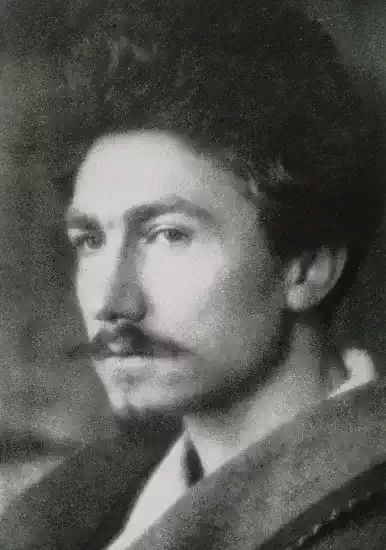
Ezra Pound
Alf’s Twelfth Bit
Alf’s Twelfth Bit
BALLAD FOR THE TIMES' SPECIAL SILVER NUMBER
Sez the Times a silver lining
Is what has set us pining,
Montague, Montague!
In the season sad and weary
When our minds are very bleary,
Montague, Montague!
There is Sir Hen. Deterding
His phrases interlarding,
Montague, Montague!
With the this and that and what
For putting silver on the spot,
Montague, Montague!
Just drop it in the slot
And it will surely boil the pot,
Montague, Montague!
Gold, of course, is solid too,
But some silver set to stew
Might do, too. Montague!
With a lively wood-pulp ‘ad’.
To cheer the bad and sad,
Montague, Montague!
BALLAD FOR THE TIMES' SPECIAL SILVER NUMBER
Sez the Times a silver lining
Is what has set us pining,
Montague, Montague!
In the season sad and weary
When our minds are very bleary,
Montague, Montague!
There is Sir Hen. Deterding
His phrases interlarding,
Montague, Montague!
With the this and that and what
For putting silver on the spot,
Montague, Montague!
Just drop it in the slot
And it will surely boil the pot,
Montague, Montague!
Gold, of course, is solid too,
But some silver set to stew
Might do, too. Montague!
With a lively wood-pulp ‘ad’.
To cheer the bad and sad,
Montague, Montague!
479
Ezra Pound
Alf’s Tenth Bit
Alf’s Tenth Bit
WIND
Scarce and thin, scarce and thin
The government's excuse,
Never at all will they do
Aught of the slightest use.
Over the dying half-wits blow,
Over the empty-headed, and the slow
Marchers, not getting forwarder,
While Ramsay MacDonald sleeps, sleeps.
Fester and rot, fester and rot,
And angle and tergiversate
One thing among all things you will not
Do, that is: think, before it's too late.
Election will not come very soon,
And those born with a silver spoon,
Will keep it a little longer,
Until the mind of the old nation gets a little stronger.
WIND
Scarce and thin, scarce and thin
The government's excuse,
Never at all will they do
Aught of the slightest use.
Over the dying half-wits blow,
Over the empty-headed, and the slow
Marchers, not getting forwarder,
While Ramsay MacDonald sleeps, sleeps.
Fester and rot, fester and rot,
And angle and tergiversate
One thing among all things you will not
Do, that is: think, before it's too late.
Election will not come very soon,
And those born with a silver spoon,
Will keep it a little longer,
Until the mind of the old nation gets a little stronger.
460
Ezra Pound
Alf’s Fifth Bit
Alf’s Fifth Bit
The pomps of butchery, financial power,
Told 'em to die in war, and then to save,
Then cut their saving to the half or lower;
When will this system lie down in its grave?
The pomps of Fleet St., festering year on year,
Hid truth and lied, and lied and hid the facts.
The pimps of Whitehall ever more in fear,
Hid health statistics, dodged the Labour Acts.
All drew their pay, and as the pay grew less,
The money rotten and more rotten yet,
Hid more statistics, more feared to confess
C.3, C.4, 'twere better to forget
How many weak of mind, how much tuberculosis
Filled the back alleys and the back to back houses.
'The medical report this week discloses . . .'
'Time for that question!' Front Bench interposes.
Time for that question? and the time is NOW.
Who ate the profits, and who locked 'em in
The unsafe safe, wherein all rots, and no man can say how
What was the nation's, now by Norman's kin
Is one day blown up large, the next, ducked in?
The pomps of butchery, financial power,
Told 'em to die in war, and then to save,
Then cut their saving to the half or lower;
When will this system lie down in its grave?
The pomps of Fleet St., festering year on year,
Hid truth and lied, and lied and hid the facts.
The pimps of Whitehall ever more in fear,
Hid health statistics, dodged the Labour Acts.
All drew their pay, and as the pay grew less,
The money rotten and more rotten yet,
Hid more statistics, more feared to confess
C.3, C.4, 'twere better to forget
How many weak of mind, how much tuberculosis
Filled the back alleys and the back to back houses.
'The medical report this week discloses . . .'
'Time for that question!' Front Bench interposes.
Time for that question? and the time is NOW.
Who ate the profits, and who locked 'em in
The unsafe safe, wherein all rots, and no man can say how
What was the nation's, now by Norman's kin
Is one day blown up large, the next, ducked in?
431
Ezra Pound
A Song Of The Degrees
A Song Of The Degrees
I
Rest me with Chinese colours,
For I think the glass is evil.
II
The wind moves above the wheat-
With a silver crashing,
A thin war of metal.
I have known the golden disc,
I have seen it melting above me.
I have known the stone-bright place,
The hall of clear colours.
III
O glass subtly evil, O confusion of colours !
O light bound and bent in, soul of the captive,
Why am I warned? Why am I sent away?
Why is your glitter full of curious mistrust?
O glass subtle and cunning, O powdery gold!
O filaments of amber, two-faced iridescence!
I
Rest me with Chinese colours,
For I think the glass is evil.
II
The wind moves above the wheat-
With a silver crashing,
A thin war of metal.
I have known the golden disc,
I have seen it melting above me.
I have known the stone-bright place,
The hall of clear colours.
III
O glass subtly evil, O confusion of colours !
O light bound and bent in, soul of the captive,
Why am I warned? Why am I sent away?
Why is your glitter full of curious mistrust?
O glass subtle and cunning, O powdery gold!
O filaments of amber, two-faced iridescence!
585
Ezra Pound
[Greek]
[Greek]
Be in me as the eternal moods
of the bleak wind, and not
As transient things are—
gaiety of flowers.
Have me in the strong loneliness
of sunless cliffs
And of gray waters.
Let the gods speak softly of us
In days hereafter,
the shadowy flowers of Orcus
Remember thee.
Be in me as the eternal moods
of the bleak wind, and not
As transient things are—
gaiety of flowers.
Have me in the strong loneliness
of sunless cliffs
And of gray waters.
Let the gods speak softly of us
In days hereafter,
the shadowy flowers of Orcus
Remember thee.
444

Emily Jane Brontë
To Imagination
To Imagination
When weary with the long day's care,
And earthly change from pain to pain,
And lost and ready to despair,
Thy kind voice calls me back again:
Oh, my true friend! I am not lone,
While thou canst speak with such a tone!
So hopeless is the world without;
The world within I doubly prize;
Thy world, where guile, and hate, and doubt,
And cold suspicion never rise;
Where thou, and I, and Liberty,
Have undisputed sovereignty.
What matters it, that, all around,
Danger, and guilt, and darkness lie,
If but within our bosom's bound
We hold a bright, untroubled sky,
Warm with ten thousand mingled rays
Of suns that know no winter days?
Reason, indeed, may oft complain
For Nature's sad reality,
And tell the suffering heart, how vain
Its cherished dreams must always be;
And Truth may rudely trample down
The flowers of Fancy, newly-blown:
But, thou art ever there, to bring
The hovering vision back, and breathe
New glories o'er the blighted spring,
And call a lovelier Life from Death,
And whisper, with a voice divine,
Of real worlds, as bright as thine.
I trust not to thy phantom bliss,
Yet, still, in evening's quiet hour,
With never-failing thankfulness,
I welcome thee, Benignant Power;
Sure solacer of human cares,
And sweeter hope, when hope despairs!
When weary with the long day's care,
And earthly change from pain to pain,
And lost and ready to despair,
Thy kind voice calls me back again:
Oh, my true friend! I am not lone,
While thou canst speak with such a tone!
So hopeless is the world without;
The world within I doubly prize;
Thy world, where guile, and hate, and doubt,
And cold suspicion never rise;
Where thou, and I, and Liberty,
Have undisputed sovereignty.
What matters it, that, all around,
Danger, and guilt, and darkness lie,
If but within our bosom's bound
We hold a bright, untroubled sky,
Warm with ten thousand mingled rays
Of suns that know no winter days?
Reason, indeed, may oft complain
For Nature's sad reality,
And tell the suffering heart, how vain
Its cherished dreams must always be;
And Truth may rudely trample down
The flowers of Fancy, newly-blown:
But, thou art ever there, to bring
The hovering vision back, and breathe
New glories o'er the blighted spring,
And call a lovelier Life from Death,
And whisper, with a voice divine,
Of real worlds, as bright as thine.
I trust not to thy phantom bliss,
Yet, still, in evening's quiet hour,
With never-failing thankfulness,
I welcome thee, Benignant Power;
Sure solacer of human cares,
And sweeter hope, when hope despairs!
255
Emily Jane Brontë
To Imagination
To Imagination
When weary with the long day's care,
And earthly change from pain to pain,
And lost and ready to despair,
Thy kind voice calls me back again:
Oh, my true friend! I am not lone,
While thou canst speak with such a tone!
So hopeless is the world without;
The world within I doubly prize;
Thy world, where guile, and hate, and doubt,
And cold suspicion never rise;
Where thou, and I, and Liberty,
Have undisputed sovereignty.
What matters it, that, all around,
Danger, and guilt, and darkness lie,
If but within our bosom's bound
We hold a bright, untroubled sky,
Warm with ten thousand mingled rays
Of suns that know no winter days?
Reason, indeed, may oft complain
For Nature's sad reality,
And tell the suffering heart, how vain
Its cherished dreams must always be;
And Truth may rudely trample down
The flowers of Fancy, newly-blown:
But, thou art ever there, to bring
The hovering vision back, and breathe
New glories o'er the blighted spring,
And call a lovelier Life from Death,
And whisper, with a voice divine,
Of real worlds, as bright as thine.
I trust not to thy phantom bliss,
Yet, still, in evening's quiet hour,
With never-failing thankfulness,
I welcome thee, Benignant Power;
Sure solacer of human cares,
And sweeter hope, when hope despairs!
When weary with the long day's care,
And earthly change from pain to pain,
And lost and ready to despair,
Thy kind voice calls me back again:
Oh, my true friend! I am not lone,
While thou canst speak with such a tone!
So hopeless is the world without;
The world within I doubly prize;
Thy world, where guile, and hate, and doubt,
And cold suspicion never rise;
Where thou, and I, and Liberty,
Have undisputed sovereignty.
What matters it, that, all around,
Danger, and guilt, and darkness lie,
If but within our bosom's bound
We hold a bright, untroubled sky,
Warm with ten thousand mingled rays
Of suns that know no winter days?
Reason, indeed, may oft complain
For Nature's sad reality,
And tell the suffering heart, how vain
Its cherished dreams must always be;
And Truth may rudely trample down
The flowers of Fancy, newly-blown:
But, thou art ever there, to bring
The hovering vision back, and breathe
New glories o'er the blighted spring,
And call a lovelier Life from Death,
And whisper, with a voice divine,
Of real worlds, as bright as thine.
I trust not to thy phantom bliss,
Yet, still, in evening's quiet hour,
With never-failing thankfulness,
I welcome thee, Benignant Power;
Sure solacer of human cares,
And sweeter hope, when hope despairs!
255
Emily Jane Brontë
To Imagination
To Imagination
When weary with the long day's care,
And earthly change from pain to pain,
And lost and ready to despair,
Thy kind voice calls me back again:
Oh, my true friend! I am not lone,
While thou canst speak with such a tone!
So hopeless is the world without;
The world within I doubly prize;
Thy world, where guile, and hate, and doubt,
And cold suspicion never rise;
Where thou, and I, and Liberty,
Have undisputed sovereignty.
What matters it, that, all around,
Danger, and guilt, and darkness lie,
If but within our bosom's bound
We hold a bright, untroubled sky,
Warm with ten thousand mingled rays
Of suns that know no winter days?
Reason, indeed, may oft complain
For Nature's sad reality,
And tell the suffering heart, how vain
Its cherished dreams must always be;
And Truth may rudely trample down
The flowers of Fancy, newly-blown:
But, thou art ever there, to bring
The hovering vision back, and breathe
New glories o'er the blighted spring,
And call a lovelier Life from Death,
And whisper, with a voice divine,
Of real worlds, as bright as thine.
I trust not to thy phantom bliss,
Yet, still, in evening's quiet hour,
With never-failing thankfulness,
I welcome thee, Benignant Power;
Sure solacer of human cares,
And sweeter hope, when hope despairs!
When weary with the long day's care,
And earthly change from pain to pain,
And lost and ready to despair,
Thy kind voice calls me back again:
Oh, my true friend! I am not lone,
While thou canst speak with such a tone!
So hopeless is the world without;
The world within I doubly prize;
Thy world, where guile, and hate, and doubt,
And cold suspicion never rise;
Where thou, and I, and Liberty,
Have undisputed sovereignty.
What matters it, that, all around,
Danger, and guilt, and darkness lie,
If but within our bosom's bound
We hold a bright, untroubled sky,
Warm with ten thousand mingled rays
Of suns that know no winter days?
Reason, indeed, may oft complain
For Nature's sad reality,
And tell the suffering heart, how vain
Its cherished dreams must always be;
And Truth may rudely trample down
The flowers of Fancy, newly-blown:
But, thou art ever there, to bring
The hovering vision back, and breathe
New glories o'er the blighted spring,
And call a lovelier Life from Death,
And whisper, with a voice divine,
Of real worlds, as bright as thine.
I trust not to thy phantom bliss,
Yet, still, in evening's quiet hour,
With never-failing thankfulness,
I welcome thee, Benignant Power;
Sure solacer of human cares,
And sweeter hope, when hope despairs!
255
Emily Jane Brontë
Well Hast Thou spoke
Well Hast Thou spoke
Well hast thou spoken, and yet not taught
A feeling strange or new;
Thou hast but roused a latent thought,
A cloud-closed beam of sunshine brought
To gleam in open view.
Deep down, concealed within my soul,
That light lies hid from men;
Yet glows unquenched--though shadows roll,
Its gentle ray cannot control--
About the sullen den.
Was I not vexed, in these gloomy ways
To walk alone so long?
Around me, wretches uttering praise,
Or howling o'er their hopeless days,
And each with Frenzy's tongue;--
A brotherhood of misery,
Their smiles as sad as sighs;
Whose madness daily maddened me,
Distorting into agony
The bliss before my eyes!
So stood I, in Heaven's glorious sun,
And in the glare of Hell;
My spirit drank a mingled tone,
Of seraph's song, and demon's moan;
What my soul bore, my soul alone
Within itself may tell!
Like a soft, air above a sea,
Tossed by the tempest's stir;
A thaw-wind, melting quietly
The snow-drift on some wintry lea;
No: what sweet thing resembles thee,
My thoughtful Comforter?
And yet a little longer speak,
Calm this resentful mood;
And while the savage heart grows meek,
For other token do not seek,
But let the tear upon my cheek
Evince my gratitude!
Well hast thou spoken, and yet not taught
A feeling strange or new;
Thou hast but roused a latent thought,
A cloud-closed beam of sunshine brought
To gleam in open view.
Deep down, concealed within my soul,
That light lies hid from men;
Yet glows unquenched--though shadows roll,
Its gentle ray cannot control--
About the sullen den.
Was I not vexed, in these gloomy ways
To walk alone so long?
Around me, wretches uttering praise,
Or howling o'er their hopeless days,
And each with Frenzy's tongue;--
A brotherhood of misery,
Their smiles as sad as sighs;
Whose madness daily maddened me,
Distorting into agony
The bliss before my eyes!
So stood I, in Heaven's glorious sun,
And in the glare of Hell;
My spirit drank a mingled tone,
Of seraph's song, and demon's moan;
What my soul bore, my soul alone
Within itself may tell!
Like a soft, air above a sea,
Tossed by the tempest's stir;
A thaw-wind, melting quietly
The snow-drift on some wintry lea;
No: what sweet thing resembles thee,
My thoughtful Comforter?
And yet a little longer speak,
Calm this resentful mood;
And while the savage heart grows meek,
For other token do not seek,
But let the tear upon my cheek
Evince my gratitude!
246
Emily Jane Brontë
Well Hast Thou spoke
Well Hast Thou spoke
Well hast thou spoken, and yet not taught
A feeling strange or new;
Thou hast but roused a latent thought,
A cloud-closed beam of sunshine brought
To gleam in open view.
Deep down, concealed within my soul,
That light lies hid from men;
Yet glows unquenched--though shadows roll,
Its gentle ray cannot control--
About the sullen den.
Was I not vexed, in these gloomy ways
To walk alone so long?
Around me, wretches uttering praise,
Or howling o'er their hopeless days,
And each with Frenzy's tongue;--
A brotherhood of misery,
Their smiles as sad as sighs;
Whose madness daily maddened me,
Distorting into agony
The bliss before my eyes!
So stood I, in Heaven's glorious sun,
And in the glare of Hell;
My spirit drank a mingled tone,
Of seraph's song, and demon's moan;
What my soul bore, my soul alone
Within itself may tell!
Like a soft, air above a sea,
Tossed by the tempest's stir;
A thaw-wind, melting quietly
The snow-drift on some wintry lea;
No: what sweet thing resembles thee,
My thoughtful Comforter?
And yet a little longer speak,
Calm this resentful mood;
And while the savage heart grows meek,
For other token do not seek,
But let the tear upon my cheek
Evince my gratitude!
Well hast thou spoken, and yet not taught
A feeling strange or new;
Thou hast but roused a latent thought,
A cloud-closed beam of sunshine brought
To gleam in open view.
Deep down, concealed within my soul,
That light lies hid from men;
Yet glows unquenched--though shadows roll,
Its gentle ray cannot control--
About the sullen den.
Was I not vexed, in these gloomy ways
To walk alone so long?
Around me, wretches uttering praise,
Or howling o'er their hopeless days,
And each with Frenzy's tongue;--
A brotherhood of misery,
Their smiles as sad as sighs;
Whose madness daily maddened me,
Distorting into agony
The bliss before my eyes!
So stood I, in Heaven's glorious sun,
And in the glare of Hell;
My spirit drank a mingled tone,
Of seraph's song, and demon's moan;
What my soul bore, my soul alone
Within itself may tell!
Like a soft, air above a sea,
Tossed by the tempest's stir;
A thaw-wind, melting quietly
The snow-drift on some wintry lea;
No: what sweet thing resembles thee,
My thoughtful Comforter?
And yet a little longer speak,
Calm this resentful mood;
And while the savage heart grows meek,
For other token do not seek,
But let the tear upon my cheek
Evince my gratitude!
246
Emily Jane Brontë
The Visionary
The Visionary
Silent is the house: all are laid asleep:
One alone looks out o’er the snow-wreaths deep,
Watching every cloud, dreading every breeze
That whirls the wildering drift, and bends the groaning trees.
Cheerful is the hearth, soft the matted floor;
Not one shivering gust creeps through pane or door;
The little lamp burns straight, its rays shoot strong and far:
I trim it well, to be the wanderer’s guiding-star.
Frown, my haughty sire! chide, my angry dame!
Set your slaves to spy; threaten me with shame:
But neither sire nor dame nor prying serf shall know,
What angel nightly tracks that waste of frozen snow.
What I love shall come like visitant of air,
Safe in secret power from lurking human snare;
What loves me, no word of mine shall e’er betray,
Though for faith unstained my life must forfeit pay.
Burn, then, little lamp; glimmer straight and clear—
Hush! a rustling wing stirs, methinks, the air:
He for whom I wait, thus ever comes to me;
Strange Power! I trust thy might; trust thou my constancy.
Silent is the house: all are laid asleep:
One alone looks out o’er the snow-wreaths deep,
Watching every cloud, dreading every breeze
That whirls the wildering drift, and bends the groaning trees.
Cheerful is the hearth, soft the matted floor;
Not one shivering gust creeps through pane or door;
The little lamp burns straight, its rays shoot strong and far:
I trim it well, to be the wanderer’s guiding-star.
Frown, my haughty sire! chide, my angry dame!
Set your slaves to spy; threaten me with shame:
But neither sire nor dame nor prying serf shall know,
What angel nightly tracks that waste of frozen snow.
What I love shall come like visitant of air,
Safe in secret power from lurking human snare;
What loves me, no word of mine shall e’er betray,
Though for faith unstained my life must forfeit pay.
Burn, then, little lamp; glimmer straight and clear—
Hush! a rustling wing stirs, methinks, the air:
He for whom I wait, thus ever comes to me;
Strange Power! I trust thy might; trust thou my constancy.
230
Emily Jane Brontë
The Wind was Rough which Tore
The Wind was Rough which Tore
The wind was rough which tore
That leaf from its parent tree
The fate was cruel which bore
The withering corpse to me
We wander on we have no rest
It is a dreary way
What shadow is it
That ever moves before [my] eyes
It has a brow of ghostly whiteness
The wind was rough which tore
That leaf from its parent tree
The fate was cruel which bore
The withering corpse to me
We wander on we have no rest
It is a dreary way
What shadow is it
That ever moves before [my] eyes
It has a brow of ghostly whiteness
212
Emily Jane Brontë
The Wind was Rough which Tore
The Wind was Rough which Tore
The wind was rough which tore
That leaf from its parent tree
The fate was cruel which bore
The withering corpse to me
We wander on we have no rest
It is a dreary way
What shadow is it
That ever moves before [my] eyes
It has a brow of ghostly whiteness
The wind was rough which tore
That leaf from its parent tree
The fate was cruel which bore
The withering corpse to me
We wander on we have no rest
It is a dreary way
What shadow is it
That ever moves before [my] eyes
It has a brow of ghostly whiteness
212
Emily Jane Brontë
The Prisoner
The Prisoner
Still let my tyrants know, I am not doomed to wear
Year after year in gloom and desolate despair;
A messenger of Hope comes every night to me,
And offers for short life, eternal liberty.
He comes with western winds, with evening's wandering airs,
With that clear dusk of heaven that brings the thickest stars:
Winds take a pensive tone, and stars a tender fire,
And visions rise, and change, that kill me with desire.
Desire for nothing known in my maturer years,
When Joy grew mad with awe, at counting future tears:
When, if my spirit's sky was full of flashes warm,
I knew not whence they came, from sun or thunderstorm.
But first, a hush of peace -a soundless calm descends;
The struggle of distress and fierce impatience ends;
Mute music soothes my breast -unuttered harmony
That I could never dream, till Earth was lost to me.
Then dawns the Invisible; the Unseen its truth reveals;
My outward sense is gone, my inward essence feels;
Its wings are almost free -its home, its harbour found;
Measuring the gulf, it stoops, and dares the final bound.
O dreadful is the check -intense the agony -
When the ear begins to hear, and the eye begins to see;
When the pulse begins to throb, the brain to think again,
The soul to feel the flesh, and the flesh to feel the chain.
Yet I would lose no sting, would wish no torture less;
The more that anguish racks, the earlier it will bless;
And robed in fires of hell, or bright with heavenly shine,
If it but herald Death, the vision is divine.
Still let my tyrants know, I am not doomed to wear
Year after year in gloom and desolate despair;
A messenger of Hope comes every night to me,
And offers for short life, eternal liberty.
He comes with western winds, with evening's wandering airs,
With that clear dusk of heaven that brings the thickest stars:
Winds take a pensive tone, and stars a tender fire,
And visions rise, and change, that kill me with desire.
Desire for nothing known in my maturer years,
When Joy grew mad with awe, at counting future tears:
When, if my spirit's sky was full of flashes warm,
I knew not whence they came, from sun or thunderstorm.
But first, a hush of peace -a soundless calm descends;
The struggle of distress and fierce impatience ends;
Mute music soothes my breast -unuttered harmony
That I could never dream, till Earth was lost to me.
Then dawns the Invisible; the Unseen its truth reveals;
My outward sense is gone, my inward essence feels;
Its wings are almost free -its home, its harbour found;
Measuring the gulf, it stoops, and dares the final bound.
O dreadful is the check -intense the agony -
When the ear begins to hear, and the eye begins to see;
When the pulse begins to throb, the brain to think again,
The soul to feel the flesh, and the flesh to feel the chain.
Yet I would lose no sting, would wish no torture less;
The more that anguish racks, the earlier it will bless;
And robed in fires of hell, or bright with heavenly shine,
If it but herald Death, the vision is divine.
365
Emily Jane Brontë
The Prisoner
The Prisoner
Still let my tyrants know, I am not doomed to wear
Year after year in gloom and desolate despair;
A messenger of Hope comes every night to me,
And offers for short life, eternal liberty.
He comes with western winds, with evening's wandering airs,
With that clear dusk of heaven that brings the thickest stars:
Winds take a pensive tone, and stars a tender fire,
And visions rise, and change, that kill me with desire.
Desire for nothing known in my maturer years,
When Joy grew mad with awe, at counting future tears:
When, if my spirit's sky was full of flashes warm,
I knew not whence they came, from sun or thunderstorm.
But first, a hush of peace -a soundless calm descends;
The struggle of distress and fierce impatience ends;
Mute music soothes my breast -unuttered harmony
That I could never dream, till Earth was lost to me.
Then dawns the Invisible; the Unseen its truth reveals;
My outward sense is gone, my inward essence feels;
Its wings are almost free -its home, its harbour found;
Measuring the gulf, it stoops, and dares the final bound.
O dreadful is the check -intense the agony -
When the ear begins to hear, and the eye begins to see;
When the pulse begins to throb, the brain to think again,
The soul to feel the flesh, and the flesh to feel the chain.
Yet I would lose no sting, would wish no torture less;
The more that anguish racks, the earlier it will bless;
And robed in fires of hell, or bright with heavenly shine,
If it but herald Death, the vision is divine.
Still let my tyrants know, I am not doomed to wear
Year after year in gloom and desolate despair;
A messenger of Hope comes every night to me,
And offers for short life, eternal liberty.
He comes with western winds, with evening's wandering airs,
With that clear dusk of heaven that brings the thickest stars:
Winds take a pensive tone, and stars a tender fire,
And visions rise, and change, that kill me with desire.
Desire for nothing known in my maturer years,
When Joy grew mad with awe, at counting future tears:
When, if my spirit's sky was full of flashes warm,
I knew not whence they came, from sun or thunderstorm.
But first, a hush of peace -a soundless calm descends;
The struggle of distress and fierce impatience ends;
Mute music soothes my breast -unuttered harmony
That I could never dream, till Earth was lost to me.
Then dawns the Invisible; the Unseen its truth reveals;
My outward sense is gone, my inward essence feels;
Its wings are almost free -its home, its harbour found;
Measuring the gulf, it stoops, and dares the final bound.
O dreadful is the check -intense the agony -
When the ear begins to hear, and the eye begins to see;
When the pulse begins to throb, the brain to think again,
The soul to feel the flesh, and the flesh to feel the chain.
Yet I would lose no sting, would wish no torture less;
The more that anguish racks, the earlier it will bless;
And robed in fires of hell, or bright with heavenly shine,
If it but herald Death, the vision is divine.
365
Emily Jane Brontë
The Old Stoic
The Old Stoic
Riches I hold in light esteem;
And Love I laugh to scorn;
And lust of fame was but a dream
That vanished with the morn:
And if I pray, the only prayer
That moves my lips for me
Is, 'Leave the heart that now I bear,
And give me liberty!'
Yes, as my swift days near their goal,
'Tis all that I implore;
In life and death, a chainless soul,
With courage to endure.
Riches I hold in light esteem;
And Love I laugh to scorn;
And lust of fame was but a dream
That vanished with the morn:
And if I pray, the only prayer
That moves my lips for me
Is, 'Leave the heart that now I bear,
And give me liberty!'
Yes, as my swift days near their goal,
'Tis all that I implore;
In life and death, a chainless soul,
With courage to endure.
193
Emily Jane Brontë
The Elder's Rebuke
The Elder's Rebuke
'Listen! When your hair, like mine,
Takes a tint of silver gray;
When your eyes, with dimmer shine,
Watch life's bubbles float away:
When you, young man, have borne like me
The weary weight of sixty-three,
Then shall penance sore be paid
For those hours so wildly squandered;
And the words that now fall dead
On your ear, be deeply pondered—
Pondered and approved at last:
But their virtue will be past!
'Glorious is the prize of Duty,
Though she be 'a serious power';
Treacherous all the lures of Beauty,
Thorny bud and poisonous flower!
'Mirth is but a mad beguiling
Of the golden-gifted time;
Love—a demon-meteor, wiling
Heedless feet to gulfs of crime.
'Those who follow earthly pleasure,
Heavenly knowledge will not lead;
Wisdom hides from them her treasure,
Virtue bids them evil-speed!
'Vainly may their hearts repenting.
Seek for aid in future years;
Wisdom, scorned, knows no relenting;
Virtue is not won by fears.'
Thus spake the ice-blooded elder gray;
The young man scoffed as he turned away,
Turned to the call of a sweet lute's measure,
Waked by the lightsome touch of pleasure:
Had he ne'er met a gentler teacher,
Woe had been wrought by that pitiless preacher.
'Listen! When your hair, like mine,
Takes a tint of silver gray;
When your eyes, with dimmer shine,
Watch life's bubbles float away:
When you, young man, have borne like me
The weary weight of sixty-three,
Then shall penance sore be paid
For those hours so wildly squandered;
And the words that now fall dead
On your ear, be deeply pondered—
Pondered and approved at last:
But their virtue will be past!
'Glorious is the prize of Duty,
Though she be 'a serious power';
Treacherous all the lures of Beauty,
Thorny bud and poisonous flower!
'Mirth is but a mad beguiling
Of the golden-gifted time;
Love—a demon-meteor, wiling
Heedless feet to gulfs of crime.
'Those who follow earthly pleasure,
Heavenly knowledge will not lead;
Wisdom hides from them her treasure,
Virtue bids them evil-speed!
'Vainly may their hearts repenting.
Seek for aid in future years;
Wisdom, scorned, knows no relenting;
Virtue is not won by fears.'
Thus spake the ice-blooded elder gray;
The young man scoffed as he turned away,
Turned to the call of a sweet lute's measure,
Waked by the lightsome touch of pleasure:
Had he ne'er met a gentler teacher,
Woe had been wrought by that pitiless preacher.
275
Emily Jane Brontë
That Wind I Used to Hear it Swelling
That Wind I Used to Hear it Swelling
That wind I used to hear it swelling
With joy divinely deep
You might have seen my hot tears welling
But rapture made me weep
I used to love on winter nights
To lie and dream alone
Of all the hopes and real delights
My early years had known
And oh above the rest of those
That coming time should [bear]
Like heaven's own glorious stars they rose
Still beaming bright and fair
That wind I used to hear it swelling
With joy divinely deep
You might have seen my hot tears welling
But rapture made me weep
I used to love on winter nights
To lie and dream alone
Of all the hopes and real delights
My early years had known
And oh above the rest of those
That coming time should [bear]
Like heaven's own glorious stars they rose
Still beaming bright and fair
272
Emily Jane Brontë
Stars
Stars
Ah! why, because the dazzling sun
Restored our Earth to joy,
Have you departed, every one,
And left a desert sky?
All through the night, your glorious eyes
Were gazing down in mine,
And, with a full heart's thankful sighs,
I blessed that watch divine.
I was at peace, and drank your beams
As they were life to me;
And revelled in my changeful dreams,
Like petrel on the sea.
Thought followed thought, star followed star
Through boundless regions on;
While one sweet influence, near and far,
Thrilled through, and proved us one!
Why did the morning dawn to break
So great, so pure a spell;
And scorch with fire the tranquil cheek,
Where your cool radiance fell?
Blood-red, he rose, and arrow-straight,
His fierce beams struck my brow;
The soul of nature sprang, elate,
But mine sank sad and low.
My lids closed down, yet through their veil
I saw him, blazinig, still,
And steep in gold the misty dale,
And flash upon the hill.
I turned me to the pillow, then,
To call back night, and see
Your words of solemn light, again,
Throb with my heart, and me!
It would not do - the pillow glowed,
And glowed both roof and floor;
And birds sang loudly in the wood,
And fresh winds shook the door;
The curtains waved, the wakened flies
Were murmuring round my room,
Imprisoned there, till I should rise,
And give them leave to roam.
O stars, and dreams, and gentle night;
O night and stars, return!
And hide me from the hostile light
That does not warm, but burn;
That drains the blood of suffering men;
Drinks tears, instead of dew;
Let me sleep through his blinding reign,
And only wake with you!
Ah! why, because the dazzling sun
Restored our Earth to joy,
Have you departed, every one,
And left a desert sky?
All through the night, your glorious eyes
Were gazing down in mine,
And, with a full heart's thankful sighs,
I blessed that watch divine.
I was at peace, and drank your beams
As they were life to me;
And revelled in my changeful dreams,
Like petrel on the sea.
Thought followed thought, star followed star
Through boundless regions on;
While one sweet influence, near and far,
Thrilled through, and proved us one!
Why did the morning dawn to break
So great, so pure a spell;
And scorch with fire the tranquil cheek,
Where your cool radiance fell?
Blood-red, he rose, and arrow-straight,
His fierce beams struck my brow;
The soul of nature sprang, elate,
But mine sank sad and low.
My lids closed down, yet through their veil
I saw him, blazinig, still,
And steep in gold the misty dale,
And flash upon the hill.
I turned me to the pillow, then,
To call back night, and see
Your words of solemn light, again,
Throb with my heart, and me!
It would not do - the pillow glowed,
And glowed both roof and floor;
And birds sang loudly in the wood,
And fresh winds shook the door;
The curtains waved, the wakened flies
Were murmuring round my room,
Imprisoned there, till I should rise,
And give them leave to roam.
O stars, and dreams, and gentle night;
O night and stars, return!
And hide me from the hostile light
That does not warm, but burn;
That drains the blood of suffering men;
Drinks tears, instead of dew;
Let me sleep through his blinding reign,
And only wake with you!
238
Emily Jane Brontë
Stanzas
Stanzas
I'll not weep that thou art going to leave me,
There's nothing lovely here;
And doubly will the dark world grieve me,
While thy heart suffers there.
I'll not weep, because the summer's glory
Must always end in gloom;
And, follow out the happiest story -
It closes with a tomb!
And I am weary of the anguish
Increasing winters bear;
Weary to watch the spirit languish
Through years of dead despair.
So, if a tear, when thou art dying,
Should haply fall from me,
It is but that my soul is sighing,
To go and rest with thee.
I'll not weep that thou art going to leave me,
There's nothing lovely here;
And doubly will the dark world grieve me,
While thy heart suffers there.
I'll not weep, because the summer's glory
Must always end in gloom;
And, follow out the happiest story -
It closes with a tomb!
And I am weary of the anguish
Increasing winters bear;
Weary to watch the spirit languish
Through years of dead despair.
So, if a tear, when thou art dying,
Should haply fall from me,
It is but that my soul is sighing,
To go and rest with thee.
165
Emily Jane Brontë
Stanzas
Stanzas
I'll not weep that thou art going to leave me,
There's nothing lovely here;
And doubly will the dark world grieve me,
While thy heart suffers there.
I'll not weep, because the summer's glory
Must always end in gloom;
And, follow out the happiest story -
It closes with a tomb!
And I am weary of the anguish
Increasing winters bear;
Weary to watch the spirit languish
Through years of dead despair.
So, if a tear, when thou art dying,
Should haply fall from me,
It is but that my soul is sighing,
To go and rest with thee.
I'll not weep that thou art going to leave me,
There's nothing lovely here;
And doubly will the dark world grieve me,
While thy heart suffers there.
I'll not weep, because the summer's glory
Must always end in gloom;
And, follow out the happiest story -
It closes with a tomb!
And I am weary of the anguish
Increasing winters bear;
Weary to watch the spirit languish
Through years of dead despair.
So, if a tear, when thou art dying,
Should haply fall from me,
It is but that my soul is sighing,
To go and rest with thee.
165
Emily Jane Brontë
Stanzas
Stanzas
I'll not weep that thou art going to leave me,
There's nothing lovely here;
And doubly will the dark world grieve me,
While thy heart suffers there.
I'll not weep, because the summer's glory
Must always end in gloom;
And, follow out the happiest story -
It closes with a tomb!
And I am weary of the anguish
Increasing winters bear;
Weary to watch the spirit languish
Through years of dead despair.
So, if a tear, when thou art dying,
Should haply fall from me,
It is but that my soul is sighing,
To go and rest with thee.
I'll not weep that thou art going to leave me,
There's nothing lovely here;
And doubly will the dark world grieve me,
While thy heart suffers there.
I'll not weep, because the summer's glory
Must always end in gloom;
And, follow out the happiest story -
It closes with a tomb!
And I am weary of the anguish
Increasing winters bear;
Weary to watch the spirit languish
Through years of dead despair.
So, if a tear, when thou art dying,
Should haply fall from me,
It is but that my soul is sighing,
To go and rest with thee.
165
Emily Jane Brontë
Silent is the House
Silent is the House
Come, the wind may never again
Blow as now it blows for us;
And the stars may never again shine as now they shine;
Long before October returns,
Seas of blood will have parted us;
And you must crush the love in your heart, and I the love in mine!
Come, the wind may never again
Blow as now it blows for us;
And the stars may never again shine as now they shine;
Long before October returns,
Seas of blood will have parted us;
And you must crush the love in your heart, and I the love in mine!
282
Emily Jane Brontë
Silent is the House
Silent is the House
Come, the wind may never again
Blow as now it blows for us;
And the stars may never again shine as now they shine;
Long before October returns,
Seas of blood will have parted us;
And you must crush the love in your heart, and I the love in mine!
Come, the wind may never again
Blow as now it blows for us;
And the stars may never again shine as now they shine;
Long before October returns,
Seas of blood will have parted us;
And you must crush the love in your heart, and I the love in mine!
282