

Poems in this topic
Emotions and Feelings
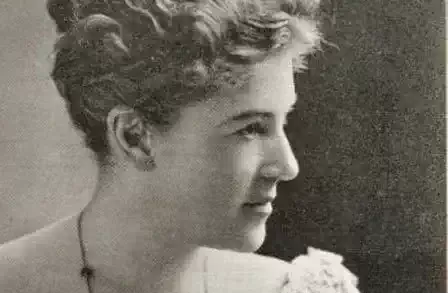
Ella Wheeler Wilcox
Worldly Wisdom
Worldly Wisdom
If it were in my dead Past’s power
To let my Present bask
In some lost pleasure for an hour,
This is the boon I’d ask:
Re-pedestal from out the dust
Where long ago ‘twas hurled,
My beautiful incautious trust
In this unworthy world.
The symbol of my souls own truth –
I saw it go with tears –
The sweet unwisdom of my youth –
That vanished with the years.
Since knowledge brings us only grief,
I would return again
To happy ignorance and belief
In motives and in men.
For worldly wisdom learned in pain
Is in itself a cross,
Significant mayhap of gain,
Yet sign of saddest loss.
If it were in my dead Past’s power
To let my Present bask
In some lost pleasure for an hour,
This is the boon I’d ask:
Re-pedestal from out the dust
Where long ago ‘twas hurled,
My beautiful incautious trust
In this unworthy world.
The symbol of my souls own truth –
I saw it go with tears –
The sweet unwisdom of my youth –
That vanished with the years.
Since knowledge brings us only grief,
I would return again
To happy ignorance and belief
In motives and in men.
For worldly wisdom learned in pain
Is in itself a cross,
Significant mayhap of gain,
Yet sign of saddest loss.
423
Ella Wheeler Wilcox
Worldly Wisdom
Worldly Wisdom
If it were in my dead Past’s power
To let my Present bask
In some lost pleasure for an hour,
This is the boon I’d ask:
Re-pedestal from out the dust
Where long ago ‘twas hurled,
My beautiful incautious trust
In this unworthy world.
The symbol of my souls own truth –
I saw it go with tears –
The sweet unwisdom of my youth –
That vanished with the years.
Since knowledge brings us only grief,
I would return again
To happy ignorance and belief
In motives and in men.
For worldly wisdom learned in pain
Is in itself a cross,
Significant mayhap of gain,
Yet sign of saddest loss.
If it were in my dead Past’s power
To let my Present bask
In some lost pleasure for an hour,
This is the boon I’d ask:
Re-pedestal from out the dust
Where long ago ‘twas hurled,
My beautiful incautious trust
In this unworthy world.
The symbol of my souls own truth –
I saw it go with tears –
The sweet unwisdom of my youth –
That vanished with the years.
Since knowledge brings us only grief,
I would return again
To happy ignorance and belief
In motives and in men.
For worldly wisdom learned in pain
Is in itself a cross,
Significant mayhap of gain,
Yet sign of saddest loss.
423
Ella Wheeler Wilcox
Woman To Man
Woman To Man
You do but jest, sir, and you jest not well,
How could the hand be enemy of the arm,
Or seed and sod be rivals! How could light
Feel jealousy of heat, plant of the leaf
Or competition dwell 'twixt lip and smile?
Are we not part and parcel of yourselves?
Like strands in one great braid we intertwine
And make the perfect whole. You could not be,
Unless we gave you birth; we are the soil
From which you sprang, yet sterile were that soil
Save as you planted. (Though in the Book we read
One woman bore a child with no man's aid
We find no record of a man-child born
Without the aid of woman! Fatherhood
Is but a small achievement at the best
While motherhood comprises heaven and hell.)
This ever-growing argument of sex
Is most unseemly, and devoid of sense.
Why waste more time in controversy, when
There is not time enough for all of love,
Our rightful occupation in this life.
Why prate of our defects, of where we fail
When just the story of our worth would need
Eternity for telling, and our best
Development comes ever thro' your praise,
As through our praise you reach your highest self.
Oh! had you not been miser of your praise
And let our virtues be their own reward
The old established, order of the world
Would never have been changed. Small blame is ours
For this unsexing of ourselves, and worse
Effeminizing of the male. We were
Content, sir, till you starved us, heart and brain.
All we have done, or wise, or otherwise
Traced to the root, was done for love of you.
Let us taboo all vain comparisons,
And go forth as God meant us, hand in hand,
Companions, mates and comrades evermore;
Two parts of one divinely ordained whole.
You do but jest, sir, and you jest not well,
How could the hand be enemy of the arm,
Or seed and sod be rivals! How could light
Feel jealousy of heat, plant of the leaf
Or competition dwell 'twixt lip and smile?
Are we not part and parcel of yourselves?
Like strands in one great braid we intertwine
And make the perfect whole. You could not be,
Unless we gave you birth; we are the soil
From which you sprang, yet sterile were that soil
Save as you planted. (Though in the Book we read
One woman bore a child with no man's aid
We find no record of a man-child born
Without the aid of woman! Fatherhood
Is but a small achievement at the best
While motherhood comprises heaven and hell.)
This ever-growing argument of sex
Is most unseemly, and devoid of sense.
Why waste more time in controversy, when
There is not time enough for all of love,
Our rightful occupation in this life.
Why prate of our defects, of where we fail
When just the story of our worth would need
Eternity for telling, and our best
Development comes ever thro' your praise,
As through our praise you reach your highest self.
Oh! had you not been miser of your praise
And let our virtues be their own reward
The old established, order of the world
Would never have been changed. Small blame is ours
For this unsexing of ourselves, and worse
Effeminizing of the male. We were
Content, sir, till you starved us, heart and brain.
All we have done, or wise, or otherwise
Traced to the root, was done for love of you.
Let us taboo all vain comparisons,
And go forth as God meant us, hand in hand,
Companions, mates and comrades evermore;
Two parts of one divinely ordained whole.
366
Ella Wheeler Wilcox
Will
Will
There is no chance, no destiny, no fate,
Can circumvent or hinder or control
The firm resolve of a determined soul.
Gifts count for nothing; will alone is great;
All things give way before it, soon or late.
What obstacle can stay the mighty force
Of the sea-seeking river in its course,
Or cause the ascending orb of day to wait?
Each well-born soul must win what it deserves.
Let the fool prate of luck. The fortunate
Is he whose earnest purpose never swerves,
Whose slightest action or inaction serves
The one great aim. Why, even Death stands still,
And waits an hour sometimes for such a will.
There is no chance, no destiny, no fate,
Can circumvent or hinder or control
The firm resolve of a determined soul.
Gifts count for nothing; will alone is great;
All things give way before it, soon or late.
What obstacle can stay the mighty force
Of the sea-seeking river in its course,
Or cause the ascending orb of day to wait?
Each well-born soul must win what it deserves.
Let the fool prate of luck. The fortunate
Is he whose earnest purpose never swerves,
Whose slightest action or inaction serves
The one great aim. Why, even Death stands still,
And waits an hour sometimes for such a will.
513
Ella Wheeler Wilcox
Widows
Widows
The world was widowed by the death of Christ:
Vainly its suffering soul for peace has sought
And found it not.
For nothing, nothing, nothing has sufficed
To bring back comfort to the stricken house
From whence has gone the Master and the Spouse.
In its long widowhood the world has striven
To find diversion. It has turned away
From the vast awefull silences of Heaven
(Which answer but with silence when we pray)
And sought for something to assuage its grief.
Some surcease and relief
From sorrow, in pursuit of mortal joys.
It drowned God's stillness in a sea of noise;
It lost God's presence in a blur of forms;
Till, bruised and bleeding with life's brutal storms,
Unto immutable and speechless space
The World lifts up its face,
Its haggard, tear-drenched face,
And cries aloud for faith's supreme reward,
The promised Second Coming of its Lord.
So many widows, widows everywhere,
The whole earth teems with widows.
Guns that blare-
Winged monsters of the air-
And deep-sea monsters leaping through the water,
Hell bent on slaughter,
All these plough paths for widows. Maids at dawn,
And brides at noon, ere eventide pass on
Into the ranks of widows: but to weep
Just for a little space; then will grief sleep
In their young bosoms, where sweet hope belongs,
New love will sing once more its age-old songs,
And life bloom as a rose-tree blooms again
After a night of rain.
There are complacent widows clothed in crêpe
Who simulate a grief that is not real.
Through paths of seeming sorrow they escape
From disappointed hopes to some ideal,
Or, from the penury of unloved wives
Walk forth to opulent lives.
And there are widows who shed all their tears
Just at the first
In one wild burst,
And then go lilting lightly down the years:
Black butterflies, they flit from flower to flower
And live in the thin pleasures of the hour;
Merging their tender memories of the dead
In tenderer dreams of being once more wed.
But there are others: women who have proved
That loving greatly means so being loved.
Women who through full beauteous years have grown
Into the very body, souls, and heart
Of their dear comrades. When death tears apart
Such close-knit bonds as these, and one alone
Out to the larger freer life is called,
And one is left-
Then God in heaven must sometimes be appalled
At the wild anguish of the soul bereft,
And unto His Son must say, 'I did not know
Mortals could suffer so.'
But Christ, remembering Gethsemane,
Will answer softly, 'It was known to Me.'
God's alchemist, old Time, will merge to calm
That bitter anguish; but there is no balm
Save the sweet certitude that each long day
Is one step in a stair
That circles up to where freed spirits stay.
Widows, so many widows everywhere.
The world was widowed by the death of Christ,
And nothing, nothing, nothing has sufficed
To bring back comfort to the stricken house
From whence has gone the Master and the Spouse.
Hasten, dear Lord, with Thy Millennium,
Hasten and come.
The world was widowed by the death of Christ:
Vainly its suffering soul for peace has sought
And found it not.
For nothing, nothing, nothing has sufficed
To bring back comfort to the stricken house
From whence has gone the Master and the Spouse.
In its long widowhood the world has striven
To find diversion. It has turned away
From the vast awefull silences of Heaven
(Which answer but with silence when we pray)
And sought for something to assuage its grief.
Some surcease and relief
From sorrow, in pursuit of mortal joys.
It drowned God's stillness in a sea of noise;
It lost God's presence in a blur of forms;
Till, bruised and bleeding with life's brutal storms,
Unto immutable and speechless space
The World lifts up its face,
Its haggard, tear-drenched face,
And cries aloud for faith's supreme reward,
The promised Second Coming of its Lord.
So many widows, widows everywhere,
The whole earth teems with widows.
Guns that blare-
Winged monsters of the air-
And deep-sea monsters leaping through the water,
Hell bent on slaughter,
All these plough paths for widows. Maids at dawn,
And brides at noon, ere eventide pass on
Into the ranks of widows: but to weep
Just for a little space; then will grief sleep
In their young bosoms, where sweet hope belongs,
New love will sing once more its age-old songs,
And life bloom as a rose-tree blooms again
After a night of rain.
There are complacent widows clothed in crêpe
Who simulate a grief that is not real.
Through paths of seeming sorrow they escape
From disappointed hopes to some ideal,
Or, from the penury of unloved wives
Walk forth to opulent lives.
And there are widows who shed all their tears
Just at the first
In one wild burst,
And then go lilting lightly down the years:
Black butterflies, they flit from flower to flower
And live in the thin pleasures of the hour;
Merging their tender memories of the dead
In tenderer dreams of being once more wed.
But there are others: women who have proved
That loving greatly means so being loved.
Women who through full beauteous years have grown
Into the very body, souls, and heart
Of their dear comrades. When death tears apart
Such close-knit bonds as these, and one alone
Out to the larger freer life is called,
And one is left-
Then God in heaven must sometimes be appalled
At the wild anguish of the soul bereft,
And unto His Son must say, 'I did not know
Mortals could suffer so.'
But Christ, remembering Gethsemane,
Will answer softly, 'It was known to Me.'
God's alchemist, old Time, will merge to calm
That bitter anguish; but there is no balm
Save the sweet certitude that each long day
Is one step in a stair
That circles up to where freed spirits stay.
Widows, so many widows everywhere.
The world was widowed by the death of Christ,
And nothing, nothing, nothing has sufficed
To bring back comfort to the stricken house
From whence has gone the Master and the Spouse.
Hasten, dear Lord, with Thy Millennium,
Hasten and come.
354
Ella Wheeler Wilcox
Which are You?
Which are You?
There are two kinds of people on earth to-day;
Just two kinds of people, no more, I say.
Not the sinner and saint, for it's well understood,
The good are half bad, and the bad are half good.
Not the rich and the poor, for to rate a man's wealth,
You must first know the state of his conscience and health.
Not the humble and proud, for in life's little span,
Who puts on vain airs, is not counted a man.
Not the happy and sad, for the swift flying years
Bring each man his laughter and each man his tears.
No; the two kinds of people on earth I mean,
Are the people who lift, and the people who lean.
Wherever you go, you will find the earth's masses,
Are always divided in just these two classes.
And oddly enough, you will find too, I ween,
There's only one lifter to twenty who lean.
In which class are you? Are you easing the load,
Of overtaxed lifters, who toil down the road?
Or are you a leaner, who lets others share
Your portion of labor, and worry and care?
There are two kinds of people on earth to-day;
Just two kinds of people, no more, I say.
Not the sinner and saint, for it's well understood,
The good are half bad, and the bad are half good.
Not the rich and the poor, for to rate a man's wealth,
You must first know the state of his conscience and health.
Not the humble and proud, for in life's little span,
Who puts on vain airs, is not counted a man.
Not the happy and sad, for the swift flying years
Bring each man his laughter and each man his tears.
No; the two kinds of people on earth I mean,
Are the people who lift, and the people who lean.
Wherever you go, you will find the earth's masses,
Are always divided in just these two classes.
And oddly enough, you will find too, I ween,
There's only one lifter to twenty who lean.
In which class are you? Are you easing the load,
Of overtaxed lifters, who toil down the road?
Or are you a leaner, who lets others share
Your portion of labor, and worry and care?
380
Ella Wheeler Wilcox
When
When
I dwell in the western inland,
Afar from the sounding sea,
But I seem to hear it sobbing
And calling aloud to me,
And my heart cries out for the ocean
As a child for its mother's breast,
And I long to lie on its waters
And be lulled in its arms to rest.
I can close my eyes and fancy
That I hear its mighty roar,
And I see its blue waves splashing
And plunging against the shore;
And the white foam caps the billow,
And the sea-gulls wheel and cry,
And the cool wild wind is blowing,
And the ships go sailing by.
Oh, wonderful, mighty ocean!
When shall I ever stand,
Where my heart has gone already,
There on thy gleaming strand!
When shall I ever wander
Away from the inland west,
And strand by thy side, dear ocean,
And rock on thy heaving breast?
I dwell in the western inland,
Afar from the sounding sea,
But I seem to hear it sobbing
And calling aloud to me,
And my heart cries out for the ocean
As a child for its mother's breast,
And I long to lie on its waters
And be lulled in its arms to rest.
I can close my eyes and fancy
That I hear its mighty roar,
And I see its blue waves splashing
And plunging against the shore;
And the white foam caps the billow,
And the sea-gulls wheel and cry,
And the cool wild wind is blowing,
And the ships go sailing by.
Oh, wonderful, mighty ocean!
When shall I ever stand,
Where my heart has gone already,
There on thy gleaming strand!
When shall I ever wander
Away from the inland west,
And strand by thy side, dear ocean,
And rock on thy heaving breast?
327
Ella Wheeler Wilcox
When
When
I dwell in the western inland,
Afar from the sounding sea,
But I seem to hear it sobbing
And calling aloud to me,
And my heart cries out for the ocean
As a child for its mother's breast,
And I long to lie on its waters
And be lulled in its arms to rest.
I can close my eyes and fancy
That I hear its mighty roar,
And I see its blue waves splashing
And plunging against the shore;
And the white foam caps the billow,
And the sea-gulls wheel and cry,
And the cool wild wind is blowing,
And the ships go sailing by.
Oh, wonderful, mighty ocean!
When shall I ever stand,
Where my heart has gone already,
There on thy gleaming strand!
When shall I ever wander
Away from the inland west,
And strand by thy side, dear ocean,
And rock on thy heaving breast?
I dwell in the western inland,
Afar from the sounding sea,
But I seem to hear it sobbing
And calling aloud to me,
And my heart cries out for the ocean
As a child for its mother's breast,
And I long to lie on its waters
And be lulled in its arms to rest.
I can close my eyes and fancy
That I hear its mighty roar,
And I see its blue waves splashing
And plunging against the shore;
And the white foam caps the billow,
And the sea-gulls wheel and cry,
And the cool wild wind is blowing,
And the ships go sailing by.
Oh, wonderful, mighty ocean!
When shall I ever stand,
Where my heart has gone already,
There on thy gleaming strand!
When shall I ever wander
Away from the inland west,
And strand by thy side, dear ocean,
And rock on thy heaving breast?
327
Ella Wheeler Wilcox
When Love Is Lost
When Love Is Lost
When love is lost, the day sets towards the night,
Albeit the morning sun may still be bright,
And not one cloud-ship sails across the sky.
Yet from the places where it used to lie
Gone is the lustrous glory of the light.
No splendour rests in any mountain height,
No scene spreads fair and beauteous to the sight;
All, all seems dull and dreary to the eye
When love is lost.
Love lends to life its grandeur and its might;
Love goes, and leaves behind it gloom and blight;
Like ghosts of time the pallid hours drag by,
And grief's one happy thought is that we die.
Ah, what can recompense us for its flight
When love is lost?
When love is lost, the day sets towards the night,
Albeit the morning sun may still be bright,
And not one cloud-ship sails across the sky.
Yet from the places where it used to lie
Gone is the lustrous glory of the light.
No splendour rests in any mountain height,
No scene spreads fair and beauteous to the sight;
All, all seems dull and dreary to the eye
When love is lost.
Love lends to life its grandeur and its might;
Love goes, and leaves behind it gloom and blight;
Like ghosts of time the pallid hours drag by,
And grief's one happy thought is that we die.
Ah, what can recompense us for its flight
When love is lost?
422
Ella Wheeler Wilcox
What Is Flirtation?
What Is Flirtation?
What is flirtation? Really,
How can I tell you that?
But when she smiles I see its wiles,
And when he lifts his hat.
'Tis walking in the moonlight,
'Tis buttoning on a glove,
'Tis lips that speak of plays next week,
While eyes are talking love.
Tis meeting in the ball-room,
'Tis whirling in the dance;
'Tis something hid beneath the lid,
More than a simple glance.
'Tis lingering in the hallway,
'Tis sitting on the stair,
'Tis bearded lips on finger-tips,
If mamma isn't there.
'Tis tucking in the carriage,
'Tis asking for a call;
'Tis long good-nights in tender lights,
And that is-no, not all!
'Tis parting when it's over,
And one goes home to sleep;
Best joys must end, tra la, my friend,
But one goes home to weep!
What is flirtation? Really,
How can I tell you that?
But when she smiles I see its wiles,
And when he lifts his hat.
'Tis walking in the moonlight,
'Tis buttoning on a glove,
'Tis lips that speak of plays next week,
While eyes are talking love.
Tis meeting in the ball-room,
'Tis whirling in the dance;
'Tis something hid beneath the lid,
More than a simple glance.
'Tis lingering in the hallway,
'Tis sitting on the stair,
'Tis bearded lips on finger-tips,
If mamma isn't there.
'Tis tucking in the carriage,
'Tis asking for a call;
'Tis long good-nights in tender lights,
And that is-no, not all!
'Tis parting when it's over,
And one goes home to sleep;
Best joys must end, tra la, my friend,
But one goes home to weep!
419
Ella Wheeler Wilcox
What I Have Seen #4
What I Have Seen #4
I saw a youth, one of God's favored few,
Crowned with beauty, and talents, and health;
He had climbed the steep pathway, and cut his way through
To the summit of glory and wealth.
The day is breaking, hearts are waking,
Refreshed for the field of labor:
Arise, arise, like the king of the skies,
With a greeting for friend and neighbor.
He had toiled hard for the honors he'd won,
He had climbed over high rocks, forded streams;
Braved the bleak winter snow, the hot summer sun,
He was reaching the goal of his dreams.
The day hangs around us, the sun hath bound us
With fetters silken and yellow:
Flow, flow away, fleeting day,
Golden-hearted and mellow.
I saw the youth lift a mug to his mouth,
Drink the last drop of the fearful first glass!
Ah! his veins thrill in a fierce, scorching drouth,
He fills it again, again drinks it! alas!
The day is dying, hearts are sighing,
Crushed with a weight of sorrow:
Sleep, oh! sleep, in a slumber deep,
And wait for a bright to-morrow.
I saw him low in the dust at my feet,
Gone beauty, health, wealth, strength, talents, all;
From the summit of Fame to the slime of the street,
He had bartered his soul for the fiend Alcohol.
The night hangs o'er us, the wind's wild chorus
Shrieks like a demons' revel:
Weep, sob, weep, for the fog is deep,
And the world is sold to the devil.
I saw a youth, one of God's favored few,
Crowned with beauty, and talents, and health;
He had climbed the steep pathway, and cut his way through
To the summit of glory and wealth.
The day is breaking, hearts are waking,
Refreshed for the field of labor:
Arise, arise, like the king of the skies,
With a greeting for friend and neighbor.
He had toiled hard for the honors he'd won,
He had climbed over high rocks, forded streams;
Braved the bleak winter snow, the hot summer sun,
He was reaching the goal of his dreams.
The day hangs around us, the sun hath bound us
With fetters silken and yellow:
Flow, flow away, fleeting day,
Golden-hearted and mellow.
I saw the youth lift a mug to his mouth,
Drink the last drop of the fearful first glass!
Ah! his veins thrill in a fierce, scorching drouth,
He fills it again, again drinks it! alas!
The day is dying, hearts are sighing,
Crushed with a weight of sorrow:
Sleep, oh! sleep, in a slumber deep,
And wait for a bright to-morrow.
I saw him low in the dust at my feet,
Gone beauty, health, wealth, strength, talents, all;
From the summit of Fame to the slime of the street,
He had bartered his soul for the fiend Alcohol.
The night hangs o'er us, the wind's wild chorus
Shrieks like a demons' revel:
Weep, sob, weep, for the fog is deep,
And the world is sold to the devil.
14
Ella Wheeler Wilcox
What I Have Seen #4
What I Have Seen #4
I saw a youth, one of God's favored few,
Crowned with beauty, and talents, and health;
He had climbed the steep pathway, and cut his way through
To the summit of glory and wealth.
The day is breaking, hearts are waking,
Refreshed for the field of labor:
Arise, arise, like the king of the skies,
With a greeting for friend and neighbor.
He had toiled hard for the honors he'd won,
He had climbed over high rocks, forded streams;
Braved the bleak winter snow, the hot summer sun,
He was reaching the goal of his dreams.
The day hangs around us, the sun hath bound us
With fetters silken and yellow:
Flow, flow away, fleeting day,
Golden-hearted and mellow.
I saw the youth lift a mug to his mouth,
Drink the last drop of the fearful first glass!
Ah! his veins thrill in a fierce, scorching drouth,
He fills it again, again drinks it! alas!
The day is dying, hearts are sighing,
Crushed with a weight of sorrow:
Sleep, oh! sleep, in a slumber deep,
And wait for a bright to-morrow.
I saw him low in the dust at my feet,
Gone beauty, health, wealth, strength, talents, all;
From the summit of Fame to the slime of the street,
He had bartered his soul for the fiend Alcohol.
The night hangs o'er us, the wind's wild chorus
Shrieks like a demons' revel:
Weep, sob, weep, for the fog is deep,
And the world is sold to the devil.
I saw a youth, one of God's favored few,
Crowned with beauty, and talents, and health;
He had climbed the steep pathway, and cut his way through
To the summit of glory and wealth.
The day is breaking, hearts are waking,
Refreshed for the field of labor:
Arise, arise, like the king of the skies,
With a greeting for friend and neighbor.
He had toiled hard for the honors he'd won,
He had climbed over high rocks, forded streams;
Braved the bleak winter snow, the hot summer sun,
He was reaching the goal of his dreams.
The day hangs around us, the sun hath bound us
With fetters silken and yellow:
Flow, flow away, fleeting day,
Golden-hearted and mellow.
I saw the youth lift a mug to his mouth,
Drink the last drop of the fearful first glass!
Ah! his veins thrill in a fierce, scorching drouth,
He fills it again, again drinks it! alas!
The day is dying, hearts are sighing,
Crushed with a weight of sorrow:
Sleep, oh! sleep, in a slumber deep,
And wait for a bright to-morrow.
I saw him low in the dust at my feet,
Gone beauty, health, wealth, strength, talents, all;
From the summit of Fame to the slime of the street,
He had bartered his soul for the fiend Alcohol.
The night hangs o'er us, the wind's wild chorus
Shrieks like a demons' revel:
Weep, sob, weep, for the fog is deep,
And the world is sold to the devil.
14
Ella Wheeler Wilcox
What I Have Seen #2
What I Have Seen #2
I saw a maid with her chivalrous lover:
He was both tender and true;
He kissed her lips, vowing over and over,
'Darling, I worship you.'
Sing, sing, bird of the spring,
Tell of the flowers the summer will bring.
I saw the maiden, sweet, loving, confiding,
Smile when he whispered 'Mine,'
Saw her lips meet his with no word of chiding,
Though his breath fumed with wine.
Wail, wail, Nightingale,
Sing of a mourner bowed and pale.
I saw the lover and maid at the altar,
Bound by the bands divine;
Heard the responses-they fail not nor falter-
Saw the guests pledge in wine.
Howl, howl, ominous Owl,
Shriek of the terrible tempest's scowl.
I saw the drunkard's wife weeping in anguish,
Saw her struck down by a blow;
I saw the husband in prison-cells languish-
Thus ends the tale of woe.
Shriek, shriek, O Raven! speak
Of the terrible midnight, dark and bleak.
I saw a maid with her chivalrous lover:
He was both tender and true;
He kissed her lips, vowing over and over,
'Darling, I worship you.'
Sing, sing, bird of the spring,
Tell of the flowers the summer will bring.
I saw the maiden, sweet, loving, confiding,
Smile when he whispered 'Mine,'
Saw her lips meet his with no word of chiding,
Though his breath fumed with wine.
Wail, wail, Nightingale,
Sing of a mourner bowed and pale.
I saw the lover and maid at the altar,
Bound by the bands divine;
Heard the responses-they fail not nor falter-
Saw the guests pledge in wine.
Howl, howl, ominous Owl,
Shriek of the terrible tempest's scowl.
I saw the drunkard's wife weeping in anguish,
Saw her struck down by a blow;
I saw the husband in prison-cells languish-
Thus ends the tale of woe.
Shriek, shriek, O Raven! speak
Of the terrible midnight, dark and bleak.
18
Ella Wheeler Wilcox
What I Have Seen #2
What I Have Seen #2
I saw a maid with her chivalrous lover:
He was both tender and true;
He kissed her lips, vowing over and over,
'Darling, I worship you.'
Sing, sing, bird of the spring,
Tell of the flowers the summer will bring.
I saw the maiden, sweet, loving, confiding,
Smile when he whispered 'Mine,'
Saw her lips meet his with no word of chiding,
Though his breath fumed with wine.
Wail, wail, Nightingale,
Sing of a mourner bowed and pale.
I saw the lover and maid at the altar,
Bound by the bands divine;
Heard the responses-they fail not nor falter-
Saw the guests pledge in wine.
Howl, howl, ominous Owl,
Shriek of the terrible tempest's scowl.
I saw the drunkard's wife weeping in anguish,
Saw her struck down by a blow;
I saw the husband in prison-cells languish-
Thus ends the tale of woe.
Shriek, shriek, O Raven! speak
Of the terrible midnight, dark and bleak.
I saw a maid with her chivalrous lover:
He was both tender and true;
He kissed her lips, vowing over and over,
'Darling, I worship you.'
Sing, sing, bird of the spring,
Tell of the flowers the summer will bring.
I saw the maiden, sweet, loving, confiding,
Smile when he whispered 'Mine,'
Saw her lips meet his with no word of chiding,
Though his breath fumed with wine.
Wail, wail, Nightingale,
Sing of a mourner bowed and pale.
I saw the lover and maid at the altar,
Bound by the bands divine;
Heard the responses-they fail not nor falter-
Saw the guests pledge in wine.
Howl, howl, ominous Owl,
Shriek of the terrible tempest's scowl.
I saw the drunkard's wife weeping in anguish,
Saw her struck down by a blow;
I saw the husband in prison-cells languish-
Thus ends the tale of woe.
Shriek, shriek, O Raven! speak
Of the terrible midnight, dark and bleak.
18
Ella Wheeler Wilcox
Warning
Warning
High in the heavens I saw the moon this morning,
Albeit the sun shone bright;
Unto my soul it spoke, in voice of warning,
‘Remember Night! ’
High in the heavens I saw the moon this morning,
Albeit the sun shone bright;
Unto my soul it spoke, in voice of warning,
‘Remember Night! ’
320
Ella Wheeler Wilcox
War
War
I
There is no picturesqueness and no glory,
No halo of romance, in war to-day.
It is a hideous thing; Time would turn grey
With horror, were he not already hoary
At sight of this vile monster, foul and gory.
Yet while sweet women perish as they pray,
And new-born babes are slaughtered, who dare say
'Halt!' till Right pens its 'Finis' to the story!
There is no pathway, but the path through blood,
Out of the horrors of this holocaust.
Hell has let loose its scalding crimson flood,
And he who stops to argue now is lost.
Not brooms of creeds, not Pacifistic words
Can stem the tide, but swords-uplifted swords!
II
Yet, after Peace has turned the clean white page
There shall be sorrow on the earth for years;
Abysmal grief, that has no eyes for tears,
And youth that hobbles through the earth like age.
But better to play this part upon life's stage
Than to aid structures that a tyrant rears,
To live a stalwart hireling torn with fears,
And shamed by feeding on a conqueror's wage.
Death, yea, a thousand deaths, were sweet in truth
Rather than such ignoble life. God gave
Being, and breath, and high resolve to youth
That it might be Wrong's master, not its slave.
Our road to Freedom is the road to guns!
Go, arm your sons! I say, Go, arm your sons!
III
Arm! arm! that mandate on each wind is whirled.
Let no man hesitate or look askance,
For from the devastated homes of France
And ruined Belgium the cry is hurled.
Why, Christ Himself would keep peace banners furled
Were He among us, till, with lifted lance,
He saw the hosts of Righteousness advance
To purify the Temples of the world.
There is no safety on the earth to-day
For any sacred thing, or clean, or fair;
Nor can there be, until men rise and slay
The hydra-headed monster in his lair.
War! horrid War! now Virtue's only friend;
Clasp hands with War, and battle to the end!
I
There is no picturesqueness and no glory,
No halo of romance, in war to-day.
It is a hideous thing; Time would turn grey
With horror, were he not already hoary
At sight of this vile monster, foul and gory.
Yet while sweet women perish as they pray,
And new-born babes are slaughtered, who dare say
'Halt!' till Right pens its 'Finis' to the story!
There is no pathway, but the path through blood,
Out of the horrors of this holocaust.
Hell has let loose its scalding crimson flood,
And he who stops to argue now is lost.
Not brooms of creeds, not Pacifistic words
Can stem the tide, but swords-uplifted swords!
II
Yet, after Peace has turned the clean white page
There shall be sorrow on the earth for years;
Abysmal grief, that has no eyes for tears,
And youth that hobbles through the earth like age.
But better to play this part upon life's stage
Than to aid structures that a tyrant rears,
To live a stalwart hireling torn with fears,
And shamed by feeding on a conqueror's wage.
Death, yea, a thousand deaths, were sweet in truth
Rather than such ignoble life. God gave
Being, and breath, and high resolve to youth
That it might be Wrong's master, not its slave.
Our road to Freedom is the road to guns!
Go, arm your sons! I say, Go, arm your sons!
III
Arm! arm! that mandate on each wind is whirled.
Let no man hesitate or look askance,
For from the devastated homes of France
And ruined Belgium the cry is hurled.
Why, Christ Himself would keep peace banners furled
Were He among us, till, with lifted lance,
He saw the hosts of Righteousness advance
To purify the Temples of the world.
There is no safety on the earth to-day
For any sacred thing, or clean, or fair;
Nor can there be, until men rise and slay
The hydra-headed monster in his lair.
War! horrid War! now Virtue's only friend;
Clasp hands with War, and battle to the end!
380
Ella Wheeler Wilcox
War
War
I
There is no picturesqueness and no glory,
No halo of romance, in war to-day.
It is a hideous thing; Time would turn grey
With horror, were he not already hoary
At sight of this vile monster, foul and gory.
Yet while sweet women perish as they pray,
And new-born babes are slaughtered, who dare say
'Halt!' till Right pens its 'Finis' to the story!
There is no pathway, but the path through blood,
Out of the horrors of this holocaust.
Hell has let loose its scalding crimson flood,
And he who stops to argue now is lost.
Not brooms of creeds, not Pacifistic words
Can stem the tide, but swords-uplifted swords!
II
Yet, after Peace has turned the clean white page
There shall be sorrow on the earth for years;
Abysmal grief, that has no eyes for tears,
And youth that hobbles through the earth like age.
But better to play this part upon life's stage
Than to aid structures that a tyrant rears,
To live a stalwart hireling torn with fears,
And shamed by feeding on a conqueror's wage.
Death, yea, a thousand deaths, were sweet in truth
Rather than such ignoble life. God gave
Being, and breath, and high resolve to youth
That it might be Wrong's master, not its slave.
Our road to Freedom is the road to guns!
Go, arm your sons! I say, Go, arm your sons!
III
Arm! arm! that mandate on each wind is whirled.
Let no man hesitate or look askance,
For from the devastated homes of France
And ruined Belgium the cry is hurled.
Why, Christ Himself would keep peace banners furled
Were He among us, till, with lifted lance,
He saw the hosts of Righteousness advance
To purify the Temples of the world.
There is no safety on the earth to-day
For any sacred thing, or clean, or fair;
Nor can there be, until men rise and slay
The hydra-headed monster in his lair.
War! horrid War! now Virtue's only friend;
Clasp hands with War, and battle to the end!
I
There is no picturesqueness and no glory,
No halo of romance, in war to-day.
It is a hideous thing; Time would turn grey
With horror, were he not already hoary
At sight of this vile monster, foul and gory.
Yet while sweet women perish as they pray,
And new-born babes are slaughtered, who dare say
'Halt!' till Right pens its 'Finis' to the story!
There is no pathway, but the path through blood,
Out of the horrors of this holocaust.
Hell has let loose its scalding crimson flood,
And he who stops to argue now is lost.
Not brooms of creeds, not Pacifistic words
Can stem the tide, but swords-uplifted swords!
II
Yet, after Peace has turned the clean white page
There shall be sorrow on the earth for years;
Abysmal grief, that has no eyes for tears,
And youth that hobbles through the earth like age.
But better to play this part upon life's stage
Than to aid structures that a tyrant rears,
To live a stalwart hireling torn with fears,
And shamed by feeding on a conqueror's wage.
Death, yea, a thousand deaths, were sweet in truth
Rather than such ignoble life. God gave
Being, and breath, and high resolve to youth
That it might be Wrong's master, not its slave.
Our road to Freedom is the road to guns!
Go, arm your sons! I say, Go, arm your sons!
III
Arm! arm! that mandate on each wind is whirled.
Let no man hesitate or look askance,
For from the devastated homes of France
And ruined Belgium the cry is hurled.
Why, Christ Himself would keep peace banners furled
Were He among us, till, with lifted lance,
He saw the hosts of Righteousness advance
To purify the Temples of the world.
There is no safety on the earth to-day
For any sacred thing, or clean, or fair;
Nor can there be, until men rise and slay
The hydra-headed monster in his lair.
War! horrid War! now Virtue's only friend;
Clasp hands with War, and battle to the end!
380
Ella Wheeler Wilcox
Vanity Fair
Vanity Fair
In Vanity Fair, as we bow and smile,
As we talk of the opera after the weather,
As we chat of fashion and fad and style,
We know we are playing a part together.
You know that the mirth she wears, she borrows;
She knows you laugh but to hide your sorrows;
We know that under the silks and laces,
And back of beautiful, beaming faces,
Lie secret trouble and grim despair,
In Vanity Fair.
In Vanity Fair, on dress parade,
Our colors look bright and our swords are gleaming;
But many a uniform's worn and frayed,
And most of the weapons, despite their seeming.
Are dull and blunted and badly battered,
And close inspection will show how tattered
And stained are the banners that float above us.
Our comrades hate, while they swear to love us;
And robed like Pleasure walks gaunt-eyed Care,
In Vanity Fair.
In Vanity Fair, as we strive for place,
As we rush and jostle and crowd and hurry,
We know the goal is not worth the race-
We know the prize is not worth the worry;
That all our gain means loss for another;
That in fighting for self we wound each other;
That the crown of success weighs hard and presse
The brow of the victor with thorns-not caresses;
That honors are empty and worthless to wear,
In Vanity Fair.
But in Vanity Fair, as we pass along,
We meet strong hearts that are worth the knowing;
'Mong poor paste jewels that deck the throng,
We see a solitaire sometimes glowing.
We find grand souls under robes of fashion,
'Neath light demeanors hide strength and passion;
And fair fine honor and Godlike resistance.
In halls of pleasure may have existence;
And we find pure altars and shrines of prayer,
In Vanity Fair.
In Vanity Fair, as we bow and smile,
As we talk of the opera after the weather,
As we chat of fashion and fad and style,
We know we are playing a part together.
You know that the mirth she wears, she borrows;
She knows you laugh but to hide your sorrows;
We know that under the silks and laces,
And back of beautiful, beaming faces,
Lie secret trouble and grim despair,
In Vanity Fair.
In Vanity Fair, on dress parade,
Our colors look bright and our swords are gleaming;
But many a uniform's worn and frayed,
And most of the weapons, despite their seeming.
Are dull and blunted and badly battered,
And close inspection will show how tattered
And stained are the banners that float above us.
Our comrades hate, while they swear to love us;
And robed like Pleasure walks gaunt-eyed Care,
In Vanity Fair.
In Vanity Fair, as we strive for place,
As we rush and jostle and crowd and hurry,
We know the goal is not worth the race-
We know the prize is not worth the worry;
That all our gain means loss for another;
That in fighting for self we wound each other;
That the crown of success weighs hard and presse
The brow of the victor with thorns-not caresses;
That honors are empty and worthless to wear,
In Vanity Fair.
But in Vanity Fair, as we pass along,
We meet strong hearts that are worth the knowing;
'Mong poor paste jewels that deck the throng,
We see a solitaire sometimes glowing.
We find grand souls under robes of fashion,
'Neath light demeanors hide strength and passion;
And fair fine honor and Godlike resistance.
In halls of pleasure may have existence;
And we find pure altars and shrines of prayer,
In Vanity Fair.
494
Ella Wheeler Wilcox
Vanity Fair
Vanity Fair
In Vanity Fair, as we bow and smile,
As we talk of the opera after the weather,
As we chat of fashion and fad and style,
We know we are playing a part together.
You know that the mirth she wears, she borrows;
She knows you laugh but to hide your sorrows;
We know that under the silks and laces,
And back of beautiful, beaming faces,
Lie secret trouble and grim despair,
In Vanity Fair.
In Vanity Fair, on dress parade,
Our colors look bright and our swords are gleaming;
But many a uniform's worn and frayed,
And most of the weapons, despite their seeming.
Are dull and blunted and badly battered,
And close inspection will show how tattered
And stained are the banners that float above us.
Our comrades hate, while they swear to love us;
And robed like Pleasure walks gaunt-eyed Care,
In Vanity Fair.
In Vanity Fair, as we strive for place,
As we rush and jostle and crowd and hurry,
We know the goal is not worth the race-
We know the prize is not worth the worry;
That all our gain means loss for another;
That in fighting for self we wound each other;
That the crown of success weighs hard and presse
The brow of the victor with thorns-not caresses;
That honors are empty and worthless to wear,
In Vanity Fair.
But in Vanity Fair, as we pass along,
We meet strong hearts that are worth the knowing;
'Mong poor paste jewels that deck the throng,
We see a solitaire sometimes glowing.
We find grand souls under robes of fashion,
'Neath light demeanors hide strength and passion;
And fair fine honor and Godlike resistance.
In halls of pleasure may have existence;
And we find pure altars and shrines of prayer,
In Vanity Fair.
In Vanity Fair, as we bow and smile,
As we talk of the opera after the weather,
As we chat of fashion and fad and style,
We know we are playing a part together.
You know that the mirth she wears, she borrows;
She knows you laugh but to hide your sorrows;
We know that under the silks and laces,
And back of beautiful, beaming faces,
Lie secret trouble and grim despair,
In Vanity Fair.
In Vanity Fair, on dress parade,
Our colors look bright and our swords are gleaming;
But many a uniform's worn and frayed,
And most of the weapons, despite their seeming.
Are dull and blunted and badly battered,
And close inspection will show how tattered
And stained are the banners that float above us.
Our comrades hate, while they swear to love us;
And robed like Pleasure walks gaunt-eyed Care,
In Vanity Fair.
In Vanity Fair, as we strive for place,
As we rush and jostle and crowd and hurry,
We know the goal is not worth the race-
We know the prize is not worth the worry;
That all our gain means loss for another;
That in fighting for self we wound each other;
That the crown of success weighs hard and presse
The brow of the victor with thorns-not caresses;
That honors are empty and worthless to wear,
In Vanity Fair.
But in Vanity Fair, as we pass along,
We meet strong hearts that are worth the knowing;
'Mong poor paste jewels that deck the throng,
We see a solitaire sometimes glowing.
We find grand souls under robes of fashion,
'Neath light demeanors hide strength and passion;
And fair fine honor and Godlike resistance.
In halls of pleasure may have existence;
And we find pure altars and shrines of prayer,
In Vanity Fair.
494
Ella Wheeler Wilcox
Unanswered Prayers
Unanswered Prayers
Like some school master, kind in being stern,
Who hears the children crying o’er their slates
And calling, “Help me master! ” yet helps not,
Since in his silence and refusal lies
Their self-development, so God abides
Unheeding many prayers. He is not deaf
To any cry sent up from earnest hearts,
He hears and strengthens when He must deny.
He sees us weeping over life’s hard sums
But should He give us the key and dry our tears
What would it profit us when school were done
And not one lesson mastered?
What a world
Where this if all our prayers were answered. Not
In famed Pandora’s box were such vast ills
As lie in human hearts. Should our desires
Voiced one by one in prayer ascend to God
And come back as events shaped to our wish
What chaos would result!
In my fierce youth
I sighed out a breath enough to move a fleet
Voicing wild prayers to heaven for fancied boons
Which were denied; and that denial bends
My knee to prayers of gratitude each day
Of my maturer years. Yet from those prayers
I rose always regirded for the strife
And conscious of new strength. Pray on, sad heart,
That which thou pleadest for may not be given
But in the lofty altitude where souls
Who supplicate God’s grace are lifted there
Thou shalt find help to bear thy daily lot
Which is not elsewhere found.
Like some school master, kind in being stern,
Who hears the children crying o’er their slates
And calling, “Help me master! ” yet helps not,
Since in his silence and refusal lies
Their self-development, so God abides
Unheeding many prayers. He is not deaf
To any cry sent up from earnest hearts,
He hears and strengthens when He must deny.
He sees us weeping over life’s hard sums
But should He give us the key and dry our tears
What would it profit us when school were done
And not one lesson mastered?
What a world
Where this if all our prayers were answered. Not
In famed Pandora’s box were such vast ills
As lie in human hearts. Should our desires
Voiced one by one in prayer ascend to God
And come back as events shaped to our wish
What chaos would result!
In my fierce youth
I sighed out a breath enough to move a fleet
Voicing wild prayers to heaven for fancied boons
Which were denied; and that denial bends
My knee to prayers of gratitude each day
Of my maturer years. Yet from those prayers
I rose always regirded for the strife
And conscious of new strength. Pray on, sad heart,
That which thou pleadest for may not be given
But in the lofty altitude where souls
Who supplicate God’s grace are lifted there
Thou shalt find help to bear thy daily lot
Which is not elsewhere found.
325
Ella Wheeler Wilcox
Two Sunsets
Two Sunsets
In the fair morning of his life,
When his pure heart lay in his breast,
Panting, with all that wild unrest
To plunge into the great world's strife
That fills young hearts with mad desire,
He saw a sunset. Red and gold
The burning billows surged and rolled,
And upward tossed their caps of fire.
He looked. And as he looked the sight
Sent from his soul through breast and brain
Such intense joy, it hurt like pain.
His heart seemed bursting with delight.
So near the Unknown seemed, so close
He might have grasped it with his hand.
He felt his inmost soul expand,
As sunlight will expand a rose.
One day he heard a singing strain--
A human voice, in bird-like trills.
He paused, and little rapture-rills
Went trickling downward through each vein.
And in his heart the whole day long,
As in a temple veiled and dim,
He kept and bore about with him
The beauty of that singer's song.
And then? But why relate what then?
His smoldering heart flamed into fire--
He had his one supreme desire,
And plunged into the world of men.
For years queen Folly held her sway.
With pleasures of the grosser kind
She fed his flesh and drugged his mind,
Till, shamed, he sated turned away.
He sought his boyhood's home. That hour
Triumphant should have been, in sooth,
Since he went forth an unknown youth,
And came back crowned with wealth and power.
The clouds made day a gorgeous bed;
He saw the splendor of the sky
With unmoved heart and stolid eye;
He knew only West was red.
Then suddenly a fresh young voice
Rose, bird-like, from some hidden place,
He did not even turn his face;
It struck him simply as a noise.
He trod the old paths up and down.
Their ruch-hued leaves by Fall winds whirled--
How dull they were--how dull the world--
Dull even in the pulsing town.
O! worst of punishments, that brings
A blunting of all finer sense,
A loss of feelings keen, intense,
And dulls us to the higher things.
O! penalty most dire, most sure,
Swift following after gross delights,
That we no more see beauteous sights,
Or hear as hear the good and pure.
O! shape more hideous and more dread
Than Vengeance takes in creed-taught minds,
This certain doom that blunts and blinds,
And strikes the holiest feelings dead.
In the fair morning of his life,
When his pure heart lay in his breast,
Panting, with all that wild unrest
To plunge into the great world's strife
That fills young hearts with mad desire,
He saw a sunset. Red and gold
The burning billows surged and rolled,
And upward tossed their caps of fire.
He looked. And as he looked the sight
Sent from his soul through breast and brain
Such intense joy, it hurt like pain.
His heart seemed bursting with delight.
So near the Unknown seemed, so close
He might have grasped it with his hand.
He felt his inmost soul expand,
As sunlight will expand a rose.
One day he heard a singing strain--
A human voice, in bird-like trills.
He paused, and little rapture-rills
Went trickling downward through each vein.
And in his heart the whole day long,
As in a temple veiled and dim,
He kept and bore about with him
The beauty of that singer's song.
And then? But why relate what then?
His smoldering heart flamed into fire--
He had his one supreme desire,
And plunged into the world of men.
For years queen Folly held her sway.
With pleasures of the grosser kind
She fed his flesh and drugged his mind,
Till, shamed, he sated turned away.
He sought his boyhood's home. That hour
Triumphant should have been, in sooth,
Since he went forth an unknown youth,
And came back crowned with wealth and power.
The clouds made day a gorgeous bed;
He saw the splendor of the sky
With unmoved heart and stolid eye;
He knew only West was red.
Then suddenly a fresh young voice
Rose, bird-like, from some hidden place,
He did not even turn his face;
It struck him simply as a noise.
He trod the old paths up and down.
Their ruch-hued leaves by Fall winds whirled--
How dull they were--how dull the world--
Dull even in the pulsing town.
O! worst of punishments, that brings
A blunting of all finer sense,
A loss of feelings keen, intense,
And dulls us to the higher things.
O! penalty most dire, most sure,
Swift following after gross delights,
That we no more see beauteous sights,
Or hear as hear the good and pure.
O! shape more hideous and more dread
Than Vengeance takes in creed-taught minds,
This certain doom that blunts and blinds,
And strikes the holiest feelings dead.
349
Ella Wheeler Wilcox
Two Sunsets
Two Sunsets
In the fair morning of his life,
When his pure heart lay in his breast,
Panting, with all that wild unrest
To plunge into the great world's strife
That fills young hearts with mad desire,
He saw a sunset. Red and gold
The burning billows surged and rolled,
And upward tossed their caps of fire.
He looked. And as he looked the sight
Sent from his soul through breast and brain
Such intense joy, it hurt like pain.
His heart seemed bursting with delight.
So near the Unknown seemed, so close
He might have grasped it with his hand.
He felt his inmost soul expand,
As sunlight will expand a rose.
One day he heard a singing strain--
A human voice, in bird-like trills.
He paused, and little rapture-rills
Went trickling downward through each vein.
And in his heart the whole day long,
As in a temple veiled and dim,
He kept and bore about with him
The beauty of that singer's song.
And then? But why relate what then?
His smoldering heart flamed into fire--
He had his one supreme desire,
And plunged into the world of men.
For years queen Folly held her sway.
With pleasures of the grosser kind
She fed his flesh and drugged his mind,
Till, shamed, he sated turned away.
He sought his boyhood's home. That hour
Triumphant should have been, in sooth,
Since he went forth an unknown youth,
And came back crowned with wealth and power.
The clouds made day a gorgeous bed;
He saw the splendor of the sky
With unmoved heart and stolid eye;
He knew only West was red.
Then suddenly a fresh young voice
Rose, bird-like, from some hidden place,
He did not even turn his face;
It struck him simply as a noise.
He trod the old paths up and down.
Their ruch-hued leaves by Fall winds whirled--
How dull they were--how dull the world--
Dull even in the pulsing town.
O! worst of punishments, that brings
A blunting of all finer sense,
A loss of feelings keen, intense,
And dulls us to the higher things.
O! penalty most dire, most sure,
Swift following after gross delights,
That we no more see beauteous sights,
Or hear as hear the good and pure.
O! shape more hideous and more dread
Than Vengeance takes in creed-taught minds,
This certain doom that blunts and blinds,
And strikes the holiest feelings dead.
In the fair morning of his life,
When his pure heart lay in his breast,
Panting, with all that wild unrest
To plunge into the great world's strife
That fills young hearts with mad desire,
He saw a sunset. Red and gold
The burning billows surged and rolled,
And upward tossed their caps of fire.
He looked. And as he looked the sight
Sent from his soul through breast and brain
Such intense joy, it hurt like pain.
His heart seemed bursting with delight.
So near the Unknown seemed, so close
He might have grasped it with his hand.
He felt his inmost soul expand,
As sunlight will expand a rose.
One day he heard a singing strain--
A human voice, in bird-like trills.
He paused, and little rapture-rills
Went trickling downward through each vein.
And in his heart the whole day long,
As in a temple veiled and dim,
He kept and bore about with him
The beauty of that singer's song.
And then? But why relate what then?
His smoldering heart flamed into fire--
He had his one supreme desire,
And plunged into the world of men.
For years queen Folly held her sway.
With pleasures of the grosser kind
She fed his flesh and drugged his mind,
Till, shamed, he sated turned away.
He sought his boyhood's home. That hour
Triumphant should have been, in sooth,
Since he went forth an unknown youth,
And came back crowned with wealth and power.
The clouds made day a gorgeous bed;
He saw the splendor of the sky
With unmoved heart and stolid eye;
He knew only West was red.
Then suddenly a fresh young voice
Rose, bird-like, from some hidden place,
He did not even turn his face;
It struck him simply as a noise.
He trod the old paths up and down.
Their ruch-hued leaves by Fall winds whirled--
How dull they were--how dull the world--
Dull even in the pulsing town.
O! worst of punishments, that brings
A blunting of all finer sense,
A loss of feelings keen, intense,
And dulls us to the higher things.
O! penalty most dire, most sure,
Swift following after gross delights,
That we no more see beauteous sights,
Or hear as hear the good and pure.
O! shape more hideous and more dread
Than Vengeance takes in creed-taught minds,
This certain doom that blunts and blinds,
And strikes the holiest feelings dead.
349
Ella Wheeler Wilcox
Two Loves
Two Loves
The woman he loved, while he dreamed of her,
Danced on till the stars grew dim,
But alone with her heart, from the world apart
Sat the woman who loved him.
The woman he worshipped only smiled
When he poured out his passionate love.
But the other somewhere, kissed her treasure most rare,
A book he had touched with his glove.
The woman he loved betrayed his trust,
And he wore the scars for life;
And he cared not, nor knew, that the other was true;
But no man called her his wife.
The woman he loved trod festal halls,
While they sang his funeral hymn,
But the sad bells tolled, ere the year was old,
For the woman that loved him.
The woman he loved, while he dreamed of her,
Danced on till the stars grew dim,
But alone with her heart, from the world apart
Sat the woman who loved him.
The woman he worshipped only smiled
When he poured out his passionate love.
But the other somewhere, kissed her treasure most rare,
A book he had touched with his glove.
The woman he loved betrayed his trust,
And he wore the scars for life;
And he cared not, nor knew, that the other was true;
But no man called her his wife.
The woman he loved trod festal halls,
While they sang his funeral hymn,
But the sad bells tolled, ere the year was old,
For the woman that loved him.
374
Ella Wheeler Wilcox
To Men
To Men
Sirs, when you pity us, I say
You waste your pity. Let it stay,
Well corked and stored upon your shelves,
Until you need it for yourselves.
We do appreciate God's thought
In forming you, before He brought
Us into life. His art was crude,
But oh, so virile in its rude
Large elemental strength: and then
He learned His trade in making men;
Learned how to mix and mould the clay
And fashion in a finer way.
How fine that skilful way can be
You need but lift your eyes to see;
And we are glad God placed you there
To lift your eyes and find us fair.
Apprentice labour though you were,
He made you great enough to stir
The best and deepest depths of us,
And we are glad he made you thus.
Ay! we are glad of many things.
God strung our hearts with such fine strings
The least breath movces them, and we hear
Music where silence greets your ear.
We suffer so? but women's souls
Like violet powder dropped on coals,
Give forth their best in anguish. Oh,
The subtle secrets that we know,
Of joy in sorrow, strange delights
Of ecstasy in pain-filled nights,
And mysteries of gain in loss
Known but to Christ upon the Cross!
Our tears are pitiful to you?
Look how the heaven-reflecting dew
Dissolves its life in tears. The sand
Meanwhile lies hard upon the strand.
How could your pity find a place
For us, the mothers of the race?
Men may be fathers unaware,
So poor the title is you wear,
But mothers -? Who that crown adorns
Knows all its mingled blooms and thorns;
And she whose feet that path hath trod
Has walked upon the heights with God.
No, offer us not pity's cup.
There is no looking down or up
Between us: eye looks straight in eye:
Born equals, so we live and die.
Sirs, when you pity us, I say
You waste your pity. Let it stay,
Well corked and stored upon your shelves,
Until you need it for yourselves.
We do appreciate God's thought
In forming you, before He brought
Us into life. His art was crude,
But oh, so virile in its rude
Large elemental strength: and then
He learned His trade in making men;
Learned how to mix and mould the clay
And fashion in a finer way.
How fine that skilful way can be
You need but lift your eyes to see;
And we are glad God placed you there
To lift your eyes and find us fair.
Apprentice labour though you were,
He made you great enough to stir
The best and deepest depths of us,
And we are glad he made you thus.
Ay! we are glad of many things.
God strung our hearts with such fine strings
The least breath movces them, and we hear
Music where silence greets your ear.
We suffer so? but women's souls
Like violet powder dropped on coals,
Give forth their best in anguish. Oh,
The subtle secrets that we know,
Of joy in sorrow, strange delights
Of ecstasy in pain-filled nights,
And mysteries of gain in loss
Known but to Christ upon the Cross!
Our tears are pitiful to you?
Look how the heaven-reflecting dew
Dissolves its life in tears. The sand
Meanwhile lies hard upon the strand.
How could your pity find a place
For us, the mothers of the race?
Men may be fathers unaware,
So poor the title is you wear,
But mothers -? Who that crown adorns
Knows all its mingled blooms and thorns;
And she whose feet that path hath trod
Has walked upon the heights with God.
No, offer us not pity's cup.
There is no looking down or up
Between us: eye looks straight in eye:
Born equals, so we live and die.
410