

Poems in this topic
Emotions and Feelings
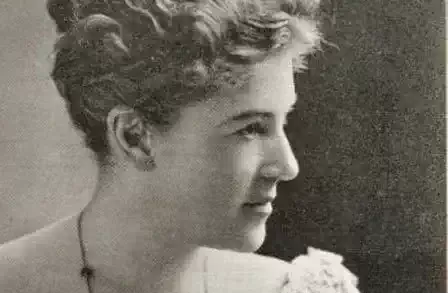
Ella Wheeler Wilcox
The King Of Candyland
The King Of Candyland
Have you heard of the king of Candy land?
Well, listen while I sing,
He has pages on every hand,
For he is a mighty king,
And thousands of children bend the knee,
And bow to this ruler of high degree.
He has a smile, oh! like the sun!
And his face is round and bland,
His bright eyes twinkle and glow with fun,
As the children kiss his hand.
And everything toothsome, melting, sweet,
He scatters freely before their feet.
But wo! for the children who follow him,
With loving praises and laughter,
For he is a monster ugly and grim
That they go running after.
And when they get well into the chase
He lifts his masque and shows his face.
And ah! but that is a gruesome sight
For the followers of the king.
The cheeks grow pale that once were bright,
And they sob instead of sing.
And their teeth drop out and their eyes grow red,
And they cannot sleep when they go to bed.
And after they see the monster's face,
They have no peaceful hour.
And they have aches in every place,
And what was sweet seems sour.
Oh wo! for that sorrowful foolish band
Who follow the king of Candy land.
Have you heard of the king of Candy land?
Well, listen while I sing,
He has pages on every hand,
For he is a mighty king,
And thousands of children bend the knee,
And bow to this ruler of high degree.
He has a smile, oh! like the sun!
And his face is round and bland,
His bright eyes twinkle and glow with fun,
As the children kiss his hand.
And everything toothsome, melting, sweet,
He scatters freely before their feet.
But wo! for the children who follow him,
With loving praises and laughter,
For he is a monster ugly and grim
That they go running after.
And when they get well into the chase
He lifts his masque and shows his face.
And ah! but that is a gruesome sight
For the followers of the king.
The cheeks grow pale that once were bright,
And they sob instead of sing.
And their teeth drop out and their eyes grow red,
And they cannot sleep when they go to bed.
And after they see the monster's face,
They have no peaceful hour.
And they have aches in every place,
And what was sweet seems sour.
Oh wo! for that sorrowful foolish band
Who follow the king of Candy land.
372
Ella Wheeler Wilcox
The Khaki Boys Who Were Not At The Front
The Khaki Boys Who Were Not At The Front
Oh! it is not just the men who face the guns,
Not the fighters at the Front alone, to-day
Who will bring the longed-for close to the bloody fray, for those
Could not carry on that fray without the ones
Who are working at war's problems far away.
You are all our splendid heroes in the strife,
And we class you with the warriors maimed and scarred,
Though you never have been near enough the battle din to hear,
While you laboured in the dull routine of life
In your khaki suits with sleeves that are not barred.
You have offered up yourselves to save the world;
You have felt the abnegation of the Christ:
And whatever work you do is a noble work and true;
Though it be not done with banners all unfurled,
You will find it has, in sight of God, sufficed.
While you carry back no medals when you go,
Not without you had the fighters borne war's brunt:
So just lift your heads uncowed, for your country will be proud
And its lasting love and honour will bestow
On the khaki boys who were not at the Front.
Oh! it is not just the men who face the guns,
Not the fighters at the Front alone, to-day
Who will bring the longed-for close to the bloody fray, for those
Could not carry on that fray without the ones
Who are working at war's problems far away.
You are all our splendid heroes in the strife,
And we class you with the warriors maimed and scarred,
Though you never have been near enough the battle din to hear,
While you laboured in the dull routine of life
In your khaki suits with sleeves that are not barred.
You have offered up yourselves to save the world;
You have felt the abnegation of the Christ:
And whatever work you do is a noble work and true;
Though it be not done with banners all unfurled,
You will find it has, in sight of God, sufficed.
While you carry back no medals when you go,
Not without you had the fighters borne war's brunt:
So just lift your heads uncowed, for your country will be proud
And its lasting love and honour will bestow
On the khaki boys who were not at the Front.
442
Ella Wheeler Wilcox
The Jealous Gods
The Jealous Gods
Oh life is wonderful,' she said,
'And all my world is bright;
Can Paradise show fairer skies,
Or more effulgent light?'
(Speak lower, lower, mortal heart,
The jealous gods may hear.)
She turned for answer; but his gaze
Cut past her like a lance,
And shone like flame on one who came
With radiant glance for glance.
(You spoke too loud, O mortal heart,
The jealous gods were near.)
They walked through green and sunlit ways;
And yet the earth seemed black,
For there were three, where two should be;
So runs the world, alack.
(The listening gods, the jealous gods,
They want no Edens here.)
Oh life is wonderful,' she said,
'And all my world is bright;
Can Paradise show fairer skies,
Or more effulgent light?'
(Speak lower, lower, mortal heart,
The jealous gods may hear.)
She turned for answer; but his gaze
Cut past her like a lance,
And shone like flame on one who came
With radiant glance for glance.
(You spoke too loud, O mortal heart,
The jealous gods were near.)
They walked through green and sunlit ways;
And yet the earth seemed black,
For there were three, where two should be;
So runs the world, alack.
(The listening gods, the jealous gods,
They want no Edens here.)
417
Ella Wheeler Wilcox
The Jealous Gods
The Jealous Gods
Oh life is wonderful,' she said,
'And all my world is bright;
Can Paradise show fairer skies,
Or more effulgent light?'
(Speak lower, lower, mortal heart,
The jealous gods may hear.)
She turned for answer; but his gaze
Cut past her like a lance,
And shone like flame on one who came
With radiant glance for glance.
(You spoke too loud, O mortal heart,
The jealous gods were near.)
They walked through green and sunlit ways;
And yet the earth seemed black,
For there were three, where two should be;
So runs the world, alack.
(The listening gods, the jealous gods,
They want no Edens here.)
Oh life is wonderful,' she said,
'And all my world is bright;
Can Paradise show fairer skies,
Or more effulgent light?'
(Speak lower, lower, mortal heart,
The jealous gods may hear.)
She turned for answer; but his gaze
Cut past her like a lance,
And shone like flame on one who came
With radiant glance for glance.
(You spoke too loud, O mortal heart,
The jealous gods were near.)
They walked through green and sunlit ways;
And yet the earth seemed black,
For there were three, where two should be;
So runs the world, alack.
(The listening gods, the jealous gods,
They want no Edens here.)
417
Ella Wheeler Wilcox
The Hammock's Complaint
The Hammock's Complaint
Who thinks how desolate and strange
To me must seem the autumn's change,
When housed in attic or in chest,
A lonely and unwilling guest,
I lie through nights of bleak December,
And think in silence, and remember.
I think of hempen fields, where I
Once played with insects floating by,
And joyed alike in sun and rain,
Unconscious of approaching pain.
I dwell upon my later lot,
Where, swung in some secluded spot
Between two tried and trusted trees,
All summer long I wooed the breeze.
With song of bee and call of bird
And lover's secrets overheard,
And sight and scent of blooming flowers,
To fill the happy sunlight's hours.
When verdant fields grow bare and brown,
When forest leaves come raining down,
When frost has mated with the weather
And all the birds go south together,
When drying boats turn up their keels,
Who wonders how the hammock feels?
Who thinks how desolate and strange
To me must seem the autumn's change,
When housed in attic or in chest,
A lonely and unwilling guest,
I lie through nights of bleak December,
And think in silence, and remember.
I think of hempen fields, where I
Once played with insects floating by,
And joyed alike in sun and rain,
Unconscious of approaching pain.
I dwell upon my later lot,
Where, swung in some secluded spot
Between two tried and trusted trees,
All summer long I wooed the breeze.
With song of bee and call of bird
And lover's secrets overheard,
And sight and scent of blooming flowers,
To fill the happy sunlight's hours.
When verdant fields grow bare and brown,
When forest leaves come raining down,
When frost has mated with the weather
And all the birds go south together,
When drying boats turn up their keels,
Who wonders how the hammock feels?
427
Ella Wheeler Wilcox
The Foolish Elm
The Foolish Elm
The bold young Autumn came riding along
One day where an elm-tree grew.
'You are fair,' he said, as she bent down her head,
'Too fair for your robe's dull hue.
You are far too young for a garb so old;
Your beauty needs color and sheen.
Oh, I would clothe you in scarlet and gold
Befitting the grace of a queen.
'For one little kiss on your lips, sweet elm,
For one little kiss, no more,
I would give you, I swear, a robe more fair
Than ever a princess wore.
One little kiss on those lips, my pet,
And lo! you shall stand, I say,
Queen of the forest, and, better yet,
Queen of my heart alway.'
She tossed her head, but he took the kiss'
Tis the way of lovers bold-
And a gorgeous dress for that sweet caress
He gave ere the morning was old.
For a week and a day she ruled a queen
In beauty and splendid attire;
For a week and a day she was loved, I ween,
With the love that is born of desire.
Then bold-eyed Autumn went on his way
In search of a tree more fair;
And mob winds tattered her garments and scattered
Her finery here and there.
Poor and faded and ragged and cold
She rocked in her wild distress,
And longed for the dull green gown she had sold
For her fickle lover's caress.
And the days went by and Winter came,
And his tyrannous tempests beat
On the shivering tree, whose robes of flame
He had trampled under his feet.
I saw her reach up to the mocking skies
Her poor arms, bare and thin;
Ah, well-a-day! it is ever the way
With a woman who trades with sin.
The bold young Autumn came riding along
One day where an elm-tree grew.
'You are fair,' he said, as she bent down her head,
'Too fair for your robe's dull hue.
You are far too young for a garb so old;
Your beauty needs color and sheen.
Oh, I would clothe you in scarlet and gold
Befitting the grace of a queen.
'For one little kiss on your lips, sweet elm,
For one little kiss, no more,
I would give you, I swear, a robe more fair
Than ever a princess wore.
One little kiss on those lips, my pet,
And lo! you shall stand, I say,
Queen of the forest, and, better yet,
Queen of my heart alway.'
She tossed her head, but he took the kiss'
Tis the way of lovers bold-
And a gorgeous dress for that sweet caress
He gave ere the morning was old.
For a week and a day she ruled a queen
In beauty and splendid attire;
For a week and a day she was loved, I ween,
With the love that is born of desire.
Then bold-eyed Autumn went on his way
In search of a tree more fair;
And mob winds tattered her garments and scattered
Her finery here and there.
Poor and faded and ragged and cold
She rocked in her wild distress,
And longed for the dull green gown she had sold
For her fickle lover's caress.
And the days went by and Winter came,
And his tyrannous tempests beat
On the shivering tree, whose robes of flame
He had trampled under his feet.
I saw her reach up to the mocking skies
Her poor arms, bare and thin;
Ah, well-a-day! it is ever the way
With a woman who trades with sin.
369
Ella Wheeler Wilcox
The Engine
The Engine
Into the gloom of the deep, dark night,
With panting breath and a startled scream;
Swift as a bird in sudden flight
Darts this creature of steel and steam.
Awful dangers are lurking nigh,
Rocks and chasms are near the track,
But straight by the light of its great white eye
It speeds through the shadows, dense and black.
Terrible thoughts and fierce desires
Trouble its mad heart many an hour,
Where burn and smoulder the hidden fires,
Coupled ever with might and power.
It hates, as a wild horse hates the rein,
The narrow track by vale and hill;
And shrieks with a cry of startled pain,
And longs to follow its own wild will.
Into the gloom of the deep, dark night,
With panting breath and a startled scream;
Swift as a bird in sudden flight
Darts this creature of steel and steam.
Awful dangers are lurking nigh,
Rocks and chasms are near the track,
But straight by the light of its great white eye
It speeds through the shadows, dense and black.
Terrible thoughts and fierce desires
Trouble its mad heart many an hour,
Where burn and smoulder the hidden fires,
Coupled ever with might and power.
It hates, as a wild horse hates the rein,
The narrow track by vale and hill;
And shrieks with a cry of startled pain,
And longs to follow its own wild will.
446
Ella Wheeler Wilcox
The Destroyer
The Destroyer
With care, and skill, and cunning art
She parried Time's malicious dart,
And kept the years at bay,
Till passion entered in her heart
And aged her in a day!
With care, and skill, and cunning art
She parried Time's malicious dart,
And kept the years at bay,
Till passion entered in her heart
And aged her in a day!
352
Ella Wheeler Wilcox
The Cry Of The People
The Cry Of The People
Fire! Fire! Fire! the cry rang out on the night air,
The roving winds caught it up, and the very heavens resounded.
Louder and louder still, by voices grown hoarse with terror,
The cry went up and out and a nation stood still to listen.
'Come, for the love of God, and help us fight the demon!
Come and help us to chain the fiend that is making us homeless:
His hot and scorching breath has melted our hard-earned fortunes,
And, not contented with this, he is snatching our loved ones from us.
The air is thick with the stream that pours in clouds from his nostrils:
Come, for the love of God, and help us to fetter or slay him.'
The ear of the Nation heard, the heart of the Nation responded:
The smith left anvil and forge, and hastened to render assistance;
The clergyman went from the pulpit, the lawyer went from his office,
The houses of trade were closed, and a Nation was in commotion.
For the hungry tongue of Fire was lapping the skirts of the city,
The royal Queen of the West, and her people were crying in anguish.
Nobly and well they worked, till they chained and fettered the demon,
Bound him hand and foot, and hindered his work of destruction.
Over the land on wires, over the mighty cable,
Flashed the terrible truth: 'Ruin and destitution
Reigns where but yesterday there was lavish wealth and plenty.'
And up from the South came aid, and aid came down from the Northland,
And it came from East and West, wholesome food for the hungry,
Shelter for houseless heads, and clothes to cover the naked.
Hark! there's a sound abroad, like the cry of a suffering people,
Loud and louder it swells, and echoes from ocean to ocean,
The raving winds catch it up, and from throats that are hoarse with crying
The wail goes up and out, but is answered only by echoes.
'Come for the love of God, and help us to fetter the demon
That is taking the bread from our mouths, and the mouths of our helpless children;
He is walking abroad in the land, and all things perish before him:
Homesteads crumble away, and fortunes vanish like snow wreaths;
And, not contented with this, he is slaying our best and our fairest,
Stealing the brains of the wise, and bringing the young to the gallows;
He is making the home forlorn, and crowding the jails and the prisons,
He moves the hand of the thief-he drives the assassin's dagger.'
The ear of the Nation is deaf, the heart of the Nation is hardened:
The smith at his anvil and forge sings in the midst of his labor;
The clergyman stands in his pulpit, and prays for the soul of the sinner,
But says no word of the fiend who wrecked and ruined the mortal;
The lawyer smokes his cigar or sips his glass of Burgundy;
The merchant, day after day, thinks only of buying and selling.
And up and down through the land, night and day, walks the demon,
Poverty, sorrow, and shame follow the print of his footsteps.
The cry of the people goes up, a cry of anguish and pleading,
But only a few respond, a few too feeble to chain him.
The multitude stands aloof, or aids the fiend of destruction,
While he tramples under his hoofs hundreds and thousands of victims-
And the multitude's ear is deaf to the wail of the beggared orphans.
Shame, oh! shame to the Nation that leaves the demon of Traffic
Free to roam through the land, and pillage and rob the helpless.
Shame to the multitude that will not render assistance,
But leaves a few to do what many can only accomplish.
Arouse! ye listless hosts! and answer the suffering people!
Spring to the aid of the million, as ye sprang to the aid of the thousand:
As you fettered the demon Fire, fetter the demon Traffic,
Who slays his tens of thousands, where the other slew only hundreds.
Fire! Fire! Fire! the cry rang out on the night air,
The roving winds caught it up, and the very heavens resounded.
Louder and louder still, by voices grown hoarse with terror,
The cry went up and out and a nation stood still to listen.
'Come, for the love of God, and help us fight the demon!
Come and help us to chain the fiend that is making us homeless:
His hot and scorching breath has melted our hard-earned fortunes,
And, not contented with this, he is snatching our loved ones from us.
The air is thick with the stream that pours in clouds from his nostrils:
Come, for the love of God, and help us to fetter or slay him.'
The ear of the Nation heard, the heart of the Nation responded:
The smith left anvil and forge, and hastened to render assistance;
The clergyman went from the pulpit, the lawyer went from his office,
The houses of trade were closed, and a Nation was in commotion.
For the hungry tongue of Fire was lapping the skirts of the city,
The royal Queen of the West, and her people were crying in anguish.
Nobly and well they worked, till they chained and fettered the demon,
Bound him hand and foot, and hindered his work of destruction.
Over the land on wires, over the mighty cable,
Flashed the terrible truth: 'Ruin and destitution
Reigns where but yesterday there was lavish wealth and plenty.'
And up from the South came aid, and aid came down from the Northland,
And it came from East and West, wholesome food for the hungry,
Shelter for houseless heads, and clothes to cover the naked.
Hark! there's a sound abroad, like the cry of a suffering people,
Loud and louder it swells, and echoes from ocean to ocean,
The raving winds catch it up, and from throats that are hoarse with crying
The wail goes up and out, but is answered only by echoes.
'Come for the love of God, and help us to fetter the demon
That is taking the bread from our mouths, and the mouths of our helpless children;
He is walking abroad in the land, and all things perish before him:
Homesteads crumble away, and fortunes vanish like snow wreaths;
And, not contented with this, he is slaying our best and our fairest,
Stealing the brains of the wise, and bringing the young to the gallows;
He is making the home forlorn, and crowding the jails and the prisons,
He moves the hand of the thief-he drives the assassin's dagger.'
The ear of the Nation is deaf, the heart of the Nation is hardened:
The smith at his anvil and forge sings in the midst of his labor;
The clergyman stands in his pulpit, and prays for the soul of the sinner,
But says no word of the fiend who wrecked and ruined the mortal;
The lawyer smokes his cigar or sips his glass of Burgundy;
The merchant, day after day, thinks only of buying and selling.
And up and down through the land, night and day, walks the demon,
Poverty, sorrow, and shame follow the print of his footsteps.
The cry of the people goes up, a cry of anguish and pleading,
But only a few respond, a few too feeble to chain him.
The multitude stands aloof, or aids the fiend of destruction,
While he tramples under his hoofs hundreds and thousands of victims-
And the multitude's ear is deaf to the wail of the beggared orphans.
Shame, oh! shame to the Nation that leaves the demon of Traffic
Free to roam through the land, and pillage and rob the helpless.
Shame to the multitude that will not render assistance,
But leaves a few to do what many can only accomplish.
Arouse! ye listless hosts! and answer the suffering people!
Spring to the aid of the million, as ye sprang to the aid of the thousand:
As you fettered the demon Fire, fetter the demon Traffic,
Who slays his tens of thousands, where the other slew only hundreds.
467
Ella Wheeler Wilcox
The Cry Of The People
The Cry Of The People
Fire! Fire! Fire! the cry rang out on the night air,
The roving winds caught it up, and the very heavens resounded.
Louder and louder still, by voices grown hoarse with terror,
The cry went up and out and a nation stood still to listen.
'Come, for the love of God, and help us fight the demon!
Come and help us to chain the fiend that is making us homeless:
His hot and scorching breath has melted our hard-earned fortunes,
And, not contented with this, he is snatching our loved ones from us.
The air is thick with the stream that pours in clouds from his nostrils:
Come, for the love of God, and help us to fetter or slay him.'
The ear of the Nation heard, the heart of the Nation responded:
The smith left anvil and forge, and hastened to render assistance;
The clergyman went from the pulpit, the lawyer went from his office,
The houses of trade were closed, and a Nation was in commotion.
For the hungry tongue of Fire was lapping the skirts of the city,
The royal Queen of the West, and her people were crying in anguish.
Nobly and well they worked, till they chained and fettered the demon,
Bound him hand and foot, and hindered his work of destruction.
Over the land on wires, over the mighty cable,
Flashed the terrible truth: 'Ruin and destitution
Reigns where but yesterday there was lavish wealth and plenty.'
And up from the South came aid, and aid came down from the Northland,
And it came from East and West, wholesome food for the hungry,
Shelter for houseless heads, and clothes to cover the naked.
Hark! there's a sound abroad, like the cry of a suffering people,
Loud and louder it swells, and echoes from ocean to ocean,
The raving winds catch it up, and from throats that are hoarse with crying
The wail goes up and out, but is answered only by echoes.
'Come for the love of God, and help us to fetter the demon
That is taking the bread from our mouths, and the mouths of our helpless children;
He is walking abroad in the land, and all things perish before him:
Homesteads crumble away, and fortunes vanish like snow wreaths;
And, not contented with this, he is slaying our best and our fairest,
Stealing the brains of the wise, and bringing the young to the gallows;
He is making the home forlorn, and crowding the jails and the prisons,
He moves the hand of the thief-he drives the assassin's dagger.'
The ear of the Nation is deaf, the heart of the Nation is hardened:
The smith at his anvil and forge sings in the midst of his labor;
The clergyman stands in his pulpit, and prays for the soul of the sinner,
But says no word of the fiend who wrecked and ruined the mortal;
The lawyer smokes his cigar or sips his glass of Burgundy;
The merchant, day after day, thinks only of buying and selling.
And up and down through the land, night and day, walks the demon,
Poverty, sorrow, and shame follow the print of his footsteps.
The cry of the people goes up, a cry of anguish and pleading,
But only a few respond, a few too feeble to chain him.
The multitude stands aloof, or aids the fiend of destruction,
While he tramples under his hoofs hundreds and thousands of victims-
And the multitude's ear is deaf to the wail of the beggared orphans.
Shame, oh! shame to the Nation that leaves the demon of Traffic
Free to roam through the land, and pillage and rob the helpless.
Shame to the multitude that will not render assistance,
But leaves a few to do what many can only accomplish.
Arouse! ye listless hosts! and answer the suffering people!
Spring to the aid of the million, as ye sprang to the aid of the thousand:
As you fettered the demon Fire, fetter the demon Traffic,
Who slays his tens of thousands, where the other slew only hundreds.
Fire! Fire! Fire! the cry rang out on the night air,
The roving winds caught it up, and the very heavens resounded.
Louder and louder still, by voices grown hoarse with terror,
The cry went up and out and a nation stood still to listen.
'Come, for the love of God, and help us fight the demon!
Come and help us to chain the fiend that is making us homeless:
His hot and scorching breath has melted our hard-earned fortunes,
And, not contented with this, he is snatching our loved ones from us.
The air is thick with the stream that pours in clouds from his nostrils:
Come, for the love of God, and help us to fetter or slay him.'
The ear of the Nation heard, the heart of the Nation responded:
The smith left anvil and forge, and hastened to render assistance;
The clergyman went from the pulpit, the lawyer went from his office,
The houses of trade were closed, and a Nation was in commotion.
For the hungry tongue of Fire was lapping the skirts of the city,
The royal Queen of the West, and her people were crying in anguish.
Nobly and well they worked, till they chained and fettered the demon,
Bound him hand and foot, and hindered his work of destruction.
Over the land on wires, over the mighty cable,
Flashed the terrible truth: 'Ruin and destitution
Reigns where but yesterday there was lavish wealth and plenty.'
And up from the South came aid, and aid came down from the Northland,
And it came from East and West, wholesome food for the hungry,
Shelter for houseless heads, and clothes to cover the naked.
Hark! there's a sound abroad, like the cry of a suffering people,
Loud and louder it swells, and echoes from ocean to ocean,
The raving winds catch it up, and from throats that are hoarse with crying
The wail goes up and out, but is answered only by echoes.
'Come for the love of God, and help us to fetter the demon
That is taking the bread from our mouths, and the mouths of our helpless children;
He is walking abroad in the land, and all things perish before him:
Homesteads crumble away, and fortunes vanish like snow wreaths;
And, not contented with this, he is slaying our best and our fairest,
Stealing the brains of the wise, and bringing the young to the gallows;
He is making the home forlorn, and crowding the jails and the prisons,
He moves the hand of the thief-he drives the assassin's dagger.'
The ear of the Nation is deaf, the heart of the Nation is hardened:
The smith at his anvil and forge sings in the midst of his labor;
The clergyman stands in his pulpit, and prays for the soul of the sinner,
But says no word of the fiend who wrecked and ruined the mortal;
The lawyer smokes his cigar or sips his glass of Burgundy;
The merchant, day after day, thinks only of buying and selling.
And up and down through the land, night and day, walks the demon,
Poverty, sorrow, and shame follow the print of his footsteps.
The cry of the people goes up, a cry of anguish and pleading,
But only a few respond, a few too feeble to chain him.
The multitude stands aloof, or aids the fiend of destruction,
While he tramples under his hoofs hundreds and thousands of victims-
And the multitude's ear is deaf to the wail of the beggared orphans.
Shame, oh! shame to the Nation that leaves the demon of Traffic
Free to roam through the land, and pillage and rob the helpless.
Shame to the multitude that will not render assistance,
But leaves a few to do what many can only accomplish.
Arouse! ye listless hosts! and answer the suffering people!
Spring to the aid of the million, as ye sprang to the aid of the thousand:
As you fettered the demon Fire, fetter the demon Traffic,
Who slays his tens of thousands, where the other slew only hundreds.
467
Ella Wheeler Wilcox
The Christian’s New Year Prayer
The Christian’s New Year Prayer
Thou Christ of mine, Thy gracious ear low bending
Through these glad New Year days,
To catch the countless prayers to heaven ascending –
For e’en hard hearts do raise
Some secret wish for fame, or gold, or power,
Or freedom from all care –
Dear, patient Christ, who listeneth hour on hour,
Hear now a Christian’s prayer.
Let this young year, silent, walks beside me,
Be as a means of grace
To lead me up, no matter what betide me,
Nearer the Master’s face.
If it need be ere I reach the Fountain
Where living waters play,
My feet should bleed from sharp stones on the mountain,
Then cast them in my way.
If my vain soul needs blows and bitter losses
To shape it for Thy crown,
Then bruise it, burn it, burden it with crosses,
With sorrows bear it down.
Do what Thou wilt to mould me to Thy pleasure,
And if I should complain,
Heap full of anguish yet another measure
Until I smile at pain.
Send dangers – deaths! but tell me how to dare them;
Enfold me in Thy care.
Send trials, tears! but give me strength to bear them –
This is a Christian’s prayer.
Thou Christ of mine, Thy gracious ear low bending
Through these glad New Year days,
To catch the countless prayers to heaven ascending –
For e’en hard hearts do raise
Some secret wish for fame, or gold, or power,
Or freedom from all care –
Dear, patient Christ, who listeneth hour on hour,
Hear now a Christian’s prayer.
Let this young year, silent, walks beside me,
Be as a means of grace
To lead me up, no matter what betide me,
Nearer the Master’s face.
If it need be ere I reach the Fountain
Where living waters play,
My feet should bleed from sharp stones on the mountain,
Then cast them in my way.
If my vain soul needs blows and bitter losses
To shape it for Thy crown,
Then bruise it, burn it, burden it with crosses,
With sorrows bear it down.
Do what Thou wilt to mould me to Thy pleasure,
And if I should complain,
Heap full of anguish yet another measure
Until I smile at pain.
Send dangers – deaths! but tell me how to dare them;
Enfold me in Thy care.
Send trials, tears! but give me strength to bear them –
This is a Christian’s prayer.
342
Ella Wheeler Wilcox
The Christian’s New Year Prayer
The Christian’s New Year Prayer
Thou Christ of mine, Thy gracious ear low bending
Through these glad New Year days,
To catch the countless prayers to heaven ascending –
For e’en hard hearts do raise
Some secret wish for fame, or gold, or power,
Or freedom from all care –
Dear, patient Christ, who listeneth hour on hour,
Hear now a Christian’s prayer.
Let this young year, silent, walks beside me,
Be as a means of grace
To lead me up, no matter what betide me,
Nearer the Master’s face.
If it need be ere I reach the Fountain
Where living waters play,
My feet should bleed from sharp stones on the mountain,
Then cast them in my way.
If my vain soul needs blows and bitter losses
To shape it for Thy crown,
Then bruise it, burn it, burden it with crosses,
With sorrows bear it down.
Do what Thou wilt to mould me to Thy pleasure,
And if I should complain,
Heap full of anguish yet another measure
Until I smile at pain.
Send dangers – deaths! but tell me how to dare them;
Enfold me in Thy care.
Send trials, tears! but give me strength to bear them –
This is a Christian’s prayer.
Thou Christ of mine, Thy gracious ear low bending
Through these glad New Year days,
To catch the countless prayers to heaven ascending –
For e’en hard hearts do raise
Some secret wish for fame, or gold, or power,
Or freedom from all care –
Dear, patient Christ, who listeneth hour on hour,
Hear now a Christian’s prayer.
Let this young year, silent, walks beside me,
Be as a means of grace
To lead me up, no matter what betide me,
Nearer the Master’s face.
If it need be ere I reach the Fountain
Where living waters play,
My feet should bleed from sharp stones on the mountain,
Then cast them in my way.
If my vain soul needs blows and bitter losses
To shape it for Thy crown,
Then bruise it, burn it, burden it with crosses,
With sorrows bear it down.
Do what Thou wilt to mould me to Thy pleasure,
And if I should complain,
Heap full of anguish yet another measure
Until I smile at pain.
Send dangers – deaths! but tell me how to dare them;
Enfold me in Thy care.
Send trials, tears! but give me strength to bear them –
This is a Christian’s prayer.
342
Ella Wheeler Wilcox
The Common Lot
The Common Lot
It is a common fate – a woman’s lot –
To waste on one the riches of her soul,
Who takes the wealth she gives him, but cannot
Repay the interest, and much less the whole.
As I look up into your eyes, and wait
For some response to my fond gaze and touch,
It seems to me there is no sadder fate
Than to be doomed to loving overmuch.
Are you not kind? Ah, yes, so very kind –
So thoughtful of my comfort, and so true.
Yes, yes, dear heart; but I, not being blind,
Know that I am not loved, as I love you.
One tenderer word, a little longer kiss,
Will fill my soul with music and with song;
And if you seem abstracted, or I miss
The heart-tone from your voice, my world goes wrong.
And oftentimes you think me childish – weak –
When at some thoughtless word the tears will start;
You cannot understand how aught you speak
Has power to stir the deapths of my poor heart.
I cannot help it, dear – I wish I could,
Or feign indifference where I now adore;
For if I seemed to love you less, you would,
Manlike, I have no doubt, love me the more.
‘Tis a sad gift, that much applauded thing,
A constant heart; for fact doth daily prove
That constancy finds oft a cruel sting,
While fickle natures win the deeper love.
It is a common fate – a woman’s lot –
To waste on one the riches of her soul,
Who takes the wealth she gives him, but cannot
Repay the interest, and much less the whole.
As I look up into your eyes, and wait
For some response to my fond gaze and touch,
It seems to me there is no sadder fate
Than to be doomed to loving overmuch.
Are you not kind? Ah, yes, so very kind –
So thoughtful of my comfort, and so true.
Yes, yes, dear heart; but I, not being blind,
Know that I am not loved, as I love you.
One tenderer word, a little longer kiss,
Will fill my soul with music and with song;
And if you seem abstracted, or I miss
The heart-tone from your voice, my world goes wrong.
And oftentimes you think me childish – weak –
When at some thoughtless word the tears will start;
You cannot understand how aught you speak
Has power to stir the deapths of my poor heart.
I cannot help it, dear – I wish I could,
Or feign indifference where I now adore;
For if I seemed to love you less, you would,
Manlike, I have no doubt, love me the more.
‘Tis a sad gift, that much applauded thing,
A constant heart; for fact doth daily prove
That constancy finds oft a cruel sting,
While fickle natures win the deeper love.
362
Ella Wheeler Wilcox
The Boys' And Girls' Thanksgiving of 1892
The Boys' And Girls' Thanksgiving of 1892
Never since the race was started,
Had a boy in any clime,
Cause to be so thankful-hearted,
As the boys of present time.
Not a girl in old times living-
Let the world talk as it may-
Found such reasons for Thanksgiving,
As the girls who live to-day!
Grandmas, in their corners sitting,
Toiling till the day grew late,
What knew they with endless knitting,
Of the jolly roller-skate?
Grandpas sitting by the fender,
Reading by the faggots' blaze,
What knew they of modern splendor
Found in incandescent rays?
Where they toiled in bitter weather,
Braving rain and snow and sleet,
Gathering sticks of wood together,
We have radiators' heat.
But these fruits of modern science
They first planted seed by seed,
In their strength and self-reliance
We may find a noble creed.
With the dawn of great inventions,
Came the anti-warring days.
Men are sick of armed contentions,
God be thanked with heart-felt praise.
Once a boy was trained for fighting,
Now the world is better taught,
'Tis an age when wrongs are righting
By the force of common thought.
Once a girl was trained for sewing,
Spinning, knitting, nothing more.
She must never think of knowing
Aught of things outside her door.
If she soared above her spinning,
If she sought a life more broad,
She was looked upon as sinning
'Gainst the laws of man and God.
Now a girl is taught she's human,
Brain and body, soul and heart
All are needed by the woman
Who to-day would play her part.
Swift and sure the world advances,
Let the critic carp who may.
God be praised for all the chances
Boys and girls enjoy to-day.
Never since the race was started,
Had a boy in any clime,
Cause to be so thankful-hearted,
As the boys of present time.
Not a girl in old times living-
Let the world talk as it may-
Found such reasons for Thanksgiving,
As the girls who live to-day!
Grandmas, in their corners sitting,
Toiling till the day grew late,
What knew they with endless knitting,
Of the jolly roller-skate?
Grandpas sitting by the fender,
Reading by the faggots' blaze,
What knew they of modern splendor
Found in incandescent rays?
Where they toiled in bitter weather,
Braving rain and snow and sleet,
Gathering sticks of wood together,
We have radiators' heat.
But these fruits of modern science
They first planted seed by seed,
In their strength and self-reliance
We may find a noble creed.
With the dawn of great inventions,
Came the anti-warring days.
Men are sick of armed contentions,
God be thanked with heart-felt praise.
Once a boy was trained for fighting,
Now the world is better taught,
'Tis an age when wrongs are righting
By the force of common thought.
Once a girl was trained for sewing,
Spinning, knitting, nothing more.
She must never think of knowing
Aught of things outside her door.
If she soared above her spinning,
If she sought a life more broad,
She was looked upon as sinning
'Gainst the laws of man and God.
Now a girl is taught she's human,
Brain and body, soul and heart
All are needed by the woman
Who to-day would play her part.
Swift and sure the world advances,
Let the critic carp who may.
God be praised for all the chances
Boys and girls enjoy to-day.
492
Ella Wheeler Wilcox
The Camp Fire
The Camp Fire
When night hung low and dew fell damp,
There fell athwart the shadows
The gleaming watchfires of the camp,
Like glow-worms on the meadows.
The sentinel his measured beat
With measured tread was keeping,
While like bronze statues at his feet
Lay tired soldiers, sleeping.
On some worn faces of the men
There crept a homesick yearning,
Which made it almost seem again,
The child-look was returning.
While on full many a youthful brow,
Till now to care a stranger,
The premature grave lines told how
They had grown old through danger.
One, in his slumber, laughed with joy,
The laughing echoes mocked him,
He thought beside his baby boy
He sat and gaily rocked him.
O pitying angels! Thou wert kind
To end this brief elysian,
He found what he no more could find
Save in a dreamer's vision.
The clear note of a mocking bird-
That star of sound-came falling
Down thro' the night; one, wakeful, heard
And answered to the calling,
And then upon the ear there broke
That sweet, pathetic measure,
That song that wakes-as then it woke,
Such mingled pain and pleasure.
One voice at first, and then the sound
Pulsed like a great bell's swinging,
'Tenting to-night on the old camp ground,'
The whole roused camp was singing.
The sense of warfare's discontent
Gave place to warfare's glory;
Right merrily the swift hours went
With song, and jest, and story.
They sang the song of Old John Brown,
Whose march goes on forever;
It made them thirsty for renown,
It fired them with endeavor.
So much of that great heart lives still,
So much of that great spirit-
His very name shoots like a thrill
Through all men when they hear it.
They found in tales of march and fight
New courage as they listened,
And while they watched the weird camp-light,
And while the still stars glistened,
Like some stern comrade's voice, there broke
And swept from hill to valley
'Til all the sleeping echoes woke,-
The bugle's call to rally!
'To arms! to arms! the foe is near!'
Ah, brave hearts were ye equal
To hearing through without one fear
The whole tale's bloody sequel?
The laurel wreath, the victor's cry,
These are not all of glory;
The gaping wound, the glazing eye,
They, too, are in the story.
And when again their tents were spread,
And by campfires they slumbered,
The missing faces of the dead
The living ones outnumbered.
And yet, their memories animate
The hearts that still survive them,
And holy seems the task, and great,
For one hour to revive them.
When night hung low and dew fell damp,
There fell athwart the shadows
The gleaming watchfires of the camp,
Like glow-worms on the meadows.
The sentinel his measured beat
With measured tread was keeping,
While like bronze statues at his feet
Lay tired soldiers, sleeping.
On some worn faces of the men
There crept a homesick yearning,
Which made it almost seem again,
The child-look was returning.
While on full many a youthful brow,
Till now to care a stranger,
The premature grave lines told how
They had grown old through danger.
One, in his slumber, laughed with joy,
The laughing echoes mocked him,
He thought beside his baby boy
He sat and gaily rocked him.
O pitying angels! Thou wert kind
To end this brief elysian,
He found what he no more could find
Save in a dreamer's vision.
The clear note of a mocking bird-
That star of sound-came falling
Down thro' the night; one, wakeful, heard
And answered to the calling,
And then upon the ear there broke
That sweet, pathetic measure,
That song that wakes-as then it woke,
Such mingled pain and pleasure.
One voice at first, and then the sound
Pulsed like a great bell's swinging,
'Tenting to-night on the old camp ground,'
The whole roused camp was singing.
The sense of warfare's discontent
Gave place to warfare's glory;
Right merrily the swift hours went
With song, and jest, and story.
They sang the song of Old John Brown,
Whose march goes on forever;
It made them thirsty for renown,
It fired them with endeavor.
So much of that great heart lives still,
So much of that great spirit-
His very name shoots like a thrill
Through all men when they hear it.
They found in tales of march and fight
New courage as they listened,
And while they watched the weird camp-light,
And while the still stars glistened,
Like some stern comrade's voice, there broke
And swept from hill to valley
'Til all the sleeping echoes woke,-
The bugle's call to rally!
'To arms! to arms! the foe is near!'
Ah, brave hearts were ye equal
To hearing through without one fear
The whole tale's bloody sequel?
The laurel wreath, the victor's cry,
These are not all of glory;
The gaping wound, the glazing eye,
They, too, are in the story.
And when again their tents were spread,
And by campfires they slumbered,
The missing faces of the dead
The living ones outnumbered.
And yet, their memories animate
The hearts that still survive them,
And holy seems the task, and great,
For one hour to revive them.
333
Ella Wheeler Wilcox
The Camp Fire
The Camp Fire
When night hung low and dew fell damp,
There fell athwart the shadows
The gleaming watchfires of the camp,
Like glow-worms on the meadows.
The sentinel his measured beat
With measured tread was keeping,
While like bronze statues at his feet
Lay tired soldiers, sleeping.
On some worn faces of the men
There crept a homesick yearning,
Which made it almost seem again,
The child-look was returning.
While on full many a youthful brow,
Till now to care a stranger,
The premature grave lines told how
They had grown old through danger.
One, in his slumber, laughed with joy,
The laughing echoes mocked him,
He thought beside his baby boy
He sat and gaily rocked him.
O pitying angels! Thou wert kind
To end this brief elysian,
He found what he no more could find
Save in a dreamer's vision.
The clear note of a mocking bird-
That star of sound-came falling
Down thro' the night; one, wakeful, heard
And answered to the calling,
And then upon the ear there broke
That sweet, pathetic measure,
That song that wakes-as then it woke,
Such mingled pain and pleasure.
One voice at first, and then the sound
Pulsed like a great bell's swinging,
'Tenting to-night on the old camp ground,'
The whole roused camp was singing.
The sense of warfare's discontent
Gave place to warfare's glory;
Right merrily the swift hours went
With song, and jest, and story.
They sang the song of Old John Brown,
Whose march goes on forever;
It made them thirsty for renown,
It fired them with endeavor.
So much of that great heart lives still,
So much of that great spirit-
His very name shoots like a thrill
Through all men when they hear it.
They found in tales of march and fight
New courage as they listened,
And while they watched the weird camp-light,
And while the still stars glistened,
Like some stern comrade's voice, there broke
And swept from hill to valley
'Til all the sleeping echoes woke,-
The bugle's call to rally!
'To arms! to arms! the foe is near!'
Ah, brave hearts were ye equal
To hearing through without one fear
The whole tale's bloody sequel?
The laurel wreath, the victor's cry,
These are not all of glory;
The gaping wound, the glazing eye,
They, too, are in the story.
And when again their tents were spread,
And by campfires they slumbered,
The missing faces of the dead
The living ones outnumbered.
And yet, their memories animate
The hearts that still survive them,
And holy seems the task, and great,
For one hour to revive them.
When night hung low and dew fell damp,
There fell athwart the shadows
The gleaming watchfires of the camp,
Like glow-worms on the meadows.
The sentinel his measured beat
With measured tread was keeping,
While like bronze statues at his feet
Lay tired soldiers, sleeping.
On some worn faces of the men
There crept a homesick yearning,
Which made it almost seem again,
The child-look was returning.
While on full many a youthful brow,
Till now to care a stranger,
The premature grave lines told how
They had grown old through danger.
One, in his slumber, laughed with joy,
The laughing echoes mocked him,
He thought beside his baby boy
He sat and gaily rocked him.
O pitying angels! Thou wert kind
To end this brief elysian,
He found what he no more could find
Save in a dreamer's vision.
The clear note of a mocking bird-
That star of sound-came falling
Down thro' the night; one, wakeful, heard
And answered to the calling,
And then upon the ear there broke
That sweet, pathetic measure,
That song that wakes-as then it woke,
Such mingled pain and pleasure.
One voice at first, and then the sound
Pulsed like a great bell's swinging,
'Tenting to-night on the old camp ground,'
The whole roused camp was singing.
The sense of warfare's discontent
Gave place to warfare's glory;
Right merrily the swift hours went
With song, and jest, and story.
They sang the song of Old John Brown,
Whose march goes on forever;
It made them thirsty for renown,
It fired them with endeavor.
So much of that great heart lives still,
So much of that great spirit-
His very name shoots like a thrill
Through all men when they hear it.
They found in tales of march and fight
New courage as they listened,
And while they watched the weird camp-light,
And while the still stars glistened,
Like some stern comrade's voice, there broke
And swept from hill to valley
'Til all the sleeping echoes woke,-
The bugle's call to rally!
'To arms! to arms! the foe is near!'
Ah, brave hearts were ye equal
To hearing through without one fear
The whole tale's bloody sequel?
The laurel wreath, the victor's cry,
These are not all of glory;
The gaping wound, the glazing eye,
They, too, are in the story.
And when again their tents were spread,
And by campfires they slumbered,
The missing faces of the dead
The living ones outnumbered.
And yet, their memories animate
The hearts that still survive them,
And holy seems the task, and great,
For one hour to revive them.
333
Ella Wheeler Wilcox
The Belle's Soliloquy
The Belle's Soliloquy
Heigh Ho! Well, the season’s over!
Once again we’ve come to Lent!
Programme’s changes from balls and parties –
Now we’re ordered to repent.
Forty days of self-denial!
Tell you what, I think it pays –
Know’t’l freshen my complexion
Going slow for forty days.
No more savoury French suppers –
Such as Madame R- can give.
Well, I need a little thinning –
Just a trifle – sure’s you live!
Sometimes been afraid my plumpness
Might grow into downright fat.
Rector urges need of fasting –
Think there’s lot of truth in that.
We must meditate, he tells us,
On our several acts of sin,
And repent them. Let me see now –
Whereabouts shall I begin!
Flirting – yes, they say ‘tis wicked;
Well, I’m awful penitent.
(Wonder if my handsome major
Goes to early Mass though Lent?)
Love of dress! I’m guilty there too –
Guess it’s my besetting sin.
Still I’m somewhat like the lillies,
For I neither toil or spin.
Forty days I’ll wear my plainest –
Could repentance be more true?
What a saving on my dresses!
They’ll make over just like new.
Pride, and worldliness and all that,
Rector bade us pray about
Every day through Lenten season,
And I mean to be devout!
Papa always talks entrenchment –
Lent is just the very thing.
Hope he’ll get enough in pocket
So we’ll move up town next spring.
Heigh Ho! Well, the season’s over!
Once again we’ve come to Lent!
Programme’s changes from balls and parties –
Now we’re ordered to repent.
Forty days of self-denial!
Tell you what, I think it pays –
Know’t’l freshen my complexion
Going slow for forty days.
No more savoury French suppers –
Such as Madame R- can give.
Well, I need a little thinning –
Just a trifle – sure’s you live!
Sometimes been afraid my plumpness
Might grow into downright fat.
Rector urges need of fasting –
Think there’s lot of truth in that.
We must meditate, he tells us,
On our several acts of sin,
And repent them. Let me see now –
Whereabouts shall I begin!
Flirting – yes, they say ‘tis wicked;
Well, I’m awful penitent.
(Wonder if my handsome major
Goes to early Mass though Lent?)
Love of dress! I’m guilty there too –
Guess it’s my besetting sin.
Still I’m somewhat like the lillies,
For I neither toil or spin.
Forty days I’ll wear my plainest –
Could repentance be more true?
What a saving on my dresses!
They’ll make over just like new.
Pride, and worldliness and all that,
Rector bade us pray about
Every day through Lenten season,
And I mean to be devout!
Papa always talks entrenchment –
Lent is just the very thing.
Hope he’ll get enough in pocket
So we’ll move up town next spring.
408
Ella Wheeler Wilcox
The Belle's Soliloquy
The Belle's Soliloquy
Heigh Ho! Well, the season’s over!
Once again we’ve come to Lent!
Programme’s changes from balls and parties –
Now we’re ordered to repent.
Forty days of self-denial!
Tell you what, I think it pays –
Know’t’l freshen my complexion
Going slow for forty days.
No more savoury French suppers –
Such as Madame R- can give.
Well, I need a little thinning –
Just a trifle – sure’s you live!
Sometimes been afraid my plumpness
Might grow into downright fat.
Rector urges need of fasting –
Think there’s lot of truth in that.
We must meditate, he tells us,
On our several acts of sin,
And repent them. Let me see now –
Whereabouts shall I begin!
Flirting – yes, they say ‘tis wicked;
Well, I’m awful penitent.
(Wonder if my handsome major
Goes to early Mass though Lent?)
Love of dress! I’m guilty there too –
Guess it’s my besetting sin.
Still I’m somewhat like the lillies,
For I neither toil or spin.
Forty days I’ll wear my plainest –
Could repentance be more true?
What a saving on my dresses!
They’ll make over just like new.
Pride, and worldliness and all that,
Rector bade us pray about
Every day through Lenten season,
And I mean to be devout!
Papa always talks entrenchment –
Lent is just the very thing.
Hope he’ll get enough in pocket
So we’ll move up town next spring.
Heigh Ho! Well, the season’s over!
Once again we’ve come to Lent!
Programme’s changes from balls and parties –
Now we’re ordered to repent.
Forty days of self-denial!
Tell you what, I think it pays –
Know’t’l freshen my complexion
Going slow for forty days.
No more savoury French suppers –
Such as Madame R- can give.
Well, I need a little thinning –
Just a trifle – sure’s you live!
Sometimes been afraid my plumpness
Might grow into downright fat.
Rector urges need of fasting –
Think there’s lot of truth in that.
We must meditate, he tells us,
On our several acts of sin,
And repent them. Let me see now –
Whereabouts shall I begin!
Flirting – yes, they say ‘tis wicked;
Well, I’m awful penitent.
(Wonder if my handsome major
Goes to early Mass though Lent?)
Love of dress! I’m guilty there too –
Guess it’s my besetting sin.
Still I’m somewhat like the lillies,
For I neither toil or spin.
Forty days I’ll wear my plainest –
Could repentance be more true?
What a saving on my dresses!
They’ll make over just like new.
Pride, and worldliness and all that,
Rector bade us pray about
Every day through Lenten season,
And I mean to be devout!
Papa always talks entrenchment –
Lent is just the very thing.
Hope he’ll get enough in pocket
So we’ll move up town next spring.
408
Ella Wheeler Wilcox
The Belle's Soliloquy
The Belle's Soliloquy
Heigh Ho! Well, the season’s over!
Once again we’ve come to Lent!
Programme’s changes from balls and parties –
Now we’re ordered to repent.
Forty days of self-denial!
Tell you what, I think it pays –
Know’t’l freshen my complexion
Going slow for forty days.
No more savoury French suppers –
Such as Madame R- can give.
Well, I need a little thinning –
Just a trifle – sure’s you live!
Sometimes been afraid my plumpness
Might grow into downright fat.
Rector urges need of fasting –
Think there’s lot of truth in that.
We must meditate, he tells us,
On our several acts of sin,
And repent them. Let me see now –
Whereabouts shall I begin!
Flirting – yes, they say ‘tis wicked;
Well, I’m awful penitent.
(Wonder if my handsome major
Goes to early Mass though Lent?)
Love of dress! I’m guilty there too –
Guess it’s my besetting sin.
Still I’m somewhat like the lillies,
For I neither toil or spin.
Forty days I’ll wear my plainest –
Could repentance be more true?
What a saving on my dresses!
They’ll make over just like new.
Pride, and worldliness and all that,
Rector bade us pray about
Every day through Lenten season,
And I mean to be devout!
Papa always talks entrenchment –
Lent is just the very thing.
Hope he’ll get enough in pocket
So we’ll move up town next spring.
Heigh Ho! Well, the season’s over!
Once again we’ve come to Lent!
Programme’s changes from balls and parties –
Now we’re ordered to repent.
Forty days of self-denial!
Tell you what, I think it pays –
Know’t’l freshen my complexion
Going slow for forty days.
No more savoury French suppers –
Such as Madame R- can give.
Well, I need a little thinning –
Just a trifle – sure’s you live!
Sometimes been afraid my plumpness
Might grow into downright fat.
Rector urges need of fasting –
Think there’s lot of truth in that.
We must meditate, he tells us,
On our several acts of sin,
And repent them. Let me see now –
Whereabouts shall I begin!
Flirting – yes, they say ‘tis wicked;
Well, I’m awful penitent.
(Wonder if my handsome major
Goes to early Mass though Lent?)
Love of dress! I’m guilty there too –
Guess it’s my besetting sin.
Still I’m somewhat like the lillies,
For I neither toil or spin.
Forty days I’ll wear my plainest –
Could repentance be more true?
What a saving on my dresses!
They’ll make over just like new.
Pride, and worldliness and all that,
Rector bade us pray about
Every day through Lenten season,
And I mean to be devout!
Papa always talks entrenchment –
Lent is just the very thing.
Hope he’ll get enough in pocket
So we’ll move up town next spring.
408
Ella Wheeler Wilcox
The Ah Goo Tongue
The Ah Goo Tongue
The queerest languages known to man,
Sanscrit, Hebrew, Hindoostan,
Are all translated and made as free
And comprehensive as A B C.
Yet the oldest language talked or sung,
The strange mysterious Ah Goo tongue,
The royal language of Babyland
No man living can understand.
Every soul in the world to-day
Was one time anchored in Babyland Bay,
And quarantined there for a year or more
Before he even could step on shore.
And everybody in Babyland Bay
Talks the Ah Goo tongue, so people say,
But once on land-why not a word
Do they understand of it when 'tis heard.
For the fairy rulers of Babyland
Who guard the kingdom on every hand,
Have willed that no one shall keep the key
Who crosses into the Grown-up Sea.
So the sweet court language has never been made
A common parlance of strife or trade,
But is kept in the kingdom where natives come
Versed in the language of Babydom.
They are all of them royal and that is how
The Grown-up people all kneel and bow,
When they hear that language talked or sung-
The strange mysterious Ah Goo tongue.
The queerest languages known to man,
Sanscrit, Hebrew, Hindoostan,
Are all translated and made as free
And comprehensive as A B C.
Yet the oldest language talked or sung,
The strange mysterious Ah Goo tongue,
The royal language of Babyland
No man living can understand.
Every soul in the world to-day
Was one time anchored in Babyland Bay,
And quarantined there for a year or more
Before he even could step on shore.
And everybody in Babyland Bay
Talks the Ah Goo tongue, so people say,
But once on land-why not a word
Do they understand of it when 'tis heard.
For the fairy rulers of Babyland
Who guard the kingdom on every hand,
Have willed that no one shall keep the key
Who crosses into the Grown-up Sea.
So the sweet court language has never been made
A common parlance of strife or trade,
But is kept in the kingdom where natives come
Versed in the language of Babydom.
They are all of them royal and that is how
The Grown-up people all kneel and bow,
When they hear that language talked or sung-
The strange mysterious Ah Goo tongue.
409
Ella Wheeler Wilcox
The Beautiful Blue Danube
The Beautiful Blue Danube
They drift down the hall together;
He smiles in her lifted eyes.
Like waves of that mighty river
The strains of the ‘Danube’ rise.
They float on its rhythmic measure,
Like leaves on a summer stream;
And here, in this scene of pleasure,
I bury my sweet dead dream.
Through the cloud of her dusky tresses,
Like a star, shines out her face;
And the form of his strong arm presses
Is sylph-like in its grace.
As a leaf on the bounding river
Is lost in the seething sea,
I know that for ever and ever
My dream is lost to me.
And still the viols are playing
That grand old wordless rhyme;
And still those two are swaying
In perfect tune and time.
If the great bassoons that mutter,
If the clarinets that blow,
Were given the chance to utter
The secret things they know.
Would the lists of the slain who slumber
On the Danube’s battle-plains
The unknown hosts outnumber
Who die ‘neath the ‘Danube’s’ strains?
Those fall where the cannons rattle,
‘Mid the rain of shot and shell;
But these, in a fiercer battle,
Find death in the music’s swell.
With the river’s roar of passion
Is blended the dying groan;
But here, in the halls of fashion,
Hearts break, and make no moan.
And the music, swelling and sweeping,
Like the river, knows it all;
But none are counting or keeping
The lists of those who fall.
They drift down the hall together;
He smiles in her lifted eyes.
Like waves of that mighty river
The strains of the ‘Danube’ rise.
They float on its rhythmic measure,
Like leaves on a summer stream;
And here, in this scene of pleasure,
I bury my sweet dead dream.
Through the cloud of her dusky tresses,
Like a star, shines out her face;
And the form of his strong arm presses
Is sylph-like in its grace.
As a leaf on the bounding river
Is lost in the seething sea,
I know that for ever and ever
My dream is lost to me.
And still the viols are playing
That grand old wordless rhyme;
And still those two are swaying
In perfect tune and time.
If the great bassoons that mutter,
If the clarinets that blow,
Were given the chance to utter
The secret things they know.
Would the lists of the slain who slumber
On the Danube’s battle-plains
The unknown hosts outnumber
Who die ‘neath the ‘Danube’s’ strains?
Those fall where the cannons rattle,
‘Mid the rain of shot and shell;
But these, in a fiercer battle,
Find death in the music’s swell.
With the river’s roar of passion
Is blended the dying groan;
But here, in the halls of fashion,
Hearts break, and make no moan.
And the music, swelling and sweeping,
Like the river, knows it all;
But none are counting or keeping
The lists of those who fall.
369
Ella Wheeler Wilcox
Ten Thousand Men A Day
Ten Thousand Men A Day
All the world was wearying,
All the world was sad;
Everything was shadow-filled;
Things were going bad.
Then a rumour stirred all hearts
As a wind stirs trees-
Ten thousand men a day
Coming over seas!
Soon we saw them marching by-
God! what a sight!-
Shoulders back, and heads erect,
Faces full of light.
Smiling like a morn in May,
Moving like a breeze,
Ten thousand men a day
Coming over seas.
Weary soldiers worn with war
Lifted up their eyes,
Shadows seemed to lift a bit,
Dawn was in the skies.
Hope sprang to troubled hearts,
Strength to tired knees:
Ten thousand men a day
Were coming over seas.
France and England swarmed with them,
Khaki-clad and young,
Filled with all the joy of life-
Into line they swung.
Waning valour rose anew
At the sight of these
Ten thousand men a day
Coming over seas.
Still they come-and still they come
In their strength and pride.
Victory with radiant mien
Marches on beside.
Victory is here to stay,
Every heart agrees,
With ten thousand men a day
Coming over seas.
All the world was wearying,
All the world was sad;
Everything was shadow-filled;
Things were going bad.
Then a rumour stirred all hearts
As a wind stirs trees-
Ten thousand men a day
Coming over seas!
Soon we saw them marching by-
God! what a sight!-
Shoulders back, and heads erect,
Faces full of light.
Smiling like a morn in May,
Moving like a breeze,
Ten thousand men a day
Coming over seas.
Weary soldiers worn with war
Lifted up their eyes,
Shadows seemed to lift a bit,
Dawn was in the skies.
Hope sprang to troubled hearts,
Strength to tired knees:
Ten thousand men a day
Were coming over seas.
France and England swarmed with them,
Khaki-clad and young,
Filled with all the joy of life-
Into line they swung.
Waning valour rose anew
At the sight of these
Ten thousand men a day
Coming over seas.
Still they come-and still they come
In their strength and pride.
Victory with radiant mien
Marches on beside.
Victory is here to stay,
Every heart agrees,
With ten thousand men a day
Coming over seas.
465
Ella Wheeler Wilcox
Ten Thousand Men A Day
Ten Thousand Men A Day
All the world was wearying,
All the world was sad;
Everything was shadow-filled;
Things were going bad.
Then a rumour stirred all hearts
As a wind stirs trees-
Ten thousand men a day
Coming over seas!
Soon we saw them marching by-
God! what a sight!-
Shoulders back, and heads erect,
Faces full of light.
Smiling like a morn in May,
Moving like a breeze,
Ten thousand men a day
Coming over seas.
Weary soldiers worn with war
Lifted up their eyes,
Shadows seemed to lift a bit,
Dawn was in the skies.
Hope sprang to troubled hearts,
Strength to tired knees:
Ten thousand men a day
Were coming over seas.
France and England swarmed with them,
Khaki-clad and young,
Filled with all the joy of life-
Into line they swung.
Waning valour rose anew
At the sight of these
Ten thousand men a day
Coming over seas.
Still they come-and still they come
In their strength and pride.
Victory with radiant mien
Marches on beside.
Victory is here to stay,
Every heart agrees,
With ten thousand men a day
Coming over seas.
All the world was wearying,
All the world was sad;
Everything was shadow-filled;
Things were going bad.
Then a rumour stirred all hearts
As a wind stirs trees-
Ten thousand men a day
Coming over seas!
Soon we saw them marching by-
God! what a sight!-
Shoulders back, and heads erect,
Faces full of light.
Smiling like a morn in May,
Moving like a breeze,
Ten thousand men a day
Coming over seas.
Weary soldiers worn with war
Lifted up their eyes,
Shadows seemed to lift a bit,
Dawn was in the skies.
Hope sprang to troubled hearts,
Strength to tired knees:
Ten thousand men a day
Were coming over seas.
France and England swarmed with them,
Khaki-clad and young,
Filled with all the joy of life-
Into line they swung.
Waning valour rose anew
At the sight of these
Ten thousand men a day
Coming over seas.
Still they come-and still they come
In their strength and pride.
Victory with radiant mien
Marches on beside.
Victory is here to stay,
Every heart agrees,
With ten thousand men a day
Coming over seas.
465
Ella Wheeler Wilcox
That's The Way
That's The Way
Just a little every dayThat's
the way!
Seeds in darkness swell and grow,
Tiny blades push through the snow;
Never any flower of May
Leaps to blossom in a burst,
Slowly, slowly, as the first,
That's the way.
Just a little every day.
Just a little every dayThat's
the way,
Children learn to read and write
Bit by bit and mite by mite,
Never any one I say
Leaps to knowledge and its power;
Slowly, slowly, hour by hour,
That's the way!
Just a little every day.
Just a little every dayThat's
the way!
Seeds in darkness swell and grow,
Tiny blades push through the snow;
Never any flower of May
Leaps to blossom in a burst,
Slowly, slowly, as the first,
That's the way.
Just a little every day.
Just a little every dayThat's
the way,
Children learn to read and write
Bit by bit and mite by mite,
Never any one I say
Leaps to knowledge and its power;
Slowly, slowly, hour by hour,
That's the way!
Just a little every day.
485