

Poems in this topic
Emotions and Feelings
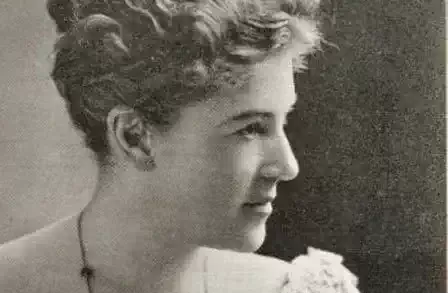
Ella Wheeler Wilcox
Sunshine And Shadow
Sunshine And Shadow
Life has its shadows, as well as its sun;
Its lights and its shades, all twined together.
I tried to single them out, one by one,
Single and count them, determining whether
There was less blue than there was grey,
And more of the deep night than of the day.
But dear me, dear me, my task’s but begun,
And I am not half way into the sun.
For the longer I look on the bright side of earth,
The more of the beautiful do I discover;
And really, I never knew what life was worth
Till I searched the wide storehouse of happiness over.
It is filled from the cellar well up to the skies,
With things meant to gladden the heart and the eyes.
The doors are unlocked, you can enter each room,
That lies like a beautiful garden in bloom.
Yet life has its shadow, as well as its sun;
Earth has its storehouse of joy and sorrow.
But the first is so wide – and my task’s but begun –
That the last must be left for a far-distant morrow.
I will count up the blessings God gave in a row,
But dear me! When I get through them, I know
I shall have little tine left for the rest,
For life is a swift-flowing river at best.
Life has its shadows, as well as its sun;
Its lights and its shades, all twined together.
I tried to single them out, one by one,
Single and count them, determining whether
There was less blue than there was grey,
And more of the deep night than of the day.
But dear me, dear me, my task’s but begun,
And I am not half way into the sun.
For the longer I look on the bright side of earth,
The more of the beautiful do I discover;
And really, I never knew what life was worth
Till I searched the wide storehouse of happiness over.
It is filled from the cellar well up to the skies,
With things meant to gladden the heart and the eyes.
The doors are unlocked, you can enter each room,
That lies like a beautiful garden in bloom.
Yet life has its shadow, as well as its sun;
Earth has its storehouse of joy and sorrow.
But the first is so wide – and my task’s but begun –
That the last must be left for a far-distant morrow.
I will count up the blessings God gave in a row,
But dear me! When I get through them, I know
I shall have little tine left for the rest,
For life is a swift-flowing river at best.
462
Ella Wheeler Wilcox
Sunshine And Shadow
Sunshine And Shadow
Life has its shadows, as well as its sun;
Its lights and its shades, all twined together.
I tried to single them out, one by one,
Single and count them, determining whether
There was less blue than there was grey,
And more of the deep night than of the day.
But dear me, dear me, my task’s but begun,
And I am not half way into the sun.
For the longer I look on the bright side of earth,
The more of the beautiful do I discover;
And really, I never knew what life was worth
Till I searched the wide storehouse of happiness over.
It is filled from the cellar well up to the skies,
With things meant to gladden the heart and the eyes.
The doors are unlocked, you can enter each room,
That lies like a beautiful garden in bloom.
Yet life has its shadow, as well as its sun;
Earth has its storehouse of joy and sorrow.
But the first is so wide – and my task’s but begun –
That the last must be left for a far-distant morrow.
I will count up the blessings God gave in a row,
But dear me! When I get through them, I know
I shall have little tine left for the rest,
For life is a swift-flowing river at best.
Life has its shadows, as well as its sun;
Its lights and its shades, all twined together.
I tried to single them out, one by one,
Single and count them, determining whether
There was less blue than there was grey,
And more of the deep night than of the day.
But dear me, dear me, my task’s but begun,
And I am not half way into the sun.
For the longer I look on the bright side of earth,
The more of the beautiful do I discover;
And really, I never knew what life was worth
Till I searched the wide storehouse of happiness over.
It is filled from the cellar well up to the skies,
With things meant to gladden the heart and the eyes.
The doors are unlocked, you can enter each room,
That lies like a beautiful garden in bloom.
Yet life has its shadow, as well as its sun;
Earth has its storehouse of joy and sorrow.
But the first is so wide – and my task’s but begun –
That the last must be left for a far-distant morrow.
I will count up the blessings God gave in a row,
But dear me! When I get through them, I know
I shall have little tine left for the rest,
For life is a swift-flowing river at best.
462
Ella Wheeler Wilcox
Sunshine And Shadow
Sunshine And Shadow
Life has its shadows, as well as its sun;
Its lights and its shades, all twined together.
I tried to single them out, one by one,
Single and count them, determining whether
There was less blue than there was grey,
And more of the deep night than of the day.
But dear me, dear me, my task’s but begun,
And I am not half way into the sun.
For the longer I look on the bright side of earth,
The more of the beautiful do I discover;
And really, I never knew what life was worth
Till I searched the wide storehouse of happiness over.
It is filled from the cellar well up to the skies,
With things meant to gladden the heart and the eyes.
The doors are unlocked, you can enter each room,
That lies like a beautiful garden in bloom.
Yet life has its shadow, as well as its sun;
Earth has its storehouse of joy and sorrow.
But the first is so wide – and my task’s but begun –
That the last must be left for a far-distant morrow.
I will count up the blessings God gave in a row,
But dear me! When I get through them, I know
I shall have little tine left for the rest,
For life is a swift-flowing river at best.
Life has its shadows, as well as its sun;
Its lights and its shades, all twined together.
I tried to single them out, one by one,
Single and count them, determining whether
There was less blue than there was grey,
And more of the deep night than of the day.
But dear me, dear me, my task’s but begun,
And I am not half way into the sun.
For the longer I look on the bright side of earth,
The more of the beautiful do I discover;
And really, I never knew what life was worth
Till I searched the wide storehouse of happiness over.
It is filled from the cellar well up to the skies,
With things meant to gladden the heart and the eyes.
The doors are unlocked, you can enter each room,
That lies like a beautiful garden in bloom.
Yet life has its shadow, as well as its sun;
Earth has its storehouse of joy and sorrow.
But the first is so wide – and my task’s but begun –
That the last must be left for a far-distant morrow.
I will count up the blessings God gave in a row,
But dear me! When I get through them, I know
I shall have little tine left for the rest,
For life is a swift-flowing river at best.
462
Ella Wheeler Wilcox
Summer Song
Summer Song
The meadow lark’s trill and the brown thrush’s whistle
From morning to evening fill all the sweet air,
And my heart is as light as the down of a thistle –
The world is so bright and the earth is so fair.
There is life in the wood, there is bloom on the meadow;
The air drops with songs that the merry birds sing.
The sunshine has won, in the battle with shadow,
And she’s dressed the glad earth with robes of the spring.
The bee leaves his hive for the field of red clover
And the vale where the daisies bloom white as the snow,
And a mantle of warm yellow sunshine hangs over
The calm little pond, where the pale lillies grow.
In the woodland beyond it, a thousand gay voices
Are singing in chorus some jubilant air.
The bird and the bee and all nature rejoices,
The world is so bright, and the earth is so fair.
I am glad as a child, in this beautiful weather;
I have tossed all my burdens and trials away;
My heart is as light – yes, as light as a feather; I
am care-free, and careless, and happy to-day.
Can it be there approaches a dark, dreary to-morrow?
Can shadows e’er fall on this beautiful earth?
Ah! To-day is my own! No forebodings of sorrow
Shall darken my skies, or shall dampen my mirth.
The meadow lark’s trill and the brown thrush’s whistle
From morning to evening fill all the sweet air,
And my heart is as light as the down of a thistle –
The world is so bright and the earth is so fair.
There is life in the wood, there is bloom on the meadow;
The air drops with songs that the merry birds sing.
The sunshine has won, in the battle with shadow,
And she’s dressed the glad earth with robes of the spring.
The bee leaves his hive for the field of red clover
And the vale where the daisies bloom white as the snow,
And a mantle of warm yellow sunshine hangs over
The calm little pond, where the pale lillies grow.
In the woodland beyond it, a thousand gay voices
Are singing in chorus some jubilant air.
The bird and the bee and all nature rejoices,
The world is so bright, and the earth is so fair.
I am glad as a child, in this beautiful weather;
I have tossed all my burdens and trials away;
My heart is as light – yes, as light as a feather; I
am care-free, and careless, and happy to-day.
Can it be there approaches a dark, dreary to-morrow?
Can shadows e’er fall on this beautiful earth?
Ah! To-day is my own! No forebodings of sorrow
Shall darken my skies, or shall dampen my mirth.
413
Ella Wheeler Wilcox
Summer Song
Summer Song
The meadow lark’s trill and the brown thrush’s whistle
From morning to evening fill all the sweet air,
And my heart is as light as the down of a thistle –
The world is so bright and the earth is so fair.
There is life in the wood, there is bloom on the meadow;
The air drops with songs that the merry birds sing.
The sunshine has won, in the battle with shadow,
And she’s dressed the glad earth with robes of the spring.
The bee leaves his hive for the field of red clover
And the vale where the daisies bloom white as the snow,
And a mantle of warm yellow sunshine hangs over
The calm little pond, where the pale lillies grow.
In the woodland beyond it, a thousand gay voices
Are singing in chorus some jubilant air.
The bird and the bee and all nature rejoices,
The world is so bright, and the earth is so fair.
I am glad as a child, in this beautiful weather;
I have tossed all my burdens and trials away;
My heart is as light – yes, as light as a feather; I
am care-free, and careless, and happy to-day.
Can it be there approaches a dark, dreary to-morrow?
Can shadows e’er fall on this beautiful earth?
Ah! To-day is my own! No forebodings of sorrow
Shall darken my skies, or shall dampen my mirth.
The meadow lark’s trill and the brown thrush’s whistle
From morning to evening fill all the sweet air,
And my heart is as light as the down of a thistle –
The world is so bright and the earth is so fair.
There is life in the wood, there is bloom on the meadow;
The air drops with songs that the merry birds sing.
The sunshine has won, in the battle with shadow,
And she’s dressed the glad earth with robes of the spring.
The bee leaves his hive for the field of red clover
And the vale where the daisies bloom white as the snow,
And a mantle of warm yellow sunshine hangs over
The calm little pond, where the pale lillies grow.
In the woodland beyond it, a thousand gay voices
Are singing in chorus some jubilant air.
The bird and the bee and all nature rejoices,
The world is so bright, and the earth is so fair.
I am glad as a child, in this beautiful weather;
I have tossed all my burdens and trials away;
My heart is as light – yes, as light as a feather; I
am care-free, and careless, and happy to-day.
Can it be there approaches a dark, dreary to-morrow?
Can shadows e’er fall on this beautiful earth?
Ah! To-day is my own! No forebodings of sorrow
Shall darken my skies, or shall dampen my mirth.
413
Ella Wheeler Wilcox
Spectres
Spectres
How terrible these nights are when alone
With our scarred hearts, we sit in solitude,
And some old sorrow, to the world unknown,
Does suddenly with silent steps intrude.
After the guests departed, and the light
Burned dimly in my room, there came to me,
As noiselessly as shadows of the night,
The spectre of a woe that used to be.
Out of the gruesome darkness and the gloom
I saw it peering; and, in still despair,
I watched it gliding swift across the room,
Until it came and stood beside my chair.
Why, need I tell thee what its shape or name?
Thou hast thy secret hidden from the light:
And be it sin or sorrow, woe or shame,
Thou dost not like to meet it in the night.
And yet it comes. As certainly as death,
And far more cruel since death ends all pain,
On lonesome nights we feel its icy breath,
And turn and face the thing we fancied slain.
With shrinking hearts, we view the ghastly shape;
We look into its eyes with fear and dread,
And know that we can never more escape
Until the grave doth fold us with the dead.
On the swift maelstrom of the eddying world
We hurl our woes, and think they are no more.
But round and round by dizzy billows whirled,
They reach out sinewy arms and swim to shore.
How terrible these nights are when alone
With our scarred hearts, we sit in solitude,
And some old sorrow, to the world unknown,
Does suddenly with silent steps intrude.
After the guests departed, and the light
Burned dimly in my room, there came to me,
As noiselessly as shadows of the night,
The spectre of a woe that used to be.
Out of the gruesome darkness and the gloom
I saw it peering; and, in still despair,
I watched it gliding swift across the room,
Until it came and stood beside my chair.
Why, need I tell thee what its shape or name?
Thou hast thy secret hidden from the light:
And be it sin or sorrow, woe or shame,
Thou dost not like to meet it in the night.
And yet it comes. As certainly as death,
And far more cruel since death ends all pain,
On lonesome nights we feel its icy breath,
And turn and face the thing we fancied slain.
With shrinking hearts, we view the ghastly shape;
We look into its eyes with fear and dread,
And know that we can never more escape
Until the grave doth fold us with the dead.
On the swift maelstrom of the eddying world
We hurl our woes, and think they are no more.
But round and round by dizzy billows whirled,
They reach out sinewy arms and swim to shore.
401
Ella Wheeler Wilcox
Spectres
Spectres
How terrible these nights are when alone
With our scarred hearts, we sit in solitude,
And some old sorrow, to the world unknown,
Does suddenly with silent steps intrude.
After the guests departed, and the light
Burned dimly in my room, there came to me,
As noiselessly as shadows of the night,
The spectre of a woe that used to be.
Out of the gruesome darkness and the gloom
I saw it peering; and, in still despair,
I watched it gliding swift across the room,
Until it came and stood beside my chair.
Why, need I tell thee what its shape or name?
Thou hast thy secret hidden from the light:
And be it sin or sorrow, woe or shame,
Thou dost not like to meet it in the night.
And yet it comes. As certainly as death,
And far more cruel since death ends all pain,
On lonesome nights we feel its icy breath,
And turn and face the thing we fancied slain.
With shrinking hearts, we view the ghastly shape;
We look into its eyes with fear and dread,
And know that we can never more escape
Until the grave doth fold us with the dead.
On the swift maelstrom of the eddying world
We hurl our woes, and think they are no more.
But round and round by dizzy billows whirled,
They reach out sinewy arms and swim to shore.
How terrible these nights are when alone
With our scarred hearts, we sit in solitude,
And some old sorrow, to the world unknown,
Does suddenly with silent steps intrude.
After the guests departed, and the light
Burned dimly in my room, there came to me,
As noiselessly as shadows of the night,
The spectre of a woe that used to be.
Out of the gruesome darkness and the gloom
I saw it peering; and, in still despair,
I watched it gliding swift across the room,
Until it came and stood beside my chair.
Why, need I tell thee what its shape or name?
Thou hast thy secret hidden from the light:
And be it sin or sorrow, woe or shame,
Thou dost not like to meet it in the night.
And yet it comes. As certainly as death,
And far more cruel since death ends all pain,
On lonesome nights we feel its icy breath,
And turn and face the thing we fancied slain.
With shrinking hearts, we view the ghastly shape;
We look into its eyes with fear and dread,
And know that we can never more escape
Until the grave doth fold us with the dead.
On the swift maelstrom of the eddying world
We hurl our woes, and think they are no more.
But round and round by dizzy billows whirled,
They reach out sinewy arms and swim to shore.
401
Ella Wheeler Wilcox
Spectres
Spectres
How terrible these nights are when alone
With our scarred hearts, we sit in solitude,
And some old sorrow, to the world unknown,
Does suddenly with silent steps intrude.
After the guests departed, and the light
Burned dimly in my room, there came to me,
As noiselessly as shadows of the night,
The spectre of a woe that used to be.
Out of the gruesome darkness and the gloom
I saw it peering; and, in still despair,
I watched it gliding swift across the room,
Until it came and stood beside my chair.
Why, need I tell thee what its shape or name?
Thou hast thy secret hidden from the light:
And be it sin or sorrow, woe or shame,
Thou dost not like to meet it in the night.
And yet it comes. As certainly as death,
And far more cruel since death ends all pain,
On lonesome nights we feel its icy breath,
And turn and face the thing we fancied slain.
With shrinking hearts, we view the ghastly shape;
We look into its eyes with fear and dread,
And know that we can never more escape
Until the grave doth fold us with the dead.
On the swift maelstrom of the eddying world
We hurl our woes, and think they are no more.
But round and round by dizzy billows whirled,
They reach out sinewy arms and swim to shore.
How terrible these nights are when alone
With our scarred hearts, we sit in solitude,
And some old sorrow, to the world unknown,
Does suddenly with silent steps intrude.
After the guests departed, and the light
Burned dimly in my room, there came to me,
As noiselessly as shadows of the night,
The spectre of a woe that used to be.
Out of the gruesome darkness and the gloom
I saw it peering; and, in still despair,
I watched it gliding swift across the room,
Until it came and stood beside my chair.
Why, need I tell thee what its shape or name?
Thou hast thy secret hidden from the light:
And be it sin or sorrow, woe or shame,
Thou dost not like to meet it in the night.
And yet it comes. As certainly as death,
And far more cruel since death ends all pain,
On lonesome nights we feel its icy breath,
And turn and face the thing we fancied slain.
With shrinking hearts, we view the ghastly shape;
We look into its eyes with fear and dread,
And know that we can never more escape
Until the grave doth fold us with the dead.
On the swift maelstrom of the eddying world
We hurl our woes, and think they are no more.
But round and round by dizzy billows whirled,
They reach out sinewy arms and swim to shore.
401
Ella Wheeler Wilcox
Songs Of A Country Home
Songs Of A Country Home
I
Who has not felt his heart leap up, and glow
What time the tulips first begin to blow,
Has one sweet joy, still left for him to know.
It is like early loves' imagining;
That fragile pleasure, which the Tulips bring,
When suddenly we see them, in the Spring.
Not all the gardens later royal train,
Not great triumphant Roses, when they reign,
Can bring that delicate delight again.
II
One of the sweetest hours is this;
(Of all I think we like it best
A little restful oasis,
Between the breakfast, and the post.
Just south of coffee, and of toast,
Just north of daily task and duty;
Just west of dreams, this Island gleams,
A fertile spot of peace and beauty.
We wander out across the lawn;
We idle by a bush in bloom;
The Household pets come following on;
Or if the day is one of gloom,
We loiter in a pleasant room
Or from a casement, lean and chatter.
Then comes the mail, like sudden hail,
And off we scatter.
III
When roses die, in languid August days,
We leave the Garden, to its fallen ways;
And seek the shelter of wide porticos,
Where Honeysuckle, in defiance blows
Undaunted by the Sun's too ardent rays.
The matron Summer, turns a wistful gaze
Across green valleys, back to tender Mays;
And something of her large contentment goes,
When roses die.
Yet all her subtle fascination stays
To lure us into idle sweet delays.
The lowered awning, by the hammock shows
Inviting nooks for dreaming and repose;
Oh, restful are the pleasures of those days
When roses die.
IV
The summer folk, fled back to town;
The green woods changed to red and brown;
A sound upon the frosty air
Of windows closing everywhere.
And then the log, lapped by a blaze.
Oh, what is better than these days;
With books and friends and love a-near;
Go on, gay world, but leave me here.
I
Who has not felt his heart leap up, and glow
What time the tulips first begin to blow,
Has one sweet joy, still left for him to know.
It is like early loves' imagining;
That fragile pleasure, which the Tulips bring,
When suddenly we see them, in the Spring.
Not all the gardens later royal train,
Not great triumphant Roses, when they reign,
Can bring that delicate delight again.
II
One of the sweetest hours is this;
(Of all I think we like it best
A little restful oasis,
Between the breakfast, and the post.
Just south of coffee, and of toast,
Just north of daily task and duty;
Just west of dreams, this Island gleams,
A fertile spot of peace and beauty.
We wander out across the lawn;
We idle by a bush in bloom;
The Household pets come following on;
Or if the day is one of gloom,
We loiter in a pleasant room
Or from a casement, lean and chatter.
Then comes the mail, like sudden hail,
And off we scatter.
III
When roses die, in languid August days,
We leave the Garden, to its fallen ways;
And seek the shelter of wide porticos,
Where Honeysuckle, in defiance blows
Undaunted by the Sun's too ardent rays.
The matron Summer, turns a wistful gaze
Across green valleys, back to tender Mays;
And something of her large contentment goes,
When roses die.
Yet all her subtle fascination stays
To lure us into idle sweet delays.
The lowered awning, by the hammock shows
Inviting nooks for dreaming and repose;
Oh, restful are the pleasures of those days
When roses die.
IV
The summer folk, fled back to town;
The green woods changed to red and brown;
A sound upon the frosty air
Of windows closing everywhere.
And then the log, lapped by a blaze.
Oh, what is better than these days;
With books and friends and love a-near;
Go on, gay world, but leave me here.
554
Ella Wheeler Wilcox
Songs Of A Country Home
Songs Of A Country Home
I
Who has not felt his heart leap up, and glow
What time the tulips first begin to blow,
Has one sweet joy, still left for him to know.
It is like early loves' imagining;
That fragile pleasure, which the Tulips bring,
When suddenly we see them, in the Spring.
Not all the gardens later royal train,
Not great triumphant Roses, when they reign,
Can bring that delicate delight again.
II
One of the sweetest hours is this;
(Of all I think we like it best
A little restful oasis,
Between the breakfast, and the post.
Just south of coffee, and of toast,
Just north of daily task and duty;
Just west of dreams, this Island gleams,
A fertile spot of peace and beauty.
We wander out across the lawn;
We idle by a bush in bloom;
The Household pets come following on;
Or if the day is one of gloom,
We loiter in a pleasant room
Or from a casement, lean and chatter.
Then comes the mail, like sudden hail,
And off we scatter.
III
When roses die, in languid August days,
We leave the Garden, to its fallen ways;
And seek the shelter of wide porticos,
Where Honeysuckle, in defiance blows
Undaunted by the Sun's too ardent rays.
The matron Summer, turns a wistful gaze
Across green valleys, back to tender Mays;
And something of her large contentment goes,
When roses die.
Yet all her subtle fascination stays
To lure us into idle sweet delays.
The lowered awning, by the hammock shows
Inviting nooks for dreaming and repose;
Oh, restful are the pleasures of those days
When roses die.
IV
The summer folk, fled back to town;
The green woods changed to red and brown;
A sound upon the frosty air
Of windows closing everywhere.
And then the log, lapped by a blaze.
Oh, what is better than these days;
With books and friends and love a-near;
Go on, gay world, but leave me here.
I
Who has not felt his heart leap up, and glow
What time the tulips first begin to blow,
Has one sweet joy, still left for him to know.
It is like early loves' imagining;
That fragile pleasure, which the Tulips bring,
When suddenly we see them, in the Spring.
Not all the gardens later royal train,
Not great triumphant Roses, when they reign,
Can bring that delicate delight again.
II
One of the sweetest hours is this;
(Of all I think we like it best
A little restful oasis,
Between the breakfast, and the post.
Just south of coffee, and of toast,
Just north of daily task and duty;
Just west of dreams, this Island gleams,
A fertile spot of peace and beauty.
We wander out across the lawn;
We idle by a bush in bloom;
The Household pets come following on;
Or if the day is one of gloom,
We loiter in a pleasant room
Or from a casement, lean and chatter.
Then comes the mail, like sudden hail,
And off we scatter.
III
When roses die, in languid August days,
We leave the Garden, to its fallen ways;
And seek the shelter of wide porticos,
Where Honeysuckle, in defiance blows
Undaunted by the Sun's too ardent rays.
The matron Summer, turns a wistful gaze
Across green valleys, back to tender Mays;
And something of her large contentment goes,
When roses die.
Yet all her subtle fascination stays
To lure us into idle sweet delays.
The lowered awning, by the hammock shows
Inviting nooks for dreaming and repose;
Oh, restful are the pleasures of those days
When roses die.
IV
The summer folk, fled back to town;
The green woods changed to red and brown;
A sound upon the frosty air
Of windows closing everywhere.
And then the log, lapped by a blaze.
Oh, what is better than these days;
With books and friends and love a-near;
Go on, gay world, but leave me here.
554
Ella Wheeler Wilcox
Sorrow's Uses
Sorrow's Uses
The uses of sorrow I comprehend
Better and better at each year’s end.
Deeper and deeper I seem to see
Why and wherefore it has to be
Only after the dark, wet days
Do we fully rejoice in the sun’s bright rays.
Sweeter the crust tastes after the fast
Than the sated gourmand’s finest repast.
The faintest cheer sounds never amiss
To the actor who once has heard a hiss.
To one who the sadness of freedom knows,
Light seem the fetters love may impose.
And he who has dwelt with his heart alone,
Hears all the music in friendship’s tone.
So better and better I comprehend,
How sorrow ever would be our friend.
The uses of sorrow I comprehend
Better and better at each year’s end.
Deeper and deeper I seem to see
Why and wherefore it has to be
Only after the dark, wet days
Do we fully rejoice in the sun’s bright rays.
Sweeter the crust tastes after the fast
Than the sated gourmand’s finest repast.
The faintest cheer sounds never amiss
To the actor who once has heard a hiss.
To one who the sadness of freedom knows,
Light seem the fetters love may impose.
And he who has dwelt with his heart alone,
Hears all the music in friendship’s tone.
So better and better I comprehend,
How sorrow ever would be our friend.
470
Ella Wheeler Wilcox
Sorrow's Uses
Sorrow's Uses
The uses of sorrow I comprehend
Better and better at each year’s end.
Deeper and deeper I seem to see
Why and wherefore it has to be
Only after the dark, wet days
Do we fully rejoice in the sun’s bright rays.
Sweeter the crust tastes after the fast
Than the sated gourmand’s finest repast.
The faintest cheer sounds never amiss
To the actor who once has heard a hiss.
To one who the sadness of freedom knows,
Light seem the fetters love may impose.
And he who has dwelt with his heart alone,
Hears all the music in friendship’s tone.
So better and better I comprehend,
How sorrow ever would be our friend.
The uses of sorrow I comprehend
Better and better at each year’s end.
Deeper and deeper I seem to see
Why and wherefore it has to be
Only after the dark, wet days
Do we fully rejoice in the sun’s bright rays.
Sweeter the crust tastes after the fast
Than the sated gourmand’s finest repast.
The faintest cheer sounds never amiss
To the actor who once has heard a hiss.
To one who the sadness of freedom knows,
Light seem the fetters love may impose.
And he who has dwelt with his heart alone,
Hears all the music in friendship’s tone.
So better and better I comprehend,
How sorrow ever would be our friend.
470
Ella Wheeler Wilcox
Sorrow's Uses
Sorrow's Uses
The uses of sorrow I comprehend
Better and better at each year’s end.
Deeper and deeper I seem to see
Why and wherefore it has to be
Only after the dark, wet days
Do we fully rejoice in the sun’s bright rays.
Sweeter the crust tastes after the fast
Than the sated gourmand’s finest repast.
The faintest cheer sounds never amiss
To the actor who once has heard a hiss.
To one who the sadness of freedom knows,
Light seem the fetters love may impose.
And he who has dwelt with his heart alone,
Hears all the music in friendship’s tone.
So better and better I comprehend,
How sorrow ever would be our friend.
The uses of sorrow I comprehend
Better and better at each year’s end.
Deeper and deeper I seem to see
Why and wherefore it has to be
Only after the dark, wet days
Do we fully rejoice in the sun’s bright rays.
Sweeter the crust tastes after the fast
Than the sated gourmand’s finest repast.
The faintest cheer sounds never amiss
To the actor who once has heard a hiss.
To one who the sadness of freedom knows,
Light seem the fetters love may impose.
And he who has dwelt with his heart alone,
Hears all the music in friendship’s tone.
So better and better I comprehend,
How sorrow ever would be our friend.
470
Ella Wheeler Wilcox
Sorrow's Uses
Sorrow's Uses
The uses of sorrow I comprehend
Better and better at each year’s end.
Deeper and deeper I seem to see
Why and wherefore it has to be
Only after the dark, wet days
Do we fully rejoice in the sun’s bright rays.
Sweeter the crust tastes after the fast
Than the sated gourmand’s finest repast.
The faintest cheer sounds never amiss
To the actor who once has heard a hiss.
To one who the sadness of freedom knows,
Light seem the fetters love may impose.
And he who has dwelt with his heart alone,
Hears all the music in friendship’s tone.
So better and better I comprehend,
How sorrow ever would be our friend.
The uses of sorrow I comprehend
Better and better at each year’s end.
Deeper and deeper I seem to see
Why and wherefore it has to be
Only after the dark, wet days
Do we fully rejoice in the sun’s bright rays.
Sweeter the crust tastes after the fast
Than the sated gourmand’s finest repast.
The faintest cheer sounds never amiss
To the actor who once has heard a hiss.
To one who the sadness of freedom knows,
Light seem the fetters love may impose.
And he who has dwelt with his heart alone,
Hears all the music in friendship’s tone.
So better and better I comprehend,
How sorrow ever would be our friend.
470
Ella Wheeler Wilcox
Song Of The Aviator
Song Of The Aviator
You may thrill with the speed of your thoroughbred steed,
You may laugh with delight as you ride the ocean,
You may rush afar in your touring car,
Leaping, sweeping, by things that are creeping-
But you never will know the joy of motion
Till you rise up over the earth some day,
And soar like an eagle, away-away.
High and higher above each spire,
Till lost to sight is the tallest steeple,
With the winds you chase in a valiant race,
Looping, swooping, where mountains are grouping,
Hailing them comrades, in place of people.
Oh! vast is the rapture the birdman knows,
As into the ether he mounts and goes.
He is over the sphere of human fear;
He has come into touch with things supernal.
At each man's gate death stands await;
And dying, flying, were better than lying
In sick-beds, crying for life eternal,
Better to fly half-way to God
Than to burrow too long like a worm in the sod.
You may thrill with the speed of your thoroughbred steed,
You may laugh with delight as you ride the ocean,
You may rush afar in your touring car,
Leaping, sweeping, by things that are creeping-
But you never will know the joy of motion
Till you rise up over the earth some day,
And soar like an eagle, away-away.
High and higher above each spire,
Till lost to sight is the tallest steeple,
With the winds you chase in a valiant race,
Looping, swooping, where mountains are grouping,
Hailing them comrades, in place of people.
Oh! vast is the rapture the birdman knows,
As into the ether he mounts and goes.
He is over the sphere of human fear;
He has come into touch with things supernal.
At each man's gate death stands await;
And dying, flying, were better than lying
In sick-beds, crying for life eternal,
Better to fly half-way to God
Than to burrow too long like a worm in the sod.
395
Ella Wheeler Wilcox
Song Of The Spirit
Song Of The Spirit
Too sweet and too subtle for pen or for tongue
In phrases unwritten and measures unsung,
As deep and as strange as the sounds of the sea,
Is the song that my spirit is singing to me.
In the midnight and tempest when forest trees shiver,
In the roar of the surf, and the rush of the river,
In the rustle of leaves and the fall of the rain,
And on the low breezes I catch the refrain.
From the vapours that frame and envelop the earth,
And beyond, from the realms where my spirit had birth,
From the mists of the land and the fogs of the sea,
For ever and ever the songs come to me.
I know not its wording - its import I know -
For the rhythm is broken, the measure runs low,
When vexed or allured by the things of this life
My soul is merged into its pleasures or strife.
When up to the hill tops of beauty and light
My soul like a lark in the ether takes flight,
And the white gates of heaven shine brighter and nearer,
The song of the spirit grows sweeter and clearer.
Up, up to the realms where no mortal has trod -
Into space and infinity near to my God -
With whiteness, and silence, and beautiful things,
I am bourne when the voice of eternity sings.
When once in the winds or the dropp of the rain
Thy spirit shall listen and hear the refrain,
Thy soul shall soar up like a bird on the breeze,
And the things that have pleased thee will never more please.
Too sweet and too subtle for pen or for tongue
In phrases unwritten and measures unsung,
As deep and as strange as the sounds of the sea,
Is the song that my spirit is singing to me.
In the midnight and tempest when forest trees shiver,
In the roar of the surf, and the rush of the river,
In the rustle of leaves and the fall of the rain,
And on the low breezes I catch the refrain.
From the vapours that frame and envelop the earth,
And beyond, from the realms where my spirit had birth,
From the mists of the land and the fogs of the sea,
For ever and ever the songs come to me.
I know not its wording - its import I know -
For the rhythm is broken, the measure runs low,
When vexed or allured by the things of this life
My soul is merged into its pleasures or strife.
When up to the hill tops of beauty and light
My soul like a lark in the ether takes flight,
And the white gates of heaven shine brighter and nearer,
The song of the spirit grows sweeter and clearer.
Up, up to the realms where no mortal has trod -
Into space and infinity near to my God -
With whiteness, and silence, and beautiful things,
I am bourne when the voice of eternity sings.
When once in the winds or the dropp of the rain
Thy spirit shall listen and hear the refrain,
Thy soul shall soar up like a bird on the breeze,
And the things that have pleased thee will never more please.
433
Ella Wheeler Wilcox
Smoke
Smoke
Last summer, lazing by the sea,
I met a most entrancing creature,
Her black eyes quite bewildered me---
She had a Spanish cast of feature.
She often smoked a cigarette,
And did it in the cutest fashion.
Before a week passed by she set
My young heart in a raging passion.
I swore I loved her as my life,
I gave her gems (don't tell my tailor).
She promised to become my wife,
But whispered, 'Papa is my jailer.'
'We must be very sly, you see,
For Papa will not list to reason.
You must not come to call on me
Until he's gone from home a season.
'I'll send you word, now don't forget,
Take this as pledge, I will remember.'
She gave me a perfumed cigarette,
And turned and left me with September.
To-day she sent her 'cards' to me.
'My presence asked' to see her marry
That millionaire old banker C---
She has my 'presents,' so I'll tarry.
And still I feel a keen regret
(About the jewels that I gave her)
I've smoked the little cigarette---
It had a most delicious flavour.
Last summer, lazing by the sea,
I met a most entrancing creature,
Her black eyes quite bewildered me---
She had a Spanish cast of feature.
She often smoked a cigarette,
And did it in the cutest fashion.
Before a week passed by she set
My young heart in a raging passion.
I swore I loved her as my life,
I gave her gems (don't tell my tailor).
She promised to become my wife,
But whispered, 'Papa is my jailer.'
'We must be very sly, you see,
For Papa will not list to reason.
You must not come to call on me
Until he's gone from home a season.
'I'll send you word, now don't forget,
Take this as pledge, I will remember.'
She gave me a perfumed cigarette,
And turned and left me with September.
To-day she sent her 'cards' to me.
'My presence asked' to see her marry
That millionaire old banker C---
She has my 'presents,' so I'll tarry.
And still I feel a keen regret
(About the jewels that I gave her)
I've smoked the little cigarette---
It had a most delicious flavour.
422
Ella Wheeler Wilcox
Smoke
Smoke
Last summer, lazing by the sea,
I met a most entrancing creature,
Her black eyes quite bewildered me---
She had a Spanish cast of feature.
She often smoked a cigarette,
And did it in the cutest fashion.
Before a week passed by she set
My young heart in a raging passion.
I swore I loved her as my life,
I gave her gems (don't tell my tailor).
She promised to become my wife,
But whispered, 'Papa is my jailer.'
'We must be very sly, you see,
For Papa will not list to reason.
You must not come to call on me
Until he's gone from home a season.
'I'll send you word, now don't forget,
Take this as pledge, I will remember.'
She gave me a perfumed cigarette,
And turned and left me with September.
To-day she sent her 'cards' to me.
'My presence asked' to see her marry
That millionaire old banker C---
She has my 'presents,' so I'll tarry.
And still I feel a keen regret
(About the jewels that I gave her)
I've smoked the little cigarette---
It had a most delicious flavour.
Last summer, lazing by the sea,
I met a most entrancing creature,
Her black eyes quite bewildered me---
She had a Spanish cast of feature.
She often smoked a cigarette,
And did it in the cutest fashion.
Before a week passed by she set
My young heart in a raging passion.
I swore I loved her as my life,
I gave her gems (don't tell my tailor).
She promised to become my wife,
But whispered, 'Papa is my jailer.'
'We must be very sly, you see,
For Papa will not list to reason.
You must not come to call on me
Until he's gone from home a season.
'I'll send you word, now don't forget,
Take this as pledge, I will remember.'
She gave me a perfumed cigarette,
And turned and left me with September.
To-day she sent her 'cards' to me.
'My presence asked' to see her marry
That millionaire old banker C---
She has my 'presents,' so I'll tarry.
And still I feel a keen regret
(About the jewels that I gave her)
I've smoked the little cigarette---
It had a most delicious flavour.
422
Ella Wheeler Wilcox
Solitude
Solitude
Laugh, and the world laughs with you;
Weep, and you weep alone.
For the sad old earth must borrow it's mirth,
But has trouble enough of its own.
Sing, and the hills will answer;
Sigh, it is lost on the air.
The echoes bound to a joyful sound,
But shrink from voicing care.
Rejoice, and men will seek you;
Grieve, and they turn and go.
They want full measure of all your pleasure,
But they do not need your woe.
Be glad, and your friends are many;
Be sad, and you lose them all.
There are none to decline your nectared wine,
But alone you must drink life's gall.
Feast, and your halls are crowded;
Fast, and the world goes by.
Succeed and give, and it helps you live,
But no man can help you die.
There is room in the halls of pleasure
For a long and lordly train,
But one by one we must all file on
Through the narrow aisles of pain.
Laugh, and the world laughs with you;
Weep, and you weep alone.
For the sad old earth must borrow it's mirth,
But has trouble enough of its own.
Sing, and the hills will answer;
Sigh, it is lost on the air.
The echoes bound to a joyful sound,
But shrink from voicing care.
Rejoice, and men will seek you;
Grieve, and they turn and go.
They want full measure of all your pleasure,
But they do not need your woe.
Be glad, and your friends are many;
Be sad, and you lose them all.
There are none to decline your nectared wine,
But alone you must drink life's gall.
Feast, and your halls are crowded;
Fast, and the world goes by.
Succeed and give, and it helps you live,
But no man can help you die.
There is room in the halls of pleasure
For a long and lordly train,
But one by one we must all file on
Through the narrow aisles of pain.
754
Ella Wheeler Wilcox
Solitude
Solitude
Laugh, and the world laughs with you;
Weep, and you weep alone.
For the sad old earth must borrow it's mirth,
But has trouble enough of its own.
Sing, and the hills will answer;
Sigh, it is lost on the air.
The echoes bound to a joyful sound,
But shrink from voicing care.
Rejoice, and men will seek you;
Grieve, and they turn and go.
They want full measure of all your pleasure,
But they do not need your woe.
Be glad, and your friends are many;
Be sad, and you lose them all.
There are none to decline your nectared wine,
But alone you must drink life's gall.
Feast, and your halls are crowded;
Fast, and the world goes by.
Succeed and give, and it helps you live,
But no man can help you die.
There is room in the halls of pleasure
For a long and lordly train,
But one by one we must all file on
Through the narrow aisles of pain.
Laugh, and the world laughs with you;
Weep, and you weep alone.
For the sad old earth must borrow it's mirth,
But has trouble enough of its own.
Sing, and the hills will answer;
Sigh, it is lost on the air.
The echoes bound to a joyful sound,
But shrink from voicing care.
Rejoice, and men will seek you;
Grieve, and they turn and go.
They want full measure of all your pleasure,
But they do not need your woe.
Be glad, and your friends are many;
Be sad, and you lose them all.
There are none to decline your nectared wine,
But alone you must drink life's gall.
Feast, and your halls are crowded;
Fast, and the world goes by.
Succeed and give, and it helps you live,
But no man can help you die.
There is room in the halls of pleasure
For a long and lordly train,
But one by one we must all file on
Through the narrow aisles of pain.
754
Ella Wheeler Wilcox
Solitude
Solitude
Laugh, and the world laughs with you;
Weep, and you weep alone.
For the sad old earth must borrow it's mirth,
But has trouble enough of its own.
Sing, and the hills will answer;
Sigh, it is lost on the air.
The echoes bound to a joyful sound,
But shrink from voicing care.
Rejoice, and men will seek you;
Grieve, and they turn and go.
They want full measure of all your pleasure,
But they do not need your woe.
Be glad, and your friends are many;
Be sad, and you lose them all.
There are none to decline your nectared wine,
But alone you must drink life's gall.
Feast, and your halls are crowded;
Fast, and the world goes by.
Succeed and give, and it helps you live,
But no man can help you die.
There is room in the halls of pleasure
For a long and lordly train,
But one by one we must all file on
Through the narrow aisles of pain.
Laugh, and the world laughs with you;
Weep, and you weep alone.
For the sad old earth must borrow it's mirth,
But has trouble enough of its own.
Sing, and the hills will answer;
Sigh, it is lost on the air.
The echoes bound to a joyful sound,
But shrink from voicing care.
Rejoice, and men will seek you;
Grieve, and they turn and go.
They want full measure of all your pleasure,
But they do not need your woe.
Be glad, and your friends are many;
Be sad, and you lose them all.
There are none to decline your nectared wine,
But alone you must drink life's gall.
Feast, and your halls are crowded;
Fast, and the world goes by.
Succeed and give, and it helps you live,
But no man can help you die.
There is room in the halls of pleasure
For a long and lordly train,
But one by one we must all file on
Through the narrow aisles of pain.
754
Ella Wheeler Wilcox
Solitude
Solitude
Laugh, and the world laughs with you;
Weep, and you weep alone.
For the sad old earth must borrow it's mirth,
But has trouble enough of its own.
Sing, and the hills will answer;
Sigh, it is lost on the air.
The echoes bound to a joyful sound,
But shrink from voicing care.
Rejoice, and men will seek you;
Grieve, and they turn and go.
They want full measure of all your pleasure,
But they do not need your woe.
Be glad, and your friends are many;
Be sad, and you lose them all.
There are none to decline your nectared wine,
But alone you must drink life's gall.
Feast, and your halls are crowded;
Fast, and the world goes by.
Succeed and give, and it helps you live,
But no man can help you die.
There is room in the halls of pleasure
For a long and lordly train,
But one by one we must all file on
Through the narrow aisles of pain.
Laugh, and the world laughs with you;
Weep, and you weep alone.
For the sad old earth must borrow it's mirth,
But has trouble enough of its own.
Sing, and the hills will answer;
Sigh, it is lost on the air.
The echoes bound to a joyful sound,
But shrink from voicing care.
Rejoice, and men will seek you;
Grieve, and they turn and go.
They want full measure of all your pleasure,
But they do not need your woe.
Be glad, and your friends are many;
Be sad, and you lose them all.
There are none to decline your nectared wine,
But alone you must drink life's gall.
Feast, and your halls are crowded;
Fast, and the world goes by.
Succeed and give, and it helps you live,
But no man can help you die.
There is room in the halls of pleasure
For a long and lordly train,
But one by one we must all file on
Through the narrow aisles of pain.
754
Ella Wheeler Wilcox
Sign-Board
Sign-Board
I will paint you a sign, rumseller,
And hang it above your door;
A truer and better signboard
Than ever you had before.
I will paint with the skill of a master,
And many shall pause to see
This wonderful piece of painting,
So like the reality.
I will paint yourself, rumseller,
As you wait for that fair young boy,
Just in the morning of manhood,
A mother's pride and joy.
He has no thought of stopping,
But you greet him with a smile,
And you seem so blithe and friendly,
That he pauses to chat awhile.
I will paint you again, rumseller,
I will paint you as you stand,
With a foaming glass of liquor
Extended in your hand.
He wavers, but you urge him-
Drink, pledge me just this one!
And he takes the glass and drains it,
And the hellish work is done.
And next I will paint a drunkard-
Only a year has flown,
But into that loathsome creature
The fair young boy has grown.
The work was sure and rapid.
I will paint him as he lies
In a torpid, drunken slumber,
Under the wintry skies.
I will paint the form of the mother
As she kneels at her darling's side,
Her beautiful boy that was dearer
Than all the world beside.
I will paint the shape of a coffin,
Labeled with one word-'lost,'
I will paint all this, rumseller,
And will paint it free of cost.
The sin and the shame and the sorrow,
The crime and the want and the woe
That are born there in your workshop,
No hand can paint, you know.
But I'll paint you a sign, rumseller,
And many shall pause to view
This wonderful swinging signboard,
So terribly, fearfully true.
I will paint you a sign, rumseller,
And hang it above your door;
A truer and better signboard
Than ever you had before.
I will paint with the skill of a master,
And many shall pause to see
This wonderful piece of painting,
So like the reality.
I will paint yourself, rumseller,
As you wait for that fair young boy,
Just in the morning of manhood,
A mother's pride and joy.
He has no thought of stopping,
But you greet him with a smile,
And you seem so blithe and friendly,
That he pauses to chat awhile.
I will paint you again, rumseller,
I will paint you as you stand,
With a foaming glass of liquor
Extended in your hand.
He wavers, but you urge him-
Drink, pledge me just this one!
And he takes the glass and drains it,
And the hellish work is done.
And next I will paint a drunkard-
Only a year has flown,
But into that loathsome creature
The fair young boy has grown.
The work was sure and rapid.
I will paint him as he lies
In a torpid, drunken slumber,
Under the wintry skies.
I will paint the form of the mother
As she kneels at her darling's side,
Her beautiful boy that was dearer
Than all the world beside.
I will paint the shape of a coffin,
Labeled with one word-'lost,'
I will paint all this, rumseller,
And will paint it free of cost.
The sin and the shame and the sorrow,
The crime and the want and the woe
That are born there in your workshop,
No hand can paint, you know.
But I'll paint you a sign, rumseller,
And many shall pause to view
This wonderful swinging signboard,
So terribly, fearfully true.
348
Ella Wheeler Wilcox
Slain
Slain
Hollow a grave where the willows wave,
And lay him under the grasses,
Where the pitying breeze bloweth up from the seas,
And murmurs a chant as it passes.
Lay the beautiful face and the form of grace
Away from the gaze of mortal.
Let us hope that his soul has gained the goal
Over the shining portal.
Hope! Ah! we thrill with a terrible chill.
Ah! pen, can you tell the story
Of the one who died in his manhood's pride,
Slain in the morn of his glory?
There's a blemish of shame on the dear one's name,
For he died as the drunkard dieth.
The ruddy wine-mug was the fiend who dug
The grave where our darling lieth.
O God! and his soul, was it lost in the bowl?
Has it gone where the wicked goeth?
Shall he bear the sin, and the tempter go in
Where the beautiful city gloweth?
Hush! O my heart! act well thy part,
Nor question a Father's kindness,
And strive not to see the thing hid from thee
By a veil of earthly blindness.
But all through the wine may there shimmer and shine,
As it glimmers and glows in the glasses,
A coffin and grave, and the willows that wave
Over our dead 'neath the grasses.
Hollow a grave where the willows wave,
And lay him under the grasses,
Where the pitying breeze bloweth up from the seas,
And murmurs a chant as it passes.
Lay the beautiful face and the form of grace
Away from the gaze of mortal.
Let us hope that his soul has gained the goal
Over the shining portal.
Hope! Ah! we thrill with a terrible chill.
Ah! pen, can you tell the story
Of the one who died in his manhood's pride,
Slain in the morn of his glory?
There's a blemish of shame on the dear one's name,
For he died as the drunkard dieth.
The ruddy wine-mug was the fiend who dug
The grave where our darling lieth.
O God! and his soul, was it lost in the bowl?
Has it gone where the wicked goeth?
Shall he bear the sin, and the tempter go in
Where the beautiful city gloweth?
Hush! O my heart! act well thy part,
Nor question a Father's kindness,
And strive not to see the thing hid from thee
By a veil of earthly blindness.
But all through the wine may there shimmer and shine,
As it glimmers and glows in the glasses,
A coffin and grave, and the willows that wave
Over our dead 'neath the grasses.
394