

Poems in this topic
Emotions and Feelings
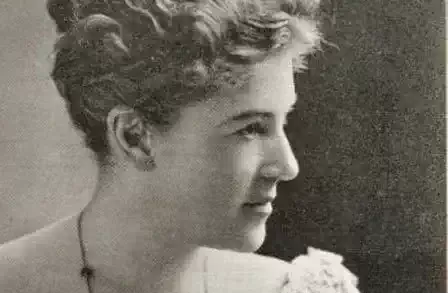
Ella Wheeler Wilcox
Only A Slight Flirtation
Only A Slight Flirtation
‘Twas just a slight flirtation,
And where’s the harm, I pray,
In that amusing pastime
So much in vogue to-day?
Her hand was plighted elsewhere
To one she held most dear,
But why should she sit lonely
When other men are near?
They walked to church together,
They sat upon the shore.
She found him entertaining,
He found her something more.
They rambled in the moonlight;
It made her look so fair,
She let him praise her beauty,
And kiss her flowing hair.
‘Twas just a nice flirtation.
So sad the fellow died.
Was drowned one day while boating,
The week she was a bride.’
A life went out in darkness,
A mother’s fond heart broke,
A maiden pined in secret –
With grief she never spoke.
While robed in bridal whiteness,
Queen of a festal throng,
She moved, whose slight flirtation
Had wrought this triple wrong.
‘Twas just a slight flirtation,
And where’s the harm, I pray,
In that amusing pastime
So much in vogue to-day?
Her hand was plighted elsewhere
To one she held most dear,
But why should she sit lonely
When other men are near?
They walked to church together,
They sat upon the shore.
She found him entertaining,
He found her something more.
They rambled in the moonlight;
It made her look so fair,
She let him praise her beauty,
And kiss her flowing hair.
‘Twas just a nice flirtation.
So sad the fellow died.
Was drowned one day while boating,
The week she was a bride.’
A life went out in darkness,
A mother’s fond heart broke,
A maiden pined in secret –
With grief she never spoke.
While robed in bridal whiteness,
Queen of a festal throng,
She moved, whose slight flirtation
Had wrought this triple wrong.
440
Ella Wheeler Wilcox
Older Than You
Older Than You
We are younger in years! Yes, that is true;
But in some things we are older than you.
For instance, you sometimes say with a smile,
'It will do to drink wine once in a while.'
We say, 'It will not do at all!'
Wine is an imp of old Alcohol.
So are gin and beer, and cider, too.
If you drink up them, they will eat up you.
'Cider is not a strong drink,' you say.
Ah! but, my friend, it opens the way
For brandy and whiskey to follow fast.
It has done it many a time in the past.
It tempts and teases the appetite.
Let it alone, boys, keep to the right;
Onward and upward we mean to go.
Heaven is reached that way, you know.
People who drink are behind the time.
They are back with darkness, and woe, and crime.
This age is progressive. You people who drink,
Though ever so little, just pause and think-
Think of the anguish that liquor makes;
Think of the hearts that it burdens and breaks.
Let it alone: stop drinking to-day-
This is what we, the children, say.
We are younger in years! Yes, that is true;
But in some things we are older than you.
For instance, you sometimes say with a smile,
'It will do to drink wine once in a while.'
We say, 'It will not do at all!'
Wine is an imp of old Alcohol.
So are gin and beer, and cider, too.
If you drink up them, they will eat up you.
'Cider is not a strong drink,' you say.
Ah! but, my friend, it opens the way
For brandy and whiskey to follow fast.
It has done it many a time in the past.
It tempts and teases the appetite.
Let it alone, boys, keep to the right;
Onward and upward we mean to go.
Heaven is reached that way, you know.
People who drink are behind the time.
They are back with darkness, and woe, and crime.
This age is progressive. You people who drink,
Though ever so little, just pause and think-
Think of the anguish that liquor makes;
Think of the hearts that it burdens and breaks.
Let it alone: stop drinking to-day-
This is what we, the children, say.
386
Ella Wheeler Wilcox
Older Than You
Older Than You
We are younger in years! Yes, that is true;
But in some things we are older than you.
For instance, you sometimes say with a smile,
'It will do to drink wine once in a while.'
We say, 'It will not do at all!'
Wine is an imp of old Alcohol.
So are gin and beer, and cider, too.
If you drink up them, they will eat up you.
'Cider is not a strong drink,' you say.
Ah! but, my friend, it opens the way
For brandy and whiskey to follow fast.
It has done it many a time in the past.
It tempts and teases the appetite.
Let it alone, boys, keep to the right;
Onward and upward we mean to go.
Heaven is reached that way, you know.
People who drink are behind the time.
They are back with darkness, and woe, and crime.
This age is progressive. You people who drink,
Though ever so little, just pause and think-
Think of the anguish that liquor makes;
Think of the hearts that it burdens and breaks.
Let it alone: stop drinking to-day-
This is what we, the children, say.
We are younger in years! Yes, that is true;
But in some things we are older than you.
For instance, you sometimes say with a smile,
'It will do to drink wine once in a while.'
We say, 'It will not do at all!'
Wine is an imp of old Alcohol.
So are gin and beer, and cider, too.
If you drink up them, they will eat up you.
'Cider is not a strong drink,' you say.
Ah! but, my friend, it opens the way
For brandy and whiskey to follow fast.
It has done it many a time in the past.
It tempts and teases the appetite.
Let it alone, boys, keep to the right;
Onward and upward we mean to go.
Heaven is reached that way, you know.
People who drink are behind the time.
They are back with darkness, and woe, and crime.
This age is progressive. You people who drink,
Though ever so little, just pause and think-
Think of the anguish that liquor makes;
Think of the hearts that it burdens and breaks.
Let it alone: stop drinking to-day-
This is what we, the children, say.
386
Ella Wheeler Wilcox
My Vision
My Vision
Wherever my feet may wander
Wherever I chance to be,
There comes, with the coming of even' time
A vision sweet to me.
I see my mother sitting
In the old familiar place,
And she rocks to the tune her needles sing,
And thinks of an absent face.
I can hear the roar of the city
AAbout me now as I write;
But over an hundred miles of snow
My thought-steeds fly tonight,
To the dear little cozy cottage,
And the room where mother sits,
And slowly rocks in her easy chair
And thinks of me as she knits.
Sometimes with the merry dancers
When my feet are keeping time,
And my heart beats high, as young hearts will,
To the music's rhythmic chime.
My spirit slips over the distance
Over the glitter and whirl,
To my mother who sits, and rocks, and knits,
And thinks of her "little girl."
And when I listen to voices that flatter,
And smile, as women do,
To whispered words that may be sweet,
But are not always true;
I think of the sweet, quaint picture
Afar in quiet ways,
And I know one smile of my mother's eyes
Is better than all their praise.
And I know I can never wander
Far from the path of right,
Though snares are set for a woman's feet
In places that seem most bright.
For the vision is with me always,
Wherever I chance to be,
Of mother sitting, rocking, and knitting,
Thinking and praying for me.
Wherever my feet may wander
Wherever I chance to be,
There comes, with the coming of even' time
A vision sweet to me.
I see my mother sitting
In the old familiar place,
And she rocks to the tune her needles sing,
And thinks of an absent face.
I can hear the roar of the city
AAbout me now as I write;
But over an hundred miles of snow
My thought-steeds fly tonight,
To the dear little cozy cottage,
And the room where mother sits,
And slowly rocks in her easy chair
And thinks of me as she knits.
Sometimes with the merry dancers
When my feet are keeping time,
And my heart beats high, as young hearts will,
To the music's rhythmic chime.
My spirit slips over the distance
Over the glitter and whirl,
To my mother who sits, and rocks, and knits,
And thinks of her "little girl."
And when I listen to voices that flatter,
And smile, as women do,
To whispered words that may be sweet,
But are not always true;
I think of the sweet, quaint picture
Afar in quiet ways,
And I know one smile of my mother's eyes
Is better than all their praise.
And I know I can never wander
Far from the path of right,
Though snares are set for a woman's feet
In places that seem most bright.
For the vision is with me always,
Wherever I chance to be,
Of mother sitting, rocking, and knitting,
Thinking and praying for me.
445
Ella Wheeler Wilcox
My Friend
My Friend
When first I looked upon the face of Pain
I shrank repelled, as one shrinks from a foe
Who stands with dagger poised, as for a blow.
I was in search of Pleasure and of Gain;
I turned aside to let him pass: in vain;
He looked straight in my eyes and would not go.
'Shake hands,' he said; 'our paths are one, and so
We must be comrades on the way, 'tis plain.'
I felt the firm clasp of his hand on mine;
Through all my veins it sent a strengthening glow.
I straightway linked my arm in his, and lo!
He led me forth to joys almost divine;
With God's great truths enriched me in the end:
And now I hold him as my dearest friend.
When first I looked upon the face of Pain
I shrank repelled, as one shrinks from a foe
Who stands with dagger poised, as for a blow.
I was in search of Pleasure and of Gain;
I turned aside to let him pass: in vain;
He looked straight in my eyes and would not go.
'Shake hands,' he said; 'our paths are one, and so
We must be comrades on the way, 'tis plain.'
I felt the firm clasp of his hand on mine;
Through all my veins it sent a strengthening glow.
I straightway linked my arm in his, and lo!
He led me forth to joys almost divine;
With God's great truths enriched me in the end:
And now I hold him as my dearest friend.
423
Ella Wheeler Wilcox
My Friend
My Friend
When first I looked upon the face of Pain
I shrank repelled, as one shrinks from a foe
Who stands with dagger poised, as for a blow.
I was in search of Pleasure and of Gain;
I turned aside to let him pass: in vain;
He looked straight in my eyes and would not go.
'Shake hands,' he said; 'our paths are one, and so
We must be comrades on the way, 'tis plain.'
I felt the firm clasp of his hand on mine;
Through all my veins it sent a strengthening glow.
I straightway linked my arm in his, and lo!
He led me forth to joys almost divine;
With God's great truths enriched me in the end:
And now I hold him as my dearest friend.
When first I looked upon the face of Pain
I shrank repelled, as one shrinks from a foe
Who stands with dagger poised, as for a blow.
I was in search of Pleasure and of Gain;
I turned aside to let him pass: in vain;
He looked straight in my eyes and would not go.
'Shake hands,' he said; 'our paths are one, and so
We must be comrades on the way, 'tis plain.'
I felt the firm clasp of his hand on mine;
Through all my veins it sent a strengthening glow.
I straightway linked my arm in his, and lo!
He led me forth to joys almost divine;
With God's great truths enriched me in the end:
And now I hold him as my dearest friend.
423
Ella Wheeler Wilcox
My Friend
My Friend
When first I looked upon the face of Pain
I shrank repelled, as one shrinks from a foe
Who stands with dagger poised, as for a blow.
I was in search of Pleasure and of Gain;
I turned aside to let him pass: in vain;
He looked straight in my eyes and would not go.
'Shake hands,' he said; 'our paths are one, and so
We must be comrades on the way, 'tis plain.'
I felt the firm clasp of his hand on mine;
Through all my veins it sent a strengthening glow.
I straightway linked my arm in his, and lo!
He led me forth to joys almost divine;
With God's great truths enriched me in the end:
And now I hold him as my dearest friend.
When first I looked upon the face of Pain
I shrank repelled, as one shrinks from a foe
Who stands with dagger poised, as for a blow.
I was in search of Pleasure and of Gain;
I turned aside to let him pass: in vain;
He looked straight in my eyes and would not go.
'Shake hands,' he said; 'our paths are one, and so
We must be comrades on the way, 'tis plain.'
I felt the firm clasp of his hand on mine;
Through all my veins it sent a strengthening glow.
I straightway linked my arm in his, and lo!
He led me forth to joys almost divine;
With God's great truths enriched me in the end:
And now I hold him as my dearest friend.
423
Ella Wheeler Wilcox
Mother's Kisses
Mother's Kisses
Baby was playing and down he fell, down he fell, down he fell,
Mama will kiss him and make him well,
Oh! what a miracle this is!
Baby was running and stubbed his toe, stubbed his toe, stubbed his toe,
If mama will kiss him the pain will go-
Magical mother's kisses.
Once an angel fair and calm,
Brewed a wondrous soothing balm
From the sweet immortal flowers,
Growing in the heavenly bowers,
Then the mothers of the earth,
All were called and told its worth.
'But anoint your lips with this,'
Said the angel, 'and your kiss
Shall have magic in its touch.'
Now 'tis plain to see why such
Soothing balm for bruise or wound
In a mother's kiss is found.
Baby was playing and down he fell, down he fell, down he fell,
Mama will kiss him, and make him well,
Oh! what a miracle this is.
Baby was running and stubbed his toe, stubbed his toe, stubbed his toe,
If mama kisses him, pain will go-
Magical mother's kisses.
Baby was playing and down he fell, down he fell, down he fell,
Mama will kiss him and make him well,
Oh! what a miracle this is!
Baby was running and stubbed his toe, stubbed his toe, stubbed his toe,
If mama will kiss him the pain will go-
Magical mother's kisses.
Once an angel fair and calm,
Brewed a wondrous soothing balm
From the sweet immortal flowers,
Growing in the heavenly bowers,
Then the mothers of the earth,
All were called and told its worth.
'But anoint your lips with this,'
Said the angel, 'and your kiss
Shall have magic in its touch.'
Now 'tis plain to see why such
Soothing balm for bruise or wound
In a mother's kiss is found.
Baby was playing and down he fell, down he fell, down he fell,
Mama will kiss him, and make him well,
Oh! what a miracle this is.
Baby was running and stubbed his toe, stubbed his toe, stubbed his toe,
If mama kisses him, pain will go-
Magical mother's kisses.
425
Ella Wheeler Wilcox
Music In The Flat
Music In The Flat
When Tom and I were married, we took a little flat;
I had a taste for singing and playing and all that.
And Tom, who loved to hear me, said he hoped
I would not stop
All practice, like so many wives who let their
music drop.
So I resolved to set apart an hour or two each day
To keeping vocal chords and hands in trim to sing and play.
The second morning I had been for half and hour or more
At work on Haydn’s masses, when a tap came at my door.
A nurse, who wore a dainty cap and apron, and a smile,
Ran down to ask if I would cease my music for awhile.
The lady in the flat above was very ill, she said,
And the sound of my piano was distracting to her head.
A fortnight’s exercises lost, ere I began them, when,
The following morning at my door, there came that tap again;
A woman with an anguished face implored me to forego
My music for some days to come – a man was dead below.
I shut down my piano till the corpse had left the house,
And spoke to Tom in whispers and was quiet as a mouse.
A week of labour limbered up my stiffened hand and voice,
I stole an extra hour from sleep, to practice and rejoice;
When, ting-a-ling, the door-bell rang a discord in my trill –
The baby in the flat across was very, very ill.
For ten long days that infant’s life was hanging by a thread,
And all that time my instrument was silent as the dead.
So pain and death and sickness came in one perpetual row,
When babies were not born above, then tenants died below.
The funeral over underneath, some one fell ill on top,
And begged me, for the love of God, to let my music drop.
When trouble went not up or down, it stalked across the hall,
And so in spite of my resolve, I do not play at all.
When Tom and I were married, we took a little flat;
I had a taste for singing and playing and all that.
And Tom, who loved to hear me, said he hoped
I would not stop
All practice, like so many wives who let their
music drop.
So I resolved to set apart an hour or two each day
To keeping vocal chords and hands in trim to sing and play.
The second morning I had been for half and hour or more
At work on Haydn’s masses, when a tap came at my door.
A nurse, who wore a dainty cap and apron, and a smile,
Ran down to ask if I would cease my music for awhile.
The lady in the flat above was very ill, she said,
And the sound of my piano was distracting to her head.
A fortnight’s exercises lost, ere I began them, when,
The following morning at my door, there came that tap again;
A woman with an anguished face implored me to forego
My music for some days to come – a man was dead below.
I shut down my piano till the corpse had left the house,
And spoke to Tom in whispers and was quiet as a mouse.
A week of labour limbered up my stiffened hand and voice,
I stole an extra hour from sleep, to practice and rejoice;
When, ting-a-ling, the door-bell rang a discord in my trill –
The baby in the flat across was very, very ill.
For ten long days that infant’s life was hanging by a thread,
And all that time my instrument was silent as the dead.
So pain and death and sickness came in one perpetual row,
When babies were not born above, then tenants died below.
The funeral over underneath, some one fell ill on top,
And begged me, for the love of God, to let my music drop.
When trouble went not up or down, it stalked across the hall,
And so in spite of my resolve, I do not play at all.
367
Ella Wheeler Wilcox
Mockery
Mockery
Why do we grudge our sweets so to the living
Who, God knows, find at best too much of gall,
And then with generous, open hands kneel, giving
Unto the dead our all?
Why do we pierce the warm hearts, sin or sorrow,
With idle jests, or scorn, or cruel sneers,
And when it cannot know, on some to-morrow,
Speak of its woe through tears?
What do the dead care, for the tender token—
The love, the praise, the floral offerings?
But palpitating, living hearts are broken
For want of just these things.
Why do we grudge our sweets so to the living
Who, God knows, find at best too much of gall,
And then with generous, open hands kneel, giving
Unto the dead our all?
Why do we pierce the warm hearts, sin or sorrow,
With idle jests, or scorn, or cruel sneers,
And when it cannot know, on some to-morrow,
Speak of its woe through tears?
What do the dead care, for the tender token—
The love, the praise, the floral offerings?
But palpitating, living hearts are broken
For want of just these things.
301
Ella Wheeler Wilcox
Memory's Mansion
Memory's Mansion
In Memory's Mansion are wonderful rooms,
And I wander about them at will;
And I pause at the casements, where boxes of blooms
Are sending sweet scents o'er the sill.
I lean from a window that looks on a lawn;
From a turret that looks on the wave.
But I draw down the shade when I see on some glade
A stone standing guard by a grave.
To Memory's attic I clambered one day
When the roof was resounding with rain,
And there, among relics long hidden away,
I rummaged with heart ache and pain.
A hope long surrendered and covered with dust,
A pastime, out-grown and forgot,
And a fragment of love all corroded with rust,
Were lying heaped up in one spot.
And there on the floor of that garret was tossed
A friendship too fragile to last,
With pieces of dearly bought pleasures that cost
Vast fortunes of pain in the past,
A fabric of passion, once vivid and bright,
As the breast of a robin in Spring,
Was spread out before me-a terrible sight-
A moth-eaten rag of a thing.
Then down the deep stairway I hurriedly went,
And into fair chambers below;
But the mansion seemed filled with the old attic scent
Wherever my footsteps would go.
Though in Memory's House I still wander full oft,
No more to the garret I climb;
And I leave all the rubbish heaped there in the loft
To the hands of the Housekeeper, Time.
In Memory's Mansion are wonderful rooms,
And I wander about them at will;
And I pause at the casements, where boxes of blooms
Are sending sweet scents o'er the sill.
I lean from a window that looks on a lawn;
From a turret that looks on the wave.
But I draw down the shade when I see on some glade
A stone standing guard by a grave.
To Memory's attic I clambered one day
When the roof was resounding with rain,
And there, among relics long hidden away,
I rummaged with heart ache and pain.
A hope long surrendered and covered with dust,
A pastime, out-grown and forgot,
And a fragment of love all corroded with rust,
Were lying heaped up in one spot.
And there on the floor of that garret was tossed
A friendship too fragile to last,
With pieces of dearly bought pleasures that cost
Vast fortunes of pain in the past,
A fabric of passion, once vivid and bright,
As the breast of a robin in Spring,
Was spread out before me-a terrible sight-
A moth-eaten rag of a thing.
Then down the deep stairway I hurriedly went,
And into fair chambers below;
But the mansion seemed filled with the old attic scent
Wherever my footsteps would go.
Though in Memory's House I still wander full oft,
No more to the garret I climb;
And I leave all the rubbish heaped there in the loft
To the hands of the Housekeeper, Time.
499
Ella Wheeler Wilcox
Memory's Mansion
Memory's Mansion
In Memory's Mansion are wonderful rooms,
And I wander about them at will;
And I pause at the casements, where boxes of blooms
Are sending sweet scents o'er the sill.
I lean from a window that looks on a lawn;
From a turret that looks on the wave.
But I draw down the shade when I see on some glade
A stone standing guard by a grave.
To Memory's attic I clambered one day
When the roof was resounding with rain,
And there, among relics long hidden away,
I rummaged with heart ache and pain.
A hope long surrendered and covered with dust,
A pastime, out-grown and forgot,
And a fragment of love all corroded with rust,
Were lying heaped up in one spot.
And there on the floor of that garret was tossed
A friendship too fragile to last,
With pieces of dearly bought pleasures that cost
Vast fortunes of pain in the past,
A fabric of passion, once vivid and bright,
As the breast of a robin in Spring,
Was spread out before me-a terrible sight-
A moth-eaten rag of a thing.
Then down the deep stairway I hurriedly went,
And into fair chambers below;
But the mansion seemed filled with the old attic scent
Wherever my footsteps would go.
Though in Memory's House I still wander full oft,
No more to the garret I climb;
And I leave all the rubbish heaped there in the loft
To the hands of the Housekeeper, Time.
In Memory's Mansion are wonderful rooms,
And I wander about them at will;
And I pause at the casements, where boxes of blooms
Are sending sweet scents o'er the sill.
I lean from a window that looks on a lawn;
From a turret that looks on the wave.
But I draw down the shade when I see on some glade
A stone standing guard by a grave.
To Memory's attic I clambered one day
When the roof was resounding with rain,
And there, among relics long hidden away,
I rummaged with heart ache and pain.
A hope long surrendered and covered with dust,
A pastime, out-grown and forgot,
And a fragment of love all corroded with rust,
Were lying heaped up in one spot.
And there on the floor of that garret was tossed
A friendship too fragile to last,
With pieces of dearly bought pleasures that cost
Vast fortunes of pain in the past,
A fabric of passion, once vivid and bright,
As the breast of a robin in Spring,
Was spread out before me-a terrible sight-
A moth-eaten rag of a thing.
Then down the deep stairway I hurriedly went,
And into fair chambers below;
But the mansion seemed filled with the old attic scent
Wherever my footsteps would go.
Though in Memory's House I still wander full oft,
No more to the garret I climb;
And I leave all the rubbish heaped there in the loft
To the hands of the Housekeeper, Time.
499
Ella Wheeler Wilcox
Love's Language
Love's Language
How does Love speak?
In the faint flush upon the tell-tale cheek,
And in the pallor that succeeds it; by
The quivering lid of an averted eye –
The smile that proves the parent to a sigh –
Thus doth Love speak.
How does Love speak?
By the uneven heart-throbs, and the freak
Of bounding pulses that stand still and ache,
While new emotions, like strange barques, make
Along vein-channels their disturbing course;
Still as the dawn, and with the dawn’s swift force –
Thus doth Love speak.
How does Love speak?
In the avoidance of that which we seek –
The sudden silence and reserve when near –
The eye that glistens with an unshed tear –
The joy that seems the counterpart of fear,
As the alarmed heart leaps in the breast,
And knows, and names, the greets its god-like guest –
Thus doth Love speak.
How doth Love speak?
In the proud spirit suddenly grown meek –
The haughty heart grown humble; in the tender
And unnamed light that floods the world with splendour,
In the resemblance which the fond eyes trace
In all things to one beloved face;
In the shy touch of hands that thrill and tremble;
In looks and lips that can no more dissemble –
Thus doth Love speak.
How doth Love speak?
In the wild words that uttered seem so weak
They shrink ashamed to silence; in the fire
Glance strikes with glance, swift flashing high and higher,
Like lightnings that precede the mighty storm;
In the deep, soulful stillness; in the warm,
Impassioned tide that sweeps through throbbing veins,
Between the shores of keen delights and pains;
In the embrace where madness melts in bliss,
And in convulsive rapture of a kiss –
Thus doth Love speak.
How does Love speak?
In the faint flush upon the tell-tale cheek,
And in the pallor that succeeds it; by
The quivering lid of an averted eye –
The smile that proves the parent to a sigh –
Thus doth Love speak.
How does Love speak?
By the uneven heart-throbs, and the freak
Of bounding pulses that stand still and ache,
While new emotions, like strange barques, make
Along vein-channels their disturbing course;
Still as the dawn, and with the dawn’s swift force –
Thus doth Love speak.
How does Love speak?
In the avoidance of that which we seek –
The sudden silence and reserve when near –
The eye that glistens with an unshed tear –
The joy that seems the counterpart of fear,
As the alarmed heart leaps in the breast,
And knows, and names, the greets its god-like guest –
Thus doth Love speak.
How doth Love speak?
In the proud spirit suddenly grown meek –
The haughty heart grown humble; in the tender
And unnamed light that floods the world with splendour,
In the resemblance which the fond eyes trace
In all things to one beloved face;
In the shy touch of hands that thrill and tremble;
In looks and lips that can no more dissemble –
Thus doth Love speak.
How doth Love speak?
In the wild words that uttered seem so weak
They shrink ashamed to silence; in the fire
Glance strikes with glance, swift flashing high and higher,
Like lightnings that precede the mighty storm;
In the deep, soulful stillness; in the warm,
Impassioned tide that sweeps through throbbing veins,
Between the shores of keen delights and pains;
In the embrace where madness melts in bliss,
And in convulsive rapture of a kiss –
Thus doth Love speak.
525
Ella Wheeler Wilcox
Love's Language
Love's Language
How does Love speak?
In the faint flush upon the tell-tale cheek,
And in the pallor that succeeds it; by
The quivering lid of an averted eye –
The smile that proves the parent to a sigh –
Thus doth Love speak.
How does Love speak?
By the uneven heart-throbs, and the freak
Of bounding pulses that stand still and ache,
While new emotions, like strange barques, make
Along vein-channels their disturbing course;
Still as the dawn, and with the dawn’s swift force –
Thus doth Love speak.
How does Love speak?
In the avoidance of that which we seek –
The sudden silence and reserve when near –
The eye that glistens with an unshed tear –
The joy that seems the counterpart of fear,
As the alarmed heart leaps in the breast,
And knows, and names, the greets its god-like guest –
Thus doth Love speak.
How doth Love speak?
In the proud spirit suddenly grown meek –
The haughty heart grown humble; in the tender
And unnamed light that floods the world with splendour,
In the resemblance which the fond eyes trace
In all things to one beloved face;
In the shy touch of hands that thrill and tremble;
In looks and lips that can no more dissemble –
Thus doth Love speak.
How doth Love speak?
In the wild words that uttered seem so weak
They shrink ashamed to silence; in the fire
Glance strikes with glance, swift flashing high and higher,
Like lightnings that precede the mighty storm;
In the deep, soulful stillness; in the warm,
Impassioned tide that sweeps through throbbing veins,
Between the shores of keen delights and pains;
In the embrace where madness melts in bliss,
And in convulsive rapture of a kiss –
Thus doth Love speak.
How does Love speak?
In the faint flush upon the tell-tale cheek,
And in the pallor that succeeds it; by
The quivering lid of an averted eye –
The smile that proves the parent to a sigh –
Thus doth Love speak.
How does Love speak?
By the uneven heart-throbs, and the freak
Of bounding pulses that stand still and ache,
While new emotions, like strange barques, make
Along vein-channels their disturbing course;
Still as the dawn, and with the dawn’s swift force –
Thus doth Love speak.
How does Love speak?
In the avoidance of that which we seek –
The sudden silence and reserve when near –
The eye that glistens with an unshed tear –
The joy that seems the counterpart of fear,
As the alarmed heart leaps in the breast,
And knows, and names, the greets its god-like guest –
Thus doth Love speak.
How doth Love speak?
In the proud spirit suddenly grown meek –
The haughty heart grown humble; in the tender
And unnamed light that floods the world with splendour,
In the resemblance which the fond eyes trace
In all things to one beloved face;
In the shy touch of hands that thrill and tremble;
In looks and lips that can no more dissemble –
Thus doth Love speak.
How doth Love speak?
In the wild words that uttered seem so weak
They shrink ashamed to silence; in the fire
Glance strikes with glance, swift flashing high and higher,
Like lightnings that precede the mighty storm;
In the deep, soulful stillness; in the warm,
Impassioned tide that sweeps through throbbing veins,
Between the shores of keen delights and pains;
In the embrace where madness melts in bliss,
And in convulsive rapture of a kiss –
Thus doth Love speak.
525
Ella Wheeler Wilcox
Love is Enough
Love is Enough
Love is enough. Let us not ask for gold.
Wealth breeds false aims, and pride and selfishness;
In those serene, Arcadian days of old
Men gave no thought to princely homes and dress.
The gods who dwelt on fair Olympia's height
Lived only for dear love and love's delight.
Love is enough.
Love is enough. Why should we care for fame?
Ambition is a most unpleasant guest:
It lures us with the glory of a name
Far from the happy haunts of peace and rest.
Let us stay here in this secluded place
Made beautiful by love's endearing grace!
Love is enough.
Love is enough. Why should we strive for power?
It brings men only envy and distrust.
The poor world's homage pleases but an hour,
And earthly honours vanish in the dust.
The grandest lives are ofttimes desolate;
Let me be loved, and let who will be great.
Love is enough.
Love is enough. Why should we ask for more?
What greater gift have gods vouchsafed to men?
What better boon of all their precious store
Than our fond hearts that love and love again?
Old love may die; new love is just as sweet;
And life is fair and all the world complete:
Love is enough!
Love is enough. Let us not ask for gold.
Wealth breeds false aims, and pride and selfishness;
In those serene, Arcadian days of old
Men gave no thought to princely homes and dress.
The gods who dwelt on fair Olympia's height
Lived only for dear love and love's delight.
Love is enough.
Love is enough. Why should we care for fame?
Ambition is a most unpleasant guest:
It lures us with the glory of a name
Far from the happy haunts of peace and rest.
Let us stay here in this secluded place
Made beautiful by love's endearing grace!
Love is enough.
Love is enough. Why should we strive for power?
It brings men only envy and distrust.
The poor world's homage pleases but an hour,
And earthly honours vanish in the dust.
The grandest lives are ofttimes desolate;
Let me be loved, and let who will be great.
Love is enough.
Love is enough. Why should we ask for more?
What greater gift have gods vouchsafed to men?
What better boon of all their precious store
Than our fond hearts that love and love again?
Old love may die; new love is just as sweet;
And life is fair and all the world complete:
Love is enough!
405
Ella Wheeler Wilcox
Love is Enough
Love is Enough
Love is enough. Let us not ask for gold.
Wealth breeds false aims, and pride and selfishness;
In those serene, Arcadian days of old
Men gave no thought to princely homes and dress.
The gods who dwelt on fair Olympia's height
Lived only for dear love and love's delight.
Love is enough.
Love is enough. Why should we care for fame?
Ambition is a most unpleasant guest:
It lures us with the glory of a name
Far from the happy haunts of peace and rest.
Let us stay here in this secluded place
Made beautiful by love's endearing grace!
Love is enough.
Love is enough. Why should we strive for power?
It brings men only envy and distrust.
The poor world's homage pleases but an hour,
And earthly honours vanish in the dust.
The grandest lives are ofttimes desolate;
Let me be loved, and let who will be great.
Love is enough.
Love is enough. Why should we ask for more?
What greater gift have gods vouchsafed to men?
What better boon of all their precious store
Than our fond hearts that love and love again?
Old love may die; new love is just as sweet;
And life is fair and all the world complete:
Love is enough!
Love is enough. Let us not ask for gold.
Wealth breeds false aims, and pride and selfishness;
In those serene, Arcadian days of old
Men gave no thought to princely homes and dress.
The gods who dwelt on fair Olympia's height
Lived only for dear love and love's delight.
Love is enough.
Love is enough. Why should we care for fame?
Ambition is a most unpleasant guest:
It lures us with the glory of a name
Far from the happy haunts of peace and rest.
Let us stay here in this secluded place
Made beautiful by love's endearing grace!
Love is enough.
Love is enough. Why should we strive for power?
It brings men only envy and distrust.
The poor world's homage pleases but an hour,
And earthly honours vanish in the dust.
The grandest lives are ofttimes desolate;
Let me be loved, and let who will be great.
Love is enough.
Love is enough. Why should we ask for more?
What greater gift have gods vouchsafed to men?
What better boon of all their precious store
Than our fond hearts that love and love again?
Old love may die; new love is just as sweet;
And life is fair and all the world complete:
Love is enough!
405
Ella Wheeler Wilcox
Lost
Lost
You left me with the autumn time;
When the winter stripped the forest bare,
Then dressed it in his spotless rime;
When frosts were lurking in the air
You left me here and went away.
The winds were cold; you could not stay.
You sought a warmer clime, until
The south wind, artful maid, should break
The winter's trumpets, and should fill
The air with songs of birds; and wake
The sleeping blossoms on the plain
And make the brooks to flow again.
I thought that the winter desolate,
And all times felt a sense of loss.
I taught my longing heart to wait,
And said, 'When Spring shall come across
The hills, with blossoms in her track,
The she, our loved one, will come back.'
And now the hills with grass and moss
The spring with cunning hands has spread,
And yet I feel my grievous loss.
My heart will not be comforted,
But crieth daily, 'Where is she
You promised should come back to me? '
Oh, love! where are you? day by day
I seek to find you, but in vain.
Men point me to a grave, and say:
'There is her bed upon the plain.'
But though I see no trace of you,
I cannot thiink their words are true.
You were too sweet to wholly pass
Away from earth, and leave no trace;
You were to fair to let the grass
Grow rank and tall above your face.
Your voice, that mocked the robin's trill,
I cannot think is hushed and still.
I thought I saw your golden hair
One day, and reached to touch a strand;
I found but yellow sunbeams there
The bright rays fell aslant my hand,
And seemed to mock, with lights and shades,
The silken meshes of your braids.
Again, I thought I saw your hand
Wave, as if beckoning to me;
I found 'twas but a lily, fanned
By the cool zephyrs from the sea.
Oh, love! I find no trace of you -
I wonder if their words were true?
One day I heard a singing voice;
A burst of music, trill on trill.
It made my very soul rejoice;
My heart gave and exultant thrill.
I cried, 'Oh heart, we've found her - hush! '
But no - 'twas the silver-throated thrush.
And once I thought I saw your face,
And wild with joy I ran to you;
But found, when I had reached the place,
'Twas a blush rose, bathed in dew.
Ah, love! I think you must be dead;
And I believe the words they said.
You left me with the autumn time;
When the winter stripped the forest bare,
Then dressed it in his spotless rime;
When frosts were lurking in the air
You left me here and went away.
The winds were cold; you could not stay.
You sought a warmer clime, until
The south wind, artful maid, should break
The winter's trumpets, and should fill
The air with songs of birds; and wake
The sleeping blossoms on the plain
And make the brooks to flow again.
I thought that the winter desolate,
And all times felt a sense of loss.
I taught my longing heart to wait,
And said, 'When Spring shall come across
The hills, with blossoms in her track,
The she, our loved one, will come back.'
And now the hills with grass and moss
The spring with cunning hands has spread,
And yet I feel my grievous loss.
My heart will not be comforted,
But crieth daily, 'Where is she
You promised should come back to me? '
Oh, love! where are you? day by day
I seek to find you, but in vain.
Men point me to a grave, and say:
'There is her bed upon the plain.'
But though I see no trace of you,
I cannot thiink their words are true.
You were too sweet to wholly pass
Away from earth, and leave no trace;
You were to fair to let the grass
Grow rank and tall above your face.
Your voice, that mocked the robin's trill,
I cannot think is hushed and still.
I thought I saw your golden hair
One day, and reached to touch a strand;
I found but yellow sunbeams there
The bright rays fell aslant my hand,
And seemed to mock, with lights and shades,
The silken meshes of your braids.
Again, I thought I saw your hand
Wave, as if beckoning to me;
I found 'twas but a lily, fanned
By the cool zephyrs from the sea.
Oh, love! I find no trace of you -
I wonder if their words were true?
One day I heard a singing voice;
A burst of music, trill on trill.
It made my very soul rejoice;
My heart gave and exultant thrill.
I cried, 'Oh heart, we've found her - hush! '
But no - 'twas the silver-throated thrush.
And once I thought I saw your face,
And wild with joy I ran to you;
But found, when I had reached the place,
'Twas a blush rose, bathed in dew.
Ah, love! I think you must be dead;
And I believe the words they said.
459
Ella Wheeler Wilcox
Lost
Lost
You left me with the autumn time;
When the winter stripped the forest bare,
Then dressed it in his spotless rime;
When frosts were lurking in the air
You left me here and went away.
The winds were cold; you could not stay.
You sought a warmer clime, until
The south wind, artful maid, should break
The winter's trumpets, and should fill
The air with songs of birds; and wake
The sleeping blossoms on the plain
And make the brooks to flow again.
I thought that the winter desolate,
And all times felt a sense of loss.
I taught my longing heart to wait,
And said, 'When Spring shall come across
The hills, with blossoms in her track,
The she, our loved one, will come back.'
And now the hills with grass and moss
The spring with cunning hands has spread,
And yet I feel my grievous loss.
My heart will not be comforted,
But crieth daily, 'Where is she
You promised should come back to me? '
Oh, love! where are you? day by day
I seek to find you, but in vain.
Men point me to a grave, and say:
'There is her bed upon the plain.'
But though I see no trace of you,
I cannot thiink their words are true.
You were too sweet to wholly pass
Away from earth, and leave no trace;
You were to fair to let the grass
Grow rank and tall above your face.
Your voice, that mocked the robin's trill,
I cannot think is hushed and still.
I thought I saw your golden hair
One day, and reached to touch a strand;
I found but yellow sunbeams there
The bright rays fell aslant my hand,
And seemed to mock, with lights and shades,
The silken meshes of your braids.
Again, I thought I saw your hand
Wave, as if beckoning to me;
I found 'twas but a lily, fanned
By the cool zephyrs from the sea.
Oh, love! I find no trace of you -
I wonder if their words were true?
One day I heard a singing voice;
A burst of music, trill on trill.
It made my very soul rejoice;
My heart gave and exultant thrill.
I cried, 'Oh heart, we've found her - hush! '
But no - 'twas the silver-throated thrush.
And once I thought I saw your face,
And wild with joy I ran to you;
But found, when I had reached the place,
'Twas a blush rose, bathed in dew.
Ah, love! I think you must be dead;
And I believe the words they said.
You left me with the autumn time;
When the winter stripped the forest bare,
Then dressed it in his spotless rime;
When frosts were lurking in the air
You left me here and went away.
The winds were cold; you could not stay.
You sought a warmer clime, until
The south wind, artful maid, should break
The winter's trumpets, and should fill
The air with songs of birds; and wake
The sleeping blossoms on the plain
And make the brooks to flow again.
I thought that the winter desolate,
And all times felt a sense of loss.
I taught my longing heart to wait,
And said, 'When Spring shall come across
The hills, with blossoms in her track,
The she, our loved one, will come back.'
And now the hills with grass and moss
The spring with cunning hands has spread,
And yet I feel my grievous loss.
My heart will not be comforted,
But crieth daily, 'Where is she
You promised should come back to me? '
Oh, love! where are you? day by day
I seek to find you, but in vain.
Men point me to a grave, and say:
'There is her bed upon the plain.'
But though I see no trace of you,
I cannot thiink their words are true.
You were too sweet to wholly pass
Away from earth, and leave no trace;
You were to fair to let the grass
Grow rank and tall above your face.
Your voice, that mocked the robin's trill,
I cannot think is hushed and still.
I thought I saw your golden hair
One day, and reached to touch a strand;
I found but yellow sunbeams there
The bright rays fell aslant my hand,
And seemed to mock, with lights and shades,
The silken meshes of your braids.
Again, I thought I saw your hand
Wave, as if beckoning to me;
I found 'twas but a lily, fanned
By the cool zephyrs from the sea.
Oh, love! I find no trace of you -
I wonder if their words were true?
One day I heard a singing voice;
A burst of music, trill on trill.
It made my very soul rejoice;
My heart gave and exultant thrill.
I cried, 'Oh heart, we've found her - hush! '
But no - 'twas the silver-throated thrush.
And once I thought I saw your face,
And wild with joy I ran to you;
But found, when I had reached the place,
'Twas a blush rose, bathed in dew.
Ah, love! I think you must be dead;
And I believe the words they said.
459
Ella Wheeler Wilcox
Listen!
Listen!
Whoever you are as you read this,
Whatever your trouble or grief,
I want you to know and to heed this:
The day draweth near with relief.
No sorrow, no woe is unending,
Though heaven seems voiceless and dumb;
So sure as your cry is ascending,
So surely an answer will come.
Whatever temptation is near you,
Whose eyes on this simple verse fall;
Remember good angels will hear you
And help you to stand, if you call.
Though stunned with despair I beseech you,
Whatever your losses, your need,
Believe, when these printed words reach you,
Believe you were born to succeed.
You are stronger, I tell you, this minute,
Than any unfortunate fate!
And the coveted prize - you can win it;
While life lasts 'tis never too late!
Whoever you are as you read this,
Whatever your trouble or grief,
I want you to know and to heed this:
The day draweth near with relief.
No sorrow, no woe is unending,
Though heaven seems voiceless and dumb;
So sure as your cry is ascending,
So surely an answer will come.
Whatever temptation is near you,
Whose eyes on this simple verse fall;
Remember good angels will hear you
And help you to stand, if you call.
Though stunned with despair I beseech you,
Whatever your losses, your need,
Believe, when these printed words reach you,
Believe you were born to succeed.
You are stronger, I tell you, this minute,
Than any unfortunate fate!
And the coveted prize - you can win it;
While life lasts 'tis never too late!
371
Ella Wheeler Wilcox
Listen!
Listen!
Whoever you are as you read this,
Whatever your trouble or grief,
I want you to know and to heed this:
The day draweth near with relief.
No sorrow, no woe is unending,
Though heaven seems voiceless and dumb;
So sure as your cry is ascending,
So surely an answer will come.
Whatever temptation is near you,
Whose eyes on this simple verse fall;
Remember good angels will hear you
And help you to stand, if you call.
Though stunned with despair I beseech you,
Whatever your losses, your need,
Believe, when these printed words reach you,
Believe you were born to succeed.
You are stronger, I tell you, this minute,
Than any unfortunate fate!
And the coveted prize - you can win it;
While life lasts 'tis never too late!
Whoever you are as you read this,
Whatever your trouble or grief,
I want you to know and to heed this:
The day draweth near with relief.
No sorrow, no woe is unending,
Though heaven seems voiceless and dumb;
So sure as your cry is ascending,
So surely an answer will come.
Whatever temptation is near you,
Whose eyes on this simple verse fall;
Remember good angels will hear you
And help you to stand, if you call.
Though stunned with despair I beseech you,
Whatever your losses, your need,
Believe, when these printed words reach you,
Believe you were born to succeed.
You are stronger, I tell you, this minute,
Than any unfortunate fate!
And the coveted prize - you can win it;
While life lasts 'tis never too late!
371
Ella Wheeler Wilcox
Little Queen
Little Queen
Do you remember the name I wore –
The old pet-name of Little Queen –
In the dear, dead days that are no more,
The happiest days of our lives, I ween?
For we loved with that passionate love of youth
That blesses but once with its perfect bliss, -
A love that, in spite of its trust and truth,
Seems never to thrive, in a world like this.
I lived for you, and you lived for me;
All was centred in “Little Queen”;
And never a thought in our hearts had we
That strife or trouble could come between,
What utter sinking of self it was!
How little we cared for the world of men!
For love’s fair kingdom, and loves’ sweet laws,
Were all of the world and life to us then.
But a love like ours was a challenge to fate;
She rang down the curtains and shifted the scene;
Yet sometimes now, when the day grows late,
I can hear you calling for Little Queen;
For a happy home and a busy life
Can never wholly crowd out our past;
In the twilight pauses that come from strife,
You will think of me while life shall last.
And however sweet the voice of fame
May sing to me of a great world’s praise,
I shall long sometimes for the old pet-name
That you gave to me in the dear, dead days;
And nothing the angel band can say,
When I reach the shores of the great Unseen,
Can please me so much as on that day
To hear your greeting of “Little Queen.”
Do you remember the name I wore –
The old pet-name of Little Queen –
In the dear, dead days that are no more,
The happiest days of our lives, I ween?
For we loved with that passionate love of youth
That blesses but once with its perfect bliss, -
A love that, in spite of its trust and truth,
Seems never to thrive, in a world like this.
I lived for you, and you lived for me;
All was centred in “Little Queen”;
And never a thought in our hearts had we
That strife or trouble could come between,
What utter sinking of self it was!
How little we cared for the world of men!
For love’s fair kingdom, and loves’ sweet laws,
Were all of the world and life to us then.
But a love like ours was a challenge to fate;
She rang down the curtains and shifted the scene;
Yet sometimes now, when the day grows late,
I can hear you calling for Little Queen;
For a happy home and a busy life
Can never wholly crowd out our past;
In the twilight pauses that come from strife,
You will think of me while life shall last.
And however sweet the voice of fame
May sing to me of a great world’s praise,
I shall long sometimes for the old pet-name
That you gave to me in the dear, dead days;
And nothing the angel band can say,
When I reach the shores of the great Unseen,
Can please me so much as on that day
To hear your greeting of “Little Queen.”
433
Ella Wheeler Wilcox
Little Queen
Little Queen
Do you remember the name I wore –
The old pet-name of Little Queen –
In the dear, dead days that are no more,
The happiest days of our lives, I ween?
For we loved with that passionate love of youth
That blesses but once with its perfect bliss, -
A love that, in spite of its trust and truth,
Seems never to thrive, in a world like this.
I lived for you, and you lived for me;
All was centred in “Little Queen”;
And never a thought in our hearts had we
That strife or trouble could come between,
What utter sinking of self it was!
How little we cared for the world of men!
For love’s fair kingdom, and loves’ sweet laws,
Were all of the world and life to us then.
But a love like ours was a challenge to fate;
She rang down the curtains and shifted the scene;
Yet sometimes now, when the day grows late,
I can hear you calling for Little Queen;
For a happy home and a busy life
Can never wholly crowd out our past;
In the twilight pauses that come from strife,
You will think of me while life shall last.
And however sweet the voice of fame
May sing to me of a great world’s praise,
I shall long sometimes for the old pet-name
That you gave to me in the dear, dead days;
And nothing the angel band can say,
When I reach the shores of the great Unseen,
Can please me so much as on that day
To hear your greeting of “Little Queen.”
Do you remember the name I wore –
The old pet-name of Little Queen –
In the dear, dead days that are no more,
The happiest days of our lives, I ween?
For we loved with that passionate love of youth
That blesses but once with its perfect bliss, -
A love that, in spite of its trust and truth,
Seems never to thrive, in a world like this.
I lived for you, and you lived for me;
All was centred in “Little Queen”;
And never a thought in our hearts had we
That strife or trouble could come between,
What utter sinking of self it was!
How little we cared for the world of men!
For love’s fair kingdom, and loves’ sweet laws,
Were all of the world and life to us then.
But a love like ours was a challenge to fate;
She rang down the curtains and shifted the scene;
Yet sometimes now, when the day grows late,
I can hear you calling for Little Queen;
For a happy home and a busy life
Can never wholly crowd out our past;
In the twilight pauses that come from strife,
You will think of me while life shall last.
And however sweet the voice of fame
May sing to me of a great world’s praise,
I shall long sometimes for the old pet-name
That you gave to me in the dear, dead days;
And nothing the angel band can say,
When I reach the shores of the great Unseen,
Can please me so much as on that day
To hear your greeting of “Little Queen.”
433
Ella Wheeler Wilcox
Life's Scars
Life's Scars
They say the world is round, and yet
I often think it square,
So many little hurts we get
From corners here and there.
But one great truth in life I've found,
While journeying to the West-
The only folks who really wound
Are those we love the best.
The man you thoroughly despise
Can rouse your wrath, 'tis true;
Annoyance in your heart will rise
At things mere strangers do;
But those are only passing ills;
This rule all lives will prove;
The rankling wound which aches and thrills
Is dealt by hands we love.
The choicest garb, the sweetest grace,
Are oft to strangers shown;
The careless mien, the frowning face,
Are given to our own.
We flatter those we scarcely know,
We please the fleeting guest,
And deal full many a thoughtless blow
To those who love us best.
Love does not grow on every tree,
Nor true hearts yearly bloom.
Alas for those who only see
This cut across a tomb!
But, soon or late, the fact grows plain
To all through sorrow's test:
The only folks who give us pain
Are those we love the best.
They say the world is round, and yet
I often think it square,
So many little hurts we get
From corners here and there.
But one great truth in life I've found,
While journeying to the West-
The only folks who really wound
Are those we love the best.
The man you thoroughly despise
Can rouse your wrath, 'tis true;
Annoyance in your heart will rise
At things mere strangers do;
But those are only passing ills;
This rule all lives will prove;
The rankling wound which aches and thrills
Is dealt by hands we love.
The choicest garb, the sweetest grace,
Are oft to strangers shown;
The careless mien, the frowning face,
Are given to our own.
We flatter those we scarcely know,
We please the fleeting guest,
And deal full many a thoughtless blow
To those who love us best.
Love does not grow on every tree,
Nor true hearts yearly bloom.
Alas for those who only see
This cut across a tomb!
But, soon or late, the fact grows plain
To all through sorrow's test:
The only folks who give us pain
Are those we love the best.
630
Ella Wheeler Wilcox
Lines from
Lines from
I'd rather have my verses win
A place in common people's hearts,
Who, toiling through the strife and din
Of life's great thoroughfares, and marts,
May read some line my hand has penned;
Some simple verse, not fine, or grand,
But what their hearts can understand
And hold me henceforth as a friend,-
I'd rather win such quiet fame
Than by some fine thought, bolished so
But those of learned minds would know,
Just what the meaning of my song,--
To have the critics sound my name
In high-flown praises, loud and long.
I sing not for the critic's ear,
But for the masses. If they hear
Despite the turmoil, noise, and strife
Some least low note that gladdens life,
I shall be wholly satisfied,
Though critics to the end deride.
I'd rather have my verses win
A place in common people's hearts,
Who, toiling through the strife and din
Of life's great thoroughfares, and marts,
May read some line my hand has penned;
Some simple verse, not fine, or grand,
But what their hearts can understand
And hold me henceforth as a friend,-
I'd rather win such quiet fame
Than by some fine thought, bolished so
But those of learned minds would know,
Just what the meaning of my song,--
To have the critics sound my name
In high-flown praises, loud and long.
I sing not for the critic's ear,
But for the masses. If they hear
Despite the turmoil, noise, and strife
Some least low note that gladdens life,
I shall be wholly satisfied,
Though critics to the end deride.
443