

Poems in this topic
Emotions and Feelings
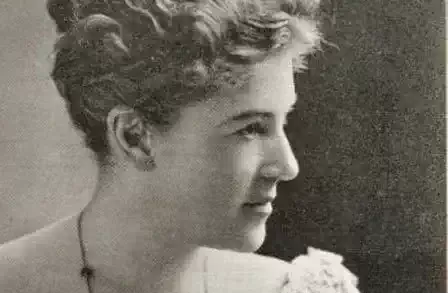
Ella Wheeler Wilcox
Life Is A Privilege
Life Is A Privilege
Life is a privilege. Its youthful days
Shine with the radiance of continuous Mays.
To live, to breathe, to wonder and desire,
To feed with dreams the heart’s perpetual fire,
To thrill with virtuous passions, and to glow
With great ambitions – in one hour to know
The depths and heights of feeling – God! in truth,
How beautiful, how beautiful is youth!
Life is a privilege. Like some rare rose
The mysteries of the human mind unclose.
What marvels lie in the earth, and air, and sea!
What stores of knowledge wait our opening key!
What sunny roads of happiness lead out
Beyond the realms of indolence and doubt!
And what large pleasures smile upon and bless
The busy avenues of usefulness!
Life is a privilege. Thought the noontide fades
And shadows fall along the winding glades,
Though joy-blooms wither in the autumn air,
Yet the sweet scent of sympathy is there.
Pale sorrow leads us closer to our kind,
And in the serious hours of life we find
Depths in the souls of men which lend new worth
And majesty to this brief span of earth.
Life is a privilege. If some sad fate
Sends us alone to seek the exit gate,
If men forsake us and as shadows fall,
Still does the supreme privilege of all
Come in that reaching upward of the soul
To find the welcoming Presence at the goal,
And in the Knowledge that our feet have trod
Paths that led from, and must wind back, to God.
Life is a privilege. Its youthful days
Shine with the radiance of continuous Mays.
To live, to breathe, to wonder and desire,
To feed with dreams the heart’s perpetual fire,
To thrill with virtuous passions, and to glow
With great ambitions – in one hour to know
The depths and heights of feeling – God! in truth,
How beautiful, how beautiful is youth!
Life is a privilege. Like some rare rose
The mysteries of the human mind unclose.
What marvels lie in the earth, and air, and sea!
What stores of knowledge wait our opening key!
What sunny roads of happiness lead out
Beyond the realms of indolence and doubt!
And what large pleasures smile upon and bless
The busy avenues of usefulness!
Life is a privilege. Thought the noontide fades
And shadows fall along the winding glades,
Though joy-blooms wither in the autumn air,
Yet the sweet scent of sympathy is there.
Pale sorrow leads us closer to our kind,
And in the serious hours of life we find
Depths in the souls of men which lend new worth
And majesty to this brief span of earth.
Life is a privilege. If some sad fate
Sends us alone to seek the exit gate,
If men forsake us and as shadows fall,
Still does the supreme privilege of all
Come in that reaching upward of the soul
To find the welcoming Presence at the goal,
And in the Knowledge that our feet have trod
Paths that led from, and must wind back, to God.
618
Ella Wheeler Wilcox
Life's Harmonies
Life's Harmonies
Let no man pray that he know not sorrow,
Let no soul ask to be free from pain,
For the gall of to-day is the sweet of to-morrow,
And the moment's loss is the lifetime's gain.
Through want of a thing does its worth redouble,
Through hunger's pangs does the feast content,
And only the heart that has harbored trouble,
Can fully rejoice when joy is sent.
Let no man shrink from the bitter tonics
Of grief, and yearning, and need, and strife,
For the rarest chords in the soul's harmonies,
Are found in the minor strains of life.
Let no man pray that he know not sorrow,
Let no soul ask to be free from pain,
For the gall of to-day is the sweet of to-morrow,
And the moment's loss is the lifetime's gain.
Through want of a thing does its worth redouble,
Through hunger's pangs does the feast content,
And only the heart that has harbored trouble,
Can fully rejoice when joy is sent.
Let no man shrink from the bitter tonics
Of grief, and yearning, and need, and strife,
For the rarest chords in the soul's harmonies,
Are found in the minor strains of life.
432
Ella Wheeler Wilcox
Life's Harmonies
Life's Harmonies
Let no man pray that he know not sorrow,
Let no soul ask to be free from pain,
For the gall of to-day is the sweet of to-morrow,
And the moment's loss is the lifetime's gain.
Through want of a thing does its worth redouble,
Through hunger's pangs does the feast content,
And only the heart that has harbored trouble,
Can fully rejoice when joy is sent.
Let no man shrink from the bitter tonics
Of grief, and yearning, and need, and strife,
For the rarest chords in the soul's harmonies,
Are found in the minor strains of life.
Let no man pray that he know not sorrow,
Let no soul ask to be free from pain,
For the gall of to-day is the sweet of to-morrow,
And the moment's loss is the lifetime's gain.
Through want of a thing does its worth redouble,
Through hunger's pangs does the feast content,
And only the heart that has harbored trouble,
Can fully rejoice when joy is sent.
Let no man shrink from the bitter tonics
Of grief, and yearning, and need, and strife,
For the rarest chords in the soul's harmonies,
Are found in the minor strains of life.
432
Ella Wheeler Wilcox
Let Me Lean Hard
Let Me Lean Hard
Let me lean hard upon the Eternal Breast;
In all earth's devious ways, I sought for rest
And found it not. I will be strong, said I,
And lean upon myself. I will not cry
And importune all heaven with my complaint,
But not my strength fails, and I fall, I faint:
Let me lean hard.
Let me lean hard upon the unfailing Arm.
I said I will walk on, I fear no harm,
The spark divine within my soul will show
The upward pathway where my feet should go,
But now the heights to which I msot aspire
Are lost in clouds. I stumble and I tire;
Let me lean hard.
Let me lean harder yet. That swerveless force
Which speeds the solar systems on their course
Can take, unfelt, the burden of my woe,
Which bears me to the dust and hurts me so;
I thought my strength enough for any fate,
But lo! I sink beneath my sorrow's weight:
Let me lean hard.
Let me lean hard upon the Eternal Breast;
In all earth's devious ways, I sought for rest
And found it not. I will be strong, said I,
And lean upon myself. I will not cry
And importune all heaven with my complaint,
But not my strength fails, and I fall, I faint:
Let me lean hard.
Let me lean hard upon the unfailing Arm.
I said I will walk on, I fear no harm,
The spark divine within my soul will show
The upward pathway where my feet should go,
But now the heights to which I msot aspire
Are lost in clouds. I stumble and I tire;
Let me lean hard.
Let me lean harder yet. That swerveless force
Which speeds the solar systems on their course
Can take, unfelt, the burden of my woe,
Which bears me to the dust and hurts me so;
I thought my strength enough for any fate,
But lo! I sink beneath my sorrow's weight:
Let me lean hard.
391
Ella Wheeler Wilcox
Let Me Lean Hard
Let Me Lean Hard
Let me lean hard upon the Eternal Breast;
In all earth's devious ways, I sought for rest
And found it not. I will be strong, said I,
And lean upon myself. I will not cry
And importune all heaven with my complaint,
But not my strength fails, and I fall, I faint:
Let me lean hard.
Let me lean hard upon the unfailing Arm.
I said I will walk on, I fear no harm,
The spark divine within my soul will show
The upward pathway where my feet should go,
But now the heights to which I msot aspire
Are lost in clouds. I stumble and I tire;
Let me lean hard.
Let me lean harder yet. That swerveless force
Which speeds the solar systems on their course
Can take, unfelt, the burden of my woe,
Which bears me to the dust and hurts me so;
I thought my strength enough for any fate,
But lo! I sink beneath my sorrow's weight:
Let me lean hard.
Let me lean hard upon the Eternal Breast;
In all earth's devious ways, I sought for rest
And found it not. I will be strong, said I,
And lean upon myself. I will not cry
And importune all heaven with my complaint,
But not my strength fails, and I fall, I faint:
Let me lean hard.
Let me lean hard upon the unfailing Arm.
I said I will walk on, I fear no harm,
The spark divine within my soul will show
The upward pathway where my feet should go,
But now the heights to which I msot aspire
Are lost in clouds. I stumble and I tire;
Let me lean hard.
Let me lean harder yet. That swerveless force
Which speeds the solar systems on their course
Can take, unfelt, the burden of my woe,
Which bears me to the dust and hurts me so;
I thought my strength enough for any fate,
But lo! I sink beneath my sorrow's weight:
Let me lean hard.
391
Ella Wheeler Wilcox
Leudeman's-on-the-River
Leudeman's-on-the-River
Toward even when the day leans down,
To kiss the upturned face of night,
Out just beyond the loud-voiced town
I know a spot of calm delight.
Like crimson arrows from a quiver
The red rays pierce the water flowing,
While we go dreaming, singing, rowing,
To Leudeman's-on-the-River.
The hills, like some glad mocking-bird,
Send back our laughter and our singing,
While faint--and yet more faint is heard
The steeple bells all sweetly ringing.
Some message did the winds deliver
To each glad heart that August night,
All heard, but all heard not aright;
By Leudeman's-on-the-River.
Night falls as in some foreign clime,
Between the hills that slope and rise.
So dusk the shades at landing time,
We could not see each other's eyes.
We only saw the moonbeams quiver
Far down upon the stream! that night
The new moon gave but little light
By Leudeman's-on-the-River.
How dusky were those paths that led
Up from the river to the hall.
The tall trees branching overhead
Invite the early shades that fall.
In all the glad blithe world, oh, never
Were hearts more free from care than when
We wandered through those walks, we ten,
By Leudeman's-on-the-River.
So soon, so soon, the changes came.
This August day we two alone,
On that same river, not the same,
Dream of a night forever flown.
Strange distances have come to sever
The hearts that gayly beat in pleasure,
Long miles we cannot cross or measure--
From Leudeman's-on-the-River.
We'll pluck two leaves, dear friend, to-day.
The green, the russet! seems it strange
So soon, so soon, the leaves can change!
Ah, me! so runs all night away
This night wind chills me, and I shiver;
The summer time is almost past.
One more good-bye--perhaps the last
To Leudeman's-on-the-River.
Toward even when the day leans down,
To kiss the upturned face of night,
Out just beyond the loud-voiced town
I know a spot of calm delight.
Like crimson arrows from a quiver
The red rays pierce the water flowing,
While we go dreaming, singing, rowing,
To Leudeman's-on-the-River.
The hills, like some glad mocking-bird,
Send back our laughter and our singing,
While faint--and yet more faint is heard
The steeple bells all sweetly ringing.
Some message did the winds deliver
To each glad heart that August night,
All heard, but all heard not aright;
By Leudeman's-on-the-River.
Night falls as in some foreign clime,
Between the hills that slope and rise.
So dusk the shades at landing time,
We could not see each other's eyes.
We only saw the moonbeams quiver
Far down upon the stream! that night
The new moon gave but little light
By Leudeman's-on-the-River.
How dusky were those paths that led
Up from the river to the hall.
The tall trees branching overhead
Invite the early shades that fall.
In all the glad blithe world, oh, never
Were hearts more free from care than when
We wandered through those walks, we ten,
By Leudeman's-on-the-River.
So soon, so soon, the changes came.
This August day we two alone,
On that same river, not the same,
Dream of a night forever flown.
Strange distances have come to sever
The hearts that gayly beat in pleasure,
Long miles we cannot cross or measure--
From Leudeman's-on-the-River.
We'll pluck two leaves, dear friend, to-day.
The green, the russet! seems it strange
So soon, so soon, the leaves can change!
Ah, me! so runs all night away
This night wind chills me, and I shiver;
The summer time is almost past.
One more good-bye--perhaps the last
To Leudeman's-on-the-River.
405
Ella Wheeler Wilcox
Leudeman's-on-the-River
Leudeman's-on-the-River
Toward even when the day leans down,
To kiss the upturned face of night,
Out just beyond the loud-voiced town
I know a spot of calm delight.
Like crimson arrows from a quiver
The red rays pierce the water flowing,
While we go dreaming, singing, rowing,
To Leudeman's-on-the-River.
The hills, like some glad mocking-bird,
Send back our laughter and our singing,
While faint--and yet more faint is heard
The steeple bells all sweetly ringing.
Some message did the winds deliver
To each glad heart that August night,
All heard, but all heard not aright;
By Leudeman's-on-the-River.
Night falls as in some foreign clime,
Between the hills that slope and rise.
So dusk the shades at landing time,
We could not see each other's eyes.
We only saw the moonbeams quiver
Far down upon the stream! that night
The new moon gave but little light
By Leudeman's-on-the-River.
How dusky were those paths that led
Up from the river to the hall.
The tall trees branching overhead
Invite the early shades that fall.
In all the glad blithe world, oh, never
Were hearts more free from care than when
We wandered through those walks, we ten,
By Leudeman's-on-the-River.
So soon, so soon, the changes came.
This August day we two alone,
On that same river, not the same,
Dream of a night forever flown.
Strange distances have come to sever
The hearts that gayly beat in pleasure,
Long miles we cannot cross or measure--
From Leudeman's-on-the-River.
We'll pluck two leaves, dear friend, to-day.
The green, the russet! seems it strange
So soon, so soon, the leaves can change!
Ah, me! so runs all night away
This night wind chills me, and I shiver;
The summer time is almost past.
One more good-bye--perhaps the last
To Leudeman's-on-the-River.
Toward even when the day leans down,
To kiss the upturned face of night,
Out just beyond the loud-voiced town
I know a spot of calm delight.
Like crimson arrows from a quiver
The red rays pierce the water flowing,
While we go dreaming, singing, rowing,
To Leudeman's-on-the-River.
The hills, like some glad mocking-bird,
Send back our laughter and our singing,
While faint--and yet more faint is heard
The steeple bells all sweetly ringing.
Some message did the winds deliver
To each glad heart that August night,
All heard, but all heard not aright;
By Leudeman's-on-the-River.
Night falls as in some foreign clime,
Between the hills that slope and rise.
So dusk the shades at landing time,
We could not see each other's eyes.
We only saw the moonbeams quiver
Far down upon the stream! that night
The new moon gave but little light
By Leudeman's-on-the-River.
How dusky were those paths that led
Up from the river to the hall.
The tall trees branching overhead
Invite the early shades that fall.
In all the glad blithe world, oh, never
Were hearts more free from care than when
We wandered through those walks, we ten,
By Leudeman's-on-the-River.
So soon, so soon, the changes came.
This August day we two alone,
On that same river, not the same,
Dream of a night forever flown.
Strange distances have come to sever
The hearts that gayly beat in pleasure,
Long miles we cannot cross or measure--
From Leudeman's-on-the-River.
We'll pluck two leaves, dear friend, to-day.
The green, the russet! seems it strange
So soon, so soon, the leaves can change!
Ah, me! so runs all night away
This night wind chills me, and I shiver;
The summer time is almost past.
One more good-bye--perhaps the last
To Leudeman's-on-the-River.
405
Ella Wheeler Wilcox
Karma
Karma
I
We cannot choose our sorrows. One there was
Who, reverent of soul, and strong with trust,
Cried, 'God, though Thou shouldst bow me to the dust,
Yet will I praise thy everlasting laws.
Beggared, my faith would never halt or pause,
But sing Thy glory, feasting on a crust.
Only one boon, one precious boon I must
Demand of Thee, O opulent great Cause.
Let Love stay with me, constant to the end,
Though fame pass by and poverty pursue.'
With freighted hold her life ship onward sailed;
The world gave wealth, and pleasure, and a friend,
Unmarred by envy, and whose heart was true.
But ere the sun reached midday, Love had failed.
II
Then from the depths, in bitterness she cried,
'Hell is on earth, and heaven is but a dream;
And human life a troubled aimless stream;
And God is nowhere. Would God so deride
A loving creature's faith?' A voice replied,
'The stream flows onward to the Source Supreme,
Where things that ARE replace the things that SEEM,
And where the deeds of all past lives abide.
Once at thy door Love languished and was spurned.
Who sorrow plants, must garner sorrow's sheaf.
No prayers can change the seedling in the sod.
By thine own heart Love's anguish must be learned.
Pass on, and know, as one made wise by grief,
That in thyself dwells heaven and hell and God.'
I
We cannot choose our sorrows. One there was
Who, reverent of soul, and strong with trust,
Cried, 'God, though Thou shouldst bow me to the dust,
Yet will I praise thy everlasting laws.
Beggared, my faith would never halt or pause,
But sing Thy glory, feasting on a crust.
Only one boon, one precious boon I must
Demand of Thee, O opulent great Cause.
Let Love stay with me, constant to the end,
Though fame pass by and poverty pursue.'
With freighted hold her life ship onward sailed;
The world gave wealth, and pleasure, and a friend,
Unmarred by envy, and whose heart was true.
But ere the sun reached midday, Love had failed.
II
Then from the depths, in bitterness she cried,
'Hell is on earth, and heaven is but a dream;
And human life a troubled aimless stream;
And God is nowhere. Would God so deride
A loving creature's faith?' A voice replied,
'The stream flows onward to the Source Supreme,
Where things that ARE replace the things that SEEM,
And where the deeds of all past lives abide.
Once at thy door Love languished and was spurned.
Who sorrow plants, must garner sorrow's sheaf.
No prayers can change the seedling in the sod.
By thine own heart Love's anguish must be learned.
Pass on, and know, as one made wise by grief,
That in thyself dwells heaven and hell and God.'
466
Ella Wheeler Wilcox
Isaura
Isaura
Dost thou not tire, Isaura, of this play?
'What play?' Why, this old play of winning hearts!
Nay, now, lift not thine eyes in that feigned way:
'Tis all in vain—I know thee and thine arts.
Let us be frank, Isaura. I have made
A study of thee; and while I admire
The practised skill with which thy plans are laid,
I can but wonder if thou dost not tire.
Why, I tire even of Hamlet and Macbeth!
When overlong the season runs, I find
Those master-scenes of passion, blood, and death,
After a time do pall upon my mind.
Dost thou not tire of lifting up thine eyes
To read the story thou hast read so oft—
Of ardent glances and deep quivering sighs,
Of haughty faces suddenly grown soft?
Is it not stale, oh, very stale, to thee,
The scene that follows? Hearts are much the same;
The loves of men but vary in degree—
They find no new expressions for the flame.
Thou must know all they utter ere they speak,
As I know Hamlet's part, whoever plays.
Oh, does it not seem sometimes poor and weak?
I think thou must grow weary of their ways.
I pity thee, Isaura! I would be
The humblest maiden with her dream untold
Rather than live a Queen of Hearts, like thee,
And find life's rarest treasures stale and old.
I pity thee; for now, let come what may,
Fame, glory, riches, yet life will lack all.
Wherewith can salt be salted? And what way
Can life be seasoned after love doth pall?
Dost thou not tire, Isaura, of this play?
'What play?' Why, this old play of winning hearts!
Nay, now, lift not thine eyes in that feigned way:
'Tis all in vain—I know thee and thine arts.
Let us be frank, Isaura. I have made
A study of thee; and while I admire
The practised skill with which thy plans are laid,
I can but wonder if thou dost not tire.
Why, I tire even of Hamlet and Macbeth!
When overlong the season runs, I find
Those master-scenes of passion, blood, and death,
After a time do pall upon my mind.
Dost thou not tire of lifting up thine eyes
To read the story thou hast read so oft—
Of ardent glances and deep quivering sighs,
Of haughty faces suddenly grown soft?
Is it not stale, oh, very stale, to thee,
The scene that follows? Hearts are much the same;
The loves of men but vary in degree—
They find no new expressions for the flame.
Thou must know all they utter ere they speak,
As I know Hamlet's part, whoever plays.
Oh, does it not seem sometimes poor and weak?
I think thou must grow weary of their ways.
I pity thee, Isaura! I would be
The humblest maiden with her dream untold
Rather than live a Queen of Hearts, like thee,
And find life's rarest treasures stale and old.
I pity thee; for now, let come what may,
Fame, glory, riches, yet life will lack all.
Wherewith can salt be salted? And what way
Can life be seasoned after love doth pall?
452
Ella Wheeler Wilcox
It Might Have Been
It Might Have Been
We will be what we could be. Do not say,
'It might have been, had not this, or that, or this.'
No fate can keep us from the chosen way;
He only might who is.
We will do what we could do. Do not dream
Chance leaves a hero, all uncrowned to grieve.
I hold, all men are greatly what they seem;
He does, who could achieve.
We will climb where we could climb. Tell me not
Of adverse storms that kept thee from the height.
What eagle ever missed the peak he sought?
He always climbs who might.
I do not like the phrase 'It might have been!'
It lacks force, and life's best truths perverts:
For I believe we have, and reach, and win,
Whatever our deserts.
We will be what we could be. Do not say,
'It might have been, had not this, or that, or this.'
No fate can keep us from the chosen way;
He only might who is.
We will do what we could do. Do not dream
Chance leaves a hero, all uncrowned to grieve.
I hold, all men are greatly what they seem;
He does, who could achieve.
We will climb where we could climb. Tell me not
Of adverse storms that kept thee from the height.
What eagle ever missed the peak he sought?
He always climbs who might.
I do not like the phrase 'It might have been!'
It lacks force, and life's best truths perverts:
For I believe we have, and reach, and win,
Whatever our deserts.
401
Ella Wheeler Wilcox
Into The World
Into The World
Out over childhood's borders,
Manhood's brave banners unfurled,
Weighed down with precepts and orders
A boy has gone into the world.
Nobody thinks it pathetic-
For he is a strong-armed youth.
But where is the vision prophetic
To forecast his future with truth?
No more a child to be petted
And sheltered away from the strife;
Henceforth-a man to be fretted
And worn with the worries of life.
Henceforth a man with others
To scramble and push in the race,
To jostle and crowd with his brothers,
To struggle for gain and place.
Now though his heart is breaking,
Henceforth his lids must be dry;
Now though his soul is aching,
He must not utter a cry.
Now if his brain is troubled,
Now if his courage has gone,
Still must his strength be doubled,
Still must the battle go on.
Now if success shall crown him,
Oh, how the world will cheer.
Now if misfortune shall down him,
Oh, how the scoffer will jeer.
Virtue and truth attend him,
Into the vortex whirled,
God and His angels defend him-
A boy has gone into the world.
Out over childhood's borders,
Manhood's brave banners unfurled,
Weighed down with precepts and orders
A boy has gone into the world.
Nobody thinks it pathetic-
For he is a strong-armed youth.
But where is the vision prophetic
To forecast his future with truth?
No more a child to be petted
And sheltered away from the strife;
Henceforth-a man to be fretted
And worn with the worries of life.
Henceforth a man with others
To scramble and push in the race,
To jostle and crowd with his brothers,
To struggle for gain and place.
Now though his heart is breaking,
Henceforth his lids must be dry;
Now though his soul is aching,
He must not utter a cry.
Now if his brain is troubled,
Now if his courage has gone,
Still must his strength be doubled,
Still must the battle go on.
Now if success shall crown him,
Oh, how the world will cheer.
Now if misfortune shall down him,
Oh, how the scoffer will jeer.
Virtue and truth attend him,
Into the vortex whirled,
God and His angels defend him-
A boy has gone into the world.
402
Ella Wheeler Wilcox
Is It Best?
Is It Best?
O mother who sips sweetened liquors!
Look down at the child on your breast;
Think, think of the rough path before him,
And ask yourself then, 'Is it best?
Shall I foster a love for this poison,
Instil the thirst into his veins?
In the fountain he seeks at my bosom
Sow the rank seeds of death, grief, and pains?
'Shall I give him the thirst of the drunkard,
Bequeath him the weapons of crime?
Can we look for a glass of pure water
Dipped up from a fountain of slime?
Can we look for brave men, strong and noble,
Where the parents drink poison for food?
When the body and soul are corrupted,
Can we look for the works to be good?'
Oh! think of the future before him!
There are perils you cannot remove.
Yet this, the great highway of sorrow-
Oh! guard him from this with your love.
There are rough paths enough in the future
For the feet of the child on your breast;
And lower the glass you are lifting,
And ask yourself, then, 'Is it best?'
O mother who sips sweetened liquors!
Look down at the child on your breast;
Think, think of the rough path before him,
And ask yourself then, 'Is it best?
Shall I foster a love for this poison,
Instil the thirst into his veins?
In the fountain he seeks at my bosom
Sow the rank seeds of death, grief, and pains?
'Shall I give him the thirst of the drunkard,
Bequeath him the weapons of crime?
Can we look for a glass of pure water
Dipped up from a fountain of slime?
Can we look for brave men, strong and noble,
Where the parents drink poison for food?
When the body and soul are corrupted,
Can we look for the works to be good?'
Oh! think of the future before him!
There are perils you cannot remove.
Yet this, the great highway of sorrow-
Oh! guard him from this with your love.
There are rough paths enough in the future
For the feet of the child on your breast;
And lower the glass you are lifting,
And ask yourself, then, 'Is it best?'
339
Ella Wheeler Wilcox
Inspiration
Inspiration
Not like a daring, bold, aggressive boy,
Is inspiration, eager to pursue,
But rather like a maiden, fond, yet coy,
Who gives herself to him who best doth woo.
Once she may smile, or thrice, thy soul to fire,
In passing by, but when she turns her face,
Thou must persist and seek her with desire,
If thou wouldst win the favor of her grace.
And if, like some winged bird she cleaves the air,
And leaves thee spent and stricken on the earth,
Still must thou strive to follow even there,
That she may know thy valor and thy worth.
Then shall she come unveiling all her charms,
Giving thee joy for pain, and smiles for tears;
Then shalt thou clasp her with possessing arms,
The while she murmurs music in thine ears.
But ere her kiss has faded from thy cheek,
She shall flee from thee over hill and glade,
So must thou seek and ever seek and seek
For each new conquest of this phantom maid.
Not like a daring, bold, aggressive boy,
Is inspiration, eager to pursue,
But rather like a maiden, fond, yet coy,
Who gives herself to him who best doth woo.
Once she may smile, or thrice, thy soul to fire,
In passing by, but when she turns her face,
Thou must persist and seek her with desire,
If thou wouldst win the favor of her grace.
And if, like some winged bird she cleaves the air,
And leaves thee spent and stricken on the earth,
Still must thou strive to follow even there,
That she may know thy valor and thy worth.
Then shall she come unveiling all her charms,
Giving thee joy for pain, and smiles for tears;
Then shalt thou clasp her with possessing arms,
The while she murmurs music in thine ears.
But ere her kiss has faded from thy cheek,
She shall flee from thee over hill and glade,
So must thou seek and ever seek and seek
For each new conquest of this phantom maid.
383
Ella Wheeler Wilcox
In the Long Run
In the Long Run
In the long run fame finds the deserving man.
The lucky wight may prosper for a day,
But in good time true merit leads the van,
And vain pretense, unnoticed, goes its way.
There is no Chance, no Destiny, no Fate,
But Fortune smiles on those who work and wait,
In the long run.
In the long run all goodly sorrow pays,
There is no better thing than righteous pain,
The sleepless nights, the awful thorn-crowned days,
Bring sure reward to tortured soul and brain.
Unmeaning joys enervate in the end,
But sorrow yields a glorious dividend
In the long run.
In the long run all hidden things are known,
The eye of truth will penetrate the night,
And good or ill, thy secret shall be known,
However well 't is guarded from the light.
All the unspoken motives of the breast
Are fathomed by the years and stand confest
In the long run.
In the long run all love is paid by love,
Though undervalued by the hosts of earth;
The great eternal Governemnt above
Keeps strict account and will redeem its worth.
Give thy love freely; do not count the cost;
So beautiful a thing was never lost
In the long run.
In the long run fame finds the deserving man.
The lucky wight may prosper for a day,
But in good time true merit leads the van,
And vain pretense, unnoticed, goes its way.
There is no Chance, no Destiny, no Fate,
But Fortune smiles on those who work and wait,
In the long run.
In the long run all goodly sorrow pays,
There is no better thing than righteous pain,
The sleepless nights, the awful thorn-crowned days,
Bring sure reward to tortured soul and brain.
Unmeaning joys enervate in the end,
But sorrow yields a glorious dividend
In the long run.
In the long run all hidden things are known,
The eye of truth will penetrate the night,
And good or ill, thy secret shall be known,
However well 't is guarded from the light.
All the unspoken motives of the breast
Are fathomed by the years and stand confest
In the long run.
In the long run all love is paid by love,
Though undervalued by the hosts of earth;
The great eternal Governemnt above
Keeps strict account and will redeem its worth.
Give thy love freely; do not count the cost;
So beautiful a thing was never lost
In the long run.
375
Ella Wheeler Wilcox
In The Cup
In The Cup
There is grief in the cup!
I saw a proud mother set wine on the board;
The eyes of her son sparkled bright as she poured
The ruddy stream into the glass in his hand.
The cup was of silver; the lady was grand
In her satins and laces; her proud heart was glad
In the love of her fair, noble son; but, oh! sad,
Oh! so sad ere a year had passed by,
And the soft light had gone from her beautiful eye.
For the boy that she loved, with a love strong as death,
In the chill hours of morn with a drunkard's foul breath
And a drunkard's fierce oath, reeled and staggered his way
To his home, a dark blot on the face of the day.
There is shame in the cup!
The tempter said, 'Drink,' and a fair maiden quaffed
Till her cheeks glowed the hue of the dangerous draught.
The voice of the tempter spoke low in her ear
Words that once would have started the quick, angry tear,
But wine blunts the conscience, and wine dulls the brain,
She listened and smiled, and he whispered again.
He lifted the goblet: 'Once more,' he said, 'drink,'
And the soul of the maiden was lost in the brink.
There is death in the cup!
A man in God's image, strong, noble, and grand,
With talents that crowned him a prince of the land,
Sipped the ruddy red wine!-sipped it lightly at first,
Until from its chains broke the demon of thirst.
And thirst became master, and man became slave,
And he ended his life in the drunkard's poor grave.
Wealth, fame, talents, beauty, and life swallowed up,
Grief, shame, death, destruction, are all in the cup.
There is grief in the cup!
I saw a proud mother set wine on the board;
The eyes of her son sparkled bright as she poured
The ruddy stream into the glass in his hand.
The cup was of silver; the lady was grand
In her satins and laces; her proud heart was glad
In the love of her fair, noble son; but, oh! sad,
Oh! so sad ere a year had passed by,
And the soft light had gone from her beautiful eye.
For the boy that she loved, with a love strong as death,
In the chill hours of morn with a drunkard's foul breath
And a drunkard's fierce oath, reeled and staggered his way
To his home, a dark blot on the face of the day.
There is shame in the cup!
The tempter said, 'Drink,' and a fair maiden quaffed
Till her cheeks glowed the hue of the dangerous draught.
The voice of the tempter spoke low in her ear
Words that once would have started the quick, angry tear,
But wine blunts the conscience, and wine dulls the brain,
She listened and smiled, and he whispered again.
He lifted the goblet: 'Once more,' he said, 'drink,'
And the soul of the maiden was lost in the brink.
There is death in the cup!
A man in God's image, strong, noble, and grand,
With talents that crowned him a prince of the land,
Sipped the ruddy red wine!-sipped it lightly at first,
Until from its chains broke the demon of thirst.
And thirst became master, and man became slave,
And he ended his life in the drunkard's poor grave.
Wealth, fame, talents, beauty, and life swallowed up,
Grief, shame, death, destruction, are all in the cup.
360
Ella Wheeler Wilcox
In England
In England
In England, there are wrongs no doubt,
Which should be righted; so men say,
Who seek to weed earth's garden out,
And give the roses right of way;
Yes, right of way, to fruit and rose,
Where now but poison ivy grows.
In England, there is wide unrest,
They tell me who should know; and yet
I saw but hedges, gayly dressed,
And eyes where love and kindness met;
Yes, love and kindness, met and made
Soft sunshine even in the shade.
In England, there are haunting things
Which follow one to other lands;
Like some pervading scent that clings
To laces touched by vanished hands;
Yes, touched by vanished hands, which made
A fragrance that defies the grave.
In England, centuries of art
Give common things a mellow tone;
And wake old memories in the heart
Of other lives the soul has known;
Yes, other lives in some past age
Start forth from canvas, and from page.
In England, there are simple joys,
The modern world has left all sweet;
In London's heart, are nooks where noise
Has entered but with slippered feet;
Yes, entered softly. Friend, believe,
To part from England is to grieve.
In England, there are wrongs no doubt,
Which should be righted; so men say,
Who seek to weed earth's garden out,
And give the roses right of way;
Yes, right of way, to fruit and rose,
Where now but poison ivy grows.
In England, there is wide unrest,
They tell me who should know; and yet
I saw but hedges, gayly dressed,
And eyes where love and kindness met;
Yes, love and kindness, met and made
Soft sunshine even in the shade.
In England, there are haunting things
Which follow one to other lands;
Like some pervading scent that clings
To laces touched by vanished hands;
Yes, touched by vanished hands, which made
A fragrance that defies the grave.
In England, centuries of art
Give common things a mellow tone;
And wake old memories in the heart
Of other lives the soul has known;
Yes, other lives in some past age
Start forth from canvas, and from page.
In England, there are simple joys,
The modern world has left all sweet;
In London's heart, are nooks where noise
Has entered but with slippered feet;
Yes, entered softly. Friend, believe,
To part from England is to grieve.
376
Ella Wheeler Wilcox
In England
In England
In England, there are wrongs no doubt,
Which should be righted; so men say,
Who seek to weed earth's garden out,
And give the roses right of way;
Yes, right of way, to fruit and rose,
Where now but poison ivy grows.
In England, there is wide unrest,
They tell me who should know; and yet
I saw but hedges, gayly dressed,
And eyes where love and kindness met;
Yes, love and kindness, met and made
Soft sunshine even in the shade.
In England, there are haunting things
Which follow one to other lands;
Like some pervading scent that clings
To laces touched by vanished hands;
Yes, touched by vanished hands, which made
A fragrance that defies the grave.
In England, centuries of art
Give common things a mellow tone;
And wake old memories in the heart
Of other lives the soul has known;
Yes, other lives in some past age
Start forth from canvas, and from page.
In England, there are simple joys,
The modern world has left all sweet;
In London's heart, are nooks where noise
Has entered but with slippered feet;
Yes, entered softly. Friend, believe,
To part from England is to grieve.
In England, there are wrongs no doubt,
Which should be righted; so men say,
Who seek to weed earth's garden out,
And give the roses right of way;
Yes, right of way, to fruit and rose,
Where now but poison ivy grows.
In England, there is wide unrest,
They tell me who should know; and yet
I saw but hedges, gayly dressed,
And eyes where love and kindness met;
Yes, love and kindness, met and made
Soft sunshine even in the shade.
In England, there are haunting things
Which follow one to other lands;
Like some pervading scent that clings
To laces touched by vanished hands;
Yes, touched by vanished hands, which made
A fragrance that defies the grave.
In England, centuries of art
Give common things a mellow tone;
And wake old memories in the heart
Of other lives the soul has known;
Yes, other lives in some past age
Start forth from canvas, and from page.
In England, there are simple joys,
The modern world has left all sweet;
In London's heart, are nooks where noise
Has entered but with slippered feet;
Yes, entered softly. Friend, believe,
To part from England is to grieve.
376
Ella Wheeler Wilcox
If I Should Die
If I Should Die
If I should die, how kind you all would grow!
In that strange hour I would not have one foe.
There are no words too beautiful to say
Of one who goes forevermore away
Across that ebbing tide which has no flow.
With what new lustre my good deeds would glow!
If faults were mine, no one would call them so,
Or speak of me in aught but praise that day,
If I should die.
Ah, friends! before my listening ear lies low,
While I can hear and understand, bestow
That gentle treatment and fond love, I pray,
The lustre of whose late though radiant way
Would gild my grave with mocking light, I know,
If I should die.
If I should die, how kind you all would grow!
In that strange hour I would not have one foe.
There are no words too beautiful to say
Of one who goes forevermore away
Across that ebbing tide which has no flow.
With what new lustre my good deeds would glow!
If faults were mine, no one would call them so,
Or speak of me in aught but praise that day,
If I should die.
Ah, friends! before my listening ear lies low,
While I can hear and understand, bestow
That gentle treatment and fond love, I pray,
The lustre of whose late though radiant way
Would gild my grave with mocking light, I know,
If I should die.
446
Ella Wheeler Wilcox
If I Should Die
If I Should Die
If I should die, how kind you all would grow!
In that strange hour I would not have one foe.
There are no words too beautiful to say
Of one who goes forevermore away
Across that ebbing tide which has no flow.
With what new lustre my good deeds would glow!
If faults were mine, no one would call them so,
Or speak of me in aught but praise that day,
If I should die.
Ah, friends! before my listening ear lies low,
While I can hear and understand, bestow
That gentle treatment and fond love, I pray,
The lustre of whose late though radiant way
Would gild my grave with mocking light, I know,
If I should die.
If I should die, how kind you all would grow!
In that strange hour I would not have one foe.
There are no words too beautiful to say
Of one who goes forevermore away
Across that ebbing tide which has no flow.
With what new lustre my good deeds would glow!
If faults were mine, no one would call them so,
Or speak of me in aught but praise that day,
If I should die.
Ah, friends! before my listening ear lies low,
While I can hear and understand, bestow
That gentle treatment and fond love, I pray,
The lustre of whose late though radiant way
Would gild my grave with mocking light, I know,
If I should die.
446
Ella Wheeler Wilcox
Idler's Song
Idler's Song
I sit in the twilight dim
At the close of an idle day,
And I list to the soft sweet hymn,
That rises far away,
And dies on the evening air.
Oh, all day long,
They sing their song,
Who toil in the valley there.
But never a song sing I,
Sitting with folded hands,
The hours pass me by Dropping
their golden sands -
And I list, from day to day,
To the 'tick, tick, tock'
Of the old brown clock,
Ticking my life away.
And I see the twilight fade,
And I see the night come on,
And then, in the gloom and shade,
I weep for the day that's gone -
Weep and wail in pain,
For the misspent day
That has flown away,
And will not come again.
Another morning beams,
And I forget the last,
And I sit in idle dreams
Till the day over - past.
Oh, the toiler's heart is glad!
When the day is gone
And the night comes on,
But mine is sore and sad.
For I dare not look behind!
No shining, golden sheaves
Can I ever hope to find:
Nothing but withered leaves.
Ah! dreams are very sweet!
But will not please
If only these
I lay at the Master's feet.
And what will the Master say
To dreams and nothing more?
Oh, idler, all the day!
Think, ere thy life is o'er!
And when the day grows late,
Oh, soul of sin!
Will He let you in,
There at the pearly gate?
Oh, idle heart, beware!
On, to the field of strife!
On, to the valley there!
And live a useful life!
Up, do not wait a day!
For the old brown clock,
With its 'tick, tick, tock, '
Is ticking your life away.
I sit in the twilight dim
At the close of an idle day,
And I list to the soft sweet hymn,
That rises far away,
And dies on the evening air.
Oh, all day long,
They sing their song,
Who toil in the valley there.
But never a song sing I,
Sitting with folded hands,
The hours pass me by Dropping
their golden sands -
And I list, from day to day,
To the 'tick, tick, tock'
Of the old brown clock,
Ticking my life away.
And I see the twilight fade,
And I see the night come on,
And then, in the gloom and shade,
I weep for the day that's gone -
Weep and wail in pain,
For the misspent day
That has flown away,
And will not come again.
Another morning beams,
And I forget the last,
And I sit in idle dreams
Till the day over - past.
Oh, the toiler's heart is glad!
When the day is gone
And the night comes on,
But mine is sore and sad.
For I dare not look behind!
No shining, golden sheaves
Can I ever hope to find:
Nothing but withered leaves.
Ah! dreams are very sweet!
But will not please
If only these
I lay at the Master's feet.
And what will the Master say
To dreams and nothing more?
Oh, idler, all the day!
Think, ere thy life is o'er!
And when the day grows late,
Oh, soul of sin!
Will He let you in,
There at the pearly gate?
Oh, idle heart, beware!
On, to the field of strife!
On, to the valley there!
And live a useful life!
Up, do not wait a day!
For the old brown clock,
With its 'tick, tick, tock, '
Is ticking your life away.
372
Ella Wheeler Wilcox
If--
If--
If I were a raindrop, and you were a leaf,
I would burst from the cloud above you
And lie on your breast in a rapture of rest,
And love you, love you, love you.
If I were a brown bee, and you were a rose,
I would fly to you, love, nor miss you;
I would sip and sip from your nectared lip,
And kiss you, kiss you, kiss you.
If I were a doe, dear, and you were a brook,
Ah, what would I do then, think you?
I would kneel by the bank, in the grasses dank,
And drink you, drink you, drink you.
If I were a raindrop, and you were a leaf,
I would burst from the cloud above you
And lie on your breast in a rapture of rest,
And love you, love you, love you.
If I were a brown bee, and you were a rose,
I would fly to you, love, nor miss you;
I would sip and sip from your nectared lip,
And kiss you, kiss you, kiss you.
If I were a doe, dear, and you were a brook,
Ah, what would I do then, think you?
I would kneel by the bank, in the grasses dank,
And drink you, drink you, drink you.
459
Ella Wheeler Wilcox
I Will Be Worthy Of It
I Will Be Worthy Of It
It
I may not reach the heights I seek,
My untried strength may fail me;
Or, halfway up the mountain peak
Fierce tempests may assail me.
But though that place I never gain,
Herein lies the comfort for my pain –
I will be worthy of it.
I may not triumph in success,
Despite my earnest labour;
I may not grasp results that bless
The efforts of my neighbour.
But though my goal I never see,
This thought shall always dwell with me –
I will be worthy of it.
The golden glory of Love’s light
May never fall on my way;
My path may always lead through night,
Like some deserted by-way.
But though life’s dearest joy I miss,
There lies a nameless strength in this –
I will be worthy of it.
It
I may not reach the heights I seek,
My untried strength may fail me;
Or, halfway up the mountain peak
Fierce tempests may assail me.
But though that place I never gain,
Herein lies the comfort for my pain –
I will be worthy of it.
I may not triumph in success,
Despite my earnest labour;
I may not grasp results that bless
The efforts of my neighbour.
But though my goal I never see,
This thought shall always dwell with me –
I will be worthy of it.
The golden glory of Love’s light
May never fall on my way;
My path may always lead through night,
Like some deserted by-way.
But though life’s dearest joy I miss,
There lies a nameless strength in this –
I will be worthy of it.
358
Ella Wheeler Wilcox
I Will Be Worthy Of It
I Will Be Worthy Of It
It
I may not reach the heights I seek,
My untried strength may fail me;
Or, halfway up the mountain peak
Fierce tempests may assail me.
But though that place I never gain,
Herein lies the comfort for my pain –
I will be worthy of it.
I may not triumph in success,
Despite my earnest labour;
I may not grasp results that bless
The efforts of my neighbour.
But though my goal I never see,
This thought shall always dwell with me –
I will be worthy of it.
The golden glory of Love’s light
May never fall on my way;
My path may always lead through night,
Like some deserted by-way.
But though life’s dearest joy I miss,
There lies a nameless strength in this –
I will be worthy of it.
It
I may not reach the heights I seek,
My untried strength may fail me;
Or, halfway up the mountain peak
Fierce tempests may assail me.
But though that place I never gain,
Herein lies the comfort for my pain –
I will be worthy of it.
I may not triumph in success,
Despite my earnest labour;
I may not grasp results that bless
The efforts of my neighbour.
But though my goal I never see,
This thought shall always dwell with me –
I will be worthy of it.
The golden glory of Love’s light
May never fall on my way;
My path may always lead through night,
Like some deserted by-way.
But though life’s dearest joy I miss,
There lies a nameless strength in this –
I will be worthy of it.
358
Ella Wheeler Wilcox
I Love You
I Love You
I love your lips when they're wet with wine
And red with a wild desire;
I love your eyes when the lovelight lies
Lit with a passionate fire.
I love your arms when the warm white flesh
Touches mine in a fond embrace;
I love your hair when the strands enmesh
Your kisses against my face.
Not for me the cold calm kiss
Of a virgin's bloodless love;
Not for me the saint's white bliss,
Nor the heart of a spotless dove.
But give me the love that so freely gives
And laughs at the whole world's blame,
With your body so young and warm in my arms,
It sets my poor heart aflame.
So kiss me sweet with your warm wet mouth,
Still fragrant with ruby wine,
And say with a fervor born of the South
That your body and soul are mine.
Clasp me close in your warm young arms,
While the pale stars shine above,
And we'll live our whole young lives away
In the joys of a living love.
I love your lips when they're wet with wine
And red with a wild desire;
I love your eyes when the lovelight lies
Lit with a passionate fire.
I love your arms when the warm white flesh
Touches mine in a fond embrace;
I love your hair when the strands enmesh
Your kisses against my face.
Not for me the cold calm kiss
Of a virgin's bloodless love;
Not for me the saint's white bliss,
Nor the heart of a spotless dove.
But give me the love that so freely gives
And laughs at the whole world's blame,
With your body so young and warm in my arms,
It sets my poor heart aflame.
So kiss me sweet with your warm wet mouth,
Still fragrant with ruby wine,
And say with a fervor born of the South
That your body and soul are mine.
Clasp me close in your warm young arms,
While the pale stars shine above,
And we'll live our whole young lives away
In the joys of a living love.
507