

Poems in this topic
Emotions and Feelings
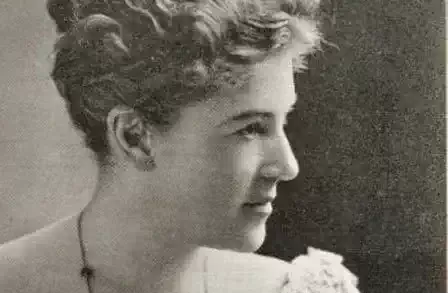
Ella Wheeler Wilcox
Desolation
Desolation
I think that the bitterest sorrow or pain
Of love unrequited, or cold death’s woe,
Is sweet, compared to that hour when we know
That some grand passion is on the wane.
When we see that the glory, and glow, and grace
Which lent a splendour to night and day,
Are surely fading, and showing grey
And dull groundwork of the commonplace.
When fond expressions on dull ears fall,
When the hands clasp calmly without one thrill,
When we cannot muster by force of will
The old emotions that came at call.
When the dream has vanished we fain would keep,
When the heart, like a watch, runs out of gear,
And all the savour goes out of the year,
Oh, then is the time – if we could – to weep!
But no tears soften this dull, pale woe;
We must sit and face it with dry, sad eyes.
If we seek to hold it, the swifter joy flies –
We can only be passive, and let it go.
I think that the bitterest sorrow or pain
Of love unrequited, or cold death’s woe,
Is sweet, compared to that hour when we know
That some grand passion is on the wane.
When we see that the glory, and glow, and grace
Which lent a splendour to night and day,
Are surely fading, and showing grey
And dull groundwork of the commonplace.
When fond expressions on dull ears fall,
When the hands clasp calmly without one thrill,
When we cannot muster by force of will
The old emotions that came at call.
When the dream has vanished we fain would keep,
When the heart, like a watch, runs out of gear,
And all the savour goes out of the year,
Oh, then is the time – if we could – to weep!
But no tears soften this dull, pale woe;
We must sit and face it with dry, sad eyes.
If we seek to hold it, the swifter joy flies –
We can only be passive, and let it go.
482
Ella Wheeler Wilcox
Desolation
Desolation
I think that the bitterest sorrow or pain
Of love unrequited, or cold death’s woe,
Is sweet, compared to that hour when we know
That some grand passion is on the wane.
When we see that the glory, and glow, and grace
Which lent a splendour to night and day,
Are surely fading, and showing grey
And dull groundwork of the commonplace.
When fond expressions on dull ears fall,
When the hands clasp calmly without one thrill,
When we cannot muster by force of will
The old emotions that came at call.
When the dream has vanished we fain would keep,
When the heart, like a watch, runs out of gear,
And all the savour goes out of the year,
Oh, then is the time – if we could – to weep!
But no tears soften this dull, pale woe;
We must sit and face it with dry, sad eyes.
If we seek to hold it, the swifter joy flies –
We can only be passive, and let it go.
I think that the bitterest sorrow or pain
Of love unrequited, or cold death’s woe,
Is sweet, compared to that hour when we know
That some grand passion is on the wane.
When we see that the glory, and glow, and grace
Which lent a splendour to night and day,
Are surely fading, and showing grey
And dull groundwork of the commonplace.
When fond expressions on dull ears fall,
When the hands clasp calmly without one thrill,
When we cannot muster by force of will
The old emotions that came at call.
When the dream has vanished we fain would keep,
When the heart, like a watch, runs out of gear,
And all the savour goes out of the year,
Oh, then is the time – if we could – to weep!
But no tears soften this dull, pale woe;
We must sit and face it with dry, sad eyes.
If we seek to hold it, the swifter joy flies –
We can only be passive, and let it go.
482
Ella Wheeler Wilcox
Dell And I
Dell And I
In a mansion grand, just over the way,
Lives bonny, beautiful Dell;
You may have heard of this lady gay,
For she is a famous belle.
I live in a low cot opposite,
You never have heard of me;
For when the lady moon shines bright,
Who would a pale star see?
But ah, well, ah, well! I am happier far than Dell,
As strange as that may be.
Dell has robes of the richest kind-
Pinks and purples and blues.
And she worries her maid and frets her mind
To know which one to choose.
Which shall it be now, silk or lace?
In which will I be most fair?
She stands by the mirror with anxious face,
And her maid looks on in despair.
Ah, well, ah, well! I am not worried, you see, like Dell,
For I have but
one
to wear.
Dell has lovers of every grade,
Of every age and style;
Suitors flutter about the maid,
And bask in her word and smile.
She keeps them all, with a coquette's art,
As suits her mood or mirth,
And vainly wonders if in one heart
Of all true love has birth.
Ah, well, ah, well! I never question myself like Dell,
For I
know
a true heart's worth.
Pleasure to Dell seems stale and old,
Often she sits and sighs;
Life to me is a tale untold,
Each day is a glad surprise.
Dell with marry, of course, some day
After her belleship is run;
She will cavil the matter in worldly way
And wed Dame Fortune's son.
But, ah, well, sweet to tell, I shall not dally and choose like Dell,
For I love and am loved byone
.
In a mansion grand, just over the way,
Lives bonny, beautiful Dell;
You may have heard of this lady gay,
For she is a famous belle.
I live in a low cot opposite,
You never have heard of me;
For when the lady moon shines bright,
Who would a pale star see?
But ah, well, ah, well! I am happier far than Dell,
As strange as that may be.
Dell has robes of the richest kind-
Pinks and purples and blues.
And she worries her maid and frets her mind
To know which one to choose.
Which shall it be now, silk or lace?
In which will I be most fair?
She stands by the mirror with anxious face,
And her maid looks on in despair.
Ah, well, ah, well! I am not worried, you see, like Dell,
For I have but
one
to wear.
Dell has lovers of every grade,
Of every age and style;
Suitors flutter about the maid,
And bask in her word and smile.
She keeps them all, with a coquette's art,
As suits her mood or mirth,
And vainly wonders if in one heart
Of all true love has birth.
Ah, well, ah, well! I never question myself like Dell,
For I
know
a true heart's worth.
Pleasure to Dell seems stale and old,
Often she sits and sighs;
Life to me is a tale untold,
Each day is a glad surprise.
Dell with marry, of course, some day
After her belleship is run;
She will cavil the matter in worldly way
And wed Dame Fortune's son.
But, ah, well, sweet to tell, I shall not dally and choose like Dell,
For I love and am loved byone
.
431
Ella Wheeler Wilcox
Dell And I
Dell And I
In a mansion grand, just over the way,
Lives bonny, beautiful Dell;
You may have heard of this lady gay,
For she is a famous belle.
I live in a low cot opposite,
You never have heard of me;
For when the lady moon shines bright,
Who would a pale star see?
But ah, well, ah, well! I am happier far than Dell,
As strange as that may be.
Dell has robes of the richest kind-
Pinks and purples and blues.
And she worries her maid and frets her mind
To know which one to choose.
Which shall it be now, silk or lace?
In which will I be most fair?
She stands by the mirror with anxious face,
And her maid looks on in despair.
Ah, well, ah, well! I am not worried, you see, like Dell,
For I have but
one
to wear.
Dell has lovers of every grade,
Of every age and style;
Suitors flutter about the maid,
And bask in her word and smile.
She keeps them all, with a coquette's art,
As suits her mood or mirth,
And vainly wonders if in one heart
Of all true love has birth.
Ah, well, ah, well! I never question myself like Dell,
For I
know
a true heart's worth.
Pleasure to Dell seems stale and old,
Often she sits and sighs;
Life to me is a tale untold,
Each day is a glad surprise.
Dell with marry, of course, some day
After her belleship is run;
She will cavil the matter in worldly way
And wed Dame Fortune's son.
But, ah, well, sweet to tell, I shall not dally and choose like Dell,
For I love and am loved byone
.
In a mansion grand, just over the way,
Lives bonny, beautiful Dell;
You may have heard of this lady gay,
For she is a famous belle.
I live in a low cot opposite,
You never have heard of me;
For when the lady moon shines bright,
Who would a pale star see?
But ah, well, ah, well! I am happier far than Dell,
As strange as that may be.
Dell has robes of the richest kind-
Pinks and purples and blues.
And she worries her maid and frets her mind
To know which one to choose.
Which shall it be now, silk or lace?
In which will I be most fair?
She stands by the mirror with anxious face,
And her maid looks on in despair.
Ah, well, ah, well! I am not worried, you see, like Dell,
For I have but
one
to wear.
Dell has lovers of every grade,
Of every age and style;
Suitors flutter about the maid,
And bask in her word and smile.
She keeps them all, with a coquette's art,
As suits her mood or mirth,
And vainly wonders if in one heart
Of all true love has birth.
Ah, well, ah, well! I never question myself like Dell,
For I
know
a true heart's worth.
Pleasure to Dell seems stale and old,
Often she sits and sighs;
Life to me is a tale untold,
Each day is a glad surprise.
Dell with marry, of course, some day
After her belleship is run;
She will cavil the matter in worldly way
And wed Dame Fortune's son.
But, ah, well, sweet to tell, I shall not dally and choose like Dell,
For I love and am loved byone
.
431
Ella Wheeler Wilcox
Death Of Labour
Death Of Labour
Methought a great wind swept across the earth,
And all the toilers perished. Then I saw
Pale terror blanch the rosy face of mirth,
And careless eyes grow full of fear and awe.
The sounds of pleasure ceased; the laughing song
On folly's lip changed to an angry cures:
A nameless horror seized the idle throng,
And death and ruin filled the universe.
Methought a great wind swept across the earth,
And all the toilers perished. Then I saw
Pale terror blanch the rosy face of mirth,
And careless eyes grow full of fear and awe.
The sounds of pleasure ceased; the laughing song
On folly's lip changed to an angry cures:
A nameless horror seized the idle throng,
And death and ruin filled the universe.
370
Ella Wheeler Wilcox
Curious Story
Curious Story
I heard such a curious story
Of Santa Claus. Once, so they say,
He set out to find what people were kind,
Before he took presents their way.
'This year I will give but to givers,
To those who make presents themselves.'
With a nod of his head, old Santa Claus said
To his band of bright officer elves:
'Go into the homes of the happy
Where Pleasure stands page at the door,
Watch well how they live, and report what they give
To the hordes of God's suffering poor.
Keep track of each cent and each moment,
Yea, tell me each word, too, they use,
To silver line clouds for earth's suffering crowds,
And tell me, too, when they refuse.'
So, into our homes flew the fairies,
Though never a soul of us knew,
And with pencil and book, they sat by us, and took
Each action, if false or if true.
White marks for the deeds done for others,
Black marks for the deeds done for self,
And nobody hid what he said or he did,
For no one, of course, sees an elf.
Well, Christmas came all in its season
And Santa Claus, so I am told,
With a very light pack of small gifts on his back
And his reindeers all left in the fold,
Set out on a leisurely journey,
And finished ere midnight, they say,
And there never had been such surprise and chagrin,
Before on the breaking of day
As there was on that bright Christmas morning
When stockings and cupboards and shelves
Were ransacked and sought in for gifts that were not in-
But wasn't it fun for the elves?
And what did I get? You confuse me-
I got not one thing, and that's true,
But had I suspected my actions detected
I would have had gifts-wouldn't you?
I heard such a curious story
Of Santa Claus. Once, so they say,
He set out to find what people were kind,
Before he took presents their way.
'This year I will give but to givers,
To those who make presents themselves.'
With a nod of his head, old Santa Claus said
To his band of bright officer elves:
'Go into the homes of the happy
Where Pleasure stands page at the door,
Watch well how they live, and report what they give
To the hordes of God's suffering poor.
Keep track of each cent and each moment,
Yea, tell me each word, too, they use,
To silver line clouds for earth's suffering crowds,
And tell me, too, when they refuse.'
So, into our homes flew the fairies,
Though never a soul of us knew,
And with pencil and book, they sat by us, and took
Each action, if false or if true.
White marks for the deeds done for others,
Black marks for the deeds done for self,
And nobody hid what he said or he did,
For no one, of course, sees an elf.
Well, Christmas came all in its season
And Santa Claus, so I am told,
With a very light pack of small gifts on his back
And his reindeers all left in the fold,
Set out on a leisurely journey,
And finished ere midnight, they say,
And there never had been such surprise and chagrin,
Before on the breaking of day
As there was on that bright Christmas morning
When stockings and cupboards and shelves
Were ransacked and sought in for gifts that were not in-
But wasn't it fun for the elves?
And what did I get? You confuse me-
I got not one thing, and that's true,
But had I suspected my actions detected
I would have had gifts-wouldn't you?
419
Ella Wheeler Wilcox
Courage
Courage
There is a courage, a majestic thing
That springs forth from the brow of pain, full-grown,
Minerva-like, and dares all dangers known,
And all the threatening future yet may bring;
Crowned with the helmet of great suffering;
Serene with that grand strength by martyrs shown,
When at the stake they die and make no moan,
And even as the flames leap up are heard to sing:
A courage so sublime and unafraid,
It wears its sorrows like a coat of mail;
And Fate, the archer, passes by dismayed,
Knowing his best barbed arrows needs must fail
To pierce a soul so armored and arrayed
That Death himself might look on it and quail.
There is a courage, a majestic thing
That springs forth from the brow of pain, full-grown,
Minerva-like, and dares all dangers known,
And all the threatening future yet may bring;
Crowned with the helmet of great suffering;
Serene with that grand strength by martyrs shown,
When at the stake they die and make no moan,
And even as the flames leap up are heard to sing:
A courage so sublime and unafraid,
It wears its sorrows like a coat of mail;
And Fate, the archer, passes by dismayed,
Knowing his best barbed arrows needs must fail
To pierce a soul so armored and arrayed
That Death himself might look on it and quail.
420
Ella Wheeler Wilcox
Courage
Courage
There is a courage, a majestic thing
That springs forth from the brow of pain, full-grown,
Minerva-like, and dares all dangers known,
And all the threatening future yet may bring;
Crowned with the helmet of great suffering;
Serene with that grand strength by martyrs shown,
When at the stake they die and make no moan,
And even as the flames leap up are heard to sing:
A courage so sublime and unafraid,
It wears its sorrows like a coat of mail;
And Fate, the archer, passes by dismayed,
Knowing his best barbed arrows needs must fail
To pierce a soul so armored and arrayed
That Death himself might look on it and quail.
There is a courage, a majestic thing
That springs forth from the brow of pain, full-grown,
Minerva-like, and dares all dangers known,
And all the threatening future yet may bring;
Crowned with the helmet of great suffering;
Serene with that grand strength by martyrs shown,
When at the stake they die and make no moan,
And even as the flames leap up are heard to sing:
A courage so sublime and unafraid,
It wears its sorrows like a coat of mail;
And Fate, the archer, passes by dismayed,
Knowing his best barbed arrows needs must fail
To pierce a soul so armored and arrayed
That Death himself might look on it and quail.
420
Ella Wheeler Wilcox
Conversion
Conversion
When this world's pleasures for my soul sufficed,
Ere my heart's plummet sounded depths of pain,
I call on Reason to control my brain,
And scoffed at that old story of Christ.
But when o'er burning wastes my feet had trod,
And all my life was desolate with loss,
With bleeding hands I clung about the cross,
And cried aloud, 'Man needs a suffering God! '
When this world's pleasures for my soul sufficed,
Ere my heart's plummet sounded depths of pain,
I call on Reason to control my brain,
And scoffed at that old story of Christ.
But when o'er burning wastes my feet had trod,
And all my life was desolate with loss,
With bleeding hands I clung about the cross,
And cried aloud, 'Man needs a suffering God! '
302
Ella Wheeler Wilcox
Conversion
Conversion
When this world's pleasures for my soul sufficed,
Ere my heart's plummet sounded depths of pain,
I call on Reason to control my brain,
And scoffed at that old story of Christ.
But when o'er burning wastes my feet had trod,
And all my life was desolate with loss,
With bleeding hands I clung about the cross,
And cried aloud, 'Man needs a suffering God! '
When this world's pleasures for my soul sufficed,
Ere my heart's plummet sounded depths of pain,
I call on Reason to control my brain,
And scoffed at that old story of Christ.
But when o'er burning wastes my feet had trod,
And all my life was desolate with loss,
With bleeding hands I clung about the cross,
And cried aloud, 'Man needs a suffering God! '
302
Ella Wheeler Wilcox
Contentment
Contentment
If any line that I ever penned,
Or any word I have spoken,
Has comforted heart of foe or friend In
any way, why my life, I'll say,
Has reaped the reward of labour,
If aught I have said, or written, has made
Gladder the heart o' my neighbour.
If any deed that I ever did
Lightened a sad heart's sorrow,
If I have lifted a drooping lid
Up to the bright to-morrow,
Though the world knows not, nor gives me a thought,
Nor ever can know, nor praise me,
Yet still I shall say, to my heart alway,
That my life and labour repay me.
If in any way I have helped a soul,
Or given a spirit pleasure,
Then my cup of joy, I shall think is full
With an overflowing measure.
Though never an eye, but the one on high
Looks on my kindly action,
Yet, O my heart, we shall think of our part
In the drama, with satisfaction.
If any line that I ever penned,
Or any word I have spoken,
Has comforted heart of foe or friend In
any way, why my life, I'll say,
Has reaped the reward of labour,
If aught I have said, or written, has made
Gladder the heart o' my neighbour.
If any deed that I ever did
Lightened a sad heart's sorrow,
If I have lifted a drooping lid
Up to the bright to-morrow,
Though the world knows not, nor gives me a thought,
Nor ever can know, nor praise me,
Yet still I shall say, to my heart alway,
That my life and labour repay me.
If in any way I have helped a soul,
Or given a spirit pleasure,
Then my cup of joy, I shall think is full
With an overflowing measure.
Though never an eye, but the one on high
Looks on my kindly action,
Yet, O my heart, we shall think of our part
In the drama, with satisfaction.
445
Ella Wheeler Wilcox
Contentment
Contentment
If any line that I ever penned,
Or any word I have spoken,
Has comforted heart of foe or friend In
any way, why my life, I'll say,
Has reaped the reward of labour,
If aught I have said, or written, has made
Gladder the heart o' my neighbour.
If any deed that I ever did
Lightened a sad heart's sorrow,
If I have lifted a drooping lid
Up to the bright to-morrow,
Though the world knows not, nor gives me a thought,
Nor ever can know, nor praise me,
Yet still I shall say, to my heart alway,
That my life and labour repay me.
If in any way I have helped a soul,
Or given a spirit pleasure,
Then my cup of joy, I shall think is full
With an overflowing measure.
Though never an eye, but the one on high
Looks on my kindly action,
Yet, O my heart, we shall think of our part
In the drama, with satisfaction.
If any line that I ever penned,
Or any word I have spoken,
Has comforted heart of foe or friend In
any way, why my life, I'll say,
Has reaped the reward of labour,
If aught I have said, or written, has made
Gladder the heart o' my neighbour.
If any deed that I ever did
Lightened a sad heart's sorrow,
If I have lifted a drooping lid
Up to the bright to-morrow,
Though the world knows not, nor gives me a thought,
Nor ever can know, nor praise me,
Yet still I shall say, to my heart alway,
That my life and labour repay me.
If in any way I have helped a soul,
Or given a spirit pleasure,
Then my cup of joy, I shall think is full
With an overflowing measure.
Though never an eye, but the one on high
Looks on my kindly action,
Yet, O my heart, we shall think of our part
In the drama, with satisfaction.
445
Ella Wheeler Wilcox
Clara Morris (Written for a Benefit Given Mrs. Morris)
Clara Morris (Written for a Benefit Given Mrs. Morris)
The Radiant Ruler of Mystic Regions
Where souls of artists are fitted for birth,
Gathered together their lovely legions
And fashioned a woman to shine on earth.
They bathed her in splendor
They made her tender:
They gave her a nature both sweet and wild.
They gave her emotions
Like storm stirred oceans,
And they gave her the heart of a little child.
These Radiant Rulers (who are not human
Nor yet divine like the gods above)
Poured all their gifts in the soul of a woman
That fragile vessel meant only for love.
Still more they taught her,
Still more they brought her-
Till they gave her the world for a harp one day,
And they bade her string it-
They bade her ring it,
While the stars all wondered to hear her play.
She touched the strings in a master fashion,
She uttered the cry of a world's despair.
Its long-hid secret, its pent-up passion,
She gave to the winds in a vibrant air.
For ah! the heart of her,
That was the art of her,
Great with the feeling that makes men kin.
Art unapproachable,
Art all uncoachable,
Fragrance and flame from the spirit within.
The earth turns ever an ear unheeding
To the sorrows of art, as it cries for more:
And she played on the harp till her hands were bleeding
And her brow was bruised by the laurels she wore.
She knew the trend of it,
She knew the end of it.
Men heard the music and men felt the thrill.
Bound to the altar
Of art, could she falter?
Then came a silence-the music was still.
And yet in the echoes we seem to hear it
In waves unbroken it circles the earth:
And we catch in the light of her dauntless spirit
A gleam from the center that gave her birth.
Still is the fame of her
Felt in the name of her.
But low lies the harp that once thrilled to her strain.
No hand has taken it,
No hand can waken it-
For the soul of her art was her secret of pain.
The Radiant Ruler of Mystic Regions
Where souls of artists are fitted for birth,
Gathered together their lovely legions
And fashioned a woman to shine on earth.
They bathed her in splendor
They made her tender:
They gave her a nature both sweet and wild.
They gave her emotions
Like storm stirred oceans,
And they gave her the heart of a little child.
These Radiant Rulers (who are not human
Nor yet divine like the gods above)
Poured all their gifts in the soul of a woman
That fragile vessel meant only for love.
Still more they taught her,
Still more they brought her-
Till they gave her the world for a harp one day,
And they bade her string it-
They bade her ring it,
While the stars all wondered to hear her play.
She touched the strings in a master fashion,
She uttered the cry of a world's despair.
Its long-hid secret, its pent-up passion,
She gave to the winds in a vibrant air.
For ah! the heart of her,
That was the art of her,
Great with the feeling that makes men kin.
Art unapproachable,
Art all uncoachable,
Fragrance and flame from the spirit within.
The earth turns ever an ear unheeding
To the sorrows of art, as it cries for more:
And she played on the harp till her hands were bleeding
And her brow was bruised by the laurels she wore.
She knew the trend of it,
She knew the end of it.
Men heard the music and men felt the thrill.
Bound to the altar
Of art, could she falter?
Then came a silence-the music was still.
And yet in the echoes we seem to hear it
In waves unbroken it circles the earth:
And we catch in the light of her dauntless spirit
A gleam from the center that gave her birth.
Still is the fame of her
Felt in the name of her.
But low lies the harp that once thrilled to her strain.
No hand has taken it,
No hand can waken it-
For the soul of her art was her secret of pain.
443
Ella Wheeler Wilcox
Clara Morris (Written for a Benefit Given Mrs. Morris)
Clara Morris (Written for a Benefit Given Mrs. Morris)
The Radiant Ruler of Mystic Regions
Where souls of artists are fitted for birth,
Gathered together their lovely legions
And fashioned a woman to shine on earth.
They bathed her in splendor
They made her tender:
They gave her a nature both sweet and wild.
They gave her emotions
Like storm stirred oceans,
And they gave her the heart of a little child.
These Radiant Rulers (who are not human
Nor yet divine like the gods above)
Poured all their gifts in the soul of a woman
That fragile vessel meant only for love.
Still more they taught her,
Still more they brought her-
Till they gave her the world for a harp one day,
And they bade her string it-
They bade her ring it,
While the stars all wondered to hear her play.
She touched the strings in a master fashion,
She uttered the cry of a world's despair.
Its long-hid secret, its pent-up passion,
She gave to the winds in a vibrant air.
For ah! the heart of her,
That was the art of her,
Great with the feeling that makes men kin.
Art unapproachable,
Art all uncoachable,
Fragrance and flame from the spirit within.
The earth turns ever an ear unheeding
To the sorrows of art, as it cries for more:
And she played on the harp till her hands were bleeding
And her brow was bruised by the laurels she wore.
She knew the trend of it,
She knew the end of it.
Men heard the music and men felt the thrill.
Bound to the altar
Of art, could she falter?
Then came a silence-the music was still.
And yet in the echoes we seem to hear it
In waves unbroken it circles the earth:
And we catch in the light of her dauntless spirit
A gleam from the center that gave her birth.
Still is the fame of her
Felt in the name of her.
But low lies the harp that once thrilled to her strain.
No hand has taken it,
No hand can waken it-
For the soul of her art was her secret of pain.
The Radiant Ruler of Mystic Regions
Where souls of artists are fitted for birth,
Gathered together their lovely legions
And fashioned a woman to shine on earth.
They bathed her in splendor
They made her tender:
They gave her a nature both sweet and wild.
They gave her emotions
Like storm stirred oceans,
And they gave her the heart of a little child.
These Radiant Rulers (who are not human
Nor yet divine like the gods above)
Poured all their gifts in the soul of a woman
That fragile vessel meant only for love.
Still more they taught her,
Still more they brought her-
Till they gave her the world for a harp one day,
And they bade her string it-
They bade her ring it,
While the stars all wondered to hear her play.
She touched the strings in a master fashion,
She uttered the cry of a world's despair.
Its long-hid secret, its pent-up passion,
She gave to the winds in a vibrant air.
For ah! the heart of her,
That was the art of her,
Great with the feeling that makes men kin.
Art unapproachable,
Art all uncoachable,
Fragrance and flame from the spirit within.
The earth turns ever an ear unheeding
To the sorrows of art, as it cries for more:
And she played on the harp till her hands were bleeding
And her brow was bruised by the laurels she wore.
She knew the trend of it,
She knew the end of it.
Men heard the music and men felt the thrill.
Bound to the altar
Of art, could she falter?
Then came a silence-the music was still.
And yet in the echoes we seem to hear it
In waves unbroken it circles the earth:
And we catch in the light of her dauntless spirit
A gleam from the center that gave her birth.
Still is the fame of her
Felt in the name of her.
But low lies the harp that once thrilled to her strain.
No hand has taken it,
No hand can waken it-
For the soul of her art was her secret of pain.
443
Ella Wheeler Wilcox
Come Back Clean
Come Back Clean
This is the song for a soldier
To sing as he rides from home
To the fields afar where the battles are
Or over the ocean's foam:
'Whatever the dangers waiting
In the lands I have not seen,
If I do not fall-if I come back at all,
Then I will come back clean.
'I may lie in the mud of the trenches,
I may reek with blood and mire,
But I will control, by the God in my soul,
The might of my man's desire.
I will fight my foe in the open,
But my sword shall be sharp and keen
For the foe within who would lure me to sin,
And I will come back clean.
'I may not leave for my children
Brave medals that I have worn,
But the blood in my veins shall leave no stains
On bride or on babes unborn;
And the scars that my body may carry
Shall not be from deeds obscene,
For my will shall say to the beast,
Obey
!
And I will come back clean.
'Oh, not on the fields of slaughter
And not in the prison-cell,
Or in hunger and cold is the story told
By war, of its darkest hell.
But the old, old sin of the senses
Can tell what that word may mean
To the soldiers' wives and to innocent lives,
And I will come back clean.'
This is the song for a soldier
To sing as he rides from home
To the fields afar where the battles are
Or over the ocean's foam:
'Whatever the dangers waiting
In the lands I have not seen,
If I do not fall-if I come back at all,
Then I will come back clean.
'I may lie in the mud of the trenches,
I may reek with blood and mire,
But I will control, by the God in my soul,
The might of my man's desire.
I will fight my foe in the open,
But my sword shall be sharp and keen
For the foe within who would lure me to sin,
And I will come back clean.
'I may not leave for my children
Brave medals that I have worn,
But the blood in my veins shall leave no stains
On bride or on babes unborn;
And the scars that my body may carry
Shall not be from deeds obscene,
For my will shall say to the beast,
Obey
!
And I will come back clean.
'Oh, not on the fields of slaughter
And not in the prison-cell,
Or in hunger and cold is the story told
By war, of its darkest hell.
But the old, old sin of the senses
Can tell what that word may mean
To the soldiers' wives and to innocent lives,
And I will come back clean.'
425
Ella Wheeler Wilcox
Christ Crucified
Christ Crucified
Now ere I slept, my prayer had been that I might see my way
To do the will of Christ, our Lord and Master, day by day;
And with this prayer upon my lips, I knew not that I dreamed,
But suddenly the world of night a pandemonium seemed.
From forest, and from slaughter house, from bull ring, and from stall,
There rose an anguished cry of pain, a loud, appealing call;
As man – the dumb beast’s next of kin – with gun, and whip, and knife,
Went pleasure-seeking through the earth, blood-bent on taking life.
From trap, and cage, and house, and zoo, and street, that awful strain
Of tortured creatures rose and swelled the orchestra of pain.
And then methought the gentle Christ appeared to me and spoke:
‘I called you, but ye answered not’ – and in my fear I woke.
Then next I heard the roar of mills; and moving through the noise,
Like phantoms in an underworld, were little girls and boys.
Their backs were bent, their brows were pale, their eyes were sad and old;
But by the labour of their hands greed added gold to gold.
Again the Presence and the Voice: ‘Behold the crimes I see,
As ye have done it unto these, so have ye done to me.’
Again I slept. I seemed to climb a hard, ascending track;
And just behind me laboured one whose patient face was black.
I pitied him; but hour by hour he gained upon the path;
He stood beside me, stood upright – and then I turned in wrath.
‘Go back! ’ I cried. ‘What right have you to walk beside me here?
For you are black, and I am white.’ I paused struck dumb with fear.
For lo! the black man was not there, but Christ stood in his place;
And oh! the pain, the pain, the pain that looked from his dear face.
Now when I woke, the air was rife with that sweet, rhythmic din
Which tells the world that Christ has come to save mankind from sin.
And through the open door of church and temple passed a throng,
To worship Him, with bended knee with sermon, and with song.
But over all I heard the cry of hunted, mangled things;
Those creatures which are part of God, though they have hoofs and wings.
I saw the mill, the mine, and shop, the little slaves of greed;
I heard the strife of race with race, all sprung from one God-seed.
And then I bowed my head in shame, and in contrition cried –
‘Lo, after nineteen hundred years, Christ still is crucified.’
Now ere I slept, my prayer had been that I might see my way
To do the will of Christ, our Lord and Master, day by day;
And with this prayer upon my lips, I knew not that I dreamed,
But suddenly the world of night a pandemonium seemed.
From forest, and from slaughter house, from bull ring, and from stall,
There rose an anguished cry of pain, a loud, appealing call;
As man – the dumb beast’s next of kin – with gun, and whip, and knife,
Went pleasure-seeking through the earth, blood-bent on taking life.
From trap, and cage, and house, and zoo, and street, that awful strain
Of tortured creatures rose and swelled the orchestra of pain.
And then methought the gentle Christ appeared to me and spoke:
‘I called you, but ye answered not’ – and in my fear I woke.
Then next I heard the roar of mills; and moving through the noise,
Like phantoms in an underworld, were little girls and boys.
Their backs were bent, their brows were pale, their eyes were sad and old;
But by the labour of their hands greed added gold to gold.
Again the Presence and the Voice: ‘Behold the crimes I see,
As ye have done it unto these, so have ye done to me.’
Again I slept. I seemed to climb a hard, ascending track;
And just behind me laboured one whose patient face was black.
I pitied him; but hour by hour he gained upon the path;
He stood beside me, stood upright – and then I turned in wrath.
‘Go back! ’ I cried. ‘What right have you to walk beside me here?
For you are black, and I am white.’ I paused struck dumb with fear.
For lo! the black man was not there, but Christ stood in his place;
And oh! the pain, the pain, the pain that looked from his dear face.
Now when I woke, the air was rife with that sweet, rhythmic din
Which tells the world that Christ has come to save mankind from sin.
And through the open door of church and temple passed a throng,
To worship Him, with bended knee with sermon, and with song.
But over all I heard the cry of hunted, mangled things;
Those creatures which are part of God, though they have hoofs and wings.
I saw the mill, the mine, and shop, the little slaves of greed;
I heard the strife of race with race, all sprung from one God-seed.
And then I bowed my head in shame, and in contrition cried –
‘Lo, after nineteen hundred years, Christ still is crucified.’
479
Ella Wheeler Wilcox
Christ Crucified
Christ Crucified
Now ere I slept, my prayer had been that I might see my way
To do the will of Christ, our Lord and Master, day by day;
And with this prayer upon my lips, I knew not that I dreamed,
But suddenly the world of night a pandemonium seemed.
From forest, and from slaughter house, from bull ring, and from stall,
There rose an anguished cry of pain, a loud, appealing call;
As man – the dumb beast’s next of kin – with gun, and whip, and knife,
Went pleasure-seeking through the earth, blood-bent on taking life.
From trap, and cage, and house, and zoo, and street, that awful strain
Of tortured creatures rose and swelled the orchestra of pain.
And then methought the gentle Christ appeared to me and spoke:
‘I called you, but ye answered not’ – and in my fear I woke.
Then next I heard the roar of mills; and moving through the noise,
Like phantoms in an underworld, were little girls and boys.
Their backs were bent, their brows were pale, their eyes were sad and old;
But by the labour of their hands greed added gold to gold.
Again the Presence and the Voice: ‘Behold the crimes I see,
As ye have done it unto these, so have ye done to me.’
Again I slept. I seemed to climb a hard, ascending track;
And just behind me laboured one whose patient face was black.
I pitied him; but hour by hour he gained upon the path;
He stood beside me, stood upright – and then I turned in wrath.
‘Go back! ’ I cried. ‘What right have you to walk beside me here?
For you are black, and I am white.’ I paused struck dumb with fear.
For lo! the black man was not there, but Christ stood in his place;
And oh! the pain, the pain, the pain that looked from his dear face.
Now when I woke, the air was rife with that sweet, rhythmic din
Which tells the world that Christ has come to save mankind from sin.
And through the open door of church and temple passed a throng,
To worship Him, with bended knee with sermon, and with song.
But over all I heard the cry of hunted, mangled things;
Those creatures which are part of God, though they have hoofs and wings.
I saw the mill, the mine, and shop, the little slaves of greed;
I heard the strife of race with race, all sprung from one God-seed.
And then I bowed my head in shame, and in contrition cried –
‘Lo, after nineteen hundred years, Christ still is crucified.’
Now ere I slept, my prayer had been that I might see my way
To do the will of Christ, our Lord and Master, day by day;
And with this prayer upon my lips, I knew not that I dreamed,
But suddenly the world of night a pandemonium seemed.
From forest, and from slaughter house, from bull ring, and from stall,
There rose an anguished cry of pain, a loud, appealing call;
As man – the dumb beast’s next of kin – with gun, and whip, and knife,
Went pleasure-seeking through the earth, blood-bent on taking life.
From trap, and cage, and house, and zoo, and street, that awful strain
Of tortured creatures rose and swelled the orchestra of pain.
And then methought the gentle Christ appeared to me and spoke:
‘I called you, but ye answered not’ – and in my fear I woke.
Then next I heard the roar of mills; and moving through the noise,
Like phantoms in an underworld, were little girls and boys.
Their backs were bent, their brows were pale, their eyes were sad and old;
But by the labour of their hands greed added gold to gold.
Again the Presence and the Voice: ‘Behold the crimes I see,
As ye have done it unto these, so have ye done to me.’
Again I slept. I seemed to climb a hard, ascending track;
And just behind me laboured one whose patient face was black.
I pitied him; but hour by hour he gained upon the path;
He stood beside me, stood upright – and then I turned in wrath.
‘Go back! ’ I cried. ‘What right have you to walk beside me here?
For you are black, and I am white.’ I paused struck dumb with fear.
For lo! the black man was not there, but Christ stood in his place;
And oh! the pain, the pain, the pain that looked from his dear face.
Now when I woke, the air was rife with that sweet, rhythmic din
Which tells the world that Christ has come to save mankind from sin.
And through the open door of church and temple passed a throng,
To worship Him, with bended knee with sermon, and with song.
But over all I heard the cry of hunted, mangled things;
Those creatures which are part of God, though they have hoofs and wings.
I saw the mill, the mine, and shop, the little slaves of greed;
I heard the strife of race with race, all sprung from one God-seed.
And then I bowed my head in shame, and in contrition cried –
‘Lo, after nineteen hundred years, Christ still is crucified.’
479
Ella Wheeler Wilcox
Canada
Canada
England, father and mother in one,
Look on your stalwart son.
Sturdy and strong, with the valour of youth,
Where is another so lusty?
Coated and mailed, with the armour of truth,
Where is another so trusty?
Flesh of your flesh, and bone of your bone,
He is yours alone.
England, father and mother in one,
See the wealth of your son.
Forests primeval, and virginal sod,
Wheat-fields golden and splendid:
Riches of nature and opulent God
For the use of his children intended.
A courage that dares, and a hope that endures,
And a soul all yours.
England, father and mother in one,
Hear the cry of your son.
Little cares he for the glories of earth
Lying around and above him,
Yearning is he for the rights of his birth,
And the heart of his mother to love him.
Vast are your gifts to him, ample his store,
Now open your door.
England, father and mother in one,
Heed the voice of your son.
Proffer him place in your councils of state:
Let him sit near, and attend you.
Ponder his words in the hour of debate,
Strong is his arm to defend you.
Flesh of your flesh, and bone of your bone,
Give him his own.
England, father and mother in one,
Look on your stalwart son.
Sturdy and strong, with the valour of youth,
Where is another so lusty?
Coated and mailed, with the armour of truth,
Where is another so trusty?
Flesh of your flesh, and bone of your bone,
He is yours alone.
England, father and mother in one,
See the wealth of your son.
Forests primeval, and virginal sod,
Wheat-fields golden and splendid:
Riches of nature and opulent God
For the use of his children intended.
A courage that dares, and a hope that endures,
And a soul all yours.
England, father and mother in one,
Hear the cry of your son.
Little cares he for the glories of earth
Lying around and above him,
Yearning is he for the rights of his birth,
And the heart of his mother to love him.
Vast are your gifts to him, ample his store,
Now open your door.
England, father and mother in one,
Heed the voice of your son.
Proffer him place in your councils of state:
Let him sit near, and attend you.
Ponder his words in the hour of debate,
Strong is his arm to defend you.
Flesh of your flesh, and bone of your bone,
Give him his own.
408
Ella Wheeler Wilcox
But One
But One
The year has but one June, dear friend;
The year has but one June;
And when that perfect month doth end,
The robin's song, though loud, though long,
Seems never quite in tune.
The rose, though still its blushing face
By bee and bird is seen,
May yet have lost that subtle grace—
That nameless spell the winds know
Which makes it garden's queen.
Life's perfect June, love's red, red rose,
Have burned and bloomed for me.
Though still youth's summer sunlight glows;
Though thou art kind, dear friend, I find
I have no heart for thee.
The year has but one June, dear friend;
The year has but one June;
And when that perfect month doth end,
The robin's song, though loud, though long,
Seems never quite in tune.
The rose, though still its blushing face
By bee and bird is seen,
May yet have lost that subtle grace—
That nameless spell the winds know
Which makes it garden's queen.
Life's perfect June, love's red, red rose,
Have burned and bloomed for me.
Though still youth's summer sunlight glows;
Though thou art kind, dear friend, I find
I have no heart for thee.
415
Ella Wheeler Wilcox
Bohemia
Bohemia
Bohemia, o'er thy unatlassed borders
How many cross, with half-reluctant feet,
And unformed fears of dangers and disorders,
To find delights, more wholesome and more sweet
Than ever yet were known to the "elite."
Herein can dwell no pretence and no seeming;
No stilted pride thrives in this atmosphere,
Which stimulates a tendency to dreaming.
The shores of the ideal world, from here,
Seem sometimes to be tangible and near.
We have no use for formal codes of fashion;
No "Etiquette f Courts" we emulate;
We know it needs sincerity and passion
To carry out the plans of God, or fate;
We do not strive to seem inanimate.
We call no time lost that we give to pleasure;
Life's hurrying river speeds to Death's great sea;
We cast out no vain plummet-line to measure
Imagined depths of that unknown To-Be,
But grasp the Now, and fill it full of glee.
All creeds have room here, and we all together
Devoutly worship at Art's sacred shrine;
But he who dwells once in thy golden weather,
Bohemia--sweet, lovely land of mine--
Can find no joy outside thy border-line.
Bohemia, o'er thy unatlassed borders
How many cross, with half-reluctant feet,
And unformed fears of dangers and disorders,
To find delights, more wholesome and more sweet
Than ever yet were known to the "elite."
Herein can dwell no pretence and no seeming;
No stilted pride thrives in this atmosphere,
Which stimulates a tendency to dreaming.
The shores of the ideal world, from here,
Seem sometimes to be tangible and near.
We have no use for formal codes of fashion;
No "Etiquette f Courts" we emulate;
We know it needs sincerity and passion
To carry out the plans of God, or fate;
We do not strive to seem inanimate.
We call no time lost that we give to pleasure;
Life's hurrying river speeds to Death's great sea;
We cast out no vain plummet-line to measure
Imagined depths of that unknown To-Be,
But grasp the Now, and fill it full of glee.
All creeds have room here, and we all together
Devoutly worship at Art's sacred shrine;
But he who dwells once in thy golden weather,
Bohemia--sweet, lovely land of mine--
Can find no joy outside thy border-line.
343
Ella Wheeler Wilcox
Beyond
Beyond
It seemeth such a little way to me
Across to that strange country – the Beyond;
And yet, not strange, for it has grown to be
The home of those whom I am so fond,
They make it seem familiar and most dear,
As journeying friends bring distant regions near.
So close it lies, that when my sight is clear
I think I almost see the gleaming strand.
I know I feel those who have gone from here
Come near enough sometimes, to touch my hand.
I often think, but for our veiled eyes,
We should find heaven right round about us lies.
I cannot make it seem a day to dread,
When from this dear earth I shall journey out
To that still dear country of the dead,
And join the lost ones, so long dreamed about.
I love this world, yet shall I love to go
And meet the friends who wait for me, I know.
I never stand above a bier and see
The seal of death set on some well-loved face
But that I think ‘One more to welcome me,
When I shall cross the intervening space
Between this land and that one “over there”;
One more to make the strange Beyond seem fair.’
And so for me there is no sting to death,
And so the grave has lost its victory.
It is but crossing – with a bated breath,
And white, set face – a little strip of sea,
To find the loved ones waiting on the shore,
More beautiful, more precious than before.
It seemeth such a little way to me
Across to that strange country – the Beyond;
And yet, not strange, for it has grown to be
The home of those whom I am so fond,
They make it seem familiar and most dear,
As journeying friends bring distant regions near.
So close it lies, that when my sight is clear
I think I almost see the gleaming strand.
I know I feel those who have gone from here
Come near enough sometimes, to touch my hand.
I often think, but for our veiled eyes,
We should find heaven right round about us lies.
I cannot make it seem a day to dread,
When from this dear earth I shall journey out
To that still dear country of the dead,
And join the lost ones, so long dreamed about.
I love this world, yet shall I love to go
And meet the friends who wait for me, I know.
I never stand above a bier and see
The seal of death set on some well-loved face
But that I think ‘One more to welcome me,
When I shall cross the intervening space
Between this land and that one “over there”;
One more to make the strange Beyond seem fair.’
And so for me there is no sting to death,
And so the grave has lost its victory.
It is but crossing – with a bated breath,
And white, set face – a little strip of sea,
To find the loved ones waiting on the shore,
More beautiful, more precious than before.
379
Ella Wheeler Wilcox
Beyond
Beyond
It seemeth such a little way to me
Across to that strange country – the Beyond;
And yet, not strange, for it has grown to be
The home of those whom I am so fond,
They make it seem familiar and most dear,
As journeying friends bring distant regions near.
So close it lies, that when my sight is clear
I think I almost see the gleaming strand.
I know I feel those who have gone from here
Come near enough sometimes, to touch my hand.
I often think, but for our veiled eyes,
We should find heaven right round about us lies.
I cannot make it seem a day to dread,
When from this dear earth I shall journey out
To that still dear country of the dead,
And join the lost ones, so long dreamed about.
I love this world, yet shall I love to go
And meet the friends who wait for me, I know.
I never stand above a bier and see
The seal of death set on some well-loved face
But that I think ‘One more to welcome me,
When I shall cross the intervening space
Between this land and that one “over there”;
One more to make the strange Beyond seem fair.’
And so for me there is no sting to death,
And so the grave has lost its victory.
It is but crossing – with a bated breath,
And white, set face – a little strip of sea,
To find the loved ones waiting on the shore,
More beautiful, more precious than before.
It seemeth such a little way to me
Across to that strange country – the Beyond;
And yet, not strange, for it has grown to be
The home of those whom I am so fond,
They make it seem familiar and most dear,
As journeying friends bring distant regions near.
So close it lies, that when my sight is clear
I think I almost see the gleaming strand.
I know I feel those who have gone from here
Come near enough sometimes, to touch my hand.
I often think, but for our veiled eyes,
We should find heaven right round about us lies.
I cannot make it seem a day to dread,
When from this dear earth I shall journey out
To that still dear country of the dead,
And join the lost ones, so long dreamed about.
I love this world, yet shall I love to go
And meet the friends who wait for me, I know.
I never stand above a bier and see
The seal of death set on some well-loved face
But that I think ‘One more to welcome me,
When I shall cross the intervening space
Between this land and that one “over there”;
One more to make the strange Beyond seem fair.’
And so for me there is no sting to death,
And so the grave has lost its victory.
It is but crossing – with a bated breath,
And white, set face – a little strip of sea,
To find the loved ones waiting on the shore,
More beautiful, more precious than before.
379
Ella Wheeler Wilcox
Begin The Day
Begin The Day
Begin each morning with a talk to God,
And ask for your divine inheritance
Of usefulness, contentment, and success.
Resign all fear, all doubt, and all despair.
The stars doubt not, and they are undismayed,
Though whirled through space for countless centuries,
And told not why or wherefore: and the sea
With everlasting ebb and flow obeys,
And leaves the purpose with the unseen Cause.
The star sheds its radiance on a million worlds,
The sea is prodigal with waves, and yet
No lustre from the star is lost, and not
One dropp missing from the ocean tides.
Oh! brother to the star and sea, know all
God’s opulence is held in trust for those
Who wait serenely and who work in faith.
Begin each morning with a talk to God,
And ask for your divine inheritance
Of usefulness, contentment, and success.
Resign all fear, all doubt, and all despair.
The stars doubt not, and they are undismayed,
Though whirled through space for countless centuries,
And told not why or wherefore: and the sea
With everlasting ebb and flow obeys,
And leaves the purpose with the unseen Cause.
The star sheds its radiance on a million worlds,
The sea is prodigal with waves, and yet
No lustre from the star is lost, and not
One dropp missing from the ocean tides.
Oh! brother to the star and sea, know all
God’s opulence is held in trust for those
Who wait serenely and who work in faith.
478
Ella Wheeler Wilcox
Begin The Day
Begin The Day
Begin each morning with a talk to God,
And ask for your divine inheritance
Of usefulness, contentment, and success.
Resign all fear, all doubt, and all despair.
The stars doubt not, and they are undismayed,
Though whirled through space for countless centuries,
And told not why or wherefore: and the sea
With everlasting ebb and flow obeys,
And leaves the purpose with the unseen Cause.
The star sheds its radiance on a million worlds,
The sea is prodigal with waves, and yet
No lustre from the star is lost, and not
One dropp missing from the ocean tides.
Oh! brother to the star and sea, know all
God’s opulence is held in trust for those
Who wait serenely and who work in faith.
Begin each morning with a talk to God,
And ask for your divine inheritance
Of usefulness, contentment, and success.
Resign all fear, all doubt, and all despair.
The stars doubt not, and they are undismayed,
Though whirled through space for countless centuries,
And told not why or wherefore: and the sea
With everlasting ebb and flow obeys,
And leaves the purpose with the unseen Cause.
The star sheds its radiance on a million worlds,
The sea is prodigal with waves, and yet
No lustre from the star is lost, and not
One dropp missing from the ocean tides.
Oh! brother to the star and sea, know all
God’s opulence is held in trust for those
Who wait serenely and who work in faith.
478