

Poems in this topic
Emotions and Feelings
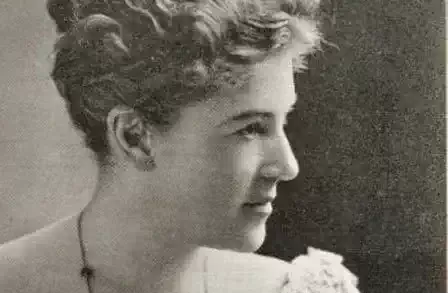
Ella Wheeler Wilcox
About May
About May
One night Nurse Sleep held out her hand
To tired little May.
'Come, go with me to Wonderland,'
She said, 'I know the way.
Just rock-a-by-hum-m-m,
And lo! we come
To the place where the dream-girls play.'
But naughty May, she wriggled away
From Sleep's soft arms, and said:
'I must stay awake till I eat my cake,
And then I will go to bed;
With a by-lo, away I will go.'
But the good nurse shook her head.
She shook her head and away she sped,
While May sat munching her crumb.
But after the cake there came an ache,
Though May cried: 'Come, Sleep, come,
And it's oh! my! let us by-lo-by'-
All save the echoes were dumb.
She ran after Sleep toward Wonderland,
Ran till the morning light;
And just as she caught her and grasped her hand,
A nightmare gave her a fright.
And it's by-lo, I hope she'll know
Better another night.
One night Nurse Sleep held out her hand
To tired little May.
'Come, go with me to Wonderland,'
She said, 'I know the way.
Just rock-a-by-hum-m-m,
And lo! we come
To the place where the dream-girls play.'
But naughty May, she wriggled away
From Sleep's soft arms, and said:
'I must stay awake till I eat my cake,
And then I will go to bed;
With a by-lo, away I will go.'
But the good nurse shook her head.
She shook her head and away she sped,
While May sat munching her crumb.
But after the cake there came an ache,
Though May cried: 'Come, Sleep, come,
And it's oh! my! let us by-lo-by'-
All save the echoes were dumb.
She ran after Sleep toward Wonderland,
Ran till the morning light;
And just as she caught her and grasped her hand,
A nightmare gave her a fright.
And it's by-lo, I hope she'll know
Better another night.
395
Ella Wheeler Wilcox
About May
About May
One night Nurse Sleep held out her hand
To tired little May.
'Come, go with me to Wonderland,'
She said, 'I know the way.
Just rock-a-by-hum-m-m,
And lo! we come
To the place where the dream-girls play.'
But naughty May, she wriggled away
From Sleep's soft arms, and said:
'I must stay awake till I eat my cake,
And then I will go to bed;
With a by-lo, away I will go.'
But the good nurse shook her head.
She shook her head and away she sped,
While May sat munching her crumb.
But after the cake there came an ache,
Though May cried: 'Come, Sleep, come,
And it's oh! my! let us by-lo-by'-
All save the echoes were dumb.
She ran after Sleep toward Wonderland,
Ran till the morning light;
And just as she caught her and grasped her hand,
A nightmare gave her a fright.
And it's by-lo, I hope she'll know
Better another night.
One night Nurse Sleep held out her hand
To tired little May.
'Come, go with me to Wonderland,'
She said, 'I know the way.
Just rock-a-by-hum-m-m,
And lo! we come
To the place where the dream-girls play.'
But naughty May, she wriggled away
From Sleep's soft arms, and said:
'I must stay awake till I eat my cake,
And then I will go to bed;
With a by-lo, away I will go.'
But the good nurse shook her head.
She shook her head and away she sped,
While May sat munching her crumb.
But after the cake there came an ache,
Though May cried: 'Come, Sleep, come,
And it's oh! my! let us by-lo-by'-
All save the echoes were dumb.
She ran after Sleep toward Wonderland,
Ran till the morning light;
And just as she caught her and grasped her hand,
A nightmare gave her a fright.
And it's by-lo, I hope she'll know
Better another night.
395
Ella Wheeler Wilcox
A Woman's Love
A Woman's Love
So vast the tide of Love within me surging,
It overflows like some stupendous sea,
The confines of the Present and To-be;
And 'gainst the Past's high wall I feel it urging,
As it would cry "Thou too shalt yield to me!"
All other loves my supreme love embodies;
I would be she on whose soft bosom nursed
Thy clinging infant lips to quench their thirst;
She who trod close to hidden worlds where God is,
That she might have, and hold, and see thee first.
I would be she who stirred the vague fond fancies,
Of thy still childish heart; who through bright days
Went sporting with thee in the old-time plays,
And caught the sunlight of thy boyish glances
In half-forgotten and long-buried Mays.
Forth to the end, and back to the beginning,
My love would send its inundating tide,
Wherein all landmarks of thy past should hide.
If thy life's lesson must be learned through sinning,
My grieving virtue would become thy guide.
For I would share the burden of thy errors,
So when the sun of our brief life had set,
If thou didst walk in darkness and regret,
E'en in that shadowy world of nameless terrors,
My soul and thine should be companions yet.
And I would cross with thee those troubled oceans
Of dark remorse whose waters are despair:
All things my jealous reckless love would dare,
So that thou mightst not recollect emotions
In which it did not have a part and share.
There is no limit to my love's full measure,
Its spirit gold is shaped by earth's alloy;
I would be friend and mother, mate and toy,
I'd have thee look to me for every pleasure,
And in me find all memories of joy.
Yet though I love thee in such selfish fashion,
I would wait on thee, sitting at thy feet,
And serving thee, if thou didst deem it meet.
And couldst thou give me one fond hour of passion,
I'd take that hour and call my life complete.
So vast the tide of Love within me surging,
It overflows like some stupendous sea,
The confines of the Present and To-be;
And 'gainst the Past's high wall I feel it urging,
As it would cry "Thou too shalt yield to me!"
All other loves my supreme love embodies;
I would be she on whose soft bosom nursed
Thy clinging infant lips to quench their thirst;
She who trod close to hidden worlds where God is,
That she might have, and hold, and see thee first.
I would be she who stirred the vague fond fancies,
Of thy still childish heart; who through bright days
Went sporting with thee in the old-time plays,
And caught the sunlight of thy boyish glances
In half-forgotten and long-buried Mays.
Forth to the end, and back to the beginning,
My love would send its inundating tide,
Wherein all landmarks of thy past should hide.
If thy life's lesson must be learned through sinning,
My grieving virtue would become thy guide.
For I would share the burden of thy errors,
So when the sun of our brief life had set,
If thou didst walk in darkness and regret,
E'en in that shadowy world of nameless terrors,
My soul and thine should be companions yet.
And I would cross with thee those troubled oceans
Of dark remorse whose waters are despair:
All things my jealous reckless love would dare,
So that thou mightst not recollect emotions
In which it did not have a part and share.
There is no limit to my love's full measure,
Its spirit gold is shaped by earth's alloy;
I would be friend and mother, mate and toy,
I'd have thee look to me for every pleasure,
And in me find all memories of joy.
Yet though I love thee in such selfish fashion,
I would wait on thee, sitting at thy feet,
And serving thee, if thou didst deem it meet.
And couldst thou give me one fond hour of passion,
I'd take that hour and call my life complete.
377
Ella Wheeler Wilcox
A Waif
A Waif
My soul is like a poor caged bird to-night,
Beating its wings against the prison bars,
Longing to reach the outer world of light,
And, all untrammelled, soar among the stars.
Wild, mighty thoughts struggle within my soul
For utterance. Great waves of passion roll
Through all my being. As the lightnings play
Through thunder clouds, so beams of blinding light
Flash for a moment on my darkened brain -
Quick, sudden, glaring beams, that fade wawy
And leave me in a darker, deeper night.
Oh, poet sould! that struggle all in vain
To live in peace and harmony with earth,
It cannot be! They must endure the pain
Of conscience and unacknoeledged worth,
Moving and dwelling with the common herd,
Whose highest thought has never strayed as far,
Or never strayed beyond the horizon's bar;
Whose narrow hearts and souls are never stirred
With keenest pleasures, or with sharpest pain;
Who rise and eat and sleep, and rise again,
Nor question why or wherefore. Men whose minds
Are never shaken by wild passion winds;
Women whose broadest, deepeat realm of thought
The bridal veil will cover.
Who see not
God's mighty work lying undone to-day, -
Work that a woman's hands can do as well,
Oh, soul of mine; better to live alway
In this tumultuous inward pain and strife,
Doing the work that in thy reach doth fall,
Weeping because thou canst not do it all;
Oh, better, my soul, in this unrest to dwell,
Than grovel as they grovel on through life.
My soul is like a poor caged bird to-night,
Beating its wings against the prison bars,
Longing to reach the outer world of light,
And, all untrammelled, soar among the stars.
Wild, mighty thoughts struggle within my soul
For utterance. Great waves of passion roll
Through all my being. As the lightnings play
Through thunder clouds, so beams of blinding light
Flash for a moment on my darkened brain -
Quick, sudden, glaring beams, that fade wawy
And leave me in a darker, deeper night.
Oh, poet sould! that struggle all in vain
To live in peace and harmony with earth,
It cannot be! They must endure the pain
Of conscience and unacknoeledged worth,
Moving and dwelling with the common herd,
Whose highest thought has never strayed as far,
Or never strayed beyond the horizon's bar;
Whose narrow hearts and souls are never stirred
With keenest pleasures, or with sharpest pain;
Who rise and eat and sleep, and rise again,
Nor question why or wherefore. Men whose minds
Are never shaken by wild passion winds;
Women whose broadest, deepeat realm of thought
The bridal veil will cover.
Who see not
God's mighty work lying undone to-day, -
Work that a woman's hands can do as well,
Oh, soul of mine; better to live alway
In this tumultuous inward pain and strife,
Doing the work that in thy reach doth fall,
Weeping because thou canst not do it all;
Oh, better, my soul, in this unrest to dwell,
Than grovel as they grovel on through life.
474
Ella Wheeler Wilcox
A Waif
A Waif
My soul is like a poor caged bird to-night,
Beating its wings against the prison bars,
Longing to reach the outer world of light,
And, all untrammelled, soar among the stars.
Wild, mighty thoughts struggle within my soul
For utterance. Great waves of passion roll
Through all my being. As the lightnings play
Through thunder clouds, so beams of blinding light
Flash for a moment on my darkened brain -
Quick, sudden, glaring beams, that fade wawy
And leave me in a darker, deeper night.
Oh, poet sould! that struggle all in vain
To live in peace and harmony with earth,
It cannot be! They must endure the pain
Of conscience and unacknoeledged worth,
Moving and dwelling with the common herd,
Whose highest thought has never strayed as far,
Or never strayed beyond the horizon's bar;
Whose narrow hearts and souls are never stirred
With keenest pleasures, or with sharpest pain;
Who rise and eat and sleep, and rise again,
Nor question why or wherefore. Men whose minds
Are never shaken by wild passion winds;
Women whose broadest, deepeat realm of thought
The bridal veil will cover.
Who see not
God's mighty work lying undone to-day, -
Work that a woman's hands can do as well,
Oh, soul of mine; better to live alway
In this tumultuous inward pain and strife,
Doing the work that in thy reach doth fall,
Weeping because thou canst not do it all;
Oh, better, my soul, in this unrest to dwell,
Than grovel as they grovel on through life.
My soul is like a poor caged bird to-night,
Beating its wings against the prison bars,
Longing to reach the outer world of light,
And, all untrammelled, soar among the stars.
Wild, mighty thoughts struggle within my soul
For utterance. Great waves of passion roll
Through all my being. As the lightnings play
Through thunder clouds, so beams of blinding light
Flash for a moment on my darkened brain -
Quick, sudden, glaring beams, that fade wawy
And leave me in a darker, deeper night.
Oh, poet sould! that struggle all in vain
To live in peace and harmony with earth,
It cannot be! They must endure the pain
Of conscience and unacknoeledged worth,
Moving and dwelling with the common herd,
Whose highest thought has never strayed as far,
Or never strayed beyond the horizon's bar;
Whose narrow hearts and souls are never stirred
With keenest pleasures, or with sharpest pain;
Who rise and eat and sleep, and rise again,
Nor question why or wherefore. Men whose minds
Are never shaken by wild passion winds;
Women whose broadest, deepeat realm of thought
The bridal veil will cover.
Who see not
God's mighty work lying undone to-day, -
Work that a woman's hands can do as well,
Oh, soul of mine; better to live alway
In this tumultuous inward pain and strife,
Doing the work that in thy reach doth fall,
Weeping because thou canst not do it all;
Oh, better, my soul, in this unrest to dwell,
Than grovel as they grovel on through life.
474
Ella Wheeler Wilcox
A Pin
A Pin
Oh, I know a certain lady who is reckoned with the good,
Yet she fills me with more terror than a raging lion would.
The little chills run up and down my spine whene’er we meet,
Though she seems a gentle creature, and she’s very trim and neat.
And she has a thousand virtues and not one acknowledged sin,
But she is the sort of person you could liken to a pin.
And she pricks you and she sticks you in a way that can’t be said.
If you seek for what has hurt you – why, you cannot find the head.
But she fills you with discomfort and exasperating pain.
If anybody asks you why, you really can’t explain!
A pin is such a tiny thing, of that there is no doubt,
Yet when it’s sticking in your flesh you’re wretched till it’s out.
She’s wonderfully observing – when she meets a pretty girl,
She is always sure to tell her if her hair is out of curl;
And she is so sympathetic to her friend who’s much admires,
She is often heard remarking, ‘Dear, you look so worn and tired.’
And she is an honest critic, for on yesterday she eyed
The new dress I was airing with a woman’s natural pride,
And she said, ‘Oh, how becoming! ’ and then gently added, ‘it
Is really a misfortune that the basque is such a fit.’
Then she said, ‘If you heard me yester eve, I’m sure, my friend,
You would say I was a champion who knows how to defend.’
And she left me with the feeling – most unpleasant, I aver –
That the whole world would despise me is it hadn’t been for her.
Whenever I encounter her, in such a nameless way
She gives me the impression I am at my worst that day.
And the hat that was imported (and cost me half a sonnet) ,
With just one glance from her round eyes becomes a Bowery bonnet.
She is always bright and smiling, sharp and pointed for a thrust;
Use does not seem to blunt her point, nor does she gather rust.
Oh! I wish some hapless specimen of mankind would begin
To tidy up the world for me, by picking up this pin!
Oh, I know a certain lady who is reckoned with the good,
Yet she fills me with more terror than a raging lion would.
The little chills run up and down my spine whene’er we meet,
Though she seems a gentle creature, and she’s very trim and neat.
And she has a thousand virtues and not one acknowledged sin,
But she is the sort of person you could liken to a pin.
And she pricks you and she sticks you in a way that can’t be said.
If you seek for what has hurt you – why, you cannot find the head.
But she fills you with discomfort and exasperating pain.
If anybody asks you why, you really can’t explain!
A pin is such a tiny thing, of that there is no doubt,
Yet when it’s sticking in your flesh you’re wretched till it’s out.
She’s wonderfully observing – when she meets a pretty girl,
She is always sure to tell her if her hair is out of curl;
And she is so sympathetic to her friend who’s much admires,
She is often heard remarking, ‘Dear, you look so worn and tired.’
And she is an honest critic, for on yesterday she eyed
The new dress I was airing with a woman’s natural pride,
And she said, ‘Oh, how becoming! ’ and then gently added, ‘it
Is really a misfortune that the basque is such a fit.’
Then she said, ‘If you heard me yester eve, I’m sure, my friend,
You would say I was a champion who knows how to defend.’
And she left me with the feeling – most unpleasant, I aver –
That the whole world would despise me is it hadn’t been for her.
Whenever I encounter her, in such a nameless way
She gives me the impression I am at my worst that day.
And the hat that was imported (and cost me half a sonnet) ,
With just one glance from her round eyes becomes a Bowery bonnet.
She is always bright and smiling, sharp and pointed for a thrust;
Use does not seem to blunt her point, nor does she gather rust.
Oh! I wish some hapless specimen of mankind would begin
To tidy up the world for me, by picking up this pin!
383
Ella Wheeler Wilcox
A Pin
A Pin
Oh, I know a certain lady who is reckoned with the good,
Yet she fills me with more terror than a raging lion would.
The little chills run up and down my spine whene’er we meet,
Though she seems a gentle creature, and she’s very trim and neat.
And she has a thousand virtues and not one acknowledged sin,
But she is the sort of person you could liken to a pin.
And she pricks you and she sticks you in a way that can’t be said.
If you seek for what has hurt you – why, you cannot find the head.
But she fills you with discomfort and exasperating pain.
If anybody asks you why, you really can’t explain!
A pin is such a tiny thing, of that there is no doubt,
Yet when it’s sticking in your flesh you’re wretched till it’s out.
She’s wonderfully observing – when she meets a pretty girl,
She is always sure to tell her if her hair is out of curl;
And she is so sympathetic to her friend who’s much admires,
She is often heard remarking, ‘Dear, you look so worn and tired.’
And she is an honest critic, for on yesterday she eyed
The new dress I was airing with a woman’s natural pride,
And she said, ‘Oh, how becoming! ’ and then gently added, ‘it
Is really a misfortune that the basque is such a fit.’
Then she said, ‘If you heard me yester eve, I’m sure, my friend,
You would say I was a champion who knows how to defend.’
And she left me with the feeling – most unpleasant, I aver –
That the whole world would despise me is it hadn’t been for her.
Whenever I encounter her, in such a nameless way
She gives me the impression I am at my worst that day.
And the hat that was imported (and cost me half a sonnet) ,
With just one glance from her round eyes becomes a Bowery bonnet.
She is always bright and smiling, sharp and pointed for a thrust;
Use does not seem to blunt her point, nor does she gather rust.
Oh! I wish some hapless specimen of mankind would begin
To tidy up the world for me, by picking up this pin!
Oh, I know a certain lady who is reckoned with the good,
Yet she fills me with more terror than a raging lion would.
The little chills run up and down my spine whene’er we meet,
Though she seems a gentle creature, and she’s very trim and neat.
And she has a thousand virtues and not one acknowledged sin,
But she is the sort of person you could liken to a pin.
And she pricks you and she sticks you in a way that can’t be said.
If you seek for what has hurt you – why, you cannot find the head.
But she fills you with discomfort and exasperating pain.
If anybody asks you why, you really can’t explain!
A pin is such a tiny thing, of that there is no doubt,
Yet when it’s sticking in your flesh you’re wretched till it’s out.
She’s wonderfully observing – when she meets a pretty girl,
She is always sure to tell her if her hair is out of curl;
And she is so sympathetic to her friend who’s much admires,
She is often heard remarking, ‘Dear, you look so worn and tired.’
And she is an honest critic, for on yesterday she eyed
The new dress I was airing with a woman’s natural pride,
And she said, ‘Oh, how becoming! ’ and then gently added, ‘it
Is really a misfortune that the basque is such a fit.’
Then she said, ‘If you heard me yester eve, I’m sure, my friend,
You would say I was a champion who knows how to defend.’
And she left me with the feeling – most unpleasant, I aver –
That the whole world would despise me is it hadn’t been for her.
Whenever I encounter her, in such a nameless way
She gives me the impression I am at my worst that day.
And the hat that was imported (and cost me half a sonnet) ,
With just one glance from her round eyes becomes a Bowery bonnet.
She is always bright and smiling, sharp and pointed for a thrust;
Use does not seem to blunt her point, nor does she gather rust.
Oh! I wish some hapless specimen of mankind would begin
To tidy up the world for me, by picking up this pin!
383
Ella Wheeler Wilcox
A Naughty Little Comet
A Naughty Little Comet
There was a little comet who lived near the Milky Way!
She loved to wander out at night and jump about and play.
The mother of the comet was a very good old star;
She used to scold her reckless child for venturing out too far.
She told her of the ogre, Sun, who loved on stars to sup,
And who asked no better pastime than in gobbling comets up.
But instead of growing cautious and of showing proper fear,
The foolish little comet edged up nearer, and more near.
She switched her saucy tail along right where the Sun could see,
And flirted with old Mars, and was as bold as bold could be.
She laughed to scorn the quiet stars who never frisked about;
She said there was no fun in life unless you ventured out.
She liked to make the planets stare, and wished no better mirth
Than just to see the telescopes aimed at her from the Earth.
She wondered how so many stars could mope through nights and days,
And let the sickly faced old Moon get all the love and praise.
And as she talked and tossed her head and switched her shining trail
The staid old mother star grew sad, her cheek grew wan and pale.
For she had lived there in the skies a million years or more,
And she had heard gay comets talk in just this way before.
And by and by there came an end to this gay comet's fun.
She went a tiny bit too far-and vanished in the Sun!
No more she swings her shining trail before the whole world's sight,
But quiet stars she laughed to scorn are twinkling every night.
There was a little comet who lived near the Milky Way!
She loved to wander out at night and jump about and play.
The mother of the comet was a very good old star;
She used to scold her reckless child for venturing out too far.
She told her of the ogre, Sun, who loved on stars to sup,
And who asked no better pastime than in gobbling comets up.
But instead of growing cautious and of showing proper fear,
The foolish little comet edged up nearer, and more near.
She switched her saucy tail along right where the Sun could see,
And flirted with old Mars, and was as bold as bold could be.
She laughed to scorn the quiet stars who never frisked about;
She said there was no fun in life unless you ventured out.
She liked to make the planets stare, and wished no better mirth
Than just to see the telescopes aimed at her from the Earth.
She wondered how so many stars could mope through nights and days,
And let the sickly faced old Moon get all the love and praise.
And as she talked and tossed her head and switched her shining trail
The staid old mother star grew sad, her cheek grew wan and pale.
For she had lived there in the skies a million years or more,
And she had heard gay comets talk in just this way before.
And by and by there came an end to this gay comet's fun.
She went a tiny bit too far-and vanished in the Sun!
No more she swings her shining trail before the whole world's sight,
But quiet stars she laughed to scorn are twinkling every night.
780
Ella Wheeler Wilcox
A Meeting
A Meeting
Quite carelessly I turned the newsy sheet;
A song I sang, full many a year ago,
Smiled up at me, as in a busy street
One meets an old-time friend he used to know.
So full it was, that simple little song,
Of all the hope, the transport, and the truth,
Which to the impetuous morn of life belong,
That once again I seemed to grasp my youth.
So full it was of that sweet, fancied pain
We woo and cherish ere we meet with woe,
I felt as one who hears a plaintive strain
His mother sang him in the long ago.
Up from the grave the years that lay between
That song's birthday and my stern present came
Like phantom forms and swept across the scene,
Bearing their broken dreams of love and fame.
Fair hopes and bright ambitions that I knew
In that old time, with their ideal grace,
Shone for a moment, then were lost to view
Behind the dull clouds of the commonplace.
With trembling hands I put the sheet away;
Ah, little song! the sad and bitter truth
Struck like an arrow when we met that day!
My life has missed the promise of its youth.
Quite carelessly I turned the newsy sheet;
A song I sang, full many a year ago,
Smiled up at me, as in a busy street
One meets an old-time friend he used to know.
So full it was, that simple little song,
Of all the hope, the transport, and the truth,
Which to the impetuous morn of life belong,
That once again I seemed to grasp my youth.
So full it was of that sweet, fancied pain
We woo and cherish ere we meet with woe,
I felt as one who hears a plaintive strain
His mother sang him in the long ago.
Up from the grave the years that lay between
That song's birthday and my stern present came
Like phantom forms and swept across the scene,
Bearing their broken dreams of love and fame.
Fair hopes and bright ambitions that I knew
In that old time, with their ideal grace,
Shone for a moment, then were lost to view
Behind the dull clouds of the commonplace.
With trembling hands I put the sheet away;
Ah, little song! the sad and bitter truth
Struck like an arrow when we met that day!
My life has missed the promise of its youth.
370
Ella Wheeler Wilcox
A Man's Repentance
A Man's Repentance
To-night when I came from the club at eleven,
Under the gaslight I saw a face-
A woman's face! and I swear to heaven
It looked like the ghastly ghost of-Grace!
And Grace? why, Grace was fair; and I tarried,
And loved her a season as we men do.
And then-but pshaw! why, of course, she is married,
Has a husband, and doubtless, a babe or two.
She was perfectly calm on the day we parted;
She spared me a scene, to my great surprise.
She wasn't the kind to be broken-hearted,
I remember she said, with a spark in her eyes.
I was tempted, I know, by her proud defiance,
To make good my promises there and then.
But the world would have called it a mésalliance!
I dreaded the comments and sneers of men.
So I left her to grieve for a faithless lover,
And to hide her heart from the cold world's sight
As women do hide them, the wide earth over;
My God! was it Grace that I saw to-night?
I thought of her married, and often with pity,
A poor man's wife in some dull place.
And now to know she is here in the city,
Under the gaslight, and with that face!
Yet I knew it at once, in spite of the daubing
Of paint and powder, and she knew me;
She drew a quick breath that was almost sobbing,
And shrank in the shade so I should not see.
There was hell in her eyes! She was worn and jaded;
Her soul is at war with the life she has led.
As I looked on that face so strangely faded,
I wonder God did not strike me dead.
While I have been happy and gay and jolly,
Received by the very best people in town,
That girl whom I led in the way to folly,
Has gone on recklessly down and down.
Two o'clock, and no sleep has found me.
That face I saw in the street-lamp's light
Peers everywhere out from the shadows around me-
I know how a murderer feels to-night!
To-night when I came from the club at eleven,
Under the gaslight I saw a face-
A woman's face! and I swear to heaven
It looked like the ghastly ghost of-Grace!
And Grace? why, Grace was fair; and I tarried,
And loved her a season as we men do.
And then-but pshaw! why, of course, she is married,
Has a husband, and doubtless, a babe or two.
She was perfectly calm on the day we parted;
She spared me a scene, to my great surprise.
She wasn't the kind to be broken-hearted,
I remember she said, with a spark in her eyes.
I was tempted, I know, by her proud defiance,
To make good my promises there and then.
But the world would have called it a mésalliance!
I dreaded the comments and sneers of men.
So I left her to grieve for a faithless lover,
And to hide her heart from the cold world's sight
As women do hide them, the wide earth over;
My God! was it Grace that I saw to-night?
I thought of her married, and often with pity,
A poor man's wife in some dull place.
And now to know she is here in the city,
Under the gaslight, and with that face!
Yet I knew it at once, in spite of the daubing
Of paint and powder, and she knew me;
She drew a quick breath that was almost sobbing,
And shrank in the shade so I should not see.
There was hell in her eyes! She was worn and jaded;
Her soul is at war with the life she has led.
As I looked on that face so strangely faded,
I wonder God did not strike me dead.
While I have been happy and gay and jolly,
Received by the very best people in town,
That girl whom I led in the way to folly,
Has gone on recklessly down and down.
Two o'clock, and no sleep has found me.
That face I saw in the street-lamp's light
Peers everywhere out from the shadows around me-
I know how a murderer feels to-night!
408
Ella Wheeler Wilcox
A Man's Repentance
A Man's Repentance
To-night when I came from the club at eleven,
Under the gaslight I saw a face-
A woman's face! and I swear to heaven
It looked like the ghastly ghost of-Grace!
And Grace? why, Grace was fair; and I tarried,
And loved her a season as we men do.
And then-but pshaw! why, of course, she is married,
Has a husband, and doubtless, a babe or two.
She was perfectly calm on the day we parted;
She spared me a scene, to my great surprise.
She wasn't the kind to be broken-hearted,
I remember she said, with a spark in her eyes.
I was tempted, I know, by her proud defiance,
To make good my promises there and then.
But the world would have called it a mésalliance!
I dreaded the comments and sneers of men.
So I left her to grieve for a faithless lover,
And to hide her heart from the cold world's sight
As women do hide them, the wide earth over;
My God! was it Grace that I saw to-night?
I thought of her married, and often with pity,
A poor man's wife in some dull place.
And now to know she is here in the city,
Under the gaslight, and with that face!
Yet I knew it at once, in spite of the daubing
Of paint and powder, and she knew me;
She drew a quick breath that was almost sobbing,
And shrank in the shade so I should not see.
There was hell in her eyes! She was worn and jaded;
Her soul is at war with the life she has led.
As I looked on that face so strangely faded,
I wonder God did not strike me dead.
While I have been happy and gay and jolly,
Received by the very best people in town,
That girl whom I led in the way to folly,
Has gone on recklessly down and down.
Two o'clock, and no sleep has found me.
That face I saw in the street-lamp's light
Peers everywhere out from the shadows around me-
I know how a murderer feels to-night!
To-night when I came from the club at eleven,
Under the gaslight I saw a face-
A woman's face! and I swear to heaven
It looked like the ghastly ghost of-Grace!
And Grace? why, Grace was fair; and I tarried,
And loved her a season as we men do.
And then-but pshaw! why, of course, she is married,
Has a husband, and doubtless, a babe or two.
She was perfectly calm on the day we parted;
She spared me a scene, to my great surprise.
She wasn't the kind to be broken-hearted,
I remember she said, with a spark in her eyes.
I was tempted, I know, by her proud defiance,
To make good my promises there and then.
But the world would have called it a mésalliance!
I dreaded the comments and sneers of men.
So I left her to grieve for a faithless lover,
And to hide her heart from the cold world's sight
As women do hide them, the wide earth over;
My God! was it Grace that I saw to-night?
I thought of her married, and often with pity,
A poor man's wife in some dull place.
And now to know she is here in the city,
Under the gaslight, and with that face!
Yet I knew it at once, in spite of the daubing
Of paint and powder, and she knew me;
She drew a quick breath that was almost sobbing,
And shrank in the shade so I should not see.
There was hell in her eyes! She was worn and jaded;
Her soul is at war with the life she has led.
As I looked on that face so strangely faded,
I wonder God did not strike me dead.
While I have been happy and gay and jolly,
Received by the very best people in town,
That girl whom I led in the way to folly,
Has gone on recklessly down and down.
Two o'clock, and no sleep has found me.
That face I saw in the street-lamp's light
Peers everywhere out from the shadows around me-
I know how a murderer feels to-night!
408
Ella Wheeler Wilcox
A Leaf
A Leaf
Somebody said, in the crowd, last eve,
That you were married, or soon to be.
I have not thought of you, I believe,
Since last we parted. Let me see:
Five long Summers have passed since then –
Each has been pleasant in its own way –
And you are but one of a dozen men
Who have played the suitor a Summer day.
But, nevertheless, when I heard your name,
Coupled with some one’s, not my own,
There burned in my bosom a sudden flame,
That carried me back to the day that is flown.
I was sitting again by the laughing brook,
With you at my feet, and the sky above,
And my heart was fluttering under your look –
The unmistakable look of Love.
Again your breath, like a South wind, fanned
My cheek, where the blushes came and went;
And the tender clasp of your strong, warm hand
Sudden thrills through my pulses sent.
Again you were mine by Love’s decree:
So for a moment it seemed last night,
When somebody mentioned your name to me.
Just for the moment I thought you mine –
Loving me, wooing me, as of old.
The tale remembered seemed half divine –
Though I held it lightly enough when told.
The past seemed fairer than when it was near,
As ‘blessings brighten when taking flight, ’
And just for the moment I held you near –
When somebody mentioned your name last night.
Somebody said, in the crowd, last eve,
That you were married, or soon to be.
I have not thought of you, I believe,
Since last we parted. Let me see:
Five long Summers have passed since then –
Each has been pleasant in its own way –
And you are but one of a dozen men
Who have played the suitor a Summer day.
But, nevertheless, when I heard your name,
Coupled with some one’s, not my own,
There burned in my bosom a sudden flame,
That carried me back to the day that is flown.
I was sitting again by the laughing brook,
With you at my feet, and the sky above,
And my heart was fluttering under your look –
The unmistakable look of Love.
Again your breath, like a South wind, fanned
My cheek, where the blushes came and went;
And the tender clasp of your strong, warm hand
Sudden thrills through my pulses sent.
Again you were mine by Love’s decree:
So for a moment it seemed last night,
When somebody mentioned your name to me.
Just for the moment I thought you mine –
Loving me, wooing me, as of old.
The tale remembered seemed half divine –
Though I held it lightly enough when told.
The past seemed fairer than when it was near,
As ‘blessings brighten when taking flight, ’
And just for the moment I held you near –
When somebody mentioned your name last night.
408
Ella Wheeler Wilcox
A Glass Of Wine
A Glass Of Wine
'What's in a glass of wine?'
There, set the glass where I can look within.
Now listen to me, friend, while I begin
And tell you what I see-
What I behold with my far-reaching eyes,
And what I know to be
Below the laughing bubbles that arise
Within this glass of wine.
There is a little spirit, night and day,
That cries one word, for ever and alway:
That single word is 'More!'
And whoso drinks a glass of wine, drinks him:
You fill the goblet full unto the brim,
And strive to silence him.
Glass after glass you drain to quench his thirst,
Each glass contains a spirit like the first;
And all their voices cry
Until they shriek and clamor, howl and rave,
And shout 'More!' noisily,
Till welcome death prepares the drunkard's grave,
And stills the imps that rave.
That see I in the wine:
And tears so many that I cannot guess;
And all these drops are labelled with 'Distress.'
I know you cannot see.
And at the bottom are the dregs of shame:
Oh! it is plain to me.
And there are woes too terrible to name:
Now drink your glass of wine.
'What's in a glass of wine?'
There, set the glass where I can look within.
Now listen to me, friend, while I begin
And tell you what I see-
What I behold with my far-reaching eyes,
And what I know to be
Below the laughing bubbles that arise
Within this glass of wine.
There is a little spirit, night and day,
That cries one word, for ever and alway:
That single word is 'More!'
And whoso drinks a glass of wine, drinks him:
You fill the goblet full unto the brim,
And strive to silence him.
Glass after glass you drain to quench his thirst,
Each glass contains a spirit like the first;
And all their voices cry
Until they shriek and clamor, howl and rave,
And shout 'More!' noisily,
Till welcome death prepares the drunkard's grave,
And stills the imps that rave.
That see I in the wine:
And tears so many that I cannot guess;
And all these drops are labelled with 'Distress.'
I know you cannot see.
And at the bottom are the dregs of shame:
Oh! it is plain to me.
And there are woes too terrible to name:
Now drink your glass of wine.
422
Ella Wheeler Wilcox
A Glass Of Wine
A Glass Of Wine
'What's in a glass of wine?'
There, set the glass where I can look within.
Now listen to me, friend, while I begin
And tell you what I see-
What I behold with my far-reaching eyes,
And what I know to be
Below the laughing bubbles that arise
Within this glass of wine.
There is a little spirit, night and day,
That cries one word, for ever and alway:
That single word is 'More!'
And whoso drinks a glass of wine, drinks him:
You fill the goblet full unto the brim,
And strive to silence him.
Glass after glass you drain to quench his thirst,
Each glass contains a spirit like the first;
And all their voices cry
Until they shriek and clamor, howl and rave,
And shout 'More!' noisily,
Till welcome death prepares the drunkard's grave,
And stills the imps that rave.
That see I in the wine:
And tears so many that I cannot guess;
And all these drops are labelled with 'Distress.'
I know you cannot see.
And at the bottom are the dregs of shame:
Oh! it is plain to me.
And there are woes too terrible to name:
Now drink your glass of wine.
'What's in a glass of wine?'
There, set the glass where I can look within.
Now listen to me, friend, while I begin
And tell you what I see-
What I behold with my far-reaching eyes,
And what I know to be
Below the laughing bubbles that arise
Within this glass of wine.
There is a little spirit, night and day,
That cries one word, for ever and alway:
That single word is 'More!'
And whoso drinks a glass of wine, drinks him:
You fill the goblet full unto the brim,
And strive to silence him.
Glass after glass you drain to quench his thirst,
Each glass contains a spirit like the first;
And all their voices cry
Until they shriek and clamor, howl and rave,
And shout 'More!' noisily,
Till welcome death prepares the drunkard's grave,
And stills the imps that rave.
That see I in the wine:
And tears so many that I cannot guess;
And all these drops are labelled with 'Distress.'
I know you cannot see.
And at the bottom are the dregs of shame:
Oh! it is plain to me.
And there are woes too terrible to name:
Now drink your glass of wine.
422
Ella Wheeler Wilcox
A Grey Mood
A Grey Mood
As we hurry away to the end, my friend,
Of this sad little farce called existence,
We are sure that the future will bring one thing,
And that is the grave in the distance.
And so when our lives run along all wrong,
And nothing seems real or certain,
We can comfort ourselves with the thought (or not)
Of that spectre behind the curtain.
But we haven’t much time to repine or whine,
Or to wound or jostle each other;
And the hour for us each is to-day, I say,
If we mean to assist a brother.
And there is no pleasure that earth gives birth,
But the worry it brings is double;
And all that repays for the strife of life,
Is helping some soul in trouble.
I tell you, if I could go back the track
To my life’s morning hour,
I would not set forth, seeking name or fame,
Or that poor bauble called power.
I would be like the sunlight, and live to give;
I would lend, but I would not borrow;
Nor would I be blind and complain of pain,
Forgetting the meaning of sorrow.
This world is a vaporous jest at best,
Tossed off by the gods in laughter;
And a cruel attempt at wit were it
If nothing better came after.
It is reeking with hearts that ache and break,
Which we ought to comfort and strengthen,
As we hurry away to the end, my friend,
And the shadows behind us lengthen.
As we hurry away to the end, my friend,
Of this sad little farce called existence,
We are sure that the future will bring one thing,
And that is the grave in the distance.
And so when our lives run along all wrong,
And nothing seems real or certain,
We can comfort ourselves with the thought (or not)
Of that spectre behind the curtain.
But we haven’t much time to repine or whine,
Or to wound or jostle each other;
And the hour for us each is to-day, I say,
If we mean to assist a brother.
And there is no pleasure that earth gives birth,
But the worry it brings is double;
And all that repays for the strife of life,
Is helping some soul in trouble.
I tell you, if I could go back the track
To my life’s morning hour,
I would not set forth, seeking name or fame,
Or that poor bauble called power.
I would be like the sunlight, and live to give;
I would lend, but I would not borrow;
Nor would I be blind and complain of pain,
Forgetting the meaning of sorrow.
This world is a vaporous jest at best,
Tossed off by the gods in laughter;
And a cruel attempt at wit were it
If nothing better came after.
It is reeking with hearts that ache and break,
Which we ought to comfort and strengthen,
As we hurry away to the end, my friend,
And the shadows behind us lengthen.
456
Ella Wheeler Wilcox
A Fisherman's Baby
A Fisherman's Baby
Oh hush, little baby, thy papa's at sea;
The big billows rock him as mamma rocks thee.
He hastes to his dear ones o'er billows of foam;
Then sleep, little darling, till papa comes home.
Sleep, little baby; hush, little baby;
Papa is coming, no longer to roam.
The shells and the pebbles, all day tossed about,
Are lulled into sleep by the tide ebbing out.
The tired shore slumbers, stretched out in the sand,
While the waves hurry off at mid-ocean's command.
Then hush, little darling; sleep, little darling;
Sleep, baby, rocked by thy mother's own hand.
The winds that have rollicked all day in the west
Are hushed into sleep on the calm evening's breast.
The boats that were out with the wild sea at play
Are now rocked to sleep in the arms of the bay.
Then rest, little baby; sleep, little baby;
Papa will come at the break of the day.
Sleep, little darling; too soon thou wilt be
A man like thy father, to sail o'er the sea.
Then sleep will not come at thy bidding or prayer,
For thou wilt be harassed by danger and care.
Then sleep, little darling; rest, little baby;
Rest whilst thou may, dear, and sleep whilst thou dare.
Oh hush, little baby, thy papa's at sea;
The big billows rock him as mamma rocks thee.
He hastes to his dear ones o'er billows of foam;
Then sleep, little darling, till papa comes home.
Sleep, little baby; hush, little baby;
Papa is coming, no longer to roam.
The shells and the pebbles, all day tossed about,
Are lulled into sleep by the tide ebbing out.
The tired shore slumbers, stretched out in the sand,
While the waves hurry off at mid-ocean's command.
Then hush, little darling; sleep, little darling;
Sleep, baby, rocked by thy mother's own hand.
The winds that have rollicked all day in the west
Are hushed into sleep on the calm evening's breast.
The boats that were out with the wild sea at play
Are now rocked to sleep in the arms of the bay.
Then rest, little baby; sleep, little baby;
Papa will come at the break of the day.
Sleep, little darling; too soon thou wilt be
A man like thy father, to sail o'er the sea.
Then sleep will not come at thy bidding or prayer,
For thou wilt be harassed by danger and care.
Then sleep, little darling; rest, little baby;
Rest whilst thou may, dear, and sleep whilst thou dare.
425
Ella Wheeler Wilcox
A Fallen Leaf
A Fallen Leaf
A trusting little leaf of green,
A bold audacious frost;
A rendezvous, a kiss or two,
And youth for ever lost.
Ah, me!
The bitter, bitter cost.
A flaunting patch of vivid red,
That quivers in the sun;
A windy gust, a grave of dust,
The little race is run.
Ah, me!
Were that the only one.
A trusting little leaf of green,
A bold audacious frost;
A rendezvous, a kiss or two,
And youth for ever lost.
Ah, me!
The bitter, bitter cost.
A flaunting patch of vivid red,
That quivers in the sun;
A windy gust, a grave of dust,
The little race is run.
Ah, me!
Were that the only one.
415
Ella Wheeler Wilcox
It Might Have Been
"It Might Have Been"
We will be what we could be. Do not say,
"It might have been, had not this, or that, or this."
No fate can keep us from the chosen way;
He only might who is.
We will do what we could do. Do not dream
Chance leaves a hero, all uncrowned to grieve.
I hold, all men are greatly what they seem;
He does, who could achieve.
We will climb where we could climb. Tell me not
Of adverse storms that kept thee from the height.
What eagle ever missed the peak he sought?
He always climbs who might.
I do not like the phrase "It might have been!"
It lacks force, and life's best truths perverts:
For I believe we have, and reach, and win,
Whatever our deserts.
We will be what we could be. Do not say,
"It might have been, had not this, or that, or this."
No fate can keep us from the chosen way;
He only might who is.
We will do what we could do. Do not dream
Chance leaves a hero, all uncrowned to grieve.
I hold, all men are greatly what they seem;
He does, who could achieve.
We will climb where we could climb. Tell me not
Of adverse storms that kept thee from the height.
What eagle ever missed the peak he sought?
He always climbs who might.
I do not like the phrase "It might have been!"
It lacks force, and life's best truths perverts:
For I believe we have, and reach, and win,
Whatever our deserts.
360
Ella Wheeler Wilcox
A Baby In The House
A Baby In The House
I knew that a baby was hid in that house,
Though I saw no cradle and heard no cry;
But the husband was tip-toeing 'round like a mouse,
And the good wife was humming a soft lullaby;
And there was a look on the face of the mother,
That I knew could mean only one thing, and no other.
The mother, I said to myself, for I knew
That the woman before me was certainly that;
And there lay in a corner a tiny cloth shoe,
And I saw on a stand such a wee little hat;
And the beard of the husband said, plain as could be,
'Two fat chubby hands have been tugging at me.'
And he took from his pocket a gay picture-book,
And a dog that could bark, if you pulled on a string;
And the wife laid them up with such a pleased look;
And I said to myself, 'There is no other thing
But a babe that could bring about all this, and so
That one thing is in hiding somewhere, I know.'
I stayed but a moment, and saw nothing more,
And heard not a sound, yet I know I was right;
What else could the shoe mean that lay on the floor,
The book and the toy, and the faces so bright;
And what made the husband as still as a mouse?
I am sure, very sure, there's a babe in that house.
I knew that a baby was hid in that house,
Though I saw no cradle and heard no cry;
But the husband was tip-toeing 'round like a mouse,
And the good wife was humming a soft lullaby;
And there was a look on the face of the mother,
That I knew could mean only one thing, and no other.
The mother, I said to myself, for I knew
That the woman before me was certainly that;
And there lay in a corner a tiny cloth shoe,
And I saw on a stand such a wee little hat;
And the beard of the husband said, plain as could be,
'Two fat chubby hands have been tugging at me.'
And he took from his pocket a gay picture-book,
And a dog that could bark, if you pulled on a string;
And the wife laid them up with such a pleased look;
And I said to myself, 'There is no other thing
But a babe that could bring about all this, and so
That one thing is in hiding somewhere, I know.'
I stayed but a moment, and saw nothing more,
And heard not a sound, yet I know I was right;
What else could the shoe mean that lay on the floor,
The book and the toy, and the faces so bright;
And what made the husband as still as a mouse?
I am sure, very sure, there's a babe in that house.
434
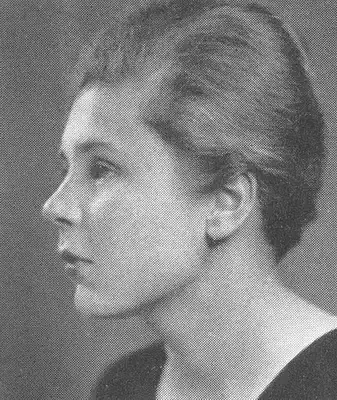
Elizabeth Bishop
Visits to St Elizabeths
Visits to St Elizabeths
This is the house of Bedlam.
This is the man
that lies in the house of Bedlam.
This is the time
of the tragic man
that lies in the house of Bedlam.
This is a wristwatch
telling the time
of the talkative man
that lies in the house of Bedlam.
This is a sailor
wearing the watch
that tells the time
of the honored man
that lies in the house of Bedlam.
This is the roadstead all of board
reached by the sailor
wearing the watch
that tells the time
of the old, brave man
that lies in the house of Bedlam.
These are the years and the walls of the ward,
the winds and clouds of the sea of board
sailed by the sailor
wearing the watch
that tells the time
of the cranky man
that lies in the house of Bedlam.
This is a Jew in a newspaper hat
that dances weeping down the ward
over the creaking sea of board
beyond the sailor
winding his watch
that tells the time
of the cruel man
that lies in the house of Bedlam.
This is a world of books gone flat.
This is a Jew in a newspaper hat
that dances weeping down the ward
over the creaking sea of board
of the batty sailor
that winds his watch
that tells the time
of the busy man
that lies in the house of Bedlam.
This is a boy that pats the floor
to see if the world is there, is flat,
for the widowed Jew in the newspaper hat
that dances weeping down the ward
waltzing the length of a weaving board
by the silent sailor
that hears his watch
that ticks the time
of the tedious man
that lies in the house of Bedlam.
These are the years and the walls and the door
that shut on a boy that pats the floor
to feel if the world is there and flat.
This is a Jew in a newspaper hat
that dances joyfully down the ward
into the parting seas of board
past the staring sailor
that shakes his watch
that tells the time
of the poet, the man
that lies in the house of Bedlam.
This is the soldier home from the war.
These are the years and the walls and the door
that shut on a boy that pats the floor
to see if the world is round or flat.
This is a Jew in a newspaper hat
that dances carefully down the ward,
walking the plank of a coffin board
with the crazy sailor
that shows his watch
that tells the time
of the wretched man
that lies in the house of Bedlam.
This is the house of Bedlam.
This is the man
that lies in the house of Bedlam.
This is the time
of the tragic man
that lies in the house of Bedlam.
This is a wristwatch
telling the time
of the talkative man
that lies in the house of Bedlam.
This is a sailor
wearing the watch
that tells the time
of the honored man
that lies in the house of Bedlam.
This is the roadstead all of board
reached by the sailor
wearing the watch
that tells the time
of the old, brave man
that lies in the house of Bedlam.
These are the years and the walls of the ward,
the winds and clouds of the sea of board
sailed by the sailor
wearing the watch
that tells the time
of the cranky man
that lies in the house of Bedlam.
This is a Jew in a newspaper hat
that dances weeping down the ward
over the creaking sea of board
beyond the sailor
winding his watch
that tells the time
of the cruel man
that lies in the house of Bedlam.
This is a world of books gone flat.
This is a Jew in a newspaper hat
that dances weeping down the ward
over the creaking sea of board
of the batty sailor
that winds his watch
that tells the time
of the busy man
that lies in the house of Bedlam.
This is a boy that pats the floor
to see if the world is there, is flat,
for the widowed Jew in the newspaper hat
that dances weeping down the ward
waltzing the length of a weaving board
by the silent sailor
that hears his watch
that ticks the time
of the tedious man
that lies in the house of Bedlam.
These are the years and the walls and the door
that shut on a boy that pats the floor
to feel if the world is there and flat.
This is a Jew in a newspaper hat
that dances joyfully down the ward
into the parting seas of board
past the staring sailor
that shakes his watch
that tells the time
of the poet, the man
that lies in the house of Bedlam.
This is the soldier home from the war.
These are the years and the walls and the door
that shut on a boy that pats the floor
to see if the world is round or flat.
This is a Jew in a newspaper hat
that dances carefully down the ward,
walking the plank of a coffin board
with the crazy sailor
that shows his watch
that tells the time
of the wretched man
that lies in the house of Bedlam.
567
Elizabeth Bishop
Visits to St Elizabeths
Visits to St Elizabeths
This is the house of Bedlam.
This is the man
that lies in the house of Bedlam.
This is the time
of the tragic man
that lies in the house of Bedlam.
This is a wristwatch
telling the time
of the talkative man
that lies in the house of Bedlam.
This is a sailor
wearing the watch
that tells the time
of the honored man
that lies in the house of Bedlam.
This is the roadstead all of board
reached by the sailor
wearing the watch
that tells the time
of the old, brave man
that lies in the house of Bedlam.
These are the years and the walls of the ward,
the winds and clouds of the sea of board
sailed by the sailor
wearing the watch
that tells the time
of the cranky man
that lies in the house of Bedlam.
This is a Jew in a newspaper hat
that dances weeping down the ward
over the creaking sea of board
beyond the sailor
winding his watch
that tells the time
of the cruel man
that lies in the house of Bedlam.
This is a world of books gone flat.
This is a Jew in a newspaper hat
that dances weeping down the ward
over the creaking sea of board
of the batty sailor
that winds his watch
that tells the time
of the busy man
that lies in the house of Bedlam.
This is a boy that pats the floor
to see if the world is there, is flat,
for the widowed Jew in the newspaper hat
that dances weeping down the ward
waltzing the length of a weaving board
by the silent sailor
that hears his watch
that ticks the time
of the tedious man
that lies in the house of Bedlam.
These are the years and the walls and the door
that shut on a boy that pats the floor
to feel if the world is there and flat.
This is a Jew in a newspaper hat
that dances joyfully down the ward
into the parting seas of board
past the staring sailor
that shakes his watch
that tells the time
of the poet, the man
that lies in the house of Bedlam.
This is the soldier home from the war.
These are the years and the walls and the door
that shut on a boy that pats the floor
to see if the world is round or flat.
This is a Jew in a newspaper hat
that dances carefully down the ward,
walking the plank of a coffin board
with the crazy sailor
that shows his watch
that tells the time
of the wretched man
that lies in the house of Bedlam.
This is the house of Bedlam.
This is the man
that lies in the house of Bedlam.
This is the time
of the tragic man
that lies in the house of Bedlam.
This is a wristwatch
telling the time
of the talkative man
that lies in the house of Bedlam.
This is a sailor
wearing the watch
that tells the time
of the honored man
that lies in the house of Bedlam.
This is the roadstead all of board
reached by the sailor
wearing the watch
that tells the time
of the old, brave man
that lies in the house of Bedlam.
These are the years and the walls of the ward,
the winds and clouds of the sea of board
sailed by the sailor
wearing the watch
that tells the time
of the cranky man
that lies in the house of Bedlam.
This is a Jew in a newspaper hat
that dances weeping down the ward
over the creaking sea of board
beyond the sailor
winding his watch
that tells the time
of the cruel man
that lies in the house of Bedlam.
This is a world of books gone flat.
This is a Jew in a newspaper hat
that dances weeping down the ward
over the creaking sea of board
of the batty sailor
that winds his watch
that tells the time
of the busy man
that lies in the house of Bedlam.
This is a boy that pats the floor
to see if the world is there, is flat,
for the widowed Jew in the newspaper hat
that dances weeping down the ward
waltzing the length of a weaving board
by the silent sailor
that hears his watch
that ticks the time
of the tedious man
that lies in the house of Bedlam.
These are the years and the walls and the door
that shut on a boy that pats the floor
to feel if the world is there and flat.
This is a Jew in a newspaper hat
that dances joyfully down the ward
into the parting seas of board
past the staring sailor
that shakes his watch
that tells the time
of the poet, the man
that lies in the house of Bedlam.
This is the soldier home from the war.
These are the years and the walls and the door
that shut on a boy that pats the floor
to see if the world is round or flat.
This is a Jew in a newspaper hat
that dances carefully down the ward,
walking the plank of a coffin board
with the crazy sailor
that shows his watch
that tells the time
of the wretched man
that lies in the house of Bedlam.
567
Elizabeth Bishop
Trouvée
Trouvée
Oh, why should a hen
have been run over
on West 4th Street
in the middle of summer?
She was a white hen
--red-and-white now, of course.
How did she get there?
Where was she going?
Her wing feathers spread
flat, flat in the tar,
all dirtied, and thin
as tissue paper.
A pigeon, yes,
or an English sparrow,
might meet such a fate,
but not that poor fowl.
Just now I went back
to look again.
I hadn't dreamed it:
there is a hen
turned into a quaint
old country saying
scribbled in chalk
(except for the beak).
Oh, why should a hen
have been run over
on West 4th Street
in the middle of summer?
She was a white hen
--red-and-white now, of course.
How did she get there?
Where was she going?
Her wing feathers spread
flat, flat in the tar,
all dirtied, and thin
as tissue paper.
A pigeon, yes,
or an English sparrow,
might meet such a fate,
but not that poor fowl.
Just now I went back
to look again.
I hadn't dreamed it:
there is a hen
turned into a quaint
old country saying
scribbled in chalk
(except for the beak).
545
Elizabeth Bishop
Trouvée
Trouvée
Oh, why should a hen
have been run over
on West 4th Street
in the middle of summer?
She was a white hen
--red-and-white now, of course.
How did she get there?
Where was she going?
Her wing feathers spread
flat, flat in the tar,
all dirtied, and thin
as tissue paper.
A pigeon, yes,
or an English sparrow,
might meet such a fate,
but not that poor fowl.
Just now I went back
to look again.
I hadn't dreamed it:
there is a hen
turned into a quaint
old country saying
scribbled in chalk
(except for the beak).
Oh, why should a hen
have been run over
on West 4th Street
in the middle of summer?
She was a white hen
--red-and-white now, of course.
How did she get there?
Where was she going?
Her wing feathers spread
flat, flat in the tar,
all dirtied, and thin
as tissue paper.
A pigeon, yes,
or an English sparrow,
might meet such a fate,
but not that poor fowl.
Just now I went back
to look again.
I hadn't dreamed it:
there is a hen
turned into a quaint
old country saying
scribbled in chalk
(except for the beak).
545
Elizabeth Bishop
The Shampoo
The Shampoo
The still explosions on the rocks,
the lichens, grow
by spreading, gray, concentric shocks.
They have arranged
to meet the rings around the moon, although
within our memories they have not changed.
And since the heavens will attend
as long on us,
you've been, dear friend,
precipitate and pragmatical;
and look what happens. For Time is
nothing if not amenable.
The shooting stars in your black hair
in bright formation
are flocking where,
so straight, so soon?
--Come, let me wash it in this big tin basin,
battered and shiny like the moon.
The still explosions on the rocks,
the lichens, grow
by spreading, gray, concentric shocks.
They have arranged
to meet the rings around the moon, although
within our memories they have not changed.
And since the heavens will attend
as long on us,
you've been, dear friend,
precipitate and pragmatical;
and look what happens. For Time is
nothing if not amenable.
The shooting stars in your black hair
in bright formation
are flocking where,
so straight, so soon?
--Come, let me wash it in this big tin basin,
battered and shiny like the moon.
578