

Poems in this topic
Emotions and Feelings
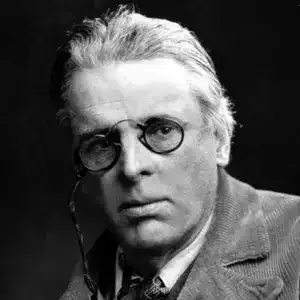
William Butler Yeats
A Last Confession
A Last Confession
What lively lad most pleasured me
Of all that with me lay?
I answer that I gave my soul
And loved in misery,
But had great pleasure with a lad
That I loved bodily.
Flinging from his arms I laughed
To think his passion such
He fancied that I gave a soul
Did but our bodies touch,
And laughed upon his breast to think
Beast gave beast as much.
I gave what other women gave
That stepped out of their clothes.
But when this soul, its body off,
Naked to naked goes,
He it has found shall find therein
What none other knows,
And give his own and take his own
And rule in his own right;
And though it loved in misery
Close and cling so tight,
There's not a bird of day that dare
Extinguish that delight.
What lively lad most pleasured me
Of all that with me lay?
I answer that I gave my soul
And loved in misery,
But had great pleasure with a lad
That I loved bodily.
Flinging from his arms I laughed
To think his passion such
He fancied that I gave a soul
Did but our bodies touch,
And laughed upon his breast to think
Beast gave beast as much.
I gave what other women gave
That stepped out of their clothes.
But when this soul, its body off,
Naked to naked goes,
He it has found shall find therein
What none other knows,
And give his own and take his own
And rule in his own right;
And though it loved in misery
Close and cling so tight,
There's not a bird of day that dare
Extinguish that delight.
481
William Butler Yeats
A Drunken Man's Praise Of Sobriety
A Drunken Man's Praise Of Sobriety
COME swish around, my pretty punk,
And keep me dancing still
That I may stay a sober man
Although I drink my fill.
Sobriety is a jewel
That I do much adore;
And therefore keep me dancing
Though drunkards lie and snore.
O mind your feet, O mind your feet,
Keep dancing like a wave,
And under every dancer
A dead man in his grave.
No ups and downs, my pretty,
A mermaid, not a punk;
A drunkard is a dead man,
And all dead men are drunk.
COME swish around, my pretty punk,
And keep me dancing still
That I may stay a sober man
Although I drink my fill.
Sobriety is a jewel
That I do much adore;
And therefore keep me dancing
Though drunkards lie and snore.
O mind your feet, O mind your feet,
Keep dancing like a wave,
And under every dancer
A dead man in his grave.
No ups and downs, my pretty,
A mermaid, not a punk;
A drunkard is a dead man,
And all dead men are drunk.
306
William Butler Yeats
A Dream Of Death
A Dream Of Death
I DREAMED that one had died in a strange place
Near no accustomed hand,
And they had nailed the boards above her face,
The peasants of that land,
Wondering to lay her in that solitude,
And raised above her mound
A cross they had made out of two bits of wood,
And planted cypress round;
And left her to the indifferent stars above
Until I carved these words:
i{She was more beautiful than thy first love,}
i{But now lies under boards.}
I DREAMED that one had died in a strange place
Near no accustomed hand,
And they had nailed the boards above her face,
The peasants of that land,
Wondering to lay her in that solitude,
And raised above her mound
A cross they had made out of two bits of wood,
And planted cypress round;
And left her to the indifferent stars above
Until I carved these words:
i{She was more beautiful than thy first love,}
i{But now lies under boards.}
356
William Butler Yeats
A Crazed Girl
A Crazed Girl
THAT crazed girl improvising her music.
Her poetry, dancing upon the shore,
Her soul in division from itself
Climbing, falling She knew not where,
Hiding amid the cargo of a steamship,
Her knee-cap broken, that girl I declare
A beautiful lofty thing, or a thing
Heroically lost, heroically found.
No matter what disaster occurred
She stood in desperate music wound,
Wound, wound, and she made in her triumph
Where the bales and the baskets lay
No common intelligible sound
But sang, 'O sea-starved, hungry sea.'
THAT crazed girl improvising her music.
Her poetry, dancing upon the shore,
Her soul in division from itself
Climbing, falling She knew not where,
Hiding amid the cargo of a steamship,
Her knee-cap broken, that girl I declare
A beautiful lofty thing, or a thing
Heroically lost, heroically found.
No matter what disaster occurred
She stood in desperate music wound,
Wound, wound, and she made in her triumph
Where the bales and the baskets lay
No common intelligible sound
But sang, 'O sea-starved, hungry sea.'
424
William Butler Yeats
A Dialogue Of Self And Soul
A Dialogue Of Self And Soul
i{My Soul} I summon to the winding ancient stair;
Set all your mind upon the steep ascent,
Upon the broken, crumbling battlement,
Upon the breathless starlit air,
'Upon the star that marks the hidden pole;
Fix every wandering thought upon
That quarter where all thought is done:
Who can distinguish darkness from the soul
i{My Self}. The consecretes blade upon my knees
Is Sato's ancient blade, still as it was,
Still razor-keen, still like a looking-glass
Unspotted by the centuries;
That flowering, silken, old embroidery, torn
From some court-lady's dress and round
The wodden scabbard bound and wound
Can, tattered, still protect, faded adorn
i{My Soul.} Why should the imagination of a man
Long past his prime remember things that are
Emblematical of love and war?
Think of ancestral night that can,
If but imagination scorn the earth
And interllect is wandering
To this and that and t'other thing,
Deliver from the crime of death and birth.
i{My self.} Montashigi, third of his family, fashioned it
Five hundred years ago, about it lie
Flowers from I know not what embroidery -Heart's
purple -- and all these I set
For emblems of the day against the tower
Emblematical of the night,
And claim as by a soldier's right
A charter to commit the crime once more.
i{My Soul.} Such fullness in that quarter overflows
And falls into the basin of the mind
That man is stricken deaf and dumb and blind,
For intellect no longer knows
i{Is} from the i{Ought,} or i{knower} from the i{Known -- }
That is to say, ascends to Heaven;
Only the dead can be forgiven;
But when I think of that my tongue's a stone.
i{My Self.} A living man is blind and drinks his drop.
What matter if the ditches are impure?
What matter if I live it all once more?
Endure that toil of growing up;
The ignominy of boyhood; the distress
Of boyhood changing into man;
The unfinished man and his pain
Brought face to face with his own clumsiness;
The finished man among his enemies? --
How in the name of Heaven can he escape
That defiling and disfigured shape
The mirror of malicious eyes
Casts upon his eyes until at last
He thinks that shape must be his shape?
And what's the good of an escape
If honour find him in the wintry blast?
I am content to live it all again
And yet again, if it be life to pitch
Into the frog-spawn of a blind man's ditch,
A blind man battering blind men;
Or into that most fecund ditch of all,
The folly that man does
Or must suffer, if he woos
A proud woman not kindred of his soul.
I am content to follow to its source
Every event in action or in thought;
Measure the lot; forgive myself the lot!
When such as I cast out remorse
So great a sweetness flows into the breast
We must laugh and we must sing,
We are blest by everything,
Everything we look upon is blest.
i{My Soul} I summon to the winding ancient stair;
Set all your mind upon the steep ascent,
Upon the broken, crumbling battlement,
Upon the breathless starlit air,
'Upon the star that marks the hidden pole;
Fix every wandering thought upon
That quarter where all thought is done:
Who can distinguish darkness from the soul
i{My Self}. The consecretes blade upon my knees
Is Sato's ancient blade, still as it was,
Still razor-keen, still like a looking-glass
Unspotted by the centuries;
That flowering, silken, old embroidery, torn
From some court-lady's dress and round
The wodden scabbard bound and wound
Can, tattered, still protect, faded adorn
i{My Soul.} Why should the imagination of a man
Long past his prime remember things that are
Emblematical of love and war?
Think of ancestral night that can,
If but imagination scorn the earth
And interllect is wandering
To this and that and t'other thing,
Deliver from the crime of death and birth.
i{My self.} Montashigi, third of his family, fashioned it
Five hundred years ago, about it lie
Flowers from I know not what embroidery -Heart's
purple -- and all these I set
For emblems of the day against the tower
Emblematical of the night,
And claim as by a soldier's right
A charter to commit the crime once more.
i{My Soul.} Such fullness in that quarter overflows
And falls into the basin of the mind
That man is stricken deaf and dumb and blind,
For intellect no longer knows
i{Is} from the i{Ought,} or i{knower} from the i{Known -- }
That is to say, ascends to Heaven;
Only the dead can be forgiven;
But when I think of that my tongue's a stone.
i{My Self.} A living man is blind and drinks his drop.
What matter if the ditches are impure?
What matter if I live it all once more?
Endure that toil of growing up;
The ignominy of boyhood; the distress
Of boyhood changing into man;
The unfinished man and his pain
Brought face to face with his own clumsiness;
The finished man among his enemies? --
How in the name of Heaven can he escape
That defiling and disfigured shape
The mirror of malicious eyes
Casts upon his eyes until at last
He thinks that shape must be his shape?
And what's the good of an escape
If honour find him in the wintry blast?
I am content to live it all again
And yet again, if it be life to pitch
Into the frog-spawn of a blind man's ditch,
A blind man battering blind men;
Or into that most fecund ditch of all,
The folly that man does
Or must suffer, if he woos
A proud woman not kindred of his soul.
I am content to follow to its source
Every event in action or in thought;
Measure the lot; forgive myself the lot!
When such as I cast out remorse
So great a sweetness flows into the breast
We must laugh and we must sing,
We are blest by everything,
Everything we look upon is blest.
518
William Butler Yeats
A Coat
A Coat
I MADE my song a coat
Covered with embroideries
Out of old mythologies
From heel to throat;
But the fools caught it,
Wore it in the world's eyes
As though they'd wrought it.
Song, let them take it,
For there's more enterprise
In walking naked.
I MADE my song a coat
Covered with embroideries
Out of old mythologies
From heel to throat;
But the fools caught it,
Wore it in the world's eyes
As though they'd wrought it.
Song, let them take it,
For there's more enterprise
In walking naked.
384
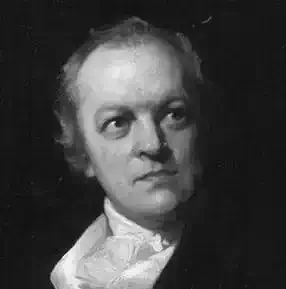
William Blake
When Klopstock England Defied
When Klopstock England Defied
When Klopstock England defied,
Uprose William Blake in his pride;
For old Nobodaddy aloft
. . . and belch'd and cough'd;
Then swore a great oath that made Heaven quake,
And call'd aloud to English Blake.
Blake was giving his body ease,
At Lambeth beneath the poplar trees.
From his seat then started he
And turn'd him round three times three.
The moon at that sight blush'd scarlet red,
The stars threw down their cups and fled,
And all the devils that were in hell,
Answerèd with a ninefold yell.
Klopstock felt the intripled turn,
And all his bowels began to churn,
And his bowels turn'd round three times three,
And lock'd in his soul with a ninefold key; . . .
Then again old Nobodaddy swore
He ne'er had seen such a thing before,
Since Noah was shut in the ark,
Since Eve first chose her hellfire spark,
Since 'twas the fashion to go naked,
Since the old Anything was created . . .
When Klopstock England defied,
Uprose William Blake in his pride;
For old Nobodaddy aloft
. . . and belch'd and cough'd;
Then swore a great oath that made Heaven quake,
And call'd aloud to English Blake.
Blake was giving his body ease,
At Lambeth beneath the poplar trees.
From his seat then started he
And turn'd him round three times three.
The moon at that sight blush'd scarlet red,
The stars threw down their cups and fled,
And all the devils that were in hell,
Answerèd with a ninefold yell.
Klopstock felt the intripled turn,
And all his bowels began to churn,
And his bowels turn'd round three times three,
And lock'd in his soul with a ninefold key; . . .
Then again old Nobodaddy swore
He ne'er had seen such a thing before,
Since Noah was shut in the ark,
Since Eve first chose her hellfire spark,
Since 'twas the fashion to go naked,
Since the old Anything was created . . .
457
William Blake
When Klopstock England Defied
When Klopstock England Defied
When Klopstock England defied,
Uprose William Blake in his pride;
For old Nobodaddy aloft
. . . and belch'd and cough'd;
Then swore a great oath that made Heaven quake,
And call'd aloud to English Blake.
Blake was giving his body ease,
At Lambeth beneath the poplar trees.
From his seat then started he
And turn'd him round three times three.
The moon at that sight blush'd scarlet red,
The stars threw down their cups and fled,
And all the devils that were in hell,
Answerèd with a ninefold yell.
Klopstock felt the intripled turn,
And all his bowels began to churn,
And his bowels turn'd round three times three,
And lock'd in his soul with a ninefold key; . . .
Then again old Nobodaddy swore
He ne'er had seen such a thing before,
Since Noah was shut in the ark,
Since Eve first chose her hellfire spark,
Since 'twas the fashion to go naked,
Since the old Anything was created . . .
When Klopstock England defied,
Uprose William Blake in his pride;
For old Nobodaddy aloft
. . . and belch'd and cough'd;
Then swore a great oath that made Heaven quake,
And call'd aloud to English Blake.
Blake was giving his body ease,
At Lambeth beneath the poplar trees.
From his seat then started he
And turn'd him round three times three.
The moon at that sight blush'd scarlet red,
The stars threw down their cups and fled,
And all the devils that were in hell,
Answerèd with a ninefold yell.
Klopstock felt the intripled turn,
And all his bowels began to churn,
And his bowels turn'd round three times three,
And lock'd in his soul with a ninefold key; . . .
Then again old Nobodaddy swore
He ne'er had seen such a thing before,
Since Noah was shut in the ark,
Since Eve first chose her hellfire spark,
Since 'twas the fashion to go naked,
Since the old Anything was created . . .
457
William Blake
Why Was Cupid a Boy
Why Was Cupid a Boy
Why was Cupid a boy,
And why a boy was he?
He should have been a girl,
For aught that I can see.
For he shoots with his bow,
And the girl shoots with her eye,
And they both are merry and glad,
And laugh when we do cry.
And to make Cupid a boy
Was the Cupid girl's mocking plan;
For a boy can't interpret the thing
Till he is become a man.
And then he's so pierc'd with cares,
And wounded with arrowy smarts,
That the whole business of his life
Is to pick out the heads of the darts.
'Twas the Greeks' love of war
Turn'd Love into a boy,
And woman into a statue of stone--
And away fled every joy.
Why was Cupid a boy,
And why a boy was he?
He should have been a girl,
For aught that I can see.
For he shoots with his bow,
And the girl shoots with her eye,
And they both are merry and glad,
And laugh when we do cry.
And to make Cupid a boy
Was the Cupid girl's mocking plan;
For a boy can't interpret the thing
Till he is become a man.
And then he's so pierc'd with cares,
And wounded with arrowy smarts,
That the whole business of his life
Is to pick out the heads of the darts.
'Twas the Greeks' love of war
Turn'd Love into a boy,
And woman into a statue of stone--
And away fled every joy.
452
William Blake
To Tirzah
To Tirzah
Whate'er is Born of Mortal Birth
Must be consumed with the Earth
To rise from Generation free:
Then what have I to do with thee?
The Sexes sprung from Shame & Pride,
Blow'd in the morn, in evening died;
But Mercy chang'd Death into Sleep;
The Sexes rose to work & weep.
Thou, Mother of my Mortal part,
With cruelty didst mould my Heart,
And with false self-deceiving tears
Didst bind my Nostrils, Eyes, & Ears:
Didst close my Tongue in senseless clay,
And me to Mortal Life betray.
The Death of Jesus set me free:
Then what have I to do with thee?
Whate'er is Born of Mortal Birth
Must be consumed with the Earth
To rise from Generation free:
Then what have I to do with thee?
The Sexes sprung from Shame & Pride,
Blow'd in the morn, in evening died;
But Mercy chang'd Death into Sleep;
The Sexes rose to work & weep.
Thou, Mother of my Mortal part,
With cruelty didst mould my Heart,
And with false self-deceiving tears
Didst bind my Nostrils, Eyes, & Ears:
Didst close my Tongue in senseless clay,
And me to Mortal Life betray.
The Death of Jesus set me free:
Then what have I to do with thee?
424
William Blake
To Tirzah
To Tirzah
Whate'er is Born of Mortal Birth
Must be consumed with the Earth
To rise from Generation free:
Then what have I to do with thee?
The Sexes sprung from Shame & Pride,
Blow'd in the morn, in evening died;
But Mercy chang'd Death into Sleep;
The Sexes rose to work & weep.
Thou, Mother of my Mortal part,
With cruelty didst mould my Heart,
And with false self-deceiving tears
Didst bind my Nostrils, Eyes, & Ears:
Didst close my Tongue in senseless clay,
And me to Mortal Life betray.
The Death of Jesus set me free:
Then what have I to do with thee?
Whate'er is Born of Mortal Birth
Must be consumed with the Earth
To rise from Generation free:
Then what have I to do with thee?
The Sexes sprung from Shame & Pride,
Blow'd in the morn, in evening died;
But Mercy chang'd Death into Sleep;
The Sexes rose to work & weep.
Thou, Mother of my Mortal part,
With cruelty didst mould my Heart,
And with false self-deceiving tears
Didst bind my Nostrils, Eyes, & Ears:
Didst close my Tongue in senseless clay,
And me to Mortal Life betray.
The Death of Jesus set me free:
Then what have I to do with thee?
424
William Blake
To The Accuser Who is The God of This World
To The Accuser Who is The God of This World
Truly My Satan thou art but a Dunce
And dost not know the Garment from the Man
Every Harlot was a Virgin once
Nor canst thou ever change Kate into Nan
Tho thou art Worship'd by the Names Divine
Of Jesus & Jehovah thou art still
The Son of Morn in weary Nights decline
The lost Travellers Dream under the Hill
Truly My Satan thou art but a Dunce
And dost not know the Garment from the Man
Every Harlot was a Virgin once
Nor canst thou ever change Kate into Nan
Tho thou art Worship'd by the Names Divine
Of Jesus & Jehovah thou art still
The Son of Morn in weary Nights decline
The lost Travellers Dream under the Hill
402
William Blake
To Spring
To Spring
O thou with dewy locks, who lookest down
Thro' the clear windows of the morning, turn
Thine angel eyes upon our western isle,
Which in full choir hails thy approach, O Spring!
The hills tell each other, and the listening
Valleys hear; all our longing eyes are turned
Up to thy bright pavilions: issue forth,
And let thy holy feet visit our clime.
Come o'er the eastern hills, and let our winds
Kiss thy perfumed garments; let us taste
Thy morn and evening breath; scatter thy pearls
Upon our love-sick land that mourns for thee.
O deck her forth with thy fair fingers; pour
Thy soft kisses on her bosom; and put
Thy golden crown upon her languished head,
Whose modest tresses were bound up for thee.
O thou with dewy locks, who lookest down
Thro' the clear windows of the morning, turn
Thine angel eyes upon our western isle,
Which in full choir hails thy approach, O Spring!
The hills tell each other, and the listening
Valleys hear; all our longing eyes are turned
Up to thy bright pavilions: issue forth,
And let thy holy feet visit our clime.
Come o'er the eastern hills, and let our winds
Kiss thy perfumed garments; let us taste
Thy morn and evening breath; scatter thy pearls
Upon our love-sick land that mourns for thee.
O deck her forth with thy fair fingers; pour
Thy soft kisses on her bosom; and put
Thy golden crown upon her languished head,
Whose modest tresses were bound up for thee.
471
William Blake
Three Things to Remember
Three Things to Remember
A Robin Redbreast in a cage,
Puts all Heaven in a rage.
A skylark wounded on the wing
Doth make a cherub cease to sing.
He who shall hurt the little wren
Shall never be beloved by men.
A Robin Redbreast in a cage,
Puts all Heaven in a rage.
A skylark wounded on the wing
Doth make a cherub cease to sing.
He who shall hurt the little wren
Shall never be beloved by men.
450
William Blake
Three Things to Remember
Three Things to Remember
A Robin Redbreast in a cage,
Puts all Heaven in a rage.
A skylark wounded on the wing
Doth make a cherub cease to sing.
He who shall hurt the little wren
Shall never be beloved by men.
A Robin Redbreast in a cage,
Puts all Heaven in a rage.
A skylark wounded on the wing
Doth make a cherub cease to sing.
He who shall hurt the little wren
Shall never be beloved by men.
450
William Blake
The Sick Rose
The Sick Rose
O Rose, thou art sick!
The invisible worm
That flies in the night,
In the howling storm,
Has found out thy bed
Of crimson joy:
And his dark secret love
Does thy life destroy.
O Rose, thou art sick!
The invisible worm
That flies in the night,
In the howling storm,
Has found out thy bed
Of crimson joy:
And his dark secret love
Does thy life destroy.
436
William Blake
The Schoolboy
The Schoolboy
I love to rise in a summer morn
When the birds sing on every tree;
The distant huntsman winds his horn,
And the skylark sings with me.
O! what sweet company!
But to go to school on a summer morn,
O! it drives all joy away;
Under a cruel eye outworn,
The little ones spend the day
In sighing and dismay.
Ah! then at times I drooping sit,
And spend many an anxious hour,
Nor in my book can I take delight,
Nor sit in learning's bower,
Worn thro' with the dreary shower.
How can the bird that is born for joy
Sit in a cage and sing?
How can a child, when fears annoy,
But droop his tender wing,
And forget his youthful spring?
O! father and mother, if buds are nipped
And blossoms blown away,
And if the tender plants are stripped
Of their joy in the springing day,
By sorrow and care's dismay,
How shall the summer arise in joy,
Or the summer's fruits appear?
Or how shall we gather what griefs destroy,
Or bless the mellowing year,
When the blasts of winter appear?
I love to rise in a summer morn
When the birds sing on every tree;
The distant huntsman winds his horn,
And the skylark sings with me.
O! what sweet company!
But to go to school on a summer morn,
O! it drives all joy away;
Under a cruel eye outworn,
The little ones spend the day
In sighing and dismay.
Ah! then at times I drooping sit,
And spend many an anxious hour,
Nor in my book can I take delight,
Nor sit in learning's bower,
Worn thro' with the dreary shower.
How can the bird that is born for joy
Sit in a cage and sing?
How can a child, when fears annoy,
But droop his tender wing,
And forget his youthful spring?
O! father and mother, if buds are nipped
And blossoms blown away,
And if the tender plants are stripped
Of their joy in the springing day,
By sorrow and care's dismay,
How shall the summer arise in joy,
Or the summer's fruits appear?
Or how shall we gather what griefs destroy,
Or bless the mellowing year,
When the blasts of winter appear?
807
William Blake
The Question Answered
The Question Answered
What is it men in women do require?
The lineaments of gratified Desire.
What is it women do in men require?
The lineaments of gratified Desire
What is it men in women do require?
The lineaments of gratified Desire.
What is it women do in men require?
The lineaments of gratified Desire
378
William Blake
The Little Girl Found
The Little Girl Found
All the night in woe,
Lyca's parents go:
Over vallies deep.
While the desarts weep.
Tired and woe-begone.
Hoarse with making moan:
Arm in arm seven days.
They trac'd the desert ways.
Seven nights they sleep.
Among shadows deep:
And dream they see their child
Starvdd in desart wild.
Pale thro' pathless ways
The fancied image strays.
Famish'd, weeping, weak
With hollow piteous shriek
Rising from unrest,
The trembling woman prest,
With feet of weary woe;
She could no further go.
In his arms he bore.
Her arm'd with sorrow sore:
Till before their way
A couching lion lay.
Turning back was vain,
Soon his heavy mane.
Bore them to the ground;
Then he stalk'd around.
Smelling to his prey,
But their fears allay,
When he licks their hands:
And silent by them stands.
They look upon his eyes
Fill'd with deep surprise:
And wondering behold.
A spirit arm'd in gold.
On his head a crown
On his shoulders down,
Flow'd his golden hair.
Gone was all their care.
Follow me he said,
Weep not for the maid;
In my palace deep.
Lyca lies asleep.
Then they followed,
Where the vision led;
And saw their sleeping child,
Among tygers wild.
To this day they dwell
In a lonely dell
Nor fear the wolvish howl,
Nor the lion's growl.
All the night in woe,
Lyca's parents go:
Over vallies deep.
While the desarts weep.
Tired and woe-begone.
Hoarse with making moan:
Arm in arm seven days.
They trac'd the desert ways.
Seven nights they sleep.
Among shadows deep:
And dream they see their child
Starvdd in desart wild.
Pale thro' pathless ways
The fancied image strays.
Famish'd, weeping, weak
With hollow piteous shriek
Rising from unrest,
The trembling woman prest,
With feet of weary woe;
She could no further go.
In his arms he bore.
Her arm'd with sorrow sore:
Till before their way
A couching lion lay.
Turning back was vain,
Soon his heavy mane.
Bore them to the ground;
Then he stalk'd around.
Smelling to his prey,
But their fears allay,
When he licks their hands:
And silent by them stands.
They look upon his eyes
Fill'd with deep surprise:
And wondering behold.
A spirit arm'd in gold.
On his head a crown
On his shoulders down,
Flow'd his golden hair.
Gone was all their care.
Follow me he said,
Weep not for the maid;
In my palace deep.
Lyca lies asleep.
Then they followed,
Where the vision led;
And saw their sleeping child,
Among tygers wild.
To this day they dwell
In a lonely dell
Nor fear the wolvish howl,
Nor the lion's growl.
547
William Blake
The Little Boy Found
The Little Boy Found
The little boy lost in the lonely fen,
Led by the wandering light,
Began to cry, but God, ever nigh,
Appeared like his father, in white.
He kissed the child, and by the hand led,
And to his mother brought,
Who in sorrow pale, through the lonely dale,
The little boy weeping sought.
The little boy lost in the lonely fen,
Led by the wandering light,
Began to cry, but God, ever nigh,
Appeared like his father, in white.
He kissed the child, and by the hand led,
And to his mother brought,
Who in sorrow pale, through the lonely dale,
The little boy weeping sought.
401
William Blake
The Land of Dreams
The Land of Dreams
Awake, awake, my little boy!
Thou wast thy mother's only joy;
Why dost thou weep in thy gentle sleep?
Awake! thy father does thee keep.
'O, what land is the Land of Dreams?
What are its mountains, and what are its streams?
O father! I saw my mother there,
Among the lilies by waters fair.
'Among the lambs, cloth?d in white,
She walk'd with her Thomas in sweet delight.
I wept for joy, like a dove I mourn;
O! when shall I again return?'
Dear child, I also by pleasant streams
Have wander'd all night in the Land of Dreams;
But tho' calm and warm the waters wide,
I could not get to the other side.
'Father, O father! what do we here
In this land of unbelief and fear?
The Land of Dreams is better far
Above the light of the morning star.'
Awake, awake, my little boy!
Thou wast thy mother's only joy;
Why dost thou weep in thy gentle sleep?
Awake! thy father does thee keep.
'O, what land is the Land of Dreams?
What are its mountains, and what are its streams?
O father! I saw my mother there,
Among the lilies by waters fair.
'Among the lambs, cloth?d in white,
She walk'd with her Thomas in sweet delight.
I wept for joy, like a dove I mourn;
O! when shall I again return?'
Dear child, I also by pleasant streams
Have wander'd all night in the Land of Dreams;
But tho' calm and warm the waters wide,
I could not get to the other side.
'Father, O father! what do we here
In this land of unbelief and fear?
The Land of Dreams is better far
Above the light of the morning star.'
458
William Blake
The Human Abstract
The Human Abstract
Pity would be no more
If we did not make somebody Poor;
And Mercy no more could be
If all were as happy as we.
And mutual fear brings peace,
Till the selfish loves increase:
Then Cruelty knits a snare,
And spreads his baits with care.
He sits down with holy fears,
And waters the grounds with tears;
Then Humility takes its root
Underneath his foot.
Soon spreads the dismal shade
Of Mystery over his head;
And the Catterpiller and Fly
Feed on the Mystery.
And it bears the fruit of Deceit,
Ruddy and sweet to eat;
And the Raven his nest has made
In its thickest shade.
The Gods of the earth and sea
Sought thro' Nature to find this Tree;
But their search was all in vain:
There grows one in the Human Brain.
Pity would be no more
If we did not make somebody Poor;
And Mercy no more could be
If all were as happy as we.
And mutual fear brings peace,
Till the selfish loves increase:
Then Cruelty knits a snare,
And spreads his baits with care.
He sits down with holy fears,
And waters the grounds with tears;
Then Humility takes its root
Underneath his foot.
Soon spreads the dismal shade
Of Mystery over his head;
And the Catterpiller and Fly
Feed on the Mystery.
And it bears the fruit of Deceit,
Ruddy and sweet to eat;
And the Raven his nest has made
In its thickest shade.
The Gods of the earth and sea
Sought thro' Nature to find this Tree;
But their search was all in vain:
There grows one in the Human Brain.
512
William Blake
The Human Abstract
The Human Abstract
Pity would be no more
If we did not make somebody Poor;
And Mercy no more could be
If all were as happy as we.
And mutual fear brings peace,
Till the selfish loves increase:
Then Cruelty knits a snare,
And spreads his baits with care.
He sits down with holy fears,
And waters the grounds with tears;
Then Humility takes its root
Underneath his foot.
Soon spreads the dismal shade
Of Mystery over his head;
And the Catterpiller and Fly
Feed on the Mystery.
And it bears the fruit of Deceit,
Ruddy and sweet to eat;
And the Raven his nest has made
In its thickest shade.
The Gods of the earth and sea
Sought thro' Nature to find this Tree;
But their search was all in vain:
There grows one in the Human Brain.
Pity would be no more
If we did not make somebody Poor;
And Mercy no more could be
If all were as happy as we.
And mutual fear brings peace,
Till the selfish loves increase:
Then Cruelty knits a snare,
And spreads his baits with care.
He sits down with holy fears,
And waters the grounds with tears;
Then Humility takes its root
Underneath his foot.
Soon spreads the dismal shade
Of Mystery over his head;
And the Catterpiller and Fly
Feed on the Mystery.
And it bears the fruit of Deceit,
Ruddy and sweet to eat;
And the Raven his nest has made
In its thickest shade.
The Gods of the earth and sea
Sought thro' Nature to find this Tree;
But their search was all in vain:
There grows one in the Human Brain.
512
William Blake
The Grey Monk
The Grey Monk
'I die, I die!' the Mother said,
'My children die for lack of bread.
What more has the merciless Tyrant said?'
The Monk sat down on the stony bed.
The blood red ran from the Grey Monk's side,
His hands and feet were wounded wide,
His body bent, his arms and knees
Like to the roots of ancient trees.
His eye was dry; no tear could flow:
A hollow groan first spoke his woe.
He trembled and shudder'd upon the bed;
At length with a feeble cry he said:
'When God commanded this hand to write
In the studious hours of deep midnight,
He told me the writing I wrote should prove
The bane of all that on Earth I lov'd.
My Brother starv'd between two walls,
His Children's cry my soul appalls;
I mock'd at the rack and griding chain,
My bent body mocks their torturing pain.
Thy father drew his sword in the North,
With his thousands strong he marched forth;
Thy Brother has arm'd himself in steel
To avenge the wrongs thy Children feel.
But vain the Sword and vain the Bow,
They never can work War's overthrow.
The Hermit's prayer and the Widow's tear
Alone can free the World from fear.
For a Tear is an intellectual thing,
And a Sigh is the sword of an Angel King,
And the bitter groan of the Martyr's woe
Is an arrow from the Almighty's bow.
The hand of Vengeance found the bed
To which the Purple Tyrant fled;
The iron hand crush'd the Tyrant's head
And became a Tyrant in his stead.'
'I die, I die!' the Mother said,
'My children die for lack of bread.
What more has the merciless Tyrant said?'
The Monk sat down on the stony bed.
The blood red ran from the Grey Monk's side,
His hands and feet were wounded wide,
His body bent, his arms and knees
Like to the roots of ancient trees.
His eye was dry; no tear could flow:
A hollow groan first spoke his woe.
He trembled and shudder'd upon the bed;
At length with a feeble cry he said:
'When God commanded this hand to write
In the studious hours of deep midnight,
He told me the writing I wrote should prove
The bane of all that on Earth I lov'd.
My Brother starv'd between two walls,
His Children's cry my soul appalls;
I mock'd at the rack and griding chain,
My bent body mocks their torturing pain.
Thy father drew his sword in the North,
With his thousands strong he marched forth;
Thy Brother has arm'd himself in steel
To avenge the wrongs thy Children feel.
But vain the Sword and vain the Bow,
They never can work War's overthrow.
The Hermit's prayer and the Widow's tear
Alone can free the World from fear.
For a Tear is an intellectual thing,
And a Sigh is the sword of an Angel King,
And the bitter groan of the Martyr's woe
Is an arrow from the Almighty's bow.
The hand of Vengeance found the bed
To which the Purple Tyrant fled;
The iron hand crush'd the Tyrant's head
And became a Tyrant in his stead.'
493