

Poems in this topic
Emotions and Feelings
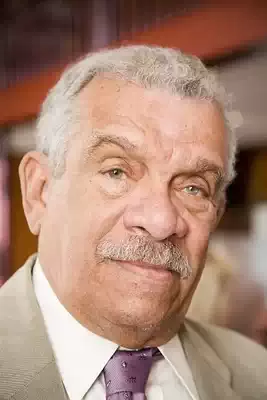
Derek Walcott
Coral
Coral
This coral's hape ecohes the hand
It hollowed. Its
Immediate absence is heavy. As pumice,
As your breast in my cupped palm.
Sea-cold, its nipple rasps like sand,
Its pores, like yours, shone with salt sweat.
Bodies in absence displace their weight,
And your smooth body, like none other,
Creates an exact absence like this stoneSet on a table with a whitening rack
Of souvenirs. It dares my hand
To claim what lovers' hands have never known:
The nature of the body of another.
This coral's hape ecohes the hand
It hollowed. Its
Immediate absence is heavy. As pumice,
As your breast in my cupped palm.
Sea-cold, its nipple rasps like sand,
Its pores, like yours, shone with salt sweat.
Bodies in absence displace their weight,
And your smooth body, like none other,
Creates an exact absence like this stoneSet on a table with a whitening rack
Of souvenirs. It dares my hand
To claim what lovers' hands have never known:
The nature of the body of another.
700
Derek Walcott
Egypt, Tobago
Egypt, Tobago
There is a shattered palm
on this fierce shore,
its plumes the rusting helmet
of a dead warrior.
Numb Antony, in the torpor
stretching her inert
sex near him like a sleeping cat,
knows his heart is the real desert.
Over the dunes
of her heaving,
to his heart's drumming
fades the mirage of the legions,
across love-tousled sheets,
the triremes fading.
Ar the carved door of her temple
a fly wrings its message.
He brushes a damp hair
away from an ear
as perfect as a sleeping child's.
He stares, inert, the fallen column.
He lies like a copper palm
tree at three in the afternoon
by a hot sea
and a river, in Egypt, Tobago
Her salt marsh dries in the heat
where he foundered
without armor.
He exchanged an empire for her beads of sweat,
the uproar of arenas,
the changing surf
of senators, for
this silent ceiling over silent sand
this grizzled bear, whose fur,
moulting, is silvered for
this quick fox with her
sweet stench. By sleep dismembered,
his head
is in Egypt, his feet
in Rome, his groin a desert
trench with its dead soldier.
He drifts a finger
through her stiff hair
crisp as a mare's fountaining tail.
Shadows creep up the palace tile.
He is too tired to move;
a groan would waken
trumpets, one more gesture
war. His glare,
a shield
reflecting fires,
a brass brow that cannot frown
at carnage, sweats the sun's force.
It is not the turmoil
of autumnal lust,
its treacheries, that drove
him, fired and grimed with dust,
this far, not even love,
but a great rage without
clamor, that grew great
because its depth is quiet;
it hears the river
of her young brown blood,
it feels the whole sky quiver
with her blue eyelid.
She sleeps with the soft engine of a child,
that sleep which scythes
the stalks of lances, fells the
harvest of legions
with nothing for its knives,
that makes Caesars,
sputtering at flies,
slapping their foreheads
with the laurel's imprint,
drunkards, comedians.
All-humbling sleep, whose peace
is sweet as death,
whose silence has
all the sea's weight and volubility,
who swings this globe by a hair's trembling breath.
Shattered and wild and
palm-crowned Antony,
rusting in Egypt,
ready to lose the world,
to Actium and sand,
everything else
is vanity, but this tenderness
for a woman not his mistress
but his sleeping child.
The sky is cloudless. The afternoon is mild.
There is a shattered palm
on this fierce shore,
its plumes the rusting helmet
of a dead warrior.
Numb Antony, in the torpor
stretching her inert
sex near him like a sleeping cat,
knows his heart is the real desert.
Over the dunes
of her heaving,
to his heart's drumming
fades the mirage of the legions,
across love-tousled sheets,
the triremes fading.
Ar the carved door of her temple
a fly wrings its message.
He brushes a damp hair
away from an ear
as perfect as a sleeping child's.
He stares, inert, the fallen column.
He lies like a copper palm
tree at three in the afternoon
by a hot sea
and a river, in Egypt, Tobago
Her salt marsh dries in the heat
where he foundered
without armor.
He exchanged an empire for her beads of sweat,
the uproar of arenas,
the changing surf
of senators, for
this silent ceiling over silent sand
this grizzled bear, whose fur,
moulting, is silvered for
this quick fox with her
sweet stench. By sleep dismembered,
his head
is in Egypt, his feet
in Rome, his groin a desert
trench with its dead soldier.
He drifts a finger
through her stiff hair
crisp as a mare's fountaining tail.
Shadows creep up the palace tile.
He is too tired to move;
a groan would waken
trumpets, one more gesture
war. His glare,
a shield
reflecting fires,
a brass brow that cannot frown
at carnage, sweats the sun's force.
It is not the turmoil
of autumnal lust,
its treacheries, that drove
him, fired and grimed with dust,
this far, not even love,
but a great rage without
clamor, that grew great
because its depth is quiet;
it hears the river
of her young brown blood,
it feels the whole sky quiver
with her blue eyelid.
She sleeps with the soft engine of a child,
that sleep which scythes
the stalks of lances, fells the
harvest of legions
with nothing for its knives,
that makes Caesars,
sputtering at flies,
slapping their foreheads
with the laurel's imprint,
drunkards, comedians.
All-humbling sleep, whose peace
is sweet as death,
whose silence has
all the sea's weight and volubility,
who swings this globe by a hair's trembling breath.
Shattered and wild and
palm-crowned Antony,
rusting in Egypt,
ready to lose the world,
to Actium and sand,
everything else
is vanity, but this tenderness
for a woman not his mistress
but his sleeping child.
The sky is cloudless. The afternoon is mild.
1,206
Derek Walcott
Blues
Blues
Those five or six young guys
lunched on the stoop
that oven-hot summer night
whistled me over. Nice
and friendly. So, I stop.
MacDougal or Christopher
Street in chains of light.
A summer festival. Or some
saint's. I wasn't too far from
home, but not too bright
for a nigger, and not too dark.
I figured we were all
one, wop, nigger, jew,
besides, this wasn't Central Park.
I'm coming on too strong? You figure
right! They beat this yellow nigger
black and blue.
Yeah. During all this, scared
on case one used a knife,
I hung my olive-green, just-bought
sports coat on a fire plug.
I did nothing. They fought
each other, really. Life
gives them a few kcks,
that's all. The spades, the spicks.
My face smashed in, my bloddy mug
pouring, my olive-branch jacket saved
from cuts and tears,
I crawled four flights upstairs.
Sprawled in the gutter, I
remember a few watchers waved
loudly, and one kid's mother shouting
like 'Jackie' or 'Terry,'
'now that's enough!'
It's nothing really.
They don't get enough love.
You know they wouldn't kill
you. Just playing rough,
like young Americans will.
Still it taught me somthing
about love. If it's so tough,
forget it.
Those five or six young guys
lunched on the stoop
that oven-hot summer night
whistled me over. Nice
and friendly. So, I stop.
MacDougal or Christopher
Street in chains of light.
A summer festival. Or some
saint's. I wasn't too far from
home, but not too bright
for a nigger, and not too dark.
I figured we were all
one, wop, nigger, jew,
besides, this wasn't Central Park.
I'm coming on too strong? You figure
right! They beat this yellow nigger
black and blue.
Yeah. During all this, scared
on case one used a knife,
I hung my olive-green, just-bought
sports coat on a fire plug.
I did nothing. They fought
each other, really. Life
gives them a few kcks,
that's all. The spades, the spicks.
My face smashed in, my bloddy mug
pouring, my olive-branch jacket saved
from cuts and tears,
I crawled four flights upstairs.
Sprawled in the gutter, I
remember a few watchers waved
loudly, and one kid's mother shouting
like 'Jackie' or 'Terry,'
'now that's enough!'
It's nothing really.
They don't get enough love.
You know they wouldn't kill
you. Just playing rough,
like young Americans will.
Still it taught me somthing
about love. If it's so tough,
forget it.
1,111
Derek Walcott
Blues
Blues
Those five or six young guys
lunched on the stoop
that oven-hot summer night
whistled me over. Nice
and friendly. So, I stop.
MacDougal or Christopher
Street in chains of light.
A summer festival. Or some
saint's. I wasn't too far from
home, but not too bright
for a nigger, and not too dark.
I figured we were all
one, wop, nigger, jew,
besides, this wasn't Central Park.
I'm coming on too strong? You figure
right! They beat this yellow nigger
black and blue.
Yeah. During all this, scared
on case one used a knife,
I hung my olive-green, just-bought
sports coat on a fire plug.
I did nothing. They fought
each other, really. Life
gives them a few kcks,
that's all. The spades, the spicks.
My face smashed in, my bloddy mug
pouring, my olive-branch jacket saved
from cuts and tears,
I crawled four flights upstairs.
Sprawled in the gutter, I
remember a few watchers waved
loudly, and one kid's mother shouting
like 'Jackie' or 'Terry,'
'now that's enough!'
It's nothing really.
They don't get enough love.
You know they wouldn't kill
you. Just playing rough,
like young Americans will.
Still it taught me somthing
about love. If it's so tough,
forget it.
Those five or six young guys
lunched on the stoop
that oven-hot summer night
whistled me over. Nice
and friendly. So, I stop.
MacDougal or Christopher
Street in chains of light.
A summer festival. Or some
saint's. I wasn't too far from
home, but not too bright
for a nigger, and not too dark.
I figured we were all
one, wop, nigger, jew,
besides, this wasn't Central Park.
I'm coming on too strong? You figure
right! They beat this yellow nigger
black and blue.
Yeah. During all this, scared
on case one used a knife,
I hung my olive-green, just-bought
sports coat on a fire plug.
I did nothing. They fought
each other, really. Life
gives them a few kcks,
that's all. The spades, the spicks.
My face smashed in, my bloddy mug
pouring, my olive-branch jacket saved
from cuts and tears,
I crawled four flights upstairs.
Sprawled in the gutter, I
remember a few watchers waved
loudly, and one kid's mother shouting
like 'Jackie' or 'Terry,'
'now that's enough!'
It's nothing really.
They don't get enough love.
You know they wouldn't kill
you. Just playing rough,
like young Americans will.
Still it taught me somthing
about love. If it's so tough,
forget it.
1,111

D.H. Lawrence
Week-Night Service
Week-Night Service
The five old bells
Are hurrying and eagerly calling,
Imploring, protesting
They know, but clamorously falling
Into gabbling incoherence, never resting,
Like spattering showers from a bursten sky-rocket dropping
In splashes of sound, endlessly, never stopping.
The silver moon
That somebody has spun so high
To settle the question, yes or no, has caught
In the net of the night’s balloon,
And sits with a smooth bland smile up there in the sky
Smiling at naught,
Unless the winking star that keeps her company
Makes little jests at the bells’ insanity,
As if he knew aught!
The patient Night
Sits indifferent, hugged in her rags,
She neither knows nor cares
Why the old church sobs and brags;
The light distresses her eyes, and tears
Her old blue cloak, as she crouches and covers her face,
Smiling, perhaps, if we knew it, at the bells’ loud clattering disgrace.
The wise old trees
Drop their leaves with a faint, sharp hiss of contempt,
While a car at the end of the street goes by with a laugh;
As by degrees
The poor bells cease, and the Night is exempt,
And the stars can chaff
The ironic moon at their ease, while the dim old church
Is peopled with shadows and sounds and ghosts that lurch
In its cenotaph.
The five old bells
Are hurrying and eagerly calling,
Imploring, protesting
They know, but clamorously falling
Into gabbling incoherence, never resting,
Like spattering showers from a bursten sky-rocket dropping
In splashes of sound, endlessly, never stopping.
The silver moon
That somebody has spun so high
To settle the question, yes or no, has caught
In the net of the night’s balloon,
And sits with a smooth bland smile up there in the sky
Smiling at naught,
Unless the winking star that keeps her company
Makes little jests at the bells’ insanity,
As if he knew aught!
The patient Night
Sits indifferent, hugged in her rags,
She neither knows nor cares
Why the old church sobs and brags;
The light distresses her eyes, and tears
Her old blue cloak, as she crouches and covers her face,
Smiling, perhaps, if we knew it, at the bells’ loud clattering disgrace.
The wise old trees
Drop their leaves with a faint, sharp hiss of contempt,
While a car at the end of the street goes by with a laugh;
As by degrees
The poor bells cease, and the Night is exempt,
And the stars can chaff
The ironic moon at their ease, while the dim old church
Is peopled with shadows and sounds and ghosts that lurch
In its cenotaph.
253
D.H. Lawrence
Virgin Youth
Virgin Youth
Now and again
All my body springs alive,
And the life that is polarised in my eyes,
That quivers between my eyes and mouth,
Flies like a wild thing across my body,
Leaving my eyes half-empty, and clamorous,
Filling my still breasts with a flush and a flame,
Gathering the soft ripples below my breast
Into urgent, passionate waves,
And my soft, slumbering belly
Quivering awake with one impulse of desire,
Gathers itself fiercely together;
And my docile, fluent arms
Knotting themselves with wild strength
To clasp—what they have never clasped.
Then I tremble, and go trembling
Under the wild, strange tyranny of my body,
Till it has spent itself,
And the relentless nodality of my eyes reasserts itself,
Till the bursten flood of life ebbs back to my eyes,
Back from my beautiful, lonely body
Tired and unsatisfied.
Now and again
All my body springs alive,
And the life that is polarised in my eyes,
That quivers between my eyes and mouth,
Flies like a wild thing across my body,
Leaving my eyes half-empty, and clamorous,
Filling my still breasts with a flush and a flame,
Gathering the soft ripples below my breast
Into urgent, passionate waves,
And my soft, slumbering belly
Quivering awake with one impulse of desire,
Gathers itself fiercely together;
And my docile, fluent arms
Knotting themselves with wild strength
To clasp—what they have never clasped.
Then I tremble, and go trembling
Under the wild, strange tyranny of my body,
Till it has spent itself,
And the relentless nodality of my eyes reasserts itself,
Till the bursten flood of life ebbs back to my eyes,
Back from my beautiful, lonely body
Tired and unsatisfied.
234
D.H. Lawrence
Tortoise Family Connections
Tortoise Family Connections
On he goes, the little one,
Bud of the universe,
Pediment of life.
Setting off somewhere, apparently.
Whither away, brisk egg?
His mother deposited him on the soil as if he were no more than droppings,
And now he scuffles tinily past her as if she were an old rusty tin.
A mere obstacle,
He veers round the slow great mound of her --
Tortoises always foresee obstacles.
It is no use my saying to him in an emotional voice:
'This is your Mother, she laid you when you were an egg.'
He does not even trouble to answer: 'Woman, what have I to do with thee?'
He wearily looks the other way,
And she even more wearily looks another way still,
Each with the utmost apathy,
Incognisant,
Unaware,
Nothing.
As for papa,
He snaps when I offer him his offspring,
Just as he snaps when I poke a bit of stick at him,
Because he is irascible this morning, an irascible tortoise
Being touched with love, and devoid of fatherliness.
Father and mother,
And three little brothers,
And all rambling aimless, like little perambulating pebbles scattered in the garden,
Not knowing each other from bits of earth or old tins.
Except that papa and mama are old acquaintances, of course,
Though family feeling there is none, not even the beginnings.
Fatherless, motherless, brotherless, sisterless
Little tortoise.
Row on then, small pebble,
Over the clods of the autumn, wind-chilled sunshine,
Young gaiety.
Does he look for a companion?
No, no, don't think it.
He doesn't know he is alone;
Isolation is his birthright,
This atom.
To row forward, and reach himself tall on spiny toes,
To travel, to burrow into a little loose earth, afraid of the night,
To crop a little substance,
To move, and to be quite sure that he is moving:
Basta!
To be a tortoise!
Think of it, in a garden of inert clods
A brisk, brindled little tortoise, all to himself --
Adam!
In a garden of pebbles and insects
To roam, and feel the slow heart beat
Tortoise-wise, the first bell sounding
From the warm blood, in the dark-creation morning.
Moving, and being himself,
Slow, and unquestioned,
And inordinately there, O stoic!
Wandering in the slow triumph of his own existence,
Ringing the soundless bell of his presence in chaos,
And biting the frail grass arrogantly,
Decidedly arrogantly.
On he goes, the little one,
Bud of the universe,
Pediment of life.
Setting off somewhere, apparently.
Whither away, brisk egg?
His mother deposited him on the soil as if he were no more than droppings,
And now he scuffles tinily past her as if she were an old rusty tin.
A mere obstacle,
He veers round the slow great mound of her --
Tortoises always foresee obstacles.
It is no use my saying to him in an emotional voice:
'This is your Mother, she laid you when you were an egg.'
He does not even trouble to answer: 'Woman, what have I to do with thee?'
He wearily looks the other way,
And she even more wearily looks another way still,
Each with the utmost apathy,
Incognisant,
Unaware,
Nothing.
As for papa,
He snaps when I offer him his offspring,
Just as he snaps when I poke a bit of stick at him,
Because he is irascible this morning, an irascible tortoise
Being touched with love, and devoid of fatherliness.
Father and mother,
And three little brothers,
And all rambling aimless, like little perambulating pebbles scattered in the garden,
Not knowing each other from bits of earth or old tins.
Except that papa and mama are old acquaintances, of course,
Though family feeling there is none, not even the beginnings.
Fatherless, motherless, brotherless, sisterless
Little tortoise.
Row on then, small pebble,
Over the clods of the autumn, wind-chilled sunshine,
Young gaiety.
Does he look for a companion?
No, no, don't think it.
He doesn't know he is alone;
Isolation is his birthright,
This atom.
To row forward, and reach himself tall on spiny toes,
To travel, to burrow into a little loose earth, afraid of the night,
To crop a little substance,
To move, and to be quite sure that he is moving:
Basta!
To be a tortoise!
Think of it, in a garden of inert clods
A brisk, brindled little tortoise, all to himself --
Adam!
In a garden of pebbles and insects
To roam, and feel the slow heart beat
Tortoise-wise, the first bell sounding
From the warm blood, in the dark-creation morning.
Moving, and being himself,
Slow, and unquestioned,
And inordinately there, O stoic!
Wandering in the slow triumph of his own existence,
Ringing the soundless bell of his presence in chaos,
And biting the frail grass arrogantly,
Decidedly arrogantly.
211
D.H. Lawrence
The Ship of Death
The Ship of Death
I
Now it is autumn and the falling fruit
and the long journey towards oblivion.
The apples falling like great drops of dew
to bruise themselves an exit from themselves.
And it is time to go, to bid farewell
to one's own self, and find an exit
from the fallen self.
II
Have you built your ship of death, O have you?
O build your ship of death, for you will need it.
The grim frost is at hand, when the apples will fall
thick, almost thundrous, on the hardened earth.
And death is on the air like a smell of ashes!
Ah! can't you smell it?
And in the bruised body, the frightened soul
finds itself shrinking, wincing from the cold
that blows upon it through the orifices.
III
And can a man his own quietus make
with a bare bodkin?
With daggers, bodkins, bullets, man can make
a bruise or break of exit for his life;
but is that a quietus, O tell me, is it quietus?
Surely not so! for how could murder, even self-murder
ever a quietus make?
IV
O let us talk of quiet that we know,
that we can know, the deep and lovely quiet
of a strong heart at peace!
How can we this, our own quietus, make?
V
Build then the ship of death, for you must take
the longest journey, to oblivion.
And die the death, the long and painful death
that lies between the old self and the new.
Already our bodies are fallen, bruised, badly bruised,
already our souls are oozing through the exit
of the cruel bruise.
Already the dark and endless ocean of the end
is washing in through the breaches of our wounds,
Already the flood is upon us.
Oh build your ship of death, your little ark
and furnish it with food, with little cakes, and wine
for the dark flight down oblivion.
VI
Piecemeal the body dies, and the timid soul
has her footing washed away, as the dark flood rises.
We are dying, we are dying, we are all of us dying
and nothing will stay the death-flood rising within us
and soon it will rise on the world, on the outside world.
We are dying, we are dying, piecemeal our bodies are dying
and our strength leaves us,
and our soul cowers naked in the dark rain over the flood,
cowering in the last branches of the tree of our life.
VII
We are dying, we are dying, so all we can do
is now to be willing to die, and to build the ship
of death to carry the soul on the longest journey.
A little ship, with oars and food
and little dishes, and all accoutrements
fitting and ready for the departing soul.
Now launch the small ship, now as the body dies
and life departs, launch out, the fragile soul
in the fragile ship of courage, the ark of faith
with its store of food and little cooking pans
and change of clothes,
upon the flood's black waste
upon the waters of the end
upon the sea of death, where still we sail
darkly, for we cannot steer, and have no port.
There is no port, there is nowhere to go
only the deepening blackness darkening still
blacker upon the soundless, ungurgling flood
darkness at one with darkness, up and down
and sideways utterly dark, so there is no direction any more
and the little ship is there; yet she is gone.
She is not seen, for there is nothing to see her by.
She is gone! gone! and yet
somewhere she is there.
Nowhere!
VIII
And everything is gone, the body is gone
completely under, gone, entirely gone.
The upper darkness is heavy as the lower,
between them the little ship
is gone
It is the end, it is oblivion.
IX
And yet out of eternity a thread
separates itself on the blackness,
a horizontal thread
that fumes a little with pallor upon the dark.
Is it illusion? or does the pallor fume
A little higher?
Ah wait, wait, for there's the dawn
the cruel dawn of coming back to life
out of oblivion
Wait, wait, the little ship
drifting, beneath the deathly ashy grey
of a flood-dawn.
Wait, wait! even so, a flush of yellow
and strangely, O chilled wan soul, a flush of rose.
A flush of rose, and the whole thing starts again.
X
The flood subsides, and the body, like a worn sea-shell
emerges strange and lovely.
And the little ship wings home, faltering and lapsing
on the pink flood,
and the frail soul steps out, into the house again
filling the heart with peace.
Swings the heart renewed with peace
even of oblivion.
Oh build your ship of death. Oh build it!
for you will need it.
For the voyage of oblivion awaits you.
I
Now it is autumn and the falling fruit
and the long journey towards oblivion.
The apples falling like great drops of dew
to bruise themselves an exit from themselves.
And it is time to go, to bid farewell
to one's own self, and find an exit
from the fallen self.
II
Have you built your ship of death, O have you?
O build your ship of death, for you will need it.
The grim frost is at hand, when the apples will fall
thick, almost thundrous, on the hardened earth.
And death is on the air like a smell of ashes!
Ah! can't you smell it?
And in the bruised body, the frightened soul
finds itself shrinking, wincing from the cold
that blows upon it through the orifices.
III
And can a man his own quietus make
with a bare bodkin?
With daggers, bodkins, bullets, man can make
a bruise or break of exit for his life;
but is that a quietus, O tell me, is it quietus?
Surely not so! for how could murder, even self-murder
ever a quietus make?
IV
O let us talk of quiet that we know,
that we can know, the deep and lovely quiet
of a strong heart at peace!
How can we this, our own quietus, make?
V
Build then the ship of death, for you must take
the longest journey, to oblivion.
And die the death, the long and painful death
that lies between the old self and the new.
Already our bodies are fallen, bruised, badly bruised,
already our souls are oozing through the exit
of the cruel bruise.
Already the dark and endless ocean of the end
is washing in through the breaches of our wounds,
Already the flood is upon us.
Oh build your ship of death, your little ark
and furnish it with food, with little cakes, and wine
for the dark flight down oblivion.
VI
Piecemeal the body dies, and the timid soul
has her footing washed away, as the dark flood rises.
We are dying, we are dying, we are all of us dying
and nothing will stay the death-flood rising within us
and soon it will rise on the world, on the outside world.
We are dying, we are dying, piecemeal our bodies are dying
and our strength leaves us,
and our soul cowers naked in the dark rain over the flood,
cowering in the last branches of the tree of our life.
VII
We are dying, we are dying, so all we can do
is now to be willing to die, and to build the ship
of death to carry the soul on the longest journey.
A little ship, with oars and food
and little dishes, and all accoutrements
fitting and ready for the departing soul.
Now launch the small ship, now as the body dies
and life departs, launch out, the fragile soul
in the fragile ship of courage, the ark of faith
with its store of food and little cooking pans
and change of clothes,
upon the flood's black waste
upon the waters of the end
upon the sea of death, where still we sail
darkly, for we cannot steer, and have no port.
There is no port, there is nowhere to go
only the deepening blackness darkening still
blacker upon the soundless, ungurgling flood
darkness at one with darkness, up and down
and sideways utterly dark, so there is no direction any more
and the little ship is there; yet she is gone.
She is not seen, for there is nothing to see her by.
She is gone! gone! and yet
somewhere she is there.
Nowhere!
VIII
And everything is gone, the body is gone
completely under, gone, entirely gone.
The upper darkness is heavy as the lower,
between them the little ship
is gone
It is the end, it is oblivion.
IX
And yet out of eternity a thread
separates itself on the blackness,
a horizontal thread
that fumes a little with pallor upon the dark.
Is it illusion? or does the pallor fume
A little higher?
Ah wait, wait, for there's the dawn
the cruel dawn of coming back to life
out of oblivion
Wait, wait, the little ship
drifting, beneath the deathly ashy grey
of a flood-dawn.
Wait, wait! even so, a flush of yellow
and strangely, O chilled wan soul, a flush of rose.
A flush of rose, and the whole thing starts again.
X
The flood subsides, and the body, like a worn sea-shell
emerges strange and lovely.
And the little ship wings home, faltering and lapsing
on the pink flood,
and the frail soul steps out, into the house again
filling the heart with peace.
Swings the heart renewed with peace
even of oblivion.
Oh build your ship of death. Oh build it!
for you will need it.
For the voyage of oblivion awaits you.
264
D.H. Lawrence
The Punisher
The Punisher
I have fetched the tears up out of the little wells,
Scooped them up with small, iron words,
Dripping over the runnels.
The harsh, cold wind of my words drove on, and still
I watched the tears on the guilty cheek of the boys
Glitter and spill.
Cringing Pity, and Love, white-handed, came
Hovering about the Judgment which stood in my eyes,
Whirling a flame.
. . . . . . .
The tears are dry, and the cheeks’ young fruits are fresh
With laughter, and clear the exonerated eyes, since pain
Beat through the flesh.
The Angel of Judgment has departed again to the Nearness.
Desolate I am as a church whose lights are put out.
And night enters in drearness.
The fire rose up in the bush and blazed apace,
The thorn-leaves crackled and twisted and sweated in anguish;
Then God left the place.
Like a flower that the frost has hugged and let go, my head
Is heavy, and my heart beats slowly, laboriously,
My strength is shed.
I have fetched the tears up out of the little wells,
Scooped them up with small, iron words,
Dripping over the runnels.
The harsh, cold wind of my words drove on, and still
I watched the tears on the guilty cheek of the boys
Glitter and spill.
Cringing Pity, and Love, white-handed, came
Hovering about the Judgment which stood in my eyes,
Whirling a flame.
. . . . . . .
The tears are dry, and the cheeks’ young fruits are fresh
With laughter, and clear the exonerated eyes, since pain
Beat through the flesh.
The Angel of Judgment has departed again to the Nearness.
Desolate I am as a church whose lights are put out.
And night enters in drearness.
The fire rose up in the bush and blazed apace,
The thorn-leaves crackled and twisted and sweated in anguish;
Then God left the place.
Like a flower that the frost has hugged and let go, my head
Is heavy, and my heart beats slowly, laboriously,
My strength is shed.
272
D.H. Lawrence
The Punisher
The Punisher
I have fetched the tears up out of the little wells,
Scooped them up with small, iron words,
Dripping over the runnels.
The harsh, cold wind of my words drove on, and still
I watched the tears on the guilty cheek of the boys
Glitter and spill.
Cringing Pity, and Love, white-handed, came
Hovering about the Judgment which stood in my eyes,
Whirling a flame.
. . . . . . .
The tears are dry, and the cheeks’ young fruits are fresh
With laughter, and clear the exonerated eyes, since pain
Beat through the flesh.
The Angel of Judgment has departed again to the Nearness.
Desolate I am as a church whose lights are put out.
And night enters in drearness.
The fire rose up in the bush and blazed apace,
The thorn-leaves crackled and twisted and sweated in anguish;
Then God left the place.
Like a flower that the frost has hugged and let go, my head
Is heavy, and my heart beats slowly, laboriously,
My strength is shed.
I have fetched the tears up out of the little wells,
Scooped them up with small, iron words,
Dripping over the runnels.
The harsh, cold wind of my words drove on, and still
I watched the tears on the guilty cheek of the boys
Glitter and spill.
Cringing Pity, and Love, white-handed, came
Hovering about the Judgment which stood in my eyes,
Whirling a flame.
. . . . . . .
The tears are dry, and the cheeks’ young fruits are fresh
With laughter, and clear the exonerated eyes, since pain
Beat through the flesh.
The Angel of Judgment has departed again to the Nearness.
Desolate I am as a church whose lights are put out.
And night enters in drearness.
The fire rose up in the bush and blazed apace,
The thorn-leaves crackled and twisted and sweated in anguish;
Then God left the place.
Like a flower that the frost has hugged and let go, my head
Is heavy, and my heart beats slowly, laboriously,
My strength is shed.
272
D.H. Lawrence
The Punisher
The Punisher
I have fetched the tears up out of the little wells,
Scooped them up with small, iron words,
Dripping over the runnels.
The harsh, cold wind of my words drove on, and still
I watched the tears on the guilty cheek of the boys
Glitter and spill.
Cringing Pity, and Love, white-handed, came
Hovering about the Judgment which stood in my eyes,
Whirling a flame.
. . . . . . .
The tears are dry, and the cheeks’ young fruits are fresh
With laughter, and clear the exonerated eyes, since pain
Beat through the flesh.
The Angel of Judgment has departed again to the Nearness.
Desolate I am as a church whose lights are put out.
And night enters in drearness.
The fire rose up in the bush and blazed apace,
The thorn-leaves crackled and twisted and sweated in anguish;
Then God left the place.
Like a flower that the frost has hugged and let go, my head
Is heavy, and my heart beats slowly, laboriously,
My strength is shed.
I have fetched the tears up out of the little wells,
Scooped them up with small, iron words,
Dripping over the runnels.
The harsh, cold wind of my words drove on, and still
I watched the tears on the guilty cheek of the boys
Glitter and spill.
Cringing Pity, and Love, white-handed, came
Hovering about the Judgment which stood in my eyes,
Whirling a flame.
. . . . . . .
The tears are dry, and the cheeks’ young fruits are fresh
With laughter, and clear the exonerated eyes, since pain
Beat through the flesh.
The Angel of Judgment has departed again to the Nearness.
Desolate I am as a church whose lights are put out.
And night enters in drearness.
The fire rose up in the bush and blazed apace,
The thorn-leaves crackled and twisted and sweated in anguish;
Then God left the place.
Like a flower that the frost has hugged and let go, my head
Is heavy, and my heart beats slowly, laboriously,
My strength is shed.
272
D.H. Lawrence
The Enkindled Spring
The Enkindled Spring
This spring as it comes bursts up in bonfires green,
Wild puffing of emerald trees, and flame-filled bushes,
Thorn-blossom lifting in wreaths of smoke between
Where the wood fumes up and the watery, flickering rushes.
I am amazed at this spring, this conflagration
Of green fires lit on the soil of the earth, this blaze
Of growing, and sparks that puff in wild gyration,
Faces of people streaming across my gaze.
And I, what fountain of fire am I among
This leaping combustion of spring? My spirit is tossed
About like a shadow buffeted in the throng
Of flames, a shadow that’s gone astray, and is lost.
This spring as it comes bursts up in bonfires green,
Wild puffing of emerald trees, and flame-filled bushes,
Thorn-blossom lifting in wreaths of smoke between
Where the wood fumes up and the watery, flickering rushes.
I am amazed at this spring, this conflagration
Of green fires lit on the soil of the earth, this blaze
Of growing, and sparks that puff in wild gyration,
Faces of people streaming across my gaze.
And I, what fountain of fire am I among
This leaping combustion of spring? My spirit is tossed
About like a shadow buffeted in the throng
Of flames, a shadow that’s gone astray, and is lost.
232
D.H. Lawrence
The Hands of the Betrothed
The Hands of the Betrothed
Her tawny eyes are onyx of thoughtlessness,
Hardened they are like gems in ancient modesty;
Yea, and her mouth’s prudent and crude caress
Means even less than her many words to me.
Though her kiss betrays me also this, this only
Consolation, that in her lips her blood at climax clips
Two wild, dumb paws in anguish on the lonely
Fruit of my heart, ere down, rebuked, it slips.
I know from her hardened lips that still her heart is
Hungry for me, yet if I put my hand in her breast
She puts me away, like a saleswoman whose mart is
Endangered by the pilferer on his quest.
But her hands are still the woman, the large, strong hands
Heavier than mine, yet like leverets caught in steel
When I hold them; my still soul understands
Their dumb confession of what her sort must feel.
For never her hands come nigh me but they lift
Like heavy birds from the morning stubble, to settle
Upon me like sleeping birds, like birds that shift
Uneasily in their sleep, disturbing my mettle.
How caressingly she lays her hand on my knee,
How strangely she tries to disown it, as it sinks
In my flesh and bone and forages into me,
How it stirs like a subtle stoat, whatever she thinks!
And often I see her clench her fingers tight
And thrust her fists suppressed in the folds of her skirt;
And sometimes, how she grasps her arms with her bright
Big hands, as if surely her arms did hurt.
And I have seen her stand all unaware
Pressing her spread hands over her breasts, as she
Would crush their mounds on her heart, to kill in there
The pain that is her simple ache for me.
Her strong hands take my part, the part of a man
To her; she crushes them into her bosom deep
Where I should lie, and with her own strong span
Closes her arms, that should fold me in sleep.
Ah, and she puts her hands upon the wall,
Presses them there, and kisses her bright hands,
Then lets her black hair loose, the darkness fall
About her from her maiden-folded bands.
And sits in her own dark night of her bitter hair
Dreaming—God knows of what, for to me she’s the same
Betrothed young lady who loves me, and takes care
Of her womanly virtue and of my good name.
Her tawny eyes are onyx of thoughtlessness,
Hardened they are like gems in ancient modesty;
Yea, and her mouth’s prudent and crude caress
Means even less than her many words to me.
Though her kiss betrays me also this, this only
Consolation, that in her lips her blood at climax clips
Two wild, dumb paws in anguish on the lonely
Fruit of my heart, ere down, rebuked, it slips.
I know from her hardened lips that still her heart is
Hungry for me, yet if I put my hand in her breast
She puts me away, like a saleswoman whose mart is
Endangered by the pilferer on his quest.
But her hands are still the woman, the large, strong hands
Heavier than mine, yet like leverets caught in steel
When I hold them; my still soul understands
Their dumb confession of what her sort must feel.
For never her hands come nigh me but they lift
Like heavy birds from the morning stubble, to settle
Upon me like sleeping birds, like birds that shift
Uneasily in their sleep, disturbing my mettle.
How caressingly she lays her hand on my knee,
How strangely she tries to disown it, as it sinks
In my flesh and bone and forages into me,
How it stirs like a subtle stoat, whatever she thinks!
And often I see her clench her fingers tight
And thrust her fists suppressed in the folds of her skirt;
And sometimes, how she grasps her arms with her bright
Big hands, as if surely her arms did hurt.
And I have seen her stand all unaware
Pressing her spread hands over her breasts, as she
Would crush their mounds on her heart, to kill in there
The pain that is her simple ache for me.
Her strong hands take my part, the part of a man
To her; she crushes them into her bosom deep
Where I should lie, and with her own strong span
Closes her arms, that should fold me in sleep.
Ah, and she puts her hands upon the wall,
Presses them there, and kisses her bright hands,
Then lets her black hair loose, the darkness fall
About her from her maiden-folded bands.
And sits in her own dark night of her bitter hair
Dreaming—God knows of what, for to me she’s the same
Betrothed young lady who loves me, and takes care
Of her womanly virtue and of my good name.
259
D.H. Lawrence
The Hands of the Betrothed
The Hands of the Betrothed
Her tawny eyes are onyx of thoughtlessness,
Hardened they are like gems in ancient modesty;
Yea, and her mouth’s prudent and crude caress
Means even less than her many words to me.
Though her kiss betrays me also this, this only
Consolation, that in her lips her blood at climax clips
Two wild, dumb paws in anguish on the lonely
Fruit of my heart, ere down, rebuked, it slips.
I know from her hardened lips that still her heart is
Hungry for me, yet if I put my hand in her breast
She puts me away, like a saleswoman whose mart is
Endangered by the pilferer on his quest.
But her hands are still the woman, the large, strong hands
Heavier than mine, yet like leverets caught in steel
When I hold them; my still soul understands
Their dumb confession of what her sort must feel.
For never her hands come nigh me but they lift
Like heavy birds from the morning stubble, to settle
Upon me like sleeping birds, like birds that shift
Uneasily in their sleep, disturbing my mettle.
How caressingly she lays her hand on my knee,
How strangely she tries to disown it, as it sinks
In my flesh and bone and forages into me,
How it stirs like a subtle stoat, whatever she thinks!
And often I see her clench her fingers tight
And thrust her fists suppressed in the folds of her skirt;
And sometimes, how she grasps her arms with her bright
Big hands, as if surely her arms did hurt.
And I have seen her stand all unaware
Pressing her spread hands over her breasts, as she
Would crush their mounds on her heart, to kill in there
The pain that is her simple ache for me.
Her strong hands take my part, the part of a man
To her; she crushes them into her bosom deep
Where I should lie, and with her own strong span
Closes her arms, that should fold me in sleep.
Ah, and she puts her hands upon the wall,
Presses them there, and kisses her bright hands,
Then lets her black hair loose, the darkness fall
About her from her maiden-folded bands.
And sits in her own dark night of her bitter hair
Dreaming—God knows of what, for to me she’s the same
Betrothed young lady who loves me, and takes care
Of her womanly virtue and of my good name.
Her tawny eyes are onyx of thoughtlessness,
Hardened they are like gems in ancient modesty;
Yea, and her mouth’s prudent and crude caress
Means even less than her many words to me.
Though her kiss betrays me also this, this only
Consolation, that in her lips her blood at climax clips
Two wild, dumb paws in anguish on the lonely
Fruit of my heart, ere down, rebuked, it slips.
I know from her hardened lips that still her heart is
Hungry for me, yet if I put my hand in her breast
She puts me away, like a saleswoman whose mart is
Endangered by the pilferer on his quest.
But her hands are still the woman, the large, strong hands
Heavier than mine, yet like leverets caught in steel
When I hold them; my still soul understands
Their dumb confession of what her sort must feel.
For never her hands come nigh me but they lift
Like heavy birds from the morning stubble, to settle
Upon me like sleeping birds, like birds that shift
Uneasily in their sleep, disturbing my mettle.
How caressingly she lays her hand on my knee,
How strangely she tries to disown it, as it sinks
In my flesh and bone and forages into me,
How it stirs like a subtle stoat, whatever she thinks!
And often I see her clench her fingers tight
And thrust her fists suppressed in the folds of her skirt;
And sometimes, how she grasps her arms with her bright
Big hands, as if surely her arms did hurt.
And I have seen her stand all unaware
Pressing her spread hands over her breasts, as she
Would crush their mounds on her heart, to kill in there
The pain that is her simple ache for me.
Her strong hands take my part, the part of a man
To her; she crushes them into her bosom deep
Where I should lie, and with her own strong span
Closes her arms, that should fold me in sleep.
Ah, and she puts her hands upon the wall,
Presses them there, and kisses her bright hands,
Then lets her black hair loose, the darkness fall
About her from her maiden-folded bands.
And sits in her own dark night of her bitter hair
Dreaming—God knows of what, for to me she’s the same
Betrothed young lady who loves me, and takes care
Of her womanly virtue and of my good name.
259
D.H. Lawrence
The Hands of the Betrothed
The Hands of the Betrothed
Her tawny eyes are onyx of thoughtlessness,
Hardened they are like gems in ancient modesty;
Yea, and her mouth’s prudent and crude caress
Means even less than her many words to me.
Though her kiss betrays me also this, this only
Consolation, that in her lips her blood at climax clips
Two wild, dumb paws in anguish on the lonely
Fruit of my heart, ere down, rebuked, it slips.
I know from her hardened lips that still her heart is
Hungry for me, yet if I put my hand in her breast
She puts me away, like a saleswoman whose mart is
Endangered by the pilferer on his quest.
But her hands are still the woman, the large, strong hands
Heavier than mine, yet like leverets caught in steel
When I hold them; my still soul understands
Their dumb confession of what her sort must feel.
For never her hands come nigh me but they lift
Like heavy birds from the morning stubble, to settle
Upon me like sleeping birds, like birds that shift
Uneasily in their sleep, disturbing my mettle.
How caressingly she lays her hand on my knee,
How strangely she tries to disown it, as it sinks
In my flesh and bone and forages into me,
How it stirs like a subtle stoat, whatever she thinks!
And often I see her clench her fingers tight
And thrust her fists suppressed in the folds of her skirt;
And sometimes, how she grasps her arms with her bright
Big hands, as if surely her arms did hurt.
And I have seen her stand all unaware
Pressing her spread hands over her breasts, as she
Would crush their mounds on her heart, to kill in there
The pain that is her simple ache for me.
Her strong hands take my part, the part of a man
To her; she crushes them into her bosom deep
Where I should lie, and with her own strong span
Closes her arms, that should fold me in sleep.
Ah, and she puts her hands upon the wall,
Presses them there, and kisses her bright hands,
Then lets her black hair loose, the darkness fall
About her from her maiden-folded bands.
And sits in her own dark night of her bitter hair
Dreaming—God knows of what, for to me she’s the same
Betrothed young lady who loves me, and takes care
Of her womanly virtue and of my good name.
Her tawny eyes are onyx of thoughtlessness,
Hardened they are like gems in ancient modesty;
Yea, and her mouth’s prudent and crude caress
Means even less than her many words to me.
Though her kiss betrays me also this, this only
Consolation, that in her lips her blood at climax clips
Two wild, dumb paws in anguish on the lonely
Fruit of my heart, ere down, rebuked, it slips.
I know from her hardened lips that still her heart is
Hungry for me, yet if I put my hand in her breast
She puts me away, like a saleswoman whose mart is
Endangered by the pilferer on his quest.
But her hands are still the woman, the large, strong hands
Heavier than mine, yet like leverets caught in steel
When I hold them; my still soul understands
Their dumb confession of what her sort must feel.
For never her hands come nigh me but they lift
Like heavy birds from the morning stubble, to settle
Upon me like sleeping birds, like birds that shift
Uneasily in their sleep, disturbing my mettle.
How caressingly she lays her hand on my knee,
How strangely she tries to disown it, as it sinks
In my flesh and bone and forages into me,
How it stirs like a subtle stoat, whatever she thinks!
And often I see her clench her fingers tight
And thrust her fists suppressed in the folds of her skirt;
And sometimes, how she grasps her arms with her bright
Big hands, as if surely her arms did hurt.
And I have seen her stand all unaware
Pressing her spread hands over her breasts, as she
Would crush their mounds on her heart, to kill in there
The pain that is her simple ache for me.
Her strong hands take my part, the part of a man
To her; she crushes them into her bosom deep
Where I should lie, and with her own strong span
Closes her arms, that should fold me in sleep.
Ah, and she puts her hands upon the wall,
Presses them there, and kisses her bright hands,
Then lets her black hair loose, the darkness fall
About her from her maiden-folded bands.
And sits in her own dark night of her bitter hair
Dreaming—God knows of what, for to me she’s the same
Betrothed young lady who loves me, and takes care
Of her womanly virtue and of my good name.
259
D.H. Lawrence
The Elephant Is Slow to Mate
The Elephant Is Slow to Mate
The elephant, the huge old beast,
is slow to mate;
he finds a female, they show no haste
they wait
for the sympathy in their vast shy hearts
slowly, slowly to rouse
as they loiter along the river-beds
and drink and browse
and dash in panic through the brake
of forest with the herd,
and sleep in massive silence, and wake
together, without a word.
So slowly the great hot elephant hearts
grow full of desire,
and the great beasts mate in secret at last,
hiding their fire.
Oldest they are and the wisest of beasts
so they know at last
how to wait for the loneliest of feasts
for the full repast.
They do not snatch, they do not tear;
their massive blood
moves as the moon-tides, near, more near
till they touch in flood.
The elephant, the huge old beast,
is slow to mate;
he finds a female, they show no haste
they wait
for the sympathy in their vast shy hearts
slowly, slowly to rouse
as they loiter along the river-beds
and drink and browse
and dash in panic through the brake
of forest with the herd,
and sleep in massive silence, and wake
together, without a word.
So slowly the great hot elephant hearts
grow full of desire,
and the great beasts mate in secret at last,
hiding their fire.
Oldest they are and the wisest of beasts
so they know at last
how to wait for the loneliest of feasts
for the full repast.
They do not snatch, they do not tear;
their massive blood
moves as the moon-tides, near, more near
till they touch in flood.
214
D.H. Lawrence
The Elephant Is Slow to Mate
The Elephant Is Slow to Mate
The elephant, the huge old beast,
is slow to mate;
he finds a female, they show no haste
they wait
for the sympathy in their vast shy hearts
slowly, slowly to rouse
as they loiter along the river-beds
and drink and browse
and dash in panic through the brake
of forest with the herd,
and sleep in massive silence, and wake
together, without a word.
So slowly the great hot elephant hearts
grow full of desire,
and the great beasts mate in secret at last,
hiding their fire.
Oldest they are and the wisest of beasts
so they know at last
how to wait for the loneliest of feasts
for the full repast.
They do not snatch, they do not tear;
their massive blood
moves as the moon-tides, near, more near
till they touch in flood.
The elephant, the huge old beast,
is slow to mate;
he finds a female, they show no haste
they wait
for the sympathy in their vast shy hearts
slowly, slowly to rouse
as they loiter along the river-beds
and drink and browse
and dash in panic through the brake
of forest with the herd,
and sleep in massive silence, and wake
together, without a word.
So slowly the great hot elephant hearts
grow full of desire,
and the great beasts mate in secret at last,
hiding their fire.
Oldest they are and the wisest of beasts
so they know at last
how to wait for the loneliest of feasts
for the full repast.
They do not snatch, they do not tear;
their massive blood
moves as the moon-tides, near, more near
till they touch in flood.
214
D.H. Lawrence
The Elephant Is Slow to Mate
The Elephant Is Slow to Mate
The elephant, the huge old beast,
is slow to mate;
he finds a female, they show no haste
they wait
for the sympathy in their vast shy hearts
slowly, slowly to rouse
as they loiter along the river-beds
and drink and browse
and dash in panic through the brake
of forest with the herd,
and sleep in massive silence, and wake
together, without a word.
So slowly the great hot elephant hearts
grow full of desire,
and the great beasts mate in secret at last,
hiding their fire.
Oldest they are and the wisest of beasts
so they know at last
how to wait for the loneliest of feasts
for the full repast.
They do not snatch, they do not tear;
their massive blood
moves as the moon-tides, near, more near
till they touch in flood.
The elephant, the huge old beast,
is slow to mate;
he finds a female, they show no haste
they wait
for the sympathy in their vast shy hearts
slowly, slowly to rouse
as they loiter along the river-beds
and drink and browse
and dash in panic through the brake
of forest with the herd,
and sleep in massive silence, and wake
together, without a word.
So slowly the great hot elephant hearts
grow full of desire,
and the great beasts mate in secret at last,
hiding their fire.
Oldest they are and the wisest of beasts
so they know at last
how to wait for the loneliest of feasts
for the full repast.
They do not snatch, they do not tear;
their massive blood
moves as the moon-tides, near, more near
till they touch in flood.
214
D.H. Lawrence
Submergence
Submergence
When along the pavement,
Palpitating flames of life,
People flicker round me,
I forget my bereavement,
The gap in the great constellation,
The place where a star used to be.
Nay, though the pole-star
Is blown out like a candle,
And all the heavens are wandering in disarray,
Yet when pleiads of people are
Deployed around me, and I see
The street’s long outstretched Milky Way,
When people flicker down the pavement,
I forget my bereavement.
When along the pavement,
Palpitating flames of life,
People flicker round me,
I forget my bereavement,
The gap in the great constellation,
The place where a star used to be.
Nay, though the pole-star
Is blown out like a candle,
And all the heavens are wandering in disarray,
Yet when pleiads of people are
Deployed around me, and I see
The street’s long outstretched Milky Way,
When people flicker down the pavement,
I forget my bereavement.
205
D.H. Lawrence
Snake
Snake
A snake came to my water-trough
On a hot, hot day, and I in pyjamas for the heat,
To drink there.
In the deep, strange-scented shade of the great dark carob-tree
I came down the steps with my pitcher
And must wait, must stand and wait, for there he was at the trough before
me.
He reached down from a fissure in the earth-wall in the gloom
And trailed his yellow-brown slackness soft-bellied down, over the edge of
the stone trough
And rested his throat upon the stone bottom,
And where the water had dripped from the tap, in a small clearness,
He sipped with his straight mouth,
Softly drank through his straight gums, into his slack long body,
Silently.
Someone was before me at my water-trough,
And I, like a second comer, waiting.
He lifted his head from his drinking, as cattle do,
And looked at me vaguely, as drinking cattle do,
And flickered his two-forked tongue from his lips, and mused a moment,
And stooped and drank a little more,
Being earth-brown, earth-golden from the burning bowels of the earth
On the day of Sicilian July, with Etna smoking.
The voice of my education said to me
He must be killed,
For in Sicily the black, black snakes are innocent, the gold are venomous.
And voices in me said, If you were a man
You would take a stick and break him now, and finish him off.
But must I confess how I liked him,
How glad I was he had come like a guest in quiet, to drink at my water-trough
And depart peaceful, pacified, and thankless,
Into the burning bowels of this earth?
Was it cowardice, that I dared not kill him? Was it perversity, that I longed to talk to
him? Was it humility, to feel so honoured?
I felt so honoured.
And yet those voices:
If you were not afraid, you would kill him!
And truly I was afraid, I was most afraid, But even so, honoured still more
That he should seek my hospitality
From out the dark door of the secret earth.
He drank enough
And lifted his head, dreamily, as one who has drunken,
And flickered his tongue like a forked night on the air, so black,
Seeming to lick his lips,
And looked around like a god, unseeing, into the air,
And slowly turned his head,
And slowly, very slowly, as if thrice adream,
Proceeded to draw his slow length curving round
And climb again the broken bank of my wall-face.
And as he put his head into that dreadful hole,
And as he slowly drew up, snake-easing his shoulders, and entered farther,
A sort of horror, a sort of protest against his withdrawing into that horrid black hole,
Deliberately going into the blackness, and slowly drawing himself after,
Overcame me now his back was turned.
I looked round, I put down my pitcher,
I picked up a clumsy log
And threw it at the water-trough with a clatter.
I think it did not hit him,
But suddenly that part of him that was left behind convulsed in undignified haste.
Writhed like lightning, and was gone
Into the black hole, the earth-lipped fissure in the wall-front,
At which, in the intense still noon, I stared with fascination.
And immediately I regretted it.
I thought how paltry, how vulgar, what a mean act!
I despised myself and the voices of my accursed human education.
And I thought of the albatross
And I wished he would come back, my snake.
For he seemed to me again like a king,
Like a king in exile, uncrowned in the underworld,
Now due to be crowned again.
And so, I missed my chance with one of the lords
Of life.
And I have something to expiate:
A pettiness.
A snake came to my water-trough
On a hot, hot day, and I in pyjamas for the heat,
To drink there.
In the deep, strange-scented shade of the great dark carob-tree
I came down the steps with my pitcher
And must wait, must stand and wait, for there he was at the trough before
me.
He reached down from a fissure in the earth-wall in the gloom
And trailed his yellow-brown slackness soft-bellied down, over the edge of
the stone trough
And rested his throat upon the stone bottom,
And where the water had dripped from the tap, in a small clearness,
He sipped with his straight mouth,
Softly drank through his straight gums, into his slack long body,
Silently.
Someone was before me at my water-trough,
And I, like a second comer, waiting.
He lifted his head from his drinking, as cattle do,
And looked at me vaguely, as drinking cattle do,
And flickered his two-forked tongue from his lips, and mused a moment,
And stooped and drank a little more,
Being earth-brown, earth-golden from the burning bowels of the earth
On the day of Sicilian July, with Etna smoking.
The voice of my education said to me
He must be killed,
For in Sicily the black, black snakes are innocent, the gold are venomous.
And voices in me said, If you were a man
You would take a stick and break him now, and finish him off.
But must I confess how I liked him,
How glad I was he had come like a guest in quiet, to drink at my water-trough
And depart peaceful, pacified, and thankless,
Into the burning bowels of this earth?
Was it cowardice, that I dared not kill him? Was it perversity, that I longed to talk to
him? Was it humility, to feel so honoured?
I felt so honoured.
And yet those voices:
If you were not afraid, you would kill him!
And truly I was afraid, I was most afraid, But even so, honoured still more
That he should seek my hospitality
From out the dark door of the secret earth.
He drank enough
And lifted his head, dreamily, as one who has drunken,
And flickered his tongue like a forked night on the air, so black,
Seeming to lick his lips,
And looked around like a god, unseeing, into the air,
And slowly turned his head,
And slowly, very slowly, as if thrice adream,
Proceeded to draw his slow length curving round
And climb again the broken bank of my wall-face.
And as he put his head into that dreadful hole,
And as he slowly drew up, snake-easing his shoulders, and entered farther,
A sort of horror, a sort of protest against his withdrawing into that horrid black hole,
Deliberately going into the blackness, and slowly drawing himself after,
Overcame me now his back was turned.
I looked round, I put down my pitcher,
I picked up a clumsy log
And threw it at the water-trough with a clatter.
I think it did not hit him,
But suddenly that part of him that was left behind convulsed in undignified haste.
Writhed like lightning, and was gone
Into the black hole, the earth-lipped fissure in the wall-front,
At which, in the intense still noon, I stared with fascination.
And immediately I regretted it.
I thought how paltry, how vulgar, what a mean act!
I despised myself and the voices of my accursed human education.
And I thought of the albatross
And I wished he would come back, my snake.
For he seemed to me again like a king,
Like a king in exile, uncrowned in the underworld,
Now due to be crowned again.
And so, I missed my chance with one of the lords
Of life.
And I have something to expiate:
A pettiness.
210
D.H. Lawrence
Restlessness
Restlessness
At the open door of the room I stand and look at the night,
Hold my hand to catch the raindrops, that slant into sight,
Arriving grey from the darkness above suddenly into the light of the room.
I will escape from the hollow room, the box of light,
And be out in the bewildering darkness, which is always fecund, which might
Mate my hungry soul with a germ of its womb.
I will go out to the night, as a man goes down to the shore
To draw his net through the surf’s thin line, at the dawn before
The sun warms the sea, little, lonely and sad, sifting the sobbing tide.
I will sift the surf that edges the night, with my net, the four
Strands of my eyes and my lips and my hands and my feet, sifting the store
Of flotsam until my soul is tired or satisfied.
I will catch in my eyes’ quick net
The faces of all the women as they go past,
Bend over them with my soul, to cherish the wet
Cheeks and wet hair a moment, saying: “Is it you?”
Looking earnestly under the dark umbrellas, held fast
Against the wind; and if, where the lamplight blew
Its rainy swill about us, she answered me
With a laugh and a merry wildness that it was she
Who was seeking me, and had found me at last to free
Me now from the stunting bonds of my chastity,
How glad I should be!
Moving along in the mysterious ebb of the night
Pass the men whose eyes are shut like anemones in a dark pool;
Why don’t they open with vision and speak to me, what have they in sight?
Why do I wander aimless among them, desirous fool?
I can always linger over the huddled books on the stalls,
Always gladden my amorous fingers with the touch of their leaves,
Always kneel in courtship to the shelves in the doorways, where falls
The shadow, always offer myself to one mistress, who always receives.
But oh, it is not enough, it is all no good.
There is something I want to feel in my running blood,
Something I want to touch; I must hold my face to the rain,
I must hold my face to the wind, and let it explain
Me its life as it hurries in secret.
I will trail my hands again through the drenched, cold leaves
Till my hands are full of the chillness and touch of leaves,
Till at length they induce me to sleep, and to forget.
At the open door of the room I stand and look at the night,
Hold my hand to catch the raindrops, that slant into sight,
Arriving grey from the darkness above suddenly into the light of the room.
I will escape from the hollow room, the box of light,
And be out in the bewildering darkness, which is always fecund, which might
Mate my hungry soul with a germ of its womb.
I will go out to the night, as a man goes down to the shore
To draw his net through the surf’s thin line, at the dawn before
The sun warms the sea, little, lonely and sad, sifting the sobbing tide.
I will sift the surf that edges the night, with my net, the four
Strands of my eyes and my lips and my hands and my feet, sifting the store
Of flotsam until my soul is tired or satisfied.
I will catch in my eyes’ quick net
The faces of all the women as they go past,
Bend over them with my soul, to cherish the wet
Cheeks and wet hair a moment, saying: “Is it you?”
Looking earnestly under the dark umbrellas, held fast
Against the wind; and if, where the lamplight blew
Its rainy swill about us, she answered me
With a laugh and a merry wildness that it was she
Who was seeking me, and had found me at last to free
Me now from the stunting bonds of my chastity,
How glad I should be!
Moving along in the mysterious ebb of the night
Pass the men whose eyes are shut like anemones in a dark pool;
Why don’t they open with vision and speak to me, what have they in sight?
Why do I wander aimless among them, desirous fool?
I can always linger over the huddled books on the stalls,
Always gladden my amorous fingers with the touch of their leaves,
Always kneel in courtship to the shelves in the doorways, where falls
The shadow, always offer myself to one mistress, who always receives.
But oh, it is not enough, it is all no good.
There is something I want to feel in my running blood,
Something I want to touch; I must hold my face to the rain,
I must hold my face to the wind, and let it explain
Me its life as it hurries in secret.
I will trail my hands again through the drenched, cold leaves
Till my hands are full of the chillness and touch of leaves,
Till at length they induce me to sleep, and to forget.
220
D.H. Lawrence
Restlessness
Restlessness
At the open door of the room I stand and look at the night,
Hold my hand to catch the raindrops, that slant into sight,
Arriving grey from the darkness above suddenly into the light of the room.
I will escape from the hollow room, the box of light,
And be out in the bewildering darkness, which is always fecund, which might
Mate my hungry soul with a germ of its womb.
I will go out to the night, as a man goes down to the shore
To draw his net through the surf’s thin line, at the dawn before
The sun warms the sea, little, lonely and sad, sifting the sobbing tide.
I will sift the surf that edges the night, with my net, the four
Strands of my eyes and my lips and my hands and my feet, sifting the store
Of flotsam until my soul is tired or satisfied.
I will catch in my eyes’ quick net
The faces of all the women as they go past,
Bend over them with my soul, to cherish the wet
Cheeks and wet hair a moment, saying: “Is it you?”
Looking earnestly under the dark umbrellas, held fast
Against the wind; and if, where the lamplight blew
Its rainy swill about us, she answered me
With a laugh and a merry wildness that it was she
Who was seeking me, and had found me at last to free
Me now from the stunting bonds of my chastity,
How glad I should be!
Moving along in the mysterious ebb of the night
Pass the men whose eyes are shut like anemones in a dark pool;
Why don’t they open with vision and speak to me, what have they in sight?
Why do I wander aimless among them, desirous fool?
I can always linger over the huddled books on the stalls,
Always gladden my amorous fingers with the touch of their leaves,
Always kneel in courtship to the shelves in the doorways, where falls
The shadow, always offer myself to one mistress, who always receives.
But oh, it is not enough, it is all no good.
There is something I want to feel in my running blood,
Something I want to touch; I must hold my face to the rain,
I must hold my face to the wind, and let it explain
Me its life as it hurries in secret.
I will trail my hands again through the drenched, cold leaves
Till my hands are full of the chillness and touch of leaves,
Till at length they induce me to sleep, and to forget.
At the open door of the room I stand and look at the night,
Hold my hand to catch the raindrops, that slant into sight,
Arriving grey from the darkness above suddenly into the light of the room.
I will escape from the hollow room, the box of light,
And be out in the bewildering darkness, which is always fecund, which might
Mate my hungry soul with a germ of its womb.
I will go out to the night, as a man goes down to the shore
To draw his net through the surf’s thin line, at the dawn before
The sun warms the sea, little, lonely and sad, sifting the sobbing tide.
I will sift the surf that edges the night, with my net, the four
Strands of my eyes and my lips and my hands and my feet, sifting the store
Of flotsam until my soul is tired or satisfied.
I will catch in my eyes’ quick net
The faces of all the women as they go past,
Bend over them with my soul, to cherish the wet
Cheeks and wet hair a moment, saying: “Is it you?”
Looking earnestly under the dark umbrellas, held fast
Against the wind; and if, where the lamplight blew
Its rainy swill about us, she answered me
With a laugh and a merry wildness that it was she
Who was seeking me, and had found me at last to free
Me now from the stunting bonds of my chastity,
How glad I should be!
Moving along in the mysterious ebb of the night
Pass the men whose eyes are shut like anemones in a dark pool;
Why don’t they open with vision and speak to me, what have they in sight?
Why do I wander aimless among them, desirous fool?
I can always linger over the huddled books on the stalls,
Always gladden my amorous fingers with the touch of their leaves,
Always kneel in courtship to the shelves in the doorways, where falls
The shadow, always offer myself to one mistress, who always receives.
But oh, it is not enough, it is all no good.
There is something I want to feel in my running blood,
Something I want to touch; I must hold my face to the rain,
I must hold my face to the wind, and let it explain
Me its life as it hurries in secret.
I will trail my hands again through the drenched, cold leaves
Till my hands are full of the chillness and touch of leaves,
Till at length they induce me to sleep, and to forget.
220
D.H. Lawrence
Restlessness
Restlessness
At the open door of the room I stand and look at the night,
Hold my hand to catch the raindrops, that slant into sight,
Arriving grey from the darkness above suddenly into the light of the room.
I will escape from the hollow room, the box of light,
And be out in the bewildering darkness, which is always fecund, which might
Mate my hungry soul with a germ of its womb.
I will go out to the night, as a man goes down to the shore
To draw his net through the surf’s thin line, at the dawn before
The sun warms the sea, little, lonely and sad, sifting the sobbing tide.
I will sift the surf that edges the night, with my net, the four
Strands of my eyes and my lips and my hands and my feet, sifting the store
Of flotsam until my soul is tired or satisfied.
I will catch in my eyes’ quick net
The faces of all the women as they go past,
Bend over them with my soul, to cherish the wet
Cheeks and wet hair a moment, saying: “Is it you?”
Looking earnestly under the dark umbrellas, held fast
Against the wind; and if, where the lamplight blew
Its rainy swill about us, she answered me
With a laugh and a merry wildness that it was she
Who was seeking me, and had found me at last to free
Me now from the stunting bonds of my chastity,
How glad I should be!
Moving along in the mysterious ebb of the night
Pass the men whose eyes are shut like anemones in a dark pool;
Why don’t they open with vision and speak to me, what have they in sight?
Why do I wander aimless among them, desirous fool?
I can always linger over the huddled books on the stalls,
Always gladden my amorous fingers with the touch of their leaves,
Always kneel in courtship to the shelves in the doorways, where falls
The shadow, always offer myself to one mistress, who always receives.
But oh, it is not enough, it is all no good.
There is something I want to feel in my running blood,
Something I want to touch; I must hold my face to the rain,
I must hold my face to the wind, and let it explain
Me its life as it hurries in secret.
I will trail my hands again through the drenched, cold leaves
Till my hands are full of the chillness and touch of leaves,
Till at length they induce me to sleep, and to forget.
At the open door of the room I stand and look at the night,
Hold my hand to catch the raindrops, that slant into sight,
Arriving grey from the darkness above suddenly into the light of the room.
I will escape from the hollow room, the box of light,
And be out in the bewildering darkness, which is always fecund, which might
Mate my hungry soul with a germ of its womb.
I will go out to the night, as a man goes down to the shore
To draw his net through the surf’s thin line, at the dawn before
The sun warms the sea, little, lonely and sad, sifting the sobbing tide.
I will sift the surf that edges the night, with my net, the four
Strands of my eyes and my lips and my hands and my feet, sifting the store
Of flotsam until my soul is tired or satisfied.
I will catch in my eyes’ quick net
The faces of all the women as they go past,
Bend over them with my soul, to cherish the wet
Cheeks and wet hair a moment, saying: “Is it you?”
Looking earnestly under the dark umbrellas, held fast
Against the wind; and if, where the lamplight blew
Its rainy swill about us, she answered me
With a laugh and a merry wildness that it was she
Who was seeking me, and had found me at last to free
Me now from the stunting bonds of my chastity,
How glad I should be!
Moving along in the mysterious ebb of the night
Pass the men whose eyes are shut like anemones in a dark pool;
Why don’t they open with vision and speak to me, what have they in sight?
Why do I wander aimless among them, desirous fool?
I can always linger over the huddled books on the stalls,
Always gladden my amorous fingers with the touch of their leaves,
Always kneel in courtship to the shelves in the doorways, where falls
The shadow, always offer myself to one mistress, who always receives.
But oh, it is not enough, it is all no good.
There is something I want to feel in my running blood,
Something I want to touch; I must hold my face to the rain,
I must hold my face to the wind, and let it explain
Me its life as it hurries in secret.
I will trail my hands again through the drenched, cold leaves
Till my hands are full of the chillness and touch of leaves,
Till at length they induce me to sleep, and to forget.
220
D.H. Lawrence
Piano
Piano
Softly, in the dusk, a woman is singing to me;
Taking me back down the vista of years, till I see
A child sitting under the piano, in the boom of the tingling strings
And pressing the small, poised feet of a mother who smiles as she sings.
In spite of myself, the insidious mastery of song
Betrays me back, till the heart of me weeps to belong
To the old Sunday evenings at home, with winter outside
And hymns in the cosy parlour, the tinkling piano our guide.
So now it is vain for the singer to burst into clamour
With the great black piano appassionato. The glamour
Of childish days is upon me, my manhood is cast
Down in the flood of remembrance, I weep like a child for the past.
Softly, in the dusk, a woman is singing to me;
Taking me back down the vista of years, till I see
A child sitting under the piano, in the boom of the tingling strings
And pressing the small, poised feet of a mother who smiles as she sings.
In spite of myself, the insidious mastery of song
Betrays me back, till the heart of me weeps to belong
To the old Sunday evenings at home, with winter outside
And hymns in the cosy parlour, the tinkling piano our guide.
So now it is vain for the singer to burst into clamour
With the great black piano appassionato. The glamour
Of childish days is upon me, my manhood is cast
Down in the flood of remembrance, I weep like a child for the past.
290