

Poems in this topic
Emotions and Feelings
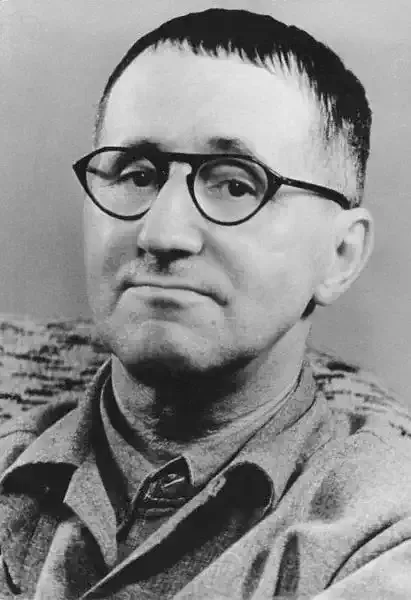
Bertolt Brecht
Fragen
Fragen
Schreib mir, was du anhast! Ist es warm?
Schreib mir, wie du liegst! Liegst du auch weich?
Schreib mir, wie du aussiehst! Ist´s noch gleich?
Schreib mir, was dir fehlt! Ist es mein Arm?
Schreib mir, wie´s dir geht! Verschont man dich?
Schreib mir, was sie treiben! Reicht dein Mut?
Schreib mir, was du tust! Ist es auch gut?
Schreib mir, woran denkst du? Bin es ich?
Freilich hab ich dir nur meine Fragen!
Und die Antwort hör ich, wie sie fällt!
Wenn du müd bist, kann ich dir nichts tragen.
Hungerst du, hab ich dir nichts zu Essen.
Und so bin ich grad wie aus der Welt
Nicht mehr da, als hätt ich dich vergessen.
Schreib mir, was du anhast! Ist es warm?
Schreib mir, wie du liegst! Liegst du auch weich?
Schreib mir, wie du aussiehst! Ist´s noch gleich?
Schreib mir, was dir fehlt! Ist es mein Arm?
Schreib mir, wie´s dir geht! Verschont man dich?
Schreib mir, was sie treiben! Reicht dein Mut?
Schreib mir, was du tust! Ist es auch gut?
Schreib mir, woran denkst du? Bin es ich?
Freilich hab ich dir nur meine Fragen!
Und die Antwort hör ich, wie sie fällt!
Wenn du müd bist, kann ich dir nichts tragen.
Hungerst du, hab ich dir nichts zu Essen.
Und so bin ich grad wie aus der Welt
Nicht mehr da, als hätt ich dich vergessen.
1,628
Bertolt Brecht
Future Generations (Translation of
Future Generations (Translation of
I confess this:
I have no hope.
The blind talk about an escape.
I see.
When the errors are consumed
The nothing will sit next to us
as our last companion.
Den Nachgeborenen
Ich gestehe es:
Ich habe keine Hoffnung.
Die Blinden reden von einem Ausweg.
Ich sehe.
Wenn die Irrtümer verbraucht sind
Sitzt als letzter Gesellschafter
Uns das Nichts gegenüber.
I confess this:
I have no hope.
The blind talk about an escape.
I see.
When the errors are consumed
The nothing will sit next to us
as our last companion.
Den Nachgeborenen
Ich gestehe es:
Ich habe keine Hoffnung.
Die Blinden reden von einem Ausweg.
Ich sehe.
Wenn die Irrtümer verbraucht sind
Sitzt als letzter Gesellschafter
Uns das Nichts gegenüber.
627
Bertolt Brecht
Alabama Song
Alabama Song
Show me the way to the next whisky bar
Oh, don't ask why, oh, don't ask why
Show me the way to the next whisky bar
Oh, don't ask why, oh, don't ask why
For if we don't find the next whisky bar
I tell you we must die
I tell you we must die
I tell you
I tell you
I tell you we must die
Oh, moon of Alabama
We now must say say good-bye
We've lost our good old mamma
And must have whisky
Oh, you know why.
Show me the way to the next pretty girl
Oh, don't ask why, oh, don't ask why
Show me the way to the next pretty girl
Oh don't ask why, oh, don't ask why
For if we don't find the next pretty girl
I tell you we must die
I tell you we must die
I tell you
I tell you
I tell you we must die
Oh, moon of Alabama
We now must say good-bye
We've lost our good old mamma
And must have a girl
Oh, you know why.
Show me the way to the next little dollar
Oh, don't ask why, oh, don't ask why
Show me the way to the next little dollar
Oh, don't ask why, oh, don't ask why
For if we don't find the next little dollar
I tell you we must die
I tell you we must die
I tell you
I tell you
I tell you we must die
Oh, moon of Alabama
We now must say good-bye
We've lost our good old mamma
And must have dollars
Oh, you know why.
Show me the way to the next whisky bar
Oh, don't ask why, oh, don't ask why
Show me the way to the next whisky bar
Oh, don't ask why, oh, don't ask why
For if we don't find the next whisky bar
I tell you we must die
I tell you we must die
I tell you
I tell you
I tell you we must die
Oh, moon of Alabama
We now must say say good-bye
We've lost our good old mamma
And must have whisky
Oh, you know why.
Show me the way to the next pretty girl
Oh, don't ask why, oh, don't ask why
Show me the way to the next pretty girl
Oh don't ask why, oh, don't ask why
For if we don't find the next pretty girl
I tell you we must die
I tell you we must die
I tell you
I tell you
I tell you we must die
Oh, moon of Alabama
We now must say good-bye
We've lost our good old mamma
And must have a girl
Oh, you know why.
Show me the way to the next little dollar
Oh, don't ask why, oh, don't ask why
Show me the way to the next little dollar
Oh, don't ask why, oh, don't ask why
For if we don't find the next little dollar
I tell you we must die
I tell you we must die
I tell you
I tell you
I tell you we must die
Oh, moon of Alabama
We now must say good-bye
We've lost our good old mamma
And must have dollars
Oh, you know why.
743
Bertolt Brecht
Alabama Song
Alabama Song
Show me the way to the next whisky bar
Oh, don't ask why, oh, don't ask why
Show me the way to the next whisky bar
Oh, don't ask why, oh, don't ask why
For if we don't find the next whisky bar
I tell you we must die
I tell you we must die
I tell you
I tell you
I tell you we must die
Oh, moon of Alabama
We now must say say good-bye
We've lost our good old mamma
And must have whisky
Oh, you know why.
Show me the way to the next pretty girl
Oh, don't ask why, oh, don't ask why
Show me the way to the next pretty girl
Oh don't ask why, oh, don't ask why
For if we don't find the next pretty girl
I tell you we must die
I tell you we must die
I tell you
I tell you
I tell you we must die
Oh, moon of Alabama
We now must say good-bye
We've lost our good old mamma
And must have a girl
Oh, you know why.
Show me the way to the next little dollar
Oh, don't ask why, oh, don't ask why
Show me the way to the next little dollar
Oh, don't ask why, oh, don't ask why
For if we don't find the next little dollar
I tell you we must die
I tell you we must die
I tell you
I tell you
I tell you we must die
Oh, moon of Alabama
We now must say good-bye
We've lost our good old mamma
And must have dollars
Oh, you know why.
Show me the way to the next whisky bar
Oh, don't ask why, oh, don't ask why
Show me the way to the next whisky bar
Oh, don't ask why, oh, don't ask why
For if we don't find the next whisky bar
I tell you we must die
I tell you we must die
I tell you
I tell you
I tell you we must die
Oh, moon of Alabama
We now must say say good-bye
We've lost our good old mamma
And must have whisky
Oh, you know why.
Show me the way to the next pretty girl
Oh, don't ask why, oh, don't ask why
Show me the way to the next pretty girl
Oh don't ask why, oh, don't ask why
For if we don't find the next pretty girl
I tell you we must die
I tell you we must die
I tell you
I tell you
I tell you we must die
Oh, moon of Alabama
We now must say good-bye
We've lost our good old mamma
And must have a girl
Oh, you know why.
Show me the way to the next little dollar
Oh, don't ask why, oh, don't ask why
Show me the way to the next little dollar
Oh, don't ask why, oh, don't ask why
For if we don't find the next little dollar
I tell you we must die
I tell you we must die
I tell you
I tell you
I tell you we must die
Oh, moon of Alabama
We now must say good-bye
We've lost our good old mamma
And must have dollars
Oh, you know why.
743
Bertolt Brecht
Alabama Song
Alabama Song
Show me the way to the next whisky bar
Oh, don't ask why, oh, don't ask why
Show me the way to the next whisky bar
Oh, don't ask why, oh, don't ask why
For if we don't find the next whisky bar
I tell you we must die
I tell you we must die
I tell you
I tell you
I tell you we must die
Oh, moon of Alabama
We now must say say good-bye
We've lost our good old mamma
And must have whisky
Oh, you know why.
Show me the way to the next pretty girl
Oh, don't ask why, oh, don't ask why
Show me the way to the next pretty girl
Oh don't ask why, oh, don't ask why
For if we don't find the next pretty girl
I tell you we must die
I tell you we must die
I tell you
I tell you
I tell you we must die
Oh, moon of Alabama
We now must say good-bye
We've lost our good old mamma
And must have a girl
Oh, you know why.
Show me the way to the next little dollar
Oh, don't ask why, oh, don't ask why
Show me the way to the next little dollar
Oh, don't ask why, oh, don't ask why
For if we don't find the next little dollar
I tell you we must die
I tell you we must die
I tell you
I tell you
I tell you we must die
Oh, moon of Alabama
We now must say good-bye
We've lost our good old mamma
And must have dollars
Oh, you know why.
Show me the way to the next whisky bar
Oh, don't ask why, oh, don't ask why
Show me the way to the next whisky bar
Oh, don't ask why, oh, don't ask why
For if we don't find the next whisky bar
I tell you we must die
I tell you we must die
I tell you
I tell you
I tell you we must die
Oh, moon of Alabama
We now must say say good-bye
We've lost our good old mamma
And must have whisky
Oh, you know why.
Show me the way to the next pretty girl
Oh, don't ask why, oh, don't ask why
Show me the way to the next pretty girl
Oh don't ask why, oh, don't ask why
For if we don't find the next pretty girl
I tell you we must die
I tell you we must die
I tell you
I tell you
I tell you we must die
Oh, moon of Alabama
We now must say good-bye
We've lost our good old mamma
And must have a girl
Oh, you know why.
Show me the way to the next little dollar
Oh, don't ask why, oh, don't ask why
Show me the way to the next little dollar
Oh, don't ask why, oh, don't ask why
For if we don't find the next little dollar
I tell you we must die
I tell you we must die
I tell you
I tell you
I tell you we must die
Oh, moon of Alabama
We now must say good-bye
We've lost our good old mamma
And must have dollars
Oh, you know why.
743
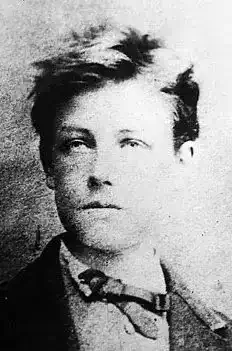
Arthur Rimbaud
Young Greedyguts
Young Greedyguts
Cap of silk moiré, little wand of ivory,
Clothes very dark.
Paul watches the cupboard,
sticks out little tongue at pear,
Prepares, gives a poke, and squitters.
Original French
Jeune goinfre
Casquette
De moire,
Quéquette
D'ivoire,
Toilette
Très noire,
Paul guette
L'armoire,
Projette
Languette
Sur poire,
S'apprête
Baguette,
Et foire.
Cap of silk moiré, little wand of ivory,
Clothes very dark.
Paul watches the cupboard,
sticks out little tongue at pear,
Prepares, gives a poke, and squitters.
Original French
Jeune goinfre
Casquette
De moire,
Quéquette
D'ivoire,
Toilette
Très noire,
Paul guette
L'armoire,
Projette
Languette
Sur poire,
S'apprête
Baguette,
Et foire.
584
Arthur Rimbaud
Working People
Working People
O that warm February morning!
The untimely south came
to stir up our absurd paupers' memories,
our young distress.
Henrika had on a brown
and white checked cotton skirt
which must have been worn in the last century,
a bonnet with ribbons and a silk scarf.
It was much sadder than any mourning.
We were taking a stroll in the suburbs.
The weather was overcast
and that wind from the south
excited all the evil odors of the desolate
garden and the dried fields.
It did not seem to weary my wife as it did me.
In a puddle left by the rains of the preceding month,
on a fairly high path,
she called my attention to some very little fishes.
The city with its smoke and its factory noises
followed us far out along the roads.
O other world, habituation
blessed by sky and shade!
The south brought black miserable memories
of my childhood, my summer despairs,
the horrible quantity of strength
and of knowledge that fate has always kept from me.
No! we will not spend the summer
in this avaricious country
where we shall never be anything
but affianced orphans.
I want this hardened arm
to stop dragging _a cherished image._
O that warm February morning!
The untimely south came
to stir up our absurd paupers' memories,
our young distress.
Henrika had on a brown
and white checked cotton skirt
which must have been worn in the last century,
a bonnet with ribbons and a silk scarf.
It was much sadder than any mourning.
We were taking a stroll in the suburbs.
The weather was overcast
and that wind from the south
excited all the evil odors of the desolate
garden and the dried fields.
It did not seem to weary my wife as it did me.
In a puddle left by the rains of the preceding month,
on a fairly high path,
she called my attention to some very little fishes.
The city with its smoke and its factory noises
followed us far out along the roads.
O other world, habituation
blessed by sky and shade!
The south brought black miserable memories
of my childhood, my summer despairs,
the horrible quantity of strength
and of knowledge that fate has always kept from me.
No! we will not spend the summer
in this avaricious country
where we shall never be anything
but affianced orphans.
I want this hardened arm
to stop dragging _a cherished image._
545
Arthur Rimbaud
Working People
Working People
O that warm February morning!
The untimely south came
to stir up our absurd paupers' memories,
our young distress.
Henrika had on a brown
and white checked cotton skirt
which must have been worn in the last century,
a bonnet with ribbons and a silk scarf.
It was much sadder than any mourning.
We were taking a stroll in the suburbs.
The weather was overcast
and that wind from the south
excited all the evil odors of the desolate
garden and the dried fields.
It did not seem to weary my wife as it did me.
In a puddle left by the rains of the preceding month,
on a fairly high path,
she called my attention to some very little fishes.
The city with its smoke and its factory noises
followed us far out along the roads.
O other world, habituation
blessed by sky and shade!
The south brought black miserable memories
of my childhood, my summer despairs,
the horrible quantity of strength
and of knowledge that fate has always kept from me.
No! we will not spend the summer
in this avaricious country
where we shall never be anything
but affianced orphans.
I want this hardened arm
to stop dragging _a cherished image._
O that warm February morning!
The untimely south came
to stir up our absurd paupers' memories,
our young distress.
Henrika had on a brown
and white checked cotton skirt
which must have been worn in the last century,
a bonnet with ribbons and a silk scarf.
It was much sadder than any mourning.
We were taking a stroll in the suburbs.
The weather was overcast
and that wind from the south
excited all the evil odors of the desolate
garden and the dried fields.
It did not seem to weary my wife as it did me.
In a puddle left by the rains of the preceding month,
on a fairly high path,
she called my attention to some very little fishes.
The city with its smoke and its factory noises
followed us far out along the roads.
O other world, habituation
blessed by sky and shade!
The south brought black miserable memories
of my childhood, my summer despairs,
the horrible quantity of strength
and of knowledge that fate has always kept from me.
No! we will not spend the summer
in this avaricious country
where we shall never be anything
but affianced orphans.
I want this hardened arm
to stop dragging _a cherished image._
545
Arthur Rimbaud
Vigils
Vigils
I.
It is a repose in the light,
neither fever nor languor,
on a bed or on a meadow.
It is the friend neither violent nor weak.
The friend.
It is the beloved neither
tormenting nor tormented.
The beloved.
Air and the world not sought.
Life. --Was it really this?
--And the dream grew cold.
II.
The lighting comes round
to the crown post again.
From the two extremities of the room
-- decorations negligible
-- harmonic elevations join.
The wall opposite the watcher
is a psychological succession
of atmospheric sections of friezes,
bands, and geological accidents.
Intense quick dream
of sentimental groups
with people of all possible characters
amidst all possible appearances.
III.
The lamps and the rugs
of the vigil make the noise
of waves in the night,
along the hull and around the steerage.
The sea of the vigil, like Emily's breasts.
The hangings, halfway up,
undergrowth of emerald tinted lace,
where dart the vigil doves. . . . . . . . . . . . . . . . . . . .
The plaque of the black hearth,
real suns of seashores! ah! magic wells;
only sight of dawn, this time.
I.
It is a repose in the light,
neither fever nor languor,
on a bed or on a meadow.
It is the friend neither violent nor weak.
The friend.
It is the beloved neither
tormenting nor tormented.
The beloved.
Air and the world not sought.
Life. --Was it really this?
--And the dream grew cold.
II.
The lighting comes round
to the crown post again.
From the two extremities of the room
-- decorations negligible
-- harmonic elevations join.
The wall opposite the watcher
is a psychological succession
of atmospheric sections of friezes,
bands, and geological accidents.
Intense quick dream
of sentimental groups
with people of all possible characters
amidst all possible appearances.
III.
The lamps and the rugs
of the vigil make the noise
of waves in the night,
along the hull and around the steerage.
The sea of the vigil, like Emily's breasts.
The hangings, halfway up,
undergrowth of emerald tinted lace,
where dart the vigil doves. . . . . . . . . . . . . . . . . . . .
The plaque of the black hearth,
real suns of seashores! ah! magic wells;
only sight of dawn, this time.
570
Arthur Rimbaud
Vigils
Vigils
I.
It is a repose in the light,
neither fever nor languor,
on a bed or on a meadow.
It is the friend neither violent nor weak.
The friend.
It is the beloved neither
tormenting nor tormented.
The beloved.
Air and the world not sought.
Life. --Was it really this?
--And the dream grew cold.
II.
The lighting comes round
to the crown post again.
From the two extremities of the room
-- decorations negligible
-- harmonic elevations join.
The wall opposite the watcher
is a psychological succession
of atmospheric sections of friezes,
bands, and geological accidents.
Intense quick dream
of sentimental groups
with people of all possible characters
amidst all possible appearances.
III.
The lamps and the rugs
of the vigil make the noise
of waves in the night,
along the hull and around the steerage.
The sea of the vigil, like Emily's breasts.
The hangings, halfway up,
undergrowth of emerald tinted lace,
where dart the vigil doves. . . . . . . . . . . . . . . . . . . .
The plaque of the black hearth,
real suns of seashores! ah! magic wells;
only sight of dawn, this time.
I.
It is a repose in the light,
neither fever nor languor,
on a bed or on a meadow.
It is the friend neither violent nor weak.
The friend.
It is the beloved neither
tormenting nor tormented.
The beloved.
Air and the world not sought.
Life. --Was it really this?
--And the dream grew cold.
II.
The lighting comes round
to the crown post again.
From the two extremities of the room
-- decorations negligible
-- harmonic elevations join.
The wall opposite the watcher
is a psychological succession
of atmospheric sections of friezes,
bands, and geological accidents.
Intense quick dream
of sentimental groups
with people of all possible characters
amidst all possible appearances.
III.
The lamps and the rugs
of the vigil make the noise
of waves in the night,
along the hull and around the steerage.
The sea of the vigil, like Emily's breasts.
The hangings, halfway up,
undergrowth of emerald tinted lace,
where dart the vigil doves. . . . . . . . . . . . . . . . . . . .
The plaque of the black hearth,
real suns of seashores! ah! magic wells;
only sight of dawn, this time.
570
Arthur Rimbaud
Those Who Sit
Those Who Sit
Dark with knobbed growths,
peppered with pock-marks like hail,
their eyes ringed with green,
their swollen fingers clenched on their thigh-bones,
their skulls caked with indeterminate crusts
like the leprous growths on old walls;
in amorous seizures they have grafted
their weird bone structures
to the great dark skeletons of their chairs;
their feet are entwined, morning and evening,
on the rickety rails!
These old men have always been one flesh with their seats,
feeling bright suns drying their skins to the texture of calico,
or else, looking at the window-panes
where the snow is turning grey,
shivering with the painful shiver of the toad.
And their Seats are kind to them;
coloured brown with age, the straw yields
to the angularities of their buttocks;
the spirit of ancient suns lights up,
bound in these braids of ears in which the corn fermented.
And the Seated Ones, knees drawn up to their teeth,
green pianists whose ten fingers keep drumming under their seats,
listen to the tapping of each other's melancholy barcolles;
and their heads nod back and forth as in the act of love.
-Oh don't make them get up! It's a catastrophe!
They rear up like growling tom-cats when struck,
slowly spreading their shoulders... What rage!
Their trousers puff out at their swelling backsides.
And you listen to them as they bump
their bald head is against the dark walls,
stamping and stamping with their crooked feet;
and their coat-buttons are the eyes of wild beasts
which fix yours from the end of the corridors!
And then they have an invisible weapon which can kill:
returning, their eyes seep the black poison
with which the beaten bitch's eye is charged,
and you sweat, trapped in the horrible funnel.
Reseated, their fists retreating into soiled cuffs,
they think about those that have made them
get up and, from dawn until dusk,
their tonsils in bunches tremble
under their meagre chins, fir to burst.
When austere slumbers have lowered their lids
they dream on their arms of seats become fertile;
of perfect little loves of open-work chairs surrounding dignified desks.
Flowers of ink dropping pollen like commas lull them asleep
in their rows of squat flower-cups like dragonflies
threading their flight along the flags
-and their membra virilia are aroused by barbed ears of wheat.
Dark with knobbed growths,
peppered with pock-marks like hail,
their eyes ringed with green,
their swollen fingers clenched on their thigh-bones,
their skulls caked with indeterminate crusts
like the leprous growths on old walls;
in amorous seizures they have grafted
their weird bone structures
to the great dark skeletons of their chairs;
their feet are entwined, morning and evening,
on the rickety rails!
These old men have always been one flesh with their seats,
feeling bright suns drying their skins to the texture of calico,
or else, looking at the window-panes
where the snow is turning grey,
shivering with the painful shiver of the toad.
And their Seats are kind to them;
coloured brown with age, the straw yields
to the angularities of their buttocks;
the spirit of ancient suns lights up,
bound in these braids of ears in which the corn fermented.
And the Seated Ones, knees drawn up to their teeth,
green pianists whose ten fingers keep drumming under their seats,
listen to the tapping of each other's melancholy barcolles;
and their heads nod back and forth as in the act of love.
-Oh don't make them get up! It's a catastrophe!
They rear up like growling tom-cats when struck,
slowly spreading their shoulders... What rage!
Their trousers puff out at their swelling backsides.
And you listen to them as they bump
their bald head is against the dark walls,
stamping and stamping with their crooked feet;
and their coat-buttons are the eyes of wild beasts
which fix yours from the end of the corridors!
And then they have an invisible weapon which can kill:
returning, their eyes seep the black poison
with which the beaten bitch's eye is charged,
and you sweat, trapped in the horrible funnel.
Reseated, their fists retreating into soiled cuffs,
they think about those that have made them
get up and, from dawn until dusk,
their tonsils in bunches tremble
under their meagre chins, fir to burst.
When austere slumbers have lowered their lids
they dream on their arms of seats become fertile;
of perfect little loves of open-work chairs surrounding dignified desks.
Flowers of ink dropping pollen like commas lull them asleep
in their rows of squat flower-cups like dragonflies
threading their flight along the flags
-and their membra virilia are aroused by barbed ears of wheat.
717
Arthur Rimbaud
Those Who Sit
Those Who Sit
Dark with knobbed growths,
peppered with pock-marks like hail,
their eyes ringed with green,
their swollen fingers clenched on their thigh-bones,
their skulls caked with indeterminate crusts
like the leprous growths on old walls;
in amorous seizures they have grafted
their weird bone structures
to the great dark skeletons of their chairs;
their feet are entwined, morning and evening,
on the rickety rails!
These old men have always been one flesh with their seats,
feeling bright suns drying their skins to the texture of calico,
or else, looking at the window-panes
where the snow is turning grey,
shivering with the painful shiver of the toad.
And their Seats are kind to them;
coloured brown with age, the straw yields
to the angularities of their buttocks;
the spirit of ancient suns lights up,
bound in these braids of ears in which the corn fermented.
And the Seated Ones, knees drawn up to their teeth,
green pianists whose ten fingers keep drumming under their seats,
listen to the tapping of each other's melancholy barcolles;
and their heads nod back and forth as in the act of love.
-Oh don't make them get up! It's a catastrophe!
They rear up like growling tom-cats when struck,
slowly spreading their shoulders... What rage!
Their trousers puff out at their swelling backsides.
And you listen to them as they bump
their bald head is against the dark walls,
stamping and stamping with their crooked feet;
and their coat-buttons are the eyes of wild beasts
which fix yours from the end of the corridors!
And then they have an invisible weapon which can kill:
returning, their eyes seep the black poison
with which the beaten bitch's eye is charged,
and you sweat, trapped in the horrible funnel.
Reseated, their fists retreating into soiled cuffs,
they think about those that have made them
get up and, from dawn until dusk,
their tonsils in bunches tremble
under their meagre chins, fir to burst.
When austere slumbers have lowered their lids
they dream on their arms of seats become fertile;
of perfect little loves of open-work chairs surrounding dignified desks.
Flowers of ink dropping pollen like commas lull them asleep
in their rows of squat flower-cups like dragonflies
threading their flight along the flags
-and their membra virilia are aroused by barbed ears of wheat.
Dark with knobbed growths,
peppered with pock-marks like hail,
their eyes ringed with green,
their swollen fingers clenched on their thigh-bones,
their skulls caked with indeterminate crusts
like the leprous growths on old walls;
in amorous seizures they have grafted
their weird bone structures
to the great dark skeletons of their chairs;
their feet are entwined, morning and evening,
on the rickety rails!
These old men have always been one flesh with their seats,
feeling bright suns drying their skins to the texture of calico,
or else, looking at the window-panes
where the snow is turning grey,
shivering with the painful shiver of the toad.
And their Seats are kind to them;
coloured brown with age, the straw yields
to the angularities of their buttocks;
the spirit of ancient suns lights up,
bound in these braids of ears in which the corn fermented.
And the Seated Ones, knees drawn up to their teeth,
green pianists whose ten fingers keep drumming under their seats,
listen to the tapping of each other's melancholy barcolles;
and their heads nod back and forth as in the act of love.
-Oh don't make them get up! It's a catastrophe!
They rear up like growling tom-cats when struck,
slowly spreading their shoulders... What rage!
Their trousers puff out at their swelling backsides.
And you listen to them as they bump
their bald head is against the dark walls,
stamping and stamping with their crooked feet;
and their coat-buttons are the eyes of wild beasts
which fix yours from the end of the corridors!
And then they have an invisible weapon which can kill:
returning, their eyes seep the black poison
with which the beaten bitch's eye is charged,
and you sweat, trapped in the horrible funnel.
Reseated, their fists retreating into soiled cuffs,
they think about those that have made them
get up and, from dawn until dusk,
their tonsils in bunches tremble
under their meagre chins, fir to burst.
When austere slumbers have lowered their lids
they dream on their arms of seats become fertile;
of perfect little loves of open-work chairs surrounding dignified desks.
Flowers of ink dropping pollen like commas lull them asleep
in their rows of squat flower-cups like dragonflies
threading their flight along the flags
-and their membra virilia are aroused by barbed ears of wheat.
717
Arthur Rimbaud
The Soul
The Soul
Eternal Undines, split the pure water.
Venus, sister of azure, stir up the clear wave.
Wandering Jews of Norway, tell me of snow;
old beloved exiles tell me of the sea.
Myself: No, no more of these pure drinks,
these water-flowers for glasses;
neither legends nor faces quench my thirst;
singer, your god-child is my thirst so mad,
a mouthless intimate hydra
which consumes and ravages.
Eternal Undines, split the pure water.
Venus, sister of azure, stir up the clear wave.
Wandering Jews of Norway, tell me of snow;
old beloved exiles tell me of the sea.
Myself: No, no more of these pure drinks,
these water-flowers for glasses;
neither legends nor faces quench my thirst;
singer, your god-child is my thirst so mad,
a mouthless intimate hydra
which consumes and ravages.
602
Arthur Rimbaud
The Soul
The Soul
Eternal Undines, split the pure water.
Venus, sister of azure, stir up the clear wave.
Wandering Jews of Norway, tell me of snow;
old beloved exiles tell me of the sea.
Myself: No, no more of these pure drinks,
these water-flowers for glasses;
neither legends nor faces quench my thirst;
singer, your god-child is my thirst so mad,
a mouthless intimate hydra
which consumes and ravages.
Eternal Undines, split the pure water.
Venus, sister of azure, stir up the clear wave.
Wandering Jews of Norway, tell me of snow;
old beloved exiles tell me of the sea.
Myself: No, no more of these pure drinks,
these water-flowers for glasses;
neither legends nor faces quench my thirst;
singer, your god-child is my thirst so mad,
a mouthless intimate hydra
which consumes and ravages.
602
Arthur Rimbaud
The Sly One
The Sly One
In the brown dining-room,
which was perfumed
with the scent of polish and fruit,
I was shoveling up at my ease
a plateful of some Belgian dish
or other, and sprawling in my enormous chair.
While I ate, I listened, happy and silent, to the clock.
The kitchen door opened with a gust,
and the servant girl came in,
I don't know what for,
neckerchief loose, hair dressed impishly.
And, passing her little finger tremblingly across her cheek,
a pink and white peach-bloom,
pouting with her childish mouth,
she tidied the plates standing close to me,
to make me feel comfortable; - and then, just like that,
- to get a kiss of course said
very softly: 'Feel, then, I' got a cold in the cheek…'
In the brown dining-room,
which was perfumed
with the scent of polish and fruit,
I was shoveling up at my ease
a plateful of some Belgian dish
or other, and sprawling in my enormous chair.
While I ate, I listened, happy and silent, to the clock.
The kitchen door opened with a gust,
and the servant girl came in,
I don't know what for,
neckerchief loose, hair dressed impishly.
And, passing her little finger tremblingly across her cheek,
a pink and white peach-bloom,
pouting with her childish mouth,
she tidied the plates standing close to me,
to make me feel comfortable; - and then, just like that,
- to get a kiss of course said
very softly: 'Feel, then, I' got a cold in the cheek…'
504
Arthur Rimbaud
The Seekers Of Lice
The Seekers Of Lice
When the child's forehead, full of red torments,
Implores the white swarm of indistinct dreams,
There come near his bed two tall charming sisters
With slim fingers that have silvery nails.
They seat the child in front of a wide open
Window where the blue air bathes a mass of flowers,
And in his heavy hair where the dew falls,
Move their delicate, fearful and enticing fingers.
He listens to the singing of their apprehensive breath
Which smells of long rosy plant honey,
And which at times a hiss interrupts, saliva
Caught on the lip or desire for kisses.
He hears their black eyelashes beating
in the perfumed Silence;
and their gentle electric fingers
Make in his half-drunken indolence the death of the little lice
Crackle under their royal nails.
Then the wine of Sloth rises in him,
The sigh of an harmonica which could bring on delerium;
The child feels, according to the slowness of the caresses,
Surging in him and dying continuously a desire to cry.
When the child's forehead, full of red torments,
Implores the white swarm of indistinct dreams,
There come near his bed two tall charming sisters
With slim fingers that have silvery nails.
They seat the child in front of a wide open
Window where the blue air bathes a mass of flowers,
And in his heavy hair where the dew falls,
Move their delicate, fearful and enticing fingers.
He listens to the singing of their apprehensive breath
Which smells of long rosy plant honey,
And which at times a hiss interrupts, saliva
Caught on the lip or desire for kisses.
He hears their black eyelashes beating
in the perfumed Silence;
and their gentle electric fingers
Make in his half-drunken indolence the death of the little lice
Crackle under their royal nails.
Then the wine of Sloth rises in him,
The sigh of an harmonica which could bring on delerium;
The child feels, according to the slowness of the caresses,
Surging in him and dying continuously a desire to cry.
482
Arthur Rimbaud
The Parisian Orgy
The Parisian Orgy
O cowards! There she is!
Pile out into the stations!
The sun with its fiery lungs blew clear
the boulevards that, one evening,
the Barbarians filled.
Here is the holy City, seated in the West! Come!
We'll stave off the return of the fires;
here are the quays, here are the boulevards,
here are the houses against the pale,
radiant blue-starred, one evening,
by the red flashes of bombs!
Hide the dead places with forests of planks!
Affrighted, the dying daylight freshens your looks.
Look at the red-headed troop of the wrigglers of hips:
be mad, you'll be comical, being haggard!
Pack of bitches on heat, eating poultices:
the cry from the houses of gold calls you!
Plunder! Eat! See the night of joy and deep twitchings
coming down on the street.
O desolate drinkers, Drink! When the light comes,
intense and crazed, to ransack round you the rustling luxuries,
you're not going to dribbe into your glasses
without motion or sound, with your eyes lost in white distances?
Knock it back: to the Queen whose buttocks cascade in folds!
Listen to the working of stupid tearing hiccups!
Listen to them leaping n the fiery night:
the panting idiots, the aged, the nonentities, the lackeys!
O hearts of filth, appalling mouths;
work harder, mouths of foul stenches!
Wine for these ignoble torpors, at these tables…
Your bellies are melting with shame, O Conquerors!
Open your nostrils to these superb nauseas!
Steep the tendons of your necks in strong poisons!
Laying his crossed hands on the napes of your childish necks,
the Poet says to you: 'O cowards! Be mad!
Because you are ransacking the guts of Woman,
you fear another convulsion from her, crying out,
and stifling your infamous perching on her breast with a horrible pressure.
Syphilitics, madmen, kings, puppets, ventriloquists!
What can you matter to Paris the whore?
Your souls or your bodies, your poisons or your rags?
She'll shake you off, you pox-rotten snarlers!
And when you are down, whimpering on your bellies,
your sides wrung, clamouring for your money back, distracted,
the red harlot with her breasts swelling
with battles will clench her hard fists,
far removed from your stupor!'
When your feet, Paris, danced so hard in anger!
When you had so many knife wounds; when you lay helpless,
still retaining in your clear eyes a little of the goodness
of the tawny spring; O city in pain;
O city almost dead, with your face and your two breasts
pointing towards the Future
which opens to your pallor its thousand million gates;
city whom the dark Past could bless:
Body galvanized back to life to suffer tremendous pains,
you are drinking in dreadful life once more!
You feel he ghastly pale worms flooding back in your veins,
the icy fingers prowling on your unclouded love!
And it does you no harm.
The worms, the pale worms, will obstruct your breath of Progress no more
than the Stryx could extinguish the eyes of the Caryatides,
from whose blue sills fell tears of sidereal gold.
Although it is frightful to see you again
covered in this fashion; although no city was ever made
into a more foul-smelling ulcer
on the face of green Nature, the Poet says to you:
'Your beauty is Marvelous!' The tempest sealed you in supreme poetry;
the huge stirring of strength comes to your aid;
your work comes to the boil, death groans, O chosen City!
Hoard in your heart the stridors of the ominous trumpet.
The Poet will take the sobs of the Infamous
the hate of the Galley-slaves, the clamour of the Damned;
and the beams of his love will scourge Womankind.
His verses will leap out: There's for you! There! Villains! -Society,
and everything, is restored: - the orgies are weeping
with dry sobs in the old brothels:
and on the reddened walls the gaslights in frenzy flare
balefully upwards to the wan blue skies!
O cowards! There she is!
Pile out into the stations!
The sun with its fiery lungs blew clear
the boulevards that, one evening,
the Barbarians filled.
Here is the holy City, seated in the West! Come!
We'll stave off the return of the fires;
here are the quays, here are the boulevards,
here are the houses against the pale,
radiant blue-starred, one evening,
by the red flashes of bombs!
Hide the dead places with forests of planks!
Affrighted, the dying daylight freshens your looks.
Look at the red-headed troop of the wrigglers of hips:
be mad, you'll be comical, being haggard!
Pack of bitches on heat, eating poultices:
the cry from the houses of gold calls you!
Plunder! Eat! See the night of joy and deep twitchings
coming down on the street.
O desolate drinkers, Drink! When the light comes,
intense and crazed, to ransack round you the rustling luxuries,
you're not going to dribbe into your glasses
without motion or sound, with your eyes lost in white distances?
Knock it back: to the Queen whose buttocks cascade in folds!
Listen to the working of stupid tearing hiccups!
Listen to them leaping n the fiery night:
the panting idiots, the aged, the nonentities, the lackeys!
O hearts of filth, appalling mouths;
work harder, mouths of foul stenches!
Wine for these ignoble torpors, at these tables…
Your bellies are melting with shame, O Conquerors!
Open your nostrils to these superb nauseas!
Steep the tendons of your necks in strong poisons!
Laying his crossed hands on the napes of your childish necks,
the Poet says to you: 'O cowards! Be mad!
Because you are ransacking the guts of Woman,
you fear another convulsion from her, crying out,
and stifling your infamous perching on her breast with a horrible pressure.
Syphilitics, madmen, kings, puppets, ventriloquists!
What can you matter to Paris the whore?
Your souls or your bodies, your poisons or your rags?
She'll shake you off, you pox-rotten snarlers!
And when you are down, whimpering on your bellies,
your sides wrung, clamouring for your money back, distracted,
the red harlot with her breasts swelling
with battles will clench her hard fists,
far removed from your stupor!'
When your feet, Paris, danced so hard in anger!
When you had so many knife wounds; when you lay helpless,
still retaining in your clear eyes a little of the goodness
of the tawny spring; O city in pain;
O city almost dead, with your face and your two breasts
pointing towards the Future
which opens to your pallor its thousand million gates;
city whom the dark Past could bless:
Body galvanized back to life to suffer tremendous pains,
you are drinking in dreadful life once more!
You feel he ghastly pale worms flooding back in your veins,
the icy fingers prowling on your unclouded love!
And it does you no harm.
The worms, the pale worms, will obstruct your breath of Progress no more
than the Stryx could extinguish the eyes of the Caryatides,
from whose blue sills fell tears of sidereal gold.
Although it is frightful to see you again
covered in this fashion; although no city was ever made
into a more foul-smelling ulcer
on the face of green Nature, the Poet says to you:
'Your beauty is Marvelous!' The tempest sealed you in supreme poetry;
the huge stirring of strength comes to your aid;
your work comes to the boil, death groans, O chosen City!
Hoard in your heart the stridors of the ominous trumpet.
The Poet will take the sobs of the Infamous
the hate of the Galley-slaves, the clamour of the Damned;
and the beams of his love will scourge Womankind.
His verses will leap out: There's for you! There! Villains! -Society,
and everything, is restored: - the orgies are weeping
with dry sobs in the old brothels:
and on the reddened walls the gaslights in frenzy flare
balefully upwards to the wan blue skies!
640
Arthur Rimbaud
The Famous Victory Of Saarbrucken
The Famous Victory Of Saarbrucken
At centre, the Emperor, blue-yellow, in apotheosis,
Gallops off, ramrod straight, on his fine gee-gee,
Very happy – since everything he sees is rosy,
Fierce as Zeus, and as gentle as a Daddy is:
The brave Infantrymen taking a nap, in vain,
Under the gilded drums and scarlet cannon,
Rise politely. One puts his tunic back on,
And, turns to the Chief, stunned by the big name!
On the right, another, leaning on his rifle butt,
Feeling the hair rise at the back of his neck,
Shouts: ‘Vive L’Empereur!!” – his neighbour’s mute…
A shako rises, like a black sun…– In the midst
The last, a simpleton in red and blue, lying on his gut
Gets up, and, – showing his arse – asks: “On what?”
At centre, the Emperor, blue-yellow, in apotheosis,
Gallops off, ramrod straight, on his fine gee-gee,
Very happy – since everything he sees is rosy,
Fierce as Zeus, and as gentle as a Daddy is:
The brave Infantrymen taking a nap, in vain,
Under the gilded drums and scarlet cannon,
Rise politely. One puts his tunic back on,
And, turns to the Chief, stunned by the big name!
On the right, another, leaning on his rifle butt,
Feeling the hair rise at the back of his neck,
Shouts: ‘Vive L’Empereur!!” – his neighbour’s mute…
A shako rises, like a black sun…– In the midst
The last, a simpleton in red and blue, lying on his gut
Gets up, and, – showing his arse – asks: “On what?”
610
Arthur Rimbaud
The Accursed Cherub
The Accursed Cherub
Bluish roofs and white doors
As on nocturnal Sundays,
At the town's end,
the road without Sound is white,
and it is night.
The street has strange houses
With shutters of angels.
But look how he runs towards a Boundary-stone,
evil and shivering, A dark cherub who staggers,
Having eaten too many jububes.
He does a cack : then disappears :
But his cursed cack appears,
Under the holy empty moon,
A slight cesspool of dirty blood !
Louis Ratisbonne.
Original French
L'angelot maudit
Toits bleuâtres et portes blanches
Comme en de nocturnes dimanches,
Au bout de la ville sans bruit
La Rue est blanche, et c'est la nuit.
La Rue a des maisons étranges
Avec des persiennes d'Anges.
Mais, vers une borne, voici
Accourir, mauvais et transi,
Un noir Angelot qui titube,
Ayant trop mangé de jujube.
Il fait caca : puis disparaît :
Mais son caca maudit paraît,
Sous la lune sainte qui vaque,
De sang sale un léger cloaque
Bluish roofs and white doors
As on nocturnal Sundays,
At the town's end,
the road without Sound is white,
and it is night.
The street has strange houses
With shutters of angels.
But look how he runs towards a Boundary-stone,
evil and shivering, A dark cherub who staggers,
Having eaten too many jububes.
He does a cack : then disappears :
But his cursed cack appears,
Under the holy empty moon,
A slight cesspool of dirty blood !
Louis Ratisbonne.
Original French
L'angelot maudit
Toits bleuâtres et portes blanches
Comme en de nocturnes dimanches,
Au bout de la ville sans bruit
La Rue est blanche, et c'est la nuit.
La Rue a des maisons étranges
Avec des persiennes d'Anges.
Mais, vers une borne, voici
Accourir, mauvais et transi,
Un noir Angelot qui titube,
Ayant trop mangé de jujube.
Il fait caca : puis disparaît :
Mais son caca maudit paraît,
Sous la lune sainte qui vaque,
De sang sale un léger cloaque
587
Arthur Rimbaud
Sun And Flesh (Credo In Unam)
Sun And Flesh (Credo In Unam)
Birth of Venus
I
The Sun, the hearth of affection and life,
Pours burning love on the delighted earth,
And when you lie down in the valley, you can smell
How the earth is nubile and very full-blooded;
How its huge breast, heaved up by a soul,
Is, like God, made of love, and, like woman, of flesh,
And that it contains, big with sap and with sunlight,
The vast pullulation of all embryos!
And everything grows, and everything rises!
-O Venus, O Goddess!
I long for the days of antique youth,
Of lascivious satyrs, and animal fauns,
Gods who bit, mad with love, the bark of the boughs,
And among water-lilies kissed the Nymph with fair hair!
I long for the time when the sap of the world,
River water, the rose-coloured blood of green trees
Put into the veins of Pan a whole universe!
When the earth trembled, green,beneath his goat-feet;
When, softly kissing the fair Syrinx, his lips formed
Under heaven the great hymn of love;
When, standing on the plain, he heard round about him
Living Nature answer his call;
When the silent trees cradling the singing bird,
Earth cradling mankind, and the whole blue Ocean,
And all living creatures loved, loved in God!
I long for the time of great Cybele,
Who was said to travel, gigantically lovely,
In a great bronze chariot, through splendid cities;
Her twin breasts poured, through the vast deeps,
The pure streams of infinite life.
Mankind sucked joyfully at her blessed nipple,
Like a small child playing on her knees.
-Because he was strong, Man was gentle and chaste.
Misfortune! Now he says: I understand things,
And goes about with eyes shut and ears closed.
-And again, no more gods! no more gods! Man is King,
Man is God! But the great faith is Love!
Oh! if only man still drew sustenance from your nipple,
Great mother of gods and of men, Cybele;
If only he had not forsaken immortal Astarte
Who long ago, rising in the tremendous brightness
Of blue waters, flower-flesh perfumed by the wave,
Showed her rosy navel, towards which the foam came snowing
And , being a goddess with the great conquering black eyes,
Made the nightingale sing in the woods and love in men's hearts!
The Birth of Venus
II
I believe! I believe in you! divine mother,
Sea-born Aphrodite! - Oh! the path is bitter
Since the other God harnessed us to his cross;
Flesh, Marble, Flower, Venus, in you I believe!
-yes, Man is sad and ugly, sad under the vast sky.
He possesses clothes, because he is no longer chaste,
Because he has defiled his proud, godlike head
And because he has bent, like an idol in the furnace,
His Olympian form towards base slaveries!
Yes, even after death, in the form of pale skeletons
He wishes to live and insult the original beauty!
-And the Idol in whom you placed such maidenhood,
Woman, in whom you rendered our clay divine,
So that Man might bring light into his poor soul
And slowly ascend, in unbounded love,
From the earthly prison to the beauty of day,
Woman no longer knows even how to be a Courtesan!
-It's a fine farce! and the world snickers
At the sweet and sacred name of great Venus!
III
If only the times which have come and gone might come again!
-For Man is finished! Man has played all the parts!
In the broad daylight, wearied with breaking idols
He will revive, free of all his gods,
And, since he is of heaven, he will scan the heavens!
The Ideal, that eternal, invincible thought, which is
All; The living god within his fleshly clay,
Will rise, mount, burn beneath his brow!
An when you see him plumbing the whole horizon,
Despising old yokes, and free from all fear,
You will come and give him holy Redemption!
-Resplendent, radiant, from the bosom of the huge seas
You will rise up and give to the vast Universe
Infinite Love with its eternal smile!
The World will vibrate like an immense lyre
In the trembling of an infinite kiss!
-The World thirsts for love: you will come and slake its thirst.
....................................................
O! Man has raised his free, proud head!
And the sudden blaze of primordial beauty
Makes the god quiver in the altar of the flesh!
Happy in the present good, pale from the ill suffered,
Man wishes to plumb all depths, - and know all things! Thought,
So long a jade, and for so long oppressed,
Springs from his forehead! She will know Why!...
Let her but gallop free, and Man will find Faith!
-Why the blue silence, unfathomable space?
Why the golden stars, teeming like sands?
If one ascended forever, what would one see up there?
Does a sheperd drive this enormous flock
Of worlds on a journey through this horror of space?
And do all these worlds contained in the vast ether,
tremble at the tones of an eternal voice?
-And Man, can he see? can he say: I believe?
Is the langage of thought anymore than a dream?
If man is born so quickly, if life is so short
Whence does he come? Does he sink into the deep Ocean
Of Germs, of Foetuses, of Embryos, to the bottom
of the huge Crucible where Nature the Mother
Will resuscitate him, a living creature,
To love in the rose and to grow in the corn?...
We cannot know! - We are weighed down
With a cloak of ignorance, hemmed in by chimaeras!
Men like apes, dropped from our mothers' wombs,
Our feeble reason hides the infinite from us!
We wish to perceive: - and Doubt punishes us!
Doubt, dismal bird, beat us down with its wing...
-And the horizon rushes away in endless flight!...
.......................................................
The vast heaven is open! the mysteries lie dead
Before erect Man, who folds his strong arms
Among the vast splendour of abundant Nature!
He sings... and the woods sing, the river murmurs
A song full of happiness which rises towards the light!...
-it is Redemption! it is love! it is love!...
IV
O splendour of flesh! O ideal splendour!
O renewal of love, triumphal dawn
When, prostrating the Gods and the Heroes,
White Callipyge and little Eros
Covered with the snow of rose petals, will caress
Women and flowers beneath their lovely outstretched feet!
-O great Ariadne who pour out your tears
On the shore, as you see, out there on the waves,
The sail of Theseus flying white under the sun,
O sweet virgin child whom a night has broken,
Be silent! On his golden chariot studded with black grapes,
Lysios, who has been drawn through Phrygian fields
By lascivious tigers and russet panthers,
Reddens the dark mosses along the blue rivers.
-Zeus, the Bull, cradles on his neck like a child
The nude body of Europa who throws her white arm
Round the God's muscular neck which shivers in the wave.
Slowly he turns his dreamy eye towards her;
She, droops her pale flowerlike cheek
On the brow of Zeus; her eyes are closed; she is dying
In a divine kiss, and the murmuring waters
Strew the flowers of their golden foam on her hair.
-Between the oleander and the gaudy lotus tree
Slips amorously the great dreaming Swan
Enfloding Leda in the whiteness of his wing;
-And while Cypris goes by, strangely beautiful,
And, arching the marvellous curves of her back,
Proudly displays the golden vision of her big breasts
And snowy belly embroidered with black moss,
-Hercules, Tamer of beasts, in his Strength,
Robes his huge body with the lion's skin as with glory
And faces the horizons, his brow terrible and sweet!
Vaguely lit by the summer moon,
Erect, naked, dreaming in her pallor of gold
Streaked by the heavy wave of her long blue hair,
In the shadowy glade whenre stars spring in the moss,
The Dryade gazes up at the silent sky...
-White Selene, timidly, lets her veil float,
Over the feet of beautiful Endymion,
And throws him a kiss in a pale beam...
-The Spring sobs far off in a long ectasy...
Ii is the nymph who dreams with one elbow on her urn,
Of the handsome white stripling her wave has pressed against.
-A soft wind of love has passed in the night,
And in the sacred woods, amid the standing hair of the great trees,
Erect in majesty, the shadowly Marbles,
The Gods, on whose brows the Bullfinch has his nest,
-the Gods listen to Men, and to the infinite World!
Original French
Soleil et Chair
I
Le Soleil, le foyer de tendresse et de vie,
Verse l'amour brûlant à la terre ravie,
Et, quand on est couché sur la vallée, on sent
Que la terre est nubile et déborde de sang ;
Que son immense sein, soulevé par une âme,
Est d'amour comme Dieu, de chair comme la femme,
Et qu'il renferme, gros de sève et de rayons,
Le grand fourmillement de tous les embryons !
Et tout croît, et tout monte !
spacespacespacespacespacespace- O Vénus, ô Déesse !
Je regrette les temps de l'antique jeunesse,
Des satyres lascifs, des faunes animaux,
Dieux qui mordaient d'amour l'écorce des rameaux
Et dans les nénuphars baisaient la Nymphe blonde !
Je regrette les temps où la sève du monde,
L'eau du fleuve, le sang rose des arbres verts
Dans les veines de Pan mettaient un univers !.
Où le sol palpitait, vert, sous ses pieds de chèvre ;
Où, baisant mollement le clair syrinx, sa lèvre
Modulait sous le ciel le grand hymne d'amour ;
Où, debout sur la plaine, il entendait autour
Répondre à son appel la Nature vivante ;
Où les arbres muets, berçant l'oiseau qui chante,
La terre berçant l'homme, et tout l'Océan bleu
Et tous les animaux aimaient, aimaient en Dieu !
Soleil et Chair, Suite
Je regrette les temps de la grande Cybèle
Qu'on disait parcourir, gigantesquement belle,
Sur un grand char d'airain, les splendides cités ;
Son double sein versait dans les immensités
Le pur ruissellement de la vie infinie.
L'Homme suçait, heureux, sa mamelle bénie,
Comme un petit enfant, jouant sur ses genoux.
-Parce qu'il était fort, l'Homme était chaste et doux.
Misère ! Maintenant il dit : Je sais les choses,
Et va, les yeux fermés et les oreille closes.
-Et pourtant, plus de dieux ! plus de dieux ! l'Homme est Roi,
L'Homme est Dieu ! Mais l'Amour, voilà la grande Foi !
Oh ! si l'homme puisait encore à ta mamelle,
Grande mère des dieux et des hommes, Cybèle ;
S'il n'avait pas laissé l'immortelle Astarté
Qui jadis, émergeant dans l'immense clarté
Des flots bleus, fleur de chair que la vague parfume,
Montra son nombril rose où vint neiger l'écume,
Et fit chanter, Déesse aux grands yeux noirs vainqueurs,
Le rossignol aux bois et l'amour dans les coeurs !
II
Je crois en toi ! Je crois en toi ! divine mère,
Aphrodite marine ! - Oh ! la route est amère
Depuis que l'autre Dieu nous attelle à sa croix ;
Chair, Marbre, Fleur, Vénus, c'est en toi que je crois !
-Oui, l'Homme est triste et laid, triste sous le ciel vaste,
Il a des vêtements, parce qu'il n'est plus chaste,
Parce qu'il a sali son fier buste de Dieu,
Et qu'il a rabougri, comme une idole au feu,
Son corps Olympien aux servitudes sales !
Oui, même après la mort, dans les squelettes pâles
Il veut vivre, insultant la première beauté !
-Et l'Idole où tu mis tant de virginité,
Où tu divinisas notre argile, la Femme,
Afin que l'Homme pût éclairer sa pauvre âme
Et monter lentement, dans un immense amour,
De la prison terrestre à la beauté du jour,
La Femme ne sait plus même être Courtisane !
-C'est une bonne farce ! et le monde ricane
Au nom doux et sacré de la grande Vénus !
III
Si les temps revenaient, les temps qui sont venus !
-Car l'Homme a fini ! l'Homme a joué tous les rôles !
Au grand jour, fatigué de briser des idoles
Il ressuscitera, libre de tous ses Dieux,
Et, comme il est du ciel, il scrutera les cieux !
L'idéal, la pensée invincible, éternelle,
Tout ; le dieu qui vit, sous son argile charnelle,
Montera, montera, brûlera sous son front !
Et quand tu le verras sonder tout l'horizon,
Contempteur des vieux jougs, libre de toute crainte,
Tu viendras lui donner la Rédemption sainte !
-Splendide, radieuse, au sein des grandes mers
Tu surgiras, jetant sur le vaste Univers
L'Amour infini dans un infini sourire !
Le Monde vibrera comme une immense lyre
Dans le frémissement d'un immense baiser
-Le Monde a soif d'amour : tu viendras l'apaiser.
IV
O splendeur de la chair ! ô splendeur idéale !
O renouveau d'amour, aurore triomphale
Où, courbant à leurs pieds les Dieux et les Héros,
Kallipyge la blanche et le petit Éros
Effleureront, couverts de la neige des roses,
Les femmes et les fleurs sous leurs beaux pieds écloses !
-O grande Ariadné, qui jette tes sanglots
Sur la rive, en voyant fuir là-bas sur les flots
Blanche sous le soleil, la voile de Thésée,
O douce vierge enfant qu'une nuit a brisée,
Tais-toi ! Sur son char d'or brodé de noirs raisins,
Lysios, promené dans les champs Phrygiens
Par les tigres lascifs et les panthères rousses,
Le long des fleuves bleus rougit les sombres mousses.
-Zeus, Taureau, sur son cou berce comme une enfant
Le corps nu d'Europé, qui jette son bras blanc
Au cou nerveux du Dieu frissonnant dans la vague
Il tourne lentement vers elle son oeil vague ;
Elle, laisse traîner sa pâle joue en fleur
Au front de Zeus ; ses yeux sont fermés ; elle meurt
Dans un divin baiser, et le flot qui murmure
De son écume d'or fleurit sa chevelure.
-Entre le laurier-rose et le lotus jaseur
Glisse amoureusement le grand Cygne rêveur
Embrassant la Léda des blancheurs de son aile ;
-Et tandis que Cypris passe, étrangement belle,
Et, cambrant les rondeurs splendides de ses reins,
Étale fièrement l'or de ses larges seins
Et son ventre neigeux brodé de mousse noire,
-Héraclès, le Dompteur, qui, comme d'une gloire
Fort, ceint son vaste corps de la peau du lion,
S'avance, front terrible et doux, à l'horizon !
Par la lune d'été vaguement éclairée,
Debout, nue, et rêvant dans sa pâleur dorée
Que tache le flot lourd de ses longs cheveux bleus,
Dans la clairière sombre, où la mousse s'étoile,
La Dryade regarde au ciel silencieux....
-La blanche Séléné laisse flotter son voile,
Craintive, sur les pieds du bel Endymion,
Et lui jette un baiser dans un pâle rayon...
-La Source pleure au loin dans une longue extase...
C'est la nymphe qui rêve, un coude sur son vase,
Au beau jeune homme blanc que son onde a pressé.
-Une brise d'amour dans la nuit a passé,
Et, dans les bois sacrés, dans l'horreur des grands arbres,
Majestueusement debout, les sombres Marbres,
Les Dieux, au front desquels le Bouvreuil fait son nid,
-Les Dieux écoutent l'homme et le Monde infini !
Birth of Venus
I
The Sun, the hearth of affection and life,
Pours burning love on the delighted earth,
And when you lie down in the valley, you can smell
How the earth is nubile and very full-blooded;
How its huge breast, heaved up by a soul,
Is, like God, made of love, and, like woman, of flesh,
And that it contains, big with sap and with sunlight,
The vast pullulation of all embryos!
And everything grows, and everything rises!
-O Venus, O Goddess!
I long for the days of antique youth,
Of lascivious satyrs, and animal fauns,
Gods who bit, mad with love, the bark of the boughs,
And among water-lilies kissed the Nymph with fair hair!
I long for the time when the sap of the world,
River water, the rose-coloured blood of green trees
Put into the veins of Pan a whole universe!
When the earth trembled, green,beneath his goat-feet;
When, softly kissing the fair Syrinx, his lips formed
Under heaven the great hymn of love;
When, standing on the plain, he heard round about him
Living Nature answer his call;
When the silent trees cradling the singing bird,
Earth cradling mankind, and the whole blue Ocean,
And all living creatures loved, loved in God!
I long for the time of great Cybele,
Who was said to travel, gigantically lovely,
In a great bronze chariot, through splendid cities;
Her twin breasts poured, through the vast deeps,
The pure streams of infinite life.
Mankind sucked joyfully at her blessed nipple,
Like a small child playing on her knees.
-Because he was strong, Man was gentle and chaste.
Misfortune! Now he says: I understand things,
And goes about with eyes shut and ears closed.
-And again, no more gods! no more gods! Man is King,
Man is God! But the great faith is Love!
Oh! if only man still drew sustenance from your nipple,
Great mother of gods and of men, Cybele;
If only he had not forsaken immortal Astarte
Who long ago, rising in the tremendous brightness
Of blue waters, flower-flesh perfumed by the wave,
Showed her rosy navel, towards which the foam came snowing
And , being a goddess with the great conquering black eyes,
Made the nightingale sing in the woods and love in men's hearts!
The Birth of Venus
II
I believe! I believe in you! divine mother,
Sea-born Aphrodite! - Oh! the path is bitter
Since the other God harnessed us to his cross;
Flesh, Marble, Flower, Venus, in you I believe!
-yes, Man is sad and ugly, sad under the vast sky.
He possesses clothes, because he is no longer chaste,
Because he has defiled his proud, godlike head
And because he has bent, like an idol in the furnace,
His Olympian form towards base slaveries!
Yes, even after death, in the form of pale skeletons
He wishes to live and insult the original beauty!
-And the Idol in whom you placed such maidenhood,
Woman, in whom you rendered our clay divine,
So that Man might bring light into his poor soul
And slowly ascend, in unbounded love,
From the earthly prison to the beauty of day,
Woman no longer knows even how to be a Courtesan!
-It's a fine farce! and the world snickers
At the sweet and sacred name of great Venus!
III
If only the times which have come and gone might come again!
-For Man is finished! Man has played all the parts!
In the broad daylight, wearied with breaking idols
He will revive, free of all his gods,
And, since he is of heaven, he will scan the heavens!
The Ideal, that eternal, invincible thought, which is
All; The living god within his fleshly clay,
Will rise, mount, burn beneath his brow!
An when you see him plumbing the whole horizon,
Despising old yokes, and free from all fear,
You will come and give him holy Redemption!
-Resplendent, radiant, from the bosom of the huge seas
You will rise up and give to the vast Universe
Infinite Love with its eternal smile!
The World will vibrate like an immense lyre
In the trembling of an infinite kiss!
-The World thirsts for love: you will come and slake its thirst.
....................................................
O! Man has raised his free, proud head!
And the sudden blaze of primordial beauty
Makes the god quiver in the altar of the flesh!
Happy in the present good, pale from the ill suffered,
Man wishes to plumb all depths, - and know all things! Thought,
So long a jade, and for so long oppressed,
Springs from his forehead! She will know Why!...
Let her but gallop free, and Man will find Faith!
-Why the blue silence, unfathomable space?
Why the golden stars, teeming like sands?
If one ascended forever, what would one see up there?
Does a sheperd drive this enormous flock
Of worlds on a journey through this horror of space?
And do all these worlds contained in the vast ether,
tremble at the tones of an eternal voice?
-And Man, can he see? can he say: I believe?
Is the langage of thought anymore than a dream?
If man is born so quickly, if life is so short
Whence does he come? Does he sink into the deep Ocean
Of Germs, of Foetuses, of Embryos, to the bottom
of the huge Crucible where Nature the Mother
Will resuscitate him, a living creature,
To love in the rose and to grow in the corn?...
We cannot know! - We are weighed down
With a cloak of ignorance, hemmed in by chimaeras!
Men like apes, dropped from our mothers' wombs,
Our feeble reason hides the infinite from us!
We wish to perceive: - and Doubt punishes us!
Doubt, dismal bird, beat us down with its wing...
-And the horizon rushes away in endless flight!...
.......................................................
The vast heaven is open! the mysteries lie dead
Before erect Man, who folds his strong arms
Among the vast splendour of abundant Nature!
He sings... and the woods sing, the river murmurs
A song full of happiness which rises towards the light!...
-it is Redemption! it is love! it is love!...
IV
O splendour of flesh! O ideal splendour!
O renewal of love, triumphal dawn
When, prostrating the Gods and the Heroes,
White Callipyge and little Eros
Covered with the snow of rose petals, will caress
Women and flowers beneath their lovely outstretched feet!
-O great Ariadne who pour out your tears
On the shore, as you see, out there on the waves,
The sail of Theseus flying white under the sun,
O sweet virgin child whom a night has broken,
Be silent! On his golden chariot studded with black grapes,
Lysios, who has been drawn through Phrygian fields
By lascivious tigers and russet panthers,
Reddens the dark mosses along the blue rivers.
-Zeus, the Bull, cradles on his neck like a child
The nude body of Europa who throws her white arm
Round the God's muscular neck which shivers in the wave.
Slowly he turns his dreamy eye towards her;
She, droops her pale flowerlike cheek
On the brow of Zeus; her eyes are closed; she is dying
In a divine kiss, and the murmuring waters
Strew the flowers of their golden foam on her hair.
-Between the oleander and the gaudy lotus tree
Slips amorously the great dreaming Swan
Enfloding Leda in the whiteness of his wing;
-And while Cypris goes by, strangely beautiful,
And, arching the marvellous curves of her back,
Proudly displays the golden vision of her big breasts
And snowy belly embroidered with black moss,
-Hercules, Tamer of beasts, in his Strength,
Robes his huge body with the lion's skin as with glory
And faces the horizons, his brow terrible and sweet!
Vaguely lit by the summer moon,
Erect, naked, dreaming in her pallor of gold
Streaked by the heavy wave of her long blue hair,
In the shadowy glade whenre stars spring in the moss,
The Dryade gazes up at the silent sky...
-White Selene, timidly, lets her veil float,
Over the feet of beautiful Endymion,
And throws him a kiss in a pale beam...
-The Spring sobs far off in a long ectasy...
Ii is the nymph who dreams with one elbow on her urn,
Of the handsome white stripling her wave has pressed against.
-A soft wind of love has passed in the night,
And in the sacred woods, amid the standing hair of the great trees,
Erect in majesty, the shadowly Marbles,
The Gods, on whose brows the Bullfinch has his nest,
-the Gods listen to Men, and to the infinite World!
Original French
Soleil et Chair
I
Le Soleil, le foyer de tendresse et de vie,
Verse l'amour brûlant à la terre ravie,
Et, quand on est couché sur la vallée, on sent
Que la terre est nubile et déborde de sang ;
Que son immense sein, soulevé par une âme,
Est d'amour comme Dieu, de chair comme la femme,
Et qu'il renferme, gros de sève et de rayons,
Le grand fourmillement de tous les embryons !
Et tout croît, et tout monte !
spacespacespacespacespacespace- O Vénus, ô Déesse !
Je regrette les temps de l'antique jeunesse,
Des satyres lascifs, des faunes animaux,
Dieux qui mordaient d'amour l'écorce des rameaux
Et dans les nénuphars baisaient la Nymphe blonde !
Je regrette les temps où la sève du monde,
L'eau du fleuve, le sang rose des arbres verts
Dans les veines de Pan mettaient un univers !.
Où le sol palpitait, vert, sous ses pieds de chèvre ;
Où, baisant mollement le clair syrinx, sa lèvre
Modulait sous le ciel le grand hymne d'amour ;
Où, debout sur la plaine, il entendait autour
Répondre à son appel la Nature vivante ;
Où les arbres muets, berçant l'oiseau qui chante,
La terre berçant l'homme, et tout l'Océan bleu
Et tous les animaux aimaient, aimaient en Dieu !
Soleil et Chair, Suite
Je regrette les temps de la grande Cybèle
Qu'on disait parcourir, gigantesquement belle,
Sur un grand char d'airain, les splendides cités ;
Son double sein versait dans les immensités
Le pur ruissellement de la vie infinie.
L'Homme suçait, heureux, sa mamelle bénie,
Comme un petit enfant, jouant sur ses genoux.
-Parce qu'il était fort, l'Homme était chaste et doux.
Misère ! Maintenant il dit : Je sais les choses,
Et va, les yeux fermés et les oreille closes.
-Et pourtant, plus de dieux ! plus de dieux ! l'Homme est Roi,
L'Homme est Dieu ! Mais l'Amour, voilà la grande Foi !
Oh ! si l'homme puisait encore à ta mamelle,
Grande mère des dieux et des hommes, Cybèle ;
S'il n'avait pas laissé l'immortelle Astarté
Qui jadis, émergeant dans l'immense clarté
Des flots bleus, fleur de chair que la vague parfume,
Montra son nombril rose où vint neiger l'écume,
Et fit chanter, Déesse aux grands yeux noirs vainqueurs,
Le rossignol aux bois et l'amour dans les coeurs !
II
Je crois en toi ! Je crois en toi ! divine mère,
Aphrodite marine ! - Oh ! la route est amère
Depuis que l'autre Dieu nous attelle à sa croix ;
Chair, Marbre, Fleur, Vénus, c'est en toi que je crois !
-Oui, l'Homme est triste et laid, triste sous le ciel vaste,
Il a des vêtements, parce qu'il n'est plus chaste,
Parce qu'il a sali son fier buste de Dieu,
Et qu'il a rabougri, comme une idole au feu,
Son corps Olympien aux servitudes sales !
Oui, même après la mort, dans les squelettes pâles
Il veut vivre, insultant la première beauté !
-Et l'Idole où tu mis tant de virginité,
Où tu divinisas notre argile, la Femme,
Afin que l'Homme pût éclairer sa pauvre âme
Et monter lentement, dans un immense amour,
De la prison terrestre à la beauté du jour,
La Femme ne sait plus même être Courtisane !
-C'est une bonne farce ! et le monde ricane
Au nom doux et sacré de la grande Vénus !
III
Si les temps revenaient, les temps qui sont venus !
-Car l'Homme a fini ! l'Homme a joué tous les rôles !
Au grand jour, fatigué de briser des idoles
Il ressuscitera, libre de tous ses Dieux,
Et, comme il est du ciel, il scrutera les cieux !
L'idéal, la pensée invincible, éternelle,
Tout ; le dieu qui vit, sous son argile charnelle,
Montera, montera, brûlera sous son front !
Et quand tu le verras sonder tout l'horizon,
Contempteur des vieux jougs, libre de toute crainte,
Tu viendras lui donner la Rédemption sainte !
-Splendide, radieuse, au sein des grandes mers
Tu surgiras, jetant sur le vaste Univers
L'Amour infini dans un infini sourire !
Le Monde vibrera comme une immense lyre
Dans le frémissement d'un immense baiser
-Le Monde a soif d'amour : tu viendras l'apaiser.
IV
O splendeur de la chair ! ô splendeur idéale !
O renouveau d'amour, aurore triomphale
Où, courbant à leurs pieds les Dieux et les Héros,
Kallipyge la blanche et le petit Éros
Effleureront, couverts de la neige des roses,
Les femmes et les fleurs sous leurs beaux pieds écloses !
-O grande Ariadné, qui jette tes sanglots
Sur la rive, en voyant fuir là-bas sur les flots
Blanche sous le soleil, la voile de Thésée,
O douce vierge enfant qu'une nuit a brisée,
Tais-toi ! Sur son char d'or brodé de noirs raisins,
Lysios, promené dans les champs Phrygiens
Par les tigres lascifs et les panthères rousses,
Le long des fleuves bleus rougit les sombres mousses.
-Zeus, Taureau, sur son cou berce comme une enfant
Le corps nu d'Europé, qui jette son bras blanc
Au cou nerveux du Dieu frissonnant dans la vague
Il tourne lentement vers elle son oeil vague ;
Elle, laisse traîner sa pâle joue en fleur
Au front de Zeus ; ses yeux sont fermés ; elle meurt
Dans un divin baiser, et le flot qui murmure
De son écume d'or fleurit sa chevelure.
-Entre le laurier-rose et le lotus jaseur
Glisse amoureusement le grand Cygne rêveur
Embrassant la Léda des blancheurs de son aile ;
-Et tandis que Cypris passe, étrangement belle,
Et, cambrant les rondeurs splendides de ses reins,
Étale fièrement l'or de ses larges seins
Et son ventre neigeux brodé de mousse noire,
-Héraclès, le Dompteur, qui, comme d'une gloire
Fort, ceint son vaste corps de la peau du lion,
S'avance, front terrible et doux, à l'horizon !
Par la lune d'été vaguement éclairée,
Debout, nue, et rêvant dans sa pâleur dorée
Que tache le flot lourd de ses longs cheveux bleus,
Dans la clairière sombre, où la mousse s'étoile,
La Dryade regarde au ciel silencieux....
-La blanche Séléné laisse flotter son voile,
Craintive, sur les pieds du bel Endymion,
Et lui jette un baiser dans un pâle rayon...
-La Source pleure au loin dans une longue extase...
C'est la nymphe qui rêve, un coude sur son vase,
Au beau jeune homme blanc que son onde a pressé.
-Une brise d'amour dans la nuit a passé,
Et, dans les bois sacrés, dans l'horreur des grands arbres,
Majestueusement debout, les sombres Marbres,
Les Dieux, au front desquels le Bouvreuil fait son nid,
-Les Dieux écoutent l'homme et le Monde infini !
1,082
Arthur Rimbaud
Tartufe's Punishment
Tartufe's Punishment
Raking, raking, his amorous thoughts
underneath his chaste robe of black,
happy, his hand gloved,
one day as he went along, fearsomely sweet,
yellow, dribbling piety from his toothless mouth,
One day as he went along,
'Let us Pray', - a Wicked One seized him
roughly by his saintly ear and
snapped frightful words at him,
tearing off the chaste robe of black
wrapped about his moist skin.
Punishment! - His clothes were unbuttoned;
and, the long chaplet of pardoned
sins being told in his heart,
St Tartufe was so pale!..
So he confessed and prayed, with a death rattle!
The man contented himself with carrying off
his clerical bands… - Faugh!
Tartufe was naked from his top to his toe!
Raking, raking, his amorous thoughts
underneath his chaste robe of black,
happy, his hand gloved,
one day as he went along, fearsomely sweet,
yellow, dribbling piety from his toothless mouth,
One day as he went along,
'Let us Pray', - a Wicked One seized him
roughly by his saintly ear and
snapped frightful words at him,
tearing off the chaste robe of black
wrapped about his moist skin.
Punishment! - His clothes were unbuttoned;
and, the long chaplet of pardoned
sins being told in his heart,
St Tartufe was so pale!..
So he confessed and prayed, with a death rattle!
The man contented himself with carrying off
his clerical bands… - Faugh!
Tartufe was naked from his top to his toe!
662
Arthur Rimbaud
Tartufe's Punishment
Tartufe's Punishment
Raking, raking, his amorous thoughts
underneath his chaste robe of black,
happy, his hand gloved,
one day as he went along, fearsomely sweet,
yellow, dribbling piety from his toothless mouth,
One day as he went along,
'Let us Pray', - a Wicked One seized him
roughly by his saintly ear and
snapped frightful words at him,
tearing off the chaste robe of black
wrapped about his moist skin.
Punishment! - His clothes were unbuttoned;
and, the long chaplet of pardoned
sins being told in his heart,
St Tartufe was so pale!..
So he confessed and prayed, with a death rattle!
The man contented himself with carrying off
his clerical bands… - Faugh!
Tartufe was naked from his top to his toe!
Raking, raking, his amorous thoughts
underneath his chaste robe of black,
happy, his hand gloved,
one day as he went along, fearsomely sweet,
yellow, dribbling piety from his toothless mouth,
One day as he went along,
'Let us Pray', - a Wicked One seized him
roughly by his saintly ear and
snapped frightful words at him,
tearing off the chaste robe of black
wrapped about his moist skin.
Punishment! - His clothes were unbuttoned;
and, the long chaplet of pardoned
sins being told in his heart,
St Tartufe was so pale!..
So he confessed and prayed, with a death rattle!
The man contented himself with carrying off
his clerical bands… - Faugh!
Tartufe was naked from his top to his toe!
662
Arthur Rimbaud
Stolen Heart
Stolen Heart
My sad heart slobbers at the poop
my heart covered with tobacco-spit
They spew streams of soup at it
My sad heart drools at the poop
Under the jeerings of the soldiers
who break out laughing
my sad heart drools at the poop
mt heart covered with tobacco-spit.
Ithypallic and soldierish
Their jeerings have depraved it
In the rudder you see frescoes
Ithypallic and soldierish
O, abracadabratic waves
Take my heart, let it be washed!
Ithypallic and soldierish
their jeerings have depraved it.
When they have used up their quid
How will I act, O stolen heart?
There will be Bacchic hiccups
When they have used up their quid
I will have stomach retchings
If my heart is degraded;
When they have used up their quid
How will I act, O stolen heart?
translated by Wallace Fowlie
My sad heart slobbers at the poop
my heart covered with tobacco-spit
They spew streams of soup at it
My sad heart drools at the poop
Under the jeerings of the soldiers
who break out laughing
my sad heart drools at the poop
mt heart covered with tobacco-spit.
Ithypallic and soldierish
Their jeerings have depraved it
In the rudder you see frescoes
Ithypallic and soldierish
O, abracadabratic waves
Take my heart, let it be washed!
Ithypallic and soldierish
their jeerings have depraved it.
When they have used up their quid
How will I act, O stolen heart?
There will be Bacchic hiccups
When they have used up their quid
I will have stomach retchings
If my heart is degraded;
When they have used up their quid
How will I act, O stolen heart?
translated by Wallace Fowlie
690
Arthur Rimbaud
Shame
Shame
So long as the blade has not
Cut off that brain,
That white, green and fatty parcel,
Whose steam is never fresh,
Ah ! He, should cut off his
Nose, his lips, his ears,
His belly ! And abandon
But no, truly, I believe that so long as
The blade to his head,
And the stone to his side,
And the flame to his guts
Have not done execution, the tiresome
Child, the so stupid animal,
Must never for an instant cease
To cheat and betray
And like a Rocky Mountain cat ;
To make all places stink !
But still when he dies,
O my God !
May there rise up some prayer !
So long as the blade has not
Cut off that brain,
That white, green and fatty parcel,
Whose steam is never fresh,
Ah ! He, should cut off his
Nose, his lips, his ears,
His belly ! And abandon
But no, truly, I believe that so long as
The blade to his head,
And the stone to his side,
And the flame to his guts
Have not done execution, the tiresome
Child, the so stupid animal,
Must never for an instant cease
To cheat and betray
And like a Rocky Mountain cat ;
To make all places stink !
But still when he dies,
O my God !
May there rise up some prayer !
656