

Poems in this topic
Emotions and Feelings
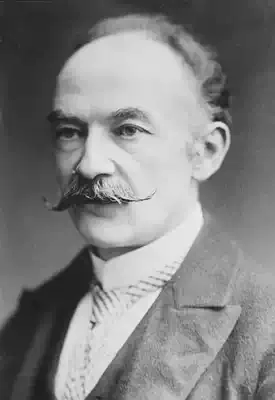
Thomas Hardy
The Dream-Follower
The Dream-Follower
A dream of mine flew over the mead
To the halls where my old Love reigns;
And it drew me on to follow its lead:
And I stood at her window-panes;
And I saw but a thing of flesh and bone
Speeding on to its cleft in the clay;
And my dream was scared, and expired on a moan,
And I whitely hastened away.
A dream of mine flew over the mead
To the halls where my old Love reigns;
And it drew me on to follow its lead:
And I stood at her window-panes;
And I saw but a thing of flesh and bone
Speeding on to its cleft in the clay;
And my dream was scared, and expired on a moan,
And I whitely hastened away.
232
Thomas Hardy
The Fire at Tranter Sweatley’s
The Fire at Tranter Sweatley’s
The Fire at Tranter Sweatley’s
They had long met o’ Zundays—her true love and she—
And at junketings, maypoles, and flings;
But she bode wi’ a thirtover uncle, and he
Swore by noon and by night that her goodman should be
Naibor Sweatley—a gaffer oft weak at the knee
From taking o’ sommat more cheerful than tea—
Who tranted, and moved people’s things.
She cried, “O pray pity me!” Nought would he hear;
Then with wild rainy eyes she obeyed,
She chid when her Love was for clinking off wi’ her.
The pa’son was told, as the season drew near
To throw over pu’pit the names of the peäir
As fitting one flesh to be made.
The wedding-day dawned and the morning drew on;
The couple stood bridegroom and bride;
The evening was passed, and when midnight had gone
The folks horned out, “God save the King,” and anon
The two home-along gloomily hied.
The lover Tim Tankens mourned heart-sick and drear
To be thus of his darling deprived:
He roamed in the dark ath’art field, mound, and mere,
And, a’most without knowing it, found himself near
The house of the tranter, and now of his Dear,
Where the lantern-light showed ’em arrived.
The bride sought her cham’er so calm and so pale
That a Northern had thought her resigned;
But to eyes that had seen her in tide-times of weal,
Like the white cloud o’ smoke, the red battlefield’s vail,
That look spak’ of havoc behind.
The bridegroom yet laitered a beaker to drain,
Then reeled to the linhay for more,
When the candle-snoff kindled some chaff from his grain—
Flames spread, and red vlankers, wi’ might and wi’ main,
And round beams, thatch, and chimley-tun roar.
Young Tim away yond, rafted up by the light,
Through brimble and underwood tears,
Till he comes to the orchet, when crooping thereright
In the lewth of a codlin-tree, bivering wi’ fright,
Wi’ on’y her night-rail to screen her from sight,
His lonesome young Barbree appears.
Her cwold little figure half-naked he views
Played about by the frolicsome breeze,
Her light-tripping totties, her ten little tooes,
All bare and besprinkled wi’ Fall’s chilly dews,
While her great gallied eyes, through her hair hanging loose,
Sheened as stars through a tardle o’ trees.
She eyed en; and, as when a weir-hatch is drawn,
Her tears, penned by terror afore,
With a rushing of sobs in a shower were strawn,
Till her power to pour ’em seemed wasted and gone
From the heft o’ misfortune she bore.
“O Tim, my own Tim I must call ’ee—I will!
All the world ha’ turned round on me so!
Can you help her who loved ’ee, though acting so ill?
Can you pity her misery—feel for her still?
When worse than her body so quivering and chill
Is her heart in its winter o’ woe!
“I think I mid almost ha’ borne it,” she said,
“Had my griefs one by one come to hand;
But O, to be slave to thik husbird for bread,
And then, upon top o’ that, driven to wed,
And then, upon top o’ that, burnt out o’ bed,
Is more than my nater can stand!”
Tim’s soul like a lion ’ithin en outsprung—
(Tim had a great soul when his feelings were wrung)—
“Feel for ’ee, dear Barbree?” he cried;
And his warm working-jacket about her he flung,
Made a back, horsed her up, till behind him she clung
Like a chiel on a gipsy, her figure uphung
By the sleeves that around her he tied.
Over piggeries, and mixens, and apples, and hay,
They lumpered straight into the night;
And finding bylong where a halter-path lay,
At dawn reached Tim’s house, on’y seen on their way
By a naibor or two who were up wi’ the day;
But they gathered no clue to the sight.
Then tender Tim Tankens he searched here and there
For some garment to clothe her fair skin;
But though he had breeches and waistcoats to spare,
He had nothing quite seemly for Barbree to wear,
Who, half shrammed to death, stood and cried on a chair
At the caddle she found herself in.
There was one thing to do, and that one thing he did,
He lent her some clouts of his own,
And she took ’em perforce; and while in ’em she slid,
Tim turned to the winder, as modesty bid,
Thinking, “O that the picter my duty keeps hid
To the sight o’ my eyes mid be shown!”
In the tallet he stowed her; there huddied she lay,
Shortening sleeves, legs, and tails to her limbs;
But most o’ the time in a mortal bad way,
Well knowing that there’d be the divel to pay
If ’twere found that, instead o’ the elements’ prey,
She was living in lodgings at Tim’s.
“Where’s the tranter?” said men and boys; “where can er be?”
“Where’s the tranter?” said Barbree alone.
“Where on e’th is the tranter?” said everybod-y:
They sifted the dust of his perished roof-tree,
And all they could find was a bone.
Then the uncle cried, “Lord, pray have mercy on me!”
And in terror began to repent.
But before ’twas complete, and till sure she was free,
Barbree drew up her loft-ladder, tight turned her key—
Tim bringing up breakfast and dinner and tea—
Till the news of her hiding got vent.
Then followed the custom-kept rout, shout, and flare
Of a skimmington-ride through the naiborhood, ere
Folk had proof o’ wold Sweatley’s decay.
Whereupon decent people all stood in a stare,
Saying Tim and his lodger should risk it, and pair:
So he took her to church. An’ some laughing lads there
Cried to Tim, “After Sweatley!” She said, “I declare
I stand as a maiden to-day!”
The Fire at Tranter Sweatley’s
They had long met o’ Zundays—her true love and she—
And at junketings, maypoles, and flings;
But she bode wi’ a thirtover uncle, and he
Swore by noon and by night that her goodman should be
Naibor Sweatley—a gaffer oft weak at the knee
From taking o’ sommat more cheerful than tea—
Who tranted, and moved people’s things.
She cried, “O pray pity me!” Nought would he hear;
Then with wild rainy eyes she obeyed,
She chid when her Love was for clinking off wi’ her.
The pa’son was told, as the season drew near
To throw over pu’pit the names of the peäir
As fitting one flesh to be made.
The wedding-day dawned and the morning drew on;
The couple stood bridegroom and bride;
The evening was passed, and when midnight had gone
The folks horned out, “God save the King,” and anon
The two home-along gloomily hied.
The lover Tim Tankens mourned heart-sick and drear
To be thus of his darling deprived:
He roamed in the dark ath’art field, mound, and mere,
And, a’most without knowing it, found himself near
The house of the tranter, and now of his Dear,
Where the lantern-light showed ’em arrived.
The bride sought her cham’er so calm and so pale
That a Northern had thought her resigned;
But to eyes that had seen her in tide-times of weal,
Like the white cloud o’ smoke, the red battlefield’s vail,
That look spak’ of havoc behind.
The bridegroom yet laitered a beaker to drain,
Then reeled to the linhay for more,
When the candle-snoff kindled some chaff from his grain—
Flames spread, and red vlankers, wi’ might and wi’ main,
And round beams, thatch, and chimley-tun roar.
Young Tim away yond, rafted up by the light,
Through brimble and underwood tears,
Till he comes to the orchet, when crooping thereright
In the lewth of a codlin-tree, bivering wi’ fright,
Wi’ on’y her night-rail to screen her from sight,
His lonesome young Barbree appears.
Her cwold little figure half-naked he views
Played about by the frolicsome breeze,
Her light-tripping totties, her ten little tooes,
All bare and besprinkled wi’ Fall’s chilly dews,
While her great gallied eyes, through her hair hanging loose,
Sheened as stars through a tardle o’ trees.
She eyed en; and, as when a weir-hatch is drawn,
Her tears, penned by terror afore,
With a rushing of sobs in a shower were strawn,
Till her power to pour ’em seemed wasted and gone
From the heft o’ misfortune she bore.
“O Tim, my own Tim I must call ’ee—I will!
All the world ha’ turned round on me so!
Can you help her who loved ’ee, though acting so ill?
Can you pity her misery—feel for her still?
When worse than her body so quivering and chill
Is her heart in its winter o’ woe!
“I think I mid almost ha’ borne it,” she said,
“Had my griefs one by one come to hand;
But O, to be slave to thik husbird for bread,
And then, upon top o’ that, driven to wed,
And then, upon top o’ that, burnt out o’ bed,
Is more than my nater can stand!”
Tim’s soul like a lion ’ithin en outsprung—
(Tim had a great soul when his feelings were wrung)—
“Feel for ’ee, dear Barbree?” he cried;
And his warm working-jacket about her he flung,
Made a back, horsed her up, till behind him she clung
Like a chiel on a gipsy, her figure uphung
By the sleeves that around her he tied.
Over piggeries, and mixens, and apples, and hay,
They lumpered straight into the night;
And finding bylong where a halter-path lay,
At dawn reached Tim’s house, on’y seen on their way
By a naibor or two who were up wi’ the day;
But they gathered no clue to the sight.
Then tender Tim Tankens he searched here and there
For some garment to clothe her fair skin;
But though he had breeches and waistcoats to spare,
He had nothing quite seemly for Barbree to wear,
Who, half shrammed to death, stood and cried on a chair
At the caddle she found herself in.
There was one thing to do, and that one thing he did,
He lent her some clouts of his own,
And she took ’em perforce; and while in ’em she slid,
Tim turned to the winder, as modesty bid,
Thinking, “O that the picter my duty keeps hid
To the sight o’ my eyes mid be shown!”
In the tallet he stowed her; there huddied she lay,
Shortening sleeves, legs, and tails to her limbs;
But most o’ the time in a mortal bad way,
Well knowing that there’d be the divel to pay
If ’twere found that, instead o’ the elements’ prey,
She was living in lodgings at Tim’s.
“Where’s the tranter?” said men and boys; “where can er be?”
“Where’s the tranter?” said Barbree alone.
“Where on e’th is the tranter?” said everybod-y:
They sifted the dust of his perished roof-tree,
And all they could find was a bone.
Then the uncle cried, “Lord, pray have mercy on me!”
And in terror began to repent.
But before ’twas complete, and till sure she was free,
Barbree drew up her loft-ladder, tight turned her key—
Tim bringing up breakfast and dinner and tea—
Till the news of her hiding got vent.
Then followed the custom-kept rout, shout, and flare
Of a skimmington-ride through the naiborhood, ere
Folk had proof o’ wold Sweatley’s decay.
Whereupon decent people all stood in a stare,
Saying Tim and his lodger should risk it, and pair:
So he took her to church. An’ some laughing lads there
Cried to Tim, “After Sweatley!” She said, “I declare
I stand as a maiden to-day!”
228
Thomas Hardy
The Darkling Thrush
The Darkling Thrush
The Darkling Thrush
I leant upon a coppice gate,
When Frost was spectre-gray,
And Winter's dregs made desolate
The weakening eye of day.
The tangled vine-stems scored the sky
Like strings of broken lyres,
And all mankind that haunted nigh
Had sought their household fires.
The land's sharp features seemed to me
The Century's corpse outleant,
Its crypt the cloudy canopy,
The wind its death-lament.
The ancient pulse of germ and birth
Was shrunken hard and dry,
And every spirit upon earth
Seemed fervorless as I.
At once a voice arose among
The bleak twigs overhead,
In a full-throated evensong
Of joy illimited.
An ancient thrush, frail, gaunt and small,
With blast-beruffled plume,
Had chosen thus to fling his soul
Upon the growing gloom.
So little cause for carolings
Of such ecstatic sound
Was written on terrestrial things
Afar or nigh around,
That I could think there trembled through
His happy good-night air
Some blessed Hope, whereof he knew,
And I was unaware.
The Darkling Thrush
I leant upon a coppice gate,
When Frost was spectre-gray,
And Winter's dregs made desolate
The weakening eye of day.
The tangled vine-stems scored the sky
Like strings of broken lyres,
And all mankind that haunted nigh
Had sought their household fires.
The land's sharp features seemed to me
The Century's corpse outleant,
Its crypt the cloudy canopy,
The wind its death-lament.
The ancient pulse of germ and birth
Was shrunken hard and dry,
And every spirit upon earth
Seemed fervorless as I.
At once a voice arose among
The bleak twigs overhead,
In a full-throated evensong
Of joy illimited.
An ancient thrush, frail, gaunt and small,
With blast-beruffled plume,
Had chosen thus to fling his soul
Upon the growing gloom.
So little cause for carolings
Of such ecstatic sound
Was written on terrestrial things
Afar or nigh around,
That I could think there trembled through
His happy good-night air
Some blessed Hope, whereof he knew,
And I was unaware.
231
Thomas Hardy
The Colonel's Soliloquy (Southampton Docks: October, )
The Colonel's Soliloquy (Southampton Docks: October, )
"The quay recedes. Hurrah! Ahead we go! . . .
It's true I've been accustomed now to home,
And joints get rusty, and one's limbs may grow
More fit to rest than roam.
"But I can stand as yet fair stress and strain;
There's not a little steel beneath the rust;
My years mount somewhat, but here's to't again!
And if I fall, I must.
"God knows that for myself I've scanty care;
Past scrimmages have proved as much to all;
In Eastern lands and South I've had my share
Both of the blade and ball.
"And where those villains ripped me in the flitch
With their old iron in my early time,
I'm apt at change of wind to feel a twitch,
Or at a change of clime.
"And what my mirror shows me in the morning
Has more of blotch and wrinkle than of bloom;
My eyes, too, heretofore all glasses scorning,
Have just a touch of rheum . . .
"Now sounds 'The Girl I've left behind me,'--Ah,
The years, the ardours, wakened by that tune!
Time was when, with the crowd's farewell 'Hurrah!'
'Twould lift me to the moon.
"But now it's late to leave behind me one
Who if, poor soul, her man goes underground,
Will not recover as she might have done
In days when hopes abound.
"She's waving from the wharfside, palely grieving,
As down we draw . . . Her tears make little show,
Yet now she suffers more than at my leaving
Some twenty years ago.
"I pray those left at home will care for her!
I shall come back; I have before; though when
The Girl you leave behind you is a grandmother,
Things may not be as then."
"The quay recedes. Hurrah! Ahead we go! . . .
It's true I've been accustomed now to home,
And joints get rusty, and one's limbs may grow
More fit to rest than roam.
"But I can stand as yet fair stress and strain;
There's not a little steel beneath the rust;
My years mount somewhat, but here's to't again!
And if I fall, I must.
"God knows that for myself I've scanty care;
Past scrimmages have proved as much to all;
In Eastern lands and South I've had my share
Both of the blade and ball.
"And where those villains ripped me in the flitch
With their old iron in my early time,
I'm apt at change of wind to feel a twitch,
Or at a change of clime.
"And what my mirror shows me in the morning
Has more of blotch and wrinkle than of bloom;
My eyes, too, heretofore all glasses scorning,
Have just a touch of rheum . . .
"Now sounds 'The Girl I've left behind me,'--Ah,
The years, the ardours, wakened by that tune!
Time was when, with the crowd's farewell 'Hurrah!'
'Twould lift me to the moon.
"But now it's late to leave behind me one
Who if, poor soul, her man goes underground,
Will not recover as she might have done
In days when hopes abound.
"She's waving from the wharfside, palely grieving,
As down we draw . . . Her tears make little show,
Yet now she suffers more than at my leaving
Some twenty years ago.
"I pray those left at home will care for her!
I shall come back; I have before; though when
The Girl you leave behind you is a grandmother,
Things may not be as then."
182
Thomas Hardy
The Cave of the Unborn
The Cave of the Unborn
I rose at night and visited
The Cave of the Unborn,
And crowding shapes surrounded me
For tidings of the life to be,
Who long had prayed the silent Head
To speed their advent morn.
Their eyes were lit with artless trust;
Hope thrilled their every tone:
"A place the loveliest, is it not?
A pure delight, a beauty-spot
Where all is gentle, pure and just
And ??violence?? is unknown?"
My heart was anguished for their sake;
I could not frame a word;
But they descried my sunken face
And seemed to read therein, and trace
The news which Pity would not break
Nor Truth leave unaverred.
And as I silently retired
I turned and watched them still:
And they came helter-skelter out,
Driven forward like a rabble rout
Into the world they had so desired,
By the all-immanent Will.
I rose at night and visited
The Cave of the Unborn,
And crowding shapes surrounded me
For tidings of the life to be,
Who long had prayed the silent Head
To speed their advent morn.
Their eyes were lit with artless trust;
Hope thrilled their every tone:
"A place the loveliest, is it not?
A pure delight, a beauty-spot
Where all is gentle, pure and just
And ??violence?? is unknown?"
My heart was anguished for their sake;
I could not frame a word;
But they descried my sunken face
And seemed to read therein, and trace
The news which Pity would not break
Nor Truth leave unaverred.
And as I silently retired
I turned and watched them still:
And they came helter-skelter out,
Driven forward like a rabble rout
Into the world they had so desired,
By the all-immanent Will.
233
Thomas Hardy
The Cave of the Unborn
The Cave of the Unborn
I rose at night and visited
The Cave of the Unborn,
And crowding shapes surrounded me
For tidings of the life to be,
Who long had prayed the silent Head
To speed their advent morn.
Their eyes were lit with artless trust;
Hope thrilled their every tone:
"A place the loveliest, is it not?
A pure delight, a beauty-spot
Where all is gentle, pure and just
And ??violence?? is unknown?"
My heart was anguished for their sake;
I could not frame a word;
But they descried my sunken face
And seemed to read therein, and trace
The news which Pity would not break
Nor Truth leave unaverred.
And as I silently retired
I turned and watched them still:
And they came helter-skelter out,
Driven forward like a rabble rout
Into the world they had so desired,
By the all-immanent Will.
I rose at night and visited
The Cave of the Unborn,
And crowding shapes surrounded me
For tidings of the life to be,
Who long had prayed the silent Head
To speed their advent morn.
Their eyes were lit with artless trust;
Hope thrilled their every tone:
"A place the loveliest, is it not?
A pure delight, a beauty-spot
Where all is gentle, pure and just
And ??violence?? is unknown?"
My heart was anguished for their sake;
I could not frame a word;
But they descried my sunken face
And seemed to read therein, and trace
The news which Pity would not break
Nor Truth leave unaverred.
And as I silently retired
I turned and watched them still:
And they came helter-skelter out,
Driven forward like a rabble rout
Into the world they had so desired,
By the all-immanent Will.
233
Thomas Hardy
The Alarm
The Alarm
In Memory of one of the Writer's Family who was a Volunteer during the War
with Napoleon
In a ferny byway
Near the great South-Wessex Highway,
A homestead raised its breakfast-smoke aloft;
The dew-damps still lay steamless, for the sun had made no sky-way,
And twilight cloaked the croft.
'Twas hard to realize on
This snug side the mute horizon
That beyond it hostile armaments might steer,
Save from seeing in the porchway a fair woman weep with eyes on
A harnessed Volunteer.
In haste he'd flown there
To his comely wife alone there,
While marching south hard by, to still her fears,
For she soon would be a mother, and few messengers were known there
In these campaigning years.
'Twas time to be Good-bying,
Since the assembly-hour was nighing
In royal George's town at six that morn;
And betwixt its wharves and this retreat were ten good miles of hieing
Ere ring of bugle-horn.
"I've laid in food, Dear,
And broached the spiced and brewed, Dear;
And if our July hope should antedate,
Let the char-wench mount and gallop by the halterpath and wood, Dear,
And fetch assistance straight.
"As for Buonaparte, forget him;
He's not like to land! But let him,
Those strike with aim who strike for wives and sons!
And the war-boats built to float him; 'twere but wanted to upset him
A slat from Nelson's guns!
"But, to assure thee,
And of creeping fears to cure thee,
If he should be rumored anchoring in the Road,
Drive with the nurse to Kingsbere; and let nothing thence allure thee
Till we've him safe-bestowed.
"Now, to turn to marching matters:--
I've my knapsack, firelock, spatters,
Crossbelts, priming-horn, stock, bay'net, blackball, clay,
Pouch, magazine, flints, flint-box that at every quick-step clatters;
...My heart, Dear; that must stay!"
--With breathings broken
Farewell was kissed unspoken,
And they parted there as morning stroked the panes;
And the Volunteer went on, and turned, and twirled his glove for
token,
And took the coastward lanes.
When above He'th Hills he found him,
He saw, on gazing round him,
The Barrow-Beacon burning--burning low,
As if, perhaps, uplighted ever since he'd homeward bound him;
And it meant: Expect the Foe!
Leaving the byway,
And following swift the highway,
Car and chariot met he, faring fast inland;
"He's anchored, Soldier!" shouted some:
"God save thee, marching thy way,
Th'lt front him on the strand!"
He slowed; he stopped; he paltered
Awhile with self, and faltered,
"Why courting misadventure shoreward roam?
To Molly, surely! Seek the woods with her till times have altered;
Charity favors home.
"Else, my denying
He would come she'll read as lying--
Think the Barrow-Beacon must have met my eyes--
That my words were not unwareness, but deceit of her, while trying
My life to jeopardize.
"At home is stocked provision,
And to-night, without suspicion,
We might bear it with us to a covert near;
Such sin, to save a childing wife, would earn it Christ's remission,
Though none forgive it here!"
While thus he, thinking,
A little bird, quick drinking
Among the crowfoot tufts the river bore,
Was tangled in their stringy arms, and fluttered, well-nigh sinking,
Near him, upon the moor.
He stepped in, reached, and seized it,
And, preening, had released it
But that a thought of Holy Writ occurred,
And Signs Divine ere battle, till it seemed him Heaven had pleased it
As guide to send the bird.
"O Lord, direct me!...
Doth Duty now expect me
To march a-coast, or guard my weak ones near?
Give this bird a flight according, that I thence know to elect me
The southward or the rear."
He loosed his clasp; when, rising,
The bird--as if surmising--
Bore due to southward, crossing by the Froom,
And Durnover Great-Field and Fort, the soldier clear advising--
Prompted he wist by Whom.
Then on he panted
By grim Mai-Don, and slanted
Up the steep Ridge-way, hearkening betwixt whiles,
Till, nearing coast and harbor, he beheld the shore-line planted
With Foot and Horse for miles.
Mistrusting not the omen,
He gained the beach, where Yeomen,
Militia, Fencibles, and Pikemen bold,
With Regulars in thousands, were enmassed to meet the Foemen,
Whose fleet had not yet shoaled.
Captain and Colonel,
Sere Generals, Ensigns vernal,
Were there, of neighbor-natives, Michel, Smith,
Meggs, Bingham, Gambier, Cunningham, roused by the hued nocturnal
Swoop on their land and kith.
But Buonaparte still tarried;
His project had miscarried;
At the last hour, equipped for victory,
The fleet had paused; his subtle combinations had been parried
By British strategy.
Homeward returning
Anon, no beacons burning,
No alarms, the Volunteer, in modest bliss,
Te Deum sang with wife and friends: "We praise Thee, Lord, discerning
That Thou hast helped in this!"
In Memory of one of the Writer's Family who was a Volunteer during the War
with Napoleon
In a ferny byway
Near the great South-Wessex Highway,
A homestead raised its breakfast-smoke aloft;
The dew-damps still lay steamless, for the sun had made no sky-way,
And twilight cloaked the croft.
'Twas hard to realize on
This snug side the mute horizon
That beyond it hostile armaments might steer,
Save from seeing in the porchway a fair woman weep with eyes on
A harnessed Volunteer.
In haste he'd flown there
To his comely wife alone there,
While marching south hard by, to still her fears,
For she soon would be a mother, and few messengers were known there
In these campaigning years.
'Twas time to be Good-bying,
Since the assembly-hour was nighing
In royal George's town at six that morn;
And betwixt its wharves and this retreat were ten good miles of hieing
Ere ring of bugle-horn.
"I've laid in food, Dear,
And broached the spiced and brewed, Dear;
And if our July hope should antedate,
Let the char-wench mount and gallop by the halterpath and wood, Dear,
And fetch assistance straight.
"As for Buonaparte, forget him;
He's not like to land! But let him,
Those strike with aim who strike for wives and sons!
And the war-boats built to float him; 'twere but wanted to upset him
A slat from Nelson's guns!
"But, to assure thee,
And of creeping fears to cure thee,
If he should be rumored anchoring in the Road,
Drive with the nurse to Kingsbere; and let nothing thence allure thee
Till we've him safe-bestowed.
"Now, to turn to marching matters:--
I've my knapsack, firelock, spatters,
Crossbelts, priming-horn, stock, bay'net, blackball, clay,
Pouch, magazine, flints, flint-box that at every quick-step clatters;
...My heart, Dear; that must stay!"
--With breathings broken
Farewell was kissed unspoken,
And they parted there as morning stroked the panes;
And the Volunteer went on, and turned, and twirled his glove for
token,
And took the coastward lanes.
When above He'th Hills he found him,
He saw, on gazing round him,
The Barrow-Beacon burning--burning low,
As if, perhaps, uplighted ever since he'd homeward bound him;
And it meant: Expect the Foe!
Leaving the byway,
And following swift the highway,
Car and chariot met he, faring fast inland;
"He's anchored, Soldier!" shouted some:
"God save thee, marching thy way,
Th'lt front him on the strand!"
He slowed; he stopped; he paltered
Awhile with self, and faltered,
"Why courting misadventure shoreward roam?
To Molly, surely! Seek the woods with her till times have altered;
Charity favors home.
"Else, my denying
He would come she'll read as lying--
Think the Barrow-Beacon must have met my eyes--
That my words were not unwareness, but deceit of her, while trying
My life to jeopardize.
"At home is stocked provision,
And to-night, without suspicion,
We might bear it with us to a covert near;
Such sin, to save a childing wife, would earn it Christ's remission,
Though none forgive it here!"
While thus he, thinking,
A little bird, quick drinking
Among the crowfoot tufts the river bore,
Was tangled in their stringy arms, and fluttered, well-nigh sinking,
Near him, upon the moor.
He stepped in, reached, and seized it,
And, preening, had released it
But that a thought of Holy Writ occurred,
And Signs Divine ere battle, till it seemed him Heaven had pleased it
As guide to send the bird.
"O Lord, direct me!...
Doth Duty now expect me
To march a-coast, or guard my weak ones near?
Give this bird a flight according, that I thence know to elect me
The southward or the rear."
He loosed his clasp; when, rising,
The bird--as if surmising--
Bore due to southward, crossing by the Froom,
And Durnover Great-Field and Fort, the soldier clear advising--
Prompted he wist by Whom.
Then on he panted
By grim Mai-Don, and slanted
Up the steep Ridge-way, hearkening betwixt whiles,
Till, nearing coast and harbor, he beheld the shore-line planted
With Foot and Horse for miles.
Mistrusting not the omen,
He gained the beach, where Yeomen,
Militia, Fencibles, and Pikemen bold,
With Regulars in thousands, were enmassed to meet the Foemen,
Whose fleet had not yet shoaled.
Captain and Colonel,
Sere Generals, Ensigns vernal,
Were there, of neighbor-natives, Michel, Smith,
Meggs, Bingham, Gambier, Cunningham, roused by the hued nocturnal
Swoop on their land and kith.
But Buonaparte still tarried;
His project had miscarried;
At the last hour, equipped for victory,
The fleet had paused; his subtle combinations had been parried
By British strategy.
Homeward returning
Anon, no beacons burning,
No alarms, the Volunteer, in modest bliss,
Te Deum sang with wife and friends: "We praise Thee, Lord, discerning
That Thou hast helped in this!"
272
Thomas Hardy
Song of the Soldiers' Wives
Song of the Soldiers' Wives
I
At last! In sight of home again,
Of home again;
No more to range and roam again
As at that bygone time?
No more to go away from us
And stay from us? -
Dawn, hold not long the day from us,
But quicken it to prime!
II
Now all the town shall ring to them,
Shall ring to them,
And we who love them cling to them
And clasp them joyfully;
And cry, "O much we'll do for you
Anew for you,
Dear Loves!--aye, draw and hew for you,
Come back from oversea."
III
Some told us we should meet no more,
Should meet no more;
Should wait, and wish, but greet no more
Your faces round our fires;
That, in a while, uncharily
And drearily
Men gave their lives--even wearily,
Like those whom living tires.
IV
And now you are nearing home again,
Dears, home again;
No more, may be, to roam again
As at that bygone time,
Which took you far away from us
To stay from us;
Dawn, hold not long the day from us,
But quicken it to prime!
I
At last! In sight of home again,
Of home again;
No more to range and roam again
As at that bygone time?
No more to go away from us
And stay from us? -
Dawn, hold not long the day from us,
But quicken it to prime!
II
Now all the town shall ring to them,
Shall ring to them,
And we who love them cling to them
And clasp them joyfully;
And cry, "O much we'll do for you
Anew for you,
Dear Loves!--aye, draw and hew for you,
Come back from oversea."
III
Some told us we should meet no more,
Should meet no more;
Should wait, and wish, but greet no more
Your faces round our fires;
That, in a while, uncharily
And drearily
Men gave their lives--even wearily,
Like those whom living tires.
IV
And now you are nearing home again,
Dears, home again;
No more, may be, to roam again
As at that bygone time,
Which took you far away from us
To stay from us;
Dawn, hold not long the day from us,
But quicken it to prime!
221
Thomas Hardy
Song of Hope
Song of Hope
O sweet To-morrow! -
After to-day
There will away
This sense of sorrow.
Then let us borrow
Hope, for a gleaming
Soon will be streaming,
Dimmed by no gray -
No gray!
While the winds wing us
Sighs from The Gone,
Nearer to dawn
Minute-beats bring us;
When there will sing us
Larks of a glory
Waiting our story
Further anon -
Anon!
Doff the black token,
Don the red shoon,
Right and retune
Viol-strings broken;
Null the words spoken
In speeches of rueing,
The night cloud is hueing,
To-morrow shines soon -
Shines soon!
O sweet To-morrow! -
After to-day
There will away
This sense of sorrow.
Then let us borrow
Hope, for a gleaming
Soon will be streaming,
Dimmed by no gray -
No gray!
While the winds wing us
Sighs from The Gone,
Nearer to dawn
Minute-beats bring us;
When there will sing us
Larks of a glory
Waiting our story
Further anon -
Anon!
Doff the black token,
Don the red shoon,
Right and retune
Viol-strings broken;
Null the words spoken
In speeches of rueing,
The night cloud is hueing,
To-morrow shines soon -
Shines soon!
256
Thomas Hardy
She, to Him, IV
She, to Him, IV
This love puts all humanity from me;
I can but maledict her, pray her dead,
For giving love and getting love of thee—
Feeding a heart that else mine own had fed!
How much I love I know not, life not known,
Save as some unit I would add love by;
But this I know, my being is but thine own—
Fused from its separateness by ecstasy.
And thus I grasp thy amplitudes, of her
Ungrasped, though helped by nigh-regarding eyes;
Canst thou then hate me as an envier
Who see unrecked what I so dearly prize?
Believe me, Lost One, Love is lovelier
The more it shapes its moans in selfish-wise.
This love puts all humanity from me;
I can but maledict her, pray her dead,
For giving love and getting love of thee—
Feeding a heart that else mine own had fed!
How much I love I know not, life not known,
Save as some unit I would add love by;
But this I know, my being is but thine own—
Fused from its separateness by ecstasy.
And thus I grasp thy amplitudes, of her
Ungrasped, though helped by nigh-regarding eyes;
Canst thou then hate me as an envier
Who see unrecked what I so dearly prize?
Believe me, Lost One, Love is lovelier
The more it shapes its moans in selfish-wise.
240
Thomas Hardy
She, to Him, IV
She, to Him, IV
This love puts all humanity from me;
I can but maledict her, pray her dead,
For giving love and getting love of thee—
Feeding a heart that else mine own had fed!
How much I love I know not, life not known,
Save as some unit I would add love by;
But this I know, my being is but thine own—
Fused from its separateness by ecstasy.
And thus I grasp thy amplitudes, of her
Ungrasped, though helped by nigh-regarding eyes;
Canst thou then hate me as an envier
Who see unrecked what I so dearly prize?
Believe me, Lost One, Love is lovelier
The more it shapes its moans in selfish-wise.
This love puts all humanity from me;
I can but maledict her, pray her dead,
For giving love and getting love of thee—
Feeding a heart that else mine own had fed!
How much I love I know not, life not known,
Save as some unit I would add love by;
But this I know, my being is but thine own—
Fused from its separateness by ecstasy.
And thus I grasp thy amplitudes, of her
Ungrasped, though helped by nigh-regarding eyes;
Canst thou then hate me as an envier
Who see unrecked what I so dearly prize?
Believe me, Lost One, Love is lovelier
The more it shapes its moans in selfish-wise.
240
Thomas Hardy
She, to Him, IV
She, to Him, IV
This love puts all humanity from me;
I can but maledict her, pray her dead,
For giving love and getting love of thee—
Feeding a heart that else mine own had fed!
How much I love I know not, life not known,
Save as some unit I would add love by;
But this I know, my being is but thine own—
Fused from its separateness by ecstasy.
And thus I grasp thy amplitudes, of her
Ungrasped, though helped by nigh-regarding eyes;
Canst thou then hate me as an envier
Who see unrecked what I so dearly prize?
Believe me, Lost One, Love is lovelier
The more it shapes its moans in selfish-wise.
This love puts all humanity from me;
I can but maledict her, pray her dead,
For giving love and getting love of thee—
Feeding a heart that else mine own had fed!
How much I love I know not, life not known,
Save as some unit I would add love by;
But this I know, my being is but thine own—
Fused from its separateness by ecstasy.
And thus I grasp thy amplitudes, of her
Ungrasped, though helped by nigh-regarding eyes;
Canst thou then hate me as an envier
Who see unrecked what I so dearly prize?
Believe me, Lost One, Love is lovelier
The more it shapes its moans in selfish-wise.
240
Thomas Hardy
She, to Him, II
She, to Him, II
Perhaps, long hence, when I have passed away,
Some other’s feature, accent, thought like mine,
Will carry you back to what I used to say,
And bring some memory of your love’s decline.
Then you may pause awhile and think, “Poor jade!”
And yield a sigh to me—as gift benign,
Not as the tittle of a debt unpaid
To one who could to you her all resign—
And thus reflecting, you will never see
That your thin thought, in two small words conveyed,
Was no such fleeting phantom-thought to me,
But the Whole Life wherein my part was played;
And you amid its fitful masquerade
A Thought—as I in yours but seem to be.
Perhaps, long hence, when I have passed away,
Some other’s feature, accent, thought like mine,
Will carry you back to what I used to say,
And bring some memory of your love’s decline.
Then you may pause awhile and think, “Poor jade!”
And yield a sigh to me—as gift benign,
Not as the tittle of a debt unpaid
To one who could to you her all resign—
And thus reflecting, you will never see
That your thin thought, in two small words conveyed,
Was no such fleeting phantom-thought to me,
But the Whole Life wherein my part was played;
And you amid its fitful masquerade
A Thought—as I in yours but seem to be.
212
Thomas Hardy
She, To Him IV
She, To Him IV
THIS love puts all humanity from me;
I can but maledict her, pray her dead,
For giving love and getting love of thee--
Feeding a heart that else mine own had fed!
How much I love I know not, life not known,
Save as some unit I would add love by;
But this I know, my being is but thine own--
Fused from its separateness by ecstasy.
And thus I grasp thy amplitudes, of her
Ungrasped, though helped by nigh-regarding eyes;
Canst thou then hate me as an envier
Who see unrecked what I so dearly prize?
Believe me, Lost One, Love is lovelier
The more it shapes its moans in selfish-wise.
THIS love puts all humanity from me;
I can but maledict her, pray her dead,
For giving love and getting love of thee--
Feeding a heart that else mine own had fed!
How much I love I know not, life not known,
Save as some unit I would add love by;
But this I know, my being is but thine own--
Fused from its separateness by ecstasy.
And thus I grasp thy amplitudes, of her
Ungrasped, though helped by nigh-regarding eyes;
Canst thou then hate me as an envier
Who see unrecked what I so dearly prize?
Believe me, Lost One, Love is lovelier
The more it shapes its moans in selfish-wise.
285
Thomas Hardy
She, To Him IV
She, To Him IV
THIS love puts all humanity from me;
I can but maledict her, pray her dead,
For giving love and getting love of thee--
Feeding a heart that else mine own had fed!
How much I love I know not, life not known,
Save as some unit I would add love by;
But this I know, my being is but thine own--
Fused from its separateness by ecstasy.
And thus I grasp thy amplitudes, of her
Ungrasped, though helped by nigh-regarding eyes;
Canst thou then hate me as an envier
Who see unrecked what I so dearly prize?
Believe me, Lost One, Love is lovelier
The more it shapes its moans in selfish-wise.
THIS love puts all humanity from me;
I can but maledict her, pray her dead,
For giving love and getting love of thee--
Feeding a heart that else mine own had fed!
How much I love I know not, life not known,
Save as some unit I would add love by;
But this I know, my being is but thine own--
Fused from its separateness by ecstasy.
And thus I grasp thy amplitudes, of her
Ungrasped, though helped by nigh-regarding eyes;
Canst thou then hate me as an envier
Who see unrecked what I so dearly prize?
Believe me, Lost One, Love is lovelier
The more it shapes its moans in selfish-wise.
285
Thomas Hardy
She, To Him
She, To Him
I
WHEN you shall see me lined by tool of Time,
My lauded beauties carried off from me,
My eyes no longer stars as in their prime,
My name forgot of Maiden Fair and Free;
When in your being heart concedes to mind,
And judgment, though you scarce its process know,
Recalls the excellencies I once enshrined,
And you are irked that they have withered so:
Remembering that with me lies not the blame,
That Sportsman Time but rears his brood to kill,
Knowing me in my soul the very same--
One who would die to spare you touch of ill!--
Will you not grant to old affection's claim
The hand of friendship down Life's sunless hill?
I
WHEN you shall see me lined by tool of Time,
My lauded beauties carried off from me,
My eyes no longer stars as in their prime,
My name forgot of Maiden Fair and Free;
When in your being heart concedes to mind,
And judgment, though you scarce its process know,
Recalls the excellencies I once enshrined,
And you are irked that they have withered so:
Remembering that with me lies not the blame,
That Sportsman Time but rears his brood to kill,
Knowing me in my soul the very same--
One who would die to spare you touch of ill!--
Will you not grant to old affection's claim
The hand of friendship down Life's sunless hill?
269
Thomas Hardy
Satires of Circumstance in Fifteen Glimpses VIII: In the St
Satires of Circumstance in Fifteen Glimpses VIII: In the St
He enters, and mute on the edge of a chair
Sits a thin-faced lady, a stranger there,
A type of decayed gentility;
And by some small signs he well can guess
That she comes to him almost breakfastless.
"I have called -- I hope I do not err --
I am looking for a purchaser
Of some score volumes of the works
Of eminent divines I own, --
Left by my father -- though it irks
My patience to offer them." And she smiles
As if necessity were unknown;
"But the truth of it is that oftenwhiles
I have wished, as I am fond of art,
To make my rooms a little smart,
And these old books are so in the way."
And lightly still she laughs to him,
As if to sell were a mere gay whim,
And that, to be frank, Life were indeed
To her not vinegar and gall,
But fresh and honey-like; and Need
No household skeleton at all.
He enters, and mute on the edge of a chair
Sits a thin-faced lady, a stranger there,
A type of decayed gentility;
And by some small signs he well can guess
That she comes to him almost breakfastless.
"I have called -- I hope I do not err --
I am looking for a purchaser
Of some score volumes of the works
Of eminent divines I own, --
Left by my father -- though it irks
My patience to offer them." And she smiles
As if necessity were unknown;
"But the truth of it is that oftenwhiles
I have wished, as I am fond of art,
To make my rooms a little smart,
And these old books are so in the way."
And lightly still she laughs to him,
As if to sell were a mere gay whim,
And that, to be frank, Life were indeed
To her not vinegar and gall,
But fresh and honey-like; and Need
No household skeleton at all.
208
Thomas Hardy
Satires of Circumstance in Fifteen Glimpses VIII: In the St
Satires of Circumstance in Fifteen Glimpses VIII: In the St
He enters, and mute on the edge of a chair
Sits a thin-faced lady, a stranger there,
A type of decayed gentility;
And by some small signs he well can guess
That she comes to him almost breakfastless.
"I have called -- I hope I do not err --
I am looking for a purchaser
Of some score volumes of the works
Of eminent divines I own, --
Left by my father -- though it irks
My patience to offer them." And she smiles
As if necessity were unknown;
"But the truth of it is that oftenwhiles
I have wished, as I am fond of art,
To make my rooms a little smart,
And these old books are so in the way."
And lightly still she laughs to him,
As if to sell were a mere gay whim,
And that, to be frank, Life were indeed
To her not vinegar and gall,
But fresh and honey-like; and Need
No household skeleton at all.
He enters, and mute on the edge of a chair
Sits a thin-faced lady, a stranger there,
A type of decayed gentility;
And by some small signs he well can guess
That she comes to him almost breakfastless.
"I have called -- I hope I do not err --
I am looking for a purchaser
Of some score volumes of the works
Of eminent divines I own, --
Left by my father -- though it irks
My patience to offer them." And she smiles
As if necessity were unknown;
"But the truth of it is that oftenwhiles
I have wished, as I am fond of art,
To make my rooms a little smart,
And these old books are so in the way."
And lightly still she laughs to him,
As if to sell were a mere gay whim,
And that, to be frank, Life were indeed
To her not vinegar and gall,
But fresh and honey-like; and Need
No household skeleton at all.
208
Thomas Hardy
She Hears the Storm
She Hears the Storm
There was a time in former years--
While my roof-tree was his--
When I should have been distressed by fears
At such a night as this!
I should have murmured anxiously,
'The prickling rain strikes cold;
His road is bare of hedge or tree,
And he is getting old.'
But now the fitful chimney-roar,
The drone of Thorncombe trees,
The Froom in flood upon the moor,
The mud of Mellstock Leaze,
The candle slanting sooty-wick'd,
The thuds upon the thatch,
The eaves drops on the window flicked,
The clanking garden-hatch,
And what they mean to wayfarers,
I scarcely heed or mind;
He has won that storm-tight roof of hers
Which Earth grants all her kind.
There was a time in former years--
While my roof-tree was his--
When I should have been distressed by fears
At such a night as this!
I should have murmured anxiously,
'The prickling rain strikes cold;
His road is bare of hedge or tree,
And he is getting old.'
But now the fitful chimney-roar,
The drone of Thorncombe trees,
The Froom in flood upon the moor,
The mud of Mellstock Leaze,
The candle slanting sooty-wick'd,
The thuds upon the thatch,
The eaves drops on the window flicked,
The clanking garden-hatch,
And what they mean to wayfarers,
I scarcely heed or mind;
He has won that storm-tight roof of hers
Which Earth grants all her kind.
268
Thomas Hardy
San Sebastian
San Sebastian
With Thoughts of Sergeant M---- (Pensioner), who died -
"WHY, Sergeant, stray on the Ivel Way,
As though at home there were spectres rife?
From first to last 'twas a proud career!
And your sunny years with a gracious wife
Have brought you a daughter dear.
"I watched her to-day; a more comely maid,
As she danced in her muslin bowed with blue,
Round a Hintock maypole never gayed."
--"Aye, aye; I watched her this day, too,
As it happens," the Sergeant said.
"My daughter is now," he again began,
"Of just such an age as one I knew
When we of the Line, in the Foot-Guard van,
On an August morning--a chosen few--
Stormed San Sebastian.
"She's a score less three; so about was she--
The maiden I wronged in Peninsular days....
You may prate of your prowess in lusty times,
But as years gnaw inward you blink your bays,
And see too well your crimes!
"We'd stormed it at night, by the vlanker-light
Of burning towers, and the mortar's boom:
We'd topped the breach but had failed to stay,
For our files were misled by the baffling gloom;
And we said we'd storm by day.
"So, out of the trenches, with features set,
On that hot, still morning, in measured pace,
Our column climbed; climbed higher yet,
Past the fauss'bray, scarp, up the curtain-face,
And along the parapet.
"From the batteried hornwork the cannoneers
Hove crashing balls of iron fire;
On the shaking gap mount the volunteers
In files, and as they mount expire
Amid curses, groans, and cheers.
"Five hours did we storm, five hours re-form,
As Death cooled those hot blood pricked on;
Till our cause was helped by a woe within;
They swayed from the summit we'd leapt upon,
And madly we entered in.
"On end for plunder, 'mid rain and thunder
That burst with the lull of our cannonade,
We vamped the streets in the stifling air--
Our hunger unsoothed, our thirst unstayed--
And ransacked the buildings there.
"Down the stony steps of the house-fronts white
We rolled rich puncheons of Spanish grape,
Till at length, with the fire of the wine alight,
I saw at a doorway a fair fresh shape--
A woman, a sylph, or sprite.
"Afeard she fled, and with heated head
I pursued to the chamber she called her own;
--When might is right no qualms deter,
And having her helpless and alone
I wreaked my lust on her.
"She raised her beseeching eyes to me,
And I heard the words of prayer she sent
In her own soft language.... Seemingly
I copied those eyes for my punishment
In begetting the girl you see!
"So, to-day I stand with a God-set brand
Like Cain's, when he wandered from kindred's ken....
I served through the war that made Europe free;
I wived me in peace-year. But, hid from men,
I bear that mark on me.
"And I nightly stray on the Ivel Way
As though at home there were spectres rife;
I delight me not in my proud career;
And 'tis coals of fire that a gracious wife
Should have brought me a daughter dear!"
With Thoughts of Sergeant M---- (Pensioner), who died -
"WHY, Sergeant, stray on the Ivel Way,
As though at home there were spectres rife?
From first to last 'twas a proud career!
And your sunny years with a gracious wife
Have brought you a daughter dear.
"I watched her to-day; a more comely maid,
As she danced in her muslin bowed with blue,
Round a Hintock maypole never gayed."
--"Aye, aye; I watched her this day, too,
As it happens," the Sergeant said.
"My daughter is now," he again began,
"Of just such an age as one I knew
When we of the Line, in the Foot-Guard van,
On an August morning--a chosen few--
Stormed San Sebastian.
"She's a score less three; so about was she--
The maiden I wronged in Peninsular days....
You may prate of your prowess in lusty times,
But as years gnaw inward you blink your bays,
And see too well your crimes!
"We'd stormed it at night, by the vlanker-light
Of burning towers, and the mortar's boom:
We'd topped the breach but had failed to stay,
For our files were misled by the baffling gloom;
And we said we'd storm by day.
"So, out of the trenches, with features set,
On that hot, still morning, in measured pace,
Our column climbed; climbed higher yet,
Past the fauss'bray, scarp, up the curtain-face,
And along the parapet.
"From the batteried hornwork the cannoneers
Hove crashing balls of iron fire;
On the shaking gap mount the volunteers
In files, and as they mount expire
Amid curses, groans, and cheers.
"Five hours did we storm, five hours re-form,
As Death cooled those hot blood pricked on;
Till our cause was helped by a woe within;
They swayed from the summit we'd leapt upon,
And madly we entered in.
"On end for plunder, 'mid rain and thunder
That burst with the lull of our cannonade,
We vamped the streets in the stifling air--
Our hunger unsoothed, our thirst unstayed--
And ransacked the buildings there.
"Down the stony steps of the house-fronts white
We rolled rich puncheons of Spanish grape,
Till at length, with the fire of the wine alight,
I saw at a doorway a fair fresh shape--
A woman, a sylph, or sprite.
"Afeard she fled, and with heated head
I pursued to the chamber she called her own;
--When might is right no qualms deter,
And having her helpless and alone
I wreaked my lust on her.
"She raised her beseeching eyes to me,
And I heard the words of prayer she sent
In her own soft language.... Seemingly
I copied those eyes for my punishment
In begetting the girl you see!
"So, to-day I stand with a God-set brand
Like Cain's, when he wandered from kindred's ken....
I served through the war that made Europe free;
I wived me in peace-year. But, hid from men,
I bear that mark on me.
"And I nightly stray on the Ivel Way
As though at home there were spectres rife;
I delight me not in my proud career;
And 'tis coals of fire that a gracious wife
Should have brought me a daughter dear!"
193
Thomas Hardy
San Sebastian
San Sebastian
With Thoughts of Sergeant M---- (Pensioner), who died -
"WHY, Sergeant, stray on the Ivel Way,
As though at home there were spectres rife?
From first to last 'twas a proud career!
And your sunny years with a gracious wife
Have brought you a daughter dear.
"I watched her to-day; a more comely maid,
As she danced in her muslin bowed with blue,
Round a Hintock maypole never gayed."
--"Aye, aye; I watched her this day, too,
As it happens," the Sergeant said.
"My daughter is now," he again began,
"Of just such an age as one I knew
When we of the Line, in the Foot-Guard van,
On an August morning--a chosen few--
Stormed San Sebastian.
"She's a score less three; so about was she--
The maiden I wronged in Peninsular days....
You may prate of your prowess in lusty times,
But as years gnaw inward you blink your bays,
And see too well your crimes!
"We'd stormed it at night, by the vlanker-light
Of burning towers, and the mortar's boom:
We'd topped the breach but had failed to stay,
For our files were misled by the baffling gloom;
And we said we'd storm by day.
"So, out of the trenches, with features set,
On that hot, still morning, in measured pace,
Our column climbed; climbed higher yet,
Past the fauss'bray, scarp, up the curtain-face,
And along the parapet.
"From the batteried hornwork the cannoneers
Hove crashing balls of iron fire;
On the shaking gap mount the volunteers
In files, and as they mount expire
Amid curses, groans, and cheers.
"Five hours did we storm, five hours re-form,
As Death cooled those hot blood pricked on;
Till our cause was helped by a woe within;
They swayed from the summit we'd leapt upon,
And madly we entered in.
"On end for plunder, 'mid rain and thunder
That burst with the lull of our cannonade,
We vamped the streets in the stifling air--
Our hunger unsoothed, our thirst unstayed--
And ransacked the buildings there.
"Down the stony steps of the house-fronts white
We rolled rich puncheons of Spanish grape,
Till at length, with the fire of the wine alight,
I saw at a doorway a fair fresh shape--
A woman, a sylph, or sprite.
"Afeard she fled, and with heated head
I pursued to the chamber she called her own;
--When might is right no qualms deter,
And having her helpless and alone
I wreaked my lust on her.
"She raised her beseeching eyes to me,
And I heard the words of prayer she sent
In her own soft language.... Seemingly
I copied those eyes for my punishment
In begetting the girl you see!
"So, to-day I stand with a God-set brand
Like Cain's, when he wandered from kindred's ken....
I served through the war that made Europe free;
I wived me in peace-year. But, hid from men,
I bear that mark on me.
"And I nightly stray on the Ivel Way
As though at home there were spectres rife;
I delight me not in my proud career;
And 'tis coals of fire that a gracious wife
Should have brought me a daughter dear!"
With Thoughts of Sergeant M---- (Pensioner), who died -
"WHY, Sergeant, stray on the Ivel Way,
As though at home there were spectres rife?
From first to last 'twas a proud career!
And your sunny years with a gracious wife
Have brought you a daughter dear.
"I watched her to-day; a more comely maid,
As she danced in her muslin bowed with blue,
Round a Hintock maypole never gayed."
--"Aye, aye; I watched her this day, too,
As it happens," the Sergeant said.
"My daughter is now," he again began,
"Of just such an age as one I knew
When we of the Line, in the Foot-Guard van,
On an August morning--a chosen few--
Stormed San Sebastian.
"She's a score less three; so about was she--
The maiden I wronged in Peninsular days....
You may prate of your prowess in lusty times,
But as years gnaw inward you blink your bays,
And see too well your crimes!
"We'd stormed it at night, by the vlanker-light
Of burning towers, and the mortar's boom:
We'd topped the breach but had failed to stay,
For our files were misled by the baffling gloom;
And we said we'd storm by day.
"So, out of the trenches, with features set,
On that hot, still morning, in measured pace,
Our column climbed; climbed higher yet,
Past the fauss'bray, scarp, up the curtain-face,
And along the parapet.
"From the batteried hornwork the cannoneers
Hove crashing balls of iron fire;
On the shaking gap mount the volunteers
In files, and as they mount expire
Amid curses, groans, and cheers.
"Five hours did we storm, five hours re-form,
As Death cooled those hot blood pricked on;
Till our cause was helped by a woe within;
They swayed from the summit we'd leapt upon,
And madly we entered in.
"On end for plunder, 'mid rain and thunder
That burst with the lull of our cannonade,
We vamped the streets in the stifling air--
Our hunger unsoothed, our thirst unstayed--
And ransacked the buildings there.
"Down the stony steps of the house-fronts white
We rolled rich puncheons of Spanish grape,
Till at length, with the fire of the wine alight,
I saw at a doorway a fair fresh shape--
A woman, a sylph, or sprite.
"Afeard she fled, and with heated head
I pursued to the chamber she called her own;
--When might is right no qualms deter,
And having her helpless and alone
I wreaked my lust on her.
"She raised her beseeching eyes to me,
And I heard the words of prayer she sent
In her own soft language.... Seemingly
I copied those eyes for my punishment
In begetting the girl you see!
"So, to-day I stand with a God-set brand
Like Cain's, when he wandered from kindred's ken....
I served through the war that made Europe free;
I wived me in peace-year. But, hid from men,
I bear that mark on me.
"And I nightly stray on the Ivel Way
As though at home there were spectres rife;
I delight me not in my proud career;
And 'tis coals of fire that a gracious wife
Should have brought me a daughter dear!"
193
Thomas Hardy
Postponement
Postponement
SNOW-BOUND in woodland, a mournful word,
Dropt now and then from the bill of a bird,
Reached me on wind-wafts; and thus I heard,
Wearily waiting:--
"I planned her a nest in a leafless tree,
But the passers eyed and twitted me,
And said: 'How reckless a bird is he,
Cheerily mating!'
"Fear-filled, I stayed me till summer-tide,
In lewth of leaves to throne her bride;
But alas! her love for me waned and died,
Wearily waiting.
"Ah, had I been like some I see,
Born to an evergreen nesting-tree,
None had eyed and twitted me,
Cheerily mating!"
SNOW-BOUND in woodland, a mournful word,
Dropt now and then from the bill of a bird,
Reached me on wind-wafts; and thus I heard,
Wearily waiting:--
"I planned her a nest in a leafless tree,
But the passers eyed and twitted me,
And said: 'How reckless a bird is he,
Cheerily mating!'
"Fear-filled, I stayed me till summer-tide,
In lewth of leaves to throne her bride;
But alas! her love for me waned and died,
Wearily waiting.
"Ah, had I been like some I see,
Born to an evergreen nesting-tree,
None had eyed and twitted me,
Cheerily mating!"
236
Thomas Hardy
Postponement
Postponement
SNOW-BOUND in woodland, a mournful word,
Dropt now and then from the bill of a bird,
Reached me on wind-wafts; and thus I heard,
Wearily waiting:--
"I planned her a nest in a leafless tree,
But the passers eyed and twitted me,
And said: 'How reckless a bird is he,
Cheerily mating!'
"Fear-filled, I stayed me till summer-tide,
In lewth of leaves to throne her bride;
But alas! her love for me waned and died,
Wearily waiting.
"Ah, had I been like some I see,
Born to an evergreen nesting-tree,
None had eyed and twitted me,
Cheerily mating!"
SNOW-BOUND in woodland, a mournful word,
Dropt now and then from the bill of a bird,
Reached me on wind-wafts; and thus I heard,
Wearily waiting:--
"I planned her a nest in a leafless tree,
But the passers eyed and twitted me,
And said: 'How reckless a bird is he,
Cheerily mating!'
"Fear-filled, I stayed me till summer-tide,
In lewth of leaves to throne her bride;
But alas! her love for me waned and died,
Wearily waiting.
"Ah, had I been like some I see,
Born to an evergreen nesting-tree,
None had eyed and twitted me,
Cheerily mating!"
236
Thomas Hardy
My spirit will not haunt the mound
My spirit will not haunt the mound
My spirit will not haunt the mound
Above my breast,
But travel, memory-possessed,
To where my tremulous being found
Life largest, best.
My phantom-footed shape will go
When nightfall grays
Hither and thither along the ways
I and another used to know
In backward days.
And there you'll find me, if a jot
You still should care
For me, and for my curious air;
If otherwise, then I shall not,
For you, be there.
My spirit will not haunt the mound
Above my breast,
But travel, memory-possessed,
To where my tremulous being found
Life largest, best.
My phantom-footed shape will go
When nightfall grays
Hither and thither along the ways
I and another used to know
In backward days.
And there you'll find me, if a jot
You still should care
For me, and for my curious air;
If otherwise, then I shall not,
For you, be there.
285