

Poems in this topic
Emotions and Feelings
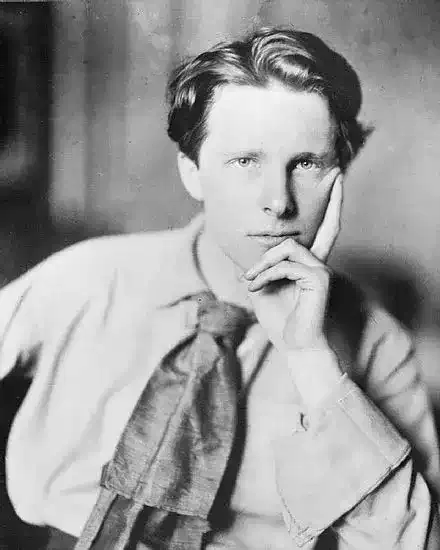
Rupert Brooke
Chilterns, The
Chilterns, The
Your hands, my dear, adorable,
Your lips of tenderness
-- Oh, I've loved you faithfully and well,
Three years, or a bit less.
It wasn't a success.
Thank God, that's done! and I'll take the road,
Quit of my youth and you,
The Roman road to Wendover
By Tring and Lilley Hoo,
As a free man may do.
For youth goes over, the joys that fly,
The tears that follow fast;
And the dirtiest things we do must lie
Forgotten at the last;
Even Love goes past.
What's left behind I shall not find,
The splendour and the pain;
The splash of sun, the shouting wind,
And the brave sting of rain,
I may not meet again.
But the years, that take the best away,
Give something in the end;
And a better friend than love have they,
For none to mar or mend,
That have themselves to friend.
I shall desire and I shall find
The best of my desires;
The autumn road, the mellow wind
That soothes the darkening shires.
And laughter, and inn-fires.
White mist about the black hedgerows,
The slumbering Midland plain,
The silence where the clover grows,
And the dead leaves in the lane,
Certainly, these remain.
And I shall find some girl perhaps,
And a better one than you,
With eyes as wise, but kindlier,
And lips as soft, but true.
And I daresay she will do.
Your hands, my dear, adorable,
Your lips of tenderness
-- Oh, I've loved you faithfully and well,
Three years, or a bit less.
It wasn't a success.
Thank God, that's done! and I'll take the road,
Quit of my youth and you,
The Roman road to Wendover
By Tring and Lilley Hoo,
As a free man may do.
For youth goes over, the joys that fly,
The tears that follow fast;
And the dirtiest things we do must lie
Forgotten at the last;
Even Love goes past.
What's left behind I shall not find,
The splendour and the pain;
The splash of sun, the shouting wind,
And the brave sting of rain,
I may not meet again.
But the years, that take the best away,
Give something in the end;
And a better friend than love have they,
For none to mar or mend,
That have themselves to friend.
I shall desire and I shall find
The best of my desires;
The autumn road, the mellow wind
That soothes the darkening shires.
And laughter, and inn-fires.
White mist about the black hedgerows,
The slumbering Midland plain,
The silence where the clover grows,
And the dead leaves in the lane,
Certainly, these remain.
And I shall find some girl perhaps,
And a better one than you,
With eyes as wise, but kindlier,
And lips as soft, but true.
And I daresay she will do.
211
Rupert Brooke
Chilterns, The
Chilterns, The
Your hands, my dear, adorable,
Your lips of tenderness
-- Oh, I've loved you faithfully and well,
Three years, or a bit less.
It wasn't a success.
Thank God, that's done! and I'll take the road,
Quit of my youth and you,
The Roman road to Wendover
By Tring and Lilley Hoo,
As a free man may do.
For youth goes over, the joys that fly,
The tears that follow fast;
And the dirtiest things we do must lie
Forgotten at the last;
Even Love goes past.
What's left behind I shall not find,
The splendour and the pain;
The splash of sun, the shouting wind,
And the brave sting of rain,
I may not meet again.
But the years, that take the best away,
Give something in the end;
And a better friend than love have they,
For none to mar or mend,
That have themselves to friend.
I shall desire and I shall find
The best of my desires;
The autumn road, the mellow wind
That soothes the darkening shires.
And laughter, and inn-fires.
White mist about the black hedgerows,
The slumbering Midland plain,
The silence where the clover grows,
And the dead leaves in the lane,
Certainly, these remain.
And I shall find some girl perhaps,
And a better one than you,
With eyes as wise, but kindlier,
And lips as soft, but true.
And I daresay she will do.
Your hands, my dear, adorable,
Your lips of tenderness
-- Oh, I've loved you faithfully and well,
Three years, or a bit less.
It wasn't a success.
Thank God, that's done! and I'll take the road,
Quit of my youth and you,
The Roman road to Wendover
By Tring and Lilley Hoo,
As a free man may do.
For youth goes over, the joys that fly,
The tears that follow fast;
And the dirtiest things we do must lie
Forgotten at the last;
Even Love goes past.
What's left behind I shall not find,
The splendour and the pain;
The splash of sun, the shouting wind,
And the brave sting of rain,
I may not meet again.
But the years, that take the best away,
Give something in the end;
And a better friend than love have they,
For none to mar or mend,
That have themselves to friend.
I shall desire and I shall find
The best of my desires;
The autumn road, the mellow wind
That soothes the darkening shires.
And laughter, and inn-fires.
White mist about the black hedgerows,
The slumbering Midland plain,
The silence where the clover grows,
And the dead leaves in the lane,
Certainly, these remain.
And I shall find some girl perhaps,
And a better one than you,
With eyes as wise, but kindlier,
And lips as soft, but true.
And I daresay she will do.
211
Rupert Brooke
Call, The
Call, The
Out of the nothingness of sleep,
The slow dreams of Eternity,
There was a thunder on the deep:
I came, because you called to me.
I broke the Night's primeval bars,
I dared the old abysmal curse,
And flashed through ranks of frightened stars
Suddenly on the universe!
The eternal silences were broken;
Hell became Heaven as I passed. --
What shall I give you as a token,
A sign that we have met, at last?
I'll break and forge the stars anew,
Shatter the heavens with a song;
Immortal in my love for you,
Because I love you, very strong.
Your mouth shall mock the old and wise,
Your laugh shall fill the world with flame,
I'll write upon the shrinking skies
The scarlet splendour of your name,
Till Heaven cracks, and Hell thereunder
Dies in her ultimate mad fire,
And darkness falls, with scornful thunder,
On dreams of men and men's desire.
Then only in the empty spaces,
Death, walking very silently,
Shall fear the glory of our faces
Through all the dark infinity.
So, clothed about with perfect love,
The eternal end shall find us one,
Alone above the Night, above
The dust of the dead gods, alone.
Out of the nothingness of sleep,
The slow dreams of Eternity,
There was a thunder on the deep:
I came, because you called to me.
I broke the Night's primeval bars,
I dared the old abysmal curse,
And flashed through ranks of frightened stars
Suddenly on the universe!
The eternal silences were broken;
Hell became Heaven as I passed. --
What shall I give you as a token,
A sign that we have met, at last?
I'll break and forge the stars anew,
Shatter the heavens with a song;
Immortal in my love for you,
Because I love you, very strong.
Your mouth shall mock the old and wise,
Your laugh shall fill the world with flame,
I'll write upon the shrinking skies
The scarlet splendour of your name,
Till Heaven cracks, and Hell thereunder
Dies in her ultimate mad fire,
And darkness falls, with scornful thunder,
On dreams of men and men's desire.
Then only in the empty spaces,
Death, walking very silently,
Shall fear the glory of our faces
Through all the dark infinity.
So, clothed about with perfect love,
The eternal end shall find us one,
Alone above the Night, above
The dust of the dead gods, alone.
216
Rupert Brooke
Call, The
Call, The
Out of the nothingness of sleep,
The slow dreams of Eternity,
There was a thunder on the deep:
I came, because you called to me.
I broke the Night's primeval bars,
I dared the old abysmal curse,
And flashed through ranks of frightened stars
Suddenly on the universe!
The eternal silences were broken;
Hell became Heaven as I passed. --
What shall I give you as a token,
A sign that we have met, at last?
I'll break and forge the stars anew,
Shatter the heavens with a song;
Immortal in my love for you,
Because I love you, very strong.
Your mouth shall mock the old and wise,
Your laugh shall fill the world with flame,
I'll write upon the shrinking skies
The scarlet splendour of your name,
Till Heaven cracks, and Hell thereunder
Dies in her ultimate mad fire,
And darkness falls, with scornful thunder,
On dreams of men and men's desire.
Then only in the empty spaces,
Death, walking very silently,
Shall fear the glory of our faces
Through all the dark infinity.
So, clothed about with perfect love,
The eternal end shall find us one,
Alone above the Night, above
The dust of the dead gods, alone.
Out of the nothingness of sleep,
The slow dreams of Eternity,
There was a thunder on the deep:
I came, because you called to me.
I broke the Night's primeval bars,
I dared the old abysmal curse,
And flashed through ranks of frightened stars
Suddenly on the universe!
The eternal silences were broken;
Hell became Heaven as I passed. --
What shall I give you as a token,
A sign that we have met, at last?
I'll break and forge the stars anew,
Shatter the heavens with a song;
Immortal in my love for you,
Because I love you, very strong.
Your mouth shall mock the old and wise,
Your laugh shall fill the world with flame,
I'll write upon the shrinking skies
The scarlet splendour of your name,
Till Heaven cracks, and Hell thereunder
Dies in her ultimate mad fire,
And darkness falls, with scornful thunder,
On dreams of men and men's desire.
Then only in the empty spaces,
Death, walking very silently,
Shall fear the glory of our faces
Through all the dark infinity.
So, clothed about with perfect love,
The eternal end shall find us one,
Alone above the Night, above
The dust of the dead gods, alone.
216
Rupert Brooke
Blue Evening
Blue Evening
My restless blood now lies a-quiver,
Knowing that always, exquisitely,
This April twilight on the river
Stirs anguish in the heart of me.
For the fast world in that rare glimmer
Puts on the witchery of a dream,
The straight grey buildings, richly dimmer,
The fiery windows, and the stream
With willows leaning quietly over,
The still ecstatic fading skies . . .
And all these, like a waiting lover,
Murmur and gleam, lift lustrous eyes,
Drift close to me, and sideways bending
Whisper delicious words.
But I
Stretch terrible hands, uncomprehending,
Shaken with love; and laugh; and cry.
My agony made the willows quiver;
I heard the knocking of my heart
Die loudly down the windless river,
I heard the pale skies fall apart,
And the shrill stars' unmeaning laughter,
And my voice with the vocal trees
Weeping. And Hatred followed after,
Shrilling madly down the breeze.
In peace from the wild heart of clamour,
A flower in moonlight, she was there,
Was rippling down white ways of glamour
Quietly laid on wave and air.
Her passing left no leaf a-quiver.
Pale flowers wreathed her white, white brows.
Her feet were silence on the river;
And 'Hush!' she said, between the boughs.
My restless blood now lies a-quiver,
Knowing that always, exquisitely,
This April twilight on the river
Stirs anguish in the heart of me.
For the fast world in that rare glimmer
Puts on the witchery of a dream,
The straight grey buildings, richly dimmer,
The fiery windows, and the stream
With willows leaning quietly over,
The still ecstatic fading skies . . .
And all these, like a waiting lover,
Murmur and gleam, lift lustrous eyes,
Drift close to me, and sideways bending
Whisper delicious words.
But I
Stretch terrible hands, uncomprehending,
Shaken with love; and laugh; and cry.
My agony made the willows quiver;
I heard the knocking of my heart
Die loudly down the windless river,
I heard the pale skies fall apart,
And the shrill stars' unmeaning laughter,
And my voice with the vocal trees
Weeping. And Hatred followed after,
Shrilling madly down the breeze.
In peace from the wild heart of clamour,
A flower in moonlight, she was there,
Was rippling down white ways of glamour
Quietly laid on wave and air.
Her passing left no leaf a-quiver.
Pale flowers wreathed her white, white brows.
Her feet were silence on the river;
And 'Hush!' she said, between the boughs.
214
Rupert Brooke
Blue Evening
Blue Evening
My restless blood now lies a-quiver,
Knowing that always, exquisitely,
This April twilight on the river
Stirs anguish in the heart of me.
For the fast world in that rare glimmer
Puts on the witchery of a dream,
The straight grey buildings, richly dimmer,
The fiery windows, and the stream
With willows leaning quietly over,
The still ecstatic fading skies . . .
And all these, like a waiting lover,
Murmur and gleam, lift lustrous eyes,
Drift close to me, and sideways bending
Whisper delicious words.
But I
Stretch terrible hands, uncomprehending,
Shaken with love; and laugh; and cry.
My agony made the willows quiver;
I heard the knocking of my heart
Die loudly down the windless river,
I heard the pale skies fall apart,
And the shrill stars' unmeaning laughter,
And my voice with the vocal trees
Weeping. And Hatred followed after,
Shrilling madly down the breeze.
In peace from the wild heart of clamour,
A flower in moonlight, she was there,
Was rippling down white ways of glamour
Quietly laid on wave and air.
Her passing left no leaf a-quiver.
Pale flowers wreathed her white, white brows.
Her feet were silence on the river;
And 'Hush!' she said, between the boughs.
My restless blood now lies a-quiver,
Knowing that always, exquisitely,
This April twilight on the river
Stirs anguish in the heart of me.
For the fast world in that rare glimmer
Puts on the witchery of a dream,
The straight grey buildings, richly dimmer,
The fiery windows, and the stream
With willows leaning quietly over,
The still ecstatic fading skies . . .
And all these, like a waiting lover,
Murmur and gleam, lift lustrous eyes,
Drift close to me, and sideways bending
Whisper delicious words.
But I
Stretch terrible hands, uncomprehending,
Shaken with love; and laugh; and cry.
My agony made the willows quiver;
I heard the knocking of my heart
Die loudly down the windless river,
I heard the pale skies fall apart,
And the shrill stars' unmeaning laughter,
And my voice with the vocal trees
Weeping. And Hatred followed after,
Shrilling madly down the breeze.
In peace from the wild heart of clamour,
A flower in moonlight, she was there,
Was rippling down white ways of glamour
Quietly laid on wave and air.
Her passing left no leaf a-quiver.
Pale flowers wreathed her white, white brows.
Her feet were silence on the river;
And 'Hush!' she said, between the boughs.
214
Rupert Brooke
Beauty and Beauty
Beauty and Beauty
When Beauty and Beauty meet
All naked, fair to fair,
The earth is crying-sweet,
And scattering-bright the air,
Eddying, dizzying, closing round,
With soft and drunken laughter;
Veiling all that may befall
After -- after --
Where Beauty and Beauty met,
Earth's still a-tremble there,
And winds are scented yet,
And memory-soft the air,
Bosoming, folding glints of light,
And shreds of shadowy laughter;
Not the tears that fill the years
After -- after --
When Beauty and Beauty meet
All naked, fair to fair,
The earth is crying-sweet,
And scattering-bright the air,
Eddying, dizzying, closing round,
With soft and drunken laughter;
Veiling all that may befall
After -- after --
Where Beauty and Beauty met,
Earth's still a-tremble there,
And winds are scented yet,
And memory-soft the air,
Bosoming, folding glints of light,
And shreds of shadowy laughter;
Not the tears that fill the years
After -- after --
196
Rupert Brooke
A Memory
A Memory
(From a sonnet-sequence)
Somewhile before the dawn I rose, and stept
Softly along the dim way to your room,
And found you sleeping in the quiet gloom,
And holiness about you as you slept.
I knelt there; till your waking fingers crept
About my head, and held it. I had rest
Unhoped this side of Heaven, beneath your breast.
I knelt a long time, still; nor even wept.
It was great wrong you did me; and for gain
Of that poor moment’s kindliness, and ease,
And sleepy mother-comfort!
Child, you know
How easily love leaps out to dreams like these,
Who has seen them true. And love that’s wakened so
Takes all too long to lay asleep again.
(From a sonnet-sequence)
Somewhile before the dawn I rose, and stept
Softly along the dim way to your room,
And found you sleeping in the quiet gloom,
And holiness about you as you slept.
I knelt there; till your waking fingers crept
About my head, and held it. I had rest
Unhoped this side of Heaven, beneath your breast.
I knelt a long time, still; nor even wept.
It was great wrong you did me; and for gain
Of that poor moment’s kindliness, and ease,
And sleepy mother-comfort!
Child, you know
How easily love leaps out to dreams like these,
Who has seen them true. And love that’s wakened so
Takes all too long to lay asleep again.
233
Rupert Brooke
A Memory
A Memory
(From a sonnet-sequence)
Somewhile before the dawn I rose, and stept
Softly along the dim way to your room,
And found you sleeping in the quiet gloom,
And holiness about you as you slept.
I knelt there; till your waking fingers crept
About my head, and held it. I had rest
Unhoped this side of Heaven, beneath your breast.
I knelt a long time, still; nor even wept.
It was great wrong you did me; and for gain
Of that poor moment’s kindliness, and ease,
And sleepy mother-comfort!
Child, you know
How easily love leaps out to dreams like these,
Who has seen them true. And love that’s wakened so
Takes all too long to lay asleep again.
(From a sonnet-sequence)
Somewhile before the dawn I rose, and stept
Softly along the dim way to your room,
And found you sleeping in the quiet gloom,
And holiness about you as you slept.
I knelt there; till your waking fingers crept
About my head, and held it. I had rest
Unhoped this side of Heaven, beneath your breast.
I knelt a long time, still; nor even wept.
It was great wrong you did me; and for gain
Of that poor moment’s kindliness, and ease,
And sleepy mother-comfort!
Child, you know
How easily love leaps out to dreams like these,
Who has seen them true. And love that’s wakened so
Takes all too long to lay asleep again.
233
Rupert Brooke
A Channel Passage
A Channel Passage
The damned ship lurched and slithered. Quiet and quick
My cold gorge rose; the long sea rolled; I knew
I must think hard of something, or be sick;
And could think hard of only one thing -- YOU!
You, you alone could hold my fancy ever!
And with you memories come, sharp pain, and dole.
Now there's a choice -- heartache or tortured liver!
A sea-sick body, or a you-sick soul!
Do I forget you? Retchings twist and tie me,
Old meat, good meals, brown gobbets, up I throw.
Do I remember? Acrid return and slimy,
The sobs and slobber of a last years woe.
And still the sick ship rolls. 'Tis hard, I tell ye,
To choose 'twixt love and nausea, heart and belly.
The damned ship lurched and slithered. Quiet and quick
My cold gorge rose; the long sea rolled; I knew
I must think hard of something, or be sick;
And could think hard of only one thing -- YOU!
You, you alone could hold my fancy ever!
And with you memories come, sharp pain, and dole.
Now there's a choice -- heartache or tortured liver!
A sea-sick body, or a you-sick soul!
Do I forget you? Retchings twist and tie me,
Old meat, good meals, brown gobbets, up I throw.
Do I remember? Acrid return and slimy,
The sobs and slobber of a last years woe.
And still the sick ship rolls. 'Tis hard, I tell ye,
To choose 'twixt love and nausea, heart and belly.
264
Rupert Brooke
A Channel Passage
A Channel Passage
The damned ship lurched and slithered. Quiet and quick
My cold gorge rose; the long sea rolled; I knew
I must think hard of something, or be sick;
And could think hard of only one thing -- YOU!
You, you alone could hold my fancy ever!
And with you memories come, sharp pain, and dole.
Now there's a choice -- heartache or tortured liver!
A sea-sick body, or a you-sick soul!
Do I forget you? Retchings twist and tie me,
Old meat, good meals, brown gobbets, up I throw.
Do I remember? Acrid return and slimy,
The sobs and slobber of a last years woe.
And still the sick ship rolls. 'Tis hard, I tell ye,
To choose 'twixt love and nausea, heart and belly.
The damned ship lurched and slithered. Quiet and quick
My cold gorge rose; the long sea rolled; I knew
I must think hard of something, or be sick;
And could think hard of only one thing -- YOU!
You, you alone could hold my fancy ever!
And with you memories come, sharp pain, and dole.
Now there's a choice -- heartache or tortured liver!
A sea-sick body, or a you-sick soul!
Do I forget you? Retchings twist and tie me,
Old meat, good meals, brown gobbets, up I throw.
Do I remember? Acrid return and slimy,
The sobs and slobber of a last years woe.
And still the sick ship rolls. 'Tis hard, I tell ye,
To choose 'twixt love and nausea, heart and belly.
264
Rupert Brooke
I: Peace
I: Peace
Now, God be thanked Who has watched us with His hour,
And caught our youth, and wakened us from sleeping,
With hand made sure, clear eye, and sharpened power,
To turn, as swimmers into cleanness leaping,
Glad from a world grown old and cold and weary,
Leave the sick hearts that honour could not move,
And half-men, and their dirty songs and dreary,
And all the little emptiness of love!
Oh! we, who have known shame, we have found release there,
Where there's no ill, no grief, but sleep has mending,
Naught broken save this body, lost but breath;
Nothing to shake the laughing heart's long peace there
But only agony, and that has ending;
And the worst friend and enemy is but Death.
Now, God be thanked Who has watched us with His hour,
And caught our youth, and wakened us from sleeping,
With hand made sure, clear eye, and sharpened power,
To turn, as swimmers into cleanness leaping,
Glad from a world grown old and cold and weary,
Leave the sick hearts that honour could not move,
And half-men, and their dirty songs and dreary,
And all the little emptiness of love!
Oh! we, who have known shame, we have found release there,
Where there's no ill, no grief, but sleep has mending,
Naught broken save this body, lost but breath;
Nothing to shake the laughing heart's long peace there
But only agony, and that has ending;
And the worst friend and enemy is but Death.
181
Rupert Brooke
I: Peace
I: Peace
Now, God be thanked Who has watched us with His hour,
And caught our youth, and wakened us from sleeping,
With hand made sure, clear eye, and sharpened power,
To turn, as swimmers into cleanness leaping,
Glad from a world grown old and cold and weary,
Leave the sick hearts that honour could not move,
And half-men, and their dirty songs and dreary,
And all the little emptiness of love!
Oh! we, who have known shame, we have found release there,
Where there's no ill, no grief, but sleep has mending,
Naught broken save this body, lost but breath;
Nothing to shake the laughing heart's long peace there
But only agony, and that has ending;
And the worst friend and enemy is but Death.
Now, God be thanked Who has watched us with His hour,
And caught our youth, and wakened us from sleeping,
With hand made sure, clear eye, and sharpened power,
To turn, as swimmers into cleanness leaping,
Glad from a world grown old and cold and weary,
Leave the sick hearts that honour could not move,
And half-men, and their dirty songs and dreary,
And all the little emptiness of love!
Oh! we, who have known shame, we have found release there,
Where there's no ill, no grief, but sleep has mending,
Naught broken save this body, lost but breath;
Nothing to shake the laughing heart's long peace there
But only agony, and that has ending;
And the worst friend and enemy is but Death.
181
Rupert Brooke
II: Safety
II: Safety
Dear! of all happy in the hour, most blest
He who has found our hid security,
Assured in the dark tides of the world that rest,
And heard our word, 'Who is so safe as we?'
We have found safety with all things undying,
The winds, and morning, tears of men and mirth,
The deep night, and birds singing, and clouds flying,
And sleep, and freedom, and the autumnal earth.
We have built a house that is not for Time's throwing.
We have gained a peace unshaken by pain for ever.
War knows no power. Safe shall be my going,
Secretly armed against all death's endeavour;
Safe though all safety's lost; safe where men fall;
And if these poor limbs die, safest of all.
Dear! of all happy in the hour, most blest
He who has found our hid security,
Assured in the dark tides of the world that rest,
And heard our word, 'Who is so safe as we?'
We have found safety with all things undying,
The winds, and morning, tears of men and mirth,
The deep night, and birds singing, and clouds flying,
And sleep, and freedom, and the autumnal earth.
We have built a house that is not for Time's throwing.
We have gained a peace unshaken by pain for ever.
War knows no power. Safe shall be my going,
Secretly armed against all death's endeavour;
Safe though all safety's lost; safe where men fall;
And if these poor limbs die, safest of all.
189
Rupert Brooke
II: Safety
II: Safety
Dear! of all happy in the hour, most blest
He who has found our hid security,
Assured in the dark tides of the world that rest,
And heard our word, 'Who is so safe as we?'
We have found safety with all things undying,
The winds, and morning, tears of men and mirth,
The deep night, and birds singing, and clouds flying,
And sleep, and freedom, and the autumnal earth.
We have built a house that is not for Time's throwing.
We have gained a peace unshaken by pain for ever.
War knows no power. Safe shall be my going,
Secretly armed against all death's endeavour;
Safe though all safety's lost; safe where men fall;
And if these poor limbs die, safest of all.
Dear! of all happy in the hour, most blest
He who has found our hid security,
Assured in the dark tides of the world that rest,
And heard our word, 'Who is so safe as we?'
We have found safety with all things undying,
The winds, and morning, tears of men and mirth,
The deep night, and birds singing, and clouds flying,
And sleep, and freedom, and the autumnal earth.
We have built a house that is not for Time's throwing.
We have gained a peace unshaken by pain for ever.
War knows no power. Safe shall be my going,
Secretly armed against all death's endeavour;
Safe though all safety's lost; safe where men fall;
And if these poor limbs die, safest of all.
189
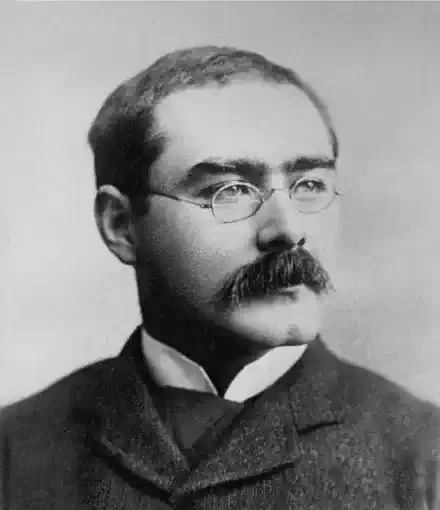
Rudyard Kipling
Wilful Missing
Wilful Missing
(Deserters)
There is a world outside the one you know,
To which for curiousness 'Ell can't compare--
It is the place where "wilful-missings" go,
As we can testify, for we are there.
You may 'ave read a bullet laid us low,
That we was gathered in "with reverent care"
And buried proper. But it was not so,
As we can testify --for we are there!
They can't be certain--faces alter so
After the old aasvogel 'ad 'is share.
The uniform's the mark by which they go--
And--ain't it odd?--the one we best can spare.
We might 'ave seen our chance to cut the show--
Name, number, record, an 'begin elsewhere--
Leaven'' some not too late-lamented foe
One funeral-private-British-for 'is share.
We may 'ave took it yonder in the Low
Bush-veldt that sends men stragglin' 'unaware
Among the Kaffirs, till their columns go,
An 'they are left past call or count or care.
We might 'ave been your lovers long ago,
'Usbands or children--comfort or despair.
Our death (an' burial) settles all we owe,
An' why we done it is our own affair.
Marry again, and we will not say no,
Nor come to barstardise the kids you bear.
Wait on in 'ope--you've all your life below
Before you'll ever 'ear us on the stair.
There is no need to give our reasons, though
Gawd knows we all 'ad reasons which were fair;
But other people might not judge 'em so--
And now it doesn't matter what they were.
What man can weigh or size another's woe:
There are some things too bitter 'ard to bear.
Suffice it we 'ave finished--Domino!
As we can testify, for we are there,
In the side-world where "wilful-missings " go.
(Deserters)
There is a world outside the one you know,
To which for curiousness 'Ell can't compare--
It is the place where "wilful-missings" go,
As we can testify, for we are there.
You may 'ave read a bullet laid us low,
That we was gathered in "with reverent care"
And buried proper. But it was not so,
As we can testify --for we are there!
They can't be certain--faces alter so
After the old aasvogel 'ad 'is share.
The uniform's the mark by which they go--
And--ain't it odd?--the one we best can spare.
We might 'ave seen our chance to cut the show--
Name, number, record, an 'begin elsewhere--
Leaven'' some not too late-lamented foe
One funeral-private-British-for 'is share.
We may 'ave took it yonder in the Low
Bush-veldt that sends men stragglin' 'unaware
Among the Kaffirs, till their columns go,
An 'they are left past call or count or care.
We might 'ave been your lovers long ago,
'Usbands or children--comfort or despair.
Our death (an' burial) settles all we owe,
An' why we done it is our own affair.
Marry again, and we will not say no,
Nor come to barstardise the kids you bear.
Wait on in 'ope--you've all your life below
Before you'll ever 'ear us on the stair.
There is no need to give our reasons, though
Gawd knows we all 'ad reasons which were fair;
But other people might not judge 'em so--
And now it doesn't matter what they were.
What man can weigh or size another's woe:
There are some things too bitter 'ard to bear.
Suffice it we 'ave finished--Domino!
As we can testify, for we are there,
In the side-world where "wilful-missings " go.
439
Rudyard Kipling
Wilful Missing
Wilful Missing
(Deserters)
There is a world outside the one you know,
To which for curiousness 'Ell can't compare--
It is the place where "wilful-missings" go,
As we can testify, for we are there.
You may 'ave read a bullet laid us low,
That we was gathered in "with reverent care"
And buried proper. But it was not so,
As we can testify --for we are there!
They can't be certain--faces alter so
After the old aasvogel 'ad 'is share.
The uniform's the mark by which they go--
And--ain't it odd?--the one we best can spare.
We might 'ave seen our chance to cut the show--
Name, number, record, an 'begin elsewhere--
Leaven'' some not too late-lamented foe
One funeral-private-British-for 'is share.
We may 'ave took it yonder in the Low
Bush-veldt that sends men stragglin' 'unaware
Among the Kaffirs, till their columns go,
An 'they are left past call or count or care.
We might 'ave been your lovers long ago,
'Usbands or children--comfort or despair.
Our death (an' burial) settles all we owe,
An' why we done it is our own affair.
Marry again, and we will not say no,
Nor come to barstardise the kids you bear.
Wait on in 'ope--you've all your life below
Before you'll ever 'ear us on the stair.
There is no need to give our reasons, though
Gawd knows we all 'ad reasons which were fair;
But other people might not judge 'em so--
And now it doesn't matter what they were.
What man can weigh or size another's woe:
There are some things too bitter 'ard to bear.
Suffice it we 'ave finished--Domino!
As we can testify, for we are there,
In the side-world where "wilful-missings " go.
(Deserters)
There is a world outside the one you know,
To which for curiousness 'Ell can't compare--
It is the place where "wilful-missings" go,
As we can testify, for we are there.
You may 'ave read a bullet laid us low,
That we was gathered in "with reverent care"
And buried proper. But it was not so,
As we can testify --for we are there!
They can't be certain--faces alter so
After the old aasvogel 'ad 'is share.
The uniform's the mark by which they go--
And--ain't it odd?--the one we best can spare.
We might 'ave seen our chance to cut the show--
Name, number, record, an 'begin elsewhere--
Leaven'' some not too late-lamented foe
One funeral-private-British-for 'is share.
We may 'ave took it yonder in the Low
Bush-veldt that sends men stragglin' 'unaware
Among the Kaffirs, till their columns go,
An 'they are left past call or count or care.
We might 'ave been your lovers long ago,
'Usbands or children--comfort or despair.
Our death (an' burial) settles all we owe,
An' why we done it is our own affair.
Marry again, and we will not say no,
Nor come to barstardise the kids you bear.
Wait on in 'ope--you've all your life below
Before you'll ever 'ear us on the stair.
There is no need to give our reasons, though
Gawd knows we all 'ad reasons which were fair;
But other people might not judge 'em so--
And now it doesn't matter what they were.
What man can weigh or size another's woe:
There are some things too bitter 'ard to bear.
Suffice it we 'ave finished--Domino!
As we can testify, for we are there,
In the side-world where "wilful-missings " go.
439
Rudyard Kipling
Toomai of the Elephants
Toomai of the Elephants
I will remember what I was. I am sick of rope and chain--
I will remember my old strength and all my forest-affairs.
I will not sell my back to man for a bundle of sugarcane.
I will go out to my own kind, and the wood-folk in their lairs.
I will go out until the day, until the morning break,
Out to the winds 'untainted kiss, the waters' clean caress.
I will forget my ankle-ring and snap my picket-stake.
I will revisit my lost loves, and playmates masterless!
I will remember what I was. I am sick of rope and chain--
I will remember my old strength and all my forest-affairs.
I will not sell my back to man for a bundle of sugarcane.
I will go out to my own kind, and the wood-folk in their lairs.
I will go out until the day, until the morning break,
Out to the winds 'untainted kiss, the waters' clean caress.
I will forget my ankle-ring and snap my picket-stake.
I will revisit my lost loves, and playmates masterless!
549
Rudyard Kipling
To the Companions
To the Companions
How comes it that, at even-tide,
When level beams should show most truth,
Man, failing, takes unfailing pride
In memories of his frolic youth?
Venus and Liber fill their hour;
The games engage, the law-courts prove;
Till hardened life breeds love of power
Or Avarice, Age's final love.
Yet at the end, these comfort not--
Nor any triumph Fate decrees--
Compared with glorious, unforgot--
Ten innocent enormities
Of frontless days before the beard,
When, instant on the casual jest,
The God Himself of Mirth appeared
And snatched us to His heaving breast
And we--not caring who He was
But certain He would come again--
Accepted all He brought to pass
As Gods accept the lives of men...
Then He withdrew from sight and speech,
Nor left a shrine. How comes it now,
While Charon's keel grates on the beach,
He calls so clear: "Rememberest thou?"
How comes it that, at even-tide,
When level beams should show most truth,
Man, failing, takes unfailing pride
In memories of his frolic youth?
Venus and Liber fill their hour;
The games engage, the law-courts prove;
Till hardened life breeds love of power
Or Avarice, Age's final love.
Yet at the end, these comfort not--
Nor any triumph Fate decrees--
Compared with glorious, unforgot--
Ten innocent enormities
Of frontless days before the beard,
When, instant on the casual jest,
The God Himself of Mirth appeared
And snatched us to His heaving breast
And we--not caring who He was
But certain He would come again--
Accepted all He brought to pass
As Gods accept the lives of men...
Then He withdrew from sight and speech,
Nor left a shrine. How comes it now,
While Charon's keel grates on the beach,
He calls so clear: "Rememberest thou?"
467
Rudyard Kipling
To the Unknown Goddess
To the Unknown Goddess
Will you conquer my heart with your beauty; my sould going out from afar?
Shall I fall to your hand as a victim of crafty and cautions shikar?
Have I met you and passed you already, unknowing, unthinking and blind?
Shall I meet you next session at Simla, O sweetest and best of your kind?
Does the P. and O. bear you to meward, or, clad in short frocks in the West,
Are you growing the charms that shall capture and torture the heart in my breast?
Will you stay in the Plains till September -- my passion as warm as the day?
Will you bring me to book on the Mountains, or where the thermantidotes play?
When the light of your eyes shall make pallid the mean lesser lights I pursue,
And the charm of your presence shall lure me from love of the gay "thirteen-two";
When the peg and the pig-skin shall please not; when I buy me Calcutta-build clothes;
When I quit the Delight of Wild Asses; foreswearing the swearing of oaths ;
As a deer to the hand of the hunter when I turn 'mid the gibes of my friends;
When the days of my freedom are numbered, and the life of the bachelor ends.
Ah, Goddess! child, spinster, or widow -- as of old on Mars Hill whey they raised
To the God that they knew not an altar -- so I, a young Pagan, have praised
The Goddess I know not nor worship; yet, if half that men tell me be true,
You will come in the future, and therefore these verses are written to you.
Will you conquer my heart with your beauty; my sould going out from afar?
Shall I fall to your hand as a victim of crafty and cautions shikar?
Have I met you and passed you already, unknowing, unthinking and blind?
Shall I meet you next session at Simla, O sweetest and best of your kind?
Does the P. and O. bear you to meward, or, clad in short frocks in the West,
Are you growing the charms that shall capture and torture the heart in my breast?
Will you stay in the Plains till September -- my passion as warm as the day?
Will you bring me to book on the Mountains, or where the thermantidotes play?
When the light of your eyes shall make pallid the mean lesser lights I pursue,
And the charm of your presence shall lure me from love of the gay "thirteen-two";
When the peg and the pig-skin shall please not; when I buy me Calcutta-build clothes;
When I quit the Delight of Wild Asses; foreswearing the swearing of oaths ;
As a deer to the hand of the hunter when I turn 'mid the gibes of my friends;
When the days of my freedom are numbered, and the life of the bachelor ends.
Ah, Goddess! child, spinster, or widow -- as of old on Mars Hill whey they raised
To the God that they knew not an altar -- so I, a young Pagan, have praised
The Goddess I know not nor worship; yet, if half that men tell me be true,
You will come in the future, and therefore these verses are written to you.
477
Rudyard Kipling
To the Unknown Goddess
To the Unknown Goddess
Will you conquer my heart with your beauty; my sould going out from afar?
Shall I fall to your hand as a victim of crafty and cautions shikar?
Have I met you and passed you already, unknowing, unthinking and blind?
Shall I meet you next session at Simla, O sweetest and best of your kind?
Does the P. and O. bear you to meward, or, clad in short frocks in the West,
Are you growing the charms that shall capture and torture the heart in my breast?
Will you stay in the Plains till September -- my passion as warm as the day?
Will you bring me to book on the Mountains, or where the thermantidotes play?
When the light of your eyes shall make pallid the mean lesser lights I pursue,
And the charm of your presence shall lure me from love of the gay "thirteen-two";
When the peg and the pig-skin shall please not; when I buy me Calcutta-build clothes;
When I quit the Delight of Wild Asses; foreswearing the swearing of oaths ;
As a deer to the hand of the hunter when I turn 'mid the gibes of my friends;
When the days of my freedom are numbered, and the life of the bachelor ends.
Ah, Goddess! child, spinster, or widow -- as of old on Mars Hill whey they raised
To the God that they knew not an altar -- so I, a young Pagan, have praised
The Goddess I know not nor worship; yet, if half that men tell me be true,
You will come in the future, and therefore these verses are written to you.
Will you conquer my heart with your beauty; my sould going out from afar?
Shall I fall to your hand as a victim of crafty and cautions shikar?
Have I met you and passed you already, unknowing, unthinking and blind?
Shall I meet you next session at Simla, O sweetest and best of your kind?
Does the P. and O. bear you to meward, or, clad in short frocks in the West,
Are you growing the charms that shall capture and torture the heart in my breast?
Will you stay in the Plains till September -- my passion as warm as the day?
Will you bring me to book on the Mountains, or where the thermantidotes play?
When the light of your eyes shall make pallid the mean lesser lights I pursue,
And the charm of your presence shall lure me from love of the gay "thirteen-two";
When the peg and the pig-skin shall please not; when I buy me Calcutta-build clothes;
When I quit the Delight of Wild Asses; foreswearing the swearing of oaths ;
As a deer to the hand of the hunter when I turn 'mid the gibes of my friends;
When the days of my freedom are numbered, and the life of the bachelor ends.
Ah, Goddess! child, spinster, or widow -- as of old on Mars Hill whey they raised
To the God that they knew not an altar -- so I, a young Pagan, have praised
The Goddess I know not nor worship; yet, if half that men tell me be true,
You will come in the future, and therefore these verses are written to you.
477
Rudyard Kipling
To James Whitcomb Riley
To James Whitcomb Riley
Your trail runs to the westward,
And mine to my own place;
There is water between our lodges,
And I have not seen your face.
But since I have read your verses
'Tis easy to guess the rest,--
Because in the hearts of the children
There is neither East nor West.
Born to a thousand fortunes
Of good or evil hap,
Once they were kings together,
Throned in a mother's lap.
Surely they know that secret--
Yellow and black and white--
When they meet as kings together
In innocent dreams at night.
By a moon they all can play with--
Grubby and grimed and unshod,
Very happy together,
And very near to God.
Your trail runs to the westward,
And mine to my own place:
There is water between our lodges,
And you cannot see my face.--
And that is well--for crying
Should neither be written nor seen,
But if I call you Smoke-in-the-Eyes,
I know you will know what I mean.
Your trail runs to the westward,
And mine to my own place;
There is water between our lodges,
And I have not seen your face.
But since I have read your verses
'Tis easy to guess the rest,--
Because in the hearts of the children
There is neither East nor West.
Born to a thousand fortunes
Of good or evil hap,
Once they were kings together,
Throned in a mother's lap.
Surely they know that secret--
Yellow and black and white--
When they meet as kings together
In innocent dreams at night.
By a moon they all can play with--
Grubby and grimed and unshod,
Very happy together,
And very near to God.
Your trail runs to the westward,
And mine to my own place:
There is water between our lodges,
And you cannot see my face.--
And that is well--for crying
Should neither be written nor seen,
But if I call you Smoke-in-the-Eyes,
I know you will know what I mean.
522
Rudyard Kipling
To James Whitcomb Riley
To James Whitcomb Riley
Your trail runs to the westward,
And mine to my own place;
There is water between our lodges,
And I have not seen your face.
But since I have read your verses
'Tis easy to guess the rest,--
Because in the hearts of the children
There is neither East nor West.
Born to a thousand fortunes
Of good or evil hap,
Once they were kings together,
Throned in a mother's lap.
Surely they know that secret--
Yellow and black and white--
When they meet as kings together
In innocent dreams at night.
By a moon they all can play with--
Grubby and grimed and unshod,
Very happy together,
And very near to God.
Your trail runs to the westward,
And mine to my own place:
There is water between our lodges,
And you cannot see my face.--
And that is well--for crying
Should neither be written nor seen,
But if I call you Smoke-in-the-Eyes,
I know you will know what I mean.
Your trail runs to the westward,
And mine to my own place;
There is water between our lodges,
And I have not seen your face.
But since I have read your verses
'Tis easy to guess the rest,--
Because in the hearts of the children
There is neither East nor West.
Born to a thousand fortunes
Of good or evil hap,
Once they were kings together,
Throned in a mother's lap.
Surely they know that secret--
Yellow and black and white--
When they meet as kings together
In innocent dreams at night.
By a moon they all can play with--
Grubby and grimed and unshod,
Very happy together,
And very near to God.
Your trail runs to the westward,
And mine to my own place:
There is water between our lodges,
And you cannot see my face.--
And that is well--for crying
Should neither be written nor seen,
But if I call you Smoke-in-the-Eyes,
I know you will know what I mean.
522
Rudyard Kipling
To T. A.
To T. A.
I have made for you a song,
And it may be right or wrong,
But only you can tell me if it's true;
I have tried for to explain
Both your pleasure and your pain,
And, Thomas, here's my best respects to you!
O there'll surely come a day
When they'll give you all your pay,
And treat you as a Christian ought to do;
So, until that day comes round,
Heaven keep you safe and sound,
And, Thomas, here's my best respects to you!
I have made for you a song,
And it may be right or wrong,
But only you can tell me if it's true;
I have tried for to explain
Both your pleasure and your pain,
And, Thomas, here's my best respects to you!
O there'll surely come a day
When they'll give you all your pay,
And treat you as a Christian ought to do;
So, until that day comes round,
Heaven keep you safe and sound,
And, Thomas, here's my best respects to you!
403