

Poems in this topic
Emotions and Feelings
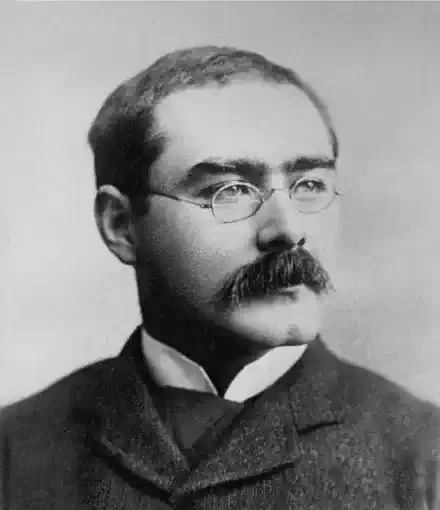
Rudyard Kipling
The Mare's Nest
The Mare's Nest
Jane Austen Beecher Stowe de Rouse
Was good beyond all earthly need;
But, on the other hand, her spouse
Was very, very bad indeed.
He smoked cigars, called churches slow,
And raced -- but this she did not know.
For Belial Machiavelli kept
The little fact a secret, and,
Though o'er his minor sins she wept,
Jane Austen did not understand
That Lilly -- thirteen-two and bay
Absorbed one-half her husband's pay.
She was so good, she made hime worse;
(Some women are like this, I think;)
He taught her parrot how to curse,
Her Assam monkey how to drink.
He vexed her righteous soul until
She went up, and he went down hill.
Then came the crisis, strange to say,
Which turned a good wife to a better.
A telegraphic peon, one day,
Brought her -- now, had it been a letter
For Belial Machiavelli, I
Know Jane would just have let it lie.
But 'twas a telegram instead,
Marked "urgent," and her duty plain
To open it. Jane Austen read:
"Your Lilly's got a cough again.
Can't understand why she is kept
At your expense." Jane Austen wept.
It was a misdirected wire.
Her husband was at Shaitanpore.
She spread her anger, hot as fire,
Through six thin foreign sheets or more.
Sent off that letter, wrote another
To her solicitor -- and mother.
Then Belial Machiavelli saw
Her error and, I trust, his own,
Wired to the minion of the Law,
And traveled wifeward -- not alone.
For Lilly -- thirteen-two and bay --
Came in a horse-box all the way.
There was a scene -- a weep or two --
With many kisses. Austen Jane
Rode Lilly all the season through,
And never opened wires again.
She races now with Belial. This
Is very sad, but so it is.
Jane Austen Beecher Stowe de Rouse
Was good beyond all earthly need;
But, on the other hand, her spouse
Was very, very bad indeed.
He smoked cigars, called churches slow,
And raced -- but this she did not know.
For Belial Machiavelli kept
The little fact a secret, and,
Though o'er his minor sins she wept,
Jane Austen did not understand
That Lilly -- thirteen-two and bay
Absorbed one-half her husband's pay.
She was so good, she made hime worse;
(Some women are like this, I think;)
He taught her parrot how to curse,
Her Assam monkey how to drink.
He vexed her righteous soul until
She went up, and he went down hill.
Then came the crisis, strange to say,
Which turned a good wife to a better.
A telegraphic peon, one day,
Brought her -- now, had it been a letter
For Belial Machiavelli, I
Know Jane would just have let it lie.
But 'twas a telegram instead,
Marked "urgent," and her duty plain
To open it. Jane Austen read:
"Your Lilly's got a cough again.
Can't understand why she is kept
At your expense." Jane Austen wept.
It was a misdirected wire.
Her husband was at Shaitanpore.
She spread her anger, hot as fire,
Through six thin foreign sheets or more.
Sent off that letter, wrote another
To her solicitor -- and mother.
Then Belial Machiavelli saw
Her error and, I trust, his own,
Wired to the minion of the Law,
And traveled wifeward -- not alone.
For Lilly -- thirteen-two and bay --
Came in a horse-box all the way.
There was a scene -- a weep or two --
With many kisses. Austen Jane
Rode Lilly all the season through,
And never opened wires again.
She races now with Belial. This
Is very sad, but so it is.
467
Rudyard Kipling
The Love Song of Har Dyal
The Love Song of Har Dyal
Alone upon the housetops to the North
I turn and watch the lightnings in the sky--
The glamour of thy footsteps in the North.
Come back to me, Beloved, or I die.
Below my feet the still bazar is laid--
Far, far below the weary camels lie--
The camels and the captives of thy raid.
Come back to me, Beloved, or I die!
My father's wife is old and harsh with years,
And drudge of all my father's house am I--
My bread is sorrow and my drink is tears.
Come back to me, Beloved, or I die!
Alone upon the housetops to the North
I turn and watch the lightnings in the sky--
The glamour of thy footsteps in the North.
Come back to me, Beloved, or I die.
Below my feet the still bazar is laid--
Far, far below the weary camels lie--
The camels and the captives of thy raid.
Come back to me, Beloved, or I die!
My father's wife is old and harsh with years,
And drudge of all my father's house am I--
My bread is sorrow and my drink is tears.
Come back to me, Beloved, or I die!
529
Rudyard Kipling
The Love Song of Har Dyal
The Love Song of Har Dyal
Alone upon the housetops to the North
I turn and watch the lightnings in the sky--
The glamour of thy footsteps in the North.
Come back to me, Beloved, or I die.
Below my feet the still bazar is laid--
Far, far below the weary camels lie--
The camels and the captives of thy raid.
Come back to me, Beloved, or I die!
My father's wife is old and harsh with years,
And drudge of all my father's house am I--
My bread is sorrow and my drink is tears.
Come back to me, Beloved, or I die!
Alone upon the housetops to the North
I turn and watch the lightnings in the sky--
The glamour of thy footsteps in the North.
Come back to me, Beloved, or I die.
Below my feet the still bazar is laid--
Far, far below the weary camels lie--
The camels and the captives of thy raid.
Come back to me, Beloved, or I die!
My father's wife is old and harsh with years,
And drudge of all my father's house am I--
My bread is sorrow and my drink is tears.
Come back to me, Beloved, or I die!
529
Rudyard Kipling
The Light That Failed
The Light That Failed
So we settled it all when the storm was done
As comfy as comfy could be;
And I was to wait in the barn, my dears,
Because I was only three.
And Teddy would run to the rainbow's foot
Because he was five and a man--
And that's how it all began, my dears,
And that's how it all began!
Then we brought the lances down--then the trumpets blew--
When we went to Kandahar, ridin' two an' two.
Ridin'--ridin'--ridin' two an' two!
Ta-ra-ra-ra-ra-ra-a!
All the way to Kandahar,
Ridin' two an' two.
The wolf-cub at even lay hid in the corn,
When the smoke of the cooking hung grey.
He knew where the doe made a couch for her fawn,
And he looked to his strength for his prey.
But the moon swept the smoke-wreaths away;
And he turned from his meal in the villager's close,
And he bayed to the moon as she rose.
"I have a thousand men," said he,
"To wait upon my will;
And towers nine upon the Tyne,
And three upon the Till."
"And what care I for your men? " said she,
"Or towers from Tyne to Till?
Sith you must go with me," said she,
"To wait upon my will.
And you may lead a thousand men
Nor ever draw the rein,
But before you lead the Fairy Queen
'Twill burst your heart in twain."
He has slipped his foot from the stirrup-bar,
The bridle from his hand,
And he is bound by hand and foot
To the Queen of Fairy Land.
"If I have taken the common clay
And wrought it cunningly
In the shape of a God that was digged a clod,
The greater honour to me."
"If thou hast taken the common clay,
And thy hands be not free
From the taint of the soil, thou hast made thy spoil
The greater shame to thee."
The lark will make her hymn to God,
The partridge call her brood,
While I forget the heath I trod,
The fields wherein I stood.
'Tis dule to know not night from morn,
But greater dule to know
I can but hear the hunter's horn
That once I used to blow.
There were three friends that buried the fourth,
The mould in his mouth and the dust in his eyes,
And they .went south and east and north--
The strong man fights but the sick man dies.
There were three friends that spoke of the dead--
The strong man fights but the sick man dies--
"And would he were here with us now," they said,
"The Sun in our face and the wind in our eyes."
Yet at the last ere our spearmen had found him,
Yet at the last, ere a sword-thrust could save,
Yet at the last, with his masters around him,
He spoke of the Faith as a master to slave.
Yet at the last though the Kafirs had maimed him,
Broken by bondage and wrecked by the reiver,
Yet at the last, tho' the darkness had claimed him,
He colled on Allah and died a Believer!
So we settled it all when the storm was done
As comfy as comfy could be;
And I was to wait in the barn, my dears,
Because I was only three.
And Teddy would run to the rainbow's foot
Because he was five and a man--
And that's how it all began, my dears,
And that's how it all began!
Then we brought the lances down--then the trumpets blew--
When we went to Kandahar, ridin' two an' two.
Ridin'--ridin'--ridin' two an' two!
Ta-ra-ra-ra-ra-ra-a!
All the way to Kandahar,
Ridin' two an' two.
The wolf-cub at even lay hid in the corn,
When the smoke of the cooking hung grey.
He knew where the doe made a couch for her fawn,
And he looked to his strength for his prey.
But the moon swept the smoke-wreaths away;
And he turned from his meal in the villager's close,
And he bayed to the moon as she rose.
"I have a thousand men," said he,
"To wait upon my will;
And towers nine upon the Tyne,
And three upon the Till."
"And what care I for your men? " said she,
"Or towers from Tyne to Till?
Sith you must go with me," said she,
"To wait upon my will.
And you may lead a thousand men
Nor ever draw the rein,
But before you lead the Fairy Queen
'Twill burst your heart in twain."
He has slipped his foot from the stirrup-bar,
The bridle from his hand,
And he is bound by hand and foot
To the Queen of Fairy Land.
"If I have taken the common clay
And wrought it cunningly
In the shape of a God that was digged a clod,
The greater honour to me."
"If thou hast taken the common clay,
And thy hands be not free
From the taint of the soil, thou hast made thy spoil
The greater shame to thee."
The lark will make her hymn to God,
The partridge call her brood,
While I forget the heath I trod,
The fields wherein I stood.
'Tis dule to know not night from morn,
But greater dule to know
I can but hear the hunter's horn
That once I used to blow.
There were three friends that buried the fourth,
The mould in his mouth and the dust in his eyes,
And they .went south and east and north--
The strong man fights but the sick man dies.
There were three friends that spoke of the dead--
The strong man fights but the sick man dies--
"And would he were here with us now," they said,
"The Sun in our face and the wind in our eyes."
Yet at the last ere our spearmen had found him,
Yet at the last, ere a sword-thrust could save,
Yet at the last, with his masters around him,
He spoke of the Faith as a master to slave.
Yet at the last though the Kafirs had maimed him,
Broken by bondage and wrecked by the reiver,
Yet at the last, tho' the darkness had claimed him,
He colled on Allah and died a Believer!
418
Rudyard Kipling
The Legend of Mirth
The Legend of Mirth
The Four Archangels, so the legends tell,
Raphael, Gabriel, Michael, Azrael,
Being first of those to whom the Power was shown
Stood first of all the Host before The Throne,
And, when the Charges were allotted, burst
Tumultuous-winged from out the assembly first.
Zeal was their spur that bade them strictly heed
Their own high judgment on their lightest deed.
Zeal was their spur that, when relief was given,
Urged them unwearied to new toils in Heaven;
For Honour's sake perfecting every task
Beyond what e 'en Perfection's self could ask. . .
And Allah, Who created Zeal and Pride,
Knows how the twain are perilous-near allied.
It chanced on one of Heaven's long-lighted days,
The Four and all the Host being gone their ways
Each to his Charge, the shining Courts were void
Save for one Seraph whom no charge employed,
With folden wings and slumber-threatened brow,
To whom The Word: "Beloved, what dost thou?"
"By the Permission," came the answer soft,
Little I do nor do that little oft.
As is The Will in Heaven so on Earth
Where by The Will I strive to make men mirth"
He ceased and sped, hearing The Word once more:
" Beloved, go thy way and greet the Four."
Systems and Universes overpast,
The Seraph came upon the Four, at last,
Guiding and guarding with devoted mind
The tedious generations of mankind
Who lent at most unwilling ear and eye
When they could not escape the ministry. . . .
Yet, patient, faithful, firm, persistent, just
Toward all that gross, indifferent, facile dust,
The Archangels laboured to discharge their trust
By precept and example, prayer and law,
Advice, reproof, and rule, but, labouring, saw
Each in his fellows' countenance confessed,
The Doubt that sickens: "Have I done my best?"
Even as they sighed and turned to toil anew,
The Seraph hailed them with observance due;
And, after some fit talk of higher things,
Touched tentative on mundane happenings.
This they permitting, he, emboldened thus,
Prolused of humankind promiscuous,
And, since the large contention less avails
Than instances observed, he told them tales--
Tales of the shop, the bed, the court, the street,
Intimate, elemental, indiscreet:
Occasions where Confusion smiting swift
Piles jest on jest as snow-slides pile the drift
Whence, one by one, beneath derisive skies,
The victims' bare, bewildered heads arise--
Tales of the passing of the spirit, graced
With humour blinding as the doom it faced--
Stark tales of ribaldy that broke aside
To tears, by laughter swallowed ere they dried-
Tales to which neither grace nor gain accrue,
But Only (Allah be exalted!) true,
And only, as the Seraph showed that night,
Delighting to the limits of delight.
These he rehearsed with artful pause and halt,
And such pretence of memory at fault,
That soon the Four--so well the bait was thrown--
Came to his aid with memories of their own--
Matters dismissed long since as small or vain,
Whereof the high significance had lain
Hid, till the ungirt glosses made it plain.
Then, as enlightenment came broad and fast,
Each marvelled at his own oblivious past
Until--the Gates of Laughter opened wide--
The Four, with that bland Seraph at their side,
While they recalled, compared, and amplified,
In utter mirth forgot both Zeal and Pride!
High over Heaven the lamps of midnight burned
Ere, weak with merriment, the Four returned,
Not in that order they were wont to keep--
Pinion to pinion answering, sweep for sweep,
In awful diapason heard afar--
But shoutingly adrift 'twixt star and star;
Reeling a planet's orbit left or right
As laughter took them in the abysmal Night;
Or, by the point of some remembered jest,
Winged and brought helpless down through gulfs unguessed,
Where the blank worlds that gather to the birth
Leaped in the Womb of Darkness at their mirth,
And e'en Gehenna's bondsmen understood.
They were not damned from human brotherhood . . .
Not first nor last of Heaven's high Host, the Four
That night took place beneath The Throne once more.
lovelier than their morning majesty,
The understanding light behind the eye!
more compelling than their old command,
The new-learned friendly gesture of the hand!
sweeter than their zealous fellowship,
The wise half-smile that passed from lip to lip!
well and roundly, when Command was given,
They told their tale against themselves to Heaven,
And in the silence, waiting on The Word,
Received the Peace and Pardon of The Lord!
The Four Archangels, so the legends tell,
Raphael, Gabriel, Michael, Azrael,
Being first of those to whom the Power was shown
Stood first of all the Host before The Throne,
And, when the Charges were allotted, burst
Tumultuous-winged from out the assembly first.
Zeal was their spur that bade them strictly heed
Their own high judgment on their lightest deed.
Zeal was their spur that, when relief was given,
Urged them unwearied to new toils in Heaven;
For Honour's sake perfecting every task
Beyond what e 'en Perfection's self could ask. . .
And Allah, Who created Zeal and Pride,
Knows how the twain are perilous-near allied.
It chanced on one of Heaven's long-lighted days,
The Four and all the Host being gone their ways
Each to his Charge, the shining Courts were void
Save for one Seraph whom no charge employed,
With folden wings and slumber-threatened brow,
To whom The Word: "Beloved, what dost thou?"
"By the Permission," came the answer soft,
Little I do nor do that little oft.
As is The Will in Heaven so on Earth
Where by The Will I strive to make men mirth"
He ceased and sped, hearing The Word once more:
" Beloved, go thy way and greet the Four."
Systems and Universes overpast,
The Seraph came upon the Four, at last,
Guiding and guarding with devoted mind
The tedious generations of mankind
Who lent at most unwilling ear and eye
When they could not escape the ministry. . . .
Yet, patient, faithful, firm, persistent, just
Toward all that gross, indifferent, facile dust,
The Archangels laboured to discharge their trust
By precept and example, prayer and law,
Advice, reproof, and rule, but, labouring, saw
Each in his fellows' countenance confessed,
The Doubt that sickens: "Have I done my best?"
Even as they sighed and turned to toil anew,
The Seraph hailed them with observance due;
And, after some fit talk of higher things,
Touched tentative on mundane happenings.
This they permitting, he, emboldened thus,
Prolused of humankind promiscuous,
And, since the large contention less avails
Than instances observed, he told them tales--
Tales of the shop, the bed, the court, the street,
Intimate, elemental, indiscreet:
Occasions where Confusion smiting swift
Piles jest on jest as snow-slides pile the drift
Whence, one by one, beneath derisive skies,
The victims' bare, bewildered heads arise--
Tales of the passing of the spirit, graced
With humour blinding as the doom it faced--
Stark tales of ribaldy that broke aside
To tears, by laughter swallowed ere they dried-
Tales to which neither grace nor gain accrue,
But Only (Allah be exalted!) true,
And only, as the Seraph showed that night,
Delighting to the limits of delight.
These he rehearsed with artful pause and halt,
And such pretence of memory at fault,
That soon the Four--so well the bait was thrown--
Came to his aid with memories of their own--
Matters dismissed long since as small or vain,
Whereof the high significance had lain
Hid, till the ungirt glosses made it plain.
Then, as enlightenment came broad and fast,
Each marvelled at his own oblivious past
Until--the Gates of Laughter opened wide--
The Four, with that bland Seraph at their side,
While they recalled, compared, and amplified,
In utter mirth forgot both Zeal and Pride!
High over Heaven the lamps of midnight burned
Ere, weak with merriment, the Four returned,
Not in that order they were wont to keep--
Pinion to pinion answering, sweep for sweep,
In awful diapason heard afar--
But shoutingly adrift 'twixt star and star;
Reeling a planet's orbit left or right
As laughter took them in the abysmal Night;
Or, by the point of some remembered jest,
Winged and brought helpless down through gulfs unguessed,
Where the blank worlds that gather to the birth
Leaped in the Womb of Darkness at their mirth,
And e'en Gehenna's bondsmen understood.
They were not damned from human brotherhood . . .
Not first nor last of Heaven's high Host, the Four
That night took place beneath The Throne once more.
lovelier than their morning majesty,
The understanding light behind the eye!
more compelling than their old command,
The new-learned friendly gesture of the hand!
sweeter than their zealous fellowship,
The wise half-smile that passed from lip to lip!
well and roundly, when Command was given,
They told their tale against themselves to Heaven,
And in the silence, waiting on The Word,
Received the Peace and Pardon of The Lord!
584
Rudyard Kipling
The Last of the Light Brigade
The Last of the Light Brigade
There were thirty million English who talked of England's might,
There were twenty broken troopers who lacked a bed for the night.
They had neither food nor money, they had neither service nor trade;
They were only shiftless soldiers, the last of the Light Brigade.
They felt that life was fleeting; they knew not that art was long,
That though they were dying of famine, they lived in deathless song.
They asked for a little money to keep the wolf from the door;
And the thirty million English sent twenty pounds and four!
They laid their heads together that were scarred and lined and grey;
Keen were the Russian sabres, but want was keener than they;
And an old Troop-Sergeant muttered, "Let us go to the man who writes
The things on Balaclava the kiddies at school recites."
They went without bands or colours, a regiment ten-file strong,
To look for the Master-singer who had crowned them all in his song;
And, waiting his servant's order, by the garden gate they stayed,
A desolate little cluster, the last of the Light Brigade.
They strove to stand to attention, to straighten the toil-bowed back;
They drilled on an empty stomach, the loose-knit files fell slack;
With stooping of weary shoulders, in garments tattered and frayed,
They shambled into his presence, the last of the Light Brigade.
The old Troop-Sergeant was spokesman, and "Beggin' your pardon," he said,
"You wrote o' the Light Brigade, sir. Here's all that isn't dead.
An' it's all come true what you wrote, sir, regardin' the mouth of hell;
For we're all of us nigh to the workhouse, an, we thought we'd call an' tell.
"No, thank you, we don't want food, sir; but couldn't you take an' write
A sort of 'to be continued' and 'see next page' o' the fight?
We think that someone has blundered, an' couldn't you tell 'em how?
You wrote we were heroes once, sir. Please, write we are starving now."
The poor little army departed, limping and lean and forlorn.
And the heart of the Master-singer grew hot with "the scorn of scorn."
And he wrote for them wonderful verses that swept the land like flame,
Till the fatted souls of the English were scourged with the thing called Shame.
O thirty million English that babble of England's might,
Behold there are twenty heroes who lack their food to-night;
Our children's children are lisping to "honour the charge they made-"
And we leave to the streets and the workhouse the charge of the Light Brigade!
There were thirty million English who talked of England's might,
There were twenty broken troopers who lacked a bed for the night.
They had neither food nor money, they had neither service nor trade;
They were only shiftless soldiers, the last of the Light Brigade.
They felt that life was fleeting; they knew not that art was long,
That though they were dying of famine, they lived in deathless song.
They asked for a little money to keep the wolf from the door;
And the thirty million English sent twenty pounds and four!
They laid their heads together that were scarred and lined and grey;
Keen were the Russian sabres, but want was keener than they;
And an old Troop-Sergeant muttered, "Let us go to the man who writes
The things on Balaclava the kiddies at school recites."
They went without bands or colours, a regiment ten-file strong,
To look for the Master-singer who had crowned them all in his song;
And, waiting his servant's order, by the garden gate they stayed,
A desolate little cluster, the last of the Light Brigade.
They strove to stand to attention, to straighten the toil-bowed back;
They drilled on an empty stomach, the loose-knit files fell slack;
With stooping of weary shoulders, in garments tattered and frayed,
They shambled into his presence, the last of the Light Brigade.
The old Troop-Sergeant was spokesman, and "Beggin' your pardon," he said,
"You wrote o' the Light Brigade, sir. Here's all that isn't dead.
An' it's all come true what you wrote, sir, regardin' the mouth of hell;
For we're all of us nigh to the workhouse, an, we thought we'd call an' tell.
"No, thank you, we don't want food, sir; but couldn't you take an' write
A sort of 'to be continued' and 'see next page' o' the fight?
We think that someone has blundered, an' couldn't you tell 'em how?
You wrote we were heroes once, sir. Please, write we are starving now."
The poor little army departed, limping and lean and forlorn.
And the heart of the Master-singer grew hot with "the scorn of scorn."
And he wrote for them wonderful verses that swept the land like flame,
Till the fatted souls of the English were scourged with the thing called Shame.
O thirty million English that babble of England's might,
Behold there are twenty heroes who lack their food to-night;
Our children's children are lisping to "honour the charge they made-"
And we leave to the streets and the workhouse the charge of the Light Brigade!
534
Rudyard Kipling
The Last of the Light Brigade
The Last of the Light Brigade
There were thirty million English who talked of England's might,
There were twenty broken troopers who lacked a bed for the night.
They had neither food nor money, they had neither service nor trade;
They were only shiftless soldiers, the last of the Light Brigade.
They felt that life was fleeting; they knew not that art was long,
That though they were dying of famine, they lived in deathless song.
They asked for a little money to keep the wolf from the door;
And the thirty million English sent twenty pounds and four!
They laid their heads together that were scarred and lined and grey;
Keen were the Russian sabres, but want was keener than they;
And an old Troop-Sergeant muttered, "Let us go to the man who writes
The things on Balaclava the kiddies at school recites."
They went without bands or colours, a regiment ten-file strong,
To look for the Master-singer who had crowned them all in his song;
And, waiting his servant's order, by the garden gate they stayed,
A desolate little cluster, the last of the Light Brigade.
They strove to stand to attention, to straighten the toil-bowed back;
They drilled on an empty stomach, the loose-knit files fell slack;
With stooping of weary shoulders, in garments tattered and frayed,
They shambled into his presence, the last of the Light Brigade.
The old Troop-Sergeant was spokesman, and "Beggin' your pardon," he said,
"You wrote o' the Light Brigade, sir. Here's all that isn't dead.
An' it's all come true what you wrote, sir, regardin' the mouth of hell;
For we're all of us nigh to the workhouse, an, we thought we'd call an' tell.
"No, thank you, we don't want food, sir; but couldn't you take an' write
A sort of 'to be continued' and 'see next page' o' the fight?
We think that someone has blundered, an' couldn't you tell 'em how?
You wrote we were heroes once, sir. Please, write we are starving now."
The poor little army departed, limping and lean and forlorn.
And the heart of the Master-singer grew hot with "the scorn of scorn."
And he wrote for them wonderful verses that swept the land like flame,
Till the fatted souls of the English were scourged with the thing called Shame.
O thirty million English that babble of England's might,
Behold there are twenty heroes who lack their food to-night;
Our children's children are lisping to "honour the charge they made-"
And we leave to the streets and the workhouse the charge of the Light Brigade!
There were thirty million English who talked of England's might,
There were twenty broken troopers who lacked a bed for the night.
They had neither food nor money, they had neither service nor trade;
They were only shiftless soldiers, the last of the Light Brigade.
They felt that life was fleeting; they knew not that art was long,
That though they were dying of famine, they lived in deathless song.
They asked for a little money to keep the wolf from the door;
And the thirty million English sent twenty pounds and four!
They laid their heads together that were scarred and lined and grey;
Keen were the Russian sabres, but want was keener than they;
And an old Troop-Sergeant muttered, "Let us go to the man who writes
The things on Balaclava the kiddies at school recites."
They went without bands or colours, a regiment ten-file strong,
To look for the Master-singer who had crowned them all in his song;
And, waiting his servant's order, by the garden gate they stayed,
A desolate little cluster, the last of the Light Brigade.
They strove to stand to attention, to straighten the toil-bowed back;
They drilled on an empty stomach, the loose-knit files fell slack;
With stooping of weary shoulders, in garments tattered and frayed,
They shambled into his presence, the last of the Light Brigade.
The old Troop-Sergeant was spokesman, and "Beggin' your pardon," he said,
"You wrote o' the Light Brigade, sir. Here's all that isn't dead.
An' it's all come true what you wrote, sir, regardin' the mouth of hell;
For we're all of us nigh to the workhouse, an, we thought we'd call an' tell.
"No, thank you, we don't want food, sir; but couldn't you take an' write
A sort of 'to be continued' and 'see next page' o' the fight?
We think that someone has blundered, an' couldn't you tell 'em how?
You wrote we were heroes once, sir. Please, write we are starving now."
The poor little army departed, limping and lean and forlorn.
And the heart of the Master-singer grew hot with "the scorn of scorn."
And he wrote for them wonderful verses that swept the land like flame,
Till the fatted souls of the English were scourged with the thing called Shame.
O thirty million English that babble of England's might,
Behold there are twenty heroes who lack their food to-night;
Our children's children are lisping to "honour the charge they made-"
And we leave to the streets and the workhouse the charge of the Light Brigade!
534
Rudyard Kipling
The Last Lap
The Last Lap
How do we know, by the bank-high river,
Where the mired and sulky oxen wait,
And it looks as though we might wait for ever,
How do we know that the floods abate?
There is no change in the current's brawling--
Louder and harsher the freshet scolds;
Yet we can feel she is falling, falling
And the more she threatens the less she holds,
Down to the drift, with no word spoken,
The wheel-chained wagons slither and slue....
Achtung! The back of the worst is broken!
And--lash your leaders!--we're through--we're through!
How do we know, when the port-fog holds us
Moored and helpless, a mile from the pier,
And the week-long summer smother enfolds us--
How do we know it is going to clear?
There is no break in the blindfold weather,
But, one and another, about the bay,
The unseen capstans clink together,
Getting ready to up and away.
A pennon whimpers--the breeze has found us--
A headsail jumps through the thinning haze.
The whole hull follows, till--broad around us--
The clean-swept ocean says: "Go your ways!"
How do we know, when the long fight rages,
On the old, stale front that we cannot shake,
And it looks as though we were locked for ages,
How do we know they are going to break?
There is no lull in the level firing,
Nothing has shifted except the sun.
Yet we can feel they are tiring, tiring--
Yet we can tell they are ripe to run.
Something wavers, and, while we wonder,
Their centre-trenches are emptying out,
And, before their useless flanks go under,
Our guns have pounded retreat to rout!
How do we know, by the bank-high river,
Where the mired and sulky oxen wait,
And it looks as though we might wait for ever,
How do we know that the floods abate?
There is no change in the current's brawling--
Louder and harsher the freshet scolds;
Yet we can feel she is falling, falling
And the more she threatens the less she holds,
Down to the drift, with no word spoken,
The wheel-chained wagons slither and slue....
Achtung! The back of the worst is broken!
And--lash your leaders!--we're through--we're through!
How do we know, when the port-fog holds us
Moored and helpless, a mile from the pier,
And the week-long summer smother enfolds us--
How do we know it is going to clear?
There is no break in the blindfold weather,
But, one and another, about the bay,
The unseen capstans clink together,
Getting ready to up and away.
A pennon whimpers--the breeze has found us--
A headsail jumps through the thinning haze.
The whole hull follows, till--broad around us--
The clean-swept ocean says: "Go your ways!"
How do we know, when the long fight rages,
On the old, stale front that we cannot shake,
And it looks as though we were locked for ages,
How do we know they are going to break?
There is no lull in the level firing,
Nothing has shifted except the sun.
Yet we can feel they are tiring, tiring--
Yet we can tell they are ripe to run.
Something wavers, and, while we wonder,
Their centre-trenches are emptying out,
And, before their useless flanks go under,
Our guns have pounded retreat to rout!
463
Rudyard Kipling
The Last Lap
The Last Lap
How do we know, by the bank-high river,
Where the mired and sulky oxen wait,
And it looks as though we might wait for ever,
How do we know that the floods abate?
There is no change in the current's brawling--
Louder and harsher the freshet scolds;
Yet we can feel she is falling, falling
And the more she threatens the less she holds,
Down to the drift, with no word spoken,
The wheel-chained wagons slither and slue....
Achtung! The back of the worst is broken!
And--lash your leaders!--we're through--we're through!
How do we know, when the port-fog holds us
Moored and helpless, a mile from the pier,
And the week-long summer smother enfolds us--
How do we know it is going to clear?
There is no break in the blindfold weather,
But, one and another, about the bay,
The unseen capstans clink together,
Getting ready to up and away.
A pennon whimpers--the breeze has found us--
A headsail jumps through the thinning haze.
The whole hull follows, till--broad around us--
The clean-swept ocean says: "Go your ways!"
How do we know, when the long fight rages,
On the old, stale front that we cannot shake,
And it looks as though we were locked for ages,
How do we know they are going to break?
There is no lull in the level firing,
Nothing has shifted except the sun.
Yet we can feel they are tiring, tiring--
Yet we can tell they are ripe to run.
Something wavers, and, while we wonder,
Their centre-trenches are emptying out,
And, before their useless flanks go under,
Our guns have pounded retreat to rout!
How do we know, by the bank-high river,
Where the mired and sulky oxen wait,
And it looks as though we might wait for ever,
How do we know that the floods abate?
There is no change in the current's brawling--
Louder and harsher the freshet scolds;
Yet we can feel she is falling, falling
And the more she threatens the less she holds,
Down to the drift, with no word spoken,
The wheel-chained wagons slither and slue....
Achtung! The back of the worst is broken!
And--lash your leaders!--we're through--we're through!
How do we know, when the port-fog holds us
Moored and helpless, a mile from the pier,
And the week-long summer smother enfolds us--
How do we know it is going to clear?
There is no break in the blindfold weather,
But, one and another, about the bay,
The unseen capstans clink together,
Getting ready to up and away.
A pennon whimpers--the breeze has found us--
A headsail jumps through the thinning haze.
The whole hull follows, till--broad around us--
The clean-swept ocean says: "Go your ways!"
How do we know, when the long fight rages,
On the old, stale front that we cannot shake,
And it looks as though we were locked for ages,
How do we know they are going to break?
There is no lull in the level firing,
Nothing has shifted except the sun.
Yet we can feel they are tiring, tiring--
Yet we can tell they are ripe to run.
Something wavers, and, while we wonder,
Their centre-trenches are emptying out,
And, before their useless flanks go under,
Our guns have pounded retreat to rout!
463
Rudyard Kipling
The Ladies
The Ladies
I've taken my fun where I've found it;
I've rogued an' I've ranged in my time;
I've 'ad my pickin' o' sweet'earts,
An' four o' the lot was prime.
One was an 'arf-caste widow,
One was a woman at Prome,
One was the wife of a ~jemadar-sais~, [Head-groom.]
An' one is a girl at 'ome.
Now I aren't no 'and with the ladies,
For, takin' 'em all along,
You never can say till you've tried 'em,
An' then you are like to be wrong.
There's times when you'll think that you mightn't,
There's times when you'll know that you might;
But the things you will learn from the Yellow an' Brown,
They'll 'elp you a lot with the White!
I was a young un at 'Oogli,
Shy as a girl to begin;
Aggie de Castrer she made me,
An' Aggie was clever as sin;
Older than me, but my first un --
More like a mother she were --
Showed me the way to promotion an' pay,
An' I learned about women from 'er!
Then I was ordered to Burma,
Actin' in charge o' Bazar,
An' I got me a tiddy live 'eathen
Through buyin' supplies off 'er pa.
Funny an' yellow an' faithful --
Doll in a teacup she were,
But we lived on the square, like a true-married pair,
An' I learned about women from 'er!
Then we was shifted to Neemuch
(Or I might ha' been keepin' 'er now),
An' I took with a shiny she-devil,
The wife of a nigger at Mhow;
'Taught me the gipsy-folks' ~bolee~; [Slang.]
Kind o' volcano she were,
For she knifed me one night 'cause I wished she was white,
And I learned about women from 'er!
Then I come 'ome in the trooper,
'Long of a kid o' sixteen --
Girl from a convent at Meerut,
The straightest I ever 'ave seen.
Love at first sight was 'er trouble,
~She~ didn't know what it were;
An' I wouldn't do such, 'cause I liked 'er too much,
But -- I learned about women from 'er!
I've taken my fun where I've found it,
An' now I must pay for my fun,
For the more you 'ave known o' the others
The less will you settle to one;
An' the end of it's sittin' and thinkin',
An' dreamin' Hell-fires to see;
So be warned by my lot (which I know you will not),
An' learn about women from me!
What did the Colonel's Lady think?
Nobody never knew.
Somebody asked the Sergeant's wife,
~An'~ she told 'em true!
When you get to a man in the case,
They're like as a row of pins --
For the Colonel's Lady an' Judy O'Grady
Are sisters under their skins!
I've taken my fun where I've found it;
I've rogued an' I've ranged in my time;
I've 'ad my pickin' o' sweet'earts,
An' four o' the lot was prime.
One was an 'arf-caste widow,
One was a woman at Prome,
One was the wife of a ~jemadar-sais~, [Head-groom.]
An' one is a girl at 'ome.
Now I aren't no 'and with the ladies,
For, takin' 'em all along,
You never can say till you've tried 'em,
An' then you are like to be wrong.
There's times when you'll think that you mightn't,
There's times when you'll know that you might;
But the things you will learn from the Yellow an' Brown,
They'll 'elp you a lot with the White!
I was a young un at 'Oogli,
Shy as a girl to begin;
Aggie de Castrer she made me,
An' Aggie was clever as sin;
Older than me, but my first un --
More like a mother she were --
Showed me the way to promotion an' pay,
An' I learned about women from 'er!
Then I was ordered to Burma,
Actin' in charge o' Bazar,
An' I got me a tiddy live 'eathen
Through buyin' supplies off 'er pa.
Funny an' yellow an' faithful --
Doll in a teacup she were,
But we lived on the square, like a true-married pair,
An' I learned about women from 'er!
Then we was shifted to Neemuch
(Or I might ha' been keepin' 'er now),
An' I took with a shiny she-devil,
The wife of a nigger at Mhow;
'Taught me the gipsy-folks' ~bolee~; [Slang.]
Kind o' volcano she were,
For she knifed me one night 'cause I wished she was white,
And I learned about women from 'er!
Then I come 'ome in the trooper,
'Long of a kid o' sixteen --
Girl from a convent at Meerut,
The straightest I ever 'ave seen.
Love at first sight was 'er trouble,
~She~ didn't know what it were;
An' I wouldn't do such, 'cause I liked 'er too much,
But -- I learned about women from 'er!
I've taken my fun where I've found it,
An' now I must pay for my fun,
For the more you 'ave known o' the others
The less will you settle to one;
An' the end of it's sittin' and thinkin',
An' dreamin' Hell-fires to see;
So be warned by my lot (which I know you will not),
An' learn about women from me!
What did the Colonel's Lady think?
Nobody never knew.
Somebody asked the Sergeant's wife,
~An'~ she told 'em true!
When you get to a man in the case,
They're like as a row of pins --
For the Colonel's Lady an' Judy O'Grady
Are sisters under their skins!
487
Rudyard Kipling
The Kingdom
The Kingdom
Now we are come to our Kingdom,
And the State is thus and thus;
Our legions wait at the Palace gate—
Little it profits us.
Now we are come to our Kingdom!
Now we are come to our Kingdom,
And the Crown is ours to take—
With a naked sword at the Council board,
And under the throne the snake.
Now we are come to our Kingdom !
Now we are come to our Kingdom,
And the Realm is ours by right,
With shame and fear for our daily cheer,
And heaviness at night.
Now we are come to our Kingdom !
Now we are come to our Kingdom,
But my love's eyelids fall.
All that I wrought for, all that I fought for,
Delight her nothing at all.
My crown is of withered leaves,
For she sits in the dust and grieves.
Now we are come to our Kingdom !
Now we are come to our Kingdom,
And the State is thus and thus;
Our legions wait at the Palace gate—
Little it profits us.
Now we are come to our Kingdom!
Now we are come to our Kingdom,
And the Crown is ours to take—
With a naked sword at the Council board,
And under the throne the snake.
Now we are come to our Kingdom !
Now we are come to our Kingdom,
And the Realm is ours by right,
With shame and fear for our daily cheer,
And heaviness at night.
Now we are come to our Kingdom !
Now we are come to our Kingdom,
But my love's eyelids fall.
All that I wrought for, all that I fought for,
Delight her nothing at all.
My crown is of withered leaves,
For she sits in the dust and grieves.
Now we are come to our Kingdom !
432
Rudyard Kipling
The Kingdom
The Kingdom
Now we are come to our Kingdom,
And the State is thus and thus;
Our legions wait at the Palace gate—
Little it profits us.
Now we are come to our Kingdom!
Now we are come to our Kingdom,
And the Crown is ours to take—
With a naked sword at the Council board,
And under the throne the snake.
Now we are come to our Kingdom !
Now we are come to our Kingdom,
And the Realm is ours by right,
With shame and fear for our daily cheer,
And heaviness at night.
Now we are come to our Kingdom !
Now we are come to our Kingdom,
But my love's eyelids fall.
All that I wrought for, all that I fought for,
Delight her nothing at all.
My crown is of withered leaves,
For she sits in the dust and grieves.
Now we are come to our Kingdom !
Now we are come to our Kingdom,
And the State is thus and thus;
Our legions wait at the Palace gate—
Little it profits us.
Now we are come to our Kingdom!
Now we are come to our Kingdom,
And the Crown is ours to take—
With a naked sword at the Council board,
And under the throne the snake.
Now we are come to our Kingdom !
Now we are come to our Kingdom,
And the Realm is ours by right,
With shame and fear for our daily cheer,
And heaviness at night.
Now we are come to our Kingdom !
Now we are come to our Kingdom,
But my love's eyelids fall.
All that I wrought for, all that I fought for,
Delight her nothing at all.
My crown is of withered leaves,
For she sits in the dust and grieves.
Now we are come to our Kingdom !
432
Rudyard Kipling
The Justice's Tale
The Justice's Tale
Chauser
With them there rode a lustie Engineere
Wel skilled to handel everich waie her geere,
Hee was soe wise ne man colde showe him naught
And out of Paris was hys learning brought.
Frontlings mid brazen wheeles and wandes he sat,
And on hys heade he bare an leathern hat.
Hee was soe certaine of his gouvermance,
That, by the Road, he tooke everie chaunce.
For simple people and for lordlings eke
Hee wolde not bate a del but onlie squeeke
Behinde their backes on an horne hie
Until they crope into a piggestie.
He was more wood than bull in china-shoppe,
And yet for cowes and dogges wolde hee stop,
Not our of Marcie but for Preudence-sake--
Than hys dependaunce ever was hys brake.
Chauser
With them there rode a lustie Engineere
Wel skilled to handel everich waie her geere,
Hee was soe wise ne man colde showe him naught
And out of Paris was hys learning brought.
Frontlings mid brazen wheeles and wandes he sat,
And on hys heade he bare an leathern hat.
Hee was soe certaine of his gouvermance,
That, by the Road, he tooke everie chaunce.
For simple people and for lordlings eke
Hee wolde not bate a del but onlie squeeke
Behinde their backes on an horne hie
Until they crope into a piggestie.
He was more wood than bull in china-shoppe,
And yet for cowes and dogges wolde hee stop,
Not our of Marcie but for Preudence-sake--
Than hys dependaunce ever was hys brake.
415
Rudyard Kipling
The Heritage
The Heritage
Our Fathers in a wondrous age,
Ere yet the Earth was small,
Ensured to us a heritage,
And doubted not at all
That we the children of their heart,
Which then did beat so high,
In later rime should play like part
For our posterity.
A thousand years they steadfast built,
To 'vantage us and ours,
The Walls that were a world's despair,
The sea-constraining Towers:
Yet in their midmost pride they knew,
And unto Kings made known,
Not all from these their strength they drew,
Their faith from brass or stone.
Youth's passion, manhood's fierce intent,
With age's judgment wise,
They spent, and counted not they spent,
At daily sacrifice.
Not lambs alone nor purchased doves .
Or tithe of trader's gold--
Their lives most dear, their dearer loves,
They offered up of old.
Refraining e'en from lawful things,
They bowed the neck to bear
The unadorned yoke that brings
Stark toil and sternest care.
Wherefore through them is Freedom sure;
Wherefore through them we stand,
From all but sloth and pride secure,
In a delightsome land.
Then, fretful, murmur not they gave
So great a charge to keep,
Nor dream that awestruck Time shall save
Their labour while we sleep.
Dear-bought and clear, a thousand year,
Our fathers' title runs.
Make we likewise their sacrifice,
Defrauding not our sons.
Our Fathers in a wondrous age,
Ere yet the Earth was small,
Ensured to us a heritage,
And doubted not at all
That we the children of their heart,
Which then did beat so high,
In later rime should play like part
For our posterity.
A thousand years they steadfast built,
To 'vantage us and ours,
The Walls that were a world's despair,
The sea-constraining Towers:
Yet in their midmost pride they knew,
And unto Kings made known,
Not all from these their strength they drew,
Their faith from brass or stone.
Youth's passion, manhood's fierce intent,
With age's judgment wise,
They spent, and counted not they spent,
At daily sacrifice.
Not lambs alone nor purchased doves .
Or tithe of trader's gold--
Their lives most dear, their dearer loves,
They offered up of old.
Refraining e'en from lawful things,
They bowed the neck to bear
The unadorned yoke that brings
Stark toil and sternest care.
Wherefore through them is Freedom sure;
Wherefore through them we stand,
From all but sloth and pride secure,
In a delightsome land.
Then, fretful, murmur not they gave
So great a charge to keep,
Nor dream that awestruck Time shall save
Their labour while we sleep.
Dear-bought and clear, a thousand year,
Our fathers' title runs.
Make we likewise their sacrifice,
Defrauding not our sons.
428
Rudyard Kipling
The Greek National Anthem
The Greek National Anthem
We knew thee of old,
Oh divinely restored,
By the light of thine eyes
And the light of thy Sword.
From the graves of our slain
Shall thy valour prevail
As we greet thee again --
Hail, Liberty! Hail!
Long time didst thou dwell
Mid the peoples that mourn,
Awaiting some voice
That should bid thee return.
Ah, slow broke that day
And no man dared call,
For the shadow of tyranny
Lay over all:
And we saw thee sad-eyed,
The tears on thy cheeks
While thy raiment was dyed
In the blood of the Greeks.
Yet, behold now thy sons
With impetuous breath
Go forth to the fight
Seeking Freedom or Death.
From the graves of our slain
Shall thy valour prevail
As we greet thee again
Hail, Liberty! Hail!
We knew thee of old,
Oh divinely restored,
By the light of thine eyes
And the light of thy Sword.
From the graves of our slain
Shall thy valour prevail
As we greet thee again --
Hail, Liberty! Hail!
Long time didst thou dwell
Mid the peoples that mourn,
Awaiting some voice
That should bid thee return.
Ah, slow broke that day
And no man dared call,
For the shadow of tyranny
Lay over all:
And we saw thee sad-eyed,
The tears on thy cheeks
While thy raiment was dyed
In the blood of the Greeks.
Yet, behold now thy sons
With impetuous breath
Go forth to the fight
Seeking Freedom or Death.
From the graves of our slain
Shall thy valour prevail
As we greet thee again
Hail, Liberty! Hail!
429
Rudyard Kipling
The Female of the Species
The Female of the Species
When the Himalayan peasant meets the he-bear in his pride,
He shouts to scare the monster who will often turn aside.
But the she-bear thus accosted rends the peasant tooth and nail,
For the female of the species is more deadly than the male.
When Nag, the wayside cobra, hears the careless foot of man,
He will sometimes wriggle sideways and avoid it if he can,
But his mate makes no such motion where she camps beside the trail -
For the female of the species is more deadly than the male.
When the early Jesuit fathers preached to Hurons and Choctaws,
They prayed to be delivered from the vengeance of the squaws -
'Twas the women, not the warriors, turned those stark enthusiasts pale -
For the female of the species is more deadly than the male.
Man's timid heart is bursting with the things he must not say,
For the Woman that God gave him isn't his to give away;
But when hunter meets with husband, each confirms the others tale -
The female of the species is more deadly than the male.
Man, a bear in most relations, worm and savage otherwise,
Man propounds negotiations, Man accepts the compromise;
Very rarely will he squarely push the logic of a fact
To its ultimate conclusion in unmitigated act.
Fear, or foolishness, impels him, ere he lay the wicked low,
To concede some form of trial even to his fiercest foe.
Mirth obscene diverts his anger; Doubt and Pity oft perplex
Him in dealing with an issue - to the scandal of the Sex!
But the Woman that God gave him, every fibre of her frame
Proves her launched for one sole issue, armed and engined for the same,
And to serve that single issue, lest the generations fail,
The female of the species must be deadlier than the male.
She who faces Death by torture for each life beneath her breast
May not deal in doubt or pity - must not swerve for fact or jest.
These be purely male diversions - not in these her honor dwells -
She, the Other Law we live by, is that Law and nothing else!
She can bring no more to living than the powers that make her great
As the Mother of the Infant and the Mistress of the Mate;
And when Babe and Man are lacking and she strides unclaimed to claim
Her right as femme (and baron), her equipment is the same.
She is wedded to convictions - in default of grosser ties;
Her contentions are her children, Heaven help him, who denies!
He will meet no cool discussion, but the instant, white-hot wild
Wakened female of the species warring as for spouse and child.
Unprovoked and awful charges - even so the she-bear fights;
Speech that drips, corrodes and poisons - even so the cobra bites;
Scientific vivisection of one nerve till it is raw,
And the victim writhes with anguish - like the Jesuit with the squaw!
So it comes that Man, the coward, when he gathers to confer
With his fellow-braves in council, dare not leave a place for her
Where, at war with Life and Conscience, he uplifts his erring hands
To some God of abstract justice - which no woman understands.
And Man knows it! Knows, moreover, that the Woman that God gave him
Must command but may not govern; shall enthrall but not enslave him.
And She knows, because She warns him and Her instincts never fail,
That the female of Her species is more deadly than the male!
When the Himalayan peasant meets the he-bear in his pride,
He shouts to scare the monster who will often turn aside.
But the she-bear thus accosted rends the peasant tooth and nail,
For the female of the species is more deadly than the male.
When Nag, the wayside cobra, hears the careless foot of man,
He will sometimes wriggle sideways and avoid it if he can,
But his mate makes no such motion where she camps beside the trail -
For the female of the species is more deadly than the male.
When the early Jesuit fathers preached to Hurons and Choctaws,
They prayed to be delivered from the vengeance of the squaws -
'Twas the women, not the warriors, turned those stark enthusiasts pale -
For the female of the species is more deadly than the male.
Man's timid heart is bursting with the things he must not say,
For the Woman that God gave him isn't his to give away;
But when hunter meets with husband, each confirms the others tale -
The female of the species is more deadly than the male.
Man, a bear in most relations, worm and savage otherwise,
Man propounds negotiations, Man accepts the compromise;
Very rarely will he squarely push the logic of a fact
To its ultimate conclusion in unmitigated act.
Fear, or foolishness, impels him, ere he lay the wicked low,
To concede some form of trial even to his fiercest foe.
Mirth obscene diverts his anger; Doubt and Pity oft perplex
Him in dealing with an issue - to the scandal of the Sex!
But the Woman that God gave him, every fibre of her frame
Proves her launched for one sole issue, armed and engined for the same,
And to serve that single issue, lest the generations fail,
The female of the species must be deadlier than the male.
She who faces Death by torture for each life beneath her breast
May not deal in doubt or pity - must not swerve for fact or jest.
These be purely male diversions - not in these her honor dwells -
She, the Other Law we live by, is that Law and nothing else!
She can bring no more to living than the powers that make her great
As the Mother of the Infant and the Mistress of the Mate;
And when Babe and Man are lacking and she strides unclaimed to claim
Her right as femme (and baron), her equipment is the same.
She is wedded to convictions - in default of grosser ties;
Her contentions are her children, Heaven help him, who denies!
He will meet no cool discussion, but the instant, white-hot wild
Wakened female of the species warring as for spouse and child.
Unprovoked and awful charges - even so the she-bear fights;
Speech that drips, corrodes and poisons - even so the cobra bites;
Scientific vivisection of one nerve till it is raw,
And the victim writhes with anguish - like the Jesuit with the squaw!
So it comes that Man, the coward, when he gathers to confer
With his fellow-braves in council, dare not leave a place for her
Where, at war with Life and Conscience, he uplifts his erring hands
To some God of abstract justice - which no woman understands.
And Man knows it! Knows, moreover, that the Woman that God gave him
Must command but may not govern; shall enthrall but not enslave him.
And She knows, because She warns him and Her instincts never fail,
That the female of Her species is more deadly than the male!
627
Rudyard Kipling
The Female of the Species
The Female of the Species
When the Himalayan peasant meets the he-bear in his pride,
He shouts to scare the monster who will often turn aside.
But the she-bear thus accosted rends the peasant tooth and nail,
For the female of the species is more deadly than the male.
When Nag, the wayside cobra, hears the careless foot of man,
He will sometimes wriggle sideways and avoid it if he can,
But his mate makes no such motion where she camps beside the trail -
For the female of the species is more deadly than the male.
When the early Jesuit fathers preached to Hurons and Choctaws,
They prayed to be delivered from the vengeance of the squaws -
'Twas the women, not the warriors, turned those stark enthusiasts pale -
For the female of the species is more deadly than the male.
Man's timid heart is bursting with the things he must not say,
For the Woman that God gave him isn't his to give away;
But when hunter meets with husband, each confirms the others tale -
The female of the species is more deadly than the male.
Man, a bear in most relations, worm and savage otherwise,
Man propounds negotiations, Man accepts the compromise;
Very rarely will he squarely push the logic of a fact
To its ultimate conclusion in unmitigated act.
Fear, or foolishness, impels him, ere he lay the wicked low,
To concede some form of trial even to his fiercest foe.
Mirth obscene diverts his anger; Doubt and Pity oft perplex
Him in dealing with an issue - to the scandal of the Sex!
But the Woman that God gave him, every fibre of her frame
Proves her launched for one sole issue, armed and engined for the same,
And to serve that single issue, lest the generations fail,
The female of the species must be deadlier than the male.
She who faces Death by torture for each life beneath her breast
May not deal in doubt or pity - must not swerve for fact or jest.
These be purely male diversions - not in these her honor dwells -
She, the Other Law we live by, is that Law and nothing else!
She can bring no more to living than the powers that make her great
As the Mother of the Infant and the Mistress of the Mate;
And when Babe and Man are lacking and she strides unclaimed to claim
Her right as femme (and baron), her equipment is the same.
She is wedded to convictions - in default of grosser ties;
Her contentions are her children, Heaven help him, who denies!
He will meet no cool discussion, but the instant, white-hot wild
Wakened female of the species warring as for spouse and child.
Unprovoked and awful charges - even so the she-bear fights;
Speech that drips, corrodes and poisons - even so the cobra bites;
Scientific vivisection of one nerve till it is raw,
And the victim writhes with anguish - like the Jesuit with the squaw!
So it comes that Man, the coward, when he gathers to confer
With his fellow-braves in council, dare not leave a place for her
Where, at war with Life and Conscience, he uplifts his erring hands
To some God of abstract justice - which no woman understands.
And Man knows it! Knows, moreover, that the Woman that God gave him
Must command but may not govern; shall enthrall but not enslave him.
And She knows, because She warns him and Her instincts never fail,
That the female of Her species is more deadly than the male!
When the Himalayan peasant meets the he-bear in his pride,
He shouts to scare the monster who will often turn aside.
But the she-bear thus accosted rends the peasant tooth and nail,
For the female of the species is more deadly than the male.
When Nag, the wayside cobra, hears the careless foot of man,
He will sometimes wriggle sideways and avoid it if he can,
But his mate makes no such motion where she camps beside the trail -
For the female of the species is more deadly than the male.
When the early Jesuit fathers preached to Hurons and Choctaws,
They prayed to be delivered from the vengeance of the squaws -
'Twas the women, not the warriors, turned those stark enthusiasts pale -
For the female of the species is more deadly than the male.
Man's timid heart is bursting with the things he must not say,
For the Woman that God gave him isn't his to give away;
But when hunter meets with husband, each confirms the others tale -
The female of the species is more deadly than the male.
Man, a bear in most relations, worm and savage otherwise,
Man propounds negotiations, Man accepts the compromise;
Very rarely will he squarely push the logic of a fact
To its ultimate conclusion in unmitigated act.
Fear, or foolishness, impels him, ere he lay the wicked low,
To concede some form of trial even to his fiercest foe.
Mirth obscene diverts his anger; Doubt and Pity oft perplex
Him in dealing with an issue - to the scandal of the Sex!
But the Woman that God gave him, every fibre of her frame
Proves her launched for one sole issue, armed and engined for the same,
And to serve that single issue, lest the generations fail,
The female of the species must be deadlier than the male.
She who faces Death by torture for each life beneath her breast
May not deal in doubt or pity - must not swerve for fact or jest.
These be purely male diversions - not in these her honor dwells -
She, the Other Law we live by, is that Law and nothing else!
She can bring no more to living than the powers that make her great
As the Mother of the Infant and the Mistress of the Mate;
And when Babe and Man are lacking and she strides unclaimed to claim
Her right as femme (and baron), her equipment is the same.
She is wedded to convictions - in default of grosser ties;
Her contentions are her children, Heaven help him, who denies!
He will meet no cool discussion, but the instant, white-hot wild
Wakened female of the species warring as for spouse and child.
Unprovoked and awful charges - even so the she-bear fights;
Speech that drips, corrodes and poisons - even so the cobra bites;
Scientific vivisection of one nerve till it is raw,
And the victim writhes with anguish - like the Jesuit with the squaw!
So it comes that Man, the coward, when he gathers to confer
With his fellow-braves in council, dare not leave a place for her
Where, at war with Life and Conscience, he uplifts his erring hands
To some God of abstract justice - which no woman understands.
And Man knows it! Knows, moreover, that the Woman that God gave him
Must command but may not govern; shall enthrall but not enslave him.
And She knows, because She warns him and Her instincts never fail,
That the female of Her species is more deadly than the male!
627
Rudyard Kipling
The Explanation
The Explanation
Love and Death once ceased their strife
At the Tavern of Man's Life.
Called for wine, and threw -- alas! --
Each his quiver on the grass.
When the bout was o'er they found
Mingled arrows strewed the ground.
Hastily they gathered then
Each the loves and lives of men.
Ah, the fateful dawn deceived!
Mingled arrows each one sheaved;
Death's dread armoury was stored
With the shafts he most abhorred;
Love's light quiver groaned beneath
Venom-headed darts of Death.
Thus it was they wrought our woe
At the Tavern long ago.
Tell me, do our masters know,
Loosing blindly as they fly,
Old men love while young men die?
Love and Death once ceased their strife
At the Tavern of Man's Life.
Called for wine, and threw -- alas! --
Each his quiver on the grass.
When the bout was o'er they found
Mingled arrows strewed the ground.
Hastily they gathered then
Each the loves and lives of men.
Ah, the fateful dawn deceived!
Mingled arrows each one sheaved;
Death's dread armoury was stored
With the shafts he most abhorred;
Love's light quiver groaned beneath
Venom-headed darts of Death.
Thus it was they wrought our woe
At the Tavern long ago.
Tell me, do our masters know,
Loosing blindly as they fly,
Old men love while young men die?
397
Rudyard Kipling
The Derelict
The Derelict
~And reports the derelict ~Mary Pollock~ still at sea.~
SHIPPING NEWS.
I was the staunchest of our fleet
Till the sea rose beneath our feet
Unheralded, in hatred past all measure.
Into his pits he stamped my crew,
Buffeted, blinded, bound and threw,
Bidding me eyeless wait upon his pleasure.
Man made me, and my will
Is to my maker still,
Whom now the currents con, the rollers steer --
Lifting forlorn to spy
Trailed smoke along the sky,
Falling afraid lest any keel come near!
Wrenched as the lips of thirst,
Wried, dried, and split and burst,
Bone-bleached my decks, wind-scoured to the graining;
And jarred at every roll
The gear that was my soul
Answers the anguish of my beams' complaining.
For life that crammed me full,
Gangs of the prying gull
That shriek and scrabble on the riven hatches!
For roar that dumbed the gale,
My hawse-pipes guttering wail,
Sobbing my heart out through the uncounted watches!
Blind in the hot blue ring
Through all my points I swing --
Swing and return to shift the sun anew.
Blind in my well-known sky
I hear the stars go by,
Mocking the prow that cannot hold one true!
White on my wasted path
Wave after wave in wrath
Frets 'gainst his fellow, warring where to send me.
Flung forward, heaved aside,
Witless and dazed I bide
The mercy of the comber that shall end me.
North where the bergs careen,
The spray of seas unseen
Smokes round my head and freezes in the falling;
South where the corals breed,
The footless, floating weed
Folds me and fouls me, strake on strake upcrawling.
I that was clean to run
My race against the sun --
Strength on the deep, am bawd to all disaster --
Whipped forth by night to meet
My sister's careless feet,
And with a kiss betray her to my master!
Man made me, and my will
Is to my maker still --
To him and his, our peoples at their pier:
Lifting in hope to spy
Trailed smoke along the sky,
Falling afraid lest any keel come near!
~And reports the derelict ~Mary Pollock~ still at sea.~
SHIPPING NEWS.
I was the staunchest of our fleet
Till the sea rose beneath our feet
Unheralded, in hatred past all measure.
Into his pits he stamped my crew,
Buffeted, blinded, bound and threw,
Bidding me eyeless wait upon his pleasure.
Man made me, and my will
Is to my maker still,
Whom now the currents con, the rollers steer --
Lifting forlorn to spy
Trailed smoke along the sky,
Falling afraid lest any keel come near!
Wrenched as the lips of thirst,
Wried, dried, and split and burst,
Bone-bleached my decks, wind-scoured to the graining;
And jarred at every roll
The gear that was my soul
Answers the anguish of my beams' complaining.
For life that crammed me full,
Gangs of the prying gull
That shriek and scrabble on the riven hatches!
For roar that dumbed the gale,
My hawse-pipes guttering wail,
Sobbing my heart out through the uncounted watches!
Blind in the hot blue ring
Through all my points I swing --
Swing and return to shift the sun anew.
Blind in my well-known sky
I hear the stars go by,
Mocking the prow that cannot hold one true!
White on my wasted path
Wave after wave in wrath
Frets 'gainst his fellow, warring where to send me.
Flung forward, heaved aside,
Witless and dazed I bide
The mercy of the comber that shall end me.
North where the bergs careen,
The spray of seas unseen
Smokes round my head and freezes in the falling;
South where the corals breed,
The footless, floating weed
Folds me and fouls me, strake on strake upcrawling.
I that was clean to run
My race against the sun --
Strength on the deep, am bawd to all disaster --
Whipped forth by night to meet
My sister's careless feet,
And with a kiss betray her to my master!
Man made me, and my will
Is to my maker still --
To him and his, our peoples at their pier:
Lifting in hope to spy
Trailed smoke along the sky,
Falling afraid lest any keel come near!
514
Rudyard Kipling
The Derelict
The Derelict
~And reports the derelict ~Mary Pollock~ still at sea.~
SHIPPING NEWS.
I was the staunchest of our fleet
Till the sea rose beneath our feet
Unheralded, in hatred past all measure.
Into his pits he stamped my crew,
Buffeted, blinded, bound and threw,
Bidding me eyeless wait upon his pleasure.
Man made me, and my will
Is to my maker still,
Whom now the currents con, the rollers steer --
Lifting forlorn to spy
Trailed smoke along the sky,
Falling afraid lest any keel come near!
Wrenched as the lips of thirst,
Wried, dried, and split and burst,
Bone-bleached my decks, wind-scoured to the graining;
And jarred at every roll
The gear that was my soul
Answers the anguish of my beams' complaining.
For life that crammed me full,
Gangs of the prying gull
That shriek and scrabble on the riven hatches!
For roar that dumbed the gale,
My hawse-pipes guttering wail,
Sobbing my heart out through the uncounted watches!
Blind in the hot blue ring
Through all my points I swing --
Swing and return to shift the sun anew.
Blind in my well-known sky
I hear the stars go by,
Mocking the prow that cannot hold one true!
White on my wasted path
Wave after wave in wrath
Frets 'gainst his fellow, warring where to send me.
Flung forward, heaved aside,
Witless and dazed I bide
The mercy of the comber that shall end me.
North where the bergs careen,
The spray of seas unseen
Smokes round my head and freezes in the falling;
South where the corals breed,
The footless, floating weed
Folds me and fouls me, strake on strake upcrawling.
I that was clean to run
My race against the sun --
Strength on the deep, am bawd to all disaster --
Whipped forth by night to meet
My sister's careless feet,
And with a kiss betray her to my master!
Man made me, and my will
Is to my maker still --
To him and his, our peoples at their pier:
Lifting in hope to spy
Trailed smoke along the sky,
Falling afraid lest any keel come near!
~And reports the derelict ~Mary Pollock~ still at sea.~
SHIPPING NEWS.
I was the staunchest of our fleet
Till the sea rose beneath our feet
Unheralded, in hatred past all measure.
Into his pits he stamped my crew,
Buffeted, blinded, bound and threw,
Bidding me eyeless wait upon his pleasure.
Man made me, and my will
Is to my maker still,
Whom now the currents con, the rollers steer --
Lifting forlorn to spy
Trailed smoke along the sky,
Falling afraid lest any keel come near!
Wrenched as the lips of thirst,
Wried, dried, and split and burst,
Bone-bleached my decks, wind-scoured to the graining;
And jarred at every roll
The gear that was my soul
Answers the anguish of my beams' complaining.
For life that crammed me full,
Gangs of the prying gull
That shriek and scrabble on the riven hatches!
For roar that dumbed the gale,
My hawse-pipes guttering wail,
Sobbing my heart out through the uncounted watches!
Blind in the hot blue ring
Through all my points I swing --
Swing and return to shift the sun anew.
Blind in my well-known sky
I hear the stars go by,
Mocking the prow that cannot hold one true!
White on my wasted path
Wave after wave in wrath
Frets 'gainst his fellow, warring where to send me.
Flung forward, heaved aside,
Witless and dazed I bide
The mercy of the comber that shall end me.
North where the bergs careen,
The spray of seas unseen
Smokes round my head and freezes in the falling;
South where the corals breed,
The footless, floating weed
Folds me and fouls me, strake on strake upcrawling.
I that was clean to run
My race against the sun --
Strength on the deep, am bawd to all disaster --
Whipped forth by night to meet
My sister's careless feet,
And with a kiss betray her to my master!
Man made me, and my will
Is to my maker still --
To him and his, our peoples at their pier:
Lifting in hope to spy
Trailed smoke along the sky,
Falling afraid lest any keel come near!
514
Rudyard Kipling
The Dead King
The Dead King
EDWARD VII.
Who in the Realm to-day lays down dear life for the sake of a land more dear?
And, unconcerned for his own estate, toils till the last grudged sands have run?
Let him approach. It is proven here
Our King asks nothing of any man more than Our King himself, has done.
For to him above all was Life good, above all he commanded
Her abundance full-handed.
The peculiar treasure of Kings was his for the taking:
All that men come to in dreams he inherited waking: --
His marvel of world-gathered armies -- one heart and all races;
His seas 'neath his keels when his war-castles foamed to their places;
The thundering foreshores that answered his heralded landing;
The huge lighted cities adoring, the assemblies upstanding;
The Councils of Kings called in haste to learn how he was minded --
The kingdoms, the Powers, and the Glories he dealt with unblinded.
To him came all captains of men, all achievers of glory
Hot from the press of their battles they told him their story.
They revealed him their lives in an hour and, saluting departed,
Joyful to labour afresh -- he had made them new-hearted.
And, since he weighed men from his youth, and no lie long deceived him,
He spoke and exacted the truth, and the basest believed him.
And God poured him an exquisite wine, that was daily renewed to him,
In the clear-welling love of his peoples that daily accrued to him.
Honour and service we gave him, rejoicingly fearless;
Faith absolute, trust beyond speech and a friendship as peerless.
And since he was Master and Servant in all that we asked him,
We leaned hard on his wisdom in all things, knowing not how we tasked him.
For on him each new day laid command, every tyrannous hour,
To confront, or confirm, or make smooth some dread issue of power;
To deliver true, judgment aright at the instant, unaided,
In the strict, level, ultimate phrase that allowed or dissuaded;
To foresee, to allay, to avert from us perils unnumbered,
To stand guard on our gates when he guessed that the watchmen had slumbered;
To win time, to turn hate, to woo folly to service and, mightily schooling
His strength to the use of his Nations, to rule as not ruling.
These were the works of our King; Earth's peace was the proof of them.
God gave him great works to fulfil, and to us the behoof of them.
We accepted his toil as our right -- none spared, none excused him.
When he was bowed by his burden his rest was refused him.
We troubled his age with our weakness -- the blacker our shame to us!
Hearing his People had need of him, straightway he came to us.
As he received so he gave -- nothing grudged, naught denying,
Not even the last gasp of his breath when he strove for us, dying.
For our sakes, without question, he put from him all that he cherished.
Simply as any that serve him he served and he perished.
All that Kings covet was his, and he flung it aside for us.
Simply as any that die in his service he died for us!
Who in the Realm to-day has choice of the easy road or the hard to tread?
And, much concerned for his own estate, would sell his soul to remain in the
sun?
Let him depart nor look on Our dead.
Our King asks nothing of any man more than Our King himself has done.
EDWARD VII.
Who in the Realm to-day lays down dear life for the sake of a land more dear?
And, unconcerned for his own estate, toils till the last grudged sands have run?
Let him approach. It is proven here
Our King asks nothing of any man more than Our King himself, has done.
For to him above all was Life good, above all he commanded
Her abundance full-handed.
The peculiar treasure of Kings was his for the taking:
All that men come to in dreams he inherited waking: --
His marvel of world-gathered armies -- one heart and all races;
His seas 'neath his keels when his war-castles foamed to their places;
The thundering foreshores that answered his heralded landing;
The huge lighted cities adoring, the assemblies upstanding;
The Councils of Kings called in haste to learn how he was minded --
The kingdoms, the Powers, and the Glories he dealt with unblinded.
To him came all captains of men, all achievers of glory
Hot from the press of their battles they told him their story.
They revealed him their lives in an hour and, saluting departed,
Joyful to labour afresh -- he had made them new-hearted.
And, since he weighed men from his youth, and no lie long deceived him,
He spoke and exacted the truth, and the basest believed him.
And God poured him an exquisite wine, that was daily renewed to him,
In the clear-welling love of his peoples that daily accrued to him.
Honour and service we gave him, rejoicingly fearless;
Faith absolute, trust beyond speech and a friendship as peerless.
And since he was Master and Servant in all that we asked him,
We leaned hard on his wisdom in all things, knowing not how we tasked him.
For on him each new day laid command, every tyrannous hour,
To confront, or confirm, or make smooth some dread issue of power;
To deliver true, judgment aright at the instant, unaided,
In the strict, level, ultimate phrase that allowed or dissuaded;
To foresee, to allay, to avert from us perils unnumbered,
To stand guard on our gates when he guessed that the watchmen had slumbered;
To win time, to turn hate, to woo folly to service and, mightily schooling
His strength to the use of his Nations, to rule as not ruling.
These were the works of our King; Earth's peace was the proof of them.
God gave him great works to fulfil, and to us the behoof of them.
We accepted his toil as our right -- none spared, none excused him.
When he was bowed by his burden his rest was refused him.
We troubled his age with our weakness -- the blacker our shame to us!
Hearing his People had need of him, straightway he came to us.
As he received so he gave -- nothing grudged, naught denying,
Not even the last gasp of his breath when he strove for us, dying.
For our sakes, without question, he put from him all that he cherished.
Simply as any that serve him he served and he perished.
All that Kings covet was his, and he flung it aside for us.
Simply as any that die in his service he died for us!
Who in the Realm to-day has choice of the easy road or the hard to tread?
And, much concerned for his own estate, would sell his soul to remain in the
sun?
Let him depart nor look on Our dead.
Our King asks nothing of any man more than Our King himself has done.
478
Rudyard Kipling
The Dead King
The Dead King
EDWARD VII.
Who in the Realm to-day lays down dear life for the sake of a land more dear?
And, unconcerned for his own estate, toils till the last grudged sands have run?
Let him approach. It is proven here
Our King asks nothing of any man more than Our King himself, has done.
For to him above all was Life good, above all he commanded
Her abundance full-handed.
The peculiar treasure of Kings was his for the taking:
All that men come to in dreams he inherited waking: --
His marvel of world-gathered armies -- one heart and all races;
His seas 'neath his keels when his war-castles foamed to their places;
The thundering foreshores that answered his heralded landing;
The huge lighted cities adoring, the assemblies upstanding;
The Councils of Kings called in haste to learn how he was minded --
The kingdoms, the Powers, and the Glories he dealt with unblinded.
To him came all captains of men, all achievers of glory
Hot from the press of their battles they told him their story.
They revealed him their lives in an hour and, saluting departed,
Joyful to labour afresh -- he had made them new-hearted.
And, since he weighed men from his youth, and no lie long deceived him,
He spoke and exacted the truth, and the basest believed him.
And God poured him an exquisite wine, that was daily renewed to him,
In the clear-welling love of his peoples that daily accrued to him.
Honour and service we gave him, rejoicingly fearless;
Faith absolute, trust beyond speech and a friendship as peerless.
And since he was Master and Servant in all that we asked him,
We leaned hard on his wisdom in all things, knowing not how we tasked him.
For on him each new day laid command, every tyrannous hour,
To confront, or confirm, or make smooth some dread issue of power;
To deliver true, judgment aright at the instant, unaided,
In the strict, level, ultimate phrase that allowed or dissuaded;
To foresee, to allay, to avert from us perils unnumbered,
To stand guard on our gates when he guessed that the watchmen had slumbered;
To win time, to turn hate, to woo folly to service and, mightily schooling
His strength to the use of his Nations, to rule as not ruling.
These were the works of our King; Earth's peace was the proof of them.
God gave him great works to fulfil, and to us the behoof of them.
We accepted his toil as our right -- none spared, none excused him.
When he was bowed by his burden his rest was refused him.
We troubled his age with our weakness -- the blacker our shame to us!
Hearing his People had need of him, straightway he came to us.
As he received so he gave -- nothing grudged, naught denying,
Not even the last gasp of his breath when he strove for us, dying.
For our sakes, without question, he put from him all that he cherished.
Simply as any that serve him he served and he perished.
All that Kings covet was his, and he flung it aside for us.
Simply as any that die in his service he died for us!
Who in the Realm to-day has choice of the easy road or the hard to tread?
And, much concerned for his own estate, would sell his soul to remain in the
sun?
Let him depart nor look on Our dead.
Our King asks nothing of any man more than Our King himself has done.
EDWARD VII.
Who in the Realm to-day lays down dear life for the sake of a land more dear?
And, unconcerned for his own estate, toils till the last grudged sands have run?
Let him approach. It is proven here
Our King asks nothing of any man more than Our King himself, has done.
For to him above all was Life good, above all he commanded
Her abundance full-handed.
The peculiar treasure of Kings was his for the taking:
All that men come to in dreams he inherited waking: --
His marvel of world-gathered armies -- one heart and all races;
His seas 'neath his keels when his war-castles foamed to their places;
The thundering foreshores that answered his heralded landing;
The huge lighted cities adoring, the assemblies upstanding;
The Councils of Kings called in haste to learn how he was minded --
The kingdoms, the Powers, and the Glories he dealt with unblinded.
To him came all captains of men, all achievers of glory
Hot from the press of their battles they told him their story.
They revealed him their lives in an hour and, saluting departed,
Joyful to labour afresh -- he had made them new-hearted.
And, since he weighed men from his youth, and no lie long deceived him,
He spoke and exacted the truth, and the basest believed him.
And God poured him an exquisite wine, that was daily renewed to him,
In the clear-welling love of his peoples that daily accrued to him.
Honour and service we gave him, rejoicingly fearless;
Faith absolute, trust beyond speech and a friendship as peerless.
And since he was Master and Servant in all that we asked him,
We leaned hard on his wisdom in all things, knowing not how we tasked him.
For on him each new day laid command, every tyrannous hour,
To confront, or confirm, or make smooth some dread issue of power;
To deliver true, judgment aright at the instant, unaided,
In the strict, level, ultimate phrase that allowed or dissuaded;
To foresee, to allay, to avert from us perils unnumbered,
To stand guard on our gates when he guessed that the watchmen had slumbered;
To win time, to turn hate, to woo folly to service and, mightily schooling
His strength to the use of his Nations, to rule as not ruling.
These were the works of our King; Earth's peace was the proof of them.
God gave him great works to fulfil, and to us the behoof of them.
We accepted his toil as our right -- none spared, none excused him.
When he was bowed by his burden his rest was refused him.
We troubled his age with our weakness -- the blacker our shame to us!
Hearing his People had need of him, straightway he came to us.
As he received so he gave -- nothing grudged, naught denying,
Not even the last gasp of his breath when he strove for us, dying.
For our sakes, without question, he put from him all that he cherished.
Simply as any that serve him he served and he perished.
All that Kings covet was his, and he flung it aside for us.
Simply as any that die in his service he died for us!
Who in the Realm to-day has choice of the easy road or the hard to tread?
And, much concerned for his own estate, would sell his soul to remain in the
sun?
Let him depart nor look on Our dead.
Our King asks nothing of any man more than Our King himself has done.
478
Rudyard Kipling
The Consolations of Memory
The Consolations of Memory
Circa -- Done out of Boethius by Geoffrey Chaucer
Blessed was our first age and morning-time. Then were no
waies tarren, ne no cars numberen, but each followed his owne
playing-busyness to go about singly or by large interspaces,
for to leden his viage after his luste and layen under clene hedge.
Jungling there was not, nor the overtaking wheele, and all those
now cruel clarions were full-hushed and full-still. Then nobile
horses, lest they should make the chariots moveable to run by
cause of this new feare, we did not press, and were apayed by
sweete thankes of him that drave. There was not cursings ne
adventure of death blinded bankes betweene, but good-fellowship
of yoke-mates at ignorance equal, and a one pillar of dust covered
all exodus.... But, see now how the blacke road hath
strippen herself of hearte and beauty where the dumbe lampe of
Tartarus winketh red, etc.
Circa -- Done out of Boethius by Geoffrey Chaucer
Blessed was our first age and morning-time. Then were no
waies tarren, ne no cars numberen, but each followed his owne
playing-busyness to go about singly or by large interspaces,
for to leden his viage after his luste and layen under clene hedge.
Jungling there was not, nor the overtaking wheele, and all those
now cruel clarions were full-hushed and full-still. Then nobile
horses, lest they should make the chariots moveable to run by
cause of this new feare, we did not press, and were apayed by
sweete thankes of him that drave. There was not cursings ne
adventure of death blinded bankes betweene, but good-fellowship
of yoke-mates at ignorance equal, and a one pillar of dust covered
all exodus.... But, see now how the blacke road hath
strippen herself of hearte and beauty where the dumbe lampe of
Tartarus winketh red, etc.
481
Rudyard Kipling
The Conversion of Aurelian McGoggin
The Conversion of Aurelian McGoggin
Ride with an idle whip, ride with an unused heel,
But, once in a way, there will come a day
When the colt must be taught to feel
The lash that falls, and the curb that galls, and the sting
of the rowelled steel.
Ride with an idle whip, ride with an unused heel,
But, once in a way, there will come a day
When the colt must be taught to feel
The lash that falls, and the curb that galls, and the sting
of the rowelled steel.
373