

Poems in this topic
Emotions and Feelings
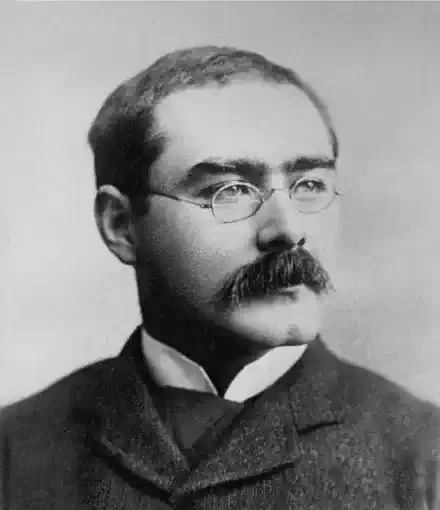
Rudyard Kipling
Heriot's Ford
Heriot's Ford
"What's that that hirples at my side?"
The foe that you must fight, my lord.
"That rides as fast as I can ride?"
The shadow of your might, my lord.
"Then wheel my horse against the foe!"
He's down and overpast, my lord.
You war against the sunset-glow,
The judgment follows fast, my lord!
"Oh, who will stay the sun's descent?"
King Joshua he is dead, my lord.
"I need an hour to repent!"
'Tis what our sister said, my lord.
"Oh, do not slay me in my sins!"
You're safe awhile with us, my lord.
"Nay, kill me ere my fear begins!"
We would not serve you thus, my lord.
"Where is the doom that I must face?"
Three little leagues away, my lord.
"Then mend the horses' laggard pace!"
We need them for next day, my lord.
"Next day--next day! Unloose my cords!"
Our sister needed none, my lord.
You had no mind to face our swords,
And--where can cowards run, my lord?
"You would not kill the soul alive?"
'Twas thus our sister cried, my lord.
"I dare not die with none to shrive."
But so our sister died, my lord.
"Then wipe the sweat from brow and cheek."
It runnels forth afresh, my lord.
"Uphold me--for the flesh is weak."
You've finished with the Flesh, my lord!
"What's that that hirples at my side?"
The foe that you must fight, my lord.
"That rides as fast as I can ride?"
The shadow of your might, my lord.
"Then wheel my horse against the foe!"
He's down and overpast, my lord.
You war against the sunset-glow,
The judgment follows fast, my lord!
"Oh, who will stay the sun's descent?"
King Joshua he is dead, my lord.
"I need an hour to repent!"
'Tis what our sister said, my lord.
"Oh, do not slay me in my sins!"
You're safe awhile with us, my lord.
"Nay, kill me ere my fear begins!"
We would not serve you thus, my lord.
"Where is the doom that I must face?"
Three little leagues away, my lord.
"Then mend the horses' laggard pace!"
We need them for next day, my lord.
"Next day--next day! Unloose my cords!"
Our sister needed none, my lord.
You had no mind to face our swords,
And--where can cowards run, my lord?
"You would not kill the soul alive?"
'Twas thus our sister cried, my lord.
"I dare not die with none to shrive."
But so our sister died, my lord.
"Then wipe the sweat from brow and cheek."
It runnels forth afresh, my lord.
"Uphold me--for the flesh is weak."
You've finished with the Flesh, my lord!
454
Rudyard Kipling
Heriot's Ford
Heriot's Ford
"What's that that hirples at my side?"
The foe that you must fight, my lord.
"That rides as fast as I can ride?"
The shadow of your might, my lord.
"Then wheel my horse against the foe!"
He's down and overpast, my lord.
You war against the sunset-glow,
The judgment follows fast, my lord!
"Oh, who will stay the sun's descent?"
King Joshua he is dead, my lord.
"I need an hour to repent!"
'Tis what our sister said, my lord.
"Oh, do not slay me in my sins!"
You're safe awhile with us, my lord.
"Nay, kill me ere my fear begins!"
We would not serve you thus, my lord.
"Where is the doom that I must face?"
Three little leagues away, my lord.
"Then mend the horses' laggard pace!"
We need them for next day, my lord.
"Next day--next day! Unloose my cords!"
Our sister needed none, my lord.
You had no mind to face our swords,
And--where can cowards run, my lord?
"You would not kill the soul alive?"
'Twas thus our sister cried, my lord.
"I dare not die with none to shrive."
But so our sister died, my lord.
"Then wipe the sweat from brow and cheek."
It runnels forth afresh, my lord.
"Uphold me--for the flesh is weak."
You've finished with the Flesh, my lord!
"What's that that hirples at my side?"
The foe that you must fight, my lord.
"That rides as fast as I can ride?"
The shadow of your might, my lord.
"Then wheel my horse against the foe!"
He's down and overpast, my lord.
You war against the sunset-glow,
The judgment follows fast, my lord!
"Oh, who will stay the sun's descent?"
King Joshua he is dead, my lord.
"I need an hour to repent!"
'Tis what our sister said, my lord.
"Oh, do not slay me in my sins!"
You're safe awhile with us, my lord.
"Nay, kill me ere my fear begins!"
We would not serve you thus, my lord.
"Where is the doom that I must face?"
Three little leagues away, my lord.
"Then mend the horses' laggard pace!"
We need them for next day, my lord.
"Next day--next day! Unloose my cords!"
Our sister needed none, my lord.
You had no mind to face our swords,
And--where can cowards run, my lord?
"You would not kill the soul alive?"
'Twas thus our sister cried, my lord.
"I dare not die with none to shrive."
But so our sister died, my lord.
"Then wipe the sweat from brow and cheek."
It runnels forth afresh, my lord.
"Uphold me--for the flesh is weak."
You've finished with the Flesh, my lord!
454
Rudyard Kipling
Hadramauti
Hadramauti
Who knows the heart of the Christian? How does he reason?
What are his measures and balances? Which is his season
For laughter, forbearance or bloodshed, and what devils move him
When he arises to smite us? I do not love him.
He invites the derision of strangers—he enters all places.
Booted, bareheaded he enters. With shouts and embraces
He asks of us news of the household whom we reckon nameless.
Certainly Allah created him forty-fold shameless!
So it is not in the Desert. One came to me weeping—
The Avenger of Blood on his track—I took him in keeping.
Demanding not whom he had slain, I refreshed him, I fed him
As he were even a brother. But Eblis had bred him.
He was the son of an ape, ill at ease in his clothing.
He talked with his head, hands and feet. I endured him with loathing.
Whatever his spirit conceived his countenance showed it
As a frog shows in a mud-puddle. Yet I abode it!
I fingered my beard and was dumb, in silence confronting him.
His soul was too shallow for silence, e'en with Death hunting him.
I said: "'Tis his weariness speaks," but, when he had rested,
He chirped in my face like some sparrow, and, presently, jested!
Wherefore slew I that stranger? He brought me dishonour.
I saddled my mare, Bijli, I set him upon her.
I gave him rice and goat's flesh. He bared me to laughter.
When he was gone from my tent, swift I followed after,
Taking my sword in my hand. The hot wine had filled him.
Under the stars he mocked me—therefore I killed him!
Who knows the heart of the Christian? How does he reason?
What are his measures and balances? Which is his season
For laughter, forbearance or bloodshed, and what devils move him
When he arises to smite us? I do not love him.
He invites the derision of strangers—he enters all places.
Booted, bareheaded he enters. With shouts and embraces
He asks of us news of the household whom we reckon nameless.
Certainly Allah created him forty-fold shameless!
So it is not in the Desert. One came to me weeping—
The Avenger of Blood on his track—I took him in keeping.
Demanding not whom he had slain, I refreshed him, I fed him
As he were even a brother. But Eblis had bred him.
He was the son of an ape, ill at ease in his clothing.
He talked with his head, hands and feet. I endured him with loathing.
Whatever his spirit conceived his countenance showed it
As a frog shows in a mud-puddle. Yet I abode it!
I fingered my beard and was dumb, in silence confronting him.
His soul was too shallow for silence, e'en with Death hunting him.
I said: "'Tis his weariness speaks," but, when he had rested,
He chirped in my face like some sparrow, and, presently, jested!
Wherefore slew I that stranger? He brought me dishonour.
I saddled my mare, Bijli, I set him upon her.
I gave him rice and goat's flesh. He bared me to laughter.
When he was gone from my tent, swift I followed after,
Taking my sword in my hand. The hot wine had filled him.
Under the stars he mocked me—therefore I killed him!
446
Rudyard Kipling
Harp Song of the Dane Women
Harp Song of the Dane Women
What is a woman that you forsake her,
And the hearth-fire and the home-acre.
To go with the old grey Widow-maker?
She has no house to lay a guest in
But one chill bed for all to rest in,
That the pale suns and the stray bergs nest in.
She has no strong white arms to fold you,
But the ten-times-fingering weed to hold you
Out on the rocks where the tide has rolled you.
Yet, when the signs of summer thicken,
And the ice breaks, and the birch-buds quicken,
Yearly you turn from our side, and sicken- -
Sicken again for the shouts and the slaughters.
You steal away to the lapping waters,
And look at your ship in her winter-quarters.
You forget our mirth, and talk at the tables,
The kine in the shed and the horse in the stables
To pitch her sides and go over her cables.
Then you drive out where the storm-clouds swallow,
And the sound of your oar-blades, falling hollow,
Is all we have left through the months to follow.
Ah, what is Woman that you forsake her,
And the hearth-fire and the home-acre,
To go with the old grey Widow-maker?
What is a woman that you forsake her,
And the hearth-fire and the home-acre.
To go with the old grey Widow-maker?
She has no house to lay a guest in
But one chill bed for all to rest in,
That the pale suns and the stray bergs nest in.
She has no strong white arms to fold you,
But the ten-times-fingering weed to hold you
Out on the rocks where the tide has rolled you.
Yet, when the signs of summer thicken,
And the ice breaks, and the birch-buds quicken,
Yearly you turn from our side, and sicken- -
Sicken again for the shouts and the slaughters.
You steal away to the lapping waters,
And look at your ship in her winter-quarters.
You forget our mirth, and talk at the tables,
The kine in the shed and the horse in the stables
To pitch her sides and go over her cables.
Then you drive out where the storm-clouds swallow,
And the sound of your oar-blades, falling hollow,
Is all we have left through the months to follow.
Ah, what is Woman that you forsake her,
And the hearth-fire and the home-acre,
To go with the old grey Widow-maker?
471
Rudyard Kipling
Gods of the East
Gods of the East
Because I sought it far from men,
In deserts and alone,
I found it burning overhead,
The jewel of a Throne.
Because I sought--I sought it so
And spent my days to find--
It blazed one moment ere it left
The blacker night behind.
We be the Gods of the East--
Older than all--
Masters of Mourning and Feast--
How shall we fall?
* * * * *
This I saw when the rites were done,
And the lamps were dead and the Gods alone,
And the grey snake coiled on the altar stone--
Ere I fled from a Fear that I could not see,
And the Gods of the East made mouths at me.
Because I sought it far from men,
In deserts and alone,
I found it burning overhead,
The jewel of a Throne.
Because I sought--I sought it so
And spent my days to find--
It blazed one moment ere it left
The blacker night behind.
We be the Gods of the East--
Older than all--
Masters of Mourning and Feast--
How shall we fall?
* * * * *
This I saw when the rites were done,
And the lamps were dead and the Gods alone,
And the grey snake coiled on the altar stone--
Ere I fled from a Fear that I could not see,
And the Gods of the East made mouths at me.
462
Rudyard Kipling
Gunga Din
Gunga Din
You may talk o' gin and beer
When you're quartered safe out 'ere,
An' you're sent to penny-fights an' Aldershot it;
But when it comes to slaughter
You will do your work on water,
An' you'll lick the bloomin' boots of 'im that's got it.
Now in Injia's sunny clime,
Where I used to spend my time
A-servin' of 'Er Majesty the Queen,
Of all them blackfaced crew
The finest man I knew
Was our regimental bhisti, Gunga Din.
He was "Din! Din! Din!
You limpin' lump o' brick-dust, Gunga Din!
Hi! slippery ~hitherao~!
Water, get it! ~Panee lao~! [Bring water swiftly.]
You squidgy-nosed old idol, Gunga Din."
The uniform 'e wore
Was nothin' much before,
An' rather less than 'arf o' that be'ind,
For a piece o' twisty rag
An' a goatskin water-bag
Was all the field-equipment 'e could find.
When the sweatin' troop-train lay
In a sidin' through the day,
Where the 'eat would make your bloomin' eyebrows crawl,
We shouted "Harry By!" [Mr. Atkins's equivalent for "O brother."]
Till our throats were bricky-dry,
Then we wopped 'im 'cause 'e couldn't serve us all.
It was "Din! Din! Din!
You 'eathen, where the mischief 'ave you been?
You put some ~juldee~ in it [Be quick.]
Or I'll ~marrow~ you this minute [Hit you.]
If you don't fill up my helmet, Gunga Din!"
'E would dot an' carry one
Till the longest day was done;
An' 'e didn't seem to know the use o' fear.
If we charged or broke or cut,
You could bet your bloomin' nut,
'E'd be waitin' fifty paces right flank rear.
With 'is ~mussick~ on 'is back, [Water-skin.]
'E would skip with our attack,
An' watch us till the bugles made "Retire",
An' for all 'is dirty 'ide
'E was white, clear white, inside
When 'e went to tend the wounded under fire!
It was "Din! Din! Din!"
With the bullets kickin' dust-spots on the green.
When the cartridges ran out,
You could hear the front-files shout,
"Hi! ammunition-mules an' Gunga Din!"
I shan't forgit the night
When I dropped be'ind the fight
With a bullet where my belt-plate should 'a' been.
I was chokin' mad with thirst,
An' the man that spied me first
Was our good old grinnin', gruntin' Gunga Din.
'E lifted up my 'ead,
An' he plugged me where I bled,
An' 'e guv me 'arf-a-pint o' water-green:
It was crawlin' and it stunk,
But of all the drinks I've drunk,
I'm gratefullest to one from Gunga Din.
It was "Din! Din! Din!
'Ere's a beggar with a bullet through 'is spleen;
'E's chawin' up the ground,
An' 'e's kickin' all around:
For Gawd's sake git the water, Gunga Din!"
'E carried me away
To where a dooli lay,
An' a bullet come an' drilled the beggar clean.
'E put me safe inside,
An' just before 'e died,
"I 'ope you liked your drink", sez Gunga Din.
So I'll meet 'im later on
At the place where 'e is gone --
Where it's always double drill and no canteen;
'E'll be squattin' on the coals
Givin' drink to poor damned souls,
An' I'll get a swig in hell from Gunga Din!
Yes, Din! Din! Din!
You Lazarushian-leather Gunga Din!
Though I've belted you and flayed you,
By the livin' Gawd that made you,
You're a better man than I am, Gunga Din!
You may talk o' gin and beer
When you're quartered safe out 'ere,
An' you're sent to penny-fights an' Aldershot it;
But when it comes to slaughter
You will do your work on water,
An' you'll lick the bloomin' boots of 'im that's got it.
Now in Injia's sunny clime,
Where I used to spend my time
A-servin' of 'Er Majesty the Queen,
Of all them blackfaced crew
The finest man I knew
Was our regimental bhisti, Gunga Din.
He was "Din! Din! Din!
You limpin' lump o' brick-dust, Gunga Din!
Hi! slippery ~hitherao~!
Water, get it! ~Panee lao~! [Bring water swiftly.]
You squidgy-nosed old idol, Gunga Din."
The uniform 'e wore
Was nothin' much before,
An' rather less than 'arf o' that be'ind,
For a piece o' twisty rag
An' a goatskin water-bag
Was all the field-equipment 'e could find.
When the sweatin' troop-train lay
In a sidin' through the day,
Where the 'eat would make your bloomin' eyebrows crawl,
We shouted "Harry By!" [Mr. Atkins's equivalent for "O brother."]
Till our throats were bricky-dry,
Then we wopped 'im 'cause 'e couldn't serve us all.
It was "Din! Din! Din!
You 'eathen, where the mischief 'ave you been?
You put some ~juldee~ in it [Be quick.]
Or I'll ~marrow~ you this minute [Hit you.]
If you don't fill up my helmet, Gunga Din!"
'E would dot an' carry one
Till the longest day was done;
An' 'e didn't seem to know the use o' fear.
If we charged or broke or cut,
You could bet your bloomin' nut,
'E'd be waitin' fifty paces right flank rear.
With 'is ~mussick~ on 'is back, [Water-skin.]
'E would skip with our attack,
An' watch us till the bugles made "Retire",
An' for all 'is dirty 'ide
'E was white, clear white, inside
When 'e went to tend the wounded under fire!
It was "Din! Din! Din!"
With the bullets kickin' dust-spots on the green.
When the cartridges ran out,
You could hear the front-files shout,
"Hi! ammunition-mules an' Gunga Din!"
I shan't forgit the night
When I dropped be'ind the fight
With a bullet where my belt-plate should 'a' been.
I was chokin' mad with thirst,
An' the man that spied me first
Was our good old grinnin', gruntin' Gunga Din.
'E lifted up my 'ead,
An' he plugged me where I bled,
An' 'e guv me 'arf-a-pint o' water-green:
It was crawlin' and it stunk,
But of all the drinks I've drunk,
I'm gratefullest to one from Gunga Din.
It was "Din! Din! Din!
'Ere's a beggar with a bullet through 'is spleen;
'E's chawin' up the ground,
An' 'e's kickin' all around:
For Gawd's sake git the water, Gunga Din!"
'E carried me away
To where a dooli lay,
An' a bullet come an' drilled the beggar clean.
'E put me safe inside,
An' just before 'e died,
"I 'ope you liked your drink", sez Gunga Din.
So I'll meet 'im later on
At the place where 'e is gone --
Where it's always double drill and no canteen;
'E'll be squattin' on the coals
Givin' drink to poor damned souls,
An' I'll get a swig in hell from Gunga Din!
Yes, Din! Din! Din!
You Lazarushian-leather Gunga Din!
Though I've belted you and flayed you,
By the livin' Gawd that made you,
You're a better man than I am, Gunga Din!
729
Rudyard Kipling
Gunga Din
Gunga Din
You may talk o' gin and beer
When you're quartered safe out 'ere,
An' you're sent to penny-fights an' Aldershot it;
But when it comes to slaughter
You will do your work on water,
An' you'll lick the bloomin' boots of 'im that's got it.
Now in Injia's sunny clime,
Where I used to spend my time
A-servin' of 'Er Majesty the Queen,
Of all them blackfaced crew
The finest man I knew
Was our regimental bhisti, Gunga Din.
He was "Din! Din! Din!
You limpin' lump o' brick-dust, Gunga Din!
Hi! slippery ~hitherao~!
Water, get it! ~Panee lao~! [Bring water swiftly.]
You squidgy-nosed old idol, Gunga Din."
The uniform 'e wore
Was nothin' much before,
An' rather less than 'arf o' that be'ind,
For a piece o' twisty rag
An' a goatskin water-bag
Was all the field-equipment 'e could find.
When the sweatin' troop-train lay
In a sidin' through the day,
Where the 'eat would make your bloomin' eyebrows crawl,
We shouted "Harry By!" [Mr. Atkins's equivalent for "O brother."]
Till our throats were bricky-dry,
Then we wopped 'im 'cause 'e couldn't serve us all.
It was "Din! Din! Din!
You 'eathen, where the mischief 'ave you been?
You put some ~juldee~ in it [Be quick.]
Or I'll ~marrow~ you this minute [Hit you.]
If you don't fill up my helmet, Gunga Din!"
'E would dot an' carry one
Till the longest day was done;
An' 'e didn't seem to know the use o' fear.
If we charged or broke or cut,
You could bet your bloomin' nut,
'E'd be waitin' fifty paces right flank rear.
With 'is ~mussick~ on 'is back, [Water-skin.]
'E would skip with our attack,
An' watch us till the bugles made "Retire",
An' for all 'is dirty 'ide
'E was white, clear white, inside
When 'e went to tend the wounded under fire!
It was "Din! Din! Din!"
With the bullets kickin' dust-spots on the green.
When the cartridges ran out,
You could hear the front-files shout,
"Hi! ammunition-mules an' Gunga Din!"
I shan't forgit the night
When I dropped be'ind the fight
With a bullet where my belt-plate should 'a' been.
I was chokin' mad with thirst,
An' the man that spied me first
Was our good old grinnin', gruntin' Gunga Din.
'E lifted up my 'ead,
An' he plugged me where I bled,
An' 'e guv me 'arf-a-pint o' water-green:
It was crawlin' and it stunk,
But of all the drinks I've drunk,
I'm gratefullest to one from Gunga Din.
It was "Din! Din! Din!
'Ere's a beggar with a bullet through 'is spleen;
'E's chawin' up the ground,
An' 'e's kickin' all around:
For Gawd's sake git the water, Gunga Din!"
'E carried me away
To where a dooli lay,
An' a bullet come an' drilled the beggar clean.
'E put me safe inside,
An' just before 'e died,
"I 'ope you liked your drink", sez Gunga Din.
So I'll meet 'im later on
At the place where 'e is gone --
Where it's always double drill and no canteen;
'E'll be squattin' on the coals
Givin' drink to poor damned souls,
An' I'll get a swig in hell from Gunga Din!
Yes, Din! Din! Din!
You Lazarushian-leather Gunga Din!
Though I've belted you and flayed you,
By the livin' Gawd that made you,
You're a better man than I am, Gunga Din!
You may talk o' gin and beer
When you're quartered safe out 'ere,
An' you're sent to penny-fights an' Aldershot it;
But when it comes to slaughter
You will do your work on water,
An' you'll lick the bloomin' boots of 'im that's got it.
Now in Injia's sunny clime,
Where I used to spend my time
A-servin' of 'Er Majesty the Queen,
Of all them blackfaced crew
The finest man I knew
Was our regimental bhisti, Gunga Din.
He was "Din! Din! Din!
You limpin' lump o' brick-dust, Gunga Din!
Hi! slippery ~hitherao~!
Water, get it! ~Panee lao~! [Bring water swiftly.]
You squidgy-nosed old idol, Gunga Din."
The uniform 'e wore
Was nothin' much before,
An' rather less than 'arf o' that be'ind,
For a piece o' twisty rag
An' a goatskin water-bag
Was all the field-equipment 'e could find.
When the sweatin' troop-train lay
In a sidin' through the day,
Where the 'eat would make your bloomin' eyebrows crawl,
We shouted "Harry By!" [Mr. Atkins's equivalent for "O brother."]
Till our throats were bricky-dry,
Then we wopped 'im 'cause 'e couldn't serve us all.
It was "Din! Din! Din!
You 'eathen, where the mischief 'ave you been?
You put some ~juldee~ in it [Be quick.]
Or I'll ~marrow~ you this minute [Hit you.]
If you don't fill up my helmet, Gunga Din!"
'E would dot an' carry one
Till the longest day was done;
An' 'e didn't seem to know the use o' fear.
If we charged or broke or cut,
You could bet your bloomin' nut,
'E'd be waitin' fifty paces right flank rear.
With 'is ~mussick~ on 'is back, [Water-skin.]
'E would skip with our attack,
An' watch us till the bugles made "Retire",
An' for all 'is dirty 'ide
'E was white, clear white, inside
When 'e went to tend the wounded under fire!
It was "Din! Din! Din!"
With the bullets kickin' dust-spots on the green.
When the cartridges ran out,
You could hear the front-files shout,
"Hi! ammunition-mules an' Gunga Din!"
I shan't forgit the night
When I dropped be'ind the fight
With a bullet where my belt-plate should 'a' been.
I was chokin' mad with thirst,
An' the man that spied me first
Was our good old grinnin', gruntin' Gunga Din.
'E lifted up my 'ead,
An' he plugged me where I bled,
An' 'e guv me 'arf-a-pint o' water-green:
It was crawlin' and it stunk,
But of all the drinks I've drunk,
I'm gratefullest to one from Gunga Din.
It was "Din! Din! Din!
'Ere's a beggar with a bullet through 'is spleen;
'E's chawin' up the ground,
An' 'e's kickin' all around:
For Gawd's sake git the water, Gunga Din!"
'E carried me away
To where a dooli lay,
An' a bullet come an' drilled the beggar clean.
'E put me safe inside,
An' just before 'e died,
"I 'ope you liked your drink", sez Gunga Din.
So I'll meet 'im later on
At the place where 'e is gone --
Where it's always double drill and no canteen;
'E'll be squattin' on the coals
Givin' drink to poor damned souls,
An' I'll get a swig in hell from Gunga Din!
Yes, Din! Din! Din!
You Lazarushian-leather Gunga Din!
Though I've belted you and flayed you,
By the livin' Gawd that made you,
You're a better man than I am, Gunga Din!
729
Rudyard Kipling
Gertrude's Prayer
Gertrude's Prayer
That which is marred at birth Time shall not mend,
Nor water out of bitter well make clean;
All evil thing returneth at the end,
Or elseway walketh in our blood unseen.
Whereby the more is sorrow in certaine--
Dayspring mishandled cometh not againe.
To-bruized be that slender, sterting spray
Out of the oake's rind that should betide
A branch of girt and goodliness, straightway
Her spring is turned on herself, and wried
And knotted like some gall or veiney wen.--
Dayspring mishandled cometh not againe.
Noontide repayeth never morning-bliss--
Sith noon to morn is incomparable;
And, so it be our dawning goth amiss,
None other after--hour serveth well.
Ah! Jesu-Moder, pitie my oe paine--
Dayspring mishandled cometh not againe!
That which is marred at birth Time shall not mend,
Nor water out of bitter well make clean;
All evil thing returneth at the end,
Or elseway walketh in our blood unseen.
Whereby the more is sorrow in certaine--
Dayspring mishandled cometh not againe.
To-bruized be that slender, sterting spray
Out of the oake's rind that should betide
A branch of girt and goodliness, straightway
Her spring is turned on herself, and wried
And knotted like some gall or veiney wen.--
Dayspring mishandled cometh not againe.
Noontide repayeth never morning-bliss--
Sith noon to morn is incomparable;
And, so it be our dawning goth amiss,
None other after--hour serveth well.
Ah! Jesu-Moder, pitie my oe paine--
Dayspring mishandled cometh not againe!
438
Rudyard Kipling
Gertrude's Prayer
Gertrude's Prayer
That which is marred at birth Time shall not mend,
Nor water out of bitter well make clean;
All evil thing returneth at the end,
Or elseway walketh in our blood unseen.
Whereby the more is sorrow in certaine--
Dayspring mishandled cometh not againe.
To-bruized be that slender, sterting spray
Out of the oake's rind that should betide
A branch of girt and goodliness, straightway
Her spring is turned on herself, and wried
And knotted like some gall or veiney wen.--
Dayspring mishandled cometh not againe.
Noontide repayeth never morning-bliss--
Sith noon to morn is incomparable;
And, so it be our dawning goth amiss,
None other after--hour serveth well.
Ah! Jesu-Moder, pitie my oe paine--
Dayspring mishandled cometh not againe!
That which is marred at birth Time shall not mend,
Nor water out of bitter well make clean;
All evil thing returneth at the end,
Or elseway walketh in our blood unseen.
Whereby the more is sorrow in certaine--
Dayspring mishandled cometh not againe.
To-bruized be that slender, sterting spray
Out of the oake's rind that should betide
A branch of girt and goodliness, straightway
Her spring is turned on herself, and wried
And knotted like some gall or veiney wen.--
Dayspring mishandled cometh not againe.
Noontide repayeth never morning-bliss--
Sith noon to morn is incomparable;
And, so it be our dawning goth amiss,
None other after--hour serveth well.
Ah! Jesu-Moder, pitie my oe paine--
Dayspring mishandled cometh not againe!
438
Rudyard Kipling
Gentleman-rankers
Gentleman-rankers
To the legion of the lost ones, to the cohort of the damned,
To my brethren in their sorrow overseas,
Sings a gentleman of England cleanly bred, machinely crammed,
And a trooper of the Empress, if you please.
Yea, a trooper of the forces who has run his own six horses,
And faith he went the pace and went it blind,
And the world was more than kin while he held the ready tin,
But to-day the Sergeant's something less than kind.
We're poor little lambs who've lost our way,
Baa! Baa! Baa!
We're little black sheep who've gone astray,
Baa--aa--aa!
Gentlemen-rankers out on the spree,
Damned from here to Eternity,
God ha' mercy on such as we,
Baa! Yah! Bah!
Oh, it's sweet to sweat through stables, sweet to empty kitchen slops,
And it's sweet to hear the tales the troopers tell,
To dance with blowzy housemaids at the regimental hops
And thrash the cad who says you waltz too well.
Yes, it makes you cock-a-hoop to be "Rider" to your troop,
And branded with a blasted worsted spur,
When you envy, O how keenly, one poor Tommy being cleanly
Who blacks your boots and sometimes calls you "Sir".
If the home we never write to, and the oaths we never keep,
And all we know most distant and most dear,
Across the snoring barrack-room return to break our sleep,
Can you blame us if we soak ourselves in beer?
When the drunken comrade mutters and the great guard-lantern gutters
And the horror of our fall is written plain,
Every secret, self-revealing on the aching white-washed ceiling,
Do you wonder that we drug ourselves from pain?
We have done with Hope and Honour, we are lost to Love and Truth,
We are dropping down the ladder rung by rung,
And the measure of our torment is the measure of our youth.
God help us, for we knew the worst too young!
Our shame is clean repentance for the crime that brought the sentence,
Our pride it is to know no spur of pride,
And the Curse of Reuben holds us till an alien turf enfolds us
And we die, and none can tell Them where we died.
We're poor little lambs who've lost our way,
Baa! Baa! Baa!
We're little black sheep who've gone astray,
Baa--aa--aa!
Gentlemen-rankers out on the spree,
Damned from here to Eternity,
God ha' mercy on such as we,
Baa! Yah! Bah!
To the legion of the lost ones, to the cohort of the damned,
To my brethren in their sorrow overseas,
Sings a gentleman of England cleanly bred, machinely crammed,
And a trooper of the Empress, if you please.
Yea, a trooper of the forces who has run his own six horses,
And faith he went the pace and went it blind,
And the world was more than kin while he held the ready tin,
But to-day the Sergeant's something less than kind.
We're poor little lambs who've lost our way,
Baa! Baa! Baa!
We're little black sheep who've gone astray,
Baa--aa--aa!
Gentlemen-rankers out on the spree,
Damned from here to Eternity,
God ha' mercy on such as we,
Baa! Yah! Bah!
Oh, it's sweet to sweat through stables, sweet to empty kitchen slops,
And it's sweet to hear the tales the troopers tell,
To dance with blowzy housemaids at the regimental hops
And thrash the cad who says you waltz too well.
Yes, it makes you cock-a-hoop to be "Rider" to your troop,
And branded with a blasted worsted spur,
When you envy, O how keenly, one poor Tommy being cleanly
Who blacks your boots and sometimes calls you "Sir".
If the home we never write to, and the oaths we never keep,
And all we know most distant and most dear,
Across the snoring barrack-room return to break our sleep,
Can you blame us if we soak ourselves in beer?
When the drunken comrade mutters and the great guard-lantern gutters
And the horror of our fall is written plain,
Every secret, self-revealing on the aching white-washed ceiling,
Do you wonder that we drug ourselves from pain?
We have done with Hope and Honour, we are lost to Love and Truth,
We are dropping down the ladder rung by rung,
And the measure of our torment is the measure of our youth.
God help us, for we knew the worst too young!
Our shame is clean repentance for the crime that brought the sentence,
Our pride it is to know no spur of pride,
And the Curse of Reuben holds us till an alien turf enfolds us
And we die, and none can tell Them where we died.
We're poor little lambs who've lost our way,
Baa! Baa! Baa!
We're little black sheep who've gone astray,
Baa--aa--aa!
Gentlemen-rankers out on the spree,
Damned from here to Eternity,
God ha' mercy on such as we,
Baa! Yah! Bah!
466
Rudyard Kipling
Fuzzy-Wuzzy
Fuzzy-Wuzzy
(Soudan Expeditionary Force)
We've fought with many men acrost the seas,
An' some of 'em was brave an' some was not:
The Paythan an' the Zulu an' Burmese;
But the Fuzzy was the finest o' the lot.
We never got a ha'porth's change of 'im:
'E squatted in the scrub an' 'ocked our 'orses,
'E cut our sentries up at Sua~kim~,
An' 'e played the cat an' banjo with our forces.
So 'ere's ~to~ you, Fuzzy-Wuzzy, at your 'ome in the Soudan;
You're a pore benighted 'eathen but a first-class fightin' man;
We gives you your certificate, an' if you want it signed
We'll come an' 'ave a romp with you whenever you're inclined.
We took our chanst among the Khyber 'ills,
The Boers knocked us silly at a mile,
The Burman give us Irriwaddy chills,
An' a Zulu ~impi~ dished us up in style:
But all we ever got from such as they
Was pop to what the Fuzzy made us swaller;
We 'eld our bloomin' own, the papers say,
But man for man the Fuzzy knocked us 'oller.
Then 'ere's ~to~ you, Fuzzy-Wuzzy, an' the missis and the kid;
Our orders was to break you, an' of course we went an' did.
We sloshed you with Martinis, an' it wasn't 'ardly fair;
But for all the odds agin' you, Fuzzy-Wuz, you broke the square.
'E 'asn't got no papers of 'is own,
'E 'asn't got no medals nor rewards,
So we must certify the skill 'e's shown
In usin' of 'is long two-'anded swords:
When 'e's 'oppin' in an' out among the bush
With 'is coffin-'eaded shield an' shovel-spear,
An 'appy day with Fuzzy on the rush
Will last an 'ealthy Tommy for a year.
So 'ere's ~to~ you, Fuzzy-Wuzzy, an' your friends which are no more,
If we 'adn't lost some messmates we would 'elp you to deplore;
But give an' take's the gospel, an' we'll call the bargain fair,
For if you 'ave lost more than us, you crumpled up the square!
'E rushes at the smoke when we let drive,
An', before we know, 'e's 'ackin' at our 'ead;
'E's all 'ot sand an' ginger when alive,
An' 'e's generally shammin' when 'e's dead.
'E's a daisy, 'e's a ducky, 'e's a lamb!
'E's a injia-rubber idiot on the spree,
'E's the on'y thing that doesn't give a damn
For a Regiment o' British Infantree!
So 'ere's ~to~ you, Fuzzy-Wuzzy, at your 'ome in the Soudan;
You're a pore benighted 'eathen but a first-class fightin' man;
An' 'ere's ~to~ you, Fuzzy-Wuzzy, with your 'ayrick 'ead of 'air --
You big black boundin' beggar -- for you broke a British square!
(Soudan Expeditionary Force)
We've fought with many men acrost the seas,
An' some of 'em was brave an' some was not:
The Paythan an' the Zulu an' Burmese;
But the Fuzzy was the finest o' the lot.
We never got a ha'porth's change of 'im:
'E squatted in the scrub an' 'ocked our 'orses,
'E cut our sentries up at Sua~kim~,
An' 'e played the cat an' banjo with our forces.
So 'ere's ~to~ you, Fuzzy-Wuzzy, at your 'ome in the Soudan;
You're a pore benighted 'eathen but a first-class fightin' man;
We gives you your certificate, an' if you want it signed
We'll come an' 'ave a romp with you whenever you're inclined.
We took our chanst among the Khyber 'ills,
The Boers knocked us silly at a mile,
The Burman give us Irriwaddy chills,
An' a Zulu ~impi~ dished us up in style:
But all we ever got from such as they
Was pop to what the Fuzzy made us swaller;
We 'eld our bloomin' own, the papers say,
But man for man the Fuzzy knocked us 'oller.
Then 'ere's ~to~ you, Fuzzy-Wuzzy, an' the missis and the kid;
Our orders was to break you, an' of course we went an' did.
We sloshed you with Martinis, an' it wasn't 'ardly fair;
But for all the odds agin' you, Fuzzy-Wuz, you broke the square.
'E 'asn't got no papers of 'is own,
'E 'asn't got no medals nor rewards,
So we must certify the skill 'e's shown
In usin' of 'is long two-'anded swords:
When 'e's 'oppin' in an' out among the bush
With 'is coffin-'eaded shield an' shovel-spear,
An 'appy day with Fuzzy on the rush
Will last an 'ealthy Tommy for a year.
So 'ere's ~to~ you, Fuzzy-Wuzzy, an' your friends which are no more,
If we 'adn't lost some messmates we would 'elp you to deplore;
But give an' take's the gospel, an' we'll call the bargain fair,
For if you 'ave lost more than us, you crumpled up the square!
'E rushes at the smoke when we let drive,
An', before we know, 'e's 'ackin' at our 'ead;
'E's all 'ot sand an' ginger when alive,
An' 'e's generally shammin' when 'e's dead.
'E's a daisy, 'e's a ducky, 'e's a lamb!
'E's a injia-rubber idiot on the spree,
'E's the on'y thing that doesn't give a damn
For a Regiment o' British Infantree!
So 'ere's ~to~ you, Fuzzy-Wuzzy, at your 'ome in the Soudan;
You're a pore benighted 'eathen but a first-class fightin' man;
An' 'ere's ~to~ you, Fuzzy-Wuzzy, with your 'ayrick 'ead of 'air --
You big black boundin' beggar -- for you broke a British square!
518
Rudyard Kipling
Four-Feet
Four-Feet
I have done mostly what most men do,
And pushed it out of my mind;
But I can't forget, if I wanted to,
Four-Feet trotting behind.
Day after day, the whole day through --
Wherever my road inclined --
Four-feet said, "I am coming with you!"
And trotted along behind.
Now I must go by some other round, --
Which I shall never find --
Somewhere that does not carry the sound
Of Four-Feet trotting behind.
I have done mostly what most men do,
And pushed it out of my mind;
But I can't forget, if I wanted to,
Four-Feet trotting behind.
Day after day, the whole day through --
Wherever my road inclined --
Four-feet said, "I am coming with you!"
And trotted along behind.
Now I must go by some other round, --
Which I shall never find --
Somewhere that does not carry the sound
Of Four-Feet trotting behind.
482
Rudyard Kipling
Follow Me 'Ome
Follow Me 'Ome
There was no one like 'im, 'Orse or Foot,
Nor any o' the Guns I knew;
An' because it was so, why, o' course 'e went an' died,
Which is just what the best men do.
So it's knock out your pipes an' follow me!
An' it's finish up your swipes an' follow me!
Oh, 'ark to the big drum callin',
Follow me -- follow me 'ome!
'Is mare she neighs the 'ole day long,
She paws the 'ole night through,
An' she won't take 'er feed 'cause o' waitin' for 'is step,
Which is just what a beast would do.
'Is girl she goes with a bombardier
Before 'er month is through;
An' the banns are up in church, for she's got the beggar hooked,
Which is just what a girl would do.
We fought 'bout a dog -- last week it were --
No more than a round or two;
But I strook 'im cruel 'ard, an' I wish I 'adn't now,
Which is just what a man can't do.
'E was all that I 'ad in the way of a friend,
An' I've 'ad to find one new;
But I'd give my pay an' stripe for to get the beggar back,
Which it's just too late to do.
So it's knock out your pipes an' follow me!
An' it's finish off your swipes an' follow me!
Oh, 'ark to the fifes a-crawlin'!
Follow me -- follow me 'ome!
Take 'im away! 'E's gone where the best men go.
Take 'im away! An' the gun-wheels turnin' slow.
Take 'im away! There's more from the place 'e come.
Take 'im away, with the limber an' the drum.
For it's "Three rounds blank" an' follow me,
An' it's "Thirteen rank" an' follow me;
Oh, passin' the love o' women,
Follow me -- follow me 'ome!
There was no one like 'im, 'Orse or Foot,
Nor any o' the Guns I knew;
An' because it was so, why, o' course 'e went an' died,
Which is just what the best men do.
So it's knock out your pipes an' follow me!
An' it's finish up your swipes an' follow me!
Oh, 'ark to the big drum callin',
Follow me -- follow me 'ome!
'Is mare she neighs the 'ole day long,
She paws the 'ole night through,
An' she won't take 'er feed 'cause o' waitin' for 'is step,
Which is just what a beast would do.
'Is girl she goes with a bombardier
Before 'er month is through;
An' the banns are up in church, for she's got the beggar hooked,
Which is just what a girl would do.
We fought 'bout a dog -- last week it were --
No more than a round or two;
But I strook 'im cruel 'ard, an' I wish I 'adn't now,
Which is just what a man can't do.
'E was all that I 'ad in the way of a friend,
An' I've 'ad to find one new;
But I'd give my pay an' stripe for to get the beggar back,
Which it's just too late to do.
So it's knock out your pipes an' follow me!
An' it's finish off your swipes an' follow me!
Oh, 'ark to the fifes a-crawlin'!
Follow me -- follow me 'ome!
Take 'im away! 'E's gone where the best men go.
Take 'im away! An' the gun-wheels turnin' slow.
Take 'im away! There's more from the place 'e come.
Take 'im away, with the limber an' the drum.
For it's "Three rounds blank" an' follow me,
An' it's "Thirteen rank" an' follow me;
Oh, passin' the love o' women,
Follow me -- follow me 'ome!
396
Rudyard Kipling
Follow Me 'Ome
Follow Me 'Ome
There was no one like 'im, 'Orse or Foot,
Nor any o' the Guns I knew;
An' because it was so, why, o' course 'e went an' died,
Which is just what the best men do.
So it's knock out your pipes an' follow me!
An' it's finish up your swipes an' follow me!
Oh, 'ark to the big drum callin',
Follow me -- follow me 'ome!
'Is mare she neighs the 'ole day long,
She paws the 'ole night through,
An' she won't take 'er feed 'cause o' waitin' for 'is step,
Which is just what a beast would do.
'Is girl she goes with a bombardier
Before 'er month is through;
An' the banns are up in church, for she's got the beggar hooked,
Which is just what a girl would do.
We fought 'bout a dog -- last week it were --
No more than a round or two;
But I strook 'im cruel 'ard, an' I wish I 'adn't now,
Which is just what a man can't do.
'E was all that I 'ad in the way of a friend,
An' I've 'ad to find one new;
But I'd give my pay an' stripe for to get the beggar back,
Which it's just too late to do.
So it's knock out your pipes an' follow me!
An' it's finish off your swipes an' follow me!
Oh, 'ark to the fifes a-crawlin'!
Follow me -- follow me 'ome!
Take 'im away! 'E's gone where the best men go.
Take 'im away! An' the gun-wheels turnin' slow.
Take 'im away! There's more from the place 'e come.
Take 'im away, with the limber an' the drum.
For it's "Three rounds blank" an' follow me,
An' it's "Thirteen rank" an' follow me;
Oh, passin' the love o' women,
Follow me -- follow me 'ome!
There was no one like 'im, 'Orse or Foot,
Nor any o' the Guns I knew;
An' because it was so, why, o' course 'e went an' died,
Which is just what the best men do.
So it's knock out your pipes an' follow me!
An' it's finish up your swipes an' follow me!
Oh, 'ark to the big drum callin',
Follow me -- follow me 'ome!
'Is mare she neighs the 'ole day long,
She paws the 'ole night through,
An' she won't take 'er feed 'cause o' waitin' for 'is step,
Which is just what a beast would do.
'Is girl she goes with a bombardier
Before 'er month is through;
An' the banns are up in church, for she's got the beggar hooked,
Which is just what a girl would do.
We fought 'bout a dog -- last week it were --
No more than a round or two;
But I strook 'im cruel 'ard, an' I wish I 'adn't now,
Which is just what a man can't do.
'E was all that I 'ad in the way of a friend,
An' I've 'ad to find one new;
But I'd give my pay an' stripe for to get the beggar back,
Which it's just too late to do.
So it's knock out your pipes an' follow me!
An' it's finish off your swipes an' follow me!
Oh, 'ark to the fifes a-crawlin'!
Follow me -- follow me 'ome!
Take 'im away! 'E's gone where the best men go.
Take 'im away! An' the gun-wheels turnin' slow.
Take 'im away! There's more from the place 'e come.
Take 'im away, with the limber an' the drum.
For it's "Three rounds blank" an' follow me,
An' it's "Thirteen rank" an' follow me;
Oh, passin' the love o' women,
Follow me -- follow me 'ome!
396
Rudyard Kipling
For To Admire
For To Admire
The Injian Ocean sets an' smiles
So sof', so bright, so bloomin' blue;
There aren't a wave for miles an' miles
Excep' the jiggle from the screw.
The ship is swep', the day is done,
The bugle's gone for smoke and play;
An' black agin' the settin' sun
The Lascar sings, "~Hum deckty hai!~" ["I'm looking out."]
For to admire an' for to see,
For to be'old this world so wide --
It never done no good to me,
But I can't drop it if I tried!
I see the sergeants pitchin' quoits,
I 'ear the women laugh an' talk,
I spy upon the quarter-deck
The orficers an' lydies walk.
I thinks about the things that was,
An' leans an' looks acrost the sea,
Till spite of all the crowded ship
There's no one lef' alive but me.
The things that was which I 'ave seen,
In barrick, camp, an' action too,
I tells them over by myself,
An' sometimes wonders if they're true;
For they was odd -- most awful odd --
But all the same now they are o'er,
There must be 'eaps o' plenty such,
An' if I wait I'll see some more.
Oh, I 'ave come upon the books,
An' frequent broke a barrick rule,
An' stood beside an' watched myself
Be'avin' like a bloomin' fool.
I paid my price for findin' out,
Nor never grutched the price I paid,
But sat in Clink without my boots,
Admirin' 'ow the world was made.
Be'old a crowd upon the beam,
An' 'umped above the sea appears
Old Aden, like a barrick-stove
That no one's lit for years an' years!
I passed by that when I began,
An' I go 'ome the road I came,
A time-expired soldier-man
With six years' service to 'is name.
My girl she said, "Oh, stay with me!"
My mother 'eld me to 'er breast.
They've never written none, an' so
They must 'ave gone with all the rest --
With all the rest which I 'ave seen
An' found an' known an' met along.
I cannot say the things I feel,
And so I sing my evenin' song:
For to admire an' for to see,
For to be'old this world so wide --
It never done no good to me,
But I can't drop it if I tried!
The Injian Ocean sets an' smiles
So sof', so bright, so bloomin' blue;
There aren't a wave for miles an' miles
Excep' the jiggle from the screw.
The ship is swep', the day is done,
The bugle's gone for smoke and play;
An' black agin' the settin' sun
The Lascar sings, "~Hum deckty hai!~" ["I'm looking out."]
For to admire an' for to see,
For to be'old this world so wide --
It never done no good to me,
But I can't drop it if I tried!
I see the sergeants pitchin' quoits,
I 'ear the women laugh an' talk,
I spy upon the quarter-deck
The orficers an' lydies walk.
I thinks about the things that was,
An' leans an' looks acrost the sea,
Till spite of all the crowded ship
There's no one lef' alive but me.
The things that was which I 'ave seen,
In barrick, camp, an' action too,
I tells them over by myself,
An' sometimes wonders if they're true;
For they was odd -- most awful odd --
But all the same now they are o'er,
There must be 'eaps o' plenty such,
An' if I wait I'll see some more.
Oh, I 'ave come upon the books,
An' frequent broke a barrick rule,
An' stood beside an' watched myself
Be'avin' like a bloomin' fool.
I paid my price for findin' out,
Nor never grutched the price I paid,
But sat in Clink without my boots,
Admirin' 'ow the world was made.
Be'old a crowd upon the beam,
An' 'umped above the sea appears
Old Aden, like a barrick-stove
That no one's lit for years an' years!
I passed by that when I began,
An' I go 'ome the road I came,
A time-expired soldier-man
With six years' service to 'is name.
My girl she said, "Oh, stay with me!"
My mother 'eld me to 'er breast.
They've never written none, an' so
They must 'ave gone with all the rest --
With all the rest which I 'ave seen
An' found an' known an' met along.
I cannot say the things I feel,
And so I sing my evenin' song:
For to admire an' for to see,
For to be'old this world so wide --
It never done no good to me,
But I can't drop it if I tried!
412
Rudyard Kipling
For To Admire
For To Admire
The Injian Ocean sets an' smiles
So sof', so bright, so bloomin' blue;
There aren't a wave for miles an' miles
Excep' the jiggle from the screw.
The ship is swep', the day is done,
The bugle's gone for smoke and play;
An' black agin' the settin' sun
The Lascar sings, "~Hum deckty hai!~" ["I'm looking out."]
For to admire an' for to see,
For to be'old this world so wide --
It never done no good to me,
But I can't drop it if I tried!
I see the sergeants pitchin' quoits,
I 'ear the women laugh an' talk,
I spy upon the quarter-deck
The orficers an' lydies walk.
I thinks about the things that was,
An' leans an' looks acrost the sea,
Till spite of all the crowded ship
There's no one lef' alive but me.
The things that was which I 'ave seen,
In barrick, camp, an' action too,
I tells them over by myself,
An' sometimes wonders if they're true;
For they was odd -- most awful odd --
But all the same now they are o'er,
There must be 'eaps o' plenty such,
An' if I wait I'll see some more.
Oh, I 'ave come upon the books,
An' frequent broke a barrick rule,
An' stood beside an' watched myself
Be'avin' like a bloomin' fool.
I paid my price for findin' out,
Nor never grutched the price I paid,
But sat in Clink without my boots,
Admirin' 'ow the world was made.
Be'old a crowd upon the beam,
An' 'umped above the sea appears
Old Aden, like a barrick-stove
That no one's lit for years an' years!
I passed by that when I began,
An' I go 'ome the road I came,
A time-expired soldier-man
With six years' service to 'is name.
My girl she said, "Oh, stay with me!"
My mother 'eld me to 'er breast.
They've never written none, an' so
They must 'ave gone with all the rest --
With all the rest which I 'ave seen
An' found an' known an' met along.
I cannot say the things I feel,
And so I sing my evenin' song:
For to admire an' for to see,
For to be'old this world so wide --
It never done no good to me,
But I can't drop it if I tried!
The Injian Ocean sets an' smiles
So sof', so bright, so bloomin' blue;
There aren't a wave for miles an' miles
Excep' the jiggle from the screw.
The ship is swep', the day is done,
The bugle's gone for smoke and play;
An' black agin' the settin' sun
The Lascar sings, "~Hum deckty hai!~" ["I'm looking out."]
For to admire an' for to see,
For to be'old this world so wide --
It never done no good to me,
But I can't drop it if I tried!
I see the sergeants pitchin' quoits,
I 'ear the women laugh an' talk,
I spy upon the quarter-deck
The orficers an' lydies walk.
I thinks about the things that was,
An' leans an' looks acrost the sea,
Till spite of all the crowded ship
There's no one lef' alive but me.
The things that was which I 'ave seen,
In barrick, camp, an' action too,
I tells them over by myself,
An' sometimes wonders if they're true;
For they was odd -- most awful odd --
But all the same now they are o'er,
There must be 'eaps o' plenty such,
An' if I wait I'll see some more.
Oh, I 'ave come upon the books,
An' frequent broke a barrick rule,
An' stood beside an' watched myself
Be'avin' like a bloomin' fool.
I paid my price for findin' out,
Nor never grutched the price I paid,
But sat in Clink without my boots,
Admirin' 'ow the world was made.
Be'old a crowd upon the beam,
An' 'umped above the sea appears
Old Aden, like a barrick-stove
That no one's lit for years an' years!
I passed by that when I began,
An' I go 'ome the road I came,
A time-expired soldier-man
With six years' service to 'is name.
My girl she said, "Oh, stay with me!"
My mother 'eld me to 'er breast.
They've never written none, an' so
They must 'ave gone with all the rest --
With all the rest which I 'ave seen
An' found an' known an' met along.
I cannot say the things I feel,
And so I sing my evenin' song:
For to admire an' for to see,
For to be'old this world so wide --
It never done no good to me,
But I can't drop it if I tried!
412
Rudyard Kipling
False Dawn
False Dawn
To-night, God knows what thing shall tide,
The Earth is racked and fain--
Expectant, sleepless, open-eyed;
And we, who from the Earth were made,
Thrill with our Mother's pain.
To-night, God knows what thing shall tide,
The Earth is racked and fain--
Expectant, sleepless, open-eyed;
And we, who from the Earth were made,
Thrill with our Mother's pain.
414
Rudyard Kipling
En-Dor
En-Dor
Behold there is a woman that hath a familiar spirit at En-dor. -- I Samuel, xxviii.
The road to En-dor is easy to tread
For Mother or yearning Wife.
There, it is sure, we shall meet our Dead
As they were even in life.
Earth has not dreamed of the blessing in store
For desolate hearts on the road to En-dor.
Whispers shall comfort us out of the dark--
Hands--ah God!--that we knew!
Visions .and voices --look and hark!--
Shall prove that the tale is true,
An that those who have passed to the further shore
May' be hailed--at a price--on the road to En-dor.
But they are so deep in their new eclipse
Nothing they say can reach,
Unless it be uttered by alien lips
And I framed in a stranger's speech.
The son must send word to the mother that bore,
'Through an hireling's mouth. 'Tis the rule of En-dor.
And not for nothing these gifts are shown
By such as delight our dead.
They must twitch and stiffen and slaver and groan
Ere the eyes are set in the head,
And the voice from the belly begins. Therefore,
We pay them a wage where they ply at En-dor.
Even so, we have need of faith
And patience to follow the clue.
Often, at first, what the dear one saith
Is babble, or jest, or untrue.
(Lying spirits perplex us sore
Till our loves--and their lives--are well-known at
En-dor). . . .
Oh the road to En-dor is the oldest road
And the craziest road of all!
Straight it runs to the Witch's abode,
As it did in the days of Saul,
And nothing has changed of the sorrow in store
For such as go down on the road to En-dor!
Behold there is a woman that hath a familiar spirit at En-dor. -- I Samuel, xxviii.
The road to En-dor is easy to tread
For Mother or yearning Wife.
There, it is sure, we shall meet our Dead
As they were even in life.
Earth has not dreamed of the blessing in store
For desolate hearts on the road to En-dor.
Whispers shall comfort us out of the dark--
Hands--ah God!--that we knew!
Visions .and voices --look and hark!--
Shall prove that the tale is true,
An that those who have passed to the further shore
May' be hailed--at a price--on the road to En-dor.
But they are so deep in their new eclipse
Nothing they say can reach,
Unless it be uttered by alien lips
And I framed in a stranger's speech.
The son must send word to the mother that bore,
'Through an hireling's mouth. 'Tis the rule of En-dor.
And not for nothing these gifts are shown
By such as delight our dead.
They must twitch and stiffen and slaver and groan
Ere the eyes are set in the head,
And the voice from the belly begins. Therefore,
We pay them a wage where they ply at En-dor.
Even so, we have need of faith
And patience to follow the clue.
Often, at first, what the dear one saith
Is babble, or jest, or untrue.
(Lying spirits perplex us sore
Till our loves--and their lives--are well-known at
En-dor). . . .
Oh the road to En-dor is the oldest road
And the craziest road of all!
Straight it runs to the Witch's abode,
As it did in the days of Saul,
And nothing has changed of the sorrow in store
For such as go down on the road to En-dor!
530
Rudyard Kipling
Evarra And His Gods
Evarra And His Gods
~Read here:
This is the story of Evarra -- man --
Maker of Gods in lands beyond the sea.~
Because the city gave him of her gold,
Because the caravans brought turquoises,
Because his life was sheltered by the King,
So that no man should maim him, none should steal,
Or break his rest with babble in the streets
When he was weary after toil, he made
An image of his God in gold and pearl,
With turquoise diadem and human eyes,
A wonder in the sunshine, known afar,
And worshipped by the King; but, drunk with pride,
Because the city bowed to him for God,
He wrote above the shrine: "~Thus Gods are made,
And whoso makes them otherwise shall die.~"
And all the city praised him. . . . Then he died.
~Read here the story of Evarra -- man --
Maker of Gods in lands beyond the sea.~
Because the city had no wealth to give,
Because the caravans were spoiled afar,
Because his life was threatened by the King,
So that all men despised him in the streets,
He hewed the living rock, with sweat and tears,
And reared a God against the morning-gold,
A terror in the sunshine, seen afar,
And worshipped by the King; but, drunk with pride,
Because the city fawned to bring him back,
He carved upon the plinth: "~Thus Gods are made,
And whoso makes them otherwise shall die.~"
And all the people praised him. . . . Then he died.
~Read here the story of Evarra -- man --
Maker of Gods in lands beyond the sea.~
Because he lived among a simple folk,
Because his village was between the hills,
Because he smeared his cheeks with blood of ewes,
He cut an idol from a fallen pine,
Smeared blood upon its cheeks, and wedged a shell
Above its brows for eyes, and gave it hair
Of trailing moss, and plaited straw for crown.
And all the village praised him for this craft,
And brought him butter, honey, milk, and curds.
Wherefore, because the shoutings drove him mad,
He scratched upon that log: "~Thus Gods are made,
And whoso makes them otherwise shall die.~"
And all the people praised him. . . . Then he died.
~Read here the story of Evarra -- man --
Maker of Gods in lands beyond the sea.~
Because his God decreed one clot of blood
Should swerve one hair's-breadth from the pulse's path,
And chafe his brain, Evarra mowed alone,
Rag-wrapped, among the cattle in the fields,
Counting his fingers, jesting with the trees,
And mocking at the mist, until his God
Drove him to labour. Out of dung and horns
Dropped in the mire he made a monstrous God,
Abhorrent, shapeless, crowned with plantain tufts,
And when the cattle lowed at twilight-time,
He dreamed it was the clamour of lost crowds,
And howled among the beasts: "~Thus Gods are made,
And whoso makes them otherwise shall die.~"
Thereat the cattle bellowed. . . . Then he died.
Yet at the last he came to Paradise,
And found his own four Gods, and that he wrote;
And marvelled, being very near to God,
What oaf on earth had made his toil God's law,
Till God said mocking: "Mock not. These be thine."
Then cried Evarra: "I have sinned!" -- "Not so.
If thou hadst written otherwise, thy Gods
Had rested in the mountain and the mine,
And I were poorer by four wondrous Gods,
And thy more wondrous law, Evarra. Thine,
Servant of shouting crowds and lowing kine."
Thereat, with laughing mouth, but tear-wet eyes,
Evarra cast his Gods from Paradise.
~This is the story of Evarra -- man --
Maker of Gods in lands beyond the sea.~
~Read here:
This is the story of Evarra -- man --
Maker of Gods in lands beyond the sea.~
Because the city gave him of her gold,
Because the caravans brought turquoises,
Because his life was sheltered by the King,
So that no man should maim him, none should steal,
Or break his rest with babble in the streets
When he was weary after toil, he made
An image of his God in gold and pearl,
With turquoise diadem and human eyes,
A wonder in the sunshine, known afar,
And worshipped by the King; but, drunk with pride,
Because the city bowed to him for God,
He wrote above the shrine: "~Thus Gods are made,
And whoso makes them otherwise shall die.~"
And all the city praised him. . . . Then he died.
~Read here the story of Evarra -- man --
Maker of Gods in lands beyond the sea.~
Because the city had no wealth to give,
Because the caravans were spoiled afar,
Because his life was threatened by the King,
So that all men despised him in the streets,
He hewed the living rock, with sweat and tears,
And reared a God against the morning-gold,
A terror in the sunshine, seen afar,
And worshipped by the King; but, drunk with pride,
Because the city fawned to bring him back,
He carved upon the plinth: "~Thus Gods are made,
And whoso makes them otherwise shall die.~"
And all the people praised him. . . . Then he died.
~Read here the story of Evarra -- man --
Maker of Gods in lands beyond the sea.~
Because he lived among a simple folk,
Because his village was between the hills,
Because he smeared his cheeks with blood of ewes,
He cut an idol from a fallen pine,
Smeared blood upon its cheeks, and wedged a shell
Above its brows for eyes, and gave it hair
Of trailing moss, and plaited straw for crown.
And all the village praised him for this craft,
And brought him butter, honey, milk, and curds.
Wherefore, because the shoutings drove him mad,
He scratched upon that log: "~Thus Gods are made,
And whoso makes them otherwise shall die.~"
And all the people praised him. . . . Then he died.
~Read here the story of Evarra -- man --
Maker of Gods in lands beyond the sea.~
Because his God decreed one clot of blood
Should swerve one hair's-breadth from the pulse's path,
And chafe his brain, Evarra mowed alone,
Rag-wrapped, among the cattle in the fields,
Counting his fingers, jesting with the trees,
And mocking at the mist, until his God
Drove him to labour. Out of dung and horns
Dropped in the mire he made a monstrous God,
Abhorrent, shapeless, crowned with plantain tufts,
And when the cattle lowed at twilight-time,
He dreamed it was the clamour of lost crowds,
And howled among the beasts: "~Thus Gods are made,
And whoso makes them otherwise shall die.~"
Thereat the cattle bellowed. . . . Then he died.
Yet at the last he came to Paradise,
And found his own four Gods, and that he wrote;
And marvelled, being very near to God,
What oaf on earth had made his toil God's law,
Till God said mocking: "Mock not. These be thine."
Then cried Evarra: "I have sinned!" -- "Not so.
If thou hadst written otherwise, thy Gods
Had rested in the mountain and the mine,
And I were poorer by four wondrous Gods,
And thy more wondrous law, Evarra. Thine,
Servant of shouting crowds and lowing kine."
Thereat, with laughing mouth, but tear-wet eyes,
Evarra cast his Gods from Paradise.
~This is the story of Evarra -- man --
Maker of Gods in lands beyond the sea.~
578
Rudyard Kipling
Divided Destinies
Divided Destinies
It was an artless Bandar, and he danced upon a pine,
And much I wondered how he lived, and where the beast might dine,
And many, many other things, till, o'er my morning smoke,
I slept the sleep of idleness and dreamt that Bandar spoke.
He said: "O man of many clothes! Sad crawler on the Hills!
Observe, I know not Ranken's shop, nor Ranken's monthly bills;
I take no heed to trousers or the coats that you call dress;
Nor am I plagued with little cards for little drinks at Mess.
"I steal the bunnia's grain at morn, at noon and eventide,
(For he is fat and I am spare), I roam the mountain side,
I follow no man's carriage, and no, never in my life
Have I flirted at Peliti's with another Bandar's wife.
"O man of futile fopperies -- unnecessary wraps;
I own no ponies in the hills, I drive no tall-wheeled traps;
I buy me not twelve-button gloves, 'short-sixes' eke, or rings,
Nor do I waste at Hamilton's my wealth on 'pretty things.'
"I quarrel with my wife at home, we never fight abroad;
But Mrs. B. has grasped the fact I am her only lord.
I never heard of fever -- dumps nor debts depress my soul;
And I pity and despise you!" Here he pouched my breakfast-roll.
His hide was very mangy, and his face was very red,
And ever and anon he scratched with energy his head.
His manners were not always nice, but how my spirit cried
To be an artless Bandar loose upon the mountain side!
So I answered: "Gentle Bandar, and inscrutable Decree
Makes thee a gleesome fleasome Thou, and me a wretched Me.
Go! Depart in peace, my brother, to thy home amid the pine;
Yet forget not once a mortal wished to change his lot for thine."
It was an artless Bandar, and he danced upon a pine,
And much I wondered how he lived, and where the beast might dine,
And many, many other things, till, o'er my morning smoke,
I slept the sleep of idleness and dreamt that Bandar spoke.
He said: "O man of many clothes! Sad crawler on the Hills!
Observe, I know not Ranken's shop, nor Ranken's monthly bills;
I take no heed to trousers or the coats that you call dress;
Nor am I plagued with little cards for little drinks at Mess.
"I steal the bunnia's grain at morn, at noon and eventide,
(For he is fat and I am spare), I roam the mountain side,
I follow no man's carriage, and no, never in my life
Have I flirted at Peliti's with another Bandar's wife.
"O man of futile fopperies -- unnecessary wraps;
I own no ponies in the hills, I drive no tall-wheeled traps;
I buy me not twelve-button gloves, 'short-sixes' eke, or rings,
Nor do I waste at Hamilton's my wealth on 'pretty things.'
"I quarrel with my wife at home, we never fight abroad;
But Mrs. B. has grasped the fact I am her only lord.
I never heard of fever -- dumps nor debts depress my soul;
And I pity and despise you!" Here he pouched my breakfast-roll.
His hide was very mangy, and his face was very red,
And ever and anon he scratched with energy his head.
His manners were not always nice, but how my spirit cried
To be an artless Bandar loose upon the mountain side!
So I answered: "Gentle Bandar, and inscrutable Decree
Makes thee a gleesome fleasome Thou, and me a wretched Me.
Go! Depart in peace, my brother, to thy home amid the pine;
Yet forget not once a mortal wished to change his lot for thine."
383
Rudyard Kipling
Death of a Believer
Death of a Believer
Yet at the last, ere our spearmen had found him,
Yet at the last, ere a sword-thrust could save,
Yet at the last, with his masters around him,
He spoke of the Faith as a master to slave.
Yet at the last, though the Kafirs had maimed him,
Broken by bondage and wrecked by the reiver,
Yet at the last, tho' the darkness had claimed him,
He called on Allah, and died a Believer!
Yet at the last, ere our spearmen had found him,
Yet at the last, ere a sword-thrust could save,
Yet at the last, with his masters around him,
He spoke of the Faith as a master to slave.
Yet at the last, though the Kafirs had maimed him,
Broken by bondage and wrecked by the reiver,
Yet at the last, tho' the darkness had claimed him,
He called on Allah, and died a Believer!
441
Rudyard Kipling
Darzee's Chaunt
Darzee's Chaunt
Singer and tailor am I--
Doubled the joys that I know--
Proud of my lilt to the sky,
Proud of the house that I sew--
Over and under, so weave I my music--so weave I the house that
I sew.
Sing to your fledglings again,
Mother, O lift up your head!
Evil that plagued us is slain,
Death in the garden lies dead.
Terror that hid in the roses is impotent--flung on the dung-hill
and dead!
Who hath delivered us, who?
Tell me his nest and his name.
Rikki, the valiant, the true,
Tikki, with eyeballs of flame,
Rik-tikki-tikki, the ivory-fanged, the Hunter with eyeballs of
flame.
Give him the Thanks of the Birds,
Bowing with tail-feathers spread!
Praise him in nightingale-words--
Nay, I will praise him instead.
I will sing you the praise of the bottle-tailed Rikki with
eyeballs of red!
Singer and tailor am I--
Doubled the joys that I know--
Proud of my lilt to the sky,
Proud of the house that I sew--
Over and under, so weave I my music--so weave I the house that
I sew.
Sing to your fledglings again,
Mother, O lift up your head!
Evil that plagued us is slain,
Death in the garden lies dead.
Terror that hid in the roses is impotent--flung on the dung-hill
and dead!
Who hath delivered us, who?
Tell me his nest and his name.
Rikki, the valiant, the true,
Tikki, with eyeballs of flame,
Rik-tikki-tikki, the ivory-fanged, the Hunter with eyeballs of
flame.
Give him the Thanks of the Birds,
Bowing with tail-feathers spread!
Praise him in nightingale-words--
Nay, I will praise him instead.
I will sing you the praise of the bottle-tailed Rikki with
eyeballs of red!
499
Rudyard Kipling
Darzee's Chaunt
Darzee's Chaunt
Singer and tailor am I--
Doubled the joys that I know--
Proud of my lilt to the sky,
Proud of the house that I sew--
Over and under, so weave I my music--so weave I the house that
I sew.
Sing to your fledglings again,
Mother, O lift up your head!
Evil that plagued us is slain,
Death in the garden lies dead.
Terror that hid in the roses is impotent--flung on the dung-hill
and dead!
Who hath delivered us, who?
Tell me his nest and his name.
Rikki, the valiant, the true,
Tikki, with eyeballs of flame,
Rik-tikki-tikki, the ivory-fanged, the Hunter with eyeballs of
flame.
Give him the Thanks of the Birds,
Bowing with tail-feathers spread!
Praise him in nightingale-words--
Nay, I will praise him instead.
I will sing you the praise of the bottle-tailed Rikki with
eyeballs of red!
Singer and tailor am I--
Doubled the joys that I know--
Proud of my lilt to the sky,
Proud of the house that I sew--
Over and under, so weave I my music--so weave I the house that
I sew.
Sing to your fledglings again,
Mother, O lift up your head!
Evil that plagued us is slain,
Death in the garden lies dead.
Terror that hid in the roses is impotent--flung on the dung-hill
and dead!
Who hath delivered us, who?
Tell me his nest and his name.
Rikki, the valiant, the true,
Tikki, with eyeballs of flame,
Rik-tikki-tikki, the ivory-fanged, the Hunter with eyeballs of
flame.
Give him the Thanks of the Birds,
Bowing with tail-feathers spread!
Praise him in nightingale-words--
Nay, I will praise him instead.
I will sing you the praise of the bottle-tailed Rikki with
eyeballs of red!
499
Rudyard Kipling
Covenant
Covenant
We thought we ranked above the chance of ill.
Others might fall, not we, for we were wise--
Merchants in freedom. So, of our free-will
We let our servants drug our strength with lies.
The pleasure and the poison had its way
On us as on the meanest, till we learned
That he who lies will steal, who steals will slay.
Neither God's judgment nor man's heart was turned.
Yet there remains His Mercy--to be sought
Through wrath and peril till we cleanse the wrong
By that last right which our forefathers claimed
When their Law failed them and its stewards were bought.
This is our cause. God help us, and make strong
Our will to meet Him later, unashamed!
We thought we ranked above the chance of ill.
Others might fall, not we, for we were wise--
Merchants in freedom. So, of our free-will
We let our servants drug our strength with lies.
The pleasure and the poison had its way
On us as on the meanest, till we learned
That he who lies will steal, who steals will slay.
Neither God's judgment nor man's heart was turned.
Yet there remains His Mercy--to be sought
Through wrath and peril till we cleanse the wrong
By that last right which our forefathers claimed
When their Law failed them and its stewards were bought.
This is our cause. God help us, and make strong
Our will to meet Him later, unashamed!
406