

Poems in this topic
Emotions and Feelings
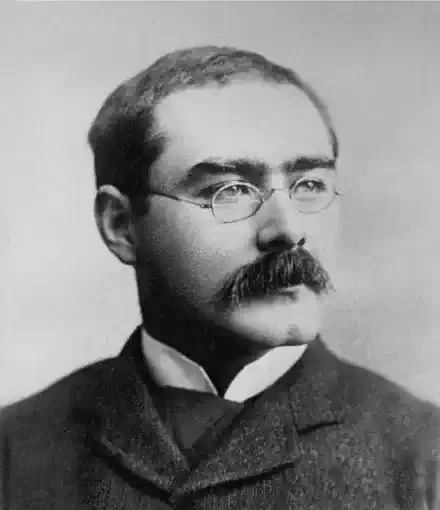
Rudyard Kipling
Cuckoo Song
Cuckoo Song
(Spring begins in southern England on the th April, on which date the Old
Woman lets the Cuckoo out of her basket at Heathfield Fair -- locally known as Heffle
Cuckoo Fair.)
Tell it to the locked-up trees,
Cuckoo, bring your song here!
Warrant, Act and Summons, please,
For Spring to pass along here!
Tell old Winder, if he doubt,
Tell him squat and square -- a!
Old Woman!
Old Woman!
Old Woman's let the Cuckoo out
At Heffle Cuckoo Fair -- a!
March has searched and April tried --
'Tisn't long to Mary now.
Not so far to Whitsuntide
And Cuckoo's come to stay now!
Hear the valiant fellow shout
Down the orchard bare -- a!
Old Woman!
Old Woman!
Old Woman's let the Cuckoo out
At Heffle Cuckoo Fair -- a!
When your heart is young and gay
And the season rules it --
Work your works and play your play
'Fore the Autumn cools it!
Kiss you turn and turn-about,
But my lad, beware -- a!
Old Woman!
Old Woman!
Old Woman's let the Cuckoo out
At Heffle Cuckoo Fair -- a!
(Spring begins in southern England on the th April, on which date the Old
Woman lets the Cuckoo out of her basket at Heathfield Fair -- locally known as Heffle
Cuckoo Fair.)
Tell it to the locked-up trees,
Cuckoo, bring your song here!
Warrant, Act and Summons, please,
For Spring to pass along here!
Tell old Winder, if he doubt,
Tell him squat and square -- a!
Old Woman!
Old Woman!
Old Woman's let the Cuckoo out
At Heffle Cuckoo Fair -- a!
March has searched and April tried --
'Tisn't long to Mary now.
Not so far to Whitsuntide
And Cuckoo's come to stay now!
Hear the valiant fellow shout
Down the orchard bare -- a!
Old Woman!
Old Woman!
Old Woman's let the Cuckoo out
At Heffle Cuckoo Fair -- a!
When your heart is young and gay
And the season rules it --
Work your works and play your play
'Fore the Autumn cools it!
Kiss you turn and turn-about,
But my lad, beware -- a!
Old Woman!
Old Woman!
Old Woman's let the Cuckoo out
At Heffle Cuckoo Fair -- a!
487
Rudyard Kipling
Christmas in India
Christmas in India
Dim dawn behind the tamerisks -- the sky is saffron-yellow --
As the women in the village grind the corn,
And the parrots seek the riverside, each calling to his fellow
That the Day, the staring Easter Day is born.
Oh the white dust on the highway! Oh the stenches in the byway!
Oh the clammy fog that hovers
And at Home they're making merry 'neath the white and scarlet berry --
What part have India's exiles in their mirth?
Full day begind the tamarisks -- the sky is blue and staring --
As the cattle crawl afield beneath the yoke,
And they bear One o'er the field-path, who is past all hope or caring,
To the ghat below the curling wreaths of smoke.
Call on Rama, going slowly, as ye bear a brother lowly --
Call on Rama -- he may hear, perhaps, your voice!
With our hymn-books and our psalters we appeal to other altars,
And to-day we bid "good Christian men rejoice!"
High noon behind the tamarisks -- the sun is hot above us --
As at Home the Christmas Day is breaking wan.
They will drink our healths at dinner -- those who tell us how they love us,
And forget us till another year be gone!
Oh the toil that knows no breaking! Oh the Heimweh, ceaseless, aching!
Oh the black dividing Sea and alien Plain!
Youth was cheap -- wherefore we sold it.
Gold was good -- we hoped to hold it,
And to-day we know the fulness of our gain.
Grey dusk behind the tamarisks -- the parrots fly together --
As the sun is sinking slowly over Home;
And his last ray seems to mock us shackled in a lifelong tether.
That drags us back how'er so far we roam.
Hard her service, poor her payment -- she is ancient, tattered raiment --
India, she the grim Stepmother of our kind.
If a year of life be lent her, if her temple's shrine we enter,
The door is hut -- we may not look behind.
Black night behind the tamarisks -- the owls begin their chorus --
As the conches from the temple scream and bray.
With the fruitless years behind us, and the hopeless years before us,
Let us honor, O my brother, Christmas Day!
Call a truce, then, to our labors -- let us feast with friends and neighbors,
And be merry as the custom of our caste;
For if "faint and forced the laughter," and if sadness follow after,
We are richer by one mocking Christmas past.
Dim dawn behind the tamerisks -- the sky is saffron-yellow --
As the women in the village grind the corn,
And the parrots seek the riverside, each calling to his fellow
That the Day, the staring Easter Day is born.
Oh the white dust on the highway! Oh the stenches in the byway!
Oh the clammy fog that hovers
And at Home they're making merry 'neath the white and scarlet berry --
What part have India's exiles in their mirth?
Full day begind the tamarisks -- the sky is blue and staring --
As the cattle crawl afield beneath the yoke,
And they bear One o'er the field-path, who is past all hope or caring,
To the ghat below the curling wreaths of smoke.
Call on Rama, going slowly, as ye bear a brother lowly --
Call on Rama -- he may hear, perhaps, your voice!
With our hymn-books and our psalters we appeal to other altars,
And to-day we bid "good Christian men rejoice!"
High noon behind the tamarisks -- the sun is hot above us --
As at Home the Christmas Day is breaking wan.
They will drink our healths at dinner -- those who tell us how they love us,
And forget us till another year be gone!
Oh the toil that knows no breaking! Oh the Heimweh, ceaseless, aching!
Oh the black dividing Sea and alien Plain!
Youth was cheap -- wherefore we sold it.
Gold was good -- we hoped to hold it,
And to-day we know the fulness of our gain.
Grey dusk behind the tamarisks -- the parrots fly together --
As the sun is sinking slowly over Home;
And his last ray seems to mock us shackled in a lifelong tether.
That drags us back how'er so far we roam.
Hard her service, poor her payment -- she is ancient, tattered raiment --
India, she the grim Stepmother of our kind.
If a year of life be lent her, if her temple's shrine we enter,
The door is hut -- we may not look behind.
Black night behind the tamarisks -- the owls begin their chorus --
As the conches from the temple scream and bray.
With the fruitless years behind us, and the hopeless years before us,
Let us honor, O my brother, Christmas Day!
Call a truce, then, to our labors -- let us feast with friends and neighbors,
And be merry as the custom of our caste;
For if "faint and forced the laughter," and if sadness follow after,
We are richer by one mocking Christmas past.
502
Rudyard Kipling
Christmas in India
Christmas in India
Dim dawn behind the tamerisks -- the sky is saffron-yellow --
As the women in the village grind the corn,
And the parrots seek the riverside, each calling to his fellow
That the Day, the staring Easter Day is born.
Oh the white dust on the highway! Oh the stenches in the byway!
Oh the clammy fog that hovers
And at Home they're making merry 'neath the white and scarlet berry --
What part have India's exiles in their mirth?
Full day begind the tamarisks -- the sky is blue and staring --
As the cattle crawl afield beneath the yoke,
And they bear One o'er the field-path, who is past all hope or caring,
To the ghat below the curling wreaths of smoke.
Call on Rama, going slowly, as ye bear a brother lowly --
Call on Rama -- he may hear, perhaps, your voice!
With our hymn-books and our psalters we appeal to other altars,
And to-day we bid "good Christian men rejoice!"
High noon behind the tamarisks -- the sun is hot above us --
As at Home the Christmas Day is breaking wan.
They will drink our healths at dinner -- those who tell us how they love us,
And forget us till another year be gone!
Oh the toil that knows no breaking! Oh the Heimweh, ceaseless, aching!
Oh the black dividing Sea and alien Plain!
Youth was cheap -- wherefore we sold it.
Gold was good -- we hoped to hold it,
And to-day we know the fulness of our gain.
Grey dusk behind the tamarisks -- the parrots fly together --
As the sun is sinking slowly over Home;
And his last ray seems to mock us shackled in a lifelong tether.
That drags us back how'er so far we roam.
Hard her service, poor her payment -- she is ancient, tattered raiment --
India, she the grim Stepmother of our kind.
If a year of life be lent her, if her temple's shrine we enter,
The door is hut -- we may not look behind.
Black night behind the tamarisks -- the owls begin their chorus --
As the conches from the temple scream and bray.
With the fruitless years behind us, and the hopeless years before us,
Let us honor, O my brother, Christmas Day!
Call a truce, then, to our labors -- let us feast with friends and neighbors,
And be merry as the custom of our caste;
For if "faint and forced the laughter," and if sadness follow after,
We are richer by one mocking Christmas past.
Dim dawn behind the tamerisks -- the sky is saffron-yellow --
As the women in the village grind the corn,
And the parrots seek the riverside, each calling to his fellow
That the Day, the staring Easter Day is born.
Oh the white dust on the highway! Oh the stenches in the byway!
Oh the clammy fog that hovers
And at Home they're making merry 'neath the white and scarlet berry --
What part have India's exiles in their mirth?
Full day begind the tamarisks -- the sky is blue and staring --
As the cattle crawl afield beneath the yoke,
And they bear One o'er the field-path, who is past all hope or caring,
To the ghat below the curling wreaths of smoke.
Call on Rama, going slowly, as ye bear a brother lowly --
Call on Rama -- he may hear, perhaps, your voice!
With our hymn-books and our psalters we appeal to other altars,
And to-day we bid "good Christian men rejoice!"
High noon behind the tamarisks -- the sun is hot above us --
As at Home the Christmas Day is breaking wan.
They will drink our healths at dinner -- those who tell us how they love us,
And forget us till another year be gone!
Oh the toil that knows no breaking! Oh the Heimweh, ceaseless, aching!
Oh the black dividing Sea and alien Plain!
Youth was cheap -- wherefore we sold it.
Gold was good -- we hoped to hold it,
And to-day we know the fulness of our gain.
Grey dusk behind the tamarisks -- the parrots fly together --
As the sun is sinking slowly over Home;
And his last ray seems to mock us shackled in a lifelong tether.
That drags us back how'er so far we roam.
Hard her service, poor her payment -- she is ancient, tattered raiment --
India, she the grim Stepmother of our kind.
If a year of life be lent her, if her temple's shrine we enter,
The door is hut -- we may not look behind.
Black night behind the tamarisks -- the owls begin their chorus --
As the conches from the temple scream and bray.
With the fruitless years behind us, and the hopeless years before us,
Let us honor, O my brother, Christmas Day!
Call a truce, then, to our labors -- let us feast with friends and neighbors,
And be merry as the custom of our caste;
For if "faint and forced the laughter," and if sadness follow after,
We are richer by one mocking Christmas past.
502
Rudyard Kipling
Christmas in India
Christmas in India
Dim dawn behind the tamerisks -- the sky is saffron-yellow --
As the women in the village grind the corn,
And the parrots seek the riverside, each calling to his fellow
That the Day, the staring Easter Day is born.
Oh the white dust on the highway! Oh the stenches in the byway!
Oh the clammy fog that hovers
And at Home they're making merry 'neath the white and scarlet berry --
What part have India's exiles in their mirth?
Full day begind the tamarisks -- the sky is blue and staring --
As the cattle crawl afield beneath the yoke,
And they bear One o'er the field-path, who is past all hope or caring,
To the ghat below the curling wreaths of smoke.
Call on Rama, going slowly, as ye bear a brother lowly --
Call on Rama -- he may hear, perhaps, your voice!
With our hymn-books and our psalters we appeal to other altars,
And to-day we bid "good Christian men rejoice!"
High noon behind the tamarisks -- the sun is hot above us --
As at Home the Christmas Day is breaking wan.
They will drink our healths at dinner -- those who tell us how they love us,
And forget us till another year be gone!
Oh the toil that knows no breaking! Oh the Heimweh, ceaseless, aching!
Oh the black dividing Sea and alien Plain!
Youth was cheap -- wherefore we sold it.
Gold was good -- we hoped to hold it,
And to-day we know the fulness of our gain.
Grey dusk behind the tamarisks -- the parrots fly together --
As the sun is sinking slowly over Home;
And his last ray seems to mock us shackled in a lifelong tether.
That drags us back how'er so far we roam.
Hard her service, poor her payment -- she is ancient, tattered raiment --
India, she the grim Stepmother of our kind.
If a year of life be lent her, if her temple's shrine we enter,
The door is hut -- we may not look behind.
Black night behind the tamarisks -- the owls begin their chorus --
As the conches from the temple scream and bray.
With the fruitless years behind us, and the hopeless years before us,
Let us honor, O my brother, Christmas Day!
Call a truce, then, to our labors -- let us feast with friends and neighbors,
And be merry as the custom of our caste;
For if "faint and forced the laughter," and if sadness follow after,
We are richer by one mocking Christmas past.
Dim dawn behind the tamerisks -- the sky is saffron-yellow --
As the women in the village grind the corn,
And the parrots seek the riverside, each calling to his fellow
That the Day, the staring Easter Day is born.
Oh the white dust on the highway! Oh the stenches in the byway!
Oh the clammy fog that hovers
And at Home they're making merry 'neath the white and scarlet berry --
What part have India's exiles in their mirth?
Full day begind the tamarisks -- the sky is blue and staring --
As the cattle crawl afield beneath the yoke,
And they bear One o'er the field-path, who is past all hope or caring,
To the ghat below the curling wreaths of smoke.
Call on Rama, going slowly, as ye bear a brother lowly --
Call on Rama -- he may hear, perhaps, your voice!
With our hymn-books and our psalters we appeal to other altars,
And to-day we bid "good Christian men rejoice!"
High noon behind the tamarisks -- the sun is hot above us --
As at Home the Christmas Day is breaking wan.
They will drink our healths at dinner -- those who tell us how they love us,
And forget us till another year be gone!
Oh the toil that knows no breaking! Oh the Heimweh, ceaseless, aching!
Oh the black dividing Sea and alien Plain!
Youth was cheap -- wherefore we sold it.
Gold was good -- we hoped to hold it,
And to-day we know the fulness of our gain.
Grey dusk behind the tamarisks -- the parrots fly together --
As the sun is sinking slowly over Home;
And his last ray seems to mock us shackled in a lifelong tether.
That drags us back how'er so far we roam.
Hard her service, poor her payment -- she is ancient, tattered raiment --
India, she the grim Stepmother of our kind.
If a year of life be lent her, if her temple's shrine we enter,
The door is hut -- we may not look behind.
Black night behind the tamarisks -- the owls begin their chorus --
As the conches from the temple scream and bray.
With the fruitless years behind us, and the hopeless years before us,
Let us honor, O my brother, Christmas Day!
Call a truce, then, to our labors -- let us feast with friends and neighbors,
And be merry as the custom of our caste;
For if "faint and forced the laughter," and if sadness follow after,
We are richer by one mocking Christmas past.
502
Rudyard Kipling
Cells
Cells
I've a head like a concertina: I've a tongue like a button-stick:
I've a mouth like an old potato, and I'm more than a little sick,
But I've had my fun o' the Corp'ral's Guard: I've made the cinders fly,
And I'm here in the Clink for a thundering drink
and blacking the Corporal's eye.
With a second-hand overcoat under my head,
And a beautiful view of the yard,
O it's pack-drill for me and a fortnight's C.B.
For "drunk and resisting the Guard!"
Mad drunk and resisting the Guard --
'Strewth, but I socked it them hard!
So it's pack-drill for me and a fortnight's C.B.
For "drunk and resisting the Guard."
I started o' canteen porter, I finished o' canteen beer,
But a dose o' gin that a mate slipped in, it was that that brought me here.
'Twas that and an extry double Guard that rubbed my nose in the dirt;
But I fell away with the Corp'ral's stock
and the best of the Corp'ral's shirt.
I left my cap in a public-house, my boots in the public road,
And Lord knows where, and I don't care, my belt and my tunic goed;
They'll stop my pay, they'll cut away the stripes I used to wear,
But I left my mark on the Corp'ral's face, and I think he'll keep it there!
My wife she cries on the barrack-gate, my kid in the barrack-yard,
It ain't that I mind the Ord'ly room -- it's ~that~ that cuts so hard.
I'll take my oath before them both that I will sure abstain,
But as soon as I'm in with a mate and gin, I know I'll do it again!
With a second-hand overcoat under my head,
And a beautiful view of the yard,
Yes, it's pack-drill for me and a fortnight's C.B.
For "drunk and resisting the Guard!"
Mad drunk and resisting the Guard --
'Strewth, but I socked it them hard!
So it's pack-drill for me and a fortnight's C.B.
For "drunk and resisting the Guard."
I've a head like a concertina: I've a tongue like a button-stick:
I've a mouth like an old potato, and I'm more than a little sick,
But I've had my fun o' the Corp'ral's Guard: I've made the cinders fly,
And I'm here in the Clink for a thundering drink
and blacking the Corporal's eye.
With a second-hand overcoat under my head,
And a beautiful view of the yard,
O it's pack-drill for me and a fortnight's C.B.
For "drunk and resisting the Guard!"
Mad drunk and resisting the Guard --
'Strewth, but I socked it them hard!
So it's pack-drill for me and a fortnight's C.B.
For "drunk and resisting the Guard."
I started o' canteen porter, I finished o' canteen beer,
But a dose o' gin that a mate slipped in, it was that that brought me here.
'Twas that and an extry double Guard that rubbed my nose in the dirt;
But I fell away with the Corp'ral's stock
and the best of the Corp'ral's shirt.
I left my cap in a public-house, my boots in the public road,
And Lord knows where, and I don't care, my belt and my tunic goed;
They'll stop my pay, they'll cut away the stripes I used to wear,
But I left my mark on the Corp'ral's face, and I think he'll keep it there!
My wife she cries on the barrack-gate, my kid in the barrack-yard,
It ain't that I mind the Ord'ly room -- it's ~that~ that cuts so hard.
I'll take my oath before them both that I will sure abstain,
But as soon as I'm in with a mate and gin, I know I'll do it again!
With a second-hand overcoat under my head,
And a beautiful view of the yard,
Yes, it's pack-drill for me and a fortnight's C.B.
For "drunk and resisting the Guard!"
Mad drunk and resisting the Guard --
'Strewth, but I socked it them hard!
So it's pack-drill for me and a fortnight's C.B.
For "drunk and resisting the Guard."
483
Rudyard Kipling
Cells
Cells
I've a head like a concertina: I've a tongue like a button-stick:
I've a mouth like an old potato, and I'm more than a little sick,
But I've had my fun o' the Corp'ral's Guard: I've made the cinders fly,
And I'm here in the Clink for a thundering drink
and blacking the Corporal's eye.
With a second-hand overcoat under my head,
And a beautiful view of the yard,
O it's pack-drill for me and a fortnight's C.B.
For "drunk and resisting the Guard!"
Mad drunk and resisting the Guard --
'Strewth, but I socked it them hard!
So it's pack-drill for me and a fortnight's C.B.
For "drunk and resisting the Guard."
I started o' canteen porter, I finished o' canteen beer,
But a dose o' gin that a mate slipped in, it was that that brought me here.
'Twas that and an extry double Guard that rubbed my nose in the dirt;
But I fell away with the Corp'ral's stock
and the best of the Corp'ral's shirt.
I left my cap in a public-house, my boots in the public road,
And Lord knows where, and I don't care, my belt and my tunic goed;
They'll stop my pay, they'll cut away the stripes I used to wear,
But I left my mark on the Corp'ral's face, and I think he'll keep it there!
My wife she cries on the barrack-gate, my kid in the barrack-yard,
It ain't that I mind the Ord'ly room -- it's ~that~ that cuts so hard.
I'll take my oath before them both that I will sure abstain,
But as soon as I'm in with a mate and gin, I know I'll do it again!
With a second-hand overcoat under my head,
And a beautiful view of the yard,
Yes, it's pack-drill for me and a fortnight's C.B.
For "drunk and resisting the Guard!"
Mad drunk and resisting the Guard --
'Strewth, but I socked it them hard!
So it's pack-drill for me and a fortnight's C.B.
For "drunk and resisting the Guard."
I've a head like a concertina: I've a tongue like a button-stick:
I've a mouth like an old potato, and I'm more than a little sick,
But I've had my fun o' the Corp'ral's Guard: I've made the cinders fly,
And I'm here in the Clink for a thundering drink
and blacking the Corporal's eye.
With a second-hand overcoat under my head,
And a beautiful view of the yard,
O it's pack-drill for me and a fortnight's C.B.
For "drunk and resisting the Guard!"
Mad drunk and resisting the Guard --
'Strewth, but I socked it them hard!
So it's pack-drill for me and a fortnight's C.B.
For "drunk and resisting the Guard."
I started o' canteen porter, I finished o' canteen beer,
But a dose o' gin that a mate slipped in, it was that that brought me here.
'Twas that and an extry double Guard that rubbed my nose in the dirt;
But I fell away with the Corp'ral's stock
and the best of the Corp'ral's shirt.
I left my cap in a public-house, my boots in the public road,
And Lord knows where, and I don't care, my belt and my tunic goed;
They'll stop my pay, they'll cut away the stripes I used to wear,
But I left my mark on the Corp'ral's face, and I think he'll keep it there!
My wife she cries on the barrack-gate, my kid in the barrack-yard,
It ain't that I mind the Ord'ly room -- it's ~that~ that cuts so hard.
I'll take my oath before them both that I will sure abstain,
But as soon as I'm in with a mate and gin, I know I'll do it again!
With a second-hand overcoat under my head,
And a beautiful view of the yard,
Yes, it's pack-drill for me and a fortnight's C.B.
For "drunk and resisting the Guard!"
Mad drunk and resisting the Guard --
'Strewth, but I socked it them hard!
So it's pack-drill for me and a fortnight's C.B.
For "drunk and resisting the Guard."
483
Rudyard Kipling
Chant-Pagan
Chant-Pagan
ENGLISH IRREGULAR, DISCHARGED
Me that 'ave been what I've been --
Me that 'ave gone where I've gone --
Me that 'ave seen what I've seen --
'Ow can I ever take on
With awful old England again,
An' 'ouses both sides of the street,
And 'edges two sides of the lane,
And the parson an' gentry between,
An' touchin' my 'at when we meet --
Me that 'ave been what I've been?
Me that 'ave watched 'arf a world
'Eave up all shiny with dew,
Kopje on kop to the sun,
An' as soon as the mist let 'em through
Our 'elios winkin' like fun --
Three sides of a ninety-mile square,
Over valleys as big as a shire --
"Are ye there? Are ye there? Are ye there?"
An' then the blind drum of our fire . . .
An' I'm rollin' 'is lawns for the Squire,
Me!
Me htat 'ave rode through the dark
Forty mile, often, on end,
Along the Ma'ollisberg Range,
With only the stars for my mark
An' only the night for my friend,
An' things runnin' off as you pass,
An' things jumpin' up in the grass,
An' the silence, the shine an' the size
Of the 'igh, unexpressible skies --
I am takin' some letters almost
As much as a mile to the post,
An' "mind you come back with the change!"
Me!
Me that saw Barberton took
When we dropped through the clouds on their 'ead,
An' they 'ove the guns over and fled --
Me that was through Di'mond I'll,
An' Pieters an' Springs an' Belfast --
From Dundee to Vereeniging all --
Me that stuck out to the last
(An' five bloomin' bars on my chest) --
I am doin' my Sunday-school best,
By the 'elp of the Squire an' 'is wife
(Not to mention the 'ousemaid an' cook),
To come in an' 'ands up an' be still,
An' honestly work for my bread,
My livin' in that state of life
To which it shall please God to call
Me!
Me that 'ave followed my trade
In the place where the Lightnin's are made;
"Twixt the Rains and the Sun and the Moon --
Me that lay down an' got up
Three years with the sky for my roof --
That 'ave ridden my 'unger an' thirst
Six thousand raw mile on the hoof,
With the Vaal and the Orange for cup,
An' the Brandwater Basin for dish, --
Oh! it's 'ard to be'ave as they wish
(Too 'ard, an' a little too soon),
I'll 'ave to think over it first --
Me!
I will arise an' get 'ence --
I will trek South and make sure
If it's only my fancy or not
That the sunshine of England is pale,
And the breezes of England are stale,
An' there's something' gone small with the lot.
For I know of a sun an' a wind,
An' some plains and a mountain be'ind,
An' some graves by a barb-wire fence,
An' a Dutchman I've fought 'oo might give
Me a job where I ever inclined
To look in an' offsaddle an' live
Where there's neither a road nor a tree --
But only my Maker an' me,
An I think it will kill me or cure,
So I think I will go there an' see.
ENGLISH IRREGULAR, DISCHARGED
Me that 'ave been what I've been --
Me that 'ave gone where I've gone --
Me that 'ave seen what I've seen --
'Ow can I ever take on
With awful old England again,
An' 'ouses both sides of the street,
And 'edges two sides of the lane,
And the parson an' gentry between,
An' touchin' my 'at when we meet --
Me that 'ave been what I've been?
Me that 'ave watched 'arf a world
'Eave up all shiny with dew,
Kopje on kop to the sun,
An' as soon as the mist let 'em through
Our 'elios winkin' like fun --
Three sides of a ninety-mile square,
Over valleys as big as a shire --
"Are ye there? Are ye there? Are ye there?"
An' then the blind drum of our fire . . .
An' I'm rollin' 'is lawns for the Squire,
Me!
Me htat 'ave rode through the dark
Forty mile, often, on end,
Along the Ma'ollisberg Range,
With only the stars for my mark
An' only the night for my friend,
An' things runnin' off as you pass,
An' things jumpin' up in the grass,
An' the silence, the shine an' the size
Of the 'igh, unexpressible skies --
I am takin' some letters almost
As much as a mile to the post,
An' "mind you come back with the change!"
Me!
Me that saw Barberton took
When we dropped through the clouds on their 'ead,
An' they 'ove the guns over and fled --
Me that was through Di'mond I'll,
An' Pieters an' Springs an' Belfast --
From Dundee to Vereeniging all --
Me that stuck out to the last
(An' five bloomin' bars on my chest) --
I am doin' my Sunday-school best,
By the 'elp of the Squire an' 'is wife
(Not to mention the 'ousemaid an' cook),
To come in an' 'ands up an' be still,
An' honestly work for my bread,
My livin' in that state of life
To which it shall please God to call
Me!
Me that 'ave followed my trade
In the place where the Lightnin's are made;
"Twixt the Rains and the Sun and the Moon --
Me that lay down an' got up
Three years with the sky for my roof --
That 'ave ridden my 'unger an' thirst
Six thousand raw mile on the hoof,
With the Vaal and the Orange for cup,
An' the Brandwater Basin for dish, --
Oh! it's 'ard to be'ave as they wish
(Too 'ard, an' a little too soon),
I'll 'ave to think over it first --
Me!
I will arise an' get 'ence --
I will trek South and make sure
If it's only my fancy or not
That the sunshine of England is pale,
And the breezes of England are stale,
An' there's something' gone small with the lot.
For I know of a sun an' a wind,
An' some plains and a mountain be'ind,
An' some graves by a barb-wire fence,
An' a Dutchman I've fought 'oo might give
Me a job where I ever inclined
To look in an' offsaddle an' live
Where there's neither a road nor a tree --
But only my Maker an' me,
An I think it will kill me or cure,
So I think I will go there an' see.
510
Rudyard Kipling
Cain and Abel
Cain and Abel
Western Version
Cain and Abel were brothers born.
(Koop-la! Come along, cows!)
One raised cattle and one raised corn.
(Koop-la! Come along! Co-hoe!)
And Cain he farmed by the river-side,
So he did not care how much it dried.
For he banked, and he sluiced, and he ditched and he led
(And the Corn don't care for the Horn)--
A-half Euphrates out of her bed
To water his dam' Corn!
But Abel herded out on the plains
Where you have to go by the dams and rains.
It happened, after a three-year drought,
The wells, and the springs, and the dams gave out.
The Herd-bulls came to Cain's new house
(They wanted water so!--)
With the hot red Sun between their brows,
Sayin' "Give us water for our pore cows!"
But Cain he told 'em--"No!"
The Cows they came to Cain's big house
With the cold white Moon between their brows,
Sayin' "Give some water to us pore cows!"
But Cain he told 'em--"No?"
The li'l Calves came to Cain's fine house
With the Evenin' Star between their brows,
Sayin' "'Give us water an' we'll be cows."
But Cain he told 'em--"No!"
The Herd-bulls led 'em back again,
An' Abel went an' said to Cain: --
"Oh sell me water, my brother dear,
Or there will be no beef this year."
And Cain he answered--"No! "
"Then draw your hatches, my brother true,
An' let a little water through."
But Cain he answered: -"No!
"My dams are tight an' my ditches are sound,
An' not a drop goes through or round
Till she's done her duty by the Corn.
"I will not sell, an' I will not draw,
An' if you breach, I'll have the Law,
As sure as you are borne! "
Then Abel took his best bull-goad,
An' holed a dyke on the Eden road.
He opened her up with foot an' hand,
An' let Euphrates loose on the land.
He spilled Euphrates out on the plain,
So's all his cattle could drink again.
Then Cain he saw what Abel done--
But, in those days, there was no Gun!
So he made him a club of a hickory-limb,
An' halted Abel an' said to him: --
"I did not sell an' I did not draw,
An' now you've breached I'll have the Law.
"You ride abroad in your hat and spurs,
Hell-hoofin' over my cucumbers!
"You pray to the Lord to send you luck
An' you loose your steers in my garden-truck:
"An' now you're bust, as you ought to be,
You can keep on prayin' but not to me!"
Then Abel saw it meant the life;
But, in those days, there was no Knife:
So he up with his big bull-goad instead,
But--Cain hit first and dropped him dead!
The Herd-bulls ran when they smelt the blood,
An' horned an' pawed in that Red Mud.
The Calves they bawled, and the Steers they milled,
Because it was the First Man Killed;
An' the whole Herd broke for the Land of Nod,
An' Cain was left to be judged by God!
But, seein' all he had had to bear,
I never could call the Judgment fair!
Western Version
Cain and Abel were brothers born.
(Koop-la! Come along, cows!)
One raised cattle and one raised corn.
(Koop-la! Come along! Co-hoe!)
And Cain he farmed by the river-side,
So he did not care how much it dried.
For he banked, and he sluiced, and he ditched and he led
(And the Corn don't care for the Horn)--
A-half Euphrates out of her bed
To water his dam' Corn!
But Abel herded out on the plains
Where you have to go by the dams and rains.
It happened, after a three-year drought,
The wells, and the springs, and the dams gave out.
The Herd-bulls came to Cain's new house
(They wanted water so!--)
With the hot red Sun between their brows,
Sayin' "Give us water for our pore cows!"
But Cain he told 'em--"No!"
The Cows they came to Cain's big house
With the cold white Moon between their brows,
Sayin' "Give some water to us pore cows!"
But Cain he told 'em--"No?"
The li'l Calves came to Cain's fine house
With the Evenin' Star between their brows,
Sayin' "'Give us water an' we'll be cows."
But Cain he told 'em--"No!"
The Herd-bulls led 'em back again,
An' Abel went an' said to Cain: --
"Oh sell me water, my brother dear,
Or there will be no beef this year."
And Cain he answered--"No! "
"Then draw your hatches, my brother true,
An' let a little water through."
But Cain he answered: -"No!
"My dams are tight an' my ditches are sound,
An' not a drop goes through or round
Till she's done her duty by the Corn.
"I will not sell, an' I will not draw,
An' if you breach, I'll have the Law,
As sure as you are borne! "
Then Abel took his best bull-goad,
An' holed a dyke on the Eden road.
He opened her up with foot an' hand,
An' let Euphrates loose on the land.
He spilled Euphrates out on the plain,
So's all his cattle could drink again.
Then Cain he saw what Abel done--
But, in those days, there was no Gun!
So he made him a club of a hickory-limb,
An' halted Abel an' said to him: --
"I did not sell an' I did not draw,
An' now you've breached I'll have the Law.
"You ride abroad in your hat and spurs,
Hell-hoofin' over my cucumbers!
"You pray to the Lord to send you luck
An' you loose your steers in my garden-truck:
"An' now you're bust, as you ought to be,
You can keep on prayin' but not to me!"
Then Abel saw it meant the life;
But, in those days, there was no Knife:
So he up with his big bull-goad instead,
But--Cain hit first and dropped him dead!
The Herd-bulls ran when they smelt the blood,
An' horned an' pawed in that Red Mud.
The Calves they bawled, and the Steers they milled,
Because it was the First Man Killed;
An' the whole Herd broke for the Land of Nod,
An' Cain was left to be judged by God!
But, seein' all he had had to bear,
I never could call the Judgment fair!
566
Rudyard Kipling
By the Hoof of the Wild Goat
By the Hoof of the Wild Goat
By the Hoof of the Wild Goat uptossed
From the cliff where she lay in the Sun
Fell the Stone
To the Tarn where the daylight is lost,
So she fell from the light of the Sun
And alone!
Now the fall was ordained from the first
With the Goat and the Cliff and the Tarn,
But the Stone
Knows only her life is accursed
As she sinks from the light of the Sun
And alone!
Oh Thou Who hast builded the World,
Oh Thou Who hast lighted the Sun,
Oh Thou Who hast darkened the Tarn,
Judge Thou
The sin of the Stone that was hurled
By the goat from the light of the Sun,
As she sinks in the mire of the Tarn,
Even now--even now--even now!
By the Hoof of the Wild Goat uptossed
From the cliff where she lay in the Sun
Fell the Stone
To the Tarn where the daylight is lost,
So she fell from the light of the Sun
And alone!
Now the fall was ordained from the first
With the Goat and the Cliff and the Tarn,
But the Stone
Knows only her life is accursed
As she sinks from the light of the Sun
And alone!
Oh Thou Who hast builded the World,
Oh Thou Who hast lighted the Sun,
Oh Thou Who hast darkened the Tarn,
Judge Thou
The sin of the Stone that was hurled
By the goat from the light of the Sun,
As she sinks in the mire of the Tarn,
Even now--even now--even now!
502
Rudyard Kipling
Blue Roses
Blue Roses
Roses red and roses white
Plucked I for my love's delight.
She would none of all my posies--
Bade me gather her blue roses.
Half the world I wandered through,
Seeking where such flowers grew.
Half the world unto my quest
Answered me with laugh and jest.
Home I came at wintertide,
But my silly love had died
Seeking with her latest breath
Roses from the arms of Death.
It may be beyond the grave
She shall find what she would have.
Mine was but an idle quest--
Roses white and red are best!
Roses red and roses white
Plucked I for my love's delight.
She would none of all my posies--
Bade me gather her blue roses.
Half the world I wandered through,
Seeking where such flowers grew.
Half the world unto my quest
Answered me with laugh and jest.
Home I came at wintertide,
But my silly love had died
Seeking with her latest breath
Roses from the arms of Death.
It may be beyond the grave
She shall find what she would have.
Mine was but an idle quest--
Roses white and red are best!
460
Rudyard Kipling
Boots
Boots
INFANTRY COLUMNS
We're foot--slog--slog--slog--sloggin' over Africa --
Foot--foot--foot--foot--sloggin' over Africa --
(Boots--boots--boots--boots--movin' up an' down again!)
There's no discharge in the war!
Seven--six--eleven--five--nine-an'-twenty mile to-day --
Four--eleven--seventeen--thirty-two the day before --
(Boots--boots--boots--boots--movin' up an' down again!)
There's no discharge in the war!
Don't--don't--don't--don't--look at what's in front of you.
(Boots--boots--boots--boots--movin' up an' down again);
Men--men--men--men--men go mad with watchin' em,
An' there's no discharge in the war!
Try--try--try--try--to think o' something different --
Oh--my--God--keep--me from goin' lunatic!
(Boots--boots--boots--boots--movin' up an' down again!)
There's no discharge in the war!
Count--count--count--count--the bullets in the bandoliers.
If--your--eyes--drop--they will get atop o' you!
(Boots--boots--boots--boots--movin' up an' down again) --
There's no discharge in the war!
We--can--stick--out--'unger, thirst, an' weariness,
But--not--not--not--not the chronic sight of 'em --
Boot--boots--boots--boots--movin' up an' down again,
An' there's no discharge in the war!
'Taint--so--bad--by--day because o' company,
But night--brings--long--strings--o' forty thousand million
Boots--boots--boots--boots--movin' up an' down again.
There's no discharge in the war!
I--'ave--marched--six--weeks in 'Ell an' certify
It--is--not--fire--devils, dark, or anything,
But boots--boots--boots--boots--movin' up an' down again,
An' there's no discharge in the war!
INFANTRY COLUMNS
We're foot--slog--slog--slog--sloggin' over Africa --
Foot--foot--foot--foot--sloggin' over Africa --
(Boots--boots--boots--boots--movin' up an' down again!)
There's no discharge in the war!
Seven--six--eleven--five--nine-an'-twenty mile to-day --
Four--eleven--seventeen--thirty-two the day before --
(Boots--boots--boots--boots--movin' up an' down again!)
There's no discharge in the war!
Don't--don't--don't--don't--look at what's in front of you.
(Boots--boots--boots--boots--movin' up an' down again);
Men--men--men--men--men go mad with watchin' em,
An' there's no discharge in the war!
Try--try--try--try--to think o' something different --
Oh--my--God--keep--me from goin' lunatic!
(Boots--boots--boots--boots--movin' up an' down again!)
There's no discharge in the war!
Count--count--count--count--the bullets in the bandoliers.
If--your--eyes--drop--they will get atop o' you!
(Boots--boots--boots--boots--movin' up an' down again) --
There's no discharge in the war!
We--can--stick--out--'unger, thirst, an' weariness,
But--not--not--not--not the chronic sight of 'em --
Boot--boots--boots--boots--movin' up an' down again,
An' there's no discharge in the war!
'Taint--so--bad--by--day because o' company,
But night--brings--long--strings--o' forty thousand million
Boots--boots--boots--boots--movin' up an' down again.
There's no discharge in the war!
I--'ave--marched--six--weeks in 'Ell an' certify
It--is--not--fire--devils, dark, or anything,
But boots--boots--boots--boots--movin' up an' down again,
An' there's no discharge in the war!
1,145
Rudyard Kipling
Boots
Boots
INFANTRY COLUMNS
We're foot--slog--slog--slog--sloggin' over Africa --
Foot--foot--foot--foot--sloggin' over Africa --
(Boots--boots--boots--boots--movin' up an' down again!)
There's no discharge in the war!
Seven--six--eleven--five--nine-an'-twenty mile to-day --
Four--eleven--seventeen--thirty-two the day before --
(Boots--boots--boots--boots--movin' up an' down again!)
There's no discharge in the war!
Don't--don't--don't--don't--look at what's in front of you.
(Boots--boots--boots--boots--movin' up an' down again);
Men--men--men--men--men go mad with watchin' em,
An' there's no discharge in the war!
Try--try--try--try--to think o' something different --
Oh--my--God--keep--me from goin' lunatic!
(Boots--boots--boots--boots--movin' up an' down again!)
There's no discharge in the war!
Count--count--count--count--the bullets in the bandoliers.
If--your--eyes--drop--they will get atop o' you!
(Boots--boots--boots--boots--movin' up an' down again) --
There's no discharge in the war!
We--can--stick--out--'unger, thirst, an' weariness,
But--not--not--not--not the chronic sight of 'em --
Boot--boots--boots--boots--movin' up an' down again,
An' there's no discharge in the war!
'Taint--so--bad--by--day because o' company,
But night--brings--long--strings--o' forty thousand million
Boots--boots--boots--boots--movin' up an' down again.
There's no discharge in the war!
I--'ave--marched--six--weeks in 'Ell an' certify
It--is--not--fire--devils, dark, or anything,
But boots--boots--boots--boots--movin' up an' down again,
An' there's no discharge in the war!
INFANTRY COLUMNS
We're foot--slog--slog--slog--sloggin' over Africa --
Foot--foot--foot--foot--sloggin' over Africa --
(Boots--boots--boots--boots--movin' up an' down again!)
There's no discharge in the war!
Seven--six--eleven--five--nine-an'-twenty mile to-day --
Four--eleven--seventeen--thirty-two the day before --
(Boots--boots--boots--boots--movin' up an' down again!)
There's no discharge in the war!
Don't--don't--don't--don't--look at what's in front of you.
(Boots--boots--boots--boots--movin' up an' down again);
Men--men--men--men--men go mad with watchin' em,
An' there's no discharge in the war!
Try--try--try--try--to think o' something different --
Oh--my--God--keep--me from goin' lunatic!
(Boots--boots--boots--boots--movin' up an' down again!)
There's no discharge in the war!
Count--count--count--count--the bullets in the bandoliers.
If--your--eyes--drop--they will get atop o' you!
(Boots--boots--boots--boots--movin' up an' down again) --
There's no discharge in the war!
We--can--stick--out--'unger, thirst, an' weariness,
But--not--not--not--not the chronic sight of 'em --
Boot--boots--boots--boots--movin' up an' down again,
An' there's no discharge in the war!
'Taint--so--bad--by--day because o' company,
But night--brings--long--strings--o' forty thousand million
Boots--boots--boots--boots--movin' up an' down again.
There's no discharge in the war!
I--'ave--marched--six--weeks in 'Ell an' certify
It--is--not--fire--devils, dark, or anything,
But boots--boots--boots--boots--movin' up an' down again,
An' there's no discharge in the war!
1,145
Rudyard Kipling
Boots
Boots
INFANTRY COLUMNS
We're foot--slog--slog--slog--sloggin' over Africa --
Foot--foot--foot--foot--sloggin' over Africa --
(Boots--boots--boots--boots--movin' up an' down again!)
There's no discharge in the war!
Seven--six--eleven--five--nine-an'-twenty mile to-day --
Four--eleven--seventeen--thirty-two the day before --
(Boots--boots--boots--boots--movin' up an' down again!)
There's no discharge in the war!
Don't--don't--don't--don't--look at what's in front of you.
(Boots--boots--boots--boots--movin' up an' down again);
Men--men--men--men--men go mad with watchin' em,
An' there's no discharge in the war!
Try--try--try--try--to think o' something different --
Oh--my--God--keep--me from goin' lunatic!
(Boots--boots--boots--boots--movin' up an' down again!)
There's no discharge in the war!
Count--count--count--count--the bullets in the bandoliers.
If--your--eyes--drop--they will get atop o' you!
(Boots--boots--boots--boots--movin' up an' down again) --
There's no discharge in the war!
We--can--stick--out--'unger, thirst, an' weariness,
But--not--not--not--not the chronic sight of 'em --
Boot--boots--boots--boots--movin' up an' down again,
An' there's no discharge in the war!
'Taint--so--bad--by--day because o' company,
But night--brings--long--strings--o' forty thousand million
Boots--boots--boots--boots--movin' up an' down again.
There's no discharge in the war!
I--'ave--marched--six--weeks in 'Ell an' certify
It--is--not--fire--devils, dark, or anything,
But boots--boots--boots--boots--movin' up an' down again,
An' there's no discharge in the war!
INFANTRY COLUMNS
We're foot--slog--slog--slog--sloggin' over Africa --
Foot--foot--foot--foot--sloggin' over Africa --
(Boots--boots--boots--boots--movin' up an' down again!)
There's no discharge in the war!
Seven--six--eleven--five--nine-an'-twenty mile to-day --
Four--eleven--seventeen--thirty-two the day before --
(Boots--boots--boots--boots--movin' up an' down again!)
There's no discharge in the war!
Don't--don't--don't--don't--look at what's in front of you.
(Boots--boots--boots--boots--movin' up an' down again);
Men--men--men--men--men go mad with watchin' em,
An' there's no discharge in the war!
Try--try--try--try--to think o' something different --
Oh--my--God--keep--me from goin' lunatic!
(Boots--boots--boots--boots--movin' up an' down again!)
There's no discharge in the war!
Count--count--count--count--the bullets in the bandoliers.
If--your--eyes--drop--they will get atop o' you!
(Boots--boots--boots--boots--movin' up an' down again) --
There's no discharge in the war!
We--can--stick--out--'unger, thirst, an' weariness,
But--not--not--not--not the chronic sight of 'em --
Boot--boots--boots--boots--movin' up an' down again,
An' there's no discharge in the war!
'Taint--so--bad--by--day because o' company,
But night--brings--long--strings--o' forty thousand million
Boots--boots--boots--boots--movin' up an' down again.
There's no discharge in the war!
I--'ave--marched--six--weeks in 'Ell an' certify
It--is--not--fire--devils, dark, or anything,
But boots--boots--boots--boots--movin' up an' down again,
An' there's no discharge in the war!
1,145
Rudyard Kipling
Bill 'Awkins
Bill 'Awkins
"'As anybody seen Bill 'Awkins?"
"Now 'ow in the devil would I know?"
"'E's taken my girl out walkin',
An' I've got to tell 'im so --
Gawd -- bless -- 'im!
I've got to tell 'im so."
"D'yer know what 'e's like, Bill 'Awkins?"
"Now what in the devil would I care?"
"'E's the livin', breathin' image of an organ-grinder's monkey,
With a pound of grease in 'is 'air --
Gawd -- bless -- 'im!
An' a pound o' grease in 'is 'air."
"An' s'pose you met Bill 'Awkins,
Now what in the devil 'ud ye do?"
"I'd open 'is cheek to 'is chin-strap buckle,
An' bung up 'is both eyes, too --
Gawd -- bless -- 'im!
An' bung up 'is both eyes, too!"
"Look 'ere, where 'e comes, Bill 'Awkins!
Now what in the devil will you say?"
"It isn't fit an' proper to be fightin' on a Sunday,
So I'll pass 'im the time o' day --
Gawd -- bless -- 'im!
I'll pass 'im the time o' day!"
"'As anybody seen Bill 'Awkins?"
"Now 'ow in the devil would I know?"
"'E's taken my girl out walkin',
An' I've got to tell 'im so --
Gawd -- bless -- 'im!
I've got to tell 'im so."
"D'yer know what 'e's like, Bill 'Awkins?"
"Now what in the devil would I care?"
"'E's the livin', breathin' image of an organ-grinder's monkey,
With a pound of grease in 'is 'air --
Gawd -- bless -- 'im!
An' a pound o' grease in 'is 'air."
"An' s'pose you met Bill 'Awkins,
Now what in the devil 'ud ye do?"
"I'd open 'is cheek to 'is chin-strap buckle,
An' bung up 'is both eyes, too --
Gawd -- bless -- 'im!
An' bung up 'is both eyes, too!"
"Look 'ere, where 'e comes, Bill 'Awkins!
Now what in the devil will you say?"
"It isn't fit an' proper to be fightin' on a Sunday,
So I'll pass 'im the time o' day --
Gawd -- bless -- 'im!
I'll pass 'im the time o' day!"
413
Rudyard Kipling
Bill 'Awkins
Bill 'Awkins
"'As anybody seen Bill 'Awkins?"
"Now 'ow in the devil would I know?"
"'E's taken my girl out walkin',
An' I've got to tell 'im so --
Gawd -- bless -- 'im!
I've got to tell 'im so."
"D'yer know what 'e's like, Bill 'Awkins?"
"Now what in the devil would I care?"
"'E's the livin', breathin' image of an organ-grinder's monkey,
With a pound of grease in 'is 'air --
Gawd -- bless -- 'im!
An' a pound o' grease in 'is 'air."
"An' s'pose you met Bill 'Awkins,
Now what in the devil 'ud ye do?"
"I'd open 'is cheek to 'is chin-strap buckle,
An' bung up 'is both eyes, too --
Gawd -- bless -- 'im!
An' bung up 'is both eyes, too!"
"Look 'ere, where 'e comes, Bill 'Awkins!
Now what in the devil will you say?"
"It isn't fit an' proper to be fightin' on a Sunday,
So I'll pass 'im the time o' day --
Gawd -- bless -- 'im!
I'll pass 'im the time o' day!"
"'As anybody seen Bill 'Awkins?"
"Now 'ow in the devil would I know?"
"'E's taken my girl out walkin',
An' I've got to tell 'im so --
Gawd -- bless -- 'im!
I've got to tell 'im so."
"D'yer know what 'e's like, Bill 'Awkins?"
"Now what in the devil would I care?"
"'E's the livin', breathin' image of an organ-grinder's monkey,
With a pound of grease in 'is 'air --
Gawd -- bless -- 'im!
An' a pound o' grease in 'is 'air."
"An' s'pose you met Bill 'Awkins,
Now what in the devil 'ud ye do?"
"I'd open 'is cheek to 'is chin-strap buckle,
An' bung up 'is both eyes, too --
Gawd -- bless -- 'im!
An' bung up 'is both eyes, too!"
"Look 'ere, where 'e comes, Bill 'Awkins!
Now what in the devil will you say?"
"It isn't fit an' proper to be fightin' on a Sunday,
So I'll pass 'im the time o' day --
Gawd -- bless -- 'im!
I'll pass 'im the time o' day!"
413
Rudyard Kipling
Banquet Night
Banquet Night
"ONCE in so often," King Solomon said,
Watching his quarrymen drill the stone,
"We will curb our garlic and wine and bread
And banquet together beneath my Throne,
And all Brethren shall come to that mess
As Fellow-Craftsmen-no more and no less."
"Send a swift shallop to Hiram of Tyre,
Felling and floating our beautiful trees,
Say that the Brethren and I desire
Talk with our Brethren who use the seas.
And we shall be happy to meet them at mess
As Fellow-Craftsmen-no more and no less."
"Carry this message to Hiram Abif-
Excellent master of forge and mine :-
I and the Brethren would like it if
He and the Brethren will come to dine
(Garments from Bozrah or morning-dress)
As Fellow-Craftsmen-no more and no less."
"God gave the Cedar their place-
Also the Bramble, the Fig and the Thorn-
But that is no reason to black a man's face
Because he is not what he hasn't been born.
And, as touching the Temple, I hold and profess
We are Fellow-Craftsmen-no more and no less."
So it was ordered and so it was done,
And the hewers of wood and the Masons of Mark,
With foc'sle hands of Sidon run
And Navy Lords from the ROYAL ARK,
Came and sat down and were merry at mess
As Fellow-Craftsmen-no more and no less.
The Quarries are hotter than Hiram's forge,
No one is safe from the dog-whip's reach.
It's mostly snowing up Lebanon gorge,
And it's always blowing off Joppa beach;
But once in so often, the messenger brings
Solomon's mandate : "Forget these things!
Brother to Beggars and Fellow to Kings,
Companion of Princes-forget these things!
Fellow-Craftsmen, forget these things!"
"ONCE in so often," King Solomon said,
Watching his quarrymen drill the stone,
"We will curb our garlic and wine and bread
And banquet together beneath my Throne,
And all Brethren shall come to that mess
As Fellow-Craftsmen-no more and no less."
"Send a swift shallop to Hiram of Tyre,
Felling and floating our beautiful trees,
Say that the Brethren and I desire
Talk with our Brethren who use the seas.
And we shall be happy to meet them at mess
As Fellow-Craftsmen-no more and no less."
"Carry this message to Hiram Abif-
Excellent master of forge and mine :-
I and the Brethren would like it if
He and the Brethren will come to dine
(Garments from Bozrah or morning-dress)
As Fellow-Craftsmen-no more and no less."
"God gave the Cedar their place-
Also the Bramble, the Fig and the Thorn-
But that is no reason to black a man's face
Because he is not what he hasn't been born.
And, as touching the Temple, I hold and profess
We are Fellow-Craftsmen-no more and no less."
So it was ordered and so it was done,
And the hewers of wood and the Masons of Mark,
With foc'sle hands of Sidon run
And Navy Lords from the ROYAL ARK,
Came and sat down and were merry at mess
As Fellow-Craftsmen-no more and no less.
The Quarries are hotter than Hiram's forge,
No one is safe from the dog-whip's reach.
It's mostly snowing up Lebanon gorge,
And it's always blowing off Joppa beach;
But once in so often, the messenger brings
Solomon's mandate : "Forget these things!
Brother to Beggars and Fellow to Kings,
Companion of Princes-forget these things!
Fellow-Craftsmen, forget these things!"
548
Rudyard Kipling
Back to the Army Again
Back to the Army Again
I'm 'ere in a ticky ulster an' a broken billycock 'at,
A-layin' on the sergeant I don't know a gun from a bat;
My shirt's doin' duty for jacket, my sock's stickin' out o' my boots,
An' I'm learnin' the damned old goose-step along o' the new recruits!
Back to Army again, sergeant,
Back to the Army again.
Don't look so 'ard, for I 'aven't no card,
I'm back to the Army again!
I done my six years' service. 'Er Majesty sez: "Good day --
You'll please to come when you're rung for, an' 'ere's your 'ole back-pay:
An' fourpence a day for baccy -- an' bloomin' gen'rous, too;
An' now you can make your fortune -- the same as your orf'cers do."
Back to the Army again, sergeant,
Back to the Army again.
'Ow did I learn to do right-about-turn?
I'm back to the Army again!
A man o' four-an'-twenty that 'asn't learned of a trade --
Beside "Reserve" agin' him -- 'e'd better be never made.
I tried my luck for a quarter, an' that was enough for me,
An' I thought of 'Er Majesty's barricks, an' I thought I'd go an' see.
Back to the Army again, sergeant,
Back to the Army again.
'Tisn't my fault if I dress when I 'alt --
I'm back to the Army again!
The sergeant arst no questions, but 'e winked the other eye,
'E sez to me, " 'Shun!" an' I shunted, the same as in days gone by;
For 'e saw the set o' my shoulders, an' I couldn't 'elp 'oldin' straight
When me an' the other rookies come under the barrik-gate.
Back to the Army again, sergeant,
Back to the Army again.
'Oo would ha' thought I could carry an' port?
I'm back to the Army again!
I took my bath, an' I wallered -- for, Gawd, I needed it so!
I smelt the smell o' the barricks, I 'eard the bugles go.
I 'eard the feet on the gravel -- the feet o' the men what drill --
An' I sez to my flutterin' 'eart-strings, I sez to 'em, "Peace, be still!"
Back to the Army again, sergeant,
Back to the Army again.
'Oo said I knew when the troopship was due?
I'm back to the Army again!
I carried my slops to the tailor; I sez to 'im, "None o' your lip!
You tight 'em over the shoulders, an' loose 'em over the 'ip,
For the set o' the tunic's 'orrid." An' 'e sez to me, "Strike me dead,
But I thought you was used to the business!" an' so 'e done what I said.
Back to the Army again, sergeant,
Back to the Army again.
Rather too free with my fancies? Wot -- me?
I'm back to the Army again!
Next week I'll 'ave 'em fitted; I'll buy me a swagger-cane;
They'll let me free o' the barricks to walk on the Hoe again,
In the name o' William Parsons, that used to be Edward Clay,
An' -- any pore beggar that wants it can draw my fourpence a day!
Back to the Army again, sergeant,
Back to the Army again.
Out o' the cold an' the rain, sergeant,
Out o' the cold an' the rain.
'Oo's there?
A man that's too good to be lost you,
A man that is 'andled an' made --
A man that will pay what 'e cost you
In learnin' the others their trade -- parade!
You're droppin' the pick o' the Army
Because you don't 'elp 'em remain,
But drives 'em to cheat to get out o' the street
An' back to the Army again!
I'm 'ere in a ticky ulster an' a broken billycock 'at,
A-layin' on the sergeant I don't know a gun from a bat;
My shirt's doin' duty for jacket, my sock's stickin' out o' my boots,
An' I'm learnin' the damned old goose-step along o' the new recruits!
Back to Army again, sergeant,
Back to the Army again.
Don't look so 'ard, for I 'aven't no card,
I'm back to the Army again!
I done my six years' service. 'Er Majesty sez: "Good day --
You'll please to come when you're rung for, an' 'ere's your 'ole back-pay:
An' fourpence a day for baccy -- an' bloomin' gen'rous, too;
An' now you can make your fortune -- the same as your orf'cers do."
Back to the Army again, sergeant,
Back to the Army again.
'Ow did I learn to do right-about-turn?
I'm back to the Army again!
A man o' four-an'-twenty that 'asn't learned of a trade --
Beside "Reserve" agin' him -- 'e'd better be never made.
I tried my luck for a quarter, an' that was enough for me,
An' I thought of 'Er Majesty's barricks, an' I thought I'd go an' see.
Back to the Army again, sergeant,
Back to the Army again.
'Tisn't my fault if I dress when I 'alt --
I'm back to the Army again!
The sergeant arst no questions, but 'e winked the other eye,
'E sez to me, " 'Shun!" an' I shunted, the same as in days gone by;
For 'e saw the set o' my shoulders, an' I couldn't 'elp 'oldin' straight
When me an' the other rookies come under the barrik-gate.
Back to the Army again, sergeant,
Back to the Army again.
'Oo would ha' thought I could carry an' port?
I'm back to the Army again!
I took my bath, an' I wallered -- for, Gawd, I needed it so!
I smelt the smell o' the barricks, I 'eard the bugles go.
I 'eard the feet on the gravel -- the feet o' the men what drill --
An' I sez to my flutterin' 'eart-strings, I sez to 'em, "Peace, be still!"
Back to the Army again, sergeant,
Back to the Army again.
'Oo said I knew when the troopship was due?
I'm back to the Army again!
I carried my slops to the tailor; I sez to 'im, "None o' your lip!
You tight 'em over the shoulders, an' loose 'em over the 'ip,
For the set o' the tunic's 'orrid." An' 'e sez to me, "Strike me dead,
But I thought you was used to the business!" an' so 'e done what I said.
Back to the Army again, sergeant,
Back to the Army again.
Rather too free with my fancies? Wot -- me?
I'm back to the Army again!
Next week I'll 'ave 'em fitted; I'll buy me a swagger-cane;
They'll let me free o' the barricks to walk on the Hoe again,
In the name o' William Parsons, that used to be Edward Clay,
An' -- any pore beggar that wants it can draw my fourpence a day!
Back to the Army again, sergeant,
Back to the Army again.
Out o' the cold an' the rain, sergeant,
Out o' the cold an' the rain.
'Oo's there?
A man that's too good to be lost you,
A man that is 'andled an' made --
A man that will pay what 'e cost you
In learnin' the others their trade -- parade!
You're droppin' the pick o' the Army
Because you don't 'elp 'em remain,
But drives 'em to cheat to get out o' the street
An' back to the Army again!
450
Rudyard Kipling
Arterial
Arterial
I
Frost upon small rain--the ebony-lacquered avenue
Reflecting lamps as a pool shows goldfish.
The sight suddenly emptied out of the young man's eyes
Entering upon it sideways.
II
In youth, by hazard, I killed an old man.
In age I maimed a little child.
Dead leaves under Foot reproach not:
But the lop-sided cherry-branch--whenever the sun rises,
How black a shadow!
I
Frost upon small rain--the ebony-lacquered avenue
Reflecting lamps as a pool shows goldfish.
The sight suddenly emptied out of the young man's eyes
Entering upon it sideways.
II
In youth, by hazard, I killed an old man.
In age I maimed a little child.
Dead leaves under Foot reproach not:
But the lop-sided cherry-branch--whenever the sun rises,
How black a shadow!
368
Rudyard Kipling
A Ripple Song
A Ripple Song
Once red ripple came to land
In the golden sunset burning--
Lapped against a maiden's hand,
By the ford returning.
Dainty foot and gentle breast--
Here, across, be glad and rest.
"Maiden, wait," the ripple saith;
"Wait awhile, for I am Death!"
"Where my lover calls I go--
Shame it were to treat him coldly--
'Twas a fish that circled so,
Turning over boldly."
Dainty foot and tender heart,
Wait the loaded ferry-raft.
"Wait, ah, wait!" the ripple saith;
"Maiden, wait, for I am Death!"
"When my lover calls I haste--
Dame Disdain was never wedded!"
Ripple-ripple round her waist,
Clear the current eddied.
Foolish heart and faithful hand,
Little feet that touched no land.
Far away the ripple sped,
Ripple-ripple running red!
Once red ripple came to land
In the golden sunset burning--
Lapped against a maiden's hand,
By the ford returning.
Dainty foot and gentle breast--
Here, across, be glad and rest.
"Maiden, wait," the ripple saith;
"Wait awhile, for I am Death!"
"Where my lover calls I go--
Shame it were to treat him coldly--
'Twas a fish that circled so,
Turning over boldly."
Dainty foot and tender heart,
Wait the loaded ferry-raft.
"Wait, ah, wait!" the ripple saith;
"Maiden, wait, for I am Death!"
"When my lover calls I haste--
Dame Disdain was never wedded!"
Ripple-ripple round her waist,
Clear the current eddied.
Foolish heart and faithful hand,
Little feet that touched no land.
Far away the ripple sped,
Ripple-ripple running red!
470
Rudyard Kipling
A Pilgrim's Way
A Pilgrim's Way
I do not look for holy saints to guide me on my way,
Or male and female devilkins to lead my feet astray.
If these are added, I rejoice---if not, I shall not mind,
So long as I have leave and choice to meet my fellow-kind.
For as we come and as we go (and deadly-soon go we!)
The people, Lord, Thy people, are good enough for me!
Thus I will honour pious men whose virtue shines so bright
(Though none are more amazed than I when I by chance do right),
And I will pity foolish men for woe their sins have bred
(Though ninety-nine per cent. of mine I brought on my own head).
And, Amorite or Eremite, or General Averagee,
The people, Lord, Thy people, are good enough for me!
And when they bore me overmuch, I will not shake mine ears,
Recalling many thousand such whom I have bored to tears.
And when they labour to impress, I will not doubt nor scoff;
Since I myself have done no less and---sometimes pulled it off.
Yea, as we are and we are not, and we pretend to be,
The people, Lord, Thy people, are good enough for me!
And when they work me random wrong, as oftentimes hath been,
I will not cherish hate too long (my hands are none too clean).
And when they do me random good I will not feign surprise.
No more than those whom I have cheered with wayside charities.
But, as we give and as we take---whate'er our takings be---
The people, Lord, Thy people, are good enough for me!
But when I meet with frantic folk who sinfully declare
There is no pardon for their sin, the same I will not spare
Till I have proved that Heaven and Hell which in our hearts we have
Show nothing irredeemable on either side of the grave.
For as we live and as we die---if utter Death there be---
The people, Lord, Thy people, are good enough for me!
Deliver me from every pride---the Middle, High, and Low---
That bars me from a brother's side, whatever pride he show.
And purge me from all heresies of thought and speech and pen
That bid me judge him otherwise than I am judged. Amen!
That I may sing of Crowd or King or road-borne company,
That I may labour in my day, vocation and degree,
To prove the same in deed and name, and hold unshakenly
(Where'er I go, whate'er I know, whoe'er my neighbor be)
This single faith in Life and Death and to Eternity:
``The people, Lord, Thy people, are good enough for me!''
I do not look for holy saints to guide me on my way,
Or male and female devilkins to lead my feet astray.
If these are added, I rejoice---if not, I shall not mind,
So long as I have leave and choice to meet my fellow-kind.
For as we come and as we go (and deadly-soon go we!)
The people, Lord, Thy people, are good enough for me!
Thus I will honour pious men whose virtue shines so bright
(Though none are more amazed than I when I by chance do right),
And I will pity foolish men for woe their sins have bred
(Though ninety-nine per cent. of mine I brought on my own head).
And, Amorite or Eremite, or General Averagee,
The people, Lord, Thy people, are good enough for me!
And when they bore me overmuch, I will not shake mine ears,
Recalling many thousand such whom I have bored to tears.
And when they labour to impress, I will not doubt nor scoff;
Since I myself have done no less and---sometimes pulled it off.
Yea, as we are and we are not, and we pretend to be,
The people, Lord, Thy people, are good enough for me!
And when they work me random wrong, as oftentimes hath been,
I will not cherish hate too long (my hands are none too clean).
And when they do me random good I will not feign surprise.
No more than those whom I have cheered with wayside charities.
But, as we give and as we take---whate'er our takings be---
The people, Lord, Thy people, are good enough for me!
But when I meet with frantic folk who sinfully declare
There is no pardon for their sin, the same I will not spare
Till I have proved that Heaven and Hell which in our hearts we have
Show nothing irredeemable on either side of the grave.
For as we live and as we die---if utter Death there be---
The people, Lord, Thy people, are good enough for me!
Deliver me from every pride---the Middle, High, and Low---
That bars me from a brother's side, whatever pride he show.
And purge me from all heresies of thought and speech and pen
That bid me judge him otherwise than I am judged. Amen!
That I may sing of Crowd or King or road-borne company,
That I may labour in my day, vocation and degree,
To prove the same in deed and name, and hold unshakenly
(Where'er I go, whate'er I know, whoe'er my neighbor be)
This single faith in Life and Death and to Eternity:
``The people, Lord, Thy people, are good enough for me!''
544
Rudyard Kipling
A Child's Garden
A Child's Garden
R. L. Stevenson
Now there is nothing wrong with me
Except -- I think it's called T.B.
And that is why I have to lay
Out in the garden all the day.
Our garden is not very wide
And cars go by on either side,
And make an angry-hooty noise
That rather startles little boys.
But worst of all is when they take
Me out in cars that growl and shake,
With charabancs so dreadful-near
I have to shut my eyes for fear.
But when I'm on my back again,
I watch the Croydon aeroplane
That flies across to France, and sings
Like hitting thick piano-strings.
When I am strong enough to do
The things I'm truly wishful to,
I'll never use a car or train
But always have an aeroplane;
And just go zooming round and round,
And frighten Nursey with the sound,
And see the angel-side of clouds,
And spit on all those motor-crowds!
R. L. Stevenson
Now there is nothing wrong with me
Except -- I think it's called T.B.
And that is why I have to lay
Out in the garden all the day.
Our garden is not very wide
And cars go by on either side,
And make an angry-hooty noise
That rather startles little boys.
But worst of all is when they take
Me out in cars that growl and shake,
With charabancs so dreadful-near
I have to shut my eyes for fear.
But when I'm on my back again,
I watch the Croydon aeroplane
That flies across to France, and sings
Like hitting thick piano-strings.
When I am strong enough to do
The things I'm truly wishful to,
I'll never use a car or train
But always have an aeroplane;
And just go zooming round and round,
And frighten Nursey with the sound,
And see the angel-side of clouds,
And spit on all those motor-crowds!
557
Rudyard Kipling
A Boy Scouts' Patrol Song
A Boy Scouts' Patrol Song
These are our regulations --
There's just one law for the Scout
And the first and the last, and the present and the past,
And the future and the perfect is "Look out!"
I, thou and he, look out!
We, ye and they, look out!
Though you didn't or you wouldn't
Or you hadn't or you couldn't;
You jolly well must look out!
Look out, when you start for the day
That your kit is packed to your mind;
There is no use going away
With half of it left behind.
Look out that your laces are tight,
And your boots are easy and stout,
Or you'll end with a blister at night.
(Chorus) All Patrols look out!
Look out for the birds of the air,
Look out for the beasts of the field --
They'll tell you how and where
The other side's concealed.
When the blackbird bolts from the copse,
Or the cattle are staring about,
The wise commander stops
And (chorus) All Patrols look out!
Look out when your front is clear,
And you feel you are bound to win.
Look out for your flank and your rear --
That's where surprises begin.
For the rustle that isn't a rat,
For the splash that isn't a trout,
For the boulder that may be a hat
(Chorus) All Patrols look out!
For the innocent knee-high grass,
For the ditch that never tells,
Look out! Look out ere you pass --
And look out for everything else!
A sign mis-read as you run
May turn retreat to a rout --
For all things under the sun
(Chorus) All Patrols look out!
Look out when your temper goes
At the end of a losing game;
When your boots are too tight for your toes;
And you answer and argue and blame.
It's the hardest part of the Low,
But it has to be learnt by the Scout --
For whining and shirking and "jaw"
(Chorus) All Patrols look out!
These are our regulations --
There's just one law for the Scout
And the first and the last, and the present and the past,
And the future and the perfect is "Look out!"
I, thou and he, look out!
We, ye and they, look out!
Though you didn't or you wouldn't
Or you hadn't or you couldn't;
You jolly well must look out!
Look out, when you start for the day
That your kit is packed to your mind;
There is no use going away
With half of it left behind.
Look out that your laces are tight,
And your boots are easy and stout,
Or you'll end with a blister at night.
(Chorus) All Patrols look out!
Look out for the birds of the air,
Look out for the beasts of the field --
They'll tell you how and where
The other side's concealed.
When the blackbird bolts from the copse,
Or the cattle are staring about,
The wise commander stops
And (chorus) All Patrols look out!
Look out when your front is clear,
And you feel you are bound to win.
Look out for your flank and your rear --
That's where surprises begin.
For the rustle that isn't a rat,
For the splash that isn't a trout,
For the boulder that may be a hat
(Chorus) All Patrols look out!
For the innocent knee-high grass,
For the ditch that never tells,
Look out! Look out ere you pass --
And look out for everything else!
A sign mis-read as you run
May turn retreat to a rout --
For all things under the sun
(Chorus) All Patrols look out!
Look out when your temper goes
At the end of a losing game;
When your boots are too tight for your toes;
And you answer and argue and blame.
It's the hardest part of the Low,
But it has to be learnt by the Scout --
For whining and shirking and "jaw"
(Chorus) All Patrols look out!
688
Rudyard Kipling
A Ballad of Jakko Hill
A Ballad of Jakko Hill
One moment bid the horses wait,
Since tiffin is not laid till three,
Below the upward path and straight
You climbed a year ago with me.
Love came upon us suddenly
And loosed -- an idle hour to kill --
A headless, armless armory
That smote us both on Jakko Hill.
Ah Heaven! we would wait and wait
Through Time and to Eternity!
Ah Heaven! we could conquer Fate
With more than Godlike constancy
I cut the date upon a tree --
Here stand the clumsy figures still:
"--, A.D."
Damp with the mist of Jakko Hill.
What came of high resolve and great,
And until Death fidelity!
Whose horse is waiting at your gate?
Whose 'rickshaw-wheels ride over me?
No Saint's, I swear; and -- let me see
To-night what names your programme fill --
We drift asunder merrily,
As drifts the mist on Jakko Hill.
L'ENVOI.
Princess, behold our ancient state
Has clean departed; and we see
'Twas Idleness we took for Fate
That bound light bonds on you and me.
Amen! Here ends the comedy
Where it began in all good will;
Since Love and Leave together flee
As driven mist on Jakko Hill!
One moment bid the horses wait,
Since tiffin is not laid till three,
Below the upward path and straight
You climbed a year ago with me.
Love came upon us suddenly
And loosed -- an idle hour to kill --
A headless, armless armory
That smote us both on Jakko Hill.
Ah Heaven! we would wait and wait
Through Time and to Eternity!
Ah Heaven! we could conquer Fate
With more than Godlike constancy
I cut the date upon a tree --
Here stand the clumsy figures still:
"--, A.D."
Damp with the mist of Jakko Hill.
What came of high resolve and great,
And until Death fidelity!
Whose horse is waiting at your gate?
Whose 'rickshaw-wheels ride over me?
No Saint's, I swear; and -- let me see
To-night what names your programme fill --
We drift asunder merrily,
As drifts the mist on Jakko Hill.
L'ENVOI.
Princess, behold our ancient state
Has clean departed; and we see
'Twas Idleness we took for Fate
That bound light bonds on you and me.
Amen! Here ends the comedy
Where it began in all good will;
Since Love and Leave together flee
As driven mist on Jakko Hill!
510
Rudyard Kipling
A Ballad of Jakko Hill
A Ballad of Jakko Hill
One moment bid the horses wait,
Since tiffin is not laid till three,
Below the upward path and straight
You climbed a year ago with me.
Love came upon us suddenly
And loosed -- an idle hour to kill --
A headless, armless armory
That smote us both on Jakko Hill.
Ah Heaven! we would wait and wait
Through Time and to Eternity!
Ah Heaven! we could conquer Fate
With more than Godlike constancy
I cut the date upon a tree --
Here stand the clumsy figures still:
"--, A.D."
Damp with the mist of Jakko Hill.
What came of high resolve and great,
And until Death fidelity!
Whose horse is waiting at your gate?
Whose 'rickshaw-wheels ride over me?
No Saint's, I swear; and -- let me see
To-night what names your programme fill --
We drift asunder merrily,
As drifts the mist on Jakko Hill.
L'ENVOI.
Princess, behold our ancient state
Has clean departed; and we see
'Twas Idleness we took for Fate
That bound light bonds on you and me.
Amen! Here ends the comedy
Where it began in all good will;
Since Love and Leave together flee
As driven mist on Jakko Hill!
One moment bid the horses wait,
Since tiffin is not laid till three,
Below the upward path and straight
You climbed a year ago with me.
Love came upon us suddenly
And loosed -- an idle hour to kill --
A headless, armless armory
That smote us both on Jakko Hill.
Ah Heaven! we would wait and wait
Through Time and to Eternity!
Ah Heaven! we could conquer Fate
With more than Godlike constancy
I cut the date upon a tree --
Here stand the clumsy figures still:
"--, A.D."
Damp with the mist of Jakko Hill.
What came of high resolve and great,
And until Death fidelity!
Whose horse is waiting at your gate?
Whose 'rickshaw-wheels ride over me?
No Saint's, I swear; and -- let me see
To-night what names your programme fill --
We drift asunder merrily,
As drifts the mist on Jakko Hill.
L'ENVOI.
Princess, behold our ancient state
Has clean departed; and we see
'Twas Idleness we took for Fate
That bound light bonds on you and me.
Amen! Here ends the comedy
Where it began in all good will;
Since Love and Leave together flee
As driven mist on Jakko Hill!
510