

Poems in this topic
Emotions and Feelings
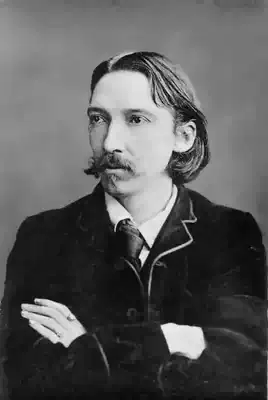
Robert Louis Stevenson
Dedication
Dedication
MY first gift and my last, to you
I dedicate this fascicle of songs -
The only wealth I have:
Just as they are, to you.
I speak the truth in soberness, and say
I had rather bring a light to your clear eyes,
Had rather hear you praise
This bosomful of songs
Than that the whole, hard world with one consent,
In one continuous chorus of applause
Poured forth for me and mine
The homage of ripe praise.
I write the finis here against my love,
This is my love's last epitaph and tomb.
Here the road forks, and I
Go my way, far from yours.
MY first gift and my last, to you
I dedicate this fascicle of songs -
The only wealth I have:
Just as they are, to you.
I speak the truth in soberness, and say
I had rather bring a light to your clear eyes,
Had rather hear you praise
This bosomful of songs
Than that the whole, hard world with one consent,
In one continuous chorus of applause
Poured forth for me and mine
The homage of ripe praise.
I write the finis here against my love,
This is my love's last epitaph and tomb.
Here the road forks, and I
Go my way, far from yours.
411
Robert Louis Stevenson
Before This Little Gift Was Come
Before This Little Gift Was Come
BEFORE this little gift was come
The little owner had made haste for home;
And from the door of where the eternal dwell,
Looked back on human things and smiled farewell.
O may this grief remain the only one!
O may our house be still a garrison
Of smiling children, and for evermore
The tune of little feet be heard along the floor!
BEFORE this little gift was come
The little owner had made haste for home;
And from the door of where the eternal dwell,
Looked back on human things and smiled farewell.
O may this grief remain the only one!
O may our house be still a garrison
Of smiling children, and for evermore
The tune of little feet be heard along the floor!
272
Robert Louis Stevenson
Before This Little Gift Was Come
Before This Little Gift Was Come
BEFORE this little gift was come
The little owner had made haste for home;
And from the door of where the eternal dwell,
Looked back on human things and smiled farewell.
O may this grief remain the only one!
O may our house be still a garrison
Of smiling children, and for evermore
The tune of little feet be heard along the floor!
BEFORE this little gift was come
The little owner had made haste for home;
And from the door of where the eternal dwell,
Looked back on human things and smiled farewell.
O may this grief remain the only one!
O may our house be still a garrison
Of smiling children, and for evermore
The tune of little feet be heard along the floor!
272
Robert Louis Stevenson
Away With Funeral Music
Away With Funeral Music
AWAY with funeral music - set
The pipe to powerful lips -
The cup of life's for him that drinks
And not for him that sips.
AWAY with funeral music - set
The pipe to powerful lips -
The cup of life's for him that drinks
And not for him that sips.
365
Robert Louis Stevenson
At Last She Comes
At Last She Comes
AT last she comes, O never more
In this dear patience of my pain
To leave me lonely as before,
Or leave my soul alone again.
AT last she comes, O never more
In this dear patience of my pain
To leave me lonely as before,
Or leave my soul alone again.
325
Robert Louis Stevenson
At Last She Comes
At Last She Comes
AT last she comes, O never more
In this dear patience of my pain
To leave me lonely as before,
Or leave my soul alone again.
AT last she comes, O never more
In this dear patience of my pain
To leave me lonely as before,
Or leave my soul alone again.
325
Robert Louis Stevenson
Apologetic Postscript Of A Year Later
Apologetic Postscript Of A Year Later
IF you see this song, my dear,
And last year's toast,
I'm confoundedly in fear
You'll be serious and severe
About the boast.
Blame not that I sought such aid
To cure regret.
I was then so lowly laid
I used all the Gasconnade
That I could get.
Being snubbed is somewhat smart,
Believe, my sweet;
And I needed all my art
To restore my broken heart
To its conceit.
Come and smile, dear, and forget
I boasted so,
I apologise - regret -
It was all a jest; - and - yet -
I do not know.
IF you see this song, my dear,
And last year's toast,
I'm confoundedly in fear
You'll be serious and severe
About the boast.
Blame not that I sought such aid
To cure regret.
I was then so lowly laid
I used all the Gasconnade
That I could get.
Being snubbed is somewhat smart,
Believe, my sweet;
And I needed all my art
To restore my broken heart
To its conceit.
Come and smile, dear, and forget
I boasted so,
I apologise - regret -
It was all a jest; - and - yet -
I do not know.
287
Robert Louis Stevenson
Apologetic Postscript Of A Year Later
Apologetic Postscript Of A Year Later
IF you see this song, my dear,
And last year's toast,
I'm confoundedly in fear
You'll be serious and severe
About the boast.
Blame not that I sought such aid
To cure regret.
I was then so lowly laid
I used all the Gasconnade
That I could get.
Being snubbed is somewhat smart,
Believe, my sweet;
And I needed all my art
To restore my broken heart
To its conceit.
Come and smile, dear, and forget
I boasted so,
I apologise - regret -
It was all a jest; - and - yet -
I do not know.
IF you see this song, my dear,
And last year's toast,
I'm confoundedly in fear
You'll be serious and severe
About the boast.
Blame not that I sought such aid
To cure regret.
I was then so lowly laid
I used all the Gasconnade
That I could get.
Being snubbed is somewhat smart,
Believe, my sweet;
And I needed all my art
To restore my broken heart
To its conceit.
Come and smile, dear, and forget
I boasted so,
I apologise - regret -
It was all a jest; - and - yet -
I do not know.
287
Robert Louis Stevenson
Apologetic Postscript Of A Year Later
Apologetic Postscript Of A Year Later
IF you see this song, my dear,
And last year's toast,
I'm confoundedly in fear
You'll be serious and severe
About the boast.
Blame not that I sought such aid
To cure regret.
I was then so lowly laid
I used all the Gasconnade
That I could get.
Being snubbed is somewhat smart,
Believe, my sweet;
And I needed all my art
To restore my broken heart
To its conceit.
Come and smile, dear, and forget
I boasted so,
I apologise - regret -
It was all a jest; - and - yet -
I do not know.
IF you see this song, my dear,
And last year's toast,
I'm confoundedly in fear
You'll be serious and severe
About the boast.
Blame not that I sought such aid
To cure regret.
I was then so lowly laid
I used all the Gasconnade
That I could get.
Being snubbed is somewhat smart,
Believe, my sweet;
And I needed all my art
To restore my broken heart
To its conceit.
Come and smile, dear, and forget
I boasted so,
I apologise - regret -
It was all a jest; - and - yet -
I do not know.
287
Robert Louis Stevenson
As In Their Flight The Birds Of Song
As In Their Flight The Birds Of Song
AS in their flight the birds of song
Halt here and there in sweet and sunny dales,
But halt not overlong;
The time one rural song to sing
They pause; then following bounteous gales
Steer forward on the wing:
Sun-servers they, from first to last,
Upon the sun they wait
To ride the sailing blast.
So he awhile in our contested state,
Awhile abode, not longer, for his Sun -
Mother we say, no tenderer name we know -
With whose diviner glow
His early days had shone,
Now to withdraw her radiance had begun.
Or lest a wrong I say, not she withdrew,
But the loud stream of men day after day
And great dust columns of the common way
Between them grew and grew:
And he and she for evermore might yearn,
But to the spring the rivulets not return
Nor to the bosom comes the child again.
And he (O may we fancy so!),
He, feeling time forever flow
And flowing bear him forth and far away
From that dear ingle where his life began
And all his treasure lay -
He, waxing into man,
And ever farther, ever closer wound
In this obstreperous world's ignoble round,
From that poor prospect turned his face away.
AS in their flight the birds of song
Halt here and there in sweet and sunny dales,
But halt not overlong;
The time one rural song to sing
They pause; then following bounteous gales
Steer forward on the wing:
Sun-servers they, from first to last,
Upon the sun they wait
To ride the sailing blast.
So he awhile in our contested state,
Awhile abode, not longer, for his Sun -
Mother we say, no tenderer name we know -
With whose diviner glow
His early days had shone,
Now to withdraw her radiance had begun.
Or lest a wrong I say, not she withdrew,
But the loud stream of men day after day
And great dust columns of the common way
Between them grew and grew:
And he and she for evermore might yearn,
But to the spring the rivulets not return
Nor to the bosom comes the child again.
And he (O may we fancy so!),
He, feeling time forever flow
And flowing bear him forth and far away
From that dear ingle where his life began
And all his treasure lay -
He, waxing into man,
And ever farther, ever closer wound
In this obstreperous world's ignoble round,
From that poor prospect turned his face away.
330
Robert Louis Stevenson
Ad Se Ipsum
Ad Se Ipsum
DEAR sir, good-morrow! Five years back,
When you first girded for this arduous track,
And under various whimsical pretexts
Endowed another with your damned defects,
Could you have dreamed in your despondent vein
That the kind God would make your path so plain?
Non nobis, domine! O, may He still
Support my stumbling footsteps on the hill!
DEAR sir, good-morrow! Five years back,
When you first girded for this arduous track,
And under various whimsical pretexts
Endowed another with your damned defects,
Could you have dreamed in your despondent vein
That the kind God would make your path so plain?
Non nobis, domine! O, may He still
Support my stumbling footsteps on the hill!
396
Robert Louis Stevenson
Air Of Diabelli's
Air Of Diabelli's
CALL it to mind, O my love.
Dear were your eyes as the day,
Bright as the day and the sky;
Like the stream of gold and the sky above,
Dear were your eyes in the grey.
We have lived, my love, O, we have lived, my love!
Now along the silent river, azure
Through the sky's inverted image,
Softly swam the boat that bore our love,
Swiftly ran the shallow of our love
Through the heaven's inverted image,
In the reedy mazes round the river.
See along the silent river,
See of old the lover's shallop steer.
Berried brake and reedy island,
Heaven below and only heaven above.
Through the sky's inverted image
Swiftly swam the boat that bore our love.
Berried brake and reedy island,
Mirrored flower and shallop gliding by.
All the earth and all the sky were ours,
Silent sat the wafted lovers,
Bound with grain and watched by all the sky,
Hand to hand and eye to . . . eye.
Days of April, airs of Eden,
Call to mind how bright the vanished angel hours,
Golden hours of evening,
When our boat drew homeward filled with flowers.
O darling, call them to mind; love the past, my love.
Days of April, airs of Eden.
How the glory died through golden hours,
And the shining moon arising;
How the boat drew homeward filled with flowers.
Age and winter close us slowly in.
Level river, cloudless heaven,
Islanded reed mazes, silver weirs;
How the silent boat with silver
Threads the inverted forest as she goes,
Broke the trembling green of mirrored trees.
O, remember, and remember
How the berries hung in garlands.
Still in the river see the shallop floats.
Hark! Chimes the falling oar.
Still in the mind
Hark to the song of the past!
Dream, and they pass in their dreams.
Those that loved of yore, O those that loved of yore!
Hark through the stillness, O darling, hark!
Through it all the ear of the mind
Knows the boat of love. Hark!
Chimes the falling oar.
O half in vain they grew old.
Now the halcyon days are over,
Age and winter close us slowly round,
And these sounds at fall of even
Dim the sight and muffle all the sound.
And at the married fireside, sleep of soul and sleep of fancy,
Joan and Darby.
Silence of the world without a sound;
And beside the winter faggot
Joan and Darby sit and dose and dream and wake -
Dream they hear the flowing, singing river,
See the berries in the island brake;
Dream they hear the weir,
See the gliding shallop mar the stream.
Hark! in your dreams do you hear?
Snow has filled the drifted forest;
Ice has bound the . . . stream.
Frost has bound our flowing river;
Snow has whitened all our island brake.
Berried brake and reedy island,
Heaven below and only heaven above azure
Through the sky's inverted image
Safely swam the boat that bore our love.
Dear were your eyes as the day,
Bright ran the stream, bright hung the sky above.
Days of April, airs of Eden.
How the glory died through golden hours,
And the shining moon arising,
How the boat drew homeward filled with flowers.
Bright were your eyes in the night:
We have lived, my love;
O, we have loved, my love.
Now the . . . days are over,
Age and winter close us slowly round.
Vainly time departs, and vainly
Age and winter come and close us round.
Hark the river's long continuous sound.
Hear the river ripples in the reeds.
Lo, in dreams they see their shallop
Run the lilies down and drown the weeds
Mid the sound of crackling faggots.
So in dreams the new created
Happy past returns, to-day recedes,
And they hear once more,
From the old years,
Yesterday returns, to-day recedes,
And they hear with aged hearing warbles
Love's own river ripple in the weeds.
And again the lover's shallop;
Lo, the shallop sheds the streaming weeds;
And afar in foreign countries
In the ears of aged lovers.
And again in winter evens
Starred with lilies . . . with stirring weeds.
In these ears of aged lovers
Love's own river ripples in the reeds.
CALL it to mind, O my love.
Dear were your eyes as the day,
Bright as the day and the sky;
Like the stream of gold and the sky above,
Dear were your eyes in the grey.
We have lived, my love, O, we have lived, my love!
Now along the silent river, azure
Through the sky's inverted image,
Softly swam the boat that bore our love,
Swiftly ran the shallow of our love
Through the heaven's inverted image,
In the reedy mazes round the river.
See along the silent river,
See of old the lover's shallop steer.
Berried brake and reedy island,
Heaven below and only heaven above.
Through the sky's inverted image
Swiftly swam the boat that bore our love.
Berried brake and reedy island,
Mirrored flower and shallop gliding by.
All the earth and all the sky were ours,
Silent sat the wafted lovers,
Bound with grain and watched by all the sky,
Hand to hand and eye to . . . eye.
Days of April, airs of Eden,
Call to mind how bright the vanished angel hours,
Golden hours of evening,
When our boat drew homeward filled with flowers.
O darling, call them to mind; love the past, my love.
Days of April, airs of Eden.
How the glory died through golden hours,
And the shining moon arising;
How the boat drew homeward filled with flowers.
Age and winter close us slowly in.
Level river, cloudless heaven,
Islanded reed mazes, silver weirs;
How the silent boat with silver
Threads the inverted forest as she goes,
Broke the trembling green of mirrored trees.
O, remember, and remember
How the berries hung in garlands.
Still in the river see the shallop floats.
Hark! Chimes the falling oar.
Still in the mind
Hark to the song of the past!
Dream, and they pass in their dreams.
Those that loved of yore, O those that loved of yore!
Hark through the stillness, O darling, hark!
Through it all the ear of the mind
Knows the boat of love. Hark!
Chimes the falling oar.
O half in vain they grew old.
Now the halcyon days are over,
Age and winter close us slowly round,
And these sounds at fall of even
Dim the sight and muffle all the sound.
And at the married fireside, sleep of soul and sleep of fancy,
Joan and Darby.
Silence of the world without a sound;
And beside the winter faggot
Joan and Darby sit and dose and dream and wake -
Dream they hear the flowing, singing river,
See the berries in the island brake;
Dream they hear the weir,
See the gliding shallop mar the stream.
Hark! in your dreams do you hear?
Snow has filled the drifted forest;
Ice has bound the . . . stream.
Frost has bound our flowing river;
Snow has whitened all our island brake.
Berried brake and reedy island,
Heaven below and only heaven above azure
Through the sky's inverted image
Safely swam the boat that bore our love.
Dear were your eyes as the day,
Bright ran the stream, bright hung the sky above.
Days of April, airs of Eden.
How the glory died through golden hours,
And the shining moon arising,
How the boat drew homeward filled with flowers.
Bright were your eyes in the night:
We have lived, my love;
O, we have loved, my love.
Now the . . . days are over,
Age and winter close us slowly round.
Vainly time departs, and vainly
Age and winter come and close us round.
Hark the river's long continuous sound.
Hear the river ripples in the reeds.
Lo, in dreams they see their shallop
Run the lilies down and drown the weeds
Mid the sound of crackling faggots.
So in dreams the new created
Happy past returns, to-day recedes,
And they hear once more,
From the old years,
Yesterday returns, to-day recedes,
And they hear with aged hearing warbles
Love's own river ripple in the weeds.
And again the lover's shallop;
Lo, the shallop sheds the streaming weeds;
And afar in foreign countries
In the ears of aged lovers.
And again in winter evens
Starred with lilies . . . with stirring weeds.
In these ears of aged lovers
Love's own river ripples in the reeds.
366
Robert Louis Stevenson
Ad Nepotem
Ad Nepotem
O NEPOS, twice my neigh(b)our (since at home
We're door by door, by Flora's temple dome;
And in the country, still conjoined by fate,
Behold our villas standing gate by gate),
Thou hast a daughter, dearer far than life -
Thy image and the image of thy wife.
Thy image and thy wife's, and be it so!
But why for her, { neglect the flowing } can
{ O Nepos, leave the }
And lose the prime of thy Falernian?
Hoard casks of money, if to hoard be thine;
But let thy daughter drink a younger wine!
Let her go rich and wise, in silk and fur;
Lay down a { bin that shall } grow old with her;
{ vintage to }
But thou, meantime, the while the batch is sound,
With pleased companions pass the bowl around;
Nor let the childless only taste delights,
For Fathers also may enjoy their nights.
O NEPOS, twice my neigh(b)our (since at home
We're door by door, by Flora's temple dome;
And in the country, still conjoined by fate,
Behold our villas standing gate by gate),
Thou hast a daughter, dearer far than life -
Thy image and the image of thy wife.
Thy image and thy wife's, and be it so!
But why for her, { neglect the flowing } can
{ O Nepos, leave the }
And lose the prime of thy Falernian?
Hoard casks of money, if to hoard be thine;
But let thy daughter drink a younger wine!
Let her go rich and wise, in silk and fur;
Lay down a { bin that shall } grow old with her;
{ vintage to }
But thou, meantime, the while the batch is sound,
With pleased companions pass the bowl around;
Nor let the childless only taste delights,
For Fathers also may enjoy their nights.
445
Robert Louis Stevenson
A Valentine's Song
A Valentine's Song
MOTLEY I count the only wear
That suits, in this mixed world, the truly wise,
Who boldly smile upon despair
And shake their bells in Grandam Grundy's eyes.
Singers should sing with such a goodly cheer
That the bare listening should make strong like wine,
At this unruly time of year,
The Feast of Valentine.
We do not now parade our "oughts"
And "shoulds" and motives and beliefs in God.
Their life lies all indoors; sad thoughts
Must keep the house, while gay thoughts go abroad,
Within we hold the wake for hopes deceased;
But in the public streets, in wind or sun,
Keep open, at the annual feast,
The puppet-booth of fun.
Our powers, perhaps, are small to please,
But even negro-songs and castanettes,
Old jokes and hackneyed repartees
Are more than the parade of vain regrets.
Let Jacques stand Wert(h)ering by the wounded deer -
We shall make merry, honest friends of mine,
At this unruly time of year,
The Feast of Valentine.
I know how, day by weary day,
Hope fades, love fades, a thousand pleasures fade.
I have not trudged in vain that way
On which life's daylight darkens, shade by shade.
And still, with hopes decreasing, griefs increased,
Still, with what wit I have shall I, for one,
Keep open, at the annual feast,
The puppet-booth of fun.
I care not if the wit be poor,
The old worn motley stained with rain and tears,
If but the courage still endure
That filled and strengthened hope in earlier years;
If still, with friends averted, fate severe,
A glad, untainted cheerfulness be mine
To greet the unruly time of year,
The Feast of Valentine.
Priest, I am none of thine, and see
In the perspective of still hopeful youth
That Truth shall triumph over thee -
Truth to one's self - I know no other truth.
I see strange days for thee and thine, O priest,
And how your doctrines, fallen one by one,
Shall furnish at the annual feast
The puppet-booth of fun.
Stand on your putrid ruins - stand,
White neck-clothed bigot, fixedly the same,
Cruel with all things but the hand,
Inquisitor in all things but the name.
Back, minister of Christ and source of fear -
We cherish freedom - back with thee and thine
From this unruly time of year,
The Feast of Valentine.
Blood thou mayest spare; but what of tears?
But what of riven households, broken faith -
Bywords that cling through all men's years
And drag them surely down to shame and death?
Stand back, O cruel man, O foe of youth,
And let such men as hearken not thy voice
Press freely up the road to truth,
The King's highway of choice.
MOTLEY I count the only wear
That suits, in this mixed world, the truly wise,
Who boldly smile upon despair
And shake their bells in Grandam Grundy's eyes.
Singers should sing with such a goodly cheer
That the bare listening should make strong like wine,
At this unruly time of year,
The Feast of Valentine.
We do not now parade our "oughts"
And "shoulds" and motives and beliefs in God.
Their life lies all indoors; sad thoughts
Must keep the house, while gay thoughts go abroad,
Within we hold the wake for hopes deceased;
But in the public streets, in wind or sun,
Keep open, at the annual feast,
The puppet-booth of fun.
Our powers, perhaps, are small to please,
But even negro-songs and castanettes,
Old jokes and hackneyed repartees
Are more than the parade of vain regrets.
Let Jacques stand Wert(h)ering by the wounded deer -
We shall make merry, honest friends of mine,
At this unruly time of year,
The Feast of Valentine.
I know how, day by weary day,
Hope fades, love fades, a thousand pleasures fade.
I have not trudged in vain that way
On which life's daylight darkens, shade by shade.
And still, with hopes decreasing, griefs increased,
Still, with what wit I have shall I, for one,
Keep open, at the annual feast,
The puppet-booth of fun.
I care not if the wit be poor,
The old worn motley stained with rain and tears,
If but the courage still endure
That filled and strengthened hope in earlier years;
If still, with friends averted, fate severe,
A glad, untainted cheerfulness be mine
To greet the unruly time of year,
The Feast of Valentine.
Priest, I am none of thine, and see
In the perspective of still hopeful youth
That Truth shall triumph over thee -
Truth to one's self - I know no other truth.
I see strange days for thee and thine, O priest,
And how your doctrines, fallen one by one,
Shall furnish at the annual feast
The puppet-booth of fun.
Stand on your putrid ruins - stand,
White neck-clothed bigot, fixedly the same,
Cruel with all things but the hand,
Inquisitor in all things but the name.
Back, minister of Christ and source of fear -
We cherish freedom - back with thee and thine
From this unruly time of year,
The Feast of Valentine.
Blood thou mayest spare; but what of tears?
But what of riven households, broken faith -
Bywords that cling through all men's years
And drag them surely down to shame and death?
Stand back, O cruel man, O foe of youth,
And let such men as hearken not thy voice
Press freely up the road to truth,
The King's highway of choice.
360
Robert Louis Stevenson
A Valentine's Song
A Valentine's Song
MOTLEY I count the only wear
That suits, in this mixed world, the truly wise,
Who boldly smile upon despair
And shake their bells in Grandam Grundy's eyes.
Singers should sing with such a goodly cheer
That the bare listening should make strong like wine,
At this unruly time of year,
The Feast of Valentine.
We do not now parade our "oughts"
And "shoulds" and motives and beliefs in God.
Their life lies all indoors; sad thoughts
Must keep the house, while gay thoughts go abroad,
Within we hold the wake for hopes deceased;
But in the public streets, in wind or sun,
Keep open, at the annual feast,
The puppet-booth of fun.
Our powers, perhaps, are small to please,
But even negro-songs and castanettes,
Old jokes and hackneyed repartees
Are more than the parade of vain regrets.
Let Jacques stand Wert(h)ering by the wounded deer -
We shall make merry, honest friends of mine,
At this unruly time of year,
The Feast of Valentine.
I know how, day by weary day,
Hope fades, love fades, a thousand pleasures fade.
I have not trudged in vain that way
On which life's daylight darkens, shade by shade.
And still, with hopes decreasing, griefs increased,
Still, with what wit I have shall I, for one,
Keep open, at the annual feast,
The puppet-booth of fun.
I care not if the wit be poor,
The old worn motley stained with rain and tears,
If but the courage still endure
That filled and strengthened hope in earlier years;
If still, with friends averted, fate severe,
A glad, untainted cheerfulness be mine
To greet the unruly time of year,
The Feast of Valentine.
Priest, I am none of thine, and see
In the perspective of still hopeful youth
That Truth shall triumph over thee -
Truth to one's self - I know no other truth.
I see strange days for thee and thine, O priest,
And how your doctrines, fallen one by one,
Shall furnish at the annual feast
The puppet-booth of fun.
Stand on your putrid ruins - stand,
White neck-clothed bigot, fixedly the same,
Cruel with all things but the hand,
Inquisitor in all things but the name.
Back, minister of Christ and source of fear -
We cherish freedom - back with thee and thine
From this unruly time of year,
The Feast of Valentine.
Blood thou mayest spare; but what of tears?
But what of riven households, broken faith -
Bywords that cling through all men's years
And drag them surely down to shame and death?
Stand back, O cruel man, O foe of youth,
And let such men as hearken not thy voice
Press freely up the road to truth,
The King's highway of choice.
MOTLEY I count the only wear
That suits, in this mixed world, the truly wise,
Who boldly smile upon despair
And shake their bells in Grandam Grundy's eyes.
Singers should sing with such a goodly cheer
That the bare listening should make strong like wine,
At this unruly time of year,
The Feast of Valentine.
We do not now parade our "oughts"
And "shoulds" and motives and beliefs in God.
Their life lies all indoors; sad thoughts
Must keep the house, while gay thoughts go abroad,
Within we hold the wake for hopes deceased;
But in the public streets, in wind or sun,
Keep open, at the annual feast,
The puppet-booth of fun.
Our powers, perhaps, are small to please,
But even negro-songs and castanettes,
Old jokes and hackneyed repartees
Are more than the parade of vain regrets.
Let Jacques stand Wert(h)ering by the wounded deer -
We shall make merry, honest friends of mine,
At this unruly time of year,
The Feast of Valentine.
I know how, day by weary day,
Hope fades, love fades, a thousand pleasures fade.
I have not trudged in vain that way
On which life's daylight darkens, shade by shade.
And still, with hopes decreasing, griefs increased,
Still, with what wit I have shall I, for one,
Keep open, at the annual feast,
The puppet-booth of fun.
I care not if the wit be poor,
The old worn motley stained with rain and tears,
If but the courage still endure
That filled and strengthened hope in earlier years;
If still, with friends averted, fate severe,
A glad, untainted cheerfulness be mine
To greet the unruly time of year,
The Feast of Valentine.
Priest, I am none of thine, and see
In the perspective of still hopeful youth
That Truth shall triumph over thee -
Truth to one's self - I know no other truth.
I see strange days for thee and thine, O priest,
And how your doctrines, fallen one by one,
Shall furnish at the annual feast
The puppet-booth of fun.
Stand on your putrid ruins - stand,
White neck-clothed bigot, fixedly the same,
Cruel with all things but the hand,
Inquisitor in all things but the name.
Back, minister of Christ and source of fear -
We cherish freedom - back with thee and thine
From this unruly time of year,
The Feast of Valentine.
Blood thou mayest spare; but what of tears?
But what of riven households, broken faith -
Bywords that cling through all men's years
And drag them surely down to shame and death?
Stand back, O cruel man, O foe of youth,
And let such men as hearken not thy voice
Press freely up the road to truth,
The King's highway of choice.
360
Robert Louis Stevenson
A Good Boy
A Good Boy
I woke before the morning, I was happy all the day,
I never said an ugly word, but smiled and stuck to play.
And now at last the sun is going down behind the wood,
And I am very happy, for I know that I've been good.
My bed is waiting cool and fresh, with linen smooth and fair,
And I must be off to sleepsin-by, and not forget my prayer.
I know that, till to-morrow I shall see the sun arise,
No ugly dream shall fright my mind, no ugly sight my eyes.
But slumber hold me tightly till I waken in the dawn,
And hear the thrushes singing in the lilacs round the lawn.
I woke before the morning, I was happy all the day,
I never said an ugly word, but smiled and stuck to play.
And now at last the sun is going down behind the wood,
And I am very happy, for I know that I've been good.
My bed is waiting cool and fresh, with linen smooth and fair,
And I must be off to sleepsin-by, and not forget my prayer.
I know that, till to-morrow I shall see the sun arise,
No ugly dream shall fright my mind, no ugly sight my eyes.
But slumber hold me tightly till I waken in the dawn,
And hear the thrushes singing in the lilacs round the lawn.
529
Robert Louis Stevenson
A Good Play
A Good Play
We built a ship upon the stairs
All made of the back-bedroom chairs,
And filled it full of soft pillows
To go a-sailing on the billows.
We took a saw and several nails,
And water in the nursery pails;
And Tom said, "Let us also take
An apple and a slice of cake;"--
Which was enough for Tom and me
To go a-sailing on, till tea.
We sailed along for days and days,
And had the very best of plays;
But Tom fell out and hurt his knee,
So there was no one left but me.
We built a ship upon the stairs
All made of the back-bedroom chairs,
And filled it full of soft pillows
To go a-sailing on the billows.
We took a saw and several nails,
And water in the nursery pails;
And Tom said, "Let us also take
An apple and a slice of cake;"--
Which was enough for Tom and me
To go a-sailing on, till tea.
We sailed along for days and days,
And had the very best of plays;
But Tom fell out and hurt his knee,
So there was no one left but me.
424
Robert Louis Stevenson
A Good Play
A Good Play
We built a ship upon the stairs
All made of the back-bedroom chairs,
And filled it full of soft pillows
To go a-sailing on the billows.
We took a saw and several nails,
And water in the nursery pails;
And Tom said, "Let us also take
An apple and a slice of cake;"--
Which was enough for Tom and me
To go a-sailing on, till tea.
We sailed along for days and days,
And had the very best of plays;
But Tom fell out and hurt his knee,
So there was no one left but me.
We built a ship upon the stairs
All made of the back-bedroom chairs,
And filled it full of soft pillows
To go a-sailing on the billows.
We took a saw and several nails,
And water in the nursery pails;
And Tom said, "Let us also take
An apple and a slice of cake;"--
Which was enough for Tom and me
To go a-sailing on, till tea.
We sailed along for days and days,
And had the very best of plays;
But Tom fell out and hurt his knee,
So there was no one left but me.
424
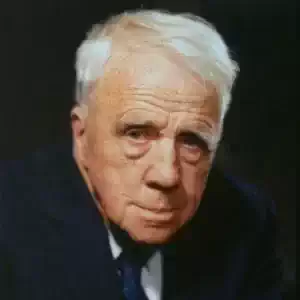
Robert Frost
Two Look at Two
Two Look at Two
Love and forgetting might have carried them
A little further up the mountain side
With night so near, but not much further up.
They must have halted soon in any case
With thoughts of a path back, how rough it was
With rock and washout, and unsafe in darkness;
When they were halted by a tumbled wall
With barbed-wire binding. They stood facing this,
Spending what onward impulse they still had
In One last look the way they must not go,
On up the failing path, where, if a stone
Or earthslide moved at night, it moved itself;
No footstep moved it. 'This is all,' they sighed,
Good-night to woods.' But not so; there was more.
A doe from round a spruce stood looking at them
Across the wall, as near the wall as they.
She saw them in their field, they her in hers.
The difficulty of seeing what stood still,
Like some up-ended boulder split in two,
Was in her clouded eyes; they saw no fear there.
She seemed to think that two thus they were safe.
Then, as if they were something that, though strange,
She could not trouble her mind with too long,
She sighed and passed unscared along the wall.
'This, then, is all. What more is there to ask?'
But no, not yet. A snort to bid them wait.
A buck from round the spruce stood looking at them
Across the wall as near the wall as they.
This was an antlered buck of lusty nostril,
Not the same doe come back into her place.
He viewed them quizzically with jerks of head,
As if to ask, 'Why don't you make some motion?
Or give some sign of life? Because you can't.
I doubt if you're as living as you look."
Thus till he had them almost feeling dared
To stretch a proffering hand -- and a spell-breaking.
Then he too passed unscared along the wall.
Two had seen two, whichever side you spoke from.
'This must be all.' It was all. Still they stood,
A great wave from it going over them,
As if the earth in one unlooked-for favour
Had made them certain earth returned their love.
Love and forgetting might have carried them
A little further up the mountain side
With night so near, but not much further up.
They must have halted soon in any case
With thoughts of a path back, how rough it was
With rock and washout, and unsafe in darkness;
When they were halted by a tumbled wall
With barbed-wire binding. They stood facing this,
Spending what onward impulse they still had
In One last look the way they must not go,
On up the failing path, where, if a stone
Or earthslide moved at night, it moved itself;
No footstep moved it. 'This is all,' they sighed,
Good-night to woods.' But not so; there was more.
A doe from round a spruce stood looking at them
Across the wall, as near the wall as they.
She saw them in their field, they her in hers.
The difficulty of seeing what stood still,
Like some up-ended boulder split in two,
Was in her clouded eyes; they saw no fear there.
She seemed to think that two thus they were safe.
Then, as if they were something that, though strange,
She could not trouble her mind with too long,
She sighed and passed unscared along the wall.
'This, then, is all. What more is there to ask?'
But no, not yet. A snort to bid them wait.
A buck from round the spruce stood looking at them
Across the wall as near the wall as they.
This was an antlered buck of lusty nostril,
Not the same doe come back into her place.
He viewed them quizzically with jerks of head,
As if to ask, 'Why don't you make some motion?
Or give some sign of life? Because you can't.
I doubt if you're as living as you look."
Thus till he had them almost feeling dared
To stretch a proffering hand -- and a spell-breaking.
Then he too passed unscared along the wall.
Two had seen two, whichever side you spoke from.
'This must be all.' It was all. Still they stood,
A great wave from it going over them,
As if the earth in one unlooked-for favour
Had made them certain earth returned their love.
445
Robert Frost
To E.T.
To E.T.
I slumbered with your poems on my breast
Spread open as I dropped them half-read through
Like dove wings on a figure on a tomb
To see, if in a dream they brought of you,
I might not have the chance I missed in life
Through some delay, and call you to your face
First soldier, and then poet, and then both,
Who died a soldier-poet of your race.
I meant, you meant, that nothing should remain
Unsaid between us, brother, and this remained--
And one thing more that was not then to say:
The Victory for what it lost and gained.
You went to meet the shell's embrace of fire
On Vimy Ridge; and when you fell that day
The war seemed over more for you than me,
But now for me than you--the other way.
How over, though, for even me who knew
The foe thrust back unsafe beyond the Rhine,
If I was not to speak of it to you
And see you pleased once more with words of mine?
I slumbered with your poems on my breast
Spread open as I dropped them half-read through
Like dove wings on a figure on a tomb
To see, if in a dream they brought of you,
I might not have the chance I missed in life
Through some delay, and call you to your face
First soldier, and then poet, and then both,
Who died a soldier-poet of your race.
I meant, you meant, that nothing should remain
Unsaid between us, brother, and this remained--
And one thing more that was not then to say:
The Victory for what it lost and gained.
You went to meet the shell's embrace of fire
On Vimy Ridge; and when you fell that day
The war seemed over more for you than me,
But now for me than you--the other way.
How over, though, for even me who knew
The foe thrust back unsafe beyond the Rhine,
If I was not to speak of it to you
And see you pleased once more with words of mine?
519
Robert Frost
The Tuft of Flowers
The Tuft of Flowers
I went to turn the grass once after one
Who mowed it in the dew before the sun.
The dew was gone that made his blade so keen
Before I came to view the levelled scene.
I looked for him behind an isle of trees;
I listened for his whetstone on the breeze.
But he had gone his way, the grass all mown,
And I must be, as he had been,—alone,
"As all must be," I said within my heart,
"Whether they work together or apart."
But as I said it, swift there passed me by
On noiseless wing a bewildered butterfly,
Seeking with memories grown dim over night
Some resting flower of yesterday's delight.
And once I marked his flight go round and round,
As where some flower lay withering on the ground.
And then he flew as far as eye could see,
And then on tremulous wing came back to me.
I thought of questions that have no reply,
And would have turned to toss the grass to dry;
But he turned first, and led my eye to look
At a tall tuft of flowers beside a brook,
A leaping tongue of bloom the scythe had spared
Beside a reedy brook the scythe had bared.
I left my place to know them by their name,
Finding them butterfly-weed when I came.
The mower in the dew had loved them thus,
By leaving them to flourish, not for us,
Nor yet to draw one thought of ours to him,
But from sheer morning gladness at the brim.
The butterfly and I had lit upon,
Nevertheless, a message from the dawn,
That made me hear the wakening birds around,
And hear his long scythe whispering to the ground,
And feel a spirit kindred to my own;
So that henceforth I worked no more alone;
But glad with him, I worked as with his aid,
And weary, sought at noon with him the shade;
And dreaming, as it were, held brotherly speech
With one whose thought I had not hoped to reach.
"Men work together," I told him from the heart,
"Whether they work together or apart."
I went to turn the grass once after one
Who mowed it in the dew before the sun.
The dew was gone that made his blade so keen
Before I came to view the levelled scene.
I looked for him behind an isle of trees;
I listened for his whetstone on the breeze.
But he had gone his way, the grass all mown,
And I must be, as he had been,—alone,
"As all must be," I said within my heart,
"Whether they work together or apart."
But as I said it, swift there passed me by
On noiseless wing a bewildered butterfly,
Seeking with memories grown dim over night
Some resting flower of yesterday's delight.
And once I marked his flight go round and round,
As where some flower lay withering on the ground.
And then he flew as far as eye could see,
And then on tremulous wing came back to me.
I thought of questions that have no reply,
And would have turned to toss the grass to dry;
But he turned first, and led my eye to look
At a tall tuft of flowers beside a brook,
A leaping tongue of bloom the scythe had spared
Beside a reedy brook the scythe had bared.
I left my place to know them by their name,
Finding them butterfly-weed when I came.
The mower in the dew had loved them thus,
By leaving them to flourish, not for us,
Nor yet to draw one thought of ours to him,
But from sheer morning gladness at the brim.
The butterfly and I had lit upon,
Nevertheless, a message from the dawn,
That made me hear the wakening birds around,
And hear his long scythe whispering to the ground,
And feel a spirit kindred to my own;
So that henceforth I worked no more alone;
But glad with him, I worked as with his aid,
And weary, sought at noon with him the shade;
And dreaming, as it were, held brotherly speech
With one whose thought I had not hoped to reach.
"Men work together," I told him from the heart,
"Whether they work together or apart."
621
Robert Frost
The Tuft of Flowers
The Tuft of Flowers
I went to turn the grass once after one
Who mowed it in the dew before the sun.
The dew was gone that made his blade so keen
Before I came to view the levelled scene.
I looked for him behind an isle of trees;
I listened for his whetstone on the breeze.
But he had gone his way, the grass all mown,
And I must be, as he had been,—alone,
"As all must be," I said within my heart,
"Whether they work together or apart."
But as I said it, swift there passed me by
On noiseless wing a bewildered butterfly,
Seeking with memories grown dim over night
Some resting flower of yesterday's delight.
And once I marked his flight go round and round,
As where some flower lay withering on the ground.
And then he flew as far as eye could see,
And then on tremulous wing came back to me.
I thought of questions that have no reply,
And would have turned to toss the grass to dry;
But he turned first, and led my eye to look
At a tall tuft of flowers beside a brook,
A leaping tongue of bloom the scythe had spared
Beside a reedy brook the scythe had bared.
I left my place to know them by their name,
Finding them butterfly-weed when I came.
The mower in the dew had loved them thus,
By leaving them to flourish, not for us,
Nor yet to draw one thought of ours to him,
But from sheer morning gladness at the brim.
The butterfly and I had lit upon,
Nevertheless, a message from the dawn,
That made me hear the wakening birds around,
And hear his long scythe whispering to the ground,
And feel a spirit kindred to my own;
So that henceforth I worked no more alone;
But glad with him, I worked as with his aid,
And weary, sought at noon with him the shade;
And dreaming, as it were, held brotherly speech
With one whose thought I had not hoped to reach.
"Men work together," I told him from the heart,
"Whether they work together or apart."
I went to turn the grass once after one
Who mowed it in the dew before the sun.
The dew was gone that made his blade so keen
Before I came to view the levelled scene.
I looked for him behind an isle of trees;
I listened for his whetstone on the breeze.
But he had gone his way, the grass all mown,
And I must be, as he had been,—alone,
"As all must be," I said within my heart,
"Whether they work together or apart."
But as I said it, swift there passed me by
On noiseless wing a bewildered butterfly,
Seeking with memories grown dim over night
Some resting flower of yesterday's delight.
And once I marked his flight go round and round,
As where some flower lay withering on the ground.
And then he flew as far as eye could see,
And then on tremulous wing came back to me.
I thought of questions that have no reply,
And would have turned to toss the grass to dry;
But he turned first, and led my eye to look
At a tall tuft of flowers beside a brook,
A leaping tongue of bloom the scythe had spared
Beside a reedy brook the scythe had bared.
I left my place to know them by their name,
Finding them butterfly-weed when I came.
The mower in the dew had loved them thus,
By leaving them to flourish, not for us,
Nor yet to draw one thought of ours to him,
But from sheer morning gladness at the brim.
The butterfly and I had lit upon,
Nevertheless, a message from the dawn,
That made me hear the wakening birds around,
And hear his long scythe whispering to the ground,
And feel a spirit kindred to my own;
So that henceforth I worked no more alone;
But glad with him, I worked as with his aid,
And weary, sought at noon with him the shade;
And dreaming, as it were, held brotherly speech
With one whose thought I had not hoped to reach.
"Men work together," I told him from the heart,
"Whether they work together or apart."
621
Robert Frost
The Telephone
The Telephone
'When I was just as far as I could walk From here today, There was an hour All still
When leaning with my head again a flower I heard you talk. Don't say I didn't, for I
heard you say-- You spoke from that flower on the window sill- Do you remember what
it was you said?' 'First tell me what it was you thought you heard.' 'Having found the
flower and driven a bee away, I leaned on my head And holding by the stalk, I listened
and I thought I caught the word-- What was it? Did you call me by my name? Or did
you say-- Someone said "Come" -- I heard it as I bowed.' 'I may have thought as
much, but not aloud.' "Well, so I came.'
'When I was just as far as I could walk From here today, There was an hour All still
When leaning with my head again a flower I heard you talk. Don't say I didn't, for I
heard you say-- You spoke from that flower on the window sill- Do you remember what
it was you said?' 'First tell me what it was you thought you heard.' 'Having found the
flower and driven a bee away, I leaned on my head And holding by the stalk, I listened
and I thought I caught the word-- What was it? Did you call me by my name? Or did
you say-- Someone said "Come" -- I heard it as I bowed.' 'I may have thought as
much, but not aloud.' "Well, so I came.'
485
Robert Frost
The Hill Wife
The Hill Wife
It was too lonely for her there,
And too wild,
And since there were but two of them,
And no child.
And work was little in the house,
She was free,
And followed where he furrowed field,
Or felled log.
She rested on a log and tossed
The fresh chips,
With a song only to herself
On her lips.
And once she went to break a bough
Of black alder.
She strayed so far she scarcely heard
When he called her -
And didn't answer - didn't speak -
Or return.
She stood, and then she ran and hid
In the fern.
He never found her, though he looked
Everywhere,
And he asked at her mother's house
Was she there.
Sudden and swift and light as that
The ties gave,
And he learned of finalities
Besides the grave.
It was too lonely for her there,
And too wild,
And since there were but two of them,
And no child.
And work was little in the house,
She was free,
And followed where he furrowed field,
Or felled log.
She rested on a log and tossed
The fresh chips,
With a song only to herself
On her lips.
And once she went to break a bough
Of black alder.
She strayed so far she scarcely heard
When he called her -
And didn't answer - didn't speak -
Or return.
She stood, and then she ran and hid
In the fern.
He never found her, though he looked
Everywhere,
And he asked at her mother's house
Was she there.
Sudden and swift and light as that
The ties gave,
And he learned of finalities
Besides the grave.
485