

Poems in this topic
Life and Existence
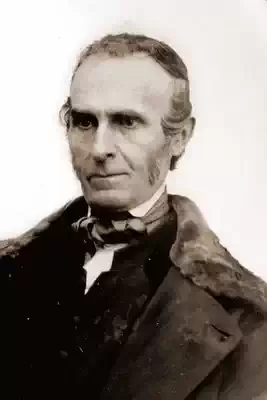
John Greenleaf Whittier
The Changeling ( From The Tent on the Beach )
The Changeling ( From The Tent on the Beach )
FOR the fairest maid in Hampton
They needed not to search,
Who saw young Anna favor
Come walking into church,-
Or bringing from the meadows,
At set of harvest-day,
The frolic of the blackbirds,
The sweetness of the hay.
Now the weariest of all mothers,
The saddest two years' bride,
She scowls in the face of her husband,
And spurns her child aside.
"Rake out the red coals, goodman,-For
there the child shall lie,
Till the black witch comes to fetch her
And both up chimney fly.
"It's never my own little daughter,
It's never my own," she said;
"The witches have stolen my Anna,
And left me an imp instead.
"Oh, fair and sweet was my baby,
Blue eyes, and hair of gold;
But this is ugly and wrinkled,
Cross, and cunning, and old.
"I hate the touch of her fingers,
I hate the feel of her skin;
It's not the milk from my bosom,
But my blood, that she sucks in.
"My face grows sharp with the torment;
Look! my arms are skin and bone!
Rake open the red coals, goodman,
And the witch shall have her own.
"She'll come when she hears it crying,
In the shape of an owl or bat,
And she'll bring us our darling Anna
In place of her screeching brat."
Then the goodman, Ezra Dalton,
Laid his hand upon her head:
Thy sorrow is great, O woman!
I sorrow with thee," he said.
"The paths to trouble are many
And never but one sure way
Leads out to the light beyond it:
My poor wife, let us pray."
Then he said to the great All-Father,
"Thy daughter is weak and blind;
Let her sight come back, and clothe her
Once more in her right mind.
"Lead her out of this evil shadow,
Out of these fancies wild;
Let the holy love of the mother
Turn again to her child.
"Make her lips like the lips of Mary
Kissing her blessed Son;
Let her hands, like the hands of Jesus,
Rest on her little one.
"Comfort the soul of thy handmaid,
Open her prison-door,
And thine shall be all the glory
And praise forevermore."
Then into the face of its mother
The baby looked up and smiled;
And the cloud of her soul was lifted,
And she knew her little child.
A beam of the slant west sunshine
Made the wan face almost fair,
Lit the blue eyes' patient wonder
And the rings of pale gold hair.
She kissed it on lip and forehead,
She kissed it on cheek and chink
And she bared her snow-white bosom
To the lips so pale and thin.
Oh, fair on her bridal morning
Was the maid who blushed and smiled,
But fairer to Ezra Dalton
Looked the mother of his child.
With more than a lover's fondness
He stooped to her worn young face,
And the nursing child and the mother
He folded in one embrace.
"Blessed be God!" he murmured.
"Blessed be God!" she said;
"For I see, who once was blinded,-I
live, who once was dead.
"Now mount and ride, my goodman,
As thou lovest thy own soul!
Woe's me, if my wicked fancies
Be the death of Goody Cole!"
His horse he saddled and bridled,
And into the night rode he,
Now through the great black woodland,
Now by the white-beached sea.
He rode through the silent clearings,
He came to the ferry wide,
And thrice he called to the boatman
Asleep on the other side.
He set his horse to the river,
He swam to Newbury town,
And he called up Justice Sewall
In his nightcap and his gown.
And the grave and worshipful justice
(Upon whose soul be peace!)
Set his name to the jailer's warrant
For Goodwife Cole's release.
Then through the night the hoof-beats
Went sounding like a flail;
And Goody Cole at cockcrow
Came forth from Ipswich jail.
.
FOR the fairest maid in Hampton
They needed not to search,
Who saw young Anna favor
Come walking into church,-
Or bringing from the meadows,
At set of harvest-day,
The frolic of the blackbirds,
The sweetness of the hay.
Now the weariest of all mothers,
The saddest two years' bride,
She scowls in the face of her husband,
And spurns her child aside.
"Rake out the red coals, goodman,-For
there the child shall lie,
Till the black witch comes to fetch her
And both up chimney fly.
"It's never my own little daughter,
It's never my own," she said;
"The witches have stolen my Anna,
And left me an imp instead.
"Oh, fair and sweet was my baby,
Blue eyes, and hair of gold;
But this is ugly and wrinkled,
Cross, and cunning, and old.
"I hate the touch of her fingers,
I hate the feel of her skin;
It's not the milk from my bosom,
But my blood, that she sucks in.
"My face grows sharp with the torment;
Look! my arms are skin and bone!
Rake open the red coals, goodman,
And the witch shall have her own.
"She'll come when she hears it crying,
In the shape of an owl or bat,
And she'll bring us our darling Anna
In place of her screeching brat."
Then the goodman, Ezra Dalton,
Laid his hand upon her head:
Thy sorrow is great, O woman!
I sorrow with thee," he said.
"The paths to trouble are many
And never but one sure way
Leads out to the light beyond it:
My poor wife, let us pray."
Then he said to the great All-Father,
"Thy daughter is weak and blind;
Let her sight come back, and clothe her
Once more in her right mind.
"Lead her out of this evil shadow,
Out of these fancies wild;
Let the holy love of the mother
Turn again to her child.
"Make her lips like the lips of Mary
Kissing her blessed Son;
Let her hands, like the hands of Jesus,
Rest on her little one.
"Comfort the soul of thy handmaid,
Open her prison-door,
And thine shall be all the glory
And praise forevermore."
Then into the face of its mother
The baby looked up and smiled;
And the cloud of her soul was lifted,
And she knew her little child.
A beam of the slant west sunshine
Made the wan face almost fair,
Lit the blue eyes' patient wonder
And the rings of pale gold hair.
She kissed it on lip and forehead,
She kissed it on cheek and chink
And she bared her snow-white bosom
To the lips so pale and thin.
Oh, fair on her bridal morning
Was the maid who blushed and smiled,
But fairer to Ezra Dalton
Looked the mother of his child.
With more than a lover's fondness
He stooped to her worn young face,
And the nursing child and the mother
He folded in one embrace.
"Blessed be God!" he murmured.
"Blessed be God!" she said;
"For I see, who once was blinded,-I
live, who once was dead.
"Now mount and ride, my goodman,
As thou lovest thy own soul!
Woe's me, if my wicked fancies
Be the death of Goody Cole!"
His horse he saddled and bridled,
And into the night rode he,
Now through the great black woodland,
Now by the white-beached sea.
He rode through the silent clearings,
He came to the ferry wide,
And thrice he called to the boatman
Asleep on the other side.
He set his horse to the river,
He swam to Newbury town,
And he called up Justice Sewall
In his nightcap and his gown.
And the grave and worshipful justice
(Upon whose soul be peace!)
Set his name to the jailer's warrant
For Goodwife Cole's release.
Then through the night the hoof-beats
Went sounding like a flail;
And Goody Cole at cockcrow
Came forth from Ipswich jail.
.
209
John Greenleaf Whittier
The Christian Slave
The Christian Slave
A CHRISTIAN! going, gone!
Who bids for God's own image? for his grace,
Which that poor victim of the market-place
Hath in her suffering won?
My God! can such things be?
Hast Thou not said that whatsoe'er is done
Unto Thy weakest and Thy humblest one
Is even done to Thee?
In that sad victim, then,
Child of Thy pitying love, I see Thee stand;
Once more the jest-word of a mocking band,
Bound, sold, and scourged again!
A Christian up for sale!
Wet with her blood your whips, o'ertask her frame,
Make her life loathsome with your wrong and shame, Her patience shall not fail!
A heathen hand might deal
Back on your heads the gathered wrong of years:
But her low, broken prayer and nightly tears,
Ye neither heed nor feel.
Con well thy lesson o'er,
Thou prudent teacher, tell the toiling slave
No dangerous tale of Him who came to save
The outcast and the poor.
But wisely shut the ray
Of God's free Gospel from her simple heart,
And to her darkened mind alone impart
One stern command, Obey!3
So shalt thou deftly raise
The market price of human flesh; and while
On thee, their pampered guest, the planters smile,
Thy church shall praise.
Grave, reverend men shall tell
From Northern pulpits how thy work was blest,
While in that vile South Sodom first and best,
Thy poor disciples. sell.
Oh, shame! the Moslem thrall,
Who, with his master, to the Prophet kneels,
While turning to the sacred Kebla feels
His fetters break and fall.
Cheers for the turbaned Bey
Of robber-peopled Tunis! he hath torn
The dark slave-dungeons open, and hath borne
Their inmates into day:
But our poor slave in vain.
Turns to the Christian shrine his aching eyes;
Its rites will only swell his market price,
And rivet on his chain.
God of all right! how long
Shall priestly robbers at Thine altar stand,
Lifting in prayer to Thee, the bloody hand
And haughty brow of wrong?
Oh, from the fields of cane,
From the low rice-swamp, from the trader's cell;
From the black slave-ship's foul and loathsome hell,
And coffle's weary chain;
Hoarse, horrible, and strong,
Rises to Heaven that agonizing cry,
Filling the arches of the hollow sky,
How long, O God, how long?
A CHRISTIAN! going, gone!
Who bids for God's own image? for his grace,
Which that poor victim of the market-place
Hath in her suffering won?
My God! can such things be?
Hast Thou not said that whatsoe'er is done
Unto Thy weakest and Thy humblest one
Is even done to Thee?
In that sad victim, then,
Child of Thy pitying love, I see Thee stand;
Once more the jest-word of a mocking band,
Bound, sold, and scourged again!
A Christian up for sale!
Wet with her blood your whips, o'ertask her frame,
Make her life loathsome with your wrong and shame, Her patience shall not fail!
A heathen hand might deal
Back on your heads the gathered wrong of years:
But her low, broken prayer and nightly tears,
Ye neither heed nor feel.
Con well thy lesson o'er,
Thou prudent teacher, tell the toiling slave
No dangerous tale of Him who came to save
The outcast and the poor.
But wisely shut the ray
Of God's free Gospel from her simple heart,
And to her darkened mind alone impart
One stern command, Obey!3
So shalt thou deftly raise
The market price of human flesh; and while
On thee, their pampered guest, the planters smile,
Thy church shall praise.
Grave, reverend men shall tell
From Northern pulpits how thy work was blest,
While in that vile South Sodom first and best,
Thy poor disciples. sell.
Oh, shame! the Moslem thrall,
Who, with his master, to the Prophet kneels,
While turning to the sacred Kebla feels
His fetters break and fall.
Cheers for the turbaned Bey
Of robber-peopled Tunis! he hath torn
The dark slave-dungeons open, and hath borne
Their inmates into day:
But our poor slave in vain.
Turns to the Christian shrine his aching eyes;
Its rites will only swell his market price,
And rivet on his chain.
God of all right! how long
Shall priestly robbers at Thine altar stand,
Lifting in prayer to Thee, the bloody hand
And haughty brow of wrong?
Oh, from the fields of cane,
From the low rice-swamp, from the trader's cell;
From the black slave-ship's foul and loathsome hell,
And coffle's weary chain;
Hoarse, horrible, and strong,
Rises to Heaven that agonizing cry,
Filling the arches of the hollow sky,
How long, O God, how long?
307
John Greenleaf Whittier
The Barefoot Boy
The Barefoot Boy
Blessings on thee, little man,
Barefoot boy, with cheek of tan!
With thy turned-up pantaloons,
And thy merry whistled tunes;
With thy red lip, redder still
Kissed by strawberries on the hill;
With the sunshine on thy face,
Through thy torn brim's jaunty grace;
From my heart I give thee joy, I
was once a barefoot boy!
Prince thou art, - the grown-up man
Only is republican.
Let the million-dollared ride!
Barefoot, trudging at his side,
Thou hast more than he can buy
In the reach of ear and eye, Outward
sunshine, inward joy:
Blessings on thee, barefoot boy!
Oh for boyhood's painless play,
Sleep that wakes in laughing day,
Health that mocks the doctor's rules,
Knowledge never learned of schools,
Of the wild bee's morning chase,
Of the wild-flower's time and place,
Flight of fowl and habitude
Of the tenants of the wood;
How the tortoise bears his shell,
How the woodchuck digs his cell,
And the ground-mole sinks his well;
How the robin feeds her young,
How the oriole's nest is hung;
Where the whitest lilies blow,
Where the freshest berries grow,
Where the ground-nut trails its vine,
Where the wood-grape's clusters shine;
Of the black wasp's cunning way,
Mason of his walls of clay,
And the architectural plans
Of gray hornet artisans!
For, eschewing books and tasks,
Nature answers all he asks;
Hand in hand with her he walks,
Face to face with her he talks,
Part and parcel of her joy, Blessings
on the barefoot boy!
Oh for boyhood's time of June,
Crowding years in one brief moon,
When all things I heard or saw,
Me, their master, waited for.
I was rich in flowers and trees,
Humming-birds and honey-bees;
For my sport the squirrel played,
Plied the snouted mole his spade;
For my taste the blackberry cone
Purpled over hedge and stone;
Laughed the brook for my delight
Through the day and through the night,
Whispering at the garden wall,
Talked with me from fall to fall;
Mine the sand-rimmed pickerel pond,
Mine the walnut slopes beyond,
Mine, on bending orchard trees,
Apples of Hesperides!
Still as my horizon grew,
Larger grew my riches too;
All the world I saw or knew
Seemed a complex Chinese toy,
Fashioned for a barefoot boy!
Oh for festal dainties spread,
Like my bowl of milk and bread;
Pewter spoon and bowl of wood,
On the door-stone, gray and rude!
O'er me, like a regal tent,
Cloudy-ribbed, the sunset bent,
Purple-curtained, fringed with gold,
Looped in many a wind-swung fold;
While for music came the play
Of the pied frogs' orchestra;
And, to light the noisy choir,
Lit the fly his lamp of fire.
I was monarch: pomp and joy
Waited on the barefoot boy!
Cheerily, then, my little man,
Live and laugh, as boyhood can!
Though the flinty slopes be hard,
Stubble-speared the new-mown sward,
Every morn shall lead thee through
Fresh baptisms of the dew;
Every evening from thy feet
Shall the cool wind kiss the heat:
All too soon these feet must hide
In the prison cells of pride,
Lose the freedom of the sod,
Like a colt's for work be shod,
Made to tread the mills of toil,
Up and down in ceaseless moil:
Happy if their track be found
Never on forbidden ground;
Happy if they sink not in
Quick and treacherous sands of sin.
Ah! that thou couldst know thy joy,
Ere it passes, barefoot boy!
Blessings on thee, little man,
Barefoot boy, with cheek of tan!
With thy turned-up pantaloons,
And thy merry whistled tunes;
With thy red lip, redder still
Kissed by strawberries on the hill;
With the sunshine on thy face,
Through thy torn brim's jaunty grace;
From my heart I give thee joy, I
was once a barefoot boy!
Prince thou art, - the grown-up man
Only is republican.
Let the million-dollared ride!
Barefoot, trudging at his side,
Thou hast more than he can buy
In the reach of ear and eye, Outward
sunshine, inward joy:
Blessings on thee, barefoot boy!
Oh for boyhood's painless play,
Sleep that wakes in laughing day,
Health that mocks the doctor's rules,
Knowledge never learned of schools,
Of the wild bee's morning chase,
Of the wild-flower's time and place,
Flight of fowl and habitude
Of the tenants of the wood;
How the tortoise bears his shell,
How the woodchuck digs his cell,
And the ground-mole sinks his well;
How the robin feeds her young,
How the oriole's nest is hung;
Where the whitest lilies blow,
Where the freshest berries grow,
Where the ground-nut trails its vine,
Where the wood-grape's clusters shine;
Of the black wasp's cunning way,
Mason of his walls of clay,
And the architectural plans
Of gray hornet artisans!
For, eschewing books and tasks,
Nature answers all he asks;
Hand in hand with her he walks,
Face to face with her he talks,
Part and parcel of her joy, Blessings
on the barefoot boy!
Oh for boyhood's time of June,
Crowding years in one brief moon,
When all things I heard or saw,
Me, their master, waited for.
I was rich in flowers and trees,
Humming-birds and honey-bees;
For my sport the squirrel played,
Plied the snouted mole his spade;
For my taste the blackberry cone
Purpled over hedge and stone;
Laughed the brook for my delight
Through the day and through the night,
Whispering at the garden wall,
Talked with me from fall to fall;
Mine the sand-rimmed pickerel pond,
Mine the walnut slopes beyond,
Mine, on bending orchard trees,
Apples of Hesperides!
Still as my horizon grew,
Larger grew my riches too;
All the world I saw or knew
Seemed a complex Chinese toy,
Fashioned for a barefoot boy!
Oh for festal dainties spread,
Like my bowl of milk and bread;
Pewter spoon and bowl of wood,
On the door-stone, gray and rude!
O'er me, like a regal tent,
Cloudy-ribbed, the sunset bent,
Purple-curtained, fringed with gold,
Looped in many a wind-swung fold;
While for music came the play
Of the pied frogs' orchestra;
And, to light the noisy choir,
Lit the fly his lamp of fire.
I was monarch: pomp and joy
Waited on the barefoot boy!
Cheerily, then, my little man,
Live and laugh, as boyhood can!
Though the flinty slopes be hard,
Stubble-speared the new-mown sward,
Every morn shall lead thee through
Fresh baptisms of the dew;
Every evening from thy feet
Shall the cool wind kiss the heat:
All too soon these feet must hide
In the prison cells of pride,
Lose the freedom of the sod,
Like a colt's for work be shod,
Made to tread the mills of toil,
Up and down in ceaseless moil:
Happy if their track be found
Never on forbidden ground;
Happy if they sink not in
Quick and treacherous sands of sin.
Ah! that thou couldst know thy joy,
Ere it passes, barefoot boy!
322
John Greenleaf Whittier
The
The
Weary of jangling noises never stilled,
The skeptic's sneer, the bigot's hate, the din
Of clashing texts, the webs of creed men spin
Round simple truth, the children grown who build
With gilded cards their new Jerusalem,
Busy, with sacerdotal tailorings
And tinsel gauds, bedizening holy things,
I turn, with glad and grateful heart, from them
To the sweet story of the Florentine
Immortal in her blameless maidenhood,
Beautiful as God's angels and as good;
Feeling that life, even now, may be divine
With love no wrong can ever change to hate,
No sin make less than all-compassionate!
Weary of jangling noises never stilled,
The skeptic's sneer, the bigot's hate, the din
Of clashing texts, the webs of creed men spin
Round simple truth, the children grown who build
With gilded cards their new Jerusalem,
Busy, with sacerdotal tailorings
And tinsel gauds, bedizening holy things,
I turn, with glad and grateful heart, from them
To the sweet story of the Florentine
Immortal in her blameless maidenhood,
Beautiful as God's angels and as good;
Feeling that life, even now, may be divine
With love no wrong can ever change to hate,
No sin make less than all-compassionate!
234
John Greenleaf Whittier
Tauler
Tauler
Tauler, the preacher, walked, one autumn day,
Without the walls of Strasburg, by the Rhine,
Pondering the solemn Miracle of Life;
As one who, wandering in a starless night,
Feels momently the jar of unseen waves,
And hears the thunder of an unknown sea,
Breaking along an unimagined shore.
And as he walked he prayed. Even the same
Old prayer with which, for half a score of years,
Morning, and noon, and evening, lip and heart
Had groaned: 'Have pity upon me, Lord!
Thou seest, while teaching others, I am blind.
Send me a man who can direct my steps!'
Then, as he mused, he heard along his path
A sound as of an old man's staff among
The dry, dead linden-leaves; and, looking up,
He saw a stranger, weak, and poor, and old.
'Peace be unto thee, father!' Tauler said,
'God give thee a good day!' The old man raised
Slowly his calm blue eyes. 'I thank thee, son;
But all my days are good, and none are ill.'
Wondering thereat, the preacher spake again,
'God give thee happy life.' The old man smiled,
'I never am unhappy.'
Tauler laid
His hand upon the stranger's coarse gray sleeve
'Tell me, O father, what thy strange words mean.
Surely man's days are evil, and his life
Sad as the grave it leads to.' 'Nay, my son,
Our times are in God's hands, and all our days
Are as our needs; for shadow as for sun,
For cold as heat, for want as wealth, alike
Our thanks are due, since that is best which is;
And that which is not, sharing not His life,
Is evil only as devoid of good.
And for the happiness of which I spake,
I find it in submission to his will,
And calm trust in the holy Trinity
Of Knowledge, Goodness, and Almighty Power.'
Silently wondering, for a little space,
Stood the great preacher; then he spake as one
Who, suddenly grappling with a haunting thought
Which long has followed, whispering through the dark
Strange terrors, drags it, shrieking, into light
'What if God's will consign thee hence to Hell?'
'Then,' said the stranger, cheerily, 'be it so.
What Hell may be I know not; this I know,I
cannot lose the presence of the Lord.
One arm, Humility, takes hold upon
His dear Humanity; the other, Love,
Clasps his Divinity. So where I go
He goes; and better fire-walled Hell with Him
Than golden-gated Paradise without.'
Tears sprang in Tauler's eyes. A sudden light,
Like the first ray which fell on chaos, clove
Apart the shadow wherein he had walked
Darkly at noon. And, as the strange old man
Went his slow way, until his silver hair
Set like the white moon where the hills of vine
Slope to the Rhine, he bowed his head and said
'My prayer is answered. God hath sent the man
Long sought, to teach me, by his simple trust,
Wisdom the weary schoolmen never knew.'
So, entering with a changed and cheerful step
The city gates, he saw, far down the street,
A mighty shadow break the light of noon,
Which tracing backward till its airy lines
Hardened to stony plinths, he raised his eyes
O'er broad facade and lofty pediment,
O'er architrave and frieze and sainted niche,
Up the stone lace-work chiselled by the wise
Erwin of Steinbach, dizzily up to where
In the noon-brightness the great Minster's tower,
Jewelled with sunbeams on its mural crown,
Rose like a visible prayer. 'Behold!' he said,
'The stranger's faith made plain before mine eyes.
As yonder tower outstretches to the earth
The dark triangle of its shade alone
When the clear day is shining on its top,
So, darkness in the pathway of Man's life
Is but the shadow of God's providence,
By the great Sun of Wisdom cast thereon;
And what is dark below is light in Heaven.'
Tauler, the preacher, walked, one autumn day,
Without the walls of Strasburg, by the Rhine,
Pondering the solemn Miracle of Life;
As one who, wandering in a starless night,
Feels momently the jar of unseen waves,
And hears the thunder of an unknown sea,
Breaking along an unimagined shore.
And as he walked he prayed. Even the same
Old prayer with which, for half a score of years,
Morning, and noon, and evening, lip and heart
Had groaned: 'Have pity upon me, Lord!
Thou seest, while teaching others, I am blind.
Send me a man who can direct my steps!'
Then, as he mused, he heard along his path
A sound as of an old man's staff among
The dry, dead linden-leaves; and, looking up,
He saw a stranger, weak, and poor, and old.
'Peace be unto thee, father!' Tauler said,
'God give thee a good day!' The old man raised
Slowly his calm blue eyes. 'I thank thee, son;
But all my days are good, and none are ill.'
Wondering thereat, the preacher spake again,
'God give thee happy life.' The old man smiled,
'I never am unhappy.'
Tauler laid
His hand upon the stranger's coarse gray sleeve
'Tell me, O father, what thy strange words mean.
Surely man's days are evil, and his life
Sad as the grave it leads to.' 'Nay, my son,
Our times are in God's hands, and all our days
Are as our needs; for shadow as for sun,
For cold as heat, for want as wealth, alike
Our thanks are due, since that is best which is;
And that which is not, sharing not His life,
Is evil only as devoid of good.
And for the happiness of which I spake,
I find it in submission to his will,
And calm trust in the holy Trinity
Of Knowledge, Goodness, and Almighty Power.'
Silently wondering, for a little space,
Stood the great preacher; then he spake as one
Who, suddenly grappling with a haunting thought
Which long has followed, whispering through the dark
Strange terrors, drags it, shrieking, into light
'What if God's will consign thee hence to Hell?'
'Then,' said the stranger, cheerily, 'be it so.
What Hell may be I know not; this I know,I
cannot lose the presence of the Lord.
One arm, Humility, takes hold upon
His dear Humanity; the other, Love,
Clasps his Divinity. So where I go
He goes; and better fire-walled Hell with Him
Than golden-gated Paradise without.'
Tears sprang in Tauler's eyes. A sudden light,
Like the first ray which fell on chaos, clove
Apart the shadow wherein he had walked
Darkly at noon. And, as the strange old man
Went his slow way, until his silver hair
Set like the white moon where the hills of vine
Slope to the Rhine, he bowed his head and said
'My prayer is answered. God hath sent the man
Long sought, to teach me, by his simple trust,
Wisdom the weary schoolmen never knew.'
So, entering with a changed and cheerful step
The city gates, he saw, far down the street,
A mighty shadow break the light of noon,
Which tracing backward till its airy lines
Hardened to stony plinths, he raised his eyes
O'er broad facade and lofty pediment,
O'er architrave and frieze and sainted niche,
Up the stone lace-work chiselled by the wise
Erwin of Steinbach, dizzily up to where
In the noon-brightness the great Minster's tower,
Jewelled with sunbeams on its mural crown,
Rose like a visible prayer. 'Behold!' he said,
'The stranger's faith made plain before mine eyes.
As yonder tower outstretches to the earth
The dark triangle of its shade alone
When the clear day is shining on its top,
So, darkness in the pathway of Man's life
Is but the shadow of God's providence,
By the great Sun of Wisdom cast thereon;
And what is dark below is light in Heaven.'
258
John Greenleaf Whittier
Tauler
Tauler
Tauler, the preacher, walked, one autumn day,
Without the walls of Strasburg, by the Rhine,
Pondering the solemn Miracle of Life;
As one who, wandering in a starless night,
Feels momently the jar of unseen waves,
And hears the thunder of an unknown sea,
Breaking along an unimagined shore.
And as he walked he prayed. Even the same
Old prayer with which, for half a score of years,
Morning, and noon, and evening, lip and heart
Had groaned: 'Have pity upon me, Lord!
Thou seest, while teaching others, I am blind.
Send me a man who can direct my steps!'
Then, as he mused, he heard along his path
A sound as of an old man's staff among
The dry, dead linden-leaves; and, looking up,
He saw a stranger, weak, and poor, and old.
'Peace be unto thee, father!' Tauler said,
'God give thee a good day!' The old man raised
Slowly his calm blue eyes. 'I thank thee, son;
But all my days are good, and none are ill.'
Wondering thereat, the preacher spake again,
'God give thee happy life.' The old man smiled,
'I never am unhappy.'
Tauler laid
His hand upon the stranger's coarse gray sleeve
'Tell me, O father, what thy strange words mean.
Surely man's days are evil, and his life
Sad as the grave it leads to.' 'Nay, my son,
Our times are in God's hands, and all our days
Are as our needs; for shadow as for sun,
For cold as heat, for want as wealth, alike
Our thanks are due, since that is best which is;
And that which is not, sharing not His life,
Is evil only as devoid of good.
And for the happiness of which I spake,
I find it in submission to his will,
And calm trust in the holy Trinity
Of Knowledge, Goodness, and Almighty Power.'
Silently wondering, for a little space,
Stood the great preacher; then he spake as one
Who, suddenly grappling with a haunting thought
Which long has followed, whispering through the dark
Strange terrors, drags it, shrieking, into light
'What if God's will consign thee hence to Hell?'
'Then,' said the stranger, cheerily, 'be it so.
What Hell may be I know not; this I know,I
cannot lose the presence of the Lord.
One arm, Humility, takes hold upon
His dear Humanity; the other, Love,
Clasps his Divinity. So where I go
He goes; and better fire-walled Hell with Him
Than golden-gated Paradise without.'
Tears sprang in Tauler's eyes. A sudden light,
Like the first ray which fell on chaos, clove
Apart the shadow wherein he had walked
Darkly at noon. And, as the strange old man
Went his slow way, until his silver hair
Set like the white moon where the hills of vine
Slope to the Rhine, he bowed his head and said
'My prayer is answered. God hath sent the man
Long sought, to teach me, by his simple trust,
Wisdom the weary schoolmen never knew.'
So, entering with a changed and cheerful step
The city gates, he saw, far down the street,
A mighty shadow break the light of noon,
Which tracing backward till its airy lines
Hardened to stony plinths, he raised his eyes
O'er broad facade and lofty pediment,
O'er architrave and frieze and sainted niche,
Up the stone lace-work chiselled by the wise
Erwin of Steinbach, dizzily up to where
In the noon-brightness the great Minster's tower,
Jewelled with sunbeams on its mural crown,
Rose like a visible prayer. 'Behold!' he said,
'The stranger's faith made plain before mine eyes.
As yonder tower outstretches to the earth
The dark triangle of its shade alone
When the clear day is shining on its top,
So, darkness in the pathway of Man's life
Is but the shadow of God's providence,
By the great Sun of Wisdom cast thereon;
And what is dark below is light in Heaven.'
Tauler, the preacher, walked, one autumn day,
Without the walls of Strasburg, by the Rhine,
Pondering the solemn Miracle of Life;
As one who, wandering in a starless night,
Feels momently the jar of unseen waves,
And hears the thunder of an unknown sea,
Breaking along an unimagined shore.
And as he walked he prayed. Even the same
Old prayer with which, for half a score of years,
Morning, and noon, and evening, lip and heart
Had groaned: 'Have pity upon me, Lord!
Thou seest, while teaching others, I am blind.
Send me a man who can direct my steps!'
Then, as he mused, he heard along his path
A sound as of an old man's staff among
The dry, dead linden-leaves; and, looking up,
He saw a stranger, weak, and poor, and old.
'Peace be unto thee, father!' Tauler said,
'God give thee a good day!' The old man raised
Slowly his calm blue eyes. 'I thank thee, son;
But all my days are good, and none are ill.'
Wondering thereat, the preacher spake again,
'God give thee happy life.' The old man smiled,
'I never am unhappy.'
Tauler laid
His hand upon the stranger's coarse gray sleeve
'Tell me, O father, what thy strange words mean.
Surely man's days are evil, and his life
Sad as the grave it leads to.' 'Nay, my son,
Our times are in God's hands, and all our days
Are as our needs; for shadow as for sun,
For cold as heat, for want as wealth, alike
Our thanks are due, since that is best which is;
And that which is not, sharing not His life,
Is evil only as devoid of good.
And for the happiness of which I spake,
I find it in submission to his will,
And calm trust in the holy Trinity
Of Knowledge, Goodness, and Almighty Power.'
Silently wondering, for a little space,
Stood the great preacher; then he spake as one
Who, suddenly grappling with a haunting thought
Which long has followed, whispering through the dark
Strange terrors, drags it, shrieking, into light
'What if God's will consign thee hence to Hell?'
'Then,' said the stranger, cheerily, 'be it so.
What Hell may be I know not; this I know,I
cannot lose the presence of the Lord.
One arm, Humility, takes hold upon
His dear Humanity; the other, Love,
Clasps his Divinity. So where I go
He goes; and better fire-walled Hell with Him
Than golden-gated Paradise without.'
Tears sprang in Tauler's eyes. A sudden light,
Like the first ray which fell on chaos, clove
Apart the shadow wherein he had walked
Darkly at noon. And, as the strange old man
Went his slow way, until his silver hair
Set like the white moon where the hills of vine
Slope to the Rhine, he bowed his head and said
'My prayer is answered. God hath sent the man
Long sought, to teach me, by his simple trust,
Wisdom the weary schoolmen never knew.'
So, entering with a changed and cheerful step
The city gates, he saw, far down the street,
A mighty shadow break the light of noon,
Which tracing backward till its airy lines
Hardened to stony plinths, he raised his eyes
O'er broad facade and lofty pediment,
O'er architrave and frieze and sainted niche,
Up the stone lace-work chiselled by the wise
Erwin of Steinbach, dizzily up to where
In the noon-brightness the great Minster's tower,
Jewelled with sunbeams on its mural crown,
Rose like a visible prayer. 'Behold!' he said,
'The stranger's faith made plain before mine eyes.
As yonder tower outstretches to the earth
The dark triangle of its shade alone
When the clear day is shining on its top,
So, darkness in the pathway of Man's life
Is but the shadow of God's providence,
By the great Sun of Wisdom cast thereon;
And what is dark below is light in Heaven.'
258
John Greenleaf Whittier
Sunset On The Bearcamp
Sunset On The Bearcamp
A gold fringe on the purpling hem
Of hills the river runs,
As down its long, green valley falls
The last of summer's suns.
Along its tawny gravel-bed
Broad-flowing, swift, and still,
As if its meadow levels felt
The hurry of the hill,
Noiseless between its banks of green
From curve to curve it slips;
The drowsy maple-shadows rest
Like fingers on its lips.
A waif from Carroll's wildest hills,
Unstoried and unknown;
The ursine legend of its name
Prowls on its banks alone.
Yet flowers as fair its slopes adorn
As ever Yarrow knew,
Or, under rainy Irish skies,
By Spenser's Mulla grew;
And through the gaps of leaning trees
Its mountain cradle shows
The gold against the amethyst,
The green against the rose.
Touched by a light that hath no name,
A glory never sung,
Aloft on sky and mountain wall
Are God's great pictures hung.
How changed the summits vast and old!
No longer granite-browed,
They melt in rosy mist; the rock
Is softer than the cloud;
The valley holds its breath; no leaf
Of all its elms is twirled
The silence of eternity
Seems falling on the world.
The pause before the breaking seals
Of mystery is this;
Yon miracle-play of night and day
Makes dumb its witnesses.
What unseen altar crowns the hills
That reach up stair on stair?
What eyes look through, what white wings fan
These purple veils of air?
What Presence from the heavenly heights
To those of earth stoops down?
Not vainly Hellas dreamed of gods
On Ida's snowy crown!
Slow fades the vision of the sky,
The golden water pales,
And over all the valley-land
A gray-winged vapor sails.
I go the common way of all;
The sunset fires will burn,
The flowers will blow, the river flow,
When I no more return.
No whisper from the mountain pine
Nor lapsing stream shall tell
The stranger, treading where I tread,
Of him who loved them well.
But beauty seen is never lost,
God's colors all are fast;
The glory of this sunset heaven
Into my soul has passed,
A sense of gladness unconfined
To mortal date or clime;
As the soul liveth, it shall live
Beyond the years of time.
Beside the mystic asphodels
Shall bloom the home-born flowers,
And new horizons flush and glow
With sunset hues of ours.
Farewell! these smiling hills must wear
Too soon their wintry frown,
And snow-cold winds from off them shake
The maple's red leaves down.
But I shall see a summer sun
Still setting broad and low;
The mountain slopes shall blush and bloom,
The golden water flow.
A lover's claim is mine on all
I see to have and hold,-The
rose-light of perpetual hills,
And sunsets never cold!
A gold fringe on the purpling hem
Of hills the river runs,
As down its long, green valley falls
The last of summer's suns.
Along its tawny gravel-bed
Broad-flowing, swift, and still,
As if its meadow levels felt
The hurry of the hill,
Noiseless between its banks of green
From curve to curve it slips;
The drowsy maple-shadows rest
Like fingers on its lips.
A waif from Carroll's wildest hills,
Unstoried and unknown;
The ursine legend of its name
Prowls on its banks alone.
Yet flowers as fair its slopes adorn
As ever Yarrow knew,
Or, under rainy Irish skies,
By Spenser's Mulla grew;
And through the gaps of leaning trees
Its mountain cradle shows
The gold against the amethyst,
The green against the rose.
Touched by a light that hath no name,
A glory never sung,
Aloft on sky and mountain wall
Are God's great pictures hung.
How changed the summits vast and old!
No longer granite-browed,
They melt in rosy mist; the rock
Is softer than the cloud;
The valley holds its breath; no leaf
Of all its elms is twirled
The silence of eternity
Seems falling on the world.
The pause before the breaking seals
Of mystery is this;
Yon miracle-play of night and day
Makes dumb its witnesses.
What unseen altar crowns the hills
That reach up stair on stair?
What eyes look through, what white wings fan
These purple veils of air?
What Presence from the heavenly heights
To those of earth stoops down?
Not vainly Hellas dreamed of gods
On Ida's snowy crown!
Slow fades the vision of the sky,
The golden water pales,
And over all the valley-land
A gray-winged vapor sails.
I go the common way of all;
The sunset fires will burn,
The flowers will blow, the river flow,
When I no more return.
No whisper from the mountain pine
Nor lapsing stream shall tell
The stranger, treading where I tread,
Of him who loved them well.
But beauty seen is never lost,
God's colors all are fast;
The glory of this sunset heaven
Into my soul has passed,
A sense of gladness unconfined
To mortal date or clime;
As the soul liveth, it shall live
Beyond the years of time.
Beside the mystic asphodels
Shall bloom the home-born flowers,
And new horizons flush and glow
With sunset hues of ours.
Farewell! these smiling hills must wear
Too soon their wintry frown,
And snow-cold winds from off them shake
The maple's red leaves down.
But I shall see a summer sun
Still setting broad and low;
The mountain slopes shall blush and bloom,
The golden water flow.
A lover's claim is mine on all
I see to have and hold,-The
rose-light of perpetual hills,
And sunsets never cold!
281
John Greenleaf Whittier
Seed-Time And Harvest
Seed-Time And Harvest
As o'er his furrowed fields which lie
Beneath a coldly dropping sky,
Yet chill with winter's melted snow,
The husbandman goes forth to sow,
Thus, Freedom, on the bitter blast
The ventures of thy seed we cast,
And trust to warmer sun and rain
To swell the germs and fill the grain.
Who calls thy glorious service hard?
Who deems it not its own reward?
Who, for its trials, counts it less
A cause of praise and thankfulness?
It may not be our lot to wield
The sickle in the ripened field;
Nor ours to hear, on summer eves,
The reaper's song among the sheaves.
Yet where our duty's task is wrought
In unison with God's great thought,
The near and future blend in one,
And whatsoe'er is willed, is done!
And ours the grateful service whence
Comes day by day the recompense;
The hope, the trust, the purpose stayed,
The fountain and the noonday shade.
And were this life the utmost span,
The only end and aim of man,
Better the toil of fields like these
Than waking dream and slothful ease.
But life, though falling like our grain,
Like that revives and springs again;
And, early called, how blest are they
Who wait in heaven their harvest-day!
As o'er his furrowed fields which lie
Beneath a coldly dropping sky,
Yet chill with winter's melted snow,
The husbandman goes forth to sow,
Thus, Freedom, on the bitter blast
The ventures of thy seed we cast,
And trust to warmer sun and rain
To swell the germs and fill the grain.
Who calls thy glorious service hard?
Who deems it not its own reward?
Who, for its trials, counts it less
A cause of praise and thankfulness?
It may not be our lot to wield
The sickle in the ripened field;
Nor ours to hear, on summer eves,
The reaper's song among the sheaves.
Yet where our duty's task is wrought
In unison with God's great thought,
The near and future blend in one,
And whatsoe'er is willed, is done!
And ours the grateful service whence
Comes day by day the recompense;
The hope, the trust, the purpose stayed,
The fountain and the noonday shade.
And were this life the utmost span,
The only end and aim of man,
Better the toil of fields like these
Than waking dream and slothful ease.
But life, though falling like our grain,
Like that revives and springs again;
And, early called, how blest are they
Who wait in heaven their harvest-day!
302
John Greenleaf Whittier
Seed-Time And Harvest
Seed-Time And Harvest
As o'er his furrowed fields which lie
Beneath a coldly dropping sky,
Yet chill with winter's melted snow,
The husbandman goes forth to sow,
Thus, Freedom, on the bitter blast
The ventures of thy seed we cast,
And trust to warmer sun and rain
To swell the germs and fill the grain.
Who calls thy glorious service hard?
Who deems it not its own reward?
Who, for its trials, counts it less
A cause of praise and thankfulness?
It may not be our lot to wield
The sickle in the ripened field;
Nor ours to hear, on summer eves,
The reaper's song among the sheaves.
Yet where our duty's task is wrought
In unison with God's great thought,
The near and future blend in one,
And whatsoe'er is willed, is done!
And ours the grateful service whence
Comes day by day the recompense;
The hope, the trust, the purpose stayed,
The fountain and the noonday shade.
And were this life the utmost span,
The only end and aim of man,
Better the toil of fields like these
Than waking dream and slothful ease.
But life, though falling like our grain,
Like that revives and springs again;
And, early called, how blest are they
Who wait in heaven their harvest-day!
As o'er his furrowed fields which lie
Beneath a coldly dropping sky,
Yet chill with winter's melted snow,
The husbandman goes forth to sow,
Thus, Freedom, on the bitter blast
The ventures of thy seed we cast,
And trust to warmer sun and rain
To swell the germs and fill the grain.
Who calls thy glorious service hard?
Who deems it not its own reward?
Who, for its trials, counts it less
A cause of praise and thankfulness?
It may not be our lot to wield
The sickle in the ripened field;
Nor ours to hear, on summer eves,
The reaper's song among the sheaves.
Yet where our duty's task is wrought
In unison with God's great thought,
The near and future blend in one,
And whatsoe'er is willed, is done!
And ours the grateful service whence
Comes day by day the recompense;
The hope, the trust, the purpose stayed,
The fountain and the noonday shade.
And were this life the utmost span,
The only end and aim of man,
Better the toil of fields like these
Than waking dream and slothful ease.
But life, though falling like our grain,
Like that revives and springs again;
And, early called, how blest are they
Who wait in heaven their harvest-day!
302
John Greenleaf Whittier
Revelation
Revelation
Still, as of old, in Beavor's Vale,
O man of God! our hope and faith
The Elements and Stars assail,
And the awed spirit holds its breath,
Blown over by a wind of death.
Takes Nature thought for such as we,
What place her human atom fills,
The weed-drift of her careless sea,
The mist on her unheeding hills?
What reeks she of our helpless wills?
Strange god of Force, with fear, not love,
Its trembling worshipper! Can prayer
Reach the shut ear of Fate, or move
Unpitying Energy to spare?
What doth the cosmic Vastness care?
In vain to this dread Unconcern
For the All-Father's love we look;
In vain, in quest of it, we turn
The storied leaves of Nature's book,
The prints her rocky tablets took.
I pray for faith, I long to trust;
I listen with my heart, and hear
A Voice without a sound: 'Be just,
Be true, be merciful, revere
The Word within thee: God is near!
'A light to sky and earth unknown
Pales all their lights: a mightier force
Than theirs the powers of Nature own,
And, to its goal as at its source,
His Spirit moves the Universe.
'Believe and trust. Through stars and suns,
Through life and death, through soul and sense,
His wise, paternal purpose runs;
The darkness of His providence
Is star-lit with benign intents.'
O joy supreme! I know the Voice,
Like none beside on earth or sea;
Yea, more, O soul of mine, rejoice,
By all that He requires of me,
I know what God himself must be.
No picture to my aid I call,
I shape no image in my prayer;
I only know in Him is all
Of life, light, beauty, everywhere,
Eternal Goodness here and there!
I know He is, and what He is,
Whose one great purpose is the good
Of all. I rest my soul on His
Immortal Love and Fatherhood;
And trust Him, as His children should.
I fear no more. The clouded face
Of Nature smiles; through all her things
Of time and space and sense I trace
The moving of the Spirit's wings,
And hear the song of hope she sings.
Still, as of old, in Beavor's Vale,
O man of God! our hope and faith
The Elements and Stars assail,
And the awed spirit holds its breath,
Blown over by a wind of death.
Takes Nature thought for such as we,
What place her human atom fills,
The weed-drift of her careless sea,
The mist on her unheeding hills?
What reeks she of our helpless wills?
Strange god of Force, with fear, not love,
Its trembling worshipper! Can prayer
Reach the shut ear of Fate, or move
Unpitying Energy to spare?
What doth the cosmic Vastness care?
In vain to this dread Unconcern
For the All-Father's love we look;
In vain, in quest of it, we turn
The storied leaves of Nature's book,
The prints her rocky tablets took.
I pray for faith, I long to trust;
I listen with my heart, and hear
A Voice without a sound: 'Be just,
Be true, be merciful, revere
The Word within thee: God is near!
'A light to sky and earth unknown
Pales all their lights: a mightier force
Than theirs the powers of Nature own,
And, to its goal as at its source,
His Spirit moves the Universe.
'Believe and trust. Through stars and suns,
Through life and death, through soul and sense,
His wise, paternal purpose runs;
The darkness of His providence
Is star-lit with benign intents.'
O joy supreme! I know the Voice,
Like none beside on earth or sea;
Yea, more, O soul of mine, rejoice,
By all that He requires of me,
I know what God himself must be.
No picture to my aid I call,
I shape no image in my prayer;
I only know in Him is all
Of life, light, beauty, everywhere,
Eternal Goodness here and there!
I know He is, and what He is,
Whose one great purpose is the good
Of all. I rest my soul on His
Immortal Love and Fatherhood;
And trust Him, as His children should.
I fear no more. The clouded face
Of Nature smiles; through all her things
Of time and space and sense I trace
The moving of the Spirit's wings,
And hear the song of hope she sings.
229
John Greenleaf Whittier
Revelation
Revelation
Still, as of old, in Beavor's Vale,
O man of God! our hope and faith
The Elements and Stars assail,
And the awed spirit holds its breath,
Blown over by a wind of death.
Takes Nature thought for such as we,
What place her human atom fills,
The weed-drift of her careless sea,
The mist on her unheeding hills?
What reeks she of our helpless wills?
Strange god of Force, with fear, not love,
Its trembling worshipper! Can prayer
Reach the shut ear of Fate, or move
Unpitying Energy to spare?
What doth the cosmic Vastness care?
In vain to this dread Unconcern
For the All-Father's love we look;
In vain, in quest of it, we turn
The storied leaves of Nature's book,
The prints her rocky tablets took.
I pray for faith, I long to trust;
I listen with my heart, and hear
A Voice without a sound: 'Be just,
Be true, be merciful, revere
The Word within thee: God is near!
'A light to sky and earth unknown
Pales all their lights: a mightier force
Than theirs the powers of Nature own,
And, to its goal as at its source,
His Spirit moves the Universe.
'Believe and trust. Through stars and suns,
Through life and death, through soul and sense,
His wise, paternal purpose runs;
The darkness of His providence
Is star-lit with benign intents.'
O joy supreme! I know the Voice,
Like none beside on earth or sea;
Yea, more, O soul of mine, rejoice,
By all that He requires of me,
I know what God himself must be.
No picture to my aid I call,
I shape no image in my prayer;
I only know in Him is all
Of life, light, beauty, everywhere,
Eternal Goodness here and there!
I know He is, and what He is,
Whose one great purpose is the good
Of all. I rest my soul on His
Immortal Love and Fatherhood;
And trust Him, as His children should.
I fear no more. The clouded face
Of Nature smiles; through all her things
Of time and space and sense I trace
The moving of the Spirit's wings,
And hear the song of hope she sings.
Still, as of old, in Beavor's Vale,
O man of God! our hope and faith
The Elements and Stars assail,
And the awed spirit holds its breath,
Blown over by a wind of death.
Takes Nature thought for such as we,
What place her human atom fills,
The weed-drift of her careless sea,
The mist on her unheeding hills?
What reeks she of our helpless wills?
Strange god of Force, with fear, not love,
Its trembling worshipper! Can prayer
Reach the shut ear of Fate, or move
Unpitying Energy to spare?
What doth the cosmic Vastness care?
In vain to this dread Unconcern
For the All-Father's love we look;
In vain, in quest of it, we turn
The storied leaves of Nature's book,
The prints her rocky tablets took.
I pray for faith, I long to trust;
I listen with my heart, and hear
A Voice without a sound: 'Be just,
Be true, be merciful, revere
The Word within thee: God is near!
'A light to sky and earth unknown
Pales all their lights: a mightier force
Than theirs the powers of Nature own,
And, to its goal as at its source,
His Spirit moves the Universe.
'Believe and trust. Through stars and suns,
Through life and death, through soul and sense,
His wise, paternal purpose runs;
The darkness of His providence
Is star-lit with benign intents.'
O joy supreme! I know the Voice,
Like none beside on earth or sea;
Yea, more, O soul of mine, rejoice,
By all that He requires of me,
I know what God himself must be.
No picture to my aid I call,
I shape no image in my prayer;
I only know in Him is all
Of life, light, beauty, everywhere,
Eternal Goodness here and there!
I know He is, and what He is,
Whose one great purpose is the good
Of all. I rest my soul on His
Immortal Love and Fatherhood;
And trust Him, as His children should.
I fear no more. The clouded face
Of Nature smiles; through all her things
Of time and space and sense I trace
The moving of the Spirit's wings,
And hear the song of hope she sings.
229
John Greenleaf Whittier
Requital
Requital
As Islam's Prophet, when his last day drew
Nigh to its close, besought all men to say
Whom he had wronged, to whom he then should pay
A debt forgotten, or for pardon sue,
And, through the silence of his weeping friends,
A strange voice cried: 'Thou owest me a debt,'
'Allah be praised!' he answered. 'Even yet
He gives me power to make to thee amends.
O friend! I thank thee for thy timely word.'
So runs the tale. Its lesson all may heed,
For all have sinned in thought, or word, or deed,
Or, like the Prophet, through neglect have erred.
All need forgiveness, all have debts to pay
Ere the night cometh, while it still is day.
As Islam's Prophet, when his last day drew
Nigh to its close, besought all men to say
Whom he had wronged, to whom he then should pay
A debt forgotten, or for pardon sue,
And, through the silence of his weeping friends,
A strange voice cried: 'Thou owest me a debt,'
'Allah be praised!' he answered. 'Even yet
He gives me power to make to thee amends.
O friend! I thank thee for thy timely word.'
So runs the tale. Its lesson all may heed,
For all have sinned in thought, or word, or deed,
Or, like the Prophet, through neglect have erred.
All need forgiveness, all have debts to pay
Ere the night cometh, while it still is day.
335
John Greenleaf Whittier
Raphael
Raphael
I shall not soon forget that sight
The glow of Autumn's westering day,
A hazy warmth, a dreamy light,
On Raphael's picture lay.
It was a simple print I saw,
The fair face of a musing boy;
Yet, while I gazed, a sense of awe
Seemed blending with my joy.
A simple print,--the graceful flow
Of boyhood's soft and wavy hair,
And fresh young lip and cheek, and brow
Unmarked and clear, were there.
Yet through its sweet and calm repose
I saw the inward spirit shine;
It was as if before me rose
The white veil of a shrine.
As if, as Gothland's sage has told,
The hidden life, the man within,
Dissevered from its frame and mould,
By mortal eye were seen.
Was it the lifting of that eye,
The waving of that pictured hand?
Loose as a cloud-wreath on the sky,
I saw the walls expand.
The narrow room had vanished,--space,
Broad, luminous, remained alone,
Through which all hues and shapes of grace
And beauty looked or shone.
Around the mighty master came
The marvels which his pencil wrought,
Those miracles of power whose fame
Is wide as human thought.
There drooped thy more than mortal face,
O Mother, beautiful and mild
Enfolding in one dear embrace
Thy Saviour and thy Child!
The rapt brow of the Desert John;
The awful glory of that day
When all the Father's brightness shone
Through manhood's veil of clay.
And, midst gray prophet forms, and wild
Dark visions of the days of old,
How sweetly woman's beauty smiled
Through locks of brown and gold!
There Fornarina's fair young face
Once more upon her lover shone,
Whose model of an angel's grace
He borrowed from her own.
Slow passed that vision from my view,
But not the lesson which it taught;
The soft, calm shadows which it threw
Still rested on my thought:
The truth, that painter, bard, and sage,
Even in Earth's cold and changeful clime,
Plant for their deathless heritage
The fruits and flowers of time.
We shape ourselves the joy or fear
Of which the coming life is made,
And fill our Future's atmosphere
With sunshine or with shade.
The tissue of the Life to be
We weave with colors all our own,
And in the field of Destiny
We reap as we have sown.
Still shall the soul around it call
The shadows which it gathered here,
And, painted on the eternal wall,
The Past shall reappear.
Think ye the notes of holy song
On Milton's tuneful ear have died?
Think ye that Raphael's angel throng
Has vanished from his side?
Oh no!--We live our life again;
Or warmly touched, or coldly dim,
The pictures of the Past remain,--Man's
works shall follow him!
I shall not soon forget that sight
The glow of Autumn's westering day,
A hazy warmth, a dreamy light,
On Raphael's picture lay.
It was a simple print I saw,
The fair face of a musing boy;
Yet, while I gazed, a sense of awe
Seemed blending with my joy.
A simple print,--the graceful flow
Of boyhood's soft and wavy hair,
And fresh young lip and cheek, and brow
Unmarked and clear, were there.
Yet through its sweet and calm repose
I saw the inward spirit shine;
It was as if before me rose
The white veil of a shrine.
As if, as Gothland's sage has told,
The hidden life, the man within,
Dissevered from its frame and mould,
By mortal eye were seen.
Was it the lifting of that eye,
The waving of that pictured hand?
Loose as a cloud-wreath on the sky,
I saw the walls expand.
The narrow room had vanished,--space,
Broad, luminous, remained alone,
Through which all hues and shapes of grace
And beauty looked or shone.
Around the mighty master came
The marvels which his pencil wrought,
Those miracles of power whose fame
Is wide as human thought.
There drooped thy more than mortal face,
O Mother, beautiful and mild
Enfolding in one dear embrace
Thy Saviour and thy Child!
The rapt brow of the Desert John;
The awful glory of that day
When all the Father's brightness shone
Through manhood's veil of clay.
And, midst gray prophet forms, and wild
Dark visions of the days of old,
How sweetly woman's beauty smiled
Through locks of brown and gold!
There Fornarina's fair young face
Once more upon her lover shone,
Whose model of an angel's grace
He borrowed from her own.
Slow passed that vision from my view,
But not the lesson which it taught;
The soft, calm shadows which it threw
Still rested on my thought:
The truth, that painter, bard, and sage,
Even in Earth's cold and changeful clime,
Plant for their deathless heritage
The fruits and flowers of time.
We shape ourselves the joy or fear
Of which the coming life is made,
And fill our Future's atmosphere
With sunshine or with shade.
The tissue of the Life to be
We weave with colors all our own,
And in the field of Destiny
We reap as we have sown.
Still shall the soul around it call
The shadows which it gathered here,
And, painted on the eternal wall,
The Past shall reappear.
Think ye the notes of holy song
On Milton's tuneful ear have died?
Think ye that Raphael's angel throng
Has vanished from his side?
Oh no!--We live our life again;
Or warmly touched, or coldly dim,
The pictures of the Past remain,--Man's
works shall follow him!
224
John Greenleaf Whittier
Remembrance
Remembrance
WITH COPIES OF THE AUTHOR'S WRITINGS.
Friend of mine! whose lot was cast
With me in the distant past;
Where, like shadows flitting fast,
Fact and fancy, thought and theme,
Word and work, begin to seem
Like a half-remembered dream!
Touched by change have all things been,
Yet I think of thee as when
We had speech of lip and pen.
For the calm thy kindness lent
To a path of discontent,
Rough with trial and dissent;
Gentle words where such were few,
Softening blame where blame was true,
Praising where small praise was due;
For a waking dream made good,
For an ideal understood,
For thy Christian womanhood;
For thy marvellous gift to cull
From our common life and dull
Whatsoe'er is beautiful;
Thoughts and fancies, Hybla's bees
Dropping sweetness; true heart's-ease
Of congenial sympathies;-
Still for these I own my debt;
Memory, with her eyelids wet,
Fain would thank thee even yet!
And as one who scatters flowers
Where the Queen of May's sweet hours
Sits, o'ertwined with blossomed bowers,
In superfluous zeal bestowing
Gifts where gifts are overflowing,
So I pay the debt I'm owing.
To thy full thoughts, gay or sad,
Sunny-hued or sober clad,
Something of my own I add;
Well assured that thou wilt take
Even the offering which I make
Kindly for the giver's sake.
WITH COPIES OF THE AUTHOR'S WRITINGS.
Friend of mine! whose lot was cast
With me in the distant past;
Where, like shadows flitting fast,
Fact and fancy, thought and theme,
Word and work, begin to seem
Like a half-remembered dream!
Touched by change have all things been,
Yet I think of thee as when
We had speech of lip and pen.
For the calm thy kindness lent
To a path of discontent,
Rough with trial and dissent;
Gentle words where such were few,
Softening blame where blame was true,
Praising where small praise was due;
For a waking dream made good,
For an ideal understood,
For thy Christian womanhood;
For thy marvellous gift to cull
From our common life and dull
Whatsoe'er is beautiful;
Thoughts and fancies, Hybla's bees
Dropping sweetness; true heart's-ease
Of congenial sympathies;-
Still for these I own my debt;
Memory, with her eyelids wet,
Fain would thank thee even yet!
And as one who scatters flowers
Where the Queen of May's sweet hours
Sits, o'ertwined with blossomed bowers,
In superfluous zeal bestowing
Gifts where gifts are overflowing,
So I pay the debt I'm owing.
To thy full thoughts, gay or sad,
Sunny-hued or sober clad,
Something of my own I add;
Well assured that thou wilt take
Even the offering which I make
Kindly for the giver's sake.
278
John Greenleaf Whittier
R. S. S., At Deer Island On The Merrimac
R. S. S., At Deer Island On The Merrimac
Make, for he loved thee well, our Merrimac,
From wave and shore a low and long lament
For him, whose last look sought thee, as he went
The unknown way from which no step comes back.
And ye, O ancient pine-trees, at whose feet
He watched in life the sunset's reddening glow,
Let the soft south wind through your needles blow
A fitting requiem tenderly and sweet!
No fonder lover of all lovely things
Shall walk where once he walked, no smile more glad
Greet friends than his who friends in all men had,
Whose pleasant memory, to that Island clings,
Where a dear mourner in the home he left
Of love's sweet solace cannot be bereft.
Make, for he loved thee well, our Merrimac,
From wave and shore a low and long lament
For him, whose last look sought thee, as he went
The unknown way from which no step comes back.
And ye, O ancient pine-trees, at whose feet
He watched in life the sunset's reddening glow,
Let the soft south wind through your needles blow
A fitting requiem tenderly and sweet!
No fonder lover of all lovely things
Shall walk where once he walked, no smile more glad
Greet friends than his who friends in all men had,
Whose pleasant memory, to that Island clings,
Where a dear mourner in the home he left
Of love's sweet solace cannot be bereft.
289
John Greenleaf Whittier
Overruled
Overruled
The threads our hands in blindness spin
No self-determined plan weaves in;
The shuttle of the unseen powers
Works out a pattern not as ours.
Ah! small the choice of him who sings
What sound shall leave the smitten strings;
Fate holds and guides the hand of art;
The singer's is the servant's part.
The wind-harp chooses not the tone
That through its trembling threads is blown;
The patient organ cannot guess
What hand its passive keys shall press.
Through wish, resolve, and act, our will
Is moved by undreamed forces still;
And no man measures in advance
His strength with untried circumstance.
As streams take hue from shade and sun,
As runs the life the song must run;
But, glad or sad, to His good end
God grant the varying notes may tend!
The threads our hands in blindness spin
No self-determined plan weaves in;
The shuttle of the unseen powers
Works out a pattern not as ours.
Ah! small the choice of him who sings
What sound shall leave the smitten strings;
Fate holds and guides the hand of art;
The singer's is the servant's part.
The wind-harp chooses not the tone
That through its trembling threads is blown;
The patient organ cannot guess
What hand its passive keys shall press.
Through wish, resolve, and act, our will
Is moved by undreamed forces still;
And no man measures in advance
His strength with untried circumstance.
As streams take hue from shade and sun,
As runs the life the song must run;
But, glad or sad, to His good end
God grant the varying notes may tend!
321
John Greenleaf Whittier
Overruled
Overruled
The threads our hands in blindness spin
No self-determined plan weaves in;
The shuttle of the unseen powers
Works out a pattern not as ours.
Ah! small the choice of him who sings
What sound shall leave the smitten strings;
Fate holds and guides the hand of art;
The singer's is the servant's part.
The wind-harp chooses not the tone
That through its trembling threads is blown;
The patient organ cannot guess
What hand its passive keys shall press.
Through wish, resolve, and act, our will
Is moved by undreamed forces still;
And no man measures in advance
His strength with untried circumstance.
As streams take hue from shade and sun,
As runs the life the song must run;
But, glad or sad, to His good end
God grant the varying notes may tend!
The threads our hands in blindness spin
No self-determined plan weaves in;
The shuttle of the unseen powers
Works out a pattern not as ours.
Ah! small the choice of him who sings
What sound shall leave the smitten strings;
Fate holds and guides the hand of art;
The singer's is the servant's part.
The wind-harp chooses not the tone
That through its trembling threads is blown;
The patient organ cannot guess
What hand its passive keys shall press.
Through wish, resolve, and act, our will
Is moved by undreamed forces still;
And no man measures in advance
His strength with untried circumstance.
As streams take hue from shade and sun,
As runs the life the song must run;
But, glad or sad, to His good end
God grant the varying notes may tend!
321
John Greenleaf Whittier
Palestine
Palestine
Blest land of Judea! thrice hallowed of song,
Where the holiest of memories pilgrim-like throng;
In the shade of thy palms, by the shores of thy sea,
On the hills of thy beauty, my heart is with thee.
With the eye of a spirit I look on that shore,
Where pilgrim and prophet have lingered before;
With the glide of a spirit, I traverse the sod
Made bright by the steps of the angels of God.
Blue sea of the hills! in my spirit I hear
Thy waters, Genasseret, chime on my ear;
Where the Lowly and Just with the people sat down,
And thy spray on the dust of His sandals was thrown.
Beyond are Bethulia's mountains of green,
And the desolate hills of the wild Godarene;
And I pause on the goat-crags of Tabor to see
The gleam of thy waters, oh dark Gallilee!
Hark, a sound in the vallies! where, swollen and strong,
Thy river, oh Kishon, is sweeping along;
Where the Canaanite strove with Jehovah in vain,
And thy torrent grew dark with the blood of the slain.
There down from his mountains stern Zebulon came,
And Naphtali's stag, with his eye-balls of flame,
And the chariots of Jabin rolled harmlessly on,
For the arm of the Lord was Abinoam's son!
There sleep the still rocks and the caverns which rang
To the song which the beautiful Prophetess sang,
When the Princes of Issachar stood by her side,
And the shout of a host in its triumph replied.
Lo! Bethlehem's hill-site before me is seen,
With the mountains around, and the vallies between;
There rested the shepherds of Judah, and there
The song of the angels rose sweet on the air.
And Bethany's palm-trees in beauty still throw
Their shadows at noon on the ruins below;
But where are the sisters who hastened to greet
The lowly Redeemer, and sit at His feet?
I tread where the TWELVE in their wayfaring trod;
I stand where they stood with the CHOSEN of GOD!
Where his blessing was heard, and his lessons were taught,
Where the blind were restored, and the healing was wrought.
Oh, here with his flock the sad Wanderer came,
These hills he toiled over in grief are the same
The founts where he drank by the wayside still flow,
And the same airs are blowing which breathed on his brow.
And throned on her hills sits Jerusalem yet,
But with dust on her forehead, and chains on her feet:
For the crown of her pride to the mocker hath gone,
And the holy Shechinah is dark where it shone!
But wherefore this dream of the earthly abode
Of Humanity clothed in the brightness of God?
Were my spirit but turned from the outward and dim,
It could gaze, even now, on the presence of Him!
Not in clouds and in terrors, but gentle as when
In love and in meekness he moved among men;
And the voice which breathed peace to the waves of the sea,
In the hush of my spirit would whisper to me!
And what if my feet may not tread where He stood,
Nor my ears hear the dashing of Gallilee's flood,
Nor my eyes see the cross which He bowed him to bear,
Nor my knees press Gethsemane's garden of prayer.
Yet, Loved of the Father, Thy spirit is near
To the meek, and the lowly, and penitent here;
And the voice of thy love is the same even now,
As at Bethany's tomb, or on Olivet's brow,mdash;
Oh, the outward hath gone!-but in glory and power,
The SPIRIT surviveth the things of an hour;
Unchanged, undecaying, its Pentecost flame
On the heart's secret altar is burning the same!
Blest land of Judea! thrice hallowed of song,
Where the holiest of memories pilgrim-like throng;
In the shade of thy palms, by the shores of thy sea,
On the hills of thy beauty, my heart is with thee.
With the eye of a spirit I look on that shore,
Where pilgrim and prophet have lingered before;
With the glide of a spirit, I traverse the sod
Made bright by the steps of the angels of God.
Blue sea of the hills! in my spirit I hear
Thy waters, Genasseret, chime on my ear;
Where the Lowly and Just with the people sat down,
And thy spray on the dust of His sandals was thrown.
Beyond are Bethulia's mountains of green,
And the desolate hills of the wild Godarene;
And I pause on the goat-crags of Tabor to see
The gleam of thy waters, oh dark Gallilee!
Hark, a sound in the vallies! where, swollen and strong,
Thy river, oh Kishon, is sweeping along;
Where the Canaanite strove with Jehovah in vain,
And thy torrent grew dark with the blood of the slain.
There down from his mountains stern Zebulon came,
And Naphtali's stag, with his eye-balls of flame,
And the chariots of Jabin rolled harmlessly on,
For the arm of the Lord was Abinoam's son!
There sleep the still rocks and the caverns which rang
To the song which the beautiful Prophetess sang,
When the Princes of Issachar stood by her side,
And the shout of a host in its triumph replied.
Lo! Bethlehem's hill-site before me is seen,
With the mountains around, and the vallies between;
There rested the shepherds of Judah, and there
The song of the angels rose sweet on the air.
And Bethany's palm-trees in beauty still throw
Their shadows at noon on the ruins below;
But where are the sisters who hastened to greet
The lowly Redeemer, and sit at His feet?
I tread where the TWELVE in their wayfaring trod;
I stand where they stood with the CHOSEN of GOD!
Where his blessing was heard, and his lessons were taught,
Where the blind were restored, and the healing was wrought.
Oh, here with his flock the sad Wanderer came,
These hills he toiled over in grief are the same
The founts where he drank by the wayside still flow,
And the same airs are blowing which breathed on his brow.
And throned on her hills sits Jerusalem yet,
But with dust on her forehead, and chains on her feet:
For the crown of her pride to the mocker hath gone,
And the holy Shechinah is dark where it shone!
But wherefore this dream of the earthly abode
Of Humanity clothed in the brightness of God?
Were my spirit but turned from the outward and dim,
It could gaze, even now, on the presence of Him!
Not in clouds and in terrors, but gentle as when
In love and in meekness he moved among men;
And the voice which breathed peace to the waves of the sea,
In the hush of my spirit would whisper to me!
And what if my feet may not tread where He stood,
Nor my ears hear the dashing of Gallilee's flood,
Nor my eyes see the cross which He bowed him to bear,
Nor my knees press Gethsemane's garden of prayer.
Yet, Loved of the Father, Thy spirit is near
To the meek, and the lowly, and penitent here;
And the voice of thy love is the same even now,
As at Bethany's tomb, or on Olivet's brow,mdash;
Oh, the outward hath gone!-but in glory and power,
The SPIRIT surviveth the things of an hour;
Unchanged, undecaying, its Pentecost flame
On the heart's secret altar is burning the same!
270
John Greenleaf Whittier
Our River
Our River
FOR A SUMMER FESTIVAL AT 'THE LAURELS' ON THE MERRIMAC.
Once more on yonder laurelled height
The summer flowers have budded;
Once more with summer's golden light
The vales of home are flooded;
And once more, by the grace of Him
Of every good the Giver,
We sing upon its wooded rim
The praises of our river,
Its pines above, its waves below,
The west-wind down it blowing,
As fair as when the young Brissot
Beheld it seaward flowing,-And
bore its memory o'er the deep,
To soothe a martyr's sadness,
And fresco, hi his troubled sleep,
His prison-walls with gladness.
We know the world is rich with streams
Renowned in song and story,
Whose music murmurs through our dreams
Of human love and glory
We know that Arno's banks are fair,
And Rhine has castled shadows,
And, poet-tuned, the Doon and Ayr
Go singing down their meadows.
But while, unpictured and unsung
By painter or by poet,
Our river waits the tuneful tongue
And cunning hand to show it,-We
only know the fond skies lean
Above it, warm with blessing,
And the sweet soul of our Undine
Awakes to our caressing.
No fickle sun-god holds the flocks
That graze its shores in keeping;
No icy kiss of Dian mocks
The youth beside it sleeping
Our Christian river loveth most
The beautiful and human;
The heathen streams of Naiads boast,
But ours of man and woman.
The miner in his cabin hears
The ripple we are hearing;
It whispers soft to homesick ears
Around the settler's clearing
In Sacramento's vales of corn,
Or Santee's bloom of cotton,
Our river by its valley-born
Was never yet forgotten.
The drum rolls loud, the bugle fills
The summer air with clangor;
The war-storm shakes the solid hills
Beneath its tread of anger;
Young eyes that last year smiled in ours
Now point the rifle's barrel,
And hands then stained with fruits and flowers
Bear redder stains of quarrel.
But blue skies smile, and flowers bloom on,
And rivers still keep flowing,
The dear God still his rain and sun
On good and ill bestowing.
His pine-trees whisper, 'Trust and wait!'
His flowers are prophesying
That all we dread of change or fate
His live is underlying.
And thou, O Mountain-born!--no more
We ask the wise Allotter
Than for the firmness of thy shore,
The calmness of thy water,
The cheerful lights that overlay,
Thy rugged slopes with beauty,
To match our spirits to our day
And make a joy of duty.
FOR A SUMMER FESTIVAL AT 'THE LAURELS' ON THE MERRIMAC.
Once more on yonder laurelled height
The summer flowers have budded;
Once more with summer's golden light
The vales of home are flooded;
And once more, by the grace of Him
Of every good the Giver,
We sing upon its wooded rim
The praises of our river,
Its pines above, its waves below,
The west-wind down it blowing,
As fair as when the young Brissot
Beheld it seaward flowing,-And
bore its memory o'er the deep,
To soothe a martyr's sadness,
And fresco, hi his troubled sleep,
His prison-walls with gladness.
We know the world is rich with streams
Renowned in song and story,
Whose music murmurs through our dreams
Of human love and glory
We know that Arno's banks are fair,
And Rhine has castled shadows,
And, poet-tuned, the Doon and Ayr
Go singing down their meadows.
But while, unpictured and unsung
By painter or by poet,
Our river waits the tuneful tongue
And cunning hand to show it,-We
only know the fond skies lean
Above it, warm with blessing,
And the sweet soul of our Undine
Awakes to our caressing.
No fickle sun-god holds the flocks
That graze its shores in keeping;
No icy kiss of Dian mocks
The youth beside it sleeping
Our Christian river loveth most
The beautiful and human;
The heathen streams of Naiads boast,
But ours of man and woman.
The miner in his cabin hears
The ripple we are hearing;
It whispers soft to homesick ears
Around the settler's clearing
In Sacramento's vales of corn,
Or Santee's bloom of cotton,
Our river by its valley-born
Was never yet forgotten.
The drum rolls loud, the bugle fills
The summer air with clangor;
The war-storm shakes the solid hills
Beneath its tread of anger;
Young eyes that last year smiled in ours
Now point the rifle's barrel,
And hands then stained with fruits and flowers
Bear redder stains of quarrel.
But blue skies smile, and flowers bloom on,
And rivers still keep flowing,
The dear God still his rain and sun
On good and ill bestowing.
His pine-trees whisper, 'Trust and wait!'
His flowers are prophesying
That all we dread of change or fate
His live is underlying.
And thou, O Mountain-born!--no more
We ask the wise Allotter
Than for the firmness of thy shore,
The calmness of thy water,
The cheerful lights that overlay,
Thy rugged slopes with beauty,
To match our spirits to our day
And make a joy of duty.
278
John Greenleaf Whittier
On Receiving An Eagle's Quill From Lake Superior
On Receiving An Eagle's Quill From Lake Superior
All day the darkness and the cold
Upon my heart have lain,
Like shadows on the winter sky,
Like frost upon the pane;
But now my torpid fancy wakes,
And, on thy Eagle's plume,
Rides forth, like Sindbad on his bird,
Or witch upon her broom!
Below me roar the rocking pines,
Before me spreads the lake
Whose long and solemn-sounding waves
Against the sunset break.
I hear the wild Rice-Eater thresh
The grain he has not sown;
I see, with flashing scythe of fire,
The prairie harvest mown!
I hear the far-off voyager's horn;
I see the Yankee's trail,-His
foot on every mountain-pass,
On every stream his sail.
By forest, lake, and waterfall,
I see his pedler show;
The mighty mingling with the mean,
The lofty with the low.
He's whittling by St. Mary's Falls,
Upon his loaded wain;
He's measuring o'er the Pictured Rocks,
With eager eyes of gain.
I hear the mattock in the mine,
The axe-stroke in the dell,
The clamor from the Indian lodge,
The Jesuit chapel bell!
I see the swarthy trappers come
From Mississippi's springs;
And war-chiefs with their painted brows,
And crests of eagle wings.
Behind the scared squaw's birch canoe,
The steamer smokes and raves;
And city lots are staked for sale
Above old Indian graves.
I hear the tread of pioneers
Of nations yet to be;
The first low wash of waves, where soon
Shall roll a human sea.
The rudiments of empire here
Are plastic yet and warm;
The chaos of a mighty world
Is rounding into form!
Each rude and jostling fragment soon
Its fitting place shall find,-The
raw material of a State,
Its muscle and its mind!
And, westering still, the star which leads
The New World in its train
Has tipped with fire the icy spears
Of many a mountain chain.
The snowy cones of Oregon
Are kindling on its way;
And California's golden sands
Gleam brighter in its ray!
Then blessings on thy eagle quill,
As, wandering far and wide,
I thank thee for this twilight dream
And Fancy's airy ride!
Yet, welcomer than regal plumes,
Which Western trappers find,
Thy free and pleasant thoughts, chance sown,
Like feathers on the wind.
Thy symbol be the mountain-bird,
Whose glistening quill I hold;
Thy home the ample air of hope,
And memory's sunset gold!
In thee, let joy with duty join,
And strength unite with love,
The eagle's pinions folding round
The warm heart of the dove!
So, when in darkness sleeps the vale
Where still the blind bird clings
The sunshine of the upper sky
Shall glitter on thy wings!
All day the darkness and the cold
Upon my heart have lain,
Like shadows on the winter sky,
Like frost upon the pane;
But now my torpid fancy wakes,
And, on thy Eagle's plume,
Rides forth, like Sindbad on his bird,
Or witch upon her broom!
Below me roar the rocking pines,
Before me spreads the lake
Whose long and solemn-sounding waves
Against the sunset break.
I hear the wild Rice-Eater thresh
The grain he has not sown;
I see, with flashing scythe of fire,
The prairie harvest mown!
I hear the far-off voyager's horn;
I see the Yankee's trail,-His
foot on every mountain-pass,
On every stream his sail.
By forest, lake, and waterfall,
I see his pedler show;
The mighty mingling with the mean,
The lofty with the low.
He's whittling by St. Mary's Falls,
Upon his loaded wain;
He's measuring o'er the Pictured Rocks,
With eager eyes of gain.
I hear the mattock in the mine,
The axe-stroke in the dell,
The clamor from the Indian lodge,
The Jesuit chapel bell!
I see the swarthy trappers come
From Mississippi's springs;
And war-chiefs with their painted brows,
And crests of eagle wings.
Behind the scared squaw's birch canoe,
The steamer smokes and raves;
And city lots are staked for sale
Above old Indian graves.
I hear the tread of pioneers
Of nations yet to be;
The first low wash of waves, where soon
Shall roll a human sea.
The rudiments of empire here
Are plastic yet and warm;
The chaos of a mighty world
Is rounding into form!
Each rude and jostling fragment soon
Its fitting place shall find,-The
raw material of a State,
Its muscle and its mind!
And, westering still, the star which leads
The New World in its train
Has tipped with fire the icy spears
Of many a mountain chain.
The snowy cones of Oregon
Are kindling on its way;
And California's golden sands
Gleam brighter in its ray!
Then blessings on thy eagle quill,
As, wandering far and wide,
I thank thee for this twilight dream
And Fancy's airy ride!
Yet, welcomer than regal plumes,
Which Western trappers find,
Thy free and pleasant thoughts, chance sown,
Like feathers on the wind.
Thy symbol be the mountain-bird,
Whose glistening quill I hold;
Thy home the ample air of hope,
And memory's sunset gold!
In thee, let joy with duty join,
And strength unite with love,
The eagle's pinions folding round
The warm heart of the dove!
So, when in darkness sleeps the vale
Where still the blind bird clings
The sunshine of the upper sky
Shall glitter on thy wings!
324
John Greenleaf Whittier
One Of The Signers
One Of The Signers
O storied vale of Merrimac
Rejoice through all thy shade and shine,
And from his century's sleep call back
A brave and honored son of thine.
Unveil his effigy between
The living and the dead to-day;
The fathers of the Old Thirteen
Shall witness bear as spirits may.
Unseen, unheard, his gray compeers
The shades of Lee and Jefferson,
Wise Franklin reverend with his years
And Carroll, lord of Carrollton!
Be thine henceforth a pride of place
Beyond thy namesake's over-sea,
Where scarce a stone is left to trace
The Holy House of Amesbury.
A prouder memory lingers round
The birthplace of thy true man here
Than that which haunts the refuge found
By Arthur's mythic Guinevere.
The plain deal table where he sat
And signed a nation's title-deed
Is dearer now to fame than that
Which bore the scroll of Runnymede.
Long as, on Freedom's natal morn,
Shall ring the Independence bells,
Give to thy dwellers yet unborn
The lesson which his image tells.
For in that hour of Destiny,
Which tried the men of bravest stock,
He knew the end alone must be
A free land or a traitor's block.
Among those picked and chosen men
Than his, who here first drew his breath,
No firmer fingers held the pen
Which wrote for liberty or death.
Not for their hearths and homes alone,
But for the world their work was done;
On all the winds their thought has flown
Through all the circuit of the sun.
We trace its flight by broken chains,
By songs of grateful Labor still;
To-day, in all her holy fanes,
It rings the bells of freed Brazil.
O hills that watched his boyhood's home,
O earth and air that nursed him, give,
In this memorial semblance, room
To him who shall its bronze outlive!
And thou, O Land he loved, rejoice
That in the countless years to come,
Whenever Freedom needs a voice,
These sculptured lips shall not be dumb!
O storied vale of Merrimac
Rejoice through all thy shade and shine,
And from his century's sleep call back
A brave and honored son of thine.
Unveil his effigy between
The living and the dead to-day;
The fathers of the Old Thirteen
Shall witness bear as spirits may.
Unseen, unheard, his gray compeers
The shades of Lee and Jefferson,
Wise Franklin reverend with his years
And Carroll, lord of Carrollton!
Be thine henceforth a pride of place
Beyond thy namesake's over-sea,
Where scarce a stone is left to trace
The Holy House of Amesbury.
A prouder memory lingers round
The birthplace of thy true man here
Than that which haunts the refuge found
By Arthur's mythic Guinevere.
The plain deal table where he sat
And signed a nation's title-deed
Is dearer now to fame than that
Which bore the scroll of Runnymede.
Long as, on Freedom's natal morn,
Shall ring the Independence bells,
Give to thy dwellers yet unborn
The lesson which his image tells.
For in that hour of Destiny,
Which tried the men of bravest stock,
He knew the end alone must be
A free land or a traitor's block.
Among those picked and chosen men
Than his, who here first drew his breath,
No firmer fingers held the pen
Which wrote for liberty or death.
Not for their hearths and homes alone,
But for the world their work was done;
On all the winds their thought has flown
Through all the circuit of the sun.
We trace its flight by broken chains,
By songs of grateful Labor still;
To-day, in all her holy fanes,
It rings the bells of freed Brazil.
O hills that watched his boyhood's home,
O earth and air that nursed him, give,
In this memorial semblance, room
To him who shall its bronze outlive!
And thou, O Land he loved, rejoice
That in the countless years to come,
Whenever Freedom needs a voice,
These sculptured lips shall not be dumb!
325
John Greenleaf Whittier
Naples – 1860
Naples – 1860
I GIVE thee joy!—I know to thee
The dearest spot on earth must be
Where sleeps thy loved one by the summer sea;
Where, near her sweetest poet’s tomb,
The land of Virgil gave thee room
To lay thy flower with her perpetual bloom.
I know that when the sky shut down
Behind thee on the gleaming town,
On Baiae’s baths and Posilippo’s crown;
And, through thy tears, the mocking day
Burned Ischia’s mountain lines away,
And Capri melted in its sunny bay;
Through thy great farewell sorrow shot
The sharp pang of a bitter thought
That slaves must tread around that holy spot.
Thou knewest not the land was blest
In giving thy beloved rest,
Holding the fond hope closer to her breast,
That every sweet and saintly grave
Was freedom’s prophecy, and gave
The pledge of Heaven to sanctify and save.
That pledge is answered. To thy ear
The unchained city sends its cheer,
And, tuned to joy, the muffled bells of fear
Ring Victor in. The land sits free
And happy by the summer sea,
And Bourbon Naples now is Italy!
She smiles above her broken chain
The languid smile that follows pain,
Stretching her cramped limbs to the sun again.
Oh, joy for all, who hear her call
From gray Camaldoli’s convent wall
And Elmo’s towers to freedom’s carnival!
A new life breathes among her vines
And olives, like the breath of pines
Blown downward from the breezy Apennines.
Lean, O my friend, to meet that breath,
Rejoice as one who witnesseth
Beauty from ashes rise, and life from death!
Thy sorrow shall no more be pain,
Its tears shall fall in sunlit rain,
Writing the grave with flowers: “Arisen again!”
I GIVE thee joy!—I know to thee
The dearest spot on earth must be
Where sleeps thy loved one by the summer sea;
Where, near her sweetest poet’s tomb,
The land of Virgil gave thee room
To lay thy flower with her perpetual bloom.
I know that when the sky shut down
Behind thee on the gleaming town,
On Baiae’s baths and Posilippo’s crown;
And, through thy tears, the mocking day
Burned Ischia’s mountain lines away,
And Capri melted in its sunny bay;
Through thy great farewell sorrow shot
The sharp pang of a bitter thought
That slaves must tread around that holy spot.
Thou knewest not the land was blest
In giving thy beloved rest,
Holding the fond hope closer to her breast,
That every sweet and saintly grave
Was freedom’s prophecy, and gave
The pledge of Heaven to sanctify and save.
That pledge is answered. To thy ear
The unchained city sends its cheer,
And, tuned to joy, the muffled bells of fear
Ring Victor in. The land sits free
And happy by the summer sea,
And Bourbon Naples now is Italy!
She smiles above her broken chain
The languid smile that follows pain,
Stretching her cramped limbs to the sun again.
Oh, joy for all, who hear her call
From gray Camaldoli’s convent wall
And Elmo’s towers to freedom’s carnival!
A new life breathes among her vines
And olives, like the breath of pines
Blown downward from the breezy Apennines.
Lean, O my friend, to meet that breath,
Rejoice as one who witnesseth
Beauty from ashes rise, and life from death!
Thy sorrow shall no more be pain,
Its tears shall fall in sunlit rain,
Writing the grave with flowers: “Arisen again!”
274
John Greenleaf Whittier
My Trust
My Trust
A picture memory brings to me
I look across the years and see
Myself beside my mother's knee.
I feel her gentle hand restrain
My selfish moods, and know again
A child's blind sense of wrong and pain.
But wiser now, a man gray grown,
My childhood's needs are better known,
My mother's chastening love I own.
Gray grown, but in our Father's sight
A child still groping for the light
To read His works and ways aright.
I wait, in His good time to see
That as my mother dealt with me
So with His children dealeth He.
I bow myself beneath His hand
That pain itself was wisely planned
I feel, and partly understand.
The joy that comes in sorrow's guise,
The sweet pains of self-sacrifice,
I would not have them otherwise.
And what were life and death if sin
Knew not the dread rebuke within,
The pang of merciful discipline?
Not with thy proud despair of old,
Crowned stoic of Rome's noblest mould!
Pleasure and pain alike I hold.
I suffer with no vain pretence
Of triumph over flesh and sense,
Yet trust the grievous providence,
How dark soe'er it seems, may tend,
By ways I cannot comprehend,
To some unguessed benignant end;
That every loss and lapse may gain
The clear-aired heights by steps of pain,
And never cross is borne in vain.
A picture memory brings to me
I look across the years and see
Myself beside my mother's knee.
I feel her gentle hand restrain
My selfish moods, and know again
A child's blind sense of wrong and pain.
But wiser now, a man gray grown,
My childhood's needs are better known,
My mother's chastening love I own.
Gray grown, but in our Father's sight
A child still groping for the light
To read His works and ways aright.
I wait, in His good time to see
That as my mother dealt with me
So with His children dealeth He.
I bow myself beneath His hand
That pain itself was wisely planned
I feel, and partly understand.
The joy that comes in sorrow's guise,
The sweet pains of self-sacrifice,
I would not have them otherwise.
And what were life and death if sin
Knew not the dread rebuke within,
The pang of merciful discipline?
Not with thy proud despair of old,
Crowned stoic of Rome's noblest mould!
Pleasure and pain alike I hold.
I suffer with no vain pretence
Of triumph over flesh and sense,
Yet trust the grievous providence,
How dark soe'er it seems, may tend,
By ways I cannot comprehend,
To some unguessed benignant end;
That every loss and lapse may gain
The clear-aired heights by steps of pain,
And never cross is borne in vain.
345
John Greenleaf Whittier
My Soul And I
My Soul And I
Stand still, my soul, in the silent dark
I would question thee,
Alone in the shadow drear and stark
With God and me!
What, my soul, was thy errand here?
Was it mirth or ease,
Or heaping up dust from year to year?
'Nay, none of these!'
Speak, soul, aright in His holy sight
Whose eye looks still
And steadily on thee through the night
'To do His will!'
What hast thou done, O soul of mine,
That thou tremblest so?
Hast thou wrought His task, and kept the line
He bade thee go?
Aha! thou tremblest!--well I see
Thou 'rt craven grown.
Is it so hard with God and me
To stand alone?
Summon thy sunshine bravery back,
O wretched sprite!
Let me hear thy voice through this deep and black
Abysmal night.
What hast thou wrought for Right and Truth,
For God and Man,
From the golden hours of bright-eyed youth
To life's mid span?
What, silent all! art sad of cheer?
Art fearful now?
When God seemed far and men were near,
How brave wert thou!
Ah, soul of mine, thy tones I hear,
But weak and low,
Like far sad murmurs on my ear
They come and go.
I have wrestled stoutly with the Wrong,
And borne the Right
From beneath the footfall of the throng
To life and light.
'Wherever Freedom shivered a chain,
God speed, quoth I;
To Error amidst her shouting train
I gave the lie.'
Ah, soul of mine! ah, soul of mine!
Thy deeds are well:
Were they wrought for Truth's sake or for thine?
My soul, pray tell.
'Of all the work my hand hath wrought
Beneath the sky,
Save a place in kindly human thought,
No gain have I.'
Go to, go to! for thy very self
Thy deeds were done
Thou for fame, the miser for pelf,
Your end is one!
And where art thou going, soul of mine?
Canst see the end?
And whither this troubled life of thine
Evermore doth tend?
What daunts thee now? what shakes thee so?
My sad soul say.
'I see a cloud like a curtain low
Hang o'er my way.
'Whither I go I cannot tell
That cloud hangs black,
High as the heaven and deep as hell
Across my track.
'I see its shadow coldly enwrap
The souls before.
Sadly they enter it, step by step,
To return no more.
'They shrink, they shudder, dear God! they kneel
To Thee in prayer.
They shut their eyes on the cloud, but feel
That it still is there.
'In vain they turn from the dread Before
To the Known and Gone;
For while gazing behind them evermore
Their feet glide on.
'Yet, at times, I see upon sweet pale faces
A light begin
To tremble, as if from holy places
And shrines within.
'And at times methinks their cold lips move
With hymn and prayer,
As if somewhat of awe, but more of love
And hope were there.
'I call on the souls who have left the light
To reveal their lot;
I bend mine ear to that wall of night,
And they answer not.
'But I hear around me sighs of pain
And the cry of fear,
And a sound like the slow sad dropping of rain,
Each drop a tear!
'Ah, the cloud is dark, and day by day
I am moving thither
I must pass beneath it on my way-God
pity me!--whither?'
Ah, soul of mine! so brave and wise
In the life-storm loud,
Fronting so calmly all human eyes
In the sunlit crowd!
Now standing apart with God and me
Thou art weakness all,
Gazing vainly after the things to be
Through Death's dread wall.
But never for this, never for this
Was thy being lent;
For the craven's fear is but selfishness,
Like his merriment.
Folly and Fear are sisters twain
One closing her eyes.
The other peopling the dark inane
With spectral lies.
Know well, my soul, God's hand controls
Whate'er thou fearest;
Round Him in calmest music rolls
Whate'er thou Nearest.
What to thee is shadow, to Him is day,
And the end He knoweth,
And not on a blind and aimless way
The spirit goeth.
Man sees no future,--a phantom show
Is alone before him;
Past Time is dead, and the grasses grow,
And flowers bloom o'er him.
Nothing before, nothing behind;
The steps of Faith
Fall on the seeming void, and find
The rock beneath.
The Present, the Present is all thou hast
For thy sure possessing;
Like the patriarch's angel hold it fast
Till it gives its blessing.
Why fear the night? why shrink from Death;
That phantom wan?
There is nothing in heaven or earth beneath
Save God and man.
Peopling the shadows we turn from Him
And from one another;
All is spectral and vague and dim
Save God and our brother!
Like warp and woof all destinies
Are woven fast,
Linked in sympathy like the keys
Of an organ vast.
Pluck one thread, and the web ye mar;
Break but one
Of a thousand keys, and the paining jar
Through all will run.
O restless spirit! wherefore strain
Beyond thy sphere?
Heaven and hell, with their joy and pain,
Are now and here.
Back to thyself is measured well
All thou hast given;
Thy neighbor's wrong is thy present hell,
His bliss, thy heaven.
And in life, in death, in dark and light,
All are in God's care
Sound the black abyss, pierce the deep of night,
And He is there!
All which is real now remaineth,
And fadeth never
The hand which upholds it now sustaineth
The soul forever.
Leaning on Him, make with reverent meekness
His own thy will,
And with strength from Him shall thy utter weakness
Life's task fulfil;
And that cloud itself, which now before thee
Lies dark in view,
Shall with beams of light from the inner glory
Be stricken through.
And like meadow mist through autumn's dawn
Uprolling thin,
Its thickest folds when about thee drawn
Let sunlight in.
Then of what is to be, and of what is done,
Why queriest thou?
The past and the time to be are one,
And both are now!
Stand still, my soul, in the silent dark
I would question thee,
Alone in the shadow drear and stark
With God and me!
What, my soul, was thy errand here?
Was it mirth or ease,
Or heaping up dust from year to year?
'Nay, none of these!'
Speak, soul, aright in His holy sight
Whose eye looks still
And steadily on thee through the night
'To do His will!'
What hast thou done, O soul of mine,
That thou tremblest so?
Hast thou wrought His task, and kept the line
He bade thee go?
Aha! thou tremblest!--well I see
Thou 'rt craven grown.
Is it so hard with God and me
To stand alone?
Summon thy sunshine bravery back,
O wretched sprite!
Let me hear thy voice through this deep and black
Abysmal night.
What hast thou wrought for Right and Truth,
For God and Man,
From the golden hours of bright-eyed youth
To life's mid span?
What, silent all! art sad of cheer?
Art fearful now?
When God seemed far and men were near,
How brave wert thou!
Ah, soul of mine, thy tones I hear,
But weak and low,
Like far sad murmurs on my ear
They come and go.
I have wrestled stoutly with the Wrong,
And borne the Right
From beneath the footfall of the throng
To life and light.
'Wherever Freedom shivered a chain,
God speed, quoth I;
To Error amidst her shouting train
I gave the lie.'
Ah, soul of mine! ah, soul of mine!
Thy deeds are well:
Were they wrought for Truth's sake or for thine?
My soul, pray tell.
'Of all the work my hand hath wrought
Beneath the sky,
Save a place in kindly human thought,
No gain have I.'
Go to, go to! for thy very self
Thy deeds were done
Thou for fame, the miser for pelf,
Your end is one!
And where art thou going, soul of mine?
Canst see the end?
And whither this troubled life of thine
Evermore doth tend?
What daunts thee now? what shakes thee so?
My sad soul say.
'I see a cloud like a curtain low
Hang o'er my way.
'Whither I go I cannot tell
That cloud hangs black,
High as the heaven and deep as hell
Across my track.
'I see its shadow coldly enwrap
The souls before.
Sadly they enter it, step by step,
To return no more.
'They shrink, they shudder, dear God! they kneel
To Thee in prayer.
They shut their eyes on the cloud, but feel
That it still is there.
'In vain they turn from the dread Before
To the Known and Gone;
For while gazing behind them evermore
Their feet glide on.
'Yet, at times, I see upon sweet pale faces
A light begin
To tremble, as if from holy places
And shrines within.
'And at times methinks their cold lips move
With hymn and prayer,
As if somewhat of awe, but more of love
And hope were there.
'I call on the souls who have left the light
To reveal their lot;
I bend mine ear to that wall of night,
And they answer not.
'But I hear around me sighs of pain
And the cry of fear,
And a sound like the slow sad dropping of rain,
Each drop a tear!
'Ah, the cloud is dark, and day by day
I am moving thither
I must pass beneath it on my way-God
pity me!--whither?'
Ah, soul of mine! so brave and wise
In the life-storm loud,
Fronting so calmly all human eyes
In the sunlit crowd!
Now standing apart with God and me
Thou art weakness all,
Gazing vainly after the things to be
Through Death's dread wall.
But never for this, never for this
Was thy being lent;
For the craven's fear is but selfishness,
Like his merriment.
Folly and Fear are sisters twain
One closing her eyes.
The other peopling the dark inane
With spectral lies.
Know well, my soul, God's hand controls
Whate'er thou fearest;
Round Him in calmest music rolls
Whate'er thou Nearest.
What to thee is shadow, to Him is day,
And the end He knoweth,
And not on a blind and aimless way
The spirit goeth.
Man sees no future,--a phantom show
Is alone before him;
Past Time is dead, and the grasses grow,
And flowers bloom o'er him.
Nothing before, nothing behind;
The steps of Faith
Fall on the seeming void, and find
The rock beneath.
The Present, the Present is all thou hast
For thy sure possessing;
Like the patriarch's angel hold it fast
Till it gives its blessing.
Why fear the night? why shrink from Death;
That phantom wan?
There is nothing in heaven or earth beneath
Save God and man.
Peopling the shadows we turn from Him
And from one another;
All is spectral and vague and dim
Save God and our brother!
Like warp and woof all destinies
Are woven fast,
Linked in sympathy like the keys
Of an organ vast.
Pluck one thread, and the web ye mar;
Break but one
Of a thousand keys, and the paining jar
Through all will run.
O restless spirit! wherefore strain
Beyond thy sphere?
Heaven and hell, with their joy and pain,
Are now and here.
Back to thyself is measured well
All thou hast given;
Thy neighbor's wrong is thy present hell,
His bliss, thy heaven.
And in life, in death, in dark and light,
All are in God's care
Sound the black abyss, pierce the deep of night,
And He is there!
All which is real now remaineth,
And fadeth never
The hand which upholds it now sustaineth
The soul forever.
Leaning on Him, make with reverent meekness
His own thy will,
And with strength from Him shall thy utter weakness
Life's task fulfil;
And that cloud itself, which now before thee
Lies dark in view,
Shall with beams of light from the inner glory
Be stricken through.
And like meadow mist through autumn's dawn
Uprolling thin,
Its thickest folds when about thee drawn
Let sunlight in.
Then of what is to be, and of what is done,
Why queriest thou?
The past and the time to be are one,
And both are now!
334