

Poems in this topic
Life and Existence
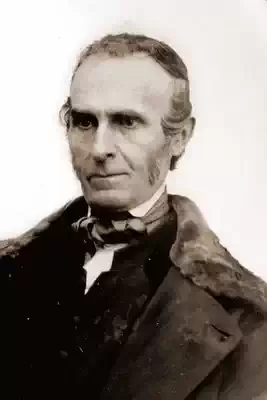
John Greenleaf Whittier
I Was A Stranger, And Ye Took Me In
I Was A Stranger, And Ye Took Me In
'Neath skies that winter never knew
The air was full of light and balm,
And warm and soft the Gulf wind blew
Through orange bloom and groves of palm.
A stranger from the frozen North,
Who sought the fount of health in vain,
Sank homeless on the alien earth,
And breathed the languid air with pain.
God's angel came! The tender shade
Of pity made her blue eye dim;
Against her woman's breast she laid
The drooping, fainting head of him.
She bore him to a pleasant room,
Flower-sweet and cool with salt sea air,
And watched beside his bed, for whom
His far-off sisters might not care.
She fanned his feverish brow and smoothed
Its lines of pain with tenderest touch.
With holy hymn and prayer she soothed
The trembling soul that feared so much.
Through her the peace that passeth sight
Came to him, as he lapsed away
As one whose troubled dreams of night
Slide slowly into tranquil day.
The sweetness of the Land of Flowers
Upon his lonely grave she laid
The jasmine dropped its golden showers,
The orange lent its bloom and shade.
And something whispered in her thought,
More sweet than mortal voices be
'The service thou for him hast wrought
O daughter! hath been done for me.'
'Neath skies that winter never knew
The air was full of light and balm,
And warm and soft the Gulf wind blew
Through orange bloom and groves of palm.
A stranger from the frozen North,
Who sought the fount of health in vain,
Sank homeless on the alien earth,
And breathed the languid air with pain.
God's angel came! The tender shade
Of pity made her blue eye dim;
Against her woman's breast she laid
The drooping, fainting head of him.
She bore him to a pleasant room,
Flower-sweet and cool with salt sea air,
And watched beside his bed, for whom
His far-off sisters might not care.
She fanned his feverish brow and smoothed
Its lines of pain with tenderest touch.
With holy hymn and prayer she soothed
The trembling soul that feared so much.
Through her the peace that passeth sight
Came to him, as he lapsed away
As one whose troubled dreams of night
Slide slowly into tranquil day.
The sweetness of the Land of Flowers
Upon his lonely grave she laid
The jasmine dropped its golden showers,
The orange lent its bloom and shade.
And something whispered in her thought,
More sweet than mortal voices be
'The service thou for him hast wrought
O daughter! hath been done for me.'
252
John Greenleaf Whittier
Hymn of The Dunkers
Hymn of The Dunkers
KLOSTER KEDAR, EPHRATA, PENNSYLVANIA (1738)
SISTER MARIA CHRISTINA sings
Wake, sisters, wake! the day-star shines;
Above Ephrata's eastern pines
The dawn is breaking, cool and calm.
Wake, sisters, wake to prayer and psalm!
Praised be the Lord for shade and light,
For toil by day, for rest by night!
Praised be His name who deigns to bless
Our Kedar of the wilderness!
Our refuge when the spoiler's hand
Was heavy on our native land;
And freedom, to her children due,
The wolf and vulture only knew.
We praised Him when to prison led,
We owned Him when the stake blazed red;
We knew, whatever might befall,
His love and power were over all.
He heard our prayers; with outstretched arm
He led us forth from cruel harm;
Still, wheresoe'er our steps were bent,
His cloud and fire before us went!
The watch of faith and prayer He set,
We kept it then, we keep it yet.
At midnight, crow of cock, or noon,
He cometh sure, He cometh soon.
He comes to chasten, not destroy,
To purge the earth from sin's alloy.
At last, at last shall all confess
His mercy as His righteousness.
The dead shall live, the sick be whole,
The scarlet sin be white as wool;
No discord mar below, above,
The music of eternal love!
Sound, welcome trump, the last alarm!
Lord God of hosts, make bare thine arm,
Fulfil this day our long desire,
Make sweet and clean the world with fire!
Sweep, flaming besom, sweep from sight
The lies of time; be swift to smite,
Sharp sword of God, all idols down,
Genevan creed and Roman crown.
Quake, earth, through all thy zones, till all
The fanes of pride and priesteraft fall;
And lift thou up in place of them
Thy gates of pearl, Jerusalem!
Lo! rising from baptismal flame,
Transfigured, glorious, yet the same,
Within the heavenly city's bound
Our Kloster Kedar shall be found.
He cometh soon! at dawn or noon
Or set of sun, He cometh soon.
Our prayers shall meet Him on His way;
Wake, sisters, wake! arise and pray!
KLOSTER KEDAR, EPHRATA, PENNSYLVANIA (1738)
SISTER MARIA CHRISTINA sings
Wake, sisters, wake! the day-star shines;
Above Ephrata's eastern pines
The dawn is breaking, cool and calm.
Wake, sisters, wake to prayer and psalm!
Praised be the Lord for shade and light,
For toil by day, for rest by night!
Praised be His name who deigns to bless
Our Kedar of the wilderness!
Our refuge when the spoiler's hand
Was heavy on our native land;
And freedom, to her children due,
The wolf and vulture only knew.
We praised Him when to prison led,
We owned Him when the stake blazed red;
We knew, whatever might befall,
His love and power were over all.
He heard our prayers; with outstretched arm
He led us forth from cruel harm;
Still, wheresoe'er our steps were bent,
His cloud and fire before us went!
The watch of faith and prayer He set,
We kept it then, we keep it yet.
At midnight, crow of cock, or noon,
He cometh sure, He cometh soon.
He comes to chasten, not destroy,
To purge the earth from sin's alloy.
At last, at last shall all confess
His mercy as His righteousness.
The dead shall live, the sick be whole,
The scarlet sin be white as wool;
No discord mar below, above,
The music of eternal love!
Sound, welcome trump, the last alarm!
Lord God of hosts, make bare thine arm,
Fulfil this day our long desire,
Make sweet and clean the world with fire!
Sweep, flaming besom, sweep from sight
The lies of time; be swift to smite,
Sharp sword of God, all idols down,
Genevan creed and Roman crown.
Quake, earth, through all thy zones, till all
The fanes of pride and priesteraft fall;
And lift thou up in place of them
Thy gates of pearl, Jerusalem!
Lo! rising from baptismal flame,
Transfigured, glorious, yet the same,
Within the heavenly city's bound
Our Kloster Kedar shall be found.
He cometh soon! at dawn or noon
Or set of sun, He cometh soon.
Our prayers shall meet Him on His way;
Wake, sisters, wake! arise and pray!
297
John Greenleaf Whittier
Hymn of The Dunkers
Hymn of The Dunkers
KLOSTER KEDAR, EPHRATA, PENNSYLVANIA (1738)
SISTER MARIA CHRISTINA sings
Wake, sisters, wake! the day-star shines;
Above Ephrata's eastern pines
The dawn is breaking, cool and calm.
Wake, sisters, wake to prayer and psalm!
Praised be the Lord for shade and light,
For toil by day, for rest by night!
Praised be His name who deigns to bless
Our Kedar of the wilderness!
Our refuge when the spoiler's hand
Was heavy on our native land;
And freedom, to her children due,
The wolf and vulture only knew.
We praised Him when to prison led,
We owned Him when the stake blazed red;
We knew, whatever might befall,
His love and power were over all.
He heard our prayers; with outstretched arm
He led us forth from cruel harm;
Still, wheresoe'er our steps were bent,
His cloud and fire before us went!
The watch of faith and prayer He set,
We kept it then, we keep it yet.
At midnight, crow of cock, or noon,
He cometh sure, He cometh soon.
He comes to chasten, not destroy,
To purge the earth from sin's alloy.
At last, at last shall all confess
His mercy as His righteousness.
The dead shall live, the sick be whole,
The scarlet sin be white as wool;
No discord mar below, above,
The music of eternal love!
Sound, welcome trump, the last alarm!
Lord God of hosts, make bare thine arm,
Fulfil this day our long desire,
Make sweet and clean the world with fire!
Sweep, flaming besom, sweep from sight
The lies of time; be swift to smite,
Sharp sword of God, all idols down,
Genevan creed and Roman crown.
Quake, earth, through all thy zones, till all
The fanes of pride and priesteraft fall;
And lift thou up in place of them
Thy gates of pearl, Jerusalem!
Lo! rising from baptismal flame,
Transfigured, glorious, yet the same,
Within the heavenly city's bound
Our Kloster Kedar shall be found.
He cometh soon! at dawn or noon
Or set of sun, He cometh soon.
Our prayers shall meet Him on His way;
Wake, sisters, wake! arise and pray!
KLOSTER KEDAR, EPHRATA, PENNSYLVANIA (1738)
SISTER MARIA CHRISTINA sings
Wake, sisters, wake! the day-star shines;
Above Ephrata's eastern pines
The dawn is breaking, cool and calm.
Wake, sisters, wake to prayer and psalm!
Praised be the Lord for shade and light,
For toil by day, for rest by night!
Praised be His name who deigns to bless
Our Kedar of the wilderness!
Our refuge when the spoiler's hand
Was heavy on our native land;
And freedom, to her children due,
The wolf and vulture only knew.
We praised Him when to prison led,
We owned Him when the stake blazed red;
We knew, whatever might befall,
His love and power were over all.
He heard our prayers; with outstretched arm
He led us forth from cruel harm;
Still, wheresoe'er our steps were bent,
His cloud and fire before us went!
The watch of faith and prayer He set,
We kept it then, we keep it yet.
At midnight, crow of cock, or noon,
He cometh sure, He cometh soon.
He comes to chasten, not destroy,
To purge the earth from sin's alloy.
At last, at last shall all confess
His mercy as His righteousness.
The dead shall live, the sick be whole,
The scarlet sin be white as wool;
No discord mar below, above,
The music of eternal love!
Sound, welcome trump, the last alarm!
Lord God of hosts, make bare thine arm,
Fulfil this day our long desire,
Make sweet and clean the world with fire!
Sweep, flaming besom, sweep from sight
The lies of time; be swift to smite,
Sharp sword of God, all idols down,
Genevan creed and Roman crown.
Quake, earth, through all thy zones, till all
The fanes of pride and priesteraft fall;
And lift thou up in place of them
Thy gates of pearl, Jerusalem!
Lo! rising from baptismal flame,
Transfigured, glorious, yet the same,
Within the heavenly city's bound
Our Kloster Kedar shall be found.
He cometh soon! at dawn or noon
Or set of sun, He cometh soon.
Our prayers shall meet Him on His way;
Wake, sisters, wake! arise and pray!
297
John Greenleaf Whittier
Hymn II
Hymn II
O HOLY FATHER! just and true
Are all Thy works and words and ways,
And unto Thee alone are due
Thanksgiving and eternal praise!
As children of Thy gracious care,
We veil the eye, we bend the knee,
With broken words of praise and prayer,
Father and God, we come to Thee.
For Thou hast heard, O God of Right,
The sighing of the island slave;
And stretched for him the arm of might,
Not shortened that it could not save.
The laborer sits beneath his vine,
The shackled soul and hand are free;
Thanksgiving! for the work is Thine!
Praise! for the blessing is of Thee!
And oh, we feel Thy presence here,
Thy awful arm in judgment bare!
Thine eye hath seen the bondman's tear;
Thine ear hath heard the bondman's prayer.
Praise! for the pride of man is low,
The counsels of the wise are naught,
The fountains of repentance flow;
What hath our God in mercy wrought?
Speed on Thy work, Lord God of Hosts!
And when the bondman's chain is riven,
And swells from all our guilty coasts
The anthem of the free to Heaven,
Oh, not to those whom Thou hast led,
As with Thy cloud and fire before,
But. unto Thee, in fear and dread,
Be praise and glory evermore.
O HOLY FATHER! just and true
Are all Thy works and words and ways,
And unto Thee alone are due
Thanksgiving and eternal praise!
As children of Thy gracious care,
We veil the eye, we bend the knee,
With broken words of praise and prayer,
Father and God, we come to Thee.
For Thou hast heard, O God of Right,
The sighing of the island slave;
And stretched for him the arm of might,
Not shortened that it could not save.
The laborer sits beneath his vine,
The shackled soul and hand are free;
Thanksgiving! for the work is Thine!
Praise! for the blessing is of Thee!
And oh, we feel Thy presence here,
Thy awful arm in judgment bare!
Thine eye hath seen the bondman's tear;
Thine ear hath heard the bondman's prayer.
Praise! for the pride of man is low,
The counsels of the wise are naught,
The fountains of repentance flow;
What hath our God in mercy wrought?
Speed on Thy work, Lord God of Hosts!
And when the bondman's chain is riven,
And swells from all our guilty coasts
The anthem of the free to Heaven,
Oh, not to those whom Thou hast led,
As with Thy cloud and fire before,
But. unto Thee, in fear and dread,
Be praise and glory evermore.
332
John Greenleaf Whittier
Hymn For The Opening Of Thomas Starr King’s House Of Worship, 1864
Hymn For The Opening Of Thomas Starr King’s House Of Worship, 1864
Amidst these glorious works of Thine,
The solemn minarets of the pine,
And awful Shasta's icy shrine,-
Where swell Thy hymns from wave and gale,
And organ-thunders never fail,
Behind the cataract's silver veil,
Our puny walls to Thee we raise,
Our poor reed-music sounds Thy praise:
Forgive, O Lord, our childish ways!
For, kneeling on these altar-stairs,
We urge Thee not with selfish prayers,
Nor murmur at our daily cares.
Before Thee, in an evil day,
Our country's bleeding heart we lay,
And dare not ask Thy hand to stay;
But, through the war-cloud, pray to Thee
For union, but a union free,
With peace that comes of purity!
That Thou wilt bare Thy arm to, save
And, smiting through this Red Sea wave,
Make broad a pathway for the slave!
For us, confessing all our need,
We trust nor rite nor word nor deed,
Nor yet the broken staff of creed.
Assured alone that Thou art good
To each, as to the multitude,
Eternal Love and Fatherhood,-
Weak, sinful, blind, to Thee we kneel,
Stretch dumbly forth our hands, and feel
Our weakness is our strong appeal.
So, by these Western gates of Even
We wait to see with Thy forgiven
The opening Golden Gate of Heaven!
Suffice it now. In time to be
Shall holier altars rise to Thee,-Thy
Church our broad humanity
White flowers of love its walls shall climb,
Soft bells of peace shall ring its chime,
Its days shall all be holy time.
A sweeter song shall then be heard,--
The music of the world's accord
Confessing Christ, the Inward Word!
That song shall swell from shore to shore,
One hope, one faith, one love, restore
The seamless robe that Jesus wore.
Amidst these glorious works of Thine,
The solemn minarets of the pine,
And awful Shasta's icy shrine,-
Where swell Thy hymns from wave and gale,
And organ-thunders never fail,
Behind the cataract's silver veil,
Our puny walls to Thee we raise,
Our poor reed-music sounds Thy praise:
Forgive, O Lord, our childish ways!
For, kneeling on these altar-stairs,
We urge Thee not with selfish prayers,
Nor murmur at our daily cares.
Before Thee, in an evil day,
Our country's bleeding heart we lay,
And dare not ask Thy hand to stay;
But, through the war-cloud, pray to Thee
For union, but a union free,
With peace that comes of purity!
That Thou wilt bare Thy arm to, save
And, smiting through this Red Sea wave,
Make broad a pathway for the slave!
For us, confessing all our need,
We trust nor rite nor word nor deed,
Nor yet the broken staff of creed.
Assured alone that Thou art good
To each, as to the multitude,
Eternal Love and Fatherhood,-
Weak, sinful, blind, to Thee we kneel,
Stretch dumbly forth our hands, and feel
Our weakness is our strong appeal.
So, by these Western gates of Even
We wait to see with Thy forgiven
The opening Golden Gate of Heaven!
Suffice it now. In time to be
Shall holier altars rise to Thee,-Thy
Church our broad humanity
White flowers of love its walls shall climb,
Soft bells of peace shall ring its chime,
Its days shall all be holy time.
A sweeter song shall then be heard,--
The music of the world's accord
Confessing Christ, the Inward Word!
That song shall swell from shore to shore,
One hope, one faith, one love, restore
The seamless robe that Jesus wore.
250
John Greenleaf Whittier
Hymn For The House Of Worship At Georgetown, Erected In Memory Of A
Hymn For The House Of Worship At Georgetown, Erected In Memory Of A
Mother
Thou dwellest not, O Lord of all
In temples which thy children raise;
Our work to thine is mean and small,
And brief to thy eternal days.
Forgive the weakness and the pride,
If marred thereby our gift may be,
For love, at least, has sanctified
The altar that we rear to thee.
The heart and not the hand has wrought
From sunken base to tower above
The image of a tender thought,
The memory of a deathless love!
And though should never sound of speech
Or organ echo from its wall,
Its stones would pious lessons teach,
Its shade in benedictions fall.
Here should the dove of peace be found,
And blessings and not curses given;
Nor strife profane, nor hatred wound,
The mingled loves of earth and heaven.
Thou, who didst soothe with dying breath
The dear one watching by Thy cross,
Forgetful of the pains of death
In sorrow for her mighty loss,
In memory of that tender claim,
O Mother-born, the offering take,
And make it worthy of Thy name,
And bless it for a mother's sake!
Mother
Thou dwellest not, O Lord of all
In temples which thy children raise;
Our work to thine is mean and small,
And brief to thy eternal days.
Forgive the weakness and the pride,
If marred thereby our gift may be,
For love, at least, has sanctified
The altar that we rear to thee.
The heart and not the hand has wrought
From sunken base to tower above
The image of a tender thought,
The memory of a deathless love!
And though should never sound of speech
Or organ echo from its wall,
Its stones would pious lessons teach,
Its shade in benedictions fall.
Here should the dove of peace be found,
And blessings and not curses given;
Nor strife profane, nor hatred wound,
The mingled loves of earth and heaven.
Thou, who didst soothe with dying breath
The dear one watching by Thy cross,
Forgetful of the pains of death
In sorrow for her mighty loss,
In memory of that tender claim,
O Mother-born, the offering take,
And make it worthy of Thy name,
And bless it for a mother's sake!
210
John Greenleaf Whittier
Howard At Atlanta
Howard At Atlanta
RIGHT in the track where Sherman
Ploughed his red furrow,
Out of the narrow cabin,
Up from the cellar's burrow,
Gathered the little black people,
With freedom newly dowered,
Where, beside their Northern teacher,
Stood the soldier, Howard.
He listened and heard the children
Of the poor and long-enslavëd
Reading the words of Jesus,
Singing the songs of David.
Behold! —the dumb lips speaking,
The blind eyes seeing!
Bones of the Prophet's vision
Warmed into being!
Transformed he saw them passing
Their new life's portal!
Almost it seemed the mortal
Put on the immortal.
No more with the beasts of burden,
No more with stone and clod,
But crowned with glory and honor
In the image of God!
There was the human chattel
Its manhood taking;
There, in each dark, brown statue,
A soul was waking!
The man of many battles,
With tears his eyelids pressing,
Stretched over those dusky foreheads
His one-armed blessing.
And he said: 'Who hears can never
Fear for or doubt you;
What shall I tell the children
Up North about you?'
Then ran round a whisper, a murmur,
Some answer devising;
And a little boy stood up: 'General,
Tell'em we're rising!'
O black boy of Atlanta!
But half was spoken:
The slave's chain and the master's
Alike are broken.
The one curse of the races
Held both in tether:
They are rising, — all are rising,
The black and white together!
O brave men and fair women!
Ill comes of hate and scorning:
Shall the dark faces only
Be turned to morning? —
Make Time your sole avenger,
All-healing, all-redressing;
Meet Fate half-way, and make it
A joy and blessing!
RIGHT in the track where Sherman
Ploughed his red furrow,
Out of the narrow cabin,
Up from the cellar's burrow,
Gathered the little black people,
With freedom newly dowered,
Where, beside their Northern teacher,
Stood the soldier, Howard.
He listened and heard the children
Of the poor and long-enslavëd
Reading the words of Jesus,
Singing the songs of David.
Behold! —the dumb lips speaking,
The blind eyes seeing!
Bones of the Prophet's vision
Warmed into being!
Transformed he saw them passing
Their new life's portal!
Almost it seemed the mortal
Put on the immortal.
No more with the beasts of burden,
No more with stone and clod,
But crowned with glory and honor
In the image of God!
There was the human chattel
Its manhood taking;
There, in each dark, brown statue,
A soul was waking!
The man of many battles,
With tears his eyelids pressing,
Stretched over those dusky foreheads
His one-armed blessing.
And he said: 'Who hears can never
Fear for or doubt you;
What shall I tell the children
Up North about you?'
Then ran round a whisper, a murmur,
Some answer devising;
And a little boy stood up: 'General,
Tell'em we're rising!'
O black boy of Atlanta!
But half was spoken:
The slave's chain and the master's
Alike are broken.
The one curse of the races
Held both in tether:
They are rising, — all are rising,
The black and white together!
O brave men and fair women!
Ill comes of hate and scorning:
Shall the dark faces only
Be turned to morning? —
Make Time your sole avenger,
All-healing, all-redressing;
Meet Fate half-way, and make it
A joy and blessing!
298
John Greenleaf Whittier
Haverhill
Haverhill
1640-1890.
O river winding to the sea!
We call the old time back to thee;
From forest paths and water-ways
The century-woven veil we raise.
The voices of to-day are dumb,
Unheard its sounds that go and come;
We listen, through long-lapsing years,
To footsteps of the pioneers.
Gone steepled town and cultured plain,
The wilderness returns again,
The drear, untrodden solitude,
The gloom and mystery of the wood!
Once more the bear and panther prowl,
The wolf repeats his hungry howl,
And, peering through his leafy screen,
The Indian's copper face is seen.
We see, their rude-built huts beside,
Grave men and women anxious-eyed,
And wistful youth remembering still
Dear homes in England's Haverhill.
We summon forth to mortal view
Dark Passaquo and Saggahew,-Wild
chiefs, who owned the mighty sway
Of wizard Passaconaway.
Weird memories of the border town,
By old tradition handed down,
In chance and change before us pass
Like pictures in a magic glass,-
The terrors of the midnight raid,
The-death-concealing ambuscade,
The winter march, through deserts wild,
Of captive mother, wife, and child.
Ah! bleeding hands alone subdued
And tamed the savage habitude
Of forests hiding beasts of prey,
And human shapes as fierce as they.
Slow from the plough the woods withdrew,
Slowly each year the corn-lands grew;
Nor fire, nor frost, nor foe could kill
The Saxon energy of will.
And never in the hamlet's bound
Was lack of sturdy manhood found,
And never failed the kindred good
Of brave and helpful womanhood.
That hamlet now a city is,
Its log-built huts are palaces;
The wood-path of the settler's cow
Is Traffic's crowded highway now.
And far and wide it stretches still,
Along its southward sloping hill,
And overlooks on either hand
A rich and many-watered land.
And, gladdening all the landscape, fair
As Pison was to Eden's pair,
Our river to its valley brings
The blessing of its mountain springs.
And Nature holds with narrowing space,
From mart and crowd, her old-time grace,
And guards with fondly jealous arms
The wild growths of outlying farms.
Her sunsets on Kenoza fall,
Her autumn leaves by Saltonstall;
No lavished gold can richer make
Her opulence of hill and lake.
Wise was the choice which led out sires
To kindle here their household fires,
And share the large content of all
Whose lines in pleasant places fall.
More dear, as years on years advance,
We prize the old inheritance,
And feel, as far and wide we roam,
That all we seek we leave at home.
Our palms are pines, our oranges
Are apples on our orchard trees;
Our thrushes are our nightingales,
Our larks the blackbirds of our vales.
No incense which the Orient burns
Is sweeter than our hillside ferns;
What tropic splendor can outvie
Our autumn woods, our sunset sky?
If, where the slow years came and went,
And left not affluence, but content,
Now flashes in our dazzled eyes
The electric light of enterprise;
And if the old idyllic ease
Seems lost in keen activities,
And crowded workshops now replace
The hearth's and farm-field's rustic grace;
No dull, mechanic round of toil
Life's morning charm can quite despoil;
And youth and beauty, hand in hand,
Will always find enchanted land.
No task is ill where hand and brain
And skill and strength have equal gain,
And each shall each in honor hold,
And simple manhood outweigh gold.
Earth shall be near to Heaven when all
That severs man from man shall fall,
For, here or there, salvation's plan
Alone is love of God and man.
O dwellers by the Merrimac,
The heirs of centuries at your back,
Still reaping where you have not sown,
A broader field is now your own.
Hold fast your Puritan heritage,
But let the free thought of the age
Its light and hope and sweetness add
To the stern faith the fathers had.
Adrift on Time's returnless tide,
As waves that follow waves, we glide.
God grant we leave upon the shore
Some waif of good it lacked before;
Some seed, or flower, or plant of worth,
Some added beauty to the earth;
Some larger hope, some thought to make
The sad world happier for its sake.
As tenants of uncertain stay,
So may we live our little day
That only grateful hearts shall fill
The homes we leave in Haverhill.
The singer of a farewell rhyme,
Upon whose outmost verge of time
The shades of night are falling down,
I pray, God bless the good old town!
1640-1890.
O river winding to the sea!
We call the old time back to thee;
From forest paths and water-ways
The century-woven veil we raise.
The voices of to-day are dumb,
Unheard its sounds that go and come;
We listen, through long-lapsing years,
To footsteps of the pioneers.
Gone steepled town and cultured plain,
The wilderness returns again,
The drear, untrodden solitude,
The gloom and mystery of the wood!
Once more the bear and panther prowl,
The wolf repeats his hungry howl,
And, peering through his leafy screen,
The Indian's copper face is seen.
We see, their rude-built huts beside,
Grave men and women anxious-eyed,
And wistful youth remembering still
Dear homes in England's Haverhill.
We summon forth to mortal view
Dark Passaquo and Saggahew,-Wild
chiefs, who owned the mighty sway
Of wizard Passaconaway.
Weird memories of the border town,
By old tradition handed down,
In chance and change before us pass
Like pictures in a magic glass,-
The terrors of the midnight raid,
The-death-concealing ambuscade,
The winter march, through deserts wild,
Of captive mother, wife, and child.
Ah! bleeding hands alone subdued
And tamed the savage habitude
Of forests hiding beasts of prey,
And human shapes as fierce as they.
Slow from the plough the woods withdrew,
Slowly each year the corn-lands grew;
Nor fire, nor frost, nor foe could kill
The Saxon energy of will.
And never in the hamlet's bound
Was lack of sturdy manhood found,
And never failed the kindred good
Of brave and helpful womanhood.
That hamlet now a city is,
Its log-built huts are palaces;
The wood-path of the settler's cow
Is Traffic's crowded highway now.
And far and wide it stretches still,
Along its southward sloping hill,
And overlooks on either hand
A rich and many-watered land.
And, gladdening all the landscape, fair
As Pison was to Eden's pair,
Our river to its valley brings
The blessing of its mountain springs.
And Nature holds with narrowing space,
From mart and crowd, her old-time grace,
And guards with fondly jealous arms
The wild growths of outlying farms.
Her sunsets on Kenoza fall,
Her autumn leaves by Saltonstall;
No lavished gold can richer make
Her opulence of hill and lake.
Wise was the choice which led out sires
To kindle here their household fires,
And share the large content of all
Whose lines in pleasant places fall.
More dear, as years on years advance,
We prize the old inheritance,
And feel, as far and wide we roam,
That all we seek we leave at home.
Our palms are pines, our oranges
Are apples on our orchard trees;
Our thrushes are our nightingales,
Our larks the blackbirds of our vales.
No incense which the Orient burns
Is sweeter than our hillside ferns;
What tropic splendor can outvie
Our autumn woods, our sunset sky?
If, where the slow years came and went,
And left not affluence, but content,
Now flashes in our dazzled eyes
The electric light of enterprise;
And if the old idyllic ease
Seems lost in keen activities,
And crowded workshops now replace
The hearth's and farm-field's rustic grace;
No dull, mechanic round of toil
Life's morning charm can quite despoil;
And youth and beauty, hand in hand,
Will always find enchanted land.
No task is ill where hand and brain
And skill and strength have equal gain,
And each shall each in honor hold,
And simple manhood outweigh gold.
Earth shall be near to Heaven when all
That severs man from man shall fall,
For, here or there, salvation's plan
Alone is love of God and man.
O dwellers by the Merrimac,
The heirs of centuries at your back,
Still reaping where you have not sown,
A broader field is now your own.
Hold fast your Puritan heritage,
But let the free thought of the age
Its light and hope and sweetness add
To the stern faith the fathers had.
Adrift on Time's returnless tide,
As waves that follow waves, we glide.
God grant we leave upon the shore
Some waif of good it lacked before;
Some seed, or flower, or plant of worth,
Some added beauty to the earth;
Some larger hope, some thought to make
The sad world happier for its sake.
As tenants of uncertain stay,
So may we live our little day
That only grateful hearts shall fill
The homes we leave in Haverhill.
The singer of a farewell rhyme,
Upon whose outmost verge of time
The shades of night are falling down,
I pray, God bless the good old town!
274
John Greenleaf Whittier
Help
Help
Dream not, O Soul, that easy is the task
Thus set before thee. If it proves at length,
As well it may, beyond thy natural strength,
Faint not, despair not. As a child may ask
A father, pray the Everlasting Good
For light and guidance midst the subtle snares
Of sin thick planted in life's thoroughfares,
For spiritual strength and moral hardihood;
Still listening, through the noise of time and sense,
To the still whisper of the Inward Word;
Bitter in blame, sweet in approval heard,
Itself its own confirming evidence
To health of soul a voice to cheer and please,
To guilt the wrath of the Eumenides.
Dream not, O Soul, that easy is the task
Thus set before thee. If it proves at length,
As well it may, beyond thy natural strength,
Faint not, despair not. As a child may ask
A father, pray the Everlasting Good
For light and guidance midst the subtle snares
Of sin thick planted in life's thoroughfares,
For spiritual strength and moral hardihood;
Still listening, through the noise of time and sense,
To the still whisper of the Inward Word;
Bitter in blame, sweet in approval heard,
Itself its own confirming evidence
To health of soul a voice to cheer and please,
To guilt the wrath of the Eumenides.
276
John Greenleaf Whittier
Godspeed
Godspeed
Outbound, your bark awaits you. Were I one
Whose prayer availeth much, my wish should be
Your favoring trad-wind and consenting sea.
By sail or steed was never love outrun,
And, here or there, love follows her in whom
All graces and sweet charities unite,
The old Greek beauty set in holier light;
And her for whom New England's byways bloom,
Who walks among us welcome as the Spring,
Calling up blossoms where her light feet stray.
God keep you both, make beautiful your way,
Comfort, console, and bless; and safely bring,
Ere yet I make upon a vaster sea
The unreturning voyage, my friends to me.
Outbound, your bark awaits you. Were I one
Whose prayer availeth much, my wish should be
Your favoring trad-wind and consenting sea.
By sail or steed was never love outrun,
And, here or there, love follows her in whom
All graces and sweet charities unite,
The old Greek beauty set in holier light;
And her for whom New England's byways bloom,
Who walks among us welcome as the Spring,
Calling up blossoms where her light feet stray.
God keep you both, make beautiful your way,
Comfort, console, and bless; and safely bring,
Ere yet I make upon a vaster sea
The unreturning voyage, my friends to me.
309
John Greenleaf Whittier
George L. Stearns
George L. Stearns
He has done the work of a true man,-Crown
him, honor him, love him.
Weep, over him, tears of woman,
Stoop manliest brows above him!
O dusky mothers and daughters,
Vigils of mourning keep for him!
Up in the mountains, and down by the waters,
Lift up your voices and weep for him,
For the warmest of hearts is frozen,
The freest of hands is still;
And the gap in our picked and chosen
The long years may not fill.
No duty could overtask him,
No need his will outrun;
Or ever our lips could ask him,
His hands the work had done.
He forgot his own soul for others,
Himself to his neighbor lending;
He found the Lord in his suffering brothers,
And not in the clouds descending.
So the bed was sweet to die on,
Whence he saw the doors wide swung
Against whose bolted iron
The strength of his life was flung.
And he saw ere his eye was darkened
The sheaves of the harvest-bringing,
And knew while his ear yet hearkened
The voice of the reapers singing.
Ah, well! The world is discreet;
There are plenty to pause and wait;
But here was a man who set his feet
Sometimes in advance of fate;
Plucked off the old bark when the inner
Was slow to renew it,
And put to the Lord's work the sinner
When saints failed to do it.
Never rode to the wrong's redressing
A worthier paladin.
Shall he not hear the blessing,
'Good and faithful, enter in!'
He has done the work of a true man,-Crown
him, honor him, love him.
Weep, over him, tears of woman,
Stoop manliest brows above him!
O dusky mothers and daughters,
Vigils of mourning keep for him!
Up in the mountains, and down by the waters,
Lift up your voices and weep for him,
For the warmest of hearts is frozen,
The freest of hands is still;
And the gap in our picked and chosen
The long years may not fill.
No duty could overtask him,
No need his will outrun;
Or ever our lips could ask him,
His hands the work had done.
He forgot his own soul for others,
Himself to his neighbor lending;
He found the Lord in his suffering brothers,
And not in the clouds descending.
So the bed was sweet to die on,
Whence he saw the doors wide swung
Against whose bolted iron
The strength of his life was flung.
And he saw ere his eye was darkened
The sheaves of the harvest-bringing,
And knew while his ear yet hearkened
The voice of the reapers singing.
Ah, well! The world is discreet;
There are plenty to pause and wait;
But here was a man who set his feet
Sometimes in advance of fate;
Plucked off the old bark when the inner
Was slow to renew it,
And put to the Lord's work the sinner
When saints failed to do it.
Never rode to the wrong's redressing
A worthier paladin.
Shall he not hear the blessing,
'Good and faithful, enter in!'
342
John Greenleaf Whittier
Garibaldi
Garibaldi
In trance and dream of old, God's prophet saw
The casting down of thrones. Thou, watching lone
The hot Sardinian coast-line, hazy-hilled,
Where, fringing round Caprera's rocky zone
With foam, the slow waves gather and withdraw,
Behold'st the vision of the seer fulfilled,
And hear'st the sea-winds burdened with a sound
Of falling chains, as, one by one, unbound,
The nations lift their right hands up and swear
Their oath of freedom. From the chalk-white wall
Of England, from the black Carpathian range,
Along the Danube and the Theiss, through all
The passes of the Spanish Pyrenees,
And from the Seine's thronged banks, a murmur strange
And glad floats to thee o'er thy summer seas
On the salt wind that stirs thy whitening hair,--
The song of freedom's bloodless victories!
Rejoice, O Garibaldi! Though thy sword
Failed at Rome's gates, and blood seemed vainly poured
Where, in Christ's name, the crowned infidel
Of France wrought murder with the arms of hell
On that sad mountain slope whose ghostly dead,
Unmindful of the gray exorcist's ban,
Walk, unappeased, the chambered Vatican,
And draw the curtains of Napoleon's bed!
God's providence is not blind, but, full of eyes,
It searches all the refuges of lies;
And in His time and way, the accursed things
Before whose evil feet thy battle-gage
Has clashed defiance from hot youth to age
Shall perish. All men shall be priests and kings,
One royal brotherhood, one church made free
By love, which is the law of liberty
In trance and dream of old, God's prophet saw
The casting down of thrones. Thou, watching lone
The hot Sardinian coast-line, hazy-hilled,
Where, fringing round Caprera's rocky zone
With foam, the slow waves gather and withdraw,
Behold'st the vision of the seer fulfilled,
And hear'st the sea-winds burdened with a sound
Of falling chains, as, one by one, unbound,
The nations lift their right hands up and swear
Their oath of freedom. From the chalk-white wall
Of England, from the black Carpathian range,
Along the Danube and the Theiss, through all
The passes of the Spanish Pyrenees,
And from the Seine's thronged banks, a murmur strange
And glad floats to thee o'er thy summer seas
On the salt wind that stirs thy whitening hair,--
The song of freedom's bloodless victories!
Rejoice, O Garibaldi! Though thy sword
Failed at Rome's gates, and blood seemed vainly poured
Where, in Christ's name, the crowned infidel
Of France wrought murder with the arms of hell
On that sad mountain slope whose ghostly dead,
Unmindful of the gray exorcist's ban,
Walk, unappeased, the chambered Vatican,
And draw the curtains of Napoleon's bed!
God's providence is not blind, but, full of eyes,
It searches all the refuges of lies;
And in His time and way, the accursed things
Before whose evil feet thy battle-gage
Has clashed defiance from hot youth to age
Shall perish. All men shall be priests and kings,
One royal brotherhood, one church made free
By love, which is the law of liberty
290
John Greenleaf Whittier
Funeral Tree of the Sokokis
Funeral Tree of the Sokokis
Around Sebago's lonely lake
There lingers not a breeze to break
The mirror which its waters make.
The solemn pines along its shore,
The firs which hang its gray rocks o'er,
Are painted on its glassy floor.
The sun looks o'er, with hazy eye,
The snowy mountain-tops which lie
Piled coldly up against the sky.
Dazzling and white! save where the bleak,
Wild winds have bared some splintering peak,
Or snow-slide left its dusky streak.
Yet green are Saco's banks below,
And belts of spruce and cedar show,
Dark fringing round those cones of snow.
The earth hath felt the breath of spring,
Though yet on her deliverer's wing
The lingering frosts of winter cling.
Fresh grasses fringe the meadow-brooks,
And mildly from its sunny nooks
The blue eye of the violet looks.
And odors from the springing grass,
The sweet birch and the sassafras,
Upon the scarce-felt breezes pass.
Her tokens of renewing care
Hath Nature scattered everywhere,
In bud and flower, and warmer air.
But in their hour of bitterness,
What reek the broken Sokokis,
Beside their slaughtered chief, of this?
The turf's red stain is yet undried,
Scarce have the death-shot echoes died
Along Sebago's wooded side;
And silent now the hunters stand,
Grouped darkly, where a swell of land
Slopes upward from the lake's white sand.
Fire and the axe have swept it bare,
Save one lone beech, unclosing there
Its light leaves in the vernal air.
With grave, cold looks, all sternly mute,
They break the damp turf at its foot,
And bare its coiled and twisted root.
They heave the stubborn trunk aside,
The firm roots from the earth divide,-The
rent beneath yawns dark and wide.
And there the fallen chief is laid,
In tasselled garb of skins arrayed,
And girded with his wampum-braid.
The silver cross he loved is pressed
Beneath the heavy arms, which rest
Upon his scarred and naked breast.
'T is done: the roots are backward sent,
The beechen-tree stands up unbent,
The Indian's fitting monument!
When of that sleeper's broken race
Their green and pleasant dwelling-place,
Which knew them once, retains no trace;
Oh, long may sunset's light be shed
As now upon that beech's head,
A green memorial of the dead!
There shall his fitting requiem be,
In northern winds, that, cold and free,
Howl nightly in that funeral tree.
To their wild wail the waves which break
Forever round that lonely lake
A solemn undertone shall make!
And who shall deem the spot unblest,
Where Nature's younger children rest,
Lulled on their sorrowing mother's breast?
Deem ye that mother loveth less
These bronzed forms of the wilderness
She foldeth in her long caress?
As sweet o'er them her wild-flowers blow,
As if with fairer hair and brow
The blue-eyed Saxon slept below.
What though the places of their rest
No priestly knee hath ever pressed,-No
funeral rite nor prayer hath blessed?
What though the bigot's ban be there,
And thoughts of wailing and despair,
And cursing in the place of prayer.
Yet Heaven hath angels watching round
The Indian's lowliest forest-mound,-And
they have made it holy ground.
There ceases man's frail judgment; all
His powerless bolts of cursing fall
Unheeded on that grassy pall.
O peeled and hunted and reviled,
Sleep on, dark tenant of the wild!
Great Nature owns her simple child!
And Nature's God, to whom alone
The secret of the heart is known,-The
hidden language traced thereon;
Who from its many cumberings
Of form and creed, and outward things,
To light the naked spirit brings;
Not with our partial eye shall scan,
Not with our pride and scorn shall ban,
The spirit of our brother man!
Around Sebago's lonely lake
There lingers not a breeze to break
The mirror which its waters make.
The solemn pines along its shore,
The firs which hang its gray rocks o'er,
Are painted on its glassy floor.
The sun looks o'er, with hazy eye,
The snowy mountain-tops which lie
Piled coldly up against the sky.
Dazzling and white! save where the bleak,
Wild winds have bared some splintering peak,
Or snow-slide left its dusky streak.
Yet green are Saco's banks below,
And belts of spruce and cedar show,
Dark fringing round those cones of snow.
The earth hath felt the breath of spring,
Though yet on her deliverer's wing
The lingering frosts of winter cling.
Fresh grasses fringe the meadow-brooks,
And mildly from its sunny nooks
The blue eye of the violet looks.
And odors from the springing grass,
The sweet birch and the sassafras,
Upon the scarce-felt breezes pass.
Her tokens of renewing care
Hath Nature scattered everywhere,
In bud and flower, and warmer air.
But in their hour of bitterness,
What reek the broken Sokokis,
Beside their slaughtered chief, of this?
The turf's red stain is yet undried,
Scarce have the death-shot echoes died
Along Sebago's wooded side;
And silent now the hunters stand,
Grouped darkly, where a swell of land
Slopes upward from the lake's white sand.
Fire and the axe have swept it bare,
Save one lone beech, unclosing there
Its light leaves in the vernal air.
With grave, cold looks, all sternly mute,
They break the damp turf at its foot,
And bare its coiled and twisted root.
They heave the stubborn trunk aside,
The firm roots from the earth divide,-The
rent beneath yawns dark and wide.
And there the fallen chief is laid,
In tasselled garb of skins arrayed,
And girded with his wampum-braid.
The silver cross he loved is pressed
Beneath the heavy arms, which rest
Upon his scarred and naked breast.
'T is done: the roots are backward sent,
The beechen-tree stands up unbent,
The Indian's fitting monument!
When of that sleeper's broken race
Their green and pleasant dwelling-place,
Which knew them once, retains no trace;
Oh, long may sunset's light be shed
As now upon that beech's head,
A green memorial of the dead!
There shall his fitting requiem be,
In northern winds, that, cold and free,
Howl nightly in that funeral tree.
To their wild wail the waves which break
Forever round that lonely lake
A solemn undertone shall make!
And who shall deem the spot unblest,
Where Nature's younger children rest,
Lulled on their sorrowing mother's breast?
Deem ye that mother loveth less
These bronzed forms of the wilderness
She foldeth in her long caress?
As sweet o'er them her wild-flowers blow,
As if with fairer hair and brow
The blue-eyed Saxon slept below.
What though the places of their rest
No priestly knee hath ever pressed,-No
funeral rite nor prayer hath blessed?
What though the bigot's ban be there,
And thoughts of wailing and despair,
And cursing in the place of prayer.
Yet Heaven hath angels watching round
The Indian's lowliest forest-mound,-And
they have made it holy ground.
There ceases man's frail judgment; all
His powerless bolts of cursing fall
Unheeded on that grassy pall.
O peeled and hunted and reviled,
Sleep on, dark tenant of the wild!
Great Nature owns her simple child!
And Nature's God, to whom alone
The secret of the heart is known,-The
hidden language traced thereon;
Who from its many cumberings
Of form and creed, and outward things,
To light the naked spirit brings;
Not with our partial eye shall scan,
Not with our pride and scorn shall ban,
The spirit of our brother man!
279
John Greenleaf Whittier
Ezekiel
Ezekiel
They hear Thee not, O God! nor see;
Beneath Thy rod they mock at Thee;
The princes of our ancient line
Lie drunken with Assyrian wine;
The priests around Thy altar speak
The false words which their hearers seek;
And hymns which Chaldea's wanton maids
Have sung in Dura's idol-shades
Are with the Levites' chant ascending,
With Zion's holiest anthems blending!
On Israel's bleeding bosom set,
The heathen heel is crushing yet;
The towers upon our holy hill
Echo Chaldean footsteps still.
Our wasted shrines,--who weeps for them?
Who mourneth for Jerusalem?
Who turneth from his gains away?
Whose knee with mine is bowed to pray?
Who, leaving feast and purpling cup,
Takes Zion's lamentation up?
A sad and thoughtful youth, I went
With Israel's early banishment;
And where the sullen Chebar crept,
The ritual of my fathers kept.
The water for the trench I drew,
The firstling of the flock I slew,
And, standing at the altar's side,
I shared the Levites' lingering pride,
That still, amidst her mocking foes,
The smoke of Zion's offering rose.
In sudden whirlwind, cloud and flame,
The Spirit of the Highest came!
Before mine eyes a vision passed,
A glory terrible and vast;
With dreadful eyes of living things,
And sounding sweep of angel wings,
With circling light and sapphire throne,
And flame-like form of One thereon,
And voice of that dread Likeness sent
Down from the crystal firmament!
The burden of a prophet's power
Fell on me in that fearful hour;
From off unutterable woes
The curtain of the future rose;
I saw far down the coming time
The fiery chastisement of crime;
With noise of mingling hosts, and jar
Of falling towers and shouts of war,
I saw the nations rise and fall,
Like fire-gleams on my tent's white wall.
In dream and trance, I--saw the slain
Of Egypt heaped like harvest grain.
I saw the walls of sea-born Tyre
Swept over by the spoiler's fire;
And heard the low, expiring moan
Of Edom on his rocky throne;
And, woe is me! the wild lament
From Zion's desolation sent;
And felt within my heart each blow
Which laid her holy places low.
In bonds and sorrow, day by day,
Before the pictured tile I lay;
And there, as in a mirror, saw
The coming of Assyria's war;
Her swarthy lines of spearmen pass
Like locusts through Bethhoron's grass;
I saw them draw their stormy hem
Of battle round Jerusalem;
And, listening, heard the Hebrew wail!
Blend with the victor-trump of Baal!
Who trembled at my warning word?
Who owned the prophet of the Lord?
How mocked the rude, how scoffed the vile,
How stung the Levites' scornful smile,
As o'er my spirit, dark and slow,
The shadow crept of Israel's woe
As if the angel's mournful roll
Had left its record on my soul,
And traced in lines of darkness there
The picture of its great despair!
Yet ever at the hour I feel
My lips in prophecy unseal.
Prince, priest, and Levite gather near,
And Salem's daughters haste to hear,
On Chebar's waste and alien shore,
The harp of Judah swept once more.
They listen, as in Babel's throng
The Chaldeans to the dancer's song,
Or wild sabbeka's nightly play,-As
careless and as vain as they.
. . . . .
And thus, O Prophet-bard of old,
Hast thou thy tale of sorrow told
The same which earth's unwelcome seers
Have felt in all succeeding years.
Sport of the changeful multitude,
Nor calmly heard nor understood,
Their song has seemed a trick of art,
Their warnings but, the actor's part.
With bonds, and scorn, and evil will,
The world requites its prophets still.
So was it when the Holy One
The garments of the flesh put on
Men followed where the Highest led
For common gifts of daily bread,
And gross of ear, of vision dim,
Owned not the Godlike power of Him.
Vain as a dreamer's words to them
His wail above Jerusalem,
And meaningless the watch He kept
Through which His weak disciples slept.
Yet shrink not thou, whoe'er thou art,
For God's great purpose set apart,
Before whose far-discerning eyes,
The Future as the Present lies!
Beyond a narrow-bounded age
Stretches thy prophet-heritage,
Through Heaven's vast spaces angel-trod,
And through the eternal years of God
Thy audience, worlds!--all things to be
The witness of the Truth in thee!
They hear Thee not, O God! nor see;
Beneath Thy rod they mock at Thee;
The princes of our ancient line
Lie drunken with Assyrian wine;
The priests around Thy altar speak
The false words which their hearers seek;
And hymns which Chaldea's wanton maids
Have sung in Dura's idol-shades
Are with the Levites' chant ascending,
With Zion's holiest anthems blending!
On Israel's bleeding bosom set,
The heathen heel is crushing yet;
The towers upon our holy hill
Echo Chaldean footsteps still.
Our wasted shrines,--who weeps for them?
Who mourneth for Jerusalem?
Who turneth from his gains away?
Whose knee with mine is bowed to pray?
Who, leaving feast and purpling cup,
Takes Zion's lamentation up?
A sad and thoughtful youth, I went
With Israel's early banishment;
And where the sullen Chebar crept,
The ritual of my fathers kept.
The water for the trench I drew,
The firstling of the flock I slew,
And, standing at the altar's side,
I shared the Levites' lingering pride,
That still, amidst her mocking foes,
The smoke of Zion's offering rose.
In sudden whirlwind, cloud and flame,
The Spirit of the Highest came!
Before mine eyes a vision passed,
A glory terrible and vast;
With dreadful eyes of living things,
And sounding sweep of angel wings,
With circling light and sapphire throne,
And flame-like form of One thereon,
And voice of that dread Likeness sent
Down from the crystal firmament!
The burden of a prophet's power
Fell on me in that fearful hour;
From off unutterable woes
The curtain of the future rose;
I saw far down the coming time
The fiery chastisement of crime;
With noise of mingling hosts, and jar
Of falling towers and shouts of war,
I saw the nations rise and fall,
Like fire-gleams on my tent's white wall.
In dream and trance, I--saw the slain
Of Egypt heaped like harvest grain.
I saw the walls of sea-born Tyre
Swept over by the spoiler's fire;
And heard the low, expiring moan
Of Edom on his rocky throne;
And, woe is me! the wild lament
From Zion's desolation sent;
And felt within my heart each blow
Which laid her holy places low.
In bonds and sorrow, day by day,
Before the pictured tile I lay;
And there, as in a mirror, saw
The coming of Assyria's war;
Her swarthy lines of spearmen pass
Like locusts through Bethhoron's grass;
I saw them draw their stormy hem
Of battle round Jerusalem;
And, listening, heard the Hebrew wail!
Blend with the victor-trump of Baal!
Who trembled at my warning word?
Who owned the prophet of the Lord?
How mocked the rude, how scoffed the vile,
How stung the Levites' scornful smile,
As o'er my spirit, dark and slow,
The shadow crept of Israel's woe
As if the angel's mournful roll
Had left its record on my soul,
And traced in lines of darkness there
The picture of its great despair!
Yet ever at the hour I feel
My lips in prophecy unseal.
Prince, priest, and Levite gather near,
And Salem's daughters haste to hear,
On Chebar's waste and alien shore,
The harp of Judah swept once more.
They listen, as in Babel's throng
The Chaldeans to the dancer's song,
Or wild sabbeka's nightly play,-As
careless and as vain as they.
. . . . .
And thus, O Prophet-bard of old,
Hast thou thy tale of sorrow told
The same which earth's unwelcome seers
Have felt in all succeeding years.
Sport of the changeful multitude,
Nor calmly heard nor understood,
Their song has seemed a trick of art,
Their warnings but, the actor's part.
With bonds, and scorn, and evil will,
The world requites its prophets still.
So was it when the Holy One
The garments of the flesh put on
Men followed where the Highest led
For common gifts of daily bread,
And gross of ear, of vision dim,
Owned not the Godlike power of Him.
Vain as a dreamer's words to them
His wail above Jerusalem,
And meaningless the watch He kept
Through which His weak disciples slept.
Yet shrink not thou, whoe'er thou art,
For God's great purpose set apart,
Before whose far-discerning eyes,
The Future as the Present lies!
Beyond a narrow-bounded age
Stretches thy prophet-heritage,
Through Heaven's vast spaces angel-trod,
And through the eternal years of God
Thy audience, worlds!--all things to be
The witness of the Truth in thee!
343
John Greenleaf Whittier
Fitz-Greene Halleck
Fitz-Greene Halleck
AT THE UNVEILING OF HIS STATUE.
Among their graven shapes to whom
Thy civic wreaths belong,
O city of his love, make room
For one whose gift was song.
Not his the soldier's sword to wield,
Nor his the helm of state,
Nor glory of the stricken field,
Nor triumph of debate.
In common ways, with common men,
He served his race and time
As well as if his clerkly pen
Had never danced to rhyme.
If, in the thronged and noisy mart,
The Muses found their son,
Could any say his tuneful art
A duty left undone?
He toiled and sang; and year by year
Men found their homes more sweet,
And through a tenderer atmosphere
Looked down the brick-walled street.
The Greek's wild onset gall Street knew;
The Red King walked Broadway;
And Alnwick Castle's roses blew
From Palisades to Bay.
Fair City by the Sea! upraise
His veil with reverent hands;
And mingle with thy own the praise
And pride of other lands.
Let Greece his fiery lyric breathe
Above her hero-urns;
And Scotland, with her holly, wreathe
The flower he culled for Burns.
Oh, stately stand thy palace walls,
Thy tall ships ride the seas;
To-day thy poet's name recalls
A prouder thought than these.
Not less thy pulse of trade shall beat,
Nor less thy tall fleets swim,
That shaded square and dusty street
Are classic ground through him.
Alive, he loved, like all who sing,
The echoes of his song;
Too late the tardy meed we bring,
The praise delayed so long.
Too late, alas! Of all who knew
The living man, to-day
Before his unveiled face, how few
Make bare their locks of gray!
Our lips of praise must soon be dumb,
Our grateful eyes be dim;
O brothers of the days to come,
Take tender charge of him!
New hands the wires of song may sweep,
New voices challenge fame;
But let no moss of years o'ercreep
The lines of Halleck's name.
AT THE UNVEILING OF HIS STATUE.
Among their graven shapes to whom
Thy civic wreaths belong,
O city of his love, make room
For one whose gift was song.
Not his the soldier's sword to wield,
Nor his the helm of state,
Nor glory of the stricken field,
Nor triumph of debate.
In common ways, with common men,
He served his race and time
As well as if his clerkly pen
Had never danced to rhyme.
If, in the thronged and noisy mart,
The Muses found their son,
Could any say his tuneful art
A duty left undone?
He toiled and sang; and year by year
Men found their homes more sweet,
And through a tenderer atmosphere
Looked down the brick-walled street.
The Greek's wild onset gall Street knew;
The Red King walked Broadway;
And Alnwick Castle's roses blew
From Palisades to Bay.
Fair City by the Sea! upraise
His veil with reverent hands;
And mingle with thy own the praise
And pride of other lands.
Let Greece his fiery lyric breathe
Above her hero-urns;
And Scotland, with her holly, wreathe
The flower he culled for Burns.
Oh, stately stand thy palace walls,
Thy tall ships ride the seas;
To-day thy poet's name recalls
A prouder thought than these.
Not less thy pulse of trade shall beat,
Nor less thy tall fleets swim,
That shaded square and dusty street
Are classic ground through him.
Alive, he loved, like all who sing,
The echoes of his song;
Too late the tardy meed we bring,
The praise delayed so long.
Too late, alas! Of all who knew
The living man, to-day
Before his unveiled face, how few
Make bare their locks of gray!
Our lips of praise must soon be dumb,
Our grateful eyes be dim;
O brothers of the days to come,
Take tender charge of him!
New hands the wires of song may sweep,
New voices challenge fame;
But let no moss of years o'ercreep
The lines of Halleck's name.
337
John Greenleaf Whittier
Divine Compassion
Divine Compassion
Long since, a dream of heaven I had,
And still the vision haunts me oft;
I see the saints in white robes clad,
The martyrs with their palms aloft;
But hearing still, in middle song,
The ceaseless dissonance of wrong;
And shrinking, with hid faces, from the strain
Of sad, beseeching eyes, full of remorse and pain.
The glad song falters to a wail,
The harping sinks to low lament;
Before the still unlifted veil
I see the crowned foreheads bent,
Making more sweet the heavenly air,
With breathings of unselfish prayer;
And a Voice saith: 'O Pity which is pain,
O Love that weeps, fill up my sufferings which remain!
'Shall souls redeemed by me refuse
To share my sorrow in their turn?
Or, sin-forgiven, my gift abuse
Of peace with selfish unconcern?
Has saintly ease no pitying care?
Has faith no work, and love no prayer?
While sin remains, and souls in darkness dwell,
Can heaven itself be heaven, and look unmoved on hell?'
Then through the Gates of Pain, I dream,
A wind of heaven blows coolly in;
Fainter the awful discords seem,
The smoke of torment grows more thin,
Tears quench the burning soil, and thence
Spring sweet, pale flowers of penitence
And through the dreary realm of man's despair,
Star-crowned an angel walks, and to! God's hope is there!
Is it a dream? Is heaven so high
That pity cannot breathe its air?
Its happy eyes forever dry,
Its holy lips without a prayer!
My God! my God! if thither led
By Thy free grace unmerited,
No crown nor palm be mine, but let me keep
A heart that still can feel, and eyes that still can weep.
Long since, a dream of heaven I had,
And still the vision haunts me oft;
I see the saints in white robes clad,
The martyrs with their palms aloft;
But hearing still, in middle song,
The ceaseless dissonance of wrong;
And shrinking, with hid faces, from the strain
Of sad, beseeching eyes, full of remorse and pain.
The glad song falters to a wail,
The harping sinks to low lament;
Before the still unlifted veil
I see the crowned foreheads bent,
Making more sweet the heavenly air,
With breathings of unselfish prayer;
And a Voice saith: 'O Pity which is pain,
O Love that weeps, fill up my sufferings which remain!
'Shall souls redeemed by me refuse
To share my sorrow in their turn?
Or, sin-forgiven, my gift abuse
Of peace with selfish unconcern?
Has saintly ease no pitying care?
Has faith no work, and love no prayer?
While sin remains, and souls in darkness dwell,
Can heaven itself be heaven, and look unmoved on hell?'
Then through the Gates of Pain, I dream,
A wind of heaven blows coolly in;
Fainter the awful discords seem,
The smoke of torment grows more thin,
Tears quench the burning soil, and thence
Spring sweet, pale flowers of penitence
And through the dreary realm of man's despair,
Star-crowned an angel walks, and to! God's hope is there!
Is it a dream? Is heaven so high
That pity cannot breathe its air?
Its happy eyes forever dry,
Its holy lips without a prayer!
My God! my God! if thither led
By Thy free grace unmerited,
No crown nor palm be mine, but let me keep
A heart that still can feel, and eyes that still can weep.
338
John Greenleaf Whittier
Clerical Oppressors
Clerical Oppressors
JUST God! and these are they
Who minister at thine altar, God of Right!
Men who their hands with prayer and blessing lay
On Israel's Ark of light!
What! preach, and kidnap men?
Give thanks, and rob thy own afflicted poor?
Talk of thy glorious liberty, and then
Bolt hard the captive's door?
What! servants of thy own
Merciful Son, who came to seek and save
The homeless and the outcast, fettering down
The tasked and plundered slave!
Pilate and Herod, friends!
Chief priests and rulers, as of old, combine!
Just God and holy! is that church, which lends
Strength to the spoiler, thine?
Paid hypocrites, who turn
Judgment aside, and rob the Holy Book
Of those high words of truth which search and burn
In warning and rebuke;
Feed fat, ye locusts, feed!
And, in your tasselled pulpits, thank the Lord
That, from the toiling bondman's utter need,
Ye pile your own full board.
How long, O Lord! how long
Shall such a priesthood barter truth away,
And in Thy name, for robbery and wrong
At Thy own altars pray?
Is not Thy hand stretched forth
Visibly in the heavens, to awe and smite?
Shall not the living God of all the earth,
And heaven above, do right?
Woe, then, to all who grind
Their brethren of a common Father down!
To all who plunder from the immortal mind
Its bright and glorious crown!
Woe to the priesthood! woe
To those whose hire is with the price of blood;
Perverting, darkening, changing, as they go,
The searching truths of God!
Their glory and their might.
Shall perish; and their very names shall be
Vile before all the people, in the light
Of a world's liberty.
Oh, speed the moment on
When Wrong shall cease, and Liberty and Love
And Truth and Right throughout the earth be known
As in their home above.
JUST God! and these are they
Who minister at thine altar, God of Right!
Men who their hands with prayer and blessing lay
On Israel's Ark of light!
What! preach, and kidnap men?
Give thanks, and rob thy own afflicted poor?
Talk of thy glorious liberty, and then
Bolt hard the captive's door?
What! servants of thy own
Merciful Son, who came to seek and save
The homeless and the outcast, fettering down
The tasked and plundered slave!
Pilate and Herod, friends!
Chief priests and rulers, as of old, combine!
Just God and holy! is that church, which lends
Strength to the spoiler, thine?
Paid hypocrites, who turn
Judgment aside, and rob the Holy Book
Of those high words of truth which search and burn
In warning and rebuke;
Feed fat, ye locusts, feed!
And, in your tasselled pulpits, thank the Lord
That, from the toiling bondman's utter need,
Ye pile your own full board.
How long, O Lord! how long
Shall such a priesthood barter truth away,
And in Thy name, for robbery and wrong
At Thy own altars pray?
Is not Thy hand stretched forth
Visibly in the heavens, to awe and smite?
Shall not the living God of all the earth,
And heaven above, do right?
Woe, then, to all who grind
Their brethren of a common Father down!
To all who plunder from the immortal mind
Its bright and glorious crown!
Woe to the priesthood! woe
To those whose hire is with the price of blood;
Perverting, darkening, changing, as they go,
The searching truths of God!
Their glory and their might.
Shall perish; and their very names shall be
Vile before all the people, in the light
Of a world's liberty.
Oh, speed the moment on
When Wrong shall cease, and Liberty and Love
And Truth and Right throughout the earth be known
As in their home above.
316
John Greenleaf Whittier
Conduct
Conduct
From the Mahabharata.
Heed how thou livest. Do no act by day
Which from the night shall drive thy peace away.
In months of sun so live that months of rain
Shall still be happy. Evermore restrain
Evil and cherish good, so shall there be
Another and a happier life for thee.
From the Mahabharata.
Heed how thou livest. Do no act by day
Which from the night shall drive thy peace away.
In months of sun so live that months of rain
Shall still be happy. Evermore restrain
Evil and cherish good, so shall there be
Another and a happier life for thee.
401
John Greenleaf Whittier
Chalkey Hall
Chalkey Hall
How bland and sweet the greeting of this breeze
To him who flies
From crowded street and red wall's weary gleam,
Till far behind him like a hideous dream
The close dark city lies
Here, while the market murmurs, while men throng
The marble floor
Of Mammon's altar, from the crush and din
Of the world's madness let me gather in
My better thoughts once more.
Oh, once again revive, while on my ear
The cry of Gain
And low hoarse hum of Traffic die away,
Ye blessed memories of my early day
Like sere grass wet with rain!
Once more let God's green earth and sunset air
Old feelings waken;
Through weary years of toil and strife and ill,
Oh, let me feel that my good angel still
Hath not his trust forsaken.
And well do time and place befit my mood
Beneath the arms
Of this embracing wood, a good man made
His home, like Abraham resting in the shade
Of Mamre's lonely palms.
Here, rich with autumn gifts of countless years,
The virgin soil
Turned from the share he guided, and in rain
And summer sunshine throve the fruits and grain
Which blessed his honest toil.
Here, from his voyages on the stormy seas,
Weary and worn,
He came to meet his children and to bless
The Giver of all good in thankfulness
And praise for his return.
And here his neighbors gathered in to greet
Their friend again,
Safe from the wave and the destroying gales,
Which reap untimely green Bermuda's vales,
And vex the Carib main.
To hear the good man tell of simple truth,
Sown in an hour
Of weakness in some far-off Indian isle,
From the parched bosom of a barren soil,
Raised up in life and power.
How at those gatherings in Barbadian vales,
A tendering love
Came o'er him, like the gentle rain from heaven,
And words of fitness to his lips were given,
And strength as from above.
How the sad captive listened to the Word,
Until his chain
Grew lighter, and his wounded spirit felt
The healing balm of consolation melt
Upon its life-long pain
How the armed warrior sat him down to hear
Of Peace and Truth,
And the proud ruler and his Creole dame,
Jewelled and gorgeous in her beauty came,
And fair and bright-eyed youth.
Oh, far away beneath New England's sky,
Even when a boy,
Following my plough by Merrimac's green shore,
His simple record I have pondered o'er
With deep and quiet joy.
And hence this scene, in sunset glory warm,-Its
woods around,
Its still stream winding on in light and shade,
Its soft, green meadows and its upland glade,-To
me is holy ground.
And dearer far than haunts where Genius keeps
His vigils still;
Than that where Avon's son of song is laid,
Or Vaucluse hallowed by its Petrarch's shade,
Or Virgil's laurelled hill.
To the gray walls of fallen Paraclete,
To Juliet's urn,
Fair Arno and Sorrento's orange-grove,
Where Tasso sang, let young Romance and Love
Like brother pilgrims turn.
But here a deeper and serener charm
To all is given;
And blessed memories of the faithful dead
O'er wood and vale and meadow-stream have shed
The holy hues of Heaven!
How bland and sweet the greeting of this breeze
To him who flies
From crowded street and red wall's weary gleam,
Till far behind him like a hideous dream
The close dark city lies
Here, while the market murmurs, while men throng
The marble floor
Of Mammon's altar, from the crush and din
Of the world's madness let me gather in
My better thoughts once more.
Oh, once again revive, while on my ear
The cry of Gain
And low hoarse hum of Traffic die away,
Ye blessed memories of my early day
Like sere grass wet with rain!
Once more let God's green earth and sunset air
Old feelings waken;
Through weary years of toil and strife and ill,
Oh, let me feel that my good angel still
Hath not his trust forsaken.
And well do time and place befit my mood
Beneath the arms
Of this embracing wood, a good man made
His home, like Abraham resting in the shade
Of Mamre's lonely palms.
Here, rich with autumn gifts of countless years,
The virgin soil
Turned from the share he guided, and in rain
And summer sunshine throve the fruits and grain
Which blessed his honest toil.
Here, from his voyages on the stormy seas,
Weary and worn,
He came to meet his children and to bless
The Giver of all good in thankfulness
And praise for his return.
And here his neighbors gathered in to greet
Their friend again,
Safe from the wave and the destroying gales,
Which reap untimely green Bermuda's vales,
And vex the Carib main.
To hear the good man tell of simple truth,
Sown in an hour
Of weakness in some far-off Indian isle,
From the parched bosom of a barren soil,
Raised up in life and power.
How at those gatherings in Barbadian vales,
A tendering love
Came o'er him, like the gentle rain from heaven,
And words of fitness to his lips were given,
And strength as from above.
How the sad captive listened to the Word,
Until his chain
Grew lighter, and his wounded spirit felt
The healing balm of consolation melt
Upon its life-long pain
How the armed warrior sat him down to hear
Of Peace and Truth,
And the proud ruler and his Creole dame,
Jewelled and gorgeous in her beauty came,
And fair and bright-eyed youth.
Oh, far away beneath New England's sky,
Even when a boy,
Following my plough by Merrimac's green shore,
His simple record I have pondered o'er
With deep and quiet joy.
And hence this scene, in sunset glory warm,-Its
woods around,
Its still stream winding on in light and shade,
Its soft, green meadows and its upland glade,-To
me is holy ground.
And dearer far than haunts where Genius keeps
His vigils still;
Than that where Avon's son of song is laid,
Or Vaucluse hallowed by its Petrarch's shade,
Or Virgil's laurelled hill.
To the gray walls of fallen Paraclete,
To Juliet's urn,
Fair Arno and Sorrento's orange-grove,
Where Tasso sang, let young Romance and Love
Like brother pilgrims turn.
But here a deeper and serener charm
To all is given;
And blessed memories of the faithful dead
O'er wood and vale and meadow-stream have shed
The holy hues of Heaven!
318
John Greenleaf Whittier
Chicago
Chicago
Men said at vespers: 'All is well!'
In one wild night the city fell;
Fell shrines of prayer and marts of gain
Before the fiery hurricane.
On threescore spires had sunset shone,
Where ghastly sunrise looked on none.
Men clasped each other's hands, and said
'The City of the West is dead!'
Brave hearts who fought, in slow retreat,
The fiends of fire from street to street,
Turned, powerless, to the blinding glare,
The dumb defiance of despair.
A sudden impulse thrilled each wire
That signalled round that sea of fire;
Swift words of cheer, warm heart-throbs came;
In tears of pity died the flame!
From East, from West, from South and North,
The messages of hope shot forth,
And, underneath the severing wave,
The world, full-handed, reached to save.
Fair seemed the old; but fairer still
The new, the dreary void shall fill
With dearer homes than those o'erthrown,
For love shall lay each corner-stone.
Rise, stricken city! from thee throw
The ashen sackcloth of thy woe;
And build, as to Amphion's strain,
To songs of cheer thy walls again!
How shrivelled in thy hot distress
The primal sin of selfishness!
How instant rose, to take thy part,
The angel in the human heart!
Ah! not in vain the flames that tossed
Above thy dreadful holocaust;
The Christ again has preached through thee
The Gospel of Humanity!
Then lift once more thy towers on high,
And fret with spires the western sky,
To tell that God is yet with us,
And love is still miraculous!
Men said at vespers: 'All is well!'
In one wild night the city fell;
Fell shrines of prayer and marts of gain
Before the fiery hurricane.
On threescore spires had sunset shone,
Where ghastly sunrise looked on none.
Men clasped each other's hands, and said
'The City of the West is dead!'
Brave hearts who fought, in slow retreat,
The fiends of fire from street to street,
Turned, powerless, to the blinding glare,
The dumb defiance of despair.
A sudden impulse thrilled each wire
That signalled round that sea of fire;
Swift words of cheer, warm heart-throbs came;
In tears of pity died the flame!
From East, from West, from South and North,
The messages of hope shot forth,
And, underneath the severing wave,
The world, full-handed, reached to save.
Fair seemed the old; but fairer still
The new, the dreary void shall fill
With dearer homes than those o'erthrown,
For love shall lay each corner-stone.
Rise, stricken city! from thee throw
The ashen sackcloth of thy woe;
And build, as to Amphion's strain,
To songs of cheer thy walls again!
How shrivelled in thy hot distress
The primal sin of selfishness!
How instant rose, to take thy part,
The angel in the human heart!
Ah! not in vain the flames that tossed
Above thy dreadful holocaust;
The Christ again has preached through thee
The Gospel of Humanity!
Then lift once more thy towers on high,
And fret with spires the western sky,
To tell that God is yet with us,
And love is still miraculous!
277
John Greenleaf Whittier
By Their Works
By Their Works
Call him not heretic whose works attest
His faith in goodness by no creed confessed.
Whatever in love's name is truly done
To free the bound and lift the fallen one
Is done to Christ. Whoso in deed and word
Is not against Him labours for our Lord.
When he, who, sad and weary, longing sore
For love's sweet service sought the sisters' door
One saw the heavenly, one the human guest
But who shall say which loved the master best?
Call him not heretic whose works attest
His faith in goodness by no creed confessed.
Whatever in love's name is truly done
To free the bound and lift the fallen one
Is done to Christ. Whoso in deed and word
Is not against Him labours for our Lord.
When he, who, sad and weary, longing sore
For love's sweet service sought the sisters' door
One saw the heavenly, one the human guest
But who shall say which loved the master best?
265
John Greenleaf Whittier
Cassandra Southwick
Cassandra Southwick
To the God of all sure mercies let my blessing rise today,
From the scoffer and the cruel He hath plucked the spoil away;
Yes, he who cooled the furnace around the faithful three,
And tamed the Chaldean lions, hath set His handmaid free!
Last night I saw the sunset melt though my prison bars,
Last night across my damp earth-floor fell the pale gleam of stars;
In the coldness and the darkness all through the long night-time,
My grated casement whitened with autumn's early rime.
Alone, in that dark sorrow, hour after hour crept by;
Star after star looked palely in and sank adown the sky;
No sound amid night's stillness, save that which seemed to be
The dull and heavy beating of the pulses of the sea;
All night I sat unsleeping, for I knew that on the morrow
The ruler said the cruel priest would mock me in my sorrow,
Dragged to their place of market, and bargained for and sold,
Like a lamb before the shambles, like a heifer from the fold!
Oh, the weakness of the flesh was there¯the shrinking and the shame;
And the low voice of the Tempter like whispers to me came,
'Why sit'st thou thus forlornly,' the wicked murmur said,
'Damp walls thy bower beauty, cold earth thy maiden bed?
'Where be the smiling faces, and voices soft and sweet,
Seen in thy father's dwelling, hoard in the pleasant street?
Where be the youths whose glances, the summer Sabbath through,
Turned tenderly and timidly unto thy father's pew?
'Why sit'st thou here, Cassandra? Bethink thee with what mirth
Thy happy schoolmates gather around the warm, dark hearth;
How the crimson shadows tremble on foreheads white and fair,
On eyes of merry girlhood, half hid in golden hair.
'Not for thee the hearth-fire brightens, not for thee kind words are spoken,
Not for thee the nuts of Wenham woods by laughing boys are broken;
No first-fruits of the orchard within thy lap are laid,
For thee no flowers of autumn the youthful hunters braid.
'O weak, deluded maiden!¯by crazy fancies led,
With wild and raving railers an evil path to tread;
To leave a wholesome worship, and teaching pure and sound,
And mate with maniac women, loose-haired and sackcloth-bound,
'And scoffers of the priesthood, who mock at things divine,
Who rail against thy pulpit, and holy bread and wine;
Bore from their cart-tail scourgings, and from the pillory lame,
Rejoicing in their wretchedness, and glorying in their shame.
'And what a fate awaits thee!¯a sadly toiling slave,
Dragging the slowly lengthening chain of bondage to the grave!
Think of thy woman's nature, subdued in hopeless thrall,
The easy prey of any, the scoff and scorn of all!'
Oh, ever as the Tempter spoke, and feecle Nature's fears
Wrung drop by drop the scalding flow of unavailing tears,
I wrestled down the evil thoughts, and strove in silent prayer
To feel, O Helper of the weak! that Thou indeed wert there!
I thought of Paul and Silas, within Philippi's call,
And how from Peter's sleeping limbs the prison shackles fell,
Till I seemed to hear the trailing of an Angel's robe of white,
And to feel a blessed presence invisible to sight.
Bless the Lord for all his mercies!¯for the peace and love I felt,
Like the dew of Hermon's holy hill, upon my spirit melt;
When 'Get behind me, Satan! ' was the language of my heart,
And I felt the Evil Tempter with all his doubts depart.
Slow broke the gray cold morning; again the sunshine fell,
Flocked with the shade of bar and grate within my lonely cell;
The hoar-frost melted on the wall, and upward from the street
Came careless laugh and idle word, and tread of passing feet.
At length the heavy bolts fell back, my door was open cast,
And slowly at the sheriff's side, up the long street I passed;
I heard the murmur round me, and felt, but dared not see,
How, from every door and window, the people gazed on me.
And doubt and fear fell on me, shame burned upon my cheek,
Swam earth and sky around me, my trembling limbs grew weak;
'Oh Lord, support thy handmaid, and from her soul cast out
The fear of men, which brings a snare, the weakness and the doubt.
Then the dreary shadows scattered, like a cloud in morning's breeze,
And a low deep voice within me seemed whispering words like these:
'Though thy earth be as the iron, and thy heaven a brazen wall,
Trust still His loving-kindness whose power is over all.'
We paused at length, where at my feet the sunlit waters broke
On glaring roach of shining beach, and shingly wall of rock;
The merchant-ships lay idle there, in hard clear lines on high,
Treeing with rope and slender spar their network on the sky.
And there were ancient citizens, cloak-wrapped and grave and cold,
And grim and stout sea-captains with faces bronzed and old,
And on his horse, with Rawson, his cruel clerk at hand,
Sat dark and haughty Endicott, the ruler of the land.
And poisoning with his evil words the ruler's ready ear,
The priest leaned over his saddle, with laugh and scoff and jeer;
It stirred my soul, and from my lips the soul of silence broke,
As if through woman's weakness a warning spirit spoke.
I cried 'The Lord rebuke thee, thou smiter of the meek,
Thou robber of the righteous, thou trampler of the weak!
Go light the cold, dark hearth-stones,¯go turn the prison lock
Of the poor hearts though hast hunted, thou wolf amid the flock!'
Dark lowered the brows of Endicott, and with a deeper red
O'er Rawson's wine-empurpled cheek the flash of anger spread;
'Good people, ' quoth the white-lipped priest, 'heed not her words so wild,
Her Master speaks within her¯ the Devil owns his child!'
But gray heads shook, and young brows knit, the while the sheriff read
That law the wicked rulers against the poor have made,
Who to their house of Rimmon and idol priesthood bring
No bonded knee of worship, nor gainful offering.
Then to the stout sea-captains the sheriff, turning, said¯
'Wish of ye, worthy seamen, will take this Quaker maid?
On the Isle of fair Barbados, or on Virginia's shore
You may hold her at a higher price than Indian girl or Moor!'
Grim and silent stood the captains; and when again he cried,
'Speak out my worthy seamen!' no voice, no sign replied;
But I felt a hard hand press my own, and kind words met my ear,¯
'God bless thee, and preserve thee, my gentle girl and dear!'
A weight seemed lifted from my heart, a pitying friend was nigh,
I felt it in his hard, rough hand, and saw it in his eye;
And when again the sheriff spoke, that voice, so kind to me,
Growled back its stormy answer like the roaring of the sea.
'Pile my ship with bars of silver, pack with coins of Spanish gold
From keel-piece up to deck-plank, the roomage of her hold,
By the living God that made me! I would sooner in your bay
Sink ship and crew and cargo, than bear this child away!'
'Well answered, worthy captain, shame on their cruel laws!'
Ran through the crowd in murmurs loud the people's just applause.
'Like the herdsmen of Tekoa, In Israel of old,
Shall we see the poor and righteous again for silver sold ?'
I looked on haughty Endicott; with weapon half-way drawn,
Swept around the throng his lion glare of bitter hate and scorn;
Fiercely he drew his bridle-rain, and turned in silence back,
And sneering priest and baffled clerk rode murmuring in his track.
Hard after them the sheriff looked, in bitterness of soul,
Thrice smote his staff upon the ground, and crushed his parchment-roll.
'Good friends,' he said, 'since both have fled, the ruler and the priest
Judge ye, if from their further work I be not well released.'
Loud was the cheer which, full and clear, swept round the silent bay,
As, with kind words and kinder looks, he bade me go my way;
For he who turns the courses of the streamlet of the glen,
And the river of great waters, had turned the hearts of men.
Oh, at that hour the very earth seemed changed beneath my eye,
A holier wonder round no rose the blue walls of the sky,
A lovelier light on rock and hill and stream and woodland lay,
And softer lapsed on sunnier sands the waters of the bay.
Thanksgiving to the Lord of life! To him all praises be,
Who from the hands of evil men hath set his handmaid free;
All praise to Him before whose power the mighty are afraid,
Who take the crafty in the snare which for the poor is laid!
Sing, O my soul, rejoicingly, on evening's twilight calm
Uplift the loud thanksgiving, pour forth the grateful psalm;
Let all dear hearts with me rejoice, as did the saints of old,
When of the Lord's good angel the rescued Peter told.
And weep and howl, ye evil priests and mighty men of wrong,
The lord shall smite the proud, and lay His hand upon the strong.
Woe to the wicked rulers in his avenging hour!
Woe to the wolves who seek the flocks to raven and devour!
But let the humble ones arise, the poor in heart be glad,
And let the mourning ones again with robes of praise be clad,
For he who cooled the furnace, and smoothed the stormy wave,
And tamed the Chaldean lions, is mighty still to save!
To the God of all sure mercies let my blessing rise today,
From the scoffer and the cruel He hath plucked the spoil away;
Yes, he who cooled the furnace around the faithful three,
And tamed the Chaldean lions, hath set His handmaid free!
Last night I saw the sunset melt though my prison bars,
Last night across my damp earth-floor fell the pale gleam of stars;
In the coldness and the darkness all through the long night-time,
My grated casement whitened with autumn's early rime.
Alone, in that dark sorrow, hour after hour crept by;
Star after star looked palely in and sank adown the sky;
No sound amid night's stillness, save that which seemed to be
The dull and heavy beating of the pulses of the sea;
All night I sat unsleeping, for I knew that on the morrow
The ruler said the cruel priest would mock me in my sorrow,
Dragged to their place of market, and bargained for and sold,
Like a lamb before the shambles, like a heifer from the fold!
Oh, the weakness of the flesh was there¯the shrinking and the shame;
And the low voice of the Tempter like whispers to me came,
'Why sit'st thou thus forlornly,' the wicked murmur said,
'Damp walls thy bower beauty, cold earth thy maiden bed?
'Where be the smiling faces, and voices soft and sweet,
Seen in thy father's dwelling, hoard in the pleasant street?
Where be the youths whose glances, the summer Sabbath through,
Turned tenderly and timidly unto thy father's pew?
'Why sit'st thou here, Cassandra? Bethink thee with what mirth
Thy happy schoolmates gather around the warm, dark hearth;
How the crimson shadows tremble on foreheads white and fair,
On eyes of merry girlhood, half hid in golden hair.
'Not for thee the hearth-fire brightens, not for thee kind words are spoken,
Not for thee the nuts of Wenham woods by laughing boys are broken;
No first-fruits of the orchard within thy lap are laid,
For thee no flowers of autumn the youthful hunters braid.
'O weak, deluded maiden!¯by crazy fancies led,
With wild and raving railers an evil path to tread;
To leave a wholesome worship, and teaching pure and sound,
And mate with maniac women, loose-haired and sackcloth-bound,
'And scoffers of the priesthood, who mock at things divine,
Who rail against thy pulpit, and holy bread and wine;
Bore from their cart-tail scourgings, and from the pillory lame,
Rejoicing in their wretchedness, and glorying in their shame.
'And what a fate awaits thee!¯a sadly toiling slave,
Dragging the slowly lengthening chain of bondage to the grave!
Think of thy woman's nature, subdued in hopeless thrall,
The easy prey of any, the scoff and scorn of all!'
Oh, ever as the Tempter spoke, and feecle Nature's fears
Wrung drop by drop the scalding flow of unavailing tears,
I wrestled down the evil thoughts, and strove in silent prayer
To feel, O Helper of the weak! that Thou indeed wert there!
I thought of Paul and Silas, within Philippi's call,
And how from Peter's sleeping limbs the prison shackles fell,
Till I seemed to hear the trailing of an Angel's robe of white,
And to feel a blessed presence invisible to sight.
Bless the Lord for all his mercies!¯for the peace and love I felt,
Like the dew of Hermon's holy hill, upon my spirit melt;
When 'Get behind me, Satan! ' was the language of my heart,
And I felt the Evil Tempter with all his doubts depart.
Slow broke the gray cold morning; again the sunshine fell,
Flocked with the shade of bar and grate within my lonely cell;
The hoar-frost melted on the wall, and upward from the street
Came careless laugh and idle word, and tread of passing feet.
At length the heavy bolts fell back, my door was open cast,
And slowly at the sheriff's side, up the long street I passed;
I heard the murmur round me, and felt, but dared not see,
How, from every door and window, the people gazed on me.
And doubt and fear fell on me, shame burned upon my cheek,
Swam earth and sky around me, my trembling limbs grew weak;
'Oh Lord, support thy handmaid, and from her soul cast out
The fear of men, which brings a snare, the weakness and the doubt.
Then the dreary shadows scattered, like a cloud in morning's breeze,
And a low deep voice within me seemed whispering words like these:
'Though thy earth be as the iron, and thy heaven a brazen wall,
Trust still His loving-kindness whose power is over all.'
We paused at length, where at my feet the sunlit waters broke
On glaring roach of shining beach, and shingly wall of rock;
The merchant-ships lay idle there, in hard clear lines on high,
Treeing with rope and slender spar their network on the sky.
And there were ancient citizens, cloak-wrapped and grave and cold,
And grim and stout sea-captains with faces bronzed and old,
And on his horse, with Rawson, his cruel clerk at hand,
Sat dark and haughty Endicott, the ruler of the land.
And poisoning with his evil words the ruler's ready ear,
The priest leaned over his saddle, with laugh and scoff and jeer;
It stirred my soul, and from my lips the soul of silence broke,
As if through woman's weakness a warning spirit spoke.
I cried 'The Lord rebuke thee, thou smiter of the meek,
Thou robber of the righteous, thou trampler of the weak!
Go light the cold, dark hearth-stones,¯go turn the prison lock
Of the poor hearts though hast hunted, thou wolf amid the flock!'
Dark lowered the brows of Endicott, and with a deeper red
O'er Rawson's wine-empurpled cheek the flash of anger spread;
'Good people, ' quoth the white-lipped priest, 'heed not her words so wild,
Her Master speaks within her¯ the Devil owns his child!'
But gray heads shook, and young brows knit, the while the sheriff read
That law the wicked rulers against the poor have made,
Who to their house of Rimmon and idol priesthood bring
No bonded knee of worship, nor gainful offering.
Then to the stout sea-captains the sheriff, turning, said¯
'Wish of ye, worthy seamen, will take this Quaker maid?
On the Isle of fair Barbados, or on Virginia's shore
You may hold her at a higher price than Indian girl or Moor!'
Grim and silent stood the captains; and when again he cried,
'Speak out my worthy seamen!' no voice, no sign replied;
But I felt a hard hand press my own, and kind words met my ear,¯
'God bless thee, and preserve thee, my gentle girl and dear!'
A weight seemed lifted from my heart, a pitying friend was nigh,
I felt it in his hard, rough hand, and saw it in his eye;
And when again the sheriff spoke, that voice, so kind to me,
Growled back its stormy answer like the roaring of the sea.
'Pile my ship with bars of silver, pack with coins of Spanish gold
From keel-piece up to deck-plank, the roomage of her hold,
By the living God that made me! I would sooner in your bay
Sink ship and crew and cargo, than bear this child away!'
'Well answered, worthy captain, shame on their cruel laws!'
Ran through the crowd in murmurs loud the people's just applause.
'Like the herdsmen of Tekoa, In Israel of old,
Shall we see the poor and righteous again for silver sold ?'
I looked on haughty Endicott; with weapon half-way drawn,
Swept around the throng his lion glare of bitter hate and scorn;
Fiercely he drew his bridle-rain, and turned in silence back,
And sneering priest and baffled clerk rode murmuring in his track.
Hard after them the sheriff looked, in bitterness of soul,
Thrice smote his staff upon the ground, and crushed his parchment-roll.
'Good friends,' he said, 'since both have fled, the ruler and the priest
Judge ye, if from their further work I be not well released.'
Loud was the cheer which, full and clear, swept round the silent bay,
As, with kind words and kinder looks, he bade me go my way;
For he who turns the courses of the streamlet of the glen,
And the river of great waters, had turned the hearts of men.
Oh, at that hour the very earth seemed changed beneath my eye,
A holier wonder round no rose the blue walls of the sky,
A lovelier light on rock and hill and stream and woodland lay,
And softer lapsed on sunnier sands the waters of the bay.
Thanksgiving to the Lord of life! To him all praises be,
Who from the hands of evil men hath set his handmaid free;
All praise to Him before whose power the mighty are afraid,
Who take the crafty in the snare which for the poor is laid!
Sing, O my soul, rejoicingly, on evening's twilight calm
Uplift the loud thanksgiving, pour forth the grateful psalm;
Let all dear hearts with me rejoice, as did the saints of old,
When of the Lord's good angel the rescued Peter told.
And weep and howl, ye evil priests and mighty men of wrong,
The lord shall smite the proud, and lay His hand upon the strong.
Woe to the wicked rulers in his avenging hour!
Woe to the wolves who seek the flocks to raven and devour!
But let the humble ones arise, the poor in heart be glad,
And let the mourning ones again with robes of praise be clad,
For he who cooled the furnace, and smoothed the stormy wave,
And tamed the Chaldean lions, is mighty still to save!
382
John Greenleaf Whittier
Burning Drift-Wood
Burning Drift-Wood
Before my drift-wood fire I sit,
And see, with every waif I burn,
Old dreams and fancies coloring it,
And folly's unlaid ghosts return.
O ships of mine, whose swift keels cleft
The enchanted sea on which they sailed,
Are these poor fragments only left
Of vain desires and hopes that failed?
Did I not watch from them the light
Of sunset on my towers in Spain,
And see, far off, uploom in sight
The Fortunate Isles I might not gain?
Did sudden lift of fog reveal
Arcadia's vales of song and spring,
And did I pass, with grazing keel,
The rocks whereon the sirens sing?
Have I not drifted hard upon
The unmapped regions lost to man,
The cloud-pitched tents of Prester John,
The palace domes of Kubla Khan?
Did land winds blow from jasmine flowers,
Where Youth the ageless Fountain fills?
Did Love make sign from rose blown bowers,
And gold from Eldorado's hills?
Alas! the gallant ships, that sailed
On blind Adventure's errand sent,
Howe'er they laid their courses, failed
To reach the haven of Content.
And of my ventures, those alone
Which Love had freighted, safely sped,
Seeking a good beyond my own,
By clear-eyed Duty piloted.
O mariners, hoping still to meet
The luck Arabian voyagers met,
And find in Bagdad's moonlit street,
Haroun al Raschid walking yet,
Take with you, on your Sea of Dreams,
The fair, fond fancies dear to youth.
I turn from all that only seems,
And seek the sober grounds of truth.
What matter that it is not May,
That birds have flown, and trees are bare,
That darker grows the shortening day,
And colder blows the wintry air!
The wrecks of passion and desire,
The castles I no more rebuild,
May fitly feed my drift-wood fire,
And warm the hands that age has chilled.
Whatever perished with my ships,
I only know the best remains;
A song of praise is on my lips
For losses which are now my gains.
Heap high my hearth! No worth is lost;
No wisdom with the folly dies.
Burn on, poor shreds, your holocaust
Shall be my evening sacrifice!
Far more than all I dared to dream,
Unsought before my door I see;
On wings of fire and steeds of steam
The world's great wonders come to me,
And holier signs, unmarked before,
Of Love to seek and Power to save, -The
righting of the wronged and poor,
The man evolving from the slave;
And life, no longer chance or fate,
Safe in the gracious Fatherhood.
I fold o'er-wearied hands and wait,
In full assurance of the good.
And well the waiting time must be,
Though brief or long its granted days,
If Faith and Hope and Charity
Sit by my evening hearth-fire's blaze.
And with them, friends whom Heaven has spared,
Whose love my heart has comforted,
And, sharing all my joys, has shared
My tender memories of the dead, -
Dear souls who left us lonely here,
Bound on their last, long voyage, to whom
We, day by day, are drawing near,
Where every bark has sailing room.
I know the solemn monotone
Of waters calling unto me;
I know from whence the airs have blown
That whisper of the Eternal Sea.
As low my fires of drift-wood burn,
I hear that sea's deep sounds increase,
And, fair in sunset light, discern
Its mirage-lifted Isles of Peace.
Before my drift-wood fire I sit,
And see, with every waif I burn,
Old dreams and fancies coloring it,
And folly's unlaid ghosts return.
O ships of mine, whose swift keels cleft
The enchanted sea on which they sailed,
Are these poor fragments only left
Of vain desires and hopes that failed?
Did I not watch from them the light
Of sunset on my towers in Spain,
And see, far off, uploom in sight
The Fortunate Isles I might not gain?
Did sudden lift of fog reveal
Arcadia's vales of song and spring,
And did I pass, with grazing keel,
The rocks whereon the sirens sing?
Have I not drifted hard upon
The unmapped regions lost to man,
The cloud-pitched tents of Prester John,
The palace domes of Kubla Khan?
Did land winds blow from jasmine flowers,
Where Youth the ageless Fountain fills?
Did Love make sign from rose blown bowers,
And gold from Eldorado's hills?
Alas! the gallant ships, that sailed
On blind Adventure's errand sent,
Howe'er they laid their courses, failed
To reach the haven of Content.
And of my ventures, those alone
Which Love had freighted, safely sped,
Seeking a good beyond my own,
By clear-eyed Duty piloted.
O mariners, hoping still to meet
The luck Arabian voyagers met,
And find in Bagdad's moonlit street,
Haroun al Raschid walking yet,
Take with you, on your Sea of Dreams,
The fair, fond fancies dear to youth.
I turn from all that only seems,
And seek the sober grounds of truth.
What matter that it is not May,
That birds have flown, and trees are bare,
That darker grows the shortening day,
And colder blows the wintry air!
The wrecks of passion and desire,
The castles I no more rebuild,
May fitly feed my drift-wood fire,
And warm the hands that age has chilled.
Whatever perished with my ships,
I only know the best remains;
A song of praise is on my lips
For losses which are now my gains.
Heap high my hearth! No worth is lost;
No wisdom with the folly dies.
Burn on, poor shreds, your holocaust
Shall be my evening sacrifice!
Far more than all I dared to dream,
Unsought before my door I see;
On wings of fire and steeds of steam
The world's great wonders come to me,
And holier signs, unmarked before,
Of Love to seek and Power to save, -The
righting of the wronged and poor,
The man evolving from the slave;
And life, no longer chance or fate,
Safe in the gracious Fatherhood.
I fold o'er-wearied hands and wait,
In full assurance of the good.
And well the waiting time must be,
Though brief or long its granted days,
If Faith and Hope and Charity
Sit by my evening hearth-fire's blaze.
And with them, friends whom Heaven has spared,
Whose love my heart has comforted,
And, sharing all my joys, has shared
My tender memories of the dead, -
Dear souls who left us lonely here,
Bound on their last, long voyage, to whom
We, day by day, are drawing near,
Where every bark has sailing room.
I know the solemn monotone
Of waters calling unto me;
I know from whence the airs have blown
That whisper of the Eternal Sea.
As low my fires of drift-wood burn,
I hear that sea's deep sounds increase,
And, fair in sunset light, discern
Its mirage-lifted Isles of Peace.
336
John Greenleaf Whittier
Burning Drift-Wood
Burning Drift-Wood
Before my drift-wood fire I sit,
And see, with every waif I burn,
Old dreams and fancies coloring it,
And folly's unlaid ghosts return.
O ships of mine, whose swift keels cleft
The enchanted sea on which they sailed,
Are these poor fragments only left
Of vain desires and hopes that failed?
Did I not watch from them the light
Of sunset on my towers in Spain,
And see, far off, uploom in sight
The Fortunate Isles I might not gain?
Did sudden lift of fog reveal
Arcadia's vales of song and spring,
And did I pass, with grazing keel,
The rocks whereon the sirens sing?
Have I not drifted hard upon
The unmapped regions lost to man,
The cloud-pitched tents of Prester John,
The palace domes of Kubla Khan?
Did land winds blow from jasmine flowers,
Where Youth the ageless Fountain fills?
Did Love make sign from rose blown bowers,
And gold from Eldorado's hills?
Alas! the gallant ships, that sailed
On blind Adventure's errand sent,
Howe'er they laid their courses, failed
To reach the haven of Content.
And of my ventures, those alone
Which Love had freighted, safely sped,
Seeking a good beyond my own,
By clear-eyed Duty piloted.
O mariners, hoping still to meet
The luck Arabian voyagers met,
And find in Bagdad's moonlit street,
Haroun al Raschid walking yet,
Take with you, on your Sea of Dreams,
The fair, fond fancies dear to youth.
I turn from all that only seems,
And seek the sober grounds of truth.
What matter that it is not May,
That birds have flown, and trees are bare,
That darker grows the shortening day,
And colder blows the wintry air!
The wrecks of passion and desire,
The castles I no more rebuild,
May fitly feed my drift-wood fire,
And warm the hands that age has chilled.
Whatever perished with my ships,
I only know the best remains;
A song of praise is on my lips
For losses which are now my gains.
Heap high my hearth! No worth is lost;
No wisdom with the folly dies.
Burn on, poor shreds, your holocaust
Shall be my evening sacrifice!
Far more than all I dared to dream,
Unsought before my door I see;
On wings of fire and steeds of steam
The world's great wonders come to me,
And holier signs, unmarked before,
Of Love to seek and Power to save, -The
righting of the wronged and poor,
The man evolving from the slave;
And life, no longer chance or fate,
Safe in the gracious Fatherhood.
I fold o'er-wearied hands and wait,
In full assurance of the good.
And well the waiting time must be,
Though brief or long its granted days,
If Faith and Hope and Charity
Sit by my evening hearth-fire's blaze.
And with them, friends whom Heaven has spared,
Whose love my heart has comforted,
And, sharing all my joys, has shared
My tender memories of the dead, -
Dear souls who left us lonely here,
Bound on their last, long voyage, to whom
We, day by day, are drawing near,
Where every bark has sailing room.
I know the solemn monotone
Of waters calling unto me;
I know from whence the airs have blown
That whisper of the Eternal Sea.
As low my fires of drift-wood burn,
I hear that sea's deep sounds increase,
And, fair in sunset light, discern
Its mirage-lifted Isles of Peace.
Before my drift-wood fire I sit,
And see, with every waif I burn,
Old dreams and fancies coloring it,
And folly's unlaid ghosts return.
O ships of mine, whose swift keels cleft
The enchanted sea on which they sailed,
Are these poor fragments only left
Of vain desires and hopes that failed?
Did I not watch from them the light
Of sunset on my towers in Spain,
And see, far off, uploom in sight
The Fortunate Isles I might not gain?
Did sudden lift of fog reveal
Arcadia's vales of song and spring,
And did I pass, with grazing keel,
The rocks whereon the sirens sing?
Have I not drifted hard upon
The unmapped regions lost to man,
The cloud-pitched tents of Prester John,
The palace domes of Kubla Khan?
Did land winds blow from jasmine flowers,
Where Youth the ageless Fountain fills?
Did Love make sign from rose blown bowers,
And gold from Eldorado's hills?
Alas! the gallant ships, that sailed
On blind Adventure's errand sent,
Howe'er they laid their courses, failed
To reach the haven of Content.
And of my ventures, those alone
Which Love had freighted, safely sped,
Seeking a good beyond my own,
By clear-eyed Duty piloted.
O mariners, hoping still to meet
The luck Arabian voyagers met,
And find in Bagdad's moonlit street,
Haroun al Raschid walking yet,
Take with you, on your Sea of Dreams,
The fair, fond fancies dear to youth.
I turn from all that only seems,
And seek the sober grounds of truth.
What matter that it is not May,
That birds have flown, and trees are bare,
That darker grows the shortening day,
And colder blows the wintry air!
The wrecks of passion and desire,
The castles I no more rebuild,
May fitly feed my drift-wood fire,
And warm the hands that age has chilled.
Whatever perished with my ships,
I only know the best remains;
A song of praise is on my lips
For losses which are now my gains.
Heap high my hearth! No worth is lost;
No wisdom with the folly dies.
Burn on, poor shreds, your holocaust
Shall be my evening sacrifice!
Far more than all I dared to dream,
Unsought before my door I see;
On wings of fire and steeds of steam
The world's great wonders come to me,
And holier signs, unmarked before,
Of Love to seek and Power to save, -The
righting of the wronged and poor,
The man evolving from the slave;
And life, no longer chance or fate,
Safe in the gracious Fatherhood.
I fold o'er-wearied hands and wait,
In full assurance of the good.
And well the waiting time must be,
Though brief or long its granted days,
If Faith and Hope and Charity
Sit by my evening hearth-fire's blaze.
And with them, friends whom Heaven has spared,
Whose love my heart has comforted,
And, sharing all my joys, has shared
My tender memories of the dead, -
Dear souls who left us lonely here,
Bound on their last, long voyage, to whom
We, day by day, are drawing near,
Where every bark has sailing room.
I know the solemn monotone
Of waters calling unto me;
I know from whence the airs have blown
That whisper of the Eternal Sea.
As low my fires of drift-wood burn,
I hear that sea's deep sounds increase,
And, fair in sunset light, discern
Its mirage-lifted Isles of Peace.
336