

Poems in this topic
Life and Existence
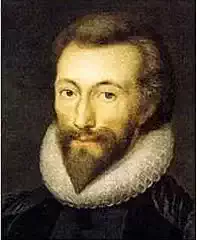
John Donne
On The Progress Of The Soul...
On The Progress Of The Soul...
Forget this rotten world, and unto thee
Let thine own times as an old story be.
Be not concern'd; study not why, nor when;
Do not so much as not believe a man.
For though to err, be worst, to try truths forth
Is far more business than this world is worth.
I'he world is but a carcass; thou art fed
By it, but as a worm, that carcass bred;
And why shouldst thou, poor worm, consider more,
When this world will grow better than before,
Than those thy fellow-worms do think upon
That carcass's last resurrection?
Forget this world, and scarce think of it so,
As of old clothes, cast off a year ago.
To be thus stupid is alacrity;
Men thus lethargic have best memory.
Look upward; that's towards her, whose happy state
We now lament not, but congratulate.
She, to whom all this world was but a stage,
Where all sat heark'ning how her youthful age
Should be employ'd, because in all she did
Some figure of the golden times was hid.
Who could not lack, what'er this world could give,
Because she was the form, that made it live;
Nor could complain that this world was unfit
To be stay'd in, then when she was in it;
She, that first tried indifferent desires
By virtue, and virtue by religious fires;
She, to whose person paradise adher'd,
As courts to princes; she, whose eyes enspher'd
Star-light enough t' have made the South control,
(Had she been there) the star-full Northern Pole;
She, she is gone; she is gone; when thou knowest this,
What fragmentary rubbish this world is
Thou knowest, and that it is not worth a thought;
He honours it too much that thinks it nought.
Think then, my soul, that death is but a groom,
Which brings a taper to the outward room,
Whence thou spiest first a little glimmering light,
And after brings it nearer to thy sight;
For such approaches doth heaven make in death.
Think thyself labouring now with broken breath,
And think those broken and soft notes to be
Division, and thy happiest harmony.
Think thee laid on thy death-bed, loose and slack,
And think that but unbinding of a pack,
To take one precious thing, thy soul, from thence.
Think thyself parch'd with fever's violence;
Anger thine ague more, by calling it
Thy physic; chide the slackness of the fit.
Think that thou hear'st thy knell, and think no more,
But that, as bells call'd thee to church before,
So this to the Triumphant Church calls thee.
Think Satan's sergeants round about thee be,
And think that but for legacies they thrust;
Give one thy pride, to'another give thy lust;
Give them those sins which they gave thee before,
And trust th' immaculate blood to wash thy score.
Think thy friends weeping round, and think that they
Weep but because they go not yet thy way.
Think that they close thine eyes, and think in this,
That they confess much in the world amiss,
Who dare not trust a dead man's eye with that
Which they from God and angels cover not.
Think that they shroud thee up, and think from thence
They reinvest thee in white innocence.
Think that thy body rots, and (if so low,
Thy soul exalted so, thy thoughts can go)
Think thee a prince, who of themselves create
Worms, which insensibly devour their state.
Think that they bury thee, and think that rite
Lays thee to sleep but a Saint Lucy's night.
....
Forget this rotten world, and unto thee
Let thine own times as an old story be.
Be not concern'd; study not why, nor when;
Do not so much as not believe a man.
For though to err, be worst, to try truths forth
Is far more business than this world is worth.
I'he world is but a carcass; thou art fed
By it, but as a worm, that carcass bred;
And why shouldst thou, poor worm, consider more,
When this world will grow better than before,
Than those thy fellow-worms do think upon
That carcass's last resurrection?
Forget this world, and scarce think of it so,
As of old clothes, cast off a year ago.
To be thus stupid is alacrity;
Men thus lethargic have best memory.
Look upward; that's towards her, whose happy state
We now lament not, but congratulate.
She, to whom all this world was but a stage,
Where all sat heark'ning how her youthful age
Should be employ'd, because in all she did
Some figure of the golden times was hid.
Who could not lack, what'er this world could give,
Because she was the form, that made it live;
Nor could complain that this world was unfit
To be stay'd in, then when she was in it;
She, that first tried indifferent desires
By virtue, and virtue by religious fires;
She, to whose person paradise adher'd,
As courts to princes; she, whose eyes enspher'd
Star-light enough t' have made the South control,
(Had she been there) the star-full Northern Pole;
She, she is gone; she is gone; when thou knowest this,
What fragmentary rubbish this world is
Thou knowest, and that it is not worth a thought;
He honours it too much that thinks it nought.
Think then, my soul, that death is but a groom,
Which brings a taper to the outward room,
Whence thou spiest first a little glimmering light,
And after brings it nearer to thy sight;
For such approaches doth heaven make in death.
Think thyself labouring now with broken breath,
And think those broken and soft notes to be
Division, and thy happiest harmony.
Think thee laid on thy death-bed, loose and slack,
And think that but unbinding of a pack,
To take one precious thing, thy soul, from thence.
Think thyself parch'd with fever's violence;
Anger thine ague more, by calling it
Thy physic; chide the slackness of the fit.
Think that thou hear'st thy knell, and think no more,
But that, as bells call'd thee to church before,
So this to the Triumphant Church calls thee.
Think Satan's sergeants round about thee be,
And think that but for legacies they thrust;
Give one thy pride, to'another give thy lust;
Give them those sins which they gave thee before,
And trust th' immaculate blood to wash thy score.
Think thy friends weeping round, and think that they
Weep but because they go not yet thy way.
Think that they close thine eyes, and think in this,
That they confess much in the world amiss,
Who dare not trust a dead man's eye with that
Which they from God and angels cover not.
Think that they shroud thee up, and think from thence
They reinvest thee in white innocence.
Think that thy body rots, and (if so low,
Thy soul exalted so, thy thoughts can go)
Think thee a prince, who of themselves create
Worms, which insensibly devour their state.
Think that they bury thee, and think that rite
Lays thee to sleep but a Saint Lucy's night.
....
332
John Donne
On The Progress Of The Soul...
On The Progress Of The Soul...
Forget this rotten world, and unto thee
Let thine own times as an old story be.
Be not concern'd; study not why, nor when;
Do not so much as not believe a man.
For though to err, be worst, to try truths forth
Is far more business than this world is worth.
I'he world is but a carcass; thou art fed
By it, but as a worm, that carcass bred;
And why shouldst thou, poor worm, consider more,
When this world will grow better than before,
Than those thy fellow-worms do think upon
That carcass's last resurrection?
Forget this world, and scarce think of it so,
As of old clothes, cast off a year ago.
To be thus stupid is alacrity;
Men thus lethargic have best memory.
Look upward; that's towards her, whose happy state
We now lament not, but congratulate.
She, to whom all this world was but a stage,
Where all sat heark'ning how her youthful age
Should be employ'd, because in all she did
Some figure of the golden times was hid.
Who could not lack, what'er this world could give,
Because she was the form, that made it live;
Nor could complain that this world was unfit
To be stay'd in, then when she was in it;
She, that first tried indifferent desires
By virtue, and virtue by religious fires;
She, to whose person paradise adher'd,
As courts to princes; she, whose eyes enspher'd
Star-light enough t' have made the South control,
(Had she been there) the star-full Northern Pole;
She, she is gone; she is gone; when thou knowest this,
What fragmentary rubbish this world is
Thou knowest, and that it is not worth a thought;
He honours it too much that thinks it nought.
Think then, my soul, that death is but a groom,
Which brings a taper to the outward room,
Whence thou spiest first a little glimmering light,
And after brings it nearer to thy sight;
For such approaches doth heaven make in death.
Think thyself labouring now with broken breath,
And think those broken and soft notes to be
Division, and thy happiest harmony.
Think thee laid on thy death-bed, loose and slack,
And think that but unbinding of a pack,
To take one precious thing, thy soul, from thence.
Think thyself parch'd with fever's violence;
Anger thine ague more, by calling it
Thy physic; chide the slackness of the fit.
Think that thou hear'st thy knell, and think no more,
But that, as bells call'd thee to church before,
So this to the Triumphant Church calls thee.
Think Satan's sergeants round about thee be,
And think that but for legacies they thrust;
Give one thy pride, to'another give thy lust;
Give them those sins which they gave thee before,
And trust th' immaculate blood to wash thy score.
Think thy friends weeping round, and think that they
Weep but because they go not yet thy way.
Think that they close thine eyes, and think in this,
That they confess much in the world amiss,
Who dare not trust a dead man's eye with that
Which they from God and angels cover not.
Think that they shroud thee up, and think from thence
They reinvest thee in white innocence.
Think that thy body rots, and (if so low,
Thy soul exalted so, thy thoughts can go)
Think thee a prince, who of themselves create
Worms, which insensibly devour their state.
Think that they bury thee, and think that rite
Lays thee to sleep but a Saint Lucy's night.
....
Forget this rotten world, and unto thee
Let thine own times as an old story be.
Be not concern'd; study not why, nor when;
Do not so much as not believe a man.
For though to err, be worst, to try truths forth
Is far more business than this world is worth.
I'he world is but a carcass; thou art fed
By it, but as a worm, that carcass bred;
And why shouldst thou, poor worm, consider more,
When this world will grow better than before,
Than those thy fellow-worms do think upon
That carcass's last resurrection?
Forget this world, and scarce think of it so,
As of old clothes, cast off a year ago.
To be thus stupid is alacrity;
Men thus lethargic have best memory.
Look upward; that's towards her, whose happy state
We now lament not, but congratulate.
She, to whom all this world was but a stage,
Where all sat heark'ning how her youthful age
Should be employ'd, because in all she did
Some figure of the golden times was hid.
Who could not lack, what'er this world could give,
Because she was the form, that made it live;
Nor could complain that this world was unfit
To be stay'd in, then when she was in it;
She, that first tried indifferent desires
By virtue, and virtue by religious fires;
She, to whose person paradise adher'd,
As courts to princes; she, whose eyes enspher'd
Star-light enough t' have made the South control,
(Had she been there) the star-full Northern Pole;
She, she is gone; she is gone; when thou knowest this,
What fragmentary rubbish this world is
Thou knowest, and that it is not worth a thought;
He honours it too much that thinks it nought.
Think then, my soul, that death is but a groom,
Which brings a taper to the outward room,
Whence thou spiest first a little glimmering light,
And after brings it nearer to thy sight;
For such approaches doth heaven make in death.
Think thyself labouring now with broken breath,
And think those broken and soft notes to be
Division, and thy happiest harmony.
Think thee laid on thy death-bed, loose and slack,
And think that but unbinding of a pack,
To take one precious thing, thy soul, from thence.
Think thyself parch'd with fever's violence;
Anger thine ague more, by calling it
Thy physic; chide the slackness of the fit.
Think that thou hear'st thy knell, and think no more,
But that, as bells call'd thee to church before,
So this to the Triumphant Church calls thee.
Think Satan's sergeants round about thee be,
And think that but for legacies they thrust;
Give one thy pride, to'another give thy lust;
Give them those sins which they gave thee before,
And trust th' immaculate blood to wash thy score.
Think thy friends weeping round, and think that they
Weep but because they go not yet thy way.
Think that they close thine eyes, and think in this,
That they confess much in the world amiss,
Who dare not trust a dead man's eye with that
Which they from God and angels cover not.
Think that they shroud thee up, and think from thence
They reinvest thee in white innocence.
Think that thy body rots, and (if so low,
Thy soul exalted so, thy thoughts can go)
Think thee a prince, who of themselves create
Worms, which insensibly devour their state.
Think that they bury thee, and think that rite
Lays thee to sleep but a Saint Lucy's night.
....
332
John Donne
Oh my blacke Soule! now thou art summoned
Oh my blacke Soule! now thou art summoned
Oh my black Soule! Now thou art summoned
By sicknesse, deaths herald, and champion;
Thou art like a pilgrim, which abroad hath done
Treason, and durst not turne to whence hee is fled,
Or like a thiefe, which till deaths doome be read,
Wisheth himselfe deliverd from prison;
But damn'd and hal'd to execution,
Wisheth that sill he might be imprisioned;
Yet grace, if thou repent, thou canst not lacke;
But who shall give thee that grace to beginne?
Oh make thy selfe with holy mourning blacke;
And red with blushing, as thou art with sinne;
Or wash thee in Christ's blood, which hath this might
That being red, it dyes red soules to white.
Oh my black Soule! Now thou art summoned
By sicknesse, deaths herald, and champion;
Thou art like a pilgrim, which abroad hath done
Treason, and durst not turne to whence hee is fled,
Or like a thiefe, which till deaths doome be read,
Wisheth himselfe deliverd from prison;
But damn'd and hal'd to execution,
Wisheth that sill he might be imprisioned;
Yet grace, if thou repent, thou canst not lacke;
But who shall give thee that grace to beginne?
Oh make thy selfe with holy mourning blacke;
And red with blushing, as thou art with sinne;
Or wash thee in Christ's blood, which hath this might
That being red, it dyes red soules to white.
320
John Donne
Oh my blacke Soule! now thou art summoned
Oh my blacke Soule! now thou art summoned
Oh my black Soule! Now thou art summoned
By sicknesse, deaths herald, and champion;
Thou art like a pilgrim, which abroad hath done
Treason, and durst not turne to whence hee is fled,
Or like a thiefe, which till deaths doome be read,
Wisheth himselfe deliverd from prison;
But damn'd and hal'd to execution,
Wisheth that sill he might be imprisioned;
Yet grace, if thou repent, thou canst not lacke;
But who shall give thee that grace to beginne?
Oh make thy selfe with holy mourning blacke;
And red with blushing, as thou art with sinne;
Or wash thee in Christ's blood, which hath this might
That being red, it dyes red soules to white.
Oh my black Soule! Now thou art summoned
By sicknesse, deaths herald, and champion;
Thou art like a pilgrim, which abroad hath done
Treason, and durst not turne to whence hee is fled,
Or like a thiefe, which till deaths doome be read,
Wisheth himselfe deliverd from prison;
But damn'd and hal'd to execution,
Wisheth that sill he might be imprisioned;
Yet grace, if thou repent, thou canst not lacke;
But who shall give thee that grace to beginne?
Oh make thy selfe with holy mourning blacke;
And red with blushing, as thou art with sinne;
Or wash thee in Christ's blood, which hath this might
That being red, it dyes red soules to white.
320
John Donne
Negative Love
Negative Love
I never stoop'd so low, as they
Which on an eye, cheeke, lip, can prey,
Seldom to them, which soare no higher
Than vertue or the minde to'admire,
For sense, and understanding may
Know, what gives fuell to their fire:
My love, though silly, is more brave,
For may I misse, when ere I crave,
If I know yet, what I would have.
If that be simply perfectest
Which can by no way be exprest
But Negatives, my love is so.
To All, which all love, I say no.
If any who deciphers best,
What we know not, our selves, can know,
Let him teach mee that nothing; This
As yet my ease, and comfort is,
Though I speed not, I cannot misse.
I never stoop'd so low, as they
Which on an eye, cheeke, lip, can prey,
Seldom to them, which soare no higher
Than vertue or the minde to'admire,
For sense, and understanding may
Know, what gives fuell to their fire:
My love, though silly, is more brave,
For may I misse, when ere I crave,
If I know yet, what I would have.
If that be simply perfectest
Which can by no way be exprest
But Negatives, my love is so.
To All, which all love, I say no.
If any who deciphers best,
What we know not, our selves, can know,
Let him teach mee that nothing; This
As yet my ease, and comfort is,
Though I speed not, I cannot misse.
366
John Donne
Hym To God, My God In My Sickness
Hym To God, My God In My Sickness
Since I am coming to that holy room,
Where, with thy choir of saints for evermore,
I shall be made thy music; as I come
I tune the instrument here at the door,
And what I must do then, think here before.
Whilst my physicians by their love are grown
Cosmographers, and I their map, who lie
Flat on this bed, that by them may be shown
That this is my south-west discovery,
[lang l]Per fretum febris[lang e], by these straits to die,
pmdv3 n='33-11'> I joy, that in these straits I see my west;
For, though their currents yield return to none,
What shall my west hurt me? As west and east
In all flat maps (and I am one) are one,
So death doth touch the resurrection.
Is the Pacific Sea my home? Or are
The eastern riches? Is Jerusalem?
Anyan, and Magellan, and Gibraltar,
All straits, and none but straits, are ways to them,
Whether where Japhet dwelt, or Cham, or Shem.
We think that Paradise and Calvary,
Christ's cross, and Adam's tree, stood in one place;
Look, Lord, and find both Adams met in me;
As the first Adam's sweat surrounds my face,
May the last Adam's blood my soul embrace.
So, in his purple wrapp'd, receive me, Lord;
By these his thorns, give me his other crown;
And as to others' souls I preach'd thy word,
Be this my text, my sermon to mine own:
'Therefore that he may raise, the Lord throws down.'
Since I am coming to that holy room,
Where, with thy choir of saints for evermore,
I shall be made thy music; as I come
I tune the instrument here at the door,
And what I must do then, think here before.
Whilst my physicians by their love are grown
Cosmographers, and I their map, who lie
Flat on this bed, that by them may be shown
That this is my south-west discovery,
[lang l]Per fretum febris[lang e], by these straits to die,
pmdv3 n='33-11'> I joy, that in these straits I see my west;
For, though their currents yield return to none,
What shall my west hurt me? As west and east
In all flat maps (and I am one) are one,
So death doth touch the resurrection.
Is the Pacific Sea my home? Or are
The eastern riches? Is Jerusalem?
Anyan, and Magellan, and Gibraltar,
All straits, and none but straits, are ways to them,
Whether where Japhet dwelt, or Cham, or Shem.
We think that Paradise and Calvary,
Christ's cross, and Adam's tree, stood in one place;
Look, Lord, and find both Adams met in me;
As the first Adam's sweat surrounds my face,
May the last Adam's blood my soul embrace.
So, in his purple wrapp'd, receive me, Lord;
By these his thorns, give me his other crown;
And as to others' souls I preach'd thy word,
Be this my text, my sermon to mine own:
'Therefore that he may raise, the Lord throws down.'
289
John Donne
Hym To God, My God In My Sickness
Hym To God, My God In My Sickness
Since I am coming to that holy room,
Where, with thy choir of saints for evermore,
I shall be made thy music; as I come
I tune the instrument here at the door,
And what I must do then, think here before.
Whilst my physicians by their love are grown
Cosmographers, and I their map, who lie
Flat on this bed, that by them may be shown
That this is my south-west discovery,
[lang l]Per fretum febris[lang e], by these straits to die,
pmdv3 n='33-11'> I joy, that in these straits I see my west;
For, though their currents yield return to none,
What shall my west hurt me? As west and east
In all flat maps (and I am one) are one,
So death doth touch the resurrection.
Is the Pacific Sea my home? Or are
The eastern riches? Is Jerusalem?
Anyan, and Magellan, and Gibraltar,
All straits, and none but straits, are ways to them,
Whether where Japhet dwelt, or Cham, or Shem.
We think that Paradise and Calvary,
Christ's cross, and Adam's tree, stood in one place;
Look, Lord, and find both Adams met in me;
As the first Adam's sweat surrounds my face,
May the last Adam's blood my soul embrace.
So, in his purple wrapp'd, receive me, Lord;
By these his thorns, give me his other crown;
And as to others' souls I preach'd thy word,
Be this my text, my sermon to mine own:
'Therefore that he may raise, the Lord throws down.'
Since I am coming to that holy room,
Where, with thy choir of saints for evermore,
I shall be made thy music; as I come
I tune the instrument here at the door,
And what I must do then, think here before.
Whilst my physicians by their love are grown
Cosmographers, and I their map, who lie
Flat on this bed, that by them may be shown
That this is my south-west discovery,
[lang l]Per fretum febris[lang e], by these straits to die,
pmdv3 n='33-11'> I joy, that in these straits I see my west;
For, though their currents yield return to none,
What shall my west hurt me? As west and east
In all flat maps (and I am one) are one,
So death doth touch the resurrection.
Is the Pacific Sea my home? Or are
The eastern riches? Is Jerusalem?
Anyan, and Magellan, and Gibraltar,
All straits, and none but straits, are ways to them,
Whether where Japhet dwelt, or Cham, or Shem.
We think that Paradise and Calvary,
Christ's cross, and Adam's tree, stood in one place;
Look, Lord, and find both Adams met in me;
As the first Adam's sweat surrounds my face,
May the last Adam's blood my soul embrace.
So, in his purple wrapp'd, receive me, Lord;
By these his thorns, give me his other crown;
And as to others' souls I preach'd thy word,
Be this my text, my sermon to mine own:
'Therefore that he may raise, the Lord throws down.'
289
John Donne
Hym To God, My God In My Sickness
Hym To God, My God In My Sickness
Since I am coming to that holy room,
Where, with thy choir of saints for evermore,
I shall be made thy music; as I come
I tune the instrument here at the door,
And what I must do then, think here before.
Whilst my physicians by their love are grown
Cosmographers, and I their map, who lie
Flat on this bed, that by them may be shown
That this is my south-west discovery,
[lang l]Per fretum febris[lang e], by these straits to die,
pmdv3 n='33-11'> I joy, that in these straits I see my west;
For, though their currents yield return to none,
What shall my west hurt me? As west and east
In all flat maps (and I am one) are one,
So death doth touch the resurrection.
Is the Pacific Sea my home? Or are
The eastern riches? Is Jerusalem?
Anyan, and Magellan, and Gibraltar,
All straits, and none but straits, are ways to them,
Whether where Japhet dwelt, or Cham, or Shem.
We think that Paradise and Calvary,
Christ's cross, and Adam's tree, stood in one place;
Look, Lord, and find both Adams met in me;
As the first Adam's sweat surrounds my face,
May the last Adam's blood my soul embrace.
So, in his purple wrapp'd, receive me, Lord;
By these his thorns, give me his other crown;
And as to others' souls I preach'd thy word,
Be this my text, my sermon to mine own:
'Therefore that he may raise, the Lord throws down.'
Since I am coming to that holy room,
Where, with thy choir of saints for evermore,
I shall be made thy music; as I come
I tune the instrument here at the door,
And what I must do then, think here before.
Whilst my physicians by their love are grown
Cosmographers, and I their map, who lie
Flat on this bed, that by them may be shown
That this is my south-west discovery,
[lang l]Per fretum febris[lang e], by these straits to die,
pmdv3 n='33-11'> I joy, that in these straits I see my west;
For, though their currents yield return to none,
What shall my west hurt me? As west and east
In all flat maps (and I am one) are one,
So death doth touch the resurrection.
Is the Pacific Sea my home? Or are
The eastern riches? Is Jerusalem?
Anyan, and Magellan, and Gibraltar,
All straits, and none but straits, are ways to them,
Whether where Japhet dwelt, or Cham, or Shem.
We think that Paradise and Calvary,
Christ's cross, and Adam's tree, stood in one place;
Look, Lord, and find both Adams met in me;
As the first Adam's sweat surrounds my face,
May the last Adam's blood my soul embrace.
So, in his purple wrapp'd, receive me, Lord;
By these his thorns, give me his other crown;
And as to others' souls I preach'd thy word,
Be this my text, my sermon to mine own:
'Therefore that he may raise, the Lord throws down.'
289
John Donne
La Corona
La Corona
Deign at my hands this crown of prayer and praise,
Weaved in my lone devout melancholy,
Thou which of good hast, yea, art treasury,
All changing unchanged Ancient of days.
But do not with a vile crown of frail bays
Reward my Muse's white sincerity ;
But what Thy thorny crown gain'd, that give me,
A crown of glory, which doth flower always.
The ends crown our works, but Thou crown'st our ends,
For at our ends begins our endless rest.
The first last end, now zealously possess'd,
With a strong sober thirst my soul attends.
'Tis time that heart and voice be lifted high ;
Salvation to all that will is nigh.
Deign at my hands this crown of prayer and praise,
Weaved in my lone devout melancholy,
Thou which of good hast, yea, art treasury,
All changing unchanged Ancient of days.
But do not with a vile crown of frail bays
Reward my Muse's white sincerity ;
But what Thy thorny crown gain'd, that give me,
A crown of glory, which doth flower always.
The ends crown our works, but Thou crown'st our ends,
For at our ends begins our endless rest.
The first last end, now zealously possess'd,
With a strong sober thirst my soul attends.
'Tis time that heart and voice be lifted high ;
Salvation to all that will is nigh.
454
John Donne
La Corona
La Corona
Deign at my hands this crown of prayer and praise,
Weaved in my lone devout melancholy,
Thou which of good hast, yea, art treasury,
All changing unchanged Ancient of days.
But do not with a vile crown of frail bays
Reward my Muse's white sincerity ;
But what Thy thorny crown gain'd, that give me,
A crown of glory, which doth flower always.
The ends crown our works, but Thou crown'st our ends,
For at our ends begins our endless rest.
The first last end, now zealously possess'd,
With a strong sober thirst my soul attends.
'Tis time that heart and voice be lifted high ;
Salvation to all that will is nigh.
Deign at my hands this crown of prayer and praise,
Weaved in my lone devout melancholy,
Thou which of good hast, yea, art treasury,
All changing unchanged Ancient of days.
But do not with a vile crown of frail bays
Reward my Muse's white sincerity ;
But what Thy thorny crown gain'd, that give me,
A crown of glory, which doth flower always.
The ends crown our works, but Thou crown'st our ends,
For at our ends begins our endless rest.
The first last end, now zealously possess'd,
With a strong sober thirst my soul attends.
'Tis time that heart and voice be lifted high ;
Salvation to all that will is nigh.
454
John Donne
Holy Sonnet XVIII: Show me, dear Christ, thy Spouse, so bright and clear
Holy Sonnet XVIII: Show me, dear Christ, thy Spouse, so bright and clear
Show me, dear Christ, thy Spouse, so bright and clear.
What! is it She, which on the other shore
Goes richly painted? or which, robbed and tore,
Laments and mourns in Germany and here?
Sleeps she a thousand, then peeps up one year?
Is she self-truth and errs? now new, now outwore?
Doth she, and did she, and shall she evermore
On one, on seven, or on no hill appear?
Dwells she with us, or like adventuring knights
First travail we to seek and then make love?
Betray, kind husband, thy spouse to our sights,
And let mine amorous soul court thy mild dove,
Who is most true and pleasing to thee then
When she's embraced and open to most men.
Show me, dear Christ, thy Spouse, so bright and clear.
What! is it She, which on the other shore
Goes richly painted? or which, robbed and tore,
Laments and mourns in Germany and here?
Sleeps she a thousand, then peeps up one year?
Is she self-truth and errs? now new, now outwore?
Doth she, and did she, and shall she evermore
On one, on seven, or on no hill appear?
Dwells she with us, or like adventuring knights
First travail we to seek and then make love?
Betray, kind husband, thy spouse to our sights,
And let mine amorous soul court thy mild dove,
Who is most true and pleasing to thee then
When she's embraced and open to most men.
286
John Donne
Holy Sonnet XVII: Since She Whom I Loved
Holy Sonnet XVII: Since She Whom I Loved
Since she whom I loved hath paid her last debt
To Nature, and to hers, and my good is dead,
And her soul early into heaven ravished,
Wholly on heavenly things my mind is set.
here the admiring her my mind did whet
To seek thee, God; so streams do show the head;
But though I have found thee, and thou my thirst hast fed,
a holy thristy dropsy melts me yet.
But why should I beg more love, whenas thou
Dost woo my soul, for hers offering all thine:
And dost not only fear lest I allow
My love to saints and angels, things divine,
but in they tender jealousy dost doubt
lest the world, flesh, yea, devil put thee out.
Since she whom I loved hath paid her last debt
To Nature, and to hers, and my good is dead,
And her soul early into heaven ravished,
Wholly on heavenly things my mind is set.
here the admiring her my mind did whet
To seek thee, God; so streams do show the head;
But though I have found thee, and thou my thirst hast fed,
a holy thristy dropsy melts me yet.
But why should I beg more love, whenas thou
Dost woo my soul, for hers offering all thine:
And dost not only fear lest I allow
My love to saints and angels, things divine,
but in they tender jealousy dost doubt
lest the world, flesh, yea, devil put thee out.
410
John Donne
Holy Sonnet XV: Wilt Thou Love God
Holy Sonnet XV: Wilt Thou Love God
Wilt thou love God, as he thee? then digest,
My Soule, this wholsome meditation,
How God the Spirit, by Angels waited on
In heaven, doth make his Temple in thy brest.
The Father having begot a Sonne most blest,
And still begetting, (for he ne'r begonne)
Hath deign'd to chuse thee by adoption,
Coheire to his glory, and Sabbaths endlesse rest;
And as a robb'd man, which by search doth finde
His stolne stuffe sold, must lose or buy it againe;
The Sonne of glory came downe, and was slaine,
Us whom he had made, and Satan stolne, to unbinde.
'Twas much, that man was made like God before,
But, that God should be made like man, much more.
Wilt thou love God, as he thee? then digest,
My Soule, this wholsome meditation,
How God the Spirit, by Angels waited on
In heaven, doth make his Temple in thy brest.
The Father having begot a Sonne most blest,
And still begetting, (for he ne'r begonne)
Hath deign'd to chuse thee by adoption,
Coheire to his glory, and Sabbaths endlesse rest;
And as a robb'd man, which by search doth finde
His stolne stuffe sold, must lose or buy it againe;
The Sonne of glory came downe, and was slaine,
Us whom he had made, and Satan stolne, to unbinde.
'Twas much, that man was made like God before,
But, that God should be made like man, much more.
284
John Donne
Holy Sonnet XV: Wilt Thou Love God
Holy Sonnet XV: Wilt Thou Love God
Wilt thou love God, as he thee? then digest,
My Soule, this wholsome meditation,
How God the Spirit, by Angels waited on
In heaven, doth make his Temple in thy brest.
The Father having begot a Sonne most blest,
And still begetting, (for he ne'r begonne)
Hath deign'd to chuse thee by adoption,
Coheire to his glory, and Sabbaths endlesse rest;
And as a robb'd man, which by search doth finde
His stolne stuffe sold, must lose or buy it againe;
The Sonne of glory came downe, and was slaine,
Us whom he had made, and Satan stolne, to unbinde.
'Twas much, that man was made like God before,
But, that God should be made like man, much more.
Wilt thou love God, as he thee? then digest,
My Soule, this wholsome meditation,
How God the Spirit, by Angels waited on
In heaven, doth make his Temple in thy brest.
The Father having begot a Sonne most blest,
And still begetting, (for he ne'r begonne)
Hath deign'd to chuse thee by adoption,
Coheire to his glory, and Sabbaths endlesse rest;
And as a robb'd man, which by search doth finde
His stolne stuffe sold, must lose or buy it againe;
The Sonne of glory came downe, and was slaine,
Us whom he had made, and Satan stolne, to unbinde.
'Twas much, that man was made like God before,
But, that God should be made like man, much more.
284
John Donne
Holy Sonnet XVI: Father
Holy Sonnet XVI: Father
Father, part of his double interest
Unto thy kingdome, thy Sonne gives to mee,
His joynture in the knottie Trinitie
Hee keepes, and gives to me his deaths conquest.
This Lambe, whose death, with life the world hath blest,
Was from the worlds beginning slaine, and he
Hath made two Wills, which with the Legacie
Of his and thy kingdome, doe thy Sonnes invest.
Yet such are thy laws, that men argue yet
Whether a man those statutes can fulfill;
None doth; but all-healing grace and spirit
Revive againe what law and letter kill.
Thy lawes abridgement, and thy last command
Is all but love; Oh let this last Will stand!
Father, part of his double interest
Unto thy kingdome, thy Sonne gives to mee,
His joynture in the knottie Trinitie
Hee keepes, and gives to me his deaths conquest.
This Lambe, whose death, with life the world hath blest,
Was from the worlds beginning slaine, and he
Hath made two Wills, which with the Legacie
Of his and thy kingdome, doe thy Sonnes invest.
Yet such are thy laws, that men argue yet
Whether a man those statutes can fulfill;
None doth; but all-healing grace and spirit
Revive againe what law and letter kill.
Thy lawes abridgement, and thy last command
Is all but love; Oh let this last Will stand!
306
John Donne
Holy Sonnet XIX: Oh, to Vex Me
Holy Sonnet XIX: Oh, to Vex Me
Oh, to vex me, contraryes meet in one:
Inconstancy unnaturally hath begott
A constant habit; that when I would not
I change in vowes, and in devotione.
As humorous is my contritione
As my prophane Love, and as soone forgott:
As ridlingly distemper'd, cold and hott,
As praying, as mute; as infinite, as none.
I durst not view heaven yesterday; and to day
In prayers, and flattering speaches I court God:
To morrow I quake with true feare of his rod.
So my devout fitts come and go away
Like a fantistique Ague: save that here
Those are my best dayes, when I shake with feare.
Oh, to vex me, contraryes meet in one:
Inconstancy unnaturally hath begott
A constant habit; that when I would not
I change in vowes, and in devotione.
As humorous is my contritione
As my prophane Love, and as soone forgott:
As ridlingly distemper'd, cold and hott,
As praying, as mute; as infinite, as none.
I durst not view heaven yesterday; and to day
In prayers, and flattering speaches I court God:
To morrow I quake with true feare of his rod.
So my devout fitts come and go away
Like a fantistique Ague: save that here
Those are my best dayes, when I shake with feare.
371
John Donne
Holy Sonnet XIX: Oh, to Vex Me
Holy Sonnet XIX: Oh, to Vex Me
Oh, to vex me, contraryes meet in one:
Inconstancy unnaturally hath begott
A constant habit; that when I would not
I change in vowes, and in devotione.
As humorous is my contritione
As my prophane Love, and as soone forgott:
As ridlingly distemper'd, cold and hott,
As praying, as mute; as infinite, as none.
I durst not view heaven yesterday; and to day
In prayers, and flattering speaches I court God:
To morrow I quake with true feare of his rod.
So my devout fitts come and go away
Like a fantistique Ague: save that here
Those are my best dayes, when I shake with feare.
Oh, to vex me, contraryes meet in one:
Inconstancy unnaturally hath begott
A constant habit; that when I would not
I change in vowes, and in devotione.
As humorous is my contritione
As my prophane Love, and as soone forgott:
As ridlingly distemper'd, cold and hott,
As praying, as mute; as infinite, as none.
I durst not view heaven yesterday; and to day
In prayers, and flattering speaches I court God:
To morrow I quake with true feare of his rod.
So my devout fitts come and go away
Like a fantistique Ague: save that here
Those are my best dayes, when I shake with feare.
371
John Donne
Holy Sonnet XIX: Oh, To Vex Me, Contraries Meet In One
Holy Sonnet XIX: Oh, To Vex Me, Contraries Meet In One
Oh, to vex me, contraries meet in one:
Inconstancy unnaturally hath begot
A constant habit; that when I would not
I change in vows, and in devotion.
As humorous is my contrition
As my profane love, and as soon forgot:
As riddlingly distempered, cold and hot,
As praying, as mute; as infinite, as none.
I durst not view heaven yesterday; and today
In prayers and flattering speeches I court God:
Tomorrow I quake with true fear of his rod.
So my devout fits come and go away
Like a fantastic ague; save that here
Those are my best days, when I shake with feare.
Oh, to vex me, contraries meet in one:
Inconstancy unnaturally hath begot
A constant habit; that when I would not
I change in vows, and in devotion.
As humorous is my contrition
As my profane love, and as soon forgot:
As riddlingly distempered, cold and hot,
As praying, as mute; as infinite, as none.
I durst not view heaven yesterday; and today
In prayers and flattering speeches I court God:
Tomorrow I quake with true fear of his rod.
So my devout fits come and go away
Like a fantastic ague; save that here
Those are my best days, when I shake with feare.
315
John Donne
Holy Sonnet XIX: Oh, To Vex Me, Contraries Meet In One
Holy Sonnet XIX: Oh, To Vex Me, Contraries Meet In One
Oh, to vex me, contraries meet in one:
Inconstancy unnaturally hath begot
A constant habit; that when I would not
I change in vows, and in devotion.
As humorous is my contrition
As my profane love, and as soon forgot:
As riddlingly distempered, cold and hot,
As praying, as mute; as infinite, as none.
I durst not view heaven yesterday; and today
In prayers and flattering speeches I court God:
Tomorrow I quake with true fear of his rod.
So my devout fits come and go away
Like a fantastic ague; save that here
Those are my best days, when I shake with feare.
Oh, to vex me, contraries meet in one:
Inconstancy unnaturally hath begot
A constant habit; that when I would not
I change in vows, and in devotion.
As humorous is my contrition
As my profane love, and as soon forgot:
As riddlingly distempered, cold and hot,
As praying, as mute; as infinite, as none.
I durst not view heaven yesterday; and today
In prayers and flattering speeches I court God:
Tomorrow I quake with true fear of his rod.
So my devout fits come and go away
Like a fantastic ague; save that here
Those are my best days, when I shake with feare.
315
John Donne
Holy Sonnet XIII: What If This Present Were The World's Last Night?
Holy Sonnet XIII: What If This Present Were The World's Last Night?
What if this present were the world's last night?
Mark in my heart, O soul, where thou dost dwell,
The picture of Christ crucified, and tell
Whether that countenance can thee affright,
Tears in his eyes quench the amazing light,
Blood fills his frowns, which from his pierced head fell.
And can that tongue adjudge thee unto hell,
Which prayed forgiveness for his foes' fierce spite?
No, no; but as in my idolatry
I said to all my profane mistresses,
Beauty, of pity, foulness only is
A sign of rigour: so I say to thee,
To wicked spirits are horrid shapes assigned,
This beauteous form assures a piteous mind.
What if this present were the world's last night?
Mark in my heart, O soul, where thou dost dwell,
The picture of Christ crucified, and tell
Whether that countenance can thee affright,
Tears in his eyes quench the amazing light,
Blood fills his frowns, which from his pierced head fell.
And can that tongue adjudge thee unto hell,
Which prayed forgiveness for his foes' fierce spite?
No, no; but as in my idolatry
I said to all my profane mistresses,
Beauty, of pity, foulness only is
A sign of rigour: so I say to thee,
To wicked spirits are horrid shapes assigned,
This beauteous form assures a piteous mind.
261
John Donne
Holy Sonnet XIV: Batter my heart
Holy Sonnet XIV: Batter my heart
Batter my heart, three-personed God; for You
As yet but knock, breathe, shine, and seek to mend;
That I may rise and stand, o'erthrow me,'and bend
Your force to break, blow, burn, and make me new.
I, like an usurped town, to'another due,
Labor to'admit You, but O, to no end;
Reason, Your viceroy'in me, me should defend,
But is captived, and proves weak or untrue.
Yet dearly'I love You,'and would be loved fain,
But am betrothed unto Your enemy.
Divorce me,'untie or break that knot again;
Take me to You, imprison me, for I
Except You'enthrall me, never shall be free,
Nor ever chaste, except You ravish me.
Batter my heart, three-personed God; for You
As yet but knock, breathe, shine, and seek to mend;
That I may rise and stand, o'erthrow me,'and bend
Your force to break, blow, burn, and make me new.
I, like an usurped town, to'another due,
Labor to'admit You, but O, to no end;
Reason, Your viceroy'in me, me should defend,
But is captived, and proves weak or untrue.
Yet dearly'I love You,'and would be loved fain,
But am betrothed unto Your enemy.
Divorce me,'untie or break that knot again;
Take me to You, imprison me, for I
Except You'enthrall me, never shall be free,
Nor ever chaste, except You ravish me.
257
John Donne
Holy Sonnet XI: Spit In My Face You Jews, And Pierce My Side
Holy Sonnet XI: Spit In My Face You Jews, And Pierce My Side
Spit in my face you Jews, and pierce my side,
Buffet, and scoff, scourge, and crucify me,
For I have sinned, and sinned, and only he
Who could do no iniquity hath died:
But by my death can not be satisfied
My sins, which pass the Jews' impiety:
They killed once an inglorious man, but I
Crucify him daily, being now glorified.
Oh let me, then, his strange love still admire:
Kings pardon, but he bore our punishment.
And Jacob came clothed in vile harsh attire
But to supplant, and with gainful intent:
God clothed himself in vile man's flesh, that so
He might be weak enough to suffer woe.
Spit in my face you Jews, and pierce my side,
Buffet, and scoff, scourge, and crucify me,
For I have sinned, and sinned, and only he
Who could do no iniquity hath died:
But by my death can not be satisfied
My sins, which pass the Jews' impiety:
They killed once an inglorious man, but I
Crucify him daily, being now glorified.
Oh let me, then, his strange love still admire:
Kings pardon, but he bore our punishment.
And Jacob came clothed in vile harsh attire
But to supplant, and with gainful intent:
God clothed himself in vile man's flesh, that so
He might be weak enough to suffer woe.
306
John Donne
Holy Sonnet XII: Why Are We By All Creatures Waited On?
Holy Sonnet XII: Why Are We By All Creatures Waited On?
Why are we by all creatures waited on?
Why do the prodigal elements supply
Life and food to me, being more pure than I,
Simple, and further from corruption?
Why brook'st thou, ignorant horse, subjection?
Why dost thou, bull, and bore so seelily,
Dissemble weakness, and by one man's stroke die,
Whose whole kind you might swallow and feed upon?
Weaker I am, woe is me, and worse than you,
You have not sinned, nor need be timorous.
But wonder at a greater wonder, for to us
Created nature doth these things subdue,
But their Creator, whom sin nor nature tied,
For us, His creatures, and His foes, hath died.
Why are we by all creatures waited on?
Why do the prodigal elements supply
Life and food to me, being more pure than I,
Simple, and further from corruption?
Why brook'st thou, ignorant horse, subjection?
Why dost thou, bull, and bore so seelily,
Dissemble weakness, and by one man's stroke die,
Whose whole kind you might swallow and feed upon?
Weaker I am, woe is me, and worse than you,
You have not sinned, nor need be timorous.
But wonder at a greater wonder, for to us
Created nature doth these things subdue,
But their Creator, whom sin nor nature tied,
For us, His creatures, and His foes, hath died.
266
John Donne
Holy Sonnet X: Death Be Not Proud
Holy Sonnet X: Death Be Not Proud
Death, be not proud, though some have callèd thee
Mighty and dreadful, for thou art not so;
For those whom thou think'st thou dost overthrow
Die not, poor death, nor yet canst thou kill me.
From rest and sleep, which yet thy pictures be,
Much pleasure, then from thee much more, must low
And soonest our best men with thee do go,
Rest of their bones and soul's delivery.
Thou art slave to fate, chance, kings and desperate men
And dost with poison, war and sickness dwell,
And poppy or charms can make us sleep as well
And better than thy stroke; why swell'st thou then ?
One short sleep past, we wake eternally,
And death shall be no more; death, thou shalt die.
Death, be not proud, though some have callèd thee
Mighty and dreadful, for thou art not so;
For those whom thou think'st thou dost overthrow
Die not, poor death, nor yet canst thou kill me.
From rest and sleep, which yet thy pictures be,
Much pleasure, then from thee much more, must low
And soonest our best men with thee do go,
Rest of their bones and soul's delivery.
Thou art slave to fate, chance, kings and desperate men
And dost with poison, war and sickness dwell,
And poppy or charms can make us sleep as well
And better than thy stroke; why swell'st thou then ?
One short sleep past, we wake eternally,
And death shall be no more; death, thou shalt die.
330