

Poems in this topic
Life and Existence
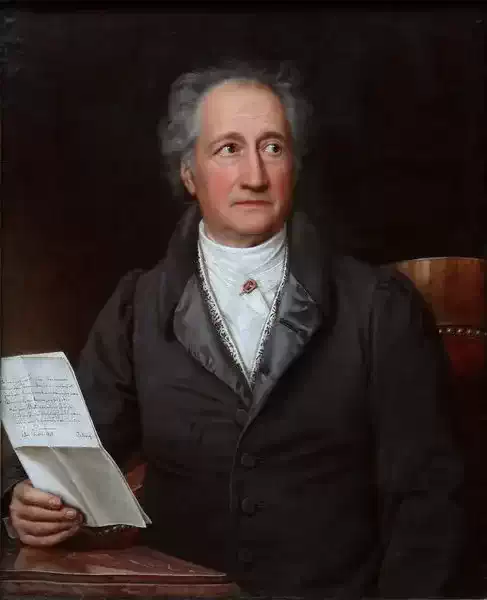
Johann Wolfgang von Goethe
The Garlands
The Garlands
KLOPSTOCK would lead us away from Pindus; no longer for laurel
May we be eager--the homely acorn alone must content us;
Yet he himself his more-than-epic crusade is conducting
High on Golgotha's summit, that foreign gods he may honour!
Yet, on what hill he prefers, let him gather the angels together,
Suffer deserted disciples to weep o'er the grave of the just one:
There where a hero and saint hath died, where a bard breath'd his numbers,
Both for our life and our death an ensample of courage resplendent
And of the loftiest human worth to bequeath,--ev'ry nation
There will joyously kneel in devotion ecstatic, revering
Thorn and laurel garland, and all its charms and its tortures.
KLOPSTOCK would lead us away from Pindus; no longer for laurel
May we be eager--the homely acorn alone must content us;
Yet he himself his more-than-epic crusade is conducting
High on Golgotha's summit, that foreign gods he may honour!
Yet, on what hill he prefers, let him gather the angels together,
Suffer deserted disciples to weep o'er the grave of the just one:
There where a hero and saint hath died, where a bard breath'd his numbers,
Both for our life and our death an ensample of courage resplendent
And of the loftiest human worth to bequeath,--ev'ry nation
There will joyously kneel in devotion ecstatic, revering
Thorn and laurel garland, and all its charms and its tortures.
450
Johann Wolfgang von Goethe
The Fisherman
The Fisherman
THE waters rush'd, the waters rose,
A fisherman sat by,
While on his line in calm repose
He cast his patient eye.
And as he sat, and hearken'd there,
The flood was cleft in twain,
And, lo! a dripping mermaid fair
Sprang from the troubled main.
She sang to him, and spake the while:
"Why lurest thou my brood,
With human wit and human guile
From out their native flood?
Oh, couldst thou know how gladly dart
The fish across the sea,
Thou wouldst descend, e'en as thou art,
And truly happy be!
"Do not the sun and moon with grace
Their forms in ocean lave?
Shines not with twofold charms their face,
When rising from the wave?
The deep, deep heavens, then lure thee not,--
The moist yet radiant blue,--
Not thine own form,--to tempt thy lot
'Midst this eternal dew?"
The waters rush'd, the waters rose,
Wetting his naked feet;
As if his true love's words were those,
His heart with longing beat.
She sang to him, to him spake she,
His doom was fix'd, I ween;
Half drew she him, and half sank he,
And ne'er again was seen.
THE waters rush'd, the waters rose,
A fisherman sat by,
While on his line in calm repose
He cast his patient eye.
And as he sat, and hearken'd there,
The flood was cleft in twain,
And, lo! a dripping mermaid fair
Sprang from the troubled main.
She sang to him, and spake the while:
"Why lurest thou my brood,
With human wit and human guile
From out their native flood?
Oh, couldst thou know how gladly dart
The fish across the sea,
Thou wouldst descend, e'en as thou art,
And truly happy be!
"Do not the sun and moon with grace
Their forms in ocean lave?
Shines not with twofold charms their face,
When rising from the wave?
The deep, deep heavens, then lure thee not,--
The moist yet radiant blue,--
Not thine own form,--to tempt thy lot
'Midst this eternal dew?"
The waters rush'd, the waters rose,
Wetting his naked feet;
As if his true love's words were those,
His heart with longing beat.
She sang to him, to him spake she,
His doom was fix'd, I ween;
Half drew she him, and half sank he,
And ne'er again was seen.
489
Johann Wolfgang von Goethe
The Exchange
The Exchange
THE stones in the streamlet I make my bright pillow,
And open my arms to the swift-rolling billow,
That lovingly hastens to fall on my breast.
Then fickleness soon bids it onwards be flowing;
A second draws nigh, its caresses bestowing,--
And so by a twofold enjoyment I'm blest.
And yet thou art trailing in sorrow and sadness
The moments that life, as it flies, gave for gladness,
Because by thy love thou'rt remember'd no more!
Oh, call back to mind former days and their blisses!
The lips of the second will give as sweet kisses
As any the lips of the first gave before!
THE stones in the streamlet I make my bright pillow,
And open my arms to the swift-rolling billow,
That lovingly hastens to fall on my breast.
Then fickleness soon bids it onwards be flowing;
A second draws nigh, its caresses bestowing,--
And so by a twofold enjoyment I'm blest.
And yet thou art trailing in sorrow and sadness
The moments that life, as it flies, gave for gladness,
Because by thy love thou'rt remember'd no more!
Oh, call back to mind former days and their blisses!
The lips of the second will give as sweet kisses
As any the lips of the first gave before!
428
Johann Wolfgang von Goethe
The Epochs
The Epochs
ON Petrarch's heart, all other days before,
In flaming letters written, was impress d
GOOD FRIDAY. And on mine, be it confess'd,
Is this year's ADVENT, as it passeth o'er.
I do not now begin,--I still adore
Her whom I early cherish'd in my breast;,
Then once again with prudence dispossess'd,
And to whose heart I'm driven back once more.
The love of Petrarch, that all-glorious love,
Was unrequited, and, alas, full sad;
One long Good Friday 'twas, one heartache drear
But may my mistress' Advent ever prove,
With its palm-jubilee, so sweet and glad,
One endless Mayday, through the livelong year!
ON Petrarch's heart, all other days before,
In flaming letters written, was impress d
GOOD FRIDAY. And on mine, be it confess'd,
Is this year's ADVENT, as it passeth o'er.
I do not now begin,--I still adore
Her whom I early cherish'd in my breast;,
Then once again with prudence dispossess'd,
And to whose heart I'm driven back once more.
The love of Petrarch, that all-glorious love,
Was unrequited, and, alas, full sad;
One long Good Friday 'twas, one heartache drear
But may my mistress' Advent ever prove,
With its palm-jubilee, so sweet and glad,
One endless Mayday, through the livelong year!
465
Johann Wolfgang von Goethe
The Death Of The Fly
The Death Of The Fly
WITH eagerness he drinks the treach'rous potion,
Nor stops to rest, by the first taste misled;
Sweet is the draught, but soon all power of motion
He finds has from his tender members fled;
No longer has he strength to plume his wing,
No longer strength to raise his head, poor thing!
E'en in enjoyment's hour his life he loses,
His little foot to bear his weight refuses;
So on he sips, and ere his draught is o'er,
Death veils his thousand eyes for evermore.
WITH eagerness he drinks the treach'rous potion,
Nor stops to rest, by the first taste misled;
Sweet is the draught, but soon all power of motion
He finds has from his tender members fled;
No longer has he strength to plume his wing,
No longer strength to raise his head, poor thing!
E'en in enjoyment's hour his life he loses,
His little foot to bear his weight refuses;
So on he sips, and ere his draught is o'er,
Death veils his thousand eyes for evermore.
369
Johann Wolfgang von Goethe
The Consecrated Spot
The Consecrated Spot
WHEN in the dance of the Nymphs, in the moonlight so holy assembled,
Mingle the Graces, down from Olympus in secret descending,
Here doth the minstrel hide, and list to their numbers enthralling,
Here doth he watch their silent dances' mysterious measure.
All that is glorious in Heaven, and all that the earth in her beauty
Ever hath brought into life, the dreamer awake sees before him;
All he repeats to the Muses, and lest the gods should be anger'd,
How to tell of secrets discreetly, the Muses instruct him.
WHEN in the dance of the Nymphs, in the moonlight so holy assembled,
Mingle the Graces, down from Olympus in secret descending,
Here doth the minstrel hide, and list to their numbers enthralling,
Here doth he watch their silent dances' mysterious measure.
All that is glorious in Heaven, and all that the earth in her beauty
Ever hath brought into life, the dreamer awake sees before him;
All he repeats to the Muses, and lest the gods should be anger'd,
How to tell of secrets discreetly, the Muses instruct him.
340
Johann Wolfgang von Goethe
The Convivial Book - Can The Koran From Eternity Be?
The Convivial Book - Can The Koran From Eternity Be?
'Tis worth not a thought!
Can the Koran a creation, then, be?
Of that, I know nought!
Yet that the book of all books it must be,
I believe, as a Mussulman ought.
That from Eternity wine, though, must be,
I ever have thought;
That 'twas ordain'd, ere the Angels, to be,
As a truth may be taught.
Drinkers, however these matters may be,
Gaze on God's face, fearing nought.
'Tis worth not a thought!
Can the Koran a creation, then, be?
Of that, I know nought!
Yet that the book of all books it must be,
I believe, as a Mussulman ought.
That from Eternity wine, though, must be,
I ever have thought;
That 'twas ordain'd, ere the Angels, to be,
As a truth may be taught.
Drinkers, however these matters may be,
Gaze on God's face, fearing nought.
263
Johann Wolfgang von Goethe
The Bridegroom
The Bridegroom
I SLEPT,--'twas midnight,--in my bosom woke,
As though 'twere day, my love-o'erflowing heart;
To me it seemed like night, when day first broke;
What is't to me, whate'er it may impart?
She was away; the world's unceasing strife
For her alone I suffer'd through the heat
Of sultry day; oh, what refreshing life
At cooling eve!--my guerdon was complete.
The sun now set, and wand'ring hand in hand,
His last and blissful look we greeted then;
While spake our eyes, as they each other scann'd:
"From the far east, let's trust, he'll come again!"
At midnight!--the bright stars, in vision blest,
Guide to the threshold where she slumbers calm:
Oh be it mine, there too at length to rest,--
Yet howsoe'er this prove, life's full of charm!
I SLEPT,--'twas midnight,--in my bosom woke,
As though 'twere day, my love-o'erflowing heart;
To me it seemed like night, when day first broke;
What is't to me, whate'er it may impart?
She was away; the world's unceasing strife
For her alone I suffer'd through the heat
Of sultry day; oh, what refreshing life
At cooling eve!--my guerdon was complete.
The sun now set, and wand'ring hand in hand,
His last and blissful look we greeted then;
While spake our eyes, as they each other scann'd:
"From the far east, let's trust, he'll come again!"
At midnight!--the bright stars, in vision blest,
Guide to the threshold where she slumbers calm:
Oh be it mine, there too at length to rest,--
Yet howsoe'er this prove, life's full of charm!
437
Johann Wolfgang von Goethe
The Brethren
The Brethren
SLUMBER and Sleep, two brethren ordain'd by the gods to their service,
Were by Prometheus implored, comfort to give to his race;
But though so light to the gods, too heavy for man was their burden,
We in their slumber find sleep, we in their sleep meet with death.
SLUMBER and Sleep, two brethren ordain'd by the gods to their service,
Were by Prometheus implored, comfort to give to his race;
But though so light to the gods, too heavy for man was their burden,
We in their slumber find sleep, we in their sleep meet with death.
356
Johann Wolfgang von Goethe
The Brethren
The Brethren
SLUMBER and Sleep, two brethren ordain'd by the gods to their service,
Were by Prometheus implored, comfort to give to his race;
But though so light to the gods, too heavy for man was their burden,
We in their slumber find sleep, we in their sleep meet with death.
SLUMBER and Sleep, two brethren ordain'd by the gods to their service,
Were by Prometheus implored, comfort to give to his race;
But though so light to the gods, too heavy for man was their burden,
We in their slumber find sleep, we in their sleep meet with death.
356
Johann Wolfgang von Goethe
The Brethren
The Brethren
SLUMBER and Sleep, two brethren ordain'd by the gods to their service,
Were by Prometheus implored, comfort to give to his race;
But though so light to the gods, too heavy for man was their burden,
We in their slumber find sleep, we in their sleep meet with death.
SLUMBER and Sleep, two brethren ordain'd by the gods to their service,
Were by Prometheus implored, comfort to give to his race;
But though so light to the gods, too heavy for man was their burden,
We in their slumber find sleep, we in their sleep meet with death.
356
Johann Wolfgang von Goethe
The Book Of Paradise - The Seven Sleepers
The Book Of Paradise - The Seven Sleepers
Six among the courtiers favour'd
Fly before the Caesar's fury,
Who would as a god be worshipp'd,
Though in truth no god appearing,
For a fly prevents him ever
From enjoying food at table.
Though with fans his servants scare it,
They the fly can never banish.
It torments him, stings, and troubles,
And the festal board perplexes,
Then returning like the herald
Of the olden crafty Fly-God.
'What!'--the striplings say together-'
Shall a fly a god embarrass?
Shall a god drink, eat at table,
Like us mortals? No, the Only,
Who the sun and moon created,
And the glowing stars arch'd o'er us,
He is God,--we'll fly!'--The gentle,
Lightly shod, and dainty striplings
Did a shepherd meet, and hide them,
With himself, within a cavern.
And the sheep-dog will not leave them,--
Scared away, his foot all-mangled,
To his master still he presses,
And he joins the hidden party,
Joins the favorites of slumber.
And the prince, whom they had fled from,
Fondly-furious, thinks of vengeance,
And, discarding sword and fire,
Has them walled-up in the cavern,
Walled-up fast with bricks and mortar.
But the others slumber ever,
And the Angel, their protector,
Gives before God's throne this notice
'To the right and left alternate
Have I ever cared to turn them,
That their fair and youthful members
Be not by the mould-damp injured;
Clefts within the rocks I open'd,
That the sun may, rising, setting,
Keep their cheeks in youthful freshness.'
So they lie there, bless'd by Heaven.
And, with forepaws sound and scatheless,
Sleeps the dog in gentle slumber.
Years come round, and years fly onward,
And the youths at length awaken,
And the wall, which now had moldered,
From its very age has fallen.
And Jamblika says,--whose beauty
Far exceedeth all the others,--
When the fearful shepherd lingers:-'
I will run, and food procure you,
Life and piece of gold I'll wager!'--
Ephebus had many a year now
Own'd the teaching of the Prophet
Jesus (Peace be with the Good One!)
And he ran, and at the gateway
Were the warders and the others.
Yet he to the nearest baker's,
Seeking bread, went swiftly onwards.-'
Rogue!' thus cried the baker--'hast thou,
Youth, a treasure, then, discover'd?
Give me,--for the gold betrays thee,--
Give me half, to keep thy secret!'--
And they quarrel.--To the monarch
Comes the matter; and the monarch
Fain would halve it, like the baker.
Now the miracle is proven
Slowly by a hundred tokens.
He can e'en his right establish
To the palace he erected,
For a pillar, when pierced open.
Leads to wealth he said 'twould lead to.
Soon are gather'd there whole races,
Their relationship to show him.
And as great-grandfather, nobly
Stands Jamblika's youthful figure.
As of ancestors, he hears them,
Speaking of his son and grandsons.
His great-grandsons stand around him,
Like a race of valiant mortals,
Him to honour,--him, the youngest.
And one token on another
Rises up, the proof completing;
The identity is proven
Of himself, and of his comrades.
Now returns he to the cavern,
With him go both king and people.--
Neither to the king nor people
E'er returns that chosen mortal;
For the Seven, who for ages--
Eight was, with the dog, their number-
Had from all the world been sunder'd,
Gabriel's mysterious power,
To the will of God obedient,
Hath to Paradise conducted,--
And the cave was closed for ever.
Six among the courtiers favour'd
Fly before the Caesar's fury,
Who would as a god be worshipp'd,
Though in truth no god appearing,
For a fly prevents him ever
From enjoying food at table.
Though with fans his servants scare it,
They the fly can never banish.
It torments him, stings, and troubles,
And the festal board perplexes,
Then returning like the herald
Of the olden crafty Fly-God.
'What!'--the striplings say together-'
Shall a fly a god embarrass?
Shall a god drink, eat at table,
Like us mortals? No, the Only,
Who the sun and moon created,
And the glowing stars arch'd o'er us,
He is God,--we'll fly!'--The gentle,
Lightly shod, and dainty striplings
Did a shepherd meet, and hide them,
With himself, within a cavern.
And the sheep-dog will not leave them,--
Scared away, his foot all-mangled,
To his master still he presses,
And he joins the hidden party,
Joins the favorites of slumber.
And the prince, whom they had fled from,
Fondly-furious, thinks of vengeance,
And, discarding sword and fire,
Has them walled-up in the cavern,
Walled-up fast with bricks and mortar.
But the others slumber ever,
And the Angel, their protector,
Gives before God's throne this notice
'To the right and left alternate
Have I ever cared to turn them,
That their fair and youthful members
Be not by the mould-damp injured;
Clefts within the rocks I open'd,
That the sun may, rising, setting,
Keep their cheeks in youthful freshness.'
So they lie there, bless'd by Heaven.
And, with forepaws sound and scatheless,
Sleeps the dog in gentle slumber.
Years come round, and years fly onward,
And the youths at length awaken,
And the wall, which now had moldered,
From its very age has fallen.
And Jamblika says,--whose beauty
Far exceedeth all the others,--
When the fearful shepherd lingers:-'
I will run, and food procure you,
Life and piece of gold I'll wager!'--
Ephebus had many a year now
Own'd the teaching of the Prophet
Jesus (Peace be with the Good One!)
And he ran, and at the gateway
Were the warders and the others.
Yet he to the nearest baker's,
Seeking bread, went swiftly onwards.-'
Rogue!' thus cried the baker--'hast thou,
Youth, a treasure, then, discover'd?
Give me,--for the gold betrays thee,--
Give me half, to keep thy secret!'--
And they quarrel.--To the monarch
Comes the matter; and the monarch
Fain would halve it, like the baker.
Now the miracle is proven
Slowly by a hundred tokens.
He can e'en his right establish
To the palace he erected,
For a pillar, when pierced open.
Leads to wealth he said 'twould lead to.
Soon are gather'd there whole races,
Their relationship to show him.
And as great-grandfather, nobly
Stands Jamblika's youthful figure.
As of ancestors, he hears them,
Speaking of his son and grandsons.
His great-grandsons stand around him,
Like a race of valiant mortals,
Him to honour,--him, the youngest.
And one token on another
Rises up, the proof completing;
The identity is proven
Of himself, and of his comrades.
Now returns he to the cavern,
With him go both king and people.--
Neither to the king nor people
E'er returns that chosen mortal;
For the Seven, who for ages--
Eight was, with the dog, their number-
Had from all the world been sunder'd,
Gabriel's mysterious power,
To the will of God obedient,
Hath to Paradise conducted,--
And the cave was closed for ever.
320
Johann Wolfgang von Goethe
The Book Of Paradise - The Seven Sleepers
The Book Of Paradise - The Seven Sleepers
Six among the courtiers favour'd
Fly before the Caesar's fury,
Who would as a god be worshipp'd,
Though in truth no god appearing,
For a fly prevents him ever
From enjoying food at table.
Though with fans his servants scare it,
They the fly can never banish.
It torments him, stings, and troubles,
And the festal board perplexes,
Then returning like the herald
Of the olden crafty Fly-God.
'What!'--the striplings say together-'
Shall a fly a god embarrass?
Shall a god drink, eat at table,
Like us mortals? No, the Only,
Who the sun and moon created,
And the glowing stars arch'd o'er us,
He is God,--we'll fly!'--The gentle,
Lightly shod, and dainty striplings
Did a shepherd meet, and hide them,
With himself, within a cavern.
And the sheep-dog will not leave them,--
Scared away, his foot all-mangled,
To his master still he presses,
And he joins the hidden party,
Joins the favorites of slumber.
And the prince, whom they had fled from,
Fondly-furious, thinks of vengeance,
And, discarding sword and fire,
Has them walled-up in the cavern,
Walled-up fast with bricks and mortar.
But the others slumber ever,
And the Angel, their protector,
Gives before God's throne this notice
'To the right and left alternate
Have I ever cared to turn them,
That their fair and youthful members
Be not by the mould-damp injured;
Clefts within the rocks I open'd,
That the sun may, rising, setting,
Keep their cheeks in youthful freshness.'
So they lie there, bless'd by Heaven.
And, with forepaws sound and scatheless,
Sleeps the dog in gentle slumber.
Years come round, and years fly onward,
And the youths at length awaken,
And the wall, which now had moldered,
From its very age has fallen.
And Jamblika says,--whose beauty
Far exceedeth all the others,--
When the fearful shepherd lingers:-'
I will run, and food procure you,
Life and piece of gold I'll wager!'--
Ephebus had many a year now
Own'd the teaching of the Prophet
Jesus (Peace be with the Good One!)
And he ran, and at the gateway
Were the warders and the others.
Yet he to the nearest baker's,
Seeking bread, went swiftly onwards.-'
Rogue!' thus cried the baker--'hast thou,
Youth, a treasure, then, discover'd?
Give me,--for the gold betrays thee,--
Give me half, to keep thy secret!'--
And they quarrel.--To the monarch
Comes the matter; and the monarch
Fain would halve it, like the baker.
Now the miracle is proven
Slowly by a hundred tokens.
He can e'en his right establish
To the palace he erected,
For a pillar, when pierced open.
Leads to wealth he said 'twould lead to.
Soon are gather'd there whole races,
Their relationship to show him.
And as great-grandfather, nobly
Stands Jamblika's youthful figure.
As of ancestors, he hears them,
Speaking of his son and grandsons.
His great-grandsons stand around him,
Like a race of valiant mortals,
Him to honour,--him, the youngest.
And one token on another
Rises up, the proof completing;
The identity is proven
Of himself, and of his comrades.
Now returns he to the cavern,
With him go both king and people.--
Neither to the king nor people
E'er returns that chosen mortal;
For the Seven, who for ages--
Eight was, with the dog, their number-
Had from all the world been sunder'd,
Gabriel's mysterious power,
To the will of God obedient,
Hath to Paradise conducted,--
And the cave was closed for ever.
Six among the courtiers favour'd
Fly before the Caesar's fury,
Who would as a god be worshipp'd,
Though in truth no god appearing,
For a fly prevents him ever
From enjoying food at table.
Though with fans his servants scare it,
They the fly can never banish.
It torments him, stings, and troubles,
And the festal board perplexes,
Then returning like the herald
Of the olden crafty Fly-God.
'What!'--the striplings say together-'
Shall a fly a god embarrass?
Shall a god drink, eat at table,
Like us mortals? No, the Only,
Who the sun and moon created,
And the glowing stars arch'd o'er us,
He is God,--we'll fly!'--The gentle,
Lightly shod, and dainty striplings
Did a shepherd meet, and hide them,
With himself, within a cavern.
And the sheep-dog will not leave them,--
Scared away, his foot all-mangled,
To his master still he presses,
And he joins the hidden party,
Joins the favorites of slumber.
And the prince, whom they had fled from,
Fondly-furious, thinks of vengeance,
And, discarding sword and fire,
Has them walled-up in the cavern,
Walled-up fast with bricks and mortar.
But the others slumber ever,
And the Angel, their protector,
Gives before God's throne this notice
'To the right and left alternate
Have I ever cared to turn them,
That their fair and youthful members
Be not by the mould-damp injured;
Clefts within the rocks I open'd,
That the sun may, rising, setting,
Keep their cheeks in youthful freshness.'
So they lie there, bless'd by Heaven.
And, with forepaws sound and scatheless,
Sleeps the dog in gentle slumber.
Years come round, and years fly onward,
And the youths at length awaken,
And the wall, which now had moldered,
From its very age has fallen.
And Jamblika says,--whose beauty
Far exceedeth all the others,--
When the fearful shepherd lingers:-'
I will run, and food procure you,
Life and piece of gold I'll wager!'--
Ephebus had many a year now
Own'd the teaching of the Prophet
Jesus (Peace be with the Good One!)
And he ran, and at the gateway
Were the warders and the others.
Yet he to the nearest baker's,
Seeking bread, went swiftly onwards.-'
Rogue!' thus cried the baker--'hast thou,
Youth, a treasure, then, discover'd?
Give me,--for the gold betrays thee,--
Give me half, to keep thy secret!'--
And they quarrel.--To the monarch
Comes the matter; and the monarch
Fain would halve it, like the baker.
Now the miracle is proven
Slowly by a hundred tokens.
He can e'en his right establish
To the palace he erected,
For a pillar, when pierced open.
Leads to wealth he said 'twould lead to.
Soon are gather'd there whole races,
Their relationship to show him.
And as great-grandfather, nobly
Stands Jamblika's youthful figure.
As of ancestors, he hears them,
Speaking of his son and grandsons.
His great-grandsons stand around him,
Like a race of valiant mortals,
Him to honour,--him, the youngest.
And one token on another
Rises up, the proof completing;
The identity is proven
Of himself, and of his comrades.
Now returns he to the cavern,
With him go both king and people.--
Neither to the king nor people
E'er returns that chosen mortal;
For the Seven, who for ages--
Eight was, with the dog, their number-
Had from all the world been sunder'd,
Gabriel's mysterious power,
To the will of God obedient,
Hath to Paradise conducted,--
And the cave was closed for ever.
320
Johann Wolfgang von Goethe
The Book Of Paradise - The Seven Sleepers
The Book Of Paradise - The Seven Sleepers
Six among the courtiers favour'd
Fly before the Caesar's fury,
Who would as a god be worshipp'd,
Though in truth no god appearing,
For a fly prevents him ever
From enjoying food at table.
Though with fans his servants scare it,
They the fly can never banish.
It torments him, stings, and troubles,
And the festal board perplexes,
Then returning like the herald
Of the olden crafty Fly-God.
'What!'--the striplings say together-'
Shall a fly a god embarrass?
Shall a god drink, eat at table,
Like us mortals? No, the Only,
Who the sun and moon created,
And the glowing stars arch'd o'er us,
He is God,--we'll fly!'--The gentle,
Lightly shod, and dainty striplings
Did a shepherd meet, and hide them,
With himself, within a cavern.
And the sheep-dog will not leave them,--
Scared away, his foot all-mangled,
To his master still he presses,
And he joins the hidden party,
Joins the favorites of slumber.
And the prince, whom they had fled from,
Fondly-furious, thinks of vengeance,
And, discarding sword and fire,
Has them walled-up in the cavern,
Walled-up fast with bricks and mortar.
But the others slumber ever,
And the Angel, their protector,
Gives before God's throne this notice
'To the right and left alternate
Have I ever cared to turn them,
That their fair and youthful members
Be not by the mould-damp injured;
Clefts within the rocks I open'd,
That the sun may, rising, setting,
Keep their cheeks in youthful freshness.'
So they lie there, bless'd by Heaven.
And, with forepaws sound and scatheless,
Sleeps the dog in gentle slumber.
Years come round, and years fly onward,
And the youths at length awaken,
And the wall, which now had moldered,
From its very age has fallen.
And Jamblika says,--whose beauty
Far exceedeth all the others,--
When the fearful shepherd lingers:-'
I will run, and food procure you,
Life and piece of gold I'll wager!'--
Ephebus had many a year now
Own'd the teaching of the Prophet
Jesus (Peace be with the Good One!)
And he ran, and at the gateway
Were the warders and the others.
Yet he to the nearest baker's,
Seeking bread, went swiftly onwards.-'
Rogue!' thus cried the baker--'hast thou,
Youth, a treasure, then, discover'd?
Give me,--for the gold betrays thee,--
Give me half, to keep thy secret!'--
And they quarrel.--To the monarch
Comes the matter; and the monarch
Fain would halve it, like the baker.
Now the miracle is proven
Slowly by a hundred tokens.
He can e'en his right establish
To the palace he erected,
For a pillar, when pierced open.
Leads to wealth he said 'twould lead to.
Soon are gather'd there whole races,
Their relationship to show him.
And as great-grandfather, nobly
Stands Jamblika's youthful figure.
As of ancestors, he hears them,
Speaking of his son and grandsons.
His great-grandsons stand around him,
Like a race of valiant mortals,
Him to honour,--him, the youngest.
And one token on another
Rises up, the proof completing;
The identity is proven
Of himself, and of his comrades.
Now returns he to the cavern,
With him go both king and people.--
Neither to the king nor people
E'er returns that chosen mortal;
For the Seven, who for ages--
Eight was, with the dog, their number-
Had from all the world been sunder'd,
Gabriel's mysterious power,
To the will of God obedient,
Hath to Paradise conducted,--
And the cave was closed for ever.
Six among the courtiers favour'd
Fly before the Caesar's fury,
Who would as a god be worshipp'd,
Though in truth no god appearing,
For a fly prevents him ever
From enjoying food at table.
Though with fans his servants scare it,
They the fly can never banish.
It torments him, stings, and troubles,
And the festal board perplexes,
Then returning like the herald
Of the olden crafty Fly-God.
'What!'--the striplings say together-'
Shall a fly a god embarrass?
Shall a god drink, eat at table,
Like us mortals? No, the Only,
Who the sun and moon created,
And the glowing stars arch'd o'er us,
He is God,--we'll fly!'--The gentle,
Lightly shod, and dainty striplings
Did a shepherd meet, and hide them,
With himself, within a cavern.
And the sheep-dog will not leave them,--
Scared away, his foot all-mangled,
To his master still he presses,
And he joins the hidden party,
Joins the favorites of slumber.
And the prince, whom they had fled from,
Fondly-furious, thinks of vengeance,
And, discarding sword and fire,
Has them walled-up in the cavern,
Walled-up fast with bricks and mortar.
But the others slumber ever,
And the Angel, their protector,
Gives before God's throne this notice
'To the right and left alternate
Have I ever cared to turn them,
That their fair and youthful members
Be not by the mould-damp injured;
Clefts within the rocks I open'd,
That the sun may, rising, setting,
Keep their cheeks in youthful freshness.'
So they lie there, bless'd by Heaven.
And, with forepaws sound and scatheless,
Sleeps the dog in gentle slumber.
Years come round, and years fly onward,
And the youths at length awaken,
And the wall, which now had moldered,
From its very age has fallen.
And Jamblika says,--whose beauty
Far exceedeth all the others,--
When the fearful shepherd lingers:-'
I will run, and food procure you,
Life and piece of gold I'll wager!'--
Ephebus had many a year now
Own'd the teaching of the Prophet
Jesus (Peace be with the Good One!)
And he ran, and at the gateway
Were the warders and the others.
Yet he to the nearest baker's,
Seeking bread, went swiftly onwards.-'
Rogue!' thus cried the baker--'hast thou,
Youth, a treasure, then, discover'd?
Give me,--for the gold betrays thee,--
Give me half, to keep thy secret!'--
And they quarrel.--To the monarch
Comes the matter; and the monarch
Fain would halve it, like the baker.
Now the miracle is proven
Slowly by a hundred tokens.
He can e'en his right establish
To the palace he erected,
For a pillar, when pierced open.
Leads to wealth he said 'twould lead to.
Soon are gather'd there whole races,
Their relationship to show him.
And as great-grandfather, nobly
Stands Jamblika's youthful figure.
As of ancestors, he hears them,
Speaking of his son and grandsons.
His great-grandsons stand around him,
Like a race of valiant mortals,
Him to honour,--him, the youngest.
And one token on another
Rises up, the proof completing;
The identity is proven
Of himself, and of his comrades.
Now returns he to the cavern,
With him go both king and people.--
Neither to the king nor people
E'er returns that chosen mortal;
For the Seven, who for ages--
Eight was, with the dog, their number-
Had from all the world been sunder'd,
Gabriel's mysterious power,
To the will of God obedient,
Hath to Paradise conducted,--
And the cave was closed for ever.
320
Johann Wolfgang von Goethe
Spirit Song Over The Waters
Spirit Song Over The Waters
THE soul of man
Resembleth water:
From heaven it cometh,
To heaven it soareth.
And then again
To earth descendeth,
Changing ever.
Down from the lofty
Rocky wall
Streams the bright flood,
Then spreadeth gently
In cloudy billows
O'er the smooth rock,
And welcomed kindly,
Veiling, on roams it,
Soft murmuring,
Tow'rd the abyss.
Cliffs projecting
Oppose its progress,--
Angrily foams it
Down to the bottom,
Step by step.
Now, in flat channel,
Through the meadowland steals it,
And in the polish'd lake
Each constellation
Joyously peepeth.
Wind is the loving
Wooer of waters;
Wind blends together
Billows all-foaming.
Spirit of man,
Thou art like unto water!
Fortune of man,
Thou art like unto wind!
THE soul of man
Resembleth water:
From heaven it cometh,
To heaven it soareth.
And then again
To earth descendeth,
Changing ever.
Down from the lofty
Rocky wall
Streams the bright flood,
Then spreadeth gently
In cloudy billows
O'er the smooth rock,
And welcomed kindly,
Veiling, on roams it,
Soft murmuring,
Tow'rd the abyss.
Cliffs projecting
Oppose its progress,--
Angrily foams it
Down to the bottom,
Step by step.
Now, in flat channel,
Through the meadowland steals it,
And in the polish'd lake
Each constellation
Joyously peepeth.
Wind is the loving
Wooer of waters;
Wind blends together
Billows all-foaming.
Spirit of man,
Thou art like unto water!
Fortune of man,
Thou art like unto wind!
464
Johann Wolfgang von Goethe
Spirit Song Over The Waters
Spirit Song Over The Waters
THE soul of man
Resembleth water:
From heaven it cometh,
To heaven it soareth.
And then again
To earth descendeth,
Changing ever.
Down from the lofty
Rocky wall
Streams the bright flood,
Then spreadeth gently
In cloudy billows
O'er the smooth rock,
And welcomed kindly,
Veiling, on roams it,
Soft murmuring,
Tow'rd the abyss.
Cliffs projecting
Oppose its progress,--
Angrily foams it
Down to the bottom,
Step by step.
Now, in flat channel,
Through the meadowland steals it,
And in the polish'd lake
Each constellation
Joyously peepeth.
Wind is the loving
Wooer of waters;
Wind blends together
Billows all-foaming.
Spirit of man,
Thou art like unto water!
Fortune of man,
Thou art like unto wind!
THE soul of man
Resembleth water:
From heaven it cometh,
To heaven it soareth.
And then again
To earth descendeth,
Changing ever.
Down from the lofty
Rocky wall
Streams the bright flood,
Then spreadeth gently
In cloudy billows
O'er the smooth rock,
And welcomed kindly,
Veiling, on roams it,
Soft murmuring,
Tow'rd the abyss.
Cliffs projecting
Oppose its progress,--
Angrily foams it
Down to the bottom,
Step by step.
Now, in flat channel,
Through the meadowland steals it,
And in the polish'd lake
Each constellation
Joyously peepeth.
Wind is the loving
Wooer of waters;
Wind blends together
Billows all-foaming.
Spirit of man,
Thou art like unto water!
Fortune of man,
Thou art like unto wind!
464
Johann Wolfgang von Goethe
Solitude
Solitude
OH ye kindly nymphs, who dwell 'mongst the rocks and the thickets,
Grant unto each whatsoe'er he may in silence desire!
Comfort impart to the mourner, and give to the doubter instruction,
And let the lover rejoice, finding the bliss that he craves.
For from the gods ye received what they ever denied unto mortals,
Power to comfort and aid all who in you may confide.
OH ye kindly nymphs, who dwell 'mongst the rocks and the thickets,
Grant unto each whatsoe'er he may in silence desire!
Comfort impart to the mourner, and give to the doubter instruction,
And let the lover rejoice, finding the bliss that he craves.
For from the gods ye received what they ever denied unto mortals,
Power to comfort and aid all who in you may confide.
396
Johann Wolfgang von Goethe
Songs
Songs
SONGS are like painted window-panes!
In darkness wrapp'd the church remains,
If from the market-place we view it;
Thus sees the ignoramus through it.
No wonder that he deems it tame,--
And all his life 'twill be the same.
But let us now inside repair,
And greet the holy Chapel there!
At once the whole seems clear and bright,
Each ornament is bathed in light,
And fraught with meaning to the sight.
God's children! thus your fortune prize,
Be edified, and feast your eyes!
SONGS are like painted window-panes!
In darkness wrapp'd the church remains,
If from the market-place we view it;
Thus sees the ignoramus through it.
No wonder that he deems it tame,--
And all his life 'twill be the same.
But let us now inside repair,
And greet the holy Chapel there!
At once the whole seems clear and bright,
Each ornament is bathed in light,
And fraught with meaning to the sight.
God's children! thus your fortune prize,
Be edified, and feast your eyes!
458
Johann Wolfgang von Goethe
Sameness
Sameness
Over all hilltops
is peace
in all the treetops
you feel
barely a breeze;
The birds in the forest have
stopped their song
Wait, before long
you too will be still.
Over all hilltops
is peace
in all the treetops
you feel
barely a breeze;
The birds in the forest have
stopped their song
Wait, before long
you too will be still.
433
Johann Wolfgang von Goethe
Roman Elegies I
Roman Elegies I
Tell me you stones, O speak, you towering palaces!
Streets, say a word! Spirit of this place, are you dumb?
All things are alive in your sacred walls
eternal Rome, only for me all’s still.
Who will whisper to me, at what window
will I see the sweet thing who will kindle me, and quicken?
Already I guess the ways, walking to her and from her,
ever and always I’ll go, while sweet time slips by.
I’m gazing at church and palace, ruin and column,
like a serious man making sensible use of a journey,
but soon it will happen, and all will be one vast temple,
Love’s temple, receiving its new initiate.
Though you are a whole world, Rome, still, without Love,
the world’s not the world, Rome cannot be Rome.
Tell me you stones, O speak, you towering palaces!
Streets, say a word! Spirit of this place, are you dumb?
All things are alive in your sacred walls
eternal Rome, only for me all’s still.
Who will whisper to me, at what window
will I see the sweet thing who will kindle me, and quicken?
Already I guess the ways, walking to her and from her,
ever and always I’ll go, while sweet time slips by.
I’m gazing at church and palace, ruin and column,
like a serious man making sensible use of a journey,
but soon it will happen, and all will be one vast temple,
Love’s temple, receiving its new initiate.
Though you are a whole world, Rome, still, without Love,
the world’s not the world, Rome cannot be Rome.
421
Johann Wolfgang von Goethe
Rhymed Distichs
Rhymed Distichs
WHO trusts in God,
Fears not His rod.
THIS truth may be by all believed:
Whom God deceives, is well deceived.
HOW? when? and where?-No answer comes from high;
Thou wait'st for the Because, and yet thou ask'st not Why?
IF the whole is ever to gladden thee,
That whole in the smallest thing thou must see.
WATER its living strength first shows,
When obstacles its course oppose.
TRANSPARENT appears the radiant air,
Though steel and stone in its breast it may bear;
At length they'll meet with fiery power,
And metal and stones on the earth will shower.
WHATE'ER a living flame may surround,
No longer is shapeless, or earthly bound.
'Tis now invisible, flies from earth,
And hastens on high to the place of its birth.
WHO trusts in God,
Fears not His rod.
THIS truth may be by all believed:
Whom God deceives, is well deceived.
HOW? when? and where?-No answer comes from high;
Thou wait'st for the Because, and yet thou ask'st not Why?
IF the whole is ever to gladden thee,
That whole in the smallest thing thou must see.
WATER its living strength first shows,
When obstacles its course oppose.
TRANSPARENT appears the radiant air,
Though steel and stone in its breast it may bear;
At length they'll meet with fiery power,
And metal and stones on the earth will shower.
WHATE'ER a living flame may surround,
No longer is shapeless, or earthly bound.
'Tis now invisible, flies from earth,
And hastens on high to the place of its birth.
426
Johann Wolfgang von Goethe
Presence
Presence
ALL things give token of thee!
As soon as the bright sun is shining,
Thou too wilt follow, I trust.
When in the garden thou walk'st,
Thou then art the rose of all roses,
Lily of lilies as well.
When thou dost move in the dance,
Then each constellation moves also;
With thee and round thee they move.
Night! oh, what bliss were the night!
For then thou o'ershadow'st the lustre,
Dazzling and fair, of the moon.
Dazzling and beauteous art thou,
And flowers, and moon, and the planets
Homage pay, Sun, but to thee.
Sun! to me also be thou
Creator of days bright and glorious;
Life and Eternity this!
ALL things give token of thee!
As soon as the bright sun is shining,
Thou too wilt follow, I trust.
When in the garden thou walk'st,
Thou then art the rose of all roses,
Lily of lilies as well.
When thou dost move in the dance,
Then each constellation moves also;
With thee and round thee they move.
Night! oh, what bliss were the night!
For then thou o'ershadow'st the lustre,
Dazzling and fair, of the moon.
Dazzling and beauteous art thou,
And flowers, and moon, and the planets
Homage pay, Sun, but to thee.
Sun! to me also be thou
Creator of days bright and glorious;
Life and Eternity this!
392
Johann Wolfgang von Goethe
Procemion
Procemion
IN His blest name, who was His own creation,
Who from all time makes making his vocation;
The name of Him who makes our faith so bright,
Love, confidence, activity, and might;
In that One's name, who, named though oft He be,
Unknown is ever in Reality:
As far as ear can reach, or eyesight dim,
Thou findest but the known resembling Him;
How high so'er thy fiery spirit hovers,
Its simile and type it straight discovers
Onward thou'rt drawn, with feelings light and gay,
Where'er thou goest, smiling is the way;
No more thou numbrest, reckonest no time,
Each step is infinite, each step sublime.
WHAT God would outwardly alone control,
And on his finger whirl the mighty Whole?
He loves the inner world to move, to view
Nature in Him, Himself in Nature too,
So that what in Him works, and is, and lives,
The measure of His strength, His spirit gives.
WITHIN us all a universe doth dwell;
And hence each people's usage laudable,
That ev'ry one the Best that meets his eyes
As God, yea e'en his God, doth recognise;
To Him both earth and heaven surrenders he,
Fears Him, and loves Him too, if that may be.
IN His blest name, who was His own creation,
Who from all time makes making his vocation;
The name of Him who makes our faith so bright,
Love, confidence, activity, and might;
In that One's name, who, named though oft He be,
Unknown is ever in Reality:
As far as ear can reach, or eyesight dim,
Thou findest but the known resembling Him;
How high so'er thy fiery spirit hovers,
Its simile and type it straight discovers
Onward thou'rt drawn, with feelings light and gay,
Where'er thou goest, smiling is the way;
No more thou numbrest, reckonest no time,
Each step is infinite, each step sublime.
WHAT God would outwardly alone control,
And on his finger whirl the mighty Whole?
He loves the inner world to move, to view
Nature in Him, Himself in Nature too,
So that what in Him works, and is, and lives,
The measure of His strength, His spirit gives.
WITHIN us all a universe doth dwell;
And hence each people's usage laudable,
That ev'ry one the Best that meets his eyes
As God, yea e'en his God, doth recognise;
To Him both earth and heaven surrenders he,
Fears Him, and loves Him too, if that may be.
464
Johann Wolfgang von Goethe
Procemion
Procemion
IN His blest name, who was His own creation,
Who from all time makes making his vocation;
The name of Him who makes our faith so bright,
Love, confidence, activity, and might;
In that One's name, who, named though oft He be,
Unknown is ever in Reality:
As far as ear can reach, or eyesight dim,
Thou findest but the known resembling Him;
How high so'er thy fiery spirit hovers,
Its simile and type it straight discovers
Onward thou'rt drawn, with feelings light and gay,
Where'er thou goest, smiling is the way;
No more thou numbrest, reckonest no time,
Each step is infinite, each step sublime.
WHAT God would outwardly alone control,
And on his finger whirl the mighty Whole?
He loves the inner world to move, to view
Nature in Him, Himself in Nature too,
So that what in Him works, and is, and lives,
The measure of His strength, His spirit gives.
WITHIN us all a universe doth dwell;
And hence each people's usage laudable,
That ev'ry one the Best that meets his eyes
As God, yea e'en his God, doth recognise;
To Him both earth and heaven surrenders he,
Fears Him, and loves Him too, if that may be.
IN His blest name, who was His own creation,
Who from all time makes making his vocation;
The name of Him who makes our faith so bright,
Love, confidence, activity, and might;
In that One's name, who, named though oft He be,
Unknown is ever in Reality:
As far as ear can reach, or eyesight dim,
Thou findest but the known resembling Him;
How high so'er thy fiery spirit hovers,
Its simile and type it straight discovers
Onward thou'rt drawn, with feelings light and gay,
Where'er thou goest, smiling is the way;
No more thou numbrest, reckonest no time,
Each step is infinite, each step sublime.
WHAT God would outwardly alone control,
And on his finger whirl the mighty Whole?
He loves the inner world to move, to view
Nature in Him, Himself in Nature too,
So that what in Him works, and is, and lives,
The measure of His strength, His spirit gives.
WITHIN us all a universe doth dwell;
And hence each people's usage laudable,
That ev'ry one the Best that meets his eyes
As God, yea e'en his God, doth recognise;
To Him both earth and heaven surrenders he,
Fears Him, and loves Him too, if that may be.
464