

Poems in this topic
Life and Existence
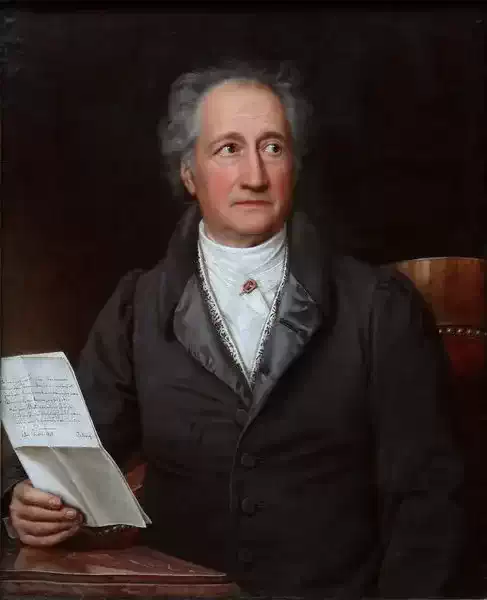
Johann Wolfgang von Goethe
On The New Year
On The New Year
FATE now allows us,
'Twixt the departing
And the upstarting,
Happy to be;
And at the call of
Memory cherish'd,
Future and perish'd
Moments we see.
Seasons of anguish,--
Ah, they must ever
Truth from woe sever,
Love and joy part;
Days still more worthy
Soon will unite us,
Fairer songs light us,
Strength'ning the heart.
We, thus united,
Think of, with gladness,
Rapture and sadness,
Sorrow now flies.
Oh, how mysterious
Fortune's direction!
Old the connection,
New-born the prize!
Thank, for this, Fortune,
Wavering blindly!
Thank all that kindly
Fate may bestow!
Revel in change's
Impulses clearer,
Love far sincerer,
More heartfelt glow!
Over the old one,
Wrinkles collected,
Sad and dejected,
Others may view;
But, on us gently
Shineth a true one,
And to the new one
We, too, are new.
As a fond couple
'Midst the dance veering,
First disappearing,
Then reappear,
So let affection
Guide thro' life's mazy
Pathways so hazy
Into the year!
FATE now allows us,
'Twixt the departing
And the upstarting,
Happy to be;
And at the call of
Memory cherish'd,
Future and perish'd
Moments we see.
Seasons of anguish,--
Ah, they must ever
Truth from woe sever,
Love and joy part;
Days still more worthy
Soon will unite us,
Fairer songs light us,
Strength'ning the heart.
We, thus united,
Think of, with gladness,
Rapture and sadness,
Sorrow now flies.
Oh, how mysterious
Fortune's direction!
Old the connection,
New-born the prize!
Thank, for this, Fortune,
Wavering blindly!
Thank all that kindly
Fate may bestow!
Revel in change's
Impulses clearer,
Love far sincerer,
More heartfelt glow!
Over the old one,
Wrinkles collected,
Sad and dejected,
Others may view;
But, on us gently
Shineth a true one,
And to the new one
We, too, are new.
As a fond couple
'Midst the dance veering,
First disappearing,
Then reappear,
So let affection
Guide thro' life's mazy
Pathways so hazy
Into the year!
396
Johann Wolfgang von Goethe
On The Divan
On The Divan
HE who knows himself and others
Here will also see,
That the East and West, like brothers,
Parted ne'er shall be.
Thoughtfully to float for ever
'Tween two worlds, be man's endeavour!
So between the East and West
To revolve, be my behest!
HE who knows himself and others
Here will also see,
That the East and West, like brothers,
Parted ne'er shall be.
Thoughtfully to float for ever
'Tween two worlds, be man's endeavour!
So between the East and West
To revolve, be my behest!
317
Johann Wolfgang von Goethe
Neither This Nor That
Neither This Nor That
IF thou to be a slave shouldst will,
Thou'lt get no pity, but fare ill;
And if a master thou wouldst be,
The world will view it angrily;
And if in status quo thou stay,
That thou art but a fool, they'll say.
IF thou to be a slave shouldst will,
Thou'lt get no pity, but fare ill;
And if a master thou wouldst be,
The world will view it angrily;
And if in status quo thou stay,
That thou art but a fool, they'll say.
387
Johann Wolfgang von Goethe
Neither This Nor That
Neither This Nor That
IF thou to be a slave shouldst will,
Thou'lt get no pity, but fare ill;
And if a master thou wouldst be,
The world will view it angrily;
And if in status quo thou stay,
That thou art but a fool, they'll say.
IF thou to be a slave shouldst will,
Thou'lt get no pity, but fare ill;
And if a master thou wouldst be,
The world will view it angrily;
And if in status quo thou stay,
That thou art but a fool, they'll say.
387
Johann Wolfgang von Goethe
My Goddess
My Goddess
SAY, which Immortal
Merits the highest reward?
With none contend I,
But I will give it
To the aye-changing,
Ever-moving
Wondrous daughter of Jove.
His best-beloved offspring.
Sweet Phantasy.
For unto her
Hath he granted
All the fancies which erst
To none allow'd he
Saving himself;
Now he takes his pleasure
In the mad one.
She may, crowned with roses,
With staff twined round with lilies,
Roam thro' flow'ry valleys,
Rule the butterfly-people,
And soft-nourishing dew
With bee-like lips
Drink from the blossom:
Or else she may
With fluttering hair
And gloomy looks
Sigh in the wind
Round rocky cliffs,
And thousand-hued.
Like morn and even.
Ever changing,
Like moonbeam's light,
To mortals appear.
Let us all, then,
Adore the Father!
The old, the mighty,
Who such a beauteous
Ne'er-fading spouse
Deigns to accord
To perishing mortals!
To us alone
Doth he unite her,
With heavenly bonds,
While he commands her,
in joy and sorrow,
As a true spouse
Never to fly us.
All the remaining
Races so poor
Of life-teeming earth.
In children so rich.
Wander and feed
In vacant enjoyment,
And 'mid the dark sorrows
Of evanescent
Restricted life,Bow'd
by the heavy
Yoke of Necessity.
But unto us he
Hath his most versatile,
Most cherished daughter
Granted,-what joy!
Lovingly greet her
As a beloved one!
Give her the woman's
Place in our home!
And oh, may the aged
Stepmother Wisdom
Her gentle spirit
Ne'er seek to harm!
Yet know I her sister,
The older, sedater,
Mine own silent friend;
Oh, may she never,
Till life's lamp is quench'd,
Turn away from me,-
That noble inciter,
Comforter,-Hope!
SAY, which Immortal
Merits the highest reward?
With none contend I,
But I will give it
To the aye-changing,
Ever-moving
Wondrous daughter of Jove.
His best-beloved offspring.
Sweet Phantasy.
For unto her
Hath he granted
All the fancies which erst
To none allow'd he
Saving himself;
Now he takes his pleasure
In the mad one.
She may, crowned with roses,
With staff twined round with lilies,
Roam thro' flow'ry valleys,
Rule the butterfly-people,
And soft-nourishing dew
With bee-like lips
Drink from the blossom:
Or else she may
With fluttering hair
And gloomy looks
Sigh in the wind
Round rocky cliffs,
And thousand-hued.
Like morn and even.
Ever changing,
Like moonbeam's light,
To mortals appear.
Let us all, then,
Adore the Father!
The old, the mighty,
Who such a beauteous
Ne'er-fading spouse
Deigns to accord
To perishing mortals!
To us alone
Doth he unite her,
With heavenly bonds,
While he commands her,
in joy and sorrow,
As a true spouse
Never to fly us.
All the remaining
Races so poor
Of life-teeming earth.
In children so rich.
Wander and feed
In vacant enjoyment,
And 'mid the dark sorrows
Of evanescent
Restricted life,Bow'd
by the heavy
Yoke of Necessity.
But unto us he
Hath his most versatile,
Most cherished daughter
Granted,-what joy!
Lovingly greet her
As a beloved one!
Give her the woman's
Place in our home!
And oh, may the aged
Stepmother Wisdom
Her gentle spirit
Ne'er seek to harm!
Yet know I her sister,
The older, sedater,
Mine own silent friend;
Oh, may she never,
Till life's lamp is quench'd,
Turn away from me,-
That noble inciter,
Comforter,-Hope!
373
Johann Wolfgang von Goethe
Maiden Wishes
Maiden Wishes
WHAT pleasure to me
A bridegroom would be!
When married we are,
They call us mamma.
No need then to sew,
To school we ne'er go;
Command uncontroll'd,
Have maids, whom to scold;
Choose clothes at our ease,
Of what tradesmen we please;
Walk freely about,
And go to each rout,
And unrestrained are
By papa or mamma.
WHAT pleasure to me
A bridegroom would be!
When married we are,
They call us mamma.
No need then to sew,
To school we ne'er go;
Command uncontroll'd,
Have maids, whom to scold;
Choose clothes at our ease,
Of what tradesmen we please;
Walk freely about,
And go to each rout,
And unrestrained are
By papa or mamma.
344
Johann Wolfgang von Goethe
Maiden Wishes
Maiden Wishes
WHAT pleasure to me
A bridegroom would be!
When married we are,
They call us mamma.
No need then to sew,
To school we ne'er go;
Command uncontroll'd,
Have maids, whom to scold;
Choose clothes at our ease,
Of what tradesmen we please;
Walk freely about,
And go to each rout,
And unrestrained are
By papa or mamma.
WHAT pleasure to me
A bridegroom would be!
When married we are,
They call us mamma.
No need then to sew,
To school we ne'er go;
Command uncontroll'd,
Have maids, whom to scold;
Choose clothes at our ease,
Of what tradesmen we please;
Walk freely about,
And go to each rout,
And unrestrained are
By papa or mamma.
344
Johann Wolfgang von Goethe
Lines On Seeing Schiller's Skull
Lines On Seeing Schiller's Skull
WITHIN a gloomy charnel-house one day
I view'd the countless skulls, so strangely mated,
And of old times I thought, that now were grey.
Close pack'd they stand, that once so fiercely hated,
And hardy bones, that to the death contended,
Are lying cross'd,--to lie for ever, fated.
What held those crooked shoulder-blades suspended?
No one now asks; and limbs with vigour fired,
The hand, the foot--their use in life is ended.
Vainly ye sought the tomb for rest when tired;
Peace in the grave may not be yours; ye're driven
Back into daylight by a force inspired;
But none can love the wither'd husk, though even
A glorious noble kernel it contained.
To me, an adept, was the writing given
Which not to all its holy sense explained,
When 'mid the crowd, their icy shadows flinging,
I saw a form, that glorious still remained.
And even there, where mould and damp were clinging,
Gave me a blest, a rapture-fraught emotion,
As though from death a living fount were springing.
What mystic joy I felt! What rapt devotion!
That form, how pregnant with a godlike trace!
A look, how did it whirl me tow'rd that ocean
Whose rolling billows mightier shapes embrace!
Mysterious vessel! Oracle how dear!
Even to grasp thee is my hand too base,
Except to steal thee from thy prison here
With pious purpose, and devoutly go
Back to the air, free thoughts, and sunlight clear.
What greater gain in life can man e'er know
Than when God-Nature will to him explain
How into Spirit steadfastness may flow,
How steadfast, too, the Spirit-Born remain.
WITHIN a gloomy charnel-house one day
I view'd the countless skulls, so strangely mated,
And of old times I thought, that now were grey.
Close pack'd they stand, that once so fiercely hated,
And hardy bones, that to the death contended,
Are lying cross'd,--to lie for ever, fated.
What held those crooked shoulder-blades suspended?
No one now asks; and limbs with vigour fired,
The hand, the foot--their use in life is ended.
Vainly ye sought the tomb for rest when tired;
Peace in the grave may not be yours; ye're driven
Back into daylight by a force inspired;
But none can love the wither'd husk, though even
A glorious noble kernel it contained.
To me, an adept, was the writing given
Which not to all its holy sense explained,
When 'mid the crowd, their icy shadows flinging,
I saw a form, that glorious still remained.
And even there, where mould and damp were clinging,
Gave me a blest, a rapture-fraught emotion,
As though from death a living fount were springing.
What mystic joy I felt! What rapt devotion!
That form, how pregnant with a godlike trace!
A look, how did it whirl me tow'rd that ocean
Whose rolling billows mightier shapes embrace!
Mysterious vessel! Oracle how dear!
Even to grasp thee is my hand too base,
Except to steal thee from thy prison here
With pious purpose, and devoutly go
Back to the air, free thoughts, and sunlight clear.
What greater gain in life can man e'er know
Than when God-Nature will to him explain
How into Spirit steadfastness may flow,
How steadfast, too, the Spirit-Born remain.
350
Johann Wolfgang von Goethe
Lines On Seeing Schiller's Skull
Lines On Seeing Schiller's Skull
WITHIN a gloomy charnel-house one day
I view'd the countless skulls, so strangely mated,
And of old times I thought, that now were grey.
Close pack'd they stand, that once so fiercely hated,
And hardy bones, that to the death contended,
Are lying cross'd,--to lie for ever, fated.
What held those crooked shoulder-blades suspended?
No one now asks; and limbs with vigour fired,
The hand, the foot--their use in life is ended.
Vainly ye sought the tomb for rest when tired;
Peace in the grave may not be yours; ye're driven
Back into daylight by a force inspired;
But none can love the wither'd husk, though even
A glorious noble kernel it contained.
To me, an adept, was the writing given
Which not to all its holy sense explained,
When 'mid the crowd, their icy shadows flinging,
I saw a form, that glorious still remained.
And even there, where mould and damp were clinging,
Gave me a blest, a rapture-fraught emotion,
As though from death a living fount were springing.
What mystic joy I felt! What rapt devotion!
That form, how pregnant with a godlike trace!
A look, how did it whirl me tow'rd that ocean
Whose rolling billows mightier shapes embrace!
Mysterious vessel! Oracle how dear!
Even to grasp thee is my hand too base,
Except to steal thee from thy prison here
With pious purpose, and devoutly go
Back to the air, free thoughts, and sunlight clear.
What greater gain in life can man e'er know
Than when God-Nature will to him explain
How into Spirit steadfastness may flow,
How steadfast, too, the Spirit-Born remain.
WITHIN a gloomy charnel-house one day
I view'd the countless skulls, so strangely mated,
And of old times I thought, that now were grey.
Close pack'd they stand, that once so fiercely hated,
And hardy bones, that to the death contended,
Are lying cross'd,--to lie for ever, fated.
What held those crooked shoulder-blades suspended?
No one now asks; and limbs with vigour fired,
The hand, the foot--their use in life is ended.
Vainly ye sought the tomb for rest when tired;
Peace in the grave may not be yours; ye're driven
Back into daylight by a force inspired;
But none can love the wither'd husk, though even
A glorious noble kernel it contained.
To me, an adept, was the writing given
Which not to all its holy sense explained,
When 'mid the crowd, their icy shadows flinging,
I saw a form, that glorious still remained.
And even there, where mould and damp were clinging,
Gave me a blest, a rapture-fraught emotion,
As though from death a living fount were springing.
What mystic joy I felt! What rapt devotion!
That form, how pregnant with a godlike trace!
A look, how did it whirl me tow'rd that ocean
Whose rolling billows mightier shapes embrace!
Mysterious vessel! Oracle how dear!
Even to grasp thee is my hand too base,
Except to steal thee from thy prison here
With pious purpose, and devoutly go
Back to the air, free thoughts, and sunlight clear.
What greater gain in life can man e'er know
Than when God-Nature will to him explain
How into Spirit steadfastness may flow,
How steadfast, too, the Spirit-Born remain.
350
Johann Wolfgang von Goethe
Legend
Legend
THERE lived in the desert a holy man
To whom a goat-footed Faun one day
Paid a visit, and thus began
To his surprise: 'I entreat thee to pray
That grace to me and my friends may be given,
That we may be able to mount to Heaven,
For great is our thirst for heav'nly bliss.'
The holy man made answer to this:
'Much danger is lurking in thy petition,
Nor will it be easy to gain admission;
Thou dost not come with an angel's salute;
For I see thou wearest a cloven foot.'
The wild man paused, and then answer'd he:
'What doth my goat's foot matter to thee?
Full many I've known into heaven to pass
Straight and with ease, with the head of an ass!'
THERE lived in the desert a holy man
To whom a goat-footed Faun one day
Paid a visit, and thus began
To his surprise: 'I entreat thee to pray
That grace to me and my friends may be given,
That we may be able to mount to Heaven,
For great is our thirst for heav'nly bliss.'
The holy man made answer to this:
'Much danger is lurking in thy petition,
Nor will it be easy to gain admission;
Thou dost not come with an angel's salute;
For I see thou wearest a cloven foot.'
The wild man paused, and then answer'd he:
'What doth my goat's foot matter to thee?
Full many I've known into heaven to pass
Straight and with ease, with the head of an ass!'
452
Johann Wolfgang von Goethe
It Is Good
It Is Good
IN Paradise while moonbeams play'd,
Jehovah found, in slumber deep,
Adam fast sunk; He gently laid
Eve near him,--she, too, fell asleep.
There lay they now, on earth's fair shrine,
God's two most beauteous thoughts divine.--
When this He saw, He cried:--'Tis Good!!!
And scarce could move from where He stood.
No wonder, that our joy's complete
While eye and eye responsive meet,
When this blest thought of rapture moves us--
That we're with Him who truly loves us,
And if He cries:--Good, let it be!
'Tis so for both, it seems to me.
Thou'rt clasp'd within these arms of mine,
Dearest of all God's thoughts divine!
IN Paradise while moonbeams play'd,
Jehovah found, in slumber deep,
Adam fast sunk; He gently laid
Eve near him,--she, too, fell asleep.
There lay they now, on earth's fair shrine,
God's two most beauteous thoughts divine.--
When this He saw, He cried:--'Tis Good!!!
And scarce could move from where He stood.
No wonder, that our joy's complete
While eye and eye responsive meet,
When this blest thought of rapture moves us--
That we're with Him who truly loves us,
And if He cries:--Good, let it be!
'Tis so for both, it seems to me.
Thou'rt clasp'd within these arms of mine,
Dearest of all God's thoughts divine!
357
Johann Wolfgang von Goethe
Hermann And Dorothea - VIII. Melpomene
Hermann And Dorothea - VIII. Melpomene
HERMANN AND DOROTHEA.
So tow'rd the sun, now fast sinking to rest, the two walk'd together,
Whilst he veil'd himself deep in clouds which thunder portended.
Out-of his veil now here, now there, with fiery glances
Beaming over the plain with rays foreboding and lurid.
'May this threatening weather,' said Hermann, 'not bring to us shortly
Hail and violent rain, for well does the harvest now promise.'
And they both rejoiced in the corn so lofty and waving,
Well nigh reaching the heads of the two tall figures that walk'd there.
Then the maiden spoke to her friendly leader as follows
'Generous youth, to whom I shall owe a kind destiny shortly,
Shelter and home, when so many poor exiles must weather the tempest,
In the first place tell me all about your good parents,
Whom I intend to serve with all my soul from hence-forward;
Knowing one's master, 'tis easier far to give satisfaction,
By rememb'ring the things which he deems of the highest importance,
And on which he has set his heart with the greatest decision.
Tell me, then, how best I can win your father and mother.'
Then the good and sensible youth made answer as follows
'You are indeed quite right, my kind and excellent maiden,
To begin by asking about the tastes of my parents!
For I have hitherto striven in vain to satisfy Father,
When I look'd after the inn, as well as my regular duty,
Working early and late in the field, and tending the vineyard.
Mother indeed was contented; she knew how to value my efforts;
And she will certainly hold you to be an excellent maiden,
If you take care of the house, as though the dwelling your own were.
But my father's unlike her; he's fond of outward appearance.
Gentle maiden, deem me not cold and void of all feeling,
If I disclose my father's nature to you, who're a stranger.
Yes, such words have never before escaped, I assure von
Out of my mouth, which is little accustom'd to babble and chatter;
But you have managed to worm all my secrets from out of my bosom.
Well, my worthy father the graces of life holds in honour,
Wishes for outward signs of love, as well as of rev'rence,
And would doubtless be satisfied with an inferior servant
Who understood this fancy, and hate a better, who did not.'
Cheerfully she replied, with gentle movement increasing
Through the darkening path the speed at which she was walking:
I in truth shall hope to satisfy both of your parents,
For your mother's character my own nature resembles,
And to external graces have I from my youth been accustom'd.
Our old neighbours, the French, in their earlier days laid much stress on
Courteous demeanour; 'twas common alike to nobles and burghers,
And to peasants, and each enjoin'd it on all his acquaintance.
in the same way, on the side of the Germans, the children were train'd up
Every morning, with plenty of kissing of hands and of curtsies,
To salute their parents, and always to act with politeness.
All that I have learnt, and all I have practised since childhood,
All that comes from my heart,--I will practise it all with the old man.
But on what terms shall I--I scarcely dare ask such a question,--
Be with yourself, the only son, and hereafter my master?'
Thus she spoke, and at that moment they came to the peartree.
Down from the skies the moon at her full was shining in glory;
Night had arrived, and the last pale gleam of the sunset had vanish'd.
So before them were lying, in masses all heap'd up together,
Lights as clear as the day, and shadows of night and of darkness.
And the friendly question was heard by Hermann with pleasure,
Under the shade of the noble tree at the spot which he loved so
Which that day had witness'd his tears at the fate of the exile.
And whilst they sat themselves down, to take a little repose there,
Thus the loving youth spoke, whilst he seized the hand of the maiden
'Let your heart give the answer, and always obey what it tells you!'
But he ventured to say no more, however propitious
Was the moment; he feard that a No would be her sole answer,
Ah! and he felt the ring on her finger, that sorrowful token.
So by the side of each other they quietly sat and in silence,
But the maiden began to speak, and said, 'How delightful
Is the light of the moon! The clearness of day it resembles.
Yonder I see in the town the houses and courtyards quite plainly,
In the gable a window; methinks all the panes I can reckon.'
'That which you see,' replied the youth, who spoke with an effort,
'That is our house down to which I now am about to conduct you,
And that window yonder belongs to my room in the attic,
Which will probably soon be yours, as we're making great changes.
All these fields are ours, and ripe for the harvest to-morrow;
Here in the shade we are wont to rest, enjoying our meal-time.
But let us now descend across the vineyard and garden,
For observe how the threatening storm is hitherward rolling,
Lightening first, and then eclipsing the beautiful full moon.'
So the pair arose, and wauder'd down by the corn-field,
Through the powerful corn, in the nightly clearness rejoicing;
And they reach'd the vineyard, and through its dark shadows proceeded.
So he guided her down the numerous tiers of the flat stones
Which, in an unhewn state, served as steps to the walk through the foliage.
Slowly she descended, and placed her hands on his shoulders;
And, with a quivering light, the moon through the foliage o'erlook'd them,
Till by storm-clouds envelop'd, she left the couple in darkness.
Then the strong youth supported the maiden, who on him was leaning;
She, however, not knowing the path, or observing the rough steps,
Slipp'd as she walk'd, her foot gave way, and she well nigh was falling.
Hastily held out his arm the youth with nimbleness thoughtful,
And held up his beloved one; she gently sank on his shoulders,
Breast was press'd against breast, and cheek against cheek, and so stood he
Fix'd like a marble statue, restrained by a firm resolution;
He embraced her no closer, thoughall her weight he supported;
So he felt his noble burden, the warmth of her bosom,
And her balmy breath, against his warm lips exhaling,
Bearing with manly feelings the woman's heroical greatness.
But she conceal'd the pain which she felt, and jestingly spoke thus
'It betokens misfortune,--so scrupulous people inform us,--
For the foot to give way on entering a house, near the threshold.
I should have wish'd, in truth, for a sign of some happier omen!
Let us tarry a little, for fear your parents should blame you
For their limping servant, and you should be thought a bad landlord.'
HERMANN AND DOROTHEA.
So tow'rd the sun, now fast sinking to rest, the two walk'd together,
Whilst he veil'd himself deep in clouds which thunder portended.
Out-of his veil now here, now there, with fiery glances
Beaming over the plain with rays foreboding and lurid.
'May this threatening weather,' said Hermann, 'not bring to us shortly
Hail and violent rain, for well does the harvest now promise.'
And they both rejoiced in the corn so lofty and waving,
Well nigh reaching the heads of the two tall figures that walk'd there.
Then the maiden spoke to her friendly leader as follows
'Generous youth, to whom I shall owe a kind destiny shortly,
Shelter and home, when so many poor exiles must weather the tempest,
In the first place tell me all about your good parents,
Whom I intend to serve with all my soul from hence-forward;
Knowing one's master, 'tis easier far to give satisfaction,
By rememb'ring the things which he deems of the highest importance,
And on which he has set his heart with the greatest decision.
Tell me, then, how best I can win your father and mother.'
Then the good and sensible youth made answer as follows
'You are indeed quite right, my kind and excellent maiden,
To begin by asking about the tastes of my parents!
For I have hitherto striven in vain to satisfy Father,
When I look'd after the inn, as well as my regular duty,
Working early and late in the field, and tending the vineyard.
Mother indeed was contented; she knew how to value my efforts;
And she will certainly hold you to be an excellent maiden,
If you take care of the house, as though the dwelling your own were.
But my father's unlike her; he's fond of outward appearance.
Gentle maiden, deem me not cold and void of all feeling,
If I disclose my father's nature to you, who're a stranger.
Yes, such words have never before escaped, I assure von
Out of my mouth, which is little accustom'd to babble and chatter;
But you have managed to worm all my secrets from out of my bosom.
Well, my worthy father the graces of life holds in honour,
Wishes for outward signs of love, as well as of rev'rence,
And would doubtless be satisfied with an inferior servant
Who understood this fancy, and hate a better, who did not.'
Cheerfully she replied, with gentle movement increasing
Through the darkening path the speed at which she was walking:
I in truth shall hope to satisfy both of your parents,
For your mother's character my own nature resembles,
And to external graces have I from my youth been accustom'd.
Our old neighbours, the French, in their earlier days laid much stress on
Courteous demeanour; 'twas common alike to nobles and burghers,
And to peasants, and each enjoin'd it on all his acquaintance.
in the same way, on the side of the Germans, the children were train'd up
Every morning, with plenty of kissing of hands and of curtsies,
To salute their parents, and always to act with politeness.
All that I have learnt, and all I have practised since childhood,
All that comes from my heart,--I will practise it all with the old man.
But on what terms shall I--I scarcely dare ask such a question,--
Be with yourself, the only son, and hereafter my master?'
Thus she spoke, and at that moment they came to the peartree.
Down from the skies the moon at her full was shining in glory;
Night had arrived, and the last pale gleam of the sunset had vanish'd.
So before them were lying, in masses all heap'd up together,
Lights as clear as the day, and shadows of night and of darkness.
And the friendly question was heard by Hermann with pleasure,
Under the shade of the noble tree at the spot which he loved so
Which that day had witness'd his tears at the fate of the exile.
And whilst they sat themselves down, to take a little repose there,
Thus the loving youth spoke, whilst he seized the hand of the maiden
'Let your heart give the answer, and always obey what it tells you!'
But he ventured to say no more, however propitious
Was the moment; he feard that a No would be her sole answer,
Ah! and he felt the ring on her finger, that sorrowful token.
So by the side of each other they quietly sat and in silence,
But the maiden began to speak, and said, 'How delightful
Is the light of the moon! The clearness of day it resembles.
Yonder I see in the town the houses and courtyards quite plainly,
In the gable a window; methinks all the panes I can reckon.'
'That which you see,' replied the youth, who spoke with an effort,
'That is our house down to which I now am about to conduct you,
And that window yonder belongs to my room in the attic,
Which will probably soon be yours, as we're making great changes.
All these fields are ours, and ripe for the harvest to-morrow;
Here in the shade we are wont to rest, enjoying our meal-time.
But let us now descend across the vineyard and garden,
For observe how the threatening storm is hitherward rolling,
Lightening first, and then eclipsing the beautiful full moon.'
So the pair arose, and wauder'd down by the corn-field,
Through the powerful corn, in the nightly clearness rejoicing;
And they reach'd the vineyard, and through its dark shadows proceeded.
So he guided her down the numerous tiers of the flat stones
Which, in an unhewn state, served as steps to the walk through the foliage.
Slowly she descended, and placed her hands on his shoulders;
And, with a quivering light, the moon through the foliage o'erlook'd them,
Till by storm-clouds envelop'd, she left the couple in darkness.
Then the strong youth supported the maiden, who on him was leaning;
She, however, not knowing the path, or observing the rough steps,
Slipp'd as she walk'd, her foot gave way, and she well nigh was falling.
Hastily held out his arm the youth with nimbleness thoughtful,
And held up his beloved one; she gently sank on his shoulders,
Breast was press'd against breast, and cheek against cheek, and so stood he
Fix'd like a marble statue, restrained by a firm resolution;
He embraced her no closer, thoughall her weight he supported;
So he felt his noble burden, the warmth of her bosom,
And her balmy breath, against his warm lips exhaling,
Bearing with manly feelings the woman's heroical greatness.
But she conceal'd the pain which she felt, and jestingly spoke thus
'It betokens misfortune,--so scrupulous people inform us,--
For the foot to give way on entering a house, near the threshold.
I should have wish'd, in truth, for a sign of some happier omen!
Let us tarry a little, for fear your parents should blame you
For their limping servant, and you should be thought a bad landlord.'
384
Johann Wolfgang von Goethe
Genial Impulse
Genial Impulse
THUS roll I, never taking ease,
My tub, like Saint Diogenes,
Now serious am, now seek to please;
Now love and hate in turn one sees;
The motives now are those, now these;
Now nothings, now realities.
Thus roll I, never taking ease,
My tub, like Saint Diogenes.
THUS roll I, never taking ease,
My tub, like Saint Diogenes,
Now serious am, now seek to please;
Now love and hate in turn one sees;
The motives now are those, now these;
Now nothings, now realities.
Thus roll I, never taking ease,
My tub, like Saint Diogenes.
411
Johann Wolfgang von Goethe
Genial Impulse
Genial Impulse
THUS roll I, never taking ease,
My tub, like Saint Diogenes,
Now serious am, now seek to please;
Now love and hate in turn one sees;
The motives now are those, now these;
Now nothings, now realities.
Thus roll I, never taking ease,
My tub, like Saint Diogenes.
THUS roll I, never taking ease,
My tub, like Saint Diogenes,
Now serious am, now seek to please;
Now love and hate in turn one sees;
The motives now are those, now these;
Now nothings, now realities.
Thus roll I, never taking ease,
My tub, like Saint Diogenes.
411
Johann Wolfgang von Goethe
Genial Impulse
Genial Impulse
THUS roll I, never taking ease,
My tub, like Saint Diogenes,
Now serious am, now seek to please;
Now love and hate in turn one sees;
The motives now are those, now these;
Now nothings, now realities.
Thus roll I, never taking ease,
My tub, like Saint Diogenes.
THUS roll I, never taking ease,
My tub, like Saint Diogenes,
Now serious am, now seek to please;
Now love and hate in turn one sees;
The motives now are those, now these;
Now nothings, now realities.
Thus roll I, never taking ease,
My tub, like Saint Diogenes.
411
Johann Wolfgang von Goethe
Ganymede
Ganymede
How, in the light of morning,
Round me thou glowest,
Spring, thou beloved one!
With thousand-varying loving bliss
The sacred emotions
Born of thy warmth eternal
Press 'gainst my bosom,
Thou endlessly fair one!
Could I but hold thee clasp'd
Within mine arms!
Ah! upon thy bosom
Lay I, pining,
And then thy flowers, thy grass,
Were pressing against my heart.
Thou coolest the burning
Thirst of my bosom,
Beauteous morning breeze!
The nightingale then calls me
Sweetly from out of the misty vale.
I come, I come!
Whither? Ah, whither?
Up, up, lies my course.
While downward the clouds
Are hovering, the clouds
Are bending to meet yearning love.
For me,
Within thine arms
Upwards!
Embraced and embracing!
Upwards into thy bosom,
Oh Father all-loving!
How, in the light of morning,
Round me thou glowest,
Spring, thou beloved one!
With thousand-varying loving bliss
The sacred emotions
Born of thy warmth eternal
Press 'gainst my bosom,
Thou endlessly fair one!
Could I but hold thee clasp'd
Within mine arms!
Ah! upon thy bosom
Lay I, pining,
And then thy flowers, thy grass,
Were pressing against my heart.
Thou coolest the burning
Thirst of my bosom,
Beauteous morning breeze!
The nightingale then calls me
Sweetly from out of the misty vale.
I come, I come!
Whither? Ah, whither?
Up, up, lies my course.
While downward the clouds
Are hovering, the clouds
Are bending to meet yearning love.
For me,
Within thine arms
Upwards!
Embraced and embracing!
Upwards into thy bosom,
Oh Father all-loving!
474
Johann Wolfgang von Goethe
From Iphigenia In Tauris
From Iphigenia In Tauris
ACT IV. SCENE 5.
SONG OF THE FATES.
The deities dread!
The mastery hold they
In hands all-eternal,
And use them, unquestioned,
What manner they like.
Let him fear them doubly,
Whom they have uplifted!
On cliffs and on clouds, oh,
Round tables all-golden,
he seats are made ready.
When rises contention,
The guests are humid downwards
With shame and dishonor
To deep depths of midnight,
And vainly await they,
Bound fast in the darkness,
A just condemnation.
But they remain ever
In firmness unshaken
Round tables all-golden.
On stride they from mountain
To mountain far distant:
From out the abysses'
Dark jaws, the breath rises
Of torment-choked Titans
Up tow'rds them, like incense
In light clouds ascending.
The rulers immortal
Avert from whole peoples
Their blessing-fraught glances,
And shun, in the children,
To trace the once cherish'd,
Still, eloquent features
Their ancestors wore.
Thus chanted the Parae;
The old man, the banish'd,
In gloomy vault lying,
Their song overheareth,
Sons, grandsons remembereth,
And shaketh his head.
ACT IV. SCENE 5.
SONG OF THE FATES.
The deities dread!
The mastery hold they
In hands all-eternal,
And use them, unquestioned,
What manner they like.
Let him fear them doubly,
Whom they have uplifted!
On cliffs and on clouds, oh,
Round tables all-golden,
he seats are made ready.
When rises contention,
The guests are humid downwards
With shame and dishonor
To deep depths of midnight,
And vainly await they,
Bound fast in the darkness,
A just condemnation.
But they remain ever
In firmness unshaken
Round tables all-golden.
On stride they from mountain
To mountain far distant:
From out the abysses'
Dark jaws, the breath rises
Of torment-choked Titans
Up tow'rds them, like incense
In light clouds ascending.
The rulers immortal
Avert from whole peoples
Their blessing-fraught glances,
And shun, in the children,
To trace the once cherish'd,
Still, eloquent features
Their ancestors wore.
Thus chanted the Parae;
The old man, the banish'd,
In gloomy vault lying,
Their song overheareth,
Sons, grandsons remembereth,
And shaketh his head.
407
Johann Wolfgang von Goethe
From Faust - II. Prologue In Heaven
From Faust - II. Prologue In Heaven
THE ARCHANGELS' SONG.
RAPHAEL.
THE sun still chaunts, as in old time,
With brother-spheres in choral song,
And with his thunder-march sublime
Moves his predestined course along.
Strength find the angels in his sight,
Though he by none may fathomed be;
Still glorious is each work of might
As when first form'd in majesty.
GABRIEL.
And swift and swift, in wondrous guise,
Revolves the earth in splendour bright,
The radiant hues of Paradise
Alternating with deepest night.
From out the gulf against the rock,
In spreading billows foams the ocean,--
And cliff and sea with mighty shock,
The spheres whirl round in endless motion.
MICHAEL.
And storms in emulation growl
From land to sea, from sea to land,
And fashion, as they wildly howl,
A circling, wonder-working band.
Destructive flames in mad career
Precede Thy thunders on their way;
Yet, Lord, Thy messengers revere
The soft mutations of Thy day.
THE THREE.
Strength find the angels in Thy sight,
Though none may hope to fathom Thee;
Still glorious are Thy works of might,
As when first form'd in majesty.
THE ARCHANGELS' SONG.
RAPHAEL.
THE sun still chaunts, as in old time,
With brother-spheres in choral song,
And with his thunder-march sublime
Moves his predestined course along.
Strength find the angels in his sight,
Though he by none may fathomed be;
Still glorious is each work of might
As when first form'd in majesty.
GABRIEL.
And swift and swift, in wondrous guise,
Revolves the earth in splendour bright,
The radiant hues of Paradise
Alternating with deepest night.
From out the gulf against the rock,
In spreading billows foams the ocean,--
And cliff and sea with mighty shock,
The spheres whirl round in endless motion.
MICHAEL.
And storms in emulation growl
From land to sea, from sea to land,
And fashion, as they wildly howl,
A circling, wonder-working band.
Destructive flames in mad career
Precede Thy thunders on their way;
Yet, Lord, Thy messengers revere
The soft mutations of Thy day.
THE THREE.
Strength find the angels in Thy sight,
Though none may hope to fathom Thee;
Still glorious are Thy works of might,
As when first form'd in majesty.
361
Johann Wolfgang von Goethe
Faithful Eckart
Faithful Eckart
"OH, would we were further! Oh, would we were home,
The phantoms of night tow'rd us hastily come,
The band of the Sorceress sisters.
They hitherward speed, and on finding us here,
They'll drink, though with toil we have fetch'd it, the beer,
And leave us the pitchers all empty."
Thus speaking, the children with fear take to flight,
When sudden an old man appears in their sight:
"Be quiet, child! children, be quiet!
From hunting they come, and their thirst they would still,
So leave them to swallow as much as they will,
And the Evil Ones then will be gracious."
As said, so 'twas done! and the phantoms draw near,
And shadowlike seem they, and grey they appear,
~Yet blithely they sip and they revel
The beer has all vanish'd, the pitchers are void;
With cries and with shouts the wild hunters, o'erjoy'd,
Speed onward o'er vale and o'er mountain.
The children in terror fly nimbly tow'rd home,
And with them the kind one is careful to come:
"My darlings, oh, be not so mournful!-
"They'll blame us and beat us, until we are dead."-"
No, no! ye will find that all goes well," he said;
"Be silent as mice, then, and listen!
"And he by whose counsels thus wisely ye're taught,
Is he who with children loves ever to sport.
The trusty and faithful old Eckart.
Ye have heard of the wonder for many a day,
But ne'er had a proof of the marvellous lay,--
Your hands hold a proof most convincing."
They arrive at their home, and their pitchers they place
By the side of their parents, with fear on their face,
Awaiting a beating and scolding.
But see what they're tasting: the choicest of beer!
Though three times and four times they quaff the good cheer
The pitchers remain still unemptied.
The marvel it lasts till the dawning of day;
All people who hear of it doubtless will say:
"What happen'd at length to the pitchers?"
In secret the children they smile, as they wait;
At last, though, they stammer, and stutter, and prate,
And straightway the pitchers were empty.
And if, children, with kindness address'd ye may be,
Whether father, or master, or alderman he,
Obey him, and follow his bidding!
And if 'tis unpleasant to bridle the tongue,
Yet talking is bad, silence good for the young--
And then will the beer fill your pitchers!
"OH, would we were further! Oh, would we were home,
The phantoms of night tow'rd us hastily come,
The band of the Sorceress sisters.
They hitherward speed, and on finding us here,
They'll drink, though with toil we have fetch'd it, the beer,
And leave us the pitchers all empty."
Thus speaking, the children with fear take to flight,
When sudden an old man appears in their sight:
"Be quiet, child! children, be quiet!
From hunting they come, and their thirst they would still,
So leave them to swallow as much as they will,
And the Evil Ones then will be gracious."
As said, so 'twas done! and the phantoms draw near,
And shadowlike seem they, and grey they appear,
~Yet blithely they sip and they revel
The beer has all vanish'd, the pitchers are void;
With cries and with shouts the wild hunters, o'erjoy'd,
Speed onward o'er vale and o'er mountain.
The children in terror fly nimbly tow'rd home,
And with them the kind one is careful to come:
"My darlings, oh, be not so mournful!-
"They'll blame us and beat us, until we are dead."-"
No, no! ye will find that all goes well," he said;
"Be silent as mice, then, and listen!
"And he by whose counsels thus wisely ye're taught,
Is he who with children loves ever to sport.
The trusty and faithful old Eckart.
Ye have heard of the wonder for many a day,
But ne'er had a proof of the marvellous lay,--
Your hands hold a proof most convincing."
They arrive at their home, and their pitchers they place
By the side of their parents, with fear on their face,
Awaiting a beating and scolding.
But see what they're tasting: the choicest of beer!
Though three times and four times they quaff the good cheer
The pitchers remain still unemptied.
The marvel it lasts till the dawning of day;
All people who hear of it doubtless will say:
"What happen'd at length to the pitchers?"
In secret the children they smile, as they wait;
At last, though, they stammer, and stutter, and prate,
And straightway the pitchers were empty.
And if, children, with kindness address'd ye may be,
Whether father, or master, or alderman he,
Obey him, and follow his bidding!
And if 'tis unpleasant to bridle the tongue,
Yet talking is bad, silence good for the young--
And then will the beer fill your pitchers!
419
Johann Wolfgang von Goethe
Epitaph
Epitaph
As a boy, reserved and naughty;
As a youth, a coxcomb and haughty;
As a man, for action inclined;
As a greybeard, fickle in mind.--
Upon thy grave will people read:
This was a very man, indeed!
As a boy, reserved and naughty;
As a youth, a coxcomb and haughty;
As a man, for action inclined;
As a greybeard, fickle in mind.--
Upon thy grave will people read:
This was a very man, indeed!
417
Johann Wolfgang von Goethe
Epitaph
Epitaph
As a boy, reserved and naughty;
As a youth, a coxcomb and haughty;
As a man, for action inclined;
As a greybeard, fickle in mind.--
Upon thy grave will people read:
This was a very man, indeed!
As a boy, reserved and naughty;
As a youth, a coxcomb and haughty;
As a man, for action inclined;
As a greybeard, fickle in mind.--
Upon thy grave will people read:
This was a very man, indeed!
417
Johann Wolfgang von Goethe
Dedication - The Poems Of Goeth
Dedication - The Poems Of Goeth
The morn arrived; his footstep quickly scared
The gentle sleep that round my senses clung,
And I, awak'ning, from my cottage fared,
And up the mountain side with light heart sprung;
At every step I felt my gaze ensnared
By new-born flow'rs that full of dew-drops hung;
The youthful day awoke with ecstacy,
And all things quicken'd were, to quicken me.
And as I mounted, from the valley rose
A streaky mist, that upward slowly spread,
Then bent, as though my form it would enclose,
Then, as on pinions, soar'd above my head:
My gaze could now on no fair view repose,
in mournful veil conceal'd, the world seem'd dead;
The clouds soon closed around me, as a tomb,
And I was left alone in twilight gloom.
At once the sun his lustre seem'd to pour,
And through the mist was seen a radiant light;
Here sank it gently to the ground once more,
There parted it, and climb'd o'er wood and height.
How did I yearn to greet him as of yore,
After the darkness waxing doubly bright!
The airy conflict ofttimes was renew'd,
Then blinded by a dazzling glow I stood.
Ere long an inward impulse prompted me
A hasty glance with boldness round to throw;
At first mine eyes had scarcely strength to see,
For all around appear'd to burn and glow.
Then saw I, on the clouds borne gracefully,
A godlike woman hov'ring to and fro.
In life I ne'er had seen a form so fair--
She gazed at me, and still she hover'd there.
"Dost thou not know me?" were the words she said
In tones where love and faith were sweetly bound;
"Knowest thou not Her who oftentimes hath shed
The purest balsam in each earthly wound?
Thou knows't me well; thy panting heart I led
To join me in a bond with rapture crown'd.
Did I not see thee, when a stripling, yearning
To welcome me with tears, heartfelt and burning?"
"Yes!" I exclaim'd, whilst, overcome with joy,
I sank to earth; "I long have worshipp'd thee;
Thou gav'st me rest, when passions rack'd the boy,
Pervading ev'ry limb unceasingly;
Thy heav'nly pinions thou didst then employ
The scorching sunbeams to ward off from me.
From thee alone Earth's fairest gifts I gain'd,
Through thee alone, true bliss can be obtain'd.
"Thy name I know not; yet I hear thee nam'd
By many a one who boasts thee as his own;
Each eye believes that tow'rd thy form 'tis aim'd,
Yet to most eyes thy rays are anguish-sown.
Ah! whilst I err'd, full many a friend I claim'd,
Now that I know thee, I am left alone;
With but myself can I my rapture share,
I needs must veil and hide thy radiance fair.
She smiled, and answering said: "Thou see'st how wise,
How prudent 'twas but little to unveil!
Scarce from the clumsiest cheat are clear'd thine eyes,
Scarce hast thou strength thy childish bars to scale,
When thou dost rank thee 'mongst the deities,
And so man's duties to perform would'st fail!
How dost thou differ from all other men?
Live with the world in peace, and know thee then!"
"Oh, pardon me," I cried, "I meant it well:
Not vainly did'st thou bless mine eyes with light;
For in my blood glad aspirations swell,
The value of thy gifts I know aright!
Those treasures in my breast for others dwell,
The buried pound no more I'll hide from sight.
Why did I seek the road so anxiously,
If hidden from my brethren 'twere to be?"
And as I answer'd, tow'rd me turn'd her face,
With kindly sympathy, that god-like one;
Within her eye full plainly could I trace
What I had fail'd in, and what rightly done.
She smiled, and cured me with that smile's sweet grace,
To new-born joys my spirit soar'd anon;
With inward confidence I now could dare
To draw yet closer, and observe her there.
Through the light cloud she then stretch'd forth her hand,
As if to bid the streaky vapour fly:
At once it seemed to yield to her command,
Contracted, and no mist then met mine eye.
My glance once more survey'd the smiling land,
Unclouded and serene appear'd the sky.
Nought but a veil of purest white she held,
And round her in a thousand folds it swell'd.
"I know thee, and I know thy wav'ring will.
I know the good that lives and glows in thee!"--
Thus spake she, and methinks I hear her still-
"The prize long destined, now receive from me;
That blest one will be safe from ev'ry ill,
Who takes this gift with soul of purity,--"
The veil of Minstrelsy from Truth's own hand,
Of sunlight and of morn's sweet fragrance plann'd.
"And when thou and thy friends at fierce noon-day
Are parched with heat, straight cast it in the air!
Then Zephyr's cooling breath will round you play,
Distilling balm and flowers' sweet incense there;
The tones of earthly woe will die away,
The grave become a bed of clouds so fair,
To sing to rest life's billows will be seen,
The day be lovely, and the night serene."-
Come, then, my friends! and whensoe'er ye find
Upon your way increase life's heavy load;
If by fresh-waken'd blessings flowers are twin'd
Around your path, and golden fruits bestow'd,
We'll seek the coming day with joyous mind!
Thus blest, we'll live, thus wander on our road
And when our grandsons sorrow o'er our tomb,
Our love, to glad their bosoms, still shall bloom.
The morn arrived; his footstep quickly scared
The gentle sleep that round my senses clung,
And I, awak'ning, from my cottage fared,
And up the mountain side with light heart sprung;
At every step I felt my gaze ensnared
By new-born flow'rs that full of dew-drops hung;
The youthful day awoke with ecstacy,
And all things quicken'd were, to quicken me.
And as I mounted, from the valley rose
A streaky mist, that upward slowly spread,
Then bent, as though my form it would enclose,
Then, as on pinions, soar'd above my head:
My gaze could now on no fair view repose,
in mournful veil conceal'd, the world seem'd dead;
The clouds soon closed around me, as a tomb,
And I was left alone in twilight gloom.
At once the sun his lustre seem'd to pour,
And through the mist was seen a radiant light;
Here sank it gently to the ground once more,
There parted it, and climb'd o'er wood and height.
How did I yearn to greet him as of yore,
After the darkness waxing doubly bright!
The airy conflict ofttimes was renew'd,
Then blinded by a dazzling glow I stood.
Ere long an inward impulse prompted me
A hasty glance with boldness round to throw;
At first mine eyes had scarcely strength to see,
For all around appear'd to burn and glow.
Then saw I, on the clouds borne gracefully,
A godlike woman hov'ring to and fro.
In life I ne'er had seen a form so fair--
She gazed at me, and still she hover'd there.
"Dost thou not know me?" were the words she said
In tones where love and faith were sweetly bound;
"Knowest thou not Her who oftentimes hath shed
The purest balsam in each earthly wound?
Thou knows't me well; thy panting heart I led
To join me in a bond with rapture crown'd.
Did I not see thee, when a stripling, yearning
To welcome me with tears, heartfelt and burning?"
"Yes!" I exclaim'd, whilst, overcome with joy,
I sank to earth; "I long have worshipp'd thee;
Thou gav'st me rest, when passions rack'd the boy,
Pervading ev'ry limb unceasingly;
Thy heav'nly pinions thou didst then employ
The scorching sunbeams to ward off from me.
From thee alone Earth's fairest gifts I gain'd,
Through thee alone, true bliss can be obtain'd.
"Thy name I know not; yet I hear thee nam'd
By many a one who boasts thee as his own;
Each eye believes that tow'rd thy form 'tis aim'd,
Yet to most eyes thy rays are anguish-sown.
Ah! whilst I err'd, full many a friend I claim'd,
Now that I know thee, I am left alone;
With but myself can I my rapture share,
I needs must veil and hide thy radiance fair.
She smiled, and answering said: "Thou see'st how wise,
How prudent 'twas but little to unveil!
Scarce from the clumsiest cheat are clear'd thine eyes,
Scarce hast thou strength thy childish bars to scale,
When thou dost rank thee 'mongst the deities,
And so man's duties to perform would'st fail!
How dost thou differ from all other men?
Live with the world in peace, and know thee then!"
"Oh, pardon me," I cried, "I meant it well:
Not vainly did'st thou bless mine eyes with light;
For in my blood glad aspirations swell,
The value of thy gifts I know aright!
Those treasures in my breast for others dwell,
The buried pound no more I'll hide from sight.
Why did I seek the road so anxiously,
If hidden from my brethren 'twere to be?"
And as I answer'd, tow'rd me turn'd her face,
With kindly sympathy, that god-like one;
Within her eye full plainly could I trace
What I had fail'd in, and what rightly done.
She smiled, and cured me with that smile's sweet grace,
To new-born joys my spirit soar'd anon;
With inward confidence I now could dare
To draw yet closer, and observe her there.
Through the light cloud she then stretch'd forth her hand,
As if to bid the streaky vapour fly:
At once it seemed to yield to her command,
Contracted, and no mist then met mine eye.
My glance once more survey'd the smiling land,
Unclouded and serene appear'd the sky.
Nought but a veil of purest white she held,
And round her in a thousand folds it swell'd.
"I know thee, and I know thy wav'ring will.
I know the good that lives and glows in thee!"--
Thus spake she, and methinks I hear her still-
"The prize long destined, now receive from me;
That blest one will be safe from ev'ry ill,
Who takes this gift with soul of purity,--"
The veil of Minstrelsy from Truth's own hand,
Of sunlight and of morn's sweet fragrance plann'd.
"And when thou and thy friends at fierce noon-day
Are parched with heat, straight cast it in the air!
Then Zephyr's cooling breath will round you play,
Distilling balm and flowers' sweet incense there;
The tones of earthly woe will die away,
The grave become a bed of clouds so fair,
To sing to rest life's billows will be seen,
The day be lovely, and the night serene."-
Come, then, my friends! and whensoe'er ye find
Upon your way increase life's heavy load;
If by fresh-waken'd blessings flowers are twin'd
Around your path, and golden fruits bestow'd,
We'll seek the coming day with joyous mind!
Thus blest, we'll live, thus wander on our road
And when our grandsons sorrow o'er our tomb,
Our love, to glad their bosoms, still shall bloom.
361
Johann Wolfgang von Goethe
Death-Lament Of The Noble Wife Of Asan Aga
Death-Lament Of The Noble Wife Of Asan Aga
WHAT is yonder white thing in the forest?
Is it snow, or can it swans perchance be?
Were it snow, ere this it had been melted,
Were it swans, they all away had hastend.
Snow, in truth, it is not, swans it is not,
'Tis the shining tents of Asan Aga.
He within is lying, sorely wounded;
To him come his mother and his sister;
Bashfully his wife delays to come there.
When the torment of his wounds had lessen'd,
To his faithful wife he sent this message:
"At my court no longer dare to tarry,
At my court, or e'en amongst my people."
When the woman heard this cruel message,
Mute and full of sorrow stood that true one.
At the doors she hears the feet of horses,
And bethinks that Asan comes--her husband,
To the tower she springs, to leap thence headlong,
Her two darling daughters follow sadly,
And whilst weeping bitter tears, exclaim they:
These are not our father Asan's horses;
'Tis thy brother Pintorowich coming!"
So the wife of Asan turns to meet him,
Clasps her arms in anguish round her brother:
"See thy sister's sad disgrace, oh brother!
How I'm banish'd--mother of five children!"
Silently her brother from his wallet,
Wrapp'd in deep red-silk, and ready written,
Draweth forth the letter of divorcement,
To return home to her mother's dwelling,
Free to be another's wife thenceforward.
When the woman saw that mournful letter,
Fervently she kiss'd her two sons' foreheads,
And her two girls' cheeks with fervour kiss'd she,
But she from the suckling in the cradle
Could not tear herself, so deep her sorrow!
So she's torn thence by her fiery brother,
On his nimble steed he lifts her quickly,
And so hastens, with the heart-sad woman,
Straightway tow'rd his father's lofty dwelling.
Short the time was--seven days had pass'd not,--
Yet enough 'twas; many mighty princes
Sought the woman in her widow's-mourning.
Sought the woman,--as their wife they sought her.
And the mightiest was Imoski's Cadi,
And the woman weeping begg'd her brother:
By thy life, my brother, I entreat thee,
Let me not another's wife be ever,
Lest my heart be broken at the image
Of my poor, my dearly-cherish'd children!"
To her prayer her brother would not hearken,
Fix'd to wed her to Imoski's Cadi.
Yet the good one ceaselessly implored him:
"Send, at least a letter, oh, my brother,
With this message to Imoski's Cadi:
'The young widow sends thee friendly greeting;
Earnestly she prays thee, through this letter,
That, when thou com'st hither, with thy Suatians,
A long veil thou'lt bring me, 'neath whose shadow
I may hide, when near the house of Asan,
And not see my dearly cherish'd orphans.'"
Scarcely had the Cadi read this letter,
Than he gather'd all his Suatians round him,
And then tow'rd the bride his course directed,
And the veil she ask'd for, took he with him.
Happily they reach'd the princess' dwelling,
From the dwelling happily they led her.
But when they approach'd the house of Asan,
Lo! the children saw from high their mother,
And they shouted: "To thy halls return thou!
Eat thy supper with thy darling children!"
Mournfully the wife of Asan heard it,
Tow'rd the Suatian prince then turn'd she, saying:
"Let, I pray, the Suatians and the horses
At the loved ones' door a short time tarry,
That I may give presents to my children."
And before the loved ones' door they tarried,
And she presents gave to her poor children,
To the boys gave gold-embroider'd buskins,
To the girls gave long and costly dresses,
To the suckling, helpless in the cradle,
Gave a garment, to be worn hereafter.
This aside saw Father Asan Aga,--
Sadly cried he to his darling children:
"Hither come, ye dear unhappy infants,
For your mother's breast is turn'd to iron,
Lock'd for ever, closed to all compassion!"
When the wife of Asan heard him speak thus,
On the ground, all pale and trembling, fell she,
And her spirit fled her sorrowing bosom,
When she saw her children flying from her.
WHAT is yonder white thing in the forest?
Is it snow, or can it swans perchance be?
Were it snow, ere this it had been melted,
Were it swans, they all away had hastend.
Snow, in truth, it is not, swans it is not,
'Tis the shining tents of Asan Aga.
He within is lying, sorely wounded;
To him come his mother and his sister;
Bashfully his wife delays to come there.
When the torment of his wounds had lessen'd,
To his faithful wife he sent this message:
"At my court no longer dare to tarry,
At my court, or e'en amongst my people."
When the woman heard this cruel message,
Mute and full of sorrow stood that true one.
At the doors she hears the feet of horses,
And bethinks that Asan comes--her husband,
To the tower she springs, to leap thence headlong,
Her two darling daughters follow sadly,
And whilst weeping bitter tears, exclaim they:
These are not our father Asan's horses;
'Tis thy brother Pintorowich coming!"
So the wife of Asan turns to meet him,
Clasps her arms in anguish round her brother:
"See thy sister's sad disgrace, oh brother!
How I'm banish'd--mother of five children!"
Silently her brother from his wallet,
Wrapp'd in deep red-silk, and ready written,
Draweth forth the letter of divorcement,
To return home to her mother's dwelling,
Free to be another's wife thenceforward.
When the woman saw that mournful letter,
Fervently she kiss'd her two sons' foreheads,
And her two girls' cheeks with fervour kiss'd she,
But she from the suckling in the cradle
Could not tear herself, so deep her sorrow!
So she's torn thence by her fiery brother,
On his nimble steed he lifts her quickly,
And so hastens, with the heart-sad woman,
Straightway tow'rd his father's lofty dwelling.
Short the time was--seven days had pass'd not,--
Yet enough 'twas; many mighty princes
Sought the woman in her widow's-mourning.
Sought the woman,--as their wife they sought her.
And the mightiest was Imoski's Cadi,
And the woman weeping begg'd her brother:
By thy life, my brother, I entreat thee,
Let me not another's wife be ever,
Lest my heart be broken at the image
Of my poor, my dearly-cherish'd children!"
To her prayer her brother would not hearken,
Fix'd to wed her to Imoski's Cadi.
Yet the good one ceaselessly implored him:
"Send, at least a letter, oh, my brother,
With this message to Imoski's Cadi:
'The young widow sends thee friendly greeting;
Earnestly she prays thee, through this letter,
That, when thou com'st hither, with thy Suatians,
A long veil thou'lt bring me, 'neath whose shadow
I may hide, when near the house of Asan,
And not see my dearly cherish'd orphans.'"
Scarcely had the Cadi read this letter,
Than he gather'd all his Suatians round him,
And then tow'rd the bride his course directed,
And the veil she ask'd for, took he with him.
Happily they reach'd the princess' dwelling,
From the dwelling happily they led her.
But when they approach'd the house of Asan,
Lo! the children saw from high their mother,
And they shouted: "To thy halls return thou!
Eat thy supper with thy darling children!"
Mournfully the wife of Asan heard it,
Tow'rd the Suatian prince then turn'd she, saying:
"Let, I pray, the Suatians and the horses
At the loved ones' door a short time tarry,
That I may give presents to my children."
And before the loved ones' door they tarried,
And she presents gave to her poor children,
To the boys gave gold-embroider'd buskins,
To the girls gave long and costly dresses,
To the suckling, helpless in the cradle,
Gave a garment, to be worn hereafter.
This aside saw Father Asan Aga,--
Sadly cried he to his darling children:
"Hither come, ye dear unhappy infants,
For your mother's breast is turn'd to iron,
Lock'd for ever, closed to all compassion!"
When the wife of Asan heard him speak thus,
On the ground, all pale and trembling, fell she,
And her spirit fled her sorrowing bosom,
When she saw her children flying from her.
390
Johann Wolfgang von Goethe
Book Of Suleika - The Reunion
Book Of Suleika - The Reunion
CAN it be! of stars the star,
Do I press thee to my heart?
In the night of distance far,
What deep gulf, what bitter smart!
Yes, 'tis thou, indeed, at last,
Of my joys the partner dear!
Mindful, though, of sorrows past,
I the present needs must fear.
When the still-unfashion'd earth
Lay on God's eternal breast,
He ordain'd its hour of birth,
With creative joy possess'd.
Then a heavy sigh arose,
When He spake the sentence:--"Be!"
And the All, with mighty throes,
Burst into reality.
And when thus was born the light,
Darkness near it fear'd to stay,
And the elements with might
Fled on every side away;
Each on some far-distant trace,
Each with visions wild employ,
Numb, in boundless realm of space,
Harmony and feeling-void.
Dumb was all, all still and dead,
For the first time, God alone!
Then He form'd the morning-red,
Which soon made its kindness known:
It unravelled from the waste,
Bright and glowing harmony,
And once more with love was grac'd
What contended formerly.
And with earnest, noble strife,
Each its own Peculiar sought;
Back to full, unbounded life
Sight and feeling soon were brought.
Wherefore, if 'tis done, explore
How? why give the manner, name?
Allah need create no more,
We his world ourselves can frame.
So, with morning pinions bright,
To thy mouth was I impell'd;
Stamped with thousand seals by night,
Star-clear is the bond fast held.
Paragons on earth are we
Both of grief and joy sublime,
And a second sentence:--"Be!"
Parts us not a second time.
CAN it be! of stars the star,
Do I press thee to my heart?
In the night of distance far,
What deep gulf, what bitter smart!
Yes, 'tis thou, indeed, at last,
Of my joys the partner dear!
Mindful, though, of sorrows past,
I the present needs must fear.
When the still-unfashion'd earth
Lay on God's eternal breast,
He ordain'd its hour of birth,
With creative joy possess'd.
Then a heavy sigh arose,
When He spake the sentence:--"Be!"
And the All, with mighty throes,
Burst into reality.
And when thus was born the light,
Darkness near it fear'd to stay,
And the elements with might
Fled on every side away;
Each on some far-distant trace,
Each with visions wild employ,
Numb, in boundless realm of space,
Harmony and feeling-void.
Dumb was all, all still and dead,
For the first time, God alone!
Then He form'd the morning-red,
Which soon made its kindness known:
It unravelled from the waste,
Bright and glowing harmony,
And once more with love was grac'd
What contended formerly.
And with earnest, noble strife,
Each its own Peculiar sought;
Back to full, unbounded life
Sight and feeling soon were brought.
Wherefore, if 'tis done, explore
How? why give the manner, name?
Allah need create no more,
We his world ourselves can frame.
So, with morning pinions bright,
To thy mouth was I impell'd;
Stamped with thousand seals by night,
Star-clear is the bond fast held.
Paragons on earth are we
Both of grief and joy sublime,
And a second sentence:--"Be!"
Parts us not a second time.
499