

Poems in this topic
Life and Existence
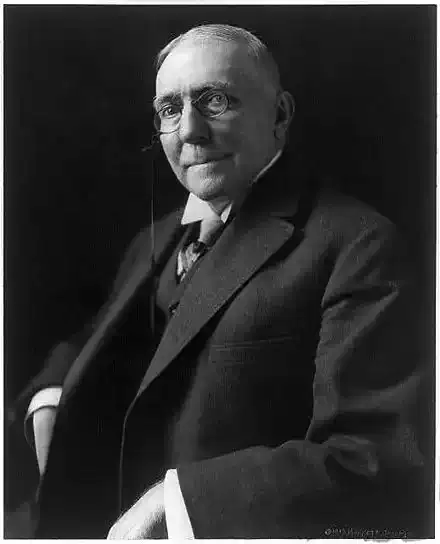
James Whitcomb Riley
The Old Swimmin' Hole
The Old Swimmin' Hole
1
2
3
4
6
7
8
Oh! the old swimmin'-hole! whare the crick so still and deep
Looked like a baby-river that was laying half asleep,
And the gurgle of the worter round the drift jest below
Sounded like the laugh of something we onc't ust to know
Before we could remember anything but the eyes
Of the angels lookin' out as we left Paradise;
But the merry days of youth is beyond our controle,
And it's hard to part ferever with the old swimmin'-hole.
9 Oh! the old swimmin'-hole! In the happy days of yore,
When I ust to lean above it on the old sickamore,
11
12
13
14
16
Oh! it showed me a face in its warm sunny tide
That gazed back at me so gay and glorified,
It made me love myself, as I leaped to caress
My shadder smilin' up at me with sich tenderness.
But them days is past and gone, and old Time's tuck his toll
From the old man come back to the old swimmin'-hole.
17
18
19
21
22
23
24
Oh! the old swimmin'-hole! In the long, lazy days
When the humdrum of school made so many run-a-ways,
How plesant was the jurney down the old dusty lane,
Whare the tracks of our bare feet was all printed so plane
You could tell by the dent of the heel and the sole
They was lots o' fun on hands at the old swimmin'-hole.
But the lost joys is past! Let your tears in sorrow roll
Like the rain that ust to dapple up the old swimmin'-hole.
26
Thare the bullrushes growed, and the cattails so tall,
And the sunshine and shadder fell over it all;
27
28
29
31
32
And it mottled the worter with amber and gold
Tel the glad lilies rocked in the ripples that rolled;
And the snake-feeder's four gauzy wings fluttered by
Like the ghost of a daisy dropped out of the sky,
Or a wownded apple-blossom in the breeze's controle
As it cut acrost some orchard to'rds the old swimmin'-hole.
33
34
36
37
38
39
Oh! the old swimmin'-hole! When I last saw the place,
The scenes was all changed, like the change in my face;
The bridge of the railroad now crosses the spot
Whare the old divin'-log lays sunk and fergot.
And I stray down the banks whare the trees ust to be --
But never again will theyr shade shelter me!
And I wish in my sorrow I could strip to the soul,
And dive off in my grave like the old swimmin'-hole.
1
2
3
4
6
7
8
Oh! the old swimmin'-hole! whare the crick so still and deep
Looked like a baby-river that was laying half asleep,
And the gurgle of the worter round the drift jest below
Sounded like the laugh of something we onc't ust to know
Before we could remember anything but the eyes
Of the angels lookin' out as we left Paradise;
But the merry days of youth is beyond our controle,
And it's hard to part ferever with the old swimmin'-hole.
9 Oh! the old swimmin'-hole! In the happy days of yore,
When I ust to lean above it on the old sickamore,
11
12
13
14
16
Oh! it showed me a face in its warm sunny tide
That gazed back at me so gay and glorified,
It made me love myself, as I leaped to caress
My shadder smilin' up at me with sich tenderness.
But them days is past and gone, and old Time's tuck his toll
From the old man come back to the old swimmin'-hole.
17
18
19
21
22
23
24
Oh! the old swimmin'-hole! In the long, lazy days
When the humdrum of school made so many run-a-ways,
How plesant was the jurney down the old dusty lane,
Whare the tracks of our bare feet was all printed so plane
You could tell by the dent of the heel and the sole
They was lots o' fun on hands at the old swimmin'-hole.
But the lost joys is past! Let your tears in sorrow roll
Like the rain that ust to dapple up the old swimmin'-hole.
26
Thare the bullrushes growed, and the cattails so tall,
And the sunshine and shadder fell over it all;
27
28
29
31
32
And it mottled the worter with amber and gold
Tel the glad lilies rocked in the ripples that rolled;
And the snake-feeder's four gauzy wings fluttered by
Like the ghost of a daisy dropped out of the sky,
Or a wownded apple-blossom in the breeze's controle
As it cut acrost some orchard to'rds the old swimmin'-hole.
33
34
36
37
38
39
Oh! the old swimmin'-hole! When I last saw the place,
The scenes was all changed, like the change in my face;
The bridge of the railroad now crosses the spot
Whare the old divin'-log lays sunk and fergot.
And I stray down the banks whare the trees ust to be --
But never again will theyr shade shelter me!
And I wish in my sorrow I could strip to the soul,
And dive off in my grave like the old swimmin'-hole.
318
James Whitcomb Riley
The Old Swimmin' Hole
The Old Swimmin' Hole
1
2
3
4
6
7
8
Oh! the old swimmin'-hole! whare the crick so still and deep
Looked like a baby-river that was laying half asleep,
And the gurgle of the worter round the drift jest below
Sounded like the laugh of something we onc't ust to know
Before we could remember anything but the eyes
Of the angels lookin' out as we left Paradise;
But the merry days of youth is beyond our controle,
And it's hard to part ferever with the old swimmin'-hole.
9 Oh! the old swimmin'-hole! In the happy days of yore,
When I ust to lean above it on the old sickamore,
11
12
13
14
16
Oh! it showed me a face in its warm sunny tide
That gazed back at me so gay and glorified,
It made me love myself, as I leaped to caress
My shadder smilin' up at me with sich tenderness.
But them days is past and gone, and old Time's tuck his toll
From the old man come back to the old swimmin'-hole.
17
18
19
21
22
23
24
Oh! the old swimmin'-hole! In the long, lazy days
When the humdrum of school made so many run-a-ways,
How plesant was the jurney down the old dusty lane,
Whare the tracks of our bare feet was all printed so plane
You could tell by the dent of the heel and the sole
They was lots o' fun on hands at the old swimmin'-hole.
But the lost joys is past! Let your tears in sorrow roll
Like the rain that ust to dapple up the old swimmin'-hole.
26
Thare the bullrushes growed, and the cattails so tall,
And the sunshine and shadder fell over it all;
27
28
29
31
32
And it mottled the worter with amber and gold
Tel the glad lilies rocked in the ripples that rolled;
And the snake-feeder's four gauzy wings fluttered by
Like the ghost of a daisy dropped out of the sky,
Or a wownded apple-blossom in the breeze's controle
As it cut acrost some orchard to'rds the old swimmin'-hole.
33
34
36
37
38
39
Oh! the old swimmin'-hole! When I last saw the place,
The scenes was all changed, like the change in my face;
The bridge of the railroad now crosses the spot
Whare the old divin'-log lays sunk and fergot.
And I stray down the banks whare the trees ust to be --
But never again will theyr shade shelter me!
And I wish in my sorrow I could strip to the soul,
And dive off in my grave like the old swimmin'-hole.
1
2
3
4
6
7
8
Oh! the old swimmin'-hole! whare the crick so still and deep
Looked like a baby-river that was laying half asleep,
And the gurgle of the worter round the drift jest below
Sounded like the laugh of something we onc't ust to know
Before we could remember anything but the eyes
Of the angels lookin' out as we left Paradise;
But the merry days of youth is beyond our controle,
And it's hard to part ferever with the old swimmin'-hole.
9 Oh! the old swimmin'-hole! In the happy days of yore,
When I ust to lean above it on the old sickamore,
11
12
13
14
16
Oh! it showed me a face in its warm sunny tide
That gazed back at me so gay and glorified,
It made me love myself, as I leaped to caress
My shadder smilin' up at me with sich tenderness.
But them days is past and gone, and old Time's tuck his toll
From the old man come back to the old swimmin'-hole.
17
18
19
21
22
23
24
Oh! the old swimmin'-hole! In the long, lazy days
When the humdrum of school made so many run-a-ways,
How plesant was the jurney down the old dusty lane,
Whare the tracks of our bare feet was all printed so plane
You could tell by the dent of the heel and the sole
They was lots o' fun on hands at the old swimmin'-hole.
But the lost joys is past! Let your tears in sorrow roll
Like the rain that ust to dapple up the old swimmin'-hole.
26
Thare the bullrushes growed, and the cattails so tall,
And the sunshine and shadder fell over it all;
27
28
29
31
32
And it mottled the worter with amber and gold
Tel the glad lilies rocked in the ripples that rolled;
And the snake-feeder's four gauzy wings fluttered by
Like the ghost of a daisy dropped out of the sky,
Or a wownded apple-blossom in the breeze's controle
As it cut acrost some orchard to'rds the old swimmin'-hole.
33
34
36
37
38
39
Oh! the old swimmin'-hole! When I last saw the place,
The scenes was all changed, like the change in my face;
The bridge of the railroad now crosses the spot
Whare the old divin'-log lays sunk and fergot.
And I stray down the banks whare the trees ust to be --
But never again will theyr shade shelter me!
And I wish in my sorrow I could strip to the soul,
And dive off in my grave like the old swimmin'-hole.
318
James Whitcomb Riley
The Old Guitar
The Old Guitar
Neglected now is the old guitar
And moldering into decay;
Fretted with many a rift and scar
That the dull dust hides away,
While the spider spins a silver star
In its silent lips to-day.
The keys hold only nerveless strings--
The sinews of brave old airs
Are pulseless now; and the scarf that clings
So closely here declares
A sad regret in its ravelings
And the faded hue it wears.
But the old guitar, with a lenient grace,
Has cherished a smile for me;
And its features hint of a fairer face
That comes with a memory
Of a flower-and-perfume-haunted place
And a moonlit balcony.
Music sweeter than words confess,
Or the minstrel's powers invent,
Thrilled here once at the light caress
Of the fairy hands that lent
This excuse for the kiss I press
On the dear old instrument.
The rose of pearl with the jeweled stem
Still blooms; and the tiny sets
In the circle all are here; the gem
In the keys, and the silver frets;
But the dainty fingers that danced o'er them--
Alas for the heart's regrets!--
Alas for the loosened strings to-day,
And the wounds of rift and scar
On a worn old heart, with its roundelay
Enthralled with a stronger bar
That Fate weaves on, through a dull decay
Like that of the old guitar!
Neglected now is the old guitar
And moldering into decay;
Fretted with many a rift and scar
That the dull dust hides away,
While the spider spins a silver star
In its silent lips to-day.
The keys hold only nerveless strings--
The sinews of brave old airs
Are pulseless now; and the scarf that clings
So closely here declares
A sad regret in its ravelings
And the faded hue it wears.
But the old guitar, with a lenient grace,
Has cherished a smile for me;
And its features hint of a fairer face
That comes with a memory
Of a flower-and-perfume-haunted place
And a moonlit balcony.
Music sweeter than words confess,
Or the minstrel's powers invent,
Thrilled here once at the light caress
Of the fairy hands that lent
This excuse for the kiss I press
On the dear old instrument.
The rose of pearl with the jeweled stem
Still blooms; and the tiny sets
In the circle all are here; the gem
In the keys, and the silver frets;
But the dainty fingers that danced o'er them--
Alas for the heart's regrets!--
Alas for the loosened strings to-day,
And the wounds of rift and scar
On a worn old heart, with its roundelay
Enthralled with a stronger bar
That Fate weaves on, through a dull decay
Like that of the old guitar!
323
James Whitcomb Riley
The Lost Kiss
The Lost Kiss
I put by the half-written poem,
While the pen, idly trailed in my hand,
Writes on--, 'Had I words to complete it,
Who'd read it, or who'd understand?'
But the little bare feet on the stairway,
And the faint, smothered laugh in the hall,
And the eerie-low lisp on the silence,
Cry up to me over it all.
So I gather it up-- where was broken
The tear-faded thread of my theme,
Telling how, as one night I sat writing,
A fairy broke in on my dream,
A little inquisitive fairy--
My own little girl, with the gold
Of the sun in her hair, and the dewy
Blue eyes of the fairies of old.
'Twas the dear little girl that I scolded-'
For was it a moment like this,'
I said, 'when she knew I was busy,
To come romping in for a kiss--?
Come rowdying up from her mother,
And clamoring there at my knee
For 'One 'ittle kiss for my dolly,
And one 'ittle uzzer for me!'
God pity, the heart that repelled her,
And the cold hand that turned her away,
And take, from the lips that denied her,
This answerless prayer of to-day!
Take Lord, from my mem'ry forever
That pitiful sob of despair,
And the patter and trip of the little bare feet,
And the one piercing cry on the stair!
I put by the half-written poem,
While the pen, idly trailed in my hand
Writes on--, 'Had I words to complete it
Who'd read it, or who'd understand?'
But the little bare feet on the stairway,
And the faint, smothered laugh in the hall,
And the eerie-low lisp on the silence,
Cry up to me over it all.
I put by the half-written poem,
While the pen, idly trailed in my hand,
Writes on--, 'Had I words to complete it,
Who'd read it, or who'd understand?'
But the little bare feet on the stairway,
And the faint, smothered laugh in the hall,
And the eerie-low lisp on the silence,
Cry up to me over it all.
So I gather it up-- where was broken
The tear-faded thread of my theme,
Telling how, as one night I sat writing,
A fairy broke in on my dream,
A little inquisitive fairy--
My own little girl, with the gold
Of the sun in her hair, and the dewy
Blue eyes of the fairies of old.
'Twas the dear little girl that I scolded-'
For was it a moment like this,'
I said, 'when she knew I was busy,
To come romping in for a kiss--?
Come rowdying up from her mother,
And clamoring there at my knee
For 'One 'ittle kiss for my dolly,
And one 'ittle uzzer for me!'
God pity, the heart that repelled her,
And the cold hand that turned her away,
And take, from the lips that denied her,
This answerless prayer of to-day!
Take Lord, from my mem'ry forever
That pitiful sob of despair,
And the patter and trip of the little bare feet,
And the one piercing cry on the stair!
I put by the half-written poem,
While the pen, idly trailed in my hand
Writes on--, 'Had I words to complete it
Who'd read it, or who'd understand?'
But the little bare feet on the stairway,
And the faint, smothered laugh in the hall,
And the eerie-low lisp on the silence,
Cry up to me over it all.
298
James Whitcomb Riley
The Lost Kiss
The Lost Kiss
I put by the half-written poem,
While the pen, idly trailed in my hand,
Writes on--, 'Had I words to complete it,
Who'd read it, or who'd understand?'
But the little bare feet on the stairway,
And the faint, smothered laugh in the hall,
And the eerie-low lisp on the silence,
Cry up to me over it all.
So I gather it up-- where was broken
The tear-faded thread of my theme,
Telling how, as one night I sat writing,
A fairy broke in on my dream,
A little inquisitive fairy--
My own little girl, with the gold
Of the sun in her hair, and the dewy
Blue eyes of the fairies of old.
'Twas the dear little girl that I scolded-'
For was it a moment like this,'
I said, 'when she knew I was busy,
To come romping in for a kiss--?
Come rowdying up from her mother,
And clamoring there at my knee
For 'One 'ittle kiss for my dolly,
And one 'ittle uzzer for me!'
God pity, the heart that repelled her,
And the cold hand that turned her away,
And take, from the lips that denied her,
This answerless prayer of to-day!
Take Lord, from my mem'ry forever
That pitiful sob of despair,
And the patter and trip of the little bare feet,
And the one piercing cry on the stair!
I put by the half-written poem,
While the pen, idly trailed in my hand
Writes on--, 'Had I words to complete it
Who'd read it, or who'd understand?'
But the little bare feet on the stairway,
And the faint, smothered laugh in the hall,
And the eerie-low lisp on the silence,
Cry up to me over it all.
I put by the half-written poem,
While the pen, idly trailed in my hand,
Writes on--, 'Had I words to complete it,
Who'd read it, or who'd understand?'
But the little bare feet on the stairway,
And the faint, smothered laugh in the hall,
And the eerie-low lisp on the silence,
Cry up to me over it all.
So I gather it up-- where was broken
The tear-faded thread of my theme,
Telling how, as one night I sat writing,
A fairy broke in on my dream,
A little inquisitive fairy--
My own little girl, with the gold
Of the sun in her hair, and the dewy
Blue eyes of the fairies of old.
'Twas the dear little girl that I scolded-'
For was it a moment like this,'
I said, 'when she knew I was busy,
To come romping in for a kiss--?
Come rowdying up from her mother,
And clamoring there at my knee
For 'One 'ittle kiss for my dolly,
And one 'ittle uzzer for me!'
God pity, the heart that repelled her,
And the cold hand that turned her away,
And take, from the lips that denied her,
This answerless prayer of to-day!
Take Lord, from my mem'ry forever
That pitiful sob of despair,
And the patter and trip of the little bare feet,
And the one piercing cry on the stair!
I put by the half-written poem,
While the pen, idly trailed in my hand
Writes on--, 'Had I words to complete it
Who'd read it, or who'd understand?'
But the little bare feet on the stairway,
And the faint, smothered laugh in the hall,
And the eerie-low lisp on the silence,
Cry up to me over it all.
298
James Whitcomb Riley
The Legend Glorified
The Legend Glorified
'I deem that God is not disquieted'--
This in a mighty poet's rhymes I read;
And blazoned so forever doth abide
Within my soul the legend glorified.
Though awful tempests thunder overhead,
I deem that God is not disquieted,--
The faith that trembles somewhat yet is sure
Through storm and darkness of a way secure.
Bleak winters, when the naked spirit hears
The break of hearts, through stinging sleet of tears,
I deem that God is not disquieted;
Against all stresses am I clothed and fed.
Nay, even with fixed eyes and broken breath,
My feet dip down into the tides of death,
Nor any friend be left, nor prayer be said,
I deem that God is not disquieted.
'I deem that God is not disquieted'--
This in a mighty poet's rhymes I read;
And blazoned so forever doth abide
Within my soul the legend glorified.
Though awful tempests thunder overhead,
I deem that God is not disquieted,--
The faith that trembles somewhat yet is sure
Through storm and darkness of a way secure.
Bleak winters, when the naked spirit hears
The break of hearts, through stinging sleet of tears,
I deem that God is not disquieted;
Against all stresses am I clothed and fed.
Nay, even with fixed eyes and broken breath,
My feet dip down into the tides of death,
Nor any friend be left, nor prayer be said,
I deem that God is not disquieted.
275
James Whitcomb Riley
The Hereafter
The Hereafter
Hereafter! O we need not waste
Our smiles or tears, whatever befall:
No happiness but holds a taste
Of something sweeter, after all;--
No depth of agony but feels
Some fragment of abiding trust,--
Whatever death unlocks or seals,
The mute beyond is just.
Hereafter! O we need not waste
Our smiles or tears, whatever befall:
No happiness but holds a taste
Of something sweeter, after all;--
No depth of agony but feels
Some fragment of abiding trust,--
Whatever death unlocks or seals,
The mute beyond is just.
272
James Whitcomb Riley
The Curse Of The Wandering Foot
The Curse Of The Wandering Foot
All hope of rest withdrawn me?--
What dread command hath put
This awful curse upon me--
The curse of the wandering foot!
Forward and backward and thither,
And hither and yon again--
Wandering ever! And whither?
Answer them, God! Amen.
The blue skies are far o'er me---
The bleak fields near below:
Where the mother that bore me?--
Where her grave in the snow?--
Glad in her trough of a coffin--
The sad eyes frozen shut
That wept so often, often,
The curse of the wandering foot!
Here in your marts I care not
Whatsoever ye think.
Good folk many who dare not
Give me to eat and drink:
Give me to sup of your pity--
Feast me on prayers!--O ye,
Met I your Christ in the city
He would fare forth with me--
Forward and onward and thither,
And hither again and yon,
With milk for our drink together
And honey to feed upon--
Nor hope of rest withdrawn us,
Since the one Father put
The blessed curse upon us--
The curse of the wandering foot.
All hope of rest withdrawn me?--
What dread command hath put
This awful curse upon me--
The curse of the wandering foot!
Forward and backward and thither,
And hither and yon again--
Wandering ever! And whither?
Answer them, God! Amen.
The blue skies are far o'er me---
The bleak fields near below:
Where the mother that bore me?--
Where her grave in the snow?--
Glad in her trough of a coffin--
The sad eyes frozen shut
That wept so often, often,
The curse of the wandering foot!
Here in your marts I care not
Whatsoever ye think.
Good folk many who dare not
Give me to eat and drink:
Give me to sup of your pity--
Feast me on prayers!--O ye,
Met I your Christ in the city
He would fare forth with me--
Forward and onward and thither,
And hither again and yon,
With milk for our drink together
And honey to feed upon--
Nor hope of rest withdrawn us,
Since the one Father put
The blessed curse upon us--
The curse of the wandering foot.
266
James Whitcomb Riley
The Curse Of The Wandering Foot
The Curse Of The Wandering Foot
All hope of rest withdrawn me?--
What dread command hath put
This awful curse upon me--
The curse of the wandering foot!
Forward and backward and thither,
And hither and yon again--
Wandering ever! And whither?
Answer them, God! Amen.
The blue skies are far o'er me---
The bleak fields near below:
Where the mother that bore me?--
Where her grave in the snow?--
Glad in her trough of a coffin--
The sad eyes frozen shut
That wept so often, often,
The curse of the wandering foot!
Here in your marts I care not
Whatsoever ye think.
Good folk many who dare not
Give me to eat and drink:
Give me to sup of your pity--
Feast me on prayers!--O ye,
Met I your Christ in the city
He would fare forth with me--
Forward and onward and thither,
And hither again and yon,
With milk for our drink together
And honey to feed upon--
Nor hope of rest withdrawn us,
Since the one Father put
The blessed curse upon us--
The curse of the wandering foot.
All hope of rest withdrawn me?--
What dread command hath put
This awful curse upon me--
The curse of the wandering foot!
Forward and backward and thither,
And hither and yon again--
Wandering ever! And whither?
Answer them, God! Amen.
The blue skies are far o'er me---
The bleak fields near below:
Where the mother that bore me?--
Where her grave in the snow?--
Glad in her trough of a coffin--
The sad eyes frozen shut
That wept so often, often,
The curse of the wandering foot!
Here in your marts I care not
Whatsoever ye think.
Good folk many who dare not
Give me to eat and drink:
Give me to sup of your pity--
Feast me on prayers!--O ye,
Met I your Christ in the city
He would fare forth with me--
Forward and onward and thither,
And hither again and yon,
With milk for our drink together
And honey to feed upon--
Nor hope of rest withdrawn us,
Since the one Father put
The blessed curse upon us--
The curse of the wandering foot.
266
James Whitcomb Riley
The Days Gone By
The Days Gone By
O the days gone by! O the days gone by!
The apples in the orchard, and the pathway through the rye;
The chirrup of the robin, and the whistle of the quail
As he piped across the meadows sweet as any nightingale;
When the bloom was on the clover, and the blue was in the sky,
And my happy heart brimmed over in the days gone by.
In the days gone by, when my naked feet were tripped
By the honey-suckle's tangles where the water-lilies dipped,
And the ripples of the river lipped the moss along the brink
Where the placid-eyed and lazy-footed cattle came to drink,
And the tilting snipe stood fearless of the truant's wayward cry
And the splashing of the swimmer, in the days gone by.
O the days gone by! O the days gone by!
The music of the laughing lip, the luster of the eye;
The childish faith in fairies, and Aladdin's magic ring--
The simple, soul-reposing, glad belief in everything,--
When life was like a story, holding neither sob nor sigh,
In the golden olden glory of the days gone by.
O the days gone by! O the days gone by!
The apples in the orchard, and the pathway through the rye;
The chirrup of the robin, and the whistle of the quail
As he piped across the meadows sweet as any nightingale;
When the bloom was on the clover, and the blue was in the sky,
And my happy heart brimmed over in the days gone by.
In the days gone by, when my naked feet were tripped
By the honey-suckle's tangles where the water-lilies dipped,
And the ripples of the river lipped the moss along the brink
Where the placid-eyed and lazy-footed cattle came to drink,
And the tilting snipe stood fearless of the truant's wayward cry
And the splashing of the swimmer, in the days gone by.
O the days gone by! O the days gone by!
The music of the laughing lip, the luster of the eye;
The childish faith in fairies, and Aladdin's magic ring--
The simple, soul-reposing, glad belief in everything,--
When life was like a story, holding neither sob nor sigh,
In the golden olden glory of the days gone by.
263
James Whitcomb Riley
The Chant Of The Cross-Bearing Child
The Chant Of The Cross-Bearing Child
I bear dis cross dis many a mile.
O de cross-bearin' chile--
De cross-bearin' chile!
I bear dis cross 'long many a road
Wha' de pink ain't bloom' an' de grass done mowed.
O de cross-bearin' chile--
De cross-bearin' chile!
Hits on my conscience all dese days
Fo' ter bear de cross ut de good Lord lays
On my po' soul, an' ter lif my praise.
O de cross-bearin' chile--
De cross-bearin' chile!
I 's nigh-'bout weak ez I mos' kin be,
Yit de Marstah call an' He say,--'You 's free
Fo' ter 'cept dis cross, an' ter cringe yo' knee
To no n'er man in de worl' but me!'
O de cross-bearin' chile--
De cross-bearin' chile!
Says you guess wrong, ef I let you guess--
Says you 'spec' mo', an'-a you git less:--
Says you go eas', says you go wes',
An' whense you fine de road ut you like bes'
You betteh take ch'ice er any er de res'!
O de cross-bearin' chile--
De cross-bearin' chile!
He build my feet, an' He fix de signs
Dat de shoe hit pinch an' de shoe hit bines
Ef I on'y w'ah eights an-a wanter w'ah nines;
I hone fo' de rain, an' de sun hit shines,
An' whilse I hunt de sun, hits de rain I fines.-O-
a trim my lamp, an-a gyrd my lines!
O de cross-bearin' chile--
De cross-bearin' chile!
I wade de wet, an' I walk de dry:
I done tromp long, an' I done clim high;
An' I pilgrim on ter de jasper sky,
An' I taken de resk fo' ter cas' my eye
Wha' de Gate swing wide an' de Lord draw nigh,
An' de Trump hit blow, an' I hear de cry,-'
You lay dat cross down by an' by!--
O de Cross-bearin' Chile--
Do Cross-bearin' Chile!'
I bear dis cross dis many a mile.
O de cross-bearin' chile--
De cross-bearin' chile!
I bear dis cross 'long many a road
Wha' de pink ain't bloom' an' de grass done mowed.
O de cross-bearin' chile--
De cross-bearin' chile!
Hits on my conscience all dese days
Fo' ter bear de cross ut de good Lord lays
On my po' soul, an' ter lif my praise.
O de cross-bearin' chile--
De cross-bearin' chile!
I 's nigh-'bout weak ez I mos' kin be,
Yit de Marstah call an' He say,--'You 's free
Fo' ter 'cept dis cross, an' ter cringe yo' knee
To no n'er man in de worl' but me!'
O de cross-bearin' chile--
De cross-bearin' chile!
Says you guess wrong, ef I let you guess--
Says you 'spec' mo', an'-a you git less:--
Says you go eas', says you go wes',
An' whense you fine de road ut you like bes'
You betteh take ch'ice er any er de res'!
O de cross-bearin' chile--
De cross-bearin' chile!
He build my feet, an' He fix de signs
Dat de shoe hit pinch an' de shoe hit bines
Ef I on'y w'ah eights an-a wanter w'ah nines;
I hone fo' de rain, an' de sun hit shines,
An' whilse I hunt de sun, hits de rain I fines.-O-
a trim my lamp, an-a gyrd my lines!
O de cross-bearin' chile--
De cross-bearin' chile!
I wade de wet, an' I walk de dry:
I done tromp long, an' I done clim high;
An' I pilgrim on ter de jasper sky,
An' I taken de resk fo' ter cas' my eye
Wha' de Gate swing wide an' de Lord draw nigh,
An' de Trump hit blow, an' I hear de cry,-'
You lay dat cross down by an' by!--
O de Cross-bearin' Chile--
Do Cross-bearin' Chile!'
237
James Whitcomb Riley
The Boys
The Boys
Where are they?--the friends of my childhood enchanted--
The clear, laughing eyes looking back in my own,
And the warm, chubby fingers my palms have so wanted,
As when we raced over
Pink pastures of clover,
And mocked the quail's whir and the bumblebee's drone?
Have the breezes of time blown their blossomy faces
Forever adrift down the years that are flown?
Am I never to see them romp back to their places,
Where over the meadow,
In sunshine and shadow,
The meadow-larks trill, and the bumblebees drone?
Where are they? Ah! dim in the dust lies the clover;
The whippoorwill's call has a sorrowful tone,
And the dove's--I have wept at it over and over;--
I want the glad luster
Of youth, and the cluster
Of faces asleep where the bumblebees drone!
Where are they?--the friends of my childhood enchanted--
The clear, laughing eyes looking back in my own,
And the warm, chubby fingers my palms have so wanted,
As when we raced over
Pink pastures of clover,
And mocked the quail's whir and the bumblebee's drone?
Have the breezes of time blown their blossomy faces
Forever adrift down the years that are flown?
Am I never to see them romp back to their places,
Where over the meadow,
In sunshine and shadow,
The meadow-larks trill, and the bumblebees drone?
Where are they? Ah! dim in the dust lies the clover;
The whippoorwill's call has a sorrowful tone,
And the dove's--I have wept at it over and over;--
I want the glad luster
Of youth, and the cluster
Of faces asleep where the bumblebees drone!
331
James Whitcomb Riley
The Best is Good Enough
The Best is Good Enough
I quarrel not with destiny,
But make the best of everything-
The best is good enough for me.
Leave discontent alone, and she
Will shut her mouth and let you sing.
I quarrel not with destiny.
I take some things, or let 'em be-
Good gold has always got the ring;
The best is good enough for me.
Since fate insists on secrecy,
I have no arguments to bring-
I quarrel not with destiny.
The fellow that goes 'haw' for 'gee'
Will find he hasn't got full swing.
The best is good enough for me.
One only knows our needs, and he
Does all of the distributing.
I quarrel not with destiny:
The best is good enough for me.
I quarrel not with destiny,
But make the best of everything-
The best is good enough for me.
Leave discontent alone, and she
Will shut her mouth and let you sing.
I quarrel not with destiny.
I take some things, or let 'em be-
Good gold has always got the ring;
The best is good enough for me.
Since fate insists on secrecy,
I have no arguments to bring-
I quarrel not with destiny.
The fellow that goes 'haw' for 'gee'
Will find he hasn't got full swing.
The best is good enough for me.
One only knows our needs, and he
Does all of the distributing.
I quarrel not with destiny:
The best is good enough for me.
288
James Whitcomb Riley
The Ancient Printman
The Ancient Printman
'O Printerman of sallow face,
And look of absent guile,
Is it the 'copy' on your 'case'
That causes you to smile?
Or is it some old treasure scrap
You cull from Memory's file?
'I fain would guess its mystery--
For often I can trace
A fellow dreamer's history
Whene'er it haunts the face;
Your fancy's running riot
In a retrospective race!
'Ah, Printerman, you're straying
Afar from 'stick' and type--
Your heart has 'gone a-maying,'
And you taste old kisses, ripe
Again on lips that pucker
At your old asthmatic pipe!
'You are dreaming of old pleasures
That have faded from your view;
And the music-burdened measures
Of the laughs you listen to
Are now but angel-echoes--
O, have I spoken true?'
The ancient Printer hinted
With a motion full of grace
To where the words were printed
On a card above his 'case,'-'
I am deaf and dumb!' I left him
With a smile upon his face.
'O Printerman of sallow face,
And look of absent guile,
Is it the 'copy' on your 'case'
That causes you to smile?
Or is it some old treasure scrap
You cull from Memory's file?
'I fain would guess its mystery--
For often I can trace
A fellow dreamer's history
Whene'er it haunts the face;
Your fancy's running riot
In a retrospective race!
'Ah, Printerman, you're straying
Afar from 'stick' and type--
Your heart has 'gone a-maying,'
And you taste old kisses, ripe
Again on lips that pucker
At your old asthmatic pipe!
'You are dreaming of old pleasures
That have faded from your view;
And the music-burdened measures
Of the laughs you listen to
Are now but angel-echoes--
O, have I spoken true?'
The ancient Printer hinted
With a motion full of grace
To where the words were printed
On a card above his 'case,'-'
I am deaf and dumb!' I left him
With a smile upon his face.
290
James Whitcomb Riley
Private Theatricals
Private Theatricals
A quite convincing axiom
Is, 'Life is like a play';
For, turning back its pages some
Few dog-eared years away,
I find where I
Committed my
Love-tale--with brackets where to sigh.
I feel an idle interest
To read again the page;
I enter, as a lover dressed,
At twenty years of age,
And play the part
With throbbing heart,
And all an actor's glowing art.
And she who plays my Lady-love
Excels!--Her loving glance
Has power her audience to move--
I am her audience.--
Her acting tact,
To tell the fact,
'Brings down the house' in every act.
And often we defy the curse
Of storms and thunder-showers,
To meet together and rehearse
This little play of ours--
I think, when she
'Makes love' to me,
She kisses very naturally!
. . . . . .
Yes; it's convincing--rather--
That 'Life is like a play':
I am playing 'Heavy Father'
In a 'Screaming Farce' to-day,
That so 'brings down
The house,' I frown,
And fain would 'ring the curtain down.'
A quite convincing axiom
Is, 'Life is like a play';
For, turning back its pages some
Few dog-eared years away,
I find where I
Committed my
Love-tale--with brackets where to sigh.
I feel an idle interest
To read again the page;
I enter, as a lover dressed,
At twenty years of age,
And play the part
With throbbing heart,
And all an actor's glowing art.
And she who plays my Lady-love
Excels!--Her loving glance
Has power her audience to move--
I am her audience.--
Her acting tact,
To tell the fact,
'Brings down the house' in every act.
And often we defy the curse
Of storms and thunder-showers,
To meet together and rehearse
This little play of ours--
I think, when she
'Makes love' to me,
She kisses very naturally!
. . . . . .
Yes; it's convincing--rather--
That 'Life is like a play':
I am playing 'Heavy Father'
In a 'Screaming Farce' to-day,
That so 'brings down
The house,' I frown,
And fain would 'ring the curtain down.'
280
James Whitcomb Riley
Plain Sermons
Plain Sermons
I saw a man--and envied him beside--
Because of this world's goods he had great store;
But even as I envied him, he died,
And left me envious of him no more.
I saw another man--and envied still--
Because he was content with frugal lot;
But as I envied him, the rich man's will
Bequeathed him all, and envy I forgot.
Yet still another man I saw, and he
I envied for a calm and tranquil mind
That nothing fretted in the least degree--
Until, alas! I found that he was blind.
What vanity is envy! for I find
I have been rich in dross of thought, and poor
In that I was a fool, and lastly blind
For never having seen myself before!
I saw a man--and envied him beside--
Because of this world's goods he had great store;
But even as I envied him, he died,
And left me envious of him no more.
I saw another man--and envied still--
Because he was content with frugal lot;
But as I envied him, the rich man's will
Bequeathed him all, and envy I forgot.
Yet still another man I saw, and he
I envied for a calm and tranquil mind
That nothing fretted in the least degree--
Until, alas! I found that he was blind.
What vanity is envy! for I find
I have been rich in dross of thought, and poor
In that I was a fool, and lastly blind
For never having seen myself before!
328
James Whitcomb Riley
Philiper Flash
Philiper Flash
Young Philiper Flash was a promising lad,
His intentions were good--but oh, how sad
For a person to think
How the veriest pink
And bloom of perfection may turn out bad.
Old Flash himself was a moral man,
And prided himself on a moral plan,
Of a maxim as old
As the calf of gold,
Of making that boy do what he was told.
And such a good mother had Philiper Flash;
Her voice was as soft as the creamy plash
Of the milky wave
With its musical lave
That gushed through the holes of her patent churn-dash;--
And the excellent woman loved Philiper so,
She could cry sometimes when he stumped his toe,--
And she stroked his hair
With such motherly care
When the dear little angel learned to swear.
Old Flash himself would sometimes say
That his wife had 'such a ridiculous way,-She'd,
humor that child
Till he'd soon be sp'iled,
And then there'd be the devil to pay!'
And the excellent wife, with a martyr's look,
Would tell old Flash himself 'he took
No notice at all
Of the bright-eyed doll
Unless when he spanked him for getting a fall!'
Young Philiper Flash, as time passed by,
Grew into 'a boy with a roguish eye':
He could smoke a cigar,
And seemed by far
The most promising youth.--'He's powerful sly,
Old Flash himself once told a friend,
'Every copper he gets he's sure to spend--
And,' said he, 'don't you know
If he keeps on so
What a crop of wild oats the boy will grow!'
But his dear good mother knew Philiper's ways
So--well, she managed the money to raise;
And old Flash himself
Was 'laid on the shelf,'
(In the manner of speaking we have nowadays).
For 'gracious knows, her darling child,
If he went without money he'd soon grow wild.'
So Philiper Flash
With a regular dash
'Swung on to the reins,' and went 'slingin' the cash.'
As old Flash himself, in his office one day,
Was shaving notes in a barberous way,
At the hour of four
Death entered the door
And shaved the note on his life, they say.
And he had for his grave a magnificent tomb,
Though the venturous finger that pointed 'Gone Home,'
Looked white and cold
From being so bold,
As it feared that a popular lie was told.
Young Philiper Flash was a man of style
When he first began unpacking the pile
Of the dollars and dimes
Whose jingling chimes
Had clinked to the tune of his father's smile;
And he strewed his wealth with such lavish hand,
His rakish ways were the talk of the land,
And gossipers wise
Sat winking their eyes
(A certain foreboding of fresh surprise).
A 'fast young man' was Philiper Flash,
And wore 'loud clothes' and a weak mustache,
And 'done the Park,'
For an 'afternoon lark,'
With a very fast horse of 'remarkable dash.'
And Philiper handled a billiard-cue
About as well as the best he knew,
And used to say
'He could make it pay
By playing two or three games a day.'
And Philiper Flash was his mother's joy,
He seemed to her the magic alloy
That made her glad,
When her heart was sad,
With the thought that 'she lived for her darling boy.'
His dear good mother wasn't aware
How her darling boy relished a 'tare.'--
She said 'one night
He gave her a fright
By coming home late and ACTING tight.'
Young Philiper Flash, on a winterish day,
Was published a bankrupt, so they say--
And as far as I know
I suppose it was so,
For matters went on in a singular way;
His excellent mother, I think I was told,
Died from exposure and want and cold;
And Philiper Flash,
With a horrible slash,
Whacked his jugular open and went to smash.
Young Philiper Flash was a promising lad,
His intentions were good--but oh, how sad
For a person to think
How the veriest pink
And bloom of perfection may turn out bad.
Old Flash himself was a moral man,
And prided himself on a moral plan,
Of a maxim as old
As the calf of gold,
Of making that boy do what he was told.
And such a good mother had Philiper Flash;
Her voice was as soft as the creamy plash
Of the milky wave
With its musical lave
That gushed through the holes of her patent churn-dash;--
And the excellent woman loved Philiper so,
She could cry sometimes when he stumped his toe,--
And she stroked his hair
With such motherly care
When the dear little angel learned to swear.
Old Flash himself would sometimes say
That his wife had 'such a ridiculous way,-She'd,
humor that child
Till he'd soon be sp'iled,
And then there'd be the devil to pay!'
And the excellent wife, with a martyr's look,
Would tell old Flash himself 'he took
No notice at all
Of the bright-eyed doll
Unless when he spanked him for getting a fall!'
Young Philiper Flash, as time passed by,
Grew into 'a boy with a roguish eye':
He could smoke a cigar,
And seemed by far
The most promising youth.--'He's powerful sly,
Old Flash himself once told a friend,
'Every copper he gets he's sure to spend--
And,' said he, 'don't you know
If he keeps on so
What a crop of wild oats the boy will grow!'
But his dear good mother knew Philiper's ways
So--well, she managed the money to raise;
And old Flash himself
Was 'laid on the shelf,'
(In the manner of speaking we have nowadays).
For 'gracious knows, her darling child,
If he went without money he'd soon grow wild.'
So Philiper Flash
With a regular dash
'Swung on to the reins,' and went 'slingin' the cash.'
As old Flash himself, in his office one day,
Was shaving notes in a barberous way,
At the hour of four
Death entered the door
And shaved the note on his life, they say.
And he had for his grave a magnificent tomb,
Though the venturous finger that pointed 'Gone Home,'
Looked white and cold
From being so bold,
As it feared that a popular lie was told.
Young Philiper Flash was a man of style
When he first began unpacking the pile
Of the dollars and dimes
Whose jingling chimes
Had clinked to the tune of his father's smile;
And he strewed his wealth with such lavish hand,
His rakish ways were the talk of the land,
And gossipers wise
Sat winking their eyes
(A certain foreboding of fresh surprise).
A 'fast young man' was Philiper Flash,
And wore 'loud clothes' and a weak mustache,
And 'done the Park,'
For an 'afternoon lark,'
With a very fast horse of 'remarkable dash.'
And Philiper handled a billiard-cue
About as well as the best he knew,
And used to say
'He could make it pay
By playing two or three games a day.'
And Philiper Flash was his mother's joy,
He seemed to her the magic alloy
That made her glad,
When her heart was sad,
With the thought that 'she lived for her darling boy.'
His dear good mother wasn't aware
How her darling boy relished a 'tare.'--
She said 'one night
He gave her a fright
By coming home late and ACTING tight.'
Young Philiper Flash, on a winterish day,
Was published a bankrupt, so they say--
And as far as I know
I suppose it was so,
For matters went on in a singular way;
His excellent mother, I think I was told,
Died from exposure and want and cold;
And Philiper Flash,
With a horrible slash,
Whacked his jugular open and went to smash.
294
James Whitcomb Riley
Over The Eyes Of Gladness
Over The Eyes Of Gladness
'The voice of One hath spoken,
And the bended reed is bruised--
The golden bowl is broken,
And the silver cord is loosed.'
Over the eyes of gladness
The lids of sorrow fall,
And the light of mirth is darkened
Under the funeral pall.
The hearts that throbbed with rapture
In dreams of the future years,
Are wakened from their slumbers,
And their visions drowned in tears.
. . . . . . .
Two buds on the bough in the morning--
Twin buds in the smiling sun,
But the frost of death has fallen
And blighted the bloom of one.
One leaf of life still folded
Has fallen from the stem,
Leaving the symbol teaching
There still are two of them,--
For though--through Time's gradations,
The LIVING bud may burst,--
The WITHERED one is gathered,
And blooms in Heaven first.
'The voice of One hath spoken,
And the bended reed is bruised--
The golden bowl is broken,
And the silver cord is loosed.'
Over the eyes of gladness
The lids of sorrow fall,
And the light of mirth is darkened
Under the funeral pall.
The hearts that throbbed with rapture
In dreams of the future years,
Are wakened from their slumbers,
And their visions drowned in tears.
. . . . . . .
Two buds on the bough in the morning--
Twin buds in the smiling sun,
But the frost of death has fallen
And blighted the bloom of one.
One leaf of life still folded
Has fallen from the stem,
Leaving the symbol teaching
There still are two of them,--
For though--through Time's gradations,
The LIVING bud may burst,--
The WITHERED one is gathered,
And blooms in Heaven first.
293
James Whitcomb Riley
Out Of Nazareth
Out Of Nazareth
'He shall sleep unscathed of thieves
Who loves Allah and believes.'
Thus heard one who shared the tent,
In the far-off Orient,
Of the Bedouin ben Ahrzz--
Nobler never loved the stars
Through the palm-leaves nigh the dim
Dawn his courser neighed to him!
He said: 'Let the sands be swarmed
With such thieves as I, and thou
Shalt at morning rise unharmed,
Light as eyelash to the brow
Of thy camel amber-eyed,
Ever munching either side,
Striding still, with nestled knees,
Through the midnight's oases.'
'Who can rob thee an thou hast
More than this that thou hast cast
At my feet-- this dust of gold?
Simply this and that, all told!
Hast thou not a treasure of
Such a thing as men call love?'
'Can the dusky band I lead
Rob thee of thy daily need
Of a whiter soul, or steal
What thy lordly prayers reveal?
Who could be enriched of thee
By such hoard of poverty
As thy niggard hand pretends
To dole me-- thy worst of friends?
Therefore shouldst thou pause to bless
One indeed who blesses thee:
Robbing thee, I dispossess
But myself--. Pray thou for me!'
He shall sleep unscathed of thieves
Who loves Allah and believes.
'He shall sleep unscathed of thieves
Who loves Allah and believes.'
Thus heard one who shared the tent,
In the far-off Orient,
Of the Bedouin ben Ahrzz--
Nobler never loved the stars
Through the palm-leaves nigh the dim
Dawn his courser neighed to him!
He said: 'Let the sands be swarmed
With such thieves as I, and thou
Shalt at morning rise unharmed,
Light as eyelash to the brow
Of thy camel amber-eyed,
Ever munching either side,
Striding still, with nestled knees,
Through the midnight's oases.'
'Who can rob thee an thou hast
More than this that thou hast cast
At my feet-- this dust of gold?
Simply this and that, all told!
Hast thou not a treasure of
Such a thing as men call love?'
'Can the dusky band I lead
Rob thee of thy daily need
Of a whiter soul, or steal
What thy lordly prayers reveal?
Who could be enriched of thee
By such hoard of poverty
As thy niggard hand pretends
To dole me-- thy worst of friends?
Therefore shouldst thou pause to bless
One indeed who blesses thee:
Robbing thee, I dispossess
But myself--. Pray thou for me!'
He shall sleep unscathed of thieves
Who loves Allah and believes.
252
James Whitcomb Riley
Our Little Girl
Our Little Girl
Her heart knew naught of sorrow,
Nor the vaguest taint of sin-'
Twas an ever-blooming blossom
Of the purity within:
And her hands knew only touches
Of the mother's gentle care,
And the kisses and caresses
Through the interludes of prayer.
Her baby-feet had journeyed
Such a little distance here,
They could have found no briers
In the path to interfere;
The little cross she carried
Could not weary her, we know,
For it lay as lightly on her
As a shadow on the snow.
And yet the way before us--
O how empty now and drear!--
How ev'n the dews of roses
Seem as dripping tears for her!
And the song-birds all seem crying,
As the winds cry and the rain,
All sobbingly,--'We want--we want
Our little girl again!'
Her heart knew naught of sorrow,
Nor the vaguest taint of sin-'
Twas an ever-blooming blossom
Of the purity within:
And her hands knew only touches
Of the mother's gentle care,
And the kisses and caresses
Through the interludes of prayer.
Her baby-feet had journeyed
Such a little distance here,
They could have found no briers
In the path to interfere;
The little cross she carried
Could not weary her, we know,
For it lay as lightly on her
As a shadow on the snow.
And yet the way before us--
O how empty now and drear!--
How ev'n the dews of roses
Seem as dripping tears for her!
And the song-birds all seem crying,
As the winds cry and the rain,
All sobbingly,--'We want--we want
Our little girl again!'
297
James Whitcomb Riley
Old Winters On The Farm
Old Winters On The Farm
I have jest about decided
It 'ud keep a _town-boy_ hoppin'
Fer to work all winter, choppin'
Fer a' old fire-place, like _I_ did!
Lawz! them old times wuz contrairy!--
Blame backbone o' winter, 'peared-like,
_Wouldn't_ break!--and I wuz skeerd-like
Clean on into _Febuary_!
Nothin' ever made we madder
Than fer Pap to stomp in, layin'
On a' extra fore-stick, sayin'
'Groun'hog's out and seed his shadder!'
I have jest about decided
It 'ud keep a _town-boy_ hoppin'
Fer to work all winter, choppin'
Fer a' old fire-place, like _I_ did!
Lawz! them old times wuz contrairy!--
Blame backbone o' winter, 'peared-like,
_Wouldn't_ break!--and I wuz skeerd-like
Clean on into _Febuary_!
Nothin' ever made we madder
Than fer Pap to stomp in, layin'
On a' extra fore-stick, sayin'
'Groun'hog's out and seed his shadder!'
321
James Whitcomb Riley
Old Man's Nursery Rhyme
Old Man's Nursery Rhyme
I.
In the jolly winters
Of the long-ago,
It was not so cold as now--
O! No! No!
Then, as I remember,
Snowballs, to eat,
Were as good as apples now,
And every bit as sweet!
II.
In the jolly winters
Of the dead-and-gone,
Bub was warm as summer,
With his red mitts on,--
Just in his little waistAnd-
pants all together,
Who ever heard him growl
About cold weather?
III.
In the jolly winters of the long-ago--
Was it _half_ so cold as now?
O! No! No!
Who caught his death o' cold,
Making prints of men
Flat-backed in snow that now's
Twice as cold again?
IV.
In the jolly winters
Of the dead-and-gone,
Startin' out rabbit-hunting
Early as the dawn,--
Who ever froze his fingers,
Ears, heels, or toes,-Or'd
a cared if he had?
Nobody knows!
V.
Nights by the kitchen-stove,
Shelling white and red
Corn in the skillet, and
Sleepin' four abed!
Ah! the jolly winters
Of the long-ago!
We were not so old as now-
O! No! No!
I.
In the jolly winters
Of the long-ago,
It was not so cold as now--
O! No! No!
Then, as I remember,
Snowballs, to eat,
Were as good as apples now,
And every bit as sweet!
II.
In the jolly winters
Of the dead-and-gone,
Bub was warm as summer,
With his red mitts on,--
Just in his little waistAnd-
pants all together,
Who ever heard him growl
About cold weather?
III.
In the jolly winters of the long-ago--
Was it _half_ so cold as now?
O! No! No!
Who caught his death o' cold,
Making prints of men
Flat-backed in snow that now's
Twice as cold again?
IV.
In the jolly winters
Of the dead-and-gone,
Startin' out rabbit-hunting
Early as the dawn,--
Who ever froze his fingers,
Ears, heels, or toes,-Or'd
a cared if he had?
Nobody knows!
V.
Nights by the kitchen-stove,
Shelling white and red
Corn in the skillet, and
Sleepin' four abed!
Ah! the jolly winters
Of the long-ago!
We were not so old as now-
O! No! No!
331
James Whitcomb Riley
Old Man's Nursery Rhyme
Old Man's Nursery Rhyme
I.
In the jolly winters
Of the long-ago,
It was not so cold as now--
O! No! No!
Then, as I remember,
Snowballs, to eat,
Were as good as apples now,
And every bit as sweet!
II.
In the jolly winters
Of the dead-and-gone,
Bub was warm as summer,
With his red mitts on,--
Just in his little waistAnd-
pants all together,
Who ever heard him growl
About cold weather?
III.
In the jolly winters of the long-ago--
Was it _half_ so cold as now?
O! No! No!
Who caught his death o' cold,
Making prints of men
Flat-backed in snow that now's
Twice as cold again?
IV.
In the jolly winters
Of the dead-and-gone,
Startin' out rabbit-hunting
Early as the dawn,--
Who ever froze his fingers,
Ears, heels, or toes,-Or'd
a cared if he had?
Nobody knows!
V.
Nights by the kitchen-stove,
Shelling white and red
Corn in the skillet, and
Sleepin' four abed!
Ah! the jolly winters
Of the long-ago!
We were not so old as now-
O! No! No!
I.
In the jolly winters
Of the long-ago,
It was not so cold as now--
O! No! No!
Then, as I remember,
Snowballs, to eat,
Were as good as apples now,
And every bit as sweet!
II.
In the jolly winters
Of the dead-and-gone,
Bub was warm as summer,
With his red mitts on,--
Just in his little waistAnd-
pants all together,
Who ever heard him growl
About cold weather?
III.
In the jolly winters of the long-ago--
Was it _half_ so cold as now?
O! No! No!
Who caught his death o' cold,
Making prints of men
Flat-backed in snow that now's
Twice as cold again?
IV.
In the jolly winters
Of the dead-and-gone,
Startin' out rabbit-hunting
Early as the dawn,--
Who ever froze his fingers,
Ears, heels, or toes,-Or'd
a cared if he had?
Nobody knows!
V.
Nights by the kitchen-stove,
Shelling white and red
Corn in the skillet, and
Sleepin' four abed!
Ah! the jolly winters
Of the long-ago!
We were not so old as now-
O! No! No!
331
James Whitcomb Riley
Nothin' To Say
Nothin' To Say
Nothin' to say, my daughter! Nothin' at all to say!
Gyrls that's in love, I've noticed, ginerly has their way!
Yer mother did, afore you, when her folks objected to me--
Yit here I am, and here you air; and yer mother--where is she?
You look lots like yer mother: Purty much same in size;
And about the same complected; and favor about the eyes:
Like her, too, about _livin_' here,--because _she_ couldn't stay:
It'll 'most seem like you was dead--like her!--But I hain't got nothin' to say!
She left you her little Bible--writ yer name acrost the page--
And left her ear bobs fer you, ef ever you come of age.
I've allus kep' 'em and gyuarded 'em, but ef yer goin' away--
Nothin' to say, my daughter! Nothin' at all to say!
You don't rikollect her, I reckon? No; you wasn't a year old then!
And now yer--how old _air_ you? W'y, child, not '_twenty_!' When?
And yer nex' birthday's in Aprile? and you want to git married that day?
... I wisht yer mother was livin'!--But--I hain't got nothin' to say!
Twenty year! and as good a gyrl as parent ever found!
There's a straw ketched onto yer dress there--I'll bresh it off--turn round.
(Her mother was jes' twenty when us two run away!)
Nothin' to say, my daughter! Nothin' at all to say!
Nothin' to say, my daughter! Nothin' at all to say!
Gyrls that's in love, I've noticed, ginerly has their way!
Yer mother did, afore you, when her folks objected to me--
Yit here I am, and here you air; and yer mother--where is she?
You look lots like yer mother: Purty much same in size;
And about the same complected; and favor about the eyes:
Like her, too, about _livin_' here,--because _she_ couldn't stay:
It'll 'most seem like you was dead--like her!--But I hain't got nothin' to say!
She left you her little Bible--writ yer name acrost the page--
And left her ear bobs fer you, ef ever you come of age.
I've allus kep' 'em and gyuarded 'em, but ef yer goin' away--
Nothin' to say, my daughter! Nothin' at all to say!
You don't rikollect her, I reckon? No; you wasn't a year old then!
And now yer--how old _air_ you? W'y, child, not '_twenty_!' When?
And yer nex' birthday's in Aprile? and you want to git married that day?
... I wisht yer mother was livin'!--But--I hain't got nothin' to say!
Twenty year! and as good a gyrl as parent ever found!
There's a straw ketched onto yer dress there--I'll bresh it off--turn round.
(Her mother was jes' twenty when us two run away!)
Nothin' to say, my daughter! Nothin' at all to say!
313