

Poems in this topic
Life and Existence
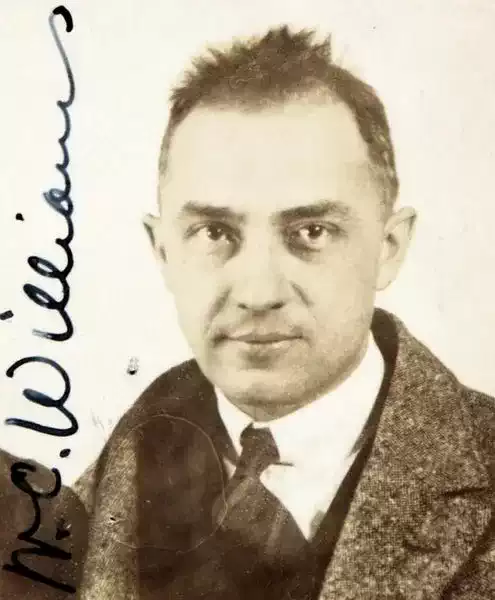
William Carlos Williams
from
from
Of asphodel, that greeny flower,
like a buttercup
upon its branching stemsave
that it's green and wooden-
I come, my sweet,
to sing to you.
We lived long together
a life filled,
if you will,
with flowers. So that
I was cheered
when I came first to know
that there were flowers also
in hell.
Today
I'm filled with the fading memory of those flowers
that we both loved,
even to this poor
colorless thing-
I saw it
when I was a childlittle
prized among the living
but the dead see,
asking among themselves:
What do I remember
that was shaped
as this thing is shaped?
while our eyes fill
with tears.
Of love, abiding love
it will be telling
though too weak a wash of crimson
colors it
to make it wholly credible.
There is something
something urgent
I have to say to you
and you alone
but it must wait
while I drink in
the joy of your approach,
perhaps for the last time.
And so
with fear in my heart
I drag it out
and keep on talking
for I dare not stop.
Listen while I talk on
against time.
It will not be
for long.
I have forgot
and yet I see clearly enough
something
central to the sky
which ranges round it.
An odor
springs from it!
A sweetest odor!
Honeysuckle! And now
there comes the buzzing of a bee!
and a whole flood
of sister memories!
Only give me time,
time to recall them
before I shall speak out.
Give me time,
time.
When I was a boy
I kept a book
to which, from time
to time,
I added pressed flowers
until, after a time,
I had a good collection.
The asphodel,
forebodingly,
among them.
I bring you,
reawakened,
a memory of those flowers.
They were sweet
when I pressed them
and retained
something of their sweetness
a long time.
It is a curious odor,
a moral odor,
that brings me
near to you.
The color
was the first to go.
There had come to me
a challenge,
your dear self,
mortal as I was,
the lily's throat
to the hummingbird!
Endless wealth,
I thought,
held out its arms to me.
A thousand tropics
in an apple blossom.
The generous earth itself
gave us lief.
The whole world
became my garden!
But the sea
which no one tends
is also a garden
when the sun strikes it
and the waves
are wakened.
I have seen it
and so have you
when it puts all flowers
to shame.
Too, there are the starfish
stiffened by the sun
and other sea wrack
and weeds. We knew that
along with the rest of it
for we were born by the sea,
knew its rose hedges
to the very water's brink.
There the pink mallow grows
and in their season
strawberries
and there, later,
we went to gather
the wild plum.
I cannot say
that I have gone to hell
for your love
but often
found myself there
in your pursuit.
I do not like it
and wanted to be
in heaven. Hear me out.
Do not turn away.
I have learned much in my life
from books
and out of them
about love.
Death
is not the end of it.
There is a hierarchy
which can be attained,
I think,
in its service.
Its guerdon
is a fairy flower;
a cat of twenty lives.
If no one came to try it
the world
would be the loser.
It has been
for you and me
as one who watches a storm
come in over the water.
We have stood
from year to year
before the spectacle of our lives
with joined hands.
The storm unfolds.
Lightning
plays about the edges of the clouds.
The sky to the north
is placid,
blue in the afterglow
as the storm piles up.
It is a flower
that will soon reach
the apex of its bloom.
We danced,
in our minds,
and read a book together.
You remember?
It was a serious book.
And so books
entered our lives.
The sea! The sea!
Always
when I think of the sea
there comes to mind
the Iliad
and Helen's public fault
that bred it.
Were it not for that
there would have been
no poem but the world
if we had remembered,
those crimson petals
spilled among the stones,
would have called it simply
murder.
The sexual orchid that bloomed then
sending so many
disinterested
men to their graves
has left its memory
to a race of fools
or heroes
if silence is a virtue.
The sea alone
with its multiplicity
holds any hope.
The storm
has proven abortive
but we remain
after the thoughts it roused
to
re-cement our lives.
It is the mind
the mind
that must be cured
short of death's
intervention,
and the will becomes again
a garden. The poem
is complex and the place made
in our lives
for the poem.
Silence can be complex too,
but you do not get far
with silence.
Begin again.
It is like Homer's
catalogue of ships:
it fills up the time.
I speak in figures,
well enough, the dresses
you wear are figures also,
we could not meet
otherwise. When I speak
of flowers
it is to recall
that at one time
we were young.
All women are not Helen,
I know that,
but have Helen in their hearts.
My sweet,
you have it also, therefore
I love you
and could not love you otherwise.
Imagine you saw
a field made up of women
all silver-white.
What should you do
but love them?
The storm bursts
or fades! it is not
the end of the world.
Love is something else,
or so I thought it,
a garden which expands,
though I knew you as a woman
and never thought otherwise,
until the whole sea
has been taken up
and all its gardens.
It was the love of love,
the love that swallows up all else,
a grateful love,
a love of nature, of people,
of animals,
a love engendering
gentleness and goodness
that moved me
and that I saw in you.
I should have known,
though I did not,
that the lily-of-the-valley
is a flower makes many ill
who whiff it.
We had our children,
rivals in the general onslaught.
I put them aside
though I cared for them.
as well as any man
could care for his children
according to my lights.
You understand
I had to meet you
after the event
and have still to meet you.
Love
to which you too shall bow
along with mea
flower
a weakest flower
shall be our trust
and not because
we are too feeble
to do otherwise
but because
at the height of my power
I risked what I had to do,
therefore to prove
that we love each other
while my very bones sweated
that I could not cry to you
in the act.
Of asphodel, that greeny flower,
I come, my sweet,
to sing to you!
My heart rouses
thinking to bring you news
of something
that concerns you
and concerns many men. Look at
what passes for the new.
You will not find it there but in
despised poems.
It is difficult
to get the news from poems
yet men die miserably every day
for lack
of what is found there.
Hear me out
for I too am concerned
and every man
who wants to die at peace in his bed
besides.
Of asphodel, that greeny flower,
like a buttercup
upon its branching stemsave
that it's green and wooden-
I come, my sweet,
to sing to you.
We lived long together
a life filled,
if you will,
with flowers. So that
I was cheered
when I came first to know
that there were flowers also
in hell.
Today
I'm filled with the fading memory of those flowers
that we both loved,
even to this poor
colorless thing-
I saw it
when I was a childlittle
prized among the living
but the dead see,
asking among themselves:
What do I remember
that was shaped
as this thing is shaped?
while our eyes fill
with tears.
Of love, abiding love
it will be telling
though too weak a wash of crimson
colors it
to make it wholly credible.
There is something
something urgent
I have to say to you
and you alone
but it must wait
while I drink in
the joy of your approach,
perhaps for the last time.
And so
with fear in my heart
I drag it out
and keep on talking
for I dare not stop.
Listen while I talk on
against time.
It will not be
for long.
I have forgot
and yet I see clearly enough
something
central to the sky
which ranges round it.
An odor
springs from it!
A sweetest odor!
Honeysuckle! And now
there comes the buzzing of a bee!
and a whole flood
of sister memories!
Only give me time,
time to recall them
before I shall speak out.
Give me time,
time.
When I was a boy
I kept a book
to which, from time
to time,
I added pressed flowers
until, after a time,
I had a good collection.
The asphodel,
forebodingly,
among them.
I bring you,
reawakened,
a memory of those flowers.
They were sweet
when I pressed them
and retained
something of their sweetness
a long time.
It is a curious odor,
a moral odor,
that brings me
near to you.
The color
was the first to go.
There had come to me
a challenge,
your dear self,
mortal as I was,
the lily's throat
to the hummingbird!
Endless wealth,
I thought,
held out its arms to me.
A thousand tropics
in an apple blossom.
The generous earth itself
gave us lief.
The whole world
became my garden!
But the sea
which no one tends
is also a garden
when the sun strikes it
and the waves
are wakened.
I have seen it
and so have you
when it puts all flowers
to shame.
Too, there are the starfish
stiffened by the sun
and other sea wrack
and weeds. We knew that
along with the rest of it
for we were born by the sea,
knew its rose hedges
to the very water's brink.
There the pink mallow grows
and in their season
strawberries
and there, later,
we went to gather
the wild plum.
I cannot say
that I have gone to hell
for your love
but often
found myself there
in your pursuit.
I do not like it
and wanted to be
in heaven. Hear me out.
Do not turn away.
I have learned much in my life
from books
and out of them
about love.
Death
is not the end of it.
There is a hierarchy
which can be attained,
I think,
in its service.
Its guerdon
is a fairy flower;
a cat of twenty lives.
If no one came to try it
the world
would be the loser.
It has been
for you and me
as one who watches a storm
come in over the water.
We have stood
from year to year
before the spectacle of our lives
with joined hands.
The storm unfolds.
Lightning
plays about the edges of the clouds.
The sky to the north
is placid,
blue in the afterglow
as the storm piles up.
It is a flower
that will soon reach
the apex of its bloom.
We danced,
in our minds,
and read a book together.
You remember?
It was a serious book.
And so books
entered our lives.
The sea! The sea!
Always
when I think of the sea
there comes to mind
the Iliad
and Helen's public fault
that bred it.
Were it not for that
there would have been
no poem but the world
if we had remembered,
those crimson petals
spilled among the stones,
would have called it simply
murder.
The sexual orchid that bloomed then
sending so many
disinterested
men to their graves
has left its memory
to a race of fools
or heroes
if silence is a virtue.
The sea alone
with its multiplicity
holds any hope.
The storm
has proven abortive
but we remain
after the thoughts it roused
to
re-cement our lives.
It is the mind
the mind
that must be cured
short of death's
intervention,
and the will becomes again
a garden. The poem
is complex and the place made
in our lives
for the poem.
Silence can be complex too,
but you do not get far
with silence.
Begin again.
It is like Homer's
catalogue of ships:
it fills up the time.
I speak in figures,
well enough, the dresses
you wear are figures also,
we could not meet
otherwise. When I speak
of flowers
it is to recall
that at one time
we were young.
All women are not Helen,
I know that,
but have Helen in their hearts.
My sweet,
you have it also, therefore
I love you
and could not love you otherwise.
Imagine you saw
a field made up of women
all silver-white.
What should you do
but love them?
The storm bursts
or fades! it is not
the end of the world.
Love is something else,
or so I thought it,
a garden which expands,
though I knew you as a woman
and never thought otherwise,
until the whole sea
has been taken up
and all its gardens.
It was the love of love,
the love that swallows up all else,
a grateful love,
a love of nature, of people,
of animals,
a love engendering
gentleness and goodness
that moved me
and that I saw in you.
I should have known,
though I did not,
that the lily-of-the-valley
is a flower makes many ill
who whiff it.
We had our children,
rivals in the general onslaught.
I put them aside
though I cared for them.
as well as any man
could care for his children
according to my lights.
You understand
I had to meet you
after the event
and have still to meet you.
Love
to which you too shall bow
along with mea
flower
a weakest flower
shall be our trust
and not because
we are too feeble
to do otherwise
but because
at the height of my power
I risked what I had to do,
therefore to prove
that we love each other
while my very bones sweated
that I could not cry to you
in the act.
Of asphodel, that greeny flower,
I come, my sweet,
to sing to you!
My heart rouses
thinking to bring you news
of something
that concerns you
and concerns many men. Look at
what passes for the new.
You will not find it there but in
despised poems.
It is difficult
to get the news from poems
yet men die miserably every day
for lack
of what is found there.
Hear me out
for I too am concerned
and every man
who wants to die at peace in his bed
besides.
489
William Carlos Williams
Blizzard
Blizzard
Snow falls:
years of anger following
hours that float idly down --
the blizzard
drifts its weight
deeper and deeper for three days
or sixty years, eh? Then
the sun! a clutter of
yellow and blue flakes --
Hairy looking trees stand out
in long alleys
over a wild solitude.
The man turns and there --
his solitary track stretched out
upon the world.
Snow falls:
years of anger following
hours that float idly down --
the blizzard
drifts its weight
deeper and deeper for three days
or sixty years, eh? Then
the sun! a clutter of
yellow and blue flakes --
Hairy looking trees stand out
in long alleys
over a wild solitude.
The man turns and there --
his solitary track stretched out
upon the world.
295
William Carlos Williams
Arrival
Arrival
And yet one arrives somehow,
finds himself loosening the hooks of
her dress
in a strange bedroom--
feels the autumn
dropping its silk and linen leaves
about her ankles.
The tawdry veined body emerges
twisted upon itself
like a winter wind . . . !
And yet one arrives somehow,
finds himself loosening the hooks of
her dress
in a strange bedroom--
feels the autumn
dropping its silk and linen leaves
about her ankles.
The tawdry veined body emerges
twisted upon itself
like a winter wind . . . !
391
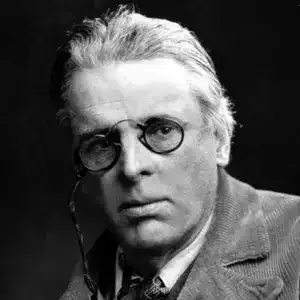
William Butler Yeats
Youth And Age
Youth And Age
MUCH did I rage when young,
Being by the world oppressed,
But now with flattering tongue
It speeds the parting guest.
MUCH did I rage when young,
Being by the world oppressed,
But now with flattering tongue
It speeds the parting guest.
428
William Butler Yeats
Wisdom
Wisdom
THE true faith discovered was
When painted panel, statuary.
Glass-mosaic, window-glass,
Amended what was told awry
By some peasant gospeller;
Swept the Sawdust from the floor
Of that working-carpenter.
Miracle had its playtime where
In damask clothed and on a seat
Chryselephantine, cedar-boarded,
His majestic Mother sat
Stitching at a purple hoarded
That He might be nobly breeched
In starry towers of Babylon
Noah's freshet never reached.
King Abundance got Him on
Innocence; and Wisdom He.
That cognomen sounded best
Considering what wild infancy
Drove horror from His Mother's breast.
THE true faith discovered was
When painted panel, statuary.
Glass-mosaic, window-glass,
Amended what was told awry
By some peasant gospeller;
Swept the Sawdust from the floor
Of that working-carpenter.
Miracle had its playtime where
In damask clothed and on a seat
Chryselephantine, cedar-boarded,
His majestic Mother sat
Stitching at a purple hoarded
That He might be nobly breeched
In starry towers of Babylon
Noah's freshet never reached.
King Abundance got Him on
Innocence; and Wisdom He.
That cognomen sounded best
Considering what wild infancy
Drove horror from His Mother's breast.
454
William Butler Yeats
Words For Music Perhaps
Words For Music Perhaps
I - CRAZY JANE AND THE BISHOP
BRING me to the blasted oak
That I, midnight upon the stroke,
(All find safety in the tomb.)
May call down curses on his head
Because of my dear Jack that's dead.
Coxcomb was the least he said:
The solid man and the coxcomb.
Nor was he Bishop when his ban
Banished Jack the Journeyman,
(All find safety in the tomb.)
Nor so much as parish priest,
Yet he, an old book in his fist,
Cried that we lived like beast and beast:
The solid man and the coxcomb.
The Bishop has a skin, God knows,
Wrinkled like the foot of a goose,
(All find safety in the tomb.)
Nor can he hide in holy black
The heron's hunch upon his back,
But a birch-tree stood my Jack:
The solid man and the coxcomb.
Jack had my virginity,
And bids me to the oak, for he
(all find safety in the tomb.)
Wanders out into the night
And there is shelter under it,
But should that other come, I spit:
The solid man and the coxcomb.
II - CRAZY JANE REPROVED
I CARE not what the sailors say:
All those dreadful thunder-stones,
All that storm that blots the day
Can but show that Heaven yawns;
Great Europa played the fool
That changed a lover for a bull.
Fol de rol, fol de rol.
To round that shell's elaborate whorl,
Adorning every secret track
With the delicate mother-of-pearl,
Made the joints of Heaven crack:
So never hang your heart upon
A roaring, ranting journeyman.
Fol de rol, fol de rol.
III - CRAZY JANE ON THE DAY OF JUDGMENT
'LOVE is all
Unsatisfied
That cannot take the whole
Body and soul';
And that is what Jane said.
'Take the sour
If you take me
I can scoff and lour
And scold for an hour.'
'That's certainly the case,' said he.
'Naked I lay,
The grass my bed;
Naked and hidden away,
That black day';
And that is what Jane said.
'What can be shown?
What true love be?
All could be known or shown
If Time were but gone.'
'That's certainly the case,' said he.
IV - CRAZY JANE AND JACK THE JOURNEYMAN
I KNOW, although when looks meet
I tremble to the bone,
The more I leave the door unlatched
The sooner love is gone,
For love is but a skein unwound
Between the dark and dawn.
A lonely ghost the ghost is
That to God shall come;
I -- love's skein upon the ground,
My body in the tomb --
Shall leap into the light lost
In my mother's womb.
But were I left to lie alone
In an empty bed,
The skein so bound us ghost to ghost
When he turned his head
passing on the road that night,
Mine must walk when dead.
V - CRAZY JANE ON GOD
THAT lover of a night
Came when he would,
Went in the dawning light
Whether I would or no;
Men come, men go;
All things remain in God.
Banners choke the sky;
Men-at-arms tread;
Armoured horses neigh
In the narrow pass:
All things remain in God.
Before their eyes a house
That from childhood stood
Uninhabited, ruinous,
Suddenly lit up
From door to top:
All things remain in God.
I had wild Jack for a lover;
Though like a road
That men pass over
My body makes no moan
But sings on:
All things remain in God.
VI - CRAZY JANE TALKS WITH THE BISHOP
I MET the Bishop on the road
And much said he and I.
'Those breasts are flat and fallen now,
Those veins must soon be dry;
Live in a heavenly mansion,
Not in some foul sty.'
'Fair and foul are near of kin,
And fair needs foul,' I cried.
'My friends are gone, but that's a truth
Nor grave nor bed denied,
Learned in bodily lowliness
And in the heart's pride.
'A woman can be proud and stiff
When on love intent;
But Love has pitched his mansion in
The place of excrement;
For nothing can be sole or whole
That has not been rent.'
VII - CRAZY JANE GROWN OLD LOOKS AT THE DANCERS
I FOUND that ivory image there
Dancing with her chosen youth,
But when he wound her coal-black hair
As though to strangle her, no scream
Or bodily movement did I dare,
Eyes under eyelids did so gleam;
Love is like the lion's tooth.
When She, and though some said she played
I said that she had danced heart's truth,
Drew a knife to strike him dead,
I could but leave him to his fate;
For no matter what is said
They had all that had their hate;
Love is like the lion's tooth.
Did he die or did she die?
Seemed to die or died they both?
God be with the times when I
Cared not a thraneen for what chanced
So that I had the limbs to try
Such a dance as there was danced --
Love is like the lion's tooth.
VIII - GIRL'S SONG
I WENT out alone
To sing a song or two,
My fancy on a man,
And you know who.
Another came in sight
That on a stick relied
To hold himself upright;
I sat and cried.
And that was all my song --
When everything is told,
Saw I an old man young
Or young man old?
IX - YOUNG MAN'S SONG
'SHE will change,' I cried.
'Into a withered crone.'
The heart in my side,
That so still had lain,
In noble rage replied
And beat upon the bone:
'Uplift those eyes and throw
Those glances unafraid:
She would as bravely show
Did all the fabric fade;
No withered crone I saw
Before the world was made.'
Abashed by that report,
For the heart cannot lie,
I knelt in the dirt.
And all shall bend the knee
To my offended heart
Until it pardon me.
X - HER ANXIETY
EARTH in beauty dressed
Awaits returning spring.
All true love must die,
Alter at the best
Into some lesser thing.
Prove that I lie.
Such body lovers have,
Such exacting breath,
That they touch or sigh.
Every touch they give,
Love is nearer death.
Prove that I lie.
XI - HIS CONFIDENCE
UNDYING love to buy
I wrote upon
The corners of this eye
All wrongs done.
What payment were enough
For undying love?
I broke my heart in two
So hard I struck.
What matter? for I know
That out of rock,
Out of a desolate source,
Love leaps upon its course.
XII - LOVE'S LONELINESS
OLD fathers, great-grandfathers,
Rise as kindred should.
If ever lover's loneliness
Came where you stood,
Pray that Heaven protect us
That protect your blood.
The mountain throws a shadow,
Thin is the moon's horn;
What did we remember
Under the ragged thorn?
Dread has followed longing,
And our hearts are torn.
XIII - HER DREAM
I DREAMED as in my bed I lay,
All night's fathomless wisdom come,
That I had shorn my locks away
And laid them on Love's lettered tomb:
But something bore them out of sight
In a great tumult of the air,
And after nailed upon the night
Berenice's burning hair.
XIV - HIS BARGAIN
WHO talks of Plato's spindle;
What set it whirling round?
Eternity may dwindle,
Time is unwound,
Dan and Jerry Lout
Change their loves about.
However they may take it,
Before the thread began
I made, and may not break it
When the last thread has run,
A bargain with that hair
And all the windings there.
XV - THREE THINGS
'O CRUEL Death, give three things back,'
Sang a bone upon the shore;
'A child found all a child can lack,
Whether of pleasure or of rest,
Upon the abundance of my breast':
A bone wave-whitened and dried in the wind.
'Three dear things that women know,'
Sang a bhone upon the shore;
'A man if I but held him so
When my body was alive
Found all the pleasure that life gave':
A bone wave-whitened and dried in the wind.
'The third thing that I think of yet,'
Sang a bone upon the shore,
'Is that morning when I met
Face to face my rightful man
And did after stretch and yawn':
A bone wave-whitened and dried in the wind.
XVI - LULLABY
BELOVED, may your sleep be sound
That have found it where you fed.
What were all the world's alarms
To mighty paris when he found
Sleep upon a golden bed
That first dawn in Helen's arms?
Sleep, beloved, such a sleep
As did that wild Tristram know
When, the potion's work being done,
Roe could run or doe could leap
Under oak and beechen bough,
Roe could leap or doe could run;
Such a sleep and sound as fell
Upon Eurotas' grassy bank
When the holy bird, that there
Accomplished his predestined will,
From the limbs of Leda sank
But not from her protecting care.
XVII - AFTER LONG SILENCE
SPEECH after long silence; it is right,
All other lovers being estranged or dead,
Unfriendly lamplight hid under its shade,
The curtains drawn upon unfriendly night,
That we descant and yet again descant
Upon the supreme theme of Art and Song:
Bodily decrepitude is wisdom; young
We loved each other and were ignorant.
XVIII - MAD AS THE MIST AND SNOW
BOLT and bar the shutter,
For the foul winds blow:
Our minds are at their best this night,
And I seem to know
That everything outside us is
Mad as the mist and snow.
Horace there by Homer stands,
Plato stands below,
And here is Tully's open page.
How many years ago
Were you and I unlettered lads
Mad as the mist and snow?
You ask what makes me sigh, old friend,
What makes me shudder so?
I shudder and I sigh to think
That even Cicero
And many-minded Homer were
Mad as the mist and snow.
XIX - THOSE DANCING DAYS ARE GONE
COME, let me sing into your ear;
Those dancing days are gone,
All that silk and satin gear;
Crouch upon a stone,
Wrapping that foul body up
In as foul a rag:
I carry the sun in a golden cup.
The moon in a silver bag.
Curse as you may I sing it through;
What matter if the knave
That the most could pleasure you,
The children that he gave,
Are somewhere sleeping like a top
Under a marble flag?
I carry the sun in a golden cup.
The moon in a silver bag.
I thought it out this very day.
Noon upon the clock,
A man may put pretence away
Who leans upon a stick,
May sing, and sing until he drop,
Whether to maid or hag:
I carry the sun in a golden cup,
The moon in a silver bag.
XX - 'I AM OF IRELAND'
AM of Ireland,
And the Holy Land of Ireland,
And time runs on,' cried she.
'Come out of charity,
Come dance with me in Ireland.'
One man, one man alone
In that outlandish gear,
One solitary man
Of all that rambled there
Had turned his stately head.
That is a long way off,
And time runs on,' he said,
'And the night grows rough.'
I am of Ireland,
And the Holy Land of Ireland,
And time runs on,' cried she.
'Come out of charity
And dance with me in Ireland.'
The fiddlers are all thumbs,
Or the fiddle-string accursed,
The drums and the kettledrums
And the trumpets all are burst,
And the trombone,' cried he,
'The trumpet and trombone,'
And cocked a malicious eye,
'But time runs on, runs on.'
I am of Ireland,
And the Holy Land of Ireland,
And time runs on,' cried she.
'Come out of charity
And dance with me in Ireland.'
XXI - THE DANCER AT CRUACHAN AND CRO-PATRICK
I, PROCLAIMING that there is
Among birds or beasts or men
One that is perfect or at peace.
Danced on Cruachan's windy plain,
Upon Cro-patrick sang aloud;
All that could run or leap or swim
Whether in wood, water or cloud,
Acclaiming, proclaiming, declaiming Him.
XXII - TOM THE LUNATIC
SANG old Tom the lunatic
That sleeps under the canopy:
'What change has put my thoughts astray
And eyes that had s-o keen a sight?
What has turned to smoking wick
Nature's pure unchanging light?
'Huddon and Duddon and Daniel O'Leary.
Holy Joe, the beggar-man,
Wenching, drinking, still remain
Or sing a penance on the road;
Something made these eyeballs weary
That blinked and saw them in a shroud.
'Whatever stands in field or flood,
Bird, beast, fish or man,
Mare or stallion, cock or hen,
Stands in God's unchanging eye
In all the vigour of its blood;
In that faith I live or die.'
XXIII - TOM AT CRUACHAN
ON Cruachan's plain slept he
That must sing in a rhyme
What most could shake his soul:
'The stallion Eternit
Mounted the mare of Time,
'Gat the foal of the world.'
XXIV - OLD TOM AGAIN
THINGS out of perfection sail,
And all their swelling canvas wear,
Nor shall the self-begotten fail
Though fantastic men suppose
Building-yard and stormy shore,
Winding-sheet and swaddling -- clothes.
XXV - THE DELPHIC ORACLE UPON PLOTINUS
BEHOLD that great Plotinus swim,
Buffeted by such seas;
Bland Rhadamanthus beckons him,
But the Golden Race looks dim,
Salt blood blocks his eyes.
Scattered on the level grass
Or winding through the grove
plato there and Minos pass,
There stately Pythagoras
And all the choir of Love.
I - CRAZY JANE AND THE BISHOP
BRING me to the blasted oak
That I, midnight upon the stroke,
(All find safety in the tomb.)
May call down curses on his head
Because of my dear Jack that's dead.
Coxcomb was the least he said:
The solid man and the coxcomb.
Nor was he Bishop when his ban
Banished Jack the Journeyman,
(All find safety in the tomb.)
Nor so much as parish priest,
Yet he, an old book in his fist,
Cried that we lived like beast and beast:
The solid man and the coxcomb.
The Bishop has a skin, God knows,
Wrinkled like the foot of a goose,
(All find safety in the tomb.)
Nor can he hide in holy black
The heron's hunch upon his back,
But a birch-tree stood my Jack:
The solid man and the coxcomb.
Jack had my virginity,
And bids me to the oak, for he
(all find safety in the tomb.)
Wanders out into the night
And there is shelter under it,
But should that other come, I spit:
The solid man and the coxcomb.
II - CRAZY JANE REPROVED
I CARE not what the sailors say:
All those dreadful thunder-stones,
All that storm that blots the day
Can but show that Heaven yawns;
Great Europa played the fool
That changed a lover for a bull.
Fol de rol, fol de rol.
To round that shell's elaborate whorl,
Adorning every secret track
With the delicate mother-of-pearl,
Made the joints of Heaven crack:
So never hang your heart upon
A roaring, ranting journeyman.
Fol de rol, fol de rol.
III - CRAZY JANE ON THE DAY OF JUDGMENT
'LOVE is all
Unsatisfied
That cannot take the whole
Body and soul';
And that is what Jane said.
'Take the sour
If you take me
I can scoff and lour
And scold for an hour.'
'That's certainly the case,' said he.
'Naked I lay,
The grass my bed;
Naked and hidden away,
That black day';
And that is what Jane said.
'What can be shown?
What true love be?
All could be known or shown
If Time were but gone.'
'That's certainly the case,' said he.
IV - CRAZY JANE AND JACK THE JOURNEYMAN
I KNOW, although when looks meet
I tremble to the bone,
The more I leave the door unlatched
The sooner love is gone,
For love is but a skein unwound
Between the dark and dawn.
A lonely ghost the ghost is
That to God shall come;
I -- love's skein upon the ground,
My body in the tomb --
Shall leap into the light lost
In my mother's womb.
But were I left to lie alone
In an empty bed,
The skein so bound us ghost to ghost
When he turned his head
passing on the road that night,
Mine must walk when dead.
V - CRAZY JANE ON GOD
THAT lover of a night
Came when he would,
Went in the dawning light
Whether I would or no;
Men come, men go;
All things remain in God.
Banners choke the sky;
Men-at-arms tread;
Armoured horses neigh
In the narrow pass:
All things remain in God.
Before their eyes a house
That from childhood stood
Uninhabited, ruinous,
Suddenly lit up
From door to top:
All things remain in God.
I had wild Jack for a lover;
Though like a road
That men pass over
My body makes no moan
But sings on:
All things remain in God.
VI - CRAZY JANE TALKS WITH THE BISHOP
I MET the Bishop on the road
And much said he and I.
'Those breasts are flat and fallen now,
Those veins must soon be dry;
Live in a heavenly mansion,
Not in some foul sty.'
'Fair and foul are near of kin,
And fair needs foul,' I cried.
'My friends are gone, but that's a truth
Nor grave nor bed denied,
Learned in bodily lowliness
And in the heart's pride.
'A woman can be proud and stiff
When on love intent;
But Love has pitched his mansion in
The place of excrement;
For nothing can be sole or whole
That has not been rent.'
VII - CRAZY JANE GROWN OLD LOOKS AT THE DANCERS
I FOUND that ivory image there
Dancing with her chosen youth,
But when he wound her coal-black hair
As though to strangle her, no scream
Or bodily movement did I dare,
Eyes under eyelids did so gleam;
Love is like the lion's tooth.
When She, and though some said she played
I said that she had danced heart's truth,
Drew a knife to strike him dead,
I could but leave him to his fate;
For no matter what is said
They had all that had their hate;
Love is like the lion's tooth.
Did he die or did she die?
Seemed to die or died they both?
God be with the times when I
Cared not a thraneen for what chanced
So that I had the limbs to try
Such a dance as there was danced --
Love is like the lion's tooth.
VIII - GIRL'S SONG
I WENT out alone
To sing a song or two,
My fancy on a man,
And you know who.
Another came in sight
That on a stick relied
To hold himself upright;
I sat and cried.
And that was all my song --
When everything is told,
Saw I an old man young
Or young man old?
IX - YOUNG MAN'S SONG
'SHE will change,' I cried.
'Into a withered crone.'
The heart in my side,
That so still had lain,
In noble rage replied
And beat upon the bone:
'Uplift those eyes and throw
Those glances unafraid:
She would as bravely show
Did all the fabric fade;
No withered crone I saw
Before the world was made.'
Abashed by that report,
For the heart cannot lie,
I knelt in the dirt.
And all shall bend the knee
To my offended heart
Until it pardon me.
X - HER ANXIETY
EARTH in beauty dressed
Awaits returning spring.
All true love must die,
Alter at the best
Into some lesser thing.
Prove that I lie.
Such body lovers have,
Such exacting breath,
That they touch or sigh.
Every touch they give,
Love is nearer death.
Prove that I lie.
XI - HIS CONFIDENCE
UNDYING love to buy
I wrote upon
The corners of this eye
All wrongs done.
What payment were enough
For undying love?
I broke my heart in two
So hard I struck.
What matter? for I know
That out of rock,
Out of a desolate source,
Love leaps upon its course.
XII - LOVE'S LONELINESS
OLD fathers, great-grandfathers,
Rise as kindred should.
If ever lover's loneliness
Came where you stood,
Pray that Heaven protect us
That protect your blood.
The mountain throws a shadow,
Thin is the moon's horn;
What did we remember
Under the ragged thorn?
Dread has followed longing,
And our hearts are torn.
XIII - HER DREAM
I DREAMED as in my bed I lay,
All night's fathomless wisdom come,
That I had shorn my locks away
And laid them on Love's lettered tomb:
But something bore them out of sight
In a great tumult of the air,
And after nailed upon the night
Berenice's burning hair.
XIV - HIS BARGAIN
WHO talks of Plato's spindle;
What set it whirling round?
Eternity may dwindle,
Time is unwound,
Dan and Jerry Lout
Change their loves about.
However they may take it,
Before the thread began
I made, and may not break it
When the last thread has run,
A bargain with that hair
And all the windings there.
XV - THREE THINGS
'O CRUEL Death, give three things back,'
Sang a bone upon the shore;
'A child found all a child can lack,
Whether of pleasure or of rest,
Upon the abundance of my breast':
A bone wave-whitened and dried in the wind.
'Three dear things that women know,'
Sang a bhone upon the shore;
'A man if I but held him so
When my body was alive
Found all the pleasure that life gave':
A bone wave-whitened and dried in the wind.
'The third thing that I think of yet,'
Sang a bone upon the shore,
'Is that morning when I met
Face to face my rightful man
And did after stretch and yawn':
A bone wave-whitened and dried in the wind.
XVI - LULLABY
BELOVED, may your sleep be sound
That have found it where you fed.
What were all the world's alarms
To mighty paris when he found
Sleep upon a golden bed
That first dawn in Helen's arms?
Sleep, beloved, such a sleep
As did that wild Tristram know
When, the potion's work being done,
Roe could run or doe could leap
Under oak and beechen bough,
Roe could leap or doe could run;
Such a sleep and sound as fell
Upon Eurotas' grassy bank
When the holy bird, that there
Accomplished his predestined will,
From the limbs of Leda sank
But not from her protecting care.
XVII - AFTER LONG SILENCE
SPEECH after long silence; it is right,
All other lovers being estranged or dead,
Unfriendly lamplight hid under its shade,
The curtains drawn upon unfriendly night,
That we descant and yet again descant
Upon the supreme theme of Art and Song:
Bodily decrepitude is wisdom; young
We loved each other and were ignorant.
XVIII - MAD AS THE MIST AND SNOW
BOLT and bar the shutter,
For the foul winds blow:
Our minds are at their best this night,
And I seem to know
That everything outside us is
Mad as the mist and snow.
Horace there by Homer stands,
Plato stands below,
And here is Tully's open page.
How many years ago
Were you and I unlettered lads
Mad as the mist and snow?
You ask what makes me sigh, old friend,
What makes me shudder so?
I shudder and I sigh to think
That even Cicero
And many-minded Homer were
Mad as the mist and snow.
XIX - THOSE DANCING DAYS ARE GONE
COME, let me sing into your ear;
Those dancing days are gone,
All that silk and satin gear;
Crouch upon a stone,
Wrapping that foul body up
In as foul a rag:
I carry the sun in a golden cup.
The moon in a silver bag.
Curse as you may I sing it through;
What matter if the knave
That the most could pleasure you,
The children that he gave,
Are somewhere sleeping like a top
Under a marble flag?
I carry the sun in a golden cup.
The moon in a silver bag.
I thought it out this very day.
Noon upon the clock,
A man may put pretence away
Who leans upon a stick,
May sing, and sing until he drop,
Whether to maid or hag:
I carry the sun in a golden cup,
The moon in a silver bag.
XX - 'I AM OF IRELAND'
AM of Ireland,
And the Holy Land of Ireland,
And time runs on,' cried she.
'Come out of charity,
Come dance with me in Ireland.'
One man, one man alone
In that outlandish gear,
One solitary man
Of all that rambled there
Had turned his stately head.
That is a long way off,
And time runs on,' he said,
'And the night grows rough.'
I am of Ireland,
And the Holy Land of Ireland,
And time runs on,' cried she.
'Come out of charity
And dance with me in Ireland.'
The fiddlers are all thumbs,
Or the fiddle-string accursed,
The drums and the kettledrums
And the trumpets all are burst,
And the trombone,' cried he,
'The trumpet and trombone,'
And cocked a malicious eye,
'But time runs on, runs on.'
I am of Ireland,
And the Holy Land of Ireland,
And time runs on,' cried she.
'Come out of charity
And dance with me in Ireland.'
XXI - THE DANCER AT CRUACHAN AND CRO-PATRICK
I, PROCLAIMING that there is
Among birds or beasts or men
One that is perfect or at peace.
Danced on Cruachan's windy plain,
Upon Cro-patrick sang aloud;
All that could run or leap or swim
Whether in wood, water or cloud,
Acclaiming, proclaiming, declaiming Him.
XXII - TOM THE LUNATIC
SANG old Tom the lunatic
That sleeps under the canopy:
'What change has put my thoughts astray
And eyes that had s-o keen a sight?
What has turned to smoking wick
Nature's pure unchanging light?
'Huddon and Duddon and Daniel O'Leary.
Holy Joe, the beggar-man,
Wenching, drinking, still remain
Or sing a penance on the road;
Something made these eyeballs weary
That blinked and saw them in a shroud.
'Whatever stands in field or flood,
Bird, beast, fish or man,
Mare or stallion, cock or hen,
Stands in God's unchanging eye
In all the vigour of its blood;
In that faith I live or die.'
XXIII - TOM AT CRUACHAN
ON Cruachan's plain slept he
That must sing in a rhyme
What most could shake his soul:
'The stallion Eternit
Mounted the mare of Time,
'Gat the foal of the world.'
XXIV - OLD TOM AGAIN
THINGS out of perfection sail,
And all their swelling canvas wear,
Nor shall the self-begotten fail
Though fantastic men suppose
Building-yard and stormy shore,
Winding-sheet and swaddling -- clothes.
XXV - THE DELPHIC ORACLE UPON PLOTINUS
BEHOLD that great Plotinus swim,
Buffeted by such seas;
Bland Rhadamanthus beckons him,
But the Golden Race looks dim,
Salt blood blocks his eyes.
Scattered on the level grass
Or winding through the grove
plato there and Minos pass,
There stately Pythagoras
And all the choir of Love.
343
William Butler Yeats
When You Are Old
When You Are Old
WHEN you are old and grey and full of sleep,
And nodding by the fire, take down this book,
And slowly read, and dream of the soft look
Your eyes had once, and of their shadows deep;
How many loved your moments of glad grace,
And loved your beauty with love false or true,
But one man loved the pilgrim Soul in you,
And loved the sorrows of your changing face;
And bending down beside the glowing bars,
Murmur, a little sadly, how Love fled
And paced upon the mountains overhead
And hid his face amid a crowd of stars.
WHEN you are old and grey and full of sleep,
And nodding by the fire, take down this book,
And slowly read, and dream of the soft look
Your eyes had once, and of their shadows deep;
How many loved your moments of glad grace,
And loved your beauty with love false or true,
But one man loved the pilgrim Soul in you,
And loved the sorrows of your changing face;
And bending down beside the glowing bars,
Murmur, a little sadly, how Love fled
And paced upon the mountains overhead
And hid his face amid a crowd of stars.
367
William Butler Yeats
When You Are Old
When You Are Old
WHEN you are old and grey and full of sleep,
And nodding by the fire, take down this book,
And slowly read, and dream of the soft look
Your eyes had once, and of their shadows deep;
How many loved your moments of glad grace,
And loved your beauty with love false or true,
But one man loved the pilgrim Soul in you,
And loved the sorrows of your changing face;
And bending down beside the glowing bars,
Murmur, a little sadly, how Love fled
And paced upon the mountains overhead
And hid his face amid a crowd of stars.
WHEN you are old and grey and full of sleep,
And nodding by the fire, take down this book,
And slowly read, and dream of the soft look
Your eyes had once, and of their shadows deep;
How many loved your moments of glad grace,
And loved your beauty with love false or true,
But one man loved the pilgrim Soul in you,
And loved the sorrows of your changing face;
And bending down beside the glowing bars,
Murmur, a little sadly, how Love fled
And paced upon the mountains overhead
And hid his face amid a crowd of stars.
367
William Butler Yeats
What Was Lost
What Was Lost
I SING what was lost and dread what was won,
I walk in a battle fought over again,
My king a lost king, and lost soldiers my men;
Feet to the Rising and Setting may run,
They always beat on the same small stone.
I SING what was lost and dread what was won,
I walk in a battle fought over again,
My king a lost king, and lost soldiers my men;
Feet to the Rising and Setting may run,
They always beat on the same small stone.
327
William Butler Yeats
Veronica's Napkin
Veronica's Napkin
THE Heavenly Circuit; Berenice's Hair;
Tent-pole of Eden; the tent's drapery;
Symbolical glory of thc earth and air!
The Father and His angelic hierarchy
That made the magnitude and glory there
Stood in the circuit of a needle's eye.
Some found a different pole, and where it stood
A pattern on a napkin dipped in blood.
THE Heavenly Circuit; Berenice's Hair;
Tent-pole of Eden; the tent's drapery;
Symbolical glory of thc earth and air!
The Father and His angelic hierarchy
That made the magnitude and glory there
Stood in the circuit of a needle's eye.
Some found a different pole, and where it stood
A pattern on a napkin dipped in blood.
325
William Butler Yeats
Two Years Later
Two Years Later
HAS no one said those daring
Kind eyes should be more learn'd?
Or warned you how despairing
The moths are when they are burned?
I could have warned you; but you are young,
So we speak a different tongue.
O you will take whatever's offered
And dream that all the world's a friend,
Suffer as your mother suffered,
Be as broken in the end.
But I am old and you are young,
And I speak a barbarous tongue.
HAS no one said those daring
Kind eyes should be more learn'd?
Or warned you how despairing
The moths are when they are burned?
I could have warned you; but you are young,
So we speak a different tongue.
O you will take whatever's offered
And dream that all the world's a friend,
Suffer as your mother suffered,
Be as broken in the end.
But I am old and you are young,
And I speak a barbarous tongue.
431
William Butler Yeats
Under Saturn
Under Saturn
DO not because this day I have grown saturnine
Imagine that lost love, inseparable from my thought
Because I have no other youth, can make me pine;
For how should I forget the wisdom that you brought,
The comfort that you made? Although my wits have gone
On a fantastic ride, my horse's flanks are spurred
By childish memories of an old cross Pollexfen,
And of a Middleton, whose name you never heard,
And of a red-haired Yeats whose looks, although he died
Before my time, seem like a vivid memory.
You heard that labouring man who had served my people. He said
Upon the open road, near to the Sligo quay --
No, no, not said, but cried it out -- 'You have come again,
And surely after twenty years it was time to come.'
I am thinking of a child's vow sworn in vain
Never to leave that valley his fathers called their home.
DO not because this day I have grown saturnine
Imagine that lost love, inseparable from my thought
Because I have no other youth, can make me pine;
For how should I forget the wisdom that you brought,
The comfort that you made? Although my wits have gone
On a fantastic ride, my horse's flanks are spurred
By childish memories of an old cross Pollexfen,
And of a Middleton, whose name you never heard,
And of a red-haired Yeats whose looks, although he died
Before my time, seem like a vivid memory.
You heard that labouring man who had served my people. He said
Upon the open road, near to the Sligo quay --
No, no, not said, but cried it out -- 'You have come again,
And surely after twenty years it was time to come.'
I am thinking of a child's vow sworn in vain
Never to leave that valley his fathers called their home.
437
William Butler Yeats
Towards Break Of Day
Towards Break Of Day
WAS it the double of my dream
The woman that by me lay
Dreamed, or did we halve a dream
Under the first cold gleam of day?
I thought: 'There is a waterfall
Upon Ben Bulben side
That all my childhood counted dear;
Were I to travel far and wide
I could not find a thing so dear.'
My memories had magnified
So many times childish delight.
I would have touched it like a child
But knew my finger could but have touched
Cold stone and water. I grew wild.
Even accusing Heaven because
It had set down among its laws:
Nothing that we love over-much
Is ponderable to our touch.
I dreamed towards break of day,
The cold blown spray in my nostril.
But she that beside me lay
Had watched in bitterer sleep
The marvellous stag of Arthur,
That lofty white stag, leap
From mountain steep to steep.
WAS it the double of my dream
The woman that by me lay
Dreamed, or did we halve a dream
Under the first cold gleam of day?
I thought: 'There is a waterfall
Upon Ben Bulben side
That all my childhood counted dear;
Were I to travel far and wide
I could not find a thing so dear.'
My memories had magnified
So many times childish delight.
I would have touched it like a child
But knew my finger could but have touched
Cold stone and water. I grew wild.
Even accusing Heaven because
It had set down among its laws:
Nothing that we love over-much
Is ponderable to our touch.
I dreamed towards break of day,
The cold blown spray in my nostril.
But she that beside me lay
Had watched in bitterer sleep
The marvellous stag of Arthur,
That lofty white stag, leap
From mountain steep to steep.
482
William Butler Yeats
Two Songs of a Fool
Two Songs of a Fool
I
A speckled cat and a tame hare
Eat at my hearthstone
And seep there;
And both look up to me alone
For learning and defence
As I look up to Providence.
I start out of my sleep to think
Some day I may forget
Their food and drink;
Or, the house door left unshut,
The hare may run till it's found
The horn's sweet note and the tooth of the hound.
I bear a burden that might well try
Men that do all by rule,
And what can I
That am a wandering-witted fool
But pray to God that He ease
My great responsibilities?
II
I slept on my three-leged stool by the fire,
The speckled cat slept on my knee;
We never thought to enquire
Where the brown hare might be,
And whether the door were shut.
Who knows how she drank the wind
Stretched up on two legs from the mat,
Before she had settled her mind
To drum with her heel and to leap?
Had I but awakened from sleep
And called her name, she had heard,
It may be, and not have stirred,
That now, it may be, has found
The horn's sweet note and the tooth of the hound.
I
A speckled cat and a tame hare
Eat at my hearthstone
And seep there;
And both look up to me alone
For learning and defence
As I look up to Providence.
I start out of my sleep to think
Some day I may forget
Their food and drink;
Or, the house door left unshut,
The hare may run till it's found
The horn's sweet note and the tooth of the hound.
I bear a burden that might well try
Men that do all by rule,
And what can I
That am a wandering-witted fool
But pray to God that He ease
My great responsibilities?
II
I slept on my three-leged stool by the fire,
The speckled cat slept on my knee;
We never thought to enquire
Where the brown hare might be,
And whether the door were shut.
Who knows how she drank the wind
Stretched up on two legs from the mat,
Before she had settled her mind
To drum with her heel and to leap?
Had I but awakened from sleep
And called her name, she had heard,
It may be, and not have stirred,
That now, it may be, has found
The horn's sweet note and the tooth of the hound.
376
William Butler Yeats
Tom O'Roughley
Tom O'Roughley
'THOUGH logic-choppers rule the town,
And every man and maid and boy
Has marked a distant object down,
An aimless joy is a pure joy,'
Or so did Tom O'Roughley say
That saw the surges running by.
'And wisdom is a butterfly
And not a gloomy bird of prey.
'If little planned is little sinned
But little need the grave distress.
What's dying but a second wind?
How but in zig-zag wantonness
Could trumpeter Michael be so brave?'
Or something of that sort he said,
'And if my dearest friend were dead
I'd dance a measure on his grave.'
'THOUGH logic-choppers rule the town,
And every man and maid and boy
Has marked a distant object down,
An aimless joy is a pure joy,'
Or so did Tom O'Roughley say
That saw the surges running by.
'And wisdom is a butterfly
And not a gloomy bird of prey.
'If little planned is little sinned
But little need the grave distress.
What's dying but a second wind?
How but in zig-zag wantonness
Could trumpeter Michael be so brave?'
Or something of that sort he said,
'And if my dearest friend were dead
I'd dance a measure on his grave.'
441
William Butler Yeats
To be Carved On A Stone At Thoor Ballylee
To be Carved On A Stone At Thoor Ballylee
I, THE poet William Yeats,
With old mill boards and sea-green slates,
And smithy work from the Gort forge,
Restored this tower for my wife George;
And may these characters remain
When all is ruin once again.
I, THE poet William Yeats,
With old mill boards and sea-green slates,
And smithy work from the Gort forge,
Restored this tower for my wife George;
And may these characters remain
When all is ruin once again.
266
William Butler Yeats
Three Things
Three Things
`O cruel Death, give three things back,'
Sang a bone upon the shore;
`A child found all a child can lack,
Whether of pleasure or of rest,
Upon the abundance of my breast':
A bone wave-whitened and dried in the wind.
`Three dear things that women know,'
Sang a bhone upon the shore;
`A man if I but held him so
When my body was alive
Found all the pleasure that life gave':
A bone wave-whitened and dried in the wind.
`The third thing that I think of yet,'
Sang a bone upon the shore,
`Is that morning when I met
Face to face my rightful man
And did after stretch and yawn':
A bone wave-whitened and dried in the wind.
`O cruel Death, give three things back,'
Sang a bone upon the shore;
`A child found all a child can lack,
Whether of pleasure or of rest,
Upon the abundance of my breast':
A bone wave-whitened and dried in the wind.
`Three dear things that women know,'
Sang a bhone upon the shore;
`A man if I but held him so
When my body was alive
Found all the pleasure that life gave':
A bone wave-whitened and dried in the wind.
`The third thing that I think of yet,'
Sang a bone upon the shore,
`Is that morning when I met
Face to face my rightful man
And did after stretch and yawn':
A bone wave-whitened and dried in the wind.
399
William Butler Yeats
Three Things
Three Things
`O cruel Death, give three things back,'
Sang a bone upon the shore;
`A child found all a child can lack,
Whether of pleasure or of rest,
Upon the abundance of my breast':
A bone wave-whitened and dried in the wind.
`Three dear things that women know,'
Sang a bhone upon the shore;
`A man if I but held him so
When my body was alive
Found all the pleasure that life gave':
A bone wave-whitened and dried in the wind.
`The third thing that I think of yet,'
Sang a bone upon the shore,
`Is that morning when I met
Face to face my rightful man
And did after stretch and yawn':
A bone wave-whitened and dried in the wind.
`O cruel Death, give three things back,'
Sang a bone upon the shore;
`A child found all a child can lack,
Whether of pleasure or of rest,
Upon the abundance of my breast':
A bone wave-whitened and dried in the wind.
`Three dear things that women know,'
Sang a bhone upon the shore;
`A man if I but held him so
When my body was alive
Found all the pleasure that life gave':
A bone wave-whitened and dried in the wind.
`The third thing that I think of yet,'
Sang a bone upon the shore,
`Is that morning when I met
Face to face my rightful man
And did after stretch and yawn':
A bone wave-whitened and dried in the wind.
399
William Butler Yeats
Three Marching Songs
Three Marching Songs
REMEMBER all those renowned generations,
They left their bodies to fatten the wolves,
They left their homesteads to fatten the foxes,
Fled to far countries, or sheltered themselves
In cavern, crevice, or hole,
Defending Ireland's soul.
Be still, be still, what can be said?
My father sang that song,
But time amends old wrong,
All that is finished, let it fade.
Remember all those renowned generations,
Remember all that have sunk in their blood,
Remember all that have died on the scaffold,
Remember all that have fled, that have stood,
Stood, took death like a tune
On an old,tambourine.
Be still, be still, what can be said?
My father sang that song,
But time amends old wrong,
And all that's finished, let it fade.
Fail, and that history turns into rubbish,
All that great past to a trouble of fools;
Those that come after shall mock at O'Donnell,
Mock at the memory of both O'Neills,
Mock Emmet, mock Parnell,
All the renown that fell.
Be still, be still, what can be said?
My father sang that song,
but time amends old wrong,
And all that's finished, let it fade.
The soldier takes pride in saluting his Captain,
The devotee proffers a knee to his Lord,
Some back a mare thrown from a thoroughbred,,
Troy backed its Helen; Troy died and adored;
Great nations blossom above;
A slave bows down to a slave.
What marches through the mountain pass?
No, no, my son, not yet;
That is an airy spot,
And no man knows what treads the grass.
We know what rascal might has defiled,
The lofty innocence that it has slain,
Were we not born in the peasant's cot
Where men forgive if the belly gain?
More dread the life that we live,
How can the mind forgive?
What marches down the mountain pass?
No, no, my son, not yet;
That is an airy spot,
And no man knows what treads the grass.
What if there's nothing up there at the top?
Where are the captains that govern mankind?
What tears down a tree that has nothing within it?
A blast of the wind, O a marching wind,
March wind, and any old tune.
March, march, and how does it run?
What marches down the mountain pass?
No, no, my son, not yet;
That is an airy spot,
And no man knows what treads the grass.
III
Grandfather sang it under the gallows:
'Hear, gentlemen, ladies, and all mankind:
Money is good and a girl might be better,
But good strong blows are delights to the mind.'
There, standing on the cart,
He sang it from his heart.
<1Robbers had taken his old tambourine,
But he took down the moon
And rattled out a tunc;
Robbers had taken his old tambourinc.>1
'A girl I had, but she followed another,
Money I had, and it went in the night,
Strong drink I had, and it brought me to sorrow,
But a good strong cause and blows are delight.'
All there caught up the tune:
'Oh, on, my darling man.'
Robbers had taken his old tambourine,
But he took down the moon
And rattled out a tune;>1
Robbers had taken his old tambourine.
'Money is good and a girl might be better,
No matter what happens and who takes the fall,
But a good strong cause' -- the rope gave a jerk there,
No more sang he, for his throat was too small;
But he kicked before he died,
He did it out of pride.
<1Robbers had taken his old tambourine,
But he took down the moon
And rattled out a tune;
Robbers had taken his old tambourine.
REMEMBER all those renowned generations,
They left their bodies to fatten the wolves,
They left their homesteads to fatten the foxes,
Fled to far countries, or sheltered themselves
In cavern, crevice, or hole,
Defending Ireland's soul.
Be still, be still, what can be said?
My father sang that song,
But time amends old wrong,
All that is finished, let it fade.
Remember all those renowned generations,
Remember all that have sunk in their blood,
Remember all that have died on the scaffold,
Remember all that have fled, that have stood,
Stood, took death like a tune
On an old,tambourine.
Be still, be still, what can be said?
My father sang that song,
But time amends old wrong,
And all that's finished, let it fade.
Fail, and that history turns into rubbish,
All that great past to a trouble of fools;
Those that come after shall mock at O'Donnell,
Mock at the memory of both O'Neills,
Mock Emmet, mock Parnell,
All the renown that fell.
Be still, be still, what can be said?
My father sang that song,
but time amends old wrong,
And all that's finished, let it fade.
The soldier takes pride in saluting his Captain,
The devotee proffers a knee to his Lord,
Some back a mare thrown from a thoroughbred,,
Troy backed its Helen; Troy died and adored;
Great nations blossom above;
A slave bows down to a slave.
What marches through the mountain pass?
No, no, my son, not yet;
That is an airy spot,
And no man knows what treads the grass.
We know what rascal might has defiled,
The lofty innocence that it has slain,
Were we not born in the peasant's cot
Where men forgive if the belly gain?
More dread the life that we live,
How can the mind forgive?
What marches down the mountain pass?
No, no, my son, not yet;
That is an airy spot,
And no man knows what treads the grass.
What if there's nothing up there at the top?
Where are the captains that govern mankind?
What tears down a tree that has nothing within it?
A blast of the wind, O a marching wind,
March wind, and any old tune.
March, march, and how does it run?
What marches down the mountain pass?
No, no, my son, not yet;
That is an airy spot,
And no man knows what treads the grass.
III
Grandfather sang it under the gallows:
'Hear, gentlemen, ladies, and all mankind:
Money is good and a girl might be better,
But good strong blows are delights to the mind.'
There, standing on the cart,
He sang it from his heart.
<1Robbers had taken his old tambourine,
But he took down the moon
And rattled out a tunc;
Robbers had taken his old tambourinc.>1
'A girl I had, but she followed another,
Money I had, and it went in the night,
Strong drink I had, and it brought me to sorrow,
But a good strong cause and blows are delight.'
All there caught up the tune:
'Oh, on, my darling man.'
Robbers had taken his old tambourine,
But he took down the moon
And rattled out a tune;>1
Robbers had taken his old tambourine.
'Money is good and a girl might be better,
No matter what happens and who takes the fall,
But a good strong cause' -- the rope gave a jerk there,
No more sang he, for his throat was too small;
But he kicked before he died,
He did it out of pride.
<1Robbers had taken his old tambourine,
But he took down the moon
And rattled out a tune;
Robbers had taken his old tambourine.
434
William Butler Yeats
Those Dancing Days Are Gone
Those Dancing Days Are Gone
Come, let me sing into your ear;
Those dancing days are gone,
All that silk and satin gear;
Crouch upon a stone,
Wrapping that foul body up
In as foul a rag:
I carry the sun in a golden cup.
The moon in a silver bag.
Curse as you may I sing it through;
What matter if the knave
That the most could pleasure you,
The children that he gave,
Are somewhere sleeping like a top
Under a marble flag?
I carry the sun in a golden cup.
The moon in a silver bag.
I thought it out this very day.
Noon upon the clock,
A man may put pretence away
Who leans upon a stick,
May sing, and sing until he drop,
Whether to maid or hag:
I carry the sun in a golden cup,
The moon in a silver bag.
Come, let me sing into your ear;
Those dancing days are gone,
All that silk and satin gear;
Crouch upon a stone,
Wrapping that foul body up
In as foul a rag:
I carry the sun in a golden cup.
The moon in a silver bag.
Curse as you may I sing it through;
What matter if the knave
That the most could pleasure you,
The children that he gave,
Are somewhere sleeping like a top
Under a marble flag?
I carry the sun in a golden cup.
The moon in a silver bag.
I thought it out this very day.
Noon upon the clock,
A man may put pretence away
Who leans upon a stick,
May sing, and sing until he drop,
Whether to maid or hag:
I carry the sun in a golden cup,
The moon in a silver bag.
375
William Butler Yeats
Those Dancing Days Are Gone
Those Dancing Days Are Gone
Come, let me sing into your ear;
Those dancing days are gone,
All that silk and satin gear;
Crouch upon a stone,
Wrapping that foul body up
In as foul a rag:
I carry the sun in a golden cup.
The moon in a silver bag.
Curse as you may I sing it through;
What matter if the knave
That the most could pleasure you,
The children that he gave,
Are somewhere sleeping like a top
Under a marble flag?
I carry the sun in a golden cup.
The moon in a silver bag.
I thought it out this very day.
Noon upon the clock,
A man may put pretence away
Who leans upon a stick,
May sing, and sing until he drop,
Whether to maid or hag:
I carry the sun in a golden cup,
The moon in a silver bag.
Come, let me sing into your ear;
Those dancing days are gone,
All that silk and satin gear;
Crouch upon a stone,
Wrapping that foul body up
In as foul a rag:
I carry the sun in a golden cup.
The moon in a silver bag.
Curse as you may I sing it through;
What matter if the knave
That the most could pleasure you,
The children that he gave,
Are somewhere sleeping like a top
Under a marble flag?
I carry the sun in a golden cup.
The moon in a silver bag.
I thought it out this very day.
Noon upon the clock,
A man may put pretence away
Who leans upon a stick,
May sing, and sing until he drop,
Whether to maid or hag:
I carry the sun in a golden cup,
The moon in a silver bag.
375
William Butler Yeats
The Winding Stair And Other Poems
The Winding Stair And Other Poems
IN MEMORY OF EVA GORE-BOOTH AND CON MARKIEWICZ
THE light of evening, Lissadell,
Great windows open to the south,
Two girls in silk kimonos, both
Beautiful, one a gazelle.
But a raving autumn shears
Blossom from the summer's wreath;
The older is condemned to death,
Pardoned, drags out lonely years
Conspiring among the ignorant.
I know not what the younger dreams --
Some vague Utopia -- and she seems,
When withered old and skeleton-gaunt,
An image of such politics.
Many a time I think to seek
One or the other out and speak
Of that old Georgian mansion, mix
pictures of the mind, recall
That table and the talk of youth,
Two girls in silk kimonos, both
Beautiful, one a gazelle.
Dear shadows, now you know it all,
All the folly of a fight
With a common wrong or right.
The innocent and the beautiful.
Have no enemy but time;
Arise and bid me strike a match
And strike another till time catch;
Should the conflagration climb,
Run till all the sages know.
We the great gazebo built,
They convicted us of guilt;
Bid me strike a match and blow.
IN MEMORY OF EVA GORE-BOOTH AND CON MARKIEWICZ
THE light of evening, Lissadell,
Great windows open to the south,
Two girls in silk kimonos, both
Beautiful, one a gazelle.
But a raving autumn shears
Blossom from the summer's wreath;
The older is condemned to death,
Pardoned, drags out lonely years
Conspiring among the ignorant.
I know not what the younger dreams --
Some vague Utopia -- and she seems,
When withered old and skeleton-gaunt,
An image of such politics.
Many a time I think to seek
One or the other out and speak
Of that old Georgian mansion, mix
pictures of the mind, recall
That table and the talk of youth,
Two girls in silk kimonos, both
Beautiful, one a gazelle.
Dear shadows, now you know it all,
All the folly of a fight
With a common wrong or right.
The innocent and the beautiful.
Have no enemy but time;
Arise and bid me strike a match
And strike another till time catch;
Should the conflagration climb,
Run till all the sages know.
We the great gazebo built,
They convicted us of guilt;
Bid me strike a match and blow.
394
William Butler Yeats
The Winding Stair And Other Poems
The Winding Stair And Other Poems
IN MEMORY OF EVA GORE-BOOTH AND CON MARKIEWICZ
THE light of evening, Lissadell,
Great windows open to the south,
Two girls in silk kimonos, both
Beautiful, one a gazelle.
But a raving autumn shears
Blossom from the summer's wreath;
The older is condemned to death,
Pardoned, drags out lonely years
Conspiring among the ignorant.
I know not what the younger dreams --
Some vague Utopia -- and she seems,
When withered old and skeleton-gaunt,
An image of such politics.
Many a time I think to seek
One or the other out and speak
Of that old Georgian mansion, mix
pictures of the mind, recall
That table and the talk of youth,
Two girls in silk kimonos, both
Beautiful, one a gazelle.
Dear shadows, now you know it all,
All the folly of a fight
With a common wrong or right.
The innocent and the beautiful.
Have no enemy but time;
Arise and bid me strike a match
And strike another till time catch;
Should the conflagration climb,
Run till all the sages know.
We the great gazebo built,
They convicted us of guilt;
Bid me strike a match and blow.
IN MEMORY OF EVA GORE-BOOTH AND CON MARKIEWICZ
THE light of evening, Lissadell,
Great windows open to the south,
Two girls in silk kimonos, both
Beautiful, one a gazelle.
But a raving autumn shears
Blossom from the summer's wreath;
The older is condemned to death,
Pardoned, drags out lonely years
Conspiring among the ignorant.
I know not what the younger dreams --
Some vague Utopia -- and she seems,
When withered old and skeleton-gaunt,
An image of such politics.
Many a time I think to seek
One or the other out and speak
Of that old Georgian mansion, mix
pictures of the mind, recall
That table and the talk of youth,
Two girls in silk kimonos, both
Beautiful, one a gazelle.
Dear shadows, now you know it all,
All the folly of a fight
With a common wrong or right.
The innocent and the beautiful.
Have no enemy but time;
Arise and bid me strike a match
And strike another till time catch;
Should the conflagration climb,
Run till all the sages know.
We the great gazebo built,
They convicted us of guilt;
Bid me strike a match and blow.
394
William Butler Yeats
The Stolen Child
The Stolen Child
Where dips the rocky highland
Of Sleuth Wood in the lake,
There lies a leafy island
Where flapping herons wake
The drowsy water rats;
There we've hid our faery vats,
Full of berrys
And of reddest stolen cherries.
Come away, O human child!
To the waters and the wild
With a faery, hand in hand,
For the world's more full of weeping than you can understand.
Where the wave of moonlight glosses
The dim gray sands with light,
Far off by furthest Rosses
We foot it all the night,
Weaving olden dances
Mingling hands and mingling glances
Till the moon has taken flight;
To and fro we leap
And chase the frothy bubbles,
While the world is full of troubles
And anxious in its sleep.
Come away, O human child!
To the waters and the wild
With a faery, hand in hand,
For the world's more full of weeping than you can understand.
Where the wandering water gushes
From the hills above Glen-Car,
In pools among the rushes
That scarce could bathe a star,
We seek for slumbering trout
And whispering in their ears
Give them unquiet dreams;
Leaning softly out
From ferns that dropp their tears
Over the young streams.
Come away, O human child!
To the waters and the wild
With a faery, hand in hand,
For the world's more full of weeping than you can understand.
Away with us he's going,
The solemn-eyed:
He'll hear no more the lowing
Of the calves on the warm hillside
Or the kettle on the hob
Sing peace into his breast,
Or see the brown mice bob
Round and round the oatmeal chest.
For he comes, the human child,
To the waters and the wild
With a faery, hand in hand,
For the world's more full of weeping than he can understand.
Where dips the rocky highland
Of Sleuth Wood in the lake,
There lies a leafy island
Where flapping herons wake
The drowsy water rats;
There we've hid our faery vats,
Full of berrys
And of reddest stolen cherries.
Come away, O human child!
To the waters and the wild
With a faery, hand in hand,
For the world's more full of weeping than you can understand.
Where the wave of moonlight glosses
The dim gray sands with light,
Far off by furthest Rosses
We foot it all the night,
Weaving olden dances
Mingling hands and mingling glances
Till the moon has taken flight;
To and fro we leap
And chase the frothy bubbles,
While the world is full of troubles
And anxious in its sleep.
Come away, O human child!
To the waters and the wild
With a faery, hand in hand,
For the world's more full of weeping than you can understand.
Where the wandering water gushes
From the hills above Glen-Car,
In pools among the rushes
That scarce could bathe a star,
We seek for slumbering trout
And whispering in their ears
Give them unquiet dreams;
Leaning softly out
From ferns that dropp their tears
Over the young streams.
Come away, O human child!
To the waters and the wild
With a faery, hand in hand,
For the world's more full of weeping than you can understand.
Away with us he's going,
The solemn-eyed:
He'll hear no more the lowing
Of the calves on the warm hillside
Or the kettle on the hob
Sing peace into his breast,
Or see the brown mice bob
Round and round the oatmeal chest.
For he comes, the human child,
To the waters and the wild
With a faery, hand in hand,
For the world's more full of weeping than he can understand.
725