

Poems in this topic
Life and Existence
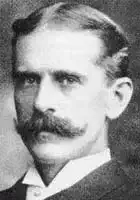
Henry Van Dyke
A Scrap of Paper
A Scrap of Paper
"Will you go to war just for a scrap of paper?" -- Question
of the German Chancellor to the British Ambassador,
August 5, 1914.
A mocking question! Britain's answer came
Swift as the light and searching as the flame.
"Yes, for a scrap of paper we will fight
Till our last breath, and God defend the right!
"A scrap of paper where a name is set
Is strong as duty's pledge and honor's debt.
"A scrap of paper holds for man and wife
The sacrament of love, the bond of life.
"A scrap of paper may be Holy Writ
With God's eternal word to hallow it.
"A scrap of paper binds us both to stand
Defenders of a neutral neighbor land.
"By God, by faith, by honor, yes! We fight
To keep our name upon that paper white."
"Will you go to war just for a scrap of paper?" -- Question
of the German Chancellor to the British Ambassador,
August 5, 1914.
A mocking question! Britain's answer came
Swift as the light and searching as the flame.
"Yes, for a scrap of paper we will fight
Till our last breath, and God defend the right!
"A scrap of paper where a name is set
Is strong as duty's pledge and honor's debt.
"A scrap of paper holds for man and wife
The sacrament of love, the bond of life.
"A scrap of paper may be Holy Writ
With God's eternal word to hallow it.
"A scrap of paper binds us both to stand
Defenders of a neutral neighbor land.
"By God, by faith, by honor, yes! We fight
To keep our name upon that paper white."
363
Henry Van Dyke
A Prayer for a Mother's Birthday
A Prayer for a Mother's Birthday
Lord Jesus, Thou hast known
A mother's love and tender care:
And Thou wilt hear, while for my own
Mother most dear I make this birthday prayer.
Protect her life, I pray,
Who gave the gift of life to me;
And may she know, from day to day,
The deepening glow of Life that comes from Thee.
As once upon her breast
Fearless and well content I lay,
So let her heart, on Thee at rest,
Feel fears depart and troubles fade away.
Her every wish fulfill;
And even if Thou must refuse
In anything, let Thy wise will
A comfort bring such as kind mothers use.
Ah, hold her by the hand,
As once her hand held mine;
And though she may not understand
Life's winding way, lead her in peace divine.
I cannot pay my debt
For all the love that she has given;
But Thou, love's Lord, wilt not forget
Her due reward,--bless her in earth and heaven.
Lord Jesus, Thou hast known
A mother's love and tender care:
And Thou wilt hear, while for my own
Mother most dear I make this birthday prayer.
Protect her life, I pray,
Who gave the gift of life to me;
And may she know, from day to day,
The deepening glow of Life that comes from Thee.
As once upon her breast
Fearless and well content I lay,
So let her heart, on Thee at rest,
Feel fears depart and troubles fade away.
Her every wish fulfill;
And even if Thou must refuse
In anything, let Thy wise will
A comfort bring such as kind mothers use.
Ah, hold her by the hand,
As once her hand held mine;
And though she may not understand
Life's winding way, lead her in peace divine.
I cannot pay my debt
For all the love that she has given;
But Thou, love's Lord, wilt not forget
Her due reward,--bless her in earth and heaven.
332
Henry Van Dyke
A Legend of Service
A Legend of Service
It pleased the Lord of Angels (praise His name!)
To hear, one day, report from those who came
With pitying sorrow, or exultant joy,
To tell of earthly tasks in His employ:
For some were sorry when they saw how slow
The stream of heavenly love on earth must flow;
And some were glad because their eyes had seen,
Along its banks, fresh flowers and living green.
So, at a certain hour, before the throne
The youngest angel, Asmiel, stood alone;
Nor glad, nor sad, but full of earnest thought,
And thus his tidings to the Master brought:
"Lord, in the city Lupon I have found
"Three servants of thy holy name, renowned
"Above their fellows. One is very wise,
"With thoughts that ever range above the skies;
"And one is gifted with the golden speech
"That makes men glad to hear when he will teach;
"And one, with no rare gift or grace endued,
"Has won the people's love by doing good.
"With three such saints Lupon is trebly blest;
"But, Lord, I fain would know, which loves Thee best?"
Then spake the Lord of Angels, to whose look
The hearts of all are like an open book:
"In every soul the secret thought I read,
"And well I know who loves me best indeed.
"But every life has pages vacant still,
"Whereon a man may write the thing he will;
"Therefore I read in silence, day by day,
"And wait for hearts untaught to learn my way.
"But thou shalt go to Lupon, to the three
"Who serve me there, and take this word from me:
"Tell each of them his Master bids him go
"Alone to Spiran's huts, across the snow;
"There he shall find a certain task for me:
"But what, I do not tell to them nor thee.
"Give thou the message, make my word the test,
"And crown for me the one who answers best."
Silent the angel stood, with folded hands,
To take the imprint of his Lord's commands;
Then drew one breath, obedient and elate,
And passed, the self-same hour, through Lupon's gate.
First to the Temple door he made his way;
And there, because it was an holy-day,
He saw the folk by thousands thronging, stirred
By ardent thirst to hear the preacher's word.
Then, while the echoes murmured Bernol's name,
Through aisles that hushed behind him, Bernol came;
Strung to the keenest pitch of conscious might,
With lips prepared and firm, and eyes alight.
One moment at the pulpit steps he knelt
In silent prayer, and on his shoulder felt
The angel's hand: --"The Master bids thee go
"Alone to Spiran's huts, across the snow,
"To serve Him there." Then Bernol's hidden face
Went white as death, and for about the space
Of ten slow heart-beats there was no reply;
Till Bernol looked around and whispered, "WHY?"
But answer to his question came there none;
The angel sighed, and with a sigh was gone.
Within the humble house where Malvin spent
His studious years, on holy things intent,
Sweet stillness reigned; and there the angel found
The saintly sage immersed in thought profound,
Weaving with patient toil and willing care
A web of wisdom, wonderful and fair:
A seamless robe for Truth's great bridal meet,
And needing but one thread to be complete.
Then Asmiel touched his hand, and broke the thread
Of fine-spun thought, and very gently said,
"The One of whom thou thinkest bids thee go
"Alone to Spiran's huts, across the snow,
"To serve Him there." With sorrow and surprise
Malvin looked up, reluctance in his eyes.
The broken thought, the strangeness of the call,
The perilous passage of the mountain-wall,
The solitary journey, and the length
Of ways unknown, too great for his frail strength,
Appalled him. With a doubtful brow
He scanned the doubtful task, and muttered "HOW?"
But Asmiel answered, as he turned to go,
With cold, disheartened voice, "I do not know."
Now as he went, with fading hope, to seek
The third and last to whom God bade him speak,
Scarce twenty steps away whom should he meet
But Fermor, hurrying cheerful down the street,
With ready heart that faced his work like play,
And joyed to find it greater every day!
The angel stopped him with uplifted hand,
And gave without delay his Lord's command:
"He whom thou servest here would have thee go
"Alone to Spiran's huts, across the snow,
"To serve Him there." Ere Asmiel breathed again
The eager answer leaped to meet him, "WHEN?"
The angel's face with inward joy grew bright,
And all his figure glowed with heavenly light;
He took the golden circlet from his brow
And gave the crown to Fermor, answering, "Now!
"For thou hast met the Master's bidden test,
"And I have found the man who loves Him best.
"Not thine, nor mine, to question or reply
"When He commands us, asking 'how?' or 'why?'
"He knows the cause; His ways are wise and just;
"Who serves the King must serve with perfect trust."
It pleased the Lord of Angels (praise His name!)
To hear, one day, report from those who came
With pitying sorrow, or exultant joy,
To tell of earthly tasks in His employ:
For some were sorry when they saw how slow
The stream of heavenly love on earth must flow;
And some were glad because their eyes had seen,
Along its banks, fresh flowers and living green.
So, at a certain hour, before the throne
The youngest angel, Asmiel, stood alone;
Nor glad, nor sad, but full of earnest thought,
And thus his tidings to the Master brought:
"Lord, in the city Lupon I have found
"Three servants of thy holy name, renowned
"Above their fellows. One is very wise,
"With thoughts that ever range above the skies;
"And one is gifted with the golden speech
"That makes men glad to hear when he will teach;
"And one, with no rare gift or grace endued,
"Has won the people's love by doing good.
"With three such saints Lupon is trebly blest;
"But, Lord, I fain would know, which loves Thee best?"
Then spake the Lord of Angels, to whose look
The hearts of all are like an open book:
"In every soul the secret thought I read,
"And well I know who loves me best indeed.
"But every life has pages vacant still,
"Whereon a man may write the thing he will;
"Therefore I read in silence, day by day,
"And wait for hearts untaught to learn my way.
"But thou shalt go to Lupon, to the three
"Who serve me there, and take this word from me:
"Tell each of them his Master bids him go
"Alone to Spiran's huts, across the snow;
"There he shall find a certain task for me:
"But what, I do not tell to them nor thee.
"Give thou the message, make my word the test,
"And crown for me the one who answers best."
Silent the angel stood, with folded hands,
To take the imprint of his Lord's commands;
Then drew one breath, obedient and elate,
And passed, the self-same hour, through Lupon's gate.
First to the Temple door he made his way;
And there, because it was an holy-day,
He saw the folk by thousands thronging, stirred
By ardent thirst to hear the preacher's word.
Then, while the echoes murmured Bernol's name,
Through aisles that hushed behind him, Bernol came;
Strung to the keenest pitch of conscious might,
With lips prepared and firm, and eyes alight.
One moment at the pulpit steps he knelt
In silent prayer, and on his shoulder felt
The angel's hand: --"The Master bids thee go
"Alone to Spiran's huts, across the snow,
"To serve Him there." Then Bernol's hidden face
Went white as death, and for about the space
Of ten slow heart-beats there was no reply;
Till Bernol looked around and whispered, "WHY?"
But answer to his question came there none;
The angel sighed, and with a sigh was gone.
Within the humble house where Malvin spent
His studious years, on holy things intent,
Sweet stillness reigned; and there the angel found
The saintly sage immersed in thought profound,
Weaving with patient toil and willing care
A web of wisdom, wonderful and fair:
A seamless robe for Truth's great bridal meet,
And needing but one thread to be complete.
Then Asmiel touched his hand, and broke the thread
Of fine-spun thought, and very gently said,
"The One of whom thou thinkest bids thee go
"Alone to Spiran's huts, across the snow,
"To serve Him there." With sorrow and surprise
Malvin looked up, reluctance in his eyes.
The broken thought, the strangeness of the call,
The perilous passage of the mountain-wall,
The solitary journey, and the length
Of ways unknown, too great for his frail strength,
Appalled him. With a doubtful brow
He scanned the doubtful task, and muttered "HOW?"
But Asmiel answered, as he turned to go,
With cold, disheartened voice, "I do not know."
Now as he went, with fading hope, to seek
The third and last to whom God bade him speak,
Scarce twenty steps away whom should he meet
But Fermor, hurrying cheerful down the street,
With ready heart that faced his work like play,
And joyed to find it greater every day!
The angel stopped him with uplifted hand,
And gave without delay his Lord's command:
"He whom thou servest here would have thee go
"Alone to Spiran's huts, across the snow,
"To serve Him there." Ere Asmiel breathed again
The eager answer leaped to meet him, "WHEN?"
The angel's face with inward joy grew bright,
And all his figure glowed with heavenly light;
He took the golden circlet from his brow
And gave the crown to Fermor, answering, "Now!
"For thou hast met the Master's bidden test,
"And I have found the man who loves Him best.
"Not thine, nor mine, to question or reply
"When He commands us, asking 'how?' or 'why?'
"He knows the cause; His ways are wise and just;
"Who serves the King must serve with perfect trust."
364
Henry Van Dyke
A Legend of Service
A Legend of Service
It pleased the Lord of Angels (praise His name!)
To hear, one day, report from those who came
With pitying sorrow, or exultant joy,
To tell of earthly tasks in His employ:
For some were sorry when they saw how slow
The stream of heavenly love on earth must flow;
And some were glad because their eyes had seen,
Along its banks, fresh flowers and living green.
So, at a certain hour, before the throne
The youngest angel, Asmiel, stood alone;
Nor glad, nor sad, but full of earnest thought,
And thus his tidings to the Master brought:
"Lord, in the city Lupon I have found
"Three servants of thy holy name, renowned
"Above their fellows. One is very wise,
"With thoughts that ever range above the skies;
"And one is gifted with the golden speech
"That makes men glad to hear when he will teach;
"And one, with no rare gift or grace endued,
"Has won the people's love by doing good.
"With three such saints Lupon is trebly blest;
"But, Lord, I fain would know, which loves Thee best?"
Then spake the Lord of Angels, to whose look
The hearts of all are like an open book:
"In every soul the secret thought I read,
"And well I know who loves me best indeed.
"But every life has pages vacant still,
"Whereon a man may write the thing he will;
"Therefore I read in silence, day by day,
"And wait for hearts untaught to learn my way.
"But thou shalt go to Lupon, to the three
"Who serve me there, and take this word from me:
"Tell each of them his Master bids him go
"Alone to Spiran's huts, across the snow;
"There he shall find a certain task for me:
"But what, I do not tell to them nor thee.
"Give thou the message, make my word the test,
"And crown for me the one who answers best."
Silent the angel stood, with folded hands,
To take the imprint of his Lord's commands;
Then drew one breath, obedient and elate,
And passed, the self-same hour, through Lupon's gate.
First to the Temple door he made his way;
And there, because it was an holy-day,
He saw the folk by thousands thronging, stirred
By ardent thirst to hear the preacher's word.
Then, while the echoes murmured Bernol's name,
Through aisles that hushed behind him, Bernol came;
Strung to the keenest pitch of conscious might,
With lips prepared and firm, and eyes alight.
One moment at the pulpit steps he knelt
In silent prayer, and on his shoulder felt
The angel's hand: --"The Master bids thee go
"Alone to Spiran's huts, across the snow,
"To serve Him there." Then Bernol's hidden face
Went white as death, and for about the space
Of ten slow heart-beats there was no reply;
Till Bernol looked around and whispered, "WHY?"
But answer to his question came there none;
The angel sighed, and with a sigh was gone.
Within the humble house where Malvin spent
His studious years, on holy things intent,
Sweet stillness reigned; and there the angel found
The saintly sage immersed in thought profound,
Weaving with patient toil and willing care
A web of wisdom, wonderful and fair:
A seamless robe for Truth's great bridal meet,
And needing but one thread to be complete.
Then Asmiel touched his hand, and broke the thread
Of fine-spun thought, and very gently said,
"The One of whom thou thinkest bids thee go
"Alone to Spiran's huts, across the snow,
"To serve Him there." With sorrow and surprise
Malvin looked up, reluctance in his eyes.
The broken thought, the strangeness of the call,
The perilous passage of the mountain-wall,
The solitary journey, and the length
Of ways unknown, too great for his frail strength,
Appalled him. With a doubtful brow
He scanned the doubtful task, and muttered "HOW?"
But Asmiel answered, as he turned to go,
With cold, disheartened voice, "I do not know."
Now as he went, with fading hope, to seek
The third and last to whom God bade him speak,
Scarce twenty steps away whom should he meet
But Fermor, hurrying cheerful down the street,
With ready heart that faced his work like play,
And joyed to find it greater every day!
The angel stopped him with uplifted hand,
And gave without delay his Lord's command:
"He whom thou servest here would have thee go
"Alone to Spiran's huts, across the snow,
"To serve Him there." Ere Asmiel breathed again
The eager answer leaped to meet him, "WHEN?"
The angel's face with inward joy grew bright,
And all his figure glowed with heavenly light;
He took the golden circlet from his brow
And gave the crown to Fermor, answering, "Now!
"For thou hast met the Master's bidden test,
"And I have found the man who loves Him best.
"Not thine, nor mine, to question or reply
"When He commands us, asking 'how?' or 'why?'
"He knows the cause; His ways are wise and just;
"Who serves the King must serve with perfect trust."
It pleased the Lord of Angels (praise His name!)
To hear, one day, report from those who came
With pitying sorrow, or exultant joy,
To tell of earthly tasks in His employ:
For some were sorry when they saw how slow
The stream of heavenly love on earth must flow;
And some were glad because their eyes had seen,
Along its banks, fresh flowers and living green.
So, at a certain hour, before the throne
The youngest angel, Asmiel, stood alone;
Nor glad, nor sad, but full of earnest thought,
And thus his tidings to the Master brought:
"Lord, in the city Lupon I have found
"Three servants of thy holy name, renowned
"Above their fellows. One is very wise,
"With thoughts that ever range above the skies;
"And one is gifted with the golden speech
"That makes men glad to hear when he will teach;
"And one, with no rare gift or grace endued,
"Has won the people's love by doing good.
"With three such saints Lupon is trebly blest;
"But, Lord, I fain would know, which loves Thee best?"
Then spake the Lord of Angels, to whose look
The hearts of all are like an open book:
"In every soul the secret thought I read,
"And well I know who loves me best indeed.
"But every life has pages vacant still,
"Whereon a man may write the thing he will;
"Therefore I read in silence, day by day,
"And wait for hearts untaught to learn my way.
"But thou shalt go to Lupon, to the three
"Who serve me there, and take this word from me:
"Tell each of them his Master bids him go
"Alone to Spiran's huts, across the snow;
"There he shall find a certain task for me:
"But what, I do not tell to them nor thee.
"Give thou the message, make my word the test,
"And crown for me the one who answers best."
Silent the angel stood, with folded hands,
To take the imprint of his Lord's commands;
Then drew one breath, obedient and elate,
And passed, the self-same hour, through Lupon's gate.
First to the Temple door he made his way;
And there, because it was an holy-day,
He saw the folk by thousands thronging, stirred
By ardent thirst to hear the preacher's word.
Then, while the echoes murmured Bernol's name,
Through aisles that hushed behind him, Bernol came;
Strung to the keenest pitch of conscious might,
With lips prepared and firm, and eyes alight.
One moment at the pulpit steps he knelt
In silent prayer, and on his shoulder felt
The angel's hand: --"The Master bids thee go
"Alone to Spiran's huts, across the snow,
"To serve Him there." Then Bernol's hidden face
Went white as death, and for about the space
Of ten slow heart-beats there was no reply;
Till Bernol looked around and whispered, "WHY?"
But answer to his question came there none;
The angel sighed, and with a sigh was gone.
Within the humble house where Malvin spent
His studious years, on holy things intent,
Sweet stillness reigned; and there the angel found
The saintly sage immersed in thought profound,
Weaving with patient toil and willing care
A web of wisdom, wonderful and fair:
A seamless robe for Truth's great bridal meet,
And needing but one thread to be complete.
Then Asmiel touched his hand, and broke the thread
Of fine-spun thought, and very gently said,
"The One of whom thou thinkest bids thee go
"Alone to Spiran's huts, across the snow,
"To serve Him there." With sorrow and surprise
Malvin looked up, reluctance in his eyes.
The broken thought, the strangeness of the call,
The perilous passage of the mountain-wall,
The solitary journey, and the length
Of ways unknown, too great for his frail strength,
Appalled him. With a doubtful brow
He scanned the doubtful task, and muttered "HOW?"
But Asmiel answered, as he turned to go,
With cold, disheartened voice, "I do not know."
Now as he went, with fading hope, to seek
The third and last to whom God bade him speak,
Scarce twenty steps away whom should he meet
But Fermor, hurrying cheerful down the street,
With ready heart that faced his work like play,
And joyed to find it greater every day!
The angel stopped him with uplifted hand,
And gave without delay his Lord's command:
"He whom thou servest here would have thee go
"Alone to Spiran's huts, across the snow,
"To serve Him there." Ere Asmiel breathed again
The eager answer leaped to meet him, "WHEN?"
The angel's face with inward joy grew bright,
And all his figure glowed with heavenly light;
He took the golden circlet from his brow
And gave the crown to Fermor, answering, "Now!
"For thou hast met the Master's bidden test,
"And I have found the man who loves Him best.
"Not thine, nor mine, to question or reply
"When He commands us, asking 'how?' or 'why?'
"He knows the cause; His ways are wise and just;
"Who serves the King must serve with perfect trust."
364
Henry Van Dyke
A Mile With Me
A Mile With Me
O who will walk a mile with me
Along life's merry way?
A comrade blithe and full of glee,
Who dares to laugh out loud and free,
And let his frolic fancy play,
Like a happy child, through the flowers gay
That fill the field and fringe the way
Where he walks a mile with me.
And who will walk a mile with me
Along life's weary way?
A friend whose heart has eyes to see
The stars shine out o'er the darkening lea,
And the quiet rest at the end o' the day,--
A friend who knows, and dares to say,
The brave, sweet words that cheer the way
Where he walks a mile with me.
With such a comrade, such a friend,
I fain would walk till journeys end,
Through summer sunshine, winter rain,
And then?--Farewell, we shall meet again!
O who will walk a mile with me
Along life's merry way?
A comrade blithe and full of glee,
Who dares to laugh out loud and free,
And let his frolic fancy play,
Like a happy child, through the flowers gay
That fill the field and fringe the way
Where he walks a mile with me.
And who will walk a mile with me
Along life's weary way?
A friend whose heart has eyes to see
The stars shine out o'er the darkening lea,
And the quiet rest at the end o' the day,--
A friend who knows, and dares to say,
The brave, sweet words that cheer the way
Where he walks a mile with me.
With such a comrade, such a friend,
I fain would walk till journeys end,
Through summer sunshine, winter rain,
And then?--Farewell, we shall meet again!
245
Henry Van Dyke
A Child in the Garden
A Child in the Garden
When to the garden of untroubled thought
I came of late, and saw the open door,
And wished again to enter, and explore
The sweet, wild ways with stainless bloom inwrought,
And bowers of innocence with beauty fraught,
It seemed some purer voice must speak before
I dared to tread that garden loved of yore,
That Eden lost unknown and found unsought.
Then just within the gate I saw a child, --
A stranger-child, yet to my heart most dear;
He held his hands to me, and softly smiled
With eyes that knew no shade of sin or fear:
"Come in," he said, "and play awhile with me;"
"I am the little child you used to be."
When to the garden of untroubled thought
I came of late, and saw the open door,
And wished again to enter, and explore
The sweet, wild ways with stainless bloom inwrought,
And bowers of innocence with beauty fraught,
It seemed some purer voice must speak before
I dared to tread that garden loved of yore,
That Eden lost unknown and found unsought.
Then just within the gate I saw a child, --
A stranger-child, yet to my heart most dear;
He held his hands to me, and softly smiled
With eyes that knew no shade of sin or fear:
"Come in," he said, "and play awhile with me;"
"I am the little child you used to be."
328
Henry Van Dyke
A Child in the Garden
A Child in the Garden
When to the garden of untroubled thought
I came of late, and saw the open door,
And wished again to enter, and explore
The sweet, wild ways with stainless bloom inwrought,
And bowers of innocence with beauty fraught,
It seemed some purer voice must speak before
I dared to tread that garden loved of yore,
That Eden lost unknown and found unsought.
Then just within the gate I saw a child, --
A stranger-child, yet to my heart most dear;
He held his hands to me, and softly smiled
With eyes that knew no shade of sin or fear:
"Come in," he said, "and play awhile with me;"
"I am the little child you used to be."
When to the garden of untroubled thought
I came of late, and saw the open door,
And wished again to enter, and explore
The sweet, wild ways with stainless bloom inwrought,
And bowers of innocence with beauty fraught,
It seemed some purer voice must speak before
I dared to tread that garden loved of yore,
That Eden lost unknown and found unsought.
Then just within the gate I saw a child, --
A stranger-child, yet to my heart most dear;
He held his hands to me, and softly smiled
With eyes that knew no shade of sin or fear:
"Come in," he said, "and play awhile with me;"
"I am the little child you used to be."
328

Henry Lawson
Written Afterwards
Written Afterwards
So the days of my tramping are over,
And the days of my riding are done—
I’m about as content as a rover
Will ever be under the sun;
I write, after reading your letter—
My pipe with old memories rife—
And I feel in a mood that had better
Not meet the true eyes of the wife.
You must never admit a suggestion
That old things are good to recall;
You must never consider the question:
‘Was I happier then, after all?’
You must banish the old hope and sorrow
That make the sad pleasures of life,
You must live for To-day and To-morrow
If you want to be just to the wife.
I have changed since the first day I kissed her.
Which is due—Heaven bless her!—to her;
I’m respected and trusted—I’m ‘Mister,’
Addressed by the children as ‘Sir.’
And I feel the respect without feigning—
But you’d laugh the great laugh of your life
If you only saw me entertaining
An old lady friend of the wife.
By-the-way, when you’re writing, remember
That you never went drinking with me,
And forget our last night of December,
Lest our sev’ral accounts disagree.
And, for my sake, old man, you had better
Avoid the old language of strife,
For the technical terms of your letter
May be misunderstood by the wife.
Never hint of the girls appertaining
To the past (when you’re writing again),
For they take such a lot of explaining,
And you know how I hate to explain.
There are some things, we know to our sorrow,
That cut to the heart like a knife,
And your past is To-day and To-morrow
If you want to be true to the wife.
I believe that the creed we were chums in
Was grand, but too abstract and bold,
And the knowledge of life only comes in
When you’re married and fathered and old.
And it’s well. You may travel as few men,
You may stick to a mistress for life;
But the world, as it is, born of woman
Must be seen through the eyes of the wife.
No doubt you are dreaming as I did
And going the careless old pace,
While my future grows dull and decided,
And the world narrows down to the Place.
Let it be. If my ‘treason’s’ resented,
You may do worse, old man, in your life;
Let me dream, too, that I am contented—
For the sake of a true little wife.
So the days of my tramping are over,
And the days of my riding are done—
I’m about as content as a rover
Will ever be under the sun;
I write, after reading your letter—
My pipe with old memories rife—
And I feel in a mood that had better
Not meet the true eyes of the wife.
You must never admit a suggestion
That old things are good to recall;
You must never consider the question:
‘Was I happier then, after all?’
You must banish the old hope and sorrow
That make the sad pleasures of life,
You must live for To-day and To-morrow
If you want to be just to the wife.
I have changed since the first day I kissed her.
Which is due—Heaven bless her!—to her;
I’m respected and trusted—I’m ‘Mister,’
Addressed by the children as ‘Sir.’
And I feel the respect without feigning—
But you’d laugh the great laugh of your life
If you only saw me entertaining
An old lady friend of the wife.
By-the-way, when you’re writing, remember
That you never went drinking with me,
And forget our last night of December,
Lest our sev’ral accounts disagree.
And, for my sake, old man, you had better
Avoid the old language of strife,
For the technical terms of your letter
May be misunderstood by the wife.
Never hint of the girls appertaining
To the past (when you’re writing again),
For they take such a lot of explaining,
And you know how I hate to explain.
There are some things, we know to our sorrow,
That cut to the heart like a knife,
And your past is To-day and To-morrow
If you want to be true to the wife.
I believe that the creed we were chums in
Was grand, but too abstract and bold,
And the knowledge of life only comes in
When you’re married and fathered and old.
And it’s well. You may travel as few men,
You may stick to a mistress for life;
But the world, as it is, born of woman
Must be seen through the eyes of the wife.
No doubt you are dreaming as I did
And going the careless old pace,
While my future grows dull and decided,
And the world narrows down to the Place.
Let it be. If my ‘treason’s’ resented,
You may do worse, old man, in your life;
Let me dream, too, that I am contented—
For the sake of a true little wife.
221
Henry Lawson
Written Afterwards
Written Afterwards
So the days of my tramping are over,
And the days of my riding are done—
I’m about as content as a rover
Will ever be under the sun;
I write, after reading your letter—
My pipe with old memories rife—
And I feel in a mood that had better
Not meet the true eyes of the wife.
You must never admit a suggestion
That old things are good to recall;
You must never consider the question:
‘Was I happier then, after all?’
You must banish the old hope and sorrow
That make the sad pleasures of life,
You must live for To-day and To-morrow
If you want to be just to the wife.
I have changed since the first day I kissed her.
Which is due—Heaven bless her!—to her;
I’m respected and trusted—I’m ‘Mister,’
Addressed by the children as ‘Sir.’
And I feel the respect without feigning—
But you’d laugh the great laugh of your life
If you only saw me entertaining
An old lady friend of the wife.
By-the-way, when you’re writing, remember
That you never went drinking with me,
And forget our last night of December,
Lest our sev’ral accounts disagree.
And, for my sake, old man, you had better
Avoid the old language of strife,
For the technical terms of your letter
May be misunderstood by the wife.
Never hint of the girls appertaining
To the past (when you’re writing again),
For they take such a lot of explaining,
And you know how I hate to explain.
There are some things, we know to our sorrow,
That cut to the heart like a knife,
And your past is To-day and To-morrow
If you want to be true to the wife.
I believe that the creed we were chums in
Was grand, but too abstract and bold,
And the knowledge of life only comes in
When you’re married and fathered and old.
And it’s well. You may travel as few men,
You may stick to a mistress for life;
But the world, as it is, born of woman
Must be seen through the eyes of the wife.
No doubt you are dreaming as I did
And going the careless old pace,
While my future grows dull and decided,
And the world narrows down to the Place.
Let it be. If my ‘treason’s’ resented,
You may do worse, old man, in your life;
Let me dream, too, that I am contented—
For the sake of a true little wife.
So the days of my tramping are over,
And the days of my riding are done—
I’m about as content as a rover
Will ever be under the sun;
I write, after reading your letter—
My pipe with old memories rife—
And I feel in a mood that had better
Not meet the true eyes of the wife.
You must never admit a suggestion
That old things are good to recall;
You must never consider the question:
‘Was I happier then, after all?’
You must banish the old hope and sorrow
That make the sad pleasures of life,
You must live for To-day and To-morrow
If you want to be just to the wife.
I have changed since the first day I kissed her.
Which is due—Heaven bless her!—to her;
I’m respected and trusted—I’m ‘Mister,’
Addressed by the children as ‘Sir.’
And I feel the respect without feigning—
But you’d laugh the great laugh of your life
If you only saw me entertaining
An old lady friend of the wife.
By-the-way, when you’re writing, remember
That you never went drinking with me,
And forget our last night of December,
Lest our sev’ral accounts disagree.
And, for my sake, old man, you had better
Avoid the old language of strife,
For the technical terms of your letter
May be misunderstood by the wife.
Never hint of the girls appertaining
To the past (when you’re writing again),
For they take such a lot of explaining,
And you know how I hate to explain.
There are some things, we know to our sorrow,
That cut to the heart like a knife,
And your past is To-day and To-morrow
If you want to be true to the wife.
I believe that the creed we were chums in
Was grand, but too abstract and bold,
And the knowledge of life only comes in
When you’re married and fathered and old.
And it’s well. You may travel as few men,
You may stick to a mistress for life;
But the world, as it is, born of woman
Must be seen through the eyes of the wife.
No doubt you are dreaming as I did
And going the careless old pace,
While my future grows dull and decided,
And the world narrows down to the Place.
Let it be. If my ‘treason’s’ resented,
You may do worse, old man, in your life;
Let me dream, too, that I am contented—
For the sake of a true little wife.
221
Henry Lawson
Who’ll Wear the Beaten Colours?
Who’ll Wear the Beaten Colours?
Who’ll wear the beaten colours—and cheer the beaten men?
Who’ll wear the beaten colours, till our time comes again?
Where sullen crowds are densest, and fickle as the sea,
Who’ll wear the beaten colours, and wear them home with me?
We closed the bars and gambling dens and voted straight and clean,
Our women walked while motor cars were whirling round the scene,
The Potts Point Vote was one for Greed and Ease and Luxury
With all to hold, and coward gold, and beaten folk are we.
Who’ll wear the beaten colours, with hands and pockets clean?
(I wore the beaten colours since I was seventeen)
I wore them up, and wore them down, Outback and across the sea—
Who’ll wear the beaten colours, and wear them home with me?
We wore them back from Ladysmith to where the peace was signed,
And wore them through the London streets where Jingoes howled behind.
We wore them to the Queen’s Hall, while England yelled “Pro-Boers!”
And sat them over victory while London banged the doors.1
We wore them from Port Arthur round till all sunk in the sea—
(Who’ll wear the white man’s colours, and wear them home with me?)
I’ve worn them through with gentlemen, with work-slaves and alone—
Who’ll wear the beaten colours, boys, and wear them on his own?
There’s one would look with startled eyes and shrink while I caressed,
Came I not with the colours of the conquered on my breast.
And twenty thousand Bushmen would stand with hands behind
And scorn in all their faces for the coward of his kind.
Who’ll wear the beaten colours and raise the voice they drowned—
It may be when we march again, they’ll bear some other sound—
Who’ll pin the beaten colours on and drive the beaten pen—
It may be other steel and ink when we march out again.
Who’ll wear the beaten colours—and cheer the beaten men?
Who’ll wear the beaten colours, till our time comes again?
Where sullen crowds are densest, and fickle as the sea,
Who’ll wear the beaten colours, and wear them home with me?
We closed the bars and gambling dens and voted straight and clean,
Our women walked while motor cars were whirling round the scene,
The Potts Point Vote was one for Greed and Ease and Luxury
With all to hold, and coward gold, and beaten folk are we.
Who’ll wear the beaten colours, with hands and pockets clean?
(I wore the beaten colours since I was seventeen)
I wore them up, and wore them down, Outback and across the sea—
Who’ll wear the beaten colours, and wear them home with me?
We wore them back from Ladysmith to where the peace was signed,
And wore them through the London streets where Jingoes howled behind.
We wore them to the Queen’s Hall, while England yelled “Pro-Boers!”
And sat them over victory while London banged the doors.1
We wore them from Port Arthur round till all sunk in the sea—
(Who’ll wear the white man’s colours, and wear them home with me?)
I’ve worn them through with gentlemen, with work-slaves and alone—
Who’ll wear the beaten colours, boys, and wear them on his own?
There’s one would look with startled eyes and shrink while I caressed,
Came I not with the colours of the conquered on my breast.
And twenty thousand Bushmen would stand with hands behind
And scorn in all their faces for the coward of his kind.
Who’ll wear the beaten colours and raise the voice they drowned—
It may be when we march again, they’ll bear some other sound—
Who’ll pin the beaten colours on and drive the beaten pen—
It may be other steel and ink when we march out again.
177
Henry Lawson
When the Bush Begins to Speak
When the Bush Begins to Speak
They know us not in England yet, their pens are overbold;
We're seen in fancy pictures that are fifty years too old.
They think we are a careless race - a childish race, and weak;
They'll know us yet in England, when the bush begins to speak;
When the bush begins to speak,
When the bush begins to speak,
When the west by Greed's invaded, and the bush begins to speak.
'The leaders that will be', the men of southern destiny,
Are not all found in cities that are builded by the sea;
They learn to love Australia by many a western creek,
They'll know them yet in England, when the bush begins to speak;
When the bush begins to speak,
When the bush begins to speak,
When the west by Greed's invaded, and the bush begins to speak.
All ready for the struggle, and waiting for the change,
The army of our future lies encamped beyond the range;
Australia, for her patriots, will not have far to seek;
They'll know her yet in England when the bush begins to speak;
When the bush begins to speak,
When the bush begins to speak,
When the west by Greed's invaded, and the bush begins to speak.
We'll find the peace and comfort that our fathers could not find,
Or some shall strike the good old blow that leaves a mark behind.
We'll find the Truth and Liberty our fathers came to seek,
Or let them know in England when the bush begins to speak;
When the bush begins to speak,
When the bush begins to speak,
When the west by Greed's invaded, and the bush begins to speak.
They know us not in England yet, their pens are overbold;
We're seen in fancy pictures that are fifty years too old.
They think we are a careless race - a childish race, and weak;
They'll know us yet in England, when the bush begins to speak;
When the bush begins to speak,
When the bush begins to speak,
When the west by Greed's invaded, and the bush begins to speak.
'The leaders that will be', the men of southern destiny,
Are not all found in cities that are builded by the sea;
They learn to love Australia by many a western creek,
They'll know them yet in England, when the bush begins to speak;
When the bush begins to speak,
When the bush begins to speak,
When the west by Greed's invaded, and the bush begins to speak.
All ready for the struggle, and waiting for the change,
The army of our future lies encamped beyond the range;
Australia, for her patriots, will not have far to seek;
They'll know her yet in England when the bush begins to speak;
When the bush begins to speak,
When the bush begins to speak,
When the west by Greed's invaded, and the bush begins to speak.
We'll find the peace and comfort that our fathers could not find,
Or some shall strike the good old blow that leaves a mark behind.
We'll find the Truth and Liberty our fathers came to seek,
Or let them know in England when the bush begins to speak;
When the bush begins to speak,
When the bush begins to speak,
When the west by Greed's invaded, and the bush begins to speak.
302
Henry Lawson
When The `Army' Prays For Watty
When The `Army' Prays For Watty
When the kindly hours of darkness, save for light of moon and star,
Hide the picture on the signboard over Doughty's Horse Bazaar;
When the last rose-tint is fading on the distant mulga scrub,
Then the Army prays for Watty at the entrance of his pub.
Now, I often sit at Watty's when the night is very near,
With a head that's full of jingles and the fumes of bottled beer,
For I always have a fancy that, if I am over there
When the Army prays for Watty, I'm included in the prayer.
Watty lounges in his arm-chair, in its old accustomed place,
With a fatherly expression on his round and passive face;
And his arms are clasped before him in a calm, contented way,
And he nods his head and dozes when he hears the Army pray.
And I wonder does he ponder on the distant years and dim,
Or his chances over yonder, when the Army prays for him?
Has he not a fear connected with the warm place down below,
Where, according to good Christians, all the publicans should go?
But his features give no token of a feeling in his breast,
Save of peace that is unbroken and a conscience well at rest;
And we guzzle as we guzzled long before the Army came,
And the loafers wait for `shouters' and -- they get there just the same.
It would take a lot of praying -- lots of thumping on the drum --
To prepare our sinful, straying, erring souls for Kingdom Come;
But I love my fellow-sinners, and I hope, upon the whole,
That the Army gets a hearing when it prays for Watty's soul.
When the kindly hours of darkness, save for light of moon and star,
Hide the picture on the signboard over Doughty's Horse Bazaar;
When the last rose-tint is fading on the distant mulga scrub,
Then the Army prays for Watty at the entrance of his pub.
Now, I often sit at Watty's when the night is very near,
With a head that's full of jingles and the fumes of bottled beer,
For I always have a fancy that, if I am over there
When the Army prays for Watty, I'm included in the prayer.
Watty lounges in his arm-chair, in its old accustomed place,
With a fatherly expression on his round and passive face;
And his arms are clasped before him in a calm, contented way,
And he nods his head and dozes when he hears the Army pray.
And I wonder does he ponder on the distant years and dim,
Or his chances over yonder, when the Army prays for him?
Has he not a fear connected with the warm place down below,
Where, according to good Christians, all the publicans should go?
But his features give no token of a feeling in his breast,
Save of peace that is unbroken and a conscience well at rest;
And we guzzle as we guzzled long before the Army came,
And the loafers wait for `shouters' and -- they get there just the same.
It would take a lot of praying -- lots of thumping on the drum --
To prepare our sinful, straying, erring souls for Kingdom Come;
But I love my fellow-sinners, and I hope, upon the whole,
That the Army gets a hearing when it prays for Watty's soul.
245
Henry Lawson
When Hopes Ran High
When Hopes Ran High
When hopes ran high the world was young,
We thought that we would never die,
And glorious were the songs we sung
In those grand days when hopes ran high.
When hopes ran high the world was true
We thought that friends could never lie—
There have been bitter truths for you
And me, since days when hopes ran high.
When hopes ran high the world was young,
We thought that we would never die,
And glorious were the songs we sung
In those grand days when hopes ran high.
When hopes ran high the world was true
We thought that friends could never lie—
There have been bitter truths for you
And me, since days when hopes ran high.
228
Henry Lawson
Watching The Crows
Watching The Crows
A bushman got lost in a scrub in the North,
And all the long morning the searchers went forth.
They swore at the rain that had washed out the tracks
And left not a trace for the eyes of the blacks;
But, trusting the signs that the blackfellow knows,
A quiet old darkey stood watching the crows.
The solemn old blackman stood silently by;
He stood like a statue, his face to the sky.
Black Billy was out of the bearings—we thought—
If he looked above for the bushman we sought;
For we rather suspected the spirit would go
In—well, quite another direction, you know.
Most bushmen on solemn occasions will joke,
And unto Black Bill ’twas the super who spoke.
He asked, as he cocked his red nose in the air—
“You think it old Harrison sit down up there?”
“I’m watching the crows. Where the white man lies dead
The crows will fly over,” the blackfellow said.
The blackfellow died, and long years have gone round
Since the day when old Harrison’s body was found;
But still do I see, in my vision at night,
A faint figure come like a shadow in sight,
And nearer and nearer it comes till it grows
Like the form of that blackfellow—“watching the crows”.
A bushman got lost in a scrub in the North,
And all the long morning the searchers went forth.
They swore at the rain that had washed out the tracks
And left not a trace for the eyes of the blacks;
But, trusting the signs that the blackfellow knows,
A quiet old darkey stood watching the crows.
The solemn old blackman stood silently by;
He stood like a statue, his face to the sky.
Black Billy was out of the bearings—we thought—
If he looked above for the bushman we sought;
For we rather suspected the spirit would go
In—well, quite another direction, you know.
Most bushmen on solemn occasions will joke,
And unto Black Bill ’twas the super who spoke.
He asked, as he cocked his red nose in the air—
“You think it old Harrison sit down up there?”
“I’m watching the crows. Where the white man lies dead
The crows will fly over,” the blackfellow said.
The blackfellow died, and long years have gone round
Since the day when old Harrison’s body was found;
But still do I see, in my vision at night,
A faint figure come like a shadow in sight,
And nearer and nearer it comes till it grows
Like the form of that blackfellow—“watching the crows”.
285
Henry Lawson
To-Morrow
To-Morrow
When you’re suffering hard for your sins, old man,
When you wake to trouble and sleep ill—
Oh, this is the clack of the middle class,
‘Win back the respect of the people!’
You are weak, you’re a fool, or a drunken brute
When you’re deep in trouble and sorrow;
But walk down the street in a decent suit,
And their hats will be off to-morrow! Old Chap—
And their hats will be off to-morrow!
They cant and they cackle—‘Redeem the Past!’
Who never had past worth redeeming:
Your soul seems dead, but you’ll find at last
That somewhere your soul lay dreaming.
You may stagger down-hill in a beer-stained coat,
You may loaf, you may cadge and borrow—
But walk down the street with a ten-pound note
And their hats will be off to-morrow! Old Man—
Yes, their hats will be off to-morrow!
But stick to it, man! for your old self’s sake,
Though to brood on the past is human;
Hold up for the sake of the mate who was true,
And the sake of the Other Woman.
And as for the rest, you may take off your hat
And banish all signs of sorrow;
You may take their hands, but in spite of that,
Can they win your respect to-morrow? Old Man—
Can they win your respect to-morrow?
When you’re suffering hard for your sins, old man,
When you wake to trouble and sleep ill—
Oh, this is the clack of the middle class,
‘Win back the respect of the people!’
You are weak, you’re a fool, or a drunken brute
When you’re deep in trouble and sorrow;
But walk down the street in a decent suit,
And their hats will be off to-morrow! Old Chap—
And their hats will be off to-morrow!
They cant and they cackle—‘Redeem the Past!’
Who never had past worth redeeming:
Your soul seems dead, but you’ll find at last
That somewhere your soul lay dreaming.
You may stagger down-hill in a beer-stained coat,
You may loaf, you may cadge and borrow—
But walk down the street with a ten-pound note
And their hats will be off to-morrow! Old Man—
Yes, their hats will be off to-morrow!
But stick to it, man! for your old self’s sake,
Though to brood on the past is human;
Hold up for the sake of the mate who was true,
And the sake of the Other Woman.
And as for the rest, you may take off your hat
And banish all signs of sorrow;
You may take their hands, but in spite of that,
Can they win your respect to-morrow? Old Man—
Can they win your respect to-morrow?
250
Henry Lawson
To Jack
To Jack
SO, I’ve battled it through on my own, Jack,
I have done with all dreaming and doubt.
Though “stoney” to-night and alone, Jack,
I am watching the Old Year out.
I have finished with brooding and fears,
Jack, And the spirit is rising in me,
For the sake of the old New Years, Jack,
And the bright New Years to be.
I have fallen in worldly disgrace, Jack,
And I know very well that you heard;
They have blackened my name in this place, Jack,
And I answered them never a word.
But why should I bluster or grieve,
Jack? So narrow and paltry they be—
I knew you would never believe, Jack,
The lies that were said against me.
That is done which shall never be undone,
And I blame not, I blame not my land,
But I’m hearing the Calling of London,
And I long for the roar of the Strand.
It was always the same with our race,
Jack; You know how a vagabond feels—
We can fight a straight man face to face, Jack.
But we can’t keep the curs from our heels.
You know I loved women and drink, Jack,
And that’s how the trouble began;
But you know that I never would shrink,
Jack, From a deed that was worthy a man!
I never was paltry or mean, Jack.
And cruel I never could be,
I will give you a hand which is clean,
Jack, When we meet again over the sea.
I will bring a few wrinkles of care,
Jack; I have altered a lot, I am told;
The steel-filings show in my hair, Jack;
But my heart is as young as of old.
I have faith still in women, and men, Jack,
Though selfish and blind they may be.
I still have my soul and my pen, Jack,
And my country seems dearer to me.
I will sail when your summer sets in, Jack,
And good-bye to my own native land;
Oh, I long for a glimpse of your grin, Jack,
And I long for the grip of your hand.
We both suffered sorrow and pain, Jack,
And sinned in the days that are done;
But we’ll fight the old battle again, Jack,
Where the battle is worth being won.
SO, I’ve battled it through on my own, Jack,
I have done with all dreaming and doubt.
Though “stoney” to-night and alone, Jack,
I am watching the Old Year out.
I have finished with brooding and fears,
Jack, And the spirit is rising in me,
For the sake of the old New Years, Jack,
And the bright New Years to be.
I have fallen in worldly disgrace, Jack,
And I know very well that you heard;
They have blackened my name in this place, Jack,
And I answered them never a word.
But why should I bluster or grieve,
Jack? So narrow and paltry they be—
I knew you would never believe, Jack,
The lies that were said against me.
That is done which shall never be undone,
And I blame not, I blame not my land,
But I’m hearing the Calling of London,
And I long for the roar of the Strand.
It was always the same with our race,
Jack; You know how a vagabond feels—
We can fight a straight man face to face, Jack.
But we can’t keep the curs from our heels.
You know I loved women and drink, Jack,
And that’s how the trouble began;
But you know that I never would shrink,
Jack, From a deed that was worthy a man!
I never was paltry or mean, Jack.
And cruel I never could be,
I will give you a hand which is clean,
Jack, When we meet again over the sea.
I will bring a few wrinkles of care,
Jack; I have altered a lot, I am told;
The steel-filings show in my hair, Jack;
But my heart is as young as of old.
I have faith still in women, and men, Jack,
Though selfish and blind they may be.
I still have my soul and my pen, Jack,
And my country seems dearer to me.
I will sail when your summer sets in, Jack,
And good-bye to my own native land;
Oh, I long for a glimpse of your grin, Jack,
And I long for the grip of your hand.
We both suffered sorrow and pain, Jack,
And sinned in the days that are done;
But we’ll fight the old battle again, Jack,
Where the battle is worth being won.
241
Henry Lawson
To Be Amused
To Be Amused
You ask me to be gay and glad
While lurid clouds of danger loom,
And vain and bad and gambling mad,
Australia races to her doom.
You bid me sing the light and fair,
The dance, the glance on pleasure's wings –
While you have wives who will not bear,
And beer to drown the fear of things.
A war with reason you would wage
To be amused for your short span,
Until your children's heritage
Is claimed for China by Japan.
The football match, the cricket score,
The "scraps", the tote, the mad'ning Cup –
You drunken fools that evermore
"To-morrow morning" sober up!
I see again with haggard eyes,
The thirsty land, the wasted flood;
Unpeopled plains beyond the skies,
And precious streams that run to mud;
The ruined health, the wasted wealth,
In our mad cities by the seas,
The black race suicide by stealth,
The starved and murdered industries!
You bid me make a farce of day,
And make a mockery of death;
While not five thousand miles away
The yellow millions pant for breath!
But heed me now, nor ask me this –
Lest you too late should wake to find
That hopeless patriotism is
The strongest passion in mankind!
You'd think the seer sees, perhaps,
While staring on from days like these,
Politeness in the conquering Japs,
Or mercy in the banned Chinese!
I mind the days when parents stood,
And spake no word, while children ran
From Christian lanes and deemed it good
To stone a helpless Chinaman.
I see the stricken city fall,
The fathers murdered at their doors,
The sack, the massacre of all
Save healthy slaves and paramours –
The wounded hero at the stake,
The pure girl to the leper's kiss –
God, give us faith, for Christ's own sake
To kill our womankind ere this.
I see the Bushman from Out Back,
From mountain range and rolling downs,
And carts race on each rough bush track
With food and rifles from the towns;
I see my Bushmen fight and die
Amongst the torn blood-spattered trees,
And hear all night the wounded cry
For men! More men and batteries!
I see the brown and yellow rule
The southern lands and southern waves,
White children in the heathen school,
And black and white together slaves;
I see the colour-line so drawn
(I see it plain and speak I must),
That our brown masters of the dawn
Might, aye, have fair girls for their lusts!
With land and life and race at stake –
No matter which race wronged, or how –
Let all and one Australia make
A superhuman effort now.
Clear out the blasting parasites,
The paid-for-one-thing manifold,
And curb the goggled "social-lights"
That "scorch" to nowhere with our gold.
Store guns and ammunition first,
Build forts and warlike factories,
Sink bores and tanks where drought is worst,
Give over time to industries.
The outpost of the white man's race,
Where next his flag shall be unfurled,
Make clean the place! Make strong the place!
Call white men in from all the world!
You ask me to be gay and glad
While lurid clouds of danger loom,
And vain and bad and gambling mad,
Australia races to her doom.
You bid me sing the light and fair,
The dance, the glance on pleasure's wings –
While you have wives who will not bear,
And beer to drown the fear of things.
A war with reason you would wage
To be amused for your short span,
Until your children's heritage
Is claimed for China by Japan.
The football match, the cricket score,
The "scraps", the tote, the mad'ning Cup –
You drunken fools that evermore
"To-morrow morning" sober up!
I see again with haggard eyes,
The thirsty land, the wasted flood;
Unpeopled plains beyond the skies,
And precious streams that run to mud;
The ruined health, the wasted wealth,
In our mad cities by the seas,
The black race suicide by stealth,
The starved and murdered industries!
You bid me make a farce of day,
And make a mockery of death;
While not five thousand miles away
The yellow millions pant for breath!
But heed me now, nor ask me this –
Lest you too late should wake to find
That hopeless patriotism is
The strongest passion in mankind!
You'd think the seer sees, perhaps,
While staring on from days like these,
Politeness in the conquering Japs,
Or mercy in the banned Chinese!
I mind the days when parents stood,
And spake no word, while children ran
From Christian lanes and deemed it good
To stone a helpless Chinaman.
I see the stricken city fall,
The fathers murdered at their doors,
The sack, the massacre of all
Save healthy slaves and paramours –
The wounded hero at the stake,
The pure girl to the leper's kiss –
God, give us faith, for Christ's own sake
To kill our womankind ere this.
I see the Bushman from Out Back,
From mountain range and rolling downs,
And carts race on each rough bush track
With food and rifles from the towns;
I see my Bushmen fight and die
Amongst the torn blood-spattered trees,
And hear all night the wounded cry
For men! More men and batteries!
I see the brown and yellow rule
The southern lands and southern waves,
White children in the heathen school,
And black and white together slaves;
I see the colour-line so drawn
(I see it plain and speak I must),
That our brown masters of the dawn
Might, aye, have fair girls for their lusts!
With land and life and race at stake –
No matter which race wronged, or how –
Let all and one Australia make
A superhuman effort now.
Clear out the blasting parasites,
The paid-for-one-thing manifold,
And curb the goggled "social-lights"
That "scorch" to nowhere with our gold.
Store guns and ammunition first,
Build forts and warlike factories,
Sink bores and tanks where drought is worst,
Give over time to industries.
The outpost of the white man's race,
Where next his flag shall be unfurled,
Make clean the place! Make strong the place!
Call white men in from all the world!
265
Henry Lawson
To a Pair of Blucher Boots
To a Pair of Blucher Boots
OLD acquaintance unforgotten,
Though you may be “ugly brutes”—
Though your leather’s cracked and rotten,
Worn-out pair of Blucher boots.
’Tis the richer man before you,
Dearer leathers grace his feet;
’Twas the better man that wore you
In the tramps through dust and heat!
Oft rebuffed by “super’s” snarling,
When I asked him for a “show”,
On that long tramp to the Darling
In the days of long ago;
Tell me, if you know it, whether,
As I sadly tramped away,
Bore I heavy on your leather,
Worn-out pair of Bluchers, say?
Though your leather’s cracked and rotten,
Though you may be ugly brutes,
I’ll preserve you unforgotten,
Worn-out pair of Blucher boots!
OLD acquaintance unforgotten,
Though you may be “ugly brutes”—
Though your leather’s cracked and rotten,
Worn-out pair of Blucher boots.
’Tis the richer man before you,
Dearer leathers grace his feet;
’Twas the better man that wore you
In the tramps through dust and heat!
Oft rebuffed by “super’s” snarling,
When I asked him for a “show”,
On that long tramp to the Darling
In the days of long ago;
Tell me, if you know it, whether,
As I sadly tramped away,
Bore I heavy on your leather,
Worn-out pair of Bluchers, say?
Though your leather’s cracked and rotten,
Though you may be ugly brutes,
I’ll preserve you unforgotten,
Worn-out pair of Blucher boots!
249
Henry Lawson
They Can Only Drag You Down
They Can Only Drag You Down
Leader, poet, singer, artist, who have struggled long and won,
Though the climbing is behind you, now the battle has begun,
Shut your ears unto the empty parrot phrases of the town,
Shun the hand-grips of your rivals, they can only drag you down.
See the bush or quiet chamber, work – for you have work to do,
Though the city shall be lighted and the table spread for you –
Work through ease and pleasure call you, work when you have care to drown,
Shun the wine-cup like a serpent, it can only drag you down.
And the star eyes and the red lips, luring ever to a wreck,
And the beauty of the white arms clinging closely round your neck!
Golden head thrown back and white arms clinging closer when you frown,
Tear them from your neck if need be – they can only drag you down.
Leader, poet, singer, artist, who have struggled long and won,
Though the climbing is behind you, now the battle has begun,
Shut your ears unto the empty parrot phrases of the town,
Shun the hand-grips of your rivals, they can only drag you down.
See the bush or quiet chamber, work – for you have work to do,
Though the city shall be lighted and the table spread for you –
Work through ease and pleasure call you, work when you have care to drown,
Shun the wine-cup like a serpent, it can only drag you down.
And the star eyes and the red lips, luring ever to a wreck,
And the beauty of the white arms clinging closely round your neck!
Golden head thrown back and white arms clinging closer when you frown,
Tear them from your neck if need be – they can only drag you down.
205
Henry Lawson
Till All the Bad Things Came Untrue
Till All the Bad Things Came Untrue
BY blacksoil plains burned grey with drought
Where desert shrubs and grasses grow,
Along the Land of Furthest Out
That only Overlanders know.
I dreamed I camped on river grass
In bends where river timber grew—
I dreamed, I dreamed the days to pass
Till all the bad things came untrue.
I dreamed that I was young again,
But was not young as I had been,
My path through life seemed fair and plain,
My sight and hearing clear and keen.
No longer bent nor lined and grey,
I met and loved and worshipped you—
I dreamed, I dreamed the days away
Till all the sad things came untrue.
I dreamed a home of freestone stood
With toned tiled roofs as roofs should be,
By cliff and fall and beach and wood
With wide verandahs to the sea.
I dreamed a hale gudeman and wife,
With sons and daughters well-to-do,
Lived there the glorious old home life
And all the mad things were untrue.
From blacksoil plains burned bare with drought
Where years are sown that never grow—
From dead grey creeks of dreams and drought,
Through black-ridged wastes of weirdest woe,
I tramped and camped with fearsome fare
Until the sea-scape came in view,
And lo! the home lay smiling there
And all the bad things were untrue.
BY blacksoil plains burned grey with drought
Where desert shrubs and grasses grow,
Along the Land of Furthest Out
That only Overlanders know.
I dreamed I camped on river grass
In bends where river timber grew—
I dreamed, I dreamed the days to pass
Till all the bad things came untrue.
I dreamed that I was young again,
But was not young as I had been,
My path through life seemed fair and plain,
My sight and hearing clear and keen.
No longer bent nor lined and grey,
I met and loved and worshipped you—
I dreamed, I dreamed the days away
Till all the sad things came untrue.
I dreamed a home of freestone stood
With toned tiled roofs as roofs should be,
By cliff and fall and beach and wood
With wide verandahs to the sea.
I dreamed a hale gudeman and wife,
With sons and daughters well-to-do,
Lived there the glorious old home life
And all the mad things were untrue.
From blacksoil plains burned bare with drought
Where years are sown that never grow—
From dead grey creeks of dreams and drought,
Through black-ridged wastes of weirdest woe,
I tramped and camped with fearsome fare
Until the sea-scape came in view,
And lo! the home lay smiling there
And all the bad things were untrue.
205
Henry Lawson
The Wreck Of The `Derry Castle'
The Wreck Of The `Derry Castle'
Day of ending for beginnings!
Ocean hath another innings,
Ocean hath another score;
And the surges sing his winnings,
And the surges shout his winnings,
And the surges shriek his winnings,
All along the sullen shore.
Sing another dirge in wailing,
For another vessel sailing
With the shadow-ships at sea;
Shadow-ships for ever sinking -Shadow-
ships whose pumps are clinking,
And whose thirsty holds are drinking
Pledges to Eternity.
Pray for souls of ghastly, sodden
Corpses, floating round untrodden
Cliffs, where nought but sea-drift strays;
Souls of dead men, in whose faces
Of humanity no trace is --
Not a mark to show their races -
Floating round for days and days.
. . . . .
Ocean's salty tongues are licking
Round the faces of the drowned,
And a cruel blade seems sticking
Through my heart and turning round.
Heaven! shall HIS ghastly, sodden
Corpse float round for days and days?
Shall it dash 'neath cliffs untrodden,
Rocks where nought but sea-drift strays?
God in heaven! hide the floating,
Falling, rising, face from me;
God in heaven! stay the gloating,
Mocking singing of the sea!
Day of ending for beginnings!
Ocean hath another innings,
Ocean hath another score;
And the surges sing his winnings,
And the surges shout his winnings,
And the surges shriek his winnings,
All along the sullen shore.
Sing another dirge in wailing,
For another vessel sailing
With the shadow-ships at sea;
Shadow-ships for ever sinking -Shadow-
ships whose pumps are clinking,
And whose thirsty holds are drinking
Pledges to Eternity.
Pray for souls of ghastly, sodden
Corpses, floating round untrodden
Cliffs, where nought but sea-drift strays;
Souls of dead men, in whose faces
Of humanity no trace is --
Not a mark to show their races -
Floating round for days and days.
. . . . .
Ocean's salty tongues are licking
Round the faces of the drowned,
And a cruel blade seems sticking
Through my heart and turning round.
Heaven! shall HIS ghastly, sodden
Corpse float round for days and days?
Shall it dash 'neath cliffs untrodden,
Rocks where nought but sea-drift strays?
God in heaven! hide the floating,
Falling, rising, face from me;
God in heaven! stay the gloating,
Mocking singing of the sea!
202
Henry Lawson
The Water Lily
The Water Lily
A lonely young wife
In her dreaming discerns
A lily-decked pool
With a border of ferns,
And a beautiful child,
With butterfly wings,
Trips down to the edge of the water and sings:
‘Come, mamma! come!
‘Quick! follow me—
‘Step out on the leaves of the water-lily!’
And the lonely young wife,
Her heart beating wild,
Cries, ‘Wait till I come,
‘Till I reach you, my child!’
But the beautiful child
With butterfly wings
Steps out on the leaves of the lily and sings:
‘Come, mamma! come!
‘Quick! follow me!
‘And step on the leaves of the water-lily!
And the wife in her dreaming
Steps out on the stream,
But the lily leaves sink
And she wakes from her dream.
Ah, the waking is sad,
For the tears that it brings,
And she knows ’tis her dead baby’s spirit that sings:
‘Come, mamma! come!
‘Quick! follow me!
‘Step out on the leaves of the water-lily!’
A lonely young wife
In her dreaming discerns
A lily-decked pool
With a border of ferns,
And a beautiful child,
With butterfly wings,
Trips down to the edge of the water and sings:
‘Come, mamma! come!
‘Quick! follow me—
‘Step out on the leaves of the water-lily!’
And the lonely young wife,
Her heart beating wild,
Cries, ‘Wait till I come,
‘Till I reach you, my child!’
But the beautiful child
With butterfly wings
Steps out on the leaves of the lily and sings:
‘Come, mamma! come!
‘Quick! follow me!
‘And step on the leaves of the water-lily!
And the wife in her dreaming
Steps out on the stream,
But the lily leaves sink
And she wakes from her dream.
Ah, the waking is sad,
For the tears that it brings,
And she knows ’tis her dead baby’s spirit that sings:
‘Come, mamma! come!
‘Quick! follow me!
‘Step out on the leaves of the water-lily!’
271
Henry Lawson
The Wander-Light
The Wander-Light
And they heard the tent-poles clatter,
And the fly in twain was torn –
'Tis the soiled rag of a tatter
Of the tent where I was born.
And what matters it, I wonder?
Brick or stone or calico? –
Or a bush you were born under,
When it happened long ago?
And my beds were camp beds and tramp beds and damp beds,
And my beds were dry beds on drought-stricken ground,
Hard beds and soft beds, and wide beds and narrow –
For my beds were strange beds the wide world round.
And the old hag seemed to ponder
('Twas my mother told me so),
And she said that I would wander
Where but few would think to go.
"He will fly the haunts of tailors,
He will cross the ocean wide,
For his fathers, they were sailors
All on his good father's side."
Behind me, before me, Oh! my roads are stormy
The thunder of skies and the sea's sullen sound,
The coaster or liner, the English or foreign,
The state-room or steerage the wide world round.
And the old hag she seemed troubled
As she bent above the bed,
"He will dream things and he'll see things
To come true when he is dead.
He will see things all too plainly,
And his fellows will deride,
For his mothers they were gipsies
All on his good mother's side."
And my dreams are strange dreams, are day dreams, are grey dreams,
And my dreams are wild dreams, and old dreams and new;
They haunt me and daunt me with fears of the morrow –
My brothers they doubt me – but my dreams come true.
And so I was born of fathers
From where ice-bound harbours are
Men whose strong limbs never rested
And whose blue eyes saw afar.
Till, for gold, one left the ocean,
Seeking over plain and hill;
And so I was born of mothers
Whose deep minds were never still.
I rest not, 'tis best not, the world is a wide one
And, caged for an hour, I pace to and fro;
I see things and dree things and plan while I'm sleeping,
I wander for ever and dream as I go.
I have stood by Table Mountain
On the Lion at Capetown,
And I watched the sunset fading
From the roads that I marked down,
And I looked out with my brothers
From the heights behind Bombay,
Gazing north and west and eastward,
Over roads I'll tread some day.
For my ways are strange ways and new ways and old ways,
And deep ways and steep ways and high ways and low;
I'm at home and at ease on a track that I know not,
And restless and lost on a road that I know.
And they heard the tent-poles clatter,
And the fly in twain was torn –
'Tis the soiled rag of a tatter
Of the tent where I was born.
And what matters it, I wonder?
Brick or stone or calico? –
Or a bush you were born under,
When it happened long ago?
And my beds were camp beds and tramp beds and damp beds,
And my beds were dry beds on drought-stricken ground,
Hard beds and soft beds, and wide beds and narrow –
For my beds were strange beds the wide world round.
And the old hag seemed to ponder
('Twas my mother told me so),
And she said that I would wander
Where but few would think to go.
"He will fly the haunts of tailors,
He will cross the ocean wide,
For his fathers, they were sailors
All on his good father's side."
Behind me, before me, Oh! my roads are stormy
The thunder of skies and the sea's sullen sound,
The coaster or liner, the English or foreign,
The state-room or steerage the wide world round.
And the old hag she seemed troubled
As she bent above the bed,
"He will dream things and he'll see things
To come true when he is dead.
He will see things all too plainly,
And his fellows will deride,
For his mothers they were gipsies
All on his good mother's side."
And my dreams are strange dreams, are day dreams, are grey dreams,
And my dreams are wild dreams, and old dreams and new;
They haunt me and daunt me with fears of the morrow –
My brothers they doubt me – but my dreams come true.
And so I was born of fathers
From where ice-bound harbours are
Men whose strong limbs never rested
And whose blue eyes saw afar.
Till, for gold, one left the ocean,
Seeking over plain and hill;
And so I was born of mothers
Whose deep minds were never still.
I rest not, 'tis best not, the world is a wide one
And, caged for an hour, I pace to and fro;
I see things and dree things and plan while I'm sleeping,
I wander for ever and dream as I go.
I have stood by Table Mountain
On the Lion at Capetown,
And I watched the sunset fading
From the roads that I marked down,
And I looked out with my brothers
From the heights behind Bombay,
Gazing north and west and eastward,
Over roads I'll tread some day.
For my ways are strange ways and new ways and old ways,
And deep ways and steep ways and high ways and low;
I'm at home and at ease on a track that I know not,
And restless and lost on a road that I know.
284
Henry Lawson
The Voice from Over Yonder
The Voice from Over Yonder
“Did she care as much as I did
When our paths of Fate divided?
Was the love, then, all onesided—
Did she understand or care?”
Slowly fall the moments leaden,
And the silence seems to deaden—
And a voice from over yonder answers sadly: “I’ve been there.”
“Have you tramped the streets of cities
Poor? And do you know what it is—
While no mortal cares or pities—
To have drifted past ambition;
To have sunk below despair?
Doomed to slave and stint and borrow;
Ever haunted in your sorrow
By the spectre of To-morrow?”
And the voice from over yonder answers sadly: “I’ve been there.”
“Surely in the wide Hereafter
There’s a land of love and laughter?
Say: Is this life all we live for—
Say it! think it, if you dare!
Have you ever thought or wondered
Why the Man and God were sundered?
Do you think the Maker blundered?”
And the voice, in mocking accents, answered only: “I’ve been there.”
“Did she care as much as I did
When our paths of Fate divided?
Was the love, then, all onesided—
Did she understand or care?”
Slowly fall the moments leaden,
And the silence seems to deaden—
And a voice from over yonder answers sadly: “I’ve been there.”
“Have you tramped the streets of cities
Poor? And do you know what it is—
While no mortal cares or pities—
To have drifted past ambition;
To have sunk below despair?
Doomed to slave and stint and borrow;
Ever haunted in your sorrow
By the spectre of To-morrow?”
And the voice from over yonder answers sadly: “I’ve been there.”
“Surely in the wide Hereafter
There’s a land of love and laughter?
Say: Is this life all we live for—
Say it! think it, if you dare!
Have you ever thought or wondered
Why the Man and God were sundered?
Do you think the Maker blundered?”
And the voice, in mocking accents, answered only: “I’ve been there.”
285