

Poems in this topic
Life and Existence
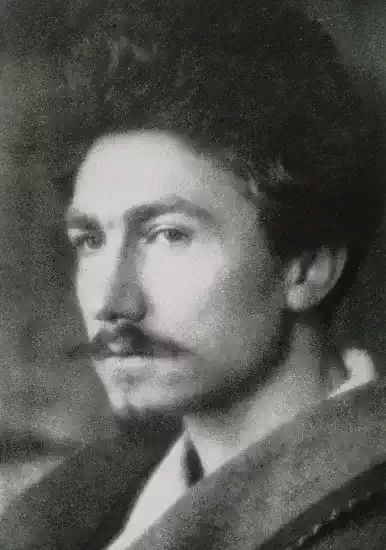
Ezra Pound
The Fault of It
The Fault of It
Some may have blamed us that we cease to speak
Of things we spoke of in our verses early,
Saying: a lovely voice is such as such;
Saying: that lady's eyes were sad last week,
Wherein the world's whole joy is born and dies;
Saying: she hath this way or that, this much
Of grace, this way or that, this much
Of grace, this little misericorde;
Ask us no further word;
If we were proud, then proud to be so wise
Ask us no more of all the things ye heard;
We may not speak of them, they touch us nearly.
Some may have blamed us that we cease to speak
Of things we spoke of in our verses early,
Saying: a lovely voice is such as such;
Saying: that lady's eyes were sad last week,
Wherein the world's whole joy is born and dies;
Saying: she hath this way or that, this much
Of grace, this way or that, this much
Of grace, this little misericorde;
Ask us no further word;
If we were proud, then proud to be so wise
Ask us no more of all the things ye heard;
We may not speak of them, they touch us nearly.
409
Ezra Pound
The Coming Of War: Actaeon
The Coming Of War: Actaeon
An image of Lethe,
and the fields
Full of faint light
but golden,
Gray cliffs,
and beneath them
A sea
Harsher than granite,
unstill, never ceasing;
High forms
with the movement of gods,
Perilous aspect;
And one said:
'This is Actaeon.'
Actaeon of golden greaves!
Over fair meadows,
Over the cool face of that field,
Unstill, ever moving
Hosts of an ancient people,
The silent cortège.
An image of Lethe,
and the fields
Full of faint light
but golden,
Gray cliffs,
and beneath them
A sea
Harsher than granite,
unstill, never ceasing;
High forms
with the movement of gods,
Perilous aspect;
And one said:
'This is Actaeon.'
Actaeon of golden greaves!
Over fair meadows,
Over the cool face of that field,
Unstill, ever moving
Hosts of an ancient people,
The silent cortège.
358
Ezra Pound
The Encounter
The Encounter
All the while they were talking the new morality
Her eyes explored me.
And when I rose to go
Her fingers were like the tissue
Of a Japanese paper napkin.
All the while they were talking the new morality
Her eyes explored me.
And when I rose to go
Her fingers were like the tissue
Of a Japanese paper napkin.
446
Ezra Pound
Surgit Fama
Surgit Fama
There is a truce among the gods,
Kore is seen in the North
Skirting the blue-gray sea
In gilded and russet mantle.
The corn has again it's mother and she, Leuconoe,
That failed never women,
Fails not the earth now.
The tricksome Hermes is here;
He moves behind me
Eager to catch my words,
Eager to spread them with rumour;
To set upon them his change
Crafty and subtle;
To alter them to his purpose;
But do thou speak true, even to the letter:
‘Once more in Delos, once more is the altar a-quiver.
Once more is the chant heard.
Once more are the never abandoned gardens
Full of gossip and old tales.’
There is a truce among the gods,
Kore is seen in the North
Skirting the blue-gray sea
In gilded and russet mantle.
The corn has again it's mother and she, Leuconoe,
That failed never women,
Fails not the earth now.
The tricksome Hermes is here;
He moves behind me
Eager to catch my words,
Eager to spread them with rumour;
To set upon them his change
Crafty and subtle;
To alter them to his purpose;
But do thou speak true, even to the letter:
‘Once more in Delos, once more is the altar a-quiver.
Once more is the chant heard.
Once more are the never abandoned gardens
Full of gossip and old tales.’
475
Ezra Pound
Speech For Psyche In The Golden Book Of Apuleius
Speech For Psyche In The Golden Book Of Apuleius
All night, and as the wind lieth among
The cypress trees, he lay,
Nor held me save as air that brusheth by one
Close, and as the petals of flowers in falling
Waver and seem not drawn to earth, so he
Seemed over me to hover light as leaves
And closer me than air,
And music flowing through me seemed to open
Mine eyes upon new colours.
O winds, what wind can match the weight of him!
All night, and as the wind lieth among
The cypress trees, he lay,
Nor held me save as air that brusheth by one
Close, and as the petals of flowers in falling
Waver and seem not drawn to earth, so he
Seemed over me to hover light as leaves
And closer me than air,
And music flowing through me seemed to open
Mine eyes upon new colours.
O winds, what wind can match the weight of him!
417
Ezra Pound
Song in the Manner of Housman
Song in the Manner of Housman
O woe, woe,
People are born and die,
We also shall be dead pretty soon
Therefore let us act as if we were
dead already.
The bird sits on the hawthorn tree
But he dies also, presently.
Some lads get hung, and some get shot.
Woeful is this human lot.
Woe! woe, etcetera . . . .
London is a woeful place,
Shropshire is much pleasanter.
Then let us smile a little space
Upon fond nature's morbid grace.
Oh, Woe, woe, woe, etcetera . . .
O woe, woe,
People are born and die,
We also shall be dead pretty soon
Therefore let us act as if we were
dead already.
The bird sits on the hawthorn tree
But he dies also, presently.
Some lads get hung, and some get shot.
Woeful is this human lot.
Woe! woe, etcetera . . . .
London is a woeful place,
Shropshire is much pleasanter.
Then let us smile a little space
Upon fond nature's morbid grace.
Oh, Woe, woe, woe, etcetera . . .
446
Ezra Pound
Silet
Silet
When I behold how black, immortal ink
Drips from my deathless pen - ah, well-away!
Why should we stop at all for what I think?
There is enough in what I chance to say.
It is enough that we once came together;
What is the use of setting it to rime?
When it is autumn do we get spring weather,
Or gather may of harsh northwindish time?
It is enough that we once came together;
What if the wind have turned against the rain?
It is enough that we once came together;
Time has seen this, and will not turn again;
And who are we, who know that last intent,
To plague to-morrow with a testament!
When I behold how black, immortal ink
Drips from my deathless pen - ah, well-away!
Why should we stop at all for what I think?
There is enough in what I chance to say.
It is enough that we once came together;
What is the use of setting it to rime?
When it is autumn do we get spring weather,
Or gather may of harsh northwindish time?
It is enough that we once came together;
What if the wind have turned against the rain?
It is enough that we once came together;
Time has seen this, and will not turn again;
And who are we, who know that last intent,
To plague to-morrow with a testament!
487
Ezra Pound
Silet
Silet
When I behold how black, immortal ink
Drips from my deathless pen - ah, well-away!
Why should we stop at all for what I think?
There is enough in what I chance to say.
It is enough that we once came together;
What is the use of setting it to rime?
When it is autumn do we get spring weather,
Or gather may of harsh northwindish time?
It is enough that we once came together;
What if the wind have turned against the rain?
It is enough that we once came together;
Time has seen this, and will not turn again;
And who are we, who know that last intent,
To plague to-morrow with a testament!
When I behold how black, immortal ink
Drips from my deathless pen - ah, well-away!
Why should we stop at all for what I think?
There is enough in what I chance to say.
It is enough that we once came together;
What is the use of setting it to rime?
When it is autumn do we get spring weather,
Or gather may of harsh northwindish time?
It is enough that we once came together;
What if the wind have turned against the rain?
It is enough that we once came together;
Time has seen this, and will not turn again;
And who are we, who know that last intent,
To plague to-morrow with a testament!
487
Ezra Pound
Sennin Poem By Kakuhaku
Sennin Poem By Kakuhaku
The red and green kingfishers
flash between the orchids and clover,
One bird casts its gleam on another.
Green vines hang through the high forest,
They weave a whole roof to the mountain,
The lone man sits with shut speech,
He purrs and pats the clear strings.
He throws his heart up through the sky,
He bites through the flower pistil
and brings up a fine fountain.
The red-pine-tree god looks at him and wonders.
He rides through the purple smoke to visit the sennin,
He takes 'Floating Hill' by the sleeve,
He claps his hand on the back of the great water sennin.
But you, you dam'd crowd of gnats,
Can you even tell the age of a turtle?
The red and green kingfishers
flash between the orchids and clover,
One bird casts its gleam on another.
Green vines hang through the high forest,
They weave a whole roof to the mountain,
The lone man sits with shut speech,
He purrs and pats the clear strings.
He throws his heart up through the sky,
He bites through the flower pistil
and brings up a fine fountain.
The red-pine-tree god looks at him and wonders.
He rides through the purple smoke to visit the sennin,
He takes 'Floating Hill' by the sleeve,
He claps his hand on the back of the great water sennin.
But you, you dam'd crowd of gnats,
Can you even tell the age of a turtle?
494
Ezra Pound
Quies
Quies
This is another of our ancient loves.
Pass and be silent, Rullus, for the day
Hath lacked a something since this lady passed;
Hath lacked a something. 'Twas but marginal.
This is another of our ancient loves.
Pass and be silent, Rullus, for the day
Hath lacked a something since this lady passed;
Hath lacked a something. 'Twas but marginal.
469
Ezra Pound
Prayer For His Lady’s Life
Prayer For His Lady’s Life
FROM PROPERTIUS, ELEGIAE, LIB. III, 26
Here let thy clemency, Persephone, hold firm,
Do thou, Pluto, bring here no greater harshness.
So many thousand beauties are gone down to Avernus,
Ye might let one remain above with us.
With you is lope, with you the white-gleaming Tyro,
With you is Europa and the shameless Pasiphae,
And all the fair from Troy and all from Achaia,
From the sundered realms, of Thebes and of aged Priamus;
And all the maidens of Rome, as many as they were,
They died and the greed of your flame consumes them.
Here let thy clemency, Persephone, hold firm.
Do thou, Pluto, bring here no greater harshness.
So many thousandfair are gone down to Avernus,
Ye might let one remain above with us.
FROM PROPERTIUS, ELEGIAE, LIB. III, 26
Here let thy clemency, Persephone, hold firm,
Do thou, Pluto, bring here no greater harshness.
So many thousand beauties are gone down to Avernus,
Ye might let one remain above with us.
With you is lope, with you the white-gleaming Tyro,
With you is Europa and the shameless Pasiphae,
And all the fair from Troy and all from Achaia,
From the sundered realms, of Thebes and of aged Priamus;
And all the maidens of Rome, as many as they were,
They died and the greed of your flame consumes them.
Here let thy clemency, Persephone, hold firm.
Do thou, Pluto, bring here no greater harshness.
So many thousandfair are gone down to Avernus,
Ye might let one remain above with us.
474
Ezra Pound
Post Mortem Conspectu
Post Mortem Conspectu
A brown, fat babe sitting in the lotus,
And you were glad and laughing
With a laughter not of this world.
It is good to splash in the water
And laughter is the end of all things.
A brown, fat babe sitting in the lotus,
And you were glad and laughing
With a laughter not of this world.
It is good to splash in the water
And laughter is the end of all things.
350
Ezra Pound
Poem
Poem
(Abbreviated from the conversation with Mr. T E H.
Over the flat slope of St Eloi
A wide wall of sandbags.
Night,
In the silence desultory men
Pottering over small fires, cleaning their mess-tins:
To and fro, from the lines,
Men walk as on Piccadilly,
Making paths in the dark,
Through scattered dead horses,
Over a dead Belgian’s body.
The Germans have rockets. The English have no rockets,
Behind the lines, cannon, hidden, lying back miles.
Before the line, chaos.
My mind is a corridor. The minds about me are
corridors.
Nothing suggests itself. There is nothing to do but keep on.
(Abbreviated from the conversation with Mr. T E H.
Over the flat slope of St Eloi
A wide wall of sandbags.
Night,
In the silence desultory men
Pottering over small fires, cleaning their mess-tins:
To and fro, from the lines,
Men walk as on Piccadilly,
Making paths in the dark,
Through scattered dead horses,
Over a dead Belgian’s body.
The Germans have rockets. The English have no rockets,
Behind the lines, cannon, hidden, lying back miles.
Before the line, chaos.
My mind is a corridor. The minds about me are
corridors.
Nothing suggests itself. There is nothing to do but keep on.
454
Ezra Pound
Piere Vidal Old
Piere Vidal Old
When I but think upon the great dead days
And turn my mind upon that splendid madness,
Lo! I do curse my strength
And blame the sun his gladness;
For that the one is dead
And the red sun mocks my sadness.
Behold me, Vidal, that was fool of fools!
Swift as the king wolf was I and as strong
When tall stags fled me through the alder brakes,
And every jongleur knew me in his song,
And the hounds fled and the deer fled
And none fled over long.
Even the grey pack knew me and knew fear.
God! how the swiftest hind's blood spurted hot
Over the sharpened teeth and purpling lips!
Hot was that hind's blood yet it scorched me not
As did first scorn, then lips of the Penautier!
Aye ye are fools, if ye think time can blot
From Piere Vidal’s remembrance that blue night.
God! but the purple of the sky was deep!
Clear, deep, translucent, so the stars me seemed
Set deep in crystal; and because my sleep
Rare visitor came not, the Saints I guerdon
For that restlessness Piere set to keep
One more fool's vigil with the hollyhocks.
Swift came the Loba, as a branch that's caught,
Torn, green and silent in the swollen Rhone,
Green was her mantle, close, and wrought
Of some thin silk stuff that's scarce stuff at all,
But like a mist wherethrough her white form fought,
And conquered! Ah God! conquered!
Silent my mate came as the night was still.
Speech? Words? Faugh! Who talks of words and love?!
Hot is such love and silent,
Silent as fate is, and as strong until
It faints in taking and in giving all.
Stark, keen, triumphant, till it plays at death.
God! she was white then, splendid as some tomb
High wrought of marble, and the panting breath
Ceased utterly. Well, then I waited, drew,
Half-sheathed, then naked from its saffron sheath
Drew full this dagger that doth tremble here.
Just then she woke and mocked the less keen blade.
Ah God, the Loba! and my only mate!
Was there such flesh made ever and unmade!
God curse the years that turn such women grey!
Behold here Vidal, that was hunted, flayed,
Shamed and yet bowed not and that won at last.
And yet I curse the sun for his red gladness,
I that have known strath, garth, brake, dale,
And every run-away of the wood through that great
madness,
Behold me shrivelled as an old oak's trunk
And made men's mock'ry in my rotten sadness!
No man hath heard the glory of my days:
No man hath dared and won his dare as I:
One night, one body and one welding flame!
What do ye own, ye niggards! that can buy
Such glory of the earth? Or who will win
Such battle-guerdon with his 'prowesse high' ?
O age gone lax! O stunted followers,
That mask at passions and desire desires,
Behold me shrivelled, and your mock of mocks;
And yet I mock you by the mighty fires
That burnt me to this ash.
Ah! Cabaret! Ah Cabaret, thy hills again!
Take your hands off me! . . . [Sniffing the air.
Ha! this scent is hot!
When I but think upon the great dead days
And turn my mind upon that splendid madness,
Lo! I do curse my strength
And blame the sun his gladness;
For that the one is dead
And the red sun mocks my sadness.
Behold me, Vidal, that was fool of fools!
Swift as the king wolf was I and as strong
When tall stags fled me through the alder brakes,
And every jongleur knew me in his song,
And the hounds fled and the deer fled
And none fled over long.
Even the grey pack knew me and knew fear.
God! how the swiftest hind's blood spurted hot
Over the sharpened teeth and purpling lips!
Hot was that hind's blood yet it scorched me not
As did first scorn, then lips of the Penautier!
Aye ye are fools, if ye think time can blot
From Piere Vidal’s remembrance that blue night.
God! but the purple of the sky was deep!
Clear, deep, translucent, so the stars me seemed
Set deep in crystal; and because my sleep
Rare visitor came not, the Saints I guerdon
For that restlessness Piere set to keep
One more fool's vigil with the hollyhocks.
Swift came the Loba, as a branch that's caught,
Torn, green and silent in the swollen Rhone,
Green was her mantle, close, and wrought
Of some thin silk stuff that's scarce stuff at all,
But like a mist wherethrough her white form fought,
And conquered! Ah God! conquered!
Silent my mate came as the night was still.
Speech? Words? Faugh! Who talks of words and love?!
Hot is such love and silent,
Silent as fate is, and as strong until
It faints in taking and in giving all.
Stark, keen, triumphant, till it plays at death.
God! she was white then, splendid as some tomb
High wrought of marble, and the panting breath
Ceased utterly. Well, then I waited, drew,
Half-sheathed, then naked from its saffron sheath
Drew full this dagger that doth tremble here.
Just then she woke and mocked the less keen blade.
Ah God, the Loba! and my only mate!
Was there such flesh made ever and unmade!
God curse the years that turn such women grey!
Behold here Vidal, that was hunted, flayed,
Shamed and yet bowed not and that won at last.
And yet I curse the sun for his red gladness,
I that have known strath, garth, brake, dale,
And every run-away of the wood through that great
madness,
Behold me shrivelled as an old oak's trunk
And made men's mock'ry in my rotten sadness!
No man hath heard the glory of my days:
No man hath dared and won his dare as I:
One night, one body and one welding flame!
What do ye own, ye niggards! that can buy
Such glory of the earth? Or who will win
Such battle-guerdon with his 'prowesse high' ?
O age gone lax! O stunted followers,
That mask at passions and desire desires,
Behold me shrivelled, and your mock of mocks;
And yet I mock you by the mighty fires
That burnt me to this ash.
Ah! Cabaret! Ah Cabaret, thy hills again!
Take your hands off me! . . . [Sniffing the air.
Ha! this scent is hot!
555
Ezra Pound
Paracelsus In Excelsis
Paracelsus In Excelsis
‘Being no longer human, why should I
Pretend humanity or don the frail attire?
Men have I known and men, but never one
Was grown so free an essence, or become
So simply element as what I am.
The mist goes from the mirror and I see.
Behold! the world of forms is swept beneath-
Turmoil grown visible beneath our peace,
And we that are grown formless, rise above-
Fluids intangible that have been men,
We seem as statues round whose high-risen base
Some overflowing river is run mad,
In us alone the element of calm.'
‘Being no longer human, why should I
Pretend humanity or don the frail attire?
Men have I known and men, but never one
Was grown so free an essence, or become
So simply element as what I am.
The mist goes from the mirror and I see.
Behold! the world of forms is swept beneath-
Turmoil grown visible beneath our peace,
And we that are grown formless, rise above-
Fluids intangible that have been men,
We seem as statues round whose high-risen base
Some overflowing river is run mad,
In us alone the element of calm.'
470
Ezra Pound
Ortus
Ortus
How have I laboured?
How have I not laboured
To bring her soul to birth,
To give these elements a name and a centre!
She is beautiful as the sunlight, and as fluid.
She has no name, and no place.
How have I laboured to bring her soul into separation;
To give her a name and her being!
Surely you are bound and entwined,
You are mingled with the elements unborn;
I have loved a stream and a shadow.
I beseech you enter your life.
I beseech you learn to say ‘I’
When I question you;
For you are no part, but a whole,
No portion, but a being.
How have I laboured?
How have I not laboured
To bring her soul to birth,
To give these elements a name and a centre!
She is beautiful as the sunlight, and as fluid.
She has no name, and no place.
How have I laboured to bring her soul into separation;
To give her a name and her being!
Surely you are bound and entwined,
You are mingled with the elements unborn;
I have loved a stream and a shadow.
I beseech you enter your life.
I beseech you learn to say ‘I’
When I question you;
For you are no part, but a whole,
No portion, but a being.
511
Ezra Pound
Ortus
Ortus
How have I laboured?
How have I not laboured
To bring her soul to birth,
To give these elements a name and a centre!
She is beautiful as the sunlight, and as fluid.
She has no name, and no place.
How have I laboured to bring her soul into separation;
To give her a name and her being!
Surely you are bound and entwined,
You are mingled with the elements unborn;
I have loved a stream and a shadow.
I beseech you enter your life.
I beseech you learn to say ‘I’
When I question you;
For you are no part, but a whole,
No portion, but a being.
How have I laboured?
How have I not laboured
To bring her soul to birth,
To give these elements a name and a centre!
She is beautiful as the sunlight, and as fluid.
She has no name, and no place.
How have I laboured to bring her soul into separation;
To give her a name and her being!
Surely you are bound and entwined,
You are mingled with the elements unborn;
I have loved a stream and a shadow.
I beseech you enter your life.
I beseech you learn to say ‘I’
When I question you;
For you are no part, but a whole,
No portion, but a being.
511
Ezra Pound
Pagani’s, November 8
Pagani’s, November 8
Suddenly discovering in the eyes of the very beautiful
Normande cocotte
The eyes of the very learned British Museum assistant.
Suddenly discovering in the eyes of the very beautiful
Normande cocotte
The eyes of the very learned British Museum assistant.
417
Ezra Pound
Of Jacopo Del Sellaio
Of Jacopo Del Sellaio
This man knew out the secret ways of love,
No man could paint such things who did not know.
And now she's gone, who was his Cyprian,
And you are here, who are ‘The Isles’ to me.
And here's the thing that lasts the whole thing out:
The eyes of this dead lady speak to me.
This man knew out the secret ways of love,
No man could paint such things who did not know.
And now she's gone, who was his Cyprian,
And you are here, who are ‘The Isles’ to me.
And here's the thing that lasts the whole thing out:
The eyes of this dead lady speak to me.
466
Ezra Pound
Night Litany
Night Litany
O Dieu, purifiez nos cceurs!
Purifiez nos coeurs !
Yea the lines hast thou laid unto me
in pleasant places,
And the beauty of this thy Venice
hast thou shown unto me
Until is its loveliness become unto me
a thing of tears.
O God, what great kindness
have we done in times past
and forgotten it,
That thou givest this wonder unto us,
O God of waters?
O God of the night,
What great sorrow
Cometh unto us,
That thou thus repayest us
Before the time of its coming?
O God of silence,
Purifiez nos coeurs,
Purifiez nos coeurs,
For we have seen
The glory of the shadow of the
likeness of thine handmaid,
Yea, the glory of the shadow
of thy Beauty hath walked
Upon the shadow of the waters
In this thy Venice.
And before the holiness
Of the shadow of thy handmaid
Have I hidden mine eyes,
O God of waters.
O God of silence,
Purifiez nos coeurs,
Purifiez nos coeurs,
O God of waters,
make clean our hearts within us,
For I have seen the
Shadow of this thy Venice
Floating upon the waters,
And thy stars
Have seen this thing, out of their far courses
Have they seen this thing,
O God of waters,
Even as are thy stars
Silent unto us in their far-coursing,
Even so is mine heart
become silent within me.
Purifiez nos coeurs,
O God of the silence,
Purifiez nos coeurs,
O God of waters.
O Dieu, purifiez nos cceurs!
Purifiez nos coeurs !
Yea the lines hast thou laid unto me
in pleasant places,
And the beauty of this thy Venice
hast thou shown unto me
Until is its loveliness become unto me
a thing of tears.
O God, what great kindness
have we done in times past
and forgotten it,
That thou givest this wonder unto us,
O God of waters?
O God of the night,
What great sorrow
Cometh unto us,
That thou thus repayest us
Before the time of its coming?
O God of silence,
Purifiez nos coeurs,
Purifiez nos coeurs,
For we have seen
The glory of the shadow of the
likeness of thine handmaid,
Yea, the glory of the shadow
of thy Beauty hath walked
Upon the shadow of the waters
In this thy Venice.
And before the holiness
Of the shadow of thy handmaid
Have I hidden mine eyes,
O God of waters.
O God of silence,
Purifiez nos coeurs,
Purifiez nos coeurs,
O God of waters,
make clean our hearts within us,
For I have seen the
Shadow of this thy Venice
Floating upon the waters,
And thy stars
Have seen this thing, out of their far courses
Have they seen this thing,
O God of waters,
Even as are thy stars
Silent unto us in their far-coursing,
Even so is mine heart
become silent within me.
Purifiez nos coeurs,
O God of the silence,
Purifiez nos coeurs,
O God of waters.
529
Ezra Pound
Near Perigord
Near Perigord
I
You'd have men's hearts up from the dust
And tell their secrets, Messire Cino,
Rigkt enough? Then read between the lines of Uc St. Circ,
Solve me the riddle, for you know the tale.
Bertrans, En Bertrans, left a fine canzone:
6Maent, I love you, you have turned me out.
The voice at Montfort, Lady Agnes' hair,
Bel Miral's stature, the viscountess' throat,
Set all together, are not worthy of you. . . .'
And all the while you sing out that canzone,
Think you that Maent lived at Montaignac,
One at Chalais, another at Malemort
Hard over Brive for every lady a castle,
Each place strong.
Oh, is it easy enough?
Tairiran held hall in Montaignac,
His brother-in-law was all there was of power
In Perigord, and this good union
Gobbled all the land, and held it later for some hundred years.
And our En Bertrans was in Altafort,
Hub of the wheel, the stirrer-up of strife,
As caught by Dante in the last wallow of hell
The headless trunk 'that made its head a lamp',
For separation wrought out separation,
And he who set the strife between brother and brother
And had his way with the old English king,,
Viced in such torture for the 'counterpass'.
How would you live, with neighbours set about you
Poictiers and Brive, untaken Rochecouart,
Spread like the finger-tips of one frail hand;
And you on that great mountain of a palm
Not a neat ledge, not Foix between its streams,
But one huge back half-covered up with pine,
Worked for and snatched from the string-purse of Born
The four round towers, four brothers mostly fools
What could he do but play the desperate chess,
And stir old grudges?
‘Pawn your castles, lords!
Let the Jews pay.'
And the great scene
(That, maybe, never happened!)
Beaten at last,
Before the hard old king:
'Your son, ah, since he died
''My wit and worth are cobwebs brushed aside
'In the full flare of grief. Do what you will.'
Take the whole man, and ravel out the story.
He loved this lady in castle Montaignac ?
The castle flanked him he had need of it.
You read to-day, how long the overlords of Perigord,
The Talleyrands, have held the place; it was no transient fiction.
And Maent failed him? Or saw through the scheme?
And all his net-like thought of new alliance?
Chalais is high, a-level with the poplars.
Its lowest stones just meet the valley tips
Where the low Dronne is filled with water-lilies.
And Rochecouart can match it, stronger yet,
The very spur's end, built on sheerest cliff,
And Malemort keeps its close hold on Brive,
While Born, his own close purse, his rabbit warren,
His subterranean chamber with a dozen doors,
A-bristle with antennae to feel roads,
To sniff the traffic into Perigord.
And that hard phalanx, that unbroken line,
The ten good miles from there to Maent's castle,
All of his flank how could he do without her?
And all the road to Cahors, to Toulouse?
would he do without her?
‘Papiol,
Go forthright singing Anhes, Cembelins.
There is a throat; ah, there are two white hands;
There is a trellis full of early roses,
And all my heart is bound about with love.
Where am I come with compound flatteries
What doors are open to fine compliment?'
And every one half jealous of Maent?
He wrote the catch to pit their jealousies
Against her; give her pride in them?
Take his own speech, make what you will of it
And still the knot, the first knot, of Maent?
Is it a love poem? Did he sing of war?
Is it an intrigue to run subtly out,
Born of a jongleur's tongue, freely to pass
Up and about and in and out the land,
Mark him a craftsman and a strategist?
(St. Leider had done as much as Polhonac,
Singing a different stave, as closely hidden.)
Oh, there is precedent, legal tradition,
To sing one thing when your song means another,
'Et albirar ab lor bordon '
Foix' count knew that. What is Sir Bertrans' singing?
Maent, Maent, and yet again Maent,
Or war and broken heaumes and politics?
II
End fact. Try fiction. Let us say we see
En Bertrans, a tower-room at Hautefort,
Sunset, the ribbon-like road lies, in red cross-light,
Southward toward Montaignac, and he bends at a table
Scribbling, swearing between his teeth; by his left hand
Lie little strips of parchment covered over,
Scratched and erased with al and ochaisos.
Testing his list of rhymes, a lean man? Bilious?
With a red straggling beard?
And the green cat's-eye lifts toward Montaignac.
Or take his 'magnet' singer setting out,
Dodging his way past Aubeterre, singing at Chalais
In the vaulted hall,
Or, by a lichened tree at Rochecouart
Aimlessly watching a hawk above the valleys,
Waiting his turn in the mid-summer evening,
Thinking of Aelis, whom he loved heart and soul . . .
To find her half alone, Montfort away,
And a brown, placid, hated woman visiting her,
Spoiling his visit, with a year before the next one.
Little enough ?
Or carry him forward. 'Go through all the courts,
My Magnet,' Bertrans had said.
We came to Ventadour
In the mid love court, he sings out the canzon,
No one hears save Arrimon Luc D'Esparo
No one hears aught save the gracious sound of compliments.
Sir Arrimon counts on his fingers, Montfort,
Rochecouart, Chalais, the rest, the tactic,
Malemort, guesses beneath, sends wrord to Cceur-de-Lion:
The compact, de Born smoked out, trees felled
About his castle, cattle driven out!
Or no one sees it, and En Bertrans prospered?
And ten years after, or twenty, as you will,
Arnaut and Richard lodge beneath Chalus:
The dull round towers encroaching on the field,
The tents tight drawn, horses at tether
Further and out of reach, the purple night,
The crackling of small fires, the bannerets,
The lazy leopards on the largest banner,
Stray gleams on hanging mail, an armourer's torch-flare
Melting on steel.
And in the quietest space
They probe old scandals, say de Born is dead;
And we've the gossip (skipped six hundred years).
Richard shall die to-morrow leave him there
Talking oftrobar clus with Daniel.
And the 'best craftsman' sings out his friend's song,
Envies its vigour . . . and deplores the technique,
Dispraises his own skill? That's as you will.
And they discuss the dead man,
Plantagenet puts the riddle: 'Did he love her?'
And Arnaut parries: 'Did he love your sister?
True, he has praised her, but in some opinion
He wrote that praise only to show he had
The favour of your party; had been well received.'
'You knew the man.'
‘You knew the man.'
'I am an artist, you have tried both metiers.'
'You were born near him.'
'Do we know our friends?'
'Say that he saw the castles, say that he loved Maent!'
'Say that he loved her, does it solve the riddle?'
End the discussion, Richard goes out next day
And gets a quarrel-bolt shot through his vizard,
Pardons the bowman, dies, ,
Ends our discussion. Arnaut ends
‘In sacred odour' (that's apocryphal!)
And we can leave the talk till Dante writes:
Surely I saw, and still before my eyes
Goes on that headless trunk, that bears for light
Its own head swinging, gripped by the dead hair,
And like a swinging lamp that says, 'Ah me!
I severed men, my head and heart
Ye see here severed, my life's counterpart.’
Or take En Bertrans?
III
Bewildering spring, and by the Auvezere
Poppies and day's eyes in the green 6mail
Rose over us; and we knew all that stream,
And our two horses had traced out the valleys;
Knew the low flooded lands squared out with poplars,
In the young days when the deep sky befriended.
And great wings beat above us in the twilight,
And the great wheels in heaven
Bore us together . . . surging . . . and apart . . .
Believing we should meet with lips and hands,
High, high and sure . . . and then the counter-thrust:
‘Why do you love me? Will you always love me?
But I am like the grass, I can not love you.'
Or, ‘Love, and I love and love you,
And hate your mind, not you, your soul, your hands.'
So to this last estrangement, Tairiran!
There shut; up in his castle, Tairiran's,
She who had nor ears nor tongue save in her hands,
Gone ah, gone untouched, unreachable !
She who could never live save through one person,
She who could never speak save to one person,
And all the rest of her a shifting change,
A broken bundle of mirrors . . . !
I
You'd have men's hearts up from the dust
And tell their secrets, Messire Cino,
Rigkt enough? Then read between the lines of Uc St. Circ,
Solve me the riddle, for you know the tale.
Bertrans, En Bertrans, left a fine canzone:
6Maent, I love you, you have turned me out.
The voice at Montfort, Lady Agnes' hair,
Bel Miral's stature, the viscountess' throat,
Set all together, are not worthy of you. . . .'
And all the while you sing out that canzone,
Think you that Maent lived at Montaignac,
One at Chalais, another at Malemort
Hard over Brive for every lady a castle,
Each place strong.
Oh, is it easy enough?
Tairiran held hall in Montaignac,
His brother-in-law was all there was of power
In Perigord, and this good union
Gobbled all the land, and held it later for some hundred years.
And our En Bertrans was in Altafort,
Hub of the wheel, the stirrer-up of strife,
As caught by Dante in the last wallow of hell
The headless trunk 'that made its head a lamp',
For separation wrought out separation,
And he who set the strife between brother and brother
And had his way with the old English king,,
Viced in such torture for the 'counterpass'.
How would you live, with neighbours set about you
Poictiers and Brive, untaken Rochecouart,
Spread like the finger-tips of one frail hand;
And you on that great mountain of a palm
Not a neat ledge, not Foix between its streams,
But one huge back half-covered up with pine,
Worked for and snatched from the string-purse of Born
The four round towers, four brothers mostly fools
What could he do but play the desperate chess,
And stir old grudges?
‘Pawn your castles, lords!
Let the Jews pay.'
And the great scene
(That, maybe, never happened!)
Beaten at last,
Before the hard old king:
'Your son, ah, since he died
''My wit and worth are cobwebs brushed aside
'In the full flare of grief. Do what you will.'
Take the whole man, and ravel out the story.
He loved this lady in castle Montaignac ?
The castle flanked him he had need of it.
You read to-day, how long the overlords of Perigord,
The Talleyrands, have held the place; it was no transient fiction.
And Maent failed him? Or saw through the scheme?
And all his net-like thought of new alliance?
Chalais is high, a-level with the poplars.
Its lowest stones just meet the valley tips
Where the low Dronne is filled with water-lilies.
And Rochecouart can match it, stronger yet,
The very spur's end, built on sheerest cliff,
And Malemort keeps its close hold on Brive,
While Born, his own close purse, his rabbit warren,
His subterranean chamber with a dozen doors,
A-bristle with antennae to feel roads,
To sniff the traffic into Perigord.
And that hard phalanx, that unbroken line,
The ten good miles from there to Maent's castle,
All of his flank how could he do without her?
And all the road to Cahors, to Toulouse?
would he do without her?
‘Papiol,
Go forthright singing Anhes, Cembelins.
There is a throat; ah, there are two white hands;
There is a trellis full of early roses,
And all my heart is bound about with love.
Where am I come with compound flatteries
What doors are open to fine compliment?'
And every one half jealous of Maent?
He wrote the catch to pit their jealousies
Against her; give her pride in them?
Take his own speech, make what you will of it
And still the knot, the first knot, of Maent?
Is it a love poem? Did he sing of war?
Is it an intrigue to run subtly out,
Born of a jongleur's tongue, freely to pass
Up and about and in and out the land,
Mark him a craftsman and a strategist?
(St. Leider had done as much as Polhonac,
Singing a different stave, as closely hidden.)
Oh, there is precedent, legal tradition,
To sing one thing when your song means another,
'Et albirar ab lor bordon '
Foix' count knew that. What is Sir Bertrans' singing?
Maent, Maent, and yet again Maent,
Or war and broken heaumes and politics?
II
End fact. Try fiction. Let us say we see
En Bertrans, a tower-room at Hautefort,
Sunset, the ribbon-like road lies, in red cross-light,
Southward toward Montaignac, and he bends at a table
Scribbling, swearing between his teeth; by his left hand
Lie little strips of parchment covered over,
Scratched and erased with al and ochaisos.
Testing his list of rhymes, a lean man? Bilious?
With a red straggling beard?
And the green cat's-eye lifts toward Montaignac.
Or take his 'magnet' singer setting out,
Dodging his way past Aubeterre, singing at Chalais
In the vaulted hall,
Or, by a lichened tree at Rochecouart
Aimlessly watching a hawk above the valleys,
Waiting his turn in the mid-summer evening,
Thinking of Aelis, whom he loved heart and soul . . .
To find her half alone, Montfort away,
And a brown, placid, hated woman visiting her,
Spoiling his visit, with a year before the next one.
Little enough ?
Or carry him forward. 'Go through all the courts,
My Magnet,' Bertrans had said.
We came to Ventadour
In the mid love court, he sings out the canzon,
No one hears save Arrimon Luc D'Esparo
No one hears aught save the gracious sound of compliments.
Sir Arrimon counts on his fingers, Montfort,
Rochecouart, Chalais, the rest, the tactic,
Malemort, guesses beneath, sends wrord to Cceur-de-Lion:
The compact, de Born smoked out, trees felled
About his castle, cattle driven out!
Or no one sees it, and En Bertrans prospered?
And ten years after, or twenty, as you will,
Arnaut and Richard lodge beneath Chalus:
The dull round towers encroaching on the field,
The tents tight drawn, horses at tether
Further and out of reach, the purple night,
The crackling of small fires, the bannerets,
The lazy leopards on the largest banner,
Stray gleams on hanging mail, an armourer's torch-flare
Melting on steel.
And in the quietest space
They probe old scandals, say de Born is dead;
And we've the gossip (skipped six hundred years).
Richard shall die to-morrow leave him there
Talking oftrobar clus with Daniel.
And the 'best craftsman' sings out his friend's song,
Envies its vigour . . . and deplores the technique,
Dispraises his own skill? That's as you will.
And they discuss the dead man,
Plantagenet puts the riddle: 'Did he love her?'
And Arnaut parries: 'Did he love your sister?
True, he has praised her, but in some opinion
He wrote that praise only to show he had
The favour of your party; had been well received.'
'You knew the man.'
‘You knew the man.'
'I am an artist, you have tried both metiers.'
'You were born near him.'
'Do we know our friends?'
'Say that he saw the castles, say that he loved Maent!'
'Say that he loved her, does it solve the riddle?'
End the discussion, Richard goes out next day
And gets a quarrel-bolt shot through his vizard,
Pardons the bowman, dies, ,
Ends our discussion. Arnaut ends
‘In sacred odour' (that's apocryphal!)
And we can leave the talk till Dante writes:
Surely I saw, and still before my eyes
Goes on that headless trunk, that bears for light
Its own head swinging, gripped by the dead hair,
And like a swinging lamp that says, 'Ah me!
I severed men, my head and heart
Ye see here severed, my life's counterpart.’
Or take En Bertrans?
III
Bewildering spring, and by the Auvezere
Poppies and day's eyes in the green 6mail
Rose over us; and we knew all that stream,
And our two horses had traced out the valleys;
Knew the low flooded lands squared out with poplars,
In the young days when the deep sky befriended.
And great wings beat above us in the twilight,
And the great wheels in heaven
Bore us together . . . surging . . . and apart . . .
Believing we should meet with lips and hands,
High, high and sure . . . and then the counter-thrust:
‘Why do you love me? Will you always love me?
But I am like the grass, I can not love you.'
Or, ‘Love, and I love and love you,
And hate your mind, not you, your soul, your hands.'
So to this last estrangement, Tairiran!
There shut; up in his castle, Tairiran's,
She who had nor ears nor tongue save in her hands,
Gone ah, gone untouched, unreachable !
She who could never live save through one person,
She who could never speak save to one person,
And all the rest of her a shifting change,
A broken bundle of mirrors . . . !
569
Ezra Pound
Middle-Aged
Middle-Aged
‘Tis but a vague, invarious delight
As gold that rains about some buried king.
As the fine flakes,
When tourists frolicking
Stamp on his roof or in the glazing light
Try photographs, wolf down their ale and cakes
And start to inspect some further pyramid;
As the fine dust, in the hid cell
Beneath their transitory step and merriment,
Drifts through the air, and the sarcophagus
Gains yet another crust
Of useless riches for the occupant,
So I, the fires that lit once dreams
Now over and spent,
Lie dead within four walls
And so now love
Rains down and so enriches some stiff case,
And strews a mind with precious metaphors,
And so the space
Of my still consciousness
Is full of gilded snow,
The which, no cat has eyes enough
To see the brightness of.
‘Tis but a vague, invarious delight
As gold that rains about some buried king.
As the fine flakes,
When tourists frolicking
Stamp on his roof or in the glazing light
Try photographs, wolf down their ale and cakes
And start to inspect some further pyramid;
As the fine dust, in the hid cell
Beneath their transitory step and merriment,
Drifts through the air, and the sarcophagus
Gains yet another crust
Of useless riches for the occupant,
So I, the fires that lit once dreams
Now over and spent,
Lie dead within four walls
And so now love
Rains down and so enriches some stiff case,
And strews a mind with precious metaphors,
And so the space
Of my still consciousness
Is full of gilded snow,
The which, no cat has eyes enough
To see the brightness of.
437
Ezra Pound
Middle-Aged
Middle-Aged
‘Tis but a vague, invarious delight
As gold that rains about some buried king.
As the fine flakes,
When tourists frolicking
Stamp on his roof or in the glazing light
Try photographs, wolf down their ale and cakes
And start to inspect some further pyramid;
As the fine dust, in the hid cell
Beneath their transitory step and merriment,
Drifts through the air, and the sarcophagus
Gains yet another crust
Of useless riches for the occupant,
So I, the fires that lit once dreams
Now over and spent,
Lie dead within four walls
And so now love
Rains down and so enriches some stiff case,
And strews a mind with precious metaphors,
And so the space
Of my still consciousness
Is full of gilded snow,
The which, no cat has eyes enough
To see the brightness of.
‘Tis but a vague, invarious delight
As gold that rains about some buried king.
As the fine flakes,
When tourists frolicking
Stamp on his roof or in the glazing light
Try photographs, wolf down their ale and cakes
And start to inspect some further pyramid;
As the fine dust, in the hid cell
Beneath their transitory step and merriment,
Drifts through the air, and the sarcophagus
Gains yet another crust
Of useless riches for the occupant,
So I, the fires that lit once dreams
Now over and spent,
Lie dead within four walls
And so now love
Rains down and so enriches some stiff case,
And strews a mind with precious metaphors,
And so the space
Of my still consciousness
Is full of gilded snow,
The which, no cat has eyes enough
To see the brightness of.
437
Ezra Pound
Middle-Aged
Middle-Aged
‘Tis but a vague, invarious delight
As gold that rains about some buried king.
As the fine flakes,
When tourists frolicking
Stamp on his roof or in the glazing light
Try photographs, wolf down their ale and cakes
And start to inspect some further pyramid;
As the fine dust, in the hid cell
Beneath their transitory step and merriment,
Drifts through the air, and the sarcophagus
Gains yet another crust
Of useless riches for the occupant,
So I, the fires that lit once dreams
Now over and spent,
Lie dead within four walls
And so now love
Rains down and so enriches some stiff case,
And strews a mind with precious metaphors,
And so the space
Of my still consciousness
Is full of gilded snow,
The which, no cat has eyes enough
To see the brightness of.
‘Tis but a vague, invarious delight
As gold that rains about some buried king.
As the fine flakes,
When tourists frolicking
Stamp on his roof or in the glazing light
Try photographs, wolf down their ale and cakes
And start to inspect some further pyramid;
As the fine dust, in the hid cell
Beneath their transitory step and merriment,
Drifts through the air, and the sarcophagus
Gains yet another crust
Of useless riches for the occupant,
So I, the fires that lit once dreams
Now over and spent,
Lie dead within four walls
And so now love
Rains down and so enriches some stiff case,
And strews a mind with precious metaphors,
And so the space
Of my still consciousness
Is full of gilded snow,
The which, no cat has eyes enough
To see the brightness of.
437