

Poems in this topic
Life and Existence
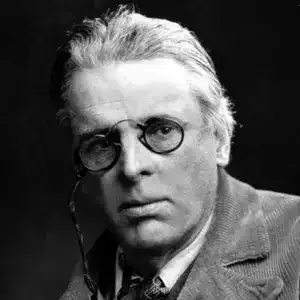
William Butler Yeats
The Folly Of Being Comforted
The Folly Of Being Comforted
ONE that is ever kind said yesterday:
'Your well-beloved's hair has threads of grey,
And little shadows come about her eyes;
Time can but make it easier to be wise
Though now it seems impossible, and so
All that you need is patience.'
Heart cries, 'No,
I have not a crumb of comfort, not a grain.
Time can but make her beauty over again:
Because of that great nobleness of hers
The fire that stirs about her, when she stirs,
Burns but more clearly. O she had not these ways
When all the wild Summer was in her gaze.'
Heart! O heart! if she'd but turn her head,
You'd know the folly of being comforted.
ONE that is ever kind said yesterday:
'Your well-beloved's hair has threads of grey,
And little shadows come about her eyes;
Time can but make it easier to be wise
Though now it seems impossible, and so
All that you need is patience.'
Heart cries, 'No,
I have not a crumb of comfort, not a grain.
Time can but make her beauty over again:
Because of that great nobleness of hers
The fire that stirs about her, when she stirs,
Burns but more clearly. O she had not these ways
When all the wild Summer was in her gaze.'
Heart! O heart! if she'd but turn her head,
You'd know the folly of being comforted.
404
William Butler Yeats
The Double Vision Of Michael Robartes
The Double Vision Of Michael Robartes
I
ON the grey rock of Cashel the mind's eye
Has called up the cold spirits that are born
When the old moon is vanished from the sky
And the new still hides her horn.
Under blank eyes and fingers never still
The particular is pounded till it is man.
When had I my own will?
O not since life began.
Constrained, arraigned, baffled, bent and unbent
By these wire-jointed jaws and limbs of wood,
Themselves obedient,
Knowing not evil and good;
Obedient to some hidden magical breath.
They do not even feel, so abstract are they.
So dead beyond our death,
Triumph that we obey.
On the grey rock of Cashel I suddenly saw
A Sphinx with woman breast and lion paw.
A Buddha, hand at rest,
Hand lifted up that blest;
And right between these two a girl at play
That, it may be, had danced her life away,
For now being dead it seemed
That she of dancing dreamed.
Although I saw it all in the mind's eye
There can be nothing solider till I die;
I saw by the moon's light
Now at its fifteenth night.
One lashed her tail; her eyes lit by the moon
Gazed upon all things known, all things unknown,
In triumph of intellect
With motionless head erect.
That other's moonlit eyeballs never moved,
Being fixed on all things loved, all things unloved.
Yet little peace he had,
For those that love are sad.
Little did they care who danced between,
And little she by whom her dance was seen
So she had outdanced thought.
Body perfection brought,
For what but eye and ear silence the mind
With the minute particulars of mankind?
Mind moved yet seemed to stop
As 'twere a spinning-top.
In contemplation had those three so wrought
Upon a moment, and so stretched it out
That they, time overthrown,
Were dead yet flesh and bone.
I knew that I had seen, had seen at last
That girl my unremembering nights hold fast
Or else my dreams that fly
If I should rub an eye,
And yet in flying fling into my meat
A crazy juice that makes the pulses beat
As though I had been undone
By Homer's Paragon
Who never gave the burning town a thought;
To such a pitch of folly I am brought,
Being caught between the pull
Of the dark moon and the full,
The commonness of thought and images
That have the frenzy of our western seas.
Thereon I made my moan,
And after kissed a stone,
And after that arranged it in a song
Seeing that I, ignorant for So long,
Had been rewarded thus
In Cormac's ruined house.
MICHAEL ROBARTES AND THE DANCER
He. Opinion is not worth a rush;
In this altar-piece the knight,
Who grips his long spear so to push
That dragon through the fading light,
Loved the lady; and it's plain
The half-dead dragon was her thought,
That every morning rose again
And dug its claws and shrieked and fought.
Could the impossible come to pass
She would have time to turn her eyes,
Her lover thought, upon the glass
And on the instant would grow wise.
She. You mean they argued.
He. Put it so;
But bear in mind your lover's wage
Is what your looking-glass can show,
And that he will turn green with rage
At all that is not pictured there.
She. May I not put myself to college?
He. Go pluck Athene by the hair;
For what mere book can grant a knowledge
With an impassioned gravity
Appropriate to that beating breast,
That vigorous thigh, that dreaming eye?
And may the Devil take the rest.
She. And must no beautiful woman be
Learned like a man?
He. Paul Veronese
And all his sacred company
Imagined bodies all their days
By the lagoon you love so much,
For proud, soft, ceremonious proof
That all must come to sight and touch;
While Michael Angelo's Sistine roof,
His 'Morning' and his 'Night' disclose
How sinew that has been pulled tight,
Or it may be loosened in repose,
Can rule by supernatural right
Yet be but sinew.
She. I have heard said
There is great danger in the body.
He. Did God in portioning wine and bread
Give man His thought or His mere body?
She. My wretched dragon is perplexed.
Hec. I have principles to prove me right.
It follows from this Latin text
That blest souls are not composite,
And that all beautiful women may
Live in uncomposite blessedness,
And lead us to the like -- if they
Will banish every thought, unless
The lineaments that please their view
When the long looking-glass is full,
Even from the foot-sole think it too.
She. They say such different things at school.
I
ON the grey rock of Cashel the mind's eye
Has called up the cold spirits that are born
When the old moon is vanished from the sky
And the new still hides her horn.
Under blank eyes and fingers never still
The particular is pounded till it is man.
When had I my own will?
O not since life began.
Constrained, arraigned, baffled, bent and unbent
By these wire-jointed jaws and limbs of wood,
Themselves obedient,
Knowing not evil and good;
Obedient to some hidden magical breath.
They do not even feel, so abstract are they.
So dead beyond our death,
Triumph that we obey.
On the grey rock of Cashel I suddenly saw
A Sphinx with woman breast and lion paw.
A Buddha, hand at rest,
Hand lifted up that blest;
And right between these two a girl at play
That, it may be, had danced her life away,
For now being dead it seemed
That she of dancing dreamed.
Although I saw it all in the mind's eye
There can be nothing solider till I die;
I saw by the moon's light
Now at its fifteenth night.
One lashed her tail; her eyes lit by the moon
Gazed upon all things known, all things unknown,
In triumph of intellect
With motionless head erect.
That other's moonlit eyeballs never moved,
Being fixed on all things loved, all things unloved.
Yet little peace he had,
For those that love are sad.
Little did they care who danced between,
And little she by whom her dance was seen
So she had outdanced thought.
Body perfection brought,
For what but eye and ear silence the mind
With the minute particulars of mankind?
Mind moved yet seemed to stop
As 'twere a spinning-top.
In contemplation had those three so wrought
Upon a moment, and so stretched it out
That they, time overthrown,
Were dead yet flesh and bone.
I knew that I had seen, had seen at last
That girl my unremembering nights hold fast
Or else my dreams that fly
If I should rub an eye,
And yet in flying fling into my meat
A crazy juice that makes the pulses beat
As though I had been undone
By Homer's Paragon
Who never gave the burning town a thought;
To such a pitch of folly I am brought,
Being caught between the pull
Of the dark moon and the full,
The commonness of thought and images
That have the frenzy of our western seas.
Thereon I made my moan,
And after kissed a stone,
And after that arranged it in a song
Seeing that I, ignorant for So long,
Had been rewarded thus
In Cormac's ruined house.
MICHAEL ROBARTES AND THE DANCER
He. Opinion is not worth a rush;
In this altar-piece the knight,
Who grips his long spear so to push
That dragon through the fading light,
Loved the lady; and it's plain
The half-dead dragon was her thought,
That every morning rose again
And dug its claws and shrieked and fought.
Could the impossible come to pass
She would have time to turn her eyes,
Her lover thought, upon the glass
And on the instant would grow wise.
She. You mean they argued.
He. Put it so;
But bear in mind your lover's wage
Is what your looking-glass can show,
And that he will turn green with rage
At all that is not pictured there.
She. May I not put myself to college?
He. Go pluck Athene by the hair;
For what mere book can grant a knowledge
With an impassioned gravity
Appropriate to that beating breast,
That vigorous thigh, that dreaming eye?
And may the Devil take the rest.
She. And must no beautiful woman be
Learned like a man?
He. Paul Veronese
And all his sacred company
Imagined bodies all their days
By the lagoon you love so much,
For proud, soft, ceremonious proof
That all must come to sight and touch;
While Michael Angelo's Sistine roof,
His 'Morning' and his 'Night' disclose
How sinew that has been pulled tight,
Or it may be loosened in repose,
Can rule by supernatural right
Yet be but sinew.
She. I have heard said
There is great danger in the body.
He. Did God in portioning wine and bread
Give man His thought or His mere body?
She. My wretched dragon is perplexed.
Hec. I have principles to prove me right.
It follows from this Latin text
That blest souls are not composite,
And that all beautiful women may
Live in uncomposite blessedness,
And lead us to the like -- if they
Will banish every thought, unless
The lineaments that please their view
When the long looking-glass is full,
Even from the foot-sole think it too.
She. They say such different things at school.
398
William Butler Yeats
The Double Vision Of Michael Robartes
The Double Vision Of Michael Robartes
I
ON the grey rock of Cashel the mind's eye
Has called up the cold spirits that are born
When the old moon is vanished from the sky
And the new still hides her horn.
Under blank eyes and fingers never still
The particular is pounded till it is man.
When had I my own will?
O not since life began.
Constrained, arraigned, baffled, bent and unbent
By these wire-jointed jaws and limbs of wood,
Themselves obedient,
Knowing not evil and good;
Obedient to some hidden magical breath.
They do not even feel, so abstract are they.
So dead beyond our death,
Triumph that we obey.
On the grey rock of Cashel I suddenly saw
A Sphinx with woman breast and lion paw.
A Buddha, hand at rest,
Hand lifted up that blest;
And right between these two a girl at play
That, it may be, had danced her life away,
For now being dead it seemed
That she of dancing dreamed.
Although I saw it all in the mind's eye
There can be nothing solider till I die;
I saw by the moon's light
Now at its fifteenth night.
One lashed her tail; her eyes lit by the moon
Gazed upon all things known, all things unknown,
In triumph of intellect
With motionless head erect.
That other's moonlit eyeballs never moved,
Being fixed on all things loved, all things unloved.
Yet little peace he had,
For those that love are sad.
Little did they care who danced between,
And little she by whom her dance was seen
So she had outdanced thought.
Body perfection brought,
For what but eye and ear silence the mind
With the minute particulars of mankind?
Mind moved yet seemed to stop
As 'twere a spinning-top.
In contemplation had those three so wrought
Upon a moment, and so stretched it out
That they, time overthrown,
Were dead yet flesh and bone.
I knew that I had seen, had seen at last
That girl my unremembering nights hold fast
Or else my dreams that fly
If I should rub an eye,
And yet in flying fling into my meat
A crazy juice that makes the pulses beat
As though I had been undone
By Homer's Paragon
Who never gave the burning town a thought;
To such a pitch of folly I am brought,
Being caught between the pull
Of the dark moon and the full,
The commonness of thought and images
That have the frenzy of our western seas.
Thereon I made my moan,
And after kissed a stone,
And after that arranged it in a song
Seeing that I, ignorant for So long,
Had been rewarded thus
In Cormac's ruined house.
MICHAEL ROBARTES AND THE DANCER
He. Opinion is not worth a rush;
In this altar-piece the knight,
Who grips his long spear so to push
That dragon through the fading light,
Loved the lady; and it's plain
The half-dead dragon was her thought,
That every morning rose again
And dug its claws and shrieked and fought.
Could the impossible come to pass
She would have time to turn her eyes,
Her lover thought, upon the glass
And on the instant would grow wise.
She. You mean they argued.
He. Put it so;
But bear in mind your lover's wage
Is what your looking-glass can show,
And that he will turn green with rage
At all that is not pictured there.
She. May I not put myself to college?
He. Go pluck Athene by the hair;
For what mere book can grant a knowledge
With an impassioned gravity
Appropriate to that beating breast,
That vigorous thigh, that dreaming eye?
And may the Devil take the rest.
She. And must no beautiful woman be
Learned like a man?
He. Paul Veronese
And all his sacred company
Imagined bodies all their days
By the lagoon you love so much,
For proud, soft, ceremonious proof
That all must come to sight and touch;
While Michael Angelo's Sistine roof,
His 'Morning' and his 'Night' disclose
How sinew that has been pulled tight,
Or it may be loosened in repose,
Can rule by supernatural right
Yet be but sinew.
She. I have heard said
There is great danger in the body.
He. Did God in portioning wine and bread
Give man His thought or His mere body?
She. My wretched dragon is perplexed.
Hec. I have principles to prove me right.
It follows from this Latin text
That blest souls are not composite,
And that all beautiful women may
Live in uncomposite blessedness,
And lead us to the like -- if they
Will banish every thought, unless
The lineaments that please their view
When the long looking-glass is full,
Even from the foot-sole think it too.
She. They say such different things at school.
I
ON the grey rock of Cashel the mind's eye
Has called up the cold spirits that are born
When the old moon is vanished from the sky
And the new still hides her horn.
Under blank eyes and fingers never still
The particular is pounded till it is man.
When had I my own will?
O not since life began.
Constrained, arraigned, baffled, bent and unbent
By these wire-jointed jaws and limbs of wood,
Themselves obedient,
Knowing not evil and good;
Obedient to some hidden magical breath.
They do not even feel, so abstract are they.
So dead beyond our death,
Triumph that we obey.
On the grey rock of Cashel I suddenly saw
A Sphinx with woman breast and lion paw.
A Buddha, hand at rest,
Hand lifted up that blest;
And right between these two a girl at play
That, it may be, had danced her life away,
For now being dead it seemed
That she of dancing dreamed.
Although I saw it all in the mind's eye
There can be nothing solider till I die;
I saw by the moon's light
Now at its fifteenth night.
One lashed her tail; her eyes lit by the moon
Gazed upon all things known, all things unknown,
In triumph of intellect
With motionless head erect.
That other's moonlit eyeballs never moved,
Being fixed on all things loved, all things unloved.
Yet little peace he had,
For those that love are sad.
Little did they care who danced between,
And little she by whom her dance was seen
So she had outdanced thought.
Body perfection brought,
For what but eye and ear silence the mind
With the minute particulars of mankind?
Mind moved yet seemed to stop
As 'twere a spinning-top.
In contemplation had those three so wrought
Upon a moment, and so stretched it out
That they, time overthrown,
Were dead yet flesh and bone.
I knew that I had seen, had seen at last
That girl my unremembering nights hold fast
Or else my dreams that fly
If I should rub an eye,
And yet in flying fling into my meat
A crazy juice that makes the pulses beat
As though I had been undone
By Homer's Paragon
Who never gave the burning town a thought;
To such a pitch of folly I am brought,
Being caught between the pull
Of the dark moon and the full,
The commonness of thought and images
That have the frenzy of our western seas.
Thereon I made my moan,
And after kissed a stone,
And after that arranged it in a song
Seeing that I, ignorant for So long,
Had been rewarded thus
In Cormac's ruined house.
MICHAEL ROBARTES AND THE DANCER
He. Opinion is not worth a rush;
In this altar-piece the knight,
Who grips his long spear so to push
That dragon through the fading light,
Loved the lady; and it's plain
The half-dead dragon was her thought,
That every morning rose again
And dug its claws and shrieked and fought.
Could the impossible come to pass
She would have time to turn her eyes,
Her lover thought, upon the glass
And on the instant would grow wise.
She. You mean they argued.
He. Put it so;
But bear in mind your lover's wage
Is what your looking-glass can show,
And that he will turn green with rage
At all that is not pictured there.
She. May I not put myself to college?
He. Go pluck Athene by the hair;
For what mere book can grant a knowledge
With an impassioned gravity
Appropriate to that beating breast,
That vigorous thigh, that dreaming eye?
And may the Devil take the rest.
She. And must no beautiful woman be
Learned like a man?
He. Paul Veronese
And all his sacred company
Imagined bodies all their days
By the lagoon you love so much,
For proud, soft, ceremonious proof
That all must come to sight and touch;
While Michael Angelo's Sistine roof,
His 'Morning' and his 'Night' disclose
How sinew that has been pulled tight,
Or it may be loosened in repose,
Can rule by supernatural right
Yet be but sinew.
She. I have heard said
There is great danger in the body.
He. Did God in portioning wine and bread
Give man His thought or His mere body?
She. My wretched dragon is perplexed.
Hec. I have principles to prove me right.
It follows from this Latin text
That blest souls are not composite,
And that all beautiful women may
Live in uncomposite blessedness,
And lead us to the like -- if they
Will banish every thought, unless
The lineaments that please their view
When the long looking-glass is full,
Even from the foot-sole think it too.
She. They say such different things at school.
398
William Butler Yeats
The Delphic Oracle Upon Plotinus
The Delphic Oracle Upon Plotinus
Behold that great Plotinus swim,
Buffeted by such seas;
Bland Rhadamanthus beckons him,
But the Golden Race looks dim,
Salt blood blocks his eyes.
Scattered on the level grass
Or winding through the grove
plato there and Minos pass,
There stately Pythagoras
And all the choir of Love.
Behold that great Plotinus swim,
Buffeted by such seas;
Bland Rhadamanthus beckons him,
But the Golden Race looks dim,
Salt blood blocks his eyes.
Scattered on the level grass
Or winding through the grove
plato there and Minos pass,
There stately Pythagoras
And all the choir of Love.
268
William Butler Yeats
The Dancer At Cruachan And Cro-Patrick
The Dancer At Cruachan And Cro-Patrick
I, proclaiming that there is
Among birds or beasts or men
One that is perfect or at peace.
Danced on Cruachan's windy plain,
Upon Cro-patrick sang aloud;
All that could run or leap or swim
Whether in wood, water or cloud,
Acclaiming, proclaiming, declaiming Him.
I, proclaiming that there is
Among birds or beasts or men
One that is perfect or at peace.
Danced on Cruachan's windy plain,
Upon Cro-patrick sang aloud;
All that could run or leap or swim
Whether in wood, water or cloud,
Acclaiming, proclaiming, declaiming Him.
264
William Butler Yeats
The Coming Of Wisdom With Time
The Coming Of Wisdom With Time
THOUGH leaves are many, the root is one;
Through all the lying days of my youth
I swayed my leaves and flowers in the sun;
Now I may wither into the truth.
THOUGH leaves are many, the root is one;
Through all the lying days of my youth
I swayed my leaves and flowers in the sun;
Now I may wither into the truth.
334
William Butler Yeats
The Coming Of Wisdom With Time
The Coming Of Wisdom With Time
THOUGH leaves are many, the root is one;
Through all the lying days of my youth
I swayed my leaves and flowers in the sun;
Now I may wither into the truth.
THOUGH leaves are many, the root is one;
Through all the lying days of my youth
I swayed my leaves and flowers in the sun;
Now I may wither into the truth.
334
William Butler Yeats
The Cloak, The Boat And The Shoes
The Cloak, The Boat And The Shoes
'What do you make so fair and bright?'
'I make the cloak of Sorrow:
O lovely to see in all men's sight
Shall be the cloak of Sorrow,
In all men's sight.'
'What do you build with sails for flight?'
'I build a boat for Sorrow:
O swift on the seas all day and night
Saileth the rover Sorrow,
All day and night.'
What do you weave with wool so white?'
'I weave the shoes of Sorrow:
Soundless shall be the footfall light
In all men's ears of Sorrow,
Sudden and light.'
'What do you make so fair and bright?'
'I make the cloak of Sorrow:
O lovely to see in all men's sight
Shall be the cloak of Sorrow,
In all men's sight.'
'What do you build with sails for flight?'
'I build a boat for Sorrow:
O swift on the seas all day and night
Saileth the rover Sorrow,
All day and night.'
What do you weave with wool so white?'
'I weave the shoes of Sorrow:
Soundless shall be the footfall light
In all men's ears of Sorrow,
Sudden and light.'
371
William Butler Yeats
The Chambermaid's First Song
The Chambermaid's First Song
HOW came this ranger
Now sunk in rest,
Stranger with strangcr.
On my cold breast?
What's left to Sigh for?
Strange night has come;
God's love has hidden him
Out of all harm,
Pleasure has made him
Weak as a worm.
HOW came this ranger
Now sunk in rest,
Stranger with strangcr.
On my cold breast?
What's left to Sigh for?
Strange night has come;
God's love has hidden him
Out of all harm,
Pleasure has made him
Weak as a worm.
284
William Butler Yeats
The Choice
The Choice
The intellect of man is forced to choose
perfection of the life, or of the work,
And if it take the second must refuse
A heavenly mansion, raging in the dark.
When all that story's finished, what's the news?
In luck or out the toil has left its mark:
That old perplexity an empty purse,
Or the day's vanity, the night's remorse.
The intellect of man is forced to choose
perfection of the life, or of the work,
And if it take the second must refuse
A heavenly mansion, raging in the dark.
When all that story's finished, what's the news?
In luck or out the toil has left its mark:
That old perplexity an empty purse,
Or the day's vanity, the night's remorse.
347
William Butler Yeats
The Black Tower
The Black Tower
SAY that the men of the old black tower,
Though they but feed as the goatherd feeds,
Their money spent, their wine gone sour,
Lack nothing that a soldier needs,
That all are oath-bound men:
Those banners come not in.
There in the tomb stand the dead upright,
But winds come up from the shore:
They shake when the winds roar,
Old bones upon the mountain shake.
Those banners come to bribe or threaten,
Or whisper that a man's a fool
Who, when his own right king's forgotten,
Cares what king sets up his rule.
If he died long ago
Why do yopu dread us so?
There in the tomb drops the faint moonlight,
But wind comes up from the shore:
They shake when the winds roar,
Old bones upon the mountain shake.
The tower's old cook that must climb and clamber
Catching small birds in the dew of the morn
When we hale men lie stretched in slumber
Swears that he hears the king's great horn.
But he's a lying hound:
Stand we on guard oath-bound!
There in the tomb the dark grows blacker,
But wind comes up from the shore:
They shake when the winds roar,
Old bones upon the mountain shake.
SAY that the men of the old black tower,
Though they but feed as the goatherd feeds,
Their money spent, their wine gone sour,
Lack nothing that a soldier needs,
That all are oath-bound men:
Those banners come not in.
There in the tomb stand the dead upright,
But winds come up from the shore:
They shake when the winds roar,
Old bones upon the mountain shake.
Those banners come to bribe or threaten,
Or whisper that a man's a fool
Who, when his own right king's forgotten,
Cares what king sets up his rule.
If he died long ago
Why do yopu dread us so?
There in the tomb drops the faint moonlight,
But wind comes up from the shore:
They shake when the winds roar,
Old bones upon the mountain shake.
The tower's old cook that must climb and clamber
Catching small birds in the dew of the morn
When we hale men lie stretched in slumber
Swears that he hears the king's great horn.
But he's a lying hound:
Stand we on guard oath-bound!
There in the tomb the dark grows blacker,
But wind comes up from the shore:
They shake when the winds roar,
Old bones upon the mountain shake.
427
William Butler Yeats
The Ballad Of The Foxhunter
The Ballad Of The Foxhunter
'Lay me in a cushioned chair;
Carry me, ye four,
With cushions here and cushions there,
To see the world once more.
'To stable and to kennel go;
Bring what is there to bring;
Lead my Lollard to and fro,
Or gently in a ring.
'Put the chair upon the grass:
Bring Rody and his hounds,
That I may contented pass
From these earthly bounds.'
His eyelids droop, his head falls low,
His old eyes cloud with dreams;
The sun upon all things that grow
Falls in sleepy streams.
Brown Lollard treads upon the lawn,
And to the armchair goes,
And now the old man's dreams are gone,
He smooths the long brown nose.
And now moves many a pleasant tongue
Upon his wasted hands,
For leading aged hounds and young
The huntsman near him stands.
'Huntsmam Rody, blow the horn,
Make the hills reply.'
The huntsman loosens on the morn
A gay wandering cry.
Fire is in the old man's eyes,
His fingers move and sway,
And when the wandering music dies
They hear him feebly say,
'Huntsman Rody, blow the horn,
Make the hills reply.'
'I cannot blow upon my horn,
I can but weep and sigh.'
Servants round his cushioned place
Are with new sorrow wrung;
Hounds are gazing on his face,
Aged hounds and young.
One blind hound only lies apart
On the sun-smitten grass;
He holds deep commune with his heart:
The moments pass and pass:
The blind hound with a mournful din
Lifts slow his wintry head;
The servants bear the body in;
The hounds wail for the dead.
'Lay me in a cushioned chair;
Carry me, ye four,
With cushions here and cushions there,
To see the world once more.
'To stable and to kennel go;
Bring what is there to bring;
Lead my Lollard to and fro,
Or gently in a ring.
'Put the chair upon the grass:
Bring Rody and his hounds,
That I may contented pass
From these earthly bounds.'
His eyelids droop, his head falls low,
His old eyes cloud with dreams;
The sun upon all things that grow
Falls in sleepy streams.
Brown Lollard treads upon the lawn,
And to the armchair goes,
And now the old man's dreams are gone,
He smooths the long brown nose.
And now moves many a pleasant tongue
Upon his wasted hands,
For leading aged hounds and young
The huntsman near him stands.
'Huntsmam Rody, blow the horn,
Make the hills reply.'
The huntsman loosens on the morn
A gay wandering cry.
Fire is in the old man's eyes,
His fingers move and sway,
And when the wandering music dies
They hear him feebly say,
'Huntsman Rody, blow the horn,
Make the hills reply.'
'I cannot blow upon my horn,
I can but weep and sigh.'
Servants round his cushioned place
Are with new sorrow wrung;
Hounds are gazing on his face,
Aged hounds and young.
One blind hound only lies apart
On the sun-smitten grass;
He holds deep commune with his heart:
The moments pass and pass:
The blind hound with a mournful din
Lifts slow his wintry head;
The servants bear the body in;
The hounds wail for the dead.
445
William Butler Yeats
The Ballad Of The Foxhunter
The Ballad Of The Foxhunter
'Lay me in a cushioned chair;
Carry me, ye four,
With cushions here and cushions there,
To see the world once more.
'To stable and to kennel go;
Bring what is there to bring;
Lead my Lollard to and fro,
Or gently in a ring.
'Put the chair upon the grass:
Bring Rody and his hounds,
That I may contented pass
From these earthly bounds.'
His eyelids droop, his head falls low,
His old eyes cloud with dreams;
The sun upon all things that grow
Falls in sleepy streams.
Brown Lollard treads upon the lawn,
And to the armchair goes,
And now the old man's dreams are gone,
He smooths the long brown nose.
And now moves many a pleasant tongue
Upon his wasted hands,
For leading aged hounds and young
The huntsman near him stands.
'Huntsmam Rody, blow the horn,
Make the hills reply.'
The huntsman loosens on the morn
A gay wandering cry.
Fire is in the old man's eyes,
His fingers move and sway,
And when the wandering music dies
They hear him feebly say,
'Huntsman Rody, blow the horn,
Make the hills reply.'
'I cannot blow upon my horn,
I can but weep and sigh.'
Servants round his cushioned place
Are with new sorrow wrung;
Hounds are gazing on his face,
Aged hounds and young.
One blind hound only lies apart
On the sun-smitten grass;
He holds deep commune with his heart:
The moments pass and pass:
The blind hound with a mournful din
Lifts slow his wintry head;
The servants bear the body in;
The hounds wail for the dead.
'Lay me in a cushioned chair;
Carry me, ye four,
With cushions here and cushions there,
To see the world once more.
'To stable and to kennel go;
Bring what is there to bring;
Lead my Lollard to and fro,
Or gently in a ring.
'Put the chair upon the grass:
Bring Rody and his hounds,
That I may contented pass
From these earthly bounds.'
His eyelids droop, his head falls low,
His old eyes cloud with dreams;
The sun upon all things that grow
Falls in sleepy streams.
Brown Lollard treads upon the lawn,
And to the armchair goes,
And now the old man's dreams are gone,
He smooths the long brown nose.
And now moves many a pleasant tongue
Upon his wasted hands,
For leading aged hounds and young
The huntsman near him stands.
'Huntsmam Rody, blow the horn,
Make the hills reply.'
The huntsman loosens on the morn
A gay wandering cry.
Fire is in the old man's eyes,
His fingers move and sway,
And when the wandering music dies
They hear him feebly say,
'Huntsman Rody, blow the horn,
Make the hills reply.'
'I cannot blow upon my horn,
I can but weep and sigh.'
Servants round his cushioned place
Are with new sorrow wrung;
Hounds are gazing on his face,
Aged hounds and young.
One blind hound only lies apart
On the sun-smitten grass;
He holds deep commune with his heart:
The moments pass and pass:
The blind hound with a mournful din
Lifts slow his wintry head;
The servants bear the body in;
The hounds wail for the dead.
445
William Butler Yeats
The Apparitions
The Apparitions
BECAUSE there is safety in derision
I talked about an apparition,
I took no trouble to convince,
Or seem plausible to a man of sense.
Distrustful of thar popular eye
Whether it be bold or sly.
Fifteen apparitions have I seen;
The worst a coat upon a coat-hanger.
I have found nothing half so good
As my long-planned half solitude,
Where I can sit up half the night
With some friend that has the wit
Not to allow his looks to tell
When I am unintelligible.
Fifteen apparitions have I seen;
The worst a coat upon a coat-hanger.
When a man grows old his joy
Grows more deep day after day,
His empty heart is full at length,
But he has need of all that strength
Because of the increasing Night
That opens her mystery and fright.
Fifteen apparitions have I seen;
The worst a coat upon a coat-hanger.
BECAUSE there is safety in derision
I talked about an apparition,
I took no trouble to convince,
Or seem plausible to a man of sense.
Distrustful of thar popular eye
Whether it be bold or sly.
Fifteen apparitions have I seen;
The worst a coat upon a coat-hanger.
I have found nothing half so good
As my long-planned half solitude,
Where I can sit up half the night
With some friend that has the wit
Not to allow his looks to tell
When I am unintelligible.
Fifteen apparitions have I seen;
The worst a coat upon a coat-hanger.
When a man grows old his joy
Grows more deep day after day,
His empty heart is full at length,
But he has need of all that strength
Because of the increasing Night
That opens her mystery and fright.
Fifteen apparitions have I seen;
The worst a coat upon a coat-hanger.
375
William Butler Yeats
Stream And Sun At Glendalough
Stream And Sun At Glendalough
THROUGH intricate motions ran
Stream and gliding sun
And all my heart seemed gay:
Some stupid thing that I had done
Made my attention stray.
Repentance keeps my heart impure;
But what am I that dare
Fancy that I can
Better conduct myself or have more
Sense than a common man?
What motion of the sun or stream
Or eyelid shot the gleam
That pierced my body through?
What made me live like these that seem
Self-born, born anew?
THROUGH intricate motions ran
Stream and gliding sun
And all my heart seemed gay:
Some stupid thing that I had done
Made my attention stray.
Repentance keeps my heart impure;
But what am I that dare
Fancy that I can
Better conduct myself or have more
Sense than a common man?
What motion of the sun or stream
Or eyelid shot the gleam
That pierced my body through?
What made me live like these that seem
Self-born, born anew?
448
William Butler Yeats
Stream And Sun At Glendalough
Stream And Sun At Glendalough
THROUGH intricate motions ran
Stream and gliding sun
And all my heart seemed gay:
Some stupid thing that I had done
Made my attention stray.
Repentance keeps my heart impure;
But what am I that dare
Fancy that I can
Better conduct myself or have more
Sense than a common man?
What motion of the sun or stream
Or eyelid shot the gleam
That pierced my body through?
What made me live like these that seem
Self-born, born anew?
THROUGH intricate motions ran
Stream and gliding sun
And all my heart seemed gay:
Some stupid thing that I had done
Made my attention stray.
Repentance keeps my heart impure;
But what am I that dare
Fancy that I can
Better conduct myself or have more
Sense than a common man?
What motion of the sun or stream
Or eyelid shot the gleam
That pierced my body through?
What made me live like these that seem
Self-born, born anew?
448
William Butler Yeats
Spilt Milk
Spilt Milk
WE that have done and thought,
That have thought and done,
Must ramble, and thin out
Like milk spilt on a stone.
WE that have done and thought,
That have thought and done,
Must ramble, and thin out
Like milk spilt on a stone.
389
William Butler Yeats
Solomon And The Witch
Solomon And The Witch
AND thus declared that Arab lady:
'Last night, where under the wild moon
On grassy mattress I had laid me,
Within my arms great Solomon,
I suddenly cried out in a strange tongue
Not his, not mine.'
Who understood
Whatever has been said, sighed, sung,
Howled, miau-d, barked, brayed, belled, yelled, cried, crowed,
Thereon replied: 'A cockerel
Crew from a blossoming apple bough
Three hundred years before the Fall,
And never crew again till now,
And would not now but that he thought,
Chance being at one with Choice at last,
All that the brigand apple brought
And this foul world were dead at last.
He that crowed out eternity
Thought to have crowed it in again.
For though love has a spider's eye
To find out some appropriate pain --
Aye, though all passion's in the glance --
For every nerve, and tests a lover
With cruelties of Choice and Chance;
And when at last that murder's over
Maybe the bride-bed brings despair,
For each an imagined image brings
And finds a real image there;
Yet the world ends when these two things,
Though several, are a single light,
When oil and wick are burned in one;
Therefore a blessed moon last night
Gave Sheba to her Solomon.'
'Yet the world stays.'
'If that be so,
Your cockerel found us in the wrong
Although he thought it. worth a crow.
Maybe an image is too strong
Or maybe is not strong enough.'
'The night has fallen; not a sound
In the forbidden sacred grove
Unless a petal hit the ground,
Nor any human sight within it
But the crushed grass where we have lain!
And the moon is wilder every minute.
O! Solomon! let us try again.'
AND thus declared that Arab lady:
'Last night, where under the wild moon
On grassy mattress I had laid me,
Within my arms great Solomon,
I suddenly cried out in a strange tongue
Not his, not mine.'
Who understood
Whatever has been said, sighed, sung,
Howled, miau-d, barked, brayed, belled, yelled, cried, crowed,
Thereon replied: 'A cockerel
Crew from a blossoming apple bough
Three hundred years before the Fall,
And never crew again till now,
And would not now but that he thought,
Chance being at one with Choice at last,
All that the brigand apple brought
And this foul world were dead at last.
He that crowed out eternity
Thought to have crowed it in again.
For though love has a spider's eye
To find out some appropriate pain --
Aye, though all passion's in the glance --
For every nerve, and tests a lover
With cruelties of Choice and Chance;
And when at last that murder's over
Maybe the bride-bed brings despair,
For each an imagined image brings
And finds a real image there;
Yet the world ends when these two things,
Though several, are a single light,
When oil and wick are burned in one;
Therefore a blessed moon last night
Gave Sheba to her Solomon.'
'Yet the world stays.'
'If that be so,
Your cockerel found us in the wrong
Although he thought it. worth a crow.
Maybe an image is too strong
Or maybe is not strong enough.'
'The night has fallen; not a sound
In the forbidden sacred grove
Unless a petal hit the ground,
Nor any human sight within it
But the crushed grass where we have lain!
And the moon is wilder every minute.
O! Solomon! let us try again.'
393
William Butler Yeats
September 1913
September 1913
What need you, being come to sense,
But fumble in a greasy till
And add the halfpence to the pence
And prayer to shivering prayer, until
You have dried the marrow from the bone?
For men were born to pray and save:
Romantic Ireland's dead and gone,
It's with O'Leary in the grave.
Yet they were of a different kind,
The names that stilled your childish play,
They have gone about the world like wind,
But little time had they to pray
For whom the hangman's rope was spun,
And what, God help us, could they save?
Romantic Ireland's dead and gone,
It's with O'Leary in the grave.
Was it for this the wild geese spread
The grey wing upon every tide;
For this that all that blood was shed,
For this Edward Fitzgerald died,
And Robert Emmet and Wolfe Tone,
All that delirium of the brave?
Romantic Ireland's dead and gone,
It's with O'Leary in the grave.
Yet could we turn the years again,
And call those exiles as they were
In all their loneliness and pain,
You'd cry, 'Some woman's yellow hair
Has maddened every mother's son':
They weighed so lightly what they gave.
But let them be, they're dead and gone,
They're with O'Leary in the grave.
What need you, being come to sense,
But fumble in a greasy till
And add the halfpence to the pence
And prayer to shivering prayer, until
You have dried the marrow from the bone?
For men were born to pray and save:
Romantic Ireland's dead and gone,
It's with O'Leary in the grave.
Yet they were of a different kind,
The names that stilled your childish play,
They have gone about the world like wind,
But little time had they to pray
For whom the hangman's rope was spun,
And what, God help us, could they save?
Romantic Ireland's dead and gone,
It's with O'Leary in the grave.
Was it for this the wild geese spread
The grey wing upon every tide;
For this that all that blood was shed,
For this Edward Fitzgerald died,
And Robert Emmet and Wolfe Tone,
All that delirium of the brave?
Romantic Ireland's dead and gone,
It's with O'Leary in the grave.
Yet could we turn the years again,
And call those exiles as they were
In all their loneliness and pain,
You'd cry, 'Some woman's yellow hair
Has maddened every mother's son':
They weighed so lightly what they gave.
But let them be, they're dead and gone,
They're with O'Leary in the grave.
528
William Butler Yeats
Shepherd And Goatherd
Shepherd And Goatherd
Shepherd. That cry's from the first cuckoo of the year.
I wished before it ceased.
Goatherd. Nor bird nor beast
Could make me wish for anything this day,
Being old, but that the old alone might die,
And that would be against God's providence.
Let the young wish. But what has brought you here?
Never until this moment have we met
Where my goats browse on the scarce grass or leap
From stone to Stone.
Shepherd. I am looking for strayed sheep;
Something has troubled me and in my rrouble
I let them stray. I thought of rhyme alone,
For rhme can beat a measure out of trouble
And make the daylight sweet once more; but when
I had driven every rhyme into its Place
The sheep had gone from theirs.
Goatherd. I know right well
What turned so good a shepherd from his charge.
Shepherd. He that was best in every country sport
And every country craft, and of us all
Most courteous to slow age and hasty youth,
Is dead.
Goatherd. The boy that brings my griddle-cake
Brought the bare news.
Shepherd. He had thrown the crook away
And died in the great war beyond the sea.
Goatherd. He had often played his pipes among my hills,
And when he played it was their loneliness,
The exultation of their stone, that died
Under his fingers.
Shepherd. I had it from his mother,
And his own flock was browsing at the door.
Goatherd. How does she bear her grief? There is not a
shepherd
But grows more gentle when he speaks her name,
Remembering kindness done, and how can I,
That found when I had neither goat nor grazing
New welcome and old wisdom at her fire
Till winter blasts were gone, but speak of her
Even before his children and his wife?
Shepherd. She goes about her house erect and calm
Between the pantry and the linen-chest,
Or else at meadow or at grazing overlooks
Her labouring men, as though her darling lived,
But for her grandson now; there is no change
But such as I have Seen upon her face
Watching our shepherd sports at harvest-time
When her son's turn was over.
Goatherd. Sing your song.
I too have rhymed my reveries, but youth
Is hot to show whatever it has found,
And till that's done can neither work nor wait.
Old goatherds and old goats, if in all else
Youth can excel them in accomplishment,
Are learned in waiting.
Shepherd. You cannot but have seen
That he alone had gathered up no gear,
Set carpenters to work on no wide table,
On no long bench nor lofty milking-shed
As others will, when first they take possession,
But left the house as in his father's time
As though he knew himself, as it were, a cuckoo,
No settled man. And now that he is gone
There's nothing of him left but half a score
Of sorrowful, austere, sweet, lofty pipe tunes.
Goatherd. You have put the thought in rhyme.
Shepherd. I worked all day,
And when 'twas done so little had I done
That maybe "I am sorry' in plain prose
Had Sounded better to your mountain fancy.
[He sings.]
"Like the speckled bird that steers
Thousands of leagues oversea,
And runs or a while half-flies
On his yellow legs through our meadows.
He stayed for a while; and we
Had scarcely accustomed our ears
To his speech at the break of day,
Had scarcely accustomed our eyes
To his shape at the rinsing-pool
Among the evening shadows,
When he vanished from ears and eyes.
I might have wished on the day
He came, but man is a fool.'
Goatherd. You sing as always of the natural life,
And I that made like music in my youth
Hearing it now have sighed for that young man
And certain lost companions of my own.
Shepherd. They say that on your barren mountain ridge
You have measured out the road that the soul treads
When it has vanished from our natural eyes;
That you have talked with apparitions.
Goatherd. Indeed
My daily thoughts since the first stupor of youth
Have found the path my goats' feet cannot find.
Shepherd. Sing, for it may be that your thoughts have
plucked
Some medicable herb to make our grief
Less bitter.
Goatherd. They have brought me from that ridge
Seed-pods and flowers that are not all wild poppy.
[Sings.]
"He grows younger every second
That were all his birthdays reckoned
Much too solemn seemed;
Because of what he had dreamed,
Or the ambitions that he served,
Much too solemn and reserved.
Jaunting, journeying
To his own dayspring,
He unpacks the loaded pern
Of all 'twas pain or joy to learn,
Of all that he had made.
The outrageous war shall fade;
At some old winding whitethorn root
He'll practise on the shepherd's flute,
Or on the close-cropped grass
Court his shepherd lass,
Or put his heart into some game
Till daytime, playtime seem the same;
Knowledge he shall unwind
Through victories of the mind,
Till, clambering at the cradle-side,
He dreams himself hsi mother's pride,
All knowledge lost in trance
Of sweeter ignorance.'
Shepherd. When I have shut these ewes and this old ram
Into the fold, we'll to the woods and there
Cut out our rhymes on strips of new-torn bark
But put no name and leave them at her door.
To know the mountain and the valley have grieved
May be a quiet thought to wife and mother,
And children when they spring up shoulder-high.
Shepherd. That cry's from the first cuckoo of the year.
I wished before it ceased.
Goatherd. Nor bird nor beast
Could make me wish for anything this day,
Being old, but that the old alone might die,
And that would be against God's providence.
Let the young wish. But what has brought you here?
Never until this moment have we met
Where my goats browse on the scarce grass or leap
From stone to Stone.
Shepherd. I am looking for strayed sheep;
Something has troubled me and in my rrouble
I let them stray. I thought of rhyme alone,
For rhme can beat a measure out of trouble
And make the daylight sweet once more; but when
I had driven every rhyme into its Place
The sheep had gone from theirs.
Goatherd. I know right well
What turned so good a shepherd from his charge.
Shepherd. He that was best in every country sport
And every country craft, and of us all
Most courteous to slow age and hasty youth,
Is dead.
Goatherd. The boy that brings my griddle-cake
Brought the bare news.
Shepherd. He had thrown the crook away
And died in the great war beyond the sea.
Goatherd. He had often played his pipes among my hills,
And when he played it was their loneliness,
The exultation of their stone, that died
Under his fingers.
Shepherd. I had it from his mother,
And his own flock was browsing at the door.
Goatherd. How does she bear her grief? There is not a
shepherd
But grows more gentle when he speaks her name,
Remembering kindness done, and how can I,
That found when I had neither goat nor grazing
New welcome and old wisdom at her fire
Till winter blasts were gone, but speak of her
Even before his children and his wife?
Shepherd. She goes about her house erect and calm
Between the pantry and the linen-chest,
Or else at meadow or at grazing overlooks
Her labouring men, as though her darling lived,
But for her grandson now; there is no change
But such as I have Seen upon her face
Watching our shepherd sports at harvest-time
When her son's turn was over.
Goatherd. Sing your song.
I too have rhymed my reveries, but youth
Is hot to show whatever it has found,
And till that's done can neither work nor wait.
Old goatherds and old goats, if in all else
Youth can excel them in accomplishment,
Are learned in waiting.
Shepherd. You cannot but have seen
That he alone had gathered up no gear,
Set carpenters to work on no wide table,
On no long bench nor lofty milking-shed
As others will, when first they take possession,
But left the house as in his father's time
As though he knew himself, as it were, a cuckoo,
No settled man. And now that he is gone
There's nothing of him left but half a score
Of sorrowful, austere, sweet, lofty pipe tunes.
Goatherd. You have put the thought in rhyme.
Shepherd. I worked all day,
And when 'twas done so little had I done
That maybe "I am sorry' in plain prose
Had Sounded better to your mountain fancy.
[He sings.]
"Like the speckled bird that steers
Thousands of leagues oversea,
And runs or a while half-flies
On his yellow legs through our meadows.
He stayed for a while; and we
Had scarcely accustomed our ears
To his speech at the break of day,
Had scarcely accustomed our eyes
To his shape at the rinsing-pool
Among the evening shadows,
When he vanished from ears and eyes.
I might have wished on the day
He came, but man is a fool.'
Goatherd. You sing as always of the natural life,
And I that made like music in my youth
Hearing it now have sighed for that young man
And certain lost companions of my own.
Shepherd. They say that on your barren mountain ridge
You have measured out the road that the soul treads
When it has vanished from our natural eyes;
That you have talked with apparitions.
Goatherd. Indeed
My daily thoughts since the first stupor of youth
Have found the path my goats' feet cannot find.
Shepherd. Sing, for it may be that your thoughts have
plucked
Some medicable herb to make our grief
Less bitter.
Goatherd. They have brought me from that ridge
Seed-pods and flowers that are not all wild poppy.
[Sings.]
"He grows younger every second
That were all his birthdays reckoned
Much too solemn seemed;
Because of what he had dreamed,
Or the ambitions that he served,
Much too solemn and reserved.
Jaunting, journeying
To his own dayspring,
He unpacks the loaded pern
Of all 'twas pain or joy to learn,
Of all that he had made.
The outrageous war shall fade;
At some old winding whitethorn root
He'll practise on the shepherd's flute,
Or on the close-cropped grass
Court his shepherd lass,
Or put his heart into some game
Till daytime, playtime seem the same;
Knowledge he shall unwind
Through victories of the mind,
Till, clambering at the cradle-side,
He dreams himself hsi mother's pride,
All knowledge lost in trance
Of sweeter ignorance.'
Shepherd. When I have shut these ewes and this old ram
Into the fold, we'll to the woods and there
Cut out our rhymes on strips of new-torn bark
But put no name and leave them at her door.
To know the mountain and the valley have grieved
May be a quiet thought to wife and mother,
And children when they spring up shoulder-high.
376
William Butler Yeats
Shepherd And Goatherd
Shepherd And Goatherd
Shepherd. That cry's from the first cuckoo of the year.
I wished before it ceased.
Goatherd. Nor bird nor beast
Could make me wish for anything this day,
Being old, but that the old alone might die,
And that would be against God's providence.
Let the young wish. But what has brought you here?
Never until this moment have we met
Where my goats browse on the scarce grass or leap
From stone to Stone.
Shepherd. I am looking for strayed sheep;
Something has troubled me and in my rrouble
I let them stray. I thought of rhyme alone,
For rhme can beat a measure out of trouble
And make the daylight sweet once more; but when
I had driven every rhyme into its Place
The sheep had gone from theirs.
Goatherd. I know right well
What turned so good a shepherd from his charge.
Shepherd. He that was best in every country sport
And every country craft, and of us all
Most courteous to slow age and hasty youth,
Is dead.
Goatherd. The boy that brings my griddle-cake
Brought the bare news.
Shepherd. He had thrown the crook away
And died in the great war beyond the sea.
Goatherd. He had often played his pipes among my hills,
And when he played it was their loneliness,
The exultation of their stone, that died
Under his fingers.
Shepherd. I had it from his mother,
And his own flock was browsing at the door.
Goatherd. How does she bear her grief? There is not a
shepherd
But grows more gentle when he speaks her name,
Remembering kindness done, and how can I,
That found when I had neither goat nor grazing
New welcome and old wisdom at her fire
Till winter blasts were gone, but speak of her
Even before his children and his wife?
Shepherd. She goes about her house erect and calm
Between the pantry and the linen-chest,
Or else at meadow or at grazing overlooks
Her labouring men, as though her darling lived,
But for her grandson now; there is no change
But such as I have Seen upon her face
Watching our shepherd sports at harvest-time
When her son's turn was over.
Goatherd. Sing your song.
I too have rhymed my reveries, but youth
Is hot to show whatever it has found,
And till that's done can neither work nor wait.
Old goatherds and old goats, if in all else
Youth can excel them in accomplishment,
Are learned in waiting.
Shepherd. You cannot but have seen
That he alone had gathered up no gear,
Set carpenters to work on no wide table,
On no long bench nor lofty milking-shed
As others will, when first they take possession,
But left the house as in his father's time
As though he knew himself, as it were, a cuckoo,
No settled man. And now that he is gone
There's nothing of him left but half a score
Of sorrowful, austere, sweet, lofty pipe tunes.
Goatherd. You have put the thought in rhyme.
Shepherd. I worked all day,
And when 'twas done so little had I done
That maybe "I am sorry' in plain prose
Had Sounded better to your mountain fancy.
[He sings.]
"Like the speckled bird that steers
Thousands of leagues oversea,
And runs or a while half-flies
On his yellow legs through our meadows.
He stayed for a while; and we
Had scarcely accustomed our ears
To his speech at the break of day,
Had scarcely accustomed our eyes
To his shape at the rinsing-pool
Among the evening shadows,
When he vanished from ears and eyes.
I might have wished on the day
He came, but man is a fool.'
Goatherd. You sing as always of the natural life,
And I that made like music in my youth
Hearing it now have sighed for that young man
And certain lost companions of my own.
Shepherd. They say that on your barren mountain ridge
You have measured out the road that the soul treads
When it has vanished from our natural eyes;
That you have talked with apparitions.
Goatherd. Indeed
My daily thoughts since the first stupor of youth
Have found the path my goats' feet cannot find.
Shepherd. Sing, for it may be that your thoughts have
plucked
Some medicable herb to make our grief
Less bitter.
Goatherd. They have brought me from that ridge
Seed-pods and flowers that are not all wild poppy.
[Sings.]
"He grows younger every second
That were all his birthdays reckoned
Much too solemn seemed;
Because of what he had dreamed,
Or the ambitions that he served,
Much too solemn and reserved.
Jaunting, journeying
To his own dayspring,
He unpacks the loaded pern
Of all 'twas pain or joy to learn,
Of all that he had made.
The outrageous war shall fade;
At some old winding whitethorn root
He'll practise on the shepherd's flute,
Or on the close-cropped grass
Court his shepherd lass,
Or put his heart into some game
Till daytime, playtime seem the same;
Knowledge he shall unwind
Through victories of the mind,
Till, clambering at the cradle-side,
He dreams himself hsi mother's pride,
All knowledge lost in trance
Of sweeter ignorance.'
Shepherd. When I have shut these ewes and this old ram
Into the fold, we'll to the woods and there
Cut out our rhymes on strips of new-torn bark
But put no name and leave them at her door.
To know the mountain and the valley have grieved
May be a quiet thought to wife and mother,
And children when they spring up shoulder-high.
Shepherd. That cry's from the first cuckoo of the year.
I wished before it ceased.
Goatherd. Nor bird nor beast
Could make me wish for anything this day,
Being old, but that the old alone might die,
And that would be against God's providence.
Let the young wish. But what has brought you here?
Never until this moment have we met
Where my goats browse on the scarce grass or leap
From stone to Stone.
Shepherd. I am looking for strayed sheep;
Something has troubled me and in my rrouble
I let them stray. I thought of rhyme alone,
For rhme can beat a measure out of trouble
And make the daylight sweet once more; but when
I had driven every rhyme into its Place
The sheep had gone from theirs.
Goatherd. I know right well
What turned so good a shepherd from his charge.
Shepherd. He that was best in every country sport
And every country craft, and of us all
Most courteous to slow age and hasty youth,
Is dead.
Goatherd. The boy that brings my griddle-cake
Brought the bare news.
Shepherd. He had thrown the crook away
And died in the great war beyond the sea.
Goatherd. He had often played his pipes among my hills,
And when he played it was their loneliness,
The exultation of their stone, that died
Under his fingers.
Shepherd. I had it from his mother,
And his own flock was browsing at the door.
Goatherd. How does she bear her grief? There is not a
shepherd
But grows more gentle when he speaks her name,
Remembering kindness done, and how can I,
That found when I had neither goat nor grazing
New welcome and old wisdom at her fire
Till winter blasts were gone, but speak of her
Even before his children and his wife?
Shepherd. She goes about her house erect and calm
Between the pantry and the linen-chest,
Or else at meadow or at grazing overlooks
Her labouring men, as though her darling lived,
But for her grandson now; there is no change
But such as I have Seen upon her face
Watching our shepherd sports at harvest-time
When her son's turn was over.
Goatherd. Sing your song.
I too have rhymed my reveries, but youth
Is hot to show whatever it has found,
And till that's done can neither work nor wait.
Old goatherds and old goats, if in all else
Youth can excel them in accomplishment,
Are learned in waiting.
Shepherd. You cannot but have seen
That he alone had gathered up no gear,
Set carpenters to work on no wide table,
On no long bench nor lofty milking-shed
As others will, when first they take possession,
But left the house as in his father's time
As though he knew himself, as it were, a cuckoo,
No settled man. And now that he is gone
There's nothing of him left but half a score
Of sorrowful, austere, sweet, lofty pipe tunes.
Goatherd. You have put the thought in rhyme.
Shepherd. I worked all day,
And when 'twas done so little had I done
That maybe "I am sorry' in plain prose
Had Sounded better to your mountain fancy.
[He sings.]
"Like the speckled bird that steers
Thousands of leagues oversea,
And runs or a while half-flies
On his yellow legs through our meadows.
He stayed for a while; and we
Had scarcely accustomed our ears
To his speech at the break of day,
Had scarcely accustomed our eyes
To his shape at the rinsing-pool
Among the evening shadows,
When he vanished from ears and eyes.
I might have wished on the day
He came, but man is a fool.'
Goatherd. You sing as always of the natural life,
And I that made like music in my youth
Hearing it now have sighed for that young man
And certain lost companions of my own.
Shepherd. They say that on your barren mountain ridge
You have measured out the road that the soul treads
When it has vanished from our natural eyes;
That you have talked with apparitions.
Goatherd. Indeed
My daily thoughts since the first stupor of youth
Have found the path my goats' feet cannot find.
Shepherd. Sing, for it may be that your thoughts have
plucked
Some medicable herb to make our grief
Less bitter.
Goatherd. They have brought me from that ridge
Seed-pods and flowers that are not all wild poppy.
[Sings.]
"He grows younger every second
That were all his birthdays reckoned
Much too solemn seemed;
Because of what he had dreamed,
Or the ambitions that he served,
Much too solemn and reserved.
Jaunting, journeying
To his own dayspring,
He unpacks the loaded pern
Of all 'twas pain or joy to learn,
Of all that he had made.
The outrageous war shall fade;
At some old winding whitethorn root
He'll practise on the shepherd's flute,
Or on the close-cropped grass
Court his shepherd lass,
Or put his heart into some game
Till daytime, playtime seem the same;
Knowledge he shall unwind
Through victories of the mind,
Till, clambering at the cradle-side,
He dreams himself hsi mother's pride,
All knowledge lost in trance
Of sweeter ignorance.'
Shepherd. When I have shut these ewes and this old ram
Into the fold, we'll to the woods and there
Cut out our rhymes on strips of new-torn bark
But put no name and leave them at her door.
To know the mountain and the valley have grieved
May be a quiet thought to wife and mother,
And children when they spring up shoulder-high.
376
William Butler Yeats
Sailing To Byzantium
Sailing To Byzantium
I
That is no country for old men. The young
In one another's arms, birds in the trees
---Those dying generations---at their song,
The salmon-falls, the mackerel-crowded seas,
Fish, flesh, or fowl commend all summer long
Whatever is begotten, born, and dies.
Caught in that sensual music all neglect
Monuments of unaging intellect.
II
An aged man is but a paltry thing,
A tattered coat upon a stick, unless
Soul clap its hands and sing, and louder sing
For every tatter in its mortal dress,
Nor is there singing school but studying
Monuments of its own magnificence;
And therefore I have sailed the seas and come
To the holy city of Byzantium.
III
O sages standing in God's holy fire
As in the gold mosaic of a wall,
Come from the holy fire, perne in a gyre,
And be the singing-masters of my soul.
Consume my heart away; sick with desire
And fastened to a dying animal
It knows not what it is; and gather me
Into the artifice of eternity.
IV
Once out of nature I shall never take
My bodily form from any natural thing,
But such a form as Grecian goldsmiths make
Of hammered gold and gold enamelling
To keep a drowsy Emperor awake;
Or set upon a golden bough to sing
To lords and ladies of Byzantium
Of what is past, or passing, or to come.
I
That is no country for old men. The young
In one another's arms, birds in the trees
---Those dying generations---at their song,
The salmon-falls, the mackerel-crowded seas,
Fish, flesh, or fowl commend all summer long
Whatever is begotten, born, and dies.
Caught in that sensual music all neglect
Monuments of unaging intellect.
II
An aged man is but a paltry thing,
A tattered coat upon a stick, unless
Soul clap its hands and sing, and louder sing
For every tatter in its mortal dress,
Nor is there singing school but studying
Monuments of its own magnificence;
And therefore I have sailed the seas and come
To the holy city of Byzantium.
III
O sages standing in God's holy fire
As in the gold mosaic of a wall,
Come from the holy fire, perne in a gyre,
And be the singing-masters of my soul.
Consume my heart away; sick with desire
And fastened to a dying animal
It knows not what it is; and gather me
Into the artifice of eternity.
IV
Once out of nature I shall never take
My bodily form from any natural thing,
But such a form as Grecian goldsmiths make
Of hammered gold and gold enamelling
To keep a drowsy Emperor awake;
Or set upon a golden bough to sing
To lords and ladies of Byzantium
Of what is past, or passing, or to come.
565
William Butler Yeats
Sailing To Byzantium
Sailing To Byzantium
I
That is no country for old men. The young
In one another's arms, birds in the trees
---Those dying generations---at their song,
The salmon-falls, the mackerel-crowded seas,
Fish, flesh, or fowl commend all summer long
Whatever is begotten, born, and dies.
Caught in that sensual music all neglect
Monuments of unaging intellect.
II
An aged man is but a paltry thing,
A tattered coat upon a stick, unless
Soul clap its hands and sing, and louder sing
For every tatter in its mortal dress,
Nor is there singing school but studying
Monuments of its own magnificence;
And therefore I have sailed the seas and come
To the holy city of Byzantium.
III
O sages standing in God's holy fire
As in the gold mosaic of a wall,
Come from the holy fire, perne in a gyre,
And be the singing-masters of my soul.
Consume my heart away; sick with desire
And fastened to a dying animal
It knows not what it is; and gather me
Into the artifice of eternity.
IV
Once out of nature I shall never take
My bodily form from any natural thing,
But such a form as Grecian goldsmiths make
Of hammered gold and gold enamelling
To keep a drowsy Emperor awake;
Or set upon a golden bough to sing
To lords and ladies of Byzantium
Of what is past, or passing, or to come.
I
That is no country for old men. The young
In one another's arms, birds in the trees
---Those dying generations---at their song,
The salmon-falls, the mackerel-crowded seas,
Fish, flesh, or fowl commend all summer long
Whatever is begotten, born, and dies.
Caught in that sensual music all neglect
Monuments of unaging intellect.
II
An aged man is but a paltry thing,
A tattered coat upon a stick, unless
Soul clap its hands and sing, and louder sing
For every tatter in its mortal dress,
Nor is there singing school but studying
Monuments of its own magnificence;
And therefore I have sailed the seas and come
To the holy city of Byzantium.
III
O sages standing in God's holy fire
As in the gold mosaic of a wall,
Come from the holy fire, perne in a gyre,
And be the singing-masters of my soul.
Consume my heart away; sick with desire
And fastened to a dying animal
It knows not what it is; and gather me
Into the artifice of eternity.
IV
Once out of nature I shall never take
My bodily form from any natural thing,
But such a form as Grecian goldsmiths make
Of hammered gold and gold enamelling
To keep a drowsy Emperor awake;
Or set upon a golden bough to sing
To lords and ladies of Byzantium
Of what is past, or passing, or to come.
565
William Butler Yeats
Sailing To Byzantium
Sailing To Byzantium
I
That is no country for old men. The young
In one another's arms, birds in the trees
---Those dying generations---at their song,
The salmon-falls, the mackerel-crowded seas,
Fish, flesh, or fowl commend all summer long
Whatever is begotten, born, and dies.
Caught in that sensual music all neglect
Monuments of unaging intellect.
II
An aged man is but a paltry thing,
A tattered coat upon a stick, unless
Soul clap its hands and sing, and louder sing
For every tatter in its mortal dress,
Nor is there singing school but studying
Monuments of its own magnificence;
And therefore I have sailed the seas and come
To the holy city of Byzantium.
III
O sages standing in God's holy fire
As in the gold mosaic of a wall,
Come from the holy fire, perne in a gyre,
And be the singing-masters of my soul.
Consume my heart away; sick with desire
And fastened to a dying animal
It knows not what it is; and gather me
Into the artifice of eternity.
IV
Once out of nature I shall never take
My bodily form from any natural thing,
But such a form as Grecian goldsmiths make
Of hammered gold and gold enamelling
To keep a drowsy Emperor awake;
Or set upon a golden bough to sing
To lords and ladies of Byzantium
Of what is past, or passing, or to come.
I
That is no country for old men. The young
In one another's arms, birds in the trees
---Those dying generations---at their song,
The salmon-falls, the mackerel-crowded seas,
Fish, flesh, or fowl commend all summer long
Whatever is begotten, born, and dies.
Caught in that sensual music all neglect
Monuments of unaging intellect.
II
An aged man is but a paltry thing,
A tattered coat upon a stick, unless
Soul clap its hands and sing, and louder sing
For every tatter in its mortal dress,
Nor is there singing school but studying
Monuments of its own magnificence;
And therefore I have sailed the seas and come
To the holy city of Byzantium.
III
O sages standing in God's holy fire
As in the gold mosaic of a wall,
Come from the holy fire, perne in a gyre,
And be the singing-masters of my soul.
Consume my heart away; sick with desire
And fastened to a dying animal
It knows not what it is; and gather me
Into the artifice of eternity.
IV
Once out of nature I shall never take
My bodily form from any natural thing,
But such a form as Grecian goldsmiths make
Of hammered gold and gold enamelling
To keep a drowsy Emperor awake;
Or set upon a golden bough to sing
To lords and ladies of Byzantium
Of what is past, or passing, or to come.
565