

Poems in this topic
Life and Existence
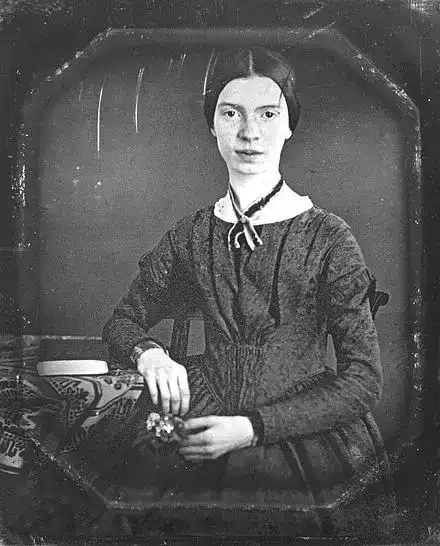
Emily Dickinson
Morning-means Milking-to the Farmer
"Morning"-means "Milking"-to the Farmer
300
"Morning"-means "Milking"-to the FarmerDawn-
to the TeneriffeDice-
to the Maid-
Morning means just Risk-to the Lover-
Just revelation-to the Beloved
Epicures-date a Breakfast-by itBrides-
an ApocalypseWorlds-
a FloodFaint-
going Lives-Their Lapse from SighingFaith-
The Experiment of Our Lord
300
"Morning"-means "Milking"-to the FarmerDawn-
to the TeneriffeDice-
to the Maid-
Morning means just Risk-to the Lover-
Just revelation-to the Beloved
Epicures-date a Breakfast-by itBrides-
an ApocalypseWorlds-
a FloodFaint-
going Lives-Their Lapse from SighingFaith-
The Experiment of Our Lord
258
Emily Dickinson
Arcturus is his other name
"Arcturus" is his other name
70
"Arcturus" is his other nameI'd
rather call him "Star."
It's very mean of Science
To go and interfere!
I slew a worm the other day-
A "Savant" passing by
Murmured "Resurgam"-"Centipede"!
"Oh Lord-how frail are we"!
I pull a flower from the woods-
A monster with a glass
Computes the stamens in a breath-
And has her in a "class"!
Whereas I took the Butterfly
Aforetime in my hat-
He sits erect in "Cabinets"-
The Clover bells forgot.
What once was "Heaven"
Is "Zenith" now-
Where I proposed to go
When Time's brief masquerade was done
Is mapped and charted too.
What if the poles should frisk about
And stand upon their heads!
I hope I'm ready for "the worst"-
Whatever prank betides!
Perhaps the "Kingdom of Heaven's" changed-
I hope the "Children" there Won't be "new fashioned" when I come-
And laugh at me-and stare-
I hope the Father in the skies
Will lift his little girl-
Old fashioned-naught-everything-
Over the stile of "Pearl."
70
"Arcturus" is his other nameI'd
rather call him "Star."
It's very mean of Science
To go and interfere!
I slew a worm the other day-
A "Savant" passing by
Murmured "Resurgam"-"Centipede"!
"Oh Lord-how frail are we"!
I pull a flower from the woods-
A monster with a glass
Computes the stamens in a breath-
And has her in a "class"!
Whereas I took the Butterfly
Aforetime in my hat-
He sits erect in "Cabinets"-
The Clover bells forgot.
What once was "Heaven"
Is "Zenith" now-
Where I proposed to go
When Time's brief masquerade was done
Is mapped and charted too.
What if the poles should frisk about
And stand upon their heads!
I hope I'm ready for "the worst"-
Whatever prank betides!
Perhaps the "Kingdom of Heaven's" changed-
I hope the "Children" there Won't be "new fashioned" when I come-
And laugh at me-and stare-
I hope the Father in the skies
Will lift his little girl-
Old fashioned-naught-everything-
Over the stile of "Pearl."
439
Emily Dickinson
Arcturus is his other name
"Arcturus" is his other name
70
"Arcturus" is his other nameI'd
rather call him "Star."
It's very mean of Science
To go and interfere!
I slew a worm the other day-
A "Savant" passing by
Murmured "Resurgam"-"Centipede"!
"Oh Lord-how frail are we"!
I pull a flower from the woods-
A monster with a glass
Computes the stamens in a breath-
And has her in a "class"!
Whereas I took the Butterfly
Aforetime in my hat-
He sits erect in "Cabinets"-
The Clover bells forgot.
What once was "Heaven"
Is "Zenith" now-
Where I proposed to go
When Time's brief masquerade was done
Is mapped and charted too.
What if the poles should frisk about
And stand upon their heads!
I hope I'm ready for "the worst"-
Whatever prank betides!
Perhaps the "Kingdom of Heaven's" changed-
I hope the "Children" there Won't be "new fashioned" when I come-
And laugh at me-and stare-
I hope the Father in the skies
Will lift his little girl-
Old fashioned-naught-everything-
Over the stile of "Pearl."
70
"Arcturus" is his other nameI'd
rather call him "Star."
It's very mean of Science
To go and interfere!
I slew a worm the other day-
A "Savant" passing by
Murmured "Resurgam"-"Centipede"!
"Oh Lord-how frail are we"!
I pull a flower from the woods-
A monster with a glass
Computes the stamens in a breath-
And has her in a "class"!
Whereas I took the Butterfly
Aforetime in my hat-
He sits erect in "Cabinets"-
The Clover bells forgot.
What once was "Heaven"
Is "Zenith" now-
Where I proposed to go
When Time's brief masquerade was done
Is mapped and charted too.
What if the poles should frisk about
And stand upon their heads!
I hope I'm ready for "the worst"-
Whatever prank betides!
Perhaps the "Kingdom of Heaven's" changed-
I hope the "Children" there Won't be "new fashioned" when I come-
And laugh at me-and stare-
I hope the Father in the skies
Will lift his little girl-
Old fashioned-naught-everything-
Over the stile of "Pearl."
439
Emily Dickinson
Arcturus is his other name
"Arcturus" is his other name
70
"Arcturus" is his other nameI'd
rather call him "Star."
It's very mean of Science
To go and interfere!
I slew a worm the other day-
A "Savant" passing by
Murmured "Resurgam"-"Centipede"!
"Oh Lord-how frail are we"!
I pull a flower from the woods-
A monster with a glass
Computes the stamens in a breath-
And has her in a "class"!
Whereas I took the Butterfly
Aforetime in my hat-
He sits erect in "Cabinets"-
The Clover bells forgot.
What once was "Heaven"
Is "Zenith" now-
Where I proposed to go
When Time's brief masquerade was done
Is mapped and charted too.
What if the poles should frisk about
And stand upon their heads!
I hope I'm ready for "the worst"-
Whatever prank betides!
Perhaps the "Kingdom of Heaven's" changed-
I hope the "Children" there Won't be "new fashioned" when I come-
And laugh at me-and stare-
I hope the Father in the skies
Will lift his little girl-
Old fashioned-naught-everything-
Over the stile of "Pearl."
70
"Arcturus" is his other nameI'd
rather call him "Star."
It's very mean of Science
To go and interfere!
I slew a worm the other day-
A "Savant" passing by
Murmured "Resurgam"-"Centipede"!
"Oh Lord-how frail are we"!
I pull a flower from the woods-
A monster with a glass
Computes the stamens in a breath-
And has her in a "class"!
Whereas I took the Butterfly
Aforetime in my hat-
He sits erect in "Cabinets"-
The Clover bells forgot.
What once was "Heaven"
Is "Zenith" now-
Where I proposed to go
When Time's brief masquerade was done
Is mapped and charted too.
What if the poles should frisk about
And stand upon their heads!
I hope I'm ready for "the worst"-
Whatever prank betides!
Perhaps the "Kingdom of Heaven's" changed-
I hope the "Children" there Won't be "new fashioned" when I come-
And laugh at me-and stare-
I hope the Father in the skies
Will lift his little girl-
Old fashioned-naught-everything-
Over the stile of "Pearl."
439
Emily Dickinson
Faith is a fine invention
"Faith" is a fine invention
185
"Faith" is a fine invention
When Gentlemen can see-
But Microscopes are prudent
In an Emergency.
185
"Faith" is a fine invention
When Gentlemen can see-
But Microscopes are prudent
In an Emergency.
369
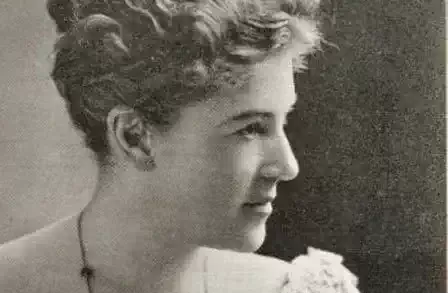
Ella Wheeler Wilcox
You Never Can Tell
You Never Can Tell
You never can tell when you send a word,
Like an arrow shot from a bow
By an archer blind, be it cruel or kind,
Just where it may chance to go.
It may pierce the breast of your dearest friend,
Tipped with its poison or balm,
To a stranger’s heart in life’s great mart,
It may carry its pain or its calm.
You never can tell when you do an act
Just what the result will be;
But with every deed you are sowing a seed,
Though the harvest you may not see.
Each kindly act is an acorn dropped
In God’s productive soil
You may not know, but the tree shall grow,
With shelter for those who toil.
You never can tell what your thoughts will do,
In bringing you hate or love;
For thoughts are things, and their airy wings
Are swifter than carrier doves.
They follow the law of the universe –
Each thing must create its kind,
And they speed o’er the track to bring you back
Whatever went out from your mind.
You never can tell when you send a word,
Like an arrow shot from a bow
By an archer blind, be it cruel or kind,
Just where it may chance to go.
It may pierce the breast of your dearest friend,
Tipped with its poison or balm,
To a stranger’s heart in life’s great mart,
It may carry its pain or its calm.
You never can tell when you do an act
Just what the result will be;
But with every deed you are sowing a seed,
Though the harvest you may not see.
Each kindly act is an acorn dropped
In God’s productive soil
You may not know, but the tree shall grow,
With shelter for those who toil.
You never can tell what your thoughts will do,
In bringing you hate or love;
For thoughts are things, and their airy wings
Are swifter than carrier doves.
They follow the law of the universe –
Each thing must create its kind,
And they speed o’er the track to bring you back
Whatever went out from your mind.
360
Ella Wheeler Wilcox
You Never Can Tell
You Never Can Tell
You never can tell when you send a word,
Like an arrow shot from a bow
By an archer blind, be it cruel or kind,
Just where it may chance to go.
It may pierce the breast of your dearest friend,
Tipped with its poison or balm,
To a stranger’s heart in life’s great mart,
It may carry its pain or its calm.
You never can tell when you do an act
Just what the result will be;
But with every deed you are sowing a seed,
Though the harvest you may not see.
Each kindly act is an acorn dropped
In God’s productive soil
You may not know, but the tree shall grow,
With shelter for those who toil.
You never can tell what your thoughts will do,
In bringing you hate or love;
For thoughts are things, and their airy wings
Are swifter than carrier doves.
They follow the law of the universe –
Each thing must create its kind,
And they speed o’er the track to bring you back
Whatever went out from your mind.
You never can tell when you send a word,
Like an arrow shot from a bow
By an archer blind, be it cruel or kind,
Just where it may chance to go.
It may pierce the breast of your dearest friend,
Tipped with its poison or balm,
To a stranger’s heart in life’s great mart,
It may carry its pain or its calm.
You never can tell when you do an act
Just what the result will be;
But with every deed you are sowing a seed,
Though the harvest you may not see.
Each kindly act is an acorn dropped
In God’s productive soil
You may not know, but the tree shall grow,
With shelter for those who toil.
You never can tell what your thoughts will do,
In bringing you hate or love;
For thoughts are things, and their airy wings
Are swifter than carrier doves.
They follow the law of the universe –
Each thing must create its kind,
And they speed o’er the track to bring you back
Whatever went out from your mind.
360
Ella Wheeler Wilcox
Worldly Wisdom
Worldly Wisdom
If it were in my dead Past’s power
To let my Present bask
In some lost pleasure for an hour,
This is the boon I’d ask:
Re-pedestal from out the dust
Where long ago ‘twas hurled,
My beautiful incautious trust
In this unworthy world.
The symbol of my souls own truth –
I saw it go with tears –
The sweet unwisdom of my youth –
That vanished with the years.
Since knowledge brings us only grief,
I would return again
To happy ignorance and belief
In motives and in men.
For worldly wisdom learned in pain
Is in itself a cross,
Significant mayhap of gain,
Yet sign of saddest loss.
If it were in my dead Past’s power
To let my Present bask
In some lost pleasure for an hour,
This is the boon I’d ask:
Re-pedestal from out the dust
Where long ago ‘twas hurled,
My beautiful incautious trust
In this unworthy world.
The symbol of my souls own truth –
I saw it go with tears –
The sweet unwisdom of my youth –
That vanished with the years.
Since knowledge brings us only grief,
I would return again
To happy ignorance and belief
In motives and in men.
For worldly wisdom learned in pain
Is in itself a cross,
Significant mayhap of gain,
Yet sign of saddest loss.
421
Ella Wheeler Wilcox
Will
Will
There is no chance, no destiny, no fate,
Can circumvent or hinder or control
The firm resolve of a determined soul.
Gifts count for nothing; will alone is great;
All things give way before it, soon or late.
What obstacle can stay the mighty force
Of the sea-seeking river in its course,
Or cause the ascending orb of day to wait?
Each well-born soul must win what it deserves.
Let the fool prate of luck. The fortunate
Is he whose earnest purpose never swerves,
Whose slightest action or inaction serves
The one great aim. Why, even Death stands still,
And waits an hour sometimes for such a will.
There is no chance, no destiny, no fate,
Can circumvent or hinder or control
The firm resolve of a determined soul.
Gifts count for nothing; will alone is great;
All things give way before it, soon or late.
What obstacle can stay the mighty force
Of the sea-seeking river in its course,
Or cause the ascending orb of day to wait?
Each well-born soul must win what it deserves.
Let the fool prate of luck. The fortunate
Is he whose earnest purpose never swerves,
Whose slightest action or inaction serves
The one great aim. Why, even Death stands still,
And waits an hour sometimes for such a will.
512
Ella Wheeler Wilcox
Wishing
Wishing
Do you wish the world were better?
Let me tell you what to do:
Set a watch for your actions,
Keep them always straight and true;
Rid tour mind of selfish motives;
Let your thoughts be clean and high.
You can make a little Eden
Of the sphere you occupy.
Do you wish the world were wiser?
Well, suppose you made a start,
By accumulating wisdom
In the scrapbook of your heart:
Do not waste one page on folly;
Live to learn, and learn to live.
If you want to give men knowledge
You must get it, ere you give.
Do you wish the world were happy?
Then remember day by day
Just to scatter seeds of kindness
As you pass along the way;
For the pleasures of the many
May ofttimes traced to one,
As the hand that plants an acorn
Shelters armies from the sun.
Do you wish the world were better?
Let me tell you what to do:
Set a watch for your actions,
Keep them always straight and true;
Rid tour mind of selfish motives;
Let your thoughts be clean and high.
You can make a little Eden
Of the sphere you occupy.
Do you wish the world were wiser?
Well, suppose you made a start,
By accumulating wisdom
In the scrapbook of your heart:
Do not waste one page on folly;
Live to learn, and learn to live.
If you want to give men knowledge
You must get it, ere you give.
Do you wish the world were happy?
Then remember day by day
Just to scatter seeds of kindness
As you pass along the way;
For the pleasures of the many
May ofttimes traced to one,
As the hand that plants an acorn
Shelters armies from the sun.
503
Ella Wheeler Wilcox
Why The Daisies Are Not All White
Why The Daisies Are Not All White
Uncle Rob says:
Once the daisies all were white,
Till a baby fellow
Ate his supper down one night,
And stained his face all yellow.
Smeared with butter, off to bed
Crept the sleepy flower.
'Fie!' the good nurse dew-drop said,
Come now to my bower.
'Let me wash you clean, I pray,
Like the pink and rosy.'
But the daisy pulled away
Like a stubborn posy.
All unwashed he went to sleep,
Naughty little fellow.
Ever since he's had to keep
That great patch of yellow.
So Uncle Rob says.
Uncle Rob says:
Once the daisies all were white,
Till a baby fellow
Ate his supper down one night,
And stained his face all yellow.
Smeared with butter, off to bed
Crept the sleepy flower.
'Fie!' the good nurse dew-drop said,
Come now to my bower.
'Let me wash you clean, I pray,
Like the pink and rosy.'
But the daisy pulled away
Like a stubborn posy.
All unwashed he went to sleep,
Naughty little fellow.
Ever since he's had to keep
That great patch of yellow.
So Uncle Rob says.
353
Ella Wheeler Wilcox
Widows
Widows
The world was widowed by the death of Christ:
Vainly its suffering soul for peace has sought
And found it not.
For nothing, nothing, nothing has sufficed
To bring back comfort to the stricken house
From whence has gone the Master and the Spouse.
In its long widowhood the world has striven
To find diversion. It has turned away
From the vast awefull silences of Heaven
(Which answer but with silence when we pray)
And sought for something to assuage its grief.
Some surcease and relief
From sorrow, in pursuit of mortal joys.
It drowned God's stillness in a sea of noise;
It lost God's presence in a blur of forms;
Till, bruised and bleeding with life's brutal storms,
Unto immutable and speechless space
The World lifts up its face,
Its haggard, tear-drenched face,
And cries aloud for faith's supreme reward,
The promised Second Coming of its Lord.
So many widows, widows everywhere,
The whole earth teems with widows.
Guns that blare-
Winged monsters of the air-
And deep-sea monsters leaping through the water,
Hell bent on slaughter,
All these plough paths for widows. Maids at dawn,
And brides at noon, ere eventide pass on
Into the ranks of widows: but to weep
Just for a little space; then will grief sleep
In their young bosoms, where sweet hope belongs,
New love will sing once more its age-old songs,
And life bloom as a rose-tree blooms again
After a night of rain.
There are complacent widows clothed in crêpe
Who simulate a grief that is not real.
Through paths of seeming sorrow they escape
From disappointed hopes to some ideal,
Or, from the penury of unloved wives
Walk forth to opulent lives.
And there are widows who shed all their tears
Just at the first
In one wild burst,
And then go lilting lightly down the years:
Black butterflies, they flit from flower to flower
And live in the thin pleasures of the hour;
Merging their tender memories of the dead
In tenderer dreams of being once more wed.
But there are others: women who have proved
That loving greatly means so being loved.
Women who through full beauteous years have grown
Into the very body, souls, and heart
Of their dear comrades. When death tears apart
Such close-knit bonds as these, and one alone
Out to the larger freer life is called,
And one is left-
Then God in heaven must sometimes be appalled
At the wild anguish of the soul bereft,
And unto His Son must say, 'I did not know
Mortals could suffer so.'
But Christ, remembering Gethsemane,
Will answer softly, 'It was known to Me.'
God's alchemist, old Time, will merge to calm
That bitter anguish; but there is no balm
Save the sweet certitude that each long day
Is one step in a stair
That circles up to where freed spirits stay.
Widows, so many widows everywhere.
The world was widowed by the death of Christ,
And nothing, nothing, nothing has sufficed
To bring back comfort to the stricken house
From whence has gone the Master and the Spouse.
Hasten, dear Lord, with Thy Millennium,
Hasten and come.
The world was widowed by the death of Christ:
Vainly its suffering soul for peace has sought
And found it not.
For nothing, nothing, nothing has sufficed
To bring back comfort to the stricken house
From whence has gone the Master and the Spouse.
In its long widowhood the world has striven
To find diversion. It has turned away
From the vast awefull silences of Heaven
(Which answer but with silence when we pray)
And sought for something to assuage its grief.
Some surcease and relief
From sorrow, in pursuit of mortal joys.
It drowned God's stillness in a sea of noise;
It lost God's presence in a blur of forms;
Till, bruised and bleeding with life's brutal storms,
Unto immutable and speechless space
The World lifts up its face,
Its haggard, tear-drenched face,
And cries aloud for faith's supreme reward,
The promised Second Coming of its Lord.
So many widows, widows everywhere,
The whole earth teems with widows.
Guns that blare-
Winged monsters of the air-
And deep-sea monsters leaping through the water,
Hell bent on slaughter,
All these plough paths for widows. Maids at dawn,
And brides at noon, ere eventide pass on
Into the ranks of widows: but to weep
Just for a little space; then will grief sleep
In their young bosoms, where sweet hope belongs,
New love will sing once more its age-old songs,
And life bloom as a rose-tree blooms again
After a night of rain.
There are complacent widows clothed in crêpe
Who simulate a grief that is not real.
Through paths of seeming sorrow they escape
From disappointed hopes to some ideal,
Or, from the penury of unloved wives
Walk forth to opulent lives.
And there are widows who shed all their tears
Just at the first
In one wild burst,
And then go lilting lightly down the years:
Black butterflies, they flit from flower to flower
And live in the thin pleasures of the hour;
Merging their tender memories of the dead
In tenderer dreams of being once more wed.
But there are others: women who have proved
That loving greatly means so being loved.
Women who through full beauteous years have grown
Into the very body, souls, and heart
Of their dear comrades. When death tears apart
Such close-knit bonds as these, and one alone
Out to the larger freer life is called,
And one is left-
Then God in heaven must sometimes be appalled
At the wild anguish of the soul bereft,
And unto His Son must say, 'I did not know
Mortals could suffer so.'
But Christ, remembering Gethsemane,
Will answer softly, 'It was known to Me.'
God's alchemist, old Time, will merge to calm
That bitter anguish; but there is no balm
Save the sweet certitude that each long day
Is one step in a stair
That circles up to where freed spirits stay.
Widows, so many widows everywhere.
The world was widowed by the death of Christ,
And nothing, nothing, nothing has sufficed
To bring back comfort to the stricken house
From whence has gone the Master and the Spouse.
Hasten, dear Lord, with Thy Millennium,
Hasten and come.
353
Ella Wheeler Wilcox
Widows
Widows
The world was widowed by the death of Christ:
Vainly its suffering soul for peace has sought
And found it not.
For nothing, nothing, nothing has sufficed
To bring back comfort to the stricken house
From whence has gone the Master and the Spouse.
In its long widowhood the world has striven
To find diversion. It has turned away
From the vast awefull silences of Heaven
(Which answer but with silence when we pray)
And sought for something to assuage its grief.
Some surcease and relief
From sorrow, in pursuit of mortal joys.
It drowned God's stillness in a sea of noise;
It lost God's presence in a blur of forms;
Till, bruised and bleeding with life's brutal storms,
Unto immutable and speechless space
The World lifts up its face,
Its haggard, tear-drenched face,
And cries aloud for faith's supreme reward,
The promised Second Coming of its Lord.
So many widows, widows everywhere,
The whole earth teems with widows.
Guns that blare-
Winged monsters of the air-
And deep-sea monsters leaping through the water,
Hell bent on slaughter,
All these plough paths for widows. Maids at dawn,
And brides at noon, ere eventide pass on
Into the ranks of widows: but to weep
Just for a little space; then will grief sleep
In their young bosoms, where sweet hope belongs,
New love will sing once more its age-old songs,
And life bloom as a rose-tree blooms again
After a night of rain.
There are complacent widows clothed in crêpe
Who simulate a grief that is not real.
Through paths of seeming sorrow they escape
From disappointed hopes to some ideal,
Or, from the penury of unloved wives
Walk forth to opulent lives.
And there are widows who shed all their tears
Just at the first
In one wild burst,
And then go lilting lightly down the years:
Black butterflies, they flit from flower to flower
And live in the thin pleasures of the hour;
Merging their tender memories of the dead
In tenderer dreams of being once more wed.
But there are others: women who have proved
That loving greatly means so being loved.
Women who through full beauteous years have grown
Into the very body, souls, and heart
Of their dear comrades. When death tears apart
Such close-knit bonds as these, and one alone
Out to the larger freer life is called,
And one is left-
Then God in heaven must sometimes be appalled
At the wild anguish of the soul bereft,
And unto His Son must say, 'I did not know
Mortals could suffer so.'
But Christ, remembering Gethsemane,
Will answer softly, 'It was known to Me.'
God's alchemist, old Time, will merge to calm
That bitter anguish; but there is no balm
Save the sweet certitude that each long day
Is one step in a stair
That circles up to where freed spirits stay.
Widows, so many widows everywhere.
The world was widowed by the death of Christ,
And nothing, nothing, nothing has sufficed
To bring back comfort to the stricken house
From whence has gone the Master and the Spouse.
Hasten, dear Lord, with Thy Millennium,
Hasten and come.
The world was widowed by the death of Christ:
Vainly its suffering soul for peace has sought
And found it not.
For nothing, nothing, nothing has sufficed
To bring back comfort to the stricken house
From whence has gone the Master and the Spouse.
In its long widowhood the world has striven
To find diversion. It has turned away
From the vast awefull silences of Heaven
(Which answer but with silence when we pray)
And sought for something to assuage its grief.
Some surcease and relief
From sorrow, in pursuit of mortal joys.
It drowned God's stillness in a sea of noise;
It lost God's presence in a blur of forms;
Till, bruised and bleeding with life's brutal storms,
Unto immutable and speechless space
The World lifts up its face,
Its haggard, tear-drenched face,
And cries aloud for faith's supreme reward,
The promised Second Coming of its Lord.
So many widows, widows everywhere,
The whole earth teems with widows.
Guns that blare-
Winged monsters of the air-
And deep-sea monsters leaping through the water,
Hell bent on slaughter,
All these plough paths for widows. Maids at dawn,
And brides at noon, ere eventide pass on
Into the ranks of widows: but to weep
Just for a little space; then will grief sleep
In their young bosoms, where sweet hope belongs,
New love will sing once more its age-old songs,
And life bloom as a rose-tree blooms again
After a night of rain.
There are complacent widows clothed in crêpe
Who simulate a grief that is not real.
Through paths of seeming sorrow they escape
From disappointed hopes to some ideal,
Or, from the penury of unloved wives
Walk forth to opulent lives.
And there are widows who shed all their tears
Just at the first
In one wild burst,
And then go lilting lightly down the years:
Black butterflies, they flit from flower to flower
And live in the thin pleasures of the hour;
Merging their tender memories of the dead
In tenderer dreams of being once more wed.
But there are others: women who have proved
That loving greatly means so being loved.
Women who through full beauteous years have grown
Into the very body, souls, and heart
Of their dear comrades. When death tears apart
Such close-knit bonds as these, and one alone
Out to the larger freer life is called,
And one is left-
Then God in heaven must sometimes be appalled
At the wild anguish of the soul bereft,
And unto His Son must say, 'I did not know
Mortals could suffer so.'
But Christ, remembering Gethsemane,
Will answer softly, 'It was known to Me.'
God's alchemist, old Time, will merge to calm
That bitter anguish; but there is no balm
Save the sweet certitude that each long day
Is one step in a stair
That circles up to where freed spirits stay.
Widows, so many widows everywhere.
The world was widowed by the death of Christ,
And nothing, nothing, nothing has sufficed
To bring back comfort to the stricken house
From whence has gone the Master and the Spouse.
Hasten, dear Lord, with Thy Millennium,
Hasten and come.
353
Ella Wheeler Wilcox
When Love Is Lost
When Love Is Lost
When love is lost, the day sets towards the night,
Albeit the morning sun may still be bright,
And not one cloud-ship sails across the sky.
Yet from the places where it used to lie
Gone is the lustrous glory of the light.
No splendour rests in any mountain height,
No scene spreads fair and beauteous to the sight;
All, all seems dull and dreary to the eye
When love is lost.
Love lends to life its grandeur and its might;
Love goes, and leaves behind it gloom and blight;
Like ghosts of time the pallid hours drag by,
And grief's one happy thought is that we die.
Ah, what can recompense us for its flight
When love is lost?
When love is lost, the day sets towards the night,
Albeit the morning sun may still be bright,
And not one cloud-ship sails across the sky.
Yet from the places where it used to lie
Gone is the lustrous glory of the light.
No splendour rests in any mountain height,
No scene spreads fair and beauteous to the sight;
All, all seems dull and dreary to the eye
When love is lost.
Love lends to life its grandeur and its might;
Love goes, and leaves behind it gloom and blight;
Like ghosts of time the pallid hours drag by,
And grief's one happy thought is that we die.
Ah, what can recompense us for its flight
When love is lost?
422
Ella Wheeler Wilcox
What Would It Be?
What Would It Be?
Now what were the words of Jesus,
And what would He pause and say,
If we were to meet in home or street,
The Lord of the world to-day?
Oh, I think He would pause and say:
'Go on with your chosen labour;
Speak only good of your neighbour;
Widen your farms, and lay down your arms,
Or dig up the soil with each sabre.'
Now what were the answer of Jesus
If we should ask for a creed,
To carry us straight to the wonderful gate
When soul from body is freed?
Oh, I think He would give us this creed:
'Praise God whatever betide you;
Cast joy on the lives beside you;
Better the earth, by growing in worth,
With love as the law to guide you.'
Now what were the answer of Jesus
If we should ask Him to tell
Of the last great goal of the homing soul
Where each of us hopes to dwell?
Oh, I think it is this He would tell:
'The soul is the builder-then wake it;
The mind is the kingdom-then take it;
And thought upon thought let Eden be wrought,
For heaven will be what you make it.'
Now what were the words of Jesus,
And what would He pause and say,
If we were to meet in home or street,
The Lord of the world to-day?
Oh, I think He would pause and say:
'Go on with your chosen labour;
Speak only good of your neighbour;
Widen your farms, and lay down your arms,
Or dig up the soil with each sabre.'
Now what were the answer of Jesus
If we should ask for a creed,
To carry us straight to the wonderful gate
When soul from body is freed?
Oh, I think He would give us this creed:
'Praise God whatever betide you;
Cast joy on the lives beside you;
Better the earth, by growing in worth,
With love as the law to guide you.'
Now what were the answer of Jesus
If we should ask Him to tell
Of the last great goal of the homing soul
Where each of us hopes to dwell?
Oh, I think it is this He would tell:
'The soul is the builder-then wake it;
The mind is the kingdom-then take it;
And thought upon thought let Eden be wrought,
For heaven will be what you make it.'
349
Ella Wheeler Wilcox
What Would It Be?
What Would It Be?
Now what were the words of Jesus,
And what would He pause and say,
If we were to meet in home or street,
The Lord of the world to-day?
Oh, I think He would pause and say:
'Go on with your chosen labour;
Speak only good of your neighbour;
Widen your farms, and lay down your arms,
Or dig up the soil with each sabre.'
Now what were the answer of Jesus
If we should ask for a creed,
To carry us straight to the wonderful gate
When soul from body is freed?
Oh, I think He would give us this creed:
'Praise God whatever betide you;
Cast joy on the lives beside you;
Better the earth, by growing in worth,
With love as the law to guide you.'
Now what were the answer of Jesus
If we should ask Him to tell
Of the last great goal of the homing soul
Where each of us hopes to dwell?
Oh, I think it is this He would tell:
'The soul is the builder-then wake it;
The mind is the kingdom-then take it;
And thought upon thought let Eden be wrought,
For heaven will be what you make it.'
Now what were the words of Jesus,
And what would He pause and say,
If we were to meet in home or street,
The Lord of the world to-day?
Oh, I think He would pause and say:
'Go on with your chosen labour;
Speak only good of your neighbour;
Widen your farms, and lay down your arms,
Or dig up the soil with each sabre.'
Now what were the answer of Jesus
If we should ask for a creed,
To carry us straight to the wonderful gate
When soul from body is freed?
Oh, I think He would give us this creed:
'Praise God whatever betide you;
Cast joy on the lives beside you;
Better the earth, by growing in worth,
With love as the law to guide you.'
Now what were the answer of Jesus
If we should ask Him to tell
Of the last great goal of the homing soul
Where each of us hopes to dwell?
Oh, I think it is this He would tell:
'The soul is the builder-then wake it;
The mind is the kingdom-then take it;
And thought upon thought let Eden be wrought,
For heaven will be what you make it.'
349
Ella Wheeler Wilcox
What Had He Done?
What Had He Done?
I saw the farmer, when the day was done,
And the proud sun had sought his crimson bed,
And the mild stars came forward one by one-
I saw the sturdy farmer, and I said:
'What have you done to-day,
O farmer! say?'
'Oh! I have sown the wheat in yonder field,
And pruned my orchard to increase its yield,
And turned the furrow for a patch of corn:
This have I done, with other things, since morn.'
I saw the blacksmith in his smithy-door,
When day had vanished and the west grew red,
And all the busy noise and strife were o'er-
I saw the kingly blacksmith, and I said:
'What have you done to-day,
O blacksmith! say?
'Oh! I have made two plough-shares all complete,
And nailed the shoes on many horses' feet;
And-O my friend! I cannot tell you half,'
The man of muscle answered, with a laugh.
I saw the miller, when the day had gone,
And all the sunlight from the hills had fled,
And tender shadows crept across the lawn-
I saw the trusty miller, and I said:
'What have you done to-day,
O miller gray?'
'Oh! I have watched my mill from morn to night,
And never saw yon flour so snowy white.
And many are the mouths to-day I've fed,
I ween,' the merry miller laughed and said.
I saw another, when the night grew nigh,
And turned each daily toiler from his task,
When gold and crimson banners decked the sky-
I saw another, and I paused to ask:
'What have you done to-day,
Rumseller, say?'
But the rumseller turned with dropping head,
And not a single word in answer said.
What had he done? His work he knew full well
Was plunging human souls in deepest hell.
Alas! rumseller, on that awful day,
When death shall call you, and your race is run,
How can you answer? What can you hope to say?
When God shall ask you, 'What have you done?'
How can you meet the eye
Of the Most High?
When night approaches and the day grows late,
Think you to find the way to heaven's gate?
Think you to dwell with souls of righteous men?
Think you to enter in? If not, what then?
I saw the farmer, when the day was done,
And the proud sun had sought his crimson bed,
And the mild stars came forward one by one-
I saw the sturdy farmer, and I said:
'What have you done to-day,
O farmer! say?'
'Oh! I have sown the wheat in yonder field,
And pruned my orchard to increase its yield,
And turned the furrow for a patch of corn:
This have I done, with other things, since morn.'
I saw the blacksmith in his smithy-door,
When day had vanished and the west grew red,
And all the busy noise and strife were o'er-
I saw the kingly blacksmith, and I said:
'What have you done to-day,
O blacksmith! say?
'Oh! I have made two plough-shares all complete,
And nailed the shoes on many horses' feet;
And-O my friend! I cannot tell you half,'
The man of muscle answered, with a laugh.
I saw the miller, when the day had gone,
And all the sunlight from the hills had fled,
And tender shadows crept across the lawn-
I saw the trusty miller, and I said:
'What have you done to-day,
O miller gray?'
'Oh! I have watched my mill from morn to night,
And never saw yon flour so snowy white.
And many are the mouths to-day I've fed,
I ween,' the merry miller laughed and said.
I saw another, when the night grew nigh,
And turned each daily toiler from his task,
When gold and crimson banners decked the sky-
I saw another, and I paused to ask:
'What have you done to-day,
Rumseller, say?'
But the rumseller turned with dropping head,
And not a single word in answer said.
What had he done? His work he knew full well
Was plunging human souls in deepest hell.
Alas! rumseller, on that awful day,
When death shall call you, and your race is run,
How can you answer? What can you hope to say?
When God shall ask you, 'What have you done?'
How can you meet the eye
Of the Most High?
When night approaches and the day grows late,
Think you to find the way to heaven's gate?
Think you to dwell with souls of righteous men?
Think you to enter in? If not, what then?
464
Ella Wheeler Wilcox
Until The Night
Until The Night
Over the ocean of life’s commotion
We sail till the night comes on.
Sail and sail in a tiny boat,
Drifting wherever the billows go.
Out on the treacherous sea afloat,
Beat by the cruel winds that blow,
Hither and thither our boat is drawn,
Till the day dies out and the night comes on.
Over a meadow of light and shadow
We wander with weary feet,
Seeking a bauble men call “Fame, ”
Grasping the dead-sea fruit named “wealth, ”
Finding each but an empty name,
And the night – the night steals on by stealth,
And we count the season of slumber sweet,
When hope lies dead in the arms of defeat.
Over the river a great Forever
Stretches beyond our sight.
But I know by the glistening pearly gates
Afar from the region of strife and sin,
A beautiful angel always waits
To welcome the sheep of the shepherd in.
And out of the shadows of gloom and night,
They enter the mansion of peace and light.
Over the ocean of life’s commotion
We sail till the night comes on.
Sail and sail in a tiny boat,
Drifting wherever the billows go.
Out on the treacherous sea afloat,
Beat by the cruel winds that blow,
Hither and thither our boat is drawn,
Till the day dies out and the night comes on.
Over a meadow of light and shadow
We wander with weary feet,
Seeking a bauble men call “Fame, ”
Grasping the dead-sea fruit named “wealth, ”
Finding each but an empty name,
And the night – the night steals on by stealth,
And we count the season of slumber sweet,
When hope lies dead in the arms of defeat.
Over the river a great Forever
Stretches beyond our sight.
But I know by the glistening pearly gates
Afar from the region of strife and sin,
A beautiful angel always waits
To welcome the sheep of the shepherd in.
And out of the shadows of gloom and night,
They enter the mansion of peace and light.
402
Ella Wheeler Wilcox
Until The Night
Until The Night
Over the ocean of life’s commotion
We sail till the night comes on.
Sail and sail in a tiny boat,
Drifting wherever the billows go.
Out on the treacherous sea afloat,
Beat by the cruel winds that blow,
Hither and thither our boat is drawn,
Till the day dies out and the night comes on.
Over a meadow of light and shadow
We wander with weary feet,
Seeking a bauble men call “Fame, ”
Grasping the dead-sea fruit named “wealth, ”
Finding each but an empty name,
And the night – the night steals on by stealth,
And we count the season of slumber sweet,
When hope lies dead in the arms of defeat.
Over the river a great Forever
Stretches beyond our sight.
But I know by the glistening pearly gates
Afar from the region of strife and sin,
A beautiful angel always waits
To welcome the sheep of the shepherd in.
And out of the shadows of gloom and night,
They enter the mansion of peace and light.
Over the ocean of life’s commotion
We sail till the night comes on.
Sail and sail in a tiny boat,
Drifting wherever the billows go.
Out on the treacherous sea afloat,
Beat by the cruel winds that blow,
Hither and thither our boat is drawn,
Till the day dies out and the night comes on.
Over a meadow of light and shadow
We wander with weary feet,
Seeking a bauble men call “Fame, ”
Grasping the dead-sea fruit named “wealth, ”
Finding each but an empty name,
And the night – the night steals on by stealth,
And we count the season of slumber sweet,
When hope lies dead in the arms of defeat.
Over the river a great Forever
Stretches beyond our sight.
But I know by the glistening pearly gates
Afar from the region of strife and sin,
A beautiful angel always waits
To welcome the sheep of the shepherd in.
And out of the shadows of gloom and night,
They enter the mansion of peace and light.
402
Ella Wheeler Wilcox
Until The Night
Until The Night
Over the ocean of life’s commotion
We sail till the night comes on.
Sail and sail in a tiny boat,
Drifting wherever the billows go.
Out on the treacherous sea afloat,
Beat by the cruel winds that blow,
Hither and thither our boat is drawn,
Till the day dies out and the night comes on.
Over a meadow of light and shadow
We wander with weary feet,
Seeking a bauble men call “Fame, ”
Grasping the dead-sea fruit named “wealth, ”
Finding each but an empty name,
And the night – the night steals on by stealth,
And we count the season of slumber sweet,
When hope lies dead in the arms of defeat.
Over the river a great Forever
Stretches beyond our sight.
But I know by the glistening pearly gates
Afar from the region of strife and sin,
A beautiful angel always waits
To welcome the sheep of the shepherd in.
And out of the shadows of gloom and night,
They enter the mansion of peace and light.
Over the ocean of life’s commotion
We sail till the night comes on.
Sail and sail in a tiny boat,
Drifting wherever the billows go.
Out on the treacherous sea afloat,
Beat by the cruel winds that blow,
Hither and thither our boat is drawn,
Till the day dies out and the night comes on.
Over a meadow of light and shadow
We wander with weary feet,
Seeking a bauble men call “Fame, ”
Grasping the dead-sea fruit named “wealth, ”
Finding each but an empty name,
And the night – the night steals on by stealth,
And we count the season of slumber sweet,
When hope lies dead in the arms of defeat.
Over the river a great Forever
Stretches beyond our sight.
But I know by the glistening pearly gates
Afar from the region of strife and sin,
A beautiful angel always waits
To welcome the sheep of the shepherd in.
And out of the shadows of gloom and night,
They enter the mansion of peace and light.
402
Ella Wheeler Wilcox
Uncontrolled
Uncontrolled
The mighty forces of mysterious space
Are one by one subdued by lordly man.
The awful lightning that for eons ran
Their devastating and untrammeled race,
Now bear his messages from place to place
Like carrier doves. The winds lead on his van;
The lawless elements no longer can
Resist his strength, but yield with sullen grace.
His bold feet scaling heights before untrod,
Light, darkness, air and water, heat and cold
He bids go forth and bring him power and pelf.
And yet though ruler, king and demi-god
He walks with his fierce passions uncontrolled
The conquerer of all things – save himself.
The mighty forces of mysterious space
Are one by one subdued by lordly man.
The awful lightning that for eons ran
Their devastating and untrammeled race,
Now bear his messages from place to place
Like carrier doves. The winds lead on his van;
The lawless elements no longer can
Resist his strength, but yield with sullen grace.
His bold feet scaling heights before untrod,
Light, darkness, air and water, heat and cold
He bids go forth and bring him power and pelf.
And yet though ruler, king and demi-god
He walks with his fierce passions uncontrolled
The conquerer of all things – save himself.
403
Ella Wheeler Wilcox
Unanswered Prayers
Unanswered Prayers
Like some school master, kind in being stern,
Who hears the children crying o’er their slates
And calling, “Help me master! ” yet helps not,
Since in his silence and refusal lies
Their self-development, so God abides
Unheeding many prayers. He is not deaf
To any cry sent up from earnest hearts,
He hears and strengthens when He must deny.
He sees us weeping over life’s hard sums
But should He give us the key and dry our tears
What would it profit us when school were done
And not one lesson mastered?
What a world
Where this if all our prayers were answered. Not
In famed Pandora’s box were such vast ills
As lie in human hearts. Should our desires
Voiced one by one in prayer ascend to God
And come back as events shaped to our wish
What chaos would result!
In my fierce youth
I sighed out a breath enough to move a fleet
Voicing wild prayers to heaven for fancied boons
Which were denied; and that denial bends
My knee to prayers of gratitude each day
Of my maturer years. Yet from those prayers
I rose always regirded for the strife
And conscious of new strength. Pray on, sad heart,
That which thou pleadest for may not be given
But in the lofty altitude where souls
Who supplicate God’s grace are lifted there
Thou shalt find help to bear thy daily lot
Which is not elsewhere found.
Like some school master, kind in being stern,
Who hears the children crying o’er their slates
And calling, “Help me master! ” yet helps not,
Since in his silence and refusal lies
Their self-development, so God abides
Unheeding many prayers. He is not deaf
To any cry sent up from earnest hearts,
He hears and strengthens when He must deny.
He sees us weeping over life’s hard sums
But should He give us the key and dry our tears
What would it profit us when school were done
And not one lesson mastered?
What a world
Where this if all our prayers were answered. Not
In famed Pandora’s box were such vast ills
As lie in human hearts. Should our desires
Voiced one by one in prayer ascend to God
And come back as events shaped to our wish
What chaos would result!
In my fierce youth
I sighed out a breath enough to move a fleet
Voicing wild prayers to heaven for fancied boons
Which were denied; and that denial bends
My knee to prayers of gratitude each day
Of my maturer years. Yet from those prayers
I rose always regirded for the strife
And conscious of new strength. Pray on, sad heart,
That which thou pleadest for may not be given
But in the lofty altitude where souls
Who supplicate God’s grace are lifted there
Thou shalt find help to bear thy daily lot
Which is not elsewhere found.
325
Ella Wheeler Wilcox
Unanswered Prayers
Unanswered Prayers
Like some school master, kind in being stern,
Who hears the children crying o’er their slates
And calling, “Help me master! ” yet helps not,
Since in his silence and refusal lies
Their self-development, so God abides
Unheeding many prayers. He is not deaf
To any cry sent up from earnest hearts,
He hears and strengthens when He must deny.
He sees us weeping over life’s hard sums
But should He give us the key and dry our tears
What would it profit us when school were done
And not one lesson mastered?
What a world
Where this if all our prayers were answered. Not
In famed Pandora’s box were such vast ills
As lie in human hearts. Should our desires
Voiced one by one in prayer ascend to God
And come back as events shaped to our wish
What chaos would result!
In my fierce youth
I sighed out a breath enough to move a fleet
Voicing wild prayers to heaven for fancied boons
Which were denied; and that denial bends
My knee to prayers of gratitude each day
Of my maturer years. Yet from those prayers
I rose always regirded for the strife
And conscious of new strength. Pray on, sad heart,
That which thou pleadest for may not be given
But in the lofty altitude where souls
Who supplicate God’s grace are lifted there
Thou shalt find help to bear thy daily lot
Which is not elsewhere found.
Like some school master, kind in being stern,
Who hears the children crying o’er their slates
And calling, “Help me master! ” yet helps not,
Since in his silence and refusal lies
Their self-development, so God abides
Unheeding many prayers. He is not deaf
To any cry sent up from earnest hearts,
He hears and strengthens when He must deny.
He sees us weeping over life’s hard sums
But should He give us the key and dry our tears
What would it profit us when school were done
And not one lesson mastered?
What a world
Where this if all our prayers were answered. Not
In famed Pandora’s box were such vast ills
As lie in human hearts. Should our desires
Voiced one by one in prayer ascend to God
And come back as events shaped to our wish
What chaos would result!
In my fierce youth
I sighed out a breath enough to move a fleet
Voicing wild prayers to heaven for fancied boons
Which were denied; and that denial bends
My knee to prayers of gratitude each day
Of my maturer years. Yet from those prayers
I rose always regirded for the strife
And conscious of new strength. Pray on, sad heart,
That which thou pleadest for may not be given
But in the lofty altitude where souls
Who supplicate God’s grace are lifted there
Thou shalt find help to bear thy daily lot
Which is not elsewhere found.
325
Ella Wheeler Wilcox
Two Sunsets
Two Sunsets
In the fair morning of his life,
When his pure heart lay in his breast,
Panting, with all that wild unrest
To plunge into the great world's strife
That fills young hearts with mad desire,
He saw a sunset. Red and gold
The burning billows surged and rolled,
And upward tossed their caps of fire.
He looked. And as he looked the sight
Sent from his soul through breast and brain
Such intense joy, it hurt like pain.
His heart seemed bursting with delight.
So near the Unknown seemed, so close
He might have grasped it with his hand.
He felt his inmost soul expand,
As sunlight will expand a rose.
One day he heard a singing strain--
A human voice, in bird-like trills.
He paused, and little rapture-rills
Went trickling downward through each vein.
And in his heart the whole day long,
As in a temple veiled and dim,
He kept and bore about with him
The beauty of that singer's song.
And then? But why relate what then?
His smoldering heart flamed into fire--
He had his one supreme desire,
And plunged into the world of men.
For years queen Folly held her sway.
With pleasures of the grosser kind
She fed his flesh and drugged his mind,
Till, shamed, he sated turned away.
He sought his boyhood's home. That hour
Triumphant should have been, in sooth,
Since he went forth an unknown youth,
And came back crowned with wealth and power.
The clouds made day a gorgeous bed;
He saw the splendor of the sky
With unmoved heart and stolid eye;
He knew only West was red.
Then suddenly a fresh young voice
Rose, bird-like, from some hidden place,
He did not even turn his face;
It struck him simply as a noise.
He trod the old paths up and down.
Their ruch-hued leaves by Fall winds whirled--
How dull they were--how dull the world--
Dull even in the pulsing town.
O! worst of punishments, that brings
A blunting of all finer sense,
A loss of feelings keen, intense,
And dulls us to the higher things.
O! penalty most dire, most sure,
Swift following after gross delights,
That we no more see beauteous sights,
Or hear as hear the good and pure.
O! shape more hideous and more dread
Than Vengeance takes in creed-taught minds,
This certain doom that blunts and blinds,
And strikes the holiest feelings dead.
In the fair morning of his life,
When his pure heart lay in his breast,
Panting, with all that wild unrest
To plunge into the great world's strife
That fills young hearts with mad desire,
He saw a sunset. Red and gold
The burning billows surged and rolled,
And upward tossed their caps of fire.
He looked. And as he looked the sight
Sent from his soul through breast and brain
Such intense joy, it hurt like pain.
His heart seemed bursting with delight.
So near the Unknown seemed, so close
He might have grasped it with his hand.
He felt his inmost soul expand,
As sunlight will expand a rose.
One day he heard a singing strain--
A human voice, in bird-like trills.
He paused, and little rapture-rills
Went trickling downward through each vein.
And in his heart the whole day long,
As in a temple veiled and dim,
He kept and bore about with him
The beauty of that singer's song.
And then? But why relate what then?
His smoldering heart flamed into fire--
He had his one supreme desire,
And plunged into the world of men.
For years queen Folly held her sway.
With pleasures of the grosser kind
She fed his flesh and drugged his mind,
Till, shamed, he sated turned away.
He sought his boyhood's home. That hour
Triumphant should have been, in sooth,
Since he went forth an unknown youth,
And came back crowned with wealth and power.
The clouds made day a gorgeous bed;
He saw the splendor of the sky
With unmoved heart and stolid eye;
He knew only West was red.
Then suddenly a fresh young voice
Rose, bird-like, from some hidden place,
He did not even turn his face;
It struck him simply as a noise.
He trod the old paths up and down.
Their ruch-hued leaves by Fall winds whirled--
How dull they were--how dull the world--
Dull even in the pulsing town.
O! worst of punishments, that brings
A blunting of all finer sense,
A loss of feelings keen, intense,
And dulls us to the higher things.
O! penalty most dire, most sure,
Swift following after gross delights,
That we no more see beauteous sights,
Or hear as hear the good and pure.
O! shape more hideous and more dread
Than Vengeance takes in creed-taught minds,
This certain doom that blunts and blinds,
And strikes the holiest feelings dead.
349