

Poems in this topic
Life and Existence
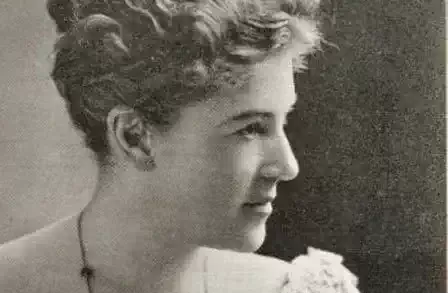
Ella Wheeler Wilcox
The Universal Route
The Universal Route
As we journey along, with a laugh and a song,
We see, on youth’s flower-decked slope,
Like a beacon of light, shining fair on the sight,
The beautiful Station of Hope.
But the wheels of old Time roll along as we climb,
And our youth speeds away on the years;
And with hearts that are numb with life’s sorrows we come
To the mist-covered Station of Tears.
Still onward we pass, where the milestones, alas!
Are tombs of our dead, to the West,
Where glitters and gleams, in the dying sunbeams,
The sweet, silent Station of Rest.
All rest is but change, and no grave can estrange
The soul from its Parent above;
And, scorning the rod, it soars back to God,
To the limitless City of Love.
As we journey along, with a laugh and a song,
We see, on youth’s flower-decked slope,
Like a beacon of light, shining fair on the sight,
The beautiful Station of Hope.
But the wheels of old Time roll along as we climb,
And our youth speeds away on the years;
And with hearts that are numb with life’s sorrows we come
To the mist-covered Station of Tears.
Still onward we pass, where the milestones, alas!
Are tombs of our dead, to the West,
Where glitters and gleams, in the dying sunbeams,
The sweet, silent Station of Rest.
All rest is but change, and no grave can estrange
The soul from its Parent above;
And, scorning the rod, it soars back to God,
To the limitless City of Love.
410
Ella Wheeler Wilcox
The Unattained
The Unattained
A vision beauteous as the morn,
With heavenly eyes and tresses streaming,
Slow glided o'er a field late shorn
Where walked a poet idly dreaming.
He saw her, and joy lit his face.
"Oh, vanish not at human speaking,"
He cried, "thou form of magic grace,
Thou art the poem I am seeking.
"I've sought thee long! I claim thee now---
My thought embodied, living, real."
She shook the tresses from her brow.
"Nay, nay!" she said, "I am ideal.
I am the phantom of desire---
The spirit of all great endeavour,
I am the voice that says, 'Come higher.'
That calls men up and up for ever.
"'Tis not alone the thought supreme
That here upon thy path has risen;
I am the artist's highest dream,
The ray of light he cannot prison.
I am the sweet ecstatic note
Than all glad music gladder, clearer,
That trembles in the singer's throat,
And dies without a human hearer.
"I am the greater, better yield,
That leads and cheers thy farmer neighbour,
For me he bravely tills the field
And whistles gaily at his labour.
Not thou alone, O poet soul,
Dost seek me through an endless morrow,
But to the toiling, hoping whole
I am at once the hope and sorrow.
The spirit of the unattained,
I am to those who seek to name me,
A good desired but never gained.
All shall pursue, but none shall claim me."
A vision beauteous as the morn,
With heavenly eyes and tresses streaming,
Slow glided o'er a field late shorn
Where walked a poet idly dreaming.
He saw her, and joy lit his face.
"Oh, vanish not at human speaking,"
He cried, "thou form of magic grace,
Thou art the poem I am seeking.
"I've sought thee long! I claim thee now---
My thought embodied, living, real."
She shook the tresses from her brow.
"Nay, nay!" she said, "I am ideal.
I am the phantom of desire---
The spirit of all great endeavour,
I am the voice that says, 'Come higher.'
That calls men up and up for ever.
"'Tis not alone the thought supreme
That here upon thy path has risen;
I am the artist's highest dream,
The ray of light he cannot prison.
I am the sweet ecstatic note
Than all glad music gladder, clearer,
That trembles in the singer's throat,
And dies without a human hearer.
"I am the greater, better yield,
That leads and cheers thy farmer neighbour,
For me he bravely tills the field
And whistles gaily at his labour.
Not thou alone, O poet soul,
Dost seek me through an endless morrow,
But to the toiling, hoping whole
I am at once the hope and sorrow.
The spirit of the unattained,
I am to those who seek to name me,
A good desired but never gained.
All shall pursue, but none shall claim me."
381
Ella Wheeler Wilcox
The Two Glasses
The Two Glasses
There sat two glasses, filled to the brim,
On a rich man's table, rim to rim.
One was ruddy and red as blood,
And one was clear as the crystal flood.
Said the glass of wine to his paler brother,
"Let us tell tales of the past to each other;
I can tell of banquet, and revel, and mirth,
Where I was a king, for I ruled in might;
For the proudest and grandest souls on earth
Fell under my touch, as though struck with blight.
From the heads of kings I have torn the crown;
From the heights of fame I have hurled men down.
I have blasted many an honored name;
I have taken virtue and given shame;
I have tempted the youth with a sip, a taste,
That has made his future a barren waste.
Far greater than any king am I,
Or than any army beneath the sky.
I have made the arm of the driver fail,
And sent the train from the iron rail.
I have made good ships go down at sea,
And the shrieks of the lost were sweet to me.
Fame, strength, wealth, genius before me fall;
Ho, ho! pale brother," said the wine,
"Can you boast of deeds as great as mine?"
Said the water-glass: "I cannot boast
Of a king dethroned, or a murdered host,
But I can tell of hearts that were sad
By my crystal drops made bright and glad;
Of thirsts I have quenched, and brows I have laved;
Of hands I have cooled, and souls I have saved.
I have leaped through the valley, dashed down the mountain,
Slept in the sunshine, and dripped from the fountain.
I have burst my cloud-fetters, and dropped from the sky,
And everywhere gladdened the prospect and eye;
I have eased the hot forehead of fever and pain;
I have made the parched meadows grow fertile with grain.
I can tell of the powerful wheel of the mill,
That ground out the flower, and turned at my will.
I can tell of manhood debased by you,
That I have uplifted and crowned anew;
I cheer, I help, I strengthen and aid;
I gladden the heart of man and maid;
I set the wine-chained captive free,
And all are better for knowing me."
These are the tales they told each other,
The glass of wine and its paler brother,
As they sat together, filled to the brim,
On a rich man's table, rim to rim.
There sat two glasses, filled to the brim,
On a rich man's table, rim to rim.
One was ruddy and red as blood,
And one was clear as the crystal flood.
Said the glass of wine to his paler brother,
"Let us tell tales of the past to each other;
I can tell of banquet, and revel, and mirth,
Where I was a king, for I ruled in might;
For the proudest and grandest souls on earth
Fell under my touch, as though struck with blight.
From the heads of kings I have torn the crown;
From the heights of fame I have hurled men down.
I have blasted many an honored name;
I have taken virtue and given shame;
I have tempted the youth with a sip, a taste,
That has made his future a barren waste.
Far greater than any king am I,
Or than any army beneath the sky.
I have made the arm of the driver fail,
And sent the train from the iron rail.
I have made good ships go down at sea,
And the shrieks of the lost were sweet to me.
Fame, strength, wealth, genius before me fall;
Ho, ho! pale brother," said the wine,
"Can you boast of deeds as great as mine?"
Said the water-glass: "I cannot boast
Of a king dethroned, or a murdered host,
But I can tell of hearts that were sad
By my crystal drops made bright and glad;
Of thirsts I have quenched, and brows I have laved;
Of hands I have cooled, and souls I have saved.
I have leaped through the valley, dashed down the mountain,
Slept in the sunshine, and dripped from the fountain.
I have burst my cloud-fetters, and dropped from the sky,
And everywhere gladdened the prospect and eye;
I have eased the hot forehead of fever and pain;
I have made the parched meadows grow fertile with grain.
I can tell of the powerful wheel of the mill,
That ground out the flower, and turned at my will.
I can tell of manhood debased by you,
That I have uplifted and crowned anew;
I cheer, I help, I strengthen and aid;
I gladden the heart of man and maid;
I set the wine-chained captive free,
And all are better for knowing me."
These are the tales they told each other,
The glass of wine and its paler brother,
As they sat together, filled to the brim,
On a rich man's table, rim to rim.
456
Ella Wheeler Wilcox
The Two Glasses
The Two Glasses
There sat two glasses, filled to the brim,
On a rich man's table, rim to rim.
One was ruddy and red as blood,
And one was clear as the crystal flood.
Said the glass of wine to his paler brother,
"Let us tell tales of the past to each other;
I can tell of banquet, and revel, and mirth,
Where I was a king, for I ruled in might;
For the proudest and grandest souls on earth
Fell under my touch, as though struck with blight.
From the heads of kings I have torn the crown;
From the heights of fame I have hurled men down.
I have blasted many an honored name;
I have taken virtue and given shame;
I have tempted the youth with a sip, a taste,
That has made his future a barren waste.
Far greater than any king am I,
Or than any army beneath the sky.
I have made the arm of the driver fail,
And sent the train from the iron rail.
I have made good ships go down at sea,
And the shrieks of the lost were sweet to me.
Fame, strength, wealth, genius before me fall;
Ho, ho! pale brother," said the wine,
"Can you boast of deeds as great as mine?"
Said the water-glass: "I cannot boast
Of a king dethroned, or a murdered host,
But I can tell of hearts that were sad
By my crystal drops made bright and glad;
Of thirsts I have quenched, and brows I have laved;
Of hands I have cooled, and souls I have saved.
I have leaped through the valley, dashed down the mountain,
Slept in the sunshine, and dripped from the fountain.
I have burst my cloud-fetters, and dropped from the sky,
And everywhere gladdened the prospect and eye;
I have eased the hot forehead of fever and pain;
I have made the parched meadows grow fertile with grain.
I can tell of the powerful wheel of the mill,
That ground out the flower, and turned at my will.
I can tell of manhood debased by you,
That I have uplifted and crowned anew;
I cheer, I help, I strengthen and aid;
I gladden the heart of man and maid;
I set the wine-chained captive free,
And all are better for knowing me."
These are the tales they told each other,
The glass of wine and its paler brother,
As they sat together, filled to the brim,
On a rich man's table, rim to rim.
There sat two glasses, filled to the brim,
On a rich man's table, rim to rim.
One was ruddy and red as blood,
And one was clear as the crystal flood.
Said the glass of wine to his paler brother,
"Let us tell tales of the past to each other;
I can tell of banquet, and revel, and mirth,
Where I was a king, for I ruled in might;
For the proudest and grandest souls on earth
Fell under my touch, as though struck with blight.
From the heads of kings I have torn the crown;
From the heights of fame I have hurled men down.
I have blasted many an honored name;
I have taken virtue and given shame;
I have tempted the youth with a sip, a taste,
That has made his future a barren waste.
Far greater than any king am I,
Or than any army beneath the sky.
I have made the arm of the driver fail,
And sent the train from the iron rail.
I have made good ships go down at sea,
And the shrieks of the lost were sweet to me.
Fame, strength, wealth, genius before me fall;
Ho, ho! pale brother," said the wine,
"Can you boast of deeds as great as mine?"
Said the water-glass: "I cannot boast
Of a king dethroned, or a murdered host,
But I can tell of hearts that were sad
By my crystal drops made bright and glad;
Of thirsts I have quenched, and brows I have laved;
Of hands I have cooled, and souls I have saved.
I have leaped through the valley, dashed down the mountain,
Slept in the sunshine, and dripped from the fountain.
I have burst my cloud-fetters, and dropped from the sky,
And everywhere gladdened the prospect and eye;
I have eased the hot forehead of fever and pain;
I have made the parched meadows grow fertile with grain.
I can tell of the powerful wheel of the mill,
That ground out the flower, and turned at my will.
I can tell of manhood debased by you,
That I have uplifted and crowned anew;
I cheer, I help, I strengthen and aid;
I gladden the heart of man and maid;
I set the wine-chained captive free,
And all are better for knowing me."
These are the tales they told each other,
The glass of wine and its paler brother,
As they sat together, filled to the brim,
On a rich man's table, rim to rim.
456
Ella Wheeler Wilcox
The Times
The Times
The times are not degenerate. Man’s faith
Mounts higher than of old. No crumbling creed
Can take from the immortal soul the need
Of that supreme Creator, God. The wraith
Of dead beliefs we cherished in our youth
Fades but to let us welcome new-born Truth.
Man may not worship at the ancient shrine
Prone on his face, in self-accusing scorn.
That night is past. He hails a fairer morn,
And knows himself a something all divine;
No humble worm whose heritage is sin,
But, born of God, he feels the Christ within.
Not loud his prayers, as in the olden time,
But deep his reverence for that mighty force,
That occult working of the great all Source,
Which makes the present era so sublime.
Religion now means something high and broad,
And man stood never half so near to God.
The times are not degenerate. Man’s faith
Mounts higher than of old. No crumbling creed
Can take from the immortal soul the need
Of that supreme Creator, God. The wraith
Of dead beliefs we cherished in our youth
Fades but to let us welcome new-born Truth.
Man may not worship at the ancient shrine
Prone on his face, in self-accusing scorn.
That night is past. He hails a fairer morn,
And knows himself a something all divine;
No humble worm whose heritage is sin,
But, born of God, he feels the Christ within.
Not loud his prayers, as in the olden time,
But deep his reverence for that mighty force,
That occult working of the great all Source,
Which makes the present era so sublime.
Religion now means something high and broad,
And man stood never half so near to God.
420
Ella Wheeler Wilcox
The Times
The Times
The times are not degenerate. Man’s faith
Mounts higher than of old. No crumbling creed
Can take from the immortal soul the need
Of that supreme Creator, God. The wraith
Of dead beliefs we cherished in our youth
Fades but to let us welcome new-born Truth.
Man may not worship at the ancient shrine
Prone on his face, in self-accusing scorn.
That night is past. He hails a fairer morn,
And knows himself a something all divine;
No humble worm whose heritage is sin,
But, born of God, he feels the Christ within.
Not loud his prayers, as in the olden time,
But deep his reverence for that mighty force,
That occult working of the great all Source,
Which makes the present era so sublime.
Religion now means something high and broad,
And man stood never half so near to God.
The times are not degenerate. Man’s faith
Mounts higher than of old. No crumbling creed
Can take from the immortal soul the need
Of that supreme Creator, God. The wraith
Of dead beliefs we cherished in our youth
Fades but to let us welcome new-born Truth.
Man may not worship at the ancient shrine
Prone on his face, in self-accusing scorn.
That night is past. He hails a fairer morn,
And knows himself a something all divine;
No humble worm whose heritage is sin,
But, born of God, he feels the Christ within.
Not loud his prayers, as in the olden time,
But deep his reverence for that mighty force,
That occult working of the great all Source,
Which makes the present era so sublime.
Religion now means something high and broad,
And man stood never half so near to God.
420
Ella Wheeler Wilcox
The Story Of Grumble Tone
The Story Of Grumble Tone
There was a boy named Grumble Tone, who ran away to sea.
'I'm sick of things on land,' he said, 'as sick as I can be,
A life upon the bounding wave is just the life for me!'
But the seething ocean billows failed to stimulate his mirth,
For he did not like the vessel or the dizzy rolling berth,
And he thought the sea was almost as unpleasant as the earth.
He wandered into foreign lands, he saw each wondrous sight,
But nothing that he heard or saw seemed just exactly right,
And so he journeyed on and on, still seeking for delight.
He talked with kings and ladies grand; he dined in courts, they say,
But always found the people dull and longed to get away
To search for that mysterious land where he should want to stay.
He wandered over all the world, his hair grew white as snow,
He reached that final bourne at last where all of us must go,
But never found the land he sought; the reason would you know?
The reason was that north or south, where'er his steps were bent,
On land or sea, in court or hall, he found but discontent,
For he took his disposition with him, everywhere he went.
There was a boy named Grumble Tone, who ran away to sea.
'I'm sick of things on land,' he said, 'as sick as I can be,
A life upon the bounding wave is just the life for me!'
But the seething ocean billows failed to stimulate his mirth,
For he did not like the vessel or the dizzy rolling berth,
And he thought the sea was almost as unpleasant as the earth.
He wandered into foreign lands, he saw each wondrous sight,
But nothing that he heard or saw seemed just exactly right,
And so he journeyed on and on, still seeking for delight.
He talked with kings and ladies grand; he dined in courts, they say,
But always found the people dull and longed to get away
To search for that mysterious land where he should want to stay.
He wandered over all the world, his hair grew white as snow,
He reached that final bourne at last where all of us must go,
But never found the land he sought; the reason would you know?
The reason was that north or south, where'er his steps were bent,
On land or sea, in court or hall, he found but discontent,
For he took his disposition with him, everywhere he went.
488
Ella Wheeler Wilcox
The Spirit Of Great Joan
The Spirit Of Great Joan
Back of each soldier who fights for France,
Aye, back of each woman and man
Who toils and prays through these long tense days.
Is the spirit of Great Joan.
For the love she gave, and the life she gave,
In the eyes of God sufficed
To crown her with light, and power, and might,
That made her second to Christ.
And so in that hour at the Marne she came,
To the seeing eyes of men;
And the blind of view still felt and knew
That her spirit had come again.
And she will come in each crucial hour
And joy shall follow despair,
For Joan sees her France on its knees
And she hears the voice of its prayer.
There is no hate in the heart of France,
But a mighty moral force
That takes its stand for her worshipped land,
And cannot be swerved from its course.
For this is the way with France to-day,
Her courage comes from faith,
And she bends her knee ere she straightens her arm;
In her forward rush toward death.
A jungle of beasts in the heart of the Hun-
War to the world laid bare.
And war has revealed, that France concealed,
Only the lion's lair.
A lioness fighting to save her own,
She fights as a lioness can,
And strength to the end shall the Unseen send,
In the spirit of Great Joan.
Back of each soldier who fights for France,
Aye, back of each woman and man
Who toils and prays through these long tense days.
Is the spirit of Great Joan.
For the love she gave, and the life she gave,
In the eyes of God sufficed
To crown her with light, and power, and might,
That made her second to Christ.
And so in that hour at the Marne she came,
To the seeing eyes of men;
And the blind of view still felt and knew
That her spirit had come again.
And she will come in each crucial hour
And joy shall follow despair,
For Joan sees her France on its knees
And she hears the voice of its prayer.
There is no hate in the heart of France,
But a mighty moral force
That takes its stand for her worshipped land,
And cannot be swerved from its course.
For this is the way with France to-day,
Her courage comes from faith,
And she bends her knee ere she straightens her arm;
In her forward rush toward death.
A jungle of beasts in the heart of the Hun-
War to the world laid bare.
And war has revealed, that France concealed,
Only the lion's lair.
A lioness fighting to save her own,
She fights as a lioness can,
And strength to the end shall the Unseen send,
In the spirit of Great Joan.
386
Ella Wheeler Wilcox
The Saddest Hour
The Saddest Hour
The saddest hour of anguish and of loss
Is not that season of supreme despair
When we can find no least light anywhere
To gild the dread, black shadow of the Cross;
Not in that luxury of sorrow when
We sup on salt of tears, and drink the gall
Of memories of days beyond recall—
Of lost delights that cannot come again.
But when, with eyes that are no longer wet,
We look out on the great, wide world of men,
And, smiling, lean toward a bright to-morrow,
Then backward shrink, with sudden keen regret,
To find that we are learning to forget:
Ah! then we face the saddest hour of sorrow.
The saddest hour of anguish and of loss
Is not that season of supreme despair
When we can find no least light anywhere
To gild the dread, black shadow of the Cross;
Not in that luxury of sorrow when
We sup on salt of tears, and drink the gall
Of memories of days beyond recall—
Of lost delights that cannot come again.
But when, with eyes that are no longer wet,
We look out on the great, wide world of men,
And, smiling, lean toward a bright to-morrow,
Then backward shrink, with sudden keen regret,
To find that we are learning to forget:
Ah! then we face the saddest hour of sorrow.
400
Ella Wheeler Wilcox
The Saddest Hour
The Saddest Hour
The saddest hour of anguish and of loss
Is not that season of supreme despair
When we can find no least light anywhere
To gild the dread, black shadow of the Cross;
Not in that luxury of sorrow when
We sup on salt of tears, and drink the gall
Of memories of days beyond recall—
Of lost delights that cannot come again.
But when, with eyes that are no longer wet,
We look out on the great, wide world of men,
And, smiling, lean toward a bright to-morrow,
Then backward shrink, with sudden keen regret,
To find that we are learning to forget:
Ah! then we face the saddest hour of sorrow.
The saddest hour of anguish and of loss
Is not that season of supreme despair
When we can find no least light anywhere
To gild the dread, black shadow of the Cross;
Not in that luxury of sorrow when
We sup on salt of tears, and drink the gall
Of memories of days beyond recall—
Of lost delights that cannot come again.
But when, with eyes that are no longer wet,
We look out on the great, wide world of men,
And, smiling, lean toward a bright to-morrow,
Then backward shrink, with sudden keen regret,
To find that we are learning to forget:
Ah! then we face the saddest hour of sorrow.
400
Ella Wheeler Wilcox
The Question
The Question
Beside us in our seeking after pleasures,
Through all our restless striving after fame,
Thorough all our search for worldly gains and treasures
There walketh one whom no man likes to name.
Silent he follows, veiled of form and feature,
Indifferent if we sorrow or rejoice,
Yet that day comes when every living creature
Must look upon his face and hear his voice.
When that day comes to you, and Death, unmasking,
Shall bar your path, and say, “Behold the end, ”
What are the questions that he will be asking
About your past? Have you considered, friend?
I think he will not chide you for your sinning,
Nor for your creeds or dogmas will he care;
He will but ask, “From your life’s first beginning
How many burdens have you helped to bear? ”
Beside us in our seeking after pleasures,
Through all our restless striving after fame,
Thorough all our search for worldly gains and treasures
There walketh one whom no man likes to name.
Silent he follows, veiled of form and feature,
Indifferent if we sorrow or rejoice,
Yet that day comes when every living creature
Must look upon his face and hear his voice.
When that day comes to you, and Death, unmasking,
Shall bar your path, and say, “Behold the end, ”
What are the questions that he will be asking
About your past? Have you considered, friend?
I think he will not chide you for your sinning,
Nor for your creeds or dogmas will he care;
He will but ask, “From your life’s first beginning
How many burdens have you helped to bear? ”
408
Ella Wheeler Wilcox
The Question
The Question
Beside us in our seeking after pleasures,
Through all our restless striving after fame,
Thorough all our search for worldly gains and treasures
There walketh one whom no man likes to name.
Silent he follows, veiled of form and feature,
Indifferent if we sorrow or rejoice,
Yet that day comes when every living creature
Must look upon his face and hear his voice.
When that day comes to you, and Death, unmasking,
Shall bar your path, and say, “Behold the end, ”
What are the questions that he will be asking
About your past? Have you considered, friend?
I think he will not chide you for your sinning,
Nor for your creeds or dogmas will he care;
He will but ask, “From your life’s first beginning
How many burdens have you helped to bear? ”
Beside us in our seeking after pleasures,
Through all our restless striving after fame,
Thorough all our search for worldly gains and treasures
There walketh one whom no man likes to name.
Silent he follows, veiled of form and feature,
Indifferent if we sorrow or rejoice,
Yet that day comes when every living creature
Must look upon his face and hear his voice.
When that day comes to you, and Death, unmasking,
Shall bar your path, and say, “Behold the end, ”
What are the questions that he will be asking
About your past? Have you considered, friend?
I think he will not chide you for your sinning,
Nor for your creeds or dogmas will he care;
He will but ask, “From your life’s first beginning
How many burdens have you helped to bear? ”
408
Ella Wheeler Wilcox
The Poor Little Toe
The Poor Little Toe
I am all tired out, said the mouth, with a pout,
I am all tired out with talk.
Just wait, said the knee, till you're lame as you can be-
And then have to walk-walk-walk.
My work, said the hand, is the hardest in the land.
Nay, mine is harder yet, said the brain;
When you toil, said the eye, as steadily as I,
O then you'll have reason to complain.
Then a voice, faint and low, of the poor little toe
Spoke out in the dark with a wail:
It is seldom I complain, but you all will bear your pain
With more patience if you hearken to my tale.
I'm the youngest of five, and the others live and thrive,
They are cared for, and considered and admired.
I am overlooked and snubbed, I am pushed upon and rubbed,
I am always sick and ailing, sore and tired.
But I carry all the weight of the body, small or great,
Yet no one ever praises what I do;
I am always in the way, and 'tis I who have to pay
For the folly and the pride of all of you.
Then the mouth and the brain and the hand said, 'tis plain
Though troubled be our lives with woe,
The hardest lot of all, does certainly befall
The poor little, humble little toe,
The snubbed little, rubbed little toe.
I am all tired out, said the mouth, with a pout,
I am all tired out with talk.
Just wait, said the knee, till you're lame as you can be-
And then have to walk-walk-walk.
My work, said the hand, is the hardest in the land.
Nay, mine is harder yet, said the brain;
When you toil, said the eye, as steadily as I,
O then you'll have reason to complain.
Then a voice, faint and low, of the poor little toe
Spoke out in the dark with a wail:
It is seldom I complain, but you all will bear your pain
With more patience if you hearken to my tale.
I'm the youngest of five, and the others live and thrive,
They are cared for, and considered and admired.
I am overlooked and snubbed, I am pushed upon and rubbed,
I am always sick and ailing, sore and tired.
But I carry all the weight of the body, small or great,
Yet no one ever praises what I do;
I am always in the way, and 'tis I who have to pay
For the folly and the pride of all of you.
Then the mouth and the brain and the hand said, 'tis plain
Though troubled be our lives with woe,
The hardest lot of all, does certainly befall
The poor little, humble little toe,
The snubbed little, rubbed little toe.
380
Ella Wheeler Wilcox
The Needle and Thread
The Needle and Thread
The Needle and Thread one day were wed,
The Thimble acted as priest,
A paper of Pins, and the Scissors twins
Were among the guests at the feast.
That dandy trim the Bodkin slim
Danced with Miss Tape-measure,
But he stepped on her trail, and she called him 'a whale,'
And that put an end to their pleasure.
Wrinkled and fat the Beeswax sat
And talked with the Needle-case.
'I am glad,' she said, 'that my niece, the Thread,
Has married into this race.
'Her mother, the Spool, was a dull old fool,
And the Needle and Thread were shy;
The result you see came all through me,
I taught her to catch his eye.'
The Emery-ball just there had a fall-
She had danced too long at one time,
And that put a stop to the merry hop,
And that brings an end to my rhyme.
The groom and the bride took their wedding ride
Down a long white-seam to the shore,
And the guests all said there never was wed
So fair a couple before.
The Needle and Thread one day were wed,
The Thimble acted as priest,
A paper of Pins, and the Scissors twins
Were among the guests at the feast.
That dandy trim the Bodkin slim
Danced with Miss Tape-measure,
But he stepped on her trail, and she called him 'a whale,'
And that put an end to their pleasure.
Wrinkled and fat the Beeswax sat
And talked with the Needle-case.
'I am glad,' she said, 'that my niece, the Thread,
Has married into this race.
'Her mother, the Spool, was a dull old fool,
And the Needle and Thread were shy;
The result you see came all through me,
I taught her to catch his eye.'
The Emery-ball just there had a fall-
She had danced too long at one time,
And that put a stop to the merry hop,
And that brings an end to my rhyme.
The groom and the bride took their wedding ride
Down a long white-seam to the shore,
And the guests all said there never was wed
So fair a couple before.
381
Ella Wheeler Wilcox
The Muse And The Poet
The Muse And The Poet
The Muse said, Let us sing a little song
Wherein no hint of wrong,
No echo of the great world need, or pain,
Shall mar the strain.
Lock fast the swinging portal of thy heart;
Keep sympathy apart.
Sing of the sunset, of the dawn, the sea;
Of any thing or nothing, so there be
No purpose to thy art.
Yea, let us make, art for Art's sake.
And sing no more unto the hearts of men,
But for the critic's pen.
With songs that are but words, sweet sounding words,
Like joyous jargon of the birds.
Tune now thy lyre, O Poet, and sing on.
Sing of
THE DAWN
The Virgin Night, all languorous with dreams
Of her belovèd Darkness, rose in fear,
Feeling the presence of another near.
Outside her curtained casement shone the gleams
Of burning orbs; and modestly she hid
Her brow and bosom with her dusky hair.
When lo! the bold intruder lurking there
Leaped through the fragile lattice, all unbid,
And half unveiled her. Then the swooning Night
Fell pale and dead, while yet her soul was white
Before that lawless Ravisher, the Light.
The Muse said, Poet, nay; thou hast not caught
My meaning. For there lurks a thought
Back of thy song.
In art, all thought is wrong.
Re-string thy lyre; and let the echoes bound
To nothing but sweet sound.
Strike now the chords
And sing of
WORDS
One day sweet Ladye Language gave to me
A little golden key.
I sat me down beside her jewel box
And turned its locks.
And oh, the wealth that lay there in my sight.
Great solitaires of words, so bright, so bright;
Words that no use can commonize; like God,
And Truth, and Love; and words of sapphire blue;
And amber words; with sunshine dripping through;
And words of that strange hue
A pearl reveals upon a wanton's hand.
Again the Muse:
Thou dost not understand;
A thought within thy song is lingering yet.
Sing but of words; all else forget, forget.
Nor let thy words convey one thought to men.
Try once again.
Down through the dusk and dew there fell a word;
Down through the dew and dusk.
And all the garments of the air it stirred
Smelled sweet as musk;
And all the little waves of air it kissed
Turned gold and amethyst.
There in the dew and dusk a heart it found;
There in the dusk and dew
The sodden silence changed to fragrant sound;
And all the world seemed new.
Upon the path that little word had trod,
There shone the smile of God.
The Muse said, Drop thy lyre.
I tire, I tire.
The Muse said, Let us sing a little song
Wherein no hint of wrong,
No echo of the great world need, or pain,
Shall mar the strain.
Lock fast the swinging portal of thy heart;
Keep sympathy apart.
Sing of the sunset, of the dawn, the sea;
Of any thing or nothing, so there be
No purpose to thy art.
Yea, let us make, art for Art's sake.
And sing no more unto the hearts of men,
But for the critic's pen.
With songs that are but words, sweet sounding words,
Like joyous jargon of the birds.
Tune now thy lyre, O Poet, and sing on.
Sing of
THE DAWN
The Virgin Night, all languorous with dreams
Of her belovèd Darkness, rose in fear,
Feeling the presence of another near.
Outside her curtained casement shone the gleams
Of burning orbs; and modestly she hid
Her brow and bosom with her dusky hair.
When lo! the bold intruder lurking there
Leaped through the fragile lattice, all unbid,
And half unveiled her. Then the swooning Night
Fell pale and dead, while yet her soul was white
Before that lawless Ravisher, the Light.
The Muse said, Poet, nay; thou hast not caught
My meaning. For there lurks a thought
Back of thy song.
In art, all thought is wrong.
Re-string thy lyre; and let the echoes bound
To nothing but sweet sound.
Strike now the chords
And sing of
WORDS
One day sweet Ladye Language gave to me
A little golden key.
I sat me down beside her jewel box
And turned its locks.
And oh, the wealth that lay there in my sight.
Great solitaires of words, so bright, so bright;
Words that no use can commonize; like God,
And Truth, and Love; and words of sapphire blue;
And amber words; with sunshine dripping through;
And words of that strange hue
A pearl reveals upon a wanton's hand.
Again the Muse:
Thou dost not understand;
A thought within thy song is lingering yet.
Sing but of words; all else forget, forget.
Nor let thy words convey one thought to men.
Try once again.
Down through the dusk and dew there fell a word;
Down through the dew and dusk.
And all the garments of the air it stirred
Smelled sweet as musk;
And all the little waves of air it kissed
Turned gold and amethyst.
There in the dew and dusk a heart it found;
There in the dusk and dew
The sodden silence changed to fragrant sound;
And all the world seemed new.
Upon the path that little word had trod,
There shone the smile of God.
The Muse said, Drop thy lyre.
I tire, I tire.
519
Ella Wheeler Wilcox
The Messenger
The Messenger
She rose up in the early dawn,
And white and silently she moved
About the house. Four men had gone
To battle for the land they loved,
And she, the mother and the wife,
Waited for tidings from the strife.
How still the house seemed! and her tread
Was like the footsteps of the dead.
The long day passed; the dark night came.
She had not seen a human face.
Some voice spoke suddenly her name.
How loud it echoed in that place,
Where, day on day, no sound was heard
But her own footsteps. 'Bring you word,'
She cried to whom she could not see,
'Word from the battle-plain to me?'
A soldier entered at the door,
And stood within the dim firelight;
'I bring you tidings of the four,'
He said, 'who left you for the fight.'
'God bless you, friend,' she cried, 'speak on!
For I can bear it. One is gone?'
'Ay, one is gone!' he said. 'Which one?'
'Dear lady, he, your eldest son.'
A deathly pallor shot across
Her withered face; she did not weep.
She said: 'It is a grievous loss,
But God gives His belovèd sleep.
What of the living-of the three?
And when can they come back to me?'
The soldier turned away his head:
'Lady, your husband, too, is dead.'
She put her hand upon her brow;
A wild, sharp pain was in her eyes.
'My husband! Oh, God, help me now!'
The soldier heard her shuddering sighs.
The task was harder than he thought.
'Your youngest son, dear madam, fought
Close at his father's side; both fell
Dead, by the bursting of a shell.'
She moved her lips and seemed to moan.
Her face had paled to ashen gray:
'Then one is left me-one alone,'
She said, 'of four who marched away.
Oh, overruling, All-wise God,
How can I pass beneath Thy rod!'
The soldier walked across the floor,
Paused at the window, at the door,
Wiped the cold dew-drops from his cheek
And sought the mourner's side again.
'Once more, dear lady, I must speak:
Your last remaining son was slain
Just at the closing of the fight,
'Twas he who sent me here to-night.'
'God knows,' the man said afterward,
'The fight itself was not so hard.'
She rose up in the early dawn,
And white and silently she moved
About the house. Four men had gone
To battle for the land they loved,
And she, the mother and the wife,
Waited for tidings from the strife.
How still the house seemed! and her tread
Was like the footsteps of the dead.
The long day passed; the dark night came.
She had not seen a human face.
Some voice spoke suddenly her name.
How loud it echoed in that place,
Where, day on day, no sound was heard
But her own footsteps. 'Bring you word,'
She cried to whom she could not see,
'Word from the battle-plain to me?'
A soldier entered at the door,
And stood within the dim firelight;
'I bring you tidings of the four,'
He said, 'who left you for the fight.'
'God bless you, friend,' she cried, 'speak on!
For I can bear it. One is gone?'
'Ay, one is gone!' he said. 'Which one?'
'Dear lady, he, your eldest son.'
A deathly pallor shot across
Her withered face; she did not weep.
She said: 'It is a grievous loss,
But God gives His belovèd sleep.
What of the living-of the three?
And when can they come back to me?'
The soldier turned away his head:
'Lady, your husband, too, is dead.'
She put her hand upon her brow;
A wild, sharp pain was in her eyes.
'My husband! Oh, God, help me now!'
The soldier heard her shuddering sighs.
The task was harder than he thought.
'Your youngest son, dear madam, fought
Close at his father's side; both fell
Dead, by the bursting of a shell.'
She moved her lips and seemed to moan.
Her face had paled to ashen gray:
'Then one is left me-one alone,'
She said, 'of four who marched away.
Oh, overruling, All-wise God,
How can I pass beneath Thy rod!'
The soldier walked across the floor,
Paused at the window, at the door,
Wiped the cold dew-drops from his cheek
And sought the mourner's side again.
'Once more, dear lady, I must speak:
Your last remaining son was slain
Just at the closing of the fight,
'Twas he who sent me here to-night.'
'God knows,' the man said afterward,
'The fight itself was not so hard.'
379
Ella Wheeler Wilcox
The London 'Bobby'
The London 'Bobby'
A Tribute To The Policemen Of Englands Capital
Here in my cosy corner,
Before a blazing log,
I’m thinking of cold London
Wrapped in its killing fog;
And, like a shining beacon
Above the picture grim,
I see the London ‘Bobby, ’
And sing my song for him.
I see his stalwart figure,
I see his kindly face,
I hear his helpful answer
At any hour or place.
For, though you seek some by-way
Long miles from his own beat,
He tells you all about it,
And how to find the street.
He looks like some bold Viking,
This king of earth’s police –
Yet in his voice lies feeling,
And in his eyes lies peace;
He knows and does his duty –
(What higher praise is there?)
And London’s lords and paupers
Alike receive his care.
He has a regal bearing,
Yet one that breathes repose;
It is the look and manner
Of one who thinks and knows.
Oh, men who govern nations,
In old worlds or new,
Turn to the London ‘Bobby’
And learn a thing or two.
A Tribute To The Policemen Of Englands Capital
Here in my cosy corner,
Before a blazing log,
I’m thinking of cold London
Wrapped in its killing fog;
And, like a shining beacon
Above the picture grim,
I see the London ‘Bobby, ’
And sing my song for him.
I see his stalwart figure,
I see his kindly face,
I hear his helpful answer
At any hour or place.
For, though you seek some by-way
Long miles from his own beat,
He tells you all about it,
And how to find the street.
He looks like some bold Viking,
This king of earth’s police –
Yet in his voice lies feeling,
And in his eyes lies peace;
He knows and does his duty –
(What higher praise is there?)
And London’s lords and paupers
Alike receive his care.
He has a regal bearing,
Yet one that breathes repose;
It is the look and manner
Of one who thinks and knows.
Oh, men who govern nations,
In old worlds or new,
Turn to the London ‘Bobby’
And learn a thing or two.
410
Ella Wheeler Wilcox
The Little White Hearse
The Little White Hearse
Somebody’s baby was buried to-day –
The empty white hearse from the grave rumbled back,
And the morning somehow seemed less smiling and gay
As I paused on the sidewalk while it crossed on its way,
And a shadow seemed drawn o’er the sun’s golden track.
Somebody’s baby was laid out to rest,
White as a snowdrop, and fair to behold,
And the soft little hands were crossed over the breast,
And those hands and the lips and the eyelids were pressed
With kisses as hot as the eyelids were cold.
Somebody saw it go out of her sight,
Under the coffin lid – out through the door;
Somebody finds only darkness and blight
All through the glory of summer-sun light;
Somebody’s baby will waken no more.
Somebody’s sorrow is making me weep:
I know not her name, but I echo her cry,
For the dearly bought baby she longed so to keep,
The baby that rode to its long-lasting sleep
In the little white hearse that went rumbling by.
I know not her name, but her sorrow I know;
While I paused on the crossing I lived it once more,
And back to my heart surged that river of woe
That but in the breast of a mother can flow;
For the little white hearse has been, too, at my door.
Somebody’s baby was buried to-day –
The empty white hearse from the grave rumbled back,
And the morning somehow seemed less smiling and gay
As I paused on the sidewalk while it crossed on its way,
And a shadow seemed drawn o’er the sun’s golden track.
Somebody’s baby was laid out to rest,
White as a snowdrop, and fair to behold,
And the soft little hands were crossed over the breast,
And those hands and the lips and the eyelids were pressed
With kisses as hot as the eyelids were cold.
Somebody saw it go out of her sight,
Under the coffin lid – out through the door;
Somebody finds only darkness and blight
All through the glory of summer-sun light;
Somebody’s baby will waken no more.
Somebody’s sorrow is making me weep:
I know not her name, but I echo her cry,
For the dearly bought baby she longed so to keep,
The baby that rode to its long-lasting sleep
In the little white hearse that went rumbling by.
I know not her name, but her sorrow I know;
While I paused on the crossing I lived it once more,
And back to my heart surged that river of woe
That but in the breast of a mother can flow;
For the little white hearse has been, too, at my door.
449
Ella Wheeler Wilcox
The Little Bird
The Little Bird
The father sits in his lonely room,
Outside sings a little bird.
But the shadows are laden with death and gloom,
And the song is all unheard.
The father's heart is the home of sorrow;
His breast is the seat of grief!
Who will hunt the paper for him on the morrow
Who will bring him sweet relief
From wearing his thoughts with innocent chat?
Who will find his slippers and bring his hat?
Still the little bird sings
And flutters her wings;
The refrain of her song is, 'Gos knows best!
He giveth His little children rest.'
What can she know of these sorrowful things?
The mother sits by the desolate hearth,
And weeps o'er a vacant chair.
Sorrow has taken the place of mirth Joy
has resigned to despair.
Bitter the cup the mother is drinking,
So bitter the tear-drops start.
Sad are the thoughts the mother is thinking
Oh, they will break her heart.
Who will on errands, and romp and play,
And mimic the robins the livelong day?
Still the little bird sings
And flutters her wings;
'God reigns in heaven, and He will keep
The dear little children that fall asleep.'
What can she know of these sorrowful things?
Grandmother sits by the open door,
And her tears fall down like rain.
Was there ever a household so sad before,
Will it ever be glad agaiin?
Many unwelcome thoughts come flitting
Into the granddame's mind.
Who will take up the stitches she drops in knitting?
Who will her snuff-box find?
Who'll bring her glasses, and wheel her chair,
And tie her kerchief, and comb her hair?
Still the little bird sings
And flutters her wings;
'God above doeth all things well,
I sang it the same when my nestlings fell.'
Ah! this knows the bird of these sorrowful things.
The father sits in his lonely room,
Outside sings a little bird.
But the shadows are laden with death and gloom,
And the song is all unheard.
The father's heart is the home of sorrow;
His breast is the seat of grief!
Who will hunt the paper for him on the morrow
Who will bring him sweet relief
From wearing his thoughts with innocent chat?
Who will find his slippers and bring his hat?
Still the little bird sings
And flutters her wings;
The refrain of her song is, 'Gos knows best!
He giveth His little children rest.'
What can she know of these sorrowful things?
The mother sits by the desolate hearth,
And weeps o'er a vacant chair.
Sorrow has taken the place of mirth Joy
has resigned to despair.
Bitter the cup the mother is drinking,
So bitter the tear-drops start.
Sad are the thoughts the mother is thinking
Oh, they will break her heart.
Who will on errands, and romp and play,
And mimic the robins the livelong day?
Still the little bird sings
And flutters her wings;
'God reigns in heaven, and He will keep
The dear little children that fall asleep.'
What can she know of these sorrowful things?
Grandmother sits by the open door,
And her tears fall down like rain.
Was there ever a household so sad before,
Will it ever be glad agaiin?
Many unwelcome thoughts come flitting
Into the granddame's mind.
Who will take up the stitches she drops in knitting?
Who will her snuff-box find?
Who'll bring her glasses, and wheel her chair,
And tie her kerchief, and comb her hair?
Still the little bird sings
And flutters her wings;
'God above doeth all things well,
I sang it the same when my nestlings fell.'
Ah! this knows the bird of these sorrowful things.
535
Ella Wheeler Wilcox
The Land Of The Gone-Away Souls
The Land Of The Gone-Away Souls
Oh! that is a beautiful land, I wis,
The land of the Gone-away Souls.
Yes, a lovelier region by far than this
(Though this is a world most fair).
The goodliest goal of all good goals,
Else why do our friends stay there?
I walk in a world that is sweet with friends,
And earth I have ever held dear;
Yes, love with duty and beauty blends
To render the earth-place bright.
But faster and faster, year on year,
My comrades hurry from sight.
They hurry away to the Over-There,
And few of them say farewell;
Yes, they go away with a secret air
As if on a secret quest.
And they come not back to earth to tell
Why that land seems the best.
Messages come from the mystic sphere,
But few know the code of that land,
Yes, many the message but few who hear,
In the din of the world below,
Or hearing the message, can understand
Those truths which we long to know.
But it must be the goal of all good goals,
And I think of it more and more.
Yes, think of that land of the Gone-Away Souls
And its growing hosts of friends
Who will hail my bark when it touches shore
Where the last brief journey ends.
Oh! that is a beautiful land, I wis,
The land of the Gone-away Souls.
Yes, a lovelier region by far than this
(Though this is a world most fair).
The goodliest goal of all good goals,
Else why do our friends stay there?
I walk in a world that is sweet with friends,
And earth I have ever held dear;
Yes, love with duty and beauty blends
To render the earth-place bright.
But faster and faster, year on year,
My comrades hurry from sight.
They hurry away to the Over-There,
And few of them say farewell;
Yes, they go away with a secret air
As if on a secret quest.
And they come not back to earth to tell
Why that land seems the best.
Messages come from the mystic sphere,
But few know the code of that land,
Yes, many the message but few who hear,
In the din of the world below,
Or hearing the message, can understand
Those truths which we long to know.
But it must be the goal of all good goals,
And I think of it more and more.
Yes, think of that land of the Gone-Away Souls
And its growing hosts of friends
Who will hail my bark when it touches shore
Where the last brief journey ends.
408
Ella Wheeler Wilcox
The Lady And The Dame
The Lady And The Dame
So thou hast the art, good dame, thou swearest,
To keep Time's perishing touch at bay
From the roseate splendor of the cheek so tender,
And the silver threads from the gold away;
And the tell-tale years that have hurried by us
Shall tiptoe back, and, with kind good-will,
They shall take their traces from off our faces,
If we will trust to thy magic skill.
Thou speakest fairly; but if I listen
And buy thy secret and prove its truth,
Hast thou the potion and magic lotion
To give me also the heart of youth?
With the cheek of rose and the eye of beauty,
And the lustrous locks of life's lost prime,
Wilt thou bring thronging each hope and longing
That made the glory of that dead Time?
When the sap in the trees sets young buds bursting,
And the song of the birds fills the air like spray,
Will rivers of feeling come once more stealing
From the beautiful hills of the far-away?
Wilt thou demolish the tower of reason
And fling forever down into the dust,
The caution time brought me, the lessons life taught me,
And put in their places my old sweet trust?
If Time's footprint from my brow is driven,
Canst thou, too, take with thy subtle powers
The burden of thinking, and let me go drinking
The careless pleasures of youth's bright hours?
If silver threads from my tresses vanish,
If a glow once more in my pale cheek gleams,
Wilt thou slay duty and give back the beauty
Of days untroubled by aught but dreams?
When the soft, fair arms of the siren Summer
Encircle the earth in their languorous fold,
Will vast, deep oceans of sweet emotions
Surge through my veins as they surged of old?
Canst thou bring back from a day long vanished
The leaping pulse and the boundless aim?
I will pay thee double for all thy trouble,
If thou wilt restore all these, good dame.
So thou hast the art, good dame, thou swearest,
To keep Time's perishing touch at bay
From the roseate splendor of the cheek so tender,
And the silver threads from the gold away;
And the tell-tale years that have hurried by us
Shall tiptoe back, and, with kind good-will,
They shall take their traces from off our faces,
If we will trust to thy magic skill.
Thou speakest fairly; but if I listen
And buy thy secret and prove its truth,
Hast thou the potion and magic lotion
To give me also the heart of youth?
With the cheek of rose and the eye of beauty,
And the lustrous locks of life's lost prime,
Wilt thou bring thronging each hope and longing
That made the glory of that dead Time?
When the sap in the trees sets young buds bursting,
And the song of the birds fills the air like spray,
Will rivers of feeling come once more stealing
From the beautiful hills of the far-away?
Wilt thou demolish the tower of reason
And fling forever down into the dust,
The caution time brought me, the lessons life taught me,
And put in their places my old sweet trust?
If Time's footprint from my brow is driven,
Canst thou, too, take with thy subtle powers
The burden of thinking, and let me go drinking
The careless pleasures of youth's bright hours?
If silver threads from my tresses vanish,
If a glow once more in my pale cheek gleams,
Wilt thou slay duty and give back the beauty
Of days untroubled by aught but dreams?
When the soft, fair arms of the siren Summer
Encircle the earth in their languorous fold,
Will vast, deep oceans of sweet emotions
Surge through my veins as they surged of old?
Canst thou bring back from a day long vanished
The leaping pulse and the boundless aim?
I will pay thee double for all thy trouble,
If thou wilt restore all these, good dame.
356
Ella Wheeler Wilcox
The Hour
The Hour
This is the world's stupendous hour-
The supreme moment for the race
To see the emptiness of power,
The worthlessness of wealth and place,
To see the purpose and the plan
Conceived by God for growing man.
And they who see and comprehend
That ultimate and lofty aim
Will wait in patience for the end,
Knowing injustice cannot claim
One lasting victory, or control
Laws that bar progress for the whole.
This is an epoch-making time;
God thunders through the universe
A message glorious and sublime,
At once a blessing and a curse.
Blessings for those who seek His light,
Curses for those whose law is might.
Ephemeral as the sunset glow
Is human grandeur. Mortal life
Was given that souls might seek and know
Immortal truths; and through the strife
That shakes the earth from land to land
The wise shall hear and understand.
Out of the awful holocaust,
Out of the whirlwind and the flood,
Out of old creeds to Bedlam tossed,
Shall rise a new earth washed in blood-
A new race filled with spirit power,
This is the world's stupendous hour.
This is the world's stupendous hour-
The supreme moment for the race
To see the emptiness of power,
The worthlessness of wealth and place,
To see the purpose and the plan
Conceived by God for growing man.
And they who see and comprehend
That ultimate and lofty aim
Will wait in patience for the end,
Knowing injustice cannot claim
One lasting victory, or control
Laws that bar progress for the whole.
This is an epoch-making time;
God thunders through the universe
A message glorious and sublime,
At once a blessing and a curse.
Blessings for those who seek His light,
Curses for those whose law is might.
Ephemeral as the sunset glow
Is human grandeur. Mortal life
Was given that souls might seek and know
Immortal truths; and through the strife
That shakes the earth from land to land
The wise shall hear and understand.
Out of the awful holocaust,
Out of the whirlwind and the flood,
Out of old creeds to Bedlam tossed,
Shall rise a new earth washed in blood-
A new race filled with spirit power,
This is the world's stupendous hour.
425
Ella Wheeler Wilcox
The Hour
The Hour
This is the world's stupendous hour-
The supreme moment for the race
To see the emptiness of power,
The worthlessness of wealth and place,
To see the purpose and the plan
Conceived by God for growing man.
And they who see and comprehend
That ultimate and lofty aim
Will wait in patience for the end,
Knowing injustice cannot claim
One lasting victory, or control
Laws that bar progress for the whole.
This is an epoch-making time;
God thunders through the universe
A message glorious and sublime,
At once a blessing and a curse.
Blessings for those who seek His light,
Curses for those whose law is might.
Ephemeral as the sunset glow
Is human grandeur. Mortal life
Was given that souls might seek and know
Immortal truths; and through the strife
That shakes the earth from land to land
The wise shall hear and understand.
Out of the awful holocaust,
Out of the whirlwind and the flood,
Out of old creeds to Bedlam tossed,
Shall rise a new earth washed in blood-
A new race filled with spirit power,
This is the world's stupendous hour.
This is the world's stupendous hour-
The supreme moment for the race
To see the emptiness of power,
The worthlessness of wealth and place,
To see the purpose and the plan
Conceived by God for growing man.
And they who see and comprehend
That ultimate and lofty aim
Will wait in patience for the end,
Knowing injustice cannot claim
One lasting victory, or control
Laws that bar progress for the whole.
This is an epoch-making time;
God thunders through the universe
A message glorious and sublime,
At once a blessing and a curse.
Blessings for those who seek His light,
Curses for those whose law is might.
Ephemeral as the sunset glow
Is human grandeur. Mortal life
Was given that souls might seek and know
Immortal truths; and through the strife
That shakes the earth from land to land
The wise shall hear and understand.
Out of the awful holocaust,
Out of the whirlwind and the flood,
Out of old creeds to Bedlam tossed,
Shall rise a new earth washed in blood-
A new race filled with spirit power,
This is the world's stupendous hour.
425
Ella Wheeler Wilcox
The Falling Of Thrones
The Falling Of Thrones
Above the din of commerce, above the clamor and rattle
Of labor disputing with riches, of Anarchists' threats and groans,
Above the hurry and hustle and roar of that bloodless battle,
Where men are fighting for riches. I hear the falling of thrones.
I see no savage host, I hear no martial drumming,
But down in the dust at our feet lie the useless crowns of kings;
And the mighty spirit of Progress is steadily coming, coming,
And the flag of one republic abroad to the world he flings.
The Universal Republic, where worth, not birth, is royal;
Where the lowliest born may climb on a self-made ladder to fame;
Where the highest and proudest born, if he be not true and loyal,
Shall find no masking title to cover and gild his shame.
Not with the bellow of guns and not with sabres whetting,
But with growing minds of men is waged this swordless fray;
While over the dim horizon the sun of royalty, setting,
Lights, with a dying splendor, the humblest toiler's way.
Above the din of commerce, above the clamor and rattle
Of labor disputing with riches, of Anarchists' threats and groans,
Above the hurry and hustle and roar of that bloodless battle,
Where men are fighting for riches. I hear the falling of thrones.
I see no savage host, I hear no martial drumming,
But down in the dust at our feet lie the useless crowns of kings;
And the mighty spirit of Progress is steadily coming, coming,
And the flag of one republic abroad to the world he flings.
The Universal Republic, where worth, not birth, is royal;
Where the lowliest born may climb on a self-made ladder to fame;
Where the highest and proudest born, if he be not true and loyal,
Shall find no masking title to cover and gild his shame.
Not with the bellow of guns and not with sabres whetting,
But with growing minds of men is waged this swordless fray;
While over the dim horizon the sun of royalty, setting,
Lights, with a dying splendor, the humblest toiler's way.
401