

Poems in this topic
Life and Existence
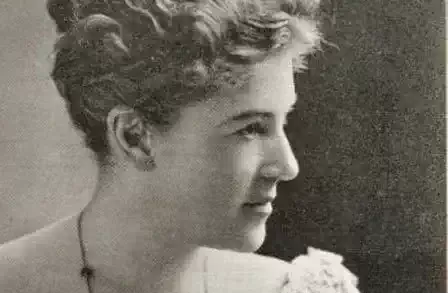
Ella Wheeler Wilcox
The Duet
The Duet
I was smoking a cigarette;
Maud, my wife, and the tenor McKey
Were singing together a blithe duet,
And days it were better I should forget
Came suddenly back to me,
Days when life seemed a gay masque ball
And to love and be loved as the sum of it all.
As they sang together the whole scene fled,
The room’s rich hangings, the sweet home air,
Stately Maud, with her proud blonde head,
And I seemed to see in her place instead
A wealth of blue-black hair,
And a face, ah! your face, - yours, Lisette,
A face it were wiser I should forget.
We were back – well, no matter when or where,
But you remember, I know, Lisette,
I saw you, dainty, and debonnaire,
With the very same look you used to wear
In the days I should forget.
And your lips, as red as the vintage we quaffed,
Were pearl-edged bumpers of wine when you laughed.
Two small slippers with big rosettes
Peeped out under your kilt-skirt there,
While we sat smoking our cigarettes
(Oh, I shall be dust when my heart forgets!)
And singing that selfsame air;
And between the verses for interlude,
I kissed your throat, and your shoulders nude.
You were so full of a subtle fire,
You were so warm and so sweet, Lisette;
You were everything men admire,
And there were no fetters to make us tire;
For you were – a pretty grisette.
But you loved, as only such natures can,
With a love that makes heaven of hell for a man.
****
They have ceased singing that old duet,
Stately Maud and the tenor McKey.
‘You are burning your coat with your cigarette,
And qu’avez-vous, dearest, your lids are wet, ’
Maud says, as she leans o’er me.
And I smile, and lie to her, husband-wise,
‘Oh, it is nothing but smoke in my eyes.’
I was smoking a cigarette;
Maud, my wife, and the tenor McKey
Were singing together a blithe duet,
And days it were better I should forget
Came suddenly back to me,
Days when life seemed a gay masque ball
And to love and be loved as the sum of it all.
As they sang together the whole scene fled,
The room’s rich hangings, the sweet home air,
Stately Maud, with her proud blonde head,
And I seemed to see in her place instead
A wealth of blue-black hair,
And a face, ah! your face, - yours, Lisette,
A face it were wiser I should forget.
We were back – well, no matter when or where,
But you remember, I know, Lisette,
I saw you, dainty, and debonnaire,
With the very same look you used to wear
In the days I should forget.
And your lips, as red as the vintage we quaffed,
Were pearl-edged bumpers of wine when you laughed.
Two small slippers with big rosettes
Peeped out under your kilt-skirt there,
While we sat smoking our cigarettes
(Oh, I shall be dust when my heart forgets!)
And singing that selfsame air;
And between the verses for interlude,
I kissed your throat, and your shoulders nude.
You were so full of a subtle fire,
You were so warm and so sweet, Lisette;
You were everything men admire,
And there were no fetters to make us tire;
For you were – a pretty grisette.
But you loved, as only such natures can,
With a love that makes heaven of hell for a man.
****
They have ceased singing that old duet,
Stately Maud and the tenor McKey.
‘You are burning your coat with your cigarette,
And qu’avez-vous, dearest, your lids are wet, ’
Maud says, as she leans o’er me.
And I smile, and lie to her, husband-wise,
‘Oh, it is nothing but smoke in my eyes.’
449
Ella Wheeler Wilcox
The Destroyer
The Destroyer
With care, and skill, and cunning art
She parried Time's malicious dart,
And kept the years at bay,
Till passion entered in her heart
And aged her in a day!
With care, and skill, and cunning art
She parried Time's malicious dart,
And kept the years at bay,
Till passion entered in her heart
And aged her in a day!
351
Ella Wheeler Wilcox
The Creed
The Creed
Whoever was begotten by pure love,
And came desired and welcome into life,
Is of immaculate conception. He
Whose heart is full of tenderness and truth,
Who loves mankind more than he loves himself,
And cannot find room in his heart for hate,
May be another Christ. We all may be
The Saviours of the world if we believe
In the Divinity which dwells in us
And worship it, and nail our grosser selves,
Our tempers, greeds, and our unworthy aims,
Upon the cross. Who giveth love to all;
Pays kindness for unkindness, smiles for frowns;
And lends new courage to each fainting heart,
And strengthens hope and scatters joy abroad—
He, too, is a Redeemer, Son of God.
Whoever was begotten by pure love,
And came desired and welcome into life,
Is of immaculate conception. He
Whose heart is full of tenderness and truth,
Who loves mankind more than he loves himself,
And cannot find room in his heart for hate,
May be another Christ. We all may be
The Saviours of the world if we believe
In the Divinity which dwells in us
And worship it, and nail our grosser selves,
Our tempers, greeds, and our unworthy aims,
Upon the cross. Who giveth love to all;
Pays kindness for unkindness, smiles for frowns;
And lends new courage to each fainting heart,
And strengthens hope and scatters joy abroad—
He, too, is a Redeemer, Son of God.
424
Ella Wheeler Wilcox
The Creed
The Creed
Whoever was begotten by pure love,
And came desired and welcome into life,
Is of immaculate conception. He
Whose heart is full of tenderness and truth,
Who loves mankind more than he loves himself,
And cannot find room in his heart for hate,
May be another Christ. We all may be
The Saviours of the world if we believe
In the Divinity which dwells in us
And worship it, and nail our grosser selves,
Our tempers, greeds, and our unworthy aims,
Upon the cross. Who giveth love to all;
Pays kindness for unkindness, smiles for frowns;
And lends new courage to each fainting heart,
And strengthens hope and scatters joy abroad—
He, too, is a Redeemer, Son of God.
Whoever was begotten by pure love,
And came desired and welcome into life,
Is of immaculate conception. He
Whose heart is full of tenderness and truth,
Who loves mankind more than he loves himself,
And cannot find room in his heart for hate,
May be another Christ. We all may be
The Saviours of the world if we believe
In the Divinity which dwells in us
And worship it, and nail our grosser selves,
Our tempers, greeds, and our unworthy aims,
Upon the cross. Who giveth love to all;
Pays kindness for unkindness, smiles for frowns;
And lends new courage to each fainting heart,
And strengthens hope and scatters joy abroad—
He, too, is a Redeemer, Son of God.
424
Ella Wheeler Wilcox
The Christian’s New Year Prayer
The Christian’s New Year Prayer
Thou Christ of mine, Thy gracious ear low bending
Through these glad New Year days,
To catch the countless prayers to heaven ascending –
For e’en hard hearts do raise
Some secret wish for fame, or gold, or power,
Or freedom from all care –
Dear, patient Christ, who listeneth hour on hour,
Hear now a Christian’s prayer.
Let this young year, silent, walks beside me,
Be as a means of grace
To lead me up, no matter what betide me,
Nearer the Master’s face.
If it need be ere I reach the Fountain
Where living waters play,
My feet should bleed from sharp stones on the mountain,
Then cast them in my way.
If my vain soul needs blows and bitter losses
To shape it for Thy crown,
Then bruise it, burn it, burden it with crosses,
With sorrows bear it down.
Do what Thou wilt to mould me to Thy pleasure,
And if I should complain,
Heap full of anguish yet another measure
Until I smile at pain.
Send dangers – deaths! but tell me how to dare them;
Enfold me in Thy care.
Send trials, tears! but give me strength to bear them –
This is a Christian’s prayer.
Thou Christ of mine, Thy gracious ear low bending
Through these glad New Year days,
To catch the countless prayers to heaven ascending –
For e’en hard hearts do raise
Some secret wish for fame, or gold, or power,
Or freedom from all care –
Dear, patient Christ, who listeneth hour on hour,
Hear now a Christian’s prayer.
Let this young year, silent, walks beside me,
Be as a means of grace
To lead me up, no matter what betide me,
Nearer the Master’s face.
If it need be ere I reach the Fountain
Where living waters play,
My feet should bleed from sharp stones on the mountain,
Then cast them in my way.
If my vain soul needs blows and bitter losses
To shape it for Thy crown,
Then bruise it, burn it, burden it with crosses,
With sorrows bear it down.
Do what Thou wilt to mould me to Thy pleasure,
And if I should complain,
Heap full of anguish yet another measure
Until I smile at pain.
Send dangers – deaths! but tell me how to dare them;
Enfold me in Thy care.
Send trials, tears! but give me strength to bear them –
This is a Christian’s prayer.
342
Ella Wheeler Wilcox
The Camp Fire
The Camp Fire
When night hung low and dew fell damp,
There fell athwart the shadows
The gleaming watchfires of the camp,
Like glow-worms on the meadows.
The sentinel his measured beat
With measured tread was keeping,
While like bronze statues at his feet
Lay tired soldiers, sleeping.
On some worn faces of the men
There crept a homesick yearning,
Which made it almost seem again,
The child-look was returning.
While on full many a youthful brow,
Till now to care a stranger,
The premature grave lines told how
They had grown old through danger.
One, in his slumber, laughed with joy,
The laughing echoes mocked him,
He thought beside his baby boy
He sat and gaily rocked him.
O pitying angels! Thou wert kind
To end this brief elysian,
He found what he no more could find
Save in a dreamer's vision.
The clear note of a mocking bird-
That star of sound-came falling
Down thro' the night; one, wakeful, heard
And answered to the calling,
And then upon the ear there broke
That sweet, pathetic measure,
That song that wakes-as then it woke,
Such mingled pain and pleasure.
One voice at first, and then the sound
Pulsed like a great bell's swinging,
'Tenting to-night on the old camp ground,'
The whole roused camp was singing.
The sense of warfare's discontent
Gave place to warfare's glory;
Right merrily the swift hours went
With song, and jest, and story.
They sang the song of Old John Brown,
Whose march goes on forever;
It made them thirsty for renown,
It fired them with endeavor.
So much of that great heart lives still,
So much of that great spirit-
His very name shoots like a thrill
Through all men when they hear it.
They found in tales of march and fight
New courage as they listened,
And while they watched the weird camp-light,
And while the still stars glistened,
Like some stern comrade's voice, there broke
And swept from hill to valley
'Til all the sleeping echoes woke,-
The bugle's call to rally!
'To arms! to arms! the foe is near!'
Ah, brave hearts were ye equal
To hearing through without one fear
The whole tale's bloody sequel?
The laurel wreath, the victor's cry,
These are not all of glory;
The gaping wound, the glazing eye,
They, too, are in the story.
And when again their tents were spread,
And by campfires they slumbered,
The missing faces of the dead
The living ones outnumbered.
And yet, their memories animate
The hearts that still survive them,
And holy seems the task, and great,
For one hour to revive them.
When night hung low and dew fell damp,
There fell athwart the shadows
The gleaming watchfires of the camp,
Like glow-worms on the meadows.
The sentinel his measured beat
With measured tread was keeping,
While like bronze statues at his feet
Lay tired soldiers, sleeping.
On some worn faces of the men
There crept a homesick yearning,
Which made it almost seem again,
The child-look was returning.
While on full many a youthful brow,
Till now to care a stranger,
The premature grave lines told how
They had grown old through danger.
One, in his slumber, laughed with joy,
The laughing echoes mocked him,
He thought beside his baby boy
He sat and gaily rocked him.
O pitying angels! Thou wert kind
To end this brief elysian,
He found what he no more could find
Save in a dreamer's vision.
The clear note of a mocking bird-
That star of sound-came falling
Down thro' the night; one, wakeful, heard
And answered to the calling,
And then upon the ear there broke
That sweet, pathetic measure,
That song that wakes-as then it woke,
Such mingled pain and pleasure.
One voice at first, and then the sound
Pulsed like a great bell's swinging,
'Tenting to-night on the old camp ground,'
The whole roused camp was singing.
The sense of warfare's discontent
Gave place to warfare's glory;
Right merrily the swift hours went
With song, and jest, and story.
They sang the song of Old John Brown,
Whose march goes on forever;
It made them thirsty for renown,
It fired them with endeavor.
So much of that great heart lives still,
So much of that great spirit-
His very name shoots like a thrill
Through all men when they hear it.
They found in tales of march and fight
New courage as they listened,
And while they watched the weird camp-light,
And while the still stars glistened,
Like some stern comrade's voice, there broke
And swept from hill to valley
'Til all the sleeping echoes woke,-
The bugle's call to rally!
'To arms! to arms! the foe is near!'
Ah, brave hearts were ye equal
To hearing through without one fear
The whole tale's bloody sequel?
The laurel wreath, the victor's cry,
These are not all of glory;
The gaping wound, the glazing eye,
They, too, are in the story.
And when again their tents were spread,
And by campfires they slumbered,
The missing faces of the dead
The living ones outnumbered.
And yet, their memories animate
The hearts that still survive them,
And holy seems the task, and great,
For one hour to revive them.
333
Ella Wheeler Wilcox
The Belle's Soliloquy
The Belle's Soliloquy
Heigh Ho! Well, the season’s over!
Once again we’ve come to Lent!
Programme’s changes from balls and parties –
Now we’re ordered to repent.
Forty days of self-denial!
Tell you what, I think it pays –
Know’t’l freshen my complexion
Going slow for forty days.
No more savoury French suppers –
Such as Madame R- can give.
Well, I need a little thinning –
Just a trifle – sure’s you live!
Sometimes been afraid my plumpness
Might grow into downright fat.
Rector urges need of fasting –
Think there’s lot of truth in that.
We must meditate, he tells us,
On our several acts of sin,
And repent them. Let me see now –
Whereabouts shall I begin!
Flirting – yes, they say ‘tis wicked;
Well, I’m awful penitent.
(Wonder if my handsome major
Goes to early Mass though Lent?)
Love of dress! I’m guilty there too –
Guess it’s my besetting sin.
Still I’m somewhat like the lillies,
For I neither toil or spin.
Forty days I’ll wear my plainest –
Could repentance be more true?
What a saving on my dresses!
They’ll make over just like new.
Pride, and worldliness and all that,
Rector bade us pray about
Every day through Lenten season,
And I mean to be devout!
Papa always talks entrenchment –
Lent is just the very thing.
Hope he’ll get enough in pocket
So we’ll move up town next spring.
Heigh Ho! Well, the season’s over!
Once again we’ve come to Lent!
Programme’s changes from balls and parties –
Now we’re ordered to repent.
Forty days of self-denial!
Tell you what, I think it pays –
Know’t’l freshen my complexion
Going slow for forty days.
No more savoury French suppers –
Such as Madame R- can give.
Well, I need a little thinning –
Just a trifle – sure’s you live!
Sometimes been afraid my plumpness
Might grow into downright fat.
Rector urges need of fasting –
Think there’s lot of truth in that.
We must meditate, he tells us,
On our several acts of sin,
And repent them. Let me see now –
Whereabouts shall I begin!
Flirting – yes, they say ‘tis wicked;
Well, I’m awful penitent.
(Wonder if my handsome major
Goes to early Mass though Lent?)
Love of dress! I’m guilty there too –
Guess it’s my besetting sin.
Still I’m somewhat like the lillies,
For I neither toil or spin.
Forty days I’ll wear my plainest –
Could repentance be more true?
What a saving on my dresses!
They’ll make over just like new.
Pride, and worldliness and all that,
Rector bade us pray about
Every day through Lenten season,
And I mean to be devout!
Papa always talks entrenchment –
Lent is just the very thing.
Hope he’ll get enough in pocket
So we’ll move up town next spring.
408
Ella Wheeler Wilcox
The Ah Goo Tongue
The Ah Goo Tongue
The queerest languages known to man,
Sanscrit, Hebrew, Hindoostan,
Are all translated and made as free
And comprehensive as A B C.
Yet the oldest language talked or sung,
The strange mysterious Ah Goo tongue,
The royal language of Babyland
No man living can understand.
Every soul in the world to-day
Was one time anchored in Babyland Bay,
And quarantined there for a year or more
Before he even could step on shore.
And everybody in Babyland Bay
Talks the Ah Goo tongue, so people say,
But once on land-why not a word
Do they understand of it when 'tis heard.
For the fairy rulers of Babyland
Who guard the kingdom on every hand,
Have willed that no one shall keep the key
Who crosses into the Grown-up Sea.
So the sweet court language has never been made
A common parlance of strife or trade,
But is kept in the kingdom where natives come
Versed in the language of Babydom.
They are all of them royal and that is how
The Grown-up people all kneel and bow,
When they hear that language talked or sung-
The strange mysterious Ah Goo tongue.
The queerest languages known to man,
Sanscrit, Hebrew, Hindoostan,
Are all translated and made as free
And comprehensive as A B C.
Yet the oldest language talked or sung,
The strange mysterious Ah Goo tongue,
The royal language of Babyland
No man living can understand.
Every soul in the world to-day
Was one time anchored in Babyland Bay,
And quarantined there for a year or more
Before he even could step on shore.
And everybody in Babyland Bay
Talks the Ah Goo tongue, so people say,
But once on land-why not a word
Do they understand of it when 'tis heard.
For the fairy rulers of Babyland
Who guard the kingdom on every hand,
Have willed that no one shall keep the key
Who crosses into the Grown-up Sea.
So the sweet court language has never been made
A common parlance of strife or trade,
But is kept in the kingdom where natives come
Versed in the language of Babydom.
They are all of them royal and that is how
The Grown-up people all kneel and bow,
When they hear that language talked or sung-
The strange mysterious Ah Goo tongue.
408
Ella Wheeler Wilcox
That's The Way
That's The Way
Just a little every dayThat's
the way!
Seeds in darkness swell and grow,
Tiny blades push through the snow;
Never any flower of May
Leaps to blossom in a burst,
Slowly, slowly, as the first,
That's the way.
Just a little every day.
Just a little every dayThat's
the way,
Children learn to read and write
Bit by bit and mite by mite,
Never any one I say
Leaps to knowledge and its power;
Slowly, slowly, hour by hour,
That's the way!
Just a little every day.
Just a little every dayThat's
the way!
Seeds in darkness swell and grow,
Tiny blades push through the snow;
Never any flower of May
Leaps to blossom in a burst,
Slowly, slowly, as the first,
That's the way.
Just a little every day.
Just a little every dayThat's
the way,
Children learn to read and write
Bit by bit and mite by mite,
Never any one I say
Leaps to knowledge and its power;
Slowly, slowly, hour by hour,
That's the way!
Just a little every day.
484
Ella Wheeler Wilcox
Sunshine And Shadow
Sunshine And Shadow
Life has its shadows, as well as its sun;
Its lights and its shades, all twined together.
I tried to single them out, one by one,
Single and count them, determining whether
There was less blue than there was grey,
And more of the deep night than of the day.
But dear me, dear me, my task’s but begun,
And I am not half way into the sun.
For the longer I look on the bright side of earth,
The more of the beautiful do I discover;
And really, I never knew what life was worth
Till I searched the wide storehouse of happiness over.
It is filled from the cellar well up to the skies,
With things meant to gladden the heart and the eyes.
The doors are unlocked, you can enter each room,
That lies like a beautiful garden in bloom.
Yet life has its shadow, as well as its sun;
Earth has its storehouse of joy and sorrow.
But the first is so wide – and my task’s but begun –
That the last must be left for a far-distant morrow.
I will count up the blessings God gave in a row,
But dear me! When I get through them, I know
I shall have little tine left for the rest,
For life is a swift-flowing river at best.
Life has its shadows, as well as its sun;
Its lights and its shades, all twined together.
I tried to single them out, one by one,
Single and count them, determining whether
There was less blue than there was grey,
And more of the deep night than of the day.
But dear me, dear me, my task’s but begun,
And I am not half way into the sun.
For the longer I look on the bright side of earth,
The more of the beautiful do I discover;
And really, I never knew what life was worth
Till I searched the wide storehouse of happiness over.
It is filled from the cellar well up to the skies,
With things meant to gladden the heart and the eyes.
The doors are unlocked, you can enter each room,
That lies like a beautiful garden in bloom.
Yet life has its shadow, as well as its sun;
Earth has its storehouse of joy and sorrow.
But the first is so wide – and my task’s but begun –
That the last must be left for a far-distant morrow.
I will count up the blessings God gave in a row,
But dear me! When I get through them, I know
I shall have little tine left for the rest,
For life is a swift-flowing river at best.
462
Ella Wheeler Wilcox
Spectres
Spectres
How terrible these nights are when alone
With our scarred hearts, we sit in solitude,
And some old sorrow, to the world unknown,
Does suddenly with silent steps intrude.
After the guests departed, and the light
Burned dimly in my room, there came to me,
As noiselessly as shadows of the night,
The spectre of a woe that used to be.
Out of the gruesome darkness and the gloom
I saw it peering; and, in still despair,
I watched it gliding swift across the room,
Until it came and stood beside my chair.
Why, need I tell thee what its shape or name?
Thou hast thy secret hidden from the light:
And be it sin or sorrow, woe or shame,
Thou dost not like to meet it in the night.
And yet it comes. As certainly as death,
And far more cruel since death ends all pain,
On lonesome nights we feel its icy breath,
And turn and face the thing we fancied slain.
With shrinking hearts, we view the ghastly shape;
We look into its eyes with fear and dread,
And know that we can never more escape
Until the grave doth fold us with the dead.
On the swift maelstrom of the eddying world
We hurl our woes, and think they are no more.
But round and round by dizzy billows whirled,
They reach out sinewy arms and swim to shore.
How terrible these nights are when alone
With our scarred hearts, we sit in solitude,
And some old sorrow, to the world unknown,
Does suddenly with silent steps intrude.
After the guests departed, and the light
Burned dimly in my room, there came to me,
As noiselessly as shadows of the night,
The spectre of a woe that used to be.
Out of the gruesome darkness and the gloom
I saw it peering; and, in still despair,
I watched it gliding swift across the room,
Until it came and stood beside my chair.
Why, need I tell thee what its shape or name?
Thou hast thy secret hidden from the light:
And be it sin or sorrow, woe or shame,
Thou dost not like to meet it in the night.
And yet it comes. As certainly as death,
And far more cruel since death ends all pain,
On lonesome nights we feel its icy breath,
And turn and face the thing we fancied slain.
With shrinking hearts, we view the ghastly shape;
We look into its eyes with fear and dread,
And know that we can never more escape
Until the grave doth fold us with the dead.
On the swift maelstrom of the eddying world
We hurl our woes, and think they are no more.
But round and round by dizzy billows whirled,
They reach out sinewy arms and swim to shore.
399
Ella Wheeler Wilcox
Song Of The Spirit
Song Of The Spirit
Too sweet and too subtle for pen or for tongue
In phrases unwritten and measures unsung,
As deep and as strange as the sounds of the sea,
Is the song that my spirit is singing to me.
In the midnight and tempest when forest trees shiver,
In the roar of the surf, and the rush of the river,
In the rustle of leaves and the fall of the rain,
And on the low breezes I catch the refrain.
From the vapours that frame and envelop the earth,
And beyond, from the realms where my spirit had birth,
From the mists of the land and the fogs of the sea,
For ever and ever the songs come to me.
I know not its wording - its import I know -
For the rhythm is broken, the measure runs low,
When vexed or allured by the things of this life
My soul is merged into its pleasures or strife.
When up to the hill tops of beauty and light
My soul like a lark in the ether takes flight,
And the white gates of heaven shine brighter and nearer,
The song of the spirit grows sweeter and clearer.
Up, up to the realms where no mortal has trod -
Into space and infinity near to my God -
With whiteness, and silence, and beautiful things,
I am bourne when the voice of eternity sings.
When once in the winds or the dropp of the rain
Thy spirit shall listen and hear the refrain,
Thy soul shall soar up like a bird on the breeze,
And the things that have pleased thee will never more please.
Too sweet and too subtle for pen or for tongue
In phrases unwritten and measures unsung,
As deep and as strange as the sounds of the sea,
Is the song that my spirit is singing to me.
In the midnight and tempest when forest trees shiver,
In the roar of the surf, and the rush of the river,
In the rustle of leaves and the fall of the rain,
And on the low breezes I catch the refrain.
From the vapours that frame and envelop the earth,
And beyond, from the realms where my spirit had birth,
From the mists of the land and the fogs of the sea,
For ever and ever the songs come to me.
I know not its wording - its import I know -
For the rhythm is broken, the measure runs low,
When vexed or allured by the things of this life
My soul is merged into its pleasures or strife.
When up to the hill tops of beauty and light
My soul like a lark in the ether takes flight,
And the white gates of heaven shine brighter and nearer,
The song of the spirit grows sweeter and clearer.
Up, up to the realms where no mortal has trod -
Into space and infinity near to my God -
With whiteness, and silence, and beautiful things,
I am bourne when the voice of eternity sings.
When once in the winds or the dropp of the rain
Thy spirit shall listen and hear the refrain,
Thy soul shall soar up like a bird on the breeze,
And the things that have pleased thee will never more please.
432
Ella Wheeler Wilcox
Song Of The Aviator
Song Of The Aviator
You may thrill with the speed of your thoroughbred steed,
You may laugh with delight as you ride the ocean,
You may rush afar in your touring car,
Leaping, sweeping, by things that are creeping-
But you never will know the joy of motion
Till you rise up over the earth some day,
And soar like an eagle, away-away.
High and higher above each spire,
Till lost to sight is the tallest steeple,
With the winds you chase in a valiant race,
Looping, swooping, where mountains are grouping,
Hailing them comrades, in place of people.
Oh! vast is the rapture the birdman knows,
As into the ether he mounts and goes.
He is over the sphere of human fear;
He has come into touch with things supernal.
At each man's gate death stands await;
And dying, flying, were better than lying
In sick-beds, crying for life eternal,
Better to fly half-way to God
Than to burrow too long like a worm in the sod.
You may thrill with the speed of your thoroughbred steed,
You may laugh with delight as you ride the ocean,
You may rush afar in your touring car,
Leaping, sweeping, by things that are creeping-
But you never will know the joy of motion
Till you rise up over the earth some day,
And soar like an eagle, away-away.
High and higher above each spire,
Till lost to sight is the tallest steeple,
With the winds you chase in a valiant race,
Looping, swooping, where mountains are grouping,
Hailing them comrades, in place of people.
Oh! vast is the rapture the birdman knows,
As into the ether he mounts and goes.
He is over the sphere of human fear;
He has come into touch with things supernal.
At each man's gate death stands await;
And dying, flying, were better than lying
In sick-beds, crying for life eternal,
Better to fly half-way to God
Than to burrow too long like a worm in the sod.
395
Ella Wheeler Wilcox
Slain
Slain
Hollow a grave where the willows wave,
And lay him under the grasses,
Where the pitying breeze bloweth up from the seas,
And murmurs a chant as it passes.
Lay the beautiful face and the form of grace
Away from the gaze of mortal.
Let us hope that his soul has gained the goal
Over the shining portal.
Hope! Ah! we thrill with a terrible chill.
Ah! pen, can you tell the story
Of the one who died in his manhood's pride,
Slain in the morn of his glory?
There's a blemish of shame on the dear one's name,
For he died as the drunkard dieth.
The ruddy wine-mug was the fiend who dug
The grave where our darling lieth.
O God! and his soul, was it lost in the bowl?
Has it gone where the wicked goeth?
Shall he bear the sin, and the tempter go in
Where the beautiful city gloweth?
Hush! O my heart! act well thy part,
Nor question a Father's kindness,
And strive not to see the thing hid from thee
By a veil of earthly blindness.
But all through the wine may there shimmer and shine,
As it glimmers and glows in the glasses,
A coffin and grave, and the willows that wave
Over our dead 'neath the grasses.
Hollow a grave where the willows wave,
And lay him under the grasses,
Where the pitying breeze bloweth up from the seas,
And murmurs a chant as it passes.
Lay the beautiful face and the form of grace
Away from the gaze of mortal.
Let us hope that his soul has gained the goal
Over the shining portal.
Hope! Ah! we thrill with a terrible chill.
Ah! pen, can you tell the story
Of the one who died in his manhood's pride,
Slain in the morn of his glory?
There's a blemish of shame on the dear one's name,
For he died as the drunkard dieth.
The ruddy wine-mug was the fiend who dug
The grave where our darling lieth.
O God! and his soul, was it lost in the bowl?
Has it gone where the wicked goeth?
Shall he bear the sin, and the tempter go in
Where the beautiful city gloweth?
Hush! O my heart! act well thy part,
Nor question a Father's kindness,
And strive not to see the thing hid from thee
By a veil of earthly blindness.
But all through the wine may there shimmer and shine,
As it glimmers and glows in the glasses,
A coffin and grave, and the willows that wave
Over our dead 'neath the grasses.
394
Ella Wheeler Wilcox
Slain
Slain
Hollow a grave where the willows wave,
And lay him under the grasses,
Where the pitying breeze bloweth up from the seas,
And murmurs a chant as it passes.
Lay the beautiful face and the form of grace
Away from the gaze of mortal.
Let us hope that his soul has gained the goal
Over the shining portal.
Hope! Ah! we thrill with a terrible chill.
Ah! pen, can you tell the story
Of the one who died in his manhood's pride,
Slain in the morn of his glory?
There's a blemish of shame on the dear one's name,
For he died as the drunkard dieth.
The ruddy wine-mug was the fiend who dug
The grave where our darling lieth.
O God! and his soul, was it lost in the bowl?
Has it gone where the wicked goeth?
Shall he bear the sin, and the tempter go in
Where the beautiful city gloweth?
Hush! O my heart! act well thy part,
Nor question a Father's kindness,
And strive not to see the thing hid from thee
By a veil of earthly blindness.
But all through the wine may there shimmer and shine,
As it glimmers and glows in the glasses,
A coffin and grave, and the willows that wave
Over our dead 'neath the grasses.
Hollow a grave where the willows wave,
And lay him under the grasses,
Where the pitying breeze bloweth up from the seas,
And murmurs a chant as it passes.
Lay the beautiful face and the form of grace
Away from the gaze of mortal.
Let us hope that his soul has gained the goal
Over the shining portal.
Hope! Ah! we thrill with a terrible chill.
Ah! pen, can you tell the story
Of the one who died in his manhood's pride,
Slain in the morn of his glory?
There's a blemish of shame on the dear one's name,
For he died as the drunkard dieth.
The ruddy wine-mug was the fiend who dug
The grave where our darling lieth.
O God! and his soul, was it lost in the bowl?
Has it gone where the wicked goeth?
Shall he bear the sin, and the tempter go in
Where the beautiful city gloweth?
Hush! O my heart! act well thy part,
Nor question a Father's kindness,
And strive not to see the thing hid from thee
By a veil of earthly blindness.
But all through the wine may there shimmer and shine,
As it glimmers and glows in the glasses,
A coffin and grave, and the willows that wave
Over our dead 'neath the grasses.
394
Ella Wheeler Wilcox
Sestina
Sestina
I wandered o'er the vast green plains of youth,
And searched for Pleasure. On a distant height
Fame's silhouette stood sharp against the skies.
Beyond vast crowds that thronged a broad highway
I caught the glimmer of a golden goal,
While from a blooming bower smiled siren Love.
Straight gazing in her eyes, I laughed at Love,
With all the haughty insolence of youth,
As past her bower I strode to seek my goal.
'Now will I climb to glory's dizzy height, '
I said, ' for there above the common way
Doth pleasure dwell companioned by the skies.'
But when I reached that summit near the skies,
So far from man I seemed, so far from Love'
Not here, ' I cried, 'doth Pleasure find her way, '
Seen from the distant borderland of youth.
Fame smiles upon us from her sun-kissed height,
But frowns in shadows when we reach the goal.
Then were mine eyes fixed on that glittering goal,
Dear to all sense-sunk souls beneath the skies.
Gold tempts the artist from the lofty height,
Gold lures the maiden from the arms of Love,
Gold buys the fresh ingenuous heart of youth,
'And gold, ' I said, 'will show me Pleasure's way.'
But ah! the soil and discord of that way,
Where savage hordes rushed headlong to the goal,
Dead to the best impulses of their youth,
Blind to the azure beauty of the skies;
Dulled to the voice of conscience and of love,
They wandered far from Truth's eternal height.
Then Truth spoke to me from that noble height,
Saying: 'Thou didst pass Pleasure on the way,
She with the yearning eyes so full of Love,
Whom thou disdained to seek for glory's goal.'
Two blending paths beneath God's arching skies
Lead straight to Pleasure. Ah, blind heart of youth,
Not up fame's height, not toward the base god's goal,
Doth Pleasure make her way, but 'neath calm skies
Where Duty walks with Love in endless youth.
I wandered o'er the vast green plains of youth,
And searched for Pleasure. On a distant height
Fame's silhouette stood sharp against the skies.
Beyond vast crowds that thronged a broad highway
I caught the glimmer of a golden goal,
While from a blooming bower smiled siren Love.
Straight gazing in her eyes, I laughed at Love,
With all the haughty insolence of youth,
As past her bower I strode to seek my goal.
'Now will I climb to glory's dizzy height, '
I said, ' for there above the common way
Doth pleasure dwell companioned by the skies.'
But when I reached that summit near the skies,
So far from man I seemed, so far from Love'
Not here, ' I cried, 'doth Pleasure find her way, '
Seen from the distant borderland of youth.
Fame smiles upon us from her sun-kissed height,
But frowns in shadows when we reach the goal.
Then were mine eyes fixed on that glittering goal,
Dear to all sense-sunk souls beneath the skies.
Gold tempts the artist from the lofty height,
Gold lures the maiden from the arms of Love,
Gold buys the fresh ingenuous heart of youth,
'And gold, ' I said, 'will show me Pleasure's way.'
But ah! the soil and discord of that way,
Where savage hordes rushed headlong to the goal,
Dead to the best impulses of their youth,
Blind to the azure beauty of the skies;
Dulled to the voice of conscience and of love,
They wandered far from Truth's eternal height.
Then Truth spoke to me from that noble height,
Saying: 'Thou didst pass Pleasure on the way,
She with the yearning eyes so full of Love,
Whom thou disdained to seek for glory's goal.'
Two blending paths beneath God's arching skies
Lead straight to Pleasure. Ah, blind heart of youth,
Not up fame's height, not toward the base god's goal,
Doth Pleasure make her way, but 'neath calm skies
Where Duty walks with Love in endless youth.
416
Ella Wheeler Wilcox
Sestina
Sestina
I wandered o'er the vast green plains of youth,
And searched for Pleasure. On a distant height
Fame's silhouette stood sharp against the skies.
Beyond vast crowds that thronged a broad highway
I caught the glimmer of a golden goal,
While from a blooming bower smiled siren Love.
Straight gazing in her eyes, I laughed at Love,
With all the haughty insolence of youth,
As past her bower I strode to seek my goal.
'Now will I climb to glory's dizzy height, '
I said, ' for there above the common way
Doth pleasure dwell companioned by the skies.'
But when I reached that summit near the skies,
So far from man I seemed, so far from Love'
Not here, ' I cried, 'doth Pleasure find her way, '
Seen from the distant borderland of youth.
Fame smiles upon us from her sun-kissed height,
But frowns in shadows when we reach the goal.
Then were mine eyes fixed on that glittering goal,
Dear to all sense-sunk souls beneath the skies.
Gold tempts the artist from the lofty height,
Gold lures the maiden from the arms of Love,
Gold buys the fresh ingenuous heart of youth,
'And gold, ' I said, 'will show me Pleasure's way.'
But ah! the soil and discord of that way,
Where savage hordes rushed headlong to the goal,
Dead to the best impulses of their youth,
Blind to the azure beauty of the skies;
Dulled to the voice of conscience and of love,
They wandered far from Truth's eternal height.
Then Truth spoke to me from that noble height,
Saying: 'Thou didst pass Pleasure on the way,
She with the yearning eyes so full of Love,
Whom thou disdained to seek for glory's goal.'
Two blending paths beneath God's arching skies
Lead straight to Pleasure. Ah, blind heart of youth,
Not up fame's height, not toward the base god's goal,
Doth Pleasure make her way, but 'neath calm skies
Where Duty walks with Love in endless youth.
I wandered o'er the vast green plains of youth,
And searched for Pleasure. On a distant height
Fame's silhouette stood sharp against the skies.
Beyond vast crowds that thronged a broad highway
I caught the glimmer of a golden goal,
While from a blooming bower smiled siren Love.
Straight gazing in her eyes, I laughed at Love,
With all the haughty insolence of youth,
As past her bower I strode to seek my goal.
'Now will I climb to glory's dizzy height, '
I said, ' for there above the common way
Doth pleasure dwell companioned by the skies.'
But when I reached that summit near the skies,
So far from man I seemed, so far from Love'
Not here, ' I cried, 'doth Pleasure find her way, '
Seen from the distant borderland of youth.
Fame smiles upon us from her sun-kissed height,
But frowns in shadows when we reach the goal.
Then were mine eyes fixed on that glittering goal,
Dear to all sense-sunk souls beneath the skies.
Gold tempts the artist from the lofty height,
Gold lures the maiden from the arms of Love,
Gold buys the fresh ingenuous heart of youth,
'And gold, ' I said, 'will show me Pleasure's way.'
But ah! the soil and discord of that way,
Where savage hordes rushed headlong to the goal,
Dead to the best impulses of their youth,
Blind to the azure beauty of the skies;
Dulled to the voice of conscience and of love,
They wandered far from Truth's eternal height.
Then Truth spoke to me from that noble height,
Saying: 'Thou didst pass Pleasure on the way,
She with the yearning eyes so full of Love,
Whom thou disdained to seek for glory's goal.'
Two blending paths beneath God's arching skies
Lead straight to Pleasure. Ah, blind heart of youth,
Not up fame's height, not toward the base god's goal,
Doth Pleasure make her way, but 'neath calm skies
Where Duty walks with Love in endless youth.
416
Ella Wheeler Wilcox
Shovel And Tongs
Shovel And Tongs
The Poker proposed to the shovel
That they should be man and wife,
'I think,' said he, 'that we could agree
As we journey along through life.'
The Shovel blushed as she answered,
'I thank you kindly, Mister,
But my promise belongs to the faithful Tongs,
So I only can be your sister.'
And when the couple were married
The Stove gave the Shovel away;
And it seemed too bad that the Poker, poor lad,
Was the Tongs' best man on that day.
But the Poker soon after was wedded
To the hearth broom, slender and slick;
And 'twas whispered about Mrs. Tongs was put out
Because he found comfort so quick.
The Poker proposed to the shovel
That they should be man and wife,
'I think,' said he, 'that we could agree
As we journey along through life.'
The Shovel blushed as she answered,
'I thank you kindly, Mister,
But my promise belongs to the faithful Tongs,
So I only can be your sister.'
And when the couple were married
The Stove gave the Shovel away;
And it seemed too bad that the Poker, poor lad,
Was the Tongs' best man on that day.
But the Poker soon after was wedded
To the hearth broom, slender and slick;
And 'twas whispered about Mrs. Tongs was put out
Because he found comfort so quick.
415
Ella Wheeler Wilcox
Searching
Searching
These quiet Autumn days,
My soul, like Noah's dove, on airy wings
Goes out and searches for the hidden things
Beyond the hills of haze.
With mournful, pleading cries,
Above the waters of the voiceless sea
That laps the shore of broad Eternity,
Day after day, it flies,
Searching, but all in vain,
For some stray leaf that it may light upon,
And read the future, as the days agone -
Its pleasures, and its pain.
Listening patiently
For some voice speaking from the mighty deep,
Revealing all the things that it doth keep
In secret there for me.
Come back and wait, my soul!
Day after day thy search has been in vain.
Voiceles and silent o'er the future's plain
Its mystic waters roll.
God, seeing, knoweth best,
And in His time the waters shall subside,
And thou shalt know what lies beneath the tide,
Then wait, my soul, and rest.
These quiet Autumn days,
My soul, like Noah's dove, on airy wings
Goes out and searches for the hidden things
Beyond the hills of haze.
With mournful, pleading cries,
Above the waters of the voiceless sea
That laps the shore of broad Eternity,
Day after day, it flies,
Searching, but all in vain,
For some stray leaf that it may light upon,
And read the future, as the days agone -
Its pleasures, and its pain.
Listening patiently
For some voice speaking from the mighty deep,
Revealing all the things that it doth keep
In secret there for me.
Come back and wait, my soul!
Day after day thy search has been in vain.
Voiceles and silent o'er the future's plain
Its mystic waters roll.
God, seeing, knoweth best,
And in His time the waters shall subside,
And thou shalt know what lies beneath the tide,
Then wait, my soul, and rest.
320
Ella Wheeler Wilcox
Searching
Searching
These quiet Autumn days,
My soul, like Noah's dove, on airy wings
Goes out and searches for the hidden things
Beyond the hills of haze.
With mournful, pleading cries,
Above the waters of the voiceless sea
That laps the shore of broad Eternity,
Day after day, it flies,
Searching, but all in vain,
For some stray leaf that it may light upon,
And read the future, as the days agone -
Its pleasures, and its pain.
Listening patiently
For some voice speaking from the mighty deep,
Revealing all the things that it doth keep
In secret there for me.
Come back and wait, my soul!
Day after day thy search has been in vain.
Voiceles and silent o'er the future's plain
Its mystic waters roll.
God, seeing, knoweth best,
And in His time the waters shall subside,
And thou shalt know what lies beneath the tide,
Then wait, my soul, and rest.
These quiet Autumn days,
My soul, like Noah's dove, on airy wings
Goes out and searches for the hidden things
Beyond the hills of haze.
With mournful, pleading cries,
Above the waters of the voiceless sea
That laps the shore of broad Eternity,
Day after day, it flies,
Searching, but all in vain,
For some stray leaf that it may light upon,
And read the future, as the days agone -
Its pleasures, and its pain.
Listening patiently
For some voice speaking from the mighty deep,
Revealing all the things that it doth keep
In secret there for me.
Come back and wait, my soul!
Day after day thy search has been in vain.
Voiceles and silent o'er the future's plain
Its mystic waters roll.
God, seeing, knoweth best,
And in His time the waters shall subside,
And thou shalt know what lies beneath the tide,
Then wait, my soul, and rest.
320
Ella Wheeler Wilcox
Response
Response
I said this morning, as I leaned and threw
My shutters open to the Spring's surprise,
'Tell me, O Earth, how is it that in you
Year after year the same fresh feelings rise?
How do you keep your young exultant glee?
No more those sweet emotions come to me.
'I note through all your fissures how the tide
Of healthful life goes leaping as of old;
Your royal dawns retain their pomp and pride;
Your sunsets lose no atom of their gold.
How can this wonder be?' My soul's fine ear
Leaned, listening, till a small voice answered near:
'My days lapse never over into night;
My nights encroach not on the rights of dawn.
I rush not breathless after some delight;
I waste no grief for any pleasure gone.
My July noons burn not the entire year.
Heart, hearken well!' 'Yes, yes; go on; I hear.'
'I do not strive to make my sunsets' gold
Pave all the dim and distant realms of space.
I do not bid my crimson dawns unfold
To lend the midnight a fictitious grace.
I break no law, for all God's laws are good.
Heart, hast thou heard?' 'Yes, yes; and understood.'
I said this morning, as I leaned and threw
My shutters open to the Spring's surprise,
'Tell me, O Earth, how is it that in you
Year after year the same fresh feelings rise?
How do you keep your young exultant glee?
No more those sweet emotions come to me.
'I note through all your fissures how the tide
Of healthful life goes leaping as of old;
Your royal dawns retain their pomp and pride;
Your sunsets lose no atom of their gold.
How can this wonder be?' My soul's fine ear
Leaned, listening, till a small voice answered near:
'My days lapse never over into night;
My nights encroach not on the rights of dawn.
I rush not breathless after some delight;
I waste no grief for any pleasure gone.
My July noons burn not the entire year.
Heart, hearken well!' 'Yes, yes; go on; I hear.'
'I do not strive to make my sunsets' gold
Pave all the dim and distant realms of space.
I do not bid my crimson dawns unfold
To lend the midnight a fictitious grace.
I break no law, for all God's laws are good.
Heart, hast thou heard?' 'Yes, yes; and understood.'
416
Ella Wheeler Wilcox
Response
Response
I said this morning, as I leaned and threw
My shutters open to the Spring's surprise,
'Tell me, O Earth, how is it that in you
Year after year the same fresh feelings rise?
How do you keep your young exultant glee?
No more those sweet emotions come to me.
'I note through all your fissures how the tide
Of healthful life goes leaping as of old;
Your royal dawns retain their pomp and pride;
Your sunsets lose no atom of their gold.
How can this wonder be?' My soul's fine ear
Leaned, listening, till a small voice answered near:
'My days lapse never over into night;
My nights encroach not on the rights of dawn.
I rush not breathless after some delight;
I waste no grief for any pleasure gone.
My July noons burn not the entire year.
Heart, hearken well!' 'Yes, yes; go on; I hear.'
'I do not strive to make my sunsets' gold
Pave all the dim and distant realms of space.
I do not bid my crimson dawns unfold
To lend the midnight a fictitious grace.
I break no law, for all God's laws are good.
Heart, hast thou heard?' 'Yes, yes; and understood.'
I said this morning, as I leaned and threw
My shutters open to the Spring's surprise,
'Tell me, O Earth, how is it that in you
Year after year the same fresh feelings rise?
How do you keep your young exultant glee?
No more those sweet emotions come to me.
'I note through all your fissures how the tide
Of healthful life goes leaping as of old;
Your royal dawns retain their pomp and pride;
Your sunsets lose no atom of their gold.
How can this wonder be?' My soul's fine ear
Leaned, listening, till a small voice answered near:
'My days lapse never over into night;
My nights encroach not on the rights of dawn.
I rush not breathless after some delight;
I waste no grief for any pleasure gone.
My July noons burn not the entire year.
Heart, hearken well!' 'Yes, yes; go on; I hear.'
'I do not strive to make my sunsets' gold
Pave all the dim and distant realms of space.
I do not bid my crimson dawns unfold
To lend the midnight a fictitious grace.
I break no law, for all God's laws are good.
Heart, hast thou heard?' 'Yes, yes; and understood.'
416
Ella Wheeler Wilcox
Rich And Poor
Rich And Poor
By the castle-gate my lady stands,
Viewing broad acres and spreading lands.
Hill and valley and mead and plain
Are all her own, with their wealth of grain.
In the richest of rich robes she is dressed,
A jewel blazes upon her breast;
And her brow is decked with a diadem
That glitters with many a precious gem.
But what to the Lady Wendoline
Rich satin garments or jewels fine?
Or ripening harvests, or spreading lands-
See! she is wringing her milk-white hands!
And her finger is stained with crimson dew
Where the ring with the diamond star cut through.
And a look of pain and wild despair
Rests on the face, so young and fair.
To-morrow will be her bridal day,
And she will barter herself away
For added wealth and a titled name;
'Tis the curse of her station, and whose the blame!
She loathes the man who will call her wife,
And moans o'er her hapless, loveless life.
The joys of wooing she cannot know;
My lord, her father, has willed it so.
She's a piece of merchandise, bought and sold
For name, position, and bags of gold.
But people must wed in their own degree,
Though hearts may break in their agony.
Under the hill, in the castle's shade,
At a cottage door sits an humble maid;
In her cheek the blushes come and go
As she stitches away on a robe like snow;
And she sings aloud in her happiness-
In a joy she cannot hide or repress.
Close at her side her lover stands,
Watching the nimble, sun-browned hands
As they draw the needle to and fro
Through the robe as white as drift of snow.
Both hearts are singing a wordless lay,
For the morrow will be their bridal day.
They have only their hands, their love, their health,
In place of title, position, and wealth.
But which is the rich, and which the poor,
The maid at the gate, or the maid in the door?
By the castle-gate my lady stands,
Viewing broad acres and spreading lands.
Hill and valley and mead and plain
Are all her own, with their wealth of grain.
In the richest of rich robes she is dressed,
A jewel blazes upon her breast;
And her brow is decked with a diadem
That glitters with many a precious gem.
But what to the Lady Wendoline
Rich satin garments or jewels fine?
Or ripening harvests, or spreading lands-
See! she is wringing her milk-white hands!
And her finger is stained with crimson dew
Where the ring with the diamond star cut through.
And a look of pain and wild despair
Rests on the face, so young and fair.
To-morrow will be her bridal day,
And she will barter herself away
For added wealth and a titled name;
'Tis the curse of her station, and whose the blame!
She loathes the man who will call her wife,
And moans o'er her hapless, loveless life.
The joys of wooing she cannot know;
My lord, her father, has willed it so.
She's a piece of merchandise, bought and sold
For name, position, and bags of gold.
But people must wed in their own degree,
Though hearts may break in their agony.
Under the hill, in the castle's shade,
At a cottage door sits an humble maid;
In her cheek the blushes come and go
As she stitches away on a robe like snow;
And she sings aloud in her happiness-
In a joy she cannot hide or repress.
Close at her side her lover stands,
Watching the nimble, sun-browned hands
As they draw the needle to and fro
Through the robe as white as drift of snow.
Both hearts are singing a wordless lay,
For the morrow will be their bridal day.
They have only their hands, their love, their health,
In place of title, position, and wealth.
But which is the rich, and which the poor,
The maid at the gate, or the maid in the door?
410
Ella Wheeler Wilcox
Realisation
Realisation
Hers was a lonely, shadowed lot;
Or so the unperceiving thought,
Who looked no deeper than her face,
Devoid of chiselled lines of grace –
No farther than her humble grate,
And wondered how she bore her fate.
Yet she was neither lone nor sad;
So much of love her spirit had,
She found an ever-flowing spring
Of happiness in everything.
So near to her was Nature’s heart
It seemed a very living part
Of her own self; and bud and blade,
And heat and cold, and sun and shade,
And dawn and sunset, Spring and Fall,
Held raptures for her, one and all.
The year’s four changing seasons brought
To her own door what thousands sought
In wandering ways and did not find –
Diversion and content of mind.
She loved the tasks that filled each day –
Such menial duties; but her way
Of looking at them lent a grace
To things the world deemed commonplace.
Obscure and without place or name,
She gloried in another’s fame.
Poor, plain and humble in her dress,
She thrilled when beauty and success
And wealth passed by, on pleasure bent;
They made earth seem so opulent.
Yet none of quicker sympathy,
When need or sorrow came, than she.
And so she lived, and so she died.
She woke as from a dream. How wide
And wonderful the avenue
That stretched to her astonished view!
And up the green ascending lawn
A palace caught the rays of dawn.
Then suddenly the silence stirred
With one clear keynote of a bird;
A thousand answered, till ere long
The air was quivering bits of song.
She rose and wandered forth in awe,
Amazed and moved by all she saw,
For, like so many souls who go
Away from earth, she did not know
The cord was severed.
Down the street,
With eager arms stretched forth to greet,
Came one she loved and mourned in youth;
Her mother followed; then the truth
Broke on her, golden wave on wave,
Of knowledge infinite. The grave,
The body and the earthly sphere
Were gone! Immortal life was here!
They led her through the Palace halls;
From gleaming mirrors on the walls
She saw herself, with radiant mien,
And robed in splendour like a queen,
While glory round about her shone.
‘All this, ’ Love murmured, ‘is your own.’
And when she gazed with wondering eye,
And questioned whence and where and why,
Love answered thus: ‘All Heaven is made
By thoughts on earth; your walls were laid,
Year after year, of purest gold;
The beauty of your mind behold
In this fair palace; ay, and more
Waits farther on, so vast your store.
I was not worthy when I died
To take my place here at your side;
I toiled through long and weary years
From lower planes to these high spheres;
And through the love you sent from earth
I have attained a second birth.
Oft when my erring soul would tire
I felt the strength of your desire;
I heard you breathe my name in prayer,
And courage conquered weak despair.
Ah! earth needs heaven, but heaven indeed
Of earth has just as great a need!
Across the terrace with a bound
There sped a lambkin with a hound
(Dumb comrades of the old earth land)
And fondled her caressing hand.
Hers was a lonely, shadowed lot;
Or so the unperceiving thought,
Who looked no deeper than her face,
Devoid of chiselled lines of grace –
No farther than her humble grate,
And wondered how she bore her fate.
Yet she was neither lone nor sad;
So much of love her spirit had,
She found an ever-flowing spring
Of happiness in everything.
So near to her was Nature’s heart
It seemed a very living part
Of her own self; and bud and blade,
And heat and cold, and sun and shade,
And dawn and sunset, Spring and Fall,
Held raptures for her, one and all.
The year’s four changing seasons brought
To her own door what thousands sought
In wandering ways and did not find –
Diversion and content of mind.
She loved the tasks that filled each day –
Such menial duties; but her way
Of looking at them lent a grace
To things the world deemed commonplace.
Obscure and without place or name,
She gloried in another’s fame.
Poor, plain and humble in her dress,
She thrilled when beauty and success
And wealth passed by, on pleasure bent;
They made earth seem so opulent.
Yet none of quicker sympathy,
When need or sorrow came, than she.
And so she lived, and so she died.
She woke as from a dream. How wide
And wonderful the avenue
That stretched to her astonished view!
And up the green ascending lawn
A palace caught the rays of dawn.
Then suddenly the silence stirred
With one clear keynote of a bird;
A thousand answered, till ere long
The air was quivering bits of song.
She rose and wandered forth in awe,
Amazed and moved by all she saw,
For, like so many souls who go
Away from earth, she did not know
The cord was severed.
Down the street,
With eager arms stretched forth to greet,
Came one she loved and mourned in youth;
Her mother followed; then the truth
Broke on her, golden wave on wave,
Of knowledge infinite. The grave,
The body and the earthly sphere
Were gone! Immortal life was here!
They led her through the Palace halls;
From gleaming mirrors on the walls
She saw herself, with radiant mien,
And robed in splendour like a queen,
While glory round about her shone.
‘All this, ’ Love murmured, ‘is your own.’
And when she gazed with wondering eye,
And questioned whence and where and why,
Love answered thus: ‘All Heaven is made
By thoughts on earth; your walls were laid,
Year after year, of purest gold;
The beauty of your mind behold
In this fair palace; ay, and more
Waits farther on, so vast your store.
I was not worthy when I died
To take my place here at your side;
I toiled through long and weary years
From lower planes to these high spheres;
And through the love you sent from earth
I have attained a second birth.
Oft when my erring soul would tire
I felt the strength of your desire;
I heard you breathe my name in prayer,
And courage conquered weak despair.
Ah! earth needs heaven, but heaven indeed
Of earth has just as great a need!
Across the terrace with a bound
There sped a lambkin with a hound
(Dumb comrades of the old earth land)
And fondled her caressing hand.
408