

Poems in this topic
Life and Existence
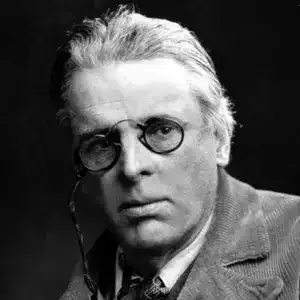
William Butler Yeats
Fergus And The Druid
Fergus And The Druid
Fergus. This whole day have I followed in the rocks,
And you have changed and flowed from shape to shape,
First as a raven on whose ancient wings
Scarcely a feather lingered, then you seemed
A weasel moving on from stone to stone,
And now at last you wear a human shape,
A thin grey man half lost in gathering night.
Druid. What would you, king of the proud Red Branch kings?
Fergus. This would I Say, most wise of living souls:
Young subtle Conchubar sat close by me
When I gave judgment, and his words were wise,
And what to me was burden without end,
To him seemed easy, So I laid the crown
Upon his head to cast away my sorrow.
Druid. What would you, king of the proud Red Branch kings?
Fergus. A king and proud! and that is my despair.
I feast amid my people on the hill,
And pace the woods, and drive my chariot-wheels
In the white border of the murmuring sea;
And still I feel the crown upon my head
Druid. What would you, Fergus?
Fergus. Be no more a king
But learn the dreaming wisdom that is yours.
Druid. Look on my thin grey hair and hollow cheeks
And on these hands that may not lift the sword,
This body trembling like a wind-blown reed.
No woman's loved me, no man sought my help.
Fergus. A king is but a foolish labourer
Who wastes his blood to be another's dream.
Druid. Take, if you must, this little bag of dreams;
Unloose the cord, and they will wrap you round.
Fergus. I See my life go drifting like a river
From change to change; I have been many things --
A green drop in the surge, a gleam of light
Upon a sword, a fir-tree on a hill,
An old slave grinding at a heavy quern,
A king sitting upon a chair of gold --
And all these things were wonderful and great;
But now I have grown nothing, knowing all.
Ah! Druid, Druid, how great webs of sorrow
Lay hidden in the small slate-coloured thing!
Fergus. This whole day have I followed in the rocks,
And you have changed and flowed from shape to shape,
First as a raven on whose ancient wings
Scarcely a feather lingered, then you seemed
A weasel moving on from stone to stone,
And now at last you wear a human shape,
A thin grey man half lost in gathering night.
Druid. What would you, king of the proud Red Branch kings?
Fergus. This would I Say, most wise of living souls:
Young subtle Conchubar sat close by me
When I gave judgment, and his words were wise,
And what to me was burden without end,
To him seemed easy, So I laid the crown
Upon his head to cast away my sorrow.
Druid. What would you, king of the proud Red Branch kings?
Fergus. A king and proud! and that is my despair.
I feast amid my people on the hill,
And pace the woods, and drive my chariot-wheels
In the white border of the murmuring sea;
And still I feel the crown upon my head
Druid. What would you, Fergus?
Fergus. Be no more a king
But learn the dreaming wisdom that is yours.
Druid. Look on my thin grey hair and hollow cheeks
And on these hands that may not lift the sword,
This body trembling like a wind-blown reed.
No woman's loved me, no man sought my help.
Fergus. A king is but a foolish labourer
Who wastes his blood to be another's dream.
Druid. Take, if you must, this little bag of dreams;
Unloose the cord, and they will wrap you round.
Fergus. I See my life go drifting like a river
From change to change; I have been many things --
A green drop in the surge, a gleam of light
Upon a sword, a fir-tree on a hill,
An old slave grinding at a heavy quern,
A king sitting upon a chair of gold --
And all these things were wonderful and great;
But now I have grown nothing, knowing all.
Ah! Druid, Druid, how great webs of sorrow
Lay hidden in the small slate-coloured thing!
415
William Butler Yeats
Fergus And The Druid
Fergus And The Druid
Fergus. This whole day have I followed in the rocks,
And you have changed and flowed from shape to shape,
First as a raven on whose ancient wings
Scarcely a feather lingered, then you seemed
A weasel moving on from stone to stone,
And now at last you wear a human shape,
A thin grey man half lost in gathering night.
Druid. What would you, king of the proud Red Branch kings?
Fergus. This would I Say, most wise of living souls:
Young subtle Conchubar sat close by me
When I gave judgment, and his words were wise,
And what to me was burden without end,
To him seemed easy, So I laid the crown
Upon his head to cast away my sorrow.
Druid. What would you, king of the proud Red Branch kings?
Fergus. A king and proud! and that is my despair.
I feast amid my people on the hill,
And pace the woods, and drive my chariot-wheels
In the white border of the murmuring sea;
And still I feel the crown upon my head
Druid. What would you, Fergus?
Fergus. Be no more a king
But learn the dreaming wisdom that is yours.
Druid. Look on my thin grey hair and hollow cheeks
And on these hands that may not lift the sword,
This body trembling like a wind-blown reed.
No woman's loved me, no man sought my help.
Fergus. A king is but a foolish labourer
Who wastes his blood to be another's dream.
Druid. Take, if you must, this little bag of dreams;
Unloose the cord, and they will wrap you round.
Fergus. I See my life go drifting like a river
From change to change; I have been many things --
A green drop in the surge, a gleam of light
Upon a sword, a fir-tree on a hill,
An old slave grinding at a heavy quern,
A king sitting upon a chair of gold --
And all these things were wonderful and great;
But now I have grown nothing, knowing all.
Ah! Druid, Druid, how great webs of sorrow
Lay hidden in the small slate-coloured thing!
Fergus. This whole day have I followed in the rocks,
And you have changed and flowed from shape to shape,
First as a raven on whose ancient wings
Scarcely a feather lingered, then you seemed
A weasel moving on from stone to stone,
And now at last you wear a human shape,
A thin grey man half lost in gathering night.
Druid. What would you, king of the proud Red Branch kings?
Fergus. This would I Say, most wise of living souls:
Young subtle Conchubar sat close by me
When I gave judgment, and his words were wise,
And what to me was burden without end,
To him seemed easy, So I laid the crown
Upon his head to cast away my sorrow.
Druid. What would you, king of the proud Red Branch kings?
Fergus. A king and proud! and that is my despair.
I feast amid my people on the hill,
And pace the woods, and drive my chariot-wheels
In the white border of the murmuring sea;
And still I feel the crown upon my head
Druid. What would you, Fergus?
Fergus. Be no more a king
But learn the dreaming wisdom that is yours.
Druid. Look on my thin grey hair and hollow cheeks
And on these hands that may not lift the sword,
This body trembling like a wind-blown reed.
No woman's loved me, no man sought my help.
Fergus. A king is but a foolish labourer
Who wastes his blood to be another's dream.
Druid. Take, if you must, this little bag of dreams;
Unloose the cord, and they will wrap you round.
Fergus. I See my life go drifting like a river
From change to change; I have been many things --
A green drop in the surge, a gleam of light
Upon a sword, a fir-tree on a hill,
An old slave grinding at a heavy quern,
A king sitting upon a chair of gold --
And all these things were wonderful and great;
But now I have grown nothing, knowing all.
Ah! Druid, Druid, how great webs of sorrow
Lay hidden in the small slate-coloured thing!
415
William Butler Yeats
Ephemera
Ephemera
'YOUR eyes that once were never weary of mine
Are bowed in sotrow under pendulous lids,
Because our love is waning.'
And then She:
'Although our love is waning, let us stand
By the lone border of the lake once more,
Together in that hour of gentleness
When the poor tired child, passion, falls asleep.
How far away the stars seem, and how far
Is our first kiss, and ah, how old my heart!'
Pensive they paced along the faded leaves,
While slowly he whose hand held hers replied:
'Passion has often worn our wandering hearts.'
The woods were round them, and the yellow leaves
Fell like faint meteors in the gloom, and once
A rabbit old and lame limped down the path;
Autumn was over him: and now they stood
On the lone border of the lake once more:
Turning, he saw that she had thrust dead leaves
Gathered in silence, dewy as her eyes,
In bosom and hair.
'Ah, do not mourn,' he said,
'That we are tired, for other loves await us;
Hate on and love through unrepining hours.
Before us lies eternity; our souls
Are love, and a continual farewell.'
'YOUR eyes that once were never weary of mine
Are bowed in sotrow under pendulous lids,
Because our love is waning.'
And then She:
'Although our love is waning, let us stand
By the lone border of the lake once more,
Together in that hour of gentleness
When the poor tired child, passion, falls asleep.
How far away the stars seem, and how far
Is our first kiss, and ah, how old my heart!'
Pensive they paced along the faded leaves,
While slowly he whose hand held hers replied:
'Passion has often worn our wandering hearts.'
The woods were round them, and the yellow leaves
Fell like faint meteors in the gloom, and once
A rabbit old and lame limped down the path;
Autumn was over him: and now they stood
On the lone border of the lake once more:
Turning, he saw that she had thrust dead leaves
Gathered in silence, dewy as her eyes,
In bosom and hair.
'Ah, do not mourn,' he said,
'That we are tired, for other loves await us;
Hate on and love through unrepining hours.
Before us lies eternity; our souls
Are love, and a continual farewell.'
429
William Butler Yeats
Fallen Majesty
Fallen Majesty
Although crowds gathered once if she but showed her face,
And even old men's eyes grew dim, this hand alone,
Like some last courtier at a gypsy camping-place
Babbling of fallen majesty, records what's gone.
The lineaments, a heart that laughter has made sweet,
These, these remain, but I record what's gone. A crowd
Will gather, and not know it walks the very street
Whereon a thing once walked that seemed a burning cloud.
Although crowds gathered once if she but showed her face,
And even old men's eyes grew dim, this hand alone,
Like some last courtier at a gypsy camping-place
Babbling of fallen majesty, records what's gone.
The lineaments, a heart that laughter has made sweet,
These, these remain, but I record what's gone. A crowd
Will gather, and not know it walks the very street
Whereon a thing once walked that seemed a burning cloud.
320
William Butler Yeats
Easter, 1916
Easter, 1916
I have met them at close of day
Coming with vivid faces
From counter or desk among grey
Eighteenth-century houses.
I have passed with a nod of the head
Or polite meaningless words,
Or have lingered awhile and said
Polite meaningless words,
And thought before I had done
Of a mocking tale or a gibe
To please a companion
Around the fire at the club,
Being certain that they and I
But lived where motley is worn:
All changed, changed utterly:
A terrible beauty is born.
That woman's days were spent
In ignorant good-will,
Her nights in argument
Until her voice grew shrill.
What voice more sweet than hers
When, young and beautiful,
She rode to harriers?
This man had kept a school
And rode our winged horse;
This other his helper and friend
Was coming into his force;
He might have won fame in the end,
So sensitive his nature seemed,
So daring and sweet his thought.
This other man I had dreamed
A drunken, vainglorious lout.
He had done most bitter wrong
To some who are near my heart,
Yet I number him in the song;
He, too, has resigned his part
In the casual comedy;
He, too, has been changed in his turn,
Transformed utterly:
A terrible beauty is born.
Hearts with one purpose alone
Through summer and winter seem
Enchanted to a stone
To trouble the living stream.
The horse that comes from the road.
The rider, the birds that range
From cloud to tumbling cloud,
Minute by minute they change;
A shadow of cloud on the stream
Changes minute by minute;
A horse-hoof slides on the brim,
And a horse plashes within it;
The long-legged moor-hens dive,
And hens to moor-cocks call;
Minute by minute they live:
The stone's in the midst of all.
Too long a sacrifice
Can make a stone of the heart.
O when may it suffice?
That is Heaven's part, our part
To murmur name upon name,
As a mother names her child
When sleep at last has come
On limbs that had run wild.
What is it but nightfall?
No, no, not night but death;
Was it needless death after all?
For England may keep faith
For all that is done and said.
We know their dream; enough
To know they dreamed and are dead;
And what if excess of love
Bewildered them till they died?
I write it out in a verse -
MacDonagh and MacBride
And Connolly and pearse
Now and in time to be,
Wherever green is worn,
Are changed, changed utterly:
A terrible beauty is born.
I have met them at close of day
Coming with vivid faces
From counter or desk among grey
Eighteenth-century houses.
I have passed with a nod of the head
Or polite meaningless words,
Or have lingered awhile and said
Polite meaningless words,
And thought before I had done
Of a mocking tale or a gibe
To please a companion
Around the fire at the club,
Being certain that they and I
But lived where motley is worn:
All changed, changed utterly:
A terrible beauty is born.
That woman's days were spent
In ignorant good-will,
Her nights in argument
Until her voice grew shrill.
What voice more sweet than hers
When, young and beautiful,
She rode to harriers?
This man had kept a school
And rode our winged horse;
This other his helper and friend
Was coming into his force;
He might have won fame in the end,
So sensitive his nature seemed,
So daring and sweet his thought.
This other man I had dreamed
A drunken, vainglorious lout.
He had done most bitter wrong
To some who are near my heart,
Yet I number him in the song;
He, too, has resigned his part
In the casual comedy;
He, too, has been changed in his turn,
Transformed utterly:
A terrible beauty is born.
Hearts with one purpose alone
Through summer and winter seem
Enchanted to a stone
To trouble the living stream.
The horse that comes from the road.
The rider, the birds that range
From cloud to tumbling cloud,
Minute by minute they change;
A shadow of cloud on the stream
Changes minute by minute;
A horse-hoof slides on the brim,
And a horse plashes within it;
The long-legged moor-hens dive,
And hens to moor-cocks call;
Minute by minute they live:
The stone's in the midst of all.
Too long a sacrifice
Can make a stone of the heart.
O when may it suffice?
That is Heaven's part, our part
To murmur name upon name,
As a mother names her child
When sleep at last has come
On limbs that had run wild.
What is it but nightfall?
No, no, not night but death;
Was it needless death after all?
For England may keep faith
For all that is done and said.
We know their dream; enough
To know they dreamed and are dead;
And what if excess of love
Bewildered them till they died?
I write it out in a verse -
MacDonagh and MacBride
And Connolly and pearse
Now and in time to be,
Wherever green is worn,
Are changed, changed utterly:
A terrible beauty is born.
631
William Butler Yeats
Easter, 1916
Easter, 1916
I have met them at close of day
Coming with vivid faces
From counter or desk among grey
Eighteenth-century houses.
I have passed with a nod of the head
Or polite meaningless words,
Or have lingered awhile and said
Polite meaningless words,
And thought before I had done
Of a mocking tale or a gibe
To please a companion
Around the fire at the club,
Being certain that they and I
But lived where motley is worn:
All changed, changed utterly:
A terrible beauty is born.
That woman's days were spent
In ignorant good-will,
Her nights in argument
Until her voice grew shrill.
What voice more sweet than hers
When, young and beautiful,
She rode to harriers?
This man had kept a school
And rode our winged horse;
This other his helper and friend
Was coming into his force;
He might have won fame in the end,
So sensitive his nature seemed,
So daring and sweet his thought.
This other man I had dreamed
A drunken, vainglorious lout.
He had done most bitter wrong
To some who are near my heart,
Yet I number him in the song;
He, too, has resigned his part
In the casual comedy;
He, too, has been changed in his turn,
Transformed utterly:
A terrible beauty is born.
Hearts with one purpose alone
Through summer and winter seem
Enchanted to a stone
To trouble the living stream.
The horse that comes from the road.
The rider, the birds that range
From cloud to tumbling cloud,
Minute by minute they change;
A shadow of cloud on the stream
Changes minute by minute;
A horse-hoof slides on the brim,
And a horse plashes within it;
The long-legged moor-hens dive,
And hens to moor-cocks call;
Minute by minute they live:
The stone's in the midst of all.
Too long a sacrifice
Can make a stone of the heart.
O when may it suffice?
That is Heaven's part, our part
To murmur name upon name,
As a mother names her child
When sleep at last has come
On limbs that had run wild.
What is it but nightfall?
No, no, not night but death;
Was it needless death after all?
For England may keep faith
For all that is done and said.
We know their dream; enough
To know they dreamed and are dead;
And what if excess of love
Bewildered them till they died?
I write it out in a verse -
MacDonagh and MacBride
And Connolly and pearse
Now and in time to be,
Wherever green is worn,
Are changed, changed utterly:
A terrible beauty is born.
I have met them at close of day
Coming with vivid faces
From counter or desk among grey
Eighteenth-century houses.
I have passed with a nod of the head
Or polite meaningless words,
Or have lingered awhile and said
Polite meaningless words,
And thought before I had done
Of a mocking tale or a gibe
To please a companion
Around the fire at the club,
Being certain that they and I
But lived where motley is worn:
All changed, changed utterly:
A terrible beauty is born.
That woman's days were spent
In ignorant good-will,
Her nights in argument
Until her voice grew shrill.
What voice more sweet than hers
When, young and beautiful,
She rode to harriers?
This man had kept a school
And rode our winged horse;
This other his helper and friend
Was coming into his force;
He might have won fame in the end,
So sensitive his nature seemed,
So daring and sweet his thought.
This other man I had dreamed
A drunken, vainglorious lout.
He had done most bitter wrong
To some who are near my heart,
Yet I number him in the song;
He, too, has resigned his part
In the casual comedy;
He, too, has been changed in his turn,
Transformed utterly:
A terrible beauty is born.
Hearts with one purpose alone
Through summer and winter seem
Enchanted to a stone
To trouble the living stream.
The horse that comes from the road.
The rider, the birds that range
From cloud to tumbling cloud,
Minute by minute they change;
A shadow of cloud on the stream
Changes minute by minute;
A horse-hoof slides on the brim,
And a horse plashes within it;
The long-legged moor-hens dive,
And hens to moor-cocks call;
Minute by minute they live:
The stone's in the midst of all.
Too long a sacrifice
Can make a stone of the heart.
O when may it suffice?
That is Heaven's part, our part
To murmur name upon name,
As a mother names her child
When sleep at last has come
On limbs that had run wild.
What is it but nightfall?
No, no, not night but death;
Was it needless death after all?
For England may keep faith
For all that is done and said.
We know their dream; enough
To know they dreamed and are dead;
And what if excess of love
Bewildered them till they died?
I write it out in a verse -
MacDonagh and MacBride
And Connolly and pearse
Now and in time to be,
Wherever green is worn,
Are changed, changed utterly:
A terrible beauty is born.
631
William Butler Yeats
Death
Death
NOR dread nor hope attend
A dying animal;
A man awaits his end
Dreading and hoping all;
Many times he died,
Many times rose again.
A great man in his pride
Confronting murderous men
Casts derision upon
Supersession of breath;
He knows death to the bone --
Man has created death.
NOR dread nor hope attend
A dying animal;
A man awaits his end
Dreading and hoping all;
Many times he died,
Many times rose again.
A great man in his pride
Confronting murderous men
Casts derision upon
Supersession of breath;
He knows death to the bone --
Man has created death.
301
William Butler Yeats
Cuchulain Comforted
Cuchulain Comforted
A MAN that had six mortal wounds, a man
Violent and famous, strode among the dead;
Eyes stared out of the branches and were gone.
Then certain Shrouds that muttered head to head
Came and were gone. He leant upon a tree
As though to meditate on wounds and blood.
A Shroud that seemed to have authority
Among those bird-like things came, and let fall
A bundle of linen. Shrouds by two and thrce
Came creeping up because the man was still.
And thereupon that linen-carrier said:
'Your life can grow much sweeter if you will
'Obey our ancient rule and make a shroud;
Mainly because of what we only know
The rattle of those arms makes us afraid.
'We thread the needles' eyes, and all we do
All must together do.' That done, the man
Took up the nearest and began to sew.
'Now must we sing and sing the best we can,
But first you must be told our character:
Convicted cowards all, by kindred slain
'Or driven from home and left to dic in fear.'
They sang, but had nor human tunes nor words,
Though all was done in common as before;
They had changed their thtoats and had the throats of birds.
A MAN that had six mortal wounds, a man
Violent and famous, strode among the dead;
Eyes stared out of the branches and were gone.
Then certain Shrouds that muttered head to head
Came and were gone. He leant upon a tree
As though to meditate on wounds and blood.
A Shroud that seemed to have authority
Among those bird-like things came, and let fall
A bundle of linen. Shrouds by two and thrce
Came creeping up because the man was still.
And thereupon that linen-carrier said:
'Your life can grow much sweeter if you will
'Obey our ancient rule and make a shroud;
Mainly because of what we only know
The rattle of those arms makes us afraid.
'We thread the needles' eyes, and all we do
All must together do.' That done, the man
Took up the nearest and began to sew.
'Now must we sing and sing the best we can,
But first you must be told our character:
Convicted cowards all, by kindred slain
'Or driven from home and left to dic in fear.'
They sang, but had nor human tunes nor words,
Though all was done in common as before;
They had changed their thtoats and had the throats of birds.
385
William Butler Yeats
Crazy Jane On The Day Of Judgment
Crazy Jane On The Day Of Judgment
'Love is all
Unsatisfied
That cannot take the whole
Body and soul';
And that is what Jane said.
'Take the sour
If you take me
I can scoff and lour
And scold for an hour.'
"That's certainly the case,' said he.
'Naked I lay,
The grass my bed;
Naked and hidden away,
That black day';
And that is what Jane said.
'What can be shown?
What true love be?
All could be known or shown
If Time were but gone.'
'That's certainly the case,' said he.
'Love is all
Unsatisfied
That cannot take the whole
Body and soul';
And that is what Jane said.
'Take the sour
If you take me
I can scoff and lour
And scold for an hour.'
"That's certainly the case,' said he.
'Naked I lay,
The grass my bed;
Naked and hidden away,
That black day';
And that is what Jane said.
'What can be shown?
What true love be?
All could be known or shown
If Time were but gone.'
'That's certainly the case,' said he.
437
William Butler Yeats
Crazy Jane And Jack The Journeyman
Crazy Jane And Jack The Journeyman
I know, although when looks meet
I tremble to the bone,
The more I leave the door unlatched
The sooner love is gone,
For love is but a skein unwound
Between the dark and dawn.
A lonely ghost the ghost is
That to God shall come;
I - love's skein upon the ground,
My body in the tomb -
Shall leap into the light lost
In my mother's womb.
But were I left to lie alone
In an empty bed,
The skein so bound us ghost to ghost
When he turned his head
passing on the road that night,
Mine must walk when dead.
I know, although when looks meet
I tremble to the bone,
The more I leave the door unlatched
The sooner love is gone,
For love is but a skein unwound
Between the dark and dawn.
A lonely ghost the ghost is
That to God shall come;
I - love's skein upon the ground,
My body in the tomb -
Shall leap into the light lost
In my mother's womb.
But were I left to lie alone
In an empty bed,
The skein so bound us ghost to ghost
When he turned his head
passing on the road that night,
Mine must walk when dead.
436
William Butler Yeats
Coole Park And Ballylee, 1931
Coole Park And Ballylee, 1931
Under my window-ledge the waters race,
Otters below and moor-hens on the top,
Run for a mile undimmed in Heaven's face
Then darkening through 'dark' Raftery's 'cellar' drop,
Run underground, rise in a rocky place
In Coole demesne, and there to finish up
Spread to a lake and drop into a hole.
What's water but the generated soul?
Upon the border of that lake's a wood
Now all dry sticks under a wintry sun,
And in a copse of beeches there I stood,
For Nature's pulled her tragic buskin on
And all the rant's a mirror of my mood:
At sudden thunder of the mounting swan
I turned about and looked where branches break
The glittering reaches of the flooded lake.
Another emblem there! That stormy white
But seems a concentration of the sky;
And, like the soul, it sails into the sight
And in the morning's gone, no man knows why;
And is so lovely that it sets to right
What knowledge or its lack had set awry,
So atrogantly pure, a child might think
It can be murdered with a spot of ink.
Sound of a stick upon the floor, a sound
From somebody that toils from chair to chair;
Beloved books that famous hands have bound,
Old marble heads, old pictures everywhere;
Great rooms where travelled men and children found
Content or joy; a last inheritor
Where none has reigned that lacked a name and fame
Or out of folly into folly came.
A spot whereon the founders lived and died
Seemed once more dear than life; ancestral trees,
Or gardens rich in memory glorified
Marriages, alliances and families,
And every bride's ambition satisfied.
Where fashion or mere fantasy decrees
We shift about - all that great glory spent -
Like some poor Arab tribesman and his tent.
We were the last romantics - chose for theme
Traditional sanctity and loveliness;
Whatever's written in what poets name
The book of the people; whatever most can bless
The mind of man or elevate a rhyme;
But all is changed, that high horse riderless,
Though mounted in that saddle Homer rode
Where the swan drifts upon a darkening flood.
Under my window-ledge the waters race,
Otters below and moor-hens on the top,
Run for a mile undimmed in Heaven's face
Then darkening through 'dark' Raftery's 'cellar' drop,
Run underground, rise in a rocky place
In Coole demesne, and there to finish up
Spread to a lake and drop into a hole.
What's water but the generated soul?
Upon the border of that lake's a wood
Now all dry sticks under a wintry sun,
And in a copse of beeches there I stood,
For Nature's pulled her tragic buskin on
And all the rant's a mirror of my mood:
At sudden thunder of the mounting swan
I turned about and looked where branches break
The glittering reaches of the flooded lake.
Another emblem there! That stormy white
But seems a concentration of the sky;
And, like the soul, it sails into the sight
And in the morning's gone, no man knows why;
And is so lovely that it sets to right
What knowledge or its lack had set awry,
So atrogantly pure, a child might think
It can be murdered with a spot of ink.
Sound of a stick upon the floor, a sound
From somebody that toils from chair to chair;
Beloved books that famous hands have bound,
Old marble heads, old pictures everywhere;
Great rooms where travelled men and children found
Content or joy; a last inheritor
Where none has reigned that lacked a name and fame
Or out of folly into folly came.
A spot whereon the founders lived and died
Seemed once more dear than life; ancestral trees,
Or gardens rich in memory glorified
Marriages, alliances and families,
And every bride's ambition satisfied.
Where fashion or mere fantasy decrees
We shift about - all that great glory spent -
Like some poor Arab tribesman and his tent.
We were the last romantics - chose for theme
Traditional sanctity and loveliness;
Whatever's written in what poets name
The book of the people; whatever most can bless
The mind of man or elevate a rhyme;
But all is changed, that high horse riderless,
Though mounted in that saddle Homer rode
Where the swan drifts upon a darkening flood.
586
William Butler Yeats
Coole Park And Ballylee, 1931
Coole Park And Ballylee, 1931
Under my window-ledge the waters race,
Otters below and moor-hens on the top,
Run for a mile undimmed in Heaven's face
Then darkening through 'dark' Raftery's 'cellar' drop,
Run underground, rise in a rocky place
In Coole demesne, and there to finish up
Spread to a lake and drop into a hole.
What's water but the generated soul?
Upon the border of that lake's a wood
Now all dry sticks under a wintry sun,
And in a copse of beeches there I stood,
For Nature's pulled her tragic buskin on
And all the rant's a mirror of my mood:
At sudden thunder of the mounting swan
I turned about and looked where branches break
The glittering reaches of the flooded lake.
Another emblem there! That stormy white
But seems a concentration of the sky;
And, like the soul, it sails into the sight
And in the morning's gone, no man knows why;
And is so lovely that it sets to right
What knowledge or its lack had set awry,
So atrogantly pure, a child might think
It can be murdered with a spot of ink.
Sound of a stick upon the floor, a sound
From somebody that toils from chair to chair;
Beloved books that famous hands have bound,
Old marble heads, old pictures everywhere;
Great rooms where travelled men and children found
Content or joy; a last inheritor
Where none has reigned that lacked a name and fame
Or out of folly into folly came.
A spot whereon the founders lived and died
Seemed once more dear than life; ancestral trees,
Or gardens rich in memory glorified
Marriages, alliances and families,
And every bride's ambition satisfied.
Where fashion or mere fantasy decrees
We shift about - all that great glory spent -
Like some poor Arab tribesman and his tent.
We were the last romantics - chose for theme
Traditional sanctity and loveliness;
Whatever's written in what poets name
The book of the people; whatever most can bless
The mind of man or elevate a rhyme;
But all is changed, that high horse riderless,
Though mounted in that saddle Homer rode
Where the swan drifts upon a darkening flood.
Under my window-ledge the waters race,
Otters below and moor-hens on the top,
Run for a mile undimmed in Heaven's face
Then darkening through 'dark' Raftery's 'cellar' drop,
Run underground, rise in a rocky place
In Coole demesne, and there to finish up
Spread to a lake and drop into a hole.
What's water but the generated soul?
Upon the border of that lake's a wood
Now all dry sticks under a wintry sun,
And in a copse of beeches there I stood,
For Nature's pulled her tragic buskin on
And all the rant's a mirror of my mood:
At sudden thunder of the mounting swan
I turned about and looked where branches break
The glittering reaches of the flooded lake.
Another emblem there! That stormy white
But seems a concentration of the sky;
And, like the soul, it sails into the sight
And in the morning's gone, no man knows why;
And is so lovely that it sets to right
What knowledge or its lack had set awry,
So atrogantly pure, a child might think
It can be murdered with a spot of ink.
Sound of a stick upon the floor, a sound
From somebody that toils from chair to chair;
Beloved books that famous hands have bound,
Old marble heads, old pictures everywhere;
Great rooms where travelled men and children found
Content or joy; a last inheritor
Where none has reigned that lacked a name and fame
Or out of folly into folly came.
A spot whereon the founders lived and died
Seemed once more dear than life; ancestral trees,
Or gardens rich in memory glorified
Marriages, alliances and families,
And every bride's ambition satisfied.
Where fashion or mere fantasy decrees
We shift about - all that great glory spent -
Like some poor Arab tribesman and his tent.
We were the last romantics - chose for theme
Traditional sanctity and loveliness;
Whatever's written in what poets name
The book of the people; whatever most can bless
The mind of man or elevate a rhyme;
But all is changed, that high horse riderless,
Though mounted in that saddle Homer rode
Where the swan drifts upon a darkening flood.
586
William Butler Yeats
Chosen
Chosen
The lot of love is chosen. I learnt that much
Struggling for an image on the track
Of the whirling Zodiac.
Scarce did he my body touch,
Scarce sank he from the west
Or found a subtetranean rest
On the maternal midnight of my breast
Before I had marked him on his northern way,
And seemed to stand although in bed I lay.
I struggled with the horror of daybreak,
I chose it for my lot! If questioned on
My utmost pleasure with a man
By some new-married bride, I take
That stillness for a theme
Where his heart my heart did seem
And both adrift on the miraculous stream
Where -- wrote a learned astrologer --
The Zodiac is changed into a sphere.
The lot of love is chosen. I learnt that much
Struggling for an image on the track
Of the whirling Zodiac.
Scarce did he my body touch,
Scarce sank he from the west
Or found a subtetranean rest
On the maternal midnight of my breast
Before I had marked him on his northern way,
And seemed to stand although in bed I lay.
I struggled with the horror of daybreak,
I chose it for my lot! If questioned on
My utmost pleasure with a man
By some new-married bride, I take
That stillness for a theme
Where his heart my heart did seem
And both adrift on the miraculous stream
Where -- wrote a learned astrologer --
The Zodiac is changed into a sphere.
454
William Butler Yeats
Baile And Aillinn
Baile And Aillinn
ARGUMENT. Baile and Aillinn were lovers, but Aengus, the
Master of Love, wishing them to he happy in his own land
among the dead, told to each a story of the other's death, so
that their hearts were broken and they died.
I HARDLY hear the curlew cry,
Nor thegrey rush when the wind is high,
Before my thoughts begin to run
On the heir of Uladh, Buan's son,
Baile, who had the honey mouth;
And that mild woman of the south,
Aillinn, who was King Lugaidh's heir.
Their love was never drowned in care
Of this or that thing, nor grew cold
Because their hodies had grown old.
Being forbid to marry on earth,
They blossomed to immortal mirth.
About the time when Christ was born,
When the long wars for the White Horn
And the Brown Bull had not yet come,
Young Baile Honey Mouth, whom some
Called rather Baile Little-Land,
Rode out of Emain with a band
Of harpers and young men; and they
Imagined, as they struck the way
To many-pastured Muirthemne,
That all things fell out happily,
And there, for all that fools had said,
Baile and Aillinn would be wed.
They found an old man running there:
He had ragged long grass-coloured hair;
He had knees that stuck out of his hose;
He had puddle-water in his shoes;
He had half a cloak to keep him dry,
Although he had a squirrel's eye.
wandering hirds and rushy beds,
You put such folly in our heads
With all this crying in the wind,
No common love is to our mind,
And our poor kate or Nan is less
Than any whose unhappiness
Awoke the harp-strings long ago.
Yet they that know all things hut know
That all this life can give us is
A child's laughter, a woman's kiss.
Who was it put so great a scorn
In thegrey reeds that night and morn
Are trodden and broken hy the herds,
And in the light bodies of birds
The north wind tumbles to and fro
And pinches among hail and snow?
That runner said: 'I am from the south;
I run to Baile Honey-Mouth,
To tell him how the girl Aillinn
Rode from the country of her kin,
And old and young men rode with her:
For all that country had been astir
If anybody half as fair
Had chosen a husband anywhere
But where it could see her every day.
When they had ridden a little way
An old man caught the horse's head
With: ''You must home again, and wed
With somebody in your own land.''
A young man cried and kissed her hand,
''O lady, wed with one of us'';
And when no face grew piteous
For any gentle thing she spake,
She fell and died of the heart-break.'
Because a lover's heart s worn out,
Being tumbled and blown about
By its own blind imagining,
And will believe that anything
That is bad enough to be true, is true,
Baile's heart was broken in two;
And he, being laid upon green boughs,
Was carried to the goodly house
Where the Hound of Uladh sat before
The brazen pillars of his door,
His face bowed low to weep the end
Of the harper's daughter and her friend
For athough years had passed away
He always wept them on that day,
For on that day they had been betrayed;
And now that Honey-Mouth is laid
Under a cairn of sleepy stone
Before his eyes, he has tears for none,
Although he is carrying stone, but two
For whom the cairn's but heaped anew.
We hold, because our memory is
Sofull of that thing and of this,
That out of sight is out of mind.
But the grey rush under the wind
And the grey bird with crooked bill
rave such long memories that they still
Remember Deirdre and her man;
And when we walk with Kate or Nan
About the windy water-side,
Our hearts can Fear the voices chide.
How could we be so soon content,
Who know the way that Naoise went?
And they have news of Deirdre's eyes,
Who being lovely was so wise --
Ah! wise, my heart knows well how wise.
Now had that old gaunt crafty one,
Gathering his cloak about him, mn
Where Aillinn rode with waiting-maids,
Who amid leafy lights and shades
Dreamed of the hands that would unlace
Their bodices in some dim place
When they had come to the matriage-bed,
And harpers, pacing with high head
As though their music were enough
To make the savage heart of love
Grow gentle without sorrowing,
Imagining and pondering
Heaven knows what calamity;
'Another's hurried off,' cried he,
'From heat and cold and wind and wave;
They have heaped the stones above his grave
In Muirthemne, and over it
In changeless Ogham letters writ --
Baile, that was of Rury's seed.
But the gods long ago decreed
No waiting-maid should ever spread
Baile and Aillinn's marriage-bed,
For they should clip and clip again
Where wild bees hive on the Great Plain.
Therefore it is but little news
That put this hurry in my shoes.'
Then seeing that he scarce had spoke
Before her love-worn heart had broke.
He ran and laughed until he came
To that high hill the herdsmen name
The Hill Seat of Laighen, because
Some god or king had made the laws
That held the land together there,
In old times among the clouds of the air.
That old man climbed; the day grew dim;
Two swans came flying up to him,
Linked by a gold chain each to each,
And with low murmuring laughing speech
Alighted on the windy grass.
They knew him: his changed body was
Tall, proud and ruddy, and light wings
Were hovering over the harp-strings
That Edain, Midhir's wife, had wove
In the hid place, being crazed by love.
What shall I call them? fish that swim,
Scale rubbing scale where light is dim
By a broad water-lily leaf;
Or mice in the one wheaten sheaf
Forgotten at the threshing-place;
Or birds lost in the one clear space
Of morning light in a dim sky;
Or, it may be, the eyelids of one eye,
Or the door-pillars of one house,
Or two sweet blossoming apple-boughs
That have one shadow on the ground;
Or the two strings that made one sound
Where that wise harper's finger ran.
For this young girl and this young man
Have happiness without an end,
Because they have made so good a friend.
They know all wonders, for they pass
The towery gates of Gorias,
And Findrias and Falias,
And long-forgotten Murias,
Among the giant kings whose hoard,
Cauldron and spear and stone and sword,
Was robbed before earth gave the wheat;
Wandering from broken street to street
They come where some huge watcher is,
And tremble with their love and kiss.
They know undying things, for they
Wander where earth withers away,
Though nothing troubles the great streams
But light from the pale stars, and gleams
From the holy orchards, where there is none
But fruit that is of precious stone,
Or apples of the sun and moon.
What were our praise to them? They eat
Quiet's wild heart, like daily meat;
Who when night thickens are afloat
On dappled skins in a glass boat,
Far out under a windless sky;
While over them birds of Aengus fly,
And over the tiller and the prow,
And waving white wings to and fro
Awaken wanderings of light air
To stir their coverlet and their hair.
And poets found, old writers say,
A yew tree where his body lay;
But a wild apple hid the grass
With its sweet blossom where hers was,
And being in good heart, because
A better time had come again
After the deaths of many men,
And that long fighting at the ford,
They wrote on tablets of thin board,
Made of the apple and the yew,
All the love stories that they knew.
Let rush and hird cry out their fill
Of the harper's daughter if they will,
Beloved, I am not afraid of her.
She is not wiser nor lovelier,
And you are more high of heart than she,
For all her wanderings over-sea;
But I'd have bird and rush forget
Those other two; for never yet
Has lover lived, but longed to wive
Like them that are no more alive.
ARGUMENT. Baile and Aillinn were lovers, but Aengus, the
Master of Love, wishing them to he happy in his own land
among the dead, told to each a story of the other's death, so
that their hearts were broken and they died.
I HARDLY hear the curlew cry,
Nor thegrey rush when the wind is high,
Before my thoughts begin to run
On the heir of Uladh, Buan's son,
Baile, who had the honey mouth;
And that mild woman of the south,
Aillinn, who was King Lugaidh's heir.
Their love was never drowned in care
Of this or that thing, nor grew cold
Because their hodies had grown old.
Being forbid to marry on earth,
They blossomed to immortal mirth.
About the time when Christ was born,
When the long wars for the White Horn
And the Brown Bull had not yet come,
Young Baile Honey Mouth, whom some
Called rather Baile Little-Land,
Rode out of Emain with a band
Of harpers and young men; and they
Imagined, as they struck the way
To many-pastured Muirthemne,
That all things fell out happily,
And there, for all that fools had said,
Baile and Aillinn would be wed.
They found an old man running there:
He had ragged long grass-coloured hair;
He had knees that stuck out of his hose;
He had puddle-water in his shoes;
He had half a cloak to keep him dry,
Although he had a squirrel's eye.
wandering hirds and rushy beds,
You put such folly in our heads
With all this crying in the wind,
No common love is to our mind,
And our poor kate or Nan is less
Than any whose unhappiness
Awoke the harp-strings long ago.
Yet they that know all things hut know
That all this life can give us is
A child's laughter, a woman's kiss.
Who was it put so great a scorn
In thegrey reeds that night and morn
Are trodden and broken hy the herds,
And in the light bodies of birds
The north wind tumbles to and fro
And pinches among hail and snow?
That runner said: 'I am from the south;
I run to Baile Honey-Mouth,
To tell him how the girl Aillinn
Rode from the country of her kin,
And old and young men rode with her:
For all that country had been astir
If anybody half as fair
Had chosen a husband anywhere
But where it could see her every day.
When they had ridden a little way
An old man caught the horse's head
With: ''You must home again, and wed
With somebody in your own land.''
A young man cried and kissed her hand,
''O lady, wed with one of us'';
And when no face grew piteous
For any gentle thing she spake,
She fell and died of the heart-break.'
Because a lover's heart s worn out,
Being tumbled and blown about
By its own blind imagining,
And will believe that anything
That is bad enough to be true, is true,
Baile's heart was broken in two;
And he, being laid upon green boughs,
Was carried to the goodly house
Where the Hound of Uladh sat before
The brazen pillars of his door,
His face bowed low to weep the end
Of the harper's daughter and her friend
For athough years had passed away
He always wept them on that day,
For on that day they had been betrayed;
And now that Honey-Mouth is laid
Under a cairn of sleepy stone
Before his eyes, he has tears for none,
Although he is carrying stone, but two
For whom the cairn's but heaped anew.
We hold, because our memory is
Sofull of that thing and of this,
That out of sight is out of mind.
But the grey rush under the wind
And the grey bird with crooked bill
rave such long memories that they still
Remember Deirdre and her man;
And when we walk with Kate or Nan
About the windy water-side,
Our hearts can Fear the voices chide.
How could we be so soon content,
Who know the way that Naoise went?
And they have news of Deirdre's eyes,
Who being lovely was so wise --
Ah! wise, my heart knows well how wise.
Now had that old gaunt crafty one,
Gathering his cloak about him, mn
Where Aillinn rode with waiting-maids,
Who amid leafy lights and shades
Dreamed of the hands that would unlace
Their bodices in some dim place
When they had come to the matriage-bed,
And harpers, pacing with high head
As though their music were enough
To make the savage heart of love
Grow gentle without sorrowing,
Imagining and pondering
Heaven knows what calamity;
'Another's hurried off,' cried he,
'From heat and cold and wind and wave;
They have heaped the stones above his grave
In Muirthemne, and over it
In changeless Ogham letters writ --
Baile, that was of Rury's seed.
But the gods long ago decreed
No waiting-maid should ever spread
Baile and Aillinn's marriage-bed,
For they should clip and clip again
Where wild bees hive on the Great Plain.
Therefore it is but little news
That put this hurry in my shoes.'
Then seeing that he scarce had spoke
Before her love-worn heart had broke.
He ran and laughed until he came
To that high hill the herdsmen name
The Hill Seat of Laighen, because
Some god or king had made the laws
That held the land together there,
In old times among the clouds of the air.
That old man climbed; the day grew dim;
Two swans came flying up to him,
Linked by a gold chain each to each,
And with low murmuring laughing speech
Alighted on the windy grass.
They knew him: his changed body was
Tall, proud and ruddy, and light wings
Were hovering over the harp-strings
That Edain, Midhir's wife, had wove
In the hid place, being crazed by love.
What shall I call them? fish that swim,
Scale rubbing scale where light is dim
By a broad water-lily leaf;
Or mice in the one wheaten sheaf
Forgotten at the threshing-place;
Or birds lost in the one clear space
Of morning light in a dim sky;
Or, it may be, the eyelids of one eye,
Or the door-pillars of one house,
Or two sweet blossoming apple-boughs
That have one shadow on the ground;
Or the two strings that made one sound
Where that wise harper's finger ran.
For this young girl and this young man
Have happiness without an end,
Because they have made so good a friend.
They know all wonders, for they pass
The towery gates of Gorias,
And Findrias and Falias,
And long-forgotten Murias,
Among the giant kings whose hoard,
Cauldron and spear and stone and sword,
Was robbed before earth gave the wheat;
Wandering from broken street to street
They come where some huge watcher is,
And tremble with their love and kiss.
They know undying things, for they
Wander where earth withers away,
Though nothing troubles the great streams
But light from the pale stars, and gleams
From the holy orchards, where there is none
But fruit that is of precious stone,
Or apples of the sun and moon.
What were our praise to them? They eat
Quiet's wild heart, like daily meat;
Who when night thickens are afloat
On dappled skins in a glass boat,
Far out under a windless sky;
While over them birds of Aengus fly,
And over the tiller and the prow,
And waving white wings to and fro
Awaken wanderings of light air
To stir their coverlet and their hair.
And poets found, old writers say,
A yew tree where his body lay;
But a wild apple hid the grass
With its sweet blossom where hers was,
And being in good heart, because
A better time had come again
After the deaths of many men,
And that long fighting at the ford,
They wrote on tablets of thin board,
Made of the apple and the yew,
All the love stories that they knew.
Let rush and hird cry out their fill
Of the harper's daughter if they will,
Beloved, I am not afraid of her.
She is not wiser nor lovelier,
And you are more high of heart than she,
For all her wanderings over-sea;
But I'd have bird and rush forget
Those other two; for never yet
Has lover lived, but longed to wive
Like them that are no more alive.
479
William Butler Yeats
Before The World Was Made
Before The World Was Made
If I make the lashes dark
And the eyes more bright
And the lips more scarlet,
Or ask if all be right
From mirror after mirror,
No vanity's displayed:
I'm looking for the face I had
Before the world was made.
What if I look upon a man
As though on my beloved,
And my blood be cold the while
And my heart unmoved?
Why should he think me cruel
Or that he is betrayed?
I'd have him love the thing that was
Before the world was made.
If I make the lashes dark
And the eyes more bright
And the lips more scarlet,
Or ask if all be right
From mirror after mirror,
No vanity's displayed:
I'm looking for the face I had
Before the world was made.
What if I look upon a man
As though on my beloved,
And my blood be cold the while
And my heart unmoved?
Why should he think me cruel
Or that he is betrayed?
I'd have him love the thing that was
Before the world was made.
269
William Butler Yeats
Before The World Was Made
Before The World Was Made
If I make the lashes dark
And the eyes more bright
And the lips more scarlet,
Or ask if all be right
From mirror after mirror,
No vanity's displayed:
I'm looking for the face I had
Before the world was made.
What if I look upon a man
As though on my beloved,
And my blood be cold the while
And my heart unmoved?
Why should he think me cruel
Or that he is betrayed?
I'd have him love the thing that was
Before the world was made.
If I make the lashes dark
And the eyes more bright
And the lips more scarlet,
Or ask if all be right
From mirror after mirror,
No vanity's displayed:
I'm looking for the face I had
Before the world was made.
What if I look upon a man
As though on my beloved,
And my blood be cold the while
And my heart unmoved?
Why should he think me cruel
Or that he is betrayed?
I'd have him love the thing that was
Before the world was made.
269
William Butler Yeats
Are You Content?
Are You Content?
I CALL on those that call me son,
Grandson, or great-grandson,
On uncles, aunts, great-uncles or great-aunts,
To judge what I have done.
Have I, that put it into words,
Spoilt what old loins have sent?
Eyes spiritualised by death can judge,
I cannot, but I am not content.
He that in Sligo at Drumcliff
Set up the old stone Cross,
That red-headed rector in County Down,
A good man on a horse,
Sandymount Corbets, that notable man
Old William pollexfen,
The smuggler Middleton, Butlers far back,
Half legendary men.
Infirm and aged I might stay
In some good company,
I who have always hated work,
Smiling at the sea,
Or demonstrate in my own life
What Robert Browning meant
By an old hunter talking with Gods;
But I am not content.
I CALL on those that call me son,
Grandson, or great-grandson,
On uncles, aunts, great-uncles or great-aunts,
To judge what I have done.
Have I, that put it into words,
Spoilt what old loins have sent?
Eyes spiritualised by death can judge,
I cannot, but I am not content.
He that in Sligo at Drumcliff
Set up the old stone Cross,
That red-headed rector in County Down,
A good man on a horse,
Sandymount Corbets, that notable man
Old William pollexfen,
The smuggler Middleton, Butlers far back,
Half legendary men.
Infirm and aged I might stay
In some good company,
I who have always hated work,
Smiling at the sea,
Or demonstrate in my own life
What Robert Browning meant
By an old hunter talking with Gods;
But I am not content.
344
William Butler Yeats
At Galway Races
At Galway Races
THERE where the course is,
Delight makes all of the one mind,
The riders upon the galloping horses,
The crowd that closes in behind:
We, too, had good attendance once,
Hearers and hearteners of the work;
Aye, horsemen for companions,
Before the merchant and the clerk
Breathed on the world with timid breath.
Sing on: somewhere at some new moon,
We'll learn that sleeping is not death,
Hearing the whole earth change its tune,
Its flesh being wild, and it again
Crying aloud as the racecourse is,
And we find hearteners among men
That ride upon horses.
THERE where the course is,
Delight makes all of the one mind,
The riders upon the galloping horses,
The crowd that closes in behind:
We, too, had good attendance once,
Hearers and hearteners of the work;
Aye, horsemen for companions,
Before the merchant and the clerk
Breathed on the world with timid breath.
Sing on: somewhere at some new moon,
We'll learn that sleeping is not death,
Hearing the whole earth change its tune,
Its flesh being wild, and it again
Crying aloud as the racecourse is,
And we find hearteners among men
That ride upon horses.
372
William Butler Yeats
Anashuya And Vijaya
Anashuya And Vijaya
A little Indian temple in the Golden Age. Around it a garden;
around that the forest. Anashuya, the young priestess, kneelinq
within the temple.
Anashuya. Send peace on all the lands and flickering
corn. --
O, may tranquillity walk by his elbow
When wandering in the forest, if he love
No other. -- Hear, and may the indolent flocks
Be plentiful. -- And if he love another,
May panthers end him. -- Hear, and load our king
With wisdom hour by hour. -- May we two stand,
When we are dead, beyond the setting suns,
A little from the other shades apart,
With mingling hair, and play upon one lute.
Vijaya [entering and throwing a lily at her]. Hail! hail, my
Anashuya.
Anashuya. No: be still.
I, priestess of this temple, offer up
prayers for the land.
Vijaya. I will wait here, Amrita.
Anashuya. By mighty Brahma's ever-rustling robe,
Who is Amrita? Sorrow of all sorrows!
Another fills your mind.
Vijaya. My mother's name.
Anashuya [sings, coming out of the temple].
A sad, sad thought went by me slowly:
Sigh, O you little stars.! O sigh and shake your blue
apparel.!
The sad, sad thought has gone from me now wholly:
Sing, O you little stars.! O sing and raise your rapturous
carol
To mighty Brahma, be who made you many as the sands,
And laid you on the gates of evening with his quiet hands.
(Sits down on the steps of the temple.j
Vijaya, I have brought my evening rice;
The sun has laid his chin on the grey wood,
Weary, with all his poppies gathered round him.
Vijaya. The hour when Kama, full of sleepy laughter,
Rises, and showers abroad his fragrant arrows,
Piercing the twilight with their murmuring barbs.
Anashuya. See-how the sacred old flamingoes come.
Painting with shadow all the marble steps:
Aged and wise, they seek their wonted perches
Within the temple, devious walking, made
To wander by their melancholy minds.
Yon tall one eyes my supper; chase him away,
Far, far away. I named him after you.
He is a famous fisher; hour by hour
He ruffles with his bill the minnowed streams.
Ah! there he snaps my rice. I told you so.
Now cuff him off. He's off! A kiss for you,
Because you saved my rice. Have you no thanks?
Vijaya [sings]. Sing you of her, O first few stars,
Whom Brahma, touching with his finger, praises, for you
hold
The van of wandering quiet; ere you be too calm and old,
Sing, turning in your cars,
Sing, till you raise your hands and sigh, and from your carheads
peer,
With all your whirling hair, and drop many an azure tear.
Anashuya. What know the pilots of the stars of tears?
Vijaya. Their faces are all worn, and in their eyes
Flashes the fire of sadness, for they see
The icicles that famish all the North,
Where men lie frozen in the glimmering snow;
And in the flaming forests cower the lion
And lioness, with all their whimpering cubs;
And, ever pacing on the verge of things,
The phantom, Beauty, in a mist of tears;
While we alone have round us woven woods,
And feel the softness of each other's hand,
Amrita, while -- -
Anashuya [going away from him].
Ah me! you love another,
[Bursting into tears.]
And may some sudden dreadful ill befall her!
Vijaya. I loved another; now I love no other.
Among the mouldering of ancient woods
You live, and on the village border she,
With her old father the blind wood-cutter;
I saw her standing in her door but now.
Anashuya. Vijaya, swear to love her never more.
Vijaya. Ay, ay.
Anashuya. Swear by the parents of the gods,
Dread oath, who dwell on sacred Himalay,
On the far Golden peak; enormous shapes,
Who still were old when the great sea was young;
On their vast faces mystery and dreams;
Their hair along the mountains rolled and filled
From year to year by the unnumbered nests
Of aweless birds, and round their stirless feet
The joyous flocks of deer and antelope,
Who never hear the unforgiving hound.
Swear!
Vijaya. By the parents of the gods, I swear.
Anashuya [sings]. I have forgiven, O new star!
Maybe you have not heard of us, you have come forth so
newly,
You hunter of the fields afar!
Ah, you will know my loved one by his hunter's arrows
truly,
Shoot on him shafts of quietness, that he may ever keep
A lonely laughter, and may kiss his hands to me in sleep.
Farewell, Vijaya. Nay, no word, no word;
I, priestess of this temple, offer up
Prayers for the land.
[Vijaya goes.]
O Brahma, guard in sleep
The merry lambs and the complacent kine,
The flies below the leaves, and the young mice
In the tree roots, and all the sacred flocks
Of red flamingoes; and my love, Vijaya;
And may no restless fay with fidget finger
Trouble his sleeping: give him dreams of me.
A little Indian temple in the Golden Age. Around it a garden;
around that the forest. Anashuya, the young priestess, kneelinq
within the temple.
Anashuya. Send peace on all the lands and flickering
corn. --
O, may tranquillity walk by his elbow
When wandering in the forest, if he love
No other. -- Hear, and may the indolent flocks
Be plentiful. -- And if he love another,
May panthers end him. -- Hear, and load our king
With wisdom hour by hour. -- May we two stand,
When we are dead, beyond the setting suns,
A little from the other shades apart,
With mingling hair, and play upon one lute.
Vijaya [entering and throwing a lily at her]. Hail! hail, my
Anashuya.
Anashuya. No: be still.
I, priestess of this temple, offer up
prayers for the land.
Vijaya. I will wait here, Amrita.
Anashuya. By mighty Brahma's ever-rustling robe,
Who is Amrita? Sorrow of all sorrows!
Another fills your mind.
Vijaya. My mother's name.
Anashuya [sings, coming out of the temple].
A sad, sad thought went by me slowly:
Sigh, O you little stars.! O sigh and shake your blue
apparel.!
The sad, sad thought has gone from me now wholly:
Sing, O you little stars.! O sing and raise your rapturous
carol
To mighty Brahma, be who made you many as the sands,
And laid you on the gates of evening with his quiet hands.
(Sits down on the steps of the temple.j
Vijaya, I have brought my evening rice;
The sun has laid his chin on the grey wood,
Weary, with all his poppies gathered round him.
Vijaya. The hour when Kama, full of sleepy laughter,
Rises, and showers abroad his fragrant arrows,
Piercing the twilight with their murmuring barbs.
Anashuya. See-how the sacred old flamingoes come.
Painting with shadow all the marble steps:
Aged and wise, they seek their wonted perches
Within the temple, devious walking, made
To wander by their melancholy minds.
Yon tall one eyes my supper; chase him away,
Far, far away. I named him after you.
He is a famous fisher; hour by hour
He ruffles with his bill the minnowed streams.
Ah! there he snaps my rice. I told you so.
Now cuff him off. He's off! A kiss for you,
Because you saved my rice. Have you no thanks?
Vijaya [sings]. Sing you of her, O first few stars,
Whom Brahma, touching with his finger, praises, for you
hold
The van of wandering quiet; ere you be too calm and old,
Sing, turning in your cars,
Sing, till you raise your hands and sigh, and from your carheads
peer,
With all your whirling hair, and drop many an azure tear.
Anashuya. What know the pilots of the stars of tears?
Vijaya. Their faces are all worn, and in their eyes
Flashes the fire of sadness, for they see
The icicles that famish all the North,
Where men lie frozen in the glimmering snow;
And in the flaming forests cower the lion
And lioness, with all their whimpering cubs;
And, ever pacing on the verge of things,
The phantom, Beauty, in a mist of tears;
While we alone have round us woven woods,
And feel the softness of each other's hand,
Amrita, while -- -
Anashuya [going away from him].
Ah me! you love another,
[Bursting into tears.]
And may some sudden dreadful ill befall her!
Vijaya. I loved another; now I love no other.
Among the mouldering of ancient woods
You live, and on the village border she,
With her old father the blind wood-cutter;
I saw her standing in her door but now.
Anashuya. Vijaya, swear to love her never more.
Vijaya. Ay, ay.
Anashuya. Swear by the parents of the gods,
Dread oath, who dwell on sacred Himalay,
On the far Golden peak; enormous shapes,
Who still were old when the great sea was young;
On their vast faces mystery and dreams;
Their hair along the mountains rolled and filled
From year to year by the unnumbered nests
Of aweless birds, and round their stirless feet
The joyous flocks of deer and antelope,
Who never hear the unforgiving hound.
Swear!
Vijaya. By the parents of the gods, I swear.
Anashuya [sings]. I have forgiven, O new star!
Maybe you have not heard of us, you have come forth so
newly,
You hunter of the fields afar!
Ah, you will know my loved one by his hunter's arrows
truly,
Shoot on him shafts of quietness, that he may ever keep
A lonely laughter, and may kiss his hands to me in sleep.
Farewell, Vijaya. Nay, no word, no word;
I, priestess of this temple, offer up
Prayers for the land.
[Vijaya goes.]
O Brahma, guard in sleep
The merry lambs and the complacent kine,
The flies below the leaves, and the young mice
In the tree roots, and all the sacred flocks
Of red flamingoes; and my love, Vijaya;
And may no restless fay with fidget finger
Trouble his sleeping: give him dreams of me.
391
William Butler Yeats
An Image From A Past Life
An Image From A Past Life
He. Never until this night have I been stirred.
The elaborate starlight throws a reflection
On the dark stream,
Till all the eddies gleam;
And thereupon there comes that scream
From terrified, invisible beast or bird:
Image of poignant recollection.
She. An image of my heart that is smitten through
Out of all likelihood, or reason,
And when at last,
Youth's bitterness being past,
I had thought that all my days were cast
Amid most lovely places; smitten as though
It had not learned its lesson.
He. Why have you laid your hands upon my eyes?
What can have suddenly alarmed you
Whereon 'twere best
My eyes should never rest?
What is there but the slowly fading west,
The river imaging the flashing skies,
All that to this moment charmed you?
She. A Sweetheart from another life floats there
As though she had been forced to linger
From vague distress
Or arrogant loveliness,
Merely to loosen out a tress
Among the starry eddies of her hair
Upon the paleness of a finger.
He. But why should you grow suddenly afraid
And start -- I at your shoulder --
Imagining
That any night could bring
An image up, or anything
Even to eyes that beauty had driven mad,
But images to make me fonder?
She. Now She has thrown her arms above her head;
Whether she threw them up to flout me,
Or but to find,
Now that no fingers bind,
That her hair streams upon the wind,
I do not know, that know I am afraid
Of the hovering thing night brought me.
He. Never until this night have I been stirred.
The elaborate starlight throws a reflection
On the dark stream,
Till all the eddies gleam;
And thereupon there comes that scream
From terrified, invisible beast or bird:
Image of poignant recollection.
She. An image of my heart that is smitten through
Out of all likelihood, or reason,
And when at last,
Youth's bitterness being past,
I had thought that all my days were cast
Amid most lovely places; smitten as though
It had not learned its lesson.
He. Why have you laid your hands upon my eyes?
What can have suddenly alarmed you
Whereon 'twere best
My eyes should never rest?
What is there but the slowly fading west,
The river imaging the flashing skies,
All that to this moment charmed you?
She. A Sweetheart from another life floats there
As though she had been forced to linger
From vague distress
Or arrogant loveliness,
Merely to loosen out a tress
Among the starry eddies of her hair
Upon the paleness of a finger.
He. But why should you grow suddenly afraid
And start -- I at your shoulder --
Imagining
That any night could bring
An image up, or anything
Even to eyes that beauty had driven mad,
But images to make me fonder?
She. Now She has thrown her arms above her head;
Whether she threw them up to flout me,
Or but to find,
Now that no fingers bind,
That her hair streams upon the wind,
I do not know, that know I am afraid
Of the hovering thing night brought me.
360
William Butler Yeats
Alternative Song For The Severd head In The King Of The Great Clock Tower
Alternative Song For The Severd head In "The King Of The Great Clock Tower"
SADDLE and ride, I heard a man say,
Out of Ben Bulben and Knocknarea,
i{What says the Clock in the Great Clock Tower?}
All those tragic characters ride
But turn from Rosses' crawling tide,
The meet's upon the mountain-side.
i{A slow low note and an iron bell.}
What brought them there so far from their home.
Cuchulain that fought night long with the foam,
i{What says the Clock in the Great Clock Tower?}
Niamh that rode on it; lad and lass
That sat so still and played at the chess?
What but heroic wantonness?
i{A slow low note and an iron bell.}
Aleel, his Countess; Hanrahan
That seemed but a wild wenching man;
i{What says the Clock in the Great Clock Tower?}
And all alone comes riding there
The King that could make his people stare,
Because he had feathers instead of hair.
i{A slow low note and an iron bell.}
SADDLE and ride, I heard a man say,
Out of Ben Bulben and Knocknarea,
i{What says the Clock in the Great Clock Tower?}
All those tragic characters ride
But turn from Rosses' crawling tide,
The meet's upon the mountain-side.
i{A slow low note and an iron bell.}
What brought them there so far from their home.
Cuchulain that fought night long with the foam,
i{What says the Clock in the Great Clock Tower?}
Niamh that rode on it; lad and lass
That sat so still and played at the chess?
What but heroic wantonness?
i{A slow low note and an iron bell.}
Aleel, his Countess; Hanrahan
That seemed but a wild wenching man;
i{What says the Clock in the Great Clock Tower?}
And all alone comes riding there
The King that could make his people stare,
Because he had feathers instead of hair.
i{A slow low note and an iron bell.}
487
William Butler Yeats
An Acre Of Grass
An Acre Of Grass
PICTURE and book remain,
An acre of green grass
For air and exercise,
Now strength of body goes;
Midnight, an old house
Where nothing stirs but a mouse.
My temptation is quiet.
Here at life's end
Neither loose imagination,
Nor the mill of the mind
Consuming its rag and bonc,
Can make the truth known.
Grant me an old man's frenzy,
Myself must I remake
Till I am Timon and Lear
Or that William Blake
Who beat upon the wall
Till Truth obeyed his call;
A mind Michael Angelo knew
That can pierce the clouds,
Or inspired by frenzy
Shake the dead in their shrouds;
Forgotten else by mankind,
An old man's eagle mind.
PICTURE and book remain,
An acre of green grass
For air and exercise,
Now strength of body goes;
Midnight, an old house
Where nothing stirs but a mouse.
My temptation is quiet.
Here at life's end
Neither loose imagination,
Nor the mill of the mind
Consuming its rag and bonc,
Can make the truth known.
Grant me an old man's frenzy,
Myself must I remake
Till I am Timon and Lear
Or that William Blake
Who beat upon the wall
Till Truth obeyed his call;
A mind Michael Angelo knew
That can pierce the clouds,
Or inspired by frenzy
Shake the dead in their shrouds;
Forgotten else by mankind,
An old man's eagle mind.
444
William Butler Yeats
An Acre Of Grass
An Acre Of Grass
PICTURE and book remain,
An acre of green grass
For air and exercise,
Now strength of body goes;
Midnight, an old house
Where nothing stirs but a mouse.
My temptation is quiet.
Here at life's end
Neither loose imagination,
Nor the mill of the mind
Consuming its rag and bonc,
Can make the truth known.
Grant me an old man's frenzy,
Myself must I remake
Till I am Timon and Lear
Or that William Blake
Who beat upon the wall
Till Truth obeyed his call;
A mind Michael Angelo knew
That can pierce the clouds,
Or inspired by frenzy
Shake the dead in their shrouds;
Forgotten else by mankind,
An old man's eagle mind.
PICTURE and book remain,
An acre of green grass
For air and exercise,
Now strength of body goes;
Midnight, an old house
Where nothing stirs but a mouse.
My temptation is quiet.
Here at life's end
Neither loose imagination,
Nor the mill of the mind
Consuming its rag and bonc,
Can make the truth known.
Grant me an old man's frenzy,
Myself must I remake
Till I am Timon and Lear
Or that William Blake
Who beat upon the wall
Till Truth obeyed his call;
A mind Michael Angelo knew
That can pierce the clouds,
Or inspired by frenzy
Shake the dead in their shrouds;
Forgotten else by mankind,
An old man's eagle mind.
444
William Butler Yeats
All Souls' Night
All Souls' Night
Epilogue to 'A Vision'
MIDNIGHT has come, and the great Christ Church Bell
And may a lesser bell sound through the room;
And it is All Souls' Night,
And two long glasses brimmed with muscatel
Bubble upon the table. A ghost may come;
For it is a ghost's right,
His element is so fine
Being sharpened by his death,
To drink from the wine-breath
While our gross palates drink from the whole wine.
I need some mind that, if the cannon sound
From every quarter of the world, can stay
Wound in mind's pondering
As mummies in the mummy-cloth are wound;
Because I have a marvellous thing to say,
A certain marvellous thing
None but the living mock,
Though not for sober ear;
It may be all that hear
Should laugh and weep an hour upon the clock.
Horton's the first I call. He loved strange thought
And knew that sweet extremity of pride
That's called platonic love,
And that to such a pitch of passion wrought
Nothing could bring him, when his lady died,
Anodyne for his love.
Words were but wasted breath;
One dear hope had he:
The inclemency
Of that or the next winter would be death.
Two thoughts were so mixed up I could not tell
Whether of her or God he thought the most,
But think that his mind's eye,
When upward turned, on one sole image fell;
And that a slight companionable ghost,
Wild with divinity,
Had so lit up the whole
Immense miraculous house
The Bible promised us,
It seemed a gold-fish swimming in a bowl.
On Florence Emery I call the next,
Who finding the first wrinkles on a face
Admired and beautiful,
And knowing that the future would be vexed
With 'minished beauty, multiplied commonplace,
preferred to teach a school
Away from neighbour or friend,
Among dark skins, and there
permit foul years to wear
Hidden from eyesight to the unnoticed end.
Before that end much had she ravelled out
From a discourse in figurative speech
By some learned Indian
On the soul's journey. How it is whirled about,
Wherever the orbit of the moon can reach,
Until it plunge into the sun;
And there, free and yet fast,
Being both Chance and Choice,
Forget its broken toys
And sink into its own delight at last.
And I call up MacGregor from the grave,
For in my first hard springtime we were friends.
Although of late estranged.
I thought him half a lunatic, half knave,
And told him so, but friendship never ends;
And what if mind seem changed,
And it seem changed with the mind,
When thoughts rise up unbid
On generous things that he did
And I grow half contented to be blind!
He had much industry at setting out,
Much boisterous courage, before loneliness
Had driven him crazed;
For meditations upon unknown thought
Make human intercourse grow less and less;
They are neither paid nor praised.
but he d object to the host,
The glass because my glass;
A ghost-lover he was
And may have grown more arrogant being a ghost.
But names are nothing. What matter who it be,
So that his elements have grown so fine
The fume of muscatel
Can give his sharpened palate ecstasy
No living man can drink from the whole wine.
I have mummy truths to tell
Whereat the living mock,
Though not for sober ear,
For maybe all that hear
Should laugh and weep an hour upon the clock.
Such thought -- such thought have I that hold it tight
Till meditation master all its parts,
Nothing can stay my glance
Until that glance run in the world's despite
To where the damned have howled away their hearts,
And where the blessed dance;
Such thought, that in it bound
I need no other thing,
Wound in mind's wandering
As mummies in the mummy-cloth are wound.
Epilogue to 'A Vision'
MIDNIGHT has come, and the great Christ Church Bell
And may a lesser bell sound through the room;
And it is All Souls' Night,
And two long glasses brimmed with muscatel
Bubble upon the table. A ghost may come;
For it is a ghost's right,
His element is so fine
Being sharpened by his death,
To drink from the wine-breath
While our gross palates drink from the whole wine.
I need some mind that, if the cannon sound
From every quarter of the world, can stay
Wound in mind's pondering
As mummies in the mummy-cloth are wound;
Because I have a marvellous thing to say,
A certain marvellous thing
None but the living mock,
Though not for sober ear;
It may be all that hear
Should laugh and weep an hour upon the clock.
Horton's the first I call. He loved strange thought
And knew that sweet extremity of pride
That's called platonic love,
And that to such a pitch of passion wrought
Nothing could bring him, when his lady died,
Anodyne for his love.
Words were but wasted breath;
One dear hope had he:
The inclemency
Of that or the next winter would be death.
Two thoughts were so mixed up I could not tell
Whether of her or God he thought the most,
But think that his mind's eye,
When upward turned, on one sole image fell;
And that a slight companionable ghost,
Wild with divinity,
Had so lit up the whole
Immense miraculous house
The Bible promised us,
It seemed a gold-fish swimming in a bowl.
On Florence Emery I call the next,
Who finding the first wrinkles on a face
Admired and beautiful,
And knowing that the future would be vexed
With 'minished beauty, multiplied commonplace,
preferred to teach a school
Away from neighbour or friend,
Among dark skins, and there
permit foul years to wear
Hidden from eyesight to the unnoticed end.
Before that end much had she ravelled out
From a discourse in figurative speech
By some learned Indian
On the soul's journey. How it is whirled about,
Wherever the orbit of the moon can reach,
Until it plunge into the sun;
And there, free and yet fast,
Being both Chance and Choice,
Forget its broken toys
And sink into its own delight at last.
And I call up MacGregor from the grave,
For in my first hard springtime we were friends.
Although of late estranged.
I thought him half a lunatic, half knave,
And told him so, but friendship never ends;
And what if mind seem changed,
And it seem changed with the mind,
When thoughts rise up unbid
On generous things that he did
And I grow half contented to be blind!
He had much industry at setting out,
Much boisterous courage, before loneliness
Had driven him crazed;
For meditations upon unknown thought
Make human intercourse grow less and less;
They are neither paid nor praised.
but he d object to the host,
The glass because my glass;
A ghost-lover he was
And may have grown more arrogant being a ghost.
But names are nothing. What matter who it be,
So that his elements have grown so fine
The fume of muscatel
Can give his sharpened palate ecstasy
No living man can drink from the whole wine.
I have mummy truths to tell
Whereat the living mock,
Though not for sober ear,
For maybe all that hear
Should laugh and weep an hour upon the clock.
Such thought -- such thought have I that hold it tight
Till meditation master all its parts,
Nothing can stay my glance
Until that glance run in the world's despite
To where the damned have howled away their hearts,
And where the blessed dance;
Such thought, that in it bound
I need no other thing,
Wound in mind's wandering
As mummies in the mummy-cloth are wound.
477