

Poems in this topic
Life and Existence
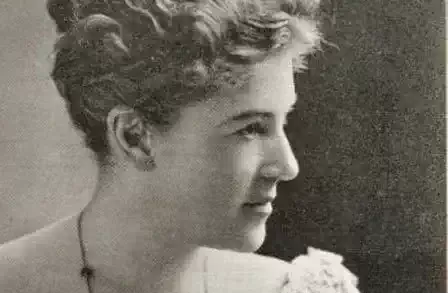
Ella Wheeler Wilcox
If I Should Die
If I Should Die
If I should die, how kind you all would grow!
In that strange hour I would not have one foe.
There are no words too beautiful to say
Of one who goes forevermore away
Across that ebbing tide which has no flow.
With what new lustre my good deeds would glow!
If faults were mine, no one would call them so,
Or speak of me in aught but praise that day,
If I should die.
Ah, friends! before my listening ear lies low,
While I can hear and understand, bestow
That gentle treatment and fond love, I pray,
The lustre of whose late though radiant way
Would gild my grave with mocking light, I know,
If I should die.
If I should die, how kind you all would grow!
In that strange hour I would not have one foe.
There are no words too beautiful to say
Of one who goes forevermore away
Across that ebbing tide which has no flow.
With what new lustre my good deeds would glow!
If faults were mine, no one would call them so,
Or speak of me in aught but praise that day,
If I should die.
Ah, friends! before my listening ear lies low,
While I can hear and understand, bestow
That gentle treatment and fond love, I pray,
The lustre of whose late though radiant way
Would gild my grave with mocking light, I know,
If I should die.
446
Ella Wheeler Wilcox
Idler's Song
Idler's Song
I sit in the twilight dim
At the close of an idle day,
And I list to the soft sweet hymn,
That rises far away,
And dies on the evening air.
Oh, all day long,
They sing their song,
Who toil in the valley there.
But never a song sing I,
Sitting with folded hands,
The hours pass me by Dropping
their golden sands -
And I list, from day to day,
To the 'tick, tick, tock'
Of the old brown clock,
Ticking my life away.
And I see the twilight fade,
And I see the night come on,
And then, in the gloom and shade,
I weep for the day that's gone -
Weep and wail in pain,
For the misspent day
That has flown away,
And will not come again.
Another morning beams,
And I forget the last,
And I sit in idle dreams
Till the day over - past.
Oh, the toiler's heart is glad!
When the day is gone
And the night comes on,
But mine is sore and sad.
For I dare not look behind!
No shining, golden sheaves
Can I ever hope to find:
Nothing but withered leaves.
Ah! dreams are very sweet!
But will not please
If only these
I lay at the Master's feet.
And what will the Master say
To dreams and nothing more?
Oh, idler, all the day!
Think, ere thy life is o'er!
And when the day grows late,
Oh, soul of sin!
Will He let you in,
There at the pearly gate?
Oh, idle heart, beware!
On, to the field of strife!
On, to the valley there!
And live a useful life!
Up, do not wait a day!
For the old brown clock,
With its 'tick, tick, tock, '
Is ticking your life away.
I sit in the twilight dim
At the close of an idle day,
And I list to the soft sweet hymn,
That rises far away,
And dies on the evening air.
Oh, all day long,
They sing their song,
Who toil in the valley there.
But never a song sing I,
Sitting with folded hands,
The hours pass me by Dropping
their golden sands -
And I list, from day to day,
To the 'tick, tick, tock'
Of the old brown clock,
Ticking my life away.
And I see the twilight fade,
And I see the night come on,
And then, in the gloom and shade,
I weep for the day that's gone -
Weep and wail in pain,
For the misspent day
That has flown away,
And will not come again.
Another morning beams,
And I forget the last,
And I sit in idle dreams
Till the day over - past.
Oh, the toiler's heart is glad!
When the day is gone
And the night comes on,
But mine is sore and sad.
For I dare not look behind!
No shining, golden sheaves
Can I ever hope to find:
Nothing but withered leaves.
Ah! dreams are very sweet!
But will not please
If only these
I lay at the Master's feet.
And what will the Master say
To dreams and nothing more?
Oh, idler, all the day!
Think, ere thy life is o'er!
And when the day grows late,
Oh, soul of sin!
Will He let you in,
There at the pearly gate?
Oh, idle heart, beware!
On, to the field of strife!
On, to the valley there!
And live a useful life!
Up, do not wait a day!
For the old brown clock,
With its 'tick, tick, tock, '
Is ticking your life away.
372
Ella Wheeler Wilcox
High Noon
High Noon
Time’s finger on the dial of my life
Points to high noon! And yet the half-spent day
Leaves less than half remaining, for the dark,
Bleak shadows of the grave engulf the end.
To those who burn the candle to the stick,
The sputtering socket yields but little light.
Long life is sadder than early death.
We cannot count on raveled threads of age
Whereof to weave a fabric. We must use
The warp and woof the ready present yields
And toils while daylight lasts. When I bethink
How brief the past, the future still more brief,
Calls on to action, action! Not for me
Is time for retrospection or for dreams,
Not time for self-laudation or remorse.
Have I done nobly? Then I must not let
Dead yesterday unborn to-morrow shame.
Have I done wrong? Well, let the bitter taste
Of fruit that turned to ashes on my lip
Be my reminder in temptations hour,
And keep me silent when I could condemn.
Sometimes it takes the acid of a sin
To cleanse the clouded windows of our souls
So pity may shine through them.
Looking back,
My faults and errors seem like stepping-stones
That led the way to knowledge of the truth
And made me value virtue: sorrows shine
In rainbow colours o’er the gulf of years,
Where lie forgotten pleasures.
Looking forth,
Out to the westers sky still bright with noon,
I feel well spurred and booted for the strife
That ends not till Nirvana is attained.
Battling with fate, with men and with myself,
Up the steep summit of my life’s forenoon,
Three things I learned, three things of precious worth
To guide and help me down the western slope.
I have learned how to pray, and toil, and save.
To pray for courage to receive what comes,
Knowing what comes to be divinely sent.
To toil for universal good, since thus
And only thus can good come unto me.
To save, by giving whatsoe’er I have
To those who have not, this alone is gain.
Time’s finger on the dial of my life
Points to high noon! And yet the half-spent day
Leaves less than half remaining, for the dark,
Bleak shadows of the grave engulf the end.
To those who burn the candle to the stick,
The sputtering socket yields but little light.
Long life is sadder than early death.
We cannot count on raveled threads of age
Whereof to weave a fabric. We must use
The warp and woof the ready present yields
And toils while daylight lasts. When I bethink
How brief the past, the future still more brief,
Calls on to action, action! Not for me
Is time for retrospection or for dreams,
Not time for self-laudation or remorse.
Have I done nobly? Then I must not let
Dead yesterday unborn to-morrow shame.
Have I done wrong? Well, let the bitter taste
Of fruit that turned to ashes on my lip
Be my reminder in temptations hour,
And keep me silent when I could condemn.
Sometimes it takes the acid of a sin
To cleanse the clouded windows of our souls
So pity may shine through them.
Looking back,
My faults and errors seem like stepping-stones
That led the way to knowledge of the truth
And made me value virtue: sorrows shine
In rainbow colours o’er the gulf of years,
Where lie forgotten pleasures.
Looking forth,
Out to the westers sky still bright with noon,
I feel well spurred and booted for the strife
That ends not till Nirvana is attained.
Battling with fate, with men and with myself,
Up the steep summit of my life’s forenoon,
Three things I learned, three things of precious worth
To guide and help me down the western slope.
I have learned how to pray, and toil, and save.
To pray for courage to receive what comes,
Knowing what comes to be divinely sent.
To toil for universal good, since thus
And only thus can good come unto me.
To save, by giving whatsoe’er I have
To those who have not, this alone is gain.
401
Ella Wheeler Wilcox
High Noon
High Noon
Time’s finger on the dial of my life
Points to high noon! And yet the half-spent day
Leaves less than half remaining, for the dark,
Bleak shadows of the grave engulf the end.
To those who burn the candle to the stick,
The sputtering socket yields but little light.
Long life is sadder than early death.
We cannot count on raveled threads of age
Whereof to weave a fabric. We must use
The warp and woof the ready present yields
And toils while daylight lasts. When I bethink
How brief the past, the future still more brief,
Calls on to action, action! Not for me
Is time for retrospection or for dreams,
Not time for self-laudation or remorse.
Have I done nobly? Then I must not let
Dead yesterday unborn to-morrow shame.
Have I done wrong? Well, let the bitter taste
Of fruit that turned to ashes on my lip
Be my reminder in temptations hour,
And keep me silent when I could condemn.
Sometimes it takes the acid of a sin
To cleanse the clouded windows of our souls
So pity may shine through them.
Looking back,
My faults and errors seem like stepping-stones
That led the way to knowledge of the truth
And made me value virtue: sorrows shine
In rainbow colours o’er the gulf of years,
Where lie forgotten pleasures.
Looking forth,
Out to the westers sky still bright with noon,
I feel well spurred and booted for the strife
That ends not till Nirvana is attained.
Battling with fate, with men and with myself,
Up the steep summit of my life’s forenoon,
Three things I learned, three things of precious worth
To guide and help me down the western slope.
I have learned how to pray, and toil, and save.
To pray for courage to receive what comes,
Knowing what comes to be divinely sent.
To toil for universal good, since thus
And only thus can good come unto me.
To save, by giving whatsoe’er I have
To those who have not, this alone is gain.
Time’s finger on the dial of my life
Points to high noon! And yet the half-spent day
Leaves less than half remaining, for the dark,
Bleak shadows of the grave engulf the end.
To those who burn the candle to the stick,
The sputtering socket yields but little light.
Long life is sadder than early death.
We cannot count on raveled threads of age
Whereof to weave a fabric. We must use
The warp and woof the ready present yields
And toils while daylight lasts. When I bethink
How brief the past, the future still more brief,
Calls on to action, action! Not for me
Is time for retrospection or for dreams,
Not time for self-laudation or remorse.
Have I done nobly? Then I must not let
Dead yesterday unborn to-morrow shame.
Have I done wrong? Well, let the bitter taste
Of fruit that turned to ashes on my lip
Be my reminder in temptations hour,
And keep me silent when I could condemn.
Sometimes it takes the acid of a sin
To cleanse the clouded windows of our souls
So pity may shine through them.
Looking back,
My faults and errors seem like stepping-stones
That led the way to knowledge of the truth
And made me value virtue: sorrows shine
In rainbow colours o’er the gulf of years,
Where lie forgotten pleasures.
Looking forth,
Out to the westers sky still bright with noon,
I feel well spurred and booted for the strife
That ends not till Nirvana is attained.
Battling with fate, with men and with myself,
Up the steep summit of my life’s forenoon,
Three things I learned, three things of precious worth
To guide and help me down the western slope.
I have learned how to pray, and toil, and save.
To pray for courage to receive what comes,
Knowing what comes to be divinely sent.
To toil for universal good, since thus
And only thus can good come unto me.
To save, by giving whatsoe’er I have
To those who have not, this alone is gain.
401
Ella Wheeler Wilcox
High Noon
High Noon
Time’s finger on the dial of my life
Points to high noon! And yet the half-spent day
Leaves less than half remaining, for the dark,
Bleak shadows of the grave engulf the end.
To those who burn the candle to the stick,
The sputtering socket yields but little light.
Long life is sadder than early death.
We cannot count on raveled threads of age
Whereof to weave a fabric. We must use
The warp and woof the ready present yields
And toils while daylight lasts. When I bethink
How brief the past, the future still more brief,
Calls on to action, action! Not for me
Is time for retrospection or for dreams,
Not time for self-laudation or remorse.
Have I done nobly? Then I must not let
Dead yesterday unborn to-morrow shame.
Have I done wrong? Well, let the bitter taste
Of fruit that turned to ashes on my lip
Be my reminder in temptations hour,
And keep me silent when I could condemn.
Sometimes it takes the acid of a sin
To cleanse the clouded windows of our souls
So pity may shine through them.
Looking back,
My faults and errors seem like stepping-stones
That led the way to knowledge of the truth
And made me value virtue: sorrows shine
In rainbow colours o’er the gulf of years,
Where lie forgotten pleasures.
Looking forth,
Out to the westers sky still bright with noon,
I feel well spurred and booted for the strife
That ends not till Nirvana is attained.
Battling with fate, with men and with myself,
Up the steep summit of my life’s forenoon,
Three things I learned, three things of precious worth
To guide and help me down the western slope.
I have learned how to pray, and toil, and save.
To pray for courage to receive what comes,
Knowing what comes to be divinely sent.
To toil for universal good, since thus
And only thus can good come unto me.
To save, by giving whatsoe’er I have
To those who have not, this alone is gain.
Time’s finger on the dial of my life
Points to high noon! And yet the half-spent day
Leaves less than half remaining, for the dark,
Bleak shadows of the grave engulf the end.
To those who burn the candle to the stick,
The sputtering socket yields but little light.
Long life is sadder than early death.
We cannot count on raveled threads of age
Whereof to weave a fabric. We must use
The warp and woof the ready present yields
And toils while daylight lasts. When I bethink
How brief the past, the future still more brief,
Calls on to action, action! Not for me
Is time for retrospection or for dreams,
Not time for self-laudation or remorse.
Have I done nobly? Then I must not let
Dead yesterday unborn to-morrow shame.
Have I done wrong? Well, let the bitter taste
Of fruit that turned to ashes on my lip
Be my reminder in temptations hour,
And keep me silent when I could condemn.
Sometimes it takes the acid of a sin
To cleanse the clouded windows of our souls
So pity may shine through them.
Looking back,
My faults and errors seem like stepping-stones
That led the way to knowledge of the truth
And made me value virtue: sorrows shine
In rainbow colours o’er the gulf of years,
Where lie forgotten pleasures.
Looking forth,
Out to the westers sky still bright with noon,
I feel well spurred and booted for the strife
That ends not till Nirvana is attained.
Battling with fate, with men and with myself,
Up the steep summit of my life’s forenoon,
Three things I learned, three things of precious worth
To guide and help me down the western slope.
I have learned how to pray, and toil, and save.
To pray for courage to receive what comes,
Knowing what comes to be divinely sent.
To toil for universal good, since thus
And only thus can good come unto me.
To save, by giving whatsoe’er I have
To those who have not, this alone is gain.
401
Ella Wheeler Wilcox
Haunted
Haunted
What are these nameless mysteries,
These subtleties of life and death,
That bring before our spirit eyes
The loved and lost; or, like a breath
Of lightest air, will touch the cheek,
And yet a wordless language speak?
In every breeze that blows, to-day,
One voice seems speaking unto me;
And north or south, whichever way
I turn my gaze, one face I see,
And closely, closely at my side
A mystic shadow seems to glide.
A motley crowd we move among,
We surge on with the mighty mass,
And yet no one in all the throng
Looks strangely on us as we pass.
No eye but mine own seems to see
The nameless thing that walks by me.
I cannot touch a proffered hand
But this strange shadow glides between.
Why came he from the spirit land?
What brought him from the world unseen?
Why am I troubled and oppressed
By the vague presence of my guest?
He was my friend! I should rejoice!
I loved him once! Why do I fear?
And yet I shudder as his voice
Speaks in the wind. I feel him near,
This restless spirit of the dead,
And shiver with a nameless dread.
I loved him once; he was my friend;
He held the first place in my heart,
And might have held it to the end.
But our two ways spread wide apart:
I kept the path upon the hill,
And he went down and down, until
He reached the depths of sin and shame,
And died as sots and drunkards die.
I ceased to even speak his name.
God knows I never thought that I,
Who blamed his lack of moral strength,
Might answer for his fall, at length!
O restless dead, lost friend of mine!
I might have saved you, had I tried.
I saw you lift the glass of wine,
And, seeing, had I warned you, cried,
'Touch not, taste not the drink accursed!'
I might have saved you from the thirst
That swallowed up your brain and soul.
But nay! I scorned you when you fell,
And, looking upward to my goal,
Left you to stagger down to hell.
Accusing spirit of the dead,
Your presence fills my heart with dread!
What are these nameless mysteries,
These subtleties of life and death,
That bring before our spirit eyes
The loved and lost; or, like a breath
Of lightest air, will touch the cheek,
And yet a wordless language speak?
In every breeze that blows, to-day,
One voice seems speaking unto me;
And north or south, whichever way
I turn my gaze, one face I see,
And closely, closely at my side
A mystic shadow seems to glide.
A motley crowd we move among,
We surge on with the mighty mass,
And yet no one in all the throng
Looks strangely on us as we pass.
No eye but mine own seems to see
The nameless thing that walks by me.
I cannot touch a proffered hand
But this strange shadow glides between.
Why came he from the spirit land?
What brought him from the world unseen?
Why am I troubled and oppressed
By the vague presence of my guest?
He was my friend! I should rejoice!
I loved him once! Why do I fear?
And yet I shudder as his voice
Speaks in the wind. I feel him near,
This restless spirit of the dead,
And shiver with a nameless dread.
I loved him once; he was my friend;
He held the first place in my heart,
And might have held it to the end.
But our two ways spread wide apart:
I kept the path upon the hill,
And he went down and down, until
He reached the depths of sin and shame,
And died as sots and drunkards die.
I ceased to even speak his name.
God knows I never thought that I,
Who blamed his lack of moral strength,
Might answer for his fall, at length!
O restless dead, lost friend of mine!
I might have saved you, had I tried.
I saw you lift the glass of wine,
And, seeing, had I warned you, cried,
'Touch not, taste not the drink accursed!'
I might have saved you from the thirst
That swallowed up your brain and soul.
But nay! I scorned you when you fell,
And, looking upward to my goal,
Left you to stagger down to hell.
Accusing spirit of the dead,
Your presence fills my heart with dread!
367
Ella Wheeler Wilcox
Guerdon
Guerdon
Upon the white cheek of the Cherub Year
I saw a tear.
Alas! I murmured, that the Year should borrow
So soon a sorrow.
Just then the sunlight fell with sudden flame:
A tear became
A wondrous diamond sparkling in the light –
A beautiful sight.
Upon my soul there fell such woeful loss,
I said, ‘The Cross
Is grievous for a life as young as mine.’
Just then, like wine,
God’s sunlight shone from His high Heavens down;
And lo! a crown
Gleamed in the place of what I thought a burden –
My sorrow’s guerdon.
Upon the white cheek of the Cherub Year
I saw a tear.
Alas! I murmured, that the Year should borrow
So soon a sorrow.
Just then the sunlight fell with sudden flame:
A tear became
A wondrous diamond sparkling in the light –
A beautiful sight.
Upon my soul there fell such woeful loss,
I said, ‘The Cross
Is grievous for a life as young as mine.’
Just then, like wine,
God’s sunlight shone from His high Heavens down;
And lo! a crown
Gleamed in the place of what I thought a burden –
My sorrow’s guerdon.
309
Ella Wheeler Wilcox
God's Work
God's Work
To J. J. H., Of Kentucky
Gathering brands from the burning,
Plucking them out of the fire,
Lifting the sheep that have wandered,
Out of the dust and the mire,
Bringing home sheaves from the harvest
To lay at the Master's feet-
Lord! all thy hosts of angels
Must smile on a life so sweet.
Speaking with fear of no man,
Speaking with love for all,
Warning the young and the thoughtless
From the wild beast-'Alcohol.'
Showing the snares that the tempter
Weaveth on every hand.
Lord! all thy dear, dear angels
Must smile on a life so grand.
Fighting the bloodless battle
With a heart that is true and bold;
Fighting it not for glory,
Fighting it not for gold,
But out of love for his neighbor,
And out of love for his Lord.
And I know that the hands of the angels
Will crown him with his reward.
For whoso works for the Master,
And whoso fights his fight,
The angels crown with a star-wreath,
And it glows with gems most bright.
They wear them for ever and ever,
The saints in that land of bliss,
And I know that heaven's best jewel
Is kept for a soul like this.
To J. J. H., Of Kentucky
Gathering brands from the burning,
Plucking them out of the fire,
Lifting the sheep that have wandered,
Out of the dust and the mire,
Bringing home sheaves from the harvest
To lay at the Master's feet-
Lord! all thy hosts of angels
Must smile on a life so sweet.
Speaking with fear of no man,
Speaking with love for all,
Warning the young and the thoughtless
From the wild beast-'Alcohol.'
Showing the snares that the tempter
Weaveth on every hand.
Lord! all thy dear, dear angels
Must smile on a life so grand.
Fighting the bloodless battle
With a heart that is true and bold;
Fighting it not for glory,
Fighting it not for gold,
But out of love for his neighbor,
And out of love for his Lord.
And I know that the hands of the angels
Will crown him with his reward.
For whoso works for the Master,
And whoso fights his fight,
The angels crown with a star-wreath,
And it glows with gems most bright.
They wear them for ever and ever,
The saints in that land of bliss,
And I know that heaven's best jewel
Is kept for a soul like this.
342
Ella Wheeler Wilcox
From the Grave
From the Grave
When the first sere leaves of the year were falling,
I heard, with a heart that was strangely thrilled,
Out of the grave of a dead Past calling,
A voice I fancied forever stilled.
All through winter and spring and summer,
Silence hung over that grave like a pall,
But, borne on the breath of the last sad comer,
I listen again to the old-time call.
It is only a love of a by-gone season,
A senseless folly that mocked at me
A reckless passion that lacked all reason,
So I killed it, and hid it where none could see.
I smothered it first to stop its crying,
Then stabbed it through with a good sharp blade,
And cold and pallid I saw it lying,
And deep—ah' deep was the grave I made.
But now I know that there is no killing
A thing like Love, for it laughs at Death.
There is no hushing, there is no stilling
That which is part of your life and breath.
You may bury it deep, and leave behind you
The land, the people, that knew your slain;
It will push the sods from its grave, and find you
On wastes of water or desert plain.
You may hear but tongues of a foreign people,
You may list to sounds that are strange and new;
But, clear as a silver bell in a steeple,
That voice from the grave shall call to you.
You may rouse your pride, you may use your reason.
And seem for a space to slay Love so;
But, all in its own good time and season,
It will rise and follow wherever you go.
You shall sit sometimes, when the leaves are falling,
Alone with your heart, as I sit to-day,
And hear that voice from your dead Past calling
Out of the graves that you hid away.
When the first sere leaves of the year were falling,
I heard, with a heart that was strangely thrilled,
Out of the grave of a dead Past calling,
A voice I fancied forever stilled.
All through winter and spring and summer,
Silence hung over that grave like a pall,
But, borne on the breath of the last sad comer,
I listen again to the old-time call.
It is only a love of a by-gone season,
A senseless folly that mocked at me
A reckless passion that lacked all reason,
So I killed it, and hid it where none could see.
I smothered it first to stop its crying,
Then stabbed it through with a good sharp blade,
And cold and pallid I saw it lying,
And deep—ah' deep was the grave I made.
But now I know that there is no killing
A thing like Love, for it laughs at Death.
There is no hushing, there is no stilling
That which is part of your life and breath.
You may bury it deep, and leave behind you
The land, the people, that knew your slain;
It will push the sods from its grave, and find you
On wastes of water or desert plain.
You may hear but tongues of a foreign people,
You may list to sounds that are strange and new;
But, clear as a silver bell in a steeple,
That voice from the grave shall call to you.
You may rouse your pride, you may use your reason.
And seem for a space to slay Love so;
But, all in its own good time and season,
It will rise and follow wherever you go.
You shall sit sometimes, when the leaves are falling,
Alone with your heart, as I sit to-day,
And hear that voice from your dead Past calling
Out of the graves that you hid away.
499
Ella Wheeler Wilcox
Forward
Forward
Let me look always forward. Never back.
Was I not formed for progress? Otherwise
With onward pointing feet and searching eyes
Would God have set me squarely on the track
Up which we all must labour with life's pack?
Yonder the goal of all this travel lies.
What matters it, if yesterday the skies
With light were golden, or with clouds were black?
I would not lose to-morrow's glow of dawn
By peering backward after sun's long set.
New hope is fairer than an old regret;
Let me pursue my journey and press on-
Nor tearful eyed, stand ever in one spot,
A briny statue like the wife of Lot.
Let me look always forward. Never back.
Was I not formed for progress? Otherwise
With onward pointing feet and searching eyes
Would God have set me squarely on the track
Up which we all must labour with life's pack?
Yonder the goal of all this travel lies.
What matters it, if yesterday the skies
With light were golden, or with clouds were black?
I would not lose to-morrow's glow of dawn
By peering backward after sun's long set.
New hope is fairer than an old regret;
Let me pursue my journey and press on-
Nor tearful eyed, stand ever in one spot,
A briny statue like the wife of Lot.
474
Ella Wheeler Wilcox
Forward
Forward
Let me look always forward. Never back.
Was I not formed for progress? Otherwise
With onward pointing feet and searching eyes
Would God have set me squarely on the track
Up which we all must labour with life's pack?
Yonder the goal of all this travel lies.
What matters it, if yesterday the skies
With light were golden, or with clouds were black?
I would not lose to-morrow's glow of dawn
By peering backward after sun's long set.
New hope is fairer than an old regret;
Let me pursue my journey and press on-
Nor tearful eyed, stand ever in one spot,
A briny statue like the wife of Lot.
Let me look always forward. Never back.
Was I not formed for progress? Otherwise
With onward pointing feet and searching eyes
Would God have set me squarely on the track
Up which we all must labour with life's pack?
Yonder the goal of all this travel lies.
What matters it, if yesterday the skies
With light were golden, or with clouds were black?
I would not lose to-morrow's glow of dawn
By peering backward after sun's long set.
New hope is fairer than an old regret;
Let me pursue my journey and press on-
Nor tearful eyed, stand ever in one spot,
A briny statue like the wife of Lot.
474
Ella Wheeler Wilcox
Fleeing Away
Fleeing Away
My thoughts soar not as they ought to soar,
Higher and higher on soul-lent wings;
But ever and often and more and more
They are dragged down earthward by little things,
By little troubles and little needs,
As a lark might be tangled among the weeds.
My purpose is not what it ought to be,
Steady and fixed, like a star on high,
But more like a fisherman's light at sea;
Hither and thither it seems to fly--
Sometimes feeble, and sometimes bright,
Then suddenly lost in the gloom of night.
My life is far from my dream of life--
Calmly contented, serenely glad;
But, vexed and worried by daily strife,
It is always troubled and ofttimes sad--
And the heights I had thought I should reach one day
Grow dimmer and dimmer, and farther away.
My heart never finds the longed-for rest;
Its worldly striving, its greed for gold,
Chilled and frightened the calm-eyed guest
Who sometimes sought me in days of old;
And ever fleeing away from me
Is the higher self that I long to be.
My thoughts soar not as they ought to soar,
Higher and higher on soul-lent wings;
But ever and often and more and more
They are dragged down earthward by little things,
By little troubles and little needs,
As a lark might be tangled among the weeds.
My purpose is not what it ought to be,
Steady and fixed, like a star on high,
But more like a fisherman's light at sea;
Hither and thither it seems to fly--
Sometimes feeble, and sometimes bright,
Then suddenly lost in the gloom of night.
My life is far from my dream of life--
Calmly contented, serenely glad;
But, vexed and worried by daily strife,
It is always troubled and ofttimes sad--
And the heights I had thought I should reach one day
Grow dimmer and dimmer, and farther away.
My heart never finds the longed-for rest;
Its worldly striving, its greed for gold,
Chilled and frightened the calm-eyed guest
Who sometimes sought me in days of old;
And ever fleeing away from me
Is the higher self that I long to be.
428
Ella Wheeler Wilcox
Fame
Fame
If I should die, to-day,
To-morrow, maybe, the world would see
Would waken from sleep, and say,
"Why here was talent! why here was worth!
Why here was a luminous light o' the earth.
A soul as free
As the winds of the sea:
To whom was given
A dower of heaven.
And fame, and name, and glory belongs
To this dead singer of living songs.
Bring hither a wreath, for the bride of death!"
And so they would praise me, and so they would raise me
Mayhap, a column, high over the bed
Where I should be lying, all cold and dead.
But I am a living poet!
Walking abroad in the sunlight of God,
Not lying asleep, where the clay worms creep,
And the cold world will not show it,
E'en when it sees that my song should please;
But sneering says: "Avaunt, with thy lays
Do not sing them, and do not bring them
Into this rustling, bustling life.
We have no time, for a jingling rhyme,
In this scene of hurrying, worrying strife."
And so I say, there is but one way
To win me a name, and bring me fame.
And that is, to die, and be buried low,
When the world would praise me, an hour or so.
If I should die, to-day,
To-morrow, maybe, the world would see
Would waken from sleep, and say,
"Why here was talent! why here was worth!
Why here was a luminous light o' the earth.
A soul as free
As the winds of the sea:
To whom was given
A dower of heaven.
And fame, and name, and glory belongs
To this dead singer of living songs.
Bring hither a wreath, for the bride of death!"
And so they would praise me, and so they would raise me
Mayhap, a column, high over the bed
Where I should be lying, all cold and dead.
But I am a living poet!
Walking abroad in the sunlight of God,
Not lying asleep, where the clay worms creep,
And the cold world will not show it,
E'en when it sees that my song should please;
But sneering says: "Avaunt, with thy lays
Do not sing them, and do not bring them
Into this rustling, bustling life.
We have no time, for a jingling rhyme,
In this scene of hurrying, worrying strife."
And so I say, there is but one way
To win me a name, and bring me fame.
And that is, to die, and be buried low,
When the world would praise me, an hour or so.
504
Ella Wheeler Wilcox
Finis
Finis
An idle rhyme of the summer time,
Sweet, and solemn, and tender;
Fair with the haze of the moon's pale rays,
Bright with the sunset's splendour.
Summer and beauty over the lands Careless
hours of pleasure;
A meeting of eyes and a touching of hands A
change in the floating measure.
A deeper hue in the skies of blue,
Winds from the tropics blowing;
A softer grace in the fair moons face,
And the summer going, going.
The leaves drift down, the green grows brown,
And tears with smiles are blended;
A twilight hour and a treasured flower, And
now the poem is ended.
An idle rhyme of the summer time,
Sweet, and solemn, and tender;
Fair with the haze of the moon's pale rays,
Bright with the sunset's splendour.
Summer and beauty over the lands Careless
hours of pleasure;
A meeting of eyes and a touching of hands A
change in the floating measure.
A deeper hue in the skies of blue,
Winds from the tropics blowing;
A softer grace in the fair moons face,
And the summer going, going.
The leaves drift down, the green grows brown,
And tears with smiles are blended;
A twilight hour and a treasured flower, And
now the poem is ended.
378
Ella Wheeler Wilcox
Ernestness
Ernestness
The hurry of the times affects us so
In this swift rushing hour, we crowd and press
And thrust each other backward as we go,
And do not pause to lay sufficient stress
Upon that good, strong, true word, Earnestness.
In our impetuous haste, could we but know
Its full, deep meaning, its vast import, oh,
Then might we grasp the secret of success!
In that receding age when men were great,
The bone and sinew of their purpose lay
In this one word. God likes an earnest soul—
Too earnest to be eager. Soon or late
It leaves the spent horde breathless by the way,
And stands serene, triumphant at the goal.
The hurry of the times affects us so
In this swift rushing hour, we crowd and press
And thrust each other backward as we go,
And do not pause to lay sufficient stress
Upon that good, strong, true word, Earnestness.
In our impetuous haste, could we but know
Its full, deep meaning, its vast import, oh,
Then might we grasp the secret of success!
In that receding age when men were great,
The bone and sinew of their purpose lay
In this one word. God likes an earnest soul—
Too earnest to be eager. Soon or late
It leaves the spent horde breathless by the way,
And stands serene, triumphant at the goal.
464
Ella Wheeler Wilcox
Fading*
Fading*
She sits beside the window. All who pass
Turn once again to gaze on her sweet face.
She is so fair; but soon, too soon, alas,
To lie down in her last resting-place.
No gems are brighter than her sparkling eyes,
Her brow like polished marble, white and fair -
Her cheeks are glowing as the sunset skies You
would not dream that Death was lurking there.
But, Oh! he lingers closely at her side,
And when the forest dons her Autumn dress,
We know that he will claim her as his bride,
And earth will number one fair spirit less.
She sees the meadow robed in richest green The
laughing stream - the willows bending o'er.
With tear-dimmed eyes she views each sylvan scene,
And thinks earth never was so fair before.
We do not sigh for heaven, till we have known
Something of sorrow, something of grief and woe,
And as a summer day her life has flown.
Oh, can we wonder she is loth to go?
She has no friends in heaven: all are here.
No lost one waits her in that unknown land,
And life grows doubly, trebly sweet and dear
As day by day she nears the mystic strand.
We love her and we grieve to see her go.
But it is Christ who calls her to His breast,
And He shall greet her, and she soon shall know
The joys of souls that dwell among the blest.
She sits beside the window. All who pass
Turn once again to gaze on her sweet face.
She is so fair; but soon, too soon, alas,
To lie down in her last resting-place.
No gems are brighter than her sparkling eyes,
Her brow like polished marble, white and fair -
Her cheeks are glowing as the sunset skies You
would not dream that Death was lurking there.
But, Oh! he lingers closely at her side,
And when the forest dons her Autumn dress,
We know that he will claim her as his bride,
And earth will number one fair spirit less.
She sees the meadow robed in richest green The
laughing stream - the willows bending o'er.
With tear-dimmed eyes she views each sylvan scene,
And thinks earth never was so fair before.
We do not sigh for heaven, till we have known
Something of sorrow, something of grief and woe,
And as a summer day her life has flown.
Oh, can we wonder she is loth to go?
She has no friends in heaven: all are here.
No lost one waits her in that unknown land,
And life grows doubly, trebly sweet and dear
As day by day she nears the mystic strand.
We love her and we grieve to see her go.
But it is Christ who calls her to His breast,
And He shall greet her, and she soon shall know
The joys of souls that dwell among the blest.
414
Ella Wheeler Wilcox
Fading*
Fading*
She sits beside the window. All who pass
Turn once again to gaze on her sweet face.
She is so fair; but soon, too soon, alas,
To lie down in her last resting-place.
No gems are brighter than her sparkling eyes,
Her brow like polished marble, white and fair -
Her cheeks are glowing as the sunset skies You
would not dream that Death was lurking there.
But, Oh! he lingers closely at her side,
And when the forest dons her Autumn dress,
We know that he will claim her as his bride,
And earth will number one fair spirit less.
She sees the meadow robed in richest green The
laughing stream - the willows bending o'er.
With tear-dimmed eyes she views each sylvan scene,
And thinks earth never was so fair before.
We do not sigh for heaven, till we have known
Something of sorrow, something of grief and woe,
And as a summer day her life has flown.
Oh, can we wonder she is loth to go?
She has no friends in heaven: all are here.
No lost one waits her in that unknown land,
And life grows doubly, trebly sweet and dear
As day by day she nears the mystic strand.
We love her and we grieve to see her go.
But it is Christ who calls her to His breast,
And He shall greet her, and she soon shall know
The joys of souls that dwell among the blest.
She sits beside the window. All who pass
Turn once again to gaze on her sweet face.
She is so fair; but soon, too soon, alas,
To lie down in her last resting-place.
No gems are brighter than her sparkling eyes,
Her brow like polished marble, white and fair -
Her cheeks are glowing as the sunset skies You
would not dream that Death was lurking there.
But, Oh! he lingers closely at her side,
And when the forest dons her Autumn dress,
We know that he will claim her as his bride,
And earth will number one fair spirit less.
She sees the meadow robed in richest green The
laughing stream - the willows bending o'er.
With tear-dimmed eyes she views each sylvan scene,
And thinks earth never was so fair before.
We do not sigh for heaven, till we have known
Something of sorrow, something of grief and woe,
And as a summer day her life has flown.
Oh, can we wonder she is loth to go?
She has no friends in heaven: all are here.
No lost one waits her in that unknown land,
And life grows doubly, trebly sweet and dear
As day by day she nears the mystic strand.
We love her and we grieve to see her go.
But it is Christ who calls her to His breast,
And He shall greet her, and she soon shall know
The joys of souls that dwell among the blest.
414
Ella Wheeler Wilcox
Dream Town
Dream Town
Now who is ready to go with me
Off and away to dream town?
Oh, such a journey as that will be,
All dressed in a snow white gown.
No shoe or stocking, they think it shocking
To wear such things in dream town street,
For it's paved with posies and leaves of roses,
So nothing can hurt your feet.
We leave our baggage and clothes behind
When we set out on this jaunt,
The folks who live there are very kind,
They give us whatever we want;
Sometimes a dolly we take, if she's jolly
And good all the day before.
But they've dolls without number in that land of slumber,
And of toys there's a wonderful store.
We shut up our eyes when we set out,
Though why I never have guessed,
There's some good reason I haven't a doubt,
Since every one says it is best.
I think we go faster and keep off disaster,
By folding our eyelids down;
By dropping that curtain I'm almost certain,
The sooner we get to dream town.
Just inside of the city gate,
Smiling and rosy and bright,
The boys and the girls of dream town wait
To play with us all the night.
So rocking and rocking, without shoe or stocking,
All dressed in a little white gown,
Singing and humming, we're coming, we're coming
Into the gates of dream town.
Now who is ready to go with me
Off and away to dream town?
Oh, such a journey as that will be,
All dressed in a snow white gown.
No shoe or stocking, they think it shocking
To wear such things in dream town street,
For it's paved with posies and leaves of roses,
So nothing can hurt your feet.
We leave our baggage and clothes behind
When we set out on this jaunt,
The folks who live there are very kind,
They give us whatever we want;
Sometimes a dolly we take, if she's jolly
And good all the day before.
But they've dolls without number in that land of slumber,
And of toys there's a wonderful store.
We shut up our eyes when we set out,
Though why I never have guessed,
There's some good reason I haven't a doubt,
Since every one says it is best.
I think we go faster and keep off disaster,
By folding our eyelids down;
By dropping that curtain I'm almost certain,
The sooner we get to dream town.
Just inside of the city gate,
Smiling and rosy and bright,
The boys and the girls of dream town wait
To play with us all the night.
So rocking and rocking, without shoe or stocking,
All dressed in a little white gown,
Singing and humming, we're coming, we're coming
Into the gates of dream town.
421
Ella Wheeler Wilcox
Daft
Daft
In the warm yellow smile of the morning,
She stands at the lattice pane,
And watches the strong young binders
Stride down to the fields of grain.
And she counts them over and over
As they pass her cottage door:
Are they six, she counts them seven;
Are they seven, she counts one more.
When the sun swings high in the heavens,
And the reapers go shouting home,
She calls to the household, saying,
'Make haste! for the binders have come
And Johnnie will want his dinner He
was always a hungry child';
And they answer, 'Yes, it ia waiting';
Then tell you, 'Her brain is wild.'
Again, in the hush of the evening,
When the work of the day is done,
And the binders go singing homeward
In the last red rays of the sun,
She will sit at the threshold waiting,
And with her withered face lights with joy:
'Come, Johnnie, ' she says, as they pass her,
'Come into the house, my boy.'
Five summers ago her Johnnie
Went out in the smile of the morn,
Singing across the meadow,
Striding down through the corn -
He towered above the binders,
Walking on either side,
And the mother's heart within her
Swelled with exultant pride.
For he was the light of the household His
brown eyes were wells of truth,
And his face was the face of the morning,
Lit with its pure, fresh youth,
And his song rang out from the hilltops
Like the mellow blast of a horn,
And he strode o'er the fresh shorn meadows,
And down through the rows of corn.
But hushed were the voices of singing,
Hushed by the presence of death,
As back to the cottage they bore him In
the noontide's scorching breath,
For the heat of the sun had slain him,
Had smitten the heart in his breast,
And he who towered above them
Lay lower than all the rest.
The grain grows ripe in the sunshine,
And the summers ebb and flow,
And the binders stride to their labour
And sing as they come and go;
But never again from the hilltops
Echoes the voice like a horn;
Never up from the meadows,
Never back from the corn.
Yet the poor, crazed brain of the mother
Fancies him always near;
She is blest in her strange delusion,
For she knoweth no pain nor fear,
And always she counts the binders
As they pass by her cottage door;
Are they six, she counts them seven;
Are they seven, she counts one more.
In the warm yellow smile of the morning,
She stands at the lattice pane,
And watches the strong young binders
Stride down to the fields of grain.
And she counts them over and over
As they pass her cottage door:
Are they six, she counts them seven;
Are they seven, she counts one more.
When the sun swings high in the heavens,
And the reapers go shouting home,
She calls to the household, saying,
'Make haste! for the binders have come
And Johnnie will want his dinner He
was always a hungry child';
And they answer, 'Yes, it ia waiting';
Then tell you, 'Her brain is wild.'
Again, in the hush of the evening,
When the work of the day is done,
And the binders go singing homeward
In the last red rays of the sun,
She will sit at the threshold waiting,
And with her withered face lights with joy:
'Come, Johnnie, ' she says, as they pass her,
'Come into the house, my boy.'
Five summers ago her Johnnie
Went out in the smile of the morn,
Singing across the meadow,
Striding down through the corn -
He towered above the binders,
Walking on either side,
And the mother's heart within her
Swelled with exultant pride.
For he was the light of the household His
brown eyes were wells of truth,
And his face was the face of the morning,
Lit with its pure, fresh youth,
And his song rang out from the hilltops
Like the mellow blast of a horn,
And he strode o'er the fresh shorn meadows,
And down through the rows of corn.
But hushed were the voices of singing,
Hushed by the presence of death,
As back to the cottage they bore him In
the noontide's scorching breath,
For the heat of the sun had slain him,
Had smitten the heart in his breast,
And he who towered above them
Lay lower than all the rest.
The grain grows ripe in the sunshine,
And the summers ebb and flow,
And the binders stride to their labour
And sing as they come and go;
But never again from the hilltops
Echoes the voice like a horn;
Never up from the meadows,
Never back from the corn.
Yet the poor, crazed brain of the mother
Fancies him always near;
She is blest in her strange delusion,
For she knoweth no pain nor fear,
And always she counts the binders
As they pass by her cottage door;
Are they six, she counts them seven;
Are they seven, she counts one more.
435
Ella Wheeler Wilcox
Daft
Daft
In the warm yellow smile of the morning,
She stands at the lattice pane,
And watches the strong young binders
Stride down to the fields of grain.
And she counts them over and over
As they pass her cottage door:
Are they six, she counts them seven;
Are they seven, she counts one more.
When the sun swings high in the heavens,
And the reapers go shouting home,
She calls to the household, saying,
'Make haste! for the binders have come
And Johnnie will want his dinner He
was always a hungry child';
And they answer, 'Yes, it ia waiting';
Then tell you, 'Her brain is wild.'
Again, in the hush of the evening,
When the work of the day is done,
And the binders go singing homeward
In the last red rays of the sun,
She will sit at the threshold waiting,
And with her withered face lights with joy:
'Come, Johnnie, ' she says, as they pass her,
'Come into the house, my boy.'
Five summers ago her Johnnie
Went out in the smile of the morn,
Singing across the meadow,
Striding down through the corn -
He towered above the binders,
Walking on either side,
And the mother's heart within her
Swelled with exultant pride.
For he was the light of the household His
brown eyes were wells of truth,
And his face was the face of the morning,
Lit with its pure, fresh youth,
And his song rang out from the hilltops
Like the mellow blast of a horn,
And he strode o'er the fresh shorn meadows,
And down through the rows of corn.
But hushed were the voices of singing,
Hushed by the presence of death,
As back to the cottage they bore him In
the noontide's scorching breath,
For the heat of the sun had slain him,
Had smitten the heart in his breast,
And he who towered above them
Lay lower than all the rest.
The grain grows ripe in the sunshine,
And the summers ebb and flow,
And the binders stride to their labour
And sing as they come and go;
But never again from the hilltops
Echoes the voice like a horn;
Never up from the meadows,
Never back from the corn.
Yet the poor, crazed brain of the mother
Fancies him always near;
She is blest in her strange delusion,
For she knoweth no pain nor fear,
And always she counts the binders
As they pass by her cottage door;
Are they six, she counts them seven;
Are they seven, she counts one more.
In the warm yellow smile of the morning,
She stands at the lattice pane,
And watches the strong young binders
Stride down to the fields of grain.
And she counts them over and over
As they pass her cottage door:
Are they six, she counts them seven;
Are they seven, she counts one more.
When the sun swings high in the heavens,
And the reapers go shouting home,
She calls to the household, saying,
'Make haste! for the binders have come
And Johnnie will want his dinner He
was always a hungry child';
And they answer, 'Yes, it ia waiting';
Then tell you, 'Her brain is wild.'
Again, in the hush of the evening,
When the work of the day is done,
And the binders go singing homeward
In the last red rays of the sun,
She will sit at the threshold waiting,
And with her withered face lights with joy:
'Come, Johnnie, ' she says, as they pass her,
'Come into the house, my boy.'
Five summers ago her Johnnie
Went out in the smile of the morn,
Singing across the meadow,
Striding down through the corn -
He towered above the binders,
Walking on either side,
And the mother's heart within her
Swelled with exultant pride.
For he was the light of the household His
brown eyes were wells of truth,
And his face was the face of the morning,
Lit with its pure, fresh youth,
And his song rang out from the hilltops
Like the mellow blast of a horn,
And he strode o'er the fresh shorn meadows,
And down through the rows of corn.
But hushed were the voices of singing,
Hushed by the presence of death,
As back to the cottage they bore him In
the noontide's scorching breath,
For the heat of the sun had slain him,
Had smitten the heart in his breast,
And he who towered above them
Lay lower than all the rest.
The grain grows ripe in the sunshine,
And the summers ebb and flow,
And the binders stride to their labour
And sing as they come and go;
But never again from the hilltops
Echoes the voice like a horn;
Never up from the meadows,
Never back from the corn.
Yet the poor, crazed brain of the mother
Fancies him always near;
She is blest in her strange delusion,
For she knoweth no pain nor fear,
And always she counts the binders
As they pass by her cottage door;
Are they six, she counts them seven;
Are they seven, she counts one more.
435
Ella Wheeler Wilcox
Contentment
Contentment
If any line that I ever penned,
Or any word I have spoken,
Has comforted heart of foe or friend In
any way, why my life, I'll say,
Has reaped the reward of labour,
If aught I have said, or written, has made
Gladder the heart o' my neighbour.
If any deed that I ever did
Lightened a sad heart's sorrow,
If I have lifted a drooping lid
Up to the bright to-morrow,
Though the world knows not, nor gives me a thought,
Nor ever can know, nor praise me,
Yet still I shall say, to my heart alway,
That my life and labour repay me.
If in any way I have helped a soul,
Or given a spirit pleasure,
Then my cup of joy, I shall think is full
With an overflowing measure.
Though never an eye, but the one on high
Looks on my kindly action,
Yet, O my heart, we shall think of our part
In the drama, with satisfaction.
If any line that I ever penned,
Or any word I have spoken,
Has comforted heart of foe or friend In
any way, why my life, I'll say,
Has reaped the reward of labour,
If aught I have said, or written, has made
Gladder the heart o' my neighbour.
If any deed that I ever did
Lightened a sad heart's sorrow,
If I have lifted a drooping lid
Up to the bright to-morrow,
Though the world knows not, nor gives me a thought,
Nor ever can know, nor praise me,
Yet still I shall say, to my heart alway,
That my life and labour repay me.
If in any way I have helped a soul,
Or given a spirit pleasure,
Then my cup of joy, I shall think is full
With an overflowing measure.
Though never an eye, but the one on high
Looks on my kindly action,
Yet, O my heart, we shall think of our part
In the drama, with satisfaction.
444
Ella Wheeler Wilcox
Conversion
Conversion
When this world's pleasures for my soul sufficed,
Ere my heart's plummet sounded depths of pain,
I call on Reason to control my brain,
And scoffed at that old story of Christ.
But when o'er burning wastes my feet had trod,
And all my life was desolate with loss,
With bleeding hands I clung about the cross,
And cried aloud, 'Man needs a suffering God! '
When this world's pleasures for my soul sufficed,
Ere my heart's plummet sounded depths of pain,
I call on Reason to control my brain,
And scoffed at that old story of Christ.
But when o'er burning wastes my feet had trod,
And all my life was desolate with loss,
With bleeding hands I clung about the cross,
And cried aloud, 'Man needs a suffering God! '
302
Ella Wheeler Wilcox
Christ Crucified
Christ Crucified
Now ere I slept, my prayer had been that I might see my way
To do the will of Christ, our Lord and Master, day by day;
And with this prayer upon my lips, I knew not that I dreamed,
But suddenly the world of night a pandemonium seemed.
From forest, and from slaughter house, from bull ring, and from stall,
There rose an anguished cry of pain, a loud, appealing call;
As man – the dumb beast’s next of kin – with gun, and whip, and knife,
Went pleasure-seeking through the earth, blood-bent on taking life.
From trap, and cage, and house, and zoo, and street, that awful strain
Of tortured creatures rose and swelled the orchestra of pain.
And then methought the gentle Christ appeared to me and spoke:
‘I called you, but ye answered not’ – and in my fear I woke.
Then next I heard the roar of mills; and moving through the noise,
Like phantoms in an underworld, were little girls and boys.
Their backs were bent, their brows were pale, their eyes were sad and old;
But by the labour of their hands greed added gold to gold.
Again the Presence and the Voice: ‘Behold the crimes I see,
As ye have done it unto these, so have ye done to me.’
Again I slept. I seemed to climb a hard, ascending track;
And just behind me laboured one whose patient face was black.
I pitied him; but hour by hour he gained upon the path;
He stood beside me, stood upright – and then I turned in wrath.
‘Go back! ’ I cried. ‘What right have you to walk beside me here?
For you are black, and I am white.’ I paused struck dumb with fear.
For lo! the black man was not there, but Christ stood in his place;
And oh! the pain, the pain, the pain that looked from his dear face.
Now when I woke, the air was rife with that sweet, rhythmic din
Which tells the world that Christ has come to save mankind from sin.
And through the open door of church and temple passed a throng,
To worship Him, with bended knee with sermon, and with song.
But over all I heard the cry of hunted, mangled things;
Those creatures which are part of God, though they have hoofs and wings.
I saw the mill, the mine, and shop, the little slaves of greed;
I heard the strife of race with race, all sprung from one God-seed.
And then I bowed my head in shame, and in contrition cried –
‘Lo, after nineteen hundred years, Christ still is crucified.’
Now ere I slept, my prayer had been that I might see my way
To do the will of Christ, our Lord and Master, day by day;
And with this prayer upon my lips, I knew not that I dreamed,
But suddenly the world of night a pandemonium seemed.
From forest, and from slaughter house, from bull ring, and from stall,
There rose an anguished cry of pain, a loud, appealing call;
As man – the dumb beast’s next of kin – with gun, and whip, and knife,
Went pleasure-seeking through the earth, blood-bent on taking life.
From trap, and cage, and house, and zoo, and street, that awful strain
Of tortured creatures rose and swelled the orchestra of pain.
And then methought the gentle Christ appeared to me and spoke:
‘I called you, but ye answered not’ – and in my fear I woke.
Then next I heard the roar of mills; and moving through the noise,
Like phantoms in an underworld, were little girls and boys.
Their backs were bent, their brows were pale, their eyes were sad and old;
But by the labour of their hands greed added gold to gold.
Again the Presence and the Voice: ‘Behold the crimes I see,
As ye have done it unto these, so have ye done to me.’
Again I slept. I seemed to climb a hard, ascending track;
And just behind me laboured one whose patient face was black.
I pitied him; but hour by hour he gained upon the path;
He stood beside me, stood upright – and then I turned in wrath.
‘Go back! ’ I cried. ‘What right have you to walk beside me here?
For you are black, and I am white.’ I paused struck dumb with fear.
For lo! the black man was not there, but Christ stood in his place;
And oh! the pain, the pain, the pain that looked from his dear face.
Now when I woke, the air was rife with that sweet, rhythmic din
Which tells the world that Christ has come to save mankind from sin.
And through the open door of church and temple passed a throng,
To worship Him, with bended knee with sermon, and with song.
But over all I heard the cry of hunted, mangled things;
Those creatures which are part of God, though they have hoofs and wings.
I saw the mill, the mine, and shop, the little slaves of greed;
I heard the strife of race with race, all sprung from one God-seed.
And then I bowed my head in shame, and in contrition cried –
‘Lo, after nineteen hundred years, Christ still is crucified.’
478
Ella Wheeler Wilcox
Certitude
Certitude
There was a time when I was confident
That God's stupendous mystery of birth
Was mine to know. The wonder of it lent
New ecstasy and glory to the earth.
I heard no voice that uttered it aloud,
Nor was it written for me on a scroll;
Yet, if alone or in the common crowd,
I felt myself a consecrated soul.
My child leaped in its dark and silent room
And cried, 'I am,' though all unheard by men.
So leaps my spirit in the body's gloom
And cries, 'I live! I shall be born again.'
Elate with certitude towards death I go,
Nor doubt, nor argue, since I know, I know!
There was a time when I was confident
That God's stupendous mystery of birth
Was mine to know. The wonder of it lent
New ecstasy and glory to the earth.
I heard no voice that uttered it aloud,
Nor was it written for me on a scroll;
Yet, if alone or in the common crowd,
I felt myself a consecrated soul.
My child leaped in its dark and silent room
And cried, 'I am,' though all unheard by men.
So leaps my spirit in the body's gloom
And cries, 'I live! I shall be born again.'
Elate with certitude towards death I go,
Nor doubt, nor argue, since I know, I know!
299