

Poems in this topic
Life and Existence
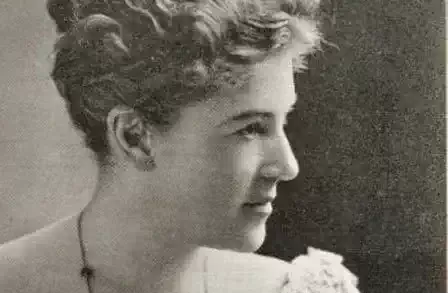
Ella Wheeler Wilcox
A Leaf
A Leaf
Somebody said, in the crowd, last eve,
That you were married, or soon to be.
I have not thought of you, I believe,
Since last we parted. Let me see:
Five long Summers have passed since then –
Each has been pleasant in its own way –
And you are but one of a dozen men
Who have played the suitor a Summer day.
But, nevertheless, when I heard your name,
Coupled with some one’s, not my own,
There burned in my bosom a sudden flame,
That carried me back to the day that is flown.
I was sitting again by the laughing brook,
With you at my feet, and the sky above,
And my heart was fluttering under your look –
The unmistakable look of Love.
Again your breath, like a South wind, fanned
My cheek, where the blushes came and went;
And the tender clasp of your strong, warm hand
Sudden thrills through my pulses sent.
Again you were mine by Love’s decree:
So for a moment it seemed last night,
When somebody mentioned your name to me.
Just for the moment I thought you mine –
Loving me, wooing me, as of old.
The tale remembered seemed half divine –
Though I held it lightly enough when told.
The past seemed fairer than when it was near,
As ‘blessings brighten when taking flight, ’
And just for the moment I held you near –
When somebody mentioned your name last night.
Somebody said, in the crowd, last eve,
That you were married, or soon to be.
I have not thought of you, I believe,
Since last we parted. Let me see:
Five long Summers have passed since then –
Each has been pleasant in its own way –
And you are but one of a dozen men
Who have played the suitor a Summer day.
But, nevertheless, when I heard your name,
Coupled with some one’s, not my own,
There burned in my bosom a sudden flame,
That carried me back to the day that is flown.
I was sitting again by the laughing brook,
With you at my feet, and the sky above,
And my heart was fluttering under your look –
The unmistakable look of Love.
Again your breath, like a South wind, fanned
My cheek, where the blushes came and went;
And the tender clasp of your strong, warm hand
Sudden thrills through my pulses sent.
Again you were mine by Love’s decree:
So for a moment it seemed last night,
When somebody mentioned your name to me.
Just for the moment I thought you mine –
Loving me, wooing me, as of old.
The tale remembered seemed half divine –
Though I held it lightly enough when told.
The past seemed fairer than when it was near,
As ‘blessings brighten when taking flight, ’
And just for the moment I held you near –
When somebody mentioned your name last night.
408
Ella Wheeler Wilcox
A Leaf
A Leaf
Somebody said, in the crowd, last eve,
That you were married, or soon to be.
I have not thought of you, I believe,
Since last we parted. Let me see:
Five long Summers have passed since then –
Each has been pleasant in its own way –
And you are but one of a dozen men
Who have played the suitor a Summer day.
But, nevertheless, when I heard your name,
Coupled with some one’s, not my own,
There burned in my bosom a sudden flame,
That carried me back to the day that is flown.
I was sitting again by the laughing brook,
With you at my feet, and the sky above,
And my heart was fluttering under your look –
The unmistakable look of Love.
Again your breath, like a South wind, fanned
My cheek, where the blushes came and went;
And the tender clasp of your strong, warm hand
Sudden thrills through my pulses sent.
Again you were mine by Love’s decree:
So for a moment it seemed last night,
When somebody mentioned your name to me.
Just for the moment I thought you mine –
Loving me, wooing me, as of old.
The tale remembered seemed half divine –
Though I held it lightly enough when told.
The past seemed fairer than when it was near,
As ‘blessings brighten when taking flight, ’
And just for the moment I held you near –
When somebody mentioned your name last night.
Somebody said, in the crowd, last eve,
That you were married, or soon to be.
I have not thought of you, I believe,
Since last we parted. Let me see:
Five long Summers have passed since then –
Each has been pleasant in its own way –
And you are but one of a dozen men
Who have played the suitor a Summer day.
But, nevertheless, when I heard your name,
Coupled with some one’s, not my own,
There burned in my bosom a sudden flame,
That carried me back to the day that is flown.
I was sitting again by the laughing brook,
With you at my feet, and the sky above,
And my heart was fluttering under your look –
The unmistakable look of Love.
Again your breath, like a South wind, fanned
My cheek, where the blushes came and went;
And the tender clasp of your strong, warm hand
Sudden thrills through my pulses sent.
Again you were mine by Love’s decree:
So for a moment it seemed last night,
When somebody mentioned your name to me.
Just for the moment I thought you mine –
Loving me, wooing me, as of old.
The tale remembered seemed half divine –
Though I held it lightly enough when told.
The past seemed fairer than when it was near,
As ‘blessings brighten when taking flight, ’
And just for the moment I held you near –
When somebody mentioned your name last night.
408
Ella Wheeler Wilcox
A Grey Mood
A Grey Mood
As we hurry away to the end, my friend,
Of this sad little farce called existence,
We are sure that the future will bring one thing,
And that is the grave in the distance.
And so when our lives run along all wrong,
And nothing seems real or certain,
We can comfort ourselves with the thought (or not)
Of that spectre behind the curtain.
But we haven’t much time to repine or whine,
Or to wound or jostle each other;
And the hour for us each is to-day, I say,
If we mean to assist a brother.
And there is no pleasure that earth gives birth,
But the worry it brings is double;
And all that repays for the strife of life,
Is helping some soul in trouble.
I tell you, if I could go back the track
To my life’s morning hour,
I would not set forth, seeking name or fame,
Or that poor bauble called power.
I would be like the sunlight, and live to give;
I would lend, but I would not borrow;
Nor would I be blind and complain of pain,
Forgetting the meaning of sorrow.
This world is a vaporous jest at best,
Tossed off by the gods in laughter;
And a cruel attempt at wit were it
If nothing better came after.
It is reeking with hearts that ache and break,
Which we ought to comfort and strengthen,
As we hurry away to the end, my friend,
And the shadows behind us lengthen.
As we hurry away to the end, my friend,
Of this sad little farce called existence,
We are sure that the future will bring one thing,
And that is the grave in the distance.
And so when our lives run along all wrong,
And nothing seems real or certain,
We can comfort ourselves with the thought (or not)
Of that spectre behind the curtain.
But we haven’t much time to repine or whine,
Or to wound or jostle each other;
And the hour for us each is to-day, I say,
If we mean to assist a brother.
And there is no pleasure that earth gives birth,
But the worry it brings is double;
And all that repays for the strife of life,
Is helping some soul in trouble.
I tell you, if I could go back the track
To my life’s morning hour,
I would not set forth, seeking name or fame,
Or that poor bauble called power.
I would be like the sunlight, and live to give;
I would lend, but I would not borrow;
Nor would I be blind and complain of pain,
Forgetting the meaning of sorrow.
This world is a vaporous jest at best,
Tossed off by the gods in laughter;
And a cruel attempt at wit were it
If nothing better came after.
It is reeking with hearts that ache and break,
Which we ought to comfort and strengthen,
As we hurry away to the end, my friend,
And the shadows behind us lengthen.
456
Ella Wheeler Wilcox
A Grey Mood
A Grey Mood
As we hurry away to the end, my friend,
Of this sad little farce called existence,
We are sure that the future will bring one thing,
And that is the grave in the distance.
And so when our lives run along all wrong,
And nothing seems real or certain,
We can comfort ourselves with the thought (or not)
Of that spectre behind the curtain.
But we haven’t much time to repine or whine,
Or to wound or jostle each other;
And the hour for us each is to-day, I say,
If we mean to assist a brother.
And there is no pleasure that earth gives birth,
But the worry it brings is double;
And all that repays for the strife of life,
Is helping some soul in trouble.
I tell you, if I could go back the track
To my life’s morning hour,
I would not set forth, seeking name or fame,
Or that poor bauble called power.
I would be like the sunlight, and live to give;
I would lend, but I would not borrow;
Nor would I be blind and complain of pain,
Forgetting the meaning of sorrow.
This world is a vaporous jest at best,
Tossed off by the gods in laughter;
And a cruel attempt at wit were it
If nothing better came after.
It is reeking with hearts that ache and break,
Which we ought to comfort and strengthen,
As we hurry away to the end, my friend,
And the shadows behind us lengthen.
As we hurry away to the end, my friend,
Of this sad little farce called existence,
We are sure that the future will bring one thing,
And that is the grave in the distance.
And so when our lives run along all wrong,
And nothing seems real or certain,
We can comfort ourselves with the thought (or not)
Of that spectre behind the curtain.
But we haven’t much time to repine or whine,
Or to wound or jostle each other;
And the hour for us each is to-day, I say,
If we mean to assist a brother.
And there is no pleasure that earth gives birth,
But the worry it brings is double;
And all that repays for the strife of life,
Is helping some soul in trouble.
I tell you, if I could go back the track
To my life’s morning hour,
I would not set forth, seeking name or fame,
Or that poor bauble called power.
I would be like the sunlight, and live to give;
I would lend, but I would not borrow;
Nor would I be blind and complain of pain,
Forgetting the meaning of sorrow.
This world is a vaporous jest at best,
Tossed off by the gods in laughter;
And a cruel attempt at wit were it
If nothing better came after.
It is reeking with hearts that ache and break,
Which we ought to comfort and strengthen,
As we hurry away to the end, my friend,
And the shadows behind us lengthen.
456
Ella Wheeler Wilcox
A Fallen Leaf
A Fallen Leaf
A trusting little leaf of green,
A bold audacious frost;
A rendezvous, a kiss or two,
And youth for ever lost.
Ah, me!
The bitter, bitter cost.
A flaunting patch of vivid red,
That quivers in the sun;
A windy gust, a grave of dust,
The little race is run.
Ah, me!
Were that the only one.
A trusting little leaf of green,
A bold audacious frost;
A rendezvous, a kiss or two,
And youth for ever lost.
Ah, me!
The bitter, bitter cost.
A flaunting patch of vivid red,
That quivers in the sun;
A windy gust, a grave of dust,
The little race is run.
Ah, me!
Were that the only one.
415
Ella Wheeler Wilcox
A Fallen Leaf
A Fallen Leaf
A trusting little leaf of green,
A bold audacious frost;
A rendezvous, a kiss or two,
And youth for ever lost.
Ah, me!
The bitter, bitter cost.
A flaunting patch of vivid red,
That quivers in the sun;
A windy gust, a grave of dust,
The little race is run.
Ah, me!
Were that the only one.
A trusting little leaf of green,
A bold audacious frost;
A rendezvous, a kiss or two,
And youth for ever lost.
Ah, me!
The bitter, bitter cost.
A flaunting patch of vivid red,
That quivers in the sun;
A windy gust, a grave of dust,
The little race is run.
Ah, me!
Were that the only one.
415
Ella Wheeler Wilcox
It Might Have Been
"It Might Have Been"
We will be what we could be. Do not say,
"It might have been, had not this, or that, or this."
No fate can keep us from the chosen way;
He only might who is.
We will do what we could do. Do not dream
Chance leaves a hero, all uncrowned to grieve.
I hold, all men are greatly what they seem;
He does, who could achieve.
We will climb where we could climb. Tell me not
Of adverse storms that kept thee from the height.
What eagle ever missed the peak he sought?
He always climbs who might.
I do not like the phrase "It might have been!"
It lacks force, and life's best truths perverts:
For I believe we have, and reach, and win,
Whatever our deserts.
We will be what we could be. Do not say,
"It might have been, had not this, or that, or this."
No fate can keep us from the chosen way;
He only might who is.
We will do what we could do. Do not dream
Chance leaves a hero, all uncrowned to grieve.
I hold, all men are greatly what they seem;
He does, who could achieve.
We will climb where we could climb. Tell me not
Of adverse storms that kept thee from the height.
What eagle ever missed the peak he sought?
He always climbs who might.
I do not like the phrase "It might have been!"
It lacks force, and life's best truths perverts:
For I believe we have, and reach, and win,
Whatever our deserts.
360
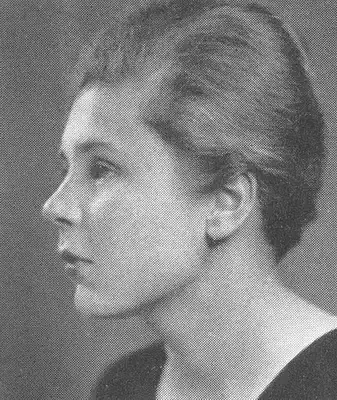
Elizabeth Bishop
Visits to St Elizabeths
Visits to St Elizabeths
This is the house of Bedlam.
This is the man
that lies in the house of Bedlam.
This is the time
of the tragic man
that lies in the house of Bedlam.
This is a wristwatch
telling the time
of the talkative man
that lies in the house of Bedlam.
This is a sailor
wearing the watch
that tells the time
of the honored man
that lies in the house of Bedlam.
This is the roadstead all of board
reached by the sailor
wearing the watch
that tells the time
of the old, brave man
that lies in the house of Bedlam.
These are the years and the walls of the ward,
the winds and clouds of the sea of board
sailed by the sailor
wearing the watch
that tells the time
of the cranky man
that lies in the house of Bedlam.
This is a Jew in a newspaper hat
that dances weeping down the ward
over the creaking sea of board
beyond the sailor
winding his watch
that tells the time
of the cruel man
that lies in the house of Bedlam.
This is a world of books gone flat.
This is a Jew in a newspaper hat
that dances weeping down the ward
over the creaking sea of board
of the batty sailor
that winds his watch
that tells the time
of the busy man
that lies in the house of Bedlam.
This is a boy that pats the floor
to see if the world is there, is flat,
for the widowed Jew in the newspaper hat
that dances weeping down the ward
waltzing the length of a weaving board
by the silent sailor
that hears his watch
that ticks the time
of the tedious man
that lies in the house of Bedlam.
These are the years and the walls and the door
that shut on a boy that pats the floor
to feel if the world is there and flat.
This is a Jew in a newspaper hat
that dances joyfully down the ward
into the parting seas of board
past the staring sailor
that shakes his watch
that tells the time
of the poet, the man
that lies in the house of Bedlam.
This is the soldier home from the war.
These are the years and the walls and the door
that shut on a boy that pats the floor
to see if the world is round or flat.
This is a Jew in a newspaper hat
that dances carefully down the ward,
walking the plank of a coffin board
with the crazy sailor
that shows his watch
that tells the time
of the wretched man
that lies in the house of Bedlam.
This is the house of Bedlam.
This is the man
that lies in the house of Bedlam.
This is the time
of the tragic man
that lies in the house of Bedlam.
This is a wristwatch
telling the time
of the talkative man
that lies in the house of Bedlam.
This is a sailor
wearing the watch
that tells the time
of the honored man
that lies in the house of Bedlam.
This is the roadstead all of board
reached by the sailor
wearing the watch
that tells the time
of the old, brave man
that lies in the house of Bedlam.
These are the years and the walls of the ward,
the winds and clouds of the sea of board
sailed by the sailor
wearing the watch
that tells the time
of the cranky man
that lies in the house of Bedlam.
This is a Jew in a newspaper hat
that dances weeping down the ward
over the creaking sea of board
beyond the sailor
winding his watch
that tells the time
of the cruel man
that lies in the house of Bedlam.
This is a world of books gone flat.
This is a Jew in a newspaper hat
that dances weeping down the ward
over the creaking sea of board
of the batty sailor
that winds his watch
that tells the time
of the busy man
that lies in the house of Bedlam.
This is a boy that pats the floor
to see if the world is there, is flat,
for the widowed Jew in the newspaper hat
that dances weeping down the ward
waltzing the length of a weaving board
by the silent sailor
that hears his watch
that ticks the time
of the tedious man
that lies in the house of Bedlam.
These are the years and the walls and the door
that shut on a boy that pats the floor
to feel if the world is there and flat.
This is a Jew in a newspaper hat
that dances joyfully down the ward
into the parting seas of board
past the staring sailor
that shakes his watch
that tells the time
of the poet, the man
that lies in the house of Bedlam.
This is the soldier home from the war.
These are the years and the walls and the door
that shut on a boy that pats the floor
to see if the world is round or flat.
This is a Jew in a newspaper hat
that dances carefully down the ward,
walking the plank of a coffin board
with the crazy sailor
that shows his watch
that tells the time
of the wretched man
that lies in the house of Bedlam.
566
Elizabeth Bishop
The Weed
The Weed
I dreamed that dead, and meditating,
I lay upon a grave, or bed,
(at least, some cold and close-built bower).
In the cold heart, its final thought
stood frozen, drawn immense and clear,
stiff and idle as I was there;
and we remained unchanged together
for a year, a minute, an hour.
Suddenly there was a motion,
as startling, there, to every sense
as an explosion. Then it dropped
to insistent, cautious creeping
in the region of the heart,
prodding me from desperate sleep.
I raised my head. A slight young weed
had pushed up through the heart and its
green head was nodding on the breast.
(All this was in the dark.)
It grew an inch like a blade of grass;
next, one leaf shot out of its side
a twisting, waving flag, and then
two leaves moved like a semaphore.
The stem grew thick. The nervous roots
reached to each side; the graceful head
changed its position mysteriously,
since there was neither sun nor moon
to catch its young attention.
The rooted heart began to change
(not beat) and then it split apart
and from it broke a flood of water.
Two rivers glanced off from the sides,
one to the right, one to the left,
two rushing, half-clear streams,
(the ribs made of them two cascades)
which assuredly, smooth as glass,
went off through the fine black grains of earth.
The weed was almost swept away;
it struggled with its leaves,
lifting them fringed with heavy drops.
A few drops fell upon my face
and in my eyes, so I could see
(or, in that black place, thought I saw)
that each drop contained a light,
a small, illuminated scene;
the weed-deflected stream was made
itself of racing images.
(As if a river should carry all
the scenes that it had once reflected
shut in its waters, and not floating
on momentary surfaces.)
The weed stood in the severed heart.
"What are you doing there?" I asked.
It lifted its head all dripping wet
(with my own thoughts?)
and answered then: "I grow," it said,
"but to divide your heart again."
I dreamed that dead, and meditating,
I lay upon a grave, or bed,
(at least, some cold and close-built bower).
In the cold heart, its final thought
stood frozen, drawn immense and clear,
stiff and idle as I was there;
and we remained unchanged together
for a year, a minute, an hour.
Suddenly there was a motion,
as startling, there, to every sense
as an explosion. Then it dropped
to insistent, cautious creeping
in the region of the heart,
prodding me from desperate sleep.
I raised my head. A slight young weed
had pushed up through the heart and its
green head was nodding on the breast.
(All this was in the dark.)
It grew an inch like a blade of grass;
next, one leaf shot out of its side
a twisting, waving flag, and then
two leaves moved like a semaphore.
The stem grew thick. The nervous roots
reached to each side; the graceful head
changed its position mysteriously,
since there was neither sun nor moon
to catch its young attention.
The rooted heart began to change
(not beat) and then it split apart
and from it broke a flood of water.
Two rivers glanced off from the sides,
one to the right, one to the left,
two rushing, half-clear streams,
(the ribs made of them two cascades)
which assuredly, smooth as glass,
went off through the fine black grains of earth.
The weed was almost swept away;
it struggled with its leaves,
lifting them fringed with heavy drops.
A few drops fell upon my face
and in my eyes, so I could see
(or, in that black place, thought I saw)
that each drop contained a light,
a small, illuminated scene;
the weed-deflected stream was made
itself of racing images.
(As if a river should carry all
the scenes that it had once reflected
shut in its waters, and not floating
on momentary surfaces.)
The weed stood in the severed heart.
"What are you doing there?" I asked.
It lifted its head all dripping wet
(with my own thoughts?)
and answered then: "I grow," it said,
"but to divide your heart again."
604
Elizabeth Bishop
The Weed
The Weed
I dreamed that dead, and meditating,
I lay upon a grave, or bed,
(at least, some cold and close-built bower).
In the cold heart, its final thought
stood frozen, drawn immense and clear,
stiff and idle as I was there;
and we remained unchanged together
for a year, a minute, an hour.
Suddenly there was a motion,
as startling, there, to every sense
as an explosion. Then it dropped
to insistent, cautious creeping
in the region of the heart,
prodding me from desperate sleep.
I raised my head. A slight young weed
had pushed up through the heart and its
green head was nodding on the breast.
(All this was in the dark.)
It grew an inch like a blade of grass;
next, one leaf shot out of its side
a twisting, waving flag, and then
two leaves moved like a semaphore.
The stem grew thick. The nervous roots
reached to each side; the graceful head
changed its position mysteriously,
since there was neither sun nor moon
to catch its young attention.
The rooted heart began to change
(not beat) and then it split apart
and from it broke a flood of water.
Two rivers glanced off from the sides,
one to the right, one to the left,
two rushing, half-clear streams,
(the ribs made of them two cascades)
which assuredly, smooth as glass,
went off through the fine black grains of earth.
The weed was almost swept away;
it struggled with its leaves,
lifting them fringed with heavy drops.
A few drops fell upon my face
and in my eyes, so I could see
(or, in that black place, thought I saw)
that each drop contained a light,
a small, illuminated scene;
the weed-deflected stream was made
itself of racing images.
(As if a river should carry all
the scenes that it had once reflected
shut in its waters, and not floating
on momentary surfaces.)
The weed stood in the severed heart.
"What are you doing there?" I asked.
It lifted its head all dripping wet
(with my own thoughts?)
and answered then: "I grow," it said,
"but to divide your heart again."
I dreamed that dead, and meditating,
I lay upon a grave, or bed,
(at least, some cold and close-built bower).
In the cold heart, its final thought
stood frozen, drawn immense and clear,
stiff and idle as I was there;
and we remained unchanged together
for a year, a minute, an hour.
Suddenly there was a motion,
as startling, there, to every sense
as an explosion. Then it dropped
to insistent, cautious creeping
in the region of the heart,
prodding me from desperate sleep.
I raised my head. A slight young weed
had pushed up through the heart and its
green head was nodding on the breast.
(All this was in the dark.)
It grew an inch like a blade of grass;
next, one leaf shot out of its side
a twisting, waving flag, and then
two leaves moved like a semaphore.
The stem grew thick. The nervous roots
reached to each side; the graceful head
changed its position mysteriously,
since there was neither sun nor moon
to catch its young attention.
The rooted heart began to change
(not beat) and then it split apart
and from it broke a flood of water.
Two rivers glanced off from the sides,
one to the right, one to the left,
two rushing, half-clear streams,
(the ribs made of them two cascades)
which assuredly, smooth as glass,
went off through the fine black grains of earth.
The weed was almost swept away;
it struggled with its leaves,
lifting them fringed with heavy drops.
A few drops fell upon my face
and in my eyes, so I could see
(or, in that black place, thought I saw)
that each drop contained a light,
a small, illuminated scene;
the weed-deflected stream was made
itself of racing images.
(As if a river should carry all
the scenes that it had once reflected
shut in its waters, and not floating
on momentary surfaces.)
The weed stood in the severed heart.
"What are you doing there?" I asked.
It lifted its head all dripping wet
(with my own thoughts?)
and answered then: "I grow," it said,
"but to divide your heart again."
604
Elizabeth Bishop
The Shampoo
The Shampoo
The still explosions on the rocks,
the lichens, grow
by spreading, gray, concentric shocks.
They have arranged
to meet the rings around the moon, although
within our memories they have not changed.
And since the heavens will attend
as long on us,
you've been, dear friend,
precipitate and pragmatical;
and look what happens. For Time is
nothing if not amenable.
The shooting stars in your black hair
in bright formation
are flocking where,
so straight, so soon?
--Come, let me wash it in this big tin basin,
battered and shiny like the moon.
The still explosions on the rocks,
the lichens, grow
by spreading, gray, concentric shocks.
They have arranged
to meet the rings around the moon, although
within our memories they have not changed.
And since the heavens will attend
as long on us,
you've been, dear friend,
precipitate and pragmatical;
and look what happens. For Time is
nothing if not amenable.
The shooting stars in your black hair
in bright formation
are flocking where,
so straight, so soon?
--Come, let me wash it in this big tin basin,
battered and shiny like the moon.
578
Elizabeth Bishop
The Monument
The Monument
Now can you see the monument? It is of wood
built somewhat like a box. No. Built
like several boxes in descending sizes
one above the other.
Each is turned half-way round so that
its corners point toward the sides
of the one below and the angles alternate.
Then on the topmost cube is set
a sort of fleur-de-lys of weathered wood,
long petals of board, pierced with odd holes,
four-sided, stiff, ecclesiastical.
From it four thin, warped poles spring out,
(slanted like fishing-poles or flag-poles)
and from them jig-saw work hangs down,
four lines of vaguely whittled ornament
over the edges of the boxes
to the ground.
The monument is one-third set against
a sea; two-thirds against a sky.
The view is geared
(that is, the view's perspective)
so low there is no "far away,"
and we are far away within the view.
A sea of narrow, horizontal boards
lies out behind our lonely monument,
its long grains alternating right and left
like floor-boards--spotted, swarming-still,
and motionless. A sky runs parallel,
and it is palings, coarser than the sea's:
splintery sunlight and long-fibred clouds.
"Why does the strange sea make no sound?
Is it because we're far away?
Where are we? Are we in Asia Minor,
or in Mongolia?"
An ancient promontory,
an ancient principality whose artist-prince
might have wanted to build a monument
to mark a tomb or boundary, or make
a melancholy or romantic scene of it...
"But that queer sea looks made of wood,
half-shining, like a driftwood, sea.
And the sky looks wooden, grained with cloud.
It's like a stage-set; it is all so flat!
Those clouds are full of glistening splinters!
What is that?"
It is the monument.
"It's piled-up boxes,
outlined with shoddy fret-work, half-fallen off,
cracked and unpainted. It looks old."
--The strong sunlight, the wind from the sea,
all the conditions of its existence,
may have flaked off the paint, if ever it was painted,
and made it homelier than it was.
"Why did you bring me here to see it?
A temple of crates in cramped and crated scenery,
what can it prove?
I am tired of breathing this eroded air,
this dryness in which the monument is cracking."
It is an artifact
of wood. Wood holds together better
than sea or cloud or and could by itself,
much better than real sea or sand or cloud.
It chose that way to grow and not to move.
The monument's an object, yet those decorations,
carelessly nailed, looking like nothing at all,
give it away as having life, and wishing;
wanting to be a monument, to cherish something.
The crudest scroll-work says "commemorate,"
while once each day the light goes around it
like a prowling animal,
or the rain falls on it, or the wind blows into it.
It may be solid, may be hollow.
The bones of the artist-prince may be inside
or far away on even drier soil.
But roughly but adequately it can shelter
what is within (which after all
cannot have been intended to be seen).
It is the beginning of a painting,
a piece of sculpture, or poem, or monument,
and all of wood. Watch it closely.
Now can you see the monument? It is of wood
built somewhat like a box. No. Built
like several boxes in descending sizes
one above the other.
Each is turned half-way round so that
its corners point toward the sides
of the one below and the angles alternate.
Then on the topmost cube is set
a sort of fleur-de-lys of weathered wood,
long petals of board, pierced with odd holes,
four-sided, stiff, ecclesiastical.
From it four thin, warped poles spring out,
(slanted like fishing-poles or flag-poles)
and from them jig-saw work hangs down,
four lines of vaguely whittled ornament
over the edges of the boxes
to the ground.
The monument is one-third set against
a sea; two-thirds against a sky.
The view is geared
(that is, the view's perspective)
so low there is no "far away,"
and we are far away within the view.
A sea of narrow, horizontal boards
lies out behind our lonely monument,
its long grains alternating right and left
like floor-boards--spotted, swarming-still,
and motionless. A sky runs parallel,
and it is palings, coarser than the sea's:
splintery sunlight and long-fibred clouds.
"Why does the strange sea make no sound?
Is it because we're far away?
Where are we? Are we in Asia Minor,
or in Mongolia?"
An ancient promontory,
an ancient principality whose artist-prince
might have wanted to build a monument
to mark a tomb or boundary, or make
a melancholy or romantic scene of it...
"But that queer sea looks made of wood,
half-shining, like a driftwood, sea.
And the sky looks wooden, grained with cloud.
It's like a stage-set; it is all so flat!
Those clouds are full of glistening splinters!
What is that?"
It is the monument.
"It's piled-up boxes,
outlined with shoddy fret-work, half-fallen off,
cracked and unpainted. It looks old."
--The strong sunlight, the wind from the sea,
all the conditions of its existence,
may have flaked off the paint, if ever it was painted,
and made it homelier than it was.
"Why did you bring me here to see it?
A temple of crates in cramped and crated scenery,
what can it prove?
I am tired of breathing this eroded air,
this dryness in which the monument is cracking."
It is an artifact
of wood. Wood holds together better
than sea or cloud or and could by itself,
much better than real sea or sand or cloud.
It chose that way to grow and not to move.
The monument's an object, yet those decorations,
carelessly nailed, looking like nothing at all,
give it away as having life, and wishing;
wanting to be a monument, to cherish something.
The crudest scroll-work says "commemorate,"
while once each day the light goes around it
like a prowling animal,
or the rain falls on it, or the wind blows into it.
It may be solid, may be hollow.
The bones of the artist-prince may be inside
or far away on even drier soil.
But roughly but adequately it can shelter
what is within (which after all
cannot have been intended to be seen).
It is the beginning of a painting,
a piece of sculpture, or poem, or monument,
and all of wood. Watch it closely.
639
Elizabeth Bishop
The Colder The Air
The Colder The Air
We must admire her perfect aim,
this huntress of the winter air
whose level weapon needs no sight,
if it were not that everywhere
her game is sure, her shot is right.
The least of us could do the same.
The chalky birds or boats stand still,
reducing her conditions of chance;
air's gallery marks identically
the narrow gallery of her glance.
The target-center in her eye
is equally her aim and will.
Time's in her pocket, ticking loud
on one stalled second. She'll consult
not time nor circumstance. She calls
on atmosphere for her result.
(It is this clock that later falls
in wheels and chimes of leaf and cloud.)
We must admire her perfect aim,
this huntress of the winter air
whose level weapon needs no sight,
if it were not that everywhere
her game is sure, her shot is right.
The least of us could do the same.
The chalky birds or boats stand still,
reducing her conditions of chance;
air's gallery marks identically
the narrow gallery of her glance.
The target-center in her eye
is equally her aim and will.
Time's in her pocket, ticking loud
on one stalled second. She'll consult
not time nor circumstance. She calls
on atmosphere for her result.
(It is this clock that later falls
in wheels and chimes of leaf and cloud.)
614
Elizabeth Bishop
The Bight
The Bight
At low tide like this how sheer the water is.
White, crumbling ribs of marl protrude and glare
and the boats are dry, the pilings dry as matches.
Absorbing, rather than being absorbed,
the water in the bight doesn't wet anything,
the color of the gas flame turned as low as possible.
One can smell it turning to gas; if one were Baudelaire
one could probably hear it turning to marimba music.
The little ocher dredge at work off the end of the dock
already plays the dry perfectly off-beat claves.
The birds are outsize. Pelicans crash
into this peculiar gas unnecessarily hard,
it seems to me, like pickaxes,
rarely coming up with anything to show for it,
and going off with humorous elbowings.
Black-and-white man-of-war birds soar
on impalpable drafts
and open their tails like scissors on the curves
or tense them like wishbones, till they tremble.
The frowsy sponge boats keep coming in
with the obliging air of retrievers,
bristling with jackstraw gaffs and hooks
and decorated with bobbles of sponges.
There is a fence of chicken wire along the dock
where, glinting like little plowshares,
the blue-gray shark tails are hung up to dry
for the Chinese-restaurant trade.
Some of the little white boats are still piled up
against each other, or lie on their sides, stove in,
and not yet salvaged, if they ever will be, from the last bad storm,
like torn-open, unanswered letters.
The bight is littered with old correspondences.
Click. Click. Goes the dredge,
and brings up a dripping jawful of marl.
All the untidy activity continues,
awful but cheerful.
At low tide like this how sheer the water is.
White, crumbling ribs of marl protrude and glare
and the boats are dry, the pilings dry as matches.
Absorbing, rather than being absorbed,
the water in the bight doesn't wet anything,
the color of the gas flame turned as low as possible.
One can smell it turning to gas; if one were Baudelaire
one could probably hear it turning to marimba music.
The little ocher dredge at work off the end of the dock
already plays the dry perfectly off-beat claves.
The birds are outsize. Pelicans crash
into this peculiar gas unnecessarily hard,
it seems to me, like pickaxes,
rarely coming up with anything to show for it,
and going off with humorous elbowings.
Black-and-white man-of-war birds soar
on impalpable drafts
and open their tails like scissors on the curves
or tense them like wishbones, till they tremble.
The frowsy sponge boats keep coming in
with the obliging air of retrievers,
bristling with jackstraw gaffs and hooks
and decorated with bobbles of sponges.
There is a fence of chicken wire along the dock
where, glinting like little plowshares,
the blue-gray shark tails are hung up to dry
for the Chinese-restaurant trade.
Some of the little white boats are still piled up
against each other, or lie on their sides, stove in,
and not yet salvaged, if they ever will be, from the last bad storm,
like torn-open, unanswered letters.
The bight is littered with old correspondences.
Click. Click. Goes the dredge,
and brings up a dripping jawful of marl.
All the untidy activity continues,
awful but cheerful.
636
Elizabeth Bishop
Suicide of a Moderate Dictator
Suicide of a Moderate Dictator
This is a day when truths will out, perhaps;
leak from the dangling telephone earphones
sapping the festooned switchboards' strength;
fall from the windows, blow from off the sills,
—the vague, slight unremarkable contents
of emptying ash-trays; rub off on our fingers
like ink from the un-proof-read newspapers,
crocking the way the unfocused photographs
of crooked faces do that soil our coats,
our tropical-weight coats, like slapped-at moths.
Today's a day when those who work
are idling. Those who played must work
and hurry, too, to get it done,
with little dignity or none.
The newspapers are sold; the kiosk shutters
crash down. But anyway, in the night
the headlines wrote themselves, see, on the streets
and sidewalks everywhere; a sediment's splashed
even to the first floors of apartment houses.
This is a day that's beautiful as well,
and warm and clear. At seven o'clock I saw
the dogs being walked along the famous beach
as usual, in a shiny gray-green dawn,
leaving their paw prints draining in the wet.
The line of breakers was steady and the pinkish,
segmented rainbow steadily hung above it.
At eight two little boys were flying kites.
This is a day when truths will out, perhaps;
leak from the dangling telephone earphones
sapping the festooned switchboards' strength;
fall from the windows, blow from off the sills,
—the vague, slight unremarkable contents
of emptying ash-trays; rub off on our fingers
like ink from the un-proof-read newspapers,
crocking the way the unfocused photographs
of crooked faces do that soil our coats,
our tropical-weight coats, like slapped-at moths.
Today's a day when those who work
are idling. Those who played must work
and hurry, too, to get it done,
with little dignity or none.
The newspapers are sold; the kiosk shutters
crash down. But anyway, in the night
the headlines wrote themselves, see, on the streets
and sidewalks everywhere; a sediment's splashed
even to the first floors of apartment houses.
This is a day that's beautiful as well,
and warm and clear. At seven o'clock I saw
the dogs being walked along the famous beach
as usual, in a shiny gray-green dawn,
leaving their paw prints draining in the wet.
The line of breakers was steady and the pinkish,
segmented rainbow steadily hung above it.
At eight two little boys were flying kites.
537
Elizabeth Bishop
Sleeping on the Ceiling
Sleeping on the Ceiling
It is so peaceful on the ceiling!
It is the Place de la Concorde.
The little crystal chandelier
is off, the fountain is in the dark.
Not a soul is in the park.
Below, where the wallpaper is peeling,
the Jardin des Plantes has locked its gates.
Those photographs are animals.
The mighty flowers and foliage rustle;
under the leaves the insects tunnel.
We must go under the wallpaper
to meet the insect-gladiator,
to battle with a net and trident,
and leave the fountain and the square
But oh, that we could sleep up there...
It is so peaceful on the ceiling!
It is the Place de la Concorde.
The little crystal chandelier
is off, the fountain is in the dark.
Not a soul is in the park.
Below, where the wallpaper is peeling,
the Jardin des Plantes has locked its gates.
Those photographs are animals.
The mighty flowers and foliage rustle;
under the leaves the insects tunnel.
We must go under the wallpaper
to meet the insect-gladiator,
to battle with a net and trident,
and leave the fountain and the square
But oh, that we could sleep up there...
501
Elizabeth Bishop
Songs for a Colored Singer
Songs for a Colored Singer
I
A washing hangs upon the line,
but it's not mine.
None of the things that I can see
belong to me.
The neighbors got a radio with an aerial;
we got a little portable.
They got a lot of closet space;
we got a suitcase.
I say, "Le Roy, just how much are we owing?
Something I can't comprehend,
the more we got the more we spend...."
He only answers, "Let's get going."
Le Roy, you're earning too much money now.
I sit and look at our backyard
and find it very hard.
What have we got for all his dollars and cents?
--A pile of bottles by the fence.
He's faithful and he's kind
but he sure has an inquiring mind.
He's seen a lot; he's bound to see the rest,
and if I protest
Le Roy answers with a frown,
"Darling, when I earns I spends.
The world is wide; it still extends....
I'm going to get a job in the next town."
Le Roy, you're earning too much money now.
II
The time has come to call a halt;
and so it ends.
He's gone off with his other friends.
He needn't try to make amends,
this occasion's all his fault.
Through rain and dark I see his face
across the street at Flossie's place.
He's drinking in the warm pink glow
to th' accompaniment of the piccolo.
The time has come to call a halt.
I met him walking with Varella
and hit him twice with my umbrella.
Perhaps that occasion was my fault,
but the time has come to call a halt.
Go drink your wine and go get tight.
Let the piccolo play.
I'm sick of all your fussing anyway.
Now I'm pursuing my own way.
I'm leaving on the bus tonight.
Far down the highway wet and black
I'll ride and ride and not come back.
I'm going to go and take the bus
and find someone monogamous.
The time has come to call a halt.
I've borrowed fifteen dollars fare
and it will take me anywhere.
For this occasion's all his fault.
The time has come to call a halt.
III
Lullaby.
Adult and child
sink to their rest.
At sea the big ship sinks and dies,
lead in its breast.
Lullaby.
Let mations rage,
let nations fall.
The shadow of the crib makes an enormous cage
upon the wall.
Lullaby.
Sleep on and on,
war's over soon.
Drop the silly, harmless toy,
pick up the moon.
Lullaby.
If they should say
you have no sense,
don't you mind them; it won't make
much difference.
Lullaby.
Adult and child
sink to their rest.
At sea the big ship sinks and dies,
lead in its breast.
IV
What's that shining in the leaves,
the shadowy leaves,
like tears when somebody grieves,
shining, shining in the leaves?
Is it dew or is it tears,
dew or tears,
hanging there for years and years
like a heavy dew of tears?
Then that dew begins to fall,
roll down and fall,
Maybe it's not tears at all.
See it, see it roll and fall.
Hear it falling on the ground,
hear, all around.
That is not a tearful sound,
beating, beating on the ground.
See it lying there like seeds,
like black seeds.
see it taking root like weeds,
faster, faster than the weeds,
all the shining seeds take root,
conspiring root,
and what curious flower or fruit
will grow from that conspiring root?
fruit or flower? It is a face.
Yes, a face.
In that dark and dreary place
each seed grows into a face.
Like an army in a dream
the faces seem,
darker, darker, like a dream.
They're too real to be a dream.
I
A washing hangs upon the line,
but it's not mine.
None of the things that I can see
belong to me.
The neighbors got a radio with an aerial;
we got a little portable.
They got a lot of closet space;
we got a suitcase.
I say, "Le Roy, just how much are we owing?
Something I can't comprehend,
the more we got the more we spend...."
He only answers, "Let's get going."
Le Roy, you're earning too much money now.
I sit and look at our backyard
and find it very hard.
What have we got for all his dollars and cents?
--A pile of bottles by the fence.
He's faithful and he's kind
but he sure has an inquiring mind.
He's seen a lot; he's bound to see the rest,
and if I protest
Le Roy answers with a frown,
"Darling, when I earns I spends.
The world is wide; it still extends....
I'm going to get a job in the next town."
Le Roy, you're earning too much money now.
II
The time has come to call a halt;
and so it ends.
He's gone off with his other friends.
He needn't try to make amends,
this occasion's all his fault.
Through rain and dark I see his face
across the street at Flossie's place.
He's drinking in the warm pink glow
to th' accompaniment of the piccolo.
The time has come to call a halt.
I met him walking with Varella
and hit him twice with my umbrella.
Perhaps that occasion was my fault,
but the time has come to call a halt.
Go drink your wine and go get tight.
Let the piccolo play.
I'm sick of all your fussing anyway.
Now I'm pursuing my own way.
I'm leaving on the bus tonight.
Far down the highway wet and black
I'll ride and ride and not come back.
I'm going to go and take the bus
and find someone monogamous.
The time has come to call a halt.
I've borrowed fifteen dollars fare
and it will take me anywhere.
For this occasion's all his fault.
The time has come to call a halt.
III
Lullaby.
Adult and child
sink to their rest.
At sea the big ship sinks and dies,
lead in its breast.
Lullaby.
Let mations rage,
let nations fall.
The shadow of the crib makes an enormous cage
upon the wall.
Lullaby.
Sleep on and on,
war's over soon.
Drop the silly, harmless toy,
pick up the moon.
Lullaby.
If they should say
you have no sense,
don't you mind them; it won't make
much difference.
Lullaby.
Adult and child
sink to their rest.
At sea the big ship sinks and dies,
lead in its breast.
IV
What's that shining in the leaves,
the shadowy leaves,
like tears when somebody grieves,
shining, shining in the leaves?
Is it dew or is it tears,
dew or tears,
hanging there for years and years
like a heavy dew of tears?
Then that dew begins to fall,
roll down and fall,
Maybe it's not tears at all.
See it, see it roll and fall.
Hear it falling on the ground,
hear, all around.
That is not a tearful sound,
beating, beating on the ground.
See it lying there like seeds,
like black seeds.
see it taking root like weeds,
faster, faster than the weeds,
all the shining seeds take root,
conspiring root,
and what curious flower or fruit
will grow from that conspiring root?
fruit or flower? It is a face.
Yes, a face.
In that dark and dreary place
each seed grows into a face.
Like an army in a dream
the faces seem,
darker, darker, like a dream.
They're too real to be a dream.
577
Elizabeth Bishop
Questions of Travel
Questions of Travel
There are too many waterfalls here; the crowded streams
hurry too rapidly down to the sea,
and the pressure of so many clouds on the mountaintops
makes them spill over the sides in soft slow-motion,
turning to waterfalls under our very eyes.
--For if those streaks, those mile-long, shiny, tearstains,
aren't waterfalls yet,
in a quick age or so, as ages go here,
they probably will be.
But if the streams and clouds keep travelling, travelling,
the mountains look like the hulls of capsized ships,
slime-hung and barnacled.
Think of the long trip home.
Should we have stayed at home and thought of here?
Where should we be today?
Is it right to be watching strangers in a play
in this strangest of theatres?
What childishness is it that while there's a breath of life
in our bodies, we are determined to rush
to see the sun the other way around?
The tiniest green hummingbird in the world?
To stare at some inexplicable old stonework,
inexplicable and impenetrable,
at any view,
instantly seen and always, always delightful?
Oh, must we dream our dreams
and have them, too?
And have we room
for one more folded sunset, still quite warm?
But surely it would have been a pity
not to have seen the trees along this road,
really exaggerated in their beauty,
not to have seen them gesturing
like noble pantomimists, robed in pink.
--Not to have had to stop for gas and heard
the sad, two-noted, wooden tune
of disparate wooden clogs
carelessly clacking over
a grease-stained filling-station floor.
(In another country the clogs would all be tested.
Each pair there would have identical pitch.)
--A pity not to have heard
the other, less primitive music of the fat brown bird
who sings above the broken gasoline pump
in a bamboo church of Jesuit baroque:
three towers, five silver crosses.
--Yes, a pity not to have pondered,
blurr'dly and inconclusively,
on what connection can exist for centuries
between the crudest wooden footwear
and, careful and finicky,
the whittled fantasies of wooden footwear
and, careful and finicky,
the whittled fantasies of wooden cages.
--Never to have studied history in
the weak calligraphy of songbirds' cages.
--And never to have had to listen to rain
so much like politicians' speeches:
two hours of unrelenting oratory
and then a sudden golden silence
in which the traveller takes a notebook, writes:
"Is it lack of imagination that makes us come
to imagined places, not just stay at home?
Or could Pascal have been not entirely right
about just sitting quietly in one's room?
Continent, city, country, society:
the choice is never wide and never free.
And here, or there . . . No. Should we have stayed at home,
wherever that may be?"
There are too many waterfalls here; the crowded streams
hurry too rapidly down to the sea,
and the pressure of so many clouds on the mountaintops
makes them spill over the sides in soft slow-motion,
turning to waterfalls under our very eyes.
--For if those streaks, those mile-long, shiny, tearstains,
aren't waterfalls yet,
in a quick age or so, as ages go here,
they probably will be.
But if the streams and clouds keep travelling, travelling,
the mountains look like the hulls of capsized ships,
slime-hung and barnacled.
Think of the long trip home.
Should we have stayed at home and thought of here?
Where should we be today?
Is it right to be watching strangers in a play
in this strangest of theatres?
What childishness is it that while there's a breath of life
in our bodies, we are determined to rush
to see the sun the other way around?
The tiniest green hummingbird in the world?
To stare at some inexplicable old stonework,
inexplicable and impenetrable,
at any view,
instantly seen and always, always delightful?
Oh, must we dream our dreams
and have them, too?
And have we room
for one more folded sunset, still quite warm?
But surely it would have been a pity
not to have seen the trees along this road,
really exaggerated in their beauty,
not to have seen them gesturing
like noble pantomimists, robed in pink.
--Not to have had to stop for gas and heard
the sad, two-noted, wooden tune
of disparate wooden clogs
carelessly clacking over
a grease-stained filling-station floor.
(In another country the clogs would all be tested.
Each pair there would have identical pitch.)
--A pity not to have heard
the other, less primitive music of the fat brown bird
who sings above the broken gasoline pump
in a bamboo church of Jesuit baroque:
three towers, five silver crosses.
--Yes, a pity not to have pondered,
blurr'dly and inconclusively,
on what connection can exist for centuries
between the crudest wooden footwear
and, careful and finicky,
the whittled fantasies of wooden footwear
and, careful and finicky,
the whittled fantasies of wooden cages.
--Never to have studied history in
the weak calligraphy of songbirds' cages.
--And never to have had to listen to rain
so much like politicians' speeches:
two hours of unrelenting oratory
and then a sudden golden silence
in which the traveller takes a notebook, writes:
"Is it lack of imagination that makes us come
to imagined places, not just stay at home?
Or could Pascal have been not entirely right
about just sitting quietly in one's room?
Continent, city, country, society:
the choice is never wide and never free.
And here, or there . . . No. Should we have stayed at home,
wherever that may be?"
654
Elizabeth Bishop
Questions of Travel
Questions of Travel
There are too many waterfalls here; the crowded streams
hurry too rapidly down to the sea,
and the pressure of so many clouds on the mountaintops
makes them spill over the sides in soft slow-motion,
turning to waterfalls under our very eyes.
--For if those streaks, those mile-long, shiny, tearstains,
aren't waterfalls yet,
in a quick age or so, as ages go here,
they probably will be.
But if the streams and clouds keep travelling, travelling,
the mountains look like the hulls of capsized ships,
slime-hung and barnacled.
Think of the long trip home.
Should we have stayed at home and thought of here?
Where should we be today?
Is it right to be watching strangers in a play
in this strangest of theatres?
What childishness is it that while there's a breath of life
in our bodies, we are determined to rush
to see the sun the other way around?
The tiniest green hummingbird in the world?
To stare at some inexplicable old stonework,
inexplicable and impenetrable,
at any view,
instantly seen and always, always delightful?
Oh, must we dream our dreams
and have them, too?
And have we room
for one more folded sunset, still quite warm?
But surely it would have been a pity
not to have seen the trees along this road,
really exaggerated in their beauty,
not to have seen them gesturing
like noble pantomimists, robed in pink.
--Not to have had to stop for gas and heard
the sad, two-noted, wooden tune
of disparate wooden clogs
carelessly clacking over
a grease-stained filling-station floor.
(In another country the clogs would all be tested.
Each pair there would have identical pitch.)
--A pity not to have heard
the other, less primitive music of the fat brown bird
who sings above the broken gasoline pump
in a bamboo church of Jesuit baroque:
three towers, five silver crosses.
--Yes, a pity not to have pondered,
blurr'dly and inconclusively,
on what connection can exist for centuries
between the crudest wooden footwear
and, careful and finicky,
the whittled fantasies of wooden footwear
and, careful and finicky,
the whittled fantasies of wooden cages.
--Never to have studied history in
the weak calligraphy of songbirds' cages.
--And never to have had to listen to rain
so much like politicians' speeches:
two hours of unrelenting oratory
and then a sudden golden silence
in which the traveller takes a notebook, writes:
"Is it lack of imagination that makes us come
to imagined places, not just stay at home?
Or could Pascal have been not entirely right
about just sitting quietly in one's room?
Continent, city, country, society:
the choice is never wide and never free.
And here, or there . . . No. Should we have stayed at home,
wherever that may be?"
There are too many waterfalls here; the crowded streams
hurry too rapidly down to the sea,
and the pressure of so many clouds on the mountaintops
makes them spill over the sides in soft slow-motion,
turning to waterfalls under our very eyes.
--For if those streaks, those mile-long, shiny, tearstains,
aren't waterfalls yet,
in a quick age or so, as ages go here,
they probably will be.
But if the streams and clouds keep travelling, travelling,
the mountains look like the hulls of capsized ships,
slime-hung and barnacled.
Think of the long trip home.
Should we have stayed at home and thought of here?
Where should we be today?
Is it right to be watching strangers in a play
in this strangest of theatres?
What childishness is it that while there's a breath of life
in our bodies, we are determined to rush
to see the sun the other way around?
The tiniest green hummingbird in the world?
To stare at some inexplicable old stonework,
inexplicable and impenetrable,
at any view,
instantly seen and always, always delightful?
Oh, must we dream our dreams
and have them, too?
And have we room
for one more folded sunset, still quite warm?
But surely it would have been a pity
not to have seen the trees along this road,
really exaggerated in their beauty,
not to have seen them gesturing
like noble pantomimists, robed in pink.
--Not to have had to stop for gas and heard
the sad, two-noted, wooden tune
of disparate wooden clogs
carelessly clacking over
a grease-stained filling-station floor.
(In another country the clogs would all be tested.
Each pair there would have identical pitch.)
--A pity not to have heard
the other, less primitive music of the fat brown bird
who sings above the broken gasoline pump
in a bamboo church of Jesuit baroque:
three towers, five silver crosses.
--Yes, a pity not to have pondered,
blurr'dly and inconclusively,
on what connection can exist for centuries
between the crudest wooden footwear
and, careful and finicky,
the whittled fantasies of wooden footwear
and, careful and finicky,
the whittled fantasies of wooden cages.
--Never to have studied history in
the weak calligraphy of songbirds' cages.
--And never to have had to listen to rain
so much like politicians' speeches:
two hours of unrelenting oratory
and then a sudden golden silence
in which the traveller takes a notebook, writes:
"Is it lack of imagination that makes us come
to imagined places, not just stay at home?
Or could Pascal have been not entirely right
about just sitting quietly in one's room?
Continent, city, country, society:
the choice is never wide and never free.
And here, or there . . . No. Should we have stayed at home,
wherever that may be?"
654
Elizabeth Bishop
One Art
One Art
The art of losing isn't hard to master;
so many things seem filled with the intent
to be lost that their loss is no disaster,
Lose something every day. Accept the fluster
of lost door keys, the hour badly spent.
The art of losing isn't hard to master.
Then practice losing farther, losing faster:
places, and names, and where it was you meant
to travel. None of these will bring disaster.
I lost my mother's watch. And look! my last, or
next-to-last, of three beloved houses went.
The art of losing isn't hard to master.
I lost two cities, lovely ones. And, vaster,
some realms I owned, two rivers, a continent.
I miss them, but it wasn't a disaster.
-Even losing you (the joking voice, a gesture
I love) I shan't have lied. It's evident
the art of losing's not too hard to master
though it may look like (Write it!) like a disaster.
The art of losing isn't hard to master;
so many things seem filled with the intent
to be lost that their loss is no disaster,
Lose something every day. Accept the fluster
of lost door keys, the hour badly spent.
The art of losing isn't hard to master.
Then practice losing farther, losing faster:
places, and names, and where it was you meant
to travel. None of these will bring disaster.
I lost my mother's watch. And look! my last, or
next-to-last, of three beloved houses went.
The art of losing isn't hard to master.
I lost two cities, lovely ones. And, vaster,
some realms I owned, two rivers, a continent.
I miss them, but it wasn't a disaster.
-Even losing you (the joking voice, a gesture
I love) I shan't have lied. It's evident
the art of losing's not too hard to master
though it may look like (Write it!) like a disaster.
827
Elizabeth Bishop
One Art
One Art
The art of losing isn't hard to master;
so many things seem filled with the intent
to be lost that their loss is no disaster,
Lose something every day. Accept the fluster
of lost door keys, the hour badly spent.
The art of losing isn't hard to master.
Then practice losing farther, losing faster:
places, and names, and where it was you meant
to travel. None of these will bring disaster.
I lost my mother's watch. And look! my last, or
next-to-last, of three beloved houses went.
The art of losing isn't hard to master.
I lost two cities, lovely ones. And, vaster,
some realms I owned, two rivers, a continent.
I miss them, but it wasn't a disaster.
-Even losing you (the joking voice, a gesture
I love) I shan't have lied. It's evident
the art of losing's not too hard to master
though it may look like (Write it!) like a disaster.
The art of losing isn't hard to master;
so many things seem filled with the intent
to be lost that their loss is no disaster,
Lose something every day. Accept the fluster
of lost door keys, the hour badly spent.
The art of losing isn't hard to master.
Then practice losing farther, losing faster:
places, and names, and where it was you meant
to travel. None of these will bring disaster.
I lost my mother's watch. And look! my last, or
next-to-last, of three beloved houses went.
The art of losing isn't hard to master.
I lost two cities, lovely ones. And, vaster,
some realms I owned, two rivers, a continent.
I miss them, but it wasn't a disaster.
-Even losing you (the joking voice, a gesture
I love) I shan't have lied. It's evident
the art of losing's not too hard to master
though it may look like (Write it!) like a disaster.
827
Elizabeth Bishop
North Haven
North Haven
In Memoriam: Robert Lowell
I can make out the rigging of a schooner
a mile off; I can count
the new cones on the spruce. It is so still
the pale bay wears a milky skin; the sky
no clouds except for one long, carded horse¹s tail.
The islands haven't shifted since last summer,
even if I like to pretend they have-drifting,
in a dreamy sort of way,
a little north, a little south, or sidewise-and
that they¹re free within the blue frontiers of bay.
This month our favorite one is full of flowers:
buttercups, red clover, purple vetch,
hackweed still burning, daisies pied, eyebright,
the fragrant bedstraw's incandescent stars,
and more, returned, to paint the meadows with delight.
The goldfinches are back, or others like them,
and the white-throated sparrow's five-note song,
pleading and pleading, brings tears to the eyes.
Nature repeats herself, or almost does:
repeat, repeat, repeat; revise, revise, revise.
Years ago, you told me it was here
(in 1932?) you first "discovered girls"
and learned to sail, and learned to kiss.
You had "such fun," you said, that classic summer.
("Fun"--it always seemed to leave you at a loss...)
You left North Haven, anchored in its rock,
afloat in mystic blue...And now--you've left
for good. You can't derange, or rearrange,
your poems again. (But the sparrows can their song.)
The words won't change again. Sad friend, you cannot change.
In Memoriam: Robert Lowell
I can make out the rigging of a schooner
a mile off; I can count
the new cones on the spruce. It is so still
the pale bay wears a milky skin; the sky
no clouds except for one long, carded horse¹s tail.
The islands haven't shifted since last summer,
even if I like to pretend they have-drifting,
in a dreamy sort of way,
a little north, a little south, or sidewise-and
that they¹re free within the blue frontiers of bay.
This month our favorite one is full of flowers:
buttercups, red clover, purple vetch,
hackweed still burning, daisies pied, eyebright,
the fragrant bedstraw's incandescent stars,
and more, returned, to paint the meadows with delight.
The goldfinches are back, or others like them,
and the white-throated sparrow's five-note song,
pleading and pleading, brings tears to the eyes.
Nature repeats herself, or almost does:
repeat, repeat, repeat; revise, revise, revise.
Years ago, you told me it was here
(in 1932?) you first "discovered girls"
and learned to sail, and learned to kiss.
You had "such fun," you said, that classic summer.
("Fun"--it always seemed to leave you at a loss...)
You left North Haven, anchored in its rock,
afloat in mystic blue...And now--you've left
for good. You can't derange, or rearrange,
your poems again. (But the sparrows can their song.)
The words won't change again. Sad friend, you cannot change.
615
Elizabeth Bishop
Insomnia
Insomnia
The moon in the bureau mirror
looks out a million miles
(and perhaps with pride, at herself,
but she never, never smiles)
far and away beyond sleep, or
perhaps she's a daytime sleeper.
By the Universe deserted,
she'd tell it to go to hell,
and she'd find a body of water,
or a mirror, on which to dwell.
So wrap up care in a cobweb
and drop it down the well
into that world inverted
where left is always right,
where the shadows are really the body,
where we stay awake all night,
where the heavens are shallow as the sea
is now deep, and you love me.
The moon in the bureau mirror
looks out a million miles
(and perhaps with pride, at herself,
but she never, never smiles)
far and away beyond sleep, or
perhaps she's a daytime sleeper.
By the Universe deserted,
she'd tell it to go to hell,
and she'd find a body of water,
or a mirror, on which to dwell.
So wrap up care in a cobweb
and drop it down the well
into that world inverted
where left is always right,
where the shadows are really the body,
where we stay awake all night,
where the heavens are shallow as the sea
is now deep, and you love me.
529
Elizabeth Bishop
Large Bad Picture
Large Bad Picture
Remembering the Strait of Belle Isle or
some northerly harbor of Labrador,
before he became a schoolteacher
a great-uncle painted a big picture.
Receding for miles on either side
into a flushed, still sky
are overhanging pale blue cliffs
hundreds of feet high,
their bases fretted by little arches,
the entrances to caves
running in along the level of a bay
masked by perfect waves.
On the middle of that quiet floor
sits a fleet of small black ships,
square-rigged, sails furled, motionless,
their spars like burnt match-sticks.
And high above them, over the tall cliffs'
semi-translucent ranks,
are scribbled hundreds of fine black birds
hanging in n's in banks.
One can hear their crying, crying,
the only sound there is
except for occasional sizhine
as a large aquatic animal breathes.
In the pink light
the small red sun goes rolling, rolling,
round and round and round at the same height
in perpetual sunset, comprehensive, consoling,
while the ships consider it.
Apparently they have reached their destination.
It would be hard to say what brought them there,
commerce or contemplation.
Remembering the Strait of Belle Isle or
some northerly harbor of Labrador,
before he became a schoolteacher
a great-uncle painted a big picture.
Receding for miles on either side
into a flushed, still sky
are overhanging pale blue cliffs
hundreds of feet high,
their bases fretted by little arches,
the entrances to caves
running in along the level of a bay
masked by perfect waves.
On the middle of that quiet floor
sits a fleet of small black ships,
square-rigged, sails furled, motionless,
their spars like burnt match-sticks.
And high above them, over the tall cliffs'
semi-translucent ranks,
are scribbled hundreds of fine black birds
hanging in n's in banks.
One can hear their crying, crying,
the only sound there is
except for occasional sizhine
as a large aquatic animal breathes.
In the pink light
the small red sun goes rolling, rolling,
round and round and round at the same height
in perpetual sunset, comprehensive, consoling,
while the ships consider it.
Apparently they have reached their destination.
It would be hard to say what brought them there,
commerce or contemplation.
660