

Poems in this topic
Life and Existence
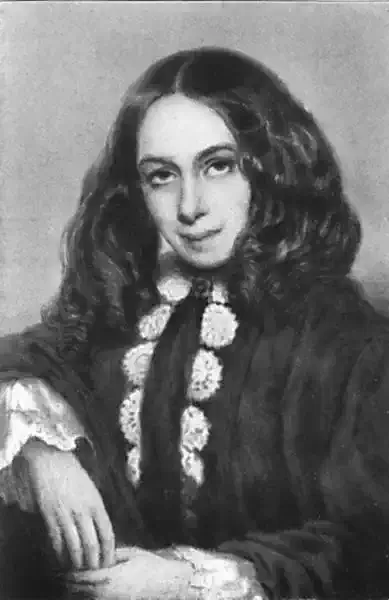
Elizabeth Barrett Browning
Tears
Tears
THANK God, bless God, all ye who suffer not
More grief than ye can weep for. That is well--
That is light grieving ! lighter, none befell
Since Adam forfeited the primal lot.
Tears ! what are tears ? The babe weeps in its cot,
The mother singing, at her marriage-bell
The bride weeps, and before the oracle
Of high-faned hills the poet has forgot
Such moisture on his cheeks. Thank God for grace,
Ye who weep only ! If, as some have done,
Ye grope tear-blinded in a desert place
And touch but tombs,--look up I those tears will run
Soon in long rivers down the lifted face,
And leave the vision clear for stars and sun
THANK God, bless God, all ye who suffer not
More grief than ye can weep for. That is well--
That is light grieving ! lighter, none befell
Since Adam forfeited the primal lot.
Tears ! what are tears ? The babe weeps in its cot,
The mother singing, at her marriage-bell
The bride weeps, and before the oracle
Of high-faned hills the poet has forgot
Such moisture on his cheeks. Thank God for grace,
Ye who weep only ! If, as some have done,
Ye grope tear-blinded in a desert place
And touch but tombs,--look up I those tears will run
Soon in long rivers down the lifted face,
And leave the vision clear for stars and sun
464
Elizabeth Barrett Browning
Tears
Tears
THANK God, bless God, all ye who suffer not
More grief than ye can weep for. That is well--
That is light grieving ! lighter, none befell
Since Adam forfeited the primal lot.
Tears ! what are tears ? The babe weeps in its cot,
The mother singing, at her marriage-bell
The bride weeps, and before the oracle
Of high-faned hills the poet has forgot
Such moisture on his cheeks. Thank God for grace,
Ye who weep only ! If, as some have done,
Ye grope tear-blinded in a desert place
And touch but tombs,--look up I those tears will run
Soon in long rivers down the lifted face,
And leave the vision clear for stars and sun
THANK God, bless God, all ye who suffer not
More grief than ye can weep for. That is well--
That is light grieving ! lighter, none befell
Since Adam forfeited the primal lot.
Tears ! what are tears ? The babe weeps in its cot,
The mother singing, at her marriage-bell
The bride weeps, and before the oracle
Of high-faned hills the poet has forgot
Such moisture on his cheeks. Thank God for grace,
Ye who weep only ! If, as some have done,
Ye grope tear-blinded in a desert place
And touch but tombs,--look up I those tears will run
Soon in long rivers down the lifted face,
And leave the vision clear for stars and sun
464
Elizabeth Barrett Browning
Tears
Tears
THANK God, bless God, all ye who suffer not
More grief than ye can weep for. That is well--
That is light grieving ! lighter, none befell
Since Adam forfeited the primal lot.
Tears ! what are tears ? The babe weeps in its cot,
The mother singing, at her marriage-bell
The bride weeps, and before the oracle
Of high-faned hills the poet has forgot
Such moisture on his cheeks. Thank God for grace,
Ye who weep only ! If, as some have done,
Ye grope tear-blinded in a desert place
And touch but tombs,--look up I those tears will run
Soon in long rivers down the lifted face,
And leave the vision clear for stars and sun
THANK God, bless God, all ye who suffer not
More grief than ye can weep for. That is well--
That is light grieving ! lighter, none befell
Since Adam forfeited the primal lot.
Tears ! what are tears ? The babe weeps in its cot,
The mother singing, at her marriage-bell
The bride weeps, and before the oracle
Of high-faned hills the poet has forgot
Such moisture on his cheeks. Thank God for grace,
Ye who weep only ! If, as some have done,
Ye grope tear-blinded in a desert place
And touch but tombs,--look up I those tears will run
Soon in long rivers down the lifted face,
And leave the vision clear for stars and sun
464
Elizabeth Barrett Browning
Stanzas on the Death of Lord Byron
Stanzas on the Death of Lord Byron
He was, and is not! Graecia's trembling shore,
Sighing through all her palmy groves, shall tell
That Harold's pilgrimage at last is o'er—
Mute the impassioned tongue, and tuneful shell,
That erst was wont in noblest strains to swell—
Hush'd the proud shouts that rode Aegaea's wave!
For lo! the great Deliv'rer breathes farewell!
Gives to the world his mem'ry and a grave—
Expiring in the land he only lived to save!
Mourn, Hellas, mourn! and o'er thy widow'd brow,
For aye, the cypress wreath of sorrow twine;
And in thy new-form'd beauty, desolate, throw
The fresh-cull'd flowers on his sepulchral shrine.
Yes! let that heart whose fervour was all thine,
In consecrated urn lamented be!
That generous heart where genius thrill'd divine,
Hath spent its last most glorious throb for thee—
Then sank amid the storm that made thy children free!
Britannia's Poet! Graecia's hero, sleeps!
And Freedom, bending o'er the breathless clay,
Lifts up her voice, and in her anguish weeps!
For us, a night hath clouded o'er our day,
And hush'd the lips that breath'd our fairest lay.
Alas! and must the British lyre resound
A requiem, while the spirit wings away
Of him who on its strings such music found,
And taught its startling chords to give so sweet a sound!
The theme grows sadder — but my soul shall find
A language in those tears! No more — no more!
Soon, 'midst the shriekings of the tossing wind,
The 'dark blue depths' he sang of, shall have bore
Our all of Byron to his native shore!
His grave is thick with voices — to the ear
Murm'ring an awful tale of greatness o'er;
But Memory strives with Death, and lingering near,
Shall consecrate the dust of Harold's lonely bier!
He was, and is not! Graecia's trembling shore,
Sighing through all her palmy groves, shall tell
That Harold's pilgrimage at last is o'er—
Mute the impassioned tongue, and tuneful shell,
That erst was wont in noblest strains to swell—
Hush'd the proud shouts that rode Aegaea's wave!
For lo! the great Deliv'rer breathes farewell!
Gives to the world his mem'ry and a grave—
Expiring in the land he only lived to save!
Mourn, Hellas, mourn! and o'er thy widow'd brow,
For aye, the cypress wreath of sorrow twine;
And in thy new-form'd beauty, desolate, throw
The fresh-cull'd flowers on his sepulchral shrine.
Yes! let that heart whose fervour was all thine,
In consecrated urn lamented be!
That generous heart where genius thrill'd divine,
Hath spent its last most glorious throb for thee—
Then sank amid the storm that made thy children free!
Britannia's Poet! Graecia's hero, sleeps!
And Freedom, bending o'er the breathless clay,
Lifts up her voice, and in her anguish weeps!
For us, a night hath clouded o'er our day,
And hush'd the lips that breath'd our fairest lay.
Alas! and must the British lyre resound
A requiem, while the spirit wings away
Of him who on its strings such music found,
And taught its startling chords to give so sweet a sound!
The theme grows sadder — but my soul shall find
A language in those tears! No more — no more!
Soon, 'midst the shriekings of the tossing wind,
The 'dark blue depths' he sang of, shall have bore
Our all of Byron to his native shore!
His grave is thick with voices — to the ear
Murm'ring an awful tale of greatness o'er;
But Memory strives with Death, and lingering near,
Shall consecrate the dust of Harold's lonely bier!
546
Elizabeth Barrett Browning
Sonnets from the Portuguese ii
Sonnets from the Portuguese ii
UNLIKE are we, unlike, O princely Heart!
Unlike our uses and our destinies.
Our ministering two angels look surprise
On one another, as they strike athwart
Their wings in passing. Thou, bethink thee, art
A guest for queens to social pageantries,
With gages from a hundred brighter eyes
Than tears even can make mine, to play thy part
Of chief musician. What hast thou to do
With looking from the lattice-lights at me--
A poor, tired, wandering singer, singing through
The dark, and leaning up a cypress tree?
The chrism is on thine head--on mine the dew-And
Death must dig the level where these agree.
UNLIKE are we, unlike, O princely Heart!
Unlike our uses and our destinies.
Our ministering two angels look surprise
On one another, as they strike athwart
Their wings in passing. Thou, bethink thee, art
A guest for queens to social pageantries,
With gages from a hundred brighter eyes
Than tears even can make mine, to play thy part
Of chief musician. What hast thou to do
With looking from the lattice-lights at me--
A poor, tired, wandering singer, singing through
The dark, and leaning up a cypress tree?
The chrism is on thine head--on mine the dew-And
Death must dig the level where these agree.
463
Elizabeth Barrett Browning
Sonnet XXXVII: Pardon, Oh, Pardon
Sonnet XXXVII: Pardon, Oh, Pardon
Pardon, oh, pardon, that my soul should make,
Of all that strong divineness which I know
For thine and thee, an image only so
Formed of the sand, and fit to shift and break.
It is that distant years which did not take
Thy sovranty, recoiling with a blow,
Have forced my swimming brain to undergo
Their doubt and dread, and blindly to forsake
Thy purity of likeness and distort
Thy worthiest love to a worthless counterfeit:
As if a shipwrecked Pagan, safe in port,
His guardian sea-god to commemorate,
Should set a sculptured porpoise, gills a-snort
And vibrant tail, within the temple gate.
Pardon, oh, pardon, that my soul should make,
Of all that strong divineness which I know
For thine and thee, an image only so
Formed of the sand, and fit to shift and break.
It is that distant years which did not take
Thy sovranty, recoiling with a blow,
Have forced my swimming brain to undergo
Their doubt and dread, and blindly to forsake
Thy purity of likeness and distort
Thy worthiest love to a worthless counterfeit:
As if a shipwrecked Pagan, safe in port,
His guardian sea-god to commemorate,
Should set a sculptured porpoise, gills a-snort
And vibrant tail, within the temple gate.
430
Elizabeth Barrett Browning
Sonnet XXXV: If I Leave All for Thee
Sonnet XXXV: If I Leave All for Thee
If I leave all for thee, wilt thou exchange
And be all to me? Shall I never miss
Home-talk and blessings and the common kiss
That comes to each in turn, nor count it strange,
When I look up, to drop on a new range
Of walls and floors, another home than this?
Nay, wilt thou fill that place by me which is
Filled by dead eyes too tender to know change?
That's hardest. If to conquer love, has tried,
To conquer grief, tries more, as all things prove;
For grief indeed is love and grief beside.
Alas, I have grieved so I am hard to love.
Yet love me--wilt thou? Open thine heart wide,
And fold within the wet wings of thy dove.
If I leave all for thee, wilt thou exchange
And be all to me? Shall I never miss
Home-talk and blessings and the common kiss
That comes to each in turn, nor count it strange,
When I look up, to drop on a new range
Of walls and floors, another home than this?
Nay, wilt thou fill that place by me which is
Filled by dead eyes too tender to know change?
That's hardest. If to conquer love, has tried,
To conquer grief, tries more, as all things prove;
For grief indeed is love and grief beside.
Alas, I have grieved so I am hard to love.
Yet love me--wilt thou? Open thine heart wide,
And fold within the wet wings of thy dove.
423
Elizabeth Barrett Browning
Sonnet XXXIX: Because Thou Hast the Power
Sonnet XXXIX: Because Thou Hast the Power
Because thou hast the power and own'st the grace
To look through and behind this mask of me
(Against which years have beat thus blanchingly
With their rains), and behold my soul's true face,
The dim and weary witness of life's race,
Because thou hast the faith and love to see,
Through that same soul's distracting lethargy,
The patient angel waiting for a place
In the new Heavens,--because nor sin nor woe,
Nor God's infliction, nor death's neighbourhood,
Nor all which others viewing, turn to go,
Nor all of which makes me tired of all, self-viewed,--
Nothing repels thee,...Dearest, teach me so
To pour out gratitude, as thou dost, good!
Because thou hast the power and own'st the grace
To look through and behind this mask of me
(Against which years have beat thus blanchingly
With their rains), and behold my soul's true face,
The dim and weary witness of life's race,
Because thou hast the faith and love to see,
Through that same soul's distracting lethargy,
The patient angel waiting for a place
In the new Heavens,--because nor sin nor woe,
Nor God's infliction, nor death's neighbourhood,
Nor all which others viewing, turn to go,
Nor all of which makes me tired of all, self-viewed,--
Nothing repels thee,...Dearest, teach me so
To pour out gratitude, as thou dost, good!
411
Elizabeth Barrett Browning
Sonnet XXXIII: Yes, Call Me by My Pet-Name!
Sonnet XXXIII: Yes, Call Me by My Pet-Name!
Yes, call me by my pet-name! let me hear
The name I used to run at, when a child,
From innocent play, and leave the cowslips piled,
To glance up in some face that proved me dear
With the look of its eyes. I miss the clear
Fond voices which, being drawn and reconciled
Into the music of Heaven's undefiled,
Call me no longer. Silence on the bier,
While I call God--call God!--So let thy mouth
Be heir to those who are now exanimate.
Gather the north flowers to complete the south,
And catch the early love up in the late.
Yes, call me by that name,--and I, in truth,
With the same heart, will answer and not wait.
Yes, call me by my pet-name! let me hear
The name I used to run at, when a child,
From innocent play, and leave the cowslips piled,
To glance up in some face that proved me dear
With the look of its eyes. I miss the clear
Fond voices which, being drawn and reconciled
Into the music of Heaven's undefiled,
Call me no longer. Silence on the bier,
While I call God--call God!--So let thy mouth
Be heir to those who are now exanimate.
Gather the north flowers to complete the south,
And catch the early love up in the late.
Yes, call me by that name,--and I, in truth,
With the same heart, will answer and not wait.
403
Elizabeth Barrett Browning
Sonnet XXVI: I Lived With Visions
Sonnet XXVI: I Lived With Visions
I lived with visions for my company
Instead of men and women, years ago,
And found them gentle mates, nor thought to know
A sweeter music than they played to me.
But soon their trailing purple was not free
Of this world's dust, their lutes did silent grow,
And I myself grew faint and blind below
Their vanishing eyes. Then thou didst come--to be,
Belovèd, what they seemed. Their shining fronts,
Their songs, their splendors (better, yet the same,
As river water hallowed into fonts),
Met in thee, and from out thee overcame
My soul with satisfaction of all wants:
Because God's gifts put man's best dreams to shame.
I lived with visions for my company
Instead of men and women, years ago,
And found them gentle mates, nor thought to know
A sweeter music than they played to me.
But soon their trailing purple was not free
Of this world's dust, their lutes did silent grow,
And I myself grew faint and blind below
Their vanishing eyes. Then thou didst come--to be,
Belovèd, what they seemed. Their shining fronts,
Their songs, their splendors (better, yet the same,
As river water hallowed into fonts),
Met in thee, and from out thee overcame
My soul with satisfaction of all wants:
Because God's gifts put man's best dreams to shame.
377
Elizabeth Barrett Browning
Sonnet XXVI: I Lived With Visions
Sonnet XXVI: I Lived With Visions
I lived with visions for my company
Instead of men and women, years ago,
And found them gentle mates, nor thought to know
A sweeter music than they played to me.
But soon their trailing purple was not free
Of this world's dust, their lutes did silent grow,
And I myself grew faint and blind below
Their vanishing eyes. Then thou didst come--to be,
Belovèd, what they seemed. Their shining fronts,
Their songs, their splendors (better, yet the same,
As river water hallowed into fonts),
Met in thee, and from out thee overcame
My soul with satisfaction of all wants:
Because God's gifts put man's best dreams to shame.
I lived with visions for my company
Instead of men and women, years ago,
And found them gentle mates, nor thought to know
A sweeter music than they played to me.
But soon their trailing purple was not free
Of this world's dust, their lutes did silent grow,
And I myself grew faint and blind below
Their vanishing eyes. Then thou didst come--to be,
Belovèd, what they seemed. Their shining fronts,
Their songs, their splendors (better, yet the same,
As river water hallowed into fonts),
Met in thee, and from out thee overcame
My soul with satisfaction of all wants:
Because God's gifts put man's best dreams to shame.
377
Elizabeth Barrett Browning
Sonnet XXVII: My Dear Belovèd
Sonnet XXVII: My Dear Belovèd
My dear Belovèd, who hast lifted me
From this drear flat of earth where I was thrown,
And, in betwixt the languid ringlets, blown
A life-breath, till the forehead hopefully
Shines out again, as all the angels see,
Before thy saving kiss! My own, my own,
Who camest to me when the world was gone,
And I who looked for only God, found thee!
I find thee; I am safe, and strong, and glad.
As one who stands in dewless asphodel
Looks backward on the tedious time he had
In the upper life,--so I, with bosom-swell,
Make witness, here, between the good and bad,
That Love, as strong as Death, retrieves as well.
My dear Belovèd, who hast lifted me
From this drear flat of earth where I was thrown,
And, in betwixt the languid ringlets, blown
A life-breath, till the forehead hopefully
Shines out again, as all the angels see,
Before thy saving kiss! My own, my own,
Who camest to me when the world was gone,
And I who looked for only God, found thee!
I find thee; I am safe, and strong, and glad.
As one who stands in dewless asphodel
Looks backward on the tedious time he had
In the upper life,--so I, with bosom-swell,
Make witness, here, between the good and bad,
That Love, as strong as Death, retrieves as well.
424
Elizabeth Barrett Browning
Sonnet XXV: A Heavy Heart, Belovèd
Sonnet XXV: A Heavy Heart, Belovèd
A heavy heart, Belovèd, have I borne
From year to year until I saw thy face,
And sorrow after sorrow took the place
Of all those natural joys as lightly worn
As the stringed pearls, each lifted in its turn
By a beating heart at dance-time. Hopes apace
Were changed to long despairs, till God's own grace
Could scarcely lift above the world forlorn
My heavy heart. Than thou didst bid me bring
And let it drop adown thy calmly great
Deep being! Fast it sinketh, as a thing
Which its own nature doth precipitate,
While thine doth close above it, mediating
Betwixt the stars and the unaccomplished fate.
A heavy heart, Belovèd, have I borne
From year to year until I saw thy face,
And sorrow after sorrow took the place
Of all those natural joys as lightly worn
As the stringed pearls, each lifted in its turn
By a beating heart at dance-time. Hopes apace
Were changed to long despairs, till God's own grace
Could scarcely lift above the world forlorn
My heavy heart. Than thou didst bid me bring
And let it drop adown thy calmly great
Deep being! Fast it sinketh, as a thing
Which its own nature doth precipitate,
While thine doth close above it, mediating
Betwixt the stars and the unaccomplished fate.
409
Elizabeth Barrett Browning
Sonnet XXIV: Let the World's Sharpness
Sonnet XXIV: Let the World's Sharpness
Let the world's sharpness like a clasping knife
Shut in upon itself and do no harm
In this close hand of Love, now soft and warm,
And let us hear no sound of human strife
After the click of the shutting. Life to life -
I lean upon thee, Dear, without alarm,
And feel as safe as guarded by a charm
Against the stab of worldlings, who if rife
Are weak to injure. Very whitely still
The lilies of our lives may reassure
Their blossoms from their roots, accessible
Alone to heavenly dews that drop not fewer;
Growing straight, out of man's reach, on the hill.
God only, who made us rich, can make us poor.
Let the world's sharpness like a clasping knife
Shut in upon itself and do no harm
In this close hand of Love, now soft and warm,
And let us hear no sound of human strife
After the click of the shutting. Life to life -
I lean upon thee, Dear, without alarm,
And feel as safe as guarded by a charm
Against the stab of worldlings, who if rife
Are weak to injure. Very whitely still
The lilies of our lives may reassure
Their blossoms from their roots, accessible
Alone to heavenly dews that drop not fewer;
Growing straight, out of man's reach, on the hill.
God only, who made us rich, can make us poor.
456
Elizabeth Barrett Browning
Sonnet XXIII: Is It Indeed So?
Sonnet XXIII: Is It Indeed So?
Is it indeed so? If I lay here dead,
Wouldst thou miss any life in losing mine?
And would the sun for thee more coldly shine
Because of grave-damps falling round my head?
I marvelled, my Belovèd, when I read
Thy thought so in the letter. I am thine-But...
so much to thee? Can I pour your wine
While my hands tremble? Then my soul, instead
Of dreams of death, resumes life's lower range.
Then, love me, Love! Look on me--breathe on me!
As brighter ladies do not count it strange,
For love, to give up acres and degree,
I yield the grave for thy sake, and exchange
My near sweet view of Heaven, for earth with thee!
Is it indeed so? If I lay here dead,
Wouldst thou miss any life in losing mine?
And would the sun for thee more coldly shine
Because of grave-damps falling round my head?
I marvelled, my Belovèd, when I read
Thy thought so in the letter. I am thine-But...
so much to thee? Can I pour your wine
While my hands tremble? Then my soul, instead
Of dreams of death, resumes life's lower range.
Then, love me, Love! Look on me--breathe on me!
As brighter ladies do not count it strange,
For love, to give up acres and degree,
I yield the grave for thy sake, and exchange
My near sweet view of Heaven, for earth with thee!
399
Elizabeth Barrett Browning
Sonnet XX: Belovèd, My Belovèd
Sonnet XX: Belovèd, My Belovèd
Belovèd, my Belovèd, when I think
That thou wast in the world a year ago,
What time I sat alone here in the snow
And saw no footprint, heard the silence sink
No moment at thy voice, but, link by link
Went counting all my chains as if that so
They never could fall off at any blow
Struck by thy possible hand,--why, thus I drink
Of life's great cup of wonder! Wonderful,
Never to feel thee thrill the day or night
With personal act or speech,--nor ever cull
Some prescience of thee with the blossoms white
Thou sawest growing! Atheists are as dull
Who cannot guess God's presence out of sight.
Belovèd, my Belovèd, when I think
That thou wast in the world a year ago,
What time I sat alone here in the snow
And saw no footprint, heard the silence sink
No moment at thy voice, but, link by link
Went counting all my chains as if that so
They never could fall off at any blow
Struck by thy possible hand,--why, thus I drink
Of life's great cup of wonder! Wonderful,
Never to feel thee thrill the day or night
With personal act or speech,--nor ever cull
Some prescience of thee with the blossoms white
Thou sawest growing! Atheists are as dull
Who cannot guess God's presence out of sight.
376
Elizabeth Barrett Browning
Sonnet XVIII: I Never Gave a Lock of Hair
Sonnet XVIII: I Never Gave a Lock of Hair
I never gave a lock of hair away
To a man, dearest, except this to thee,
Which now upon my fingers thoughtfully,
I ring out to the full brown length and say
Take it. My day of youth went yesterday;
My hair no longer bounds to my foot's glee,
Nor plant I it from rose or myrtle-tree,
As girls do, any more: it only may
Now shade on two pale cheeks the mark of tears,
Taught drooping from the head that hangs aside
Through sorrow's trick. I thought the funeral-shears
Would take this first, but Love is justified,--
Take it thou,--finding pure, from all those years,
The kiss my mother left here when she died.
I never gave a lock of hair away
To a man, dearest, except this to thee,
Which now upon my fingers thoughtfully,
I ring out to the full brown length and say
Take it. My day of youth went yesterday;
My hair no longer bounds to my foot's glee,
Nor plant I it from rose or myrtle-tree,
As girls do, any more: it only may
Now shade on two pale cheeks the mark of tears,
Taught drooping from the head that hangs aside
Through sorrow's trick. I thought the funeral-shears
Would take this first, but Love is justified,--
Take it thou,--finding pure, from all those years,
The kiss my mother left here when she died.
425
Elizabeth Barrett Browning
Sonnet XVIII: I Never Gave a Lock of Hair
Sonnet XVIII: I Never Gave a Lock of Hair
I never gave a lock of hair away
To a man, dearest, except this to thee,
Which now upon my fingers thoughtfully,
I ring out to the full brown length and say
Take it. My day of youth went yesterday;
My hair no longer bounds to my foot's glee,
Nor plant I it from rose or myrtle-tree,
As girls do, any more: it only may
Now shade on two pale cheeks the mark of tears,
Taught drooping from the head that hangs aside
Through sorrow's trick. I thought the funeral-shears
Would take this first, but Love is justified,--
Take it thou,--finding pure, from all those years,
The kiss my mother left here when she died.
I never gave a lock of hair away
To a man, dearest, except this to thee,
Which now upon my fingers thoughtfully,
I ring out to the full brown length and say
Take it. My day of youth went yesterday;
My hair no longer bounds to my foot's glee,
Nor plant I it from rose or myrtle-tree,
As girls do, any more: it only may
Now shade on two pale cheeks the mark of tears,
Taught drooping from the head that hangs aside
Through sorrow's trick. I thought the funeral-shears
Would take this first, but Love is justified,--
Take it thou,--finding pure, from all those years,
The kiss my mother left here when she died.
425
Elizabeth Barrett Browning
Sonnet XVII: My Poet, Thou Canst Touch
Sonnet XVII: My Poet, Thou Canst Touch
My poet, thou canst touch on all the notes
God set between his After and Before,
And strike up and strike off the general roar
Of the rushing worlds a melody that floats
In a serene air purely. Antidotes
Of medicated music, answering for
Mankind's forlornest uses, thou canst pour
From thence into their ears. God's will devotes
Thine to such ends, and mine to wait on thine.
How, Dearest, wilt thou have me for most use?
A hope, to sing by gladly? or a fine
Sad memory, with thy songs to interfuse?
A shade, in which to sing--of palm or pine?
A grave, on which to rest from singing? Choose.
My poet, thou canst touch on all the notes
God set between his After and Before,
And strike up and strike off the general roar
Of the rushing worlds a melody that floats
In a serene air purely. Antidotes
Of medicated music, answering for
Mankind's forlornest uses, thou canst pour
From thence into their ears. God's will devotes
Thine to such ends, and mine to wait on thine.
How, Dearest, wilt thou have me for most use?
A hope, to sing by gladly? or a fine
Sad memory, with thy songs to interfuse?
A shade, in which to sing--of palm or pine?
A grave, on which to rest from singing? Choose.
427
Elizabeth Barrett Browning
Sonnet XLII: My Future
Sonnet XLII: My Future
My future will not copy fair my past -
I wrote that once; and thinking at my side
My ministering life-angel justified
The word by his appealing look upcast
To the white throne of God, I turned at last,
And there, instead, saw thee, not unallied
To angels in thy soul! Then I, long tried
By natural ills, received the comfort fast,
While budding, at thy sight, my pilgrim's staff
Gave out green leaves with morning dews impearled.
I seek no copy now of life's first half:
Leave here the pages with long musing curled,
And write me new my future's epigraph,
New angel mine, unhoped for in the world!
My future will not copy fair my past -
I wrote that once; and thinking at my side
My ministering life-angel justified
The word by his appealing look upcast
To the white throne of God, I turned at last,
And there, instead, saw thee, not unallied
To angels in thy soul! Then I, long tried
By natural ills, received the comfort fast,
While budding, at thy sight, my pilgrim's staff
Gave out green leaves with morning dews impearled.
I seek no copy now of life's first half:
Leave here the pages with long musing curled,
And write me new my future's epigraph,
New angel mine, unhoped for in the world!
370
Elizabeth Barrett Browning
Sonnet XLII: My Future
Sonnet XLII: My Future
My future will not copy fair my past -
I wrote that once; and thinking at my side
My ministering life-angel justified
The word by his appealing look upcast
To the white throne of God, I turned at last,
And there, instead, saw thee, not unallied
To angels in thy soul! Then I, long tried
By natural ills, received the comfort fast,
While budding, at thy sight, my pilgrim's staff
Gave out green leaves with morning dews impearled.
I seek no copy now of life's first half:
Leave here the pages with long musing curled,
And write me new my future's epigraph,
New angel mine, unhoped for in the world!
My future will not copy fair my past -
I wrote that once; and thinking at my side
My ministering life-angel justified
The word by his appealing look upcast
To the white throne of God, I turned at last,
And there, instead, saw thee, not unallied
To angels in thy soul! Then I, long tried
By natural ills, received the comfort fast,
While budding, at thy sight, my pilgrim's staff
Gave out green leaves with morning dews impearled.
I seek no copy now of life's first half:
Leave here the pages with long musing curled,
And write me new my future's epigraph,
New angel mine, unhoped for in the world!
370
Elizabeth Barrett Browning
Sonnet XLII: My Future
Sonnet XLII: My Future
My future will not copy fair my past -
I wrote that once; and thinking at my side
My ministering life-angel justified
The word by his appealing look upcast
To the white throne of God, I turned at last,
And there, instead, saw thee, not unallied
To angels in thy soul! Then I, long tried
By natural ills, received the comfort fast,
While budding, at thy sight, my pilgrim's staff
Gave out green leaves with morning dews impearled.
I seek no copy now of life's first half:
Leave here the pages with long musing curled,
And write me new my future's epigraph,
New angel mine, unhoped for in the world!
My future will not copy fair my past -
I wrote that once; and thinking at my side
My ministering life-angel justified
The word by his appealing look upcast
To the white throne of God, I turned at last,
And there, instead, saw thee, not unallied
To angels in thy soul! Then I, long tried
By natural ills, received the comfort fast,
While budding, at thy sight, my pilgrim's staff
Gave out green leaves with morning dews impearled.
I seek no copy now of life's first half:
Leave here the pages with long musing curled,
And write me new my future's epigraph,
New angel mine, unhoped for in the world!
370
Elizabeth Barrett Browning
Sonnet XLIII: How Do I Love Thee?
Sonnet XLIII: How Do I Love Thee?
How do I love thee? Let me count the ways.
I love thee to the depth and breadth and height
My soul can reach, when feeling out of sight
For the ends of being and ideal grace.
I love thee to the level of every day's
Most quiet need, by sun and candle-light.
I love thee freely, as men strive for right.
I love thee purely, as they turn from praise.
I love thee with the passion put to use
In my old griefs, and with my childhood's faith.
I love thee with a love I seemed to lose
With my lost saints. I love thee with the breath,
Smiles, tears, of all my life; and, if God choose,
I shall but love thee better after death.
How do I love thee? Let me count the ways.
I love thee to the depth and breadth and height
My soul can reach, when feeling out of sight
For the ends of being and ideal grace.
I love thee to the level of every day's
Most quiet need, by sun and candle-light.
I love thee freely, as men strive for right.
I love thee purely, as they turn from praise.
I love thee with the passion put to use
In my old griefs, and with my childhood's faith.
I love thee with a love I seemed to lose
With my lost saints. I love thee with the breath,
Smiles, tears, of all my life; and, if God choose,
I shall but love thee better after death.
445
Elizabeth Barrett Browning
Sonnet X: Yet Love, Mere Love
Sonnet X: Yet Love, Mere Love
Yet, love, mere love, is beautiful indeed
And worthy of acceptation. Fire is bright,
Let temple burn, or flax; an equal light
Leaps in the flame from cedar-plank or weed:
And love is fire. And when I say at need
I love thee...mark!...I love thee--in thy sight
I stand transfigured, glorified aright,
With conscience of the new rays that proceed
Out of my face toward thine. There's nothing low
In love, when love the lowest: meanest creatures
Who love God, God accepts while loving so.
And what I feel, across the inferior features
Of what I am, doth flash itself, and show
How that great work of Love enhances Nature's.
Yet, love, mere love, is beautiful indeed
And worthy of acceptation. Fire is bright,
Let temple burn, or flax; an equal light
Leaps in the flame from cedar-plank or weed:
And love is fire. And when I say at need
I love thee...mark!...I love thee--in thy sight
I stand transfigured, glorified aright,
With conscience of the new rays that proceed
Out of my face toward thine. There's nothing low
In love, when love the lowest: meanest creatures
Who love God, God accepts while loving so.
And what I feel, across the inferior features
Of what I am, doth flash itself, and show
How that great work of Love enhances Nature's.
414