

Poems in this topic
Life and Existence
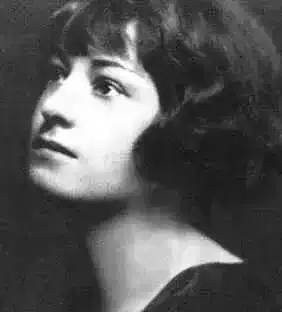
Dorothy Parker
My Own
My Own
Then let them point my every tear,
And let them mock and moan;
Another week, another year,
And I'll be with my own
Who slumber now by night and day
In fields of level brown;
Whose hearts within their breasts were clay
Before they laid them down.
Then let them point my every tear,
And let them mock and moan;
Another week, another year,
And I'll be with my own
Who slumber now by night and day
In fields of level brown;
Whose hearts within their breasts were clay
Before they laid them down.
346
Dorothy Parker
My Own
My Own
Then let them point my every tear,
And let them mock and moan;
Another week, another year,
And I'll be with my own
Who slumber now by night and day
In fields of level brown;
Whose hearts within their breasts were clay
Before they laid them down.
Then let them point my every tear,
And let them mock and moan;
Another week, another year,
And I'll be with my own
Who slumber now by night and day
In fields of level brown;
Whose hearts within their breasts were clay
Before they laid them down.
346
Dorothy Parker
Little Words
Little Words
When you are gone, there is nor bloom nor leaf,
Nor singing sea at night, nor silver birds;
And I can only stare, and shape my grief
In little words.
I cannot conjure loveliness, to drown
The bitter woe that racks my cords apart.
The weary pen that sets my sorrow down
Feeds at my heart.
There is no mercy in the shifting year,
No beauty wraps me tenderly about.
I turn to little words- so you, my dear,
Can spell them out.
When you are gone, there is nor bloom nor leaf,
Nor singing sea at night, nor silver birds;
And I can only stare, and shape my grief
In little words.
I cannot conjure loveliness, to drown
The bitter woe that racks my cords apart.
The weary pen that sets my sorrow down
Feeds at my heart.
There is no mercy in the shifting year,
No beauty wraps me tenderly about.
I turn to little words- so you, my dear,
Can spell them out.
345
Dorothy Parker
Lullaby
Lullaby
Sleep, pretty lady, the night is enfolding you;
Drift, and so lightly, on crystalline streams.
Wrapped in its perfumes, the darkness is holding you;
Starlight bespangles the way of your dreams.
Chorus the nightingales, wistfully amorous;
Blessedly quiet, the blare of the day.
All the sweet hours may your visions be glamorous-
Sleep, pretty lady, as long as you may.
Sleep, pretty lady, the night shall be still for you;
Silvered and silent, it watches you rest.
Each little breeze, in its eagerness, will for you
Murmur the melodies ancient and blest.
So in the midnight does happiness capture us;
Morning is dim with another day's tears.
Give yourself sweetly to images rapturous-
Sleep, pretty lady, a couple of years.
Sleep, pretty lady, the world awaits day with you;
Girlish and golden, the slender young moon.
Grant the fond darkness its mystical way with you;
Morning returns to us ever too soon.
Roses unfold, in their loveliness, all for you;
Blossom the lilies for hope of your glance.
When you're awake, all the men go and fall for you-
Sleep, pretty lady, and give me a chance.
Sleep, pretty lady, the night is enfolding you;
Drift, and so lightly, on crystalline streams.
Wrapped in its perfumes, the darkness is holding you;
Starlight bespangles the way of your dreams.
Chorus the nightingales, wistfully amorous;
Blessedly quiet, the blare of the day.
All the sweet hours may your visions be glamorous-
Sleep, pretty lady, as long as you may.
Sleep, pretty lady, the night shall be still for you;
Silvered and silent, it watches you rest.
Each little breeze, in its eagerness, will for you
Murmur the melodies ancient and blest.
So in the midnight does happiness capture us;
Morning is dim with another day's tears.
Give yourself sweetly to images rapturous-
Sleep, pretty lady, a couple of years.
Sleep, pretty lady, the world awaits day with you;
Girlish and golden, the slender young moon.
Grant the fond darkness its mystical way with you;
Morning returns to us ever too soon.
Roses unfold, in their loveliness, all for you;
Blossom the lilies for hope of your glance.
When you're awake, all the men go and fall for you-
Sleep, pretty lady, and give me a chance.
469
Dorothy Parker
Interior
Interior
Her mind lives in a quiet room,
A narrow room, and tall,
With pretty lamps to quench the gloom
And mottoes on the wall.
There all the things are waxen neat
And set in decorous lines;
And there are posies, round and sweet,
And little, straightened vines.
Her mind lives tidily, apart
From cold and noise and pain,
And bolts the door against her heart,
Out wailing in the rain.
Her mind lives in a quiet room,
A narrow room, and tall,
With pretty lamps to quench the gloom
And mottoes on the wall.
There all the things are waxen neat
And set in decorous lines;
And there are posies, round and sweet,
And little, straightened vines.
Her mind lives tidily, apart
From cold and noise and pain,
And bolts the door against her heart,
Out wailing in the rain.
342
Dorothy Parker
Garden-Spot
Garden-Spot
God's acre was her garden-spot, she said;
She sat there often, of the Summer days,
Little and slim and sweet, among the dead,
Her hair a fable in the leveled rays.
She turned the fading wreath, the rusted cross,
And knelt to coax about the wiry stem.
I see her gentle fingers on the moss
Now it is anguish to remember them.
And once I saw her weeping, when she rose
And walked a way and turned to look around-
The quick and envious tears of one that knows
She shall not lie in consecrated ground.
God's acre was her garden-spot, she said;
She sat there often, of the Summer days,
Little and slim and sweet, among the dead,
Her hair a fable in the leveled rays.
She turned the fading wreath, the rusted cross,
And knelt to coax about the wiry stem.
I see her gentle fingers on the moss
Now it is anguish to remember them.
And once I saw her weeping, when she rose
And walked a way and turned to look around-
The quick and envious tears of one that knows
She shall not lie in consecrated ground.
349
Dorothy Parker
Garden-Spot
Garden-Spot
God's acre was her garden-spot, she said;
She sat there often, of the Summer days,
Little and slim and sweet, among the dead,
Her hair a fable in the leveled rays.
She turned the fading wreath, the rusted cross,
And knelt to coax about the wiry stem.
I see her gentle fingers on the moss
Now it is anguish to remember them.
And once I saw her weeping, when she rose
And walked a way and turned to look around-
The quick and envious tears of one that knows
She shall not lie in consecrated ground.
God's acre was her garden-spot, she said;
She sat there often, of the Summer days,
Little and slim and sweet, among the dead,
Her hair a fable in the leveled rays.
She turned the fading wreath, the rusted cross,
And knelt to coax about the wiry stem.
I see her gentle fingers on the moss
Now it is anguish to remember them.
And once I saw her weeping, when she rose
And walked a way and turned to look around-
The quick and envious tears of one that knows
She shall not lie in consecrated ground.
349
Dorothy Parker
For A Lady Who Must Write Verse
For A Lady Who Must Write Verse
Unto seventy years and seven,
Hide your double birthright well-
You, that are the brat of Heaven
And the pampered heir to Hell.
Let your rhymes be tinsel treasures,
Strung and seen and thrown aside.
Drill your apt and docile measures
Sternly as you drill your pride.
Show your quick, alarming skill in
Tidy mockeries of art;
Never, never dip your quill in
Ink that rushes from your heart.
When your pain must come to paper,
See it dust, before the day;
Let your night-light curl and caper,
Let it lick the words away.
Never print, poor child, a lay on
Love and tears and anguishing,
Lest a cooled, benignant Phaon
Murmur, "Silly little thing!"
Unto seventy years and seven,
Hide your double birthright well-
You, that are the brat of Heaven
And the pampered heir to Hell.
Let your rhymes be tinsel treasures,
Strung and seen and thrown aside.
Drill your apt and docile measures
Sternly as you drill your pride.
Show your quick, alarming skill in
Tidy mockeries of art;
Never, never dip your quill in
Ink that rushes from your heart.
When your pain must come to paper,
See it dust, before the day;
Let your night-light curl and caper,
Let it lick the words away.
Never print, poor child, a lay on
Love and tears and anguishing,
Lest a cooled, benignant Phaon
Murmur, "Silly little thing!"
345
Dorothy Parker
Finis
Finis
Now it's over, and now it's done;
Why does everything look the same?
Just as bright, the unheeding sun, -Can't
it see that the parting came?
People hurry and work and swear,
Laugh and grumble and die and wed,
Ponder what they will eat and wear, -Don't
they know that our love is dead?
Just as busy, the crowded street;
Cars and wagons go rolling on,
Children chuckle, and lovers meet, -Don't
they know that our love is gone?
No one pauses to pay a tear;
None walks slow, for the love that's through, --
I might mention, my recent dear,
I've reverted to normal, too.
Now it's over, and now it's done;
Why does everything look the same?
Just as bright, the unheeding sun, -Can't
it see that the parting came?
People hurry and work and swear,
Laugh and grumble and die and wed,
Ponder what they will eat and wear, -Don't
they know that our love is dead?
Just as busy, the crowded street;
Cars and wagons go rolling on,
Children chuckle, and lovers meet, -Don't
they know that our love is gone?
No one pauses to pay a tear;
None walks slow, for the love that's through, --
I might mention, my recent dear,
I've reverted to normal, too.
408
Dorothy Parker
Faute De Mieux
Faute De Mieux
Travel, trouble, music, art,
A kiss, a frock, a rhyme-
I never said they feed my heart,
But still they pass my time.
Travel, trouble, music, art,
A kiss, a frock, a rhyme-
I never said they feed my heart,
But still they pass my time.
328
Dorothy Parker
Condolence
Condolence
They hurried here, as soon as you had died,
Their faces damp with haste and sympathy,
And pressed my hand in theirs, and smoothed my knee,
And clicked their tongues, and watched me, mournful-eyed.
Gently they told me of that Other Side-
How, even then, you waited there for me,
And what ecstatic meeting ours would be.
Moved by the lovely tale, they broke, and cried.
And when I smiled, they told me I was brave,
And they rejoiced that I was comforted,
And left to tell of all the help they gave.
But I had smiled to think how you, the dead,
So curiously preoccupied and grave,
Would laugh, could you have heard the things they said.
They hurried here, as soon as you had died,
Their faces damp with haste and sympathy,
And pressed my hand in theirs, and smoothed my knee,
And clicked their tongues, and watched me, mournful-eyed.
Gently they told me of that Other Side-
How, even then, you waited there for me,
And what ecstatic meeting ours would be.
Moved by the lovely tale, they broke, and cried.
And when I smiled, they told me I was brave,
And they rejoiced that I was comforted,
And left to tell of all the help they gave.
But I had smiled to think how you, the dead,
So curiously preoccupied and grave,
Would laugh, could you have heard the things they said.
409
Dorothy Parker
Coda
Coda
There's little in taking or giving,
There's little in water or wine;
This living, this living, this living
Was never a project of mine.
Oh, hard is the struggle, and sparse is
The gain of the one at the top,
For art is a form of catharsis,
And love is a permanent flop,
And work is the province of cattle,
And rest's for a clam in a shell,
So I'm thinking of throwing the battleWould
you kindly direct me to hell?
There's little in taking or giving,
There's little in water or wine;
This living, this living, this living
Was never a project of mine.
Oh, hard is the struggle, and sparse is
The gain of the one at the top,
For art is a form of catharsis,
And love is a permanent flop,
And work is the province of cattle,
And rest's for a clam in a shell,
So I'm thinking of throwing the battleWould
you kindly direct me to hell?
442
Dorothy Parker
But Not Forgotten
But Not Forgotten
I think, no matter where you stray,
That I shall go with you a way.
Though you may wander sweeter lands,
You will not soon forget my hands,
Nor yet the way I held my head,
Nor all the tremulous things I said.
You still will see me, small and white
And smiling, in the secret night,
And feel my arms about you when
The day comes fluttering back again.
I think, no matter where you be,
You'll hold me in your memory
And keep my image, there without me,
By telling later loves about me.
I think, no matter where you stray,
That I shall go with you a way.
Though you may wander sweeter lands,
You will not soon forget my hands,
Nor yet the way I held my head,
Nor all the tremulous things I said.
You still will see me, small and white
And smiling, in the secret night,
And feel my arms about you when
The day comes fluttering back again.
I think, no matter where you be,
You'll hold me in your memory
And keep my image, there without me,
By telling later loves about me.
344
Dorothy Parker
Braggart
Braggart
The days will rally, wreathing
Their crazy tarantelle;
And you must go on breathing,
But I'll be safe in hell.
Like January weather,
The years will bite and smart,
And pull your bones together
To wrap your chattering heart.
The pretty stuff you're made of
Will crack and crease and dry.
The thing you are afraid of
Will look from every eye.
You will go faltering after
The bright, imperious line,
And split your throat on laughter,
And burn your eyes with brine.
You will be frail and musty
With peering, furtive head,
Whilst I am young and lusty
Among the roaring dead.
The days will rally, wreathing
Their crazy tarantelle;
And you must go on breathing,
But I'll be safe in hell.
Like January weather,
The years will bite and smart,
And pull your bones together
To wrap your chattering heart.
The pretty stuff you're made of
Will crack and crease and dry.
The thing you are afraid of
Will look from every eye.
You will go faltering after
The bright, imperious line,
And split your throat on laughter,
And burn your eyes with brine.
You will be frail and musty
With peering, furtive head,
Whilst I am young and lusty
Among the roaring dead.
363
Dorothy Parker
Ballade of Unfortunate Mammals
Ballade of Unfortunate Mammals
Love is sharper than stones or sticks;
Lone as the sea, and deeper blue;
Loud in the night as a clock that ticks;
Longer-lived than the Wandering Jew.
Show me a love was done and through,
Tell me a kiss escaped its debt!
Son, to your death you'll pay your due-
Women and elephants never forget.
Ever a man, alas, would mix,
Ever a man, heigh-ho, must woo;
So he's left in the world-old fix,
Thus is furthered the sale of rue.
Son, your chances are thin and fewWon't
you ponder, before you're set?
Shoot if you must, but hold in view
Women and elephants never forget.
Down from Caesar past Joynson-Hicks
Echoes the warning, ever new:
Though they're trained to amusing tricks,
Gentler, they, than the pigeon's coo,
Careful, son, of the curs'ed two-
Either one is a dangerous pet;
Natural history proves it true-
Women and elephants never forget.
L'ENVOI
Prince, a precept I'd leave for you,
Coined in Eden, existing yet:
Skirt the parlor, and shun the zoo-
Women and elephants never forget.
Love is sharper than stones or sticks;
Lone as the sea, and deeper blue;
Loud in the night as a clock that ticks;
Longer-lived than the Wandering Jew.
Show me a love was done and through,
Tell me a kiss escaped its debt!
Son, to your death you'll pay your due-
Women and elephants never forget.
Ever a man, alas, would mix,
Ever a man, heigh-ho, must woo;
So he's left in the world-old fix,
Thus is furthered the sale of rue.
Son, your chances are thin and fewWon't
you ponder, before you're set?
Shoot if you must, but hold in view
Women and elephants never forget.
Down from Caesar past Joynson-Hicks
Echoes the warning, ever new:
Though they're trained to amusing tricks,
Gentler, they, than the pigeon's coo,
Careful, son, of the curs'ed two-
Either one is a dangerous pet;
Natural history proves it true-
Women and elephants never forget.
L'ENVOI
Prince, a precept I'd leave for you,
Coined in Eden, existing yet:
Skirt the parlor, and shun the zoo-
Women and elephants never forget.
430
Dorothy Parker
August
August
When my eyes are weeds,
And my lips are petals, spinning
Down the wind that has beginning
Where the crumpled beeches start
In a fringe of salty reeds;
When my arms are elder-bushes,
And the rangy lilac pushes
Upward, upward through my heart;
Summer, do your worst!
Light your tinsel moon, and call on
Your performing stars to fall on
Headlong through your paper sky;
Nevermore shall I be cursed
By a flushed and amorous slattern,
With her dusty laces' pattern
Trailing, as she straggles by.
When my eyes are weeds,
And my lips are petals, spinning
Down the wind that has beginning
Where the crumpled beeches start
In a fringe of salty reeds;
When my arms are elder-bushes,
And the rangy lilac pushes
Upward, upward through my heart;
Summer, do your worst!
Light your tinsel moon, and call on
Your performing stars to fall on
Headlong through your paper sky;
Nevermore shall I be cursed
By a flushed and amorous slattern,
With her dusty laces' pattern
Trailing, as she straggles by.
384
Dorothy Parker
Autumn Valentine
Autumn Valentine
In May my heart was breakingOh,
wide the wound, and deep!
And bitter it beat at waking,
And sore it split in sleep.
And when it came November,
I sought my heart, and sighed,
"Poor thing, do you remember?"
"What heart was that?" it cried.
In May my heart was breakingOh,
wide the wound, and deep!
And bitter it beat at waking,
And sore it split in sleep.
And when it came November,
I sought my heart, and sighed,
"Poor thing, do you remember?"
"What heart was that?" it cried.
366
Dorothy Parker
Afternoon
Afternoon
When I am old, and comforted,
And done with this desire,
With Memory to share my bed
And Peace to share my fire,
I'll comb my hair in scalloped bands
Beneath my laundered cap,
And watch my cool and fragile hands
Lie light upon my lap.
And I will have a sprigged gown
With lace to kiss my throat;
I'll draw my curtain to the town,
And hum a purring note.
And I'll forget the way of tears,
And rock, and stir my tea.
But oh, I wish those blessed years
Were further than they be!
When I am old, and comforted,
And done with this desire,
With Memory to share my bed
And Peace to share my fire,
I'll comb my hair in scalloped bands
Beneath my laundered cap,
And watch my cool and fragile hands
Lie light upon my lap.
And I will have a sprigged gown
With lace to kiss my throat;
I'll draw my curtain to the town,
And hum a purring note.
And I'll forget the way of tears,
And rock, and stir my tea.
But oh, I wish those blessed years
Were further than they be!
316

Derek Walcott
The Saddhu Of Couva
The Saddhu Of Couva
When sunset, a brass gong,
vibrate through Couva,
is then I see my soul, swiftly unsheathed,
like a white cattle bird growing more small
over the ocean of the evening canes,
and I sit quiet, waiting for it to return
like a hog-cattle blistered with mud,
because, for my spirit, India is too far.
And to that gong
sometimes bald clouds in saffron robes assemble
sacred to the evening,
sacred even to Ramlochan,
singing Indian hits from his jute hammock
while evening strokes the flanks
and silver horns of his maroon taxi,
as the mosquitoes whine their evening mantras,
my friend Anopheles, on the sitar,
and the fireflies making every dusk Divali.
I knot my head with a cloud,
my white mustache bristle like horns,
my hands are brittle as the pages of Ramayana.
Once the sacred monkeys multiplied like branches
in the ancient temples: I did not miss them,
because these fields sang of Bengal,
behind Ramlochan Repairs there was Uttar Pradesh;
but time roars in my ears like a river,
old age is a conflagration
as fierce as the cane fires of crop time.
I will pass through these people like a cloud,
they will see a white bird beating the evening sea
of the canes behind Couva,
and who will point it as my soul unsheathed?
Naither the bridegroom in beads,
nor the bride in her veils,
their sacred language on the cinema hoardings.
I talked too damn much on the Couva Village Council.
I talked too softly, I was always drowned
by the loudspeakers in front of the stores
or the loudspeakers with the greatest pictures.
I am best suited to stalk like a white cattle bird
on legs like sticks, with sticking to the Path
between the canes on a district road at dusk.
Playing the Elder. There are no more elders.
Is only old people.
My friends spit on the government.
I do not think is just the government.
Suppose all the gods too old,
Suppose they dead and they burning them,
supposing when some cane cutter
start chopping up snakes with a cutlass
he is severing the snake-armed god,
and suppose some hunter has caught
Hanuman in his mischief in a monkey cage.
Suppose all the gods were killed by electric light?
Sunset, a bonfire, roars in my ears;
embers of brown swallows dart and cry,
like women distracted,
around its cremation.
I ascend to my bed of sweet sandalwood.
When sunset, a brass gong,
vibrate through Couva,
is then I see my soul, swiftly unsheathed,
like a white cattle bird growing more small
over the ocean of the evening canes,
and I sit quiet, waiting for it to return
like a hog-cattle blistered with mud,
because, for my spirit, India is too far.
And to that gong
sometimes bald clouds in saffron robes assemble
sacred to the evening,
sacred even to Ramlochan,
singing Indian hits from his jute hammock
while evening strokes the flanks
and silver horns of his maroon taxi,
as the mosquitoes whine their evening mantras,
my friend Anopheles, on the sitar,
and the fireflies making every dusk Divali.
I knot my head with a cloud,
my white mustache bristle like horns,
my hands are brittle as the pages of Ramayana.
Once the sacred monkeys multiplied like branches
in the ancient temples: I did not miss them,
because these fields sang of Bengal,
behind Ramlochan Repairs there was Uttar Pradesh;
but time roars in my ears like a river,
old age is a conflagration
as fierce as the cane fires of crop time.
I will pass through these people like a cloud,
they will see a white bird beating the evening sea
of the canes behind Couva,
and who will point it as my soul unsheathed?
Naither the bridegroom in beads,
nor the bride in her veils,
their sacred language on the cinema hoardings.
I talked too damn much on the Couva Village Council.
I talked too softly, I was always drowned
by the loudspeakers in front of the stores
or the loudspeakers with the greatest pictures.
I am best suited to stalk like a white cattle bird
on legs like sticks, with sticking to the Path
between the canes on a district road at dusk.
Playing the Elder. There are no more elders.
Is only old people.
My friends spit on the government.
I do not think is just the government.
Suppose all the gods too old,
Suppose they dead and they burning them,
supposing when some cane cutter
start chopping up snakes with a cutlass
he is severing the snake-armed god,
and suppose some hunter has caught
Hanuman in his mischief in a monkey cage.
Suppose all the gods were killed by electric light?
Sunset, a bonfire, roars in my ears;
embers of brown swallows dart and cry,
like women distracted,
around its cremation.
I ascend to my bed of sweet sandalwood.
1,221
Derek Walcott
Pentecost
Pentecost
Better a jungle in the head
than rootless concrete.
Better to stand bewildered
by the fireflies' crooked street;
winter lamps do not show
where the sidewalk is lost,
nor can these tongues of snow
speak for the Holy Ghost;
the self-increasing silence
of words dropped from a roof
points along iron railings,
direction, in not proof.
But best is this night surf
with slow scriptures of sand,
that sends, not quite a seraph,
but a late cormorant,
whose fading cry propels
through phosphorescent shoal
what, in my childhood gospels,
used to be called the Soul.
Better a jungle in the head
than rootless concrete.
Better to stand bewildered
by the fireflies' crooked street;
winter lamps do not show
where the sidewalk is lost,
nor can these tongues of snow
speak for the Holy Ghost;
the self-increasing silence
of words dropped from a roof
points along iron railings,
direction, in not proof.
But best is this night surf
with slow scriptures of sand,
that sends, not quite a seraph,
but a late cormorant,
whose fading cry propels
through phosphorescent shoal
what, in my childhood gospels,
used to be called the Soul.
1,138
Derek Walcott
In The Virgins
In The Virgins
You can't put in the ground swell of the organ
from the Christiansted, St.Croix, Anglican Church
behind the paratrooper's voice: 'Turned cop
after Vietnam. I made thirty jumps.'
Bells punish the dead street and pigeons lurch
from the stone belfry, opening their chutes,
circling until the rings of ringing stop.
'Salud!' The paratrooper's glass is raised.
The congregation rises to its feet
like a patrol, with scuffling shoes and boots,
repeating orders as the organ thumps:
'Praise Ye the Lord. The Lord's name be praised.'
You cannot hear, beyond the quiet harbor,
the breakers cannonading on the bruised
horizon, or the charter engines gunning for
Buck Island. The only war here is a war
of silence between blue sky and sea,
and just one voice, the marching choir's, is raised
to draft new conscripts with the ancient cry
of 'Onward, Christian Soldiers,' into pews
half-empty still, or like a glass, half-full.
Pinning itself to a cornice, a gull
hangs like a medal from the serge-blue sky.
Are these boats all? Is the blue water all?
The rocks surpliced with lace where they are moored,
dinghy, catamaran, and racing yawl,
nodding to the ground swell of 'Praise the Lord'?
Wesley and Watts, their evangelical light
lanced down the mine shafts to our chapel pew,
its beam gritted with motes of anthracite
that drifted on us in our chapel benches:
from God's slow-grinding mills in Lancashire,
ash on the dead mired in Flanders' trenches,
as a gray drizzle now defiles the view
of this blue harbor, framed in windows where
two yellow palm fronds, jerked by the wind's rain,
agree like horses' necks, and nodding bear,
slow as a hearse, a haze of tasseled rain,
and, as the weather changes in a child,
the paradisal day outside grows dark,
the yachts flutter like moths in a gray jar,
the martial voices fade in thunder, while
across the harbor, like a timid lure,
a rainbow casts its seven-colored arc.
Tonight, now Sunday has been put to rest.
Altar lights ride the black glass where the yachts
stiffly repeat themselves and phosphoresce
with every ripple - the wide parking-lots
of tidal affluence - and every mast
sways the night's dial as its needle veers
to find the station which is truly peace.
Like neon lasers shot across the bars
discos blast out the music of the spheres,
and, one by one, science infects the stars.
You can't put in the ground swell of the organ
from the Christiansted, St.Croix, Anglican Church
behind the paratrooper's voice: 'Turned cop
after Vietnam. I made thirty jumps.'
Bells punish the dead street and pigeons lurch
from the stone belfry, opening their chutes,
circling until the rings of ringing stop.
'Salud!' The paratrooper's glass is raised.
The congregation rises to its feet
like a patrol, with scuffling shoes and boots,
repeating orders as the organ thumps:
'Praise Ye the Lord. The Lord's name be praised.'
You cannot hear, beyond the quiet harbor,
the breakers cannonading on the bruised
horizon, or the charter engines gunning for
Buck Island. The only war here is a war
of silence between blue sky and sea,
and just one voice, the marching choir's, is raised
to draft new conscripts with the ancient cry
of 'Onward, Christian Soldiers,' into pews
half-empty still, or like a glass, half-full.
Pinning itself to a cornice, a gull
hangs like a medal from the serge-blue sky.
Are these boats all? Is the blue water all?
The rocks surpliced with lace where they are moored,
dinghy, catamaran, and racing yawl,
nodding to the ground swell of 'Praise the Lord'?
Wesley and Watts, their evangelical light
lanced down the mine shafts to our chapel pew,
its beam gritted with motes of anthracite
that drifted on us in our chapel benches:
from God's slow-grinding mills in Lancashire,
ash on the dead mired in Flanders' trenches,
as a gray drizzle now defiles the view
of this blue harbor, framed in windows where
two yellow palm fronds, jerked by the wind's rain,
agree like horses' necks, and nodding bear,
slow as a hearse, a haze of tasseled rain,
and, as the weather changes in a child,
the paradisal day outside grows dark,
the yachts flutter like moths in a gray jar,
the martial voices fade in thunder, while
across the harbor, like a timid lure,
a rainbow casts its seven-colored arc.
Tonight, now Sunday has been put to rest.
Altar lights ride the black glass where the yachts
stiffly repeat themselves and phosphoresce
with every ripple - the wide parking-lots
of tidal affluence - and every mast
sways the night's dial as its needle veers
to find the station which is truly peace.
Like neon lasers shot across the bars
discos blast out the music of the spheres,
and, one by one, science infects the stars.
1,231
Derek Walcott
Love After Love
Love After Love
The time will come
when, with elation
you will greet yourself arriving
at your own door, in your own mirror
and each will smile at the other's welcome,
and say, sit here. Eat.
You will love again the stranger who was your self.
Give wine. Give bread. Give back your heart
to itself, to the stranger who has loved you
all your life, whom you ignored
for another, who knows you by heart.
Take down the love letters from the bookshelf,
the photographs, the desperate notes,
peel your own image from the mirror.
Sit. Feast on your life.
The time will come
when, with elation
you will greet yourself arriving
at your own door, in your own mirror
and each will smile at the other's welcome,
and say, sit here. Eat.
You will love again the stranger who was your self.
Give wine. Give bread. Give back your heart
to itself, to the stranger who has loved you
all your life, whom you ignored
for another, who knows you by heart.
Take down the love letters from the bookshelf,
the photographs, the desperate notes,
peel your own image from the mirror.
Sit. Feast on your life.
1,244
Derek Walcott
Love After Love
Love After Love
The time will come
when, with elation
you will greet yourself arriving
at your own door, in your own mirror
and each will smile at the other's welcome,
and say, sit here. Eat.
You will love again the stranger who was your self.
Give wine. Give bread. Give back your heart
to itself, to the stranger who has loved you
all your life, whom you ignored
for another, who knows you by heart.
Take down the love letters from the bookshelf,
the photographs, the desperate notes,
peel your own image from the mirror.
Sit. Feast on your life.
The time will come
when, with elation
you will greet yourself arriving
at your own door, in your own mirror
and each will smile at the other's welcome,
and say, sit here. Eat.
You will love again the stranger who was your self.
Give wine. Give bread. Give back your heart
to itself, to the stranger who has loved you
all your life, whom you ignored
for another, who knows you by heart.
Take down the love letters from the bookshelf,
the photographs, the desperate notes,
peel your own image from the mirror.
Sit. Feast on your life.
1,244
Derek Walcott
Coral
Coral
This coral's hape ecohes the hand
It hollowed. Its
Immediate absence is heavy. As pumice,
As your breast in my cupped palm.
Sea-cold, its nipple rasps like sand,
Its pores, like yours, shone with salt sweat.
Bodies in absence displace their weight,
And your smooth body, like none other,
Creates an exact absence like this stoneSet on a table with a whitening rack
Of souvenirs. It dares my hand
To claim what lovers' hands have never known:
The nature of the body of another.
This coral's hape ecohes the hand
It hollowed. Its
Immediate absence is heavy. As pumice,
As your breast in my cupped palm.
Sea-cold, its nipple rasps like sand,
Its pores, like yours, shone with salt sweat.
Bodies in absence displace their weight,
And your smooth body, like none other,
Creates an exact absence like this stoneSet on a table with a whitening rack
Of souvenirs. It dares my hand
To claim what lovers' hands have never known:
The nature of the body of another.
700