

Poems in this topic
Life and Existence
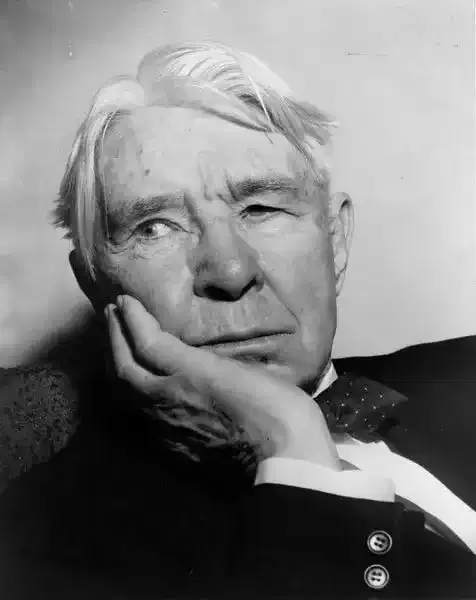
Carl Sandburg
Haunts
Haunts
There are places I go when I am strong.
One is a marsh pool where I used to go
with a long-ear hound-dog.
One is a wild crabapple tree; I was there
a moonlight night with a girl.
The dog is gone; the girl is gone; I go to these
places when there is no other place to go.
There are places I go when I am strong.
One is a marsh pool where I used to go
with a long-ear hound-dog.
One is a wild crabapple tree; I was there
a moonlight night with a girl.
The dog is gone; the girl is gone; I go to these
places when there is no other place to go.
381
Carl Sandburg
Gone
Gone
Everybody loved Chick Lorimer in our town.
Far off
Everybody loved her.
So we all love a wild girl keeping a hold
On a dream she wants.
Nobody knows now where Chick Lorimer went.
Nobody knows why she packed her trunk .. a few old things
And is gone,
Gone with her little chin
Thrust ahead of her
And her soft hair blowing careless
From under a wide hat,
Dancer, singer, a laughing passionate lover.
Were there ten men or a hundred hunting Chick?
Were there five men or fifty with aching hearts?
Everybody loved Chick Lorimer.
Nobody knows where she’s gone.
Everybody loved Chick Lorimer in our town.
Far off
Everybody loved her.
So we all love a wild girl keeping a hold
On a dream she wants.
Nobody knows now where Chick Lorimer went.
Nobody knows why she packed her trunk .. a few old things
And is gone,
Gone with her little chin
Thrust ahead of her
And her soft hair blowing careless
From under a wide hat,
Dancer, singer, a laughing passionate lover.
Were there ten men or a hundred hunting Chick?
Were there five men or fifty with aching hearts?
Everybody loved Chick Lorimer.
Nobody knows where she’s gone.
391
Carl Sandburg
Follies
Follies
Shaken,
The blossoms of lilac,
And shattered,
The atoms of purple.
Green dip the leaves,
Darker the bark,
Longer the shadows.
Sheer lines of poplar
Shimmer with masses of silver
And down in a garden old with years
And broken walls of ruin and story,
Roses rise with red rain-memories.
May!
In the open world
The sun comes and finds your face,
Remembering all.
Shaken,
The blossoms of lilac,
And shattered,
The atoms of purple.
Green dip the leaves,
Darker the bark,
Longer the shadows.
Sheer lines of poplar
Shimmer with masses of silver
And down in a garden old with years
And broken walls of ruin and story,
Roses rise with red rain-memories.
May!
In the open world
The sun comes and finds your face,
Remembering all.
296
Carl Sandburg
Eleventh Avenue Racket
Eleventh Avenue Racket
There is something terrible
about a hurdy-gurdy,
a gipsy man and woman,
and a monkey in red flannel
all stopping in front of a big house
with a sign “For Rent” on the door
and the blinds hanging loose
and nobody home.
I never saw this.
I hope to God I never will.
Whoop-de-doodle-de-doo.
Hoodle-de-harr-de-hum.
Nobody home? Everybody home.
Whoop-de-doodle-de-doo.
Mamie Riley married Jimmy Higgins last night: Eddie Jones died of whooping cough:
George Hacks got a job on the police force: the Rosenheims bought a brass bed: Lena
Hart giggled at a jackie: a pushcart man called tomaytoes, tomaytoes.
Whoop-de-doodle-de-doo.
Hoodle-de-harr-de-hum.
Nobody home? Everybody home.
There is something terrible
about a hurdy-gurdy,
a gipsy man and woman,
and a monkey in red flannel
all stopping in front of a big house
with a sign “For Rent” on the door
and the blinds hanging loose
and nobody home.
I never saw this.
I hope to God I never will.
Whoop-de-doodle-de-doo.
Hoodle-de-harr-de-hum.
Nobody home? Everybody home.
Whoop-de-doodle-de-doo.
Mamie Riley married Jimmy Higgins last night: Eddie Jones died of whooping cough:
George Hacks got a job on the police force: the Rosenheims bought a brass bed: Lena
Hart giggled at a jackie: a pushcart man called tomaytoes, tomaytoes.
Whoop-de-doodle-de-doo.
Hoodle-de-harr-de-hum.
Nobody home? Everybody home.
326
Carl Sandburg
Fellow Citizens
Fellow Citizens
I drank musty ale at the Illinois Athletic Club with
the millionaire manufacturer of Green River butter
one night
And his face had the shining light of an old-time Quaker,
he spoke of a beautiful daughter, and I knew he had
a peace and a happiness up his sleeve somewhere.
Then I heard Jim Kirch make a speech to the Advertising
Association on the trade resources of South America.
And the way he lighted a three-for-a-nickel stogie and
cocked it at an angle regardless of the manners of
our best people,
I knew he had a clutch on a real happiness even though
some of the reporters on his newspaper say he is
the living double of Jack London's Sea Wolf.
In the mayor's office the mayor himself told me he was
happy though it is a hard job to satisfy all the officeseekers
and eat all the dinners he is asked to eat.
Down in Gilpin Place, near Hull House, was a man with
his jaw wrapped for a bad toothache,
And he had it all over the butter millionaire, Jim Kirch
and the mayor when it came to happiness.
He is a maker of accordions and guitars and not only
makes them from start to finish, but plays them
after he makes them.
And he had a guitar of mahogany with a walnut bottom
he offered for seven dollars and a half if I wanted it,
And another just like it, only smaller, for six dollars,
though he never mentioned the price till I asked him,
And he stated the price in a sorry way, as though the
music and the make of an instrument count for a
million times more than the price in money.
I thought he had a real soul and knew a lot about God.
There was light in his eyes of one who has conquered
sorrow in so far as sorrow is conquerable or worth
conquering.
Anyway he is the only Chicago citizen I was jealous of
that day.
He played a dance they play in some parts of Italy
when the harvest of grapes is over and the wine
presses are ready for work.
I drank musty ale at the Illinois Athletic Club with
the millionaire manufacturer of Green River butter
one night
And his face had the shining light of an old-time Quaker,
he spoke of a beautiful daughter, and I knew he had
a peace and a happiness up his sleeve somewhere.
Then I heard Jim Kirch make a speech to the Advertising
Association on the trade resources of South America.
And the way he lighted a three-for-a-nickel stogie and
cocked it at an angle regardless of the manners of
our best people,
I knew he had a clutch on a real happiness even though
some of the reporters on his newspaper say he is
the living double of Jack London's Sea Wolf.
In the mayor's office the mayor himself told me he was
happy though it is a hard job to satisfy all the officeseekers
and eat all the dinners he is asked to eat.
Down in Gilpin Place, near Hull House, was a man with
his jaw wrapped for a bad toothache,
And he had it all over the butter millionaire, Jim Kirch
and the mayor when it came to happiness.
He is a maker of accordions and guitars and not only
makes them from start to finish, but plays them
after he makes them.
And he had a guitar of mahogany with a walnut bottom
he offered for seven dollars and a half if I wanted it,
And another just like it, only smaller, for six dollars,
though he never mentioned the price till I asked him,
And he stated the price in a sorry way, as though the
music and the make of an instrument count for a
million times more than the price in money.
I thought he had a real soul and knew a lot about God.
There was light in his eyes of one who has conquered
sorrow in so far as sorrow is conquerable or worth
conquering.
Anyway he is the only Chicago citizen I was jealous of
that day.
He played a dance they play in some parts of Italy
when the harvest of grapes is over and the wine
presses are ready for work.
352
Carl Sandburg
Dusty Doors
Dusty Doors
Child of the Aztec gods,
how long must we listen here,
how long before we go?
The dust is deep on the lintels.
The dust is dark on the doors.
If the dreams shake our bones,
what can we say or do?
Since early morning we waited.
Since early, early morning, child.
There must be dreams on the way now.
There must be a song for our bones.
The dust gets deeper and darker.
Do the doors and lintels shudder?
How long must we listen here?
How long before we go?
Child of the Aztec gods,
how long must we listen here,
how long before we go?
The dust is deep on the lintels.
The dust is dark on the doors.
If the dreams shake our bones,
what can we say or do?
Since early morning we waited.
Since early, early morning, child.
There must be dreams on the way now.
There must be a song for our bones.
The dust gets deeper and darker.
Do the doors and lintels shudder?
How long must we listen here?
How long before we go?
332
Carl Sandburg
Dunes
Dunes
What do we see here in the sand dunes of the white moon alone with our thoughts,
Bill,
Alone with our dreams, Bill, soft as the women tying scarves around their heads
dancing,
Alone with a picture and a picture coming one after the other of all the dead,
The dead more than all these grains of sand one by one piled here in the moon,
Piled against the sky-line taking shapes like the hand of the wind wanted,
What do we see here, Bill, outside of what the wise men beat their heads on,
Outside of what the poets cry for and the soldiers drive on headlong and leave their
skulls in the sun for—what, Bill?
What do we see here in the sand dunes of the white moon alone with our thoughts,
Bill,
Alone with our dreams, Bill, soft as the women tying scarves around their heads
dancing,
Alone with a picture and a picture coming one after the other of all the dead,
The dead more than all these grains of sand one by one piled here in the moon,
Piled against the sky-line taking shapes like the hand of the wind wanted,
What do we see here, Bill, outside of what the wise men beat their heads on,
Outside of what the poets cry for and the soldiers drive on headlong and leave their
skulls in the sun for—what, Bill?
345
Carl Sandburg
Dunes
Dunes
What do we see here in the sand dunes of the white moon alone with our thoughts,
Bill,
Alone with our dreams, Bill, soft as the women tying scarves around their heads
dancing,
Alone with a picture and a picture coming one after the other of all the dead,
The dead more than all these grains of sand one by one piled here in the moon,
Piled against the sky-line taking shapes like the hand of the wind wanted,
What do we see here, Bill, outside of what the wise men beat their heads on,
Outside of what the poets cry for and the soldiers drive on headlong and leave their
skulls in the sun for—what, Bill?
What do we see here in the sand dunes of the white moon alone with our thoughts,
Bill,
Alone with our dreams, Bill, soft as the women tying scarves around their heads
dancing,
Alone with a picture and a picture coming one after the other of all the dead,
The dead more than all these grains of sand one by one piled here in the moon,
Piled against the sky-line taking shapes like the hand of the wind wanted,
What do we see here, Bill, outside of what the wise men beat their heads on,
Outside of what the poets cry for and the soldiers drive on headlong and leave their
skulls in the sun for—what, Bill?
345
Carl Sandburg
Death Snips Proud Men
Death Snips Proud Men
DEATH is stronger than all the governments because
the governments are men and men die and then
death laughs: Now you see 'em, now you don't.
Death is stronger than all proud men and so death
snips proud men on the nose, throws a pair of
dice and says: Read 'em and weep.
Death sends a radiogram every day: When I want
you I'll drop in--and then one day he comes with a
master-key and lets himself in and says: We'll
go now.
Death is a nurse mother with big arms: 'Twon't hurt
you at all; it's your time now; just need a
long sleep, child; what have you had anyhow
better than sleep?
DEATH is stronger than all the governments because
the governments are men and men die and then
death laughs: Now you see 'em, now you don't.
Death is stronger than all proud men and so death
snips proud men on the nose, throws a pair of
dice and says: Read 'em and weep.
Death sends a radiogram every day: When I want
you I'll drop in--and then one day he comes with a
master-key and lets himself in and says: We'll
go now.
Death is a nurse mother with big arms: 'Twon't hurt
you at all; it's your time now; just need a
long sleep, child; what have you had anyhow
better than sleep?
323
Carl Sandburg
Crimson
Crimson
Crimson is the slow smolder of the cigar end I hold,
Gray is the ash that stiffens and covers all silent the fire.
(A great man I know is dead and while he lies in his coffin a gone flame I sit here in
cumbering shadows and smoke and watch my thoughts come and go.)
Crimson is the slow smolder of the cigar end I hold,
Gray is the ash that stiffens and covers all silent the fire.
(A great man I know is dead and while he lies in his coffin a gone flame I sit here in
cumbering shadows and smoke and watch my thoughts come and go.)
311
Carl Sandburg
Choices
Choices
They offer you many things,
I a few.
Moonlight on the play of fountains at night
With water sparkling a drowsy monotone,
Bare-shouldered, smiling women and talk
And a cross-play of loves and adulteries
And a fear of death
and a remembering of regrets:
All this they offer you.
I come with:
salt and bread
a terrible job of work
and tireless war;
Come and have now:
hunger.
danger
and hate.
They offer you many things,
I a few.
Moonlight on the play of fountains at night
With water sparkling a drowsy monotone,
Bare-shouldered, smiling women and talk
And a cross-play of loves and adulteries
And a fear of death
and a remembering of regrets:
All this they offer you.
I come with:
salt and bread
a terrible job of work
and tireless war;
Come and have now:
hunger.
danger
and hate.
375
Carl Sandburg
Choices
Choices
They offer you many things,
I a few.
Moonlight on the play of fountains at night
With water sparkling a drowsy monotone,
Bare-shouldered, smiling women and talk
And a cross-play of loves and adulteries
And a fear of death
and a remembering of regrets:
All this they offer you.
I come with:
salt and bread
a terrible job of work
and tireless war;
Come and have now:
hunger.
danger
and hate.
They offer you many things,
I a few.
Moonlight on the play of fountains at night
With water sparkling a drowsy monotone,
Bare-shouldered, smiling women and talk
And a cross-play of loves and adulteries
And a fear of death
and a remembering of regrets:
All this they offer you.
I come with:
salt and bread
a terrible job of work
and tireless war;
Come and have now:
hunger.
danger
and hate.
375
Carl Sandburg
Chicago Poet
Chicago Poet
I saluted a nobody.
I saw him in a looking-glass.
He smiled--so did I.
He crumpled the skin on his forehead, frowning--so did I.
Everything I did he did.
I said, "Hello, I know you."
And I was a liar to say so.
Ah, this. looking-glass man!
Liar, fool, dreamer, play-actor,
Soldier, dusty drinker of dust--
Ah! he will go with me
Down the dark stairway
When nobody else is looking,
When everybody else is gone.
He locks his elbow in mine,
I lose all--but not him.
I saluted a nobody.
I saw him in a looking-glass.
He smiled--so did I.
He crumpled the skin on his forehead, frowning--so did I.
Everything I did he did.
I said, "Hello, I know you."
And I was a liar to say so.
Ah, this. looking-glass man!
Liar, fool, dreamer, play-actor,
Soldier, dusty drinker of dust--
Ah! he will go with me
Down the dark stairway
When nobody else is looking,
When everybody else is gone.
He locks his elbow in mine,
I lose all--but not him.
657
Carl Sandburg
Chicago Poet
Chicago Poet
I saluted a nobody.
I saw him in a looking-glass.
He smiled--so did I.
He crumpled the skin on his forehead, frowning--so did I.
Everything I did he did.
I said, "Hello, I know you."
And I was a liar to say so.
Ah, this. looking-glass man!
Liar, fool, dreamer, play-actor,
Soldier, dusty drinker of dust--
Ah! he will go with me
Down the dark stairway
When nobody else is looking,
When everybody else is gone.
He locks his elbow in mine,
I lose all--but not him.
I saluted a nobody.
I saw him in a looking-glass.
He smiled--so did I.
He crumpled the skin on his forehead, frowning--so did I.
Everything I did he did.
I said, "Hello, I know you."
And I was a liar to say so.
Ah, this. looking-glass man!
Liar, fool, dreamer, play-actor,
Soldier, dusty drinker of dust--
Ah! he will go with me
Down the dark stairway
When nobody else is looking,
When everybody else is gone.
He locks his elbow in mine,
I lose all--but not him.
657
Carl Sandburg
Chicago Poet
Chicago Poet
I saluted a nobody.
I saw him in a looking-glass.
He smiled--so did I.
He crumpled the skin on his forehead, frowning--so did I.
Everything I did he did.
I said, "Hello, I know you."
And I was a liar to say so.
Ah, this. looking-glass man!
Liar, fool, dreamer, play-actor,
Soldier, dusty drinker of dust--
Ah! he will go with me
Down the dark stairway
When nobody else is looking,
When everybody else is gone.
He locks his elbow in mine,
I lose all--but not him.
I saluted a nobody.
I saw him in a looking-glass.
He smiled--so did I.
He crumpled the skin on his forehead, frowning--so did I.
Everything I did he did.
I said, "Hello, I know you."
And I was a liar to say so.
Ah, this. looking-glass man!
Liar, fool, dreamer, play-actor,
Soldier, dusty drinker of dust--
Ah! he will go with me
Down the dark stairway
When nobody else is looking,
When everybody else is gone.
He locks his elbow in mine,
I lose all--but not him.
657
Carl Sandburg
Chamfort
Chamfort
There's Chamfort. He’s a sample.
Locked himself in his library with a gun,
Shot off his nose and shot out his right eye.
And this Chamfort knew how to write
And thousands read his books on how to live,
But he himself didn’t know
How to die by force of his own hand—see?
They found him a red pool on the carpet
Cool as an April forenoon,
Talking and talking gay maxims and grim epigrams.
Well, he wore bandages over his nose and right eye,
Drank coffee and chatted many years
With men and women who loved him
Because he laughed and daily dared Death:
“Come and take me.”
There's Chamfort. He’s a sample.
Locked himself in his library with a gun,
Shot off his nose and shot out his right eye.
And this Chamfort knew how to write
And thousands read his books on how to live,
But he himself didn’t know
How to die by force of his own hand—see?
They found him a red pool on the carpet
Cool as an April forenoon,
Talking and talking gay maxims and grim epigrams.
Well, he wore bandages over his nose and right eye,
Drank coffee and chatted many years
With men and women who loved him
Because he laughed and daily dared Death:
“Come and take me.”
406
Carl Sandburg
Bath
Bath
A man saw the whole world as a grinning skull and cross-bones. The rose flesh of life
shriveled from all faces. Nothing counts. Everything is a fake. Dust to dust and ashes
to ashes and then an old darkness and a useless silence. So he saw it all. Then he went
to a Mischa Elman concert. Two hours waves of sound beat on his eardrums. Music
washed something or other inside him. Music broke down and rebuilt something or
other in his head and heart. He joined in five encores for the young Russian Jew with
the fiddle. When he got outside his heels hit the sidewalk a new way. He was the same
man in the same world as before. Only there was a singing fire and a climb of roses
everlastingly over the world he looked on.
A man saw the whole world as a grinning skull and cross-bones. The rose flesh of life
shriveled from all faces. Nothing counts. Everything is a fake. Dust to dust and ashes
to ashes and then an old darkness and a useless silence. So he saw it all. Then he went
to a Mischa Elman concert. Two hours waves of sound beat on his eardrums. Music
washed something or other inside him. Music broke down and rebuilt something or
other in his head and heart. He joined in five encores for the young Russian Jew with
the fiddle. When he got outside his heels hit the sidewalk a new way. He was the same
man in the same world as before. Only there was a singing fire and a climb of roses
everlastingly over the world he looked on.
391
Carl Sandburg
Aztec Mask
Aztec Mask
I wanted a man’s face looking into the jaws and throat of life
With something proud on his face, so proud no smash of the jaws,
No gulp of the throat leaves the face in the end
With anything else than the old proud look:
Even to the finish, dumped in the dust,
Lost among the used-up cinders,
This face, men would say, is a flash,
Is laid on bones taken from the ribs of the earth,
Ready for the hammers of changing, changing years,
Ready for the sleeping, sleeping years of silence.
Ready for the dust and fire and wind.
I wanted this face and I saw it today in an Aztec mask.
A cry out of storm and dark, a red yell and a purple prayer,
A beaten shape of ashes
waiting the sunrise or night,
something or nothing,
proud-mouthed,
proud-eyed gambler.
I wanted a man’s face looking into the jaws and throat of life
With something proud on his face, so proud no smash of the jaws,
No gulp of the throat leaves the face in the end
With anything else than the old proud look:
Even to the finish, dumped in the dust,
Lost among the used-up cinders,
This face, men would say, is a flash,
Is laid on bones taken from the ribs of the earth,
Ready for the hammers of changing, changing years,
Ready for the sleeping, sleeping years of silence.
Ready for the dust and fire and wind.
I wanted this face and I saw it today in an Aztec mask.
A cry out of storm and dark, a red yell and a purple prayer,
A beaten shape of ashes
waiting the sunrise or night,
something or nothing,
proud-mouthed,
proud-eyed gambler.
505
Carl Sandburg
Autumn Movement
Autumn Movement
I cried over beautiful things knowing no beautiful thing lasts.
The field of cornflower yellow is a scarf at the neck of the copper
sunburned woman, the mother of the year, the taker of seeds.
The northwest wind comes and the yellow is torn full of holes,
new beautiful things come in the first spit of snow on the northwest wind,
and the old things go, not one lasts.
I cried over beautiful things knowing no beautiful thing lasts.
The field of cornflower yellow is a scarf at the neck of the copper
sunburned woman, the mother of the year, the taker of seeds.
The northwest wind comes and the yellow is torn full of holes,
new beautiful things come in the first spit of snow on the northwest wind,
and the old things go, not one lasts.
405
Carl Sandburg
Aprons of Silence
Aprons of Silence
Many things I might have said today.
And I kept my mouth shut.
So many times I was asked
To come and say the same things
Everybody was saying, no end
To the yes-yes, yes-yes,
me-too, me-too.
The aprons of silence covered me.
A wire and hatch held my tongue.
I spit nails into an abyss and listened.
I shut off the gable of Jones, Johnson, Smith,
All whose names take pages in the city directory.
I fixed up a padded cell and lugged it around.
I locked myself in and nobody knew it.
Only the keeper and the kept in the hoosegow
Knew it--on the streets, in the post office,
On the cars, into the railroad station
Where the caller was calling, "All a-board,
All a-board for . . . Blaa-blaa . . . Blaa-blaa,
Blaa-blaa . . . and all points northwest . . .all a-board."
Here I took along my own hoosegow
And did business with my own thoughts.
Do you see? It must be the aprons of silence.
Many things I might have said today.
And I kept my mouth shut.
So many times I was asked
To come and say the same things
Everybody was saying, no end
To the yes-yes, yes-yes,
me-too, me-too.
The aprons of silence covered me.
A wire and hatch held my tongue.
I spit nails into an abyss and listened.
I shut off the gable of Jones, Johnson, Smith,
All whose names take pages in the city directory.
I fixed up a padded cell and lugged it around.
I locked myself in and nobody knew it.
Only the keeper and the kept in the hoosegow
Knew it--on the streets, in the post office,
On the cars, into the railroad station
Where the caller was calling, "All a-board,
All a-board for . . . Blaa-blaa . . . Blaa-blaa,
Blaa-blaa . . . and all points northwest . . .all a-board."
Here I took along my own hoosegow
And did business with my own thoughts.
Do you see? It must be the aprons of silence.
421
Carl Sandburg
And This Will Be All....
And This Will Be All....
And this will be all?
And the gates will never open again?
And the dust and the wind will play around the rusty door hinges and the songs of
October moan, Why-oh, why-oh?
And you will look to the mountains
And the mountains will look to you
And you will wish you were a mountain
And the mountain will wish nothing at all?
This will be all?
The gates will never-never open again?
The dust and the wind only
And the rusty door hinges and moaning October
And Why-oh, why-oh, in the moaning dry leaves,
This will be all?
Nothing in the air but songs
And no singers, no mouths to know the songs?
You tell us a woman with a heartache tells you it is so?
This will be all?
And this will be all?
And the gates will never open again?
And the dust and the wind will play around the rusty door hinges and the songs of
October moan, Why-oh, why-oh?
And you will look to the mountains
And the mountains will look to you
And you will wish you were a mountain
And the mountain will wish nothing at all?
This will be all?
The gates will never-never open again?
The dust and the wind only
And the rusty door hinges and moaning October
And Why-oh, why-oh, in the moaning dry leaves,
This will be all?
Nothing in the air but songs
And no singers, no mouths to know the songs?
You tell us a woman with a heartache tells you it is so?
This will be all?
390
Carl Sandburg
An Electric Sign Goes Dark
An Electric Sign Goes Dark
Poland, France, Judea ran in her veins,
Singing to Paris for bread, singing to Gotham in a fizz at the pop of a bottle’s cork.
“Won’t you come and play wiz me” she sang … and “I just can’t make my eyes
behave.”
“Higgeldy-Piggeldy,” “Papa’s Wife,” “Follow Me” were plays.
Did she wash her feet in a tub of milk? Was a strand of pearls sneaked from her trunk?
The newspapers asked.
Cigarettes, tulips, pacing horses, took her name.
Twenty years old … thirty … forty …
Forty-five and the doctors fathom nothing, the doctors quarrel, the doctors use silver
tubes feeding twenty-four quarts of blood into the veins, the respects of a prize-fighter,
a cab driver.
And a little mouth moans: It is easy to die when they are dying so many grand deaths
in France.
A voice, a shape, gone.
A baby bundle from Warsaw … legs, torso, head … on a hotel bed at The Savoy.
The white chiselings of flesh that flung themselves in somersaults, straddles, for
packed houses:
A memory, a stage and footlights out, an electric sign on Broadway dark.
She belonged to somebody, nobody.
No one man owned her, no ten nor a thousand.
She belonged to many thousand men, lovers of the white chiseling of arms and
shoulders, the ivory of a laugh, the bells of song.
Railroad brakemen taking trains across Nebraska prairies, lumbermen jaunting in pine
and tamarack of the Northwest, stock ranchers in the middle west, mayors of southern
cities
Say to their pals and wives now: I see by the papers Anna Held is dead.
Poland, France, Judea ran in her veins,
Singing to Paris for bread, singing to Gotham in a fizz at the pop of a bottle’s cork.
“Won’t you come and play wiz me” she sang … and “I just can’t make my eyes
behave.”
“Higgeldy-Piggeldy,” “Papa’s Wife,” “Follow Me” were plays.
Did she wash her feet in a tub of milk? Was a strand of pearls sneaked from her trunk?
The newspapers asked.
Cigarettes, tulips, pacing horses, took her name.
Twenty years old … thirty … forty …
Forty-five and the doctors fathom nothing, the doctors quarrel, the doctors use silver
tubes feeding twenty-four quarts of blood into the veins, the respects of a prize-fighter,
a cab driver.
And a little mouth moans: It is easy to die when they are dying so many grand deaths
in France.
A voice, a shape, gone.
A baby bundle from Warsaw … legs, torso, head … on a hotel bed at The Savoy.
The white chiselings of flesh that flung themselves in somersaults, straddles, for
packed houses:
A memory, a stage and footlights out, an electric sign on Broadway dark.
She belonged to somebody, nobody.
No one man owned her, no ten nor a thousand.
She belonged to many thousand men, lovers of the white chiseling of arms and
shoulders, the ivory of a laugh, the bells of song.
Railroad brakemen taking trains across Nebraska prairies, lumbermen jaunting in pine
and tamarack of the Northwest, stock ranchers in the middle west, mayors of southern
cities
Say to their pals and wives now: I see by the papers Anna Held is dead.
362
Carl Sandburg
An Electric Sign Goes Dark
An Electric Sign Goes Dark
Poland, France, Judea ran in her veins,
Singing to Paris for bread, singing to Gotham in a fizz at the pop of a bottle’s cork.
“Won’t you come and play wiz me” she sang … and “I just can’t make my eyes
behave.”
“Higgeldy-Piggeldy,” “Papa’s Wife,” “Follow Me” were plays.
Did she wash her feet in a tub of milk? Was a strand of pearls sneaked from her trunk?
The newspapers asked.
Cigarettes, tulips, pacing horses, took her name.
Twenty years old … thirty … forty …
Forty-five and the doctors fathom nothing, the doctors quarrel, the doctors use silver
tubes feeding twenty-four quarts of blood into the veins, the respects of a prize-fighter,
a cab driver.
And a little mouth moans: It is easy to die when they are dying so many grand deaths
in France.
A voice, a shape, gone.
A baby bundle from Warsaw … legs, torso, head … on a hotel bed at The Savoy.
The white chiselings of flesh that flung themselves in somersaults, straddles, for
packed houses:
A memory, a stage and footlights out, an electric sign on Broadway dark.
She belonged to somebody, nobody.
No one man owned her, no ten nor a thousand.
She belonged to many thousand men, lovers of the white chiseling of arms and
shoulders, the ivory of a laugh, the bells of song.
Railroad brakemen taking trains across Nebraska prairies, lumbermen jaunting in pine
and tamarack of the Northwest, stock ranchers in the middle west, mayors of southern
cities
Say to their pals and wives now: I see by the papers Anna Held is dead.
Poland, France, Judea ran in her veins,
Singing to Paris for bread, singing to Gotham in a fizz at the pop of a bottle’s cork.
“Won’t you come and play wiz me” she sang … and “I just can’t make my eyes
behave.”
“Higgeldy-Piggeldy,” “Papa’s Wife,” “Follow Me” were plays.
Did she wash her feet in a tub of milk? Was a strand of pearls sneaked from her trunk?
The newspapers asked.
Cigarettes, tulips, pacing horses, took her name.
Twenty years old … thirty … forty …
Forty-five and the doctors fathom nothing, the doctors quarrel, the doctors use silver
tubes feeding twenty-four quarts of blood into the veins, the respects of a prize-fighter,
a cab driver.
And a little mouth moans: It is easy to die when they are dying so many grand deaths
in France.
A voice, a shape, gone.
A baby bundle from Warsaw … legs, torso, head … on a hotel bed at The Savoy.
The white chiselings of flesh that flung themselves in somersaults, straddles, for
packed houses:
A memory, a stage and footlights out, an electric sign on Broadway dark.
She belonged to somebody, nobody.
No one man owned her, no ten nor a thousand.
She belonged to many thousand men, lovers of the white chiseling of arms and
shoulders, the ivory of a laugh, the bells of song.
Railroad brakemen taking trains across Nebraska prairies, lumbermen jaunting in pine
and tamarack of the Northwest, stock ranchers in the middle west, mayors of southern
cities
Say to their pals and wives now: I see by the papers Anna Held is dead.
362
Carl Sandburg
A.E.F.
A.E.F.
There will be a rusty gun on the wall, sweetheart,
The rifle grooves curling with flakes of rust.
A spider will make a silver string nest in the
darkest, warmest corner of it.
The trigger and the range-finder, they too will be rusty.
And no hands will polish the gun, and it will hang on the wall.
Forefingers and thumbs will point casually toward it.
It will be spoken among half-forgotten, whished-to-be-forgotten things.
They will tell the spider: Go on, you're doing good work.
There will be a rusty gun on the wall, sweetheart,
The rifle grooves curling with flakes of rust.
A spider will make a silver string nest in the
darkest, warmest corner of it.
The trigger and the range-finder, they too will be rusty.
And no hands will polish the gun, and it will hang on the wall.
Forefingers and thumbs will point casually toward it.
It will be spoken among half-forgotten, whished-to-be-forgotten things.
They will tell the spider: Go on, you're doing good work.
430