

Poems in this topic
Life and Existence
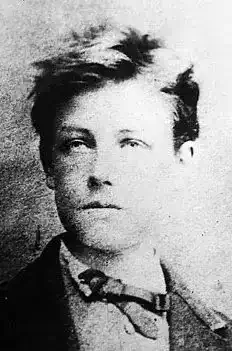
Arthur Rimbaud
Movement
Movement
A winding movement on the slope beside the rapids of the river.
The abyss at the stern,
The swiftness of the incline,
The overwhelming passage of the tide,
With extraordinary lights and chemical wonders
Lead on the travelers
Through the windspouts of the valley
And the whirlpool.
These are the conquerors of the world,
Seeking their personal chemical fortune;
Sport and comfort accompany them;
They bring education for races, for classes, for animals
Within this vessel, rest adn vertigo
In diluvian light,
In terrible evenings of study.
For in this conversation in the midst of machines,
Of blood, of flowers, of fire, of jewels,
In busy calculations on this fugitive deck,
Is their stock of studies visible
-Rolling like dike beyond
The hydraulic propulsive road,
Monstrous, endlessly lighting its way -
Themselves driven into harmonic ecstasy
And the heroism of discovery.
Amid the most amazing accidents,
Two youths stand out alone upon the ark
- Can one excuse past savagery? -
And sing, upon their watch.
A winding movement on the slope beside the rapids of the river.
The abyss at the stern,
The swiftness of the incline,
The overwhelming passage of the tide,
With extraordinary lights and chemical wonders
Lead on the travelers
Through the windspouts of the valley
And the whirlpool.
These are the conquerors of the world,
Seeking their personal chemical fortune;
Sport and comfort accompany them;
They bring education for races, for classes, for animals
Within this vessel, rest adn vertigo
In diluvian light,
In terrible evenings of study.
For in this conversation in the midst of machines,
Of blood, of flowers, of fire, of jewels,
In busy calculations on this fugitive deck,
Is their stock of studies visible
-Rolling like dike beyond
The hydraulic propulsive road,
Monstrous, endlessly lighting its way -
Themselves driven into harmonic ecstasy
And the heroism of discovery.
Amid the most amazing accidents,
Two youths stand out alone upon the ark
- Can one excuse past savagery? -
And sing, upon their watch.
641
Arthur Rimbaud
Lives
Lives
I.
O the enormous avenues of the Holy Land,
the temple terraces!
What has become of the Brahman
who explained the proverbs to me?
Of that time, of that place,
I can still see even the old women!
I remember silver hours and sunlight by the rivers,
the hand of the country on my shoulder
and our carresses standing on the spicy plains.--
A flight of scarlet pigeons thunders round my thoughts.
An exile here, I once had a stage on which
to play all the masterpieces of literature.
I would show you unheard-of riches.
I note the story of the treasures you discovered.
I see the outcome.
My wisdom is as scorned as chaos.
What is my nothingness
to the stupor that awaits you?
II.
I am the inventor more deserving far
than all those who have preceeded me;
a musician, moreover, who has discovered
something like the key of love.
At present, a country gentleman
of a bleak land with a sober sky,
I try to rouse myself with the memory
of my beggar childhood,
my apprenticeship or my arrival in wooden shoes,
of polemics, of five or six widowings, and of certain convivalities
when my level head kept me from rising
to the diapason of my comrades.
I do not regret my old portion of divine gaiety:
the sober air of this bleak countryside
feeds vigorously my dreadful skepticism.
But since this skepticism cannot,
henceforth be put to use, and since,
moreover, I am dedicated to a new torment,--
I expect to become a very vicious madman.
III.
In a loft, where I was shut in when I was twelve,
I got to know the world,
I illustrated the human comedy.
I learned history in a wine cellar.
In a northern city, at some nocturnal revel,
I met all the women of the old masters.
In an old arcade in Paris,
I was taught the classical sciences.
In a magnificent dwelling encircled by the entire Orient,
I accomplished my prodigious work
and spent my illustrious retreat.
I churned up my blood.
My duty has been remitted.
I must not even think of that anymore.
I am really from beyond
the tomb, and no commissions.
I.
O the enormous avenues of the Holy Land,
the temple terraces!
What has become of the Brahman
who explained the proverbs to me?
Of that time, of that place,
I can still see even the old women!
I remember silver hours and sunlight by the rivers,
the hand of the country on my shoulder
and our carresses standing on the spicy plains.--
A flight of scarlet pigeons thunders round my thoughts.
An exile here, I once had a stage on which
to play all the masterpieces of literature.
I would show you unheard-of riches.
I note the story of the treasures you discovered.
I see the outcome.
My wisdom is as scorned as chaos.
What is my nothingness
to the stupor that awaits you?
II.
I am the inventor more deserving far
than all those who have preceeded me;
a musician, moreover, who has discovered
something like the key of love.
At present, a country gentleman
of a bleak land with a sober sky,
I try to rouse myself with the memory
of my beggar childhood,
my apprenticeship or my arrival in wooden shoes,
of polemics, of five or six widowings, and of certain convivalities
when my level head kept me from rising
to the diapason of my comrades.
I do not regret my old portion of divine gaiety:
the sober air of this bleak countryside
feeds vigorously my dreadful skepticism.
But since this skepticism cannot,
henceforth be put to use, and since,
moreover, I am dedicated to a new torment,--
I expect to become a very vicious madman.
III.
In a loft, where I was shut in when I was twelve,
I got to know the world,
I illustrated the human comedy.
I learned history in a wine cellar.
In a northern city, at some nocturnal revel,
I met all the women of the old masters.
In an old arcade in Paris,
I was taught the classical sciences.
In a magnificent dwelling encircled by the entire Orient,
I accomplished my prodigious work
and spent my illustrious retreat.
I churned up my blood.
My duty has been remitted.
I must not even think of that anymore.
I am really from beyond
the tomb, and no commissions.
550
Arthur Rimbaud
L'Idole.. Sonnet Du Trou Du Cul
L'Idole.. Sonnet Du Trou Du Cul
Obscur et froncé comme un oeillet violet
Il respire, humblement tapi parmi la mousse.
Humide encor d'amour qui suit la fuite douce
Des Fesses blanches jusqu'au coeur de son ourlet.
Des filaments pareils à des larmes de lait
Ont pleuré, sous le vent cruel qui les repousse,
À travers de petits caillots de marne rousse
Pour s'aller perdre où la pente les appelait.
Mon Rêve s'aboucha souvent à sa ventouse ;
Mon âme, du coït matériel jalouse,
En fit son larmier fauve et son nid de sanglots.
C'est l'olive pâmée, et la flûte caline ;
C'est le tube où descend la céleste praline :
Chanaan féminin dans les moiteurs enclos !
Albert Mérat.
The Idol.
Sonnet to an Asshole
Dark and wrinkled like a purple pink
It breathes, nestling humbly among the still-damp
Froth of love that follows the gentle slope
Of the white buttocks to its crater's edge.
Filaments like tears of milk
Have wept in the cruel wind which pushes them back,
Across little clots of reddish marl
To lose themselves where the slope called them.
My dream has often kissed its opening;
My soul, jealous of physical coitus,
Has made this its fawn-coloured tear-bottle and its nest of sobs.
It is the rapturous olive and the wheedling flute,
The tube from which the heavenly burnt almond falls:
Feminine Canaan enclosed among moistures.
Albert Mérat.
P.V.-A.R.
Obscur et froncé comme un oeillet violet
Il respire, humblement tapi parmi la mousse.
Humide encor d'amour qui suit la fuite douce
Des Fesses blanches jusqu'au coeur de son ourlet.
Des filaments pareils à des larmes de lait
Ont pleuré, sous le vent cruel qui les repousse,
À travers de petits caillots de marne rousse
Pour s'aller perdre où la pente les appelait.
Mon Rêve s'aboucha souvent à sa ventouse ;
Mon âme, du coït matériel jalouse,
En fit son larmier fauve et son nid de sanglots.
C'est l'olive pâmée, et la flûte caline ;
C'est le tube où descend la céleste praline :
Chanaan féminin dans les moiteurs enclos !
Albert Mérat.
The Idol.
Sonnet to an Asshole
Dark and wrinkled like a purple pink
It breathes, nestling humbly among the still-damp
Froth of love that follows the gentle slope
Of the white buttocks to its crater's edge.
Filaments like tears of milk
Have wept in the cruel wind which pushes them back,
Across little clots of reddish marl
To lose themselves where the slope called them.
My dream has often kissed its opening;
My soul, jealous of physical coitus,
Has made this its fawn-coloured tear-bottle and its nest of sobs.
It is the rapturous olive and the wheedling flute,
The tube from which the heavenly burnt almond falls:
Feminine Canaan enclosed among moistures.
Albert Mérat.
P.V.-A.R.
750
Arthur Rimbaud
Jeanne-Marie's Hands
Jeanne-Marie's Hands
Jeanne-Marie has strong hands; dark hands tanned by the summer,
pale hands like dead hands. Are they the hands of Donna Juana?
Did they get their dusky cream colour
sailing on pools of sensual pleasure?
Have they dipped into moons, in ponds of serenity?
Have they drunk heat from barbarous skies, calm upon enchanting knees?
Have they rolled cigars, or traded in diamonds?
Have they tossed golden flowers at the glowing feet of Madonnas?
It is the black blood of belladonnas that blazes and sleeps in their palms.
Hands which drive the diptera with which
the auroral bluenesses buzz, towards the nectars?
Hands which measure out poisons?
Oh what Dream has stiffened them in pandiculations?
Some extraordinary dream of the Asias, of Khenghavars or Zions?
These hands have neither sold oranges
nor become sunburnt at the feet of the gods:
these hands have never washed the napkins of heavy babies without eyes.
These are not the hands of a tart,
nor of working women with round foreheads burnt
by a sun which is drunk with the smell of tar,
in woods that sink of factories.
These are benders of backbones; hands that never work harm;
more inevitable than machines, stronger than carthorses!
Stirring like furnaces, shaking off all their chills of fear,
their flesh sings Marseillaises, and never Eleisons!
They could grasp your necks, O evil women;
they could pulverize your hands, noblewomen;
your infamous hands full of white and of carmine.
The splendour of these hands of love turns the heads of the lambs!
On their spicy fingers the great sun sets a ruby!
A dark stain of the common people makes then brown
like the nipples of the women of yesterday,
but it is the backs of these Hands which every
proud Rebel desires to kiss! Marvelous,
they have paled in the great sunshine full of love of the cause
on the bronze casing of machine-guns throughout insurgent Paris!
Ah, sometimes, O blessed Hands, at your wrists,
Hands where our never-sobered lips tremble,
cries out a chain of bright links!
And there's a strange and sudden
Start in our beings when,
sometimes, they try, angelic Hands,
to make your sunburn fade away
by making your fingers bleed!
Jeanne-Marie has strong hands; dark hands tanned by the summer,
pale hands like dead hands. Are they the hands of Donna Juana?
Did they get their dusky cream colour
sailing on pools of sensual pleasure?
Have they dipped into moons, in ponds of serenity?
Have they drunk heat from barbarous skies, calm upon enchanting knees?
Have they rolled cigars, or traded in diamonds?
Have they tossed golden flowers at the glowing feet of Madonnas?
It is the black blood of belladonnas that blazes and sleeps in their palms.
Hands which drive the diptera with which
the auroral bluenesses buzz, towards the nectars?
Hands which measure out poisons?
Oh what Dream has stiffened them in pandiculations?
Some extraordinary dream of the Asias, of Khenghavars or Zions?
These hands have neither sold oranges
nor become sunburnt at the feet of the gods:
these hands have never washed the napkins of heavy babies without eyes.
These are not the hands of a tart,
nor of working women with round foreheads burnt
by a sun which is drunk with the smell of tar,
in woods that sink of factories.
These are benders of backbones; hands that never work harm;
more inevitable than machines, stronger than carthorses!
Stirring like furnaces, shaking off all their chills of fear,
their flesh sings Marseillaises, and never Eleisons!
They could grasp your necks, O evil women;
they could pulverize your hands, noblewomen;
your infamous hands full of white and of carmine.
The splendour of these hands of love turns the heads of the lambs!
On their spicy fingers the great sun sets a ruby!
A dark stain of the common people makes then brown
like the nipples of the women of yesterday,
but it is the backs of these Hands which every
proud Rebel desires to kiss! Marvelous,
they have paled in the great sunshine full of love of the cause
on the bronze casing of machine-guns throughout insurgent Paris!
Ah, sometimes, O blessed Hands, at your wrists,
Hands where our never-sobered lips tremble,
cries out a chain of bright links!
And there's a strange and sudden
Start in our beings when,
sometimes, they try, angelic Hands,
to make your sunburn fade away
by making your fingers bleed!
558
Arthur Rimbaud
Genie
Genie
He is love and the present because he has opened our house
to winter's foam and to the sound of summer,
He who purified all that we drink and tea;
He is the charm of passing places,
the incarnate delight of all things that abide.
He is affection and the future,
the strength and love that we,
standing surrounded by anger and weariness,
See passing in the storm-filled sky and in banners of ecstasy.
He is love, perfect and rediscovered measure,
Reason, marvelous and unforeseen,
Eternity: beloved prime mover of the elements, of destinies.
We all know the terror of his yielding, and of ours:
Oh delight of our well-being, brilliance of our faculties,
selfish affection and passion for him, who loves us forever...
And we remember him, and he goes on his way...
And if Adoration departs, then it sounds, his promise sounds:
'Away with these ages and superstitions,
These couplings, these bodies of old!
All our age has submerged.' He will not go away,
will not come down again from some heave.
He will not fulfill the redemption of women's fury
nor the gaiety of men nor the rest of this sin:
For he is and he is loved, and so it is already done.
Oh, his breathing, the turn of his head when he runs:
Terrible speed of perfection in action and form!
Fecundity of spirit and vastness of the universe! His body!
Release so long desired, The splintering of grace before a new violence!
Oh, the sight, the sight of him!
All ancient genuflections, all sorrows are lifted as he passes.
The light of his day! All moving and sonorous
suffering dissolves in more intense music.
In his step there are vaster migrations than the old invasions were.
Oh, He and we! a pride more benevolent than charities lost.
Oh, world! and the shining song of new sorrows.
He has known us all and has loved us.
Let us discover how, this winter night, to hail him from cape to cape,
from the unquiet pole to the château,
from crowded cities to the empty coast,
from glance to glance, with our strength and our feelings exhausted,
To see him, and to send him once again away...
And beneath the tides and over high deserts of snow
To follow his image, his breathing, his body, the light of his day.
He is love and the present because he has opened our house
to winter's foam and to the sound of summer,
He who purified all that we drink and tea;
He is the charm of passing places,
the incarnate delight of all things that abide.
He is affection and the future,
the strength and love that we,
standing surrounded by anger and weariness,
See passing in the storm-filled sky and in banners of ecstasy.
He is love, perfect and rediscovered measure,
Reason, marvelous and unforeseen,
Eternity: beloved prime mover of the elements, of destinies.
We all know the terror of his yielding, and of ours:
Oh delight of our well-being, brilliance of our faculties,
selfish affection and passion for him, who loves us forever...
And we remember him, and he goes on his way...
And if Adoration departs, then it sounds, his promise sounds:
'Away with these ages and superstitions,
These couplings, these bodies of old!
All our age has submerged.' He will not go away,
will not come down again from some heave.
He will not fulfill the redemption of women's fury
nor the gaiety of men nor the rest of this sin:
For he is and he is loved, and so it is already done.
Oh, his breathing, the turn of his head when he runs:
Terrible speed of perfection in action and form!
Fecundity of spirit and vastness of the universe! His body!
Release so long desired, The splintering of grace before a new violence!
Oh, the sight, the sight of him!
All ancient genuflections, all sorrows are lifted as he passes.
The light of his day! All moving and sonorous
suffering dissolves in more intense music.
In his step there are vaster migrations than the old invasions were.
Oh, He and we! a pride more benevolent than charities lost.
Oh, world! and the shining song of new sorrows.
He has known us all and has loved us.
Let us discover how, this winter night, to hail him from cape to cape,
from the unquiet pole to the château,
from crowded cities to the empty coast,
from glance to glance, with our strength and our feelings exhausted,
To see him, and to send him once again away...
And beneath the tides and over high deserts of snow
To follow his image, his breathing, his body, the light of his day.
728
Arthur Rimbaud
Genie
Genie
He is love and the present because he has opened our house
to winter's foam and to the sound of summer,
He who purified all that we drink and tea;
He is the charm of passing places,
the incarnate delight of all things that abide.
He is affection and the future,
the strength and love that we,
standing surrounded by anger and weariness,
See passing in the storm-filled sky and in banners of ecstasy.
He is love, perfect and rediscovered measure,
Reason, marvelous and unforeseen,
Eternity: beloved prime mover of the elements, of destinies.
We all know the terror of his yielding, and of ours:
Oh delight of our well-being, brilliance of our faculties,
selfish affection and passion for him, who loves us forever...
And we remember him, and he goes on his way...
And if Adoration departs, then it sounds, his promise sounds:
'Away with these ages and superstitions,
These couplings, these bodies of old!
All our age has submerged.' He will not go away,
will not come down again from some heave.
He will not fulfill the redemption of women's fury
nor the gaiety of men nor the rest of this sin:
For he is and he is loved, and so it is already done.
Oh, his breathing, the turn of his head when he runs:
Terrible speed of perfection in action and form!
Fecundity of spirit and vastness of the universe! His body!
Release so long desired, The splintering of grace before a new violence!
Oh, the sight, the sight of him!
All ancient genuflections, all sorrows are lifted as he passes.
The light of his day! All moving and sonorous
suffering dissolves in more intense music.
In his step there are vaster migrations than the old invasions were.
Oh, He and we! a pride more benevolent than charities lost.
Oh, world! and the shining song of new sorrows.
He has known us all and has loved us.
Let us discover how, this winter night, to hail him from cape to cape,
from the unquiet pole to the château,
from crowded cities to the empty coast,
from glance to glance, with our strength and our feelings exhausted,
To see him, and to send him once again away...
And beneath the tides and over high deserts of snow
To follow his image, his breathing, his body, the light of his day.
He is love and the present because he has opened our house
to winter's foam and to the sound of summer,
He who purified all that we drink and tea;
He is the charm of passing places,
the incarnate delight of all things that abide.
He is affection and the future,
the strength and love that we,
standing surrounded by anger and weariness,
See passing in the storm-filled sky and in banners of ecstasy.
He is love, perfect and rediscovered measure,
Reason, marvelous and unforeseen,
Eternity: beloved prime mover of the elements, of destinies.
We all know the terror of his yielding, and of ours:
Oh delight of our well-being, brilliance of our faculties,
selfish affection and passion for him, who loves us forever...
And we remember him, and he goes on his way...
And if Adoration departs, then it sounds, his promise sounds:
'Away with these ages and superstitions,
These couplings, these bodies of old!
All our age has submerged.' He will not go away,
will not come down again from some heave.
He will not fulfill the redemption of women's fury
nor the gaiety of men nor the rest of this sin:
For he is and he is loved, and so it is already done.
Oh, his breathing, the turn of his head when he runs:
Terrible speed of perfection in action and form!
Fecundity of spirit and vastness of the universe! His body!
Release so long desired, The splintering of grace before a new violence!
Oh, the sight, the sight of him!
All ancient genuflections, all sorrows are lifted as he passes.
The light of his day! All moving and sonorous
suffering dissolves in more intense music.
In his step there are vaster migrations than the old invasions were.
Oh, He and we! a pride more benevolent than charities lost.
Oh, world! and the shining song of new sorrows.
He has known us all and has loved us.
Let us discover how, this winter night, to hail him from cape to cape,
from the unquiet pole to the château,
from crowded cities to the empty coast,
from glance to glance, with our strength and our feelings exhausted,
To see him, and to send him once again away...
And beneath the tides and over high deserts of snow
To follow his image, his breathing, his body, the light of his day.
728
Arthur Rimbaud
Fairy
Fairy
For Helen, in the virgin shadows and the
impassive radiance in astral silence,
ornamental saps conspired.
Summer's ardour was confided
to silent birds and due indolence
to a priceless mourning boat
through gulfs of dead loves
and fallen perfumes.
-After the moment of the woods women's song
to the rumble of the torrent in the ruin of the wood,
of the tinkle of the cowbells to the echo of the vales,
and the cries of the steppes.
-For Helen's childhood, furs and shadows trembled,
and the breast of the poor and the legends of heaven.
And her eyes and her dance superior
even to the precious radiance,
to cold influences, to the pleasure of the unique
setting and the unique hour.
For Helen, in the virgin shadows and the
impassive radiance in astral silence,
ornamental saps conspired.
Summer's ardour was confided
to silent birds and due indolence
to a priceless mourning boat
through gulfs of dead loves
and fallen perfumes.
-After the moment of the woods women's song
to the rumble of the torrent in the ruin of the wood,
of the tinkle of the cowbells to the echo of the vales,
and the cries of the steppes.
-For Helen's childhood, furs and shadows trembled,
and the breast of the poor and the legends of heaven.
And her eyes and her dance superior
even to the precious radiance,
to cold influences, to the pleasure of the unique
setting and the unique hour.
1,173
Arthur Rimbaud
Fairy
Fairy
For Helen, in the virgin shadows and the
impassive radiance in astral silence,
ornamental saps conspired.
Summer's ardour was confided
to silent birds and due indolence
to a priceless mourning boat
through gulfs of dead loves
and fallen perfumes.
-After the moment of the woods women's song
to the rumble of the torrent in the ruin of the wood,
of the tinkle of the cowbells to the echo of the vales,
and the cries of the steppes.
-For Helen's childhood, furs and shadows trembled,
and the breast of the poor and the legends of heaven.
And her eyes and her dance superior
even to the precious radiance,
to cold influences, to the pleasure of the unique
setting and the unique hour.
For Helen, in the virgin shadows and the
impassive radiance in astral silence,
ornamental saps conspired.
Summer's ardour was confided
to silent birds and due indolence
to a priceless mourning boat
through gulfs of dead loves
and fallen perfumes.
-After the moment of the woods women's song
to the rumble of the torrent in the ruin of the wood,
of the tinkle of the cowbells to the echo of the vales,
and the cries of the steppes.
-For Helen's childhood, furs and shadows trembled,
and the breast of the poor and the legends of heaven.
And her eyes and her dance superior
even to the precious radiance,
to cold influences, to the pleasure of the unique
setting and the unique hour.
1,173
Arthur Rimbaud
Evening Prayer
Evening Prayer
I spend my life sitting - like an angel
in the hands of a barber - a deeply fluted beer mug
in my fist, belly and neck curved,
a Gambier pipe in my teeth, under the air
swelling with impalpable veils of smoke.
Like the warm excrements in an old dovecote,
a thousand dreams burn softly inside me,
and at times my sad heart is like sap-wood bled
on by the dark yellow gold of its sweats.
Then, when I have carefully swallowed my dreams,
I turn, having drunk thirty or forty tankards,
and gather myself together to relieve bitter need:
As sweetly as the Saviour of Hyssops
and of Cedar I piss towards dark skies,
very high and very far;
and receive the approval of the great heliotropes.
I spend my life sitting - like an angel
in the hands of a barber - a deeply fluted beer mug
in my fist, belly and neck curved,
a Gambier pipe in my teeth, under the air
swelling with impalpable veils of smoke.
Like the warm excrements in an old dovecote,
a thousand dreams burn softly inside me,
and at times my sad heart is like sap-wood bled
on by the dark yellow gold of its sweats.
Then, when I have carefully swallowed my dreams,
I turn, having drunk thirty or forty tankards,
and gather myself together to relieve bitter need:
As sweetly as the Saviour of Hyssops
and of Cedar I piss towards dark skies,
very high and very far;
and receive the approval of the great heliotropes.
645
Arthur Rimbaud
Drunken Morning
Drunken Morning
Oh, my Beautiful! Oh, my Good!
Hideous fanfare where yet I do not stumble!
Oh, rack of enchantments!
For the first time, hurrah for the unheard-of work,
For the marvelous body! For the first time!
It began with the laughter of children, and there it will end.
This poison will stay in our veins even when, as the fanfares depart,
We return to our former disharmony.
Oh, now, we who are so worthy of these tortures!
Let us re-create ourselves after that superhuman promise
Made to our souls and our bodies at their creation:
That promise, that madness!
Elegance, silence, violence!
They promised to bury in shadows the tree of good and evil,
To banish tyrannical honesty,
So that we might flourish in our very pure love.
It began with a certain disgust, and it ended -
Since we could not immediately seize upon eternity -
It ended in a scattering of perfumes.
Laughter of children, discretion of slaves, austerity of virgins,
Horror of faces and objects here below,
Be sacred in the memory of the evening past.
It began in utter boorishness, and now it ends
In angels of fire and ice.
Little drunken vigil, blessed!
If only for the mask you have left us!
Method, we believe in you! We never forgot that yesterday
You glorified all of our ages.
We have faith in poison.
We will give our lives completely, every day.
FOR THIS IS THE ASSASSIN'S HOUR.
(translated by Paul Schmidt)
Oh, my Beautiful! Oh, my Good!
Hideous fanfare where yet I do not stumble!
Oh, rack of enchantments!
For the first time, hurrah for the unheard-of work,
For the marvelous body! For the first time!
It began with the laughter of children, and there it will end.
This poison will stay in our veins even when, as the fanfares depart,
We return to our former disharmony.
Oh, now, we who are so worthy of these tortures!
Let us re-create ourselves after that superhuman promise
Made to our souls and our bodies at their creation:
That promise, that madness!
Elegance, silence, violence!
They promised to bury in shadows the tree of good and evil,
To banish tyrannical honesty,
So that we might flourish in our very pure love.
It began with a certain disgust, and it ended -
Since we could not immediately seize upon eternity -
It ended in a scattering of perfumes.
Laughter of children, discretion of slaves, austerity of virgins,
Horror of faces and objects here below,
Be sacred in the memory of the evening past.
It began in utter boorishness, and now it ends
In angels of fire and ice.
Little drunken vigil, blessed!
If only for the mask you have left us!
Method, we believe in you! We never forgot that yesterday
You glorified all of our ages.
We have faith in poison.
We will give our lives completely, every day.
FOR THIS IS THE ASSASSIN'S HOUR.
(translated by Paul Schmidt)
555
Arthur Rimbaud
Dawn
Dawn
I have kissed the summer dawn. Before the palaces, nothing moved. The water lay
dead. Battalions of shadows still kept the forest road.
I walked, walking warm and vital breath, While stones watched, and wings rose
soundlessly.
My first adventure, in a path already gleaming With a clear pale light, Was a flower
who told me its name.
I laughted at the blond Wasserfall That threw its hair across the pines: On the silvered
summit, I came upon the goddess.
Then one by one, I lifted her veils. In the long walk, waving my arms.
Across the meadow, where I betrayed her to the cock. In the heart of town she fled
among the steeples and domes, And I hunted her, scrambling like a beggar on marble
wharves.
Above the road, near a thicket of laurel, I caught her in her gathered veils, And smelled
the scent of her immense body. Dawn and the child fell together at the bottom of the
wood.
When I awoke, it was noon.
I have kissed the summer dawn. Before the palaces, nothing moved. The water lay
dead. Battalions of shadows still kept the forest road.
I walked, walking warm and vital breath, While stones watched, and wings rose
soundlessly.
My first adventure, in a path already gleaming With a clear pale light, Was a flower
who told me its name.
I laughted at the blond Wasserfall That threw its hair across the pines: On the silvered
summit, I came upon the goddess.
Then one by one, I lifted her veils. In the long walk, waving my arms.
Across the meadow, where I betrayed her to the cock. In the heart of town she fled
among the steeples and domes, And I hunted her, scrambling like a beggar on marble
wharves.
Above the road, near a thicket of laurel, I caught her in her gathered veils, And smelled
the scent of her immense body. Dawn and the child fell together at the bottom of the
wood.
When I awoke, it was noon.
1,624
Arthur Rimbaud
Departure
Departure
Everything seen...
The vision gleams in every air.
Everything had...
The far sound of cities, in the evening,
In sunlight, and always.
Everything known...
O Tumult! O Visions! These are the stops of life.
Departure in affection, and shining sounds.
Everything seen...
The vision gleams in every air.
Everything had...
The far sound of cities, in the evening,
In sunlight, and always.
Everything known...
O Tumult! O Visions! These are the stops of life.
Departure in affection, and shining sounds.
757
Arthur Rimbaud
Departure
Departure
Everything seen...
The vision gleams in every air.
Everything had...
The far sound of cities, in the evening,
In sunlight, and always.
Everything known...
O Tumult! O Visions! These are the stops of life.
Departure in affection, and shining sounds.
Everything seen...
The vision gleams in every air.
Everything had...
The far sound of cities, in the evening,
In sunlight, and always.
Everything known...
O Tumult! O Visions! These are the stops of life.
Departure in affection, and shining sounds.
757
Arthur Rimbaud
Departure
Departure
Everything seen...
The vision gleams in every air.
Everything had...
The far sound of cities, in the evening,
In sunlight, and always.
Everything known...
O Tumult! O Visions! These are the stops of life.
Departure in affection, and shining sounds.
Everything seen...
The vision gleams in every air.
Everything had...
The far sound of cities, in the evening,
In sunlight, and always.
Everything known...
O Tumult! O Visions! These are the stops of life.
Departure in affection, and shining sounds.
757
Arthur Rimbaud
Conclusion
Conclusion
The pigeons which flutter in the meadow,
the game which runs and sees in the dark,
the water animals, the animal enslaved,
the last butterflies!.. also are thirsty.
But to dissolve where that wandering cloud is dissolving -
Oh! Favoured by what is fresh!
To expire in those damp violets
whose awakening fills these woods?
The pigeons which flutter in the meadow,
the game which runs and sees in the dark,
the water animals, the animal enslaved,
the last butterflies!.. also are thirsty.
But to dissolve where that wandering cloud is dissolving -
Oh! Favoured by what is fresh!
To expire in those damp violets
whose awakening fills these woods?
557
Arthur Rimbaud
Clearance Sale
Clearance Sale
For what the Jews have not sold,
what neither nobility nor crime have tasted,
what is unknown to monstrous love
and to the infernal probity of the masses!
what neither time nor science need recognize: The Voices restored;
fraternal awakening of all choral and orchestral energies
and their instantaneous application; the opportunity, the only one,
for the release of our senses! For sale Bodies without price,
outside any race, any world, any sex, any lineage! Riches gushing at every step!
Uncontrolled sale of diamonds!
For sale anarchy for the masses;
irrepressible satisfaction for rare connoisseurs;
agonizing death for the faithful and for lovers!
For sale colonization and migrations, sports,
fairylands and incomparable comforts,
and the noise and the movement
and the future they make!
For sale the application of calculations
and the incredible leaps of harmony.
Discoveries and terms never dreamed of,
-- immediate possession.
Wild and infinite flight toward invisible splendors,
toward intangible delights-and
its maddening secrets for every vice
-- and its terrifying gaiety for the mob.
For sale, the bodies, the voices,
the enormous and unquestionable wealth,
that which will never be sold.
Salesmen are not at the end of their stock!
It will be some time before travelers have to turn in their accounts.
For what the Jews have not sold,
what neither nobility nor crime have tasted,
what is unknown to monstrous love
and to the infernal probity of the masses!
what neither time nor science need recognize: The Voices restored;
fraternal awakening of all choral and orchestral energies
and their instantaneous application; the opportunity, the only one,
for the release of our senses! For sale Bodies without price,
outside any race, any world, any sex, any lineage! Riches gushing at every step!
Uncontrolled sale of diamonds!
For sale anarchy for the masses;
irrepressible satisfaction for rare connoisseurs;
agonizing death for the faithful and for lovers!
For sale colonization and migrations, sports,
fairylands and incomparable comforts,
and the noise and the movement
and the future they make!
For sale the application of calculations
and the incredible leaps of harmony.
Discoveries and terms never dreamed of,
-- immediate possession.
Wild and infinite flight toward invisible splendors,
toward intangible delights-and
its maddening secrets for every vice
-- and its terrifying gaiety for the mob.
For sale, the bodies, the voices,
the enormous and unquestionable wealth,
that which will never be sold.
Salesmen are not at the end of their stock!
It will be some time before travelers have to turn in their accounts.
484
Arthur Rimbaud
Antique
Antique
Gracious son of Pan! Around your forehead
crowned with flowerets
and with laurel, restlessly roll
those precious balls, your eyes.
Spotted with brown lees, your cheeks are hollow.
Your fangs gleam. Your breast is like a lyre,
tinklings circulate through your pale arms.
Your heart beats in that belly where sleeps the double sex.
Walk through the night, gently moving that thigh,
that second thigh, and that left leg.
Gracious son of Pan! Around your forehead
crowned with flowerets
and with laurel, restlessly roll
those precious balls, your eyes.
Spotted with brown lees, your cheeks are hollow.
Your fangs gleam. Your breast is like a lyre,
tinklings circulate through your pale arms.
Your heart beats in that belly where sleeps the double sex.
Walk through the night, gently moving that thigh,
that second thigh, and that left leg.
613
Arthur Rimbaud
After The Flood
After The Flood
As soon as the idea of the Deluge had subsided,
A hare stopped in the clover and swaying flowerbells,
and said a prayer to the rainbow,
through the spider's web.
Oh! the precious stones that began to hide,-and
the flowers that already looked around.
In the dirty main street, stalls were set up
and boats were hauled toward the sea,
high tiered as in old prints.
Blood flowed at Blue Beard's,-through
slaughterhouses, in circuses,
where the windows were blanched by God's seal.
Blood and milk flowed. Beavers built.
'Mazagrans' smoked in the little bars.
In the big glass house, still dripping,
children in mourning looked
at the marvelous pictures.
A door banged; and in the village square
the little boy waved his arms,
understood by weather vanes
and cocks on steeples everywhere,
in the bursting shower.
Madame *** installed a piano in the Alps.
Mass and first communions were celebrated
at the hundred thousand altars of the cathedral.
Caravans set out. And Hotel Splendid was built
in the chaos of ice and of the polar night.
Ever after the moon heard jackals howling
across the deserts of thyme,
and eclogues in wooden shoes growling in the orchard.
Then in the violet and budding forest,
Eucharis told me it was spring.
Gush, pond,-- Foam, roll on the bridge and over the woods;-black
palls and organs, lightening and thunder, rise and roll;-waters
and sorrows rise and launch the Floods again.
For since they have been dissipated-oh!
the precious stones being buried and the opened flowers!-it's
unbearable! and the Queen, the Witch who lights her fire
in the earthen pot will never tell us what she knows,
and what we do not know.
As soon as the idea of the Deluge had subsided,
A hare stopped in the clover and swaying flowerbells,
and said a prayer to the rainbow,
through the spider's web.
Oh! the precious stones that began to hide,-and
the flowers that already looked around.
In the dirty main street, stalls were set up
and boats were hauled toward the sea,
high tiered as in old prints.
Blood flowed at Blue Beard's,-through
slaughterhouses, in circuses,
where the windows were blanched by God's seal.
Blood and milk flowed. Beavers built.
'Mazagrans' smoked in the little bars.
In the big glass house, still dripping,
children in mourning looked
at the marvelous pictures.
A door banged; and in the village square
the little boy waved his arms,
understood by weather vanes
and cocks on steeples everywhere,
in the bursting shower.
Madame *** installed a piano in the Alps.
Mass and first communions were celebrated
at the hundred thousand altars of the cathedral.
Caravans set out. And Hotel Splendid was built
in the chaos of ice and of the polar night.
Ever after the moon heard jackals howling
across the deserts of thyme,
and eclogues in wooden shoes growling in the orchard.
Then in the violet and budding forest,
Eucharis told me it was spring.
Gush, pond,-- Foam, roll on the bridge and over the woods;-black
palls and organs, lightening and thunder, rise and roll;-waters
and sorrows rise and launch the Floods again.
For since they have been dissipated-oh!
the precious stones being buried and the opened flowers!-it's
unbearable! and the Queen, the Witch who lights her fire
in the earthen pot will never tell us what she knows,
and what we do not know.
580
Arthur Rimbaud
After The Flood
After The Flood
As soon as the idea of the Deluge had subsided,
A hare stopped in the clover and swaying flowerbells,
and said a prayer to the rainbow,
through the spider's web.
Oh! the precious stones that began to hide,-and
the flowers that already looked around.
In the dirty main street, stalls were set up
and boats were hauled toward the sea,
high tiered as in old prints.
Blood flowed at Blue Beard's,-through
slaughterhouses, in circuses,
where the windows were blanched by God's seal.
Blood and milk flowed. Beavers built.
'Mazagrans' smoked in the little bars.
In the big glass house, still dripping,
children in mourning looked
at the marvelous pictures.
A door banged; and in the village square
the little boy waved his arms,
understood by weather vanes
and cocks on steeples everywhere,
in the bursting shower.
Madame *** installed a piano in the Alps.
Mass and first communions were celebrated
at the hundred thousand altars of the cathedral.
Caravans set out. And Hotel Splendid was built
in the chaos of ice and of the polar night.
Ever after the moon heard jackals howling
across the deserts of thyme,
and eclogues in wooden shoes growling in the orchard.
Then in the violet and budding forest,
Eucharis told me it was spring.
Gush, pond,-- Foam, roll on the bridge and over the woods;-black
palls and organs, lightening and thunder, rise and roll;-waters
and sorrows rise and launch the Floods again.
For since they have been dissipated-oh!
the precious stones being buried and the opened flowers!-it's
unbearable! and the Queen, the Witch who lights her fire
in the earthen pot will never tell us what she knows,
and what we do not know.
As soon as the idea of the Deluge had subsided,
A hare stopped in the clover and swaying flowerbells,
and said a prayer to the rainbow,
through the spider's web.
Oh! the precious stones that began to hide,-and
the flowers that already looked around.
In the dirty main street, stalls were set up
and boats were hauled toward the sea,
high tiered as in old prints.
Blood flowed at Blue Beard's,-through
slaughterhouses, in circuses,
where the windows were blanched by God's seal.
Blood and milk flowed. Beavers built.
'Mazagrans' smoked in the little bars.
In the big glass house, still dripping,
children in mourning looked
at the marvelous pictures.
A door banged; and in the village square
the little boy waved his arms,
understood by weather vanes
and cocks on steeples everywhere,
in the bursting shower.
Madame *** installed a piano in the Alps.
Mass and first communions were celebrated
at the hundred thousand altars of the cathedral.
Caravans set out. And Hotel Splendid was built
in the chaos of ice and of the polar night.
Ever after the moon heard jackals howling
across the deserts of thyme,
and eclogues in wooden shoes growling in the orchard.
Then in the violet and budding forest,
Eucharis told me it was spring.
Gush, pond,-- Foam, roll on the bridge and over the woods;-black
palls and organs, lightening and thunder, rise and roll;-waters
and sorrows rise and launch the Floods again.
For since they have been dissipated-oh!
the precious stones being buried and the opened flowers!-it's
unbearable! and the Queen, the Witch who lights her fire
in the earthen pot will never tell us what she knows,
and what we do not know.
580

Anonymous
The Seven Virgins
The Seven Virgins
ALL under the leaves and the leaves of life
I met with virgins seven,
And one of them was Mary mild,
Our Lord's mother of Heaven.
'O what are you seeking, you seven fair maids,
All under the leaves of life?
Come tell, come tell, what seek you
All under the leaves of life?'
'We're seeking for no leaves, Thomas,
But for a friend of thine;
We're seeking for sweet Jesus Christ,
To be our guide and thine.'
'Go down, go down, to yonder town,
And sit in the gallery,
And there you'll see sweet Jesus Christ
Nail'd to a big yew-tree.'
So down they went to yonder town
As fast as foot could fall,
And many a grievous bitter tear
From the virgins' eyes did fall.
'O peace, Mother, O peace, Mother,
Your weeping doth me grieve:
I must suffer this,' He said,
'For Adam and for Eve.
'O Mother, take you John Evangelist
All for to be your son,
And he will comfort you sometimes,
Mother, as I have done.'
'O come, thou John Evangelist,
Thou'rt welcome unto me;
But more welcome my own dear Son,
Whom I nursed on my knee.'
Then He laid His head on His right shoulder,
Seeing death it struck Him nigh--
'The Holy Ghost be with your soul,
I die, Mother dear, I die.'
O the rose, the gentle rose,
And the fennel that grows so green!
God give us grace in every place
To pray for our king and queen.
Furthermore for our enemies all
Our prayers they should be strong:
Amen, good Lord; your charity
Is the ending of my song.
ALL under the leaves and the leaves of life
I met with virgins seven,
And one of them was Mary mild,
Our Lord's mother of Heaven.
'O what are you seeking, you seven fair maids,
All under the leaves of life?
Come tell, come tell, what seek you
All under the leaves of life?'
'We're seeking for no leaves, Thomas,
But for a friend of thine;
We're seeking for sweet Jesus Christ,
To be our guide and thine.'
'Go down, go down, to yonder town,
And sit in the gallery,
And there you'll see sweet Jesus Christ
Nail'd to a big yew-tree.'
So down they went to yonder town
As fast as foot could fall,
And many a grievous bitter tear
From the virgins' eyes did fall.
'O peace, Mother, O peace, Mother,
Your weeping doth me grieve:
I must suffer this,' He said,
'For Adam and for Eve.
'O Mother, take you John Evangelist
All for to be your son,
And he will comfort you sometimes,
Mother, as I have done.'
'O come, thou John Evangelist,
Thou'rt welcome unto me;
But more welcome my own dear Son,
Whom I nursed on my knee.'
Then He laid His head on His right shoulder,
Seeing death it struck Him nigh--
'The Holy Ghost be with your soul,
I die, Mother dear, I die.'
O the rose, the gentle rose,
And the fennel that grows so green!
God give us grace in every place
To pray for our king and queen.
Furthermore for our enemies all
Our prayers they should be strong:
Amen, good Lord; your charity
Is the ending of my song.
209
Anonymous
The Seven Virgins
The Seven Virgins
ALL under the leaves and the leaves of life
I met with virgins seven,
And one of them was Mary mild,
Our Lord's mother of Heaven.
'O what are you seeking, you seven fair maids,
All under the leaves of life?
Come tell, come tell, what seek you
All under the leaves of life?'
'We're seeking for no leaves, Thomas,
But for a friend of thine;
We're seeking for sweet Jesus Christ,
To be our guide and thine.'
'Go down, go down, to yonder town,
And sit in the gallery,
And there you'll see sweet Jesus Christ
Nail'd to a big yew-tree.'
So down they went to yonder town
As fast as foot could fall,
And many a grievous bitter tear
From the virgins' eyes did fall.
'O peace, Mother, O peace, Mother,
Your weeping doth me grieve:
I must suffer this,' He said,
'For Adam and for Eve.
'O Mother, take you John Evangelist
All for to be your son,
And he will comfort you sometimes,
Mother, as I have done.'
'O come, thou John Evangelist,
Thou'rt welcome unto me;
But more welcome my own dear Son,
Whom I nursed on my knee.'
Then He laid His head on His right shoulder,
Seeing death it struck Him nigh--
'The Holy Ghost be with your soul,
I die, Mother dear, I die.'
O the rose, the gentle rose,
And the fennel that grows so green!
God give us grace in every place
To pray for our king and queen.
Furthermore for our enemies all
Our prayers they should be strong:
Amen, good Lord; your charity
Is the ending of my song.
ALL under the leaves and the leaves of life
I met with virgins seven,
And one of them was Mary mild,
Our Lord's mother of Heaven.
'O what are you seeking, you seven fair maids,
All under the leaves of life?
Come tell, come tell, what seek you
All under the leaves of life?'
'We're seeking for no leaves, Thomas,
But for a friend of thine;
We're seeking for sweet Jesus Christ,
To be our guide and thine.'
'Go down, go down, to yonder town,
And sit in the gallery,
And there you'll see sweet Jesus Christ
Nail'd to a big yew-tree.'
So down they went to yonder town
As fast as foot could fall,
And many a grievous bitter tear
From the virgins' eyes did fall.
'O peace, Mother, O peace, Mother,
Your weeping doth me grieve:
I must suffer this,' He said,
'For Adam and for Eve.
'O Mother, take you John Evangelist
All for to be your son,
And he will comfort you sometimes,
Mother, as I have done.'
'O come, thou John Evangelist,
Thou'rt welcome unto me;
But more welcome my own dear Son,
Whom I nursed on my knee.'
Then He laid His head on His right shoulder,
Seeing death it struck Him nigh--
'The Holy Ghost be with your soul,
I die, Mother dear, I die.'
O the rose, the gentle rose,
And the fennel that grows so green!
God give us grace in every place
To pray for our king and queen.
Furthermore for our enemies all
Our prayers they should be strong:
Amen, good Lord; your charity
Is the ending of my song.
209
Anonymous
The Queen's Marie
The Queen's Marie
MARIE HAMILTON 's to the kirk gane,
Wi' ribbons in her hair;
The King thought mair o' Marie Hamilton
Than ony that were there.
Marie Hamilton 's to the kirk gane
Wi' ribbons on her breast;
The King thought mair o' Marie Hamilton
Than he listen'd to the priest.
Marie Hamilton 's to the kirk gane,
Wi' gloves upon her hands;
The King thought mair o' Marie Hamilton
Than the Queen and a' her lands.
She hadna been about the King's court
A month, but barely one,
Till she was beloved by a' the King's court
And the King the only man.
She hadna been about the King's court
A month, but barely three,
Till frae the King's court Marie Hamilton,
Marie Hamilton durstna be.
The King is to the Abbey gane,
To pu' the Abbey tree,
To scale the babe frae Marie's heart;
But the thing it wadna be.
O she has row'd it in her apron,
And set it on the sea--
'Gae sink ye or swim ye, bonny babe,
Ye'se get nae mair o' me.'
Word is to the kitchen gane,
And word is to the ha',
And word is to the noble room
Amang the ladies a',
That Marie Hamilton 's brought to bed,
And the bonny babe 's miss'd and awa'.
Scarcely had she lain down again,
And scarcely fa'en asleep,
When up and started our gude Queen
Just at her bed-feet;
Saying--'Marie Hamilton, where 's your babe?
For I am sure I heard it greet.'
'O no, O no, my noble Queen!
Think no sic thing to be;
'Twas but a stitch into my side,
And sair it troubles me!'
'Get up, get up, Marie Hamilton:
Get up and follow me;
For I am going to Edinburgh town,
A rich wedding for to see.'
O slowly, slowly rase she up,
And slowly put she on;
And slowly rade she out the way
Wi' mony a weary groan.
The Queen was clad in scarlet,
Her merry maids all in green;
And every town that they cam to,
They took Marie for the Queen.
'Ride hooly, hooly, gentlemen,
Ride hooly now wi' me!
For never, I am sure, a wearier burd
Rade in your companie.'--
But little wist Marie Hamilton,
When she rade on the brown,
That she was gaen to Edinburgh town,
And a' to be put down.
'Why weep ye so, ye burgess wives,
Why look ye so on me?
O I am going to Edinburgh town,
A rich wedding to see.'
When she gaed up the tolbooth stairs,
The corks frae her heels did flee;
And lang or e'er she cam down again,
She was condemn'd to die.
When she cam to the Netherbow port,
She laugh'd loud laughters three;
But when she came to the gallows foot
The tears blinded her e'e.
'Yestreen the Queen had four Maries,
The night she'll hae but three;
There was Marie Seaton, and Marie Beaton,
And Marie Carmichael, and me.
'O often have I dress'd my Queen
And put gowd upon her hair;
But now I've gotten for my reward
The gallows to be my share.
'Often have I dress'd my Queen
And often made her bed;
But now I've gotten for my reward
The gallows tree to tread.
'I charge ye all, ye mariners,
When ye sail owre the faem,
Let neither my father nor mother get wit
But that I'm coming hame.
'I charge ye all, ye mariners,
That sail upon the sea,
That neither my father nor mother get wit
The dog's death I'm to die.
'For if my father and mother got wit,
And my bold brethren three,
O mickle wad be the gude red blude
This day wad be spilt for me!
'O little did my mother ken,
The day she cradled me,
The lands I was to travel in
Or the death I was to die!
MARIE HAMILTON 's to the kirk gane,
Wi' ribbons in her hair;
The King thought mair o' Marie Hamilton
Than ony that were there.
Marie Hamilton 's to the kirk gane
Wi' ribbons on her breast;
The King thought mair o' Marie Hamilton
Than he listen'd to the priest.
Marie Hamilton 's to the kirk gane,
Wi' gloves upon her hands;
The King thought mair o' Marie Hamilton
Than the Queen and a' her lands.
She hadna been about the King's court
A month, but barely one,
Till she was beloved by a' the King's court
And the King the only man.
She hadna been about the King's court
A month, but barely three,
Till frae the King's court Marie Hamilton,
Marie Hamilton durstna be.
The King is to the Abbey gane,
To pu' the Abbey tree,
To scale the babe frae Marie's heart;
But the thing it wadna be.
O she has row'd it in her apron,
And set it on the sea--
'Gae sink ye or swim ye, bonny babe,
Ye'se get nae mair o' me.'
Word is to the kitchen gane,
And word is to the ha',
And word is to the noble room
Amang the ladies a',
That Marie Hamilton 's brought to bed,
And the bonny babe 's miss'd and awa'.
Scarcely had she lain down again,
And scarcely fa'en asleep,
When up and started our gude Queen
Just at her bed-feet;
Saying--'Marie Hamilton, where 's your babe?
For I am sure I heard it greet.'
'O no, O no, my noble Queen!
Think no sic thing to be;
'Twas but a stitch into my side,
And sair it troubles me!'
'Get up, get up, Marie Hamilton:
Get up and follow me;
For I am going to Edinburgh town,
A rich wedding for to see.'
O slowly, slowly rase she up,
And slowly put she on;
And slowly rade she out the way
Wi' mony a weary groan.
The Queen was clad in scarlet,
Her merry maids all in green;
And every town that they cam to,
They took Marie for the Queen.
'Ride hooly, hooly, gentlemen,
Ride hooly now wi' me!
For never, I am sure, a wearier burd
Rade in your companie.'--
But little wist Marie Hamilton,
When she rade on the brown,
That she was gaen to Edinburgh town,
And a' to be put down.
'Why weep ye so, ye burgess wives,
Why look ye so on me?
O I am going to Edinburgh town,
A rich wedding to see.'
When she gaed up the tolbooth stairs,
The corks frae her heels did flee;
And lang or e'er she cam down again,
She was condemn'd to die.
When she cam to the Netherbow port,
She laugh'd loud laughters three;
But when she came to the gallows foot
The tears blinded her e'e.
'Yestreen the Queen had four Maries,
The night she'll hae but three;
There was Marie Seaton, and Marie Beaton,
And Marie Carmichael, and me.
'O often have I dress'd my Queen
And put gowd upon her hair;
But now I've gotten for my reward
The gallows to be my share.
'Often have I dress'd my Queen
And often made her bed;
But now I've gotten for my reward
The gallows tree to tread.
'I charge ye all, ye mariners,
When ye sail owre the faem,
Let neither my father nor mother get wit
But that I'm coming hame.
'I charge ye all, ye mariners,
That sail upon the sea,
That neither my father nor mother get wit
The dog's death I'm to die.
'For if my father and mother got wit,
And my bold brethren three,
O mickle wad be the gude red blude
This day wad be spilt for me!
'O little did my mother ken,
The day she cradled me,
The lands I was to travel in
Or the death I was to die!
239
Anonymous
The Means to attain Happy Life
The Means to attain Happy Life
MARTIAL, the things that do attain
The happy life be these, I find:--
The richesse left, not got with pain;
The fruitful ground, the quiet mind;
The equal friend; no grudge, no strife;
No charge of rule, nor governance;
Without disease, the healthful life;
The household of continuance;
The mean diet, no delicate fare;
True wisdom join'd with simpleness;
The night discharged of all care,
Where wine the wit may not oppress.
The faithful wife, without debate;
Such sleeps as may beguile the night:
Contented with thine own estate
Ne wish for death, ne fear his might.
MARTIAL, the things that do attain
The happy life be these, I find:--
The richesse left, not got with pain;
The fruitful ground, the quiet mind;
The equal friend; no grudge, no strife;
No charge of rule, nor governance;
Without disease, the healthful life;
The household of continuance;
The mean diet, no delicate fare;
True wisdom join'd with simpleness;
The night discharged of all care,
Where wine the wit may not oppress.
The faithful wife, without debate;
Such sleeps as may beguile the night:
Contented with thine own estate
Ne wish for death, ne fear his might.
249
Anonymous
The Dowie Houms of Yarrow
The Dowie Houms of Yarrow
LATE at een, drinkin' the wine,
And ere they paid the lawin',
They set a combat them between,
To fight it in the dawin'.
'O stay at hame, my noble lord!
O stay at hame, my marrow!
My cruel brother will you betray,
On the dowie houms o' Yarrow.'
'O fare ye weel, my lady gay!
O fare ye weel, my Sarah!
For I maun gae, tho' I ne'er return
Frae the dowie banks o' Yarrow.'
She kiss'd his cheek, she kamed his hair,
As she had done before, O;
She belted on his noble brand,
An' he 's awa to Yarrow.
O he 's gane up yon high, high hill--
I wat he gaed wi' sorrow--
An' in a den spied nine arm'd men,
I' the dowie houms o' Yarrow.
'O are ye come to drink the wine,
As ye hae doon before, O?
Or are ye come to wield the brand,
On the dowie banks o' Yarrow?'
'I am no come to drink the wine,
As I hae don before, O,
But I am come to wield the brand,
On the dowie houms o' Yarrow.'
Four he hurt, an' five he slew,
On the dowie houms o' Yarrow,
Till that stubborn knight came him behind,
An' ran his body thorrow.
'Gae hame, gae hame, good brother John,
An' tell your sister Sarah
To come an' lift her noble lord,
Who 's sleepin' sound on Yarrow.'
'Yestreen I dream'd a dolefu' dream;
I ken'd there wad be sorrow;
I dream'd I pu'd the heather green,
On the dowie banks o' Yarrow.'
She gaed up yon high, high hill--
I wat she gaed wi' sorrow--
An' in a den spied nine dead men,
On the dowie houms o' Yarrow.
She kiss'd his cheek, she kamed his hair,
As oft she did before, O;
She drank the red blood frae him ran,
On the dowie houms o' Yarrow.
'O haud your tongue, my douchter dear,
For what needs a' this sorrow?
I'll wed you on a better lord
Than him you lost on Yarrow.'
'O haud your tongue, my father dear,
An' dinna grieve your Sarah;
A better lord was never born
Than him I lost on Yarrow.
'Tak hame your ousen, tak hame your kye,
For they hae bred our sorrow;
I wiss that they had a' gane mad
When they cam first to Yarrow.'
LATE at een, drinkin' the wine,
And ere they paid the lawin',
They set a combat them between,
To fight it in the dawin'.
'O stay at hame, my noble lord!
O stay at hame, my marrow!
My cruel brother will you betray,
On the dowie houms o' Yarrow.'
'O fare ye weel, my lady gay!
O fare ye weel, my Sarah!
For I maun gae, tho' I ne'er return
Frae the dowie banks o' Yarrow.'
She kiss'd his cheek, she kamed his hair,
As she had done before, O;
She belted on his noble brand,
An' he 's awa to Yarrow.
O he 's gane up yon high, high hill--
I wat he gaed wi' sorrow--
An' in a den spied nine arm'd men,
I' the dowie houms o' Yarrow.
'O are ye come to drink the wine,
As ye hae doon before, O?
Or are ye come to wield the brand,
On the dowie banks o' Yarrow?'
'I am no come to drink the wine,
As I hae don before, O,
But I am come to wield the brand,
On the dowie houms o' Yarrow.'
Four he hurt, an' five he slew,
On the dowie houms o' Yarrow,
Till that stubborn knight came him behind,
An' ran his body thorrow.
'Gae hame, gae hame, good brother John,
An' tell your sister Sarah
To come an' lift her noble lord,
Who 's sleepin' sound on Yarrow.'
'Yestreen I dream'd a dolefu' dream;
I ken'd there wad be sorrow;
I dream'd I pu'd the heather green,
On the dowie banks o' Yarrow.'
She gaed up yon high, high hill--
I wat she gaed wi' sorrow--
An' in a den spied nine dead men,
On the dowie houms o' Yarrow.
She kiss'd his cheek, she kamed his hair,
As oft she did before, O;
She drank the red blood frae him ran,
On the dowie houms o' Yarrow.
'O haud your tongue, my douchter dear,
For what needs a' this sorrow?
I'll wed you on a better lord
Than him you lost on Yarrow.'
'O haud your tongue, my father dear,
An' dinna grieve your Sarah;
A better lord was never born
Than him I lost on Yarrow.
'Tak hame your ousen, tak hame your kye,
For they hae bred our sorrow;
I wiss that they had a' gane mad
When they cam first to Yarrow.'
220