

Poems in this topic
Life and Existence

Anne Brontë
An Orphan's Lament
An Orphan's Lament
She's gone and
twice the summer's sun
Has gilt Regina's towers,
And melted wild Angora's snows,
And warmed Exina's bowers.
The flowerets twice on hill and dale
Have bloomed and died away,
And twice the rustling forest leaves
Have fallen to decay,
And thrice stern winter's icy hand
Has checked the river's flow,
And three times o'er the mountains thrown
His spotless robe of snow.
Two summers springs and autumns sad
Three winters cold and grey And
is it then so long ago
That wild November day!
They say such tears as children weep
Will soon be dried away,
That childish grief however strong
Is only for a day,
And parted friends how dear soe'er
Will soon forgotten be;
It may be so with other hearts,
It is not thus with me.
My mother, thou wilt weep no more
For thou art gone above,
But can I ever cease to mourn
Thy good and fervent love?
While that was mine the world to me
Was sunshine bright and fair;
No feeling rose within my heart
But thou couldst read it there.
And thou couldst feel for all my joys
And all my childish cares
And never weary of my play
Or scorn my foolish fears.
Beneath thy sweet maternal smile
All pain and sorrow fled,
And even the very tears were sweet
Upon thy bosom shed.
Thy loss can never be repaired;
I shall not know again
While life remains, the peaceful joy
That filled my spirit then.
Where shall I find a heart like thine
While life remains to me,
And where shall I bestow the love
I ever bore for thee?
A.H.
She's gone and
twice the summer's sun
Has gilt Regina's towers,
And melted wild Angora's snows,
And warmed Exina's bowers.
The flowerets twice on hill and dale
Have bloomed and died away,
And twice the rustling forest leaves
Have fallen to decay,
And thrice stern winter's icy hand
Has checked the river's flow,
And three times o'er the mountains thrown
His spotless robe of snow.
Two summers springs and autumns sad
Three winters cold and grey And
is it then so long ago
That wild November day!
They say such tears as children weep
Will soon be dried away,
That childish grief however strong
Is only for a day,
And parted friends how dear soe'er
Will soon forgotten be;
It may be so with other hearts,
It is not thus with me.
My mother, thou wilt weep no more
For thou art gone above,
But can I ever cease to mourn
Thy good and fervent love?
While that was mine the world to me
Was sunshine bright and fair;
No feeling rose within my heart
But thou couldst read it there.
And thou couldst feel for all my joys
And all my childish cares
And never weary of my play
Or scorn my foolish fears.
Beneath thy sweet maternal smile
All pain and sorrow fled,
And even the very tears were sweet
Upon thy bosom shed.
Thy loss can never be repaired;
I shall not know again
While life remains, the peaceful joy
That filled my spirit then.
Where shall I find a heart like thine
While life remains to me,
And where shall I bestow the love
I ever bore for thee?
A.H.
104
Anne Brontë
A Word To The 'Elect'
A Word To The 'Elect'
You may rejoice to think yourselves secure;
You may be grateful for the gift divine That
grace unsought, which made your black hearts pure,
And fits your earthborn
souls in Heaven to shine.
But, is it sweet to look around, and view
Thousands excluded from that happiness,
Which they deserved, at least, as much as you, Their
faults not greater, nor their virtues less?
And, wherefore should you love your God the more,
Because to you alone his smiles are given;
Because he chose to pass the many o'er,
And only bring the favoured few to Heaven?
And, wherefore should your hearts more grateful prove,
Because for ALL the Saviour did not die?
Is yours the God of justice and of love
And are your bosoms warm with charity?
Say, does your heart expand to all mankind?
And, would you ever to your neighbour do The
weak, the strong, the enlightened, and the blind As
you would have your neighbour do to you?
And, when you, looking on your fellowmen,
Behold them doomed to endless misery,
How can you talk of joy and rapture then? May
God withhold such cruel joy from me!
That none deserve eternal bliss I know;
Unmerited the grace in mercy given:
But, none shall sink to everlasting woe,
That have not well deserved the wrath of Heaven.
And, Oh! there lives within my heart
A hope, long nursed by me;
(And, should its cheering ray depart,
How dark my soul would be!)
That as in Adam all have died,
In Christ shall all men live;
And ever round his throne abide,
Eternal praise to give.
That even the wicked shall at last
Be fitted for the skies;
And, when their dreadful doom is past,
To life and light arise.
I ask not, how remote the day,
Nor what the sinner's woe,
Before their dross is purged away;
Enough for me, to know
That when the cup of wrath is drained,
The metal purified,
They'll cling to what they once disdained,
And live by Him that died.
Acton
You may rejoice to think yourselves secure;
You may be grateful for the gift divine That
grace unsought, which made your black hearts pure,
And fits your earthborn
souls in Heaven to shine.
But, is it sweet to look around, and view
Thousands excluded from that happiness,
Which they deserved, at least, as much as you, Their
faults not greater, nor their virtues less?
And, wherefore should you love your God the more,
Because to you alone his smiles are given;
Because he chose to pass the many o'er,
And only bring the favoured few to Heaven?
And, wherefore should your hearts more grateful prove,
Because for ALL the Saviour did not die?
Is yours the God of justice and of love
And are your bosoms warm with charity?
Say, does your heart expand to all mankind?
And, would you ever to your neighbour do The
weak, the strong, the enlightened, and the blind As
you would have your neighbour do to you?
And, when you, looking on your fellowmen,
Behold them doomed to endless misery,
How can you talk of joy and rapture then? May
God withhold such cruel joy from me!
That none deserve eternal bliss I know;
Unmerited the grace in mercy given:
But, none shall sink to everlasting woe,
That have not well deserved the wrath of Heaven.
And, Oh! there lives within my heart
A hope, long nursed by me;
(And, should its cheering ray depart,
How dark my soul would be!)
That as in Adam all have died,
In Christ shall all men live;
And ever round his throne abide,
Eternal praise to give.
That even the wicked shall at last
Be fitted for the skies;
And, when their dreadful doom is past,
To life and light arise.
I ask not, how remote the day,
Nor what the sinner's woe,
Before their dross is purged away;
Enough for me, to know
That when the cup of wrath is drained,
The metal purified,
They'll cling to what they once disdained,
And live by Him that died.
Acton
86
Anne Brontë
A Hymn
A Hymn
Eternal power of earth and air,
Unseen, yet seen in all around,
Remote, but dwelling everywhere,
Though silent, heard in every sound.
If e'er thine ear in mercy bent
When wretched mortals cried to thee,
And if indeed thy Son was sent
To save lost sinners such as me.
Then hear me now, while kneeling here;
I lift to thee my heart and eye
And all my soul ascends in prayer;
O give me give
me Faith I cry.
Without some glimmering in my heart,
I could not raise this fervent prayer;
But O a stronger light impart,
And in thy mercy fix it there!
While Faith is with me I am blest;
It turns my darkest night to day;
But while I clasp it to my breast
I often feel it slide away.
Then cold and dark my spirit sinks,
To see my light of life depart,
And every fiend of Hell methinks
Enjoys the anguish of my heart.
What shall I do if all my love,
My hopes, my toil, are cast away,
And if there be no God above
To hear and bless me when I pray?
If this be vain delusion all,
If death be an eternal sleep,
And none can hear my secret call,
Or see the silent tears I weep.
O help me God! for thou alone
Canst my distracted soul relieve;
Forsake it not it
is thine own,
Though weak yet longing to believe.
O drive these cruel doubts away
And make me know that thou art God;
A Faith that shines by night and day
Will lighten every earthly load.
If I believe that Jesus died
And waking rose to reign above,
Then surely Sorrow, Sin and Pride
Must yield to peace and hope and love.
And all the blessed words he said
Will strength and holy joy impart,
A shield of safety o'er my head,
A spring of comfort in my heart.
Eternal power of earth and air,
Unseen, yet seen in all around,
Remote, but dwelling everywhere,
Though silent, heard in every sound.
If e'er thine ear in mercy bent
When wretched mortals cried to thee,
And if indeed thy Son was sent
To save lost sinners such as me.
Then hear me now, while kneeling here;
I lift to thee my heart and eye
And all my soul ascends in prayer;
O give me give
me Faith I cry.
Without some glimmering in my heart,
I could not raise this fervent prayer;
But O a stronger light impart,
And in thy mercy fix it there!
While Faith is with me I am blest;
It turns my darkest night to day;
But while I clasp it to my breast
I often feel it slide away.
Then cold and dark my spirit sinks,
To see my light of life depart,
And every fiend of Hell methinks
Enjoys the anguish of my heart.
What shall I do if all my love,
My hopes, my toil, are cast away,
And if there be no God above
To hear and bless me when I pray?
If this be vain delusion all,
If death be an eternal sleep,
And none can hear my secret call,
Or see the silent tears I weep.
O help me God! for thou alone
Canst my distracted soul relieve;
Forsake it not it
is thine own,
Though weak yet longing to believe.
O drive these cruel doubts away
And make me know that thou art God;
A Faith that shines by night and day
Will lighten every earthly load.
If I believe that Jesus died
And waking rose to reign above,
Then surely Sorrow, Sin and Pride
Must yield to peace and hope and love.
And all the blessed words he said
Will strength and holy joy impart,
A shield of safety o'er my head,
A spring of comfort in my heart.
79
Anne Brontë
A Prisoner in a Dungeon Deep
A Prisoner in a Dungeon Deep
A prisoner in a dungeon deep
Sat musing silently;
His head was rested on his hand,
His elbow on his knee.
Turned he his thoughts to future times
Or are they backward cast?
For freedom is he pining now
Or mourning for the past?
No, he has lived so long enthralled
Alone in dungeon gloom
That he has lost regret and hope,
Has ceased to mourn his doom.
He pines not for the light of day
Nor sighs for freedom now;
Such weary thoughts have ceased at length
To rack his burning brow.
Lost in a maze of wandering thoughts
He sits unmoving there;
That posture and that look proclaim
The stupor of despair.
Yet not for ever did that mood
Of sullen calm prevail;
There was a something in his eye
That told another tale.
It did not speak of reason gone,
It was not madness quite;
It was a fitful flickering fire,
A strange uncertain light.
And sooth to say, these latter years
Strange fancies now and then
Had filled his cell with scenes of life
And forms of living men.
A mind that cannot cease to think
Why needs he cherish there?
Torpor may bring relief to pain
And madness to despair.
Such wildering scenes, such flitting shapes
As feverish dreams display:
What if those fancies still increase
And reason quite decay?
But hark, what sounds have struck his ear;
Voices of men they seem;
And two have entered now his cell;
Can this too be a dream?
'Orlando, hear our joyful news:
Revenge and liberty!
Your foes are dead, and we are come
At last to set you free.'
So spoke the elder of the two,
And in the captive's eyes
He looked for gleaming ecstasy
But only found surprise.
'My foes are dead! It must be then
That all mankind are gone.
For they were all my deadly foes
And friends I had not one.'
A prisoner in a dungeon deep
Sat musing silently;
His head was rested on his hand,
His elbow on his knee.
Turned he his thoughts to future times
Or are they backward cast?
For freedom is he pining now
Or mourning for the past?
No, he has lived so long enthralled
Alone in dungeon gloom
That he has lost regret and hope,
Has ceased to mourn his doom.
He pines not for the light of day
Nor sighs for freedom now;
Such weary thoughts have ceased at length
To rack his burning brow.
Lost in a maze of wandering thoughts
He sits unmoving there;
That posture and that look proclaim
The stupor of despair.
Yet not for ever did that mood
Of sullen calm prevail;
There was a something in his eye
That told another tale.
It did not speak of reason gone,
It was not madness quite;
It was a fitful flickering fire,
A strange uncertain light.
And sooth to say, these latter years
Strange fancies now and then
Had filled his cell with scenes of life
And forms of living men.
A mind that cannot cease to think
Why needs he cherish there?
Torpor may bring relief to pain
And madness to despair.
Such wildering scenes, such flitting shapes
As feverish dreams display:
What if those fancies still increase
And reason quite decay?
But hark, what sounds have struck his ear;
Voices of men they seem;
And two have entered now his cell;
Can this too be a dream?
'Orlando, hear our joyful news:
Revenge and liberty!
Your foes are dead, and we are come
At last to set you free.'
So spoke the elder of the two,
And in the captive's eyes
He looked for gleaming ecstasy
But only found surprise.
'My foes are dead! It must be then
That all mankind are gone.
For they were all my deadly foes
And friends I had not one.'
79
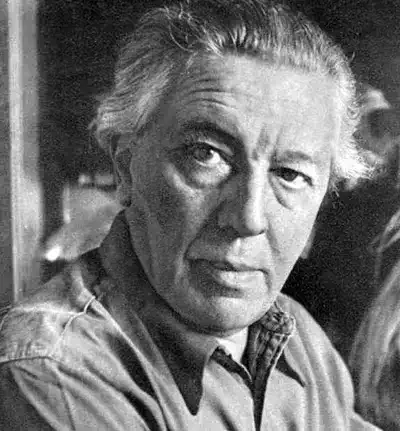
André Breton
The Spectral Attitudes
The Spectral Attitudes
I attach no importance to life
I pin not the least of life's butterflies to importance
I do not matter to life
But the branches of salt the white branches
All the shadow bubbles
And the sea-anemones
Come down and breathe within my thoughts
They come from tears that are not mine
From steps I do not take that are steps twice
And of which the sand remembers the flood-tide
The bars are in the cage
And the birds come down from far above to sing before these bars
A subterranean passage unites all perfumes
A woman pledged herself there one day
This woman became so bright that I could no longer see her
With these eyes which have seen my own self burning
I was then already as old as I am now
And I watched over myself and my thoughts like a night watchman in an immense
factory Keeping watch alone
The circus always enchants the same tramlines
The plaster figures have lost nothing of their expression
They who bit the smile's fig
I know of a drapery in a forgotten town
If it pleased me to appear to you wrapped in this drapery
You would think that your end was approaching
Like mine
At last the fountains would understand that you must not say Fountain
The wolves are clothed in mirrors of snow
I have a boat detached from all climates
I am dragged along by an ice-pack with teeth of flame
I cut and cleave the wood of this tree that will always be green
A musician is caught up in the strings of his instrument
The skull and crossbones of the time of any childhood story
Goes on board a ship that is as yet its own ghost only
Perhaps there is a hilt to this sword
But already there is a duel in this hilt
During the duel the combatants are unarmed
Death is the least offence
The future never comes
The curtains that have never been raised
Float to the windows of houses that are to be built
The beds made of lilies
Slide beneath the lamps of dew
There will come an evening
The nuggets of light become still underneath the blue moss
The hands that tie and untie the knots of love and of air
Keep all their transparency for those who have eyes to see
They see the palms of hands
The crowns in eyes
But the brazier of crown and palms
Can scarcely be lit in the deepest part of the forest
There where the stags bend their heads to examine the years
Nothing more than a feeble beating is heard
From which sound a thousand louder or softer sounds proceed
And the beating goes on and on
There are dresses that vibrate
And their vibration is in unison with the beating
When I wish to see the faces of those that wear them
A great fog rises from the ground
At the bottom of the steeples behind the most elegant reservoirs of life and of wealth
In the gorges which hide themselves between two mountains
On the sea at the hour when the sun cools down
Those who make signs to me are separated by stars
And yet the carriage overturned at full speed
Carries as far as my last hesitation
That awaits me down there in the town where the statues of bronze
and of stone have changed places with statues of wax Banyans banyans.
I attach no importance to life
I pin not the least of life's butterflies to importance
I do not matter to life
But the branches of salt the white branches
All the shadow bubbles
And the sea-anemones
Come down and breathe within my thoughts
They come from tears that are not mine
From steps I do not take that are steps twice
And of which the sand remembers the flood-tide
The bars are in the cage
And the birds come down from far above to sing before these bars
A subterranean passage unites all perfumes
A woman pledged herself there one day
This woman became so bright that I could no longer see her
With these eyes which have seen my own self burning
I was then already as old as I am now
And I watched over myself and my thoughts like a night watchman in an immense
factory Keeping watch alone
The circus always enchants the same tramlines
The plaster figures have lost nothing of their expression
They who bit the smile's fig
I know of a drapery in a forgotten town
If it pleased me to appear to you wrapped in this drapery
You would think that your end was approaching
Like mine
At last the fountains would understand that you must not say Fountain
The wolves are clothed in mirrors of snow
I have a boat detached from all climates
I am dragged along by an ice-pack with teeth of flame
I cut and cleave the wood of this tree that will always be green
A musician is caught up in the strings of his instrument
The skull and crossbones of the time of any childhood story
Goes on board a ship that is as yet its own ghost only
Perhaps there is a hilt to this sword
But already there is a duel in this hilt
During the duel the combatants are unarmed
Death is the least offence
The future never comes
The curtains that have never been raised
Float to the windows of houses that are to be built
The beds made of lilies
Slide beneath the lamps of dew
There will come an evening
The nuggets of light become still underneath the blue moss
The hands that tie and untie the knots of love and of air
Keep all their transparency for those who have eyes to see
They see the palms of hands
The crowns in eyes
But the brazier of crown and palms
Can scarcely be lit in the deepest part of the forest
There where the stags bend their heads to examine the years
Nothing more than a feeble beating is heard
From which sound a thousand louder or softer sounds proceed
And the beating goes on and on
There are dresses that vibrate
And their vibration is in unison with the beating
When I wish to see the faces of those that wear them
A great fog rises from the ground
At the bottom of the steeples behind the most elegant reservoirs of life and of wealth
In the gorges which hide themselves between two mountains
On the sea at the hour when the sun cools down
Those who make signs to me are separated by stars
And yet the carriage overturned at full speed
Carries as far as my last hesitation
That awaits me down there in the town where the statues of bronze
and of stone have changed places with statues of wax Banyans banyans.
939
André Breton
The Spectral Attitudes
The Spectral Attitudes
I attach no importance to life
I pin not the least of life's butterflies to importance
I do not matter to life
But the branches of salt the white branches
All the shadow bubbles
And the sea-anemones
Come down and breathe within my thoughts
They come from tears that are not mine
From steps I do not take that are steps twice
And of which the sand remembers the flood-tide
The bars are in the cage
And the birds come down from far above to sing before these bars
A subterranean passage unites all perfumes
A woman pledged herself there one day
This woman became so bright that I could no longer see her
With these eyes which have seen my own self burning
I was then already as old as I am now
And I watched over myself and my thoughts like a night watchman in an immense
factory Keeping watch alone
The circus always enchants the same tramlines
The plaster figures have lost nothing of their expression
They who bit the smile's fig
I know of a drapery in a forgotten town
If it pleased me to appear to you wrapped in this drapery
You would think that your end was approaching
Like mine
At last the fountains would understand that you must not say Fountain
The wolves are clothed in mirrors of snow
I have a boat detached from all climates
I am dragged along by an ice-pack with teeth of flame
I cut and cleave the wood of this tree that will always be green
A musician is caught up in the strings of his instrument
The skull and crossbones of the time of any childhood story
Goes on board a ship that is as yet its own ghost only
Perhaps there is a hilt to this sword
But already there is a duel in this hilt
During the duel the combatants are unarmed
Death is the least offence
The future never comes
The curtains that have never been raised
Float to the windows of houses that are to be built
The beds made of lilies
Slide beneath the lamps of dew
There will come an evening
The nuggets of light become still underneath the blue moss
The hands that tie and untie the knots of love and of air
Keep all their transparency for those who have eyes to see
They see the palms of hands
The crowns in eyes
But the brazier of crown and palms
Can scarcely be lit in the deepest part of the forest
There where the stags bend their heads to examine the years
Nothing more than a feeble beating is heard
From which sound a thousand louder or softer sounds proceed
And the beating goes on and on
There are dresses that vibrate
And their vibration is in unison with the beating
When I wish to see the faces of those that wear them
A great fog rises from the ground
At the bottom of the steeples behind the most elegant reservoirs of life and of wealth
In the gorges which hide themselves between two mountains
On the sea at the hour when the sun cools down
Those who make signs to me are separated by stars
And yet the carriage overturned at full speed
Carries as far as my last hesitation
That awaits me down there in the town where the statues of bronze
and of stone have changed places with statues of wax Banyans banyans.
I attach no importance to life
I pin not the least of life's butterflies to importance
I do not matter to life
But the branches of salt the white branches
All the shadow bubbles
And the sea-anemones
Come down and breathe within my thoughts
They come from tears that are not mine
From steps I do not take that are steps twice
And of which the sand remembers the flood-tide
The bars are in the cage
And the birds come down from far above to sing before these bars
A subterranean passage unites all perfumes
A woman pledged herself there one day
This woman became so bright that I could no longer see her
With these eyes which have seen my own self burning
I was then already as old as I am now
And I watched over myself and my thoughts like a night watchman in an immense
factory Keeping watch alone
The circus always enchants the same tramlines
The plaster figures have lost nothing of their expression
They who bit the smile's fig
I know of a drapery in a forgotten town
If it pleased me to appear to you wrapped in this drapery
You would think that your end was approaching
Like mine
At last the fountains would understand that you must not say Fountain
The wolves are clothed in mirrors of snow
I have a boat detached from all climates
I am dragged along by an ice-pack with teeth of flame
I cut and cleave the wood of this tree that will always be green
A musician is caught up in the strings of his instrument
The skull and crossbones of the time of any childhood story
Goes on board a ship that is as yet its own ghost only
Perhaps there is a hilt to this sword
But already there is a duel in this hilt
During the duel the combatants are unarmed
Death is the least offence
The future never comes
The curtains that have never been raised
Float to the windows of houses that are to be built
The beds made of lilies
Slide beneath the lamps of dew
There will come an evening
The nuggets of light become still underneath the blue moss
The hands that tie and untie the knots of love and of air
Keep all their transparency for those who have eyes to see
They see the palms of hands
The crowns in eyes
But the brazier of crown and palms
Can scarcely be lit in the deepest part of the forest
There where the stags bend their heads to examine the years
Nothing more than a feeble beating is heard
From which sound a thousand louder or softer sounds proceed
And the beating goes on and on
There are dresses that vibrate
And their vibration is in unison with the beating
When I wish to see the faces of those that wear them
A great fog rises from the ground
At the bottom of the steeples behind the most elegant reservoirs of life and of wealth
In the gorges which hide themselves between two mountains
On the sea at the hour when the sun cools down
Those who make signs to me are separated by stars
And yet the carriage overturned at full speed
Carries as far as my last hesitation
That awaits me down there in the town where the statues of bronze
and of stone have changed places with statues of wax Banyans banyans.
939
André Breton
Freedom of Love
Freedom of Love
(Translated from the French by Edouard Rodti)
My wife with the hair of a wood fire
With the thoughts of heat lightning
With the waist of an hourglass
With the waist of an otter in the teeth of a tiger
My wife with the lips of a cockade and of a bunch of stars of the last magnitude
With the teeth of tracks of white mice on the white earth
With the tongue of rubbed amber and glass
My wife with the tongue of a stabbed host
With the tongue of a doll that opens and closes its eyes
With the tongue of an unbelievable stone
My wife with the eyelashes of strokes of a child's writing
With brows of the edge of a swallow's nest
My wife with the brow of slates of a hothouse roof
And of steam on the panes
My wife with shoulders of champagne
And of a fountain with dolphin-heads beneath the ice
My wife with wrists of matches
My wife with fingers of luck and ace of hearts
With fingers of mown hay
My wife with armpits of marten and of beechnut
And of Midsummer Night
Of privet and of an angelfish nest
With arms of seafoam and of riverlocks
And of a mingling of the wheat and the mill
My wife with legs of flares
With the movements of clockwork and despair
My wife with calves of eldertree pith
My wife with feet of initials
With feet of rings of keys and Java sparrows drinking
My wife with a neck of unpearled barley
My wife with a throat of the valley of gold
Of a tryst in the very bed of the torrent
With breasts of night
My wife with breasts of a marine molehill
My wife with breasts of the ruby's crucible
With breasts of the rose's spectre beneath the dew
My wife with the belly of an unfolding of the fan of days
With the belly of a gigantic claw
My wife with the back of a bird fleeing vertically
With a back of quicksilver
With a back of light
With a nape of rolled stone and wet chalk
And of the drop of a glass where one has just been drinking
My wife with hips of a skiff
With hips of a chandelier and of arrow-feathers
And of shafts of white peacock plumes
Of an insensible pendulum
My wife with buttocks of sandstone and asbestos
My wife with buttocks of swans' backs
My wife with buttocks of spring
With the sex of an iris
My wife with the sex of a mining-placer and of a platypus
My wife with a sex of seaweed and ancient sweetmeat
My wife with a sex of mirror
My wife with eyes full of tears
With eyes of purple panoply and of a magnetic needle
My wife with savanna eyes
My wife with eyes of water to he drunk in prison
My wife with eyes of wood always under the axe
My wife with eyes of water-level of level of air earth and fire
(Translated from the French by Edouard Rodti)
My wife with the hair of a wood fire
With the thoughts of heat lightning
With the waist of an hourglass
With the waist of an otter in the teeth of a tiger
My wife with the lips of a cockade and of a bunch of stars of the last magnitude
With the teeth of tracks of white mice on the white earth
With the tongue of rubbed amber and glass
My wife with the tongue of a stabbed host
With the tongue of a doll that opens and closes its eyes
With the tongue of an unbelievable stone
My wife with the eyelashes of strokes of a child's writing
With brows of the edge of a swallow's nest
My wife with the brow of slates of a hothouse roof
And of steam on the panes
My wife with shoulders of champagne
And of a fountain with dolphin-heads beneath the ice
My wife with wrists of matches
My wife with fingers of luck and ace of hearts
With fingers of mown hay
My wife with armpits of marten and of beechnut
And of Midsummer Night
Of privet and of an angelfish nest
With arms of seafoam and of riverlocks
And of a mingling of the wheat and the mill
My wife with legs of flares
With the movements of clockwork and despair
My wife with calves of eldertree pith
My wife with feet of initials
With feet of rings of keys and Java sparrows drinking
My wife with a neck of unpearled barley
My wife with a throat of the valley of gold
Of a tryst in the very bed of the torrent
With breasts of night
My wife with breasts of a marine molehill
My wife with breasts of the ruby's crucible
With breasts of the rose's spectre beneath the dew
My wife with the belly of an unfolding of the fan of days
With the belly of a gigantic claw
My wife with the back of a bird fleeing vertically
With a back of quicksilver
With a back of light
With a nape of rolled stone and wet chalk
And of the drop of a glass where one has just been drinking
My wife with hips of a skiff
With hips of a chandelier and of arrow-feathers
And of shafts of white peacock plumes
Of an insensible pendulum
My wife with buttocks of sandstone and asbestos
My wife with buttocks of swans' backs
My wife with buttocks of spring
With the sex of an iris
My wife with the sex of a mining-placer and of a platypus
My wife with a sex of seaweed and ancient sweetmeat
My wife with a sex of mirror
My wife with eyes full of tears
With eyes of purple panoply and of a magnetic needle
My wife with savanna eyes
My wife with eyes of water to he drunk in prison
My wife with eyes of wood always under the axe
My wife with eyes of water-level of level of air earth and fire
897
André Breton
Less Time
Less Time
Less time than it takes to say it, less tears than it takes to die; I've taken account of
everything,
there you have it. I've made a census of the stones, they are as numerous as my
fingers and some
others; I've distributed some pamphlets to the plants, but not all were willing to accept
them. I've
kept company with music for a second only and now I no longer know what to think of
suicide, for
if I ever want to part from myself, the exit is on this side and, I add mischievously, the
entrance, the
re-entrance is on the other. You see what you still have to do. Hours, grief, I don't
keep a
reasonable account of them; I'm alone, I look out of the window; there is no passerby,
or rather no
one passes (underline passes). You don't know this man? It's Mr. Same. May I
introduce Madam
Madam? And their children. Then I turn back on my steps, my steps turn back too, but
I don't
know exactly what they turn back on. I consult a schedule; the names of the towns
have been
replaced by the names of people who have been quite close to me. Shall I go to A,
return to B,
change at X? Yes, of course I'll change at X. Provided I don't miss the connection with
boredom!
There we are: boredom, beautiful parallels, ah! how beautiful the parallels are under
God's
perpendicular.
Less time than it takes to say it, less tears than it takes to die; I've taken account of
everything,
there you have it. I've made a census of the stones, they are as numerous as my
fingers and some
others; I've distributed some pamphlets to the plants, but not all were willing to accept
them. I've
kept company with music for a second only and now I no longer know what to think of
suicide, for
if I ever want to part from myself, the exit is on this side and, I add mischievously, the
entrance, the
re-entrance is on the other. You see what you still have to do. Hours, grief, I don't
keep a
reasonable account of them; I'm alone, I look out of the window; there is no passerby,
or rather no
one passes (underline passes). You don't know this man? It's Mr. Same. May I
introduce Madam
Madam? And their children. Then I turn back on my steps, my steps turn back too, but
I don't
know exactly what they turn back on. I consult a schedule; the names of the towns
have been
replaced by the names of people who have been quite close to me. Shall I go to A,
return to B,
change at X? Yes, of course I'll change at X. Provided I don't miss the connection with
boredom!
There we are: boredom, beautiful parallels, ah! how beautiful the parallels are under
God's
perpendicular.
1,006
André Breton
Less Time
Less Time
Less time than it takes to say it, less tears than it takes to die; I've taken account of
everything,
there you have it. I've made a census of the stones, they are as numerous as my
fingers and some
others; I've distributed some pamphlets to the plants, but not all were willing to accept
them. I've
kept company with music for a second only and now I no longer know what to think of
suicide, for
if I ever want to part from myself, the exit is on this side and, I add mischievously, the
entrance, the
re-entrance is on the other. You see what you still have to do. Hours, grief, I don't
keep a
reasonable account of them; I'm alone, I look out of the window; there is no passerby,
or rather no
one passes (underline passes). You don't know this man? It's Mr. Same. May I
introduce Madam
Madam? And their children. Then I turn back on my steps, my steps turn back too, but
I don't
know exactly what they turn back on. I consult a schedule; the names of the towns
have been
replaced by the names of people who have been quite close to me. Shall I go to A,
return to B,
change at X? Yes, of course I'll change at X. Provided I don't miss the connection with
boredom!
There we are: boredom, beautiful parallels, ah! how beautiful the parallels are under
God's
perpendicular.
Less time than it takes to say it, less tears than it takes to die; I've taken account of
everything,
there you have it. I've made a census of the stones, they are as numerous as my
fingers and some
others; I've distributed some pamphlets to the plants, but not all were willing to accept
them. I've
kept company with music for a second only and now I no longer know what to think of
suicide, for
if I ever want to part from myself, the exit is on this side and, I add mischievously, the
entrance, the
re-entrance is on the other. You see what you still have to do. Hours, grief, I don't
keep a
reasonable account of them; I'm alone, I look out of the window; there is no passerby,
or rather no
one passes (underline passes). You don't know this man? It's Mr. Same. May I
introduce Madam
Madam? And their children. Then I turn back on my steps, my steps turn back too, but
I don't
know exactly what they turn back on. I consult a schedule; the names of the towns
have been
replaced by the names of people who have been quite close to me. Shall I go to A,
return to B,
change at X? Yes, of course I'll change at X. Provided I don't miss the connection with
boredom!
There we are: boredom, beautiful parallels, ah! how beautiful the parallels are under
God's
perpendicular.
1,006

Anaïs Nin
The Diary of Anaïs Nin, Volume 1: 1931-1934
The Diary of Anaïs Nin, Volume 1: 1931-1934
"Am I, at bottom, that fervent little Spanish Catholic child who chastised herself for
loving toys, who forbade herself the enjoyment of sweet foods, who practiced silence,
who humiliated her pride, who adored symbols, statues, burning candles, incense, the
caress of nuns, organ music, for whom Communion was a great event? I was so
exalted by the idea of eating Jesus's flesh and drinking His blood that I couldn't
swallow the host well, and I dreaded harming the it. I visualized Christ descending into
my heart so realistically (I was a realist then!) that I could see Him walking down the
stairs and entering the room of my heart like a sacred Visitor. That state of this room
was a subject of great preoccupation for me. . . At the ages of nine, ten, eleven, I
believe I approximated sainthood. And then, at sixteen, resentful of controls,
disillusioned with a God who had not granted my prayers (the return of my father),
who performed no miracles, who left me fatherless in a strange country, I rejected all
Catholicism with exaggeration. Goodness, virtue, charity, submission, stifled me. I took
up the words of Lawrence: "They stress only pain, sacrifice, suffering and death. They
do not dwell enough on the resurrection, on joy and life in the present." Today I feel
my past like an unbearable weight, I feel that it interferes with my present life, that it
must be the cause for this withdrawal, this closing of doors. . . I am embalmed
because a nun leaned over me, enveloped me in her veils, kissed me. The chill curse of
Christianity. I do not confess any more, I have no remorse, yet am I doing penance for
my enjoyments? Nobody knows what a magnificent prey I was for Christian legends,
because of my compassion and my tenderness for human beings. Today it divides me
from enjoyment in life."
p. 70-71
"As June walked towards me from the darkness of the garden into the light of the door,
I saw for the first time the most beautiful woman on earth. A startling white face,
burning dark eyes, a face so alive I felt it would consume itself before my eyes. Years
ago I tried to imagine true beauty; I created in my mind an image of just such a
woman. I had never seen her until last night. Yet I knew long ago the phosphorescent
color of her skin, her huntress profile, the evenness of her teeth. She is bizarre,
fantastic, nervous, like someone in a high fever. Her beauty drowned me. As I sat
before her, I felt I would do anything she asked of me. Henry suddenly faded. She was
color and brilliance and strangeness. By the end of the evening I had extricated myself
from her power. She killed my admiration by her talk. Her talk. The enormous ego,
false, weak, posturing. She lacks the courage of her personality, which is sensual,
heavy with experience. Her role alone preoccupies her. She invents dramas in which
she always stars. I am sure she creates genuine dramas, genuine chaos and whirlpools
of feelings, but I feel that her share in it is a pose. That night, in spite of my response
to her, she sought to be whatever she felt I wanted her to be. She is an actress every
moment. I cannot grasp the core of June. Everything Henry has said about her is true."
I wanted to run out and kiss her fanatastic beauty and say: 'June, you have killed my
sincerity too. I will never know again who I am, what I am, what I love, what I want.
Your beauty has drowned me, the core of me. You carry away with you a part of me
reflected in you. When your beauty struck me, it dissolved me. Deep down, I am not
different from you. I dreamed you, I wished for your existance. You are the woman I
want to be. I see in you that part of me which is you. I feel compassion for your
childlike pride, for your trembling unsureness, your dramatization of events, your
enhancing of the loves given to you. I surrender my sincerity because if I love you it
means we share the same fantasies, the same madnesses"
"Am I, at bottom, that fervent little Spanish Catholic child who chastised herself for
loving toys, who forbade herself the enjoyment of sweet foods, who practiced silence,
who humiliated her pride, who adored symbols, statues, burning candles, incense, the
caress of nuns, organ music, for whom Communion was a great event? I was so
exalted by the idea of eating Jesus's flesh and drinking His blood that I couldn't
swallow the host well, and I dreaded harming the it. I visualized Christ descending into
my heart so realistically (I was a realist then!) that I could see Him walking down the
stairs and entering the room of my heart like a sacred Visitor. That state of this room
was a subject of great preoccupation for me. . . At the ages of nine, ten, eleven, I
believe I approximated sainthood. And then, at sixteen, resentful of controls,
disillusioned with a God who had not granted my prayers (the return of my father),
who performed no miracles, who left me fatherless in a strange country, I rejected all
Catholicism with exaggeration. Goodness, virtue, charity, submission, stifled me. I took
up the words of Lawrence: "They stress only pain, sacrifice, suffering and death. They
do not dwell enough on the resurrection, on joy and life in the present." Today I feel
my past like an unbearable weight, I feel that it interferes with my present life, that it
must be the cause for this withdrawal, this closing of doors. . . I am embalmed
because a nun leaned over me, enveloped me in her veils, kissed me. The chill curse of
Christianity. I do not confess any more, I have no remorse, yet am I doing penance for
my enjoyments? Nobody knows what a magnificent prey I was for Christian legends,
because of my compassion and my tenderness for human beings. Today it divides me
from enjoyment in life."
p. 70-71
"As June walked towards me from the darkness of the garden into the light of the door,
I saw for the first time the most beautiful woman on earth. A startling white face,
burning dark eyes, a face so alive I felt it would consume itself before my eyes. Years
ago I tried to imagine true beauty; I created in my mind an image of just such a
woman. I had never seen her until last night. Yet I knew long ago the phosphorescent
color of her skin, her huntress profile, the evenness of her teeth. She is bizarre,
fantastic, nervous, like someone in a high fever. Her beauty drowned me. As I sat
before her, I felt I would do anything she asked of me. Henry suddenly faded. She was
color and brilliance and strangeness. By the end of the evening I had extricated myself
from her power. She killed my admiration by her talk. Her talk. The enormous ego,
false, weak, posturing. She lacks the courage of her personality, which is sensual,
heavy with experience. Her role alone preoccupies her. She invents dramas in which
she always stars. I am sure she creates genuine dramas, genuine chaos and whirlpools
of feelings, but I feel that her share in it is a pose. That night, in spite of my response
to her, she sought to be whatever she felt I wanted her to be. She is an actress every
moment. I cannot grasp the core of June. Everything Henry has said about her is true."
I wanted to run out and kiss her fanatastic beauty and say: 'June, you have killed my
sincerity too. I will never know again who I am, what I am, what I love, what I want.
Your beauty has drowned me, the core of me. You carry away with you a part of me
reflected in you. When your beauty struck me, it dissolved me. Deep down, I am not
different from you. I dreamed you, I wished for your existance. You are the woman I
want to be. I see in you that part of me which is you. I feel compassion for your
childlike pride, for your trembling unsureness, your dramatization of events, your
enhancing of the loves given to you. I surrender my sincerity because if I love you it
means we share the same fantasies, the same madnesses"
186
Anaïs Nin
The Diary of Anaïs Nin, Volume 1: 1931-1934
The Diary of Anaïs Nin, Volume 1: 1931-1934
"Am I, at bottom, that fervent little Spanish Catholic child who chastised herself for
loving toys, who forbade herself the enjoyment of sweet foods, who practiced silence,
who humiliated her pride, who adored symbols, statues, burning candles, incense, the
caress of nuns, organ music, for whom Communion was a great event? I was so
exalted by the idea of eating Jesus's flesh and drinking His blood that I couldn't
swallow the host well, and I dreaded harming the it. I visualized Christ descending into
my heart so realistically (I was a realist then!) that I could see Him walking down the
stairs and entering the room of my heart like a sacred Visitor. That state of this room
was a subject of great preoccupation for me. . . At the ages of nine, ten, eleven, I
believe I approximated sainthood. And then, at sixteen, resentful of controls,
disillusioned with a God who had not granted my prayers (the return of my father),
who performed no miracles, who left me fatherless in a strange country, I rejected all
Catholicism with exaggeration. Goodness, virtue, charity, submission, stifled me. I took
up the words of Lawrence: "They stress only pain, sacrifice, suffering and death. They
do not dwell enough on the resurrection, on joy and life in the present." Today I feel
my past like an unbearable weight, I feel that it interferes with my present life, that it
must be the cause for this withdrawal, this closing of doors. . . I am embalmed
because a nun leaned over me, enveloped me in her veils, kissed me. The chill curse of
Christianity. I do not confess any more, I have no remorse, yet am I doing penance for
my enjoyments? Nobody knows what a magnificent prey I was for Christian legends,
because of my compassion and my tenderness for human beings. Today it divides me
from enjoyment in life."
p. 70-71
"As June walked towards me from the darkness of the garden into the light of the door,
I saw for the first time the most beautiful woman on earth. A startling white face,
burning dark eyes, a face so alive I felt it would consume itself before my eyes. Years
ago I tried to imagine true beauty; I created in my mind an image of just such a
woman. I had never seen her until last night. Yet I knew long ago the phosphorescent
color of her skin, her huntress profile, the evenness of her teeth. She is bizarre,
fantastic, nervous, like someone in a high fever. Her beauty drowned me. As I sat
before her, I felt I would do anything she asked of me. Henry suddenly faded. She was
color and brilliance and strangeness. By the end of the evening I had extricated myself
from her power. She killed my admiration by her talk. Her talk. The enormous ego,
false, weak, posturing. She lacks the courage of her personality, which is sensual,
heavy with experience. Her role alone preoccupies her. She invents dramas in which
she always stars. I am sure she creates genuine dramas, genuine chaos and whirlpools
of feelings, but I feel that her share in it is a pose. That night, in spite of my response
to her, she sought to be whatever she felt I wanted her to be. She is an actress every
moment. I cannot grasp the core of June. Everything Henry has said about her is true."
I wanted to run out and kiss her fanatastic beauty and say: 'June, you have killed my
sincerity too. I will never know again who I am, what I am, what I love, what I want.
Your beauty has drowned me, the core of me. You carry away with you a part of me
reflected in you. When your beauty struck me, it dissolved me. Deep down, I am not
different from you. I dreamed you, I wished for your existance. You are the woman I
want to be. I see in you that part of me which is you. I feel compassion for your
childlike pride, for your trembling unsureness, your dramatization of events, your
enhancing of the loves given to you. I surrender my sincerity because if I love you it
means we share the same fantasies, the same madnesses"
"Am I, at bottom, that fervent little Spanish Catholic child who chastised herself for
loving toys, who forbade herself the enjoyment of sweet foods, who practiced silence,
who humiliated her pride, who adored symbols, statues, burning candles, incense, the
caress of nuns, organ music, for whom Communion was a great event? I was so
exalted by the idea of eating Jesus's flesh and drinking His blood that I couldn't
swallow the host well, and I dreaded harming the it. I visualized Christ descending into
my heart so realistically (I was a realist then!) that I could see Him walking down the
stairs and entering the room of my heart like a sacred Visitor. That state of this room
was a subject of great preoccupation for me. . . At the ages of nine, ten, eleven, I
believe I approximated sainthood. And then, at sixteen, resentful of controls,
disillusioned with a God who had not granted my prayers (the return of my father),
who performed no miracles, who left me fatherless in a strange country, I rejected all
Catholicism with exaggeration. Goodness, virtue, charity, submission, stifled me. I took
up the words of Lawrence: "They stress only pain, sacrifice, suffering and death. They
do not dwell enough on the resurrection, on joy and life in the present." Today I feel
my past like an unbearable weight, I feel that it interferes with my present life, that it
must be the cause for this withdrawal, this closing of doors. . . I am embalmed
because a nun leaned over me, enveloped me in her veils, kissed me. The chill curse of
Christianity. I do not confess any more, I have no remorse, yet am I doing penance for
my enjoyments? Nobody knows what a magnificent prey I was for Christian legends,
because of my compassion and my tenderness for human beings. Today it divides me
from enjoyment in life."
p. 70-71
"As June walked towards me from the darkness of the garden into the light of the door,
I saw for the first time the most beautiful woman on earth. A startling white face,
burning dark eyes, a face so alive I felt it would consume itself before my eyes. Years
ago I tried to imagine true beauty; I created in my mind an image of just such a
woman. I had never seen her until last night. Yet I knew long ago the phosphorescent
color of her skin, her huntress profile, the evenness of her teeth. She is bizarre,
fantastic, nervous, like someone in a high fever. Her beauty drowned me. As I sat
before her, I felt I would do anything she asked of me. Henry suddenly faded. She was
color and brilliance and strangeness. By the end of the evening I had extricated myself
from her power. She killed my admiration by her talk. Her talk. The enormous ego,
false, weak, posturing. She lacks the courage of her personality, which is sensual,
heavy with experience. Her role alone preoccupies her. She invents dramas in which
she always stars. I am sure she creates genuine dramas, genuine chaos and whirlpools
of feelings, but I feel that her share in it is a pose. That night, in spite of my response
to her, she sought to be whatever she felt I wanted her to be. She is an actress every
moment. I cannot grasp the core of June. Everything Henry has said about her is true."
I wanted to run out and kiss her fanatastic beauty and say: 'June, you have killed my
sincerity too. I will never know again who I am, what I am, what I love, what I want.
Your beauty has drowned me, the core of me. You carry away with you a part of me
reflected in you. When your beauty struck me, it dissolved me. Deep down, I am not
different from you. I dreamed you, I wished for your existance. You are the woman I
want to be. I see in you that part of me which is you. I feel compassion for your
childlike pride, for your trembling unsureness, your dramatization of events, your
enhancing of the loves given to you. I surrender my sincerity because if I love you it
means we share the same fantasies, the same madnesses"
186
Anaïs Nin
The Diary of Anaïs Nin, Volume 1: 1931-1934
The Diary of Anaïs Nin, Volume 1: 1931-1934
"Am I, at bottom, that fervent little Spanish Catholic child who chastised herself for
loving toys, who forbade herself the enjoyment of sweet foods, who practiced silence,
who humiliated her pride, who adored symbols, statues, burning candles, incense, the
caress of nuns, organ music, for whom Communion was a great event? I was so
exalted by the idea of eating Jesus's flesh and drinking His blood that I couldn't
swallow the host well, and I dreaded harming the it. I visualized Christ descending into
my heart so realistically (I was a realist then!) that I could see Him walking down the
stairs and entering the room of my heart like a sacred Visitor. That state of this room
was a subject of great preoccupation for me. . . At the ages of nine, ten, eleven, I
believe I approximated sainthood. And then, at sixteen, resentful of controls,
disillusioned with a God who had not granted my prayers (the return of my father),
who performed no miracles, who left me fatherless in a strange country, I rejected all
Catholicism with exaggeration. Goodness, virtue, charity, submission, stifled me. I took
up the words of Lawrence: "They stress only pain, sacrifice, suffering and death. They
do not dwell enough on the resurrection, on joy and life in the present." Today I feel
my past like an unbearable weight, I feel that it interferes with my present life, that it
must be the cause for this withdrawal, this closing of doors. . . I am embalmed
because a nun leaned over me, enveloped me in her veils, kissed me. The chill curse of
Christianity. I do not confess any more, I have no remorse, yet am I doing penance for
my enjoyments? Nobody knows what a magnificent prey I was for Christian legends,
because of my compassion and my tenderness for human beings. Today it divides me
from enjoyment in life."
p. 70-71
"As June walked towards me from the darkness of the garden into the light of the door,
I saw for the first time the most beautiful woman on earth. A startling white face,
burning dark eyes, a face so alive I felt it would consume itself before my eyes. Years
ago I tried to imagine true beauty; I created in my mind an image of just such a
woman. I had never seen her until last night. Yet I knew long ago the phosphorescent
color of her skin, her huntress profile, the evenness of her teeth. She is bizarre,
fantastic, nervous, like someone in a high fever. Her beauty drowned me. As I sat
before her, I felt I would do anything she asked of me. Henry suddenly faded. She was
color and brilliance and strangeness. By the end of the evening I had extricated myself
from her power. She killed my admiration by her talk. Her talk. The enormous ego,
false, weak, posturing. She lacks the courage of her personality, which is sensual,
heavy with experience. Her role alone preoccupies her. She invents dramas in which
she always stars. I am sure she creates genuine dramas, genuine chaos and whirlpools
of feelings, but I feel that her share in it is a pose. That night, in spite of my response
to her, she sought to be whatever she felt I wanted her to be. She is an actress every
moment. I cannot grasp the core of June. Everything Henry has said about her is true."
I wanted to run out and kiss her fanatastic beauty and say: 'June, you have killed my
sincerity too. I will never know again who I am, what I am, what I love, what I want.
Your beauty has drowned me, the core of me. You carry away with you a part of me
reflected in you. When your beauty struck me, it dissolved me. Deep down, I am not
different from you. I dreamed you, I wished for your existance. You are the woman I
want to be. I see in you that part of me which is you. I feel compassion for your
childlike pride, for your trembling unsureness, your dramatization of events, your
enhancing of the loves given to you. I surrender my sincerity because if I love you it
means we share the same fantasies, the same madnesses"
"Am I, at bottom, that fervent little Spanish Catholic child who chastised herself for
loving toys, who forbade herself the enjoyment of sweet foods, who practiced silence,
who humiliated her pride, who adored symbols, statues, burning candles, incense, the
caress of nuns, organ music, for whom Communion was a great event? I was so
exalted by the idea of eating Jesus's flesh and drinking His blood that I couldn't
swallow the host well, and I dreaded harming the it. I visualized Christ descending into
my heart so realistically (I was a realist then!) that I could see Him walking down the
stairs and entering the room of my heart like a sacred Visitor. That state of this room
was a subject of great preoccupation for me. . . At the ages of nine, ten, eleven, I
believe I approximated sainthood. And then, at sixteen, resentful of controls,
disillusioned with a God who had not granted my prayers (the return of my father),
who performed no miracles, who left me fatherless in a strange country, I rejected all
Catholicism with exaggeration. Goodness, virtue, charity, submission, stifled me. I took
up the words of Lawrence: "They stress only pain, sacrifice, suffering and death. They
do not dwell enough on the resurrection, on joy and life in the present." Today I feel
my past like an unbearable weight, I feel that it interferes with my present life, that it
must be the cause for this withdrawal, this closing of doors. . . I am embalmed
because a nun leaned over me, enveloped me in her veils, kissed me. The chill curse of
Christianity. I do not confess any more, I have no remorse, yet am I doing penance for
my enjoyments? Nobody knows what a magnificent prey I was for Christian legends,
because of my compassion and my tenderness for human beings. Today it divides me
from enjoyment in life."
p. 70-71
"As June walked towards me from the darkness of the garden into the light of the door,
I saw for the first time the most beautiful woman on earth. A startling white face,
burning dark eyes, a face so alive I felt it would consume itself before my eyes. Years
ago I tried to imagine true beauty; I created in my mind an image of just such a
woman. I had never seen her until last night. Yet I knew long ago the phosphorescent
color of her skin, her huntress profile, the evenness of her teeth. She is bizarre,
fantastic, nervous, like someone in a high fever. Her beauty drowned me. As I sat
before her, I felt I would do anything she asked of me. Henry suddenly faded. She was
color and brilliance and strangeness. By the end of the evening I had extricated myself
from her power. She killed my admiration by her talk. Her talk. The enormous ego,
false, weak, posturing. She lacks the courage of her personality, which is sensual,
heavy with experience. Her role alone preoccupies her. She invents dramas in which
she always stars. I am sure she creates genuine dramas, genuine chaos and whirlpools
of feelings, but I feel that her share in it is a pose. That night, in spite of my response
to her, she sought to be whatever she felt I wanted her to be. She is an actress every
moment. I cannot grasp the core of June. Everything Henry has said about her is true."
I wanted to run out and kiss her fanatastic beauty and say: 'June, you have killed my
sincerity too. I will never know again who I am, what I am, what I love, what I want.
Your beauty has drowned me, the core of me. You carry away with you a part of me
reflected in you. When your beauty struck me, it dissolved me. Deep down, I am not
different from you. I dreamed you, I wished for your existance. You are the woman I
want to be. I see in you that part of me which is you. I feel compassion for your
childlike pride, for your trembling unsureness, your dramatization of events, your
enhancing of the loves given to you. I surrender my sincerity because if I love you it
means we share the same fantasies, the same madnesses"
186
Anaïs Nin
Risk
Risk
And then the day came,
when the risk
to remain tight
in a bud
was more painful
than the risk
it took
to Blossom.
And then the day came,
when the risk
to remain tight
in a bud
was more painful
than the risk
it took
to Blossom.
239
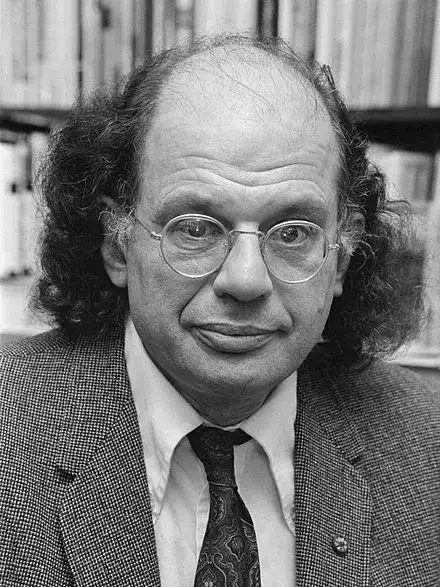
Allen Ginsberg
When the Light Appears
When the Light Appears
You'll bare your bones you'll grow you'll pray you'll only know
When the light appears, boy, when the light appears
You'll sing & you'll love you'll praise blue heavens above
When the light appears, boy, when the light appears
You'll whimper & you'll cry you'll get yourself sick and sigh
You'll sleep & you'll dream you'll only know what you mean
When the light appears, boy, when the light appears
You'll come & you'll go, you'll wander to and fro
You'll go home in despair you'll wonder why'd you care
You'll stammer & you'll lie you'll ask everybody why
You'll cough and you'll pout you'll kick your toe with gout
You'll jump you'll shout you'll knock you're friends about
You'll bawl and you'll deny & announce your eyes are dry
You'll roll and you'll rock you'll show your big hard cock
You'll love and you'll grieve & one day you'll come believe
As you whistle & you smile the lord made you worthwhile
You'll preach and you'll glide on the pulpit in your pride
Sneak & slide across the stage like a river in high tide
You'll come fast or come on slow just the same you'll never know
When the light appears, boy, when the light appears
You'll bare your bones you'll grow you'll pray you'll only know
When the light appears, boy, when the light appears
You'll sing & you'll love you'll praise blue heavens above
When the light appears, boy, when the light appears
You'll whimper & you'll cry you'll get yourself sick and sigh
You'll sleep & you'll dream you'll only know what you mean
When the light appears, boy, when the light appears
You'll come & you'll go, you'll wander to and fro
You'll go home in despair you'll wonder why'd you care
You'll stammer & you'll lie you'll ask everybody why
You'll cough and you'll pout you'll kick your toe with gout
You'll jump you'll shout you'll knock you're friends about
You'll bawl and you'll deny & announce your eyes are dry
You'll roll and you'll rock you'll show your big hard cock
You'll love and you'll grieve & one day you'll come believe
As you whistle & you smile the lord made you worthwhile
You'll preach and you'll glide on the pulpit in your pride
Sneak & slide across the stage like a river in high tide
You'll come fast or come on slow just the same you'll never know
When the light appears, boy, when the light appears
590
Allen Ginsberg
When the Light Appears
When the Light Appears
You'll bare your bones you'll grow you'll pray you'll only know
When the light appears, boy, when the light appears
You'll sing & you'll love you'll praise blue heavens above
When the light appears, boy, when the light appears
You'll whimper & you'll cry you'll get yourself sick and sigh
You'll sleep & you'll dream you'll only know what you mean
When the light appears, boy, when the light appears
You'll come & you'll go, you'll wander to and fro
You'll go home in despair you'll wonder why'd you care
You'll stammer & you'll lie you'll ask everybody why
You'll cough and you'll pout you'll kick your toe with gout
You'll jump you'll shout you'll knock you're friends about
You'll bawl and you'll deny & announce your eyes are dry
You'll roll and you'll rock you'll show your big hard cock
You'll love and you'll grieve & one day you'll come believe
As you whistle & you smile the lord made you worthwhile
You'll preach and you'll glide on the pulpit in your pride
Sneak & slide across the stage like a river in high tide
You'll come fast or come on slow just the same you'll never know
When the light appears, boy, when the light appears
You'll bare your bones you'll grow you'll pray you'll only know
When the light appears, boy, when the light appears
You'll sing & you'll love you'll praise blue heavens above
When the light appears, boy, when the light appears
You'll whimper & you'll cry you'll get yourself sick and sigh
You'll sleep & you'll dream you'll only know what you mean
When the light appears, boy, when the light appears
You'll come & you'll go, you'll wander to and fro
You'll go home in despair you'll wonder why'd you care
You'll stammer & you'll lie you'll ask everybody why
You'll cough and you'll pout you'll kick your toe with gout
You'll jump you'll shout you'll knock you're friends about
You'll bawl and you'll deny & announce your eyes are dry
You'll roll and you'll rock you'll show your big hard cock
You'll love and you'll grieve & one day you'll come believe
As you whistle & you smile the lord made you worthwhile
You'll preach and you'll glide on the pulpit in your pride
Sneak & slide across the stage like a river in high tide
You'll come fast or come on slow just the same you'll never know
When the light appears, boy, when the light appears
590
Allen Ginsberg
When the Light Appears
When the Light Appears
You'll bare your bones you'll grow you'll pray you'll only know
When the light appears, boy, when the light appears
You'll sing & you'll love you'll praise blue heavens above
When the light appears, boy, when the light appears
You'll whimper & you'll cry you'll get yourself sick and sigh
You'll sleep & you'll dream you'll only know what you mean
When the light appears, boy, when the light appears
You'll come & you'll go, you'll wander to and fro
You'll go home in despair you'll wonder why'd you care
You'll stammer & you'll lie you'll ask everybody why
You'll cough and you'll pout you'll kick your toe with gout
You'll jump you'll shout you'll knock you're friends about
You'll bawl and you'll deny & announce your eyes are dry
You'll roll and you'll rock you'll show your big hard cock
You'll love and you'll grieve & one day you'll come believe
As you whistle & you smile the lord made you worthwhile
You'll preach and you'll glide on the pulpit in your pride
Sneak & slide across the stage like a river in high tide
You'll come fast or come on slow just the same you'll never know
When the light appears, boy, when the light appears
You'll bare your bones you'll grow you'll pray you'll only know
When the light appears, boy, when the light appears
You'll sing & you'll love you'll praise blue heavens above
When the light appears, boy, when the light appears
You'll whimper & you'll cry you'll get yourself sick and sigh
You'll sleep & you'll dream you'll only know what you mean
When the light appears, boy, when the light appears
You'll come & you'll go, you'll wander to and fro
You'll go home in despair you'll wonder why'd you care
You'll stammer & you'll lie you'll ask everybody why
You'll cough and you'll pout you'll kick your toe with gout
You'll jump you'll shout you'll knock you're friends about
You'll bawl and you'll deny & announce your eyes are dry
You'll roll and you'll rock you'll show your big hard cock
You'll love and you'll grieve & one day you'll come believe
As you whistle & you smile the lord made you worthwhile
You'll preach and you'll glide on the pulpit in your pride
Sneak & slide across the stage like a river in high tide
You'll come fast or come on slow just the same you'll never know
When the light appears, boy, when the light appears
590
Allen Ginsberg
Understand That This Is a Dream
Understand That This Is a Dream
Real as a dream
What shall I do with this great opportunity to fly?
What is the interpretation of this planet, this moon?
if I can dream that I dream / and dream anything dreamable / can I dream
I am awake / and why do that?
When I dream in a dream that I wake / up what
happens when I try to move?
I dream that I move
and the effort moves and moves
till I move / and my arm hurts
Then I wake up / dismayed / I was dreaming / I was waking
when I was dreaming still / just now.
and try to remember next time in dreams
that I am in dreaming.
And dream anything I want when I'm awaken.
When I'm in awakeness what do I desire?
I desire to fulfill my emotional belly.
My whole body my heart in my fingertops thrill with some old fulfillments.
Pages of celestial rhymes burning fire-words
unconsumable but disappear.
Arcane parchments my own and the universe the answer.
Belly to Belly and knee to knee.
The hot spurt of my body to thee and thee
old boy / dreamy Earl / you Prince of Paterson / now king of me / lost
Haledon
first dream that made me take down my pants
urgently to show the cars / auto tracks / rolling down avenue hill.
That far back what do I remember / but the face of the leader of the gang
was blond / that loved me / one day on the steps of his house blocks away
all afternoon I told him about my magic Spell
I can do anything I want / palaces millions / chemistry sets / chicken
coops / white horses
stables and torture basements / I inspect my naked victims
chained upside down / my fingertips thrill approval on their thighs
white hairless cheeks I may kiss all I want
at my mercy. on the racks.
I pass with my strong attendants / I am myself naked
bending down with my buttocks out
for their smacks of reproval / o the heat of desire
liek shit in my asshole. The strange gang
across the street / thru the grocerystore / in the wood alley / out in the open
on the corner
Because I lied to the Dentist about that chickencoop roofing / slate stolen off
his garage
by me and the boy I loved who would punish me if he knew
what I loved him.
That now I have had that boy back in another blond form
Peter Orlovsky a Chinese teenager in Bangkok ten years twenty years
Jo Army on the campus / white blond loins / my mouth hath kisses /
full of his cock / my ass burning / full of his cock
all that I do desire. In dream and awake
this handsome body mine / answered
all I desired / intimate loves / open eyed / revealed at last / clothes on the
floor
Underwear the most revealing stripped off below the belly button in bed.
That's that / yes yes / the flat cocks the red pricks the gentle public hair /
alone with me
my magic spell. My power / what I desire alone / what after thirty years /
I got forever / after thirty years / satisfied enough with Peter / with all I
wanted /
with many men I knew one generation / our sperm passing
into our mouths and bellies / beautiful when I love / given.
Now the dream oldens / I olden / my hair a year long / my thirtyeight
birthday approaching.
I dream I
am bald / am disappearing / the campus unrecognizable / Haledon Avenue
will be covered with neon / motels / Supermarkets / iron
the porches and woods changed when i go back / to see Earl again
He'll be bald / fleshy father / I could pursie him further in the garage
If there's still a garage on the hill / on the planet / when I get back.
From Asia.
If I could even remember his name or his face / or find him /
When I was ten / perhaps he exists in some form.
With a belly and a belt and an auto
Whatever his last name / I never knew / in the phonebook / the Akashic
records.
I'll write my Inspiration for all Mankind to remember,
My Idea, the secret cave / in the clothes closet / that house probably down /
Nothing to go back to / everything's gone / only my idea
that's disappearing / even in dreams / gray dust piles / instant annihilation
of World War II and all its stainless steel shining-mouthed cannons
much less me and my grammar school kisses / I never kissed in time /
and go on kissing in dream and out on the street / as if it were for ever.
No forever left! Even my oldest forever gone, in Bangkok, in Benares,
swept up with words and bodies / all into the brown Ganges /
passing the burning grounds and / into the police state.
My mind, my mind / you had six feet of Earth to hoe /
Why didn't you remember and plant the seed of Law and gather the sprouts
of What?
the golden blossoms of what idea? If I dream that I dream / what dream
should I dream next? Motorcycle rickshaws / parting lamp shine / little
taxis / horses hoofs
on this Saigon midnight street. Angkor Wat ahead and the ruined city's old
Hindu faces
and there was a dream about Eternity. What should I dream when I wake?
What's left to dream, more Chinese meat? More magic Spells? More youths
to love before I change & disappear?
More dream words? For now that I know that I am dreaming /
What next for you Allen? Run down to the Presidents Palace full of Morphine /
The cocks crowing / in the street / Dawn trucks / What is the question?
Do I need sleep, now that there's light in the window?
I'll go to sleep. Signing off until / the next idea / the moving van arrives
empty
at the Doctor's house full of Chinese furniture.
Real as a dream
What shall I do with this great opportunity to fly?
What is the interpretation of this planet, this moon?
if I can dream that I dream / and dream anything dreamable / can I dream
I am awake / and why do that?
When I dream in a dream that I wake / up what
happens when I try to move?
I dream that I move
and the effort moves and moves
till I move / and my arm hurts
Then I wake up / dismayed / I was dreaming / I was waking
when I was dreaming still / just now.
and try to remember next time in dreams
that I am in dreaming.
And dream anything I want when I'm awaken.
When I'm in awakeness what do I desire?
I desire to fulfill my emotional belly.
My whole body my heart in my fingertops thrill with some old fulfillments.
Pages of celestial rhymes burning fire-words
unconsumable but disappear.
Arcane parchments my own and the universe the answer.
Belly to Belly and knee to knee.
The hot spurt of my body to thee and thee
old boy / dreamy Earl / you Prince of Paterson / now king of me / lost
Haledon
first dream that made me take down my pants
urgently to show the cars / auto tracks / rolling down avenue hill.
That far back what do I remember / but the face of the leader of the gang
was blond / that loved me / one day on the steps of his house blocks away
all afternoon I told him about my magic Spell
I can do anything I want / palaces millions / chemistry sets / chicken
coops / white horses
stables and torture basements / I inspect my naked victims
chained upside down / my fingertips thrill approval on their thighs
white hairless cheeks I may kiss all I want
at my mercy. on the racks.
I pass with my strong attendants / I am myself naked
bending down with my buttocks out
for their smacks of reproval / o the heat of desire
liek shit in my asshole. The strange gang
across the street / thru the grocerystore / in the wood alley / out in the open
on the corner
Because I lied to the Dentist about that chickencoop roofing / slate stolen off
his garage
by me and the boy I loved who would punish me if he knew
what I loved him.
That now I have had that boy back in another blond form
Peter Orlovsky a Chinese teenager in Bangkok ten years twenty years
Jo Army on the campus / white blond loins / my mouth hath kisses /
full of his cock / my ass burning / full of his cock
all that I do desire. In dream and awake
this handsome body mine / answered
all I desired / intimate loves / open eyed / revealed at last / clothes on the
floor
Underwear the most revealing stripped off below the belly button in bed.
That's that / yes yes / the flat cocks the red pricks the gentle public hair /
alone with me
my magic spell. My power / what I desire alone / what after thirty years /
I got forever / after thirty years / satisfied enough with Peter / with all I
wanted /
with many men I knew one generation / our sperm passing
into our mouths and bellies / beautiful when I love / given.
Now the dream oldens / I olden / my hair a year long / my thirtyeight
birthday approaching.
I dream I
am bald / am disappearing / the campus unrecognizable / Haledon Avenue
will be covered with neon / motels / Supermarkets / iron
the porches and woods changed when i go back / to see Earl again
He'll be bald / fleshy father / I could pursie him further in the garage
If there's still a garage on the hill / on the planet / when I get back.
From Asia.
If I could even remember his name or his face / or find him /
When I was ten / perhaps he exists in some form.
With a belly and a belt and an auto
Whatever his last name / I never knew / in the phonebook / the Akashic
records.
I'll write my Inspiration for all Mankind to remember,
My Idea, the secret cave / in the clothes closet / that house probably down /
Nothing to go back to / everything's gone / only my idea
that's disappearing / even in dreams / gray dust piles / instant annihilation
of World War II and all its stainless steel shining-mouthed cannons
much less me and my grammar school kisses / I never kissed in time /
and go on kissing in dream and out on the street / as if it were for ever.
No forever left! Even my oldest forever gone, in Bangkok, in Benares,
swept up with words and bodies / all into the brown Ganges /
passing the burning grounds and / into the police state.
My mind, my mind / you had six feet of Earth to hoe /
Why didn't you remember and plant the seed of Law and gather the sprouts
of What?
the golden blossoms of what idea? If I dream that I dream / what dream
should I dream next? Motorcycle rickshaws / parting lamp shine / little
taxis / horses hoofs
on this Saigon midnight street. Angkor Wat ahead and the ruined city's old
Hindu faces
and there was a dream about Eternity. What should I dream when I wake?
What's left to dream, more Chinese meat? More magic Spells? More youths
to love before I change & disappear?
More dream words? For now that I know that I am dreaming /
What next for you Allen? Run down to the Presidents Palace full of Morphine /
The cocks crowing / in the street / Dawn trucks / What is the question?
Do I need sleep, now that there's light in the window?
I'll go to sleep. Signing off until / the next idea / the moving van arrives
empty
at the Doctor's house full of Chinese furniture.
647
Allen Ginsberg
Wales Visitation
Wales Visitation
White fog lifting & falling on mountain-brow
Trees moving in rivers of wind
The clouds arise
as on a wave, gigantic eddy lifting mist
above teeming ferns exquisitely swayed
along a green crag
glimpsed thru mullioned glass in valley raine—
Bardic, O Self, Visitacione, tell naught
but what seen by one man in a vale in Albion,
of the folk, whose physical sciences end in Ecology,
the wisdom of earthly relations,
of mouths & eyes interknit ten centuries visible
orchards of mind language manifest human,
of the satanic thistle that raises its horned symmetry
flowering above sister grass-daisies’ pink tiny
bloomlets angelic as lightbulbs—
Remember 160 miles from London’s symmetrical thorned tower
& network of TV pictures flashing bearded your Self
the lambs on the tree-nooked hillside this day bleating
heard in Blake’s old ear, & the silent thought of Wordsworth in eld Stillness
clouds passing through skeleton arches of Tintern Abbey—
Bard Nameless as the Vast, babble to Vastness!
All the Valley quivered, one extended motion, wind
undulating on mossy hills
a giant wash that sank white fog delicately down red runnels
on the mountainside
whose leaf-branch tendrils moved asway
in granitic undertow down—
and lifted the floating Nebulous upward, and lifted the arms of the trees
and lifted the grasses an instant in balance
and lifted the lambs to hold still
and lifted the green of the hill, in one solemn wave
A solid mass of Heaven, mist-infused, ebbs thru the vale,
a wavelet of Immensity, lapping gigantic through Llanthony Valley,
the length of all England, valley upon valley under Heaven’s ocean
tonned with cloud-hang,
—Heaven balanced on a grassblade.
Roar of the mountain wind slow, sigh of the body,
One Being on the mountainside stirring gently
Exquisite scales trembling everywhere in balance,
one motion thru the cloudy sky-floor shifting on the million feet of daisies,
one Majesty the motion that stirred wet grass quivering
to the farthest tendril of white fog poured down
through shivering flowers on the mountain’s head—
No imperfection in the budded mountain,
Valleys breathe, heaven and earth move together,
daisies push inches of yellow air, vegetables tremble,
grass shimmers green
sheep speckle the mountainside, revolving their jaws with empty eyes,
horses dance in the warm rain,
tree-lined canals network live farmland,
blueberries fringe stone walls on hawthorn’d hills,
pheasants croak on meadows haired with fern—
Out, out on the hillside, into the ocean sound, into delicate gusts of wet air,
Fall on the ground, O great Wetness, O Mother, No harm on your body!
Stare close, no imperfection in the grass,
each flower Buddha-eye, repeating the story,
myriad-formed—
Kneel before the foxglove raising green buds, mauve bells dropped
doubled down the stem trembling antennae,
& look in the eyes of the branded lambs that stare
breathing stockstill under dripping hawthorn—
I lay down mixing my beard with the wet hair of the mountainside,
smelling the brown vagina-moist ground, harmless,
tasting the violet thistle-hair, sweetness—
One being so balanced, so vast, that its softest breath
moves every floweret in the stillness on the valley floor,
trembles lamb-hair hung gossamer rain-beaded in the grass,
lifts trees on their roots, birds in the great draught
hiding their strength in the rain, bearing same weight,
Groan thru breast and neck, a great Oh! to earth heart
Calling our Presence together
The great secret is no secret
Senses fit the winds,
Visible is visible,
rain-mist curtains wave through the bearded vale,
gray atoms wet the wind’s kabbala
Crosslegged on a rock in dusk rain,
rubber booted in soft grass, mind moveless,
breath trembles in white daisies by the roadside,
Heaven breath and my own symmetric
Airs wavering thru antlered green fern
drawn in my navel, same breath as breathes thru Capel-Y-Ffn,
Sounds of Aleph and Aum
through forests of gristle,
my skull and Lord Hereford’s Knob equal,
All Albion one.
What did I notice? Particulars! The
vision of the great One is myriad—
smoke curls upward from ashtray,
house fire burned low,
The night, still wet & moody black heaven
starless
upward in motion with wet wind.
White fog lifting & falling on mountain-brow
Trees moving in rivers of wind
The clouds arise
as on a wave, gigantic eddy lifting mist
above teeming ferns exquisitely swayed
along a green crag
glimpsed thru mullioned glass in valley raine—
Bardic, O Self, Visitacione, tell naught
but what seen by one man in a vale in Albion,
of the folk, whose physical sciences end in Ecology,
the wisdom of earthly relations,
of mouths & eyes interknit ten centuries visible
orchards of mind language manifest human,
of the satanic thistle that raises its horned symmetry
flowering above sister grass-daisies’ pink tiny
bloomlets angelic as lightbulbs—
Remember 160 miles from London’s symmetrical thorned tower
& network of TV pictures flashing bearded your Self
the lambs on the tree-nooked hillside this day bleating
heard in Blake’s old ear, & the silent thought of Wordsworth in eld Stillness
clouds passing through skeleton arches of Tintern Abbey—
Bard Nameless as the Vast, babble to Vastness!
All the Valley quivered, one extended motion, wind
undulating on mossy hills
a giant wash that sank white fog delicately down red runnels
on the mountainside
whose leaf-branch tendrils moved asway
in granitic undertow down—
and lifted the floating Nebulous upward, and lifted the arms of the trees
and lifted the grasses an instant in balance
and lifted the lambs to hold still
and lifted the green of the hill, in one solemn wave
A solid mass of Heaven, mist-infused, ebbs thru the vale,
a wavelet of Immensity, lapping gigantic through Llanthony Valley,
the length of all England, valley upon valley under Heaven’s ocean
tonned with cloud-hang,
—Heaven balanced on a grassblade.
Roar of the mountain wind slow, sigh of the body,
One Being on the mountainside stirring gently
Exquisite scales trembling everywhere in balance,
one motion thru the cloudy sky-floor shifting on the million feet of daisies,
one Majesty the motion that stirred wet grass quivering
to the farthest tendril of white fog poured down
through shivering flowers on the mountain’s head—
No imperfection in the budded mountain,
Valleys breathe, heaven and earth move together,
daisies push inches of yellow air, vegetables tremble,
grass shimmers green
sheep speckle the mountainside, revolving their jaws with empty eyes,
horses dance in the warm rain,
tree-lined canals network live farmland,
blueberries fringe stone walls on hawthorn’d hills,
pheasants croak on meadows haired with fern—
Out, out on the hillside, into the ocean sound, into delicate gusts of wet air,
Fall on the ground, O great Wetness, O Mother, No harm on your body!
Stare close, no imperfection in the grass,
each flower Buddha-eye, repeating the story,
myriad-formed—
Kneel before the foxglove raising green buds, mauve bells dropped
doubled down the stem trembling antennae,
& look in the eyes of the branded lambs that stare
breathing stockstill under dripping hawthorn—
I lay down mixing my beard with the wet hair of the mountainside,
smelling the brown vagina-moist ground, harmless,
tasting the violet thistle-hair, sweetness—
One being so balanced, so vast, that its softest breath
moves every floweret in the stillness on the valley floor,
trembles lamb-hair hung gossamer rain-beaded in the grass,
lifts trees on their roots, birds in the great draught
hiding their strength in the rain, bearing same weight,
Groan thru breast and neck, a great Oh! to earth heart
Calling our Presence together
The great secret is no secret
Senses fit the winds,
Visible is visible,
rain-mist curtains wave through the bearded vale,
gray atoms wet the wind’s kabbala
Crosslegged on a rock in dusk rain,
rubber booted in soft grass, mind moveless,
breath trembles in white daisies by the roadside,
Heaven breath and my own symmetric
Airs wavering thru antlered green fern
drawn in my navel, same breath as breathes thru Capel-Y-Ffn,
Sounds of Aleph and Aum
through forests of gristle,
my skull and Lord Hereford’s Knob equal,
All Albion one.
What did I notice? Particulars! The
vision of the great One is myriad—
smoke curls upward from ashtray,
house fire burned low,
The night, still wet & moody black heaven
starless
upward in motion with wet wind.
736
Allen Ginsberg
The Terms In Which I Think Of Reality
The Terms In Which I Think Of Reality
Reality is a question
of realizing how real
the world is already.
Time is Eternity,
ultimate and immovable;
everyone's an angel.
It's Heaven's mystery
of changing perfection :
absolute Eternity
changes! Cars are always
going down the street,
lamps go off and on.
It's a great flat plain;
we can see everything
on top of a table.
Clams open on the table,
lambs are eaten by worms
on the plain. The motion
of change is beautiful,
as well as form called
in and out of being.
Next : to distinguish process
in its particularity with
an eye to the initiation
of gratifying new changes
desired in the real world.
Here we're overwhelmed
with such unpleasant detail
we dream again of Heaven.
For the world is a mountain
of shit : if it's going to
be moved at all, it's got
to be taken by handfuls.
Man lives like the unhappy
whore on River Street who
in her Eternity gets only
a couple of bucks and a lot
of snide remarks in return
for seeking physical love
the best way she knows how,
never really heard of a glad
job or joyous marriage or
a difference in the heart :
or thinks it isn't for her,
which is her worst misery.
Reality is a question
of realizing how real
the world is already.
Time is Eternity,
ultimate and immovable;
everyone's an angel.
It's Heaven's mystery
of changing perfection :
absolute Eternity
changes! Cars are always
going down the street,
lamps go off and on.
It's a great flat plain;
we can see everything
on top of a table.
Clams open on the table,
lambs are eaten by worms
on the plain. The motion
of change is beautiful,
as well as form called
in and out of being.
Next : to distinguish process
in its particularity with
an eye to the initiation
of gratifying new changes
desired in the real world.
Here we're overwhelmed
with such unpleasant detail
we dream again of Heaven.
For the world is a mountain
of shit : if it's going to
be moved at all, it's got
to be taken by handfuls.
Man lives like the unhappy
whore on River Street who
in her Eternity gets only
a couple of bucks and a lot
of snide remarks in return
for seeking physical love
the best way she knows how,
never really heard of a glad
job or joyous marriage or
a difference in the heart :
or thinks it isn't for her,
which is her worst misery.
575
Allen Ginsberg
The Terms In Which I Think Of Reality
The Terms In Which I Think Of Reality
Reality is a question
of realizing how real
the world is already.
Time is Eternity,
ultimate and immovable;
everyone's an angel.
It's Heaven's mystery
of changing perfection :
absolute Eternity
changes! Cars are always
going down the street,
lamps go off and on.
It's a great flat plain;
we can see everything
on top of a table.
Clams open on the table,
lambs are eaten by worms
on the plain. The motion
of change is beautiful,
as well as form called
in and out of being.
Next : to distinguish process
in its particularity with
an eye to the initiation
of gratifying new changes
desired in the real world.
Here we're overwhelmed
with such unpleasant detail
we dream again of Heaven.
For the world is a mountain
of shit : if it's going to
be moved at all, it's got
to be taken by handfuls.
Man lives like the unhappy
whore on River Street who
in her Eternity gets only
a couple of bucks and a lot
of snide remarks in return
for seeking physical love
the best way she knows how,
never really heard of a glad
job or joyous marriage or
a difference in the heart :
or thinks it isn't for her,
which is her worst misery.
Reality is a question
of realizing how real
the world is already.
Time is Eternity,
ultimate and immovable;
everyone's an angel.
It's Heaven's mystery
of changing perfection :
absolute Eternity
changes! Cars are always
going down the street,
lamps go off and on.
It's a great flat plain;
we can see everything
on top of a table.
Clams open on the table,
lambs are eaten by worms
on the plain. The motion
of change is beautiful,
as well as form called
in and out of being.
Next : to distinguish process
in its particularity with
an eye to the initiation
of gratifying new changes
desired in the real world.
Here we're overwhelmed
with such unpleasant detail
we dream again of Heaven.
For the world is a mountain
of shit : if it's going to
be moved at all, it's got
to be taken by handfuls.
Man lives like the unhappy
whore on River Street who
in her Eternity gets only
a couple of bucks and a lot
of snide remarks in return
for seeking physical love
the best way she knows how,
never really heard of a glad
job or joyous marriage or
a difference in the heart :
or thinks it isn't for her,
which is her worst misery.
575
Allen Ginsberg
To Aunt Rose
To Aunt Rose
Aunt Rose—now—might I see you
with your thin face and buck tooth smile and pain
of rheumatism—and a long black heavy shoe
for your bony left leg
limping down the long hall in Newark on the running carpet
past the black grand piano
in the day room
where the parties were
and I sang Spanish loyalist songs
in a high squeaky voice
(hysterical) the committee listening
while you limped around the room
collected the money—
Aunt Honey, Uncle Sam, a stranger with a cloth arm
in his pocket
and huge young bald head
of Abraham Lincoln Brigade
—your long sad face
your tears of sexual frustration
(what smothered sobs and bony hips
under the pillows of Osborne Terrace)
—the time I stood on the toilet seat naked
and you powdered my thighs with calamine
against the poison ivy—my tender
and shamed first black curled hairs
what were you thinking in secret heart then
knowing me a man already—
and I an ignorant girl of family silence on the thin pedestal
of my legs in the bathroom—Museum of Newark.
Aunt Rose
Hitler is dead, Hitler is in Eternity; Hitler is with
Tamburlane and Emily Brontë
Though I see you walking still, a ghost on Osborne Terrace
down the long dark hall to the front door
limping a little with a pinched smile
in what must have been a silken
flower dress
welcoming my father, the Poet, on his visit to Newark
—see you arriving in the living room
dancing on your crippled leg
and clapping hands his book
had been accepted by Liveright
Hitler is dead and Liveright’s gone out of business
The Attic of the Past and Everlasting Minute are out of print
Uncle Harry sold his last silk stocking
Claire quit interpretive dancing school
Buba sits a wrinkled monument in Old
Ladies Home blinking at new babies
last time I saw you was the hospital
pale skull protruding under ashen skin
blue veined unconscious girl
in an oxygen tent
the war in Spain has ended long ago
Aunt Rose
Aunt Rose—now—might I see you
with your thin face and buck tooth smile and pain
of rheumatism—and a long black heavy shoe
for your bony left leg
limping down the long hall in Newark on the running carpet
past the black grand piano
in the day room
where the parties were
and I sang Spanish loyalist songs
in a high squeaky voice
(hysterical) the committee listening
while you limped around the room
collected the money—
Aunt Honey, Uncle Sam, a stranger with a cloth arm
in his pocket
and huge young bald head
of Abraham Lincoln Brigade
—your long sad face
your tears of sexual frustration
(what smothered sobs and bony hips
under the pillows of Osborne Terrace)
—the time I stood on the toilet seat naked
and you powdered my thighs with calamine
against the poison ivy—my tender
and shamed first black curled hairs
what were you thinking in secret heart then
knowing me a man already—
and I an ignorant girl of family silence on the thin pedestal
of my legs in the bathroom—Museum of Newark.
Aunt Rose
Hitler is dead, Hitler is in Eternity; Hitler is with
Tamburlane and Emily Brontë
Though I see you walking still, a ghost on Osborne Terrace
down the long dark hall to the front door
limping a little with a pinched smile
in what must have been a silken
flower dress
welcoming my father, the Poet, on his visit to Newark
—see you arriving in the living room
dancing on your crippled leg
and clapping hands his book
had been accepted by Liveright
Hitler is dead and Liveright’s gone out of business
The Attic of the Past and Everlasting Minute are out of print
Uncle Harry sold his last silk stocking
Claire quit interpretive dancing school
Buba sits a wrinkled monument in Old
Ladies Home blinking at new babies
last time I saw you was the hospital
pale skull protruding under ashen skin
blue veined unconscious girl
in an oxygen tent
the war in Spain has ended long ago
Aunt Rose
784
Allen Ginsberg
To Aunt Rose
To Aunt Rose
Aunt Rose—now—might I see you
with your thin face and buck tooth smile and pain
of rheumatism—and a long black heavy shoe
for your bony left leg
limping down the long hall in Newark on the running carpet
past the black grand piano
in the day room
where the parties were
and I sang Spanish loyalist songs
in a high squeaky voice
(hysterical) the committee listening
while you limped around the room
collected the money—
Aunt Honey, Uncle Sam, a stranger with a cloth arm
in his pocket
and huge young bald head
of Abraham Lincoln Brigade
—your long sad face
your tears of sexual frustration
(what smothered sobs and bony hips
under the pillows of Osborne Terrace)
—the time I stood on the toilet seat naked
and you powdered my thighs with calamine
against the poison ivy—my tender
and shamed first black curled hairs
what were you thinking in secret heart then
knowing me a man already—
and I an ignorant girl of family silence on the thin pedestal
of my legs in the bathroom—Museum of Newark.
Aunt Rose
Hitler is dead, Hitler is in Eternity; Hitler is with
Tamburlane and Emily Brontë
Though I see you walking still, a ghost on Osborne Terrace
down the long dark hall to the front door
limping a little with a pinched smile
in what must have been a silken
flower dress
welcoming my father, the Poet, on his visit to Newark
—see you arriving in the living room
dancing on your crippled leg
and clapping hands his book
had been accepted by Liveright
Hitler is dead and Liveright’s gone out of business
The Attic of the Past and Everlasting Minute are out of print
Uncle Harry sold his last silk stocking
Claire quit interpretive dancing school
Buba sits a wrinkled monument in Old
Ladies Home blinking at new babies
last time I saw you was the hospital
pale skull protruding under ashen skin
blue veined unconscious girl
in an oxygen tent
the war in Spain has ended long ago
Aunt Rose
Aunt Rose—now—might I see you
with your thin face and buck tooth smile and pain
of rheumatism—and a long black heavy shoe
for your bony left leg
limping down the long hall in Newark on the running carpet
past the black grand piano
in the day room
where the parties were
and I sang Spanish loyalist songs
in a high squeaky voice
(hysterical) the committee listening
while you limped around the room
collected the money—
Aunt Honey, Uncle Sam, a stranger with a cloth arm
in his pocket
and huge young bald head
of Abraham Lincoln Brigade
—your long sad face
your tears of sexual frustration
(what smothered sobs and bony hips
under the pillows of Osborne Terrace)
—the time I stood on the toilet seat naked
and you powdered my thighs with calamine
against the poison ivy—my tender
and shamed first black curled hairs
what were you thinking in secret heart then
knowing me a man already—
and I an ignorant girl of family silence on the thin pedestal
of my legs in the bathroom—Museum of Newark.
Aunt Rose
Hitler is dead, Hitler is in Eternity; Hitler is with
Tamburlane and Emily Brontë
Though I see you walking still, a ghost on Osborne Terrace
down the long dark hall to the front door
limping a little with a pinched smile
in what must have been a silken
flower dress
welcoming my father, the Poet, on his visit to Newark
—see you arriving in the living room
dancing on your crippled leg
and clapping hands his book
had been accepted by Liveright
Hitler is dead and Liveright’s gone out of business
The Attic of the Past and Everlasting Minute are out of print
Uncle Harry sold his last silk stocking
Claire quit interpretive dancing school
Buba sits a wrinkled monument in Old
Ladies Home blinking at new babies
last time I saw you was the hospital
pale skull protruding under ashen skin
blue veined unconscious girl
in an oxygen tent
the war in Spain has ended long ago
Aunt Rose
784
Allen Ginsberg
Psalm IV
Psalm IV
Now I'll record my secret vision, impossible sight of the face of God:
It was no dream, I lay broad waking on a fabulous couch in Harlem
having masturbated for no love, and read half naked an open book of Blake
on my lap
Lo & behold! I was thoughtless and turned a page and gazed on the living
Sun-flower
and heard a voice, it was Blake's, reciting in earthen measure:
the voice rose out of the page to my secret ear never heard before-
I lifted my eyes to the window, red walls of buildings flashed outside,
endless sky sad Eternity
sunlight gazing on the world, apartments of Harlem standing in the
universe-each
brick and cornice stained with intelligence like a vast living face-the
great brain unfolding and brooding in wilderness!--Now speaking
aloud with Blake's voice--
Love! thou patient presence & bone of the body! Father! thy careful
watching and waiting over my soul!
My son! My son! the endless ages have remembered me! My son! My son!
Time howled in anguish in my ear!
My son! My son! my father wept and held me in his dead arms.
Now I'll record my secret vision, impossible sight of the face of God:
It was no dream, I lay broad waking on a fabulous couch in Harlem
having masturbated for no love, and read half naked an open book of Blake
on my lap
Lo & behold! I was thoughtless and turned a page and gazed on the living
Sun-flower
and heard a voice, it was Blake's, reciting in earthen measure:
the voice rose out of the page to my secret ear never heard before-
I lifted my eyes to the window, red walls of buildings flashed outside,
endless sky sad Eternity
sunlight gazing on the world, apartments of Harlem standing in the
universe-each
brick and cornice stained with intelligence like a vast living face-the
great brain unfolding and brooding in wilderness!--Now speaking
aloud with Blake's voice--
Love! thou patient presence & bone of the body! Father! thy careful
watching and waiting over my soul!
My son! My son! the endless ages have remembered me! My son! My son!
Time howled in anguish in my ear!
My son! My son! my father wept and held me in his dead arms.
647
Allen Ginsberg
Mugging (I)
Mugging (I)
I
Tonite I walked out of my red apartment door on East tenth street’s dusk—
Walked out of my home ten years, walked out in my honking neighborhood
Tonite at seven walked out past garbage cans chained to concrete anchors
Walked under black painted fire escapes, giant castiron plate covering a hole in ground
—Crossed the street, traffic lite red, thirteen bus roaring by liquor store,
past corner pharmacy iron grated, past Coca Cola & Mylai posters fading scraped on
brick
Past Chinese Laundry wood door’d, & broken cement stoop steps For Rent hall painted
green & purple Puerto Rican style
Along E. 10th’s glass splattered pavement, kid blacks & Spanish oiled hair adolescents’
crowded house fronts—
Ah, tonite I walked out on my block NY City under humid summer sky Halloween,
thinking what happened Timothy Leary joining brain police for a season?
thinking what’s all this Weathermen, secrecy & selfrighteousness beyond reason—F.B.I.
plots?
Walked past a taxicab controlling the bottle strewn curb—
past young fellows with their umbrella handles & canes leaning against a ravaged Buick
—and as I looked at the crowd of kids on the stoop—a boy stepped up, put his arm
around my neck
tenderly I thought for a moment, squeezed harder, his umbrella handle against my
skull,
and his friends took my arm, a young brown companion tripped his foot ’gainst my
ankle—
as I went down shouting Om Ah Hūm to gangs of lovers on the stoop watching
slowly appreciating, why this is a raid, these strangers mean strange business
with what—my pockets, bald head, broken-healed-bone leg, my softshoes, my heart—
Have they knives? Om Ah Hūm—Have they sharp metal wood to shove in eye
ear ass? Om Ah Hūm
& slowly reclined on the pavement, struggling to keep my woolen bag of poetry
address calendar & Leary-lawyer notes hung from my shoulder
dragged in my neat orlon shirt over the crossbar of a broken metal door
dragged slowly onto the fire-soiled floor an abandoned store, laundry candy counter
1929—
now a mess of papers & pillows & plastic car seat covers cracked cockroach-corpsed
ground—
my wallet back pocket passed over the iron foot step guard
and fell out, stole by God Muggers’ lost fingers, Strange—
Couldn’t tell—snakeskin wallet actually plastic, 70 dollars my bank money for a week,
old broken wallet—and dreary plastic contents—Amex card & Manf. Hanover Trust
Credit too—business card from Mr. Spears British Home Minister Drug Squad—my draft
card—membership ACLU & Naropa Institute Instructor’s identification
Om Ah Hūm I continued chanting Om Ah Hūm
Putting my palm on the neck of an 18 year old boy fingering my back pocket crying
“Where’s the money”
“Om Ah Hūm there isn’t any”
My card Chief Boo-Hoo Neo American Church New Jersey & Lower East Side
Om Ah Hūm —what not forgotten crowded wallet—Mobil Credit, Shell? old lovers
addresses on cardboard pieces, booksellers calling cards—
—“Shut up or we’ll murder you”—“Om Ah Hūm take it easy”
Lying on the floor shall I shout more loud?—the metal door closed on blackness
one boy felt my broken healed ankle, looking for hundred dollar bills behind my
stocking weren’t even there—a third boy untied my Seiko Hong Kong watch rough from
right wrist leaving a clasp-prick skin tiny bruise
“Shut up and we’ll get out of here”—and so they left,
as I rose from the cardboard mattress thinking Om Ah Hūm didn’t stop em
enough,
the tone of voice too loud—my shoulder bag with 10,000 dollars full of poetry left on
the broken floor—
I
Tonite I walked out of my red apartment door on East tenth street’s dusk—
Walked out of my home ten years, walked out in my honking neighborhood
Tonite at seven walked out past garbage cans chained to concrete anchors
Walked under black painted fire escapes, giant castiron plate covering a hole in ground
—Crossed the street, traffic lite red, thirteen bus roaring by liquor store,
past corner pharmacy iron grated, past Coca Cola & Mylai posters fading scraped on
brick
Past Chinese Laundry wood door’d, & broken cement stoop steps For Rent hall painted
green & purple Puerto Rican style
Along E. 10th’s glass splattered pavement, kid blacks & Spanish oiled hair adolescents’
crowded house fronts—
Ah, tonite I walked out on my block NY City under humid summer sky Halloween,
thinking what happened Timothy Leary joining brain police for a season?
thinking what’s all this Weathermen, secrecy & selfrighteousness beyond reason—F.B.I.
plots?
Walked past a taxicab controlling the bottle strewn curb—
past young fellows with their umbrella handles & canes leaning against a ravaged Buick
—and as I looked at the crowd of kids on the stoop—a boy stepped up, put his arm
around my neck
tenderly I thought for a moment, squeezed harder, his umbrella handle against my
skull,
and his friends took my arm, a young brown companion tripped his foot ’gainst my
ankle—
as I went down shouting Om Ah Hūm to gangs of lovers on the stoop watching
slowly appreciating, why this is a raid, these strangers mean strange business
with what—my pockets, bald head, broken-healed-bone leg, my softshoes, my heart—
Have they knives? Om Ah Hūm—Have they sharp metal wood to shove in eye
ear ass? Om Ah Hūm
& slowly reclined on the pavement, struggling to keep my woolen bag of poetry
address calendar & Leary-lawyer notes hung from my shoulder
dragged in my neat orlon shirt over the crossbar of a broken metal door
dragged slowly onto the fire-soiled floor an abandoned store, laundry candy counter
1929—
now a mess of papers & pillows & plastic car seat covers cracked cockroach-corpsed
ground—
my wallet back pocket passed over the iron foot step guard
and fell out, stole by God Muggers’ lost fingers, Strange—
Couldn’t tell—snakeskin wallet actually plastic, 70 dollars my bank money for a week,
old broken wallet—and dreary plastic contents—Amex card & Manf. Hanover Trust
Credit too—business card from Mr. Spears British Home Minister Drug Squad—my draft
card—membership ACLU & Naropa Institute Instructor’s identification
Om Ah Hūm I continued chanting Om Ah Hūm
Putting my palm on the neck of an 18 year old boy fingering my back pocket crying
“Where’s the money”
“Om Ah Hūm there isn’t any”
My card Chief Boo-Hoo Neo American Church New Jersey & Lower East Side
Om Ah Hūm —what not forgotten crowded wallet—Mobil Credit, Shell? old lovers
addresses on cardboard pieces, booksellers calling cards—
—“Shut up or we’ll murder you”—“Om Ah Hūm take it easy”
Lying on the floor shall I shout more loud?—the metal door closed on blackness
one boy felt my broken healed ankle, looking for hundred dollar bills behind my
stocking weren’t even there—a third boy untied my Seiko Hong Kong watch rough from
right wrist leaving a clasp-prick skin tiny bruise
“Shut up and we’ll get out of here”—and so they left,
as I rose from the cardboard mattress thinking Om Ah Hūm didn’t stop em
enough,
the tone of voice too loud—my shoulder bag with 10,000 dollars full of poetry left on
the broken floor—
611