

Poems in this topic
Life and Existence

Alice Walker
Turning Madness Into Flowers #1
Turning Madness Into Flowers #1
If my sorrow were deeper
I'd be, along with you, under
the ocean's floor;
but today I learn that the oil
that pools beneath the ocean floor
is essence
residue
remains
of all our
relations
all
our ancestors who have died and turned to oil
without our witness
eons ago.
We've always belonged to them.
Speaking for you, hanging, weeping, over the water's edge
as well as for myself.
It is our grief
heavy, relentless,
trudging
us, however resistant,
to the decaying and rotten
bottom of things:
our grief bringing
us home.
If my sorrow were deeper
I'd be, along with you, under
the ocean's floor;
but today I learn that the oil
that pools beneath the ocean floor
is essence
residue
remains
of all our
relations
all
our ancestors who have died and turned to oil
without our witness
eons ago.
We've always belonged to them.
Speaking for you, hanging, weeping, over the water's edge
as well as for myself.
It is our grief
heavy, relentless,
trudging
us, however resistant,
to the decaying and rotten
bottom of things:
our grief bringing
us home.
18
Alice Walker
What Makes The Dalai Lama Lovable?
What Makes The Dalai Lama Lovable?
His posture
From so many years
Holding his robe with one hand
Is odd.
His gait
Also.
One's own body
Aches
Witnessing
The sloping
Shoulders
& Angled
Neck;
One hopes
He
Attends
Yoga class
Or does Yoga
On his own
As part
Of prayer.
He smiles
As he bows
To Everything:
Accepting
The heavy
Burdens
Of
This earth;
It's
Toxic
Evils
& Prolific
Insults.
Even so,
He sleeps
Through
The night
Like a child
Because
Thank goodness
That is something
Else
Daylong
Meditation
Assures.
You could cry
Yourself to sleep
On his behalf
& He
Has done that
Too.
Life
Has been
A great
Endless
Tearing away
For
Him.
From
Mother, Father, Siblings, Country, Home.
And yet
Clearly
His mother
Loved him;
His brother & sister
Too:
Even his
Not so constant father,
Who
When Tenzin was
A boy
Shared
With him
Delicious
Scraps
Of
Succulent
Pork.
He laughs
Telling this
Story
Over half a century
Later
&
To who knows
How many
Puzzled
Vegetarians:
About
The way he sat
Behind
His father's chair
Like a dog,
Relishing
Each juicy
Greasy
Bite.
Whenever I see
The Dalai Lama
My first impulse
Is to laugh
I am so happy
To
Lay eyes
On
One
So effortlessly
Beautiful.
That balding head
That holds
A shine;
Those wire framed
Glasses
That might
Have come
From
Anywhere.
His look of having given
All he has.
He is my teacher;
Just staying alive.
Other teachers
I have had
Resemble him
In some way;
They too
Were
&
Are
Smart
And Humble;
Fascinated
By Science & things like
Time,
Eternity,
Cause & Effect;
The Evolution
Of the Soul.
A soul
That
Might
Or might not
Exist.
They too
See all of us
-Banker, murderer, gardener, thief -
When they look
Out across
The world:
But that is not all
They see.
They see our suffering;
Our striving
To find
The right path;
The one with heart
We may only
Have heard
About.
The Dalai Lama is Cool
A modern word
For
"Divine"
Because he wants
Only
Our collective
Health
& Happiness.
That's it!
What makes
Him
Lovable
Is
His holiness.
His posture
From so many years
Holding his robe with one hand
Is odd.
His gait
Also.
One's own body
Aches
Witnessing
The sloping
Shoulders
& Angled
Neck;
One hopes
He
Attends
Yoga class
Or does Yoga
On his own
As part
Of prayer.
He smiles
As he bows
To Everything:
Accepting
The heavy
Burdens
Of
This earth;
It's
Toxic
Evils
& Prolific
Insults.
Even so,
He sleeps
Through
The night
Like a child
Because
Thank goodness
That is something
Else
Daylong
Meditation
Assures.
You could cry
Yourself to sleep
On his behalf
& He
Has done that
Too.
Life
Has been
A great
Endless
Tearing away
For
Him.
From
Mother, Father, Siblings, Country, Home.
And yet
Clearly
His mother
Loved him;
His brother & sister
Too:
Even his
Not so constant father,
Who
When Tenzin was
A boy
Shared
With him
Delicious
Scraps
Of
Succulent
Pork.
He laughs
Telling this
Story
Over half a century
Later
&
To who knows
How many
Puzzled
Vegetarians:
About
The way he sat
Behind
His father's chair
Like a dog,
Relishing
Each juicy
Greasy
Bite.
Whenever I see
The Dalai Lama
My first impulse
Is to laugh
I am so happy
To
Lay eyes
On
One
So effortlessly
Beautiful.
That balding head
That holds
A shine;
Those wire framed
Glasses
That might
Have come
From
Anywhere.
His look of having given
All he has.
He is my teacher;
Just staying alive.
Other teachers
I have had
Resemble him
In some way;
They too
Were
&
Are
Smart
And Humble;
Fascinated
By Science & things like
Time,
Eternity,
Cause & Effect;
The Evolution
Of the Soul.
A soul
That
Might
Or might not
Exist.
They too
See all of us
-Banker, murderer, gardener, thief -
When they look
Out across
The world:
But that is not all
They see.
They see our suffering;
Our striving
To find
The right path;
The one with heart
We may only
Have heard
About.
The Dalai Lama is Cool
A modern word
For
"Divine"
Because he wants
Only
Our collective
Health
& Happiness.
That's it!
What makes
Him
Lovable
Is
His holiness.
263
Alice Walker
The Tree Of Life Has Fallen
The Tree Of Life Has Fallen
The tree of life
has fallen on my small house.
I thought it was so much bigger!
But it is not.
There in the distance I see the mountains
still.
The view of vast water stretching before me
is superb.
My boat is grand and I still command the captain
of it; not having learned myself to sail.
But I am adrift
without my tree of life
that has fallen heavy
without grace or pity
on this small place.
For the departing dictator, in perpetuity.
The tree of life
has fallen on my small house.
I thought it was so much bigger!
But it is not.
There in the distance I see the mountains
still.
The view of vast water stretching before me
is superb.
My boat is grand and I still command the captain
of it; not having learned myself to sail.
But I am adrift
without my tree of life
that has fallen heavy
without grace or pity
on this small place.
For the departing dictator, in perpetuity.
406
Alice Walker
The Tree Of Life Has Fallen
The Tree Of Life Has Fallen
The tree of life
has fallen on my small house.
I thought it was so much bigger!
But it is not.
There in the distance I see the mountains
still.
The view of vast water stretching before me
is superb.
My boat is grand and I still command the captain
of it; not having learned myself to sail.
But I am adrift
without my tree of life
that has fallen heavy
without grace or pity
on this small place.
For the departing dictator, in perpetuity.
The tree of life
has fallen on my small house.
I thought it was so much bigger!
But it is not.
There in the distance I see the mountains
still.
The view of vast water stretching before me
is superb.
My boat is grand and I still command the captain
of it; not having learned myself to sail.
But I am adrift
without my tree of life
that has fallen heavy
without grace or pity
on this small place.
For the departing dictator, in perpetuity.
406
Alice Walker
Remember
Remember
Remember
When we ended
It all
-for a weekend&
how
We knew?
You took
The tea bowl
That I
Broke
In
Carelessness
To glue together
Again
At your
House.
Remember
When we ended
It all
-for a weekend&
how
We knew?
You took
The tea bowl
That I
Broke
In
Carelessness
To glue together
Again
At your
House.
231
Alice Walker
I Will Keep Broken Things
I Will Keep Broken Things
I will keep
Broken
Things:
The big clay
Pot
With raised
Iguanas
Chasing
Their
Tails;
Two
Of their
Wise
Heads
Sheared
Off;
I will keep
Broken
things:
The old
Slave
Market
Basket
Brought
To my
Door
By Mississippi
A jagged
Hole
Gouged
In its sturdy
Dark
Oak
Side.
I will keep
Broken
things:
The memory
Of
Those
Long
Delicious
Night
Swims
With
You;
I will keep
Broken
things:
In my house
There
Remains
An
Honored
Shelf
On which
I will
Keep
Broken
Things.
Their beauty
Is
They
Need
Not
Ever
Be
'fixed.'
I will keep
Your
Wild
Free
Laughter
Though
It is now
Missing
Its
Reassuring
And
Graceful
Hinge.
I will keep
Broken
Things:
Thank you
So much!
I will keep
Broken
Things.
I will keep
You:
Pilgrim
Of
Sorrow.
I will keep
Myself.
I will keep
Broken
Things:
The big clay
Pot
With raised
Iguanas
Chasing
Their
Tails;
Two
Of their
Wise
Heads
Sheared
Off;
I will keep
Broken
things:
The old
Slave
Market
Basket
Brought
To my
Door
By Mississippi
A jagged
Hole
Gouged
In its sturdy
Dark
Oak
Side.
I will keep
Broken
things:
The memory
Of
Those
Long
Delicious
Night
Swims
With
You;
I will keep
Broken
things:
In my house
There
Remains
An
Honored
Shelf
On which
I will
Keep
Broken
Things.
Their beauty
Is
They
Need
Not
Ever
Be
'fixed.'
I will keep
Your
Wild
Free
Laughter
Though
It is now
Missing
Its
Reassuring
And
Graceful
Hinge.
I will keep
Broken
Things:
Thank you
So much!
I will keep
Broken
Things.
I will keep
You:
Pilgrim
Of
Sorrow.
I will keep
Myself.
435
Alice Walker
Blessed Are The Poor In Spirit
Blessed Are The Poor In Spirit
Did you ever understand this?
If my spirit was poor, how could I enter heaven?
Was I depressed?
Understanding editing,
I see how a comma, removed or inserted
with careful plan,
can change everything.
I was reminded of this
when a poor young man
in Tunisia
desperate to live
and humiliated for trying
set himself ablaze;
I felt uncomfortably warm
as if scalded by his shame.
I do not have to sell vegetables from a cart as he did
or live in narrow rooms too small for spacious thought;
and, at this late date,
I do not worry that someone will
remove every single opportunity
for me to thrive.
Still, I am connected to, inseparable from,
this young man.
Blessed are the poor, in spirit, for theirs is the kingdom of heaven.
Jesus. (Commas restored) .
Jesus was as usual talking about solidarity: about how we join with others
and, in spirit, feel the world, and suffering, the same as them.
This is the kingdom of owning the other as self, the self as other;
that transforms grief into
peace and delight.
I, and you, might enter the heaven
of right here
through this door.
In this spirit, knowing we are blessed,
we might remain poor
Did you ever understand this?
If my spirit was poor, how could I enter heaven?
Was I depressed?
Understanding editing,
I see how a comma, removed or inserted
with careful plan,
can change everything.
I was reminded of this
when a poor young man
in Tunisia
desperate to live
and humiliated for trying
set himself ablaze;
I felt uncomfortably warm
as if scalded by his shame.
I do not have to sell vegetables from a cart as he did
or live in narrow rooms too small for spacious thought;
and, at this late date,
I do not worry that someone will
remove every single opportunity
for me to thrive.
Still, I am connected to, inseparable from,
this young man.
Blessed are the poor, in spirit, for theirs is the kingdom of heaven.
Jesus. (Commas restored) .
Jesus was as usual talking about solidarity: about how we join with others
and, in spirit, feel the world, and suffering, the same as them.
This is the kingdom of owning the other as self, the self as other;
that transforms grief into
peace and delight.
I, and you, might enter the heaven
of right here
through this door.
In this spirit, knowing we are blessed,
we might remain poor
284
Alice Walker
Blessed Are The Poor In Spirit
Blessed Are The Poor In Spirit
Did you ever understand this?
If my spirit was poor, how could I enter heaven?
Was I depressed?
Understanding editing,
I see how a comma, removed or inserted
with careful plan,
can change everything.
I was reminded of this
when a poor young man
in Tunisia
desperate to live
and humiliated for trying
set himself ablaze;
I felt uncomfortably warm
as if scalded by his shame.
I do not have to sell vegetables from a cart as he did
or live in narrow rooms too small for spacious thought;
and, at this late date,
I do not worry that someone will
remove every single opportunity
for me to thrive.
Still, I am connected to, inseparable from,
this young man.
Blessed are the poor, in spirit, for theirs is the kingdom of heaven.
Jesus. (Commas restored) .
Jesus was as usual talking about solidarity: about how we join with others
and, in spirit, feel the world, and suffering, the same as them.
This is the kingdom of owning the other as self, the self as other;
that transforms grief into
peace and delight.
I, and you, might enter the heaven
of right here
through this door.
In this spirit, knowing we are blessed,
we might remain poor
Did you ever understand this?
If my spirit was poor, how could I enter heaven?
Was I depressed?
Understanding editing,
I see how a comma, removed or inserted
with careful plan,
can change everything.
I was reminded of this
when a poor young man
in Tunisia
desperate to live
and humiliated for trying
set himself ablaze;
I felt uncomfortably warm
as if scalded by his shame.
I do not have to sell vegetables from a cart as he did
or live in narrow rooms too small for spacious thought;
and, at this late date,
I do not worry that someone will
remove every single opportunity
for me to thrive.
Still, I am connected to, inseparable from,
this young man.
Blessed are the poor, in spirit, for theirs is the kingdom of heaven.
Jesus. (Commas restored) .
Jesus was as usual talking about solidarity: about how we join with others
and, in spirit, feel the world, and suffering, the same as them.
This is the kingdom of owning the other as self, the self as other;
that transforms grief into
peace and delight.
I, and you, might enter the heaven
of right here
through this door.
In this spirit, knowing we are blessed,
we might remain poor
284
Alice Walker
Be Nobody's Darling
Be Nobody's Darling
Be nobody's darling;
Be an outcast.
Take the contradictions
Of your life
And wrap around
You like a shawl,
To parry stones
To keep you warm.
Watch the people succumb
To madness
With ample cheer;
Let them look askance at you
And you askance reply.
Be an outcast;
Be pleased to walk alone
(Uncool)
Or line the crowded
River beds
With other impetuous
Fools.
Make a merry gathering
On the bank
Where thousands perished
For brave hurt words
They said.
But be nobody's darling;
Be an outcast.
Qualified to live
Among your dead.
Be nobody's darling;
Be an outcast.
Take the contradictions
Of your life
And wrap around
You like a shawl,
To parry stones
To keep you warm.
Watch the people succumb
To madness
With ample cheer;
Let them look askance at you
And you askance reply.
Be an outcast;
Be pleased to walk alone
(Uncool)
Or line the crowded
River beds
With other impetuous
Fools.
Make a merry gathering
On the bank
Where thousands perished
For brave hurt words
They said.
But be nobody's darling;
Be an outcast.
Qualified to live
Among your dead.
279
Alice Walker
like it
like it
anyway!
I get to spend time with myself
whenever I want!
I get to feel
more love
than I ever thought
existed!
Everything appears to be made
of the stuff!
I feel this
especially for You! Though I may not remember
exactly which You
you are!
How cool is this!
Still, I get to spend time with myself
whenever I want!
And that is just a taste
as the old people used to say
down in Georgia
when I was a child
of what you get
for getting old.
Reminding us, as they witnessed our curiosity about them, that no matter the losses,
there's something fabulous going on at every stage of Life, something to let go of,
maybe, but for darn sure, something to get!
anyway!
I get to spend time with myself
whenever I want!
I get to feel
more love
than I ever thought
existed!
Everything appears to be made
of the stuff!
I feel this
especially for You! Though I may not remember
exactly which You
you are!
How cool is this!
Still, I get to spend time with myself
whenever I want!
And that is just a taste
as the old people used to say
down in Georgia
when I was a child
of what you get
for getting old.
Reminding us, as they witnessed our curiosity about them, that no matter the losses,
there's something fabulous going on at every stage of Life, something to let go of,
maybe, but for darn sure, something to get!
242
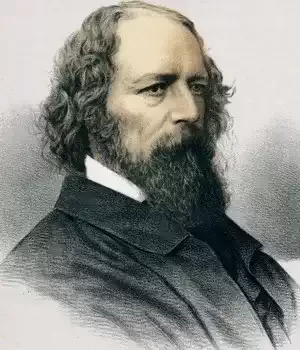
Alfred Lord Tennyson
Tithonus
Tithonus
The woods decay, the woods decay and fall,
The vapours weep their burthen to the ground,
Man comes and tills the field and lies beneath,
And after many a summer dies the swan.
Me only cruel immortality
Consumes; I wither slowly in thine arms,
Here at the quiet limit of the world,
A white-hair'd shadow roaming like a dream
The ever-silent spaces of the East,
Far-folded mists, and gleaming halls of morn.
Alas! for this gray shadow, once a man-So
glorious in his beauty and thy choice,
Who madest him thy chosen, that he seem'd
To his great heart none other than a God!
I ask'd thee, "Give me immortality."
Then didst thou grant mine asking with a smile,
Like wealthy men who care not how they give.
But thy strong Hours indignant work'd their wills,
And beat me down and marr'd and wasted me,
And tho' they could not end me, left me maim'd
To dwell in presence of immortal youth,
Immortal age beside immortal youth,
And all I was in ashes. Can thy love
Thy beauty, make amends, tho' even now,
Close over us, the silver star, thy guide,
Shines in those tremulous eyes that fill with tears
To hear me? Let me go: take back thy gift:
Why should a man desire in any way
To vary from the kindly race of men,
Or pass beyond the goal of ordinance
Where all should pause, as is most meet for all?
A soft air fans the cloud apart; there comes
A glimpse of that dark world where I was born.
Once more the old mysterious glimmer steals
From any pure brows, and from thy shoulders pure,
And bosom beating with a heart renew'd.
Thy cheek begins to redden thro' the gloom,
Thy sweet eyes brighten slowly close to mine,
Ere yet they blind the stars, and the wild team
Which love thee, yearning for thy yoke, arise,
And shake the darkness from their loosen'd manes,
And beat the twilight into flakes of fire.
Lo! ever thus thou growest beautiful
In silence, then before thine answer given
Departest, and thy tears are on my cheek.
Why wilt thou ever scare me with thy tears,
And make me tremble lest a saying learnt,
In days far-off, on that dark earth, be true?
"The Gods themselves cannot recall their gifts."
Ay me! ay me! with what another heart
In days far-off, and with what other eyes
I used to watch if I be he that watch'd
The lucid outline forming round thee; saw
The dim curls kindle into sunny rings;
Changed with thy mystic change, and felt my blood
Glow with the glow that slowly crimson'd all
Thy presence and thy portals, while I lay,
Mouth, forehead, eyelids, growing dewy-warm
With kisses balmier than half-opening buds
Of April, and could hear the lips that kiss'd
Whispering I knew not what of wild and sweet,
Like that strange song I heard Apollo sing,
While Ilion like a mist rose into towers.
Yet hold me not for ever in thine East;
How can my nature longer mix with thine?
Coldly thy rosy shadows bathe me, cold
Are all thy lights, and cold my wrinkled feet
Upon thy glimmering thresholds, when the steam
Floats up from those dim fields about the homes
Of happy men that have the power to die,
And grassy barrows of the happier dead.
Release me, and restore me to the ground;
Thou seest all things, thou wilt see my grave:
Thou wilt renew thy beauty morn by morn;
I earth in earth forget these empty courts,
And thee returning on thy silver wheels.
The woods decay, the woods decay and fall,
The vapours weep their burthen to the ground,
Man comes and tills the field and lies beneath,
And after many a summer dies the swan.
Me only cruel immortality
Consumes; I wither slowly in thine arms,
Here at the quiet limit of the world,
A white-hair'd shadow roaming like a dream
The ever-silent spaces of the East,
Far-folded mists, and gleaming halls of morn.
Alas! for this gray shadow, once a man-So
glorious in his beauty and thy choice,
Who madest him thy chosen, that he seem'd
To his great heart none other than a God!
I ask'd thee, "Give me immortality."
Then didst thou grant mine asking with a smile,
Like wealthy men who care not how they give.
But thy strong Hours indignant work'd their wills,
And beat me down and marr'd and wasted me,
And tho' they could not end me, left me maim'd
To dwell in presence of immortal youth,
Immortal age beside immortal youth,
And all I was in ashes. Can thy love
Thy beauty, make amends, tho' even now,
Close over us, the silver star, thy guide,
Shines in those tremulous eyes that fill with tears
To hear me? Let me go: take back thy gift:
Why should a man desire in any way
To vary from the kindly race of men,
Or pass beyond the goal of ordinance
Where all should pause, as is most meet for all?
A soft air fans the cloud apart; there comes
A glimpse of that dark world where I was born.
Once more the old mysterious glimmer steals
From any pure brows, and from thy shoulders pure,
And bosom beating with a heart renew'd.
Thy cheek begins to redden thro' the gloom,
Thy sweet eyes brighten slowly close to mine,
Ere yet they blind the stars, and the wild team
Which love thee, yearning for thy yoke, arise,
And shake the darkness from their loosen'd manes,
And beat the twilight into flakes of fire.
Lo! ever thus thou growest beautiful
In silence, then before thine answer given
Departest, and thy tears are on my cheek.
Why wilt thou ever scare me with thy tears,
And make me tremble lest a saying learnt,
In days far-off, on that dark earth, be true?
"The Gods themselves cannot recall their gifts."
Ay me! ay me! with what another heart
In days far-off, and with what other eyes
I used to watch if I be he that watch'd
The lucid outline forming round thee; saw
The dim curls kindle into sunny rings;
Changed with thy mystic change, and felt my blood
Glow with the glow that slowly crimson'd all
Thy presence and thy portals, while I lay,
Mouth, forehead, eyelids, growing dewy-warm
With kisses balmier than half-opening buds
Of April, and could hear the lips that kiss'd
Whispering I knew not what of wild and sweet,
Like that strange song I heard Apollo sing,
While Ilion like a mist rose into towers.
Yet hold me not for ever in thine East;
How can my nature longer mix with thine?
Coldly thy rosy shadows bathe me, cold
Are all thy lights, and cold my wrinkled feet
Upon thy glimmering thresholds, when the steam
Floats up from those dim fields about the homes
Of happy men that have the power to die,
And grassy barrows of the happier dead.
Release me, and restore me to the ground;
Thou seest all things, thou wilt see my grave:
Thou wilt renew thy beauty morn by morn;
I earth in earth forget these empty courts,
And thee returning on thy silver wheels.
676
Alfred Lord Tennyson
Tithonus
Tithonus
The woods decay, the woods decay and fall,
The vapours weep their burthen to the ground,
Man comes and tills the field and lies beneath,
And after many a summer dies the swan.
Me only cruel immortality
Consumes; I wither slowly in thine arms,
Here at the quiet limit of the world,
A white-hair'd shadow roaming like a dream
The ever-silent spaces of the East,
Far-folded mists, and gleaming halls of morn.
Alas! for this gray shadow, once a man-So
glorious in his beauty and thy choice,
Who madest him thy chosen, that he seem'd
To his great heart none other than a God!
I ask'd thee, "Give me immortality."
Then didst thou grant mine asking with a smile,
Like wealthy men who care not how they give.
But thy strong Hours indignant work'd their wills,
And beat me down and marr'd and wasted me,
And tho' they could not end me, left me maim'd
To dwell in presence of immortal youth,
Immortal age beside immortal youth,
And all I was in ashes. Can thy love
Thy beauty, make amends, tho' even now,
Close over us, the silver star, thy guide,
Shines in those tremulous eyes that fill with tears
To hear me? Let me go: take back thy gift:
Why should a man desire in any way
To vary from the kindly race of men,
Or pass beyond the goal of ordinance
Where all should pause, as is most meet for all?
A soft air fans the cloud apart; there comes
A glimpse of that dark world where I was born.
Once more the old mysterious glimmer steals
From any pure brows, and from thy shoulders pure,
And bosom beating with a heart renew'd.
Thy cheek begins to redden thro' the gloom,
Thy sweet eyes brighten slowly close to mine,
Ere yet they blind the stars, and the wild team
Which love thee, yearning for thy yoke, arise,
And shake the darkness from their loosen'd manes,
And beat the twilight into flakes of fire.
Lo! ever thus thou growest beautiful
In silence, then before thine answer given
Departest, and thy tears are on my cheek.
Why wilt thou ever scare me with thy tears,
And make me tremble lest a saying learnt,
In days far-off, on that dark earth, be true?
"The Gods themselves cannot recall their gifts."
Ay me! ay me! with what another heart
In days far-off, and with what other eyes
I used to watch if I be he that watch'd
The lucid outline forming round thee; saw
The dim curls kindle into sunny rings;
Changed with thy mystic change, and felt my blood
Glow with the glow that slowly crimson'd all
Thy presence and thy portals, while I lay,
Mouth, forehead, eyelids, growing dewy-warm
With kisses balmier than half-opening buds
Of April, and could hear the lips that kiss'd
Whispering I knew not what of wild and sweet,
Like that strange song I heard Apollo sing,
While Ilion like a mist rose into towers.
Yet hold me not for ever in thine East;
How can my nature longer mix with thine?
Coldly thy rosy shadows bathe me, cold
Are all thy lights, and cold my wrinkled feet
Upon thy glimmering thresholds, when the steam
Floats up from those dim fields about the homes
Of happy men that have the power to die,
And grassy barrows of the happier dead.
Release me, and restore me to the ground;
Thou seest all things, thou wilt see my grave:
Thou wilt renew thy beauty morn by morn;
I earth in earth forget these empty courts,
And thee returning on thy silver wheels.
The woods decay, the woods decay and fall,
The vapours weep their burthen to the ground,
Man comes and tills the field and lies beneath,
And after many a summer dies the swan.
Me only cruel immortality
Consumes; I wither slowly in thine arms,
Here at the quiet limit of the world,
A white-hair'd shadow roaming like a dream
The ever-silent spaces of the East,
Far-folded mists, and gleaming halls of morn.
Alas! for this gray shadow, once a man-So
glorious in his beauty and thy choice,
Who madest him thy chosen, that he seem'd
To his great heart none other than a God!
I ask'd thee, "Give me immortality."
Then didst thou grant mine asking with a smile,
Like wealthy men who care not how they give.
But thy strong Hours indignant work'd their wills,
And beat me down and marr'd and wasted me,
And tho' they could not end me, left me maim'd
To dwell in presence of immortal youth,
Immortal age beside immortal youth,
And all I was in ashes. Can thy love
Thy beauty, make amends, tho' even now,
Close over us, the silver star, thy guide,
Shines in those tremulous eyes that fill with tears
To hear me? Let me go: take back thy gift:
Why should a man desire in any way
To vary from the kindly race of men,
Or pass beyond the goal of ordinance
Where all should pause, as is most meet for all?
A soft air fans the cloud apart; there comes
A glimpse of that dark world where I was born.
Once more the old mysterious glimmer steals
From any pure brows, and from thy shoulders pure,
And bosom beating with a heart renew'd.
Thy cheek begins to redden thro' the gloom,
Thy sweet eyes brighten slowly close to mine,
Ere yet they blind the stars, and the wild team
Which love thee, yearning for thy yoke, arise,
And shake the darkness from their loosen'd manes,
And beat the twilight into flakes of fire.
Lo! ever thus thou growest beautiful
In silence, then before thine answer given
Departest, and thy tears are on my cheek.
Why wilt thou ever scare me with thy tears,
And make me tremble lest a saying learnt,
In days far-off, on that dark earth, be true?
"The Gods themselves cannot recall their gifts."
Ay me! ay me! with what another heart
In days far-off, and with what other eyes
I used to watch if I be he that watch'd
The lucid outline forming round thee; saw
The dim curls kindle into sunny rings;
Changed with thy mystic change, and felt my blood
Glow with the glow that slowly crimson'd all
Thy presence and thy portals, while I lay,
Mouth, forehead, eyelids, growing dewy-warm
With kisses balmier than half-opening buds
Of April, and could hear the lips that kiss'd
Whispering I knew not what of wild and sweet,
Like that strange song I heard Apollo sing,
While Ilion like a mist rose into towers.
Yet hold me not for ever in thine East;
How can my nature longer mix with thine?
Coldly thy rosy shadows bathe me, cold
Are all thy lights, and cold my wrinkled feet
Upon thy glimmering thresholds, when the steam
Floats up from those dim fields about the homes
Of happy men that have the power to die,
And grassy barrows of the happier dead.
Release me, and restore me to the ground;
Thou seest all things, thou wilt see my grave:
Thou wilt renew thy beauty morn by morn;
I earth in earth forget these empty courts,
And thee returning on thy silver wheels.
676
Alfred Lord Tennyson
The Splendor Falls
The Splendor Falls
The splendor falls on castle walls
And snowy summits old in story:
The long light shakes across the lakes
And the wild cataract leaps in glory.
Blow, bugle, blow, set the wild echoes flying,
Blow, bugle; answer, echoes dying, dying, dying.
O hark, O hear! how thin and clear,
And thinner, clearer, farther going!
O sweet and far from cliff and scar
The horns of Elfland faintly blowing!
Blow, let us hear the purple glens replying,
Blow, bugle; answer, echoes dying, dying, dying.
O love they die in yon rich sky,
They faint on hill or field, or river:
Our echoes roll from soul to soul,
And grow forever and forever.
Blow, bugle, blow, set the wild echoes flying,
And answer, echoes, answer, dying, dying, dying.
The splendor falls on castle walls
And snowy summits old in story:
The long light shakes across the lakes
And the wild cataract leaps in glory.
Blow, bugle, blow, set the wild echoes flying,
Blow, bugle; answer, echoes dying, dying, dying.
O hark, O hear! how thin and clear,
And thinner, clearer, farther going!
O sweet and far from cliff and scar
The horns of Elfland faintly blowing!
Blow, let us hear the purple glens replying,
Blow, bugle; answer, echoes dying, dying, dying.
O love they die in yon rich sky,
They faint on hill or field, or river:
Our echoes roll from soul to soul,
And grow forever and forever.
Blow, bugle, blow, set the wild echoes flying,
And answer, echoes, answer, dying, dying, dying.
491
Alfred Lord Tennyson
The Princess: A Medley: Our Enemies have Fall'n
The Princess: A Medley: Our Enemies have Fall'n
Our enemies have fall'n, have fall'n: the seed,
The little seed they laugh'd at in the dark,
Has risen and cleft the soil, and grown a bulk
Of spanless girth, that lays on every side
A thousand arms and rushes to the Sun.
Our enemies have fall'n, have fall'n: they came;
The leaves were wet with women's tears: they heard
A noise of songs they would not understand:
They mark'd it with the red cross to the fall,
And would have strown it, and are fall'n themselves.
Our enemies have fall'n, have fall'n: they came,
The woodmen with their axes: lo the tree!
But we will make it faggots for the hearth,
And shape it plank and beam for roof and floor,
And boats and bridges for the use of men.
Our enemies have fall'n, have fall'n: they struck;
With their own blows they hurt themselves, nor knew
There dwelt an iron nature in the grain:
The glittering axe was broken in their arms,
Their arms were shatter'd to the shoulder blade.
Our enemies have fall'n, but this shall grow
A night of Summer from the heat, a breadth
Of Autumn, dropping fruits of power; and roll'd
With music in the growing breeze of Time,
The tops shall strike from star to star, the fangs
Shall move the stony bases of the world.
Our enemies have fall'n, have fall'n: the seed,
The little seed they laugh'd at in the dark,
Has risen and cleft the soil, and grown a bulk
Of spanless girth, that lays on every side
A thousand arms and rushes to the Sun.
Our enemies have fall'n, have fall'n: they came;
The leaves were wet with women's tears: they heard
A noise of songs they would not understand:
They mark'd it with the red cross to the fall,
And would have strown it, and are fall'n themselves.
Our enemies have fall'n, have fall'n: they came,
The woodmen with their axes: lo the tree!
But we will make it faggots for the hearth,
And shape it plank and beam for roof and floor,
And boats and bridges for the use of men.
Our enemies have fall'n, have fall'n: they struck;
With their own blows they hurt themselves, nor knew
There dwelt an iron nature in the grain:
The glittering axe was broken in their arms,
Their arms were shatter'd to the shoulder blade.
Our enemies have fall'n, but this shall grow
A night of Summer from the heat, a breadth
Of Autumn, dropping fruits of power; and roll'd
With music in the growing breeze of Time,
The tops shall strike from star to star, the fangs
Shall move the stony bases of the world.
409
Alfred Lord Tennyson
The Princess: A Medley: Our Enemies have Fall'n
The Princess: A Medley: Our Enemies have Fall'n
Our enemies have fall'n, have fall'n: the seed,
The little seed they laugh'd at in the dark,
Has risen and cleft the soil, and grown a bulk
Of spanless girth, that lays on every side
A thousand arms and rushes to the Sun.
Our enemies have fall'n, have fall'n: they came;
The leaves were wet with women's tears: they heard
A noise of songs they would not understand:
They mark'd it with the red cross to the fall,
And would have strown it, and are fall'n themselves.
Our enemies have fall'n, have fall'n: they came,
The woodmen with their axes: lo the tree!
But we will make it faggots for the hearth,
And shape it plank and beam for roof and floor,
And boats and bridges for the use of men.
Our enemies have fall'n, have fall'n: they struck;
With their own blows they hurt themselves, nor knew
There dwelt an iron nature in the grain:
The glittering axe was broken in their arms,
Their arms were shatter'd to the shoulder blade.
Our enemies have fall'n, but this shall grow
A night of Summer from the heat, a breadth
Of Autumn, dropping fruits of power; and roll'd
With music in the growing breeze of Time,
The tops shall strike from star to star, the fangs
Shall move the stony bases of the world.
Our enemies have fall'n, have fall'n: the seed,
The little seed they laugh'd at in the dark,
Has risen and cleft the soil, and grown a bulk
Of spanless girth, that lays on every side
A thousand arms and rushes to the Sun.
Our enemies have fall'n, have fall'n: they came;
The leaves were wet with women's tears: they heard
A noise of songs they would not understand:
They mark'd it with the red cross to the fall,
And would have strown it, and are fall'n themselves.
Our enemies have fall'n, have fall'n: they came,
The woodmen with their axes: lo the tree!
But we will make it faggots for the hearth,
And shape it plank and beam for roof and floor,
And boats and bridges for the use of men.
Our enemies have fall'n, have fall'n: they struck;
With their own blows they hurt themselves, nor knew
There dwelt an iron nature in the grain:
The glittering axe was broken in their arms,
Their arms were shatter'd to the shoulder blade.
Our enemies have fall'n, but this shall grow
A night of Summer from the heat, a breadth
Of Autumn, dropping fruits of power; and roll'd
With music in the growing breeze of Time,
The tops shall strike from star to star, the fangs
Shall move the stony bases of the world.
409
Alfred Lord Tennyson
The Princess: A Medley: As thro' the land
The Princess: A Medley: As thro' the land
As thro' the land at eve we went,
And pluck'd the ripen'd ears,
We fell out, my wife and I,
O we fell out I know not why,
And kiss'd again with tears.
And blessings on the falling out
That all the more endears,
When we fall out with those we love
And kiss again with tears!
For when we came where lies the child
We lost in other years,
There above the little grave,
O there above the little grave,
We kiss'd again with tears.
As thro' the land at eve we went,
And pluck'd the ripen'd ears,
We fell out, my wife and I,
O we fell out I know not why,
And kiss'd again with tears.
And blessings on the falling out
That all the more endears,
When we fall out with those we love
And kiss again with tears!
For when we came where lies the child
We lost in other years,
There above the little grave,
O there above the little grave,
We kiss'd again with tears.
400
Alfred Lord Tennyson
The Princess: A Medley: As thro' the land
The Princess: A Medley: As thro' the land
As thro' the land at eve we went,
And pluck'd the ripen'd ears,
We fell out, my wife and I,
O we fell out I know not why,
And kiss'd again with tears.
And blessings on the falling out
That all the more endears,
When we fall out with those we love
And kiss again with tears!
For when we came where lies the child
We lost in other years,
There above the little grave,
O there above the little grave,
We kiss'd again with tears.
As thro' the land at eve we went,
And pluck'd the ripen'd ears,
We fell out, my wife and I,
O we fell out I know not why,
And kiss'd again with tears.
And blessings on the falling out
That all the more endears,
When we fall out with those we love
And kiss again with tears!
For when we came where lies the child
We lost in other years,
There above the little grave,
O there above the little grave,
We kiss'd again with tears.
400
Alfred Lord Tennyson
The Princess (prologue)
The Princess (prologue)
Sir Walter Vivian all a summer's day
Gave his broad lawns until the set of sun
Up to the people: thither flocked at noon
His tenants, wife and child, and thither half
The neighbouring borough with their Institute
Of which he was the patron. I was there
From college, visiting the son,--the son
A Walter too,--with others of our set,
Five others: we were seven at Vivian-place.
And me that morning Walter showed the house,
Greek, set with busts: from vases in the hall
Flowers of all heavens, and lovelier than their names,
Grew side by side; and on the pavement lay
Carved stones of the Abbey-ruin in the park,
Huge Ammonites, and the first bones of Time;
And on the tables every clime and age
Jumbled together; celts and calumets,
Claymore and snowshoe, toys in lava, fans
Of sandal, amber, ancient rosaries,
Laborious orient ivory sphere in sphere,
The cursed Malayan crease, and battle-clubs
From the isles of palm: and higher on the walls,
Betwixt the monstrous horns of elk and deer,
His own forefathers' arms and armour hung.
And 'this' he said 'was Hugh's at Agincourt;
And that was old Sir Ralph's at Ascalon:
A good knight he! we keep a chronicle
With all about him'--which he brought, and I
Dived in a hoard of tales that dealt with knights,
Half-legend, half-historic, counts and kings
Who laid about them at their wills and died;
And mixt with these, a lady, one that armed
Her own fair head, and sallying through the gate,
Had beat her foes with slaughter from her walls.
'O miracle of women,' said the book,
'O noble heart who, being strait-besieged
By this wild king to force her to his wish,
Nor bent, nor broke, nor shunned a soldier's death,
But now when all was lost or seemed as lost--
Her stature more than mortal in the burst
Of sunrise, her arm lifted, eyes on fire--
Brake with a blast of trumpets from the gate,
And, falling on them like a thunderbolt,
She trampled some beneath her horses' heels,
And some were whelmed with missiles of the wall,
And some were pushed with lances from the rock,
And part were drowned within the whirling brook:
O miracle of noble womanhood!'
So sang the gallant glorious chronicle;
And, I all rapt in this, 'Come out,' he said,
'To the Abbey: there is Aunt Elizabeth
And sister Lilia with the rest.' We went
(I kept the book and had my finger in it)
Down through the park: strange was the sight to me;
For all the sloping pasture murmured, sown
With happy faces and with holiday.
There moved the multitude, a thousand heads:
The patient leaders of their Institute
Taught them with facts. One reared a font of stone
And drew, from butts of water on the slope,
The fountain of the moment, playing, now
A twisted snake, and now a rain of pearls,
Or steep-up spout whereon the gilded ball
Danced like a wisp: and somewhat lower down
A man with knobs and wires and vials fired
A cannon: Echo answered in her sleep
From hollow fields: and here were telescopes
For azure views; and there a group of girls
In circle waited, whom the electric shock
Dislinked with shrieks and laughter: round the lake
A little clock-work steamer paddling plied
And shook the lilies: perched about the knolls
A dozen angry models jetted steam:
A petty railway ran: a fire-balloon
Rose gem-like up before the dusky groves
And dropt a fairy parachute and past:
And there through twenty posts of telegraph
They flashed a saucy message to and fro
Between the mimic stations; so that sport
Went hand in hand with Science; otherwhere
Pure sport; a herd of boys with clamour bowled
And stumped the wicket; babies rolled about
Like tumbled fruit in grass; and men and maids
Arranged a country dance, and flew through light
And shadow, while the twangling violin
Struck up with Soldier-laddie, and overhead
The broad ambrosial aisles of lofty lime
Made noise with bees and breeze from end to end.
Strange was the sight and smacking of the time;
And long we gazed, but satiated at length
Came to the ruins. High-arched and ivy-claspt,
Of finest Gothic lighter than a fire,
Through one wide chasm of time and frost they gave
The park, the crowd, the house; but all within
The sward was trim as any garden lawn:
And here we lit on Aunt Elizabeth,
And Lilia with the rest, and lady friends
From neighbour seats: and there was Ralph himself,
A broken statue propt against the wall,
As gay as any. Lilia, wild with sport,
Half child half woman as she was, had wound
A scarf of orange round the stony helm,
And robed the shoulders in a rosy silk,
That made the old warrior from his ivied nook
Glow like a sunbeam: near his tomb a feast
Shone, silver-set; about it lay the guests,
And there we joined them: then the maiden Aunt
Took this fair day for text, and from it preached
An universal culture for the crowd,
And all things great; but we, unworthier, told
Of college: he had climbed across the spikes,
And he had squeezed himself betwixt the bars,
And he had breathed the Proctor's dogs; and one
Discussed his tutor, rough to common men,
But honeying at the whisper of a lord;
And one the Master, as a rogue in grain
Veneered with sanctimonious theory.
But while they talked, above their heads I saw
The feudal warrior lady-clad; which brought
My book to mind: and opening this I read
Of old Sir Ralph a page or two that rang
With tilt and tourney; then the tale of her
That drove her foes with slaughter from her walls,
And much I praised her nobleness, and 'Where,'
Asked Walter, patting Lilia's head (she lay
Beside him) 'lives there such a woman now?'
Quick answered Lilia 'There are thousands now
Such women, but convention beats them down:
It is but bringing up; no more than that:
You men have done it: how I hate you all!
Ah, were I something great! I wish I were
Some might poetess, I would shame you then,
That love to keep us children! O I wish
That I were some great princess, I would build
Far off from men a college like a man's,
And I would teach them all that men are taught;
We are twice as quick!' And here she shook aside
The hand that played the patron with her curls.
And one said smiling 'Pretty were the sight
If our old halls could change their sex, and flaunt
With prudes for proctors, dowagers for deans,
And sweet girl-graduates in their golden hair.
I think they should not wear our rusty gowns,
But move as rich as Emperor-moths, or Ralph
Who shines so in the corner; yet I fear,
If there were many Lilias in the brood,
However deep you might embower the nest,
Some boy would spy it.'
At this upon the sward
She tapt her tiny silken-sandaled foot:
'That's your light way; but I would make it death
For any male thing but to peep at us.'
Petulant she spoke, and at herself she laughed;
A rosebud set with little wilful thorns,
And sweet as English air could make her, she:
But Walter hailed a score of names upon her,
And 'petty Ogress', and 'ungrateful Puss',
And swore he longed at college, only longed,
All else was well, for she-society.
They boated and they cricketed; they talked
At wine, in clubs, of art, of politics;
They lost their weeks; they vext the souls of deans;
They rode; they betted; made a hundred friends,
And caught the blossom of the flying terms,
But missed the mignonette of Vivian-place,
The little hearth-flower Lilia. Thus he spoke,
Part banter, part affection.
'True,' she said,
'We doubt not that. O yes, you missed us much.
I'll stake my ruby ring upon it you did.'
She held it out; and as a parrot turns
Up through gilt wires a crafty loving eye,
And takes a lady's finger with all care,
And bites it for true heart and not for harm,
So he with Lilia's. Daintily she shrieked
And wrung it. 'Doubt my word again!' he said.
'Come, listen! here is proof that you were missed:
We seven stayed at Christmas up to read;
And there we took one tutor as to read:
The hard-grained Muses of the cube and square
Were out of season: never man, I think,
So mouldered in a sinecure as he:
For while our cloisters echoed frosty feet,
And our long walks were stript as bare as brooms,
We did but talk you over, pledge you all
In wassail; often, like as many girls--
Sick for the hollies and the yews of home--
As many little trifling Lilias--played
Charades and riddles as at Christmas here,
And ~what's my thought~ and ~when~ and ~where~ and ~how~,
As here at Christmas.'
She remembered that:
A pleasant game, she thought: she liked it more
Than magic music, forfeits, all the rest.
But these--what kind of tales did men tell men,
She wondered, by themselves?
A half-disdain
Perched on the pouted blossom of her lips:
And Walter nodded at me; '~He~ began,
The rest would follow, each in turn; and so
We forged a sevenfold story. Kind? what kind?
Chimeras, crotchets, Christmas solecisms,
Seven-headed monsters only made to kill
Time by the fire in winter.'
'Kill him now,
The tyrant! kill him in the summer too,'
Said Lilia; 'Why not now?' the maiden Aunt.
'Why not a summer's as a winter's tale?
A tale for summer as befits the time,
And something it should be to suit the place,
Heroic, for a hero lies beneath,
Grave, solemn!'
Walter warped his mouth at this
To something so mock-solemn, that I laughed
And Lilia woke with sudden-thrilling mirth
An echo like a ghostly woodpecker,
Hid in the ruins; till the maiden Aunt
(A little sense of wrong had touched her face
With colour) turned to me with 'As you will;
Heroic if you will, or what you will,
Or be yourself you hero if you will.'
'Take Lilia, then, for heroine' clamoured he,
'And make her some great Princess, six feet high,
Grand, epic, homicidal; and be you
The Prince to win her!'
'Then follow me, the Prince,'
I answered, 'each be hero in his turn!
Seven and yet one, like shadows in a dream.--
Heroic seems our Princess as required--
But something made to suit with Time and place,
A Gothic ruin and a Grecian house,
A talk of college and of ladies' rights,
A feudal knight in silken masquerade,
And, yonder, shrieks and strange experiments
For which the good Sir Ralph had burnt them all--
This ~were~ a medley! we should have him back
Who told the "Winter's tale" to do it for us.
No matter: we will say whatever comes.
And let the ladies sing us, if they will,
From time to time, some ballad or a song
To give us breathing-space.'
So I began,
And the rest followed: and the women sang
Between the rougher voices of the men,
Like linnets in the pauses of the wind:
And here I give the story and the songs.
Sir Walter Vivian all a summer's day
Gave his broad lawns until the set of sun
Up to the people: thither flocked at noon
His tenants, wife and child, and thither half
The neighbouring borough with their Institute
Of which he was the patron. I was there
From college, visiting the son,--the son
A Walter too,--with others of our set,
Five others: we were seven at Vivian-place.
And me that morning Walter showed the house,
Greek, set with busts: from vases in the hall
Flowers of all heavens, and lovelier than their names,
Grew side by side; and on the pavement lay
Carved stones of the Abbey-ruin in the park,
Huge Ammonites, and the first bones of Time;
And on the tables every clime and age
Jumbled together; celts and calumets,
Claymore and snowshoe, toys in lava, fans
Of sandal, amber, ancient rosaries,
Laborious orient ivory sphere in sphere,
The cursed Malayan crease, and battle-clubs
From the isles of palm: and higher on the walls,
Betwixt the monstrous horns of elk and deer,
His own forefathers' arms and armour hung.
And 'this' he said 'was Hugh's at Agincourt;
And that was old Sir Ralph's at Ascalon:
A good knight he! we keep a chronicle
With all about him'--which he brought, and I
Dived in a hoard of tales that dealt with knights,
Half-legend, half-historic, counts and kings
Who laid about them at their wills and died;
And mixt with these, a lady, one that armed
Her own fair head, and sallying through the gate,
Had beat her foes with slaughter from her walls.
'O miracle of women,' said the book,
'O noble heart who, being strait-besieged
By this wild king to force her to his wish,
Nor bent, nor broke, nor shunned a soldier's death,
But now when all was lost or seemed as lost--
Her stature more than mortal in the burst
Of sunrise, her arm lifted, eyes on fire--
Brake with a blast of trumpets from the gate,
And, falling on them like a thunderbolt,
She trampled some beneath her horses' heels,
And some were whelmed with missiles of the wall,
And some were pushed with lances from the rock,
And part were drowned within the whirling brook:
O miracle of noble womanhood!'
So sang the gallant glorious chronicle;
And, I all rapt in this, 'Come out,' he said,
'To the Abbey: there is Aunt Elizabeth
And sister Lilia with the rest.' We went
(I kept the book and had my finger in it)
Down through the park: strange was the sight to me;
For all the sloping pasture murmured, sown
With happy faces and with holiday.
There moved the multitude, a thousand heads:
The patient leaders of their Institute
Taught them with facts. One reared a font of stone
And drew, from butts of water on the slope,
The fountain of the moment, playing, now
A twisted snake, and now a rain of pearls,
Or steep-up spout whereon the gilded ball
Danced like a wisp: and somewhat lower down
A man with knobs and wires and vials fired
A cannon: Echo answered in her sleep
From hollow fields: and here were telescopes
For azure views; and there a group of girls
In circle waited, whom the electric shock
Dislinked with shrieks and laughter: round the lake
A little clock-work steamer paddling plied
And shook the lilies: perched about the knolls
A dozen angry models jetted steam:
A petty railway ran: a fire-balloon
Rose gem-like up before the dusky groves
And dropt a fairy parachute and past:
And there through twenty posts of telegraph
They flashed a saucy message to and fro
Between the mimic stations; so that sport
Went hand in hand with Science; otherwhere
Pure sport; a herd of boys with clamour bowled
And stumped the wicket; babies rolled about
Like tumbled fruit in grass; and men and maids
Arranged a country dance, and flew through light
And shadow, while the twangling violin
Struck up with Soldier-laddie, and overhead
The broad ambrosial aisles of lofty lime
Made noise with bees and breeze from end to end.
Strange was the sight and smacking of the time;
And long we gazed, but satiated at length
Came to the ruins. High-arched and ivy-claspt,
Of finest Gothic lighter than a fire,
Through one wide chasm of time and frost they gave
The park, the crowd, the house; but all within
The sward was trim as any garden lawn:
And here we lit on Aunt Elizabeth,
And Lilia with the rest, and lady friends
From neighbour seats: and there was Ralph himself,
A broken statue propt against the wall,
As gay as any. Lilia, wild with sport,
Half child half woman as she was, had wound
A scarf of orange round the stony helm,
And robed the shoulders in a rosy silk,
That made the old warrior from his ivied nook
Glow like a sunbeam: near his tomb a feast
Shone, silver-set; about it lay the guests,
And there we joined them: then the maiden Aunt
Took this fair day for text, and from it preached
An universal culture for the crowd,
And all things great; but we, unworthier, told
Of college: he had climbed across the spikes,
And he had squeezed himself betwixt the bars,
And he had breathed the Proctor's dogs; and one
Discussed his tutor, rough to common men,
But honeying at the whisper of a lord;
And one the Master, as a rogue in grain
Veneered with sanctimonious theory.
But while they talked, above their heads I saw
The feudal warrior lady-clad; which brought
My book to mind: and opening this I read
Of old Sir Ralph a page or two that rang
With tilt and tourney; then the tale of her
That drove her foes with slaughter from her walls,
And much I praised her nobleness, and 'Where,'
Asked Walter, patting Lilia's head (she lay
Beside him) 'lives there such a woman now?'
Quick answered Lilia 'There are thousands now
Such women, but convention beats them down:
It is but bringing up; no more than that:
You men have done it: how I hate you all!
Ah, were I something great! I wish I were
Some might poetess, I would shame you then,
That love to keep us children! O I wish
That I were some great princess, I would build
Far off from men a college like a man's,
And I would teach them all that men are taught;
We are twice as quick!' And here she shook aside
The hand that played the patron with her curls.
And one said smiling 'Pretty were the sight
If our old halls could change their sex, and flaunt
With prudes for proctors, dowagers for deans,
And sweet girl-graduates in their golden hair.
I think they should not wear our rusty gowns,
But move as rich as Emperor-moths, or Ralph
Who shines so in the corner; yet I fear,
If there were many Lilias in the brood,
However deep you might embower the nest,
Some boy would spy it.'
At this upon the sward
She tapt her tiny silken-sandaled foot:
'That's your light way; but I would make it death
For any male thing but to peep at us.'
Petulant she spoke, and at herself she laughed;
A rosebud set with little wilful thorns,
And sweet as English air could make her, she:
But Walter hailed a score of names upon her,
And 'petty Ogress', and 'ungrateful Puss',
And swore he longed at college, only longed,
All else was well, for she-society.
They boated and they cricketed; they talked
At wine, in clubs, of art, of politics;
They lost their weeks; they vext the souls of deans;
They rode; they betted; made a hundred friends,
And caught the blossom of the flying terms,
But missed the mignonette of Vivian-place,
The little hearth-flower Lilia. Thus he spoke,
Part banter, part affection.
'True,' she said,
'We doubt not that. O yes, you missed us much.
I'll stake my ruby ring upon it you did.'
She held it out; and as a parrot turns
Up through gilt wires a crafty loving eye,
And takes a lady's finger with all care,
And bites it for true heart and not for harm,
So he with Lilia's. Daintily she shrieked
And wrung it. 'Doubt my word again!' he said.
'Come, listen! here is proof that you were missed:
We seven stayed at Christmas up to read;
And there we took one tutor as to read:
The hard-grained Muses of the cube and square
Were out of season: never man, I think,
So mouldered in a sinecure as he:
For while our cloisters echoed frosty feet,
And our long walks were stript as bare as brooms,
We did but talk you over, pledge you all
In wassail; often, like as many girls--
Sick for the hollies and the yews of home--
As many little trifling Lilias--played
Charades and riddles as at Christmas here,
And ~what's my thought~ and ~when~ and ~where~ and ~how~,
As here at Christmas.'
She remembered that:
A pleasant game, she thought: she liked it more
Than magic music, forfeits, all the rest.
But these--what kind of tales did men tell men,
She wondered, by themselves?
A half-disdain
Perched on the pouted blossom of her lips:
And Walter nodded at me; '~He~ began,
The rest would follow, each in turn; and so
We forged a sevenfold story. Kind? what kind?
Chimeras, crotchets, Christmas solecisms,
Seven-headed monsters only made to kill
Time by the fire in winter.'
'Kill him now,
The tyrant! kill him in the summer too,'
Said Lilia; 'Why not now?' the maiden Aunt.
'Why not a summer's as a winter's tale?
A tale for summer as befits the time,
And something it should be to suit the place,
Heroic, for a hero lies beneath,
Grave, solemn!'
Walter warped his mouth at this
To something so mock-solemn, that I laughed
And Lilia woke with sudden-thrilling mirth
An echo like a ghostly woodpecker,
Hid in the ruins; till the maiden Aunt
(A little sense of wrong had touched her face
With colour) turned to me with 'As you will;
Heroic if you will, or what you will,
Or be yourself you hero if you will.'
'Take Lilia, then, for heroine' clamoured he,
'And make her some great Princess, six feet high,
Grand, epic, homicidal; and be you
The Prince to win her!'
'Then follow me, the Prince,'
I answered, 'each be hero in his turn!
Seven and yet one, like shadows in a dream.--
Heroic seems our Princess as required--
But something made to suit with Time and place,
A Gothic ruin and a Grecian house,
A talk of college and of ladies' rights,
A feudal knight in silken masquerade,
And, yonder, shrieks and strange experiments
For which the good Sir Ralph had burnt them all--
This ~were~ a medley! we should have him back
Who told the "Winter's tale" to do it for us.
No matter: we will say whatever comes.
And let the ladies sing us, if they will,
From time to time, some ballad or a song
To give us breathing-space.'
So I began,
And the rest followed: and the women sang
Between the rougher voices of the men,
Like linnets in the pauses of the wind:
And here I give the story and the songs.
527
Alfred Lord Tennyson
The Oak
The Oak
Live thy Life,
Young and old,
Like yon oak,
Bright in spring,
Living gold;
Summer-rich
Then; and then
Autumn-changed
Soberer-hued
Gold again.
All his leaves
Fall'n at length,
Look, he stands,
Trunk and bough
Naked strength.
Live thy Life,
Young and old,
Like yon oak,
Bright in spring,
Living gold;
Summer-rich
Then; and then
Autumn-changed
Soberer-hued
Gold again.
All his leaves
Fall'n at length,
Look, he stands,
Trunk and bough
Naked strength.
514
Alfred Lord Tennyson
The Lotos-eaters
The Lotos-eaters
"Courage!" he said, and pointed toward the land,
"This mounting wave will roll us shoreward soon."
In the afternoon they came unto a land
In which it seemed always afternoon.
All round the coast the languid air did swoon,
Breathing like one that hath a weary dream.
Full-faced above the valley stood the moon;
And like a downward smoke, the slender stream
Along the cliff to fall and pause and fall did seem.
A land of streams! some, like a downward smoke,
Slow-dropping veils of thinnest lawn, did go;
And some thro' wavering lights and shadows broke,
Rolling a slumbrous sheet of foam below.
They saw the gleaming river seaward flow
From the inner land: far off, three mountain-tops,
Three silent pinnacles of aged snow,
Stood sunset-flush'd: and, dew'd with showery drops,
Up-clomb the shadowy pine above the woven copse.
The charmed sunset linger'd low adown
In the red West: thro' mountain clefts the dale
Was seen far inland, and the yellow down
Border'd with palm, and many a winding vale
And meadow, set with slender galingale;
A land where all things always seem'd the same!
And round about the keel with faces pale,
Dark faces pale against that rosy flame,
The mild-eyed melancholy Lotos-eaters came.
Branches they bore of that enchanted stem,
Laden with flower and fruit, whereof they gave
To each, but whoso did receive of them,
And taste, to him the gushing of the wave
Far far away did seem to mourn and rave
On alien shores; and if his fellow spake,
His voice was thin, as voices from the grave;
And deep-asleep he seem'd, yet all awake,
And music in his ears his beating heart did make.
They sat them down upon the yellow sand,
Between the sun and moon upon the shore;
And sweet it was to dream of Fatherland,
Of child, and wife, and slave; but evermore
Most weary seem'd the sea, weary the oar,
Weary the wandering fields of barren foam.
Then some one said, "We will return no more";
And all at once they sang, "Our island home
Is far beyond the wave; we will no longer roam."CHORIC SONGI
There is sweet music here that softer falls
Than petals from blown roses on the grass,
Or night-dews on still waters between walls
Of shadowy granite, in a gleaming pass;
Music that gentlier on the spirit lies,
Than tir'd eyelids upon tir'd eyes;
Music that brings sweet sleep down from the blissful skies.
Here are cool mosses deep,
And thro' the moss the ivies creep,
And in the stream the long-leaved flowers weep,
And from the craggy ledge the poppy hangs in sleep."II
Why are we weigh'd upon with heaviness,
And utterly consumed with sharp distress,
While all things else have rest from weariness?
All things have rest: why should we toil alone,
We only toil, who are the first of things,
And make perpetual moan,
Still from one sorrow to another thrown:
Nor ever fold our wings,
And cease from wanderings,
Nor steep our brows in slumber's holy balm;
Nor harken what the inner spirit sings,
"There is no joy but calm!"
Why should we only toil, the roof and crown of things?III
Lo! in the middle of the wood,
The folded leaf is woo'd from out the bud
With winds upon the branch, and there
Grows green and broad, and takes no care,
Sun-steep'd at noon, and in the moon
Nightly dew-fed; and turning yellow
Falls, and floats adown the air.
Lo! sweeten'd with the summer light,
The full-juiced apple, waxing over-mellow,
Drops in a silent autumn night.
All its allotted length of days
The flower ripens in its place,
Ripens and fades, and falls, and hath no toil,
Fast-rooted in the fruitful soil.IV
Hateful is the dark-blue sky,
Vaulted o'er the dark-blue sea.
Death is the end of life; ah, why
Should life all labour be?
Let us alone. Time driveth onward fast,
And in a little while our lips are dumb.
Let us alone. What is it that will last?
All things are taken from us, and become
Portions and parcels of the dreadful past.
Let us alone. What pleasure can we have
To war with evil? Is there any peace
In ever climbing up the climbing wave?
All things have rest, and ripen toward the grave
In silence; ripen, fall and cease:
Give us long rest or death, dark death, or dreamful ease.V
How sweet it were, hearing the downward stream,
With half-shut eyes ever to seem
Falling asleep in a half-dream!
To dream and dream, like yonder amber light,
Which will not leave the myrrh-bush on the height;
To hear each other's whisper'd speech;
Eating the Lotos day by day,
To watch the crisping ripples on the beach,
And tender curving lines of creamy spray;
To lend our hearts and spirits wholly
To the influence of mild-minded melancholy;
To muse and brood and live again in memory,
With those old faces of our infancy
Heap'd over with a mound of grass,
Two handfuls of white dust, shut in an urn of brass!VI
Dear is the memory of our wedded lives,
And dear the last embraces of our wives
And their warm tears: but all hath suffer'd change:
For surely now our household hearths are cold,
Our sons inherit us: our looks are strange:
And we should come like ghosts to trouble joy.
Or else the island princes over-bold
Have eat our substance, and the minstrel sings
Before them of the ten years' war in Troy,
And our great deeds, as half-forgotten things.
Is there confusion in the little isle?
Let what is broken so remain.
The Gods are hard to reconcile:
'Tis hard to settle order once again.
There is confusion worse than death,
Trouble on trouble, pain on pain,
Long labour unto aged breath,
Sore task to hearts worn out by many wars
And eyes grown dim with gazing on the pilot-stars.VII
But, propt on beds of amaranth and moly,
How sweet (while warm airs lull us, blowing lowly)
With half-dropt eyelid still,
Beneath a heaven dark and holy,
To watch the long bright river drawing slowly
His waters from the purple hill-To
hear the dewy echoes calling
From cave to cave thro' the thick-twined vine-To
watch the emerald-colour'd water falling
Thro' many a wov'n acanthus-wreath divine!
Only to hear and see the far-off sparkling brine,
Only to hear were sweet, stretch'd out beneath the pine.VIII
The Lotos blooms below the barren peak:
The Lotos blows by every winding creek:
All day the wind breathes low with mellower tone:
Thro' every hollow cave and alley lone
Round and round the spicy downs the yellow Lotos-dust is blown.
We have had enough of action, and of motion we,
Roll'd to starboard, roll'd to larboard, when the surge was seething free,
Where the wallowing monster spouted his foam-fountains in the sea.
Let us swear an oath, and keep it with an equal mind,
In the hollow Lotos-land to live and lie reclined
On the hills like Gods together, careless of mankind.
For they lie beside their nectar, and the bolts are hurl'd
Far below them in the valleys, and the clouds are lightly curl'd
Round their golden houses, girdled with the gleaming world:
Where they smile in secret, looking over wasted lands,
Blight and famine, plague and earthquake, roaring deeps and fiery sands,
Clanging fights, and flaming towns, and sinking ships, and praying hands.
But they smile, they find a music centred in a doleful song
Steaming up, a lamentation and an ancient tale of wrong,
Like a tale of little meaning tho' the words are strong;
Chanted from an ill-used race of men that cleave the soil,
Sow the seed, and reap the harvest with enduring toil,
Storing yearly little dues of wheat, and wine and oil;
Till they perish and they suffer--some, 'tis whisper'd--down in hell
Suffer endless anguish, others in Elysian valleys dwell,
Resting weary limbs at last on beds of asphodel.
Surely, surely, slumber is more sweet than toil, the shore
Than labour in the deep mid-ocean, wind and wave and oar;
O, rest ye, brother mariners, we will not wander more.Credits and CopyrightTogether
with the editors, the Department ofEnglish (University of Toronto), and the University
of Toronto Press,the following individuals share copyright for the work that wentinto
this edition:Screen Design (Electronic Edition): Sian Meikle (University ofToronto
Library)Scanning: Sharine Leung (Centre for Computing in the Humanities)
"Courage!" he said, and pointed toward the land,
"This mounting wave will roll us shoreward soon."
In the afternoon they came unto a land
In which it seemed always afternoon.
All round the coast the languid air did swoon,
Breathing like one that hath a weary dream.
Full-faced above the valley stood the moon;
And like a downward smoke, the slender stream
Along the cliff to fall and pause and fall did seem.
A land of streams! some, like a downward smoke,
Slow-dropping veils of thinnest lawn, did go;
And some thro' wavering lights and shadows broke,
Rolling a slumbrous sheet of foam below.
They saw the gleaming river seaward flow
From the inner land: far off, three mountain-tops,
Three silent pinnacles of aged snow,
Stood sunset-flush'd: and, dew'd with showery drops,
Up-clomb the shadowy pine above the woven copse.
The charmed sunset linger'd low adown
In the red West: thro' mountain clefts the dale
Was seen far inland, and the yellow down
Border'd with palm, and many a winding vale
And meadow, set with slender galingale;
A land where all things always seem'd the same!
And round about the keel with faces pale,
Dark faces pale against that rosy flame,
The mild-eyed melancholy Lotos-eaters came.
Branches they bore of that enchanted stem,
Laden with flower and fruit, whereof they gave
To each, but whoso did receive of them,
And taste, to him the gushing of the wave
Far far away did seem to mourn and rave
On alien shores; and if his fellow spake,
His voice was thin, as voices from the grave;
And deep-asleep he seem'd, yet all awake,
And music in his ears his beating heart did make.
They sat them down upon the yellow sand,
Between the sun and moon upon the shore;
And sweet it was to dream of Fatherland,
Of child, and wife, and slave; but evermore
Most weary seem'd the sea, weary the oar,
Weary the wandering fields of barren foam.
Then some one said, "We will return no more";
And all at once they sang, "Our island home
Is far beyond the wave; we will no longer roam."CHORIC SONGI
There is sweet music here that softer falls
Than petals from blown roses on the grass,
Or night-dews on still waters between walls
Of shadowy granite, in a gleaming pass;
Music that gentlier on the spirit lies,
Than tir'd eyelids upon tir'd eyes;
Music that brings sweet sleep down from the blissful skies.
Here are cool mosses deep,
And thro' the moss the ivies creep,
And in the stream the long-leaved flowers weep,
And from the craggy ledge the poppy hangs in sleep."II
Why are we weigh'd upon with heaviness,
And utterly consumed with sharp distress,
While all things else have rest from weariness?
All things have rest: why should we toil alone,
We only toil, who are the first of things,
And make perpetual moan,
Still from one sorrow to another thrown:
Nor ever fold our wings,
And cease from wanderings,
Nor steep our brows in slumber's holy balm;
Nor harken what the inner spirit sings,
"There is no joy but calm!"
Why should we only toil, the roof and crown of things?III
Lo! in the middle of the wood,
The folded leaf is woo'd from out the bud
With winds upon the branch, and there
Grows green and broad, and takes no care,
Sun-steep'd at noon, and in the moon
Nightly dew-fed; and turning yellow
Falls, and floats adown the air.
Lo! sweeten'd with the summer light,
The full-juiced apple, waxing over-mellow,
Drops in a silent autumn night.
All its allotted length of days
The flower ripens in its place,
Ripens and fades, and falls, and hath no toil,
Fast-rooted in the fruitful soil.IV
Hateful is the dark-blue sky,
Vaulted o'er the dark-blue sea.
Death is the end of life; ah, why
Should life all labour be?
Let us alone. Time driveth onward fast,
And in a little while our lips are dumb.
Let us alone. What is it that will last?
All things are taken from us, and become
Portions and parcels of the dreadful past.
Let us alone. What pleasure can we have
To war with evil? Is there any peace
In ever climbing up the climbing wave?
All things have rest, and ripen toward the grave
In silence; ripen, fall and cease:
Give us long rest or death, dark death, or dreamful ease.V
How sweet it were, hearing the downward stream,
With half-shut eyes ever to seem
Falling asleep in a half-dream!
To dream and dream, like yonder amber light,
Which will not leave the myrrh-bush on the height;
To hear each other's whisper'd speech;
Eating the Lotos day by day,
To watch the crisping ripples on the beach,
And tender curving lines of creamy spray;
To lend our hearts and spirits wholly
To the influence of mild-minded melancholy;
To muse and brood and live again in memory,
With those old faces of our infancy
Heap'd over with a mound of grass,
Two handfuls of white dust, shut in an urn of brass!VI
Dear is the memory of our wedded lives,
And dear the last embraces of our wives
And their warm tears: but all hath suffer'd change:
For surely now our household hearths are cold,
Our sons inherit us: our looks are strange:
And we should come like ghosts to trouble joy.
Or else the island princes over-bold
Have eat our substance, and the minstrel sings
Before them of the ten years' war in Troy,
And our great deeds, as half-forgotten things.
Is there confusion in the little isle?
Let what is broken so remain.
The Gods are hard to reconcile:
'Tis hard to settle order once again.
There is confusion worse than death,
Trouble on trouble, pain on pain,
Long labour unto aged breath,
Sore task to hearts worn out by many wars
And eyes grown dim with gazing on the pilot-stars.VII
But, propt on beds of amaranth and moly,
How sweet (while warm airs lull us, blowing lowly)
With half-dropt eyelid still,
Beneath a heaven dark and holy,
To watch the long bright river drawing slowly
His waters from the purple hill-To
hear the dewy echoes calling
From cave to cave thro' the thick-twined vine-To
watch the emerald-colour'd water falling
Thro' many a wov'n acanthus-wreath divine!
Only to hear and see the far-off sparkling brine,
Only to hear were sweet, stretch'd out beneath the pine.VIII
The Lotos blooms below the barren peak:
The Lotos blows by every winding creek:
All day the wind breathes low with mellower tone:
Thro' every hollow cave and alley lone
Round and round the spicy downs the yellow Lotos-dust is blown.
We have had enough of action, and of motion we,
Roll'd to starboard, roll'd to larboard, when the surge was seething free,
Where the wallowing monster spouted his foam-fountains in the sea.
Let us swear an oath, and keep it with an equal mind,
In the hollow Lotos-land to live and lie reclined
On the hills like Gods together, careless of mankind.
For they lie beside their nectar, and the bolts are hurl'd
Far below them in the valleys, and the clouds are lightly curl'd
Round their golden houses, girdled with the gleaming world:
Where they smile in secret, looking over wasted lands,
Blight and famine, plague and earthquake, roaring deeps and fiery sands,
Clanging fights, and flaming towns, and sinking ships, and praying hands.
But they smile, they find a music centred in a doleful song
Steaming up, a lamentation and an ancient tale of wrong,
Like a tale of little meaning tho' the words are strong;
Chanted from an ill-used race of men that cleave the soil,
Sow the seed, and reap the harvest with enduring toil,
Storing yearly little dues of wheat, and wine and oil;
Till they perish and they suffer--some, 'tis whisper'd--down in hell
Suffer endless anguish, others in Elysian valleys dwell,
Resting weary limbs at last on beds of asphodel.
Surely, surely, slumber is more sweet than toil, the shore
Than labour in the deep mid-ocean, wind and wave and oar;
O, rest ye, brother mariners, we will not wander more.Credits and CopyrightTogether
with the editors, the Department ofEnglish (University of Toronto), and the University
of Toronto Press,the following individuals share copyright for the work that wentinto
this edition:Screen Design (Electronic Edition): Sian Meikle (University ofToronto
Library)Scanning: Sharine Leung (Centre for Computing in the Humanities)
699
Alfred Lord Tennyson
The Holy Grail
The Holy Grail
From noiseful arms, and acts of prowess done
In tournament or tilt, Sir Percivale,
Whom Arthur and his knighthood called The Pure,
Had passed into the silent life of prayer,
Praise, fast, and alms; and leaving for the cowl
The helmet in an abbey far away
From Camelot, there, and not long after, died.
And one, a fellow-monk among the rest,
Ambrosius, loved him much beyond the rest,
And honoured him, and wrought into his heart
A way by love that wakened love within,
To answer that which came: and as they sat
Beneath a world-old yew-tree, darkening half
The cloisters, on a gustful April morn
That puffed the swaying branches into smoke
Above them, ere the summer when he died
The monk Ambrosius questioned Percivale:
`O brother, I have seen this yew-tree smoke,
Spring after spring, for half a hundred years:
For never have I known the world without,
Nor ever strayed beyond the pale: but thee,
When first thou camest--such a courtesy
Spake through the limbs and in the voice--I knew
For one of those who eat in Arthur's hall;
For good ye are and bad, and like to coins,
Some true, some light, but every one of you
Stamped with the image of the King; and now
Tell me, what drove thee from the Table Round,
My brother? was it earthly passion crost?'
`Nay,' said the knight; `for no such passion mine.
But the sweet vision of the Holy Grail
Drove me from all vainglories, rivalries,
And earthly heats that spring and sparkle out
Among us in the jousts, while women watch
Who wins, who falls; and waste the spiritual strength
Within us, better offered up to Heaven.'
To whom the monk: `The Holy Grail!--I trust
We are green in Heaven's eyes; but here too much
We moulder--as to things without I mean--
Yet one of your own knights, a guest of ours,
Told us of this in our refectory,
But spake with such a sadness and so low
We heard not half of what he said. What is it?
The phantom of a cup that comes and goes?'
`Nay, monk! what phantom?' answered Percivale.
`The cup, the cup itself, from which our Lord
Drank at the last sad supper with his own.
This, from the blessd land of Aromat--
After the day of darkness, when the dead
Went wandering o'er Moriah--the good saint
Arimathan Joseph, journeying brought
To Glastonbury, where the winter thorn
Blossoms at Christmas, mindful of our Lord.
And there awhile it bode; and if a man
Could touch or see it, he was healed at once,
By faith, of all his ills. But then the times
Grew to such evil that the holy cup
Was caught away to Heaven, and disappeared.'
To whom the monk: `From our old books I know
That Joseph came of old to Glastonbury,
And there the heathen Prince, Arviragus,
Gave him an isle of marsh whereon to build;
And there he built with wattles from the marsh
A little lonely church in days of yore,
For so they say, these books of ours, but seem
Mute of this miracle, far as I have read.
But who first saw the holy thing today?'
`A woman,' answered Percivale, `a nun,
And one no further off in blood from me
Than sister; and if ever holy maid
With knees of adoration wore the stone,
A holy maid; though never maiden glowed,
But that was in her earlier maidenhood,
With such a fervent flame of human love,
Which being rudely blunted, glanced and shot
Only to holy things; to prayer and praise
She gave herself, to fast and alms. And yet,
Nun as she was, the scandal of the Court,
Sin against Arthur and the Table Round,
And the strange sound of an adulterous race,
Across the iron grating of her cell
Beat, and she prayed and fasted all the more.
`And he to whom she told her sins, or what
Her all but utter whiteness held for sin,
A man wellnigh a hundred winters old,
Spake often with her of the Holy Grail,
A legend handed down through five or six,
And each of these a hundred winters old,
From our Lord's time. And when King Arthur made
His Table Round, and all men's hearts became
Clean for a season, surely he had thought
That now the Holy Grail would come again;
But sin broke out. Ah, Christ, that it would come,
And heal the world of all their wickedness!
"O Father!" asked the maiden, "might it come
To me by prayer and fasting?" "Nay," said he,
"I know not, for thy heart is pure as snow."
And so she prayed and fasted, till the sun
Shone, and the wind blew, through her, and I thought
She might have risen and floated when I saw her.
`For on a day she sent to speak with me.
And when she came to speak, behold her eyes
Beyond my knowing of them, beautiful,
Beyond all knowing of them, wonderful,
Beautiful in the light of holiness.
And "O my brother Percivale," she said,
"Sweet brother, I have seen the Holy Grail:
For, waked at dead of night, I heard a sound
As of a silver horn from o'er the hills
Blown, and I thought, `It is not Arthur's use
To hunt by moonlight;' and the slender sound
As from a distance beyond distance grew
Coming upon me--O never harp nor horn,
Nor aught we blow with breath, or touch with hand,
Was like that music as it came; and then
Streamed through my cell a cold and silver beam,
And down the long beam stole the Holy Grail,
Rose-red with beatings in it, as if alive,
Till all the white walls of my cell were dyed
With rosy colours leaping on the wall;
And then the music faded, and the Grail
Past, and the beam decayed, and from the walls
The rosy quiverings died into the night.
So now the Holy Thing is here again
Among us, brother, fast thou too and pray,
And tell thy brother knights to fast and pray,
That so perchance the vision may be seen
By thee and those, and all the world be healed."
`Then leaving the pale nun, I spake of this
To all men; and myself fasted and prayed
Always, and many among us many a week
Fasted and prayed even to the uttermost,
Expectant of the wonder that would be.
`And one there was among us, ever moved
Among us in white armour, Galahad.
"God make thee good as thou art beautiful,"
Said Arthur, when he dubbed him knight; and none,
In so young youth, was ever made a knight
Till Galahad; and this Galahad, when he heard
My sister's vision, filled me with amaze;
His eyes became so like her own, they seemed
Hers, and himself her brother more than I.
`Sister or brother none had he; but some
Called him a son of Lancelot, and some said
Begotten by enchantment--chatterers they,
Like birds of passage piping up and down,
That gape for flies--we know not whence they come;
For when was Lancelot wanderingly lewd?
`But she, the wan sweet maiden, shore away
Clean from her forehead all that wealth of hair
Which made a silken mat-work for her feet;
And out of this she plaited broad and long
A strong sword-belt, and wove with silver thread
And crimson in the belt a strange device,
A crimson grail within a silver beam;
And saw the bright boy-knight, and bound it on him,
Saying, "My knight, my love, my knight of heaven,
O thou, my love, whose love is one with mine,
I, maiden, round thee, maiden, bind my belt.
Go forth, for thou shalt see what I have seen,
And break through all, till one will crown thee king
Far in the spiritual city:" and as she spake
She sent the deathless passion in her eyes
Through him, and made him hers, and laid her mind
On him, and he believed in her belief.
`Then came a year of miracle: O brother,
In our great hall there stood a vacant chair,
Fashioned by Merlin ere he past away,
And carven with strange figures; and in and out
The figures, like a serpent, ran a scroll
Of letters in a tongue no man could read.
And Merlin called it "The Siege perilous,"
Perilous for good and ill; "for there," he said,
"No man could sit but he should lose himself:"
And once by misadvertence Merlin sat
In his own chair, and so was lost; but he,
Galahad, when he heard of Merlin's doom,
Cried, "If I lose myself, I save myself!"
`Then on a summer night it came to pass,
While the great banquet lay along the hall,
That Galahad would sit down in Merlin's chair.
`And all at once, as there we sat, we heard
A cracking and a riving of the roofs,
And rending, and a blast, and overhead
Thunder, and in the thunder was a cry.
And in the blast there smote along the hall
A beam of light seven times more clear than day:
And down the long beam stole the Holy Grail
All over covered with a luminous cloud.
And none might see who bare it, and it past.
But every knight beheld his fellow's face
As in a glory, and all the knights arose,
And staring each at other like dumb men
Stood, till I found a voice and sware a vow.
`I sware a vow before them all, that I,
Because I had not seen the Grail, would ride
A twelvemonth and a day in quest of it,
Until I found and saw it, as the nun
My sister saw it; and Galahad sware the vow,
And good Sir Bors, our Lancelot's cousin, sware,
And Lancelot sware, and many among the knights,
And Gawain sware, and louder than the rest.'
Then spake the monk Ambrosius, asking him,
`What said the King? Did Arthur take the vow?'
`Nay, for my lord,' said Percivale, `the King,
Was not in hall: for early that same day,
Scaped through a cavern from a bandit hold,
An outraged maiden sprang into the hall
Crying on help: for all her shining hair
Was smeared with earth, and either milky arm
Red-rent with hooks of bramble, and all she wore
Torn as a sail that leaves the rope is torn
In tempest: so the King arose and went
To smoke the scandalous hive of those wild bees
That made such honey in his realm. Howbeit
Some little of this marvel he too saw,
Returning o'er the plain that then began
To darken under Camelot; whence the King
Looked up, calling aloud, "Lo, there! the roofs
Of our great hall are rolled in thunder-smoke!
Pray Heaven, they be not smitten by the bolt."
For dear to Arthur was that hall of ours,
As having there so oft with all his knights
Feasted, and as the stateliest under heaven.
`O brother, had you known our mighty hall,
Which Merlin built for Arthur long ago!
For all the sacred mount of Camelot,
And all the dim rich city, roof by roof,
Tower after tower, spire beyond spire,
By grove, and garden-lawn, and rushing brook,
Climbs to the mighty hall that Merlin built.
And four great zones of sculpture, set betwixt
With many a mystic symbol, gird the hall:
And in the lowest beasts are slaying men,
And in the second men are slaying beasts,
And on the third are warriors, perfect men,
And on the fourth are men with growing wings,
And over all one statue in the mould
Of Arthur, made by Merlin, with a crown,
And peaked wings pointed to the Northern Star.
And eastward fronts the statue, and the crown
And both the wings are made of gold, and flame
At sunrise till the people in far fields,
Wasted so often by the heathen hordes,
Behold it, crying, "We have still a King."
`And, brother, had you known our hall within,
Broader and higher than any in all the lands!
Where twelve great windows blazon Arthur's wars,
And all the light that falls upon the board
Streams through the twelve great battles of our King.
Nay, one there is, and at the eastern end,
Wealthy with wandering lines of mount and mere,
Where Arthur finds the brand Excalibur.
And also one to the west, and counter to it,
And blank: and who shall blazon it? when and how?--
O there, perchance, when all our wars are done,
The brand Excalibur will be cast away.
`So to this hall full quickly rode the King,
In horror lest the work by Merlin wrought,
Dreamlike, should on the sudden vanish, wrapt
In unremorseful folds of rolling fire.
And in he rode, and up I glanced, and saw
The golden dragon sparkling over all:
And many of those who burnt the hold, their arms
Hacked, and their foreheads grimed with smoke, and seared,
Followed, and in among bright faces, ours,
Full of the vision, prest: and then the King
Spake to me, being nearest, "Percivale,"
(Because the hall was all in tumult--some
Vowing, and some protesting), "what is this?"
`O brother, when I told him what had chanced,
My sister's vision, and the rest, his face
Darkened, as I have seen it more than once,
When some brave deed seemed to be done in vain,
Darken; and "Woe is me, my knights," he cried,
"Had I been here, ye had not sworn the vow."
Bold was mine answer, "Had thyself been here,
My King, thou wouldst have sworn." "Yea, yea," said he,
"Art thou so bold and hast not seen the Grail?"
`"Nay, lord, I heard the sound, I saw the light,
But since I did not see the Holy Thing,
I sware a vow to follow it till I saw."
`Then when he asked us, knight by knight, if any
Had seen it, all their answers were as one:
"Nay, lord, and therefore have we sworn our vows."
`"Lo now," said Arthur, "have ye seen a cloud?
What go ye into the wilderness to see?"
`Then Galahad on the sudden, and in a voice
Shrilling along the hall to Arthur, called,
"But I, Sir Arthur, saw the Holy Grail,
I saw the Holy Grail and heard a cry-`
O Galahad, and O Galahad, follow me.'"
`"Ah, Galahad, Galahad," said the King, "for such
As thou art is the vision, not for these.
Thy holy nun and thou have seen a sign--
Holier is none, my Percivale, than she--
A sign to maim this Order which I made.
But ye, that follow but the leader's bell"
(Brother, the King was hard upon his knights)
"Taliessin is our fullest throat of song,
And one hath sung and all the dumb will sing.
Lancelot is Lancelot, and hath overborne
Five knights at once, and every younger knight,
Unproven, holds himself as Lancelot,
Till overborne by one, he learns--and ye,
What are ye? Galahads?--no, nor Percivales"
(For thus it pleased the King to range me close
After Sir Galahad); "nay," said he, "but men
With strength and will to right the wronged, of power
To lay the sudden heads of violence flat,
Knights that in twelve great battles splashed and dyed
The strong White Horse in his own heathen blood--
But one hath seen, and all the blind will see.
Go, since your vows are sacred, being made:
Yet--for ye know the cries of all my realm
Pass through this hall--how often, O my knights,
Your places being vacant at my side,
This chance of noble deeds will come and go
Unchallenged, while ye follow wandering fires
Lost in the quagmire! Many of you, yea most,
Return no more: ye think I show myself
Too dark a prophet: come now, let us meet
The morrow morn once more in one full field
Of gracious pastime, that once more the King,
Before ye leave him for this Quest, may count
The yet-unbroken strength of all his knights,
Rejoicing in that Order which he made."
`So when the sun broke next from under ground,
All the great table of our Arthur closed
And clashed in such a tourney and so full,
So many lances broken--never yet
Had Camelot seen the like, since Arthur came;
And I myself and Galahad, for a strength
Was in us from this vision, overthrew
So many knights that all the people cried,
And almost burst the barriers in their heat,
Shouting, "Sir Galahad and Sir Percivale!"
`But when the next day brake from under ground--
O brother, had you known our Camelot,
Built by old kings, age after age, so old
The King himself had fears that it would fall,
So strange, and rich, and dim; for where the roofs
Tottered toward each other in the sky,
Met foreheads all along the street of those
Who watched us pass; and lower, and where the long
Rich galleries, lady-laden, weighed the necks
Of dragons clinging to the crazy walls,
Thicker than drops from thunder, showers of flowers
Fell as we past; and men and boys astride
On wyvern, lion, dragon, griffin, swan,
At all the corners, named us each by name,
Calling, "God speed!" but in the ways below
The knights and ladies wept, and rich and poor
Wept, and the King himself could hardly speak
For grief, and all in middle street the Queen,
Who rode by Lancelot, wailed and shrieked aloud,
"This madness has come on us for our sins."
So to the Gate of the three Queens we came,
Where Arthur's wars are rendered mystically,
And thence departed every one his way.
`And I was lifted up in heart, and thought
Of all my late-shown prowess in the lists,
How my strong lance had beaten down the knights,
So many and famous names; and never yet
Had heaven appeared so blue, nor earth so green,
For all my blood danced in me, and I knew
That I should light upon the Holy Grail.
`Thereafter, the dark warning of our King,
That most of us would follow wandering fires,
Came like a driving gloom across my mind.
Then every evil word I had spoken once,
And every evil thought I had thought of old,
And every evil deed I ever did,
Awoke and cried, "This Quest is not for thee."
And lifting up mine eyes, I found myself
Alone, and in a land of sand and thorns,
And I was thirsty even unto death;
And I, too, cried, "This Quest is not for thee."
`And on I rode, and when I thought my thirst
Would slay me, saw deep lawns, and then a brook,
With one sharp rapid, where the crisping white
Played ever back upon the sloping wave,
And took both ear and eye; and o'er the brook
Were apple-trees, and apples by the brook
Fallen, and on the lawns. "I will rest here,"
I said, "I am not worthy of the Quest;"
But even while I drank the brook, and ate
The goodly apples, all these things at once
Fell into dust, and I was left alone,
And thirsting, in a land of sand and thorns.
`And then behold a woman at a door
Spinning; and fair the house whereby she sat,
And kind the woman's eyes and innocent,
And all her bearing gracious; and she rose
Opening her arms to meet me, as who should say,
"Rest here;" but when I touched her, lo! she, too,
Fell into dust and nothing, and the house
Became no better than a broken shed,
And in it a dead babe; and also this
Fell into dust, and I was left alone.
`And on I rode, and greater was my thirst.
Then flashed a yellow gleam across the world,
And where it smote the plowshare in the field,
The plowman left his plowing, and fell down
Before it; where it glittered on her pail,
The milkmaid left her milking, and fell down
Before it, and I knew not why, but thought
"The sun is rising," though the sun had risen.
Then was I ware of one that on me moved
In golden armour with a crown of gold
About a casque all jewels; and his horse
In golden armour jewelled everywhere:
And on the splendour came, flashing me blind;
And seemed to me the Lord of all the world,
Being so huge. But when I thought he meant
To crush me, moving on me, lo! he, too,
Opened his arms to embrace me as he came,
And up I went and touched him, and he, too,
Fell into dust, and I was left alone
And wearying in a land of sand and thorns.
`And I rode on and found a mighty hill,
And on the top, a city walled: the spires
Pricked with incredible pinnacles into heaven.
And by the gateway stirred a crowd; and these
Cried to me climbing, "Welcome, Percivale!
Thou mightiest and thou purest among men!"
And glad was I and clomb, but found at top
No man, nor any voice. And thence I past
Far through a ruinous city, and I saw
That man had once dwelt there; but there I found
Only one man of an exceeding age.
"Where is that goodly company," said I,
"That so cried out upon me?" and he had
Scarce any voice to answer, and yet gasped,
"Whence and what art thou?" and even as he spoke
Fell into dust, and disappeared, and I
Was left alone once more, and cried in grief,
"Lo, if I find the Holy Grail itself
And touch it, it will crumble into dust."
`And thence I dropt into a lowly vale,
Low as the hill was high, and where the vale
Was lowest, found a chapel, and thereby
A holy hermit in a hermitage,
To whom I told my phantoms, and he said:
`"O son, thou hast not true humility,
The highest virtue, mother of them all;
For when the Lord of all things made Himself
Naked of glory for His mortal change,
`Take thou my robe,' she said, `for all is thine,'
And all her form shone forth with sudden light
So that the angels were amazed, and she
Followed Him down, and like a flying star
Led on the gray-haired wisdom of the east;
But her thou hast not known: for what is this
Thou thoughtest of thy prowess and thy sins?
Thou hast not lost thyself to save thyself
As Galahad." When the hermit made an end,
In silver armour suddenly Galahad shone
Before us, and against the chapel door
Laid lance, and entered, and we knelt in prayer.
And there the hermit slaked my burning thirst,
And at the sacring of the mass I saw
The holy elements alone; but he,
"Saw ye no more? I, Galahad, saw the Grail,
The Holy Grail, descend upon the shrine:
I saw the fiery face as of a child
That smote itself into the bread, and went;
And hither am I come; and never yet
Hath what thy sister taught me first to see,
This Holy Thing, failed from my side, nor come
Covered, but moving with me night and day,
Fainter by day, but always in the night
Blood-red, and sliding down the blackened marsh
Blood-red, and on the naked mountain top
Blood-red, and in the sleeping mere below
Blood-red. And in the strength of this I rode,
Shattering all evil customs everywhere,
And past through Pagan realms, and made them mine,
And clashed with Pagan hordes, and bore them down,
And broke through all, and in the strength of this
Come victor. But my time is hard at hand,
And hence I go; and one will crown me king
Far in the spiritual city; and come thou, too,
For thou shalt see the vision when I go."
`While thus he spake, his eye, dwelling on mine,
Drew me, with power upon me, till I grew
One with him, to believe as he believed.
Then, when the day began to wane, we went.
`There rose a hill that none but man could climb,
Scarred with a hundred wintry water-courses--
Storm at the top, and when we gained it, storm
Round us and death; for every moment glanced
His silver arms and gloomed: so quick and thick
The lightnings here and there to left and right
Struck, till the dry old trunks about us, dead,
Yea, rotten with a hundred years of death,
Sprang into fire: and at the base we found
On either hand, as far as eye could see,
A great black swamp and of an evil smell,
Part black, part whitened with the bones of men,
Not to be crost, save that some ancient king
Had built a way, where, linked with many a bridge,
A thousand piers ran into the great Sea.
And Galahad fled along them bridge by bridge,
And every bridge as quickly as he crost
Sprang into fire and vanished, though I yearned
To follow; and thrice above him all the heavens
Opened and blazed with thunder such as seemed
Shoutings of all the sons of God: and first
At once I saw him far on the great Sea,
In silver-shining armour starry-clear;
And o'er his head the Holy Vessel hung
Clothed in white samite or a luminous cloud.
And with exceeding swiftness ran the boat,
If boat it were--I saw not whence it came.
And when the heavens opened and blazed again
Roaring, I saw him like a silver star--
And had he set the sail, or had the boat
Become a living creature clad with wings?
And o'er his head the Holy Vessel hung
Redder than any rose, a joy to me,
For now I knew the veil had been withdrawn.
Then in a moment when they blazed again
Opening, I saw the least of little stars
Down on the waste, and straight beyond the star
I saw the spiritual city and all her spires
And gateways in a glory like one pearl--
No larger, though the goal of all the saints--
Strike from the sea; and from the star there shot
A rose-red sparkle to the city, and there
Dwelt, and I knew it was the Holy Grail,
Which never eyes on earth again shall see.
Then fell the floods of heaven drowning the deep.
And how my feet recrost the deathful ridge
No memory in me lives; but that I touched
The chapel-doors at dawn I know; and thence
Taking my war-horse from the holy man,
Glad that no phantom vext me more, returned
To whence I came, the gate of Arthur's wars.'
`O brother,' asked Ambrosius,--`for in sooth
These ancient books--and they would win thee--teem,
Only I find not there this Holy Grail,
With miracles and marvels like to these,
Not all unlike; which oftentime I read,
Who read but on my breviary with ease,
Till my head swims; and then go forth and pass
Down to the little thorpe that lies so close,
And almost plastered like a martin's nest
To these old walls--and mingle with our folk;
And knowing every honest face of theirs
As well as ever shepherd knew his sheep,
And every homely secret in their hearts,
Delight myself with gossip and old wives,
And ills and aches, and teethings, lyings-in,
And mirthful sayings, children of the place,
That have no meaning half a league away:
Or lulling random squabbles when they rise,
Chafferings and chatterings at the market-cross,
Rejoice, small man, in this small world of mine,
Yea, even in their hens and in their eggs--
O brother, saving this Sir Galahad,
Came ye on none but phantoms in your quest,
No man, no woman?'
Then Sir Percivale:
`All men, to one so bound by such a vow,
And women were as phantoms. O, my brother,
Why wilt thou shame me to confess to thee
How far I faltered from my quest and vow?
For after I had lain so many nights
A bedmate of the snail and eft and snake,
In grass and burdock, I was changed to wan
And meagre, and the vision had not come;
And then I chanced upon a goodly town
With one great dwelling in the middle of it;
Thither I made, and there was I disarmed
By maidens each as fair as any flower:
But when they led me into hall, behold,
The Princess of that castle was the one,
Brother, and that one only, who had ever
Made my heart leap; for when I moved of old
A slender page about her father's hall,
And she a slender maiden, all my heart
Went after her with longing: yet we twain
Had never kissed a kiss, or vowed a vow.
And now I came upon her once again,
And one had wedded her, and he was dead,
And all his land and wealth and state were hers.
And while I tarried, every day she set
A banquet richer than the day before
By me; for all her longing and her will
Was toward me as of old; till one fair morn,
I walking to and fro beside a stream
That flashed across her orchard underneath
Her castle-walls, she stole upon my walk,
And calling me the greatest of all knights,
Embraced me, and so kissed me the first time,
And gave herself and all her wealth to me.
Then I remembered Arthur's warning word,
That most of us would follow wandering fires,
And the Quest faded in my heart. Anon,
The heads of all her people drew to me,
With supplication both of knees and tongue:
"We have heard of thee: thou art our greatest knight,
Our Lady says it, and we well believe:
Wed thou our Lady, and rule over us,
And thou shalt be as Arthur in our land."
O me, my brother! but one night my vow
Burnt me within, so that I rose and fled,
But wailed and wept, and hated mine own self,
And even the Holy Quest, and all but her;
Then after I was joined with Galahad
Cared not for her, nor anything upon earth.'
Then said the monk, `Poor men, when yule is cold,
Must be content to sit by little fires.
And this am I, so that ye care for me
Ever so little; yea, and blest be Heaven
That brought thee here to this poor house of ours
Where all the brethren are so hard, to warm
My cold heart with a friend: but O the pity
To find thine own first love once more--to hold,
Hold her a wealthy bride within thine arms,
Or all but hold, and then--cast her aside,
Foregoing all her sweetness, like a weed.
For we that want the warmth of double life,
We that are plagued with dreams of something sweet
Beyond all sweetness in a life so rich,--
Ah, blessd Lord, I speak too earthlywise,
Seeing I never strayed beyond the cell,
But live like an old badger in his earth,
With earth about him everywhere, despite
All fast and penance. Saw ye none beside,
None of your knights?'
`Yea so,' said Percivale:
`One night my pathway swerving east, I saw
The pelican on the casque of our Sir Bors
All in the middle of the rising moon:
And toward him spurred, and hailed him, and he me,
And each made joy of either; then he asked,
"Where is he? hast thou seen him--Lancelot?--Once,"
Said good Sir Bors, "he dashed across me--mad,
And maddening what he rode: and when I cried,
`Ridest thou then so hotly on a quest
So holy,' Lancelot shouted, `Stay me not!
I have been the sluggard, and I ride apace,
For now there is a lion in the way.'
So vanished."
`Then Sir Bors had ridden on
Softly, and sorrowing for our Lancelot,
Because his former madness, once the talk
And scandal of our table, had returned;
For Lancelot's kith and kin so worship him
That ill to him is ill to them; to Bors
Beyond the rest: he well had been content
Not to have seen, so Lancelot might have seen,
The Holy Cup of healing; and, indeed,
Being so clouded with his grief and love,
Small heart was his after the Holy Quest:
If God would send the vision, well: if not,
The Quest and he were in the hands of Heaven.
`And then, with small adventure met, Sir Bors
Rode to the lonest tract of all the realm,
And found a people there among their crags,
Our race and blood, a remnant that were left
Paynim amid their circles, and the stones
They pitch up straight to heaven: and their wise men
Were strong in that old magic which can trace
The wandering of the stars, and scoffed at him
And this high Quest as at a simple thing:
Told him he followed--almost Arthur's words--
A mocking fire: "what other fire than he,
Whereby the blood beats, and the blossom blows,
And the sea rolls, and all the world is warmed?"
And when his answer chafed them, the rough crowd,
Hearing he had a difference with their priests,
Seized him, and bound and plunged him into a cell
Of great piled stones; and lying bounden there
In darkness through innumerable hours
He heard the hollow-ringing heavens sweep
Over him till by miracle--what else?--
Heavy as it was, a great stone slipt and fell,
Such as no wind could move: and through the gap
Glimmered the streaming scud: then came a night
Still as the day was loud; and through the gap
The seven clear stars of Arthur's Table Round--
For, brother, so one night, because they roll
Through such a round in heaven, we named the stars,
Rejoicing in ourselves and in our King--
And these, like bright eyes of familiar friends,
In on him shone: "And then to me, to me,"
Said good Sir Bors, "beyond all hopes of mine,
Who scarce had prayed or asked it for myself--
Across the seven clear stars--O grace to me--
In colour like the fingers of a hand
Before a burning taper, the sweet Grail
Glided and past, and close upon it pealed
A sharp quick thunder." Afterwards, a maid,
Who kept our holy faith among her kin
In secret, entering, loosed and let him go.'
To whom the monk: `And I remember now
That pelican on the casque: Sir Bors it was
Who spake so low and sadly at our board;
And mighty reverent at our grace was he:
A square-set man and honest; and his eyes,
An out-door sign of all the warmth within,
Smiled with his lips--a smile beneath a cloud,
But heaven had meant it for a sunny one:
Ay, ay, Sir Bors, who else? But when ye reached
The city, found ye all your knights returned,
Or was there sooth in Arthur's prophecy,
Tell me, and what said each, and what the King?'
Then answered Percivale: `And that can I,
Brother, and truly; since the living words
Of so great men as Lancelot and our King
Pass not from door to door and out again,
But sit within the house. O, when we reached
The city, our horses stumbling as they trode
On heaps of ruin, hornless unicorns,
Cracked basilisks, and splintered cockatrices,
And shattered talbots, which had left the stones
Raw, that they fell from, brought us to the hall.
`And there sat Arthur on the das-throne,
And those that had gone out upon the Quest,
Wasted and worn, and but a tithe of them,
And those that had not, stood before the King,
Who, when he saw me, rose, and bad me hail,
Saying, "A welfare in thine eye reproves
Our fear of some disastrous chance for thee
On hill, or plain, at sea, or flooding ford.
So fierce a gale made havoc here of late
Among the strange devices of our kings;
Yea, shook this newer, stronger hall of ours,
And from the statue Merlin moulded for us
Half-wrenched a golden wing; but now--the Quest,
This vision--hast thou seen the Holy Cup,
That Joseph brought of old to Glastonbury?"
`So when I told him all thyself hast heard,
Ambrosius, and my fresh but fixt resolve
To pass away into the quiet life,
He answered not, but, sharply turning, asked
Of Gawain, "Gawain, was this Quest for thee?"
`"Nay, lord," said Gawain, "not for such as I.
Therefore I communed with a saintly man,
Who made me sure the Quest was not for me;
For I was much awearied of the Quest:
But found a silk pavilion in a field,
And merry maidens in it; and then this gale
Tore my pavilion from the tenting-pin,
And blew my merry maidens all about
With all discomfort; yea, and but for this,
My twelvemonth and a day were pleasant to me."
`He ceased; and Arthur turned to whom at first
He saw not, for Sir Bors, on entering, pushed
Athwart the throng to Lancelot, caught his hand,
Held it, and there, half-hidden by him, stood,
Until the King espied him, saying to him,
"Hail, Bors! if ever loyal man and true
Could see it, thou hast seen the Grail;" and Bors,
"Ask me not, for I may not speak of it:
I saw it;" and the tears were in his eyes.
`Then there remained but Lancelot, for the rest
Spake but of sundry perils in the storm;
Perhaps, like him of Cana in Holy Writ,
Our Arthur kept his best until the last;
"Thou, too, my Lancelot," asked the king, "my friend,
Our mightiest, hath this Quest availed for thee?"
`"Our mightiest!" answered Lancelot, with a groan;
"O King!"--and when he paused, methought I spied
A dying fire of madness in his eyes-"
O King, my friend, if friend of thine I be,
Happier are those that welter in their sin,
Swine in the mud, that cannot see for slime,
Slime of the ditch: but in me lived a sin
So strange, of such a kind, that all of pure,
Noble, and knightly in me twined and clung
Round that one sin, until the wholesome flower
And poisonous grew together, each as each,
Not to be plucked asunder; and when thy knights
Sware, I sware with them only in the hope
That could I touch or see the Holy Grail
They might be plucked asunder. Then I spake
To one most holy saint, who wept and said,
That save they could be plucked asunder, all
My quest were but in vain; to whom I vowed
That I would work according as he willed.
And forth I went, and while I yearned and strove
To tear the twain asunder in my heart,
My madness came upon me as of old,
And whipt me into waste fields far away;
There was I beaten down by little men,
Mean knights, to whom the moving of my sword
And shadow of my spear had been enow
To scare them from me once; and then I came
All in my folly to the naked shore,
Wide flats, where nothing but coarse grasses grew;
But such a blast, my King, began to blow,
So loud a blast along the shore and sea,
Ye could not hear the waters for the blast,
Though heapt in mounds and ridges all the sea
Drove like a cataract, and all the sand
Swept like a river, and the clouded heavens
Were shaken with the motion and the sound.
And blackening in the sea-foam swayed a boat,
Half-swallowed in it, anchored with a chain;
And in my madness to myself I said,
`I will embark and I will lose myself,
And in the great sea wash away my sin.'
I burst the chain, I sprang into the boat.
Seven days I drove along the dreary deep,
And with me drove the moon and all the stars;
And the wind fell, and on the seventh night
I heard the shingle grinding in the surge,
And felt the boat shock earth, and looking up,
Behold, the enchanted towers of Carbonek,
A castle like a rock upon a rock,
With chasm-like portals open to the sea,
And steps that met the breaker! there was none
Stood near it but a lion on each side
That kept the entry, and the moon was full.
Then from the boat I leapt, and up the stairs.
There drew my sword. With sudden-flaring manes
Those two great beasts rose upright like a man,
Each gript a shoulder, and I stood between;
And, when I would have smitten them, heard a voice,
`Doubt not, go forward; if thou doubt, the beasts
Will tear thee piecemeal.' Then with violence
The sword was dashed from out my hand, and fell.
And up into the sounding hall I past;
But nothing in the sounding hall I saw,
No bench nor table, painting on the wall
Or shield of knight; only the rounded moon
Through the tall oriel on the rolling sea.
But always in the quiet house I heard,
Clear as a lark, high o'er me as a lark,
A sweet voice singing in the topmost tower
To the eastward: up I climbed a thousand steps
With pain: as in a dream I seemed to climb
For ever: at the last I reached a door,
A light was in the crannies, and I heard,
`Glory and joy and honour to our Lord
And to the Holy Vessel of the Grail.'
Then in my madness I essayed the door;
It gave; and through a stormy glare, a heat
As from a seventimes-heated furnace, I,
Blasted and burnt, and blinded as I was,
With such a fierceness that I swooned away--
O, yet methought I saw the Holy Grail,
All palled in crimson samite, and around
Great angels, awful shapes, and wings and eyes.
And but for all my madness and my sin,
And then my swooning, I had sworn I saw
That which I saw; but what I saw was veiled
And covered; and this Quest was not for me."
`So speaking, and here ceasing, Lancelot left
The hall long silent, till Sir Gawain--nay,
Brother, I need not tell thee foolish words,--
A reckless and irreverent knight was he,
Now boldened by the silence of his King,--
Well, I will tell thee: "O King, my liege," he said,
"Hath Gawain failed in any quest of thine?
When have I stinted stroke in foughten field?
But as for thine, my good friend Percivale,
Thy holy nun and thou have driven men mad,
Yea, made our mightiest madder than our least.
But by mine eyes and by mine ears I swear,
I will be deafer than the blue-eyed cat,
And thrice as blind as any noonday owl,
To holy virgins in their ecstasies,
Henceforward."
`"Deafer," said the blameless King,
"Gawain, and blinder unto holy things
Hope not to make thyself by idle vows,
Being too blind to have desire to see.
But if indeed there came a sign from heaven,
Blessd are Bors, Lancelot and Percivale,
For these have seen according to their sight.
For every fiery prophet in old times,
And all the sacred madness of the bard,
When God made music through them, could but speak
His music by the framework and the chord;
And as ye saw it ye have spoken truth.
`"Nay--but thou errest, Lancelot: never yet
Could all of true and noble in knight and man
Twine round one sin, whatever it might be,
With such a closeness, but apart there grew,
Save that he were the swine thou spakest of,
Some root of knighthood and pure nobleness;
Whereto see thou, that it may bear its flower.
`"And spake I not too truly, O my knights?
Was I too dark a prophet when I said
To those who went upon the Holy Quest,
That most of them would follow wandering fires,
Lost in the quagmire?--lost to me and gone,
And left me gazing at a barren board,
And a lean Order--scarce returned a tithe--
And out of those to whom the vision came
My greatest hardly will believe he saw;
Another hath beheld it afar off,
And leaving human wrongs to right themselves,
Cares but to pass into the silent life.
And one hath had the vision face to face,
And now his chair desires him here in vain,
However they may crown him otherwhere.
`"And some among you held, that if the King
Had seen the sight he would have sworn the vow:
Not easily, seeing that the King must guard
That which he rules, and is but as the hind
To whom a space of land is given to plow.
Who may not wander from the allotted field
Before his work be done; but, being done,
Let visions of the night or of the day
Come, as they will; and many a time they come,
Until this earth he walks on seems not earth,
This light that strikes his eyeball is not light,
This air that smites his forehead is not air
But vision--yea, his very hand and foot--
In moments when he feels he cannot die,
And knows himself no vision to himself,
Nor the high God a vision, nor that One
Who rose again: ye have seen what ye have seen."
`So spake the King: I knew not all he meant.'
From noiseful arms, and acts of prowess done
In tournament or tilt, Sir Percivale,
Whom Arthur and his knighthood called The Pure,
Had passed into the silent life of prayer,
Praise, fast, and alms; and leaving for the cowl
The helmet in an abbey far away
From Camelot, there, and not long after, died.
And one, a fellow-monk among the rest,
Ambrosius, loved him much beyond the rest,
And honoured him, and wrought into his heart
A way by love that wakened love within,
To answer that which came: and as they sat
Beneath a world-old yew-tree, darkening half
The cloisters, on a gustful April morn
That puffed the swaying branches into smoke
Above them, ere the summer when he died
The monk Ambrosius questioned Percivale:
`O brother, I have seen this yew-tree smoke,
Spring after spring, for half a hundred years:
For never have I known the world without,
Nor ever strayed beyond the pale: but thee,
When first thou camest--such a courtesy
Spake through the limbs and in the voice--I knew
For one of those who eat in Arthur's hall;
For good ye are and bad, and like to coins,
Some true, some light, but every one of you
Stamped with the image of the King; and now
Tell me, what drove thee from the Table Round,
My brother? was it earthly passion crost?'
`Nay,' said the knight; `for no such passion mine.
But the sweet vision of the Holy Grail
Drove me from all vainglories, rivalries,
And earthly heats that spring and sparkle out
Among us in the jousts, while women watch
Who wins, who falls; and waste the spiritual strength
Within us, better offered up to Heaven.'
To whom the monk: `The Holy Grail!--I trust
We are green in Heaven's eyes; but here too much
We moulder--as to things without I mean--
Yet one of your own knights, a guest of ours,
Told us of this in our refectory,
But spake with such a sadness and so low
We heard not half of what he said. What is it?
The phantom of a cup that comes and goes?'
`Nay, monk! what phantom?' answered Percivale.
`The cup, the cup itself, from which our Lord
Drank at the last sad supper with his own.
This, from the blessd land of Aromat--
After the day of darkness, when the dead
Went wandering o'er Moriah--the good saint
Arimathan Joseph, journeying brought
To Glastonbury, where the winter thorn
Blossoms at Christmas, mindful of our Lord.
And there awhile it bode; and if a man
Could touch or see it, he was healed at once,
By faith, of all his ills. But then the times
Grew to such evil that the holy cup
Was caught away to Heaven, and disappeared.'
To whom the monk: `From our old books I know
That Joseph came of old to Glastonbury,
And there the heathen Prince, Arviragus,
Gave him an isle of marsh whereon to build;
And there he built with wattles from the marsh
A little lonely church in days of yore,
For so they say, these books of ours, but seem
Mute of this miracle, far as I have read.
But who first saw the holy thing today?'
`A woman,' answered Percivale, `a nun,
And one no further off in blood from me
Than sister; and if ever holy maid
With knees of adoration wore the stone,
A holy maid; though never maiden glowed,
But that was in her earlier maidenhood,
With such a fervent flame of human love,
Which being rudely blunted, glanced and shot
Only to holy things; to prayer and praise
She gave herself, to fast and alms. And yet,
Nun as she was, the scandal of the Court,
Sin against Arthur and the Table Round,
And the strange sound of an adulterous race,
Across the iron grating of her cell
Beat, and she prayed and fasted all the more.
`And he to whom she told her sins, or what
Her all but utter whiteness held for sin,
A man wellnigh a hundred winters old,
Spake often with her of the Holy Grail,
A legend handed down through five or six,
And each of these a hundred winters old,
From our Lord's time. And when King Arthur made
His Table Round, and all men's hearts became
Clean for a season, surely he had thought
That now the Holy Grail would come again;
But sin broke out. Ah, Christ, that it would come,
And heal the world of all their wickedness!
"O Father!" asked the maiden, "might it come
To me by prayer and fasting?" "Nay," said he,
"I know not, for thy heart is pure as snow."
And so she prayed and fasted, till the sun
Shone, and the wind blew, through her, and I thought
She might have risen and floated when I saw her.
`For on a day she sent to speak with me.
And when she came to speak, behold her eyes
Beyond my knowing of them, beautiful,
Beyond all knowing of them, wonderful,
Beautiful in the light of holiness.
And "O my brother Percivale," she said,
"Sweet brother, I have seen the Holy Grail:
For, waked at dead of night, I heard a sound
As of a silver horn from o'er the hills
Blown, and I thought, `It is not Arthur's use
To hunt by moonlight;' and the slender sound
As from a distance beyond distance grew
Coming upon me--O never harp nor horn,
Nor aught we blow with breath, or touch with hand,
Was like that music as it came; and then
Streamed through my cell a cold and silver beam,
And down the long beam stole the Holy Grail,
Rose-red with beatings in it, as if alive,
Till all the white walls of my cell were dyed
With rosy colours leaping on the wall;
And then the music faded, and the Grail
Past, and the beam decayed, and from the walls
The rosy quiverings died into the night.
So now the Holy Thing is here again
Among us, brother, fast thou too and pray,
And tell thy brother knights to fast and pray,
That so perchance the vision may be seen
By thee and those, and all the world be healed."
`Then leaving the pale nun, I spake of this
To all men; and myself fasted and prayed
Always, and many among us many a week
Fasted and prayed even to the uttermost,
Expectant of the wonder that would be.
`And one there was among us, ever moved
Among us in white armour, Galahad.
"God make thee good as thou art beautiful,"
Said Arthur, when he dubbed him knight; and none,
In so young youth, was ever made a knight
Till Galahad; and this Galahad, when he heard
My sister's vision, filled me with amaze;
His eyes became so like her own, they seemed
Hers, and himself her brother more than I.
`Sister or brother none had he; but some
Called him a son of Lancelot, and some said
Begotten by enchantment--chatterers they,
Like birds of passage piping up and down,
That gape for flies--we know not whence they come;
For when was Lancelot wanderingly lewd?
`But she, the wan sweet maiden, shore away
Clean from her forehead all that wealth of hair
Which made a silken mat-work for her feet;
And out of this she plaited broad and long
A strong sword-belt, and wove with silver thread
And crimson in the belt a strange device,
A crimson grail within a silver beam;
And saw the bright boy-knight, and bound it on him,
Saying, "My knight, my love, my knight of heaven,
O thou, my love, whose love is one with mine,
I, maiden, round thee, maiden, bind my belt.
Go forth, for thou shalt see what I have seen,
And break through all, till one will crown thee king
Far in the spiritual city:" and as she spake
She sent the deathless passion in her eyes
Through him, and made him hers, and laid her mind
On him, and he believed in her belief.
`Then came a year of miracle: O brother,
In our great hall there stood a vacant chair,
Fashioned by Merlin ere he past away,
And carven with strange figures; and in and out
The figures, like a serpent, ran a scroll
Of letters in a tongue no man could read.
And Merlin called it "The Siege perilous,"
Perilous for good and ill; "for there," he said,
"No man could sit but he should lose himself:"
And once by misadvertence Merlin sat
In his own chair, and so was lost; but he,
Galahad, when he heard of Merlin's doom,
Cried, "If I lose myself, I save myself!"
`Then on a summer night it came to pass,
While the great banquet lay along the hall,
That Galahad would sit down in Merlin's chair.
`And all at once, as there we sat, we heard
A cracking and a riving of the roofs,
And rending, and a blast, and overhead
Thunder, and in the thunder was a cry.
And in the blast there smote along the hall
A beam of light seven times more clear than day:
And down the long beam stole the Holy Grail
All over covered with a luminous cloud.
And none might see who bare it, and it past.
But every knight beheld his fellow's face
As in a glory, and all the knights arose,
And staring each at other like dumb men
Stood, till I found a voice and sware a vow.
`I sware a vow before them all, that I,
Because I had not seen the Grail, would ride
A twelvemonth and a day in quest of it,
Until I found and saw it, as the nun
My sister saw it; and Galahad sware the vow,
And good Sir Bors, our Lancelot's cousin, sware,
And Lancelot sware, and many among the knights,
And Gawain sware, and louder than the rest.'
Then spake the monk Ambrosius, asking him,
`What said the King? Did Arthur take the vow?'
`Nay, for my lord,' said Percivale, `the King,
Was not in hall: for early that same day,
Scaped through a cavern from a bandit hold,
An outraged maiden sprang into the hall
Crying on help: for all her shining hair
Was smeared with earth, and either milky arm
Red-rent with hooks of bramble, and all she wore
Torn as a sail that leaves the rope is torn
In tempest: so the King arose and went
To smoke the scandalous hive of those wild bees
That made such honey in his realm. Howbeit
Some little of this marvel he too saw,
Returning o'er the plain that then began
To darken under Camelot; whence the King
Looked up, calling aloud, "Lo, there! the roofs
Of our great hall are rolled in thunder-smoke!
Pray Heaven, they be not smitten by the bolt."
For dear to Arthur was that hall of ours,
As having there so oft with all his knights
Feasted, and as the stateliest under heaven.
`O brother, had you known our mighty hall,
Which Merlin built for Arthur long ago!
For all the sacred mount of Camelot,
And all the dim rich city, roof by roof,
Tower after tower, spire beyond spire,
By grove, and garden-lawn, and rushing brook,
Climbs to the mighty hall that Merlin built.
And four great zones of sculpture, set betwixt
With many a mystic symbol, gird the hall:
And in the lowest beasts are slaying men,
And in the second men are slaying beasts,
And on the third are warriors, perfect men,
And on the fourth are men with growing wings,
And over all one statue in the mould
Of Arthur, made by Merlin, with a crown,
And peaked wings pointed to the Northern Star.
And eastward fronts the statue, and the crown
And both the wings are made of gold, and flame
At sunrise till the people in far fields,
Wasted so often by the heathen hordes,
Behold it, crying, "We have still a King."
`And, brother, had you known our hall within,
Broader and higher than any in all the lands!
Where twelve great windows blazon Arthur's wars,
And all the light that falls upon the board
Streams through the twelve great battles of our King.
Nay, one there is, and at the eastern end,
Wealthy with wandering lines of mount and mere,
Where Arthur finds the brand Excalibur.
And also one to the west, and counter to it,
And blank: and who shall blazon it? when and how?--
O there, perchance, when all our wars are done,
The brand Excalibur will be cast away.
`So to this hall full quickly rode the King,
In horror lest the work by Merlin wrought,
Dreamlike, should on the sudden vanish, wrapt
In unremorseful folds of rolling fire.
And in he rode, and up I glanced, and saw
The golden dragon sparkling over all:
And many of those who burnt the hold, their arms
Hacked, and their foreheads grimed with smoke, and seared,
Followed, and in among bright faces, ours,
Full of the vision, prest: and then the King
Spake to me, being nearest, "Percivale,"
(Because the hall was all in tumult--some
Vowing, and some protesting), "what is this?"
`O brother, when I told him what had chanced,
My sister's vision, and the rest, his face
Darkened, as I have seen it more than once,
When some brave deed seemed to be done in vain,
Darken; and "Woe is me, my knights," he cried,
"Had I been here, ye had not sworn the vow."
Bold was mine answer, "Had thyself been here,
My King, thou wouldst have sworn." "Yea, yea," said he,
"Art thou so bold and hast not seen the Grail?"
`"Nay, lord, I heard the sound, I saw the light,
But since I did not see the Holy Thing,
I sware a vow to follow it till I saw."
`Then when he asked us, knight by knight, if any
Had seen it, all their answers were as one:
"Nay, lord, and therefore have we sworn our vows."
`"Lo now," said Arthur, "have ye seen a cloud?
What go ye into the wilderness to see?"
`Then Galahad on the sudden, and in a voice
Shrilling along the hall to Arthur, called,
"But I, Sir Arthur, saw the Holy Grail,
I saw the Holy Grail and heard a cry-`
O Galahad, and O Galahad, follow me.'"
`"Ah, Galahad, Galahad," said the King, "for such
As thou art is the vision, not for these.
Thy holy nun and thou have seen a sign--
Holier is none, my Percivale, than she--
A sign to maim this Order which I made.
But ye, that follow but the leader's bell"
(Brother, the King was hard upon his knights)
"Taliessin is our fullest throat of song,
And one hath sung and all the dumb will sing.
Lancelot is Lancelot, and hath overborne
Five knights at once, and every younger knight,
Unproven, holds himself as Lancelot,
Till overborne by one, he learns--and ye,
What are ye? Galahads?--no, nor Percivales"
(For thus it pleased the King to range me close
After Sir Galahad); "nay," said he, "but men
With strength and will to right the wronged, of power
To lay the sudden heads of violence flat,
Knights that in twelve great battles splashed and dyed
The strong White Horse in his own heathen blood--
But one hath seen, and all the blind will see.
Go, since your vows are sacred, being made:
Yet--for ye know the cries of all my realm
Pass through this hall--how often, O my knights,
Your places being vacant at my side,
This chance of noble deeds will come and go
Unchallenged, while ye follow wandering fires
Lost in the quagmire! Many of you, yea most,
Return no more: ye think I show myself
Too dark a prophet: come now, let us meet
The morrow morn once more in one full field
Of gracious pastime, that once more the King,
Before ye leave him for this Quest, may count
The yet-unbroken strength of all his knights,
Rejoicing in that Order which he made."
`So when the sun broke next from under ground,
All the great table of our Arthur closed
And clashed in such a tourney and so full,
So many lances broken--never yet
Had Camelot seen the like, since Arthur came;
And I myself and Galahad, for a strength
Was in us from this vision, overthrew
So many knights that all the people cried,
And almost burst the barriers in their heat,
Shouting, "Sir Galahad and Sir Percivale!"
`But when the next day brake from under ground--
O brother, had you known our Camelot,
Built by old kings, age after age, so old
The King himself had fears that it would fall,
So strange, and rich, and dim; for where the roofs
Tottered toward each other in the sky,
Met foreheads all along the street of those
Who watched us pass; and lower, and where the long
Rich galleries, lady-laden, weighed the necks
Of dragons clinging to the crazy walls,
Thicker than drops from thunder, showers of flowers
Fell as we past; and men and boys astride
On wyvern, lion, dragon, griffin, swan,
At all the corners, named us each by name,
Calling, "God speed!" but in the ways below
The knights and ladies wept, and rich and poor
Wept, and the King himself could hardly speak
For grief, and all in middle street the Queen,
Who rode by Lancelot, wailed and shrieked aloud,
"This madness has come on us for our sins."
So to the Gate of the three Queens we came,
Where Arthur's wars are rendered mystically,
And thence departed every one his way.
`And I was lifted up in heart, and thought
Of all my late-shown prowess in the lists,
How my strong lance had beaten down the knights,
So many and famous names; and never yet
Had heaven appeared so blue, nor earth so green,
For all my blood danced in me, and I knew
That I should light upon the Holy Grail.
`Thereafter, the dark warning of our King,
That most of us would follow wandering fires,
Came like a driving gloom across my mind.
Then every evil word I had spoken once,
And every evil thought I had thought of old,
And every evil deed I ever did,
Awoke and cried, "This Quest is not for thee."
And lifting up mine eyes, I found myself
Alone, and in a land of sand and thorns,
And I was thirsty even unto death;
And I, too, cried, "This Quest is not for thee."
`And on I rode, and when I thought my thirst
Would slay me, saw deep lawns, and then a brook,
With one sharp rapid, where the crisping white
Played ever back upon the sloping wave,
And took both ear and eye; and o'er the brook
Were apple-trees, and apples by the brook
Fallen, and on the lawns. "I will rest here,"
I said, "I am not worthy of the Quest;"
But even while I drank the brook, and ate
The goodly apples, all these things at once
Fell into dust, and I was left alone,
And thirsting, in a land of sand and thorns.
`And then behold a woman at a door
Spinning; and fair the house whereby she sat,
And kind the woman's eyes and innocent,
And all her bearing gracious; and she rose
Opening her arms to meet me, as who should say,
"Rest here;" but when I touched her, lo! she, too,
Fell into dust and nothing, and the house
Became no better than a broken shed,
And in it a dead babe; and also this
Fell into dust, and I was left alone.
`And on I rode, and greater was my thirst.
Then flashed a yellow gleam across the world,
And where it smote the plowshare in the field,
The plowman left his plowing, and fell down
Before it; where it glittered on her pail,
The milkmaid left her milking, and fell down
Before it, and I knew not why, but thought
"The sun is rising," though the sun had risen.
Then was I ware of one that on me moved
In golden armour with a crown of gold
About a casque all jewels; and his horse
In golden armour jewelled everywhere:
And on the splendour came, flashing me blind;
And seemed to me the Lord of all the world,
Being so huge. But when I thought he meant
To crush me, moving on me, lo! he, too,
Opened his arms to embrace me as he came,
And up I went and touched him, and he, too,
Fell into dust, and I was left alone
And wearying in a land of sand and thorns.
`And I rode on and found a mighty hill,
And on the top, a city walled: the spires
Pricked with incredible pinnacles into heaven.
And by the gateway stirred a crowd; and these
Cried to me climbing, "Welcome, Percivale!
Thou mightiest and thou purest among men!"
And glad was I and clomb, but found at top
No man, nor any voice. And thence I past
Far through a ruinous city, and I saw
That man had once dwelt there; but there I found
Only one man of an exceeding age.
"Where is that goodly company," said I,
"That so cried out upon me?" and he had
Scarce any voice to answer, and yet gasped,
"Whence and what art thou?" and even as he spoke
Fell into dust, and disappeared, and I
Was left alone once more, and cried in grief,
"Lo, if I find the Holy Grail itself
And touch it, it will crumble into dust."
`And thence I dropt into a lowly vale,
Low as the hill was high, and where the vale
Was lowest, found a chapel, and thereby
A holy hermit in a hermitage,
To whom I told my phantoms, and he said:
`"O son, thou hast not true humility,
The highest virtue, mother of them all;
For when the Lord of all things made Himself
Naked of glory for His mortal change,
`Take thou my robe,' she said, `for all is thine,'
And all her form shone forth with sudden light
So that the angels were amazed, and she
Followed Him down, and like a flying star
Led on the gray-haired wisdom of the east;
But her thou hast not known: for what is this
Thou thoughtest of thy prowess and thy sins?
Thou hast not lost thyself to save thyself
As Galahad." When the hermit made an end,
In silver armour suddenly Galahad shone
Before us, and against the chapel door
Laid lance, and entered, and we knelt in prayer.
And there the hermit slaked my burning thirst,
And at the sacring of the mass I saw
The holy elements alone; but he,
"Saw ye no more? I, Galahad, saw the Grail,
The Holy Grail, descend upon the shrine:
I saw the fiery face as of a child
That smote itself into the bread, and went;
And hither am I come; and never yet
Hath what thy sister taught me first to see,
This Holy Thing, failed from my side, nor come
Covered, but moving with me night and day,
Fainter by day, but always in the night
Blood-red, and sliding down the blackened marsh
Blood-red, and on the naked mountain top
Blood-red, and in the sleeping mere below
Blood-red. And in the strength of this I rode,
Shattering all evil customs everywhere,
And past through Pagan realms, and made them mine,
And clashed with Pagan hordes, and bore them down,
And broke through all, and in the strength of this
Come victor. But my time is hard at hand,
And hence I go; and one will crown me king
Far in the spiritual city; and come thou, too,
For thou shalt see the vision when I go."
`While thus he spake, his eye, dwelling on mine,
Drew me, with power upon me, till I grew
One with him, to believe as he believed.
Then, when the day began to wane, we went.
`There rose a hill that none but man could climb,
Scarred with a hundred wintry water-courses--
Storm at the top, and when we gained it, storm
Round us and death; for every moment glanced
His silver arms and gloomed: so quick and thick
The lightnings here and there to left and right
Struck, till the dry old trunks about us, dead,
Yea, rotten with a hundred years of death,
Sprang into fire: and at the base we found
On either hand, as far as eye could see,
A great black swamp and of an evil smell,
Part black, part whitened with the bones of men,
Not to be crost, save that some ancient king
Had built a way, where, linked with many a bridge,
A thousand piers ran into the great Sea.
And Galahad fled along them bridge by bridge,
And every bridge as quickly as he crost
Sprang into fire and vanished, though I yearned
To follow; and thrice above him all the heavens
Opened and blazed with thunder such as seemed
Shoutings of all the sons of God: and first
At once I saw him far on the great Sea,
In silver-shining armour starry-clear;
And o'er his head the Holy Vessel hung
Clothed in white samite or a luminous cloud.
And with exceeding swiftness ran the boat,
If boat it were--I saw not whence it came.
And when the heavens opened and blazed again
Roaring, I saw him like a silver star--
And had he set the sail, or had the boat
Become a living creature clad with wings?
And o'er his head the Holy Vessel hung
Redder than any rose, a joy to me,
For now I knew the veil had been withdrawn.
Then in a moment when they blazed again
Opening, I saw the least of little stars
Down on the waste, and straight beyond the star
I saw the spiritual city and all her spires
And gateways in a glory like one pearl--
No larger, though the goal of all the saints--
Strike from the sea; and from the star there shot
A rose-red sparkle to the city, and there
Dwelt, and I knew it was the Holy Grail,
Which never eyes on earth again shall see.
Then fell the floods of heaven drowning the deep.
And how my feet recrost the deathful ridge
No memory in me lives; but that I touched
The chapel-doors at dawn I know; and thence
Taking my war-horse from the holy man,
Glad that no phantom vext me more, returned
To whence I came, the gate of Arthur's wars.'
`O brother,' asked Ambrosius,--`for in sooth
These ancient books--and they would win thee--teem,
Only I find not there this Holy Grail,
With miracles and marvels like to these,
Not all unlike; which oftentime I read,
Who read but on my breviary with ease,
Till my head swims; and then go forth and pass
Down to the little thorpe that lies so close,
And almost plastered like a martin's nest
To these old walls--and mingle with our folk;
And knowing every honest face of theirs
As well as ever shepherd knew his sheep,
And every homely secret in their hearts,
Delight myself with gossip and old wives,
And ills and aches, and teethings, lyings-in,
And mirthful sayings, children of the place,
That have no meaning half a league away:
Or lulling random squabbles when they rise,
Chafferings and chatterings at the market-cross,
Rejoice, small man, in this small world of mine,
Yea, even in their hens and in their eggs--
O brother, saving this Sir Galahad,
Came ye on none but phantoms in your quest,
No man, no woman?'
Then Sir Percivale:
`All men, to one so bound by such a vow,
And women were as phantoms. O, my brother,
Why wilt thou shame me to confess to thee
How far I faltered from my quest and vow?
For after I had lain so many nights
A bedmate of the snail and eft and snake,
In grass and burdock, I was changed to wan
And meagre, and the vision had not come;
And then I chanced upon a goodly town
With one great dwelling in the middle of it;
Thither I made, and there was I disarmed
By maidens each as fair as any flower:
But when they led me into hall, behold,
The Princess of that castle was the one,
Brother, and that one only, who had ever
Made my heart leap; for when I moved of old
A slender page about her father's hall,
And she a slender maiden, all my heart
Went after her with longing: yet we twain
Had never kissed a kiss, or vowed a vow.
And now I came upon her once again,
And one had wedded her, and he was dead,
And all his land and wealth and state were hers.
And while I tarried, every day she set
A banquet richer than the day before
By me; for all her longing and her will
Was toward me as of old; till one fair morn,
I walking to and fro beside a stream
That flashed across her orchard underneath
Her castle-walls, she stole upon my walk,
And calling me the greatest of all knights,
Embraced me, and so kissed me the first time,
And gave herself and all her wealth to me.
Then I remembered Arthur's warning word,
That most of us would follow wandering fires,
And the Quest faded in my heart. Anon,
The heads of all her people drew to me,
With supplication both of knees and tongue:
"We have heard of thee: thou art our greatest knight,
Our Lady says it, and we well believe:
Wed thou our Lady, and rule over us,
And thou shalt be as Arthur in our land."
O me, my brother! but one night my vow
Burnt me within, so that I rose and fled,
But wailed and wept, and hated mine own self,
And even the Holy Quest, and all but her;
Then after I was joined with Galahad
Cared not for her, nor anything upon earth.'
Then said the monk, `Poor men, when yule is cold,
Must be content to sit by little fires.
And this am I, so that ye care for me
Ever so little; yea, and blest be Heaven
That brought thee here to this poor house of ours
Where all the brethren are so hard, to warm
My cold heart with a friend: but O the pity
To find thine own first love once more--to hold,
Hold her a wealthy bride within thine arms,
Or all but hold, and then--cast her aside,
Foregoing all her sweetness, like a weed.
For we that want the warmth of double life,
We that are plagued with dreams of something sweet
Beyond all sweetness in a life so rich,--
Ah, blessd Lord, I speak too earthlywise,
Seeing I never strayed beyond the cell,
But live like an old badger in his earth,
With earth about him everywhere, despite
All fast and penance. Saw ye none beside,
None of your knights?'
`Yea so,' said Percivale:
`One night my pathway swerving east, I saw
The pelican on the casque of our Sir Bors
All in the middle of the rising moon:
And toward him spurred, and hailed him, and he me,
And each made joy of either; then he asked,
"Where is he? hast thou seen him--Lancelot?--Once,"
Said good Sir Bors, "he dashed across me--mad,
And maddening what he rode: and when I cried,
`Ridest thou then so hotly on a quest
So holy,' Lancelot shouted, `Stay me not!
I have been the sluggard, and I ride apace,
For now there is a lion in the way.'
So vanished."
`Then Sir Bors had ridden on
Softly, and sorrowing for our Lancelot,
Because his former madness, once the talk
And scandal of our table, had returned;
For Lancelot's kith and kin so worship him
That ill to him is ill to them; to Bors
Beyond the rest: he well had been content
Not to have seen, so Lancelot might have seen,
The Holy Cup of healing; and, indeed,
Being so clouded with his grief and love,
Small heart was his after the Holy Quest:
If God would send the vision, well: if not,
The Quest and he were in the hands of Heaven.
`And then, with small adventure met, Sir Bors
Rode to the lonest tract of all the realm,
And found a people there among their crags,
Our race and blood, a remnant that were left
Paynim amid their circles, and the stones
They pitch up straight to heaven: and their wise men
Were strong in that old magic which can trace
The wandering of the stars, and scoffed at him
And this high Quest as at a simple thing:
Told him he followed--almost Arthur's words--
A mocking fire: "what other fire than he,
Whereby the blood beats, and the blossom blows,
And the sea rolls, and all the world is warmed?"
And when his answer chafed them, the rough crowd,
Hearing he had a difference with their priests,
Seized him, and bound and plunged him into a cell
Of great piled stones; and lying bounden there
In darkness through innumerable hours
He heard the hollow-ringing heavens sweep
Over him till by miracle--what else?--
Heavy as it was, a great stone slipt and fell,
Such as no wind could move: and through the gap
Glimmered the streaming scud: then came a night
Still as the day was loud; and through the gap
The seven clear stars of Arthur's Table Round--
For, brother, so one night, because they roll
Through such a round in heaven, we named the stars,
Rejoicing in ourselves and in our King--
And these, like bright eyes of familiar friends,
In on him shone: "And then to me, to me,"
Said good Sir Bors, "beyond all hopes of mine,
Who scarce had prayed or asked it for myself--
Across the seven clear stars--O grace to me--
In colour like the fingers of a hand
Before a burning taper, the sweet Grail
Glided and past, and close upon it pealed
A sharp quick thunder." Afterwards, a maid,
Who kept our holy faith among her kin
In secret, entering, loosed and let him go.'
To whom the monk: `And I remember now
That pelican on the casque: Sir Bors it was
Who spake so low and sadly at our board;
And mighty reverent at our grace was he:
A square-set man and honest; and his eyes,
An out-door sign of all the warmth within,
Smiled with his lips--a smile beneath a cloud,
But heaven had meant it for a sunny one:
Ay, ay, Sir Bors, who else? But when ye reached
The city, found ye all your knights returned,
Or was there sooth in Arthur's prophecy,
Tell me, and what said each, and what the King?'
Then answered Percivale: `And that can I,
Brother, and truly; since the living words
Of so great men as Lancelot and our King
Pass not from door to door and out again,
But sit within the house. O, when we reached
The city, our horses stumbling as they trode
On heaps of ruin, hornless unicorns,
Cracked basilisks, and splintered cockatrices,
And shattered talbots, which had left the stones
Raw, that they fell from, brought us to the hall.
`And there sat Arthur on the das-throne,
And those that had gone out upon the Quest,
Wasted and worn, and but a tithe of them,
And those that had not, stood before the King,
Who, when he saw me, rose, and bad me hail,
Saying, "A welfare in thine eye reproves
Our fear of some disastrous chance for thee
On hill, or plain, at sea, or flooding ford.
So fierce a gale made havoc here of late
Among the strange devices of our kings;
Yea, shook this newer, stronger hall of ours,
And from the statue Merlin moulded for us
Half-wrenched a golden wing; but now--the Quest,
This vision--hast thou seen the Holy Cup,
That Joseph brought of old to Glastonbury?"
`So when I told him all thyself hast heard,
Ambrosius, and my fresh but fixt resolve
To pass away into the quiet life,
He answered not, but, sharply turning, asked
Of Gawain, "Gawain, was this Quest for thee?"
`"Nay, lord," said Gawain, "not for such as I.
Therefore I communed with a saintly man,
Who made me sure the Quest was not for me;
For I was much awearied of the Quest:
But found a silk pavilion in a field,
And merry maidens in it; and then this gale
Tore my pavilion from the tenting-pin,
And blew my merry maidens all about
With all discomfort; yea, and but for this,
My twelvemonth and a day were pleasant to me."
`He ceased; and Arthur turned to whom at first
He saw not, for Sir Bors, on entering, pushed
Athwart the throng to Lancelot, caught his hand,
Held it, and there, half-hidden by him, stood,
Until the King espied him, saying to him,
"Hail, Bors! if ever loyal man and true
Could see it, thou hast seen the Grail;" and Bors,
"Ask me not, for I may not speak of it:
I saw it;" and the tears were in his eyes.
`Then there remained but Lancelot, for the rest
Spake but of sundry perils in the storm;
Perhaps, like him of Cana in Holy Writ,
Our Arthur kept his best until the last;
"Thou, too, my Lancelot," asked the king, "my friend,
Our mightiest, hath this Quest availed for thee?"
`"Our mightiest!" answered Lancelot, with a groan;
"O King!"--and when he paused, methought I spied
A dying fire of madness in his eyes-"
O King, my friend, if friend of thine I be,
Happier are those that welter in their sin,
Swine in the mud, that cannot see for slime,
Slime of the ditch: but in me lived a sin
So strange, of such a kind, that all of pure,
Noble, and knightly in me twined and clung
Round that one sin, until the wholesome flower
And poisonous grew together, each as each,
Not to be plucked asunder; and when thy knights
Sware, I sware with them only in the hope
That could I touch or see the Holy Grail
They might be plucked asunder. Then I spake
To one most holy saint, who wept and said,
That save they could be plucked asunder, all
My quest were but in vain; to whom I vowed
That I would work according as he willed.
And forth I went, and while I yearned and strove
To tear the twain asunder in my heart,
My madness came upon me as of old,
And whipt me into waste fields far away;
There was I beaten down by little men,
Mean knights, to whom the moving of my sword
And shadow of my spear had been enow
To scare them from me once; and then I came
All in my folly to the naked shore,
Wide flats, where nothing but coarse grasses grew;
But such a blast, my King, began to blow,
So loud a blast along the shore and sea,
Ye could not hear the waters for the blast,
Though heapt in mounds and ridges all the sea
Drove like a cataract, and all the sand
Swept like a river, and the clouded heavens
Were shaken with the motion and the sound.
And blackening in the sea-foam swayed a boat,
Half-swallowed in it, anchored with a chain;
And in my madness to myself I said,
`I will embark and I will lose myself,
And in the great sea wash away my sin.'
I burst the chain, I sprang into the boat.
Seven days I drove along the dreary deep,
And with me drove the moon and all the stars;
And the wind fell, and on the seventh night
I heard the shingle grinding in the surge,
And felt the boat shock earth, and looking up,
Behold, the enchanted towers of Carbonek,
A castle like a rock upon a rock,
With chasm-like portals open to the sea,
And steps that met the breaker! there was none
Stood near it but a lion on each side
That kept the entry, and the moon was full.
Then from the boat I leapt, and up the stairs.
There drew my sword. With sudden-flaring manes
Those two great beasts rose upright like a man,
Each gript a shoulder, and I stood between;
And, when I would have smitten them, heard a voice,
`Doubt not, go forward; if thou doubt, the beasts
Will tear thee piecemeal.' Then with violence
The sword was dashed from out my hand, and fell.
And up into the sounding hall I past;
But nothing in the sounding hall I saw,
No bench nor table, painting on the wall
Or shield of knight; only the rounded moon
Through the tall oriel on the rolling sea.
But always in the quiet house I heard,
Clear as a lark, high o'er me as a lark,
A sweet voice singing in the topmost tower
To the eastward: up I climbed a thousand steps
With pain: as in a dream I seemed to climb
For ever: at the last I reached a door,
A light was in the crannies, and I heard,
`Glory and joy and honour to our Lord
And to the Holy Vessel of the Grail.'
Then in my madness I essayed the door;
It gave; and through a stormy glare, a heat
As from a seventimes-heated furnace, I,
Blasted and burnt, and blinded as I was,
With such a fierceness that I swooned away--
O, yet methought I saw the Holy Grail,
All palled in crimson samite, and around
Great angels, awful shapes, and wings and eyes.
And but for all my madness and my sin,
And then my swooning, I had sworn I saw
That which I saw; but what I saw was veiled
And covered; and this Quest was not for me."
`So speaking, and here ceasing, Lancelot left
The hall long silent, till Sir Gawain--nay,
Brother, I need not tell thee foolish words,--
A reckless and irreverent knight was he,
Now boldened by the silence of his King,--
Well, I will tell thee: "O King, my liege," he said,
"Hath Gawain failed in any quest of thine?
When have I stinted stroke in foughten field?
But as for thine, my good friend Percivale,
Thy holy nun and thou have driven men mad,
Yea, made our mightiest madder than our least.
But by mine eyes and by mine ears I swear,
I will be deafer than the blue-eyed cat,
And thrice as blind as any noonday owl,
To holy virgins in their ecstasies,
Henceforward."
`"Deafer," said the blameless King,
"Gawain, and blinder unto holy things
Hope not to make thyself by idle vows,
Being too blind to have desire to see.
But if indeed there came a sign from heaven,
Blessd are Bors, Lancelot and Percivale,
For these have seen according to their sight.
For every fiery prophet in old times,
And all the sacred madness of the bard,
When God made music through them, could but speak
His music by the framework and the chord;
And as ye saw it ye have spoken truth.
`"Nay--but thou errest, Lancelot: never yet
Could all of true and noble in knight and man
Twine round one sin, whatever it might be,
With such a closeness, but apart there grew,
Save that he were the swine thou spakest of,
Some root of knighthood and pure nobleness;
Whereto see thou, that it may bear its flower.
`"And spake I not too truly, O my knights?
Was I too dark a prophet when I said
To those who went upon the Holy Quest,
That most of them would follow wandering fires,
Lost in the quagmire?--lost to me and gone,
And left me gazing at a barren board,
And a lean Order--scarce returned a tithe--
And out of those to whom the vision came
My greatest hardly will believe he saw;
Another hath beheld it afar off,
And leaving human wrongs to right themselves,
Cares but to pass into the silent life.
And one hath had the vision face to face,
And now his chair desires him here in vain,
However they may crown him otherwhere.
`"And some among you held, that if the King
Had seen the sight he would have sworn the vow:
Not easily, seeing that the King must guard
That which he rules, and is but as the hind
To whom a space of land is given to plow.
Who may not wander from the allotted field
Before his work be done; but, being done,
Let visions of the night or of the day
Come, as they will; and many a time they come,
Until this earth he walks on seems not earth,
This light that strikes his eyeball is not light,
This air that smites his forehead is not air
But vision--yea, his very hand and foot--
In moments when he feels he cannot die,
And knows himself no vision to himself,
Nor the high God a vision, nor that One
Who rose again: ye have seen what ye have seen."
`So spake the King: I knew not all he meant.'
468
Alfred Lord Tennyson
The Grandmother
The Grandmother
I.
And Willy, my eldest-born, is gone, you say, little Anne?
Ruddy and white, and strong on his legs, he looks like a man.
And Willy's wife has written: she never was over-wise,
Never the wife for Willy: he would n't take my advice.
II.
For, Annie, you see, her father was not the man to save,
Had n't a head to manage, and drank himself into his grave.
Pretty enough, very pretty! but I was against it for one.
Eh!--but he would n't hear me--and Willy, you say, is gone.
III.
Willy, my beauty, my eldest-born, the flower of the flock;
Never a man could fling him: for Willy stood like a rock.
`Here's a leg for a babe of a week!' says doctor; and he would be bound,
There was not his like that year in twenty parishes round.
IV.
Strong of his hands, and strong on his legs, but still of his tongue!
I ought to have gone before him: I wonder he went so young.
I cannot cry for him, Annie: I have not long to stay;
Perhaps I shall see him the sooner, for he lived far away.
V.
Why do you look at me, Annie? you think I am hard and cold;
But all my children have gone before me, I am so old:
I cannot weep for Willy, nor can I weep for the rest;
Only at your age, Annie, I could have wept with the best.
VI.
For I remember a quarrel I had with your father, my dear,
All for a slanderous story, that cost me many a tear.
I mean your grandfather, Annie: it cost me a world of woe,
Seventy years ago, my darling, seventy years ago.
VII.
For Jenny, my cousin, had come to the place, and I knew right well
That Jenny had tript in her time: I knew, but I would not tell.
And she to be coming and slandering me, the base little liar!
But the tongue is a fire as you know, my dear, the tongue is a fire.
VIII.
And the parson made it his text that week, and he said likewise,
That a lie which is half a truth is ever the blackest of lies,
That a lie which is all a lie may be met and fought with outright,
But a lie which is part a truth is a harder matter to fight.
IX.
And Willy had not been down to the farm for a week and a day;
And all things look'd half-dead, tho' it was the middle of May.
Jenny, to slander me, who knew what Jenny had been!
But soiling another, Annie, will never make oneself clean.
X.
And I cried myself well-nigh blind, and all of an evening late
I climb'd to the top of the garth, and stood by the road at the gate.
The moon like a rick on fire was rising over the dale,
And whit, whit, whit, in the bush beside me chirrupt the nightingale.
XI.
All of a sudden he stopt: there past by the gate of the farm,
Willy,--he did n't see me,--and Jenny hung on his arm.
Out into the road I started, and spoke I scarce knew how;
Ah, there's no fool like the old one -- it makes me angry now.
XII.
Willy stood up like a man, and look'd the thing that he meant;
Jenny, the viper, made me a mocking courtesy and went.
And I said, `Let us part: in a hundred years it'll all be the same,
You cannot love me at all, if you love not my good name.'
XIII.
And he turn'd, and I saw his eyes all wet, in the sweet moonshine:
Sweetheart, I love you so well that your good name is mine.
And what do I care for Jane, let her speak of you well of ill;
But marry me out of hand: we two shall be happy still.'
XIV.
`Marry you, Willy!' said I, `but I needs must speak my mind,
And I fear you'll listen to tales, be jealous and hard and unkind.'
But he turn'd and claspt me in his arms, and answer'd, `No, love, no;'
Seventy years ago, my darling, seventy years ago.
XV.
So Willy and I were wedded: I wore a lilac gown;
And the ringers rang with a will, and he gave the ringers a crown.
But the first that ever I bare was dead before he was born,
Shadow and shine is life, little Annie, flower and thorn.
XVI.
That was the first time, too, that ever I thought of death.
There lay the sweet little body that never had drawn a breath.
I had not wept, little Anne, not since I had been a wife;
But I wept like a child that day, for the babe had fought for his life.
XVII.
His dear little face was troubled, as if with anger or pain:
I look'd at the still little body--his trouble had all been in vain.
For Willy I cannot weep, I shall see him another morn:
But I wept like a child for the child that was dead before he was born.
XVIII.
But he cheer'd me, my good man, for he seldom said me nay:
Kind, like a man, was he; like a man, too, would have his way:
Never jealous--not he: we had many a happy year;
And he died, and I could not weep--my own time seem'd so near.
XIX.
But I wish'd it had been God's will that I, too, then could have died:
I began to be tired a little, and fain had slept at his side.
And that was ten years back, or more, if I don't forget:
But as to the children, Annie, they're all about me yet.
XX.
Pattering over the boards, my Annie who left me at two,
Patter she goes, my own little Annie, an Annie like you:
Pattering over the boards, she comes and goes at her will,
While Harry is in the five-acre and Charlie ploughing the hill.
XXI.
And Harry and Charlie, I hear them too--they sing to their team:
Often they come to the door in a pleasant kind of a dream.
They come and sit by my chair, they hover about my bed--
I am not always certain if they be alive or dead.
XXII.
And yet I know for a truth, there's none of them left alive;
For Harry went at sixty, your father at sixty- five:
And Willy, my eldest born, at nigh threescore and ten;
I knew them all as babies, and now they're elderly men.
XXIII.
For mine is a time of peace, it is not often I grieve;
I am oftener sitting at home in my father's farm at eve:
And the neighbors come and laugh and gossip, and so do I;
I find myself often laughing at things that have long gone by.
XXIV.
To be sure the preacher says, our sins should make us sad:
But mine is a time of peace, and there is Grace to be had;
And God, not man, is the Judge of us all when life shall cease;
And in this Book, little Annie, the message is one of Peace.
XXV.
And age is a time of peace, so it be free from pain,
And happy has been my life; but I would not live it again.
I seem to be tired a little, that's all, and long for rest;
Only at your age, Annie, I could have wept with the best.
XXVI.
So Willy has gone, my beauty, my eldest-born, my flower;
But how can I weep for Willy, he has but gone for an hour,--
Gone for a minute, my son, from this room into the next;
I, too, shall go in a minute. What time have I to be vext?
XXVII.
And Willy's wife has written, she never was over-wise.
Get me my glasses, Annie: thank God that I keep my eyes.
There is but a trifle left you, when I shall have past away.
But stay with the old woman now: you cannot have long to stay.
I.
And Willy, my eldest-born, is gone, you say, little Anne?
Ruddy and white, and strong on his legs, he looks like a man.
And Willy's wife has written: she never was over-wise,
Never the wife for Willy: he would n't take my advice.
II.
For, Annie, you see, her father was not the man to save,
Had n't a head to manage, and drank himself into his grave.
Pretty enough, very pretty! but I was against it for one.
Eh!--but he would n't hear me--and Willy, you say, is gone.
III.
Willy, my beauty, my eldest-born, the flower of the flock;
Never a man could fling him: for Willy stood like a rock.
`Here's a leg for a babe of a week!' says doctor; and he would be bound,
There was not his like that year in twenty parishes round.
IV.
Strong of his hands, and strong on his legs, but still of his tongue!
I ought to have gone before him: I wonder he went so young.
I cannot cry for him, Annie: I have not long to stay;
Perhaps I shall see him the sooner, for he lived far away.
V.
Why do you look at me, Annie? you think I am hard and cold;
But all my children have gone before me, I am so old:
I cannot weep for Willy, nor can I weep for the rest;
Only at your age, Annie, I could have wept with the best.
VI.
For I remember a quarrel I had with your father, my dear,
All for a slanderous story, that cost me many a tear.
I mean your grandfather, Annie: it cost me a world of woe,
Seventy years ago, my darling, seventy years ago.
VII.
For Jenny, my cousin, had come to the place, and I knew right well
That Jenny had tript in her time: I knew, but I would not tell.
And she to be coming and slandering me, the base little liar!
But the tongue is a fire as you know, my dear, the tongue is a fire.
VIII.
And the parson made it his text that week, and he said likewise,
That a lie which is half a truth is ever the blackest of lies,
That a lie which is all a lie may be met and fought with outright,
But a lie which is part a truth is a harder matter to fight.
IX.
And Willy had not been down to the farm for a week and a day;
And all things look'd half-dead, tho' it was the middle of May.
Jenny, to slander me, who knew what Jenny had been!
But soiling another, Annie, will never make oneself clean.
X.
And I cried myself well-nigh blind, and all of an evening late
I climb'd to the top of the garth, and stood by the road at the gate.
The moon like a rick on fire was rising over the dale,
And whit, whit, whit, in the bush beside me chirrupt the nightingale.
XI.
All of a sudden he stopt: there past by the gate of the farm,
Willy,--he did n't see me,--and Jenny hung on his arm.
Out into the road I started, and spoke I scarce knew how;
Ah, there's no fool like the old one -- it makes me angry now.
XII.
Willy stood up like a man, and look'd the thing that he meant;
Jenny, the viper, made me a mocking courtesy and went.
And I said, `Let us part: in a hundred years it'll all be the same,
You cannot love me at all, if you love not my good name.'
XIII.
And he turn'd, and I saw his eyes all wet, in the sweet moonshine:
Sweetheart, I love you so well that your good name is mine.
And what do I care for Jane, let her speak of you well of ill;
But marry me out of hand: we two shall be happy still.'
XIV.
`Marry you, Willy!' said I, `but I needs must speak my mind,
And I fear you'll listen to tales, be jealous and hard and unkind.'
But he turn'd and claspt me in his arms, and answer'd, `No, love, no;'
Seventy years ago, my darling, seventy years ago.
XV.
So Willy and I were wedded: I wore a lilac gown;
And the ringers rang with a will, and he gave the ringers a crown.
But the first that ever I bare was dead before he was born,
Shadow and shine is life, little Annie, flower and thorn.
XVI.
That was the first time, too, that ever I thought of death.
There lay the sweet little body that never had drawn a breath.
I had not wept, little Anne, not since I had been a wife;
But I wept like a child that day, for the babe had fought for his life.
XVII.
His dear little face was troubled, as if with anger or pain:
I look'd at the still little body--his trouble had all been in vain.
For Willy I cannot weep, I shall see him another morn:
But I wept like a child for the child that was dead before he was born.
XVIII.
But he cheer'd me, my good man, for he seldom said me nay:
Kind, like a man, was he; like a man, too, would have his way:
Never jealous--not he: we had many a happy year;
And he died, and I could not weep--my own time seem'd so near.
XIX.
But I wish'd it had been God's will that I, too, then could have died:
I began to be tired a little, and fain had slept at his side.
And that was ten years back, or more, if I don't forget:
But as to the children, Annie, they're all about me yet.
XX.
Pattering over the boards, my Annie who left me at two,
Patter she goes, my own little Annie, an Annie like you:
Pattering over the boards, she comes and goes at her will,
While Harry is in the five-acre and Charlie ploughing the hill.
XXI.
And Harry and Charlie, I hear them too--they sing to their team:
Often they come to the door in a pleasant kind of a dream.
They come and sit by my chair, they hover about my bed--
I am not always certain if they be alive or dead.
XXII.
And yet I know for a truth, there's none of them left alive;
For Harry went at sixty, your father at sixty- five:
And Willy, my eldest born, at nigh threescore and ten;
I knew them all as babies, and now they're elderly men.
XXIII.
For mine is a time of peace, it is not often I grieve;
I am oftener sitting at home in my father's farm at eve:
And the neighbors come and laugh and gossip, and so do I;
I find myself often laughing at things that have long gone by.
XXIV.
To be sure the preacher says, our sins should make us sad:
But mine is a time of peace, and there is Grace to be had;
And God, not man, is the Judge of us all when life shall cease;
And in this Book, little Annie, the message is one of Peace.
XXV.
And age is a time of peace, so it be free from pain,
And happy has been my life; but I would not live it again.
I seem to be tired a little, that's all, and long for rest;
Only at your age, Annie, I could have wept with the best.
XXVI.
So Willy has gone, my beauty, my eldest-born, my flower;
But how can I weep for Willy, he has but gone for an hour,--
Gone for a minute, my son, from this room into the next;
I, too, shall go in a minute. What time have I to be vext?
XXVII.
And Willy's wife has written, she never was over-wise.
Get me my glasses, Annie: thank God that I keep my eyes.
There is but a trifle left you, when I shall have past away.
But stay with the old woman now: you cannot have long to stay.
469
Alfred Lord Tennyson
The Flower
The Flower
Once in a golden hour
I cast to earth a seed.
Up there came a flower,
The people said, a weed.
To and fro they went
Thro' my garden bower,
And muttering discontent
Cursed me and my flower.
Then it grew so tall
It wore a crown of light,
But thieves from o'er the wall
Stole the seed by night.
Sow'd it far and wide
By every town and tower,
Till all the people cried,
"Splendid is the flower!"
Read my little fable:
He that runs may read.
Most can raise the flowers now,
For all have got the seed.
And some are pretty enough,
And some are poor indeed;
And now again the people
Call it but a weed.
Once in a golden hour
I cast to earth a seed.
Up there came a flower,
The people said, a weed.
To and fro they went
Thro' my garden bower,
And muttering discontent
Cursed me and my flower.
Then it grew so tall
It wore a crown of light,
But thieves from o'er the wall
Stole the seed by night.
Sow'd it far and wide
By every town and tower,
Till all the people cried,
"Splendid is the flower!"
Read my little fable:
He that runs may read.
Most can raise the flowers now,
For all have got the seed.
And some are pretty enough,
And some are poor indeed;
And now again the people
Call it but a weed.
800
Alfred Lord Tennyson
Tears, Idle Tears
Tears, Idle Tears
Tears, idle tears, I know not what they mean,
Tears from the depth of some divine despair
Rise in the heart, and gather to the eyes,
In looking on the happy Autumn-fields,
And thinking of the days that are no more.
Fresh as the first beam glittering on a sail,
That brings our friends up from the underworld,
Sad as the last which reddens over one
That sinks with all we love below the verge;
So sad, so fresh, the days that are no more.
Ah, sad and strange as in dark summer dawns
The earliest pipe of half-awakened birds
To dying ears, when unto dying eyes
The casement slowly grows a glimmering square;
So sad, so strange, the days that are no more.
Dear as remembered kisses after death,
And sweet as those by hopeless fancy feigned
On lips that are for others; deep as love,
Deep as first love, and wild with all regret;
O Death in Life, the days that are no more!
Tears, idle tears, I know not what they mean,
Tears from the depth of some divine despair
Rise in the heart, and gather to the eyes,
In looking on the happy Autumn-fields,
And thinking of the days that are no more.
Fresh as the first beam glittering on a sail,
That brings our friends up from the underworld,
Sad as the last which reddens over one
That sinks with all we love below the verge;
So sad, so fresh, the days that are no more.
Ah, sad and strange as in dark summer dawns
The earliest pipe of half-awakened birds
To dying ears, when unto dying eyes
The casement slowly grows a glimmering square;
So sad, so strange, the days that are no more.
Dear as remembered kisses after death,
And sweet as those by hopeless fancy feigned
On lips that are for others; deep as love,
Deep as first love, and wild with all regret;
O Death in Life, the days that are no more!
817