

Poems in this topic
Life and Existence
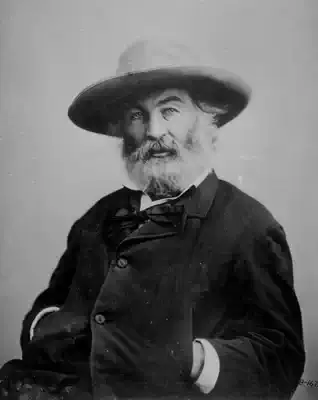
Walt Whitman
Who Is Now Reading This?
Who Is Now Reading This?
May-be one is now reading this who knows some wrong-doing of my past
life,
Or may-be a stranger is reading this who has secretly loved me,
Or may-be one who meets all my grand assumptions and egotisms with
derision,
Or may-be one who is puzzled at me.
As if I were not puzzled at myself!
Or as if I never deride myself! (O conscience-struck! O selfconvicted!)
Or as if I do not secretly love strangers! (O tenderly, a long time,
and never avow it;)
Or as if I did not see, perfectly well, interior in myself, the stuff
of wrong-doing,
Or as if it could cease transpiring from me until it must cease. 10
May-be one is now reading this who knows some wrong-doing of my past
life,
Or may-be a stranger is reading this who has secretly loved me,
Or may-be one who meets all my grand assumptions and egotisms with
derision,
Or may-be one who is puzzled at me.
As if I were not puzzled at myself!
Or as if I never deride myself! (O conscience-struck! O selfconvicted!)
Or as if I do not secretly love strangers! (O tenderly, a long time,
and never avow it;)
Or as if I did not see, perfectly well, interior in myself, the stuff
of wrong-doing,
Or as if it could cease transpiring from me until it must cease. 10
556
Walt Whitman
When Lilacs Last in the Dooryard Bloom'd
When Lilacs Last in the Dooryard Bloom'd
from Memories of President Lincoln
1
When lilacs last in the dooryard bloom'd,
And the great star early droop'd in the western sky in the night,
I mourn'd, and yet shall mourn with ever-returning spring.
Ever-returning spring, trinity sure to me you bring,
Lilac blooming perennial and drooping star in the west,
And thought of him I love.
2
O powerful western fallen star!
O shades of night -- O moody, tearful night!
O great star disappear'd -- O the black murk that hides the star!
O cruel hands that hold me powerless -- O helpless soul of me!
O harsh surrounding cloud that will not free my soul.
3
In the dooryard fronting an old farm-house near the white-wash'd palings,
Stands the lilac-bush tall-growing with heart-shaped leaves of rich green,
With many a pointed blossom rising delicate, with the perfume strong I love,
With every leaf a miracle -- and from this bush in the dooryard,
With delicate-color'd blossoms and heart-shaped leaves of rich green,
A sprig with its flower I break.
4
In the swamp in secluded recesses,
A shy and hidden bird is warbling a song.
Solitary the thrush,
The hermit withdrawn to himself, avoiding the settlements,
Sings by himself a song.
Song of the bleeding throat,
Death's outlet song of life, (for well dear brother I know,
If thou wast not granted to sing, thou would'st surely die.)
5
Over the breast of the spring, the land, amid cities,
Amid lanes and through old woods, where lately the violets peep'd from the ground,
spotting the gray debris,
Amid the grass in the fields each side of the lanes, passing the endless grass,
Passing the yellow-spear'd wheat, every grain from its shroud in the dark-brown fields
uprisen,
Passing the apple-tree blows of white and pink in the orchards,
Carrying a corpse to where it shall rest in the grave,
Night and day journeys a coffin.
6
Coffin that passes through lanes and streets,
Through day and night with the great cloud darkening the land,
With the pomp of the inloop'd flags with the cities draped in black,
With the show of the States themselves as of crepe-veil'd women standing,
With processions long and winding and the flambeaus of the night,
With the countless torches lit, with the silent sea of faces and the unbared heads,
With the waiting depot, the arriving coffin, and the sombre faces,
With dirges through the night, with the thousand voices rising strong and solemn,
With all the mournful voices of the dirges pour'd around the coffin,
The dim-lit churches and the shuddering organs -- where amid these you journey,
With the tolling bells' perpetual clang,
Here, coffin that slowly passes,
I give you a sprig of lilac.
7
(Nor for you, for one alone,
Blossoms and branches green to coffins all I bring,
For fresh as the morning, thus would I chant a song for you O sane and sacred death.
All over bouquets of roses,
O death, I cover you with roses and early lilies,
But mostly and now the lilac that blooms the first,
Copious I break, I break the sprigs from the bushes,
With loaded arms I come, pouring for you,
For you and the coffins all of you, O death.)
8
O western orb sailing the heaven,
Now I know what you must have meant as a month since I walk'd,
As I walk'd in silence the transparent shadowy night,
As I saw you had something to tell as you bent to me night after night,
As you droop'd from the sky low down as if to my side, (while the other stars all look'd
on,)
As we wander'd together the solemn night, (for something I know not what kept me
from sleep,)
As the night advanced, and I saw on the rim of the west how full you were of woe,
As I stood on the rising ground in the breeze in the cool transparent night,
As I watch'd where you pass'd and was lost in the netherward black of the night,
As my soul in its trouble dissatisfied sank, as where you sad orb,
Concluded, dropt in the night, and was gone.
9
Sing on there in the swamp,
O singer bashful and tender, I hear your notes, I hear your call,
I hear, I come presently, I understand you,
But a moment I linger, for the lustrous star has detain'd me,
The star my departing comrade holds and detains me.
10
O how shall I warble myself for the dead one there I loved?
And how shall I deck my soul for the large sweet soul that has gone?
And what shall my perfume be for the grave of him I love?
Sea-winds blown from the east and west,
Blown from the Eastern sea and blown from the Western sea, till there on the prairies
meeting,
These and with these and the breath of my chant,
I'll perfume the grave of him I love.
11
O what shall I hang on the chamber walls?
And what shall the pictures be that I hang on the walls,
To adorn the burial-house of him I love?
Pictures of growing spring and farms and homes,
With the Fourth-month eve at sundown, and the gray smoke lucid and bright,
With floods of the yellow gold of the gorgeous, indolent, sinking sun, burning,
expanding the air,
With the fresh sweet herbage under foot, and the pale green leaves of the trees
prolific,
In the distance of the flowing glaze, the breast of the river, with a wind-dapple here
and there,
With ranging hills on the banks, with many a line against the sky, and shadows,
And the city at hand with dwellings so dense, and stacks of chimneys,
And all the scenes of life and the workshops, and the workmen homeward returning.
12
Lo, body and soul -- this land,
My own Manhattan with spires, and the sparkling and hurrying tides, and the ships,
The varied and ample land, the South and the North in the light, Ohio's shores and
flashing Missouri,
And ever the far-spreading prairies cover'd with grass and corn.
Lo, the most excellent sun so calm and haughty,
The violet and purple morn with just-felt breezes,
The gentle soft-born measureless light,
The miracle spreading bathing all, the fulfill'd noon,
The coming eve delicious, the welcome night and the stars,
Over my cities shining all, enveloping man and land.
13
Sing on, sing on, you gray-brown bird,
Sing from the swamps, the recesses, pour your chant from the bushes,
Limitless out of the dusk, out of the cedars and pines.
Sing on dearest brother, warble your reedy song,
Loud human song, with voice of uttermost woe.
O liquid and free and tender!
O wild and loose to my soul -- O wondrous singer!
You only I hear -- yet the star holds me, (but will soon depart,)
Yet the lilac with mastering odor holds me.
14
Now while I sat in the day and look'd forth,
In the close of the day with its light and the fields of spring, and the farmers preparing
their crops,
In the large unconscious scenery of my land with its lakes and forests,
In the heavenly aerial beauty, (after the perturb'd winds and storms,)
Under the arching heavens of the afternoon swift passing, and the voices of children
and women,
The many-moving sea-tides, and I saw the ships how they sail'd,
And the summer approaching with richness, and the fields all busy with labor,
And the infinite separate houses, how they all went on, each with its meals and minutia
of daily usages,
And the streets how their throbbings throbb'd, and the cities pent -- lo, then and there,
Falling upon them all and among them all, enveloping me with the rest,
Appear'd the cloud, appear'd the long black trail,
And I knew death, its thought, and the sacred knowledge of death.
Then with the knowledge of death as walking one side of me,
And the thought of death close-walking the other side of me,
And I in the middle as with companions, and as holding the hands of companions,
I fled forth to the hiding receiving night that talks not,
Down to the shores of the water, the path by the swamp in the dimness,
To the solemn shadowy cedars and the ghostly pines so still.
And the singer so shy to the rest receiv'd me,
The gray-brown bird I know received us comrades three,
And he sang the carol of death, and a verse for him I love.
>From deep secluded recesses,
>From the fragrant cedars and the ghostly pines so still,
Came the carol of the bird.
And the charm of the carol rapt me,
As I held as if by their hands my comrades in the night,
And the voice of my spirit tallied the song of the bird.
Come lovely and soothing death,
Undulate round the world, serenely arriving, arriving,
In the day, in the night, to all, to each,
Sooner or later delicate death.
Prais'd be the fathomless universe,
For life and joy, and for objects and knowledge curious,
And for love, sweet love -- but praise! praise! praise!
For the sure-enwinding arms of cool-enfolding death.
Dark mother always gliding near with soft feet,
Have none chanted for thee a chant of fullest welcome?
Then I chant it for thee, I glorify thee above all,
I bring thee a song that when thou must indeed come, come unfalteringly.
Approach strong deliveress,
When it is so, when you have taken them I joyously sing the dead,
Lost in the loving floating ocean of thee,
Laved in the flood of thy bliss, O death.
From me to thee glad serenades,
Dances for thee I propose saluting thee, adornments and feastings for thee,
And the sights of the open landscape and the high-spread sky are fitting,
And life and the fields, and the huge and thoughtful night.
The night in silence under many a star,
The ocean shore and the husky whispering wave whose voice I know,
And the soul turning to thee O vast and well-veil'd death,
And the body gratefully nestling close to thee.
Over the treetops I float thee a song,
Over the rising and sinking waves, over the myriad fields and the prairies wide,
Over the dense-packed cities and all the teeming wharves and ways,
I float this carol with joy, with joy to thee O death.
15
To the tally of my soul,
Loud and strong kept up the gray-brown bird,
With pure deliberate notes spreading filling the night.
Loud in the pines and cedars dim,
Clear in the freshness moist and the swamp-perfume,
And I with my comrades there in the night.
While my sight that was bound in my eyes unclosed,
As to long panoramas of visions.
And I saw askant the armies,
I saw as in noiseless dreams hundreds of battle-flags,
Borne through the smoke of the battles and pierced with missiles I saw them,
And carried hither and yon through the smoke and torn and bloody,
And at last but a few shreds left on the staffs, (all in silence,)
And the staffs all splinter'd and broken.
I saw battle-corpses, myriads of them,
And the white skeletons of young men, I saw them,
I saw the debris and debris of all the dead soldiers of the war,
But I saw they were not as was thought,
They themselves were fully at rest, they suffer'd not,
The living remain'd and suffer'd, the mother suffer'd,
And the wife and the child and the musing comrade suffer'd,
And the armies that remain'd suffer'd.
16
Passing the visions, passing the night,
Passing, unloosing the hold of my comrades' hands,
Passing the song of the hermit bird and the tallying song of my soul,
Victorious song, death's outlet song, yet varying ever-altering song,
As low and wailing, yet clear the notes, rising and falling, flooding the night,
Sadly sinking and fainting, as warning and warning, and yet again bursting with joy,
Covering the earth and filling the spread of the heaven,
As that powerful psalm in the night I heard from recesses,
Passing, I leave thee lilac with heart-shaped leaves,
I leave thee there in the door-yard, blooming, returning with spring.
I cease from my song for thee,
From my gaze on thee in the west, fronting the west, communing with thee,
O comrade lustrous with silver face in the night.
Yet each to keep and all, retrievements out of the night,
The song, the wondrous chant of the gray-brown bird,
And the tallying chant, the echo arous'd in my soul,
With the lustrous and drooping star with the countenance full of woe,
With the holders holding my hand nearing the call of the bird,
Comrades mine and I in the midst, and their memory ever to keep for the dead I loved
so well,
For the sweetest, wisest soul of all my days and lands -- and this for his dear sake,
Lilac and star and bird twined with the chant of my soul,
There in the fragrant pines and the cedars dusk and dim.
from Memories of President Lincoln
1
When lilacs last in the dooryard bloom'd,
And the great star early droop'd in the western sky in the night,
I mourn'd, and yet shall mourn with ever-returning spring.
Ever-returning spring, trinity sure to me you bring,
Lilac blooming perennial and drooping star in the west,
And thought of him I love.
2
O powerful western fallen star!
O shades of night -- O moody, tearful night!
O great star disappear'd -- O the black murk that hides the star!
O cruel hands that hold me powerless -- O helpless soul of me!
O harsh surrounding cloud that will not free my soul.
3
In the dooryard fronting an old farm-house near the white-wash'd palings,
Stands the lilac-bush tall-growing with heart-shaped leaves of rich green,
With many a pointed blossom rising delicate, with the perfume strong I love,
With every leaf a miracle -- and from this bush in the dooryard,
With delicate-color'd blossoms and heart-shaped leaves of rich green,
A sprig with its flower I break.
4
In the swamp in secluded recesses,
A shy and hidden bird is warbling a song.
Solitary the thrush,
The hermit withdrawn to himself, avoiding the settlements,
Sings by himself a song.
Song of the bleeding throat,
Death's outlet song of life, (for well dear brother I know,
If thou wast not granted to sing, thou would'st surely die.)
5
Over the breast of the spring, the land, amid cities,
Amid lanes and through old woods, where lately the violets peep'd from the ground,
spotting the gray debris,
Amid the grass in the fields each side of the lanes, passing the endless grass,
Passing the yellow-spear'd wheat, every grain from its shroud in the dark-brown fields
uprisen,
Passing the apple-tree blows of white and pink in the orchards,
Carrying a corpse to where it shall rest in the grave,
Night and day journeys a coffin.
6
Coffin that passes through lanes and streets,
Through day and night with the great cloud darkening the land,
With the pomp of the inloop'd flags with the cities draped in black,
With the show of the States themselves as of crepe-veil'd women standing,
With processions long and winding and the flambeaus of the night,
With the countless torches lit, with the silent sea of faces and the unbared heads,
With the waiting depot, the arriving coffin, and the sombre faces,
With dirges through the night, with the thousand voices rising strong and solemn,
With all the mournful voices of the dirges pour'd around the coffin,
The dim-lit churches and the shuddering organs -- where amid these you journey,
With the tolling bells' perpetual clang,
Here, coffin that slowly passes,
I give you a sprig of lilac.
7
(Nor for you, for one alone,
Blossoms and branches green to coffins all I bring,
For fresh as the morning, thus would I chant a song for you O sane and sacred death.
All over bouquets of roses,
O death, I cover you with roses and early lilies,
But mostly and now the lilac that blooms the first,
Copious I break, I break the sprigs from the bushes,
With loaded arms I come, pouring for you,
For you and the coffins all of you, O death.)
8
O western orb sailing the heaven,
Now I know what you must have meant as a month since I walk'd,
As I walk'd in silence the transparent shadowy night,
As I saw you had something to tell as you bent to me night after night,
As you droop'd from the sky low down as if to my side, (while the other stars all look'd
on,)
As we wander'd together the solemn night, (for something I know not what kept me
from sleep,)
As the night advanced, and I saw on the rim of the west how full you were of woe,
As I stood on the rising ground in the breeze in the cool transparent night,
As I watch'd where you pass'd and was lost in the netherward black of the night,
As my soul in its trouble dissatisfied sank, as where you sad orb,
Concluded, dropt in the night, and was gone.
9
Sing on there in the swamp,
O singer bashful and tender, I hear your notes, I hear your call,
I hear, I come presently, I understand you,
But a moment I linger, for the lustrous star has detain'd me,
The star my departing comrade holds and detains me.
10
O how shall I warble myself for the dead one there I loved?
And how shall I deck my soul for the large sweet soul that has gone?
And what shall my perfume be for the grave of him I love?
Sea-winds blown from the east and west,
Blown from the Eastern sea and blown from the Western sea, till there on the prairies
meeting,
These and with these and the breath of my chant,
I'll perfume the grave of him I love.
11
O what shall I hang on the chamber walls?
And what shall the pictures be that I hang on the walls,
To adorn the burial-house of him I love?
Pictures of growing spring and farms and homes,
With the Fourth-month eve at sundown, and the gray smoke lucid and bright,
With floods of the yellow gold of the gorgeous, indolent, sinking sun, burning,
expanding the air,
With the fresh sweet herbage under foot, and the pale green leaves of the trees
prolific,
In the distance of the flowing glaze, the breast of the river, with a wind-dapple here
and there,
With ranging hills on the banks, with many a line against the sky, and shadows,
And the city at hand with dwellings so dense, and stacks of chimneys,
And all the scenes of life and the workshops, and the workmen homeward returning.
12
Lo, body and soul -- this land,
My own Manhattan with spires, and the sparkling and hurrying tides, and the ships,
The varied and ample land, the South and the North in the light, Ohio's shores and
flashing Missouri,
And ever the far-spreading prairies cover'd with grass and corn.
Lo, the most excellent sun so calm and haughty,
The violet and purple morn with just-felt breezes,
The gentle soft-born measureless light,
The miracle spreading bathing all, the fulfill'd noon,
The coming eve delicious, the welcome night and the stars,
Over my cities shining all, enveloping man and land.
13
Sing on, sing on, you gray-brown bird,
Sing from the swamps, the recesses, pour your chant from the bushes,
Limitless out of the dusk, out of the cedars and pines.
Sing on dearest brother, warble your reedy song,
Loud human song, with voice of uttermost woe.
O liquid and free and tender!
O wild and loose to my soul -- O wondrous singer!
You only I hear -- yet the star holds me, (but will soon depart,)
Yet the lilac with mastering odor holds me.
14
Now while I sat in the day and look'd forth,
In the close of the day with its light and the fields of spring, and the farmers preparing
their crops,
In the large unconscious scenery of my land with its lakes and forests,
In the heavenly aerial beauty, (after the perturb'd winds and storms,)
Under the arching heavens of the afternoon swift passing, and the voices of children
and women,
The many-moving sea-tides, and I saw the ships how they sail'd,
And the summer approaching with richness, and the fields all busy with labor,
And the infinite separate houses, how they all went on, each with its meals and minutia
of daily usages,
And the streets how their throbbings throbb'd, and the cities pent -- lo, then and there,
Falling upon them all and among them all, enveloping me with the rest,
Appear'd the cloud, appear'd the long black trail,
And I knew death, its thought, and the sacred knowledge of death.
Then with the knowledge of death as walking one side of me,
And the thought of death close-walking the other side of me,
And I in the middle as with companions, and as holding the hands of companions,
I fled forth to the hiding receiving night that talks not,
Down to the shores of the water, the path by the swamp in the dimness,
To the solemn shadowy cedars and the ghostly pines so still.
And the singer so shy to the rest receiv'd me,
The gray-brown bird I know received us comrades three,
And he sang the carol of death, and a verse for him I love.
>From deep secluded recesses,
>From the fragrant cedars and the ghostly pines so still,
Came the carol of the bird.
And the charm of the carol rapt me,
As I held as if by their hands my comrades in the night,
And the voice of my spirit tallied the song of the bird.
Come lovely and soothing death,
Undulate round the world, serenely arriving, arriving,
In the day, in the night, to all, to each,
Sooner or later delicate death.
Prais'd be the fathomless universe,
For life and joy, and for objects and knowledge curious,
And for love, sweet love -- but praise! praise! praise!
For the sure-enwinding arms of cool-enfolding death.
Dark mother always gliding near with soft feet,
Have none chanted for thee a chant of fullest welcome?
Then I chant it for thee, I glorify thee above all,
I bring thee a song that when thou must indeed come, come unfalteringly.
Approach strong deliveress,
When it is so, when you have taken them I joyously sing the dead,
Lost in the loving floating ocean of thee,
Laved in the flood of thy bliss, O death.
From me to thee glad serenades,
Dances for thee I propose saluting thee, adornments and feastings for thee,
And the sights of the open landscape and the high-spread sky are fitting,
And life and the fields, and the huge and thoughtful night.
The night in silence under many a star,
The ocean shore and the husky whispering wave whose voice I know,
And the soul turning to thee O vast and well-veil'd death,
And the body gratefully nestling close to thee.
Over the treetops I float thee a song,
Over the rising and sinking waves, over the myriad fields and the prairies wide,
Over the dense-packed cities and all the teeming wharves and ways,
I float this carol with joy, with joy to thee O death.
15
To the tally of my soul,
Loud and strong kept up the gray-brown bird,
With pure deliberate notes spreading filling the night.
Loud in the pines and cedars dim,
Clear in the freshness moist and the swamp-perfume,
And I with my comrades there in the night.
While my sight that was bound in my eyes unclosed,
As to long panoramas of visions.
And I saw askant the armies,
I saw as in noiseless dreams hundreds of battle-flags,
Borne through the smoke of the battles and pierced with missiles I saw them,
And carried hither and yon through the smoke and torn and bloody,
And at last but a few shreds left on the staffs, (all in silence,)
And the staffs all splinter'd and broken.
I saw battle-corpses, myriads of them,
And the white skeletons of young men, I saw them,
I saw the debris and debris of all the dead soldiers of the war,
But I saw they were not as was thought,
They themselves were fully at rest, they suffer'd not,
The living remain'd and suffer'd, the mother suffer'd,
And the wife and the child and the musing comrade suffer'd,
And the armies that remain'd suffer'd.
16
Passing the visions, passing the night,
Passing, unloosing the hold of my comrades' hands,
Passing the song of the hermit bird and the tallying song of my soul,
Victorious song, death's outlet song, yet varying ever-altering song,
As low and wailing, yet clear the notes, rising and falling, flooding the night,
Sadly sinking and fainting, as warning and warning, and yet again bursting with joy,
Covering the earth and filling the spread of the heaven,
As that powerful psalm in the night I heard from recesses,
Passing, I leave thee lilac with heart-shaped leaves,
I leave thee there in the door-yard, blooming, returning with spring.
I cease from my song for thee,
From my gaze on thee in the west, fronting the west, communing with thee,
O comrade lustrous with silver face in the night.
Yet each to keep and all, retrievements out of the night,
The song, the wondrous chant of the gray-brown bird,
And the tallying chant, the echo arous'd in my soul,
With the lustrous and drooping star with the countenance full of woe,
With the holders holding my hand nearing the call of the bird,
Comrades mine and I in the midst, and their memory ever to keep for the dead I loved
so well,
For the sweetest, wisest soul of all my days and lands -- and this for his dear sake,
Lilac and star and bird twined with the chant of my soul,
There in the fragrant pines and the cedars dusk and dim.
377
Walt Whitman
What General Has A Good Army
What General Has A Good Army
WHAT General has a good army in himself, has a good army;
He happy in himself, or she happy in herself, is happy,
But I tell you you cannot be happy by others, any more than you can
beget or conceive a child by others.
WHAT General has a good army in himself, has a good army;
He happy in himself, or she happy in herself, is happy,
But I tell you you cannot be happy by others, any more than you can
beget or conceive a child by others.
423
Walt Whitman
What Am I, After All?
What Am I, After All?
WHAT am I, after all, but a child, pleas'd with the sound of my own
name? repeating it over and over;
I stand apart to hear--it never tires me.
To you, your name also;
Did you think there was nothing but two or three pronunciations in
the sound of your name?
WHAT am I, after all, but a child, pleas'd with the sound of my own
name? repeating it over and over;
I stand apart to hear--it never tires me.
To you, your name also;
Did you think there was nothing but two or three pronunciations in
the sound of your name?
363
Walt Whitman
What Am I, After All?
What Am I, After All?
WHAT am I, after all, but a child, pleas'd with the sound of my own
name? repeating it over and over;
I stand apart to hear--it never tires me.
To you, your name also;
Did you think there was nothing but two or three pronunciations in
the sound of your name?
WHAT am I, after all, but a child, pleas'd with the sound of my own
name? repeating it over and over;
I stand apart to hear--it never tires me.
To you, your name also;
Did you think there was nothing but two or three pronunciations in
the sound of your name?
363
Walt Whitman
We Two-How Long We Were Fool'd
We Two-How Long We Were Fool'd
WE two--how long we were fool'd!
Now transmuted, we swiftly escape, as Nature escapes;
We are Nature--long have we been absent, but now we return;
We become plants, leaves, foliage, roots, bark;
We are bedded in the ground--we are rocks;
We are oaks--we grow in the openings side by side;
We browse--we are two among the wild herds, spontaneous as any;
We are two fishes swimming in the sea together;
We are what the locust blossoms are--we drop scent around the lanes,
mornings and evenings;
We are also the coarse smut of beasts, vegetables, minerals; 10
We are two predatory hawks--we soar above, and look down;
We are two resplendent suns--we it is who balance ourselves, orbic
and stellar--we are as two comets;
We prowl fang'd and four-footed in the woods--we spring on prey;
We are two clouds, forenoons and afternoons, driving overhead;
We are seas mingling--we are two of those cheerful waves, rolling
over each other, and interwetting each other;
We are what the atmosphere is, transparent, receptive, pervious,
impervious:
We are snow, rain, cold, darkness--we are each product and influence
of the globe;
We have circled and circled till we have arrived home again--we two
have;
We have voided all but freedom, and all but our own joy.
WE two--how long we were fool'd!
Now transmuted, we swiftly escape, as Nature escapes;
We are Nature--long have we been absent, but now we return;
We become plants, leaves, foliage, roots, bark;
We are bedded in the ground--we are rocks;
We are oaks--we grow in the openings side by side;
We browse--we are two among the wild herds, spontaneous as any;
We are two fishes swimming in the sea together;
We are what the locust blossoms are--we drop scent around the lanes,
mornings and evenings;
We are also the coarse smut of beasts, vegetables, minerals; 10
We are two predatory hawks--we soar above, and look down;
We are two resplendent suns--we it is who balance ourselves, orbic
and stellar--we are as two comets;
We prowl fang'd and four-footed in the woods--we spring on prey;
We are two clouds, forenoons and afternoons, driving overhead;
We are seas mingling--we are two of those cheerful waves, rolling
over each other, and interwetting each other;
We are what the atmosphere is, transparent, receptive, pervious,
impervious:
We are snow, rain, cold, darkness--we are each product and influence
of the globe;
We have circled and circled till we have arrived home again--we two
have;
We have voided all but freedom, and all but our own joy.
515
Walt Whitman
Warble Of Lilac-Time
Warble Of Lilac-Time
WARBLE me now, for joy of Lilac-time,
Sort me, O tongue and lips, for Nature's sake, and sweet life's
sake--and death's the same as life's,
Souvenirs of earliest summer--birds' eggs, and the first berries;
Gather the welcome signs, (as children, with pebbles, or stringing
shells;)
Put in April and May--the hylas croaking in the ponds--the elastic
air,
Bees, butterflies, the sparrow with its simple notes,
Blue-bird, and darting swallow--nor forget the high-hole flashing his
golden wings,
The tranquil sunny haze, the clinging smoke, the vapor,
Spiritual, airy insects, humming on gossamer wings,
Shimmer of waters, with fish in them--the cerulean above; 10
All that is jocund and sparkling--the brooks running,
The maple woods, the crisp February days, and the sugar-making;
The robin, where he hops, bright-eyed, brown-breasted,
With musical clear call at sunrise, and again at sunset,
Or flitting among the trees of the apple-orchard, building the nest
of his mate;
The melted snow of March--the willow sending forth its yellow-green
sprouts;
--For spring-time is here! the summer is here! and what is this in it
and from it?
Thou, Soul, unloosen'd--the restlessness after I know not what;
Come! let us lag here no longer--let us be up and away!
O for another world! O if one could but fly like a bird! 20
O to escape--to sail forth, as in a ship!
To glide with thee, O Soul, o'er all, in all, as a ship o'er the
waters!
--Gathering these hints, these preludes--the blue sky, the grass, the
morning drops of dew;
(With additional songs--every spring will I now strike up additional
songs,
Nor ever again forget, these tender days, the chants of Death as well
as Life;)
The lilac-scent, the bushes, and the dark green, heart-shaped leaves,
Wood violets, the little delicate pale blossoms called innocence,
Samples and sorts not for themselves alone, but for their atmosphere,
To tally, drench'd with them, tested by them,
Cities and artificial life, and all their sights and scenes, 30
My mind henceforth, and all its meditations--my recitatives,
My land, my age, my race, for once to serve in songs,
(Sprouts, tokens ever of death indeed the same as life,)
To grace the bush I love--to sing with the birds,
A warble for joy of Lilac-time.
WARBLE me now, for joy of Lilac-time,
Sort me, O tongue and lips, for Nature's sake, and sweet life's
sake--and death's the same as life's,
Souvenirs of earliest summer--birds' eggs, and the first berries;
Gather the welcome signs, (as children, with pebbles, or stringing
shells;)
Put in April and May--the hylas croaking in the ponds--the elastic
air,
Bees, butterflies, the sparrow with its simple notes,
Blue-bird, and darting swallow--nor forget the high-hole flashing his
golden wings,
The tranquil sunny haze, the clinging smoke, the vapor,
Spiritual, airy insects, humming on gossamer wings,
Shimmer of waters, with fish in them--the cerulean above; 10
All that is jocund and sparkling--the brooks running,
The maple woods, the crisp February days, and the sugar-making;
The robin, where he hops, bright-eyed, brown-breasted,
With musical clear call at sunrise, and again at sunset,
Or flitting among the trees of the apple-orchard, building the nest
of his mate;
The melted snow of March--the willow sending forth its yellow-green
sprouts;
--For spring-time is here! the summer is here! and what is this in it
and from it?
Thou, Soul, unloosen'd--the restlessness after I know not what;
Come! let us lag here no longer--let us be up and away!
O for another world! O if one could but fly like a bird! 20
O to escape--to sail forth, as in a ship!
To glide with thee, O Soul, o'er all, in all, as a ship o'er the
waters!
--Gathering these hints, these preludes--the blue sky, the grass, the
morning drops of dew;
(With additional songs--every spring will I now strike up additional
songs,
Nor ever again forget, these tender days, the chants of Death as well
as Life;)
The lilac-scent, the bushes, and the dark green, heart-shaped leaves,
Wood violets, the little delicate pale blossoms called innocence,
Samples and sorts not for themselves alone, but for their atmosphere,
To tally, drench'd with them, tested by them,
Cities and artificial life, and all their sights and scenes, 30
My mind henceforth, and all its meditations--my recitatives,
My land, my age, my race, for once to serve in songs,
(Sprouts, tokens ever of death indeed the same as life,)
To grace the bush I love--to sing with the birds,
A warble for joy of Lilac-time.
435
Walt Whitman
Virgil Strange I Kept On The Field
Virgil Strange I Kept On The Field
VIGIL strange I kept on the field one night:
When you, my son and my comrade, dropt at my side that day,
One look I but gave, which your dear eyes return'd, with a look I
shall never forget;
One touch of your hand to mine, O boy, reach'd up as you lay on the
ground;
Then onward I sped in the battle, the even-contested battle;
Till late in the night reliev'd, to the place at last again I made my
way;
Found you in death so cold, dear comrade--found your body, son of
responding kisses, (never again on earth responding;)
Bared your face in the starlight--curious the scene--cool blew the
moderate night-wind;
Long there and then in vigil I stood, dimly around me the battlefield
spreading;
Vigil wondrous and vigil sweet, there in the fragrant silent
night; 10
But not a tear fell, not even a long-drawn sigh--Long, long I gazed;
Then on the earth partially reclining, sat by your side, leaning my
chin in my hands;
Passing sweet hours, immortal and mystic hours with you, dearest
comrade--Not a tear, not a word;
Vigil of silence, love and death--vigil for you my son and my
soldier,
As onward silently stars aloft, eastward new ones upward stole;
Vigil final for you, brave boy, (I could not save you, swift was your
death,
I faithfully loved you and cared for you living--I think we shall
surely meet again;)
Till at latest lingering of the night, indeed just as the dawn
appear'd,
My comrade I wrapt in his blanket, envelop'd well his form,
Folded the blanket well, tucking it carefully over head, and
carefully under feet; 20
And there and then, and bathed by the rising sun, my son in his
grave, in his rude-dug grave I deposited;
Ending my vigil strange with that--vigil of night and battlefield
dim;
Vigil for boy of responding kisses, (never again on earth
responding;)
Vigil for comrade swiftly slain--vigil I never forget, how as day
brighten'd,
I rose from the chill ground, and folded my soldier well in his
blanket,
And buried him where he fell.
VIGIL strange I kept on the field one night:
When you, my son and my comrade, dropt at my side that day,
One look I but gave, which your dear eyes return'd, with a look I
shall never forget;
One touch of your hand to mine, O boy, reach'd up as you lay on the
ground;
Then onward I sped in the battle, the even-contested battle;
Till late in the night reliev'd, to the place at last again I made my
way;
Found you in death so cold, dear comrade--found your body, son of
responding kisses, (never again on earth responding;)
Bared your face in the starlight--curious the scene--cool blew the
moderate night-wind;
Long there and then in vigil I stood, dimly around me the battlefield
spreading;
Vigil wondrous and vigil sweet, there in the fragrant silent
night; 10
But not a tear fell, not even a long-drawn sigh--Long, long I gazed;
Then on the earth partially reclining, sat by your side, leaning my
chin in my hands;
Passing sweet hours, immortal and mystic hours with you, dearest
comrade--Not a tear, not a word;
Vigil of silence, love and death--vigil for you my son and my
soldier,
As onward silently stars aloft, eastward new ones upward stole;
Vigil final for you, brave boy, (I could not save you, swift was your
death,
I faithfully loved you and cared for you living--I think we shall
surely meet again;)
Till at latest lingering of the night, indeed just as the dawn
appear'd,
My comrade I wrapt in his blanket, envelop'd well his form,
Folded the blanket well, tucking it carefully over head, and
carefully under feet; 20
And there and then, and bathed by the rising sun, my son in his
grave, in his rude-dug grave I deposited;
Ending my vigil strange with that--vigil of night and battlefield
dim;
Vigil for boy of responding kisses, (never again on earth
responding;)
Vigil for comrade swiftly slain--vigil I never forget, how as day
brighten'd,
I rose from the chill ground, and folded my soldier well in his
blanket,
And buried him where he fell.
388
Walt Whitman
Visor'd
Visor'd
A MASK--a perpetual natural disguiser of herself,
Concealing her face, concealing her form,
Changes and transformations every hour, every moment,
Falling upon her even when she sleeps.
A MASK--a perpetual natural disguiser of herself,
Concealing her face, concealing her form,
Changes and transformations every hour, every moment,
Falling upon her even when she sleeps.
368
Walt Whitman
Turn, O Libertad
Turn, O Libertad
TURN, O Libertad, for the war is over,
(From it and all henceforth expanding, doubting no more, resolute,
sweeping the world,)
Turn from lands retrospective, recording proofs of the past;
From the singers that sing the trailing glories of the past;
From the chants of the feudal world--the triumphs of kings, slavery,
caste;
Turn to the world, the triumphs reserv'd and to come--give up that
backward world;
Leave to the singers of hitherto--give them the trailing past;
But what remains, remains for singers for you--wars to come are for
you;
(Lo! how the wars of the past have duly inured to you--and the wars
of the present also inure:)
--Then turn, and be not alarm'd, O Libertad--turn your undying
face, 10
To where the future, greater than all the past,
Is swiftly, surely preparing for you.
TURN, O Libertad, for the war is over,
(From it and all henceforth expanding, doubting no more, resolute,
sweeping the world,)
Turn from lands retrospective, recording proofs of the past;
From the singers that sing the trailing glories of the past;
From the chants of the feudal world--the triumphs of kings, slavery,
caste;
Turn to the world, the triumphs reserv'd and to come--give up that
backward world;
Leave to the singers of hitherto--give them the trailing past;
But what remains, remains for singers for you--wars to come are for
you;
(Lo! how the wars of the past have duly inured to you--and the wars
of the present also inure:)
--Then turn, and be not alarm'd, O Libertad--turn your undying
face, 10
To where the future, greater than all the past,
Is swiftly, surely preparing for you.
497
Walt Whitman
Turn, O Libertad
Turn, O Libertad
TURN, O Libertad, for the war is over,
(From it and all henceforth expanding, doubting no more, resolute,
sweeping the world,)
Turn from lands retrospective, recording proofs of the past;
From the singers that sing the trailing glories of the past;
From the chants of the feudal world--the triumphs of kings, slavery,
caste;
Turn to the world, the triumphs reserv'd and to come--give up that
backward world;
Leave to the singers of hitherto--give them the trailing past;
But what remains, remains for singers for you--wars to come are for
you;
(Lo! how the wars of the past have duly inured to you--and the wars
of the present also inure:)
--Then turn, and be not alarm'd, O Libertad--turn your undying
face, 10
To where the future, greater than all the past,
Is swiftly, surely preparing for you.
TURN, O Libertad, for the war is over,
(From it and all henceforth expanding, doubting no more, resolute,
sweeping the world,)
Turn from lands retrospective, recording proofs of the past;
From the singers that sing the trailing glories of the past;
From the chants of the feudal world--the triumphs of kings, slavery,
caste;
Turn to the world, the triumphs reserv'd and to come--give up that
backward world;
Leave to the singers of hitherto--give them the trailing past;
But what remains, remains for singers for you--wars to come are for
you;
(Lo! how the wars of the past have duly inured to you--and the wars
of the present also inure:)
--Then turn, and be not alarm'd, O Libertad--turn your undying
face, 10
To where the future, greater than all the past,
Is swiftly, surely preparing for you.
497
Walt Whitman
To Old Age
To Old Age
I SEE in you the estuary that enlarges and spreads itself grandly as
it pours in the great Sea.
I SEE in you the estuary that enlarges and spreads itself grandly as
it pours in the great Sea.
425
Walt Whitman
To Old Age
To Old Age
I SEE in you the estuary that enlarges and spreads itself grandly as
it pours in the great Sea.
I SEE in you the estuary that enlarges and spreads itself grandly as
it pours in the great Sea.
425
Walt Whitman
To Oratists
To Oratists
TO ORATISTS--to male or female,
Vocalism, measure, concentration, determination, and the divine power
to use words.
Are you full-lung'd and limber-lipp'd from long trial? from vigorous
practice? from physique?
Do you move in these broad lands as broad as they?
Come duly to the divine power to use words?
For only at last, after many years--after chastity, friendship,
procreation, prudence, and nakedness;
After treading ground and breasting river and lake;
After a loosen'd throat--after absorbing eras, temperaments, races-
after knowledge, freedom, crimes;
After complete faith--after clarifyings, elevations, and removing
obstructions;
After these, and more, it is just possible there comes to a man, a
woman, the divine power to use words. 10
Then toward that man or that woman, swiftly hasten all--None refuse,
all attend;
Armies, ships, antiquities, the dead, libraries, paintings, machines,
cities, hate, despair, amity, pain, theft, murder, aspiration,
form in close ranks;
They debouch as they are wanted to march obediently through the mouth
of that man, or that woman.
.... O I see arise orators fit for inland America;
And I see it is as slow to become an orator as to become a man;
And I see that all power is folded in a great vocalism.
Of a great vocalism, the merciless light thereof shall pour, and the
storm rage,
Every flash shall be a revelation, an insult,
The glaring flame on depths, on heights, on suns, on stars,
On the interior and exterior of man or woman, 20
On the laws of Nature--on passive materials,
On what you called death--(and what to you therefore was death,
As far as there can be death.)
TO ORATISTS--to male or female,
Vocalism, measure, concentration, determination, and the divine power
to use words.
Are you full-lung'd and limber-lipp'd from long trial? from vigorous
practice? from physique?
Do you move in these broad lands as broad as they?
Come duly to the divine power to use words?
For only at last, after many years--after chastity, friendship,
procreation, prudence, and nakedness;
After treading ground and breasting river and lake;
After a loosen'd throat--after absorbing eras, temperaments, races-
after knowledge, freedom, crimes;
After complete faith--after clarifyings, elevations, and removing
obstructions;
After these, and more, it is just possible there comes to a man, a
woman, the divine power to use words. 10
Then toward that man or that woman, swiftly hasten all--None refuse,
all attend;
Armies, ships, antiquities, the dead, libraries, paintings, machines,
cities, hate, despair, amity, pain, theft, murder, aspiration,
form in close ranks;
They debouch as they are wanted to march obediently through the mouth
of that man, or that woman.
.... O I see arise orators fit for inland America;
And I see it is as slow to become an orator as to become a man;
And I see that all power is folded in a great vocalism.
Of a great vocalism, the merciless light thereof shall pour, and the
storm rage,
Every flash shall be a revelation, an insult,
The glaring flame on depths, on heights, on suns, on stars,
On the interior and exterior of man or woman, 20
On the laws of Nature--on passive materials,
On what you called death--(and what to you therefore was death,
As far as there can be death.)
490
Walt Whitman
To A Stranger
To A Stranger
PASSING stranger! you do not know how longingly I look upon you,
You must be he I was seeking, or she I was seeking, (it comes to me,
as of a dream,)
I have somewhere surely lived a life of joy with you,
All is recall'd as we flit by each other, fluid, affectionate,
chaste, matured,
You grew up with me, were a boy with me, or a girl with me,
I ate with you, and slept with you--your body has become not yours
only, nor left my body mine only,
You give me the pleasure of your eyes, face, flesh, as we pass--you
take of my beard, breast, hands, in return,
I am not to speak to you--I am to think of you when I sit alone, or
wake at night alone,
I am to wait--I do not doubt I am to meet you again,
I am to see to it that I do not lose you. 10
PASSING stranger! you do not know how longingly I look upon you,
You must be he I was seeking, or she I was seeking, (it comes to me,
as of a dream,)
I have somewhere surely lived a life of joy with you,
All is recall'd as we flit by each other, fluid, affectionate,
chaste, matured,
You grew up with me, were a boy with me, or a girl with me,
I ate with you, and slept with you--your body has become not yours
only, nor left my body mine only,
You give me the pleasure of your eyes, face, flesh, as we pass--you
take of my beard, breast, hands, in return,
I am not to speak to you--I am to think of you when I sit alone, or
wake at night alone,
I am to wait--I do not doubt I am to meet you again,
I am to see to it that I do not lose you. 10
487
Walt Whitman
To A Historian
To A Historian
YOU who celebrate bygones!
Who have explored the outward, the surfaces of the races--the life
that has exhibited itself;
Who have treated of man as the creature of politics, aggregates,
rulers and priests;
I, habitan of the Alleghanies, treating of him as he is in himself,
in his own rights,
Pressing the pulse of the life that has seldom exhibited itself, (the
great pride of man in himself;)
Chanter of Personality, outlining what is yet to be,
I project the history of the future.
YOU who celebrate bygones!
Who have explored the outward, the surfaces of the races--the life
that has exhibited itself;
Who have treated of man as the creature of politics, aggregates,
rulers and priests;
I, habitan of the Alleghanies, treating of him as he is in himself,
in his own rights,
Pressing the pulse of the life that has seldom exhibited itself, (the
great pride of man in himself;)
Chanter of Personality, outlining what is yet to be,
I project the history of the future.
436
Walt Whitman
To A Historian
To A Historian
YOU who celebrate bygones!
Who have explored the outward, the surfaces of the races--the life
that has exhibited itself;
Who have treated of man as the creature of politics, aggregates,
rulers and priests;
I, habitan of the Alleghanies, treating of him as he is in himself,
in his own rights,
Pressing the pulse of the life that has seldom exhibited itself, (the
great pride of man in himself;)
Chanter of Personality, outlining what is yet to be,
I project the history of the future.
YOU who celebrate bygones!
Who have explored the outward, the surfaces of the races--the life
that has exhibited itself;
Who have treated of man as the creature of politics, aggregates,
rulers and priests;
I, habitan of the Alleghanies, treating of him as he is in himself,
in his own rights,
Pressing the pulse of the life that has seldom exhibited itself, (the
great pride of man in himself;)
Chanter of Personality, outlining what is yet to be,
I project the history of the future.
436
Walt Whitman
To A Historian
To A Historian
YOU who celebrate bygones!
Who have explored the outward, the surfaces of the races--the life
that has exhibited itself;
Who have treated of man as the creature of politics, aggregates,
rulers and priests;
I, habitan of the Alleghanies, treating of him as he is in himself,
in his own rights,
Pressing the pulse of the life that has seldom exhibited itself, (the
great pride of man in himself;)
Chanter of Personality, outlining what is yet to be,
I project the history of the future.
YOU who celebrate bygones!
Who have explored the outward, the surfaces of the races--the life
that has exhibited itself;
Who have treated of man as the creature of politics, aggregates,
rulers and priests;
I, habitan of the Alleghanies, treating of him as he is in himself,
in his own rights,
Pressing the pulse of the life that has seldom exhibited itself, (the
great pride of man in himself;)
Chanter of Personality, outlining what is yet to be,
I project the history of the future.
436
Walt Whitman
This Compost
This Compost
SOMETHING startles me where I thought I was safest;
I withdraw from the still woods I loved;
I will not go now on the pastures to walk;
I will not strip the clothes from my body to meet my lover the sea;
I will not touch my flesh to the earth, as to other flesh, to renew
me.
O how can it be that the ground does not sicken?
How can you be alive, you growths of spring?
How can you furnish health, you blood of herbs, roots, orchards,
grain?
Are they not continually putting distemper'd corpses within you?
Is not every continent work'd over and over with sour dead? 10
Where have you disposed of their carcasses?
Those drunkards and gluttons of so many generations;
Where have you drawn off all the foul liquid and meat?
I do not see any of it upon you to-day--or perhaps I am deceiv'd;
I will run a furrow with my plough--I will press my spade through the
sod, and turn it up underneath;
I am sure I shall expose some of the foul meat.
Behold this compost! behold it well!
Perhaps every mite has once form'd part of a sick person--Yet behold!
The grass of spring covers the prairies,
The bean bursts noislessly through the mould in the garden, 20
The delicate spear of the onion pierces upward,
The apple-buds cluster together on the apple-branches,
The resurrection of the wheat appears with pale visage out of its
graves,
The tinge awakes over the willow-tree and the mulberry-tree,
The he-birds carol mornings and evenings, while the she-birds sit on
their nests,
The young of poultry break through the hatch'd eggs,
The new-born of animals appear--the calf is dropt from the cow, the
colt from the mare,
Out of its little hill faithfully rise the potato's dark green
leaves,
Out of its hill rises the yellow maize-stalk--the lilacs bloom in the
door-yards;
The summer growth is innocent and disdainful above all those strata
of sour dead. 30
What chemistry!
That the winds are really not infectious,
That this is no cheat, this transparent green-wash of the sea, which
is so amorous after me,
That it is safe to allow it to lick my naked body all over with its
tongues,
That it will not endanger me with the fevers that have deposited
themselves in it,
That all is clean forever and forever.
That the cool drink from the well tastes so good,
That blackberries are so flavorous and juicy,
That the fruits of the apple-orchard, and of the orange-orchard--that
melons, grapes, peaches, plums, will none of them poison me,
That when I recline on the grass I do not catch any disease, 40
Though probably every spear of grass rises out of what was once a
catching disease.
Now I am terrified at the Earth! it is that calm and patient,
It grows such sweet things out of such corruptions,
It turns harmless and stainless on its axis, with such endless
successions of diseas'd corpses,
It distils such exquisite winds out of such infused fetor,
It renews with such unwitting looks, its prodigal, annual, sumptuous
crops,
It gives such divine materials to men, and accepts such leavings from
them at last.
SOMETHING startles me where I thought I was safest;
I withdraw from the still woods I loved;
I will not go now on the pastures to walk;
I will not strip the clothes from my body to meet my lover the sea;
I will not touch my flesh to the earth, as to other flesh, to renew
me.
O how can it be that the ground does not sicken?
How can you be alive, you growths of spring?
How can you furnish health, you blood of herbs, roots, orchards,
grain?
Are they not continually putting distemper'd corpses within you?
Is not every continent work'd over and over with sour dead? 10
Where have you disposed of their carcasses?
Those drunkards and gluttons of so many generations;
Where have you drawn off all the foul liquid and meat?
I do not see any of it upon you to-day--or perhaps I am deceiv'd;
I will run a furrow with my plough--I will press my spade through the
sod, and turn it up underneath;
I am sure I shall expose some of the foul meat.
Behold this compost! behold it well!
Perhaps every mite has once form'd part of a sick person--Yet behold!
The grass of spring covers the prairies,
The bean bursts noislessly through the mould in the garden, 20
The delicate spear of the onion pierces upward,
The apple-buds cluster together on the apple-branches,
The resurrection of the wheat appears with pale visage out of its
graves,
The tinge awakes over the willow-tree and the mulberry-tree,
The he-birds carol mornings and evenings, while the she-birds sit on
their nests,
The young of poultry break through the hatch'd eggs,
The new-born of animals appear--the calf is dropt from the cow, the
colt from the mare,
Out of its little hill faithfully rise the potato's dark green
leaves,
Out of its hill rises the yellow maize-stalk--the lilacs bloom in the
door-yards;
The summer growth is innocent and disdainful above all those strata
of sour dead. 30
What chemistry!
That the winds are really not infectious,
That this is no cheat, this transparent green-wash of the sea, which
is so amorous after me,
That it is safe to allow it to lick my naked body all over with its
tongues,
That it will not endanger me with the fevers that have deposited
themselves in it,
That all is clean forever and forever.
That the cool drink from the well tastes so good,
That blackberries are so flavorous and juicy,
That the fruits of the apple-orchard, and of the orange-orchard--that
melons, grapes, peaches, plums, will none of them poison me,
That when I recline on the grass I do not catch any disease, 40
Though probably every spear of grass rises out of what was once a
catching disease.
Now I am terrified at the Earth! it is that calm and patient,
It grows such sweet things out of such corruptions,
It turns harmless and stainless on its axis, with such endless
successions of diseas'd corpses,
It distils such exquisite winds out of such infused fetor,
It renews with such unwitting looks, its prodigal, annual, sumptuous
crops,
It gives such divine materials to men, and accepts such leavings from
them at last.
458
Walt Whitman
This Compost
This Compost
SOMETHING startles me where I thought I was safest;
I withdraw from the still woods I loved;
I will not go now on the pastures to walk;
I will not strip the clothes from my body to meet my lover the sea;
I will not touch my flesh to the earth, as to other flesh, to renew
me.
O how can it be that the ground does not sicken?
How can you be alive, you growths of spring?
How can you furnish health, you blood of herbs, roots, orchards,
grain?
Are they not continually putting distemper'd corpses within you?
Is not every continent work'd over and over with sour dead? 10
Where have you disposed of their carcasses?
Those drunkards and gluttons of so many generations;
Where have you drawn off all the foul liquid and meat?
I do not see any of it upon you to-day--or perhaps I am deceiv'd;
I will run a furrow with my plough--I will press my spade through the
sod, and turn it up underneath;
I am sure I shall expose some of the foul meat.
Behold this compost! behold it well!
Perhaps every mite has once form'd part of a sick person--Yet behold!
The grass of spring covers the prairies,
The bean bursts noislessly through the mould in the garden, 20
The delicate spear of the onion pierces upward,
The apple-buds cluster together on the apple-branches,
The resurrection of the wheat appears with pale visage out of its
graves,
The tinge awakes over the willow-tree and the mulberry-tree,
The he-birds carol mornings and evenings, while the she-birds sit on
their nests,
The young of poultry break through the hatch'd eggs,
The new-born of animals appear--the calf is dropt from the cow, the
colt from the mare,
Out of its little hill faithfully rise the potato's dark green
leaves,
Out of its hill rises the yellow maize-stalk--the lilacs bloom in the
door-yards;
The summer growth is innocent and disdainful above all those strata
of sour dead. 30
What chemistry!
That the winds are really not infectious,
That this is no cheat, this transparent green-wash of the sea, which
is so amorous after me,
That it is safe to allow it to lick my naked body all over with its
tongues,
That it will not endanger me with the fevers that have deposited
themselves in it,
That all is clean forever and forever.
That the cool drink from the well tastes so good,
That blackberries are so flavorous and juicy,
That the fruits of the apple-orchard, and of the orange-orchard--that
melons, grapes, peaches, plums, will none of them poison me,
That when I recline on the grass I do not catch any disease, 40
Though probably every spear of grass rises out of what was once a
catching disease.
Now I am terrified at the Earth! it is that calm and patient,
It grows such sweet things out of such corruptions,
It turns harmless and stainless on its axis, with such endless
successions of diseas'd corpses,
It distils such exquisite winds out of such infused fetor,
It renews with such unwitting looks, its prodigal, annual, sumptuous
crops,
It gives such divine materials to men, and accepts such leavings from
them at last.
SOMETHING startles me where I thought I was safest;
I withdraw from the still woods I loved;
I will not go now on the pastures to walk;
I will not strip the clothes from my body to meet my lover the sea;
I will not touch my flesh to the earth, as to other flesh, to renew
me.
O how can it be that the ground does not sicken?
How can you be alive, you growths of spring?
How can you furnish health, you blood of herbs, roots, orchards,
grain?
Are they not continually putting distemper'd corpses within you?
Is not every continent work'd over and over with sour dead? 10
Where have you disposed of their carcasses?
Those drunkards and gluttons of so many generations;
Where have you drawn off all the foul liquid and meat?
I do not see any of it upon you to-day--or perhaps I am deceiv'd;
I will run a furrow with my plough--I will press my spade through the
sod, and turn it up underneath;
I am sure I shall expose some of the foul meat.
Behold this compost! behold it well!
Perhaps every mite has once form'd part of a sick person--Yet behold!
The grass of spring covers the prairies,
The bean bursts noislessly through the mould in the garden, 20
The delicate spear of the onion pierces upward,
The apple-buds cluster together on the apple-branches,
The resurrection of the wheat appears with pale visage out of its
graves,
The tinge awakes over the willow-tree and the mulberry-tree,
The he-birds carol mornings and evenings, while the she-birds sit on
their nests,
The young of poultry break through the hatch'd eggs,
The new-born of animals appear--the calf is dropt from the cow, the
colt from the mare,
Out of its little hill faithfully rise the potato's dark green
leaves,
Out of its hill rises the yellow maize-stalk--the lilacs bloom in the
door-yards;
The summer growth is innocent and disdainful above all those strata
of sour dead. 30
What chemistry!
That the winds are really not infectious,
That this is no cheat, this transparent green-wash of the sea, which
is so amorous after me,
That it is safe to allow it to lick my naked body all over with its
tongues,
That it will not endanger me with the fevers that have deposited
themselves in it,
That all is clean forever and forever.
That the cool drink from the well tastes so good,
That blackberries are so flavorous and juicy,
That the fruits of the apple-orchard, and of the orange-orchard--that
melons, grapes, peaches, plums, will none of them poison me,
That when I recline on the grass I do not catch any disease, 40
Though probably every spear of grass rises out of what was once a
catching disease.
Now I am terrified at the Earth! it is that calm and patient,
It grows such sweet things out of such corruptions,
It turns harmless and stainless on its axis, with such endless
successions of diseas'd corpses,
It distils such exquisite winds out of such infused fetor,
It renews with such unwitting looks, its prodigal, annual, sumptuous
crops,
It gives such divine materials to men, and accepts such leavings from
them at last.
458
Walt Whitman
This Compost
This Compost
SOMETHING startles me where I thought I was safest;
I withdraw from the still woods I loved;
I will not go now on the pastures to walk;
I will not strip the clothes from my body to meet my lover the sea;
I will not touch my flesh to the earth, as to other flesh, to renew
me.
O how can it be that the ground does not sicken?
How can you be alive, you growths of spring?
How can you furnish health, you blood of herbs, roots, orchards,
grain?
Are they not continually putting distemper'd corpses within you?
Is not every continent work'd over and over with sour dead? 10
Where have you disposed of their carcasses?
Those drunkards and gluttons of so many generations;
Where have you drawn off all the foul liquid and meat?
I do not see any of it upon you to-day--or perhaps I am deceiv'd;
I will run a furrow with my plough--I will press my spade through the
sod, and turn it up underneath;
I am sure I shall expose some of the foul meat.
Behold this compost! behold it well!
Perhaps every mite has once form'd part of a sick person--Yet behold!
The grass of spring covers the prairies,
The bean bursts noislessly through the mould in the garden, 20
The delicate spear of the onion pierces upward,
The apple-buds cluster together on the apple-branches,
The resurrection of the wheat appears with pale visage out of its
graves,
The tinge awakes over the willow-tree and the mulberry-tree,
The he-birds carol mornings and evenings, while the she-birds sit on
their nests,
The young of poultry break through the hatch'd eggs,
The new-born of animals appear--the calf is dropt from the cow, the
colt from the mare,
Out of its little hill faithfully rise the potato's dark green
leaves,
Out of its hill rises the yellow maize-stalk--the lilacs bloom in the
door-yards;
The summer growth is innocent and disdainful above all those strata
of sour dead. 30
What chemistry!
That the winds are really not infectious,
That this is no cheat, this transparent green-wash of the sea, which
is so amorous after me,
That it is safe to allow it to lick my naked body all over with its
tongues,
That it will not endanger me with the fevers that have deposited
themselves in it,
That all is clean forever and forever.
That the cool drink from the well tastes so good,
That blackberries are so flavorous and juicy,
That the fruits of the apple-orchard, and of the orange-orchard--that
melons, grapes, peaches, plums, will none of them poison me,
That when I recline on the grass I do not catch any disease, 40
Though probably every spear of grass rises out of what was once a
catching disease.
Now I am terrified at the Earth! it is that calm and patient,
It grows such sweet things out of such corruptions,
It turns harmless and stainless on its axis, with such endless
successions of diseas'd corpses,
It distils such exquisite winds out of such infused fetor,
It renews with such unwitting looks, its prodigal, annual, sumptuous
crops,
It gives such divine materials to men, and accepts such leavings from
them at last.
SOMETHING startles me where I thought I was safest;
I withdraw from the still woods I loved;
I will not go now on the pastures to walk;
I will not strip the clothes from my body to meet my lover the sea;
I will not touch my flesh to the earth, as to other flesh, to renew
me.
O how can it be that the ground does not sicken?
How can you be alive, you growths of spring?
How can you furnish health, you blood of herbs, roots, orchards,
grain?
Are they not continually putting distemper'd corpses within you?
Is not every continent work'd over and over with sour dead? 10
Where have you disposed of their carcasses?
Those drunkards and gluttons of so many generations;
Where have you drawn off all the foul liquid and meat?
I do not see any of it upon you to-day--or perhaps I am deceiv'd;
I will run a furrow with my plough--I will press my spade through the
sod, and turn it up underneath;
I am sure I shall expose some of the foul meat.
Behold this compost! behold it well!
Perhaps every mite has once form'd part of a sick person--Yet behold!
The grass of spring covers the prairies,
The bean bursts noislessly through the mould in the garden, 20
The delicate spear of the onion pierces upward,
The apple-buds cluster together on the apple-branches,
The resurrection of the wheat appears with pale visage out of its
graves,
The tinge awakes over the willow-tree and the mulberry-tree,
The he-birds carol mornings and evenings, while the she-birds sit on
their nests,
The young of poultry break through the hatch'd eggs,
The new-born of animals appear--the calf is dropt from the cow, the
colt from the mare,
Out of its little hill faithfully rise the potato's dark green
leaves,
Out of its hill rises the yellow maize-stalk--the lilacs bloom in the
door-yards;
The summer growth is innocent and disdainful above all those strata
of sour dead. 30
What chemistry!
That the winds are really not infectious,
That this is no cheat, this transparent green-wash of the sea, which
is so amorous after me,
That it is safe to allow it to lick my naked body all over with its
tongues,
That it will not endanger me with the fevers that have deposited
themselves in it,
That all is clean forever and forever.
That the cool drink from the well tastes so good,
That blackberries are so flavorous and juicy,
That the fruits of the apple-orchard, and of the orange-orchard--that
melons, grapes, peaches, plums, will none of them poison me,
That when I recline on the grass I do not catch any disease, 40
Though probably every spear of grass rises out of what was once a
catching disease.
Now I am terrified at the Earth! it is that calm and patient,
It grows such sweet things out of such corruptions,
It turns harmless and stainless on its axis, with such endless
successions of diseas'd corpses,
It distils such exquisite winds out of such infused fetor,
It renews with such unwitting looks, its prodigal, annual, sumptuous
crops,
It gives such divine materials to men, and accepts such leavings from
them at last.
458
Walt Whitman
These Carols
These Carols
THESE Carols, sung to cheer my passage through the world I see,
For completion, I dedicate to the Invisible World.
THESE Carols, sung to cheer my passage through the world I see,
For completion, I dedicate to the Invisible World.
417
Walt Whitman
Thick-Sprinkled Bunting
Thick-Sprinkled Bunting
THICK-SPRINKLED bunting! Flag of stars!
Long yet your road, fateful flag!--long yet your road, and lined with
bloody death!
For the prize I see at issue, at last is the world!
All its ships and shores I see, interwoven with your threads, greedy
banner!
--Dream'd again the flags of kings, highest born, to flaunt
unrival'd?
O hasten, flag of man! O with sure and steady step, passing highest
flags of kings,
Walk supreme to the heavens, mighty symbol--run up above them all,
Flag of stars! thick-sprinkled bunting!
THICK-SPRINKLED bunting! Flag of stars!
Long yet your road, fateful flag!--long yet your road, and lined with
bloody death!
For the prize I see at issue, at last is the world!
All its ships and shores I see, interwoven with your threads, greedy
banner!
--Dream'd again the flags of kings, highest born, to flaunt
unrival'd?
O hasten, flag of man! O with sure and steady step, passing highest
flags of kings,
Walk supreme to the heavens, mighty symbol--run up above them all,
Flag of stars! thick-sprinkled bunting!
410
Walt Whitman
The Wound Dresser
The Wound Dresser
1
AN old man bending, I come, among new faces,
Years looking backward, resuming, in answer to children,
Come tell us, old man, as from young men and maidens that love me;
(Arous'd and angry, I'd thought to beat the alarum, and urge relentless war,
but soon my fingers fail'd me, my face droop'd and I resign'd myself,
To sit by the wounded and soothe them, or silently watch the dead
Years hence of these scenes, of these furious passions, these chances,
Of unsurpass’d heroes, (was one side so brave? the other was equally brave
Now be witness again—paint the mightiest armies of earth;
Of those armies so rapid, so wondrous, what saw you to tell us?
What stays with you latest and deepest? of curious panics,
Of hard-fought engagements, or sieges tremendous, what deepest remains?
2
O maidens and young men I love, and that love me,
What you ask of my days, those the strangest and sudden your talking recalls;
Soldier alert I arrive, after a long march, cover’d with sweat and dust;
In the nick of time I come, plunge in the fight, loudly shout in the rush of successful
charge;
Enter the captur’d works.... yet lo! like a swift-running river, they fade;
Pass and are gone, they fade—I dwell not on soldiers’ perils or soldiers’ joys;
(Both I remember well—many the hardships, few the joys, yet I was content.)
But in silence, in dreams’ projections,
While the world of gain and appearance and mirth goes on,
So soon what is over forgotten, and waves wash the imprints off the sand,
With hinged knees returning, I enter the doors—(while for you up there,
Whoever you are, follow me without noise, and be of strong heart.)
3
Bearing the bandages, water and sponge,
Straight and swift to my wounded I go,
Where they lie on the ground, after the battle brought in;
Where their priceless blood reddens the grass, the ground;
Or to the rows of the hospital tent, or under the roof’d hospital;
To the long rows of cots, up and down, each side, I return;
To each and all, one after another, I draw near—not one do I miss;
An attendant follows, holding a tray—he carries a refuse pail,
Soon to be fill’d with clotted rags and blood, emptied and fill’d again.
I onward go, I stop,
With hinged knees and steady hand, to dress wounds;
I am firm with each—the pangs are sharp, yet unavoidable;
One turns to me his appealing eyes—(poor boy! I never knew you,
Yet I think I could not refuse this moment to die for you, if that would save you.)
On, on I go!—(open doors of time! open hospital doors!)
The crush’d head I dress, (poor crazed hand, tear not the bandage away
The neck of the cavalry-man, with the bullet through and through, I examine;
Hard the breathing rattles, quite glazed already the eye, yet life struggles hard;
(Come, sweet death! be persuaded, O beautiful death!
In mercy come quickly.)
From the stump of the arm, the amputated hand,
I undo the clotted lint, remove the slough, wash off the matter and blood;
Back on his pillow the soldier bends, with curv’d neck, and side-falling head;
His eyes are closed, his face is pale, he dares not look on the bloody stump,
And has not yet look’d on it.
I dress a wound in the side, deep, deep;
But a day or two more—for see, the frame all wasted already, and sinking,
And the yellow-blue countenance see.
I dress the perforated shoulder, the foot with the bullet wound,
Cleanse the one with a gnawing and putrid gangrene, so sickening, so offensive,
While the attendant stands behind aside me, holding the tray and pail.
I am faithful, I do not give out;
The fractur’d thigh, the knee, the wound in the abdomen,
These and more I dress with impassive hand, (yet deep in my breast a fire, a burning
flame.)
4
Thus in silence, in dreams’ projections,
Returning, resuming, I thread my way through the hospitals;
The hurt and wounded I pacify with soothing hand,
I sit by the restless all the dark night—some are so young;
Some suffer so much—I recall the experience sweet and sad;
(Many a soldier’s loving arms about this neck have cross’d and rested,
Many a soldier’s kiss dwells on these bearded lips.)
1
AN old man bending, I come, among new faces,
Years looking backward, resuming, in answer to children,
Come tell us, old man, as from young men and maidens that love me;
(Arous'd and angry, I'd thought to beat the alarum, and urge relentless war,
but soon my fingers fail'd me, my face droop'd and I resign'd myself,
To sit by the wounded and soothe them, or silently watch the dead
Years hence of these scenes, of these furious passions, these chances,
Of unsurpass’d heroes, (was one side so brave? the other was equally brave
Now be witness again—paint the mightiest armies of earth;
Of those armies so rapid, so wondrous, what saw you to tell us?
What stays with you latest and deepest? of curious panics,
Of hard-fought engagements, or sieges tremendous, what deepest remains?
2
O maidens and young men I love, and that love me,
What you ask of my days, those the strangest and sudden your talking recalls;
Soldier alert I arrive, after a long march, cover’d with sweat and dust;
In the nick of time I come, plunge in the fight, loudly shout in the rush of successful
charge;
Enter the captur’d works.... yet lo! like a swift-running river, they fade;
Pass and are gone, they fade—I dwell not on soldiers’ perils or soldiers’ joys;
(Both I remember well—many the hardships, few the joys, yet I was content.)
But in silence, in dreams’ projections,
While the world of gain and appearance and mirth goes on,
So soon what is over forgotten, and waves wash the imprints off the sand,
With hinged knees returning, I enter the doors—(while for you up there,
Whoever you are, follow me without noise, and be of strong heart.)
3
Bearing the bandages, water and sponge,
Straight and swift to my wounded I go,
Where they lie on the ground, after the battle brought in;
Where their priceless blood reddens the grass, the ground;
Or to the rows of the hospital tent, or under the roof’d hospital;
To the long rows of cots, up and down, each side, I return;
To each and all, one after another, I draw near—not one do I miss;
An attendant follows, holding a tray—he carries a refuse pail,
Soon to be fill’d with clotted rags and blood, emptied and fill’d again.
I onward go, I stop,
With hinged knees and steady hand, to dress wounds;
I am firm with each—the pangs are sharp, yet unavoidable;
One turns to me his appealing eyes—(poor boy! I never knew you,
Yet I think I could not refuse this moment to die for you, if that would save you.)
On, on I go!—(open doors of time! open hospital doors!)
The crush’d head I dress, (poor crazed hand, tear not the bandage away
The neck of the cavalry-man, with the bullet through and through, I examine;
Hard the breathing rattles, quite glazed already the eye, yet life struggles hard;
(Come, sweet death! be persuaded, O beautiful death!
In mercy come quickly.)
From the stump of the arm, the amputated hand,
I undo the clotted lint, remove the slough, wash off the matter and blood;
Back on his pillow the soldier bends, with curv’d neck, and side-falling head;
His eyes are closed, his face is pale, he dares not look on the bloody stump,
And has not yet look’d on it.
I dress a wound in the side, deep, deep;
But a day or two more—for see, the frame all wasted already, and sinking,
And the yellow-blue countenance see.
I dress the perforated shoulder, the foot with the bullet wound,
Cleanse the one with a gnawing and putrid gangrene, so sickening, so offensive,
While the attendant stands behind aside me, holding the tray and pail.
I am faithful, I do not give out;
The fractur’d thigh, the knee, the wound in the abdomen,
These and more I dress with impassive hand, (yet deep in my breast a fire, a burning
flame.)
4
Thus in silence, in dreams’ projections,
Returning, resuming, I thread my way through the hospitals;
The hurt and wounded I pacify with soothing hand,
I sit by the restless all the dark night—some are so young;
Some suffer so much—I recall the experience sweet and sad;
(Many a soldier’s loving arms about this neck have cross’d and rested,
Many a soldier’s kiss dwells on these bearded lips.)
645