

Poems in this topic
Life and Existence
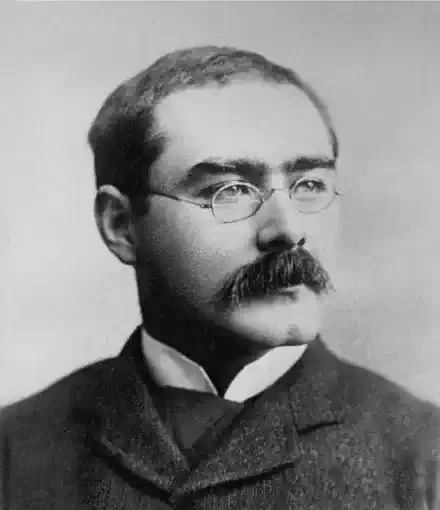
Rudyard Kipling
The Watcher
The Watcher
Put forth to watch, unschooled, alone,
'Twixt hostile earth and sky;
The mottled lizard 'neath the stone
Is wiser here than I.
What stir across the haze of heat?
What omen down the wind?
The buck that break before my feet--
They know, but I am blind!
Put forth to watch, unschooled, alone,
'Twixt hostile earth and sky;
The mottled lizard 'neath the stone
Is wiser here than I.
What stir across the haze of heat?
What omen down the wind?
The buck that break before my feet--
They know, but I am blind!
463
Rudyard Kipling
The Wet Litany
The Wet Litany
When the waters' countenance
Blurs 'twixt glance and second glance;
When our tattered smokes forerun
Ashen 'neath a silvered sun;
When the curtain of the haze
Shuts upon our helpless ways--
Hear the Channel Fleet at sea:
Libera nos Domine!
When the engines' bated pulse
Scarcely thrills the nosing hulls;
When the wash along the side
Sounds, a-sudden, magnified;
When the intolerable blast
Marks each blindfold minute passed;
When the fog-buoy's squattering flight
Guides us 'through the haggard night;
When the warning bugle blows;
When the lettered doorway's close;
When our brittle townships press,
Impotent, on emptiness;
When the unseen leadsmen lean
Questioning a deep unseen;
When their lessened count they tell
To a bridge invisible;
When the hid and perilous
Cliffs return our cry to us;
When the treble thickness spread
Swallows up our next-ahead;
When her sirens frightened whine
Shows her sheering out of line;
When--her passage undiscerned--
We must turn where she has turned,
Hear the Channel Fleet at sea:
Libera nos Domine!
When the waters' countenance
Blurs 'twixt glance and second glance;
When our tattered smokes forerun
Ashen 'neath a silvered sun;
When the curtain of the haze
Shuts upon our helpless ways--
Hear the Channel Fleet at sea:
Libera nos Domine!
When the engines' bated pulse
Scarcely thrills the nosing hulls;
When the wash along the side
Sounds, a-sudden, magnified;
When the intolerable blast
Marks each blindfold minute passed;
When the fog-buoy's squattering flight
Guides us 'through the haggard night;
When the warning bugle blows;
When the lettered doorway's close;
When our brittle townships press,
Impotent, on emptiness;
When the unseen leadsmen lean
Questioning a deep unseen;
When their lessened count they tell
To a bridge invisible;
When the hid and perilous
Cliffs return our cry to us;
When the treble thickness spread
Swallows up our next-ahead;
When her sirens frightened whine
Shows her sheering out of line;
When--her passage undiscerned--
We must turn where she has turned,
Hear the Channel Fleet at sea:
Libera nos Domine!
408
Rudyard Kipling
The Virginity
The Virginity
Try as he will, no man breaks wholly loose
From his first love, no matter who she be.
Oh, was there ever sailor free to choose,
That didn't settle somewhere near the sea?
Myself, it don't excite me nor amuse
To watch a pack o' shipping on the sea;
But I can understand my neighbour's views
From certain things which have occured to me.
Men must keep touch with things they used to use
To earn their living, even when they are free;
And so come back upon the least excuse --
Same as the sailor settled near the sea.
He knows he's never going on no cruise --
He knows he's done and finished with the sea;
And yet he likes to feel she's there to use --
If he should ask her -- as she used to be.
Even though she cost him all he had to lose,
Even though she made him sick to hear or see,
Still, what she left of him will mostly choose
Her skirts to sit by. How comes such to be?
Parsons in pulpits, tax-payers in pews,
Kings on your thrones, you know as well as me,
We've only one virginity to lose,
And where we lost it there our hearts will be!
Try as he will, no man breaks wholly loose
From his first love, no matter who she be.
Oh, was there ever sailor free to choose,
That didn't settle somewhere near the sea?
Myself, it don't excite me nor amuse
To watch a pack o' shipping on the sea;
But I can understand my neighbour's views
From certain things which have occured to me.
Men must keep touch with things they used to use
To earn their living, even when they are free;
And so come back upon the least excuse --
Same as the sailor settled near the sea.
He knows he's never going on no cruise --
He knows he's done and finished with the sea;
And yet he likes to feel she's there to use --
If he should ask her -- as she used to be.
Even though she cost him all he had to lose,
Even though she made him sick to hear or see,
Still, what she left of him will mostly choose
Her skirts to sit by. How comes such to be?
Parsons in pulpits, tax-payers in pews,
Kings on your thrones, you know as well as me,
We've only one virginity to lose,
And where we lost it there our hearts will be!
453
Rudyard Kipling
The Virginity
The Virginity
Try as he will, no man breaks wholly loose
From his first love, no matter who she be.
Oh, was there ever sailor free to choose,
That didn't settle somewhere near the sea?
Myself, it don't excite me nor amuse
To watch a pack o' shipping on the sea;
But I can understand my neighbour's views
From certain things which have occured to me.
Men must keep touch with things they used to use
To earn their living, even when they are free;
And so come back upon the least excuse --
Same as the sailor settled near the sea.
He knows he's never going on no cruise --
He knows he's done and finished with the sea;
And yet he likes to feel she's there to use --
If he should ask her -- as she used to be.
Even though she cost him all he had to lose,
Even though she made him sick to hear or see,
Still, what she left of him will mostly choose
Her skirts to sit by. How comes such to be?
Parsons in pulpits, tax-payers in pews,
Kings on your thrones, you know as well as me,
We've only one virginity to lose,
And where we lost it there our hearts will be!
Try as he will, no man breaks wholly loose
From his first love, no matter who she be.
Oh, was there ever sailor free to choose,
That didn't settle somewhere near the sea?
Myself, it don't excite me nor amuse
To watch a pack o' shipping on the sea;
But I can understand my neighbour's views
From certain things which have occured to me.
Men must keep touch with things they used to use
To earn their living, even when they are free;
And so come back upon the least excuse --
Same as the sailor settled near the sea.
He knows he's never going on no cruise --
He knows he's done and finished with the sea;
And yet he likes to feel she's there to use --
If he should ask her -- as she used to be.
Even though she cost him all he had to lose,
Even though she made him sick to hear or see,
Still, what she left of him will mostly choose
Her skirts to sit by. How comes such to be?
Parsons in pulpits, tax-payers in pews,
Kings on your thrones, you know as well as me,
We've only one virginity to lose,
And where we lost it there our hearts will be!
453
Rudyard Kipling
The Undertaker's Horse
The Undertaker's Horse
The eldest son bestrides him,
And the pretty daughter rides him,
And I meet him oft o' mornings on the Course;
And there kindles in my bosom
An emotion chill and gruesome
As I canter past the Undertaker's Horse.
Neither shies he nor is restive,
But a hideously suggestive
Trot, professional and placid, he affects;
And the cadence of his hoof-beats
To my mind this grim reproof beats: --
"Mend your pace, my friend, I'm coming. Who's the next?"
Ah! stud-bred of ill-omen,
I have watched the strongest go -- men
Of pith and might and muscle -- at your heels,
Down the plantain-bordered highway,
(Heaven send it ne'er be my way!)
In a lacquered box and jetty upon wheels.
Answer, sombre beast and dreary,
Where is Brown, the young, the cheery,
Smith, the pride of all his friends and half the Force?
You were at that last dread dak
We must cover at a walk,
Bring them back to me, O Undertaker's Horse!
With your mane unhogged and flowing,
And your curious way of going,
And that businesslike black crimping of your tail,
E'en with Beauty on your back, Sir,
Pacing as a lady's hack, Sir,
What wonder when I meet you I turn pale?
It may be you wait your time, Beast,
Till I write my last bad rhyme, Beast --
Quit the sunlight, cut the rhyming, drop the glass --
Follow after with the others,
Where some dusky heathen smothers
Us with marigolds in lieu of English grass.
Or, perchance, in years to follow,
I shall watch your plump sides hollow,
See Carnifex (gone lame) become a corse --
See old age at last o'erpower you,
And the Station Pack devour you,
I shall chuckle then, O Undertaker's Horse!
But to insult, jibe, and quest, I've
Still the hideously suggestive
Trot that hammers out the unrelenting text,
And I hear it hard behind me
In what place soe'er I find me: --
"'Sure to catch you sooner or later. Who's the next?"
The eldest son bestrides him,
And the pretty daughter rides him,
And I meet him oft o' mornings on the Course;
And there kindles in my bosom
An emotion chill and gruesome
As I canter past the Undertaker's Horse.
Neither shies he nor is restive,
But a hideously suggestive
Trot, professional and placid, he affects;
And the cadence of his hoof-beats
To my mind this grim reproof beats: --
"Mend your pace, my friend, I'm coming. Who's the next?"
Ah! stud-bred of ill-omen,
I have watched the strongest go -- men
Of pith and might and muscle -- at your heels,
Down the plantain-bordered highway,
(Heaven send it ne'er be my way!)
In a lacquered box and jetty upon wheels.
Answer, sombre beast and dreary,
Where is Brown, the young, the cheery,
Smith, the pride of all his friends and half the Force?
You were at that last dread dak
We must cover at a walk,
Bring them back to me, O Undertaker's Horse!
With your mane unhogged and flowing,
And your curious way of going,
And that businesslike black crimping of your tail,
E'en with Beauty on your back, Sir,
Pacing as a lady's hack, Sir,
What wonder when I meet you I turn pale?
It may be you wait your time, Beast,
Till I write my last bad rhyme, Beast --
Quit the sunlight, cut the rhyming, drop the glass --
Follow after with the others,
Where some dusky heathen smothers
Us with marigolds in lieu of English grass.
Or, perchance, in years to follow,
I shall watch your plump sides hollow,
See Carnifex (gone lame) become a corse --
See old age at last o'erpower you,
And the Station Pack devour you,
I shall chuckle then, O Undertaker's Horse!
But to insult, jibe, and quest, I've
Still the hideously suggestive
Trot that hammers out the unrelenting text,
And I hear it hard behind me
In what place soe'er I find me: --
"'Sure to catch you sooner or later. Who's the next?"
458
Rudyard Kipling
The Undertaker's Horse
The Undertaker's Horse
The eldest son bestrides him,
And the pretty daughter rides him,
And I meet him oft o' mornings on the Course;
And there kindles in my bosom
An emotion chill and gruesome
As I canter past the Undertaker's Horse.
Neither shies he nor is restive,
But a hideously suggestive
Trot, professional and placid, he affects;
And the cadence of his hoof-beats
To my mind this grim reproof beats: --
"Mend your pace, my friend, I'm coming. Who's the next?"
Ah! stud-bred of ill-omen,
I have watched the strongest go -- men
Of pith and might and muscle -- at your heels,
Down the plantain-bordered highway,
(Heaven send it ne'er be my way!)
In a lacquered box and jetty upon wheels.
Answer, sombre beast and dreary,
Where is Brown, the young, the cheery,
Smith, the pride of all his friends and half the Force?
You were at that last dread dak
We must cover at a walk,
Bring them back to me, O Undertaker's Horse!
With your mane unhogged and flowing,
And your curious way of going,
And that businesslike black crimping of your tail,
E'en with Beauty on your back, Sir,
Pacing as a lady's hack, Sir,
What wonder when I meet you I turn pale?
It may be you wait your time, Beast,
Till I write my last bad rhyme, Beast --
Quit the sunlight, cut the rhyming, drop the glass --
Follow after with the others,
Where some dusky heathen smothers
Us with marigolds in lieu of English grass.
Or, perchance, in years to follow,
I shall watch your plump sides hollow,
See Carnifex (gone lame) become a corse --
See old age at last o'erpower you,
And the Station Pack devour you,
I shall chuckle then, O Undertaker's Horse!
But to insult, jibe, and quest, I've
Still the hideously suggestive
Trot that hammers out the unrelenting text,
And I hear it hard behind me
In what place soe'er I find me: --
"'Sure to catch you sooner or later. Who's the next?"
The eldest son bestrides him,
And the pretty daughter rides him,
And I meet him oft o' mornings on the Course;
And there kindles in my bosom
An emotion chill and gruesome
As I canter past the Undertaker's Horse.
Neither shies he nor is restive,
But a hideously suggestive
Trot, professional and placid, he affects;
And the cadence of his hoof-beats
To my mind this grim reproof beats: --
"Mend your pace, my friend, I'm coming. Who's the next?"
Ah! stud-bred of ill-omen,
I have watched the strongest go -- men
Of pith and might and muscle -- at your heels,
Down the plantain-bordered highway,
(Heaven send it ne'er be my way!)
In a lacquered box and jetty upon wheels.
Answer, sombre beast and dreary,
Where is Brown, the young, the cheery,
Smith, the pride of all his friends and half the Force?
You were at that last dread dak
We must cover at a walk,
Bring them back to me, O Undertaker's Horse!
With your mane unhogged and flowing,
And your curious way of going,
And that businesslike black crimping of your tail,
E'en with Beauty on your back, Sir,
Pacing as a lady's hack, Sir,
What wonder when I meet you I turn pale?
It may be you wait your time, Beast,
Till I write my last bad rhyme, Beast --
Quit the sunlight, cut the rhyming, drop the glass --
Follow after with the others,
Where some dusky heathen smothers
Us with marigolds in lieu of English grass.
Or, perchance, in years to follow,
I shall watch your plump sides hollow,
See Carnifex (gone lame) become a corse --
See old age at last o'erpower you,
And the Station Pack devour you,
I shall chuckle then, O Undertaker's Horse!
But to insult, jibe, and quest, I've
Still the hideously suggestive
Trot that hammers out the unrelenting text,
And I hear it hard behind me
In what place soe'er I find me: --
"'Sure to catch you sooner or later. Who's the next?"
458
Rudyard Kipling
The Two-Sided Man
The Two-Sided Man
Much I owe to the Lands that grew--
More to the Lives that fed--
But most to Allah Who gave me two
Separate sides to my head.
Much I reflect on the Good and the True
In the Faiths beneath the sun,
But most to Allah Who gave me two
Sides to my head, not one.
Wesley's following, Calvin's flock,
White or yellow or bronze,
Shaman, Ju-ju or Angekok,
Minister, Mukamuk, Bonze--
Here is a health, my brothers, to you,
However your prayers are said,
And praised be Allah Who gave me two
Separate sides to my head!
I would go without shirt or shoe,
Friend, tobacco or bread,
Sooner than lose for a minute the two
Separate sides of my head!
Much I owe to the Lands that grew--
More to the Lives that fed--
But most to Allah Who gave me two
Separate sides to my head.
Much I reflect on the Good and the True
In the Faiths beneath the sun,
But most to Allah Who gave me two
Sides to my head, not one.
Wesley's following, Calvin's flock,
White or yellow or bronze,
Shaman, Ju-ju or Angekok,
Minister, Mukamuk, Bonze--
Here is a health, my brothers, to you,
However your prayers are said,
And praised be Allah Who gave me two
Separate sides to my head!
I would go without shirt or shoe,
Friend, tobacco or bread,
Sooner than lose for a minute the two
Separate sides of my head!
505
Rudyard Kipling
The Two-Sided Man
The Two-Sided Man
Much I owe to the Lands that grew--
More to the Lives that fed--
But most to Allah Who gave me two
Separate sides to my head.
Much I reflect on the Good and the True
In the Faiths beneath the sun,
But most to Allah Who gave me two
Sides to my head, not one.
Wesley's following, Calvin's flock,
White or yellow or bronze,
Shaman, Ju-ju or Angekok,
Minister, Mukamuk, Bonze--
Here is a health, my brothers, to you,
However your prayers are said,
And praised be Allah Who gave me two
Separate sides to my head!
I would go without shirt or shoe,
Friend, tobacco or bread,
Sooner than lose for a minute the two
Separate sides of my head!
Much I owe to the Lands that grew--
More to the Lives that fed--
But most to Allah Who gave me two
Separate sides to my head.
Much I reflect on the Good and the True
In the Faiths beneath the sun,
But most to Allah Who gave me two
Sides to my head, not one.
Wesley's following, Calvin's flock,
White or yellow or bronze,
Shaman, Ju-ju or Angekok,
Minister, Mukamuk, Bonze--
Here is a health, my brothers, to you,
However your prayers are said,
And praised be Allah Who gave me two
Separate sides to my head!
I would go without shirt or shoe,
Friend, tobacco or bread,
Sooner than lose for a minute the two
Separate sides of my head!
505
Rudyard Kipling
The Threshold
The Threshold
In their deepest caverns of limestone
They pictured the Gods of Food--
The Horse, the Elk, and the Bison
That the hunting might be good;
With the Gods of Death and Terror--
The Mammoth, Tiger, and Bear.
And the pictures moved in the torchlight
To show that the Gods were there!
But that was before Ionia--
(Or the Seven Holy Islands of Ionia)
Any of the Mountains of Ionia,
Had bared their peaks to the air.
The close years packed behind them,
As the glaciers bite and grind,
Filling the new-gouged valleys
With Gods of every kind.
Gods of all-reaching power--
Gods of all-searching eyes--
But each to be wooed by worship
And won by sacrifice.
Till, after many winters, rose Ionia--
(Strange men brooding in Ionia)
Crystal-eyed Sages of Ionia
Who said, "These tales are lies.
"We dream one Breath in all things,
"That blows all things between.
"We dream one Matter in all things--
"Eternal, changeless, unseen.
"'That the heart of the Matter is single
"Till the Breath shall bid it bring forth--
"By choosing or losing its neighbour--
"All things made upon Earth."
But Earth was wiser than Ionia
(Babylon and Egypt than Ionia)
And they overlaid the teaching of Ionia
And the Truth was choked at birth.
It died at the Gate of Knowledge--
The Key to the Gate in its hand--
And the anxious priests and wizards
Re-blinded the wakening land;
For they showed, by answering echoes,
And chasing clouds as they rose,
How shadows should stand for bulwarks
Between mankind and its woes.
It was then that men bethought them of Ionia
(The few that had not allforgot Ionia)
Or the Word that was whispered in Ionia;
And they turned from the shadows and the shows.
They found one Breath in all things,
That moves all things between.
They proved one Matter in all things--
Eternal, changeless, unseen;
That the heart of the Matter was single
Till the Breath should bid it bring forth--
Even as men whispered in Ionia,
(Resolute, unsatisfied Ionia)
Ere the Word was stifled in Ionia--
All things known upon earth!
In their deepest caverns of limestone
They pictured the Gods of Food--
The Horse, the Elk, and the Bison
That the hunting might be good;
With the Gods of Death and Terror--
The Mammoth, Tiger, and Bear.
And the pictures moved in the torchlight
To show that the Gods were there!
But that was before Ionia--
(Or the Seven Holy Islands of Ionia)
Any of the Mountains of Ionia,
Had bared their peaks to the air.
The close years packed behind them,
As the glaciers bite and grind,
Filling the new-gouged valleys
With Gods of every kind.
Gods of all-reaching power--
Gods of all-searching eyes--
But each to be wooed by worship
And won by sacrifice.
Till, after many winters, rose Ionia--
(Strange men brooding in Ionia)
Crystal-eyed Sages of Ionia
Who said, "These tales are lies.
"We dream one Breath in all things,
"That blows all things between.
"We dream one Matter in all things--
"Eternal, changeless, unseen.
"'That the heart of the Matter is single
"Till the Breath shall bid it bring forth--
"By choosing or losing its neighbour--
"All things made upon Earth."
But Earth was wiser than Ionia
(Babylon and Egypt than Ionia)
And they overlaid the teaching of Ionia
And the Truth was choked at birth.
It died at the Gate of Knowledge--
The Key to the Gate in its hand--
And the anxious priests and wizards
Re-blinded the wakening land;
For they showed, by answering echoes,
And chasing clouds as they rose,
How shadows should stand for bulwarks
Between mankind and its woes.
It was then that men bethought them of Ionia
(The few that had not allforgot Ionia)
Or the Word that was whispered in Ionia;
And they turned from the shadows and the shows.
They found one Breath in all things,
That moves all things between.
They proved one Matter in all things--
Eternal, changeless, unseen;
That the heart of the Matter was single
Till the Breath should bid it bring forth--
Even as men whispered in Ionia,
(Resolute, unsatisfied Ionia)
Ere the Word was stifled in Ionia--
All things known upon earth!
470
Rudyard Kipling
The Survival
The Survival
Securely, after days
Unnumbered, I behold
Kings mourn that promised praise
Their cheating bars foretold.
Of earth-constructing Wars,
Of Princes passed in chains,
Of deeds out-shining stars,
No word or voice remains.
Yet furthest times receive,
And to fresh praise restore,
Mere breath of flutes at eve,
Mere seaweed on the shore.
A smoke of sacrifice;
A chosen myrtle-wreath;
An harlot's altered eyes;
A rage 'gainst love or death;
Glazed snow beneath the moon --
The surge of storm-bowed trees--
The Caesars perished soon,
And Rome Herself: But these
Endure while Empires fall
And Gods for Gods make room....
Which greater God than all
Imposed the amazing doom?
Securely, after days
Unnumbered, I behold
Kings mourn that promised praise
Their cheating bars foretold.
Of earth-constructing Wars,
Of Princes passed in chains,
Of deeds out-shining stars,
No word or voice remains.
Yet furthest times receive,
And to fresh praise restore,
Mere breath of flutes at eve,
Mere seaweed on the shore.
A smoke of sacrifice;
A chosen myrtle-wreath;
An harlot's altered eyes;
A rage 'gainst love or death;
Glazed snow beneath the moon --
The surge of storm-bowed trees--
The Caesars perished soon,
And Rome Herself: But these
Endure while Empires fall
And Gods for Gods make room....
Which greater God than all
Imposed the amazing doom?
568
Rudyard Kipling
The Survival
The Survival
Securely, after days
Unnumbered, I behold
Kings mourn that promised praise
Their cheating bars foretold.
Of earth-constructing Wars,
Of Princes passed in chains,
Of deeds out-shining stars,
No word or voice remains.
Yet furthest times receive,
And to fresh praise restore,
Mere breath of flutes at eve,
Mere seaweed on the shore.
A smoke of sacrifice;
A chosen myrtle-wreath;
An harlot's altered eyes;
A rage 'gainst love or death;
Glazed snow beneath the moon --
The surge of storm-bowed trees--
The Caesars perished soon,
And Rome Herself: But these
Endure while Empires fall
And Gods for Gods make room....
Which greater God than all
Imposed the amazing doom?
Securely, after days
Unnumbered, I behold
Kings mourn that promised praise
Their cheating bars foretold.
Of earth-constructing Wars,
Of Princes passed in chains,
Of deeds out-shining stars,
No word or voice remains.
Yet furthest times receive,
And to fresh praise restore,
Mere breath of flutes at eve,
Mere seaweed on the shore.
A smoke of sacrifice;
A chosen myrtle-wreath;
An harlot's altered eyes;
A rage 'gainst love or death;
Glazed snow beneath the moon --
The surge of storm-bowed trees--
The Caesars perished soon,
And Rome Herself: But these
Endure while Empires fall
And Gods for Gods make room....
Which greater God than all
Imposed the amazing doom?
568
Rudyard Kipling
The Story of Uriah
The Story of Uriah
Jack Barrett went to Quetta
Because they told him to.
He left his wife at Simla
On three-fourths his monthly screw.
Jack Barrett died at Quetta
Ere the next month's pay he drew.
Jack Barrett went to Quetta.
He didn't understand
The reason of his transfer
From the pleasant mountain-land.
The season was September,
And it killed him out of hand.
Jack Barrett went to Quetta
And there gave up the ghost,
Attempting two men's duty
In that very healthy post;
And Mrs. Barrett mourned for him
Five lively months at most.
Jack Barrett's bones at Quetta
Enjoy profound repose;
But I shouldn't be astonished
If now his spirit knows
The reason of his transfer
From the Himalayan snows.
And, when the Last Great Bugle Call
Adown the Hurnai throbs,
And the last grim joke is entered
In the big black Book of Jobs.
And Quetta graveyards give again
Their victims to the air,
I shouldn't like to be the man
Who sent Jack Barrett there.
Jack Barrett went to Quetta
Because they told him to.
He left his wife at Simla
On three-fourths his monthly screw.
Jack Barrett died at Quetta
Ere the next month's pay he drew.
Jack Barrett went to Quetta.
He didn't understand
The reason of his transfer
From the pleasant mountain-land.
The season was September,
And it killed him out of hand.
Jack Barrett went to Quetta
And there gave up the ghost,
Attempting two men's duty
In that very healthy post;
And Mrs. Barrett mourned for him
Five lively months at most.
Jack Barrett's bones at Quetta
Enjoy profound repose;
But I shouldn't be astonished
If now his spirit knows
The reason of his transfer
From the Himalayan snows.
And, when the Last Great Bugle Call
Adown the Hurnai throbs,
And the last grim joke is entered
In the big black Book of Jobs.
And Quetta graveyards give again
Their victims to the air,
I shouldn't like to be the man
Who sent Jack Barrett there.
487
Rudyard Kipling
The Sons of Martha
The Sons of Martha
The Sons of Mary seldom bother, for they have inherited that good part;
But the Sons of Martha favour their Mother of the careful soul and the troubled heart.
And because she lost her temper once, and because she was rude to the Lord her
Guest,
Her Sons must wait upon Mary's Sons, world without end, reprieve, or rest.
It is their care in all the ages to take the buffet and cushion the shock.
It is their care that the gear engages; it is their care that the switches lock.
It is their care that the wheels run truly; it is their care to embark and entrain,
Tally, transport, and deliver duly the Sons of Mary by land and main.
They say to mountains ``Be ye removèd.'' They say to the lesser floods ``Be dry.''
Under their rods are the rocks reprovèd---they are not afraid of that which is high.
Then do the hill-tops shake to the summit---then is the bed of the deep laid bare,
That the Sons of Mary may overcome it, pleasantly sleeping and unaware.
They finger Death at their gloves' end where they piece and repiece the living wires.
He rears against the gates they tend: they feed him hungry behind their fires.
Early at dawn, ere men see clear, they stumble into his terrible stall,
And hale him forth like a haltered steer, and goad and turn him till evenfall.
To these from birth is Belief forbidden; from these till death is Relief afar.
They are concerned with matters hidden---under the earthline their altars are---
The secret fountains to follow up, waters withdrawn to restore to the mouth,
And gather the floods as in a cup, and pour them again at a city's drouth.
They do not preach that their God will rouse them a little before the nuts work loose.
They do not preach that His Pity allows them to drop their job when they damn-well
choose.
As in the thronged and the lighted ways, so in the dark and the desert they stand,
Wary and watchful all their days that their brethren's ways may be long in the land.
Raise ye the stone or cleave the wood to make a path more fair or flat;
Lo, it is black already with the blood some Son of Martha spilled for that!
Not as a ladder from earth to Heaven, not as a witness to any creed,
But simple service simply given to his own kind in their common need.
And the Sons of Mary smile and are blessèd---they know the Angels are on their side.
They know in them is the Grace confessèd, and for them are the Mercies multiplied.
They sit at the feet---they hear the Word---they see how truly the Promise runs.
They have cast their burden upon the Lord, and---the Lord He lays it on Martha's Sons!
The Sons of Mary seldom bother, for they have inherited that good part;
But the Sons of Martha favour their Mother of the careful soul and the troubled heart.
And because she lost her temper once, and because she was rude to the Lord her
Guest,
Her Sons must wait upon Mary's Sons, world without end, reprieve, or rest.
It is their care in all the ages to take the buffet and cushion the shock.
It is their care that the gear engages; it is their care that the switches lock.
It is their care that the wheels run truly; it is their care to embark and entrain,
Tally, transport, and deliver duly the Sons of Mary by land and main.
They say to mountains ``Be ye removèd.'' They say to the lesser floods ``Be dry.''
Under their rods are the rocks reprovèd---they are not afraid of that which is high.
Then do the hill-tops shake to the summit---then is the bed of the deep laid bare,
That the Sons of Mary may overcome it, pleasantly sleeping and unaware.
They finger Death at their gloves' end where they piece and repiece the living wires.
He rears against the gates they tend: they feed him hungry behind their fires.
Early at dawn, ere men see clear, they stumble into his terrible stall,
And hale him forth like a haltered steer, and goad and turn him till evenfall.
To these from birth is Belief forbidden; from these till death is Relief afar.
They are concerned with matters hidden---under the earthline their altars are---
The secret fountains to follow up, waters withdrawn to restore to the mouth,
And gather the floods as in a cup, and pour them again at a city's drouth.
They do not preach that their God will rouse them a little before the nuts work loose.
They do not preach that His Pity allows them to drop their job when they damn-well
choose.
As in the thronged and the lighted ways, so in the dark and the desert they stand,
Wary and watchful all their days that their brethren's ways may be long in the land.
Raise ye the stone or cleave the wood to make a path more fair or flat;
Lo, it is black already with the blood some Son of Martha spilled for that!
Not as a ladder from earth to Heaven, not as a witness to any creed,
But simple service simply given to his own kind in their common need.
And the Sons of Mary smile and are blessèd---they know the Angels are on their side.
They know in them is the Grace confessèd, and for them are the Mercies multiplied.
They sit at the feet---they hear the Word---they see how truly the Promise runs.
They have cast their burden upon the Lord, and---the Lord He lays it on Martha's Sons!
729
Rudyard Kipling
The Song of the English
The Song of the English
Fair is our lot -- O goodly is our heritage!
(Humble ye, my people, and be fearful in your mirth!)
For the Lord our God Most High
He hath made the deep as dry,
He hath smote for us a pathway to the ends of all the Earth!
Yea, though we sinned -- and our rulers went from righteousness --
Deep in all dishonour though we stained our garments' hem.
Oh be ye not dismayed,
Though we stumbled and we strayed,
We were led by evil counsellors -- the Lord shall deal with them!
Hold ye the Faith -- the Faith our Fathers seal]\ed us;
Whoring not with visions -- overwise and overstale.
Except ye pay the Lord
Single heart and single sword,
Of your children in their bondage shall He ask them treble-tale!
Keep ye the Law -- be swift in all obedience --
Clear the land of evil, drive the road and bridge the ford.
Make ye sure to each his own
That he reap where he hath sown;
By the peace among Our peoples let men know we serve the Lord!
. . . . .
Hear now a song -- a song of broken interludes --
A song of little cunning; of a singer nothing worth.
Through the naked words and mean
May ye see the truth between
As the singer knew and touched it in the ends of all the Earth!
Fair is our lot -- O goodly is our heritage!
(Humble ye, my people, and be fearful in your mirth!)
For the Lord our God Most High
He hath made the deep as dry,
He hath smote for us a pathway to the ends of all the Earth!
Yea, though we sinned -- and our rulers went from righteousness --
Deep in all dishonour though we stained our garments' hem.
Oh be ye not dismayed,
Though we stumbled and we strayed,
We were led by evil counsellors -- the Lord shall deal with them!
Hold ye the Faith -- the Faith our Fathers seal]\ed us;
Whoring not with visions -- overwise and overstale.
Except ye pay the Lord
Single heart and single sword,
Of your children in their bondage shall He ask them treble-tale!
Keep ye the Law -- be swift in all obedience --
Clear the land of evil, drive the road and bridge the ford.
Make ye sure to each his own
That he reap where he hath sown;
By the peace among Our peoples let men know we serve the Lord!
. . . . .
Hear now a song -- a song of broken interludes --
A song of little cunning; of a singer nothing worth.
Through the naked words and mean
May ye see the truth between
As the singer knew and touched it in the ends of all the Earth!
451
Rudyard Kipling
The Song of Diego Valdez
The Song of Diego Valdez
The God of Fair Beginnings
Hath prospered here my hand --
The cargoes of my lading,
And the keels of my command.
For out of many ventures
That sailed with hope as high,
My own have made the better trade,
And Admiral am I.
To me my King's much honour,
To me my people's love --
To me the pride of Princes
And power all pride above;
To me the shouting cities,
To me the mob's refrain: --
"Who knows not noble Valdez
"Hath never heard of Spain."
But I remember comrades --
Old playmates on new seas --
Whenas we traded orpiment
Among the savages --
A thousand leagues to south'ard
And thirty years removed --
They knew nor noble Valdez,
But me they knew and loved.
Then they that found good liquor,
They drank it not alone,
And they that found fair plunder,
They told us every one,
About our chosen islands
Or secret shoals between,
When, weary from far voyage,
We gathered to careen.
Were burned our breaming-fagots
All pale along the shore:
There rose our worn pavilions --
A sail above an oar:
As flashed each yeaming anchor
Through mellow seas afire,
So swift our careless captains
Rowed each to his desire.
Where lay our loosened harness?
Where turned our naked feet?
Whose tavern 'mid the palm-trees?
What quenchings of what heat?
Oh, fountain in the desert!
Oh, cistern in the waste!
Oh, bread we ate in secret!
Oh, cup we spilled in haste!
The youth new-taught of longing,
The widow curbed and wan,
The goodwife proud at season,
And the maid aware of man --
All souls unslaked, consuming,
Defrauded in delays,
Desire not more their quittance
Than I those forfeit days!
I dreamed to wait my pleasure
Unchanged my spring would bide:
Wherefore, to wait my pleasure,
I put my spring aside
Till, first in face of Fortune,
And last in mazed disdain,
I made Diego Valdez
High Admiral of Spain.
Then walked no wind 'neath Heaven
Nor surge that did not aid --
I dared extreme occasion,
Nor ever one betrayed.
They wrought a deeper treason --
(Led seas that served my needs!)
They sold Diego Valdez
To bondage of great deeds.
The tempest flung me seaward,
And pinned and bade me hold
The course I might not alter --
And men esteemed me bold!
The calms embayed my quarry,
The fog-wreath sealed his eyes;
The dawn-wind brought my topsails --
And men esteemed me wise!
Yet, 'spite my tyrant triumphs,
Bewildered, dispossessed --
My dream held I beore me
My vision of my rest;
But, crowned by Fleet and People,
And bound by King and Pope --
Stands here Diego Valdez
To rob me of my hope.
No prayer of mine shall move him.
No word of his set free
The Lord of Sixty Pennants
And the Steward of the Sea.
His will can loose ten thousand
To seek their loves again --
But not Diego Valdez,
High Admiral of Spain.
There walks no wind 'neath Heaven
Nor wave that shall restore
The old careening riot
And the clamorous, crowded shore --
The fountain in the desert,
The cistern in the waste,
The bread we ate in secret,
The cup we spilled in haste.
Now call I to my Captains --
For council fly the sign --
Now leap their zealous galleys,
Twelve-oared, across the brine.
To me the straiter prison,
To me the heavier chain --
To me Diego Valdez,
High Admiral of Spain!
The God of Fair Beginnings
Hath prospered here my hand --
The cargoes of my lading,
And the keels of my command.
For out of many ventures
That sailed with hope as high,
My own have made the better trade,
And Admiral am I.
To me my King's much honour,
To me my people's love --
To me the pride of Princes
And power all pride above;
To me the shouting cities,
To me the mob's refrain: --
"Who knows not noble Valdez
"Hath never heard of Spain."
But I remember comrades --
Old playmates on new seas --
Whenas we traded orpiment
Among the savages --
A thousand leagues to south'ard
And thirty years removed --
They knew nor noble Valdez,
But me they knew and loved.
Then they that found good liquor,
They drank it not alone,
And they that found fair plunder,
They told us every one,
About our chosen islands
Or secret shoals between,
When, weary from far voyage,
We gathered to careen.
Were burned our breaming-fagots
All pale along the shore:
There rose our worn pavilions --
A sail above an oar:
As flashed each yeaming anchor
Through mellow seas afire,
So swift our careless captains
Rowed each to his desire.
Where lay our loosened harness?
Where turned our naked feet?
Whose tavern 'mid the palm-trees?
What quenchings of what heat?
Oh, fountain in the desert!
Oh, cistern in the waste!
Oh, bread we ate in secret!
Oh, cup we spilled in haste!
The youth new-taught of longing,
The widow curbed and wan,
The goodwife proud at season,
And the maid aware of man --
All souls unslaked, consuming,
Defrauded in delays,
Desire not more their quittance
Than I those forfeit days!
I dreamed to wait my pleasure
Unchanged my spring would bide:
Wherefore, to wait my pleasure,
I put my spring aside
Till, first in face of Fortune,
And last in mazed disdain,
I made Diego Valdez
High Admiral of Spain.
Then walked no wind 'neath Heaven
Nor surge that did not aid --
I dared extreme occasion,
Nor ever one betrayed.
They wrought a deeper treason --
(Led seas that served my needs!)
They sold Diego Valdez
To bondage of great deeds.
The tempest flung me seaward,
And pinned and bade me hold
The course I might not alter --
And men esteemed me bold!
The calms embayed my quarry,
The fog-wreath sealed his eyes;
The dawn-wind brought my topsails --
And men esteemed me wise!
Yet, 'spite my tyrant triumphs,
Bewildered, dispossessed --
My dream held I beore me
My vision of my rest;
But, crowned by Fleet and People,
And bound by King and Pope --
Stands here Diego Valdez
To rob me of my hope.
No prayer of mine shall move him.
No word of his set free
The Lord of Sixty Pennants
And the Steward of the Sea.
His will can loose ten thousand
To seek their loves again --
But not Diego Valdez,
High Admiral of Spain.
There walks no wind 'neath Heaven
Nor wave that shall restore
The old careening riot
And the clamorous, crowded shore --
The fountain in the desert,
The cistern in the waste,
The bread we ate in secret,
The cup we spilled in haste.
Now call I to my Captains --
For council fly the sign --
Now leap their zealous galleys,
Twelve-oared, across the brine.
To me the straiter prison,
To me the heavier chain --
To me Diego Valdez,
High Admiral of Spain!
615
Rudyard Kipling
The Second Voyage
The Second Voyage
We've sent our little Cupids all ashore --
They were frightened, they were tired, they were cold:
Our sails of silk and purple go to store,
And we've cut away our mast of beaten gold
(Foul weather!)
Oh 'tis hemp and singing pine for to stand against the brine,
But Love he is our master as of old!
The sea has shorn our galleries away,
The salt has soiled our gilding past remede;
Our paint is flaked and blistered by the spray,
Our sides are half a fathom furred in weed
(Foul weather!)
And the Doves of Venus fled and the petrels came instead,
But Love he was our master at our need!
'Was Youth would keep no vigil at the bow,
'Was Pleasure at the helm too drunk to steer --
We've shipped three able quartermasters now.
Men call them Custom, Reverence, and Fear
(Foul weather!)
They are old and scarred and plain, but we'll run no risk again
From any Port o' Paphos mutineer!
We seek no more the tempest for delight,
We skirt no more the indraught and the shoal --
We ask no more of any day or night
Than to come with least adventure to our goal
(Foul weather!)
What we find we needs must brook, but we do not go to look,
Nor tempt the Lord our God that saved us whole.
Yet, caring so, not overmuch we care
To brace and trim for every foolish blast,
If the squall be pleased to seep us unaware,
He may bellow off to leeward like the last
(Foul weather!)
We will blame it on the deep (for the watch must have their sleep),
And Love can come and wake us when 'tis past.
Oh launch them down with music from the beach,
Oh warp them out with garlands from the quays --
Most resolute -- a damsel unto each --
New prows that seek the old Hesperides!
(Foul weather!)
Though we know their voyage is vain, yet we see our path again
In the saffroned bridesails scenting all the seas!
(Foul weather!)
We've sent our little Cupids all ashore --
They were frightened, they were tired, they were cold:
Our sails of silk and purple go to store,
And we've cut away our mast of beaten gold
(Foul weather!)
Oh 'tis hemp and singing pine for to stand against the brine,
But Love he is our master as of old!
The sea has shorn our galleries away,
The salt has soiled our gilding past remede;
Our paint is flaked and blistered by the spray,
Our sides are half a fathom furred in weed
(Foul weather!)
And the Doves of Venus fled and the petrels came instead,
But Love he was our master at our need!
'Was Youth would keep no vigil at the bow,
'Was Pleasure at the helm too drunk to steer --
We've shipped three able quartermasters now.
Men call them Custom, Reverence, and Fear
(Foul weather!)
They are old and scarred and plain, but we'll run no risk again
From any Port o' Paphos mutineer!
We seek no more the tempest for delight,
We skirt no more the indraught and the shoal --
We ask no more of any day or night
Than to come with least adventure to our goal
(Foul weather!)
What we find we needs must brook, but we do not go to look,
Nor tempt the Lord our God that saved us whole.
Yet, caring so, not overmuch we care
To brace and trim for every foolish blast,
If the squall be pleased to seep us unaware,
He may bellow off to leeward like the last
(Foul weather!)
We will blame it on the deep (for the watch must have their sleep),
And Love can come and wake us when 'tis past.
Oh launch them down with music from the beach,
Oh warp them out with garlands from the quays --
Most resolute -- a damsel unto each --
New prows that seek the old Hesperides!
(Foul weather!)
Though we know their voyage is vain, yet we see our path again
In the saffroned bridesails scenting all the seas!
(Foul weather!)
460
Rudyard Kipling
The Return
The Return
Peace is declared, and I return
To 'Ackneystadt, but not the same;
Things 'ave transpired which made me learn
The size and meanin' of the game.
I did no more than others did,
I don't know where the change began;
I started as a average kid,
I finished as a thinkin' man.
If England was what England seems
An' not the England of our dreams,
But only putty, brass, an' paint,
'Ow quick we'd drop 'er! But she ain't!
Before my gappin' mouth could speak
I 'eard it in my comrade's tone;
I saw it on my neighbour's cheek
Before I felt it flush my own.
An' last it come to me--not pride,
Nor yet conceit, but on the 'ole
(If such a term may be applied),
The makin's of a bloomin' soul.
Rivers at night that cluck an' jeer,
Plains which the moonshine turns to sea,
Mountains that never let you near,
An' stars to all eternity;
An' the quick-breathin' dark that fills
The 'ollows of the wilderness,
When the wind worries through the 'ills--
These may 'ave taught me more or less.
Towns without people, ten times took,
An' ten times left an' burned at last;
An' starvin' dogs that come to look
For owners when a column passed;
An' quiet, 'omesick talks between
Men, met by night, you never knew
Until--'is face--by shellfire seen--
Once--an' struck off. They taught me, too.
The day's lay-out--the mornin' sun
Beneath your 'at-brim as you sight;
The dinner-'ush from noon till one,
An' the full roar that lasts till night;
An' the pore dead that look so old
An' was so young an hour ago,
An' legs tied down before they're cold--
These are the things which make you know.
Also Time runnin' into years--
A thousand Places left be'ind--
An' Men from both two 'emispheres
Discussin' things of every kind;
So much more near than I 'ad known,
So much more great than I 'ad guessed--
An' me, like all the rest, alone--
But reachin' out to all the rest!
So 'ath it come to me--not pride,
Nor yet conceit, but on the 'ole
(If such a term may be applied),
The makin's of a bloomin' soul.
But now, discharged, I fall away
To do with little things again....
Gawd, 'oo knows all I cannot say,
Look after me in Thamesfontein!
If England was what England seems
An' not the England of our dreams,
But only putty, brass, an' paint,
'Ow quick we'd chuck 'er! But she ain't!
Peace is declared, and I return
To 'Ackneystadt, but not the same;
Things 'ave transpired which made me learn
The size and meanin' of the game.
I did no more than others did,
I don't know where the change began;
I started as a average kid,
I finished as a thinkin' man.
If England was what England seems
An' not the England of our dreams,
But only putty, brass, an' paint,
'Ow quick we'd drop 'er! But she ain't!
Before my gappin' mouth could speak
I 'eard it in my comrade's tone;
I saw it on my neighbour's cheek
Before I felt it flush my own.
An' last it come to me--not pride,
Nor yet conceit, but on the 'ole
(If such a term may be applied),
The makin's of a bloomin' soul.
Rivers at night that cluck an' jeer,
Plains which the moonshine turns to sea,
Mountains that never let you near,
An' stars to all eternity;
An' the quick-breathin' dark that fills
The 'ollows of the wilderness,
When the wind worries through the 'ills--
These may 'ave taught me more or less.
Towns without people, ten times took,
An' ten times left an' burned at last;
An' starvin' dogs that come to look
For owners when a column passed;
An' quiet, 'omesick talks between
Men, met by night, you never knew
Until--'is face--by shellfire seen--
Once--an' struck off. They taught me, too.
The day's lay-out--the mornin' sun
Beneath your 'at-brim as you sight;
The dinner-'ush from noon till one,
An' the full roar that lasts till night;
An' the pore dead that look so old
An' was so young an hour ago,
An' legs tied down before they're cold--
These are the things which make you know.
Also Time runnin' into years--
A thousand Places left be'ind--
An' Men from both two 'emispheres
Discussin' things of every kind;
So much more near than I 'ad known,
So much more great than I 'ad guessed--
An' me, like all the rest, alone--
But reachin' out to all the rest!
So 'ath it come to me--not pride,
Nor yet conceit, but on the 'ole
(If such a term may be applied),
The makin's of a bloomin' soul.
But now, discharged, I fall away
To do with little things again....
Gawd, 'oo knows all I cannot say,
Look after me in Thamesfontein!
If England was what England seems
An' not the England of our dreams,
But only putty, brass, an' paint,
'Ow quick we'd chuck 'er! But she ain't!
457
Rudyard Kipling
The Rabbi's Song
The Rabbi's Song
Samuel XIV. .
If Thought can reach to Heaven,
On Heaven let it dwell,
For fear the Thought be given
Like power to reach to Hell.
For fear the desolation
And darkness of thy mind
Perplex an habitation
Which thou hast left behind.
Let nothing linger after--
No whimpering gost remain,
In wall, or beam, or rafter,
Of any hate or pain.
Cleans and call home thy spirit,
Deny her leave to cast,
On aught thy heirs inherit,
The shadow of her past.
For think, in all thy sadness,
What road our griefs may take;
Whose brain reflect our madness,
Or whom our terrors shake:
For think, lest any languish
By cause of thy distress--
The arrows of our anguish
Fly farther than we guess.
Our lives, our tears, as water,
Are spilled upon the ground;
God giveth no man quarter,
Yet God a means hath found,
Though Faith and Hope have vanished,
And even Love grows dim--
A means whereby His banished
Be not expelled from Him!
Samuel XIV. .
If Thought can reach to Heaven,
On Heaven let it dwell,
For fear the Thought be given
Like power to reach to Hell.
For fear the desolation
And darkness of thy mind
Perplex an habitation
Which thou hast left behind.
Let nothing linger after--
No whimpering gost remain,
In wall, or beam, or rafter,
Of any hate or pain.
Cleans and call home thy spirit,
Deny her leave to cast,
On aught thy heirs inherit,
The shadow of her past.
For think, in all thy sadness,
What road our griefs may take;
Whose brain reflect our madness,
Or whom our terrors shake:
For think, lest any languish
By cause of thy distress--
The arrows of our anguish
Fly farther than we guess.
Our lives, our tears, as water,
Are spilled upon the ground;
God giveth no man quarter,
Yet God a means hath found,
Though Faith and Hope have vanished,
And even Love grows dim--
A means whereby His banished
Be not expelled from Him!
408
Rudyard Kipling
The Prodigal Son
The Prodigal Son
Here come I to my own again,
Fed, forgiven and known again,
Claimed by bone of my bone again
And cheered by flesh of my flesh.
The fatted calf is dressed for me,
But the husks have greater rest for me,
I think my pigs will be best for me,
So I'm off to the Yards afresh.
I never was very refined, you see,
(And it weighs on my brother's mind, you see)
But there's no reproach among swine, d'you see,
For being a bit of a swine.
So I'm off with wallet and staff to eat
The bread that is three parts chaff to wheat,
But glory be! - there's a laugh to it,
Which isn't the case when we dine.
My father glooms and advises me,
My brother sulks and despises me,
And Mother catechises me
Till I want to go out and swear.
And, in spite of the butler's gravity,
I know that the servants have it I
Am a monster of moral depravity,
And I'm damned if I think it's fair!
I wasted my substance, I know I did,
On riotous living, so I did,
But there's nothing on record to show I did
Worse than my betters have done.
They talk of the money I spent out there -
They hint at the pace that I went out there -
But they all forget I was sent out there
Alone as a rich man's son.
So I was a mark for plunder at once,
And lost my cash (can you wonder?) at once,
But I didn't give up and knock under at once,
I worked in the Yards, for a spell,
Where I spent my nights and my days with hogs.
And shared their milk and maize with hogs,
Till, I guess, I have learned what pays with hogs
And - I have that knowledge to sell!
So back I go to my job again,
Not so easy to rob again,
Or quite so ready to sob again
On any neck that's around.
I'm leaving, Pater. Good-bye to you!
God bless you, Mater! I'll write to you!
I wouldn't be impolite to you,
But, Brother, you are a hound!
Here come I to my own again,
Fed, forgiven and known again,
Claimed by bone of my bone again
And cheered by flesh of my flesh.
The fatted calf is dressed for me,
But the husks have greater rest for me,
I think my pigs will be best for me,
So I'm off to the Yards afresh.
I never was very refined, you see,
(And it weighs on my brother's mind, you see)
But there's no reproach among swine, d'you see,
For being a bit of a swine.
So I'm off with wallet and staff to eat
The bread that is three parts chaff to wheat,
But glory be! - there's a laugh to it,
Which isn't the case when we dine.
My father glooms and advises me,
My brother sulks and despises me,
And Mother catechises me
Till I want to go out and swear.
And, in spite of the butler's gravity,
I know that the servants have it I
Am a monster of moral depravity,
And I'm damned if I think it's fair!
I wasted my substance, I know I did,
On riotous living, so I did,
But there's nothing on record to show I did
Worse than my betters have done.
They talk of the money I spent out there -
They hint at the pace that I went out there -
But they all forget I was sent out there
Alone as a rich man's son.
So I was a mark for plunder at once,
And lost my cash (can you wonder?) at once,
But I didn't give up and knock under at once,
I worked in the Yards, for a spell,
Where I spent my nights and my days with hogs.
And shared their milk and maize with hogs,
Till, I guess, I have learned what pays with hogs
And - I have that knowledge to sell!
So back I go to my job again,
Not so easy to rob again,
Or quite so ready to sob again
On any neck that's around.
I'm leaving, Pater. Good-bye to you!
God bless you, Mater! I'll write to you!
I wouldn't be impolite to you,
But, Brother, you are a hound!
501
Rudyard Kipling
The Prayer
The Prayer
My brother kneels, so saith Kabir,
To stone and brass in heathen wise,
But in my brother's voice I hear
My own unanswered agonies.
His God is as his fates assign,
His prayer is all the world's--and mine.
My brother kneels, so saith Kabir,
To stone and brass in heathen wise,
But in my brother's voice I hear
My own unanswered agonies.
His God is as his fates assign,
His prayer is all the world's--and mine.
469
Rudyard Kipling
The Power of the Dog
The Power of the Dog
There is sorrow enough in the natural way
From men and women to fill our day;
And when we are certain of sorrow in store,
Why do we always arrange for more?
Brothers and Sisters, I bid you beware
Of giving your heart to a dog to tear.
Buy a pup and your money will buy
Love unflinching that cannot lie--
Perfect passion and worship fed
By a kick in the ribs or a pat on the head.
Nevertheless it is hardly fair
To risk your heart for a dog to tear.
When the fourteen years which Nature permits
Are closing in asthma, or tumour, or fits,
And the vet's unspoken prescription runs
To lethal chambers or loaded guns,
Then you will find--it's your own affair--
But...you've given your heart for a dog to tear.
When the body that lived at your single will,
With its whimper of welcome, is stilled (how still!);
When the spirit that answered your every mood
Is gone--wherever it goes--for good,
You will discover how much you care,
And will give your heart for the dog to tear.
We've sorrow enough in the natural way,
When it comes to burying Christian clay.
Our loves are not given, but only lent,
At compound interest of cent per cent.
Though it is not always the case, I believe,
That the longer we've kept 'em, the more do we grieve:
For, when debts are payable, right or wrong,
A short-time loan is as bad as a long--
So why in Heaven (before we are there)
Should we give our hearts to a dog to tear?
There is sorrow enough in the natural way
From men and women to fill our day;
And when we are certain of sorrow in store,
Why do we always arrange for more?
Brothers and Sisters, I bid you beware
Of giving your heart to a dog to tear.
Buy a pup and your money will buy
Love unflinching that cannot lie--
Perfect passion and worship fed
By a kick in the ribs or a pat on the head.
Nevertheless it is hardly fair
To risk your heart for a dog to tear.
When the fourteen years which Nature permits
Are closing in asthma, or tumour, or fits,
And the vet's unspoken prescription runs
To lethal chambers or loaded guns,
Then you will find--it's your own affair--
But...you've given your heart for a dog to tear.
When the body that lived at your single will,
With its whimper of welcome, is stilled (how still!);
When the spirit that answered your every mood
Is gone--wherever it goes--for good,
You will discover how much you care,
And will give your heart for the dog to tear.
We've sorrow enough in the natural way,
When it comes to burying Christian clay.
Our loves are not given, but only lent,
At compound interest of cent per cent.
Though it is not always the case, I believe,
That the longer we've kept 'em, the more do we grieve:
For, when debts are payable, right or wrong,
A short-time loan is as bad as a long--
So why in Heaven (before we are there)
Should we give our hearts to a dog to tear?
737
Rudyard Kipling
The Palace
The Palace
When I was a King and a Mason -- a Master proven and skilled --
I cleared me ground for a Palace such as a King should build.
I decreed and dug down to my levels. Presently, under the silt,
I came on the wreck of a Palace such as a King had built.
There was no worth in the fashion -- there was no wit in the plan --
Hither and thither, aimless, the ruined footings ran --
Masonry, brute, mishandled, but carven on every stone:
"After me cometh a Builder. Tell him, I too have known."
Swift to my use in my trenches, where my well-planned ground-works grew,
I tumbled his quoins and his ashlars, and cut and reset them anew.
Lime I milled of his marbles; burned it, slacked it, and spread;
Taking and leaving at pleasure the gifts of the humble dead.
Yet I despised not nor gloried; yet, as we wrenched them apart,
I read in the razed foundations the heart of that builder's heart.
As he had risen and pleaded, so did I understand
The form of the dream he had followed in the face of the thing he had planned.
* * * * *
When I was a King and a Mason -- in the open noon of my pride,
They sent me a Word from the Darkness. They whispered and called me aside.
They said -- "The end is forbidden." They said -- "Thy use is fulfilled.
"Thy Palace shall stand as that other's -- the spoil of a King who shall build."
I called my men from my trenches, my quarries, my wharves, and my sheers.
All I had wrought I abandoned to the faith of the faithless years.
Only I cut on the timber -- only I carved on the stone:
"After me cometh a Builder. Tell him, I too have known!"
When I was a King and a Mason -- a Master proven and skilled --
I cleared me ground for a Palace such as a King should build.
I decreed and dug down to my levels. Presently, under the silt,
I came on the wreck of a Palace such as a King had built.
There was no worth in the fashion -- there was no wit in the plan --
Hither and thither, aimless, the ruined footings ran --
Masonry, brute, mishandled, but carven on every stone:
"After me cometh a Builder. Tell him, I too have known."
Swift to my use in my trenches, where my well-planned ground-works grew,
I tumbled his quoins and his ashlars, and cut and reset them anew.
Lime I milled of his marbles; burned it, slacked it, and spread;
Taking and leaving at pleasure the gifts of the humble dead.
Yet I despised not nor gloried; yet, as we wrenched them apart,
I read in the razed foundations the heart of that builder's heart.
As he had risen and pleaded, so did I understand
The form of the dream he had followed in the face of the thing he had planned.
* * * * *
When I was a King and a Mason -- in the open noon of my pride,
They sent me a Word from the Darkness. They whispered and called me aside.
They said -- "The end is forbidden." They said -- "Thy use is fulfilled.
"Thy Palace shall stand as that other's -- the spoil of a King who shall build."
I called my men from my trenches, my quarries, my wharves, and my sheers.
All I had wrought I abandoned to the faith of the faithless years.
Only I cut on the timber -- only I carved on the stone:
"After me cometh a Builder. Tell him, I too have known!"
603
Rudyard Kipling
The Palace
The Palace
When I was a King and a Mason -- a Master proven and skilled --
I cleared me ground for a Palace such as a King should build.
I decreed and dug down to my levels. Presently, under the silt,
I came on the wreck of a Palace such as a King had built.
There was no worth in the fashion -- there was no wit in the plan --
Hither and thither, aimless, the ruined footings ran --
Masonry, brute, mishandled, but carven on every stone:
"After me cometh a Builder. Tell him, I too have known."
Swift to my use in my trenches, where my well-planned ground-works grew,
I tumbled his quoins and his ashlars, and cut and reset them anew.
Lime I milled of his marbles; burned it, slacked it, and spread;
Taking and leaving at pleasure the gifts of the humble dead.
Yet I despised not nor gloried; yet, as we wrenched them apart,
I read in the razed foundations the heart of that builder's heart.
As he had risen and pleaded, so did I understand
The form of the dream he had followed in the face of the thing he had planned.
* * * * *
When I was a King and a Mason -- in the open noon of my pride,
They sent me a Word from the Darkness. They whispered and called me aside.
They said -- "The end is forbidden." They said -- "Thy use is fulfilled.
"Thy Palace shall stand as that other's -- the spoil of a King who shall build."
I called my men from my trenches, my quarries, my wharves, and my sheers.
All I had wrought I abandoned to the faith of the faithless years.
Only I cut on the timber -- only I carved on the stone:
"After me cometh a Builder. Tell him, I too have known!"
When I was a King and a Mason -- a Master proven and skilled --
I cleared me ground for a Palace such as a King should build.
I decreed and dug down to my levels. Presently, under the silt,
I came on the wreck of a Palace such as a King had built.
There was no worth in the fashion -- there was no wit in the plan --
Hither and thither, aimless, the ruined footings ran --
Masonry, brute, mishandled, but carven on every stone:
"After me cometh a Builder. Tell him, I too have known."
Swift to my use in my trenches, where my well-planned ground-works grew,
I tumbled his quoins and his ashlars, and cut and reset them anew.
Lime I milled of his marbles; burned it, slacked it, and spread;
Taking and leaving at pleasure the gifts of the humble dead.
Yet I despised not nor gloried; yet, as we wrenched them apart,
I read in the razed foundations the heart of that builder's heart.
As he had risen and pleaded, so did I understand
The form of the dream he had followed in the face of the thing he had planned.
* * * * *
When I was a King and a Mason -- in the open noon of my pride,
They sent me a Word from the Darkness. They whispered and called me aside.
They said -- "The end is forbidden." They said -- "Thy use is fulfilled.
"Thy Palace shall stand as that other's -- the spoil of a King who shall build."
I called my men from my trenches, my quarries, my wharves, and my sheers.
All I had wrought I abandoned to the faith of the faithless years.
Only I cut on the timber -- only I carved on the stone:
"After me cometh a Builder. Tell him, I too have known!"
603
Rudyard Kipling
The Only Son
The Only Son
She dropped the bar, she shot the bolt, she fed the fire anew
For she heard a whimper under the sill and a great grey paw came through.
The fresh flame comforted the hut and shone on the roof-beam,
And the Only Son lay down again and dreamed that he dreamed a dream.
The last ash fell from the withered log with the click of a falling spark,
And the Only Son woke up again, and called across the dark:--
"Now was I born of womankind and laid in a mother's breast?
For I have dreamed of a shaggy hide whereon I went to rest.
And was I born of womankind and laid on a father's arm?
For I have dreamed of clashing teeth that guarded me from harm.
And was I born an Only Son and did I play alone?
For I have dreamed of comrades twain that bit me to the bone.
And did I break the barley-cake and steep it in the tyre?
For I have dreamed of a youngling kid new-riven from the byre:
For I have dreamed of a midnight sky and a midnight call to blood
And red-mouthed shadows racing by, that thrust me from my food.
'Tis an hour yet and an hour yet to the rising of the moon,
But I can see the black roof-tree as plain as it were noon.
'Tis a league and a league to the Lena Falls where the trooping blackbuck go;
But I can hear the little fawn that bleats behind the doe.
'Tis a league and a league to the Lena Falls where the crop and the upland meet,
But I Can smell the wet dawn-wind that wakes the sprouting wheat.
Unbar the door. I may not bide, but I must out and see
If those are wolves that wait outside or my own kin to me!"
. . . . .
She loosed the bar, she slid the bolt, she opened the door anon,
And a grey bitch-wolf came out of the dark and fawned on the Only Son!
She dropped the bar, she shot the bolt, she fed the fire anew
For she heard a whimper under the sill and a great grey paw came through.
The fresh flame comforted the hut and shone on the roof-beam,
And the Only Son lay down again and dreamed that he dreamed a dream.
The last ash fell from the withered log with the click of a falling spark,
And the Only Son woke up again, and called across the dark:--
"Now was I born of womankind and laid in a mother's breast?
For I have dreamed of a shaggy hide whereon I went to rest.
And was I born of womankind and laid on a father's arm?
For I have dreamed of clashing teeth that guarded me from harm.
And was I born an Only Son and did I play alone?
For I have dreamed of comrades twain that bit me to the bone.
And did I break the barley-cake and steep it in the tyre?
For I have dreamed of a youngling kid new-riven from the byre:
For I have dreamed of a midnight sky and a midnight call to blood
And red-mouthed shadows racing by, that thrust me from my food.
'Tis an hour yet and an hour yet to the rising of the moon,
But I can see the black roof-tree as plain as it were noon.
'Tis a league and a league to the Lena Falls where the trooping blackbuck go;
But I can hear the little fawn that bleats behind the doe.
'Tis a league and a league to the Lena Falls where the crop and the upland meet,
But I Can smell the wet dawn-wind that wakes the sprouting wheat.
Unbar the door. I may not bide, but I must out and see
If those are wolves that wait outside or my own kin to me!"
. . . . .
She loosed the bar, she slid the bolt, she opened the door anon,
And a grey bitch-wolf came out of the dark and fawned on the Only Son!
448