

Poems in this topic
Life and Existence
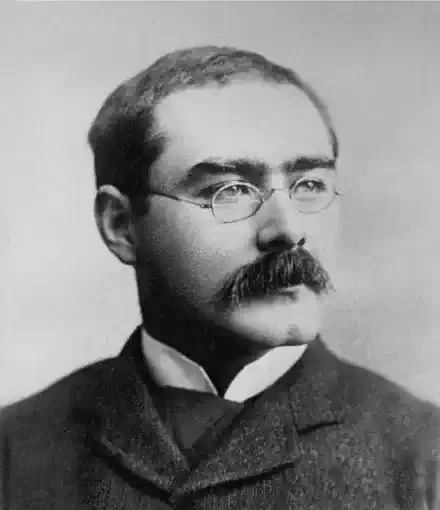
Rudyard Kipling
The Necessitarian
The Necessitarian
I know not in Whose hands are laid
To empty upon earth
From unsuspected ambuscade
The very Urns of Mirth;
Who bids the Heavenly Lark arise
And cheer our solemn round--
The Jest beheld with streaming eyes
And grovellings on the ground;
Who joins the flats of Time and Chance
Behind the prey preferred,
And thrones on Shrieking Circumstance
The Sacredly Absurd,
Till Laughter, voiceless through excess,
Waves mute appeal and sore,
Above the midriff's deep distress,
For breath to laugh once more.
No creed hath dared to hail Him Lord,
No raptured choirs proclaim,
And Nature's strenuous Overword
Hath nowhere breathed His Name.
Yet, it must be, on wayside jape,
The selfsame Power bestows
The selfsame power as went to shape
His Planet or His Rose.
I know not in Whose hands are laid
To empty upon earth
From unsuspected ambuscade
The very Urns of Mirth;
Who bids the Heavenly Lark arise
And cheer our solemn round--
The Jest beheld with streaming eyes
And grovellings on the ground;
Who joins the flats of Time and Chance
Behind the prey preferred,
And thrones on Shrieking Circumstance
The Sacredly Absurd,
Till Laughter, voiceless through excess,
Waves mute appeal and sore,
Above the midriff's deep distress,
For breath to laugh once more.
No creed hath dared to hail Him Lord,
No raptured choirs proclaim,
And Nature's strenuous Overword
Hath nowhere breathed His Name.
Yet, it must be, on wayside jape,
The selfsame Power bestows
The selfsame power as went to shape
His Planet or His Rose.
474
Rudyard Kipling
The Necessitarian
The Necessitarian
I know not in Whose hands are laid
To empty upon earth
From unsuspected ambuscade
The very Urns of Mirth;
Who bids the Heavenly Lark arise
And cheer our solemn round--
The Jest beheld with streaming eyes
And grovellings on the ground;
Who joins the flats of Time and Chance
Behind the prey preferred,
And thrones on Shrieking Circumstance
The Sacredly Absurd,
Till Laughter, voiceless through excess,
Waves mute appeal and sore,
Above the midriff's deep distress,
For breath to laugh once more.
No creed hath dared to hail Him Lord,
No raptured choirs proclaim,
And Nature's strenuous Overword
Hath nowhere breathed His Name.
Yet, it must be, on wayside jape,
The selfsame Power bestows
The selfsame power as went to shape
His Planet or His Rose.
I know not in Whose hands are laid
To empty upon earth
From unsuspected ambuscade
The very Urns of Mirth;
Who bids the Heavenly Lark arise
And cheer our solemn round--
The Jest beheld with streaming eyes
And grovellings on the ground;
Who joins the flats of Time and Chance
Behind the prey preferred,
And thrones on Shrieking Circumstance
The Sacredly Absurd,
Till Laughter, voiceless through excess,
Waves mute appeal and sore,
Above the midriff's deep distress,
For breath to laugh once more.
No creed hath dared to hail Him Lord,
No raptured choirs proclaim,
And Nature's strenuous Overword
Hath nowhere breathed His Name.
Yet, it must be, on wayside jape,
The selfsame Power bestows
The selfsame power as went to shape
His Planet or His Rose.
474
Rudyard Kipling
The Mother's Son
The Mother's Son
I have a dream -- a dreadful dream --
A dream that is never done.
I watch a man go out of his mind,
And he is My Mother's Son.
They pushed him into a Mental Home,
And that is like the grave:
For they do not let you sleep upstairs,
And you aren't allowed to shave.
And it was not disease or crime
Which got him landed there,
But because They laid on My Mother's Son
More than a man could bear.
What with noise, and fear of death,
Waking, and wounds and cold,
They filled the Cup for My Mother's Son
Fuller than it could hold.
They broke his body and his mind
And yet They made him live,
And They asked more of My Mother's Son
Than any man could give.
For, just because he had not died,
Nor been discharged nor sick,
They dragged it out with My Mother's Son
Longer than he could stick....
And no one knows when he'll get well --
So, there he'll have to be:
And, 'spite of the beard in the looking-glass,
I know that man is me!
I have a dream -- a dreadful dream --
A dream that is never done.
I watch a man go out of his mind,
And he is My Mother's Son.
They pushed him into a Mental Home,
And that is like the grave:
For they do not let you sleep upstairs,
And you aren't allowed to shave.
And it was not disease or crime
Which got him landed there,
But because They laid on My Mother's Son
More than a man could bear.
What with noise, and fear of death,
Waking, and wounds and cold,
They filled the Cup for My Mother's Son
Fuller than it could hold.
They broke his body and his mind
And yet They made him live,
And They asked more of My Mother's Son
Than any man could give.
For, just because he had not died,
Nor been discharged nor sick,
They dragged it out with My Mother's Son
Longer than he could stick....
And no one knows when he'll get well --
So, there he'll have to be:
And, 'spite of the beard in the looking-glass,
I know that man is me!
473
Rudyard Kipling
The Moon of Other Days
The Moon of Other Days
Beneath the deep veranda's shade,
When bats begin to fly,
I sit me down and watch -- alas! --
Another evening die.
Blood-red behind the sere ferash
She rises through the haze.
Sainted Diana! can that be
The Moon of Other Days?
Ah! shade of little Kitty Smith,
Sweet Saint of Kensington!
Say, was it ever thus at Home
The Moon of August shone,
When arm in arm we wandered long
Through Putney's evening haze,
And Hammersmith was Heaven beneath
The moon of Other Days?
But Wandle's stream is Sutlej now,
And Putney's evening haze
The dust that half a hundered kine
Before my window raise.
Unkempt, unclean, athwart the mist
The seething city looms,
In place of Putney's golden gorse
The sickly babul blooms.
Glare down, old Hecate, through the dust,
And bid the pie-dog yell,
Draw from the drain its typhoid-term,
From each bazaar its smell;
Yea, suck the fever from the tank
And sap my strength therewith:
Thank Heaven, you show a smiling face
To little Kitty Smith!
Beneath the deep veranda's shade,
When bats begin to fly,
I sit me down and watch -- alas! --
Another evening die.
Blood-red behind the sere ferash
She rises through the haze.
Sainted Diana! can that be
The Moon of Other Days?
Ah! shade of little Kitty Smith,
Sweet Saint of Kensington!
Say, was it ever thus at Home
The Moon of August shone,
When arm in arm we wandered long
Through Putney's evening haze,
And Hammersmith was Heaven beneath
The moon of Other Days?
But Wandle's stream is Sutlej now,
And Putney's evening haze
The dust that half a hundered kine
Before my window raise.
Unkempt, unclean, athwart the mist
The seething city looms,
In place of Putney's golden gorse
The sickly babul blooms.
Glare down, old Hecate, through the dust,
And bid the pie-dog yell,
Draw from the drain its typhoid-term,
From each bazaar its smell;
Yea, suck the fever from the tank
And sap my strength therewith:
Thank Heaven, you show a smiling face
To little Kitty Smith!
429
Rudyard Kipling
The Moon of Other Days
The Moon of Other Days
Beneath the deep veranda's shade,
When bats begin to fly,
I sit me down and watch -- alas! --
Another evening die.
Blood-red behind the sere ferash
She rises through the haze.
Sainted Diana! can that be
The Moon of Other Days?
Ah! shade of little Kitty Smith,
Sweet Saint of Kensington!
Say, was it ever thus at Home
The Moon of August shone,
When arm in arm we wandered long
Through Putney's evening haze,
And Hammersmith was Heaven beneath
The moon of Other Days?
But Wandle's stream is Sutlej now,
And Putney's evening haze
The dust that half a hundered kine
Before my window raise.
Unkempt, unclean, athwart the mist
The seething city looms,
In place of Putney's golden gorse
The sickly babul blooms.
Glare down, old Hecate, through the dust,
And bid the pie-dog yell,
Draw from the drain its typhoid-term,
From each bazaar its smell;
Yea, suck the fever from the tank
And sap my strength therewith:
Thank Heaven, you show a smiling face
To little Kitty Smith!
Beneath the deep veranda's shade,
When bats begin to fly,
I sit me down and watch -- alas! --
Another evening die.
Blood-red behind the sere ferash
She rises through the haze.
Sainted Diana! can that be
The Moon of Other Days?
Ah! shade of little Kitty Smith,
Sweet Saint of Kensington!
Say, was it ever thus at Home
The Moon of August shone,
When arm in arm we wandered long
Through Putney's evening haze,
And Hammersmith was Heaven beneath
The moon of Other Days?
But Wandle's stream is Sutlej now,
And Putney's evening haze
The dust that half a hundered kine
Before my window raise.
Unkempt, unclean, athwart the mist
The seething city looms,
In place of Putney's golden gorse
The sickly babul blooms.
Glare down, old Hecate, through the dust,
And bid the pie-dog yell,
Draw from the drain its typhoid-term,
From each bazaar its smell;
Yea, suck the fever from the tank
And sap my strength therewith:
Thank Heaven, you show a smiling face
To little Kitty Smith!
429
Rudyard Kipling
The Miracle of Purun Bhagat
The Miracle of Purun Bhagat
The night we felt the earth would move
We stole and plucked him by the hand,
Because we loved him with the love
That knows but cannot understand.
And when the roaring hillside broke,
And all our world fell down in rain,
We saved him, we the Little Folk;
But lo! he does not come again!
Mourn now, we saved him for the sake
Of such poor love as wild ones may.
Mourn ye! Our brother will not wake,
And his own kind drive us away!
The night we felt the earth would move
We stole and plucked him by the hand,
Because we loved him with the love
That knows but cannot understand.
And when the roaring hillside broke,
And all our world fell down in rain,
We saved him, we the Little Folk;
But lo! he does not come again!
Mourn now, we saved him for the sake
Of such poor love as wild ones may.
Mourn ye! Our brother will not wake,
And his own kind drive us away!
418
Rudyard Kipling
The Mary Gloster
The Mary Gloster
I've paid for your sickest fancies; I've humoured your crackedest whim --
Dick, it's your daddy, dying; you've got to listen to him!
Good for a fortnight, am I? The doctor told you? He lied.
I shall go under by morning, and -- Put that nurse outside.
'Never seen death yet, Dickie? Well, now is your time to learn,
And you'll wish you held my record before it comes to your turn.
Not counting the Line and the Foundry, the yards and the village, too,
I've made myself and a million; but I'm damned if I made you.
Master at two-and-twenty, and married at twenty-three --
Ten thousand men on the pay-roll, and forty freighters at sea
Fifty years between'em, and every year of it fight,
And now I'm Sir Anthony Gloster, dying, a baronite:
For I lunched with his Royal 'Ighness -- what was it the papers had?
"Not the least of our merchant-princes." Dickie, that's me, your dad!
I didn't begin with askings. I took my job and I stuck;
I took the chances they wouldn't, an' now they're calling it luck.
Lord, what boats I've handled -- rotten and leaky and old --
Ran 'em, or -- opened the bilge-cock, precisely as I was told.
Grub that 'ud bind you crazy, and crews that 'ud turn you grey,
And a big fat lump of insurance to cover the risk on the way.
The others they dursn't do it; they said they valued their life
(They've served me since as skippers). I went, and I took my wife.
Over the world I drove 'em, married at twenty-three,
And your mother saving the money and making a man of me.
I was content to be master, but she said there was better behind;
She took the chances I wouldn't, and I followed your mother blind.
She egged me to borrow the money, an' she helped me to clear the loan,
When we bougnt half-shares in a cheap 'un and hoisted a flag of our own.
Patching and coaling on credit, and living the Lord knew how,
We started the Red Ox freighters -- we've eight-and-thirty now.
And those were the days of clippers, and the freights were clipper-freights,
And we knew we were making our fortune, but she died in Macassar Straits --
By the Little Patemosters, as you come to the Union Bank --
And we dropped her in fourteen fathom: I pricked it off where she sank.
Owners we were, full owners, and the boat was christened for her,
And she died in the Mary Gloster. My heart; how young we were!
So I went on a spree round Java and well-nigh ran her ashore,
But your mother came and warned me and I would't liquor no more:
Strict I stuck to my business, afraid to stop or I'd think,
Saving the money (she warned me), and letting the other men drink.
And I met M'Cullough in London (I'd saved five 'undred then ),
And 'tween us we started the Foundry -- three forges and twenty men.
Cheap repairs for the cheap 'uns. It paid, and the business grew;
For I bought me a steam-lathe patent, and that was a gold mine too.
"Cheaper to build 'em than buy 'em;" I said, but M'Cullough he shied,
And we wasted a year in talking before we moved to the Clyde.
And the Lines were all beginning, and we all of us started fair,
Building our engines like houses and staying the boilers square.
But M'Cullough 'e wanted cabins with marble and maple and all,
And Brussels an' Utrecht velvet, and baths and a Social Hall,
And pipes for closets all over, and cutting the frames too light,
But M'Cullough he died in the Sixties, and ---- Well, I'm dying to-night...
I knew -- I knew what was coming, when we bid on the Byfleet's keel --
They piddled and piffled with iron, I'd given my orders for steel!
Steel and the first expansions. It paid, I tell you, it paid,
When we came with our nine-knot freighters and collared the long-run trade!
And they asked me how I did it; and I gave 'em the Scripture text,
"You keep your light so shining a little in front o' the next!"
They copied all they could follow, but they couldn't copy my mind,
And I left 'em sweating and stealing a year and a half behind.
Then came the armour-contracts, but that was M'Cullough's side;
He was always best in the Foundry, but better, perhaps, he died.
I went through his private papers; the notes was plainer than print;
And I'm no fool to finish if a man'll give me a hint.
(I remember his widow was angry.) So I saw what his drawings meant;
And I started the six-inch rollers, and it paid me sixty per cent.
Sixty per cent with failures, and more than twice we could do,
And a quarter-million to credit, and I saved it all for you!
I thought -- it doesn't matter -- you seemed to favour your ma,
But you're nearer forty than thirty, and I know the kind you are.
Harrer an' Trinity College! I ought to ha' sent you to sea --
But I stood you an education, an' what have you done for me?
The things I knew was proper you wouldn't thank me to give,
And the things I knew was rotten you said was the way to live.
For you muddled with books and pictures, an' china an' etchin's an'fans.
And your rooms at college was beastly -- more like a whore's than a man's;
Till you married that thin-flanked woman, as white and as stale as a bone,
An' she gave you your social nonsense; but where's that kid o' your own?
I've seen your carriages blocking the half o' the Cromwell Road,
But never the doctor's brougham to help the missus unload.
(So there isn't even a grandchild, an' the Gloster family's done. )
Not like your mother, she isn't. She carried her freight each run.
But they died, the pore little beggars! At sea she had 'em -- they died.
Only you, an' you stood it. You haven't stood much beside.
Weak, a liar, and idle, and mean as a collier's whelp
Nosing for scraps in the galley. No help --- my son was no help!
So he gets three 'undred thousand, in trust and the interest paid.
I wouldn't give it you, Dickie -- you see, I made it in trade.
You're saved from soiling your fingers, and if you have no child,
It all comes back to the business. 'Gad, won't your wife be wild!
'Calls and calls in her carriage, her 'andkerchief up to 'er eye:
"Daddy! dear daddy's dyin'!" and doing her best to cry.
Grateful? Oh, yes, I'm grateful, but keep her away from here.
Your mother 'ud never ha' stood 'er, and, anyhow, women are queer.
There's women will say I've married a second time. Not quite!
But give pore Aggie a hundred, and tell her your lawyers'll fight.
She was the best o' the boiling -- you'll meet her before it ends.
I'm in for a row with the mother -- I'll leave you settle my friends.
For a man he must go with a woman, which women don't understand --
Or the sort that say they can see it they aren't the marrying brand.
But I wanted to speak o' your mother that's Lady Gloster still;
I'm going to up and see her, without its hurting the will.
Here! Take your hand off the bell-pull. Five thousand's waiting for you,
If you'll only listen a minute, and do as I bid you do.
They'll try to prove me crazy, and, if you bungle, they can;
And I've only you to trust to! (O God, why ain't it a man? )
There's some waste money on marbles, the same as M'Cullough tried --
Marbles and mausoleums -- but I call that sinful pride.
There's some ship bodies for burial -- we've Pied 'em, soldered and packed,
Down in their wills they wrote it, and nobody called them cracked.
But me -- I've too much money, and people might . . . All my fault:
It come o' hoping for grandsons and buying that Wokin' vault. . . .
I'm sick o' the 'ole dam' business. I'm going back where I came.
Dick, you're the son o' my body, and you'll take charge o' the same!
I want to lie by your mother, ten thousand mile away,
And they'll want to send me to Woking; and that's where you'll earn your pay.
I've thought it out on the quiet, the same as it ought to be done --
Quiet, and decent, and proper -- an' here's your orders, my son.
You know the Line? You don't, though. You write to the Board, and tell
Your father's death has upset you an' you're going to cruise for a spell,
An' you'd like the Mary Gloster -- I've held her ready for this --
They'll put her in working order and you'll take her out as she is.
Yes, it was money idle when I patched her and laid her aside
(Thank God, I can pay for my fancies!) -- the boat where your mother died,
By the Little Paternosters, as you come to the Union Bank,
We dropped her -- I think I told you -- and I pricked it off where she sank.
['Tiny she looked on the grating -- that oily, treacly sea --]
'Hundred and Eighteen East, remember, and South just Three.
Easy bearings to carry -- Three South-Three to the dot;
But I gave McAndrew a copy in case of dying -- or not.
And so you'll write to McAndrew, he's Chief of the Maori Line
They'Il give him leave, if you ask 'em and say it's business o' mine.
I built three boats for the Maoris, an' very well pleased they were,
An I've known Mac since the Fifties, and Mac knew me -- and her.
After the first stroke warned me I sent him the money to keep
Against the time you'd claim it, committin' your dad to the deep;
For you are the son o' my body, and Mac was my oldest friend,
I've never asked 'im to dinner, but he'll see it out to the end.
Stiff-necked Glasgow beggar! I've heard he's prayed for my soul,
But he couldn't lie if you paid him, and he'd starve before he stole.
He'll take the Mary in ballast -- you'll find her a lively ship;
And you'll take Sir Anthony Gloster, that goes on 'is wedding-trip,
Lashed in our old deck-cabin with all three port-holes wide,
The kick o' the screw beneath him and the round blue seas outside!
Sir Anthony Gloster's carriage -- our 'ouse-flag flyin' free --
Ten thousand men on the pay-roll and forty freighters at sea!
He made himself and a million, but this world is a fleetin' show,
And he'll go to the wife of 'is bosom the same as he ought to go --
By the heel of the Paternosters -- there isn't a chance to mistake --
And Mac'll pay you the money as soon as the bubbles break!
Five thousand for six weeks' cruising, the staunchest freighter afloat,
And Mac he'll give you your bonus the minute I'm out o' the boat!
He'll take you round to Macassar, and you'll come back alone;
He knows what I want o' the Mary . . . . I'll do what I please with my own.
Your mother 'ud call it wasteful, but I've seven-and-thirty more;
I'll come in my private carriage and bid it wait at the door. . . .
For my son 'e was never a credit: 'e muddled with books and art,
And e' lived on Sir Anthony's money and 'e broke Sir Anthony's heart.
There isn't even a grandchild, and the Gloster family's done --
The only one you left me -- O mother, the only one!
Harrer and Trinity College -- me slavin'early an' late --
An' he thinks I'm dying crazy, and you're in Macassar Strait!
Flesh o' my flesh, my dearie, for ever an' ever amen,
That first stroke come for a warning. I ought to ha' gone to you then.
But -- cheap repairs for a cheap 'un -- the doctor said I'd do.
Mary, why didn't you warn me? I've allus heeded to you,
Excep' -- I know -- about women; but you are a spirit now;
An', wife, they was only women, and I was a man. That's how.
An' a man 'e must go with a woman, as you could not understand;
But I never talked 'em secrets. I paid 'em out o' hand.
Thank Gawd, I can pay for my fancies! Now what's five thousand to me,
For a berth off the Paternosters in the haven where I would be?
I believe in the Resurrection, if I read my Bible plain,
But I wouldn't trust 'em at Wokin'; we're safer at sea again.
For the heart it shall go with the treasure -- go down to the sea in ships.
I'm sick of the hired women. I'll kiss my girl on her lips!
I'll be content with my fountain. I'll drink from my own well,
And the wife of my youth shall charm me -- an'the rest can go to Hell!
(Dickie, he will, that's certain.) I'll lie in our standin'-bed,
An' Mac'll take her in ballast -- an' she trims best by the head. . . .
Down by the head an' sinkin', her fires are drawn and cold,
And the water's splashin' hollow on the skin of the empty hold --
Churning an' choking and chuckling, quiet and scummy and dark --
Full to her lower hatches and risin' steady. Hark!
That was the after-bulkhead. . . . She's flooded from stem to stern. . . .
'Never seen death yet, Dickie? . . . Well, now is your time to learn!
I've paid for your sickest fancies; I've humoured your crackedest whim --
Dick, it's your daddy, dying; you've got to listen to him!
Good for a fortnight, am I? The doctor told you? He lied.
I shall go under by morning, and -- Put that nurse outside.
'Never seen death yet, Dickie? Well, now is your time to learn,
And you'll wish you held my record before it comes to your turn.
Not counting the Line and the Foundry, the yards and the village, too,
I've made myself and a million; but I'm damned if I made you.
Master at two-and-twenty, and married at twenty-three --
Ten thousand men on the pay-roll, and forty freighters at sea
Fifty years between'em, and every year of it fight,
And now I'm Sir Anthony Gloster, dying, a baronite:
For I lunched with his Royal 'Ighness -- what was it the papers had?
"Not the least of our merchant-princes." Dickie, that's me, your dad!
I didn't begin with askings. I took my job and I stuck;
I took the chances they wouldn't, an' now they're calling it luck.
Lord, what boats I've handled -- rotten and leaky and old --
Ran 'em, or -- opened the bilge-cock, precisely as I was told.
Grub that 'ud bind you crazy, and crews that 'ud turn you grey,
And a big fat lump of insurance to cover the risk on the way.
The others they dursn't do it; they said they valued their life
(They've served me since as skippers). I went, and I took my wife.
Over the world I drove 'em, married at twenty-three,
And your mother saving the money and making a man of me.
I was content to be master, but she said there was better behind;
She took the chances I wouldn't, and I followed your mother blind.
She egged me to borrow the money, an' she helped me to clear the loan,
When we bougnt half-shares in a cheap 'un and hoisted a flag of our own.
Patching and coaling on credit, and living the Lord knew how,
We started the Red Ox freighters -- we've eight-and-thirty now.
And those were the days of clippers, and the freights were clipper-freights,
And we knew we were making our fortune, but she died in Macassar Straits --
By the Little Patemosters, as you come to the Union Bank --
And we dropped her in fourteen fathom: I pricked it off where she sank.
Owners we were, full owners, and the boat was christened for her,
And she died in the Mary Gloster. My heart; how young we were!
So I went on a spree round Java and well-nigh ran her ashore,
But your mother came and warned me and I would't liquor no more:
Strict I stuck to my business, afraid to stop or I'd think,
Saving the money (she warned me), and letting the other men drink.
And I met M'Cullough in London (I'd saved five 'undred then ),
And 'tween us we started the Foundry -- three forges and twenty men.
Cheap repairs for the cheap 'uns. It paid, and the business grew;
For I bought me a steam-lathe patent, and that was a gold mine too.
"Cheaper to build 'em than buy 'em;" I said, but M'Cullough he shied,
And we wasted a year in talking before we moved to the Clyde.
And the Lines were all beginning, and we all of us started fair,
Building our engines like houses and staying the boilers square.
But M'Cullough 'e wanted cabins with marble and maple and all,
And Brussels an' Utrecht velvet, and baths and a Social Hall,
And pipes for closets all over, and cutting the frames too light,
But M'Cullough he died in the Sixties, and ---- Well, I'm dying to-night...
I knew -- I knew what was coming, when we bid on the Byfleet's keel --
They piddled and piffled with iron, I'd given my orders for steel!
Steel and the first expansions. It paid, I tell you, it paid,
When we came with our nine-knot freighters and collared the long-run trade!
And they asked me how I did it; and I gave 'em the Scripture text,
"You keep your light so shining a little in front o' the next!"
They copied all they could follow, but they couldn't copy my mind,
And I left 'em sweating and stealing a year and a half behind.
Then came the armour-contracts, but that was M'Cullough's side;
He was always best in the Foundry, but better, perhaps, he died.
I went through his private papers; the notes was plainer than print;
And I'm no fool to finish if a man'll give me a hint.
(I remember his widow was angry.) So I saw what his drawings meant;
And I started the six-inch rollers, and it paid me sixty per cent.
Sixty per cent with failures, and more than twice we could do,
And a quarter-million to credit, and I saved it all for you!
I thought -- it doesn't matter -- you seemed to favour your ma,
But you're nearer forty than thirty, and I know the kind you are.
Harrer an' Trinity College! I ought to ha' sent you to sea --
But I stood you an education, an' what have you done for me?
The things I knew was proper you wouldn't thank me to give,
And the things I knew was rotten you said was the way to live.
For you muddled with books and pictures, an' china an' etchin's an'fans.
And your rooms at college was beastly -- more like a whore's than a man's;
Till you married that thin-flanked woman, as white and as stale as a bone,
An' she gave you your social nonsense; but where's that kid o' your own?
I've seen your carriages blocking the half o' the Cromwell Road,
But never the doctor's brougham to help the missus unload.
(So there isn't even a grandchild, an' the Gloster family's done. )
Not like your mother, she isn't. She carried her freight each run.
But they died, the pore little beggars! At sea she had 'em -- they died.
Only you, an' you stood it. You haven't stood much beside.
Weak, a liar, and idle, and mean as a collier's whelp
Nosing for scraps in the galley. No help --- my son was no help!
So he gets three 'undred thousand, in trust and the interest paid.
I wouldn't give it you, Dickie -- you see, I made it in trade.
You're saved from soiling your fingers, and if you have no child,
It all comes back to the business. 'Gad, won't your wife be wild!
'Calls and calls in her carriage, her 'andkerchief up to 'er eye:
"Daddy! dear daddy's dyin'!" and doing her best to cry.
Grateful? Oh, yes, I'm grateful, but keep her away from here.
Your mother 'ud never ha' stood 'er, and, anyhow, women are queer.
There's women will say I've married a second time. Not quite!
But give pore Aggie a hundred, and tell her your lawyers'll fight.
She was the best o' the boiling -- you'll meet her before it ends.
I'm in for a row with the mother -- I'll leave you settle my friends.
For a man he must go with a woman, which women don't understand --
Or the sort that say they can see it they aren't the marrying brand.
But I wanted to speak o' your mother that's Lady Gloster still;
I'm going to up and see her, without its hurting the will.
Here! Take your hand off the bell-pull. Five thousand's waiting for you,
If you'll only listen a minute, and do as I bid you do.
They'll try to prove me crazy, and, if you bungle, they can;
And I've only you to trust to! (O God, why ain't it a man? )
There's some waste money on marbles, the same as M'Cullough tried --
Marbles and mausoleums -- but I call that sinful pride.
There's some ship bodies for burial -- we've Pied 'em, soldered and packed,
Down in their wills they wrote it, and nobody called them cracked.
But me -- I've too much money, and people might . . . All my fault:
It come o' hoping for grandsons and buying that Wokin' vault. . . .
I'm sick o' the 'ole dam' business. I'm going back where I came.
Dick, you're the son o' my body, and you'll take charge o' the same!
I want to lie by your mother, ten thousand mile away,
And they'll want to send me to Woking; and that's where you'll earn your pay.
I've thought it out on the quiet, the same as it ought to be done --
Quiet, and decent, and proper -- an' here's your orders, my son.
You know the Line? You don't, though. You write to the Board, and tell
Your father's death has upset you an' you're going to cruise for a spell,
An' you'd like the Mary Gloster -- I've held her ready for this --
They'll put her in working order and you'll take her out as she is.
Yes, it was money idle when I patched her and laid her aside
(Thank God, I can pay for my fancies!) -- the boat where your mother died,
By the Little Paternosters, as you come to the Union Bank,
We dropped her -- I think I told you -- and I pricked it off where she sank.
['Tiny she looked on the grating -- that oily, treacly sea --]
'Hundred and Eighteen East, remember, and South just Three.
Easy bearings to carry -- Three South-Three to the dot;
But I gave McAndrew a copy in case of dying -- or not.
And so you'll write to McAndrew, he's Chief of the Maori Line
They'Il give him leave, if you ask 'em and say it's business o' mine.
I built three boats for the Maoris, an' very well pleased they were,
An I've known Mac since the Fifties, and Mac knew me -- and her.
After the first stroke warned me I sent him the money to keep
Against the time you'd claim it, committin' your dad to the deep;
For you are the son o' my body, and Mac was my oldest friend,
I've never asked 'im to dinner, but he'll see it out to the end.
Stiff-necked Glasgow beggar! I've heard he's prayed for my soul,
But he couldn't lie if you paid him, and he'd starve before he stole.
He'll take the Mary in ballast -- you'll find her a lively ship;
And you'll take Sir Anthony Gloster, that goes on 'is wedding-trip,
Lashed in our old deck-cabin with all three port-holes wide,
The kick o' the screw beneath him and the round blue seas outside!
Sir Anthony Gloster's carriage -- our 'ouse-flag flyin' free --
Ten thousand men on the pay-roll and forty freighters at sea!
He made himself and a million, but this world is a fleetin' show,
And he'll go to the wife of 'is bosom the same as he ought to go --
By the heel of the Paternosters -- there isn't a chance to mistake --
And Mac'll pay you the money as soon as the bubbles break!
Five thousand for six weeks' cruising, the staunchest freighter afloat,
And Mac he'll give you your bonus the minute I'm out o' the boat!
He'll take you round to Macassar, and you'll come back alone;
He knows what I want o' the Mary . . . . I'll do what I please with my own.
Your mother 'ud call it wasteful, but I've seven-and-thirty more;
I'll come in my private carriage and bid it wait at the door. . . .
For my son 'e was never a credit: 'e muddled with books and art,
And e' lived on Sir Anthony's money and 'e broke Sir Anthony's heart.
There isn't even a grandchild, and the Gloster family's done --
The only one you left me -- O mother, the only one!
Harrer and Trinity College -- me slavin'early an' late --
An' he thinks I'm dying crazy, and you're in Macassar Strait!
Flesh o' my flesh, my dearie, for ever an' ever amen,
That first stroke come for a warning. I ought to ha' gone to you then.
But -- cheap repairs for a cheap 'un -- the doctor said I'd do.
Mary, why didn't you warn me? I've allus heeded to you,
Excep' -- I know -- about women; but you are a spirit now;
An', wife, they was only women, and I was a man. That's how.
An' a man 'e must go with a woman, as you could not understand;
But I never talked 'em secrets. I paid 'em out o' hand.
Thank Gawd, I can pay for my fancies! Now what's five thousand to me,
For a berth off the Paternosters in the haven where I would be?
I believe in the Resurrection, if I read my Bible plain,
But I wouldn't trust 'em at Wokin'; we're safer at sea again.
For the heart it shall go with the treasure -- go down to the sea in ships.
I'm sick of the hired women. I'll kiss my girl on her lips!
I'll be content with my fountain. I'll drink from my own well,
And the wife of my youth shall charm me -- an'the rest can go to Hell!
(Dickie, he will, that's certain.) I'll lie in our standin'-bed,
An' Mac'll take her in ballast -- an' she trims best by the head. . . .
Down by the head an' sinkin', her fires are drawn and cold,
And the water's splashin' hollow on the skin of the empty hold --
Churning an' choking and chuckling, quiet and scummy and dark --
Full to her lower hatches and risin' steady. Hark!
That was the after-bulkhead. . . . She's flooded from stem to stern. . . .
'Never seen death yet, Dickie? . . . Well, now is your time to learn!
457
Rudyard Kipling
The Long Trail
The Long Trail
There's a whisper down the field where the year has shot her yield,
And the ricks stand grey to the sun,
Singing: "Over then, come over, for the bee has quit the dover,
"And your English summer's done."
You have heard the beat of the off-shore wind,
And the thresh of the deep-sea rain;
You have heard the song -- how long? how long?
Pull out on the trail again!
Ha' done with the Tents of Shem, dear lass,
We've seen the seasons through,
And it's time to turn the old trail, our own trail, the out trail,
Pull out, pull out, on the Long Trail-the trail that is always new!
It's North you may run to the rime-ringed sun
Or South to the blind Hom's hate;
Or East all the way into Mississippi Bay,
Or West to the Golden Gate --
Where the blindest bluffs hold good, dear lass,
And the wildest tales are true,
And the men bulk big on the old trail, our own trail, the out trail,
And life runs large on the Long Trail -- the trail that is always new.
The days are sick and cold, and the skies are grey and old
And the twice-breathed airs blow damp;
And I'd sell my tired soul for the bucking beam-sea roll
Of a black Bilbao tramp,
With her load-line over her hatch, dear lass,
And a drunken Dago crew,
And her nose held down on the old trail, our own trail, the out trail
From Cadiz south on the Long Trail-the trail that is always new.
There be triple ways to take, of the eagle or the snake,
Or the way of a man with a maid;
But the sweetest way to me is a ship's upon the sea
In the heel of the North-East Trade.
Can you hear the crash on her brows, dear lass.
And the drum of the racing screw,
As she ships it green on the old trail, our own trail, the out trail,
As she lifts and 'scends on the Long Trail -- the trail that is always new?
See the shaking funnels roar, with the Peter at the fore,
And the fenders grind and heave,
And the derricks clack and grate, as the tackle hooks the crate,
And the fall-rope whines through the sheave;
It's "Gang-plank up and in," dear lass,
It's "Hawsers warp her through!"
And it's "All clear aft" on the old trail, our own trail, the out trail,
We're backing down on the Long Trail -- the trail that is always new.
O the mutter overside, when the port-fog holds us tied,
And the sirens hoot their dread,
When foot by foot we creep o'er the hueless, viewless deep
To the sob of the questing lead!
It's down by the Lower Hope, dear lass,
With the Grinfleet Sands in view,
Till the Mouse swings green on the old trail, our own trail, the out trail,
And the Gull Light lifts on the Long Trail -- the trail that is always new.
O the blazing tropic night, when the wake's a welt of light
That holds the hot sky tame,
And the steady fore-foot snores through the planet-powdered floors
Where the scared whale flukes in flame!
Her plates are flaked by the sun, dear lass
And her ropes are taut with the dew,
For we're booming down on the old trail, our own trail, the out trail,
We're sagging south on the Long Trail -- the trail that is always new.
Then home, get her home, where the drunken rollers comb,
And the shouting seas drive by,
And the engines stamp and ring, and the wet bows reel and swing,
And the Southern Cross rides high!
Yes, the old lost stars wheel back, dear lass,
That blaze in the velvet blue.
They're all old friends on the old trail, our own trail, the out trail,
They're God's own guides on the Long Trail -- the trail that is always new.
Fly forward, O my heart, from the Foreland to the Start
We're steaming all too slow,
And it's twenty thousand mile to our little lazy isle
Where the trumpet-orchids blow!
You have heard the call of the off-shore wind
And the voice of the deep-sea rain;
You have heard the song-how long? how long?
Pull out on the trail again!
The Lord knows what we may find, dear lass,
And The Deuce knows we may do
But we're back once more on the old trail, our own trail, the out trail,
We're down, hull-down, on the Long Trail -- the trail that is always new!
There's a whisper down the field where the year has shot her yield,
And the ricks stand grey to the sun,
Singing: "Over then, come over, for the bee has quit the dover,
"And your English summer's done."
You have heard the beat of the off-shore wind,
And the thresh of the deep-sea rain;
You have heard the song -- how long? how long?
Pull out on the trail again!
Ha' done with the Tents of Shem, dear lass,
We've seen the seasons through,
And it's time to turn the old trail, our own trail, the out trail,
Pull out, pull out, on the Long Trail-the trail that is always new!
It's North you may run to the rime-ringed sun
Or South to the blind Hom's hate;
Or East all the way into Mississippi Bay,
Or West to the Golden Gate --
Where the blindest bluffs hold good, dear lass,
And the wildest tales are true,
And the men bulk big on the old trail, our own trail, the out trail,
And life runs large on the Long Trail -- the trail that is always new.
The days are sick and cold, and the skies are grey and old
And the twice-breathed airs blow damp;
And I'd sell my tired soul for the bucking beam-sea roll
Of a black Bilbao tramp,
With her load-line over her hatch, dear lass,
And a drunken Dago crew,
And her nose held down on the old trail, our own trail, the out trail
From Cadiz south on the Long Trail-the trail that is always new.
There be triple ways to take, of the eagle or the snake,
Or the way of a man with a maid;
But the sweetest way to me is a ship's upon the sea
In the heel of the North-East Trade.
Can you hear the crash on her brows, dear lass.
And the drum of the racing screw,
As she ships it green on the old trail, our own trail, the out trail,
As she lifts and 'scends on the Long Trail -- the trail that is always new?
See the shaking funnels roar, with the Peter at the fore,
And the fenders grind and heave,
And the derricks clack and grate, as the tackle hooks the crate,
And the fall-rope whines through the sheave;
It's "Gang-plank up and in," dear lass,
It's "Hawsers warp her through!"
And it's "All clear aft" on the old trail, our own trail, the out trail,
We're backing down on the Long Trail -- the trail that is always new.
O the mutter overside, when the port-fog holds us tied,
And the sirens hoot their dread,
When foot by foot we creep o'er the hueless, viewless deep
To the sob of the questing lead!
It's down by the Lower Hope, dear lass,
With the Grinfleet Sands in view,
Till the Mouse swings green on the old trail, our own trail, the out trail,
And the Gull Light lifts on the Long Trail -- the trail that is always new.
O the blazing tropic night, when the wake's a welt of light
That holds the hot sky tame,
And the steady fore-foot snores through the planet-powdered floors
Where the scared whale flukes in flame!
Her plates are flaked by the sun, dear lass
And her ropes are taut with the dew,
For we're booming down on the old trail, our own trail, the out trail,
We're sagging south on the Long Trail -- the trail that is always new.
Then home, get her home, where the drunken rollers comb,
And the shouting seas drive by,
And the engines stamp and ring, and the wet bows reel and swing,
And the Southern Cross rides high!
Yes, the old lost stars wheel back, dear lass,
That blaze in the velvet blue.
They're all old friends on the old trail, our own trail, the out trail,
They're God's own guides on the Long Trail -- the trail that is always new.
Fly forward, O my heart, from the Foreland to the Start
We're steaming all too slow,
And it's twenty thousand mile to our little lazy isle
Where the trumpet-orchids blow!
You have heard the call of the off-shore wind
And the voice of the deep-sea rain;
You have heard the song-how long? how long?
Pull out on the trail again!
The Lord knows what we may find, dear lass,
And The Deuce knows we may do
But we're back once more on the old trail, our own trail, the out trail,
We're down, hull-down, on the Long Trail -- the trail that is always new!
454
Rudyard Kipling
The Long Trail
The Long Trail
There's a whisper down the field where the year has shot her yield,
And the ricks stand grey to the sun,
Singing: "Over then, come over, for the bee has quit the dover,
"And your English summer's done."
You have heard the beat of the off-shore wind,
And the thresh of the deep-sea rain;
You have heard the song -- how long? how long?
Pull out on the trail again!
Ha' done with the Tents of Shem, dear lass,
We've seen the seasons through,
And it's time to turn the old trail, our own trail, the out trail,
Pull out, pull out, on the Long Trail-the trail that is always new!
It's North you may run to the rime-ringed sun
Or South to the blind Hom's hate;
Or East all the way into Mississippi Bay,
Or West to the Golden Gate --
Where the blindest bluffs hold good, dear lass,
And the wildest tales are true,
And the men bulk big on the old trail, our own trail, the out trail,
And life runs large on the Long Trail -- the trail that is always new.
The days are sick and cold, and the skies are grey and old
And the twice-breathed airs blow damp;
And I'd sell my tired soul for the bucking beam-sea roll
Of a black Bilbao tramp,
With her load-line over her hatch, dear lass,
And a drunken Dago crew,
And her nose held down on the old trail, our own trail, the out trail
From Cadiz south on the Long Trail-the trail that is always new.
There be triple ways to take, of the eagle or the snake,
Or the way of a man with a maid;
But the sweetest way to me is a ship's upon the sea
In the heel of the North-East Trade.
Can you hear the crash on her brows, dear lass.
And the drum of the racing screw,
As she ships it green on the old trail, our own trail, the out trail,
As she lifts and 'scends on the Long Trail -- the trail that is always new?
See the shaking funnels roar, with the Peter at the fore,
And the fenders grind and heave,
And the derricks clack and grate, as the tackle hooks the crate,
And the fall-rope whines through the sheave;
It's "Gang-plank up and in," dear lass,
It's "Hawsers warp her through!"
And it's "All clear aft" on the old trail, our own trail, the out trail,
We're backing down on the Long Trail -- the trail that is always new.
O the mutter overside, when the port-fog holds us tied,
And the sirens hoot their dread,
When foot by foot we creep o'er the hueless, viewless deep
To the sob of the questing lead!
It's down by the Lower Hope, dear lass,
With the Grinfleet Sands in view,
Till the Mouse swings green on the old trail, our own trail, the out trail,
And the Gull Light lifts on the Long Trail -- the trail that is always new.
O the blazing tropic night, when the wake's a welt of light
That holds the hot sky tame,
And the steady fore-foot snores through the planet-powdered floors
Where the scared whale flukes in flame!
Her plates are flaked by the sun, dear lass
And her ropes are taut with the dew,
For we're booming down on the old trail, our own trail, the out trail,
We're sagging south on the Long Trail -- the trail that is always new.
Then home, get her home, where the drunken rollers comb,
And the shouting seas drive by,
And the engines stamp and ring, and the wet bows reel and swing,
And the Southern Cross rides high!
Yes, the old lost stars wheel back, dear lass,
That blaze in the velvet blue.
They're all old friends on the old trail, our own trail, the out trail,
They're God's own guides on the Long Trail -- the trail that is always new.
Fly forward, O my heart, from the Foreland to the Start
We're steaming all too slow,
And it's twenty thousand mile to our little lazy isle
Where the trumpet-orchids blow!
You have heard the call of the off-shore wind
And the voice of the deep-sea rain;
You have heard the song-how long? how long?
Pull out on the trail again!
The Lord knows what we may find, dear lass,
And The Deuce knows we may do
But we're back once more on the old trail, our own trail, the out trail,
We're down, hull-down, on the Long Trail -- the trail that is always new!
There's a whisper down the field where the year has shot her yield,
And the ricks stand grey to the sun,
Singing: "Over then, come over, for the bee has quit the dover,
"And your English summer's done."
You have heard the beat of the off-shore wind,
And the thresh of the deep-sea rain;
You have heard the song -- how long? how long?
Pull out on the trail again!
Ha' done with the Tents of Shem, dear lass,
We've seen the seasons through,
And it's time to turn the old trail, our own trail, the out trail,
Pull out, pull out, on the Long Trail-the trail that is always new!
It's North you may run to the rime-ringed sun
Or South to the blind Hom's hate;
Or East all the way into Mississippi Bay,
Or West to the Golden Gate --
Where the blindest bluffs hold good, dear lass,
And the wildest tales are true,
And the men bulk big on the old trail, our own trail, the out trail,
And life runs large on the Long Trail -- the trail that is always new.
The days are sick and cold, and the skies are grey and old
And the twice-breathed airs blow damp;
And I'd sell my tired soul for the bucking beam-sea roll
Of a black Bilbao tramp,
With her load-line over her hatch, dear lass,
And a drunken Dago crew,
And her nose held down on the old trail, our own trail, the out trail
From Cadiz south on the Long Trail-the trail that is always new.
There be triple ways to take, of the eagle or the snake,
Or the way of a man with a maid;
But the sweetest way to me is a ship's upon the sea
In the heel of the North-East Trade.
Can you hear the crash on her brows, dear lass.
And the drum of the racing screw,
As she ships it green on the old trail, our own trail, the out trail,
As she lifts and 'scends on the Long Trail -- the trail that is always new?
See the shaking funnels roar, with the Peter at the fore,
And the fenders grind and heave,
And the derricks clack and grate, as the tackle hooks the crate,
And the fall-rope whines through the sheave;
It's "Gang-plank up and in," dear lass,
It's "Hawsers warp her through!"
And it's "All clear aft" on the old trail, our own trail, the out trail,
We're backing down on the Long Trail -- the trail that is always new.
O the mutter overside, when the port-fog holds us tied,
And the sirens hoot their dread,
When foot by foot we creep o'er the hueless, viewless deep
To the sob of the questing lead!
It's down by the Lower Hope, dear lass,
With the Grinfleet Sands in view,
Till the Mouse swings green on the old trail, our own trail, the out trail,
And the Gull Light lifts on the Long Trail -- the trail that is always new.
O the blazing tropic night, when the wake's a welt of light
That holds the hot sky tame,
And the steady fore-foot snores through the planet-powdered floors
Where the scared whale flukes in flame!
Her plates are flaked by the sun, dear lass
And her ropes are taut with the dew,
For we're booming down on the old trail, our own trail, the out trail,
We're sagging south on the Long Trail -- the trail that is always new.
Then home, get her home, where the drunken rollers comb,
And the shouting seas drive by,
And the engines stamp and ring, and the wet bows reel and swing,
And the Southern Cross rides high!
Yes, the old lost stars wheel back, dear lass,
That blaze in the velvet blue.
They're all old friends on the old trail, our own trail, the out trail,
They're God's own guides on the Long Trail -- the trail that is always new.
Fly forward, O my heart, from the Foreland to the Start
We're steaming all too slow,
And it's twenty thousand mile to our little lazy isle
Where the trumpet-orchids blow!
You have heard the call of the off-shore wind
And the voice of the deep-sea rain;
You have heard the song-how long? how long?
Pull out on the trail again!
The Lord knows what we may find, dear lass,
And The Deuce knows we may do
But we're back once more on the old trail, our own trail, the out trail,
We're down, hull-down, on the Long Trail -- the trail that is always new!
454
Rudyard Kipling
The Light That Failed
The Light That Failed
So we settled it all when the storm was done
As comfy as comfy could be;
And I was to wait in the barn, my dears,
Because I was only three.
And Teddy would run to the rainbow's foot
Because he was five and a man--
And that's how it all began, my dears,
And that's how it all began!
Then we brought the lances down--then the trumpets blew--
When we went to Kandahar, ridin' two an' two.
Ridin'--ridin'--ridin' two an' two!
Ta-ra-ra-ra-ra-ra-a!
All the way to Kandahar,
Ridin' two an' two.
The wolf-cub at even lay hid in the corn,
When the smoke of the cooking hung grey.
He knew where the doe made a couch for her fawn,
And he looked to his strength for his prey.
But the moon swept the smoke-wreaths away;
And he turned from his meal in the villager's close,
And he bayed to the moon as she rose.
"I have a thousand men," said he,
"To wait upon my will;
And towers nine upon the Tyne,
And three upon the Till."
"And what care I for your men? " said she,
"Or towers from Tyne to Till?
Sith you must go with me," said she,
"To wait upon my will.
And you may lead a thousand men
Nor ever draw the rein,
But before you lead the Fairy Queen
'Twill burst your heart in twain."
He has slipped his foot from the stirrup-bar,
The bridle from his hand,
And he is bound by hand and foot
To the Queen of Fairy Land.
"If I have taken the common clay
And wrought it cunningly
In the shape of a God that was digged a clod,
The greater honour to me."
"If thou hast taken the common clay,
And thy hands be not free
From the taint of the soil, thou hast made thy spoil
The greater shame to thee."
The lark will make her hymn to God,
The partridge call her brood,
While I forget the heath I trod,
The fields wherein I stood.
'Tis dule to know not night from morn,
But greater dule to know
I can but hear the hunter's horn
That once I used to blow.
There were three friends that buried the fourth,
The mould in his mouth and the dust in his eyes,
And they .went south and east and north--
The strong man fights but the sick man dies.
There were three friends that spoke of the dead--
The strong man fights but the sick man dies--
"And would he were here with us now," they said,
"The Sun in our face and the wind in our eyes."
Yet at the last ere our spearmen had found him,
Yet at the last, ere a sword-thrust could save,
Yet at the last, with his masters around him,
He spoke of the Faith as a master to slave.
Yet at the last though the Kafirs had maimed him,
Broken by bondage and wrecked by the reiver,
Yet at the last, tho' the darkness had claimed him,
He colled on Allah and died a Believer!
So we settled it all when the storm was done
As comfy as comfy could be;
And I was to wait in the barn, my dears,
Because I was only three.
And Teddy would run to the rainbow's foot
Because he was five and a man--
And that's how it all began, my dears,
And that's how it all began!
Then we brought the lances down--then the trumpets blew--
When we went to Kandahar, ridin' two an' two.
Ridin'--ridin'--ridin' two an' two!
Ta-ra-ra-ra-ra-ra-a!
All the way to Kandahar,
Ridin' two an' two.
The wolf-cub at even lay hid in the corn,
When the smoke of the cooking hung grey.
He knew where the doe made a couch for her fawn,
And he looked to his strength for his prey.
But the moon swept the smoke-wreaths away;
And he turned from his meal in the villager's close,
And he bayed to the moon as she rose.
"I have a thousand men," said he,
"To wait upon my will;
And towers nine upon the Tyne,
And three upon the Till."
"And what care I for your men? " said she,
"Or towers from Tyne to Till?
Sith you must go with me," said she,
"To wait upon my will.
And you may lead a thousand men
Nor ever draw the rein,
But before you lead the Fairy Queen
'Twill burst your heart in twain."
He has slipped his foot from the stirrup-bar,
The bridle from his hand,
And he is bound by hand and foot
To the Queen of Fairy Land.
"If I have taken the common clay
And wrought it cunningly
In the shape of a God that was digged a clod,
The greater honour to me."
"If thou hast taken the common clay,
And thy hands be not free
From the taint of the soil, thou hast made thy spoil
The greater shame to thee."
The lark will make her hymn to God,
The partridge call her brood,
While I forget the heath I trod,
The fields wherein I stood.
'Tis dule to know not night from morn,
But greater dule to know
I can but hear the hunter's horn
That once I used to blow.
There were three friends that buried the fourth,
The mould in his mouth and the dust in his eyes,
And they .went south and east and north--
The strong man fights but the sick man dies.
There were three friends that spoke of the dead--
The strong man fights but the sick man dies--
"And would he were here with us now," they said,
"The Sun in our face and the wind in our eyes."
Yet at the last ere our spearmen had found him,
Yet at the last, ere a sword-thrust could save,
Yet at the last, with his masters around him,
He spoke of the Faith as a master to slave.
Yet at the last though the Kafirs had maimed him,
Broken by bondage and wrecked by the reiver,
Yet at the last, tho' the darkness had claimed him,
He colled on Allah and died a Believer!
418
Rudyard Kipling
The Legend of Mirth
The Legend of Mirth
The Four Archangels, so the legends tell,
Raphael, Gabriel, Michael, Azrael,
Being first of those to whom the Power was shown
Stood first of all the Host before The Throne,
And, when the Charges were allotted, burst
Tumultuous-winged from out the assembly first.
Zeal was their spur that bade them strictly heed
Their own high judgment on their lightest deed.
Zeal was their spur that, when relief was given,
Urged them unwearied to new toils in Heaven;
For Honour's sake perfecting every task
Beyond what e 'en Perfection's self could ask. . .
And Allah, Who created Zeal and Pride,
Knows how the twain are perilous-near allied.
It chanced on one of Heaven's long-lighted days,
The Four and all the Host being gone their ways
Each to his Charge, the shining Courts were void
Save for one Seraph whom no charge employed,
With folden wings and slumber-threatened brow,
To whom The Word: "Beloved, what dost thou?"
"By the Permission," came the answer soft,
Little I do nor do that little oft.
As is The Will in Heaven so on Earth
Where by The Will I strive to make men mirth"
He ceased and sped, hearing The Word once more:
" Beloved, go thy way and greet the Four."
Systems and Universes overpast,
The Seraph came upon the Four, at last,
Guiding and guarding with devoted mind
The tedious generations of mankind
Who lent at most unwilling ear and eye
When they could not escape the ministry. . . .
Yet, patient, faithful, firm, persistent, just
Toward all that gross, indifferent, facile dust,
The Archangels laboured to discharge their trust
By precept and example, prayer and law,
Advice, reproof, and rule, but, labouring, saw
Each in his fellows' countenance confessed,
The Doubt that sickens: "Have I done my best?"
Even as they sighed and turned to toil anew,
The Seraph hailed them with observance due;
And, after some fit talk of higher things,
Touched tentative on mundane happenings.
This they permitting, he, emboldened thus,
Prolused of humankind promiscuous,
And, since the large contention less avails
Than instances observed, he told them tales--
Tales of the shop, the bed, the court, the street,
Intimate, elemental, indiscreet:
Occasions where Confusion smiting swift
Piles jest on jest as snow-slides pile the drift
Whence, one by one, beneath derisive skies,
The victims' bare, bewildered heads arise--
Tales of the passing of the spirit, graced
With humour blinding as the doom it faced--
Stark tales of ribaldy that broke aside
To tears, by laughter swallowed ere they dried-
Tales to which neither grace nor gain accrue,
But Only (Allah be exalted!) true,
And only, as the Seraph showed that night,
Delighting to the limits of delight.
These he rehearsed with artful pause and halt,
And such pretence of memory at fault,
That soon the Four--so well the bait was thrown--
Came to his aid with memories of their own--
Matters dismissed long since as small or vain,
Whereof the high significance had lain
Hid, till the ungirt glosses made it plain.
Then, as enlightenment came broad and fast,
Each marvelled at his own oblivious past
Until--the Gates of Laughter opened wide--
The Four, with that bland Seraph at their side,
While they recalled, compared, and amplified,
In utter mirth forgot both Zeal and Pride!
High over Heaven the lamps of midnight burned
Ere, weak with merriment, the Four returned,
Not in that order they were wont to keep--
Pinion to pinion answering, sweep for sweep,
In awful diapason heard afar--
But shoutingly adrift 'twixt star and star;
Reeling a planet's orbit left or right
As laughter took them in the abysmal Night;
Or, by the point of some remembered jest,
Winged and brought helpless down through gulfs unguessed,
Where the blank worlds that gather to the birth
Leaped in the Womb of Darkness at their mirth,
And e'en Gehenna's bondsmen understood.
They were not damned from human brotherhood . . .
Not first nor last of Heaven's high Host, the Four
That night took place beneath The Throne once more.
lovelier than their morning majesty,
The understanding light behind the eye!
more compelling than their old command,
The new-learned friendly gesture of the hand!
sweeter than their zealous fellowship,
The wise half-smile that passed from lip to lip!
well and roundly, when Command was given,
They told their tale against themselves to Heaven,
And in the silence, waiting on The Word,
Received the Peace and Pardon of The Lord!
The Four Archangels, so the legends tell,
Raphael, Gabriel, Michael, Azrael,
Being first of those to whom the Power was shown
Stood first of all the Host before The Throne,
And, when the Charges were allotted, burst
Tumultuous-winged from out the assembly first.
Zeal was their spur that bade them strictly heed
Their own high judgment on their lightest deed.
Zeal was their spur that, when relief was given,
Urged them unwearied to new toils in Heaven;
For Honour's sake perfecting every task
Beyond what e 'en Perfection's self could ask. . .
And Allah, Who created Zeal and Pride,
Knows how the twain are perilous-near allied.
It chanced on one of Heaven's long-lighted days,
The Four and all the Host being gone their ways
Each to his Charge, the shining Courts were void
Save for one Seraph whom no charge employed,
With folden wings and slumber-threatened brow,
To whom The Word: "Beloved, what dost thou?"
"By the Permission," came the answer soft,
Little I do nor do that little oft.
As is The Will in Heaven so on Earth
Where by The Will I strive to make men mirth"
He ceased and sped, hearing The Word once more:
" Beloved, go thy way and greet the Four."
Systems and Universes overpast,
The Seraph came upon the Four, at last,
Guiding and guarding with devoted mind
The tedious generations of mankind
Who lent at most unwilling ear and eye
When they could not escape the ministry. . . .
Yet, patient, faithful, firm, persistent, just
Toward all that gross, indifferent, facile dust,
The Archangels laboured to discharge their trust
By precept and example, prayer and law,
Advice, reproof, and rule, but, labouring, saw
Each in his fellows' countenance confessed,
The Doubt that sickens: "Have I done my best?"
Even as they sighed and turned to toil anew,
The Seraph hailed them with observance due;
And, after some fit talk of higher things,
Touched tentative on mundane happenings.
This they permitting, he, emboldened thus,
Prolused of humankind promiscuous,
And, since the large contention less avails
Than instances observed, he told them tales--
Tales of the shop, the bed, the court, the street,
Intimate, elemental, indiscreet:
Occasions where Confusion smiting swift
Piles jest on jest as snow-slides pile the drift
Whence, one by one, beneath derisive skies,
The victims' bare, bewildered heads arise--
Tales of the passing of the spirit, graced
With humour blinding as the doom it faced--
Stark tales of ribaldy that broke aside
To tears, by laughter swallowed ere they dried-
Tales to which neither grace nor gain accrue,
But Only (Allah be exalted!) true,
And only, as the Seraph showed that night,
Delighting to the limits of delight.
These he rehearsed with artful pause and halt,
And such pretence of memory at fault,
That soon the Four--so well the bait was thrown--
Came to his aid with memories of their own--
Matters dismissed long since as small or vain,
Whereof the high significance had lain
Hid, till the ungirt glosses made it plain.
Then, as enlightenment came broad and fast,
Each marvelled at his own oblivious past
Until--the Gates of Laughter opened wide--
The Four, with that bland Seraph at their side,
While they recalled, compared, and amplified,
In utter mirth forgot both Zeal and Pride!
High over Heaven the lamps of midnight burned
Ere, weak with merriment, the Four returned,
Not in that order they were wont to keep--
Pinion to pinion answering, sweep for sweep,
In awful diapason heard afar--
But shoutingly adrift 'twixt star and star;
Reeling a planet's orbit left or right
As laughter took them in the abysmal Night;
Or, by the point of some remembered jest,
Winged and brought helpless down through gulfs unguessed,
Where the blank worlds that gather to the birth
Leaped in the Womb of Darkness at their mirth,
And e'en Gehenna's bondsmen understood.
They were not damned from human brotherhood . . .
Not first nor last of Heaven's high Host, the Four
That night took place beneath The Throne once more.
lovelier than their morning majesty,
The understanding light behind the eye!
more compelling than their old command,
The new-learned friendly gesture of the hand!
sweeter than their zealous fellowship,
The wise half-smile that passed from lip to lip!
well and roundly, when Command was given,
They told their tale against themselves to Heaven,
And in the silence, waiting on The Word,
Received the Peace and Pardon of The Lord!
584
Rudyard Kipling
The Legend of Mirth
The Legend of Mirth
The Four Archangels, so the legends tell,
Raphael, Gabriel, Michael, Azrael,
Being first of those to whom the Power was shown
Stood first of all the Host before The Throne,
And, when the Charges were allotted, burst
Tumultuous-winged from out the assembly first.
Zeal was their spur that bade them strictly heed
Their own high judgment on their lightest deed.
Zeal was their spur that, when relief was given,
Urged them unwearied to new toils in Heaven;
For Honour's sake perfecting every task
Beyond what e 'en Perfection's self could ask. . .
And Allah, Who created Zeal and Pride,
Knows how the twain are perilous-near allied.
It chanced on one of Heaven's long-lighted days,
The Four and all the Host being gone their ways
Each to his Charge, the shining Courts were void
Save for one Seraph whom no charge employed,
With folden wings and slumber-threatened brow,
To whom The Word: "Beloved, what dost thou?"
"By the Permission," came the answer soft,
Little I do nor do that little oft.
As is The Will in Heaven so on Earth
Where by The Will I strive to make men mirth"
He ceased and sped, hearing The Word once more:
" Beloved, go thy way and greet the Four."
Systems and Universes overpast,
The Seraph came upon the Four, at last,
Guiding and guarding with devoted mind
The tedious generations of mankind
Who lent at most unwilling ear and eye
When they could not escape the ministry. . . .
Yet, patient, faithful, firm, persistent, just
Toward all that gross, indifferent, facile dust,
The Archangels laboured to discharge their trust
By precept and example, prayer and law,
Advice, reproof, and rule, but, labouring, saw
Each in his fellows' countenance confessed,
The Doubt that sickens: "Have I done my best?"
Even as they sighed and turned to toil anew,
The Seraph hailed them with observance due;
And, after some fit talk of higher things,
Touched tentative on mundane happenings.
This they permitting, he, emboldened thus,
Prolused of humankind promiscuous,
And, since the large contention less avails
Than instances observed, he told them tales--
Tales of the shop, the bed, the court, the street,
Intimate, elemental, indiscreet:
Occasions where Confusion smiting swift
Piles jest on jest as snow-slides pile the drift
Whence, one by one, beneath derisive skies,
The victims' bare, bewildered heads arise--
Tales of the passing of the spirit, graced
With humour blinding as the doom it faced--
Stark tales of ribaldy that broke aside
To tears, by laughter swallowed ere they dried-
Tales to which neither grace nor gain accrue,
But Only (Allah be exalted!) true,
And only, as the Seraph showed that night,
Delighting to the limits of delight.
These he rehearsed with artful pause and halt,
And such pretence of memory at fault,
That soon the Four--so well the bait was thrown--
Came to his aid with memories of their own--
Matters dismissed long since as small or vain,
Whereof the high significance had lain
Hid, till the ungirt glosses made it plain.
Then, as enlightenment came broad and fast,
Each marvelled at his own oblivious past
Until--the Gates of Laughter opened wide--
The Four, with that bland Seraph at their side,
While they recalled, compared, and amplified,
In utter mirth forgot both Zeal and Pride!
High over Heaven the lamps of midnight burned
Ere, weak with merriment, the Four returned,
Not in that order they were wont to keep--
Pinion to pinion answering, sweep for sweep,
In awful diapason heard afar--
But shoutingly adrift 'twixt star and star;
Reeling a planet's orbit left or right
As laughter took them in the abysmal Night;
Or, by the point of some remembered jest,
Winged and brought helpless down through gulfs unguessed,
Where the blank worlds that gather to the birth
Leaped in the Womb of Darkness at their mirth,
And e'en Gehenna's bondsmen understood.
They were not damned from human brotherhood . . .
Not first nor last of Heaven's high Host, the Four
That night took place beneath The Throne once more.
lovelier than their morning majesty,
The understanding light behind the eye!
more compelling than their old command,
The new-learned friendly gesture of the hand!
sweeter than their zealous fellowship,
The wise half-smile that passed from lip to lip!
well and roundly, when Command was given,
They told their tale against themselves to Heaven,
And in the silence, waiting on The Word,
Received the Peace and Pardon of The Lord!
The Four Archangels, so the legends tell,
Raphael, Gabriel, Michael, Azrael,
Being first of those to whom the Power was shown
Stood first of all the Host before The Throne,
And, when the Charges were allotted, burst
Tumultuous-winged from out the assembly first.
Zeal was their spur that bade them strictly heed
Their own high judgment on their lightest deed.
Zeal was their spur that, when relief was given,
Urged them unwearied to new toils in Heaven;
For Honour's sake perfecting every task
Beyond what e 'en Perfection's self could ask. . .
And Allah, Who created Zeal and Pride,
Knows how the twain are perilous-near allied.
It chanced on one of Heaven's long-lighted days,
The Four and all the Host being gone their ways
Each to his Charge, the shining Courts were void
Save for one Seraph whom no charge employed,
With folden wings and slumber-threatened brow,
To whom The Word: "Beloved, what dost thou?"
"By the Permission," came the answer soft,
Little I do nor do that little oft.
As is The Will in Heaven so on Earth
Where by The Will I strive to make men mirth"
He ceased and sped, hearing The Word once more:
" Beloved, go thy way and greet the Four."
Systems and Universes overpast,
The Seraph came upon the Four, at last,
Guiding and guarding with devoted mind
The tedious generations of mankind
Who lent at most unwilling ear and eye
When they could not escape the ministry. . . .
Yet, patient, faithful, firm, persistent, just
Toward all that gross, indifferent, facile dust,
The Archangels laboured to discharge their trust
By precept and example, prayer and law,
Advice, reproof, and rule, but, labouring, saw
Each in his fellows' countenance confessed,
The Doubt that sickens: "Have I done my best?"
Even as they sighed and turned to toil anew,
The Seraph hailed them with observance due;
And, after some fit talk of higher things,
Touched tentative on mundane happenings.
This they permitting, he, emboldened thus,
Prolused of humankind promiscuous,
And, since the large contention less avails
Than instances observed, he told them tales--
Tales of the shop, the bed, the court, the street,
Intimate, elemental, indiscreet:
Occasions where Confusion smiting swift
Piles jest on jest as snow-slides pile the drift
Whence, one by one, beneath derisive skies,
The victims' bare, bewildered heads arise--
Tales of the passing of the spirit, graced
With humour blinding as the doom it faced--
Stark tales of ribaldy that broke aside
To tears, by laughter swallowed ere they dried-
Tales to which neither grace nor gain accrue,
But Only (Allah be exalted!) true,
And only, as the Seraph showed that night,
Delighting to the limits of delight.
These he rehearsed with artful pause and halt,
And such pretence of memory at fault,
That soon the Four--so well the bait was thrown--
Came to his aid with memories of their own--
Matters dismissed long since as small or vain,
Whereof the high significance had lain
Hid, till the ungirt glosses made it plain.
Then, as enlightenment came broad and fast,
Each marvelled at his own oblivious past
Until--the Gates of Laughter opened wide--
The Four, with that bland Seraph at their side,
While they recalled, compared, and amplified,
In utter mirth forgot both Zeal and Pride!
High over Heaven the lamps of midnight burned
Ere, weak with merriment, the Four returned,
Not in that order they were wont to keep--
Pinion to pinion answering, sweep for sweep,
In awful diapason heard afar--
But shoutingly adrift 'twixt star and star;
Reeling a planet's orbit left or right
As laughter took them in the abysmal Night;
Or, by the point of some remembered jest,
Winged and brought helpless down through gulfs unguessed,
Where the blank worlds that gather to the birth
Leaped in the Womb of Darkness at their mirth,
And e'en Gehenna's bondsmen understood.
They were not damned from human brotherhood . . .
Not first nor last of Heaven's high Host, the Four
That night took place beneath The Throne once more.
lovelier than their morning majesty,
The understanding light behind the eye!
more compelling than their old command,
The new-learned friendly gesture of the hand!
sweeter than their zealous fellowship,
The wise half-smile that passed from lip to lip!
well and roundly, when Command was given,
They told their tale against themselves to Heaven,
And in the silence, waiting on The Word,
Received the Peace and Pardon of The Lord!
584
Rudyard Kipling
The Last Shuttee
The Last Shuttee
Not many years ago a King died in one of the Rajpoot States.
His wives, disregarding the orders of the English against Suttee,
would have broken out of the palace had not the gates been barred.
But one of them, disguised as the King's favourite dancing-girl,
passed through the line of guards and reached the pyre. There,
her courage failing, she prayed her cousin, a baron of the court,
to kill her. This he did, not knowing who she was.
Udai Chand lay sick to death
In his hold by Gungra hill.
All night we heard the death-gongs ring
For the soul of the dying Rajpoot King,
All night beat up from the women's wing
A cry that we could not still.
All night the barons came and went,
The lords of the outer guard:
All night the cressets glimmered pale
On Ulwar sabre and Tonk jezail,
Mewar headstall and Marwar mail,
That clinked in the palace yard.
In the Golden room on the palace roof
All night he fought for air:
And there was sobbing behind the screen,
Rustle and whisper of women unseen,
And the hungry eyes of the Boondi Queen
On the death she might not share.
He passed at dawn -- the death-fire leaped
From ridge to river-head,
From the Malwa plains to the Abu scars:
And wail upon wail went up to the stars
Behind the grim zenana-bars,
When they knew that the King was dead.
The dumb priest knelt to tie his mouth
And robe him for the pyre.
The Boondi Queen beneath us cried:
"See, now, that we die as our mothers died
In the bridal-bed by our master's side!
Out, women! -- to the fire!"
We drove the great gates home apace:
White hands were on the sill:
But ere the rush of the unseen feet
Had reached the turn to the open street,
The bars shot down, the guard-drum beat --
We held the dovecot still.
A face looked down in the gathering day,
And laughing spoke from the wall:
"Oh]/e, they mourn here: let me by --
Azizun, the Lucknow nautch-girl, I!
When the house is rotten, the rats must fly,
And I seek another thrall.
"For I ruled the King as ne'er did Queen, --
To-night the Queens rule me!
Guard them safely, but let me go,
Or ever they pay the debt they owe
In scourge and torture!" She leaped below,
And the grim guard watched her flee.
They knew that the King had spent his soul
On a North-bred dancing-girl:
That he prayed to a flat-nosed Lucknow god,
And kissed the ground where her feet had trod,
And doomed to death at her drunken nod,
And swore by her lightest curl.
We bore the King to his fathers' place,
Where the tombs of the Sun-born stand:
Where the gray apes swing, and the peacocks preen
On fretted pillar and jewelled screen,
And the wild boar couch in the house of the Queen
On the drift of the desert sand.
The herald read his titles forth,
We set the logs aglow:
"Friend of the English, free from fear,
Baron of Luni to Jeysulmeer,
Lord of the Desert of Bikaneer,
King of the Jungle, -- go!"
All night the red flame stabbed the sky
With wavering wind-tossed spears:
And out of a shattered temple crept
A woman who veiled her head and wept,
And called on the King -- but the great King slept,
And turned not for her tears.
Small thought had he to mark the strife --
Cold fear with hot desire --
When thrice she leaped from the leaping flame,
And thrice she beat her breast for shame,
And thrice like a wounded dove she came
And moaned about the fire.
One watched, a bow-shot from the blaze,
The silent streets between,
Who had stood by the King in sport and fray,
To blade in ambush or boar at bay,
And he was a baron old and gray,
And kin to the Boondi Queen.
He said: "O shameless, put aside
The veil upon thy brow!
Who held the King and all his land
To the wanton will of a harlot's hand!
Will the white ash rise from the blistered brand?
Stoop down, and call him now!"
Then she: "By the faith of my tarnished soul,
All things I did not well,
I had hoped to clear ere the fire died,
And lay me down by my master's side
To rule in Heaven his only bride,
While the others howl in Hell.
"But I have felt the fire's breath,
And hard it is to die!
Yet if I may pray a Rajpoot lord
To sully the steel of a Thakur's sword
With base-born blood of a trade abhorred," --
And the Thakur answered, "Ay."
He drew and struck: the straight blade drank
The life beneath the breast.
"I had looked for the Queen to face the flame,
But the harlot dies for the Rajpoot dame --
Sister of mine, pass, free from shame,
Pass with thy King to rest!"
The black log crashed above the white:
The little flames and lean,
Red as slaughter and blue as steel,
That whistled and fluttered from head to heel,
Leaped up anew, for they found their meal
On the heart of -- the Boondi Queen!
Not many years ago a King died in one of the Rajpoot States.
His wives, disregarding the orders of the English against Suttee,
would have broken out of the palace had not the gates been barred.
But one of them, disguised as the King's favourite dancing-girl,
passed through the line of guards and reached the pyre. There,
her courage failing, she prayed her cousin, a baron of the court,
to kill her. This he did, not knowing who she was.
Udai Chand lay sick to death
In his hold by Gungra hill.
All night we heard the death-gongs ring
For the soul of the dying Rajpoot King,
All night beat up from the women's wing
A cry that we could not still.
All night the barons came and went,
The lords of the outer guard:
All night the cressets glimmered pale
On Ulwar sabre and Tonk jezail,
Mewar headstall and Marwar mail,
That clinked in the palace yard.
In the Golden room on the palace roof
All night he fought for air:
And there was sobbing behind the screen,
Rustle and whisper of women unseen,
And the hungry eyes of the Boondi Queen
On the death she might not share.
He passed at dawn -- the death-fire leaped
From ridge to river-head,
From the Malwa plains to the Abu scars:
And wail upon wail went up to the stars
Behind the grim zenana-bars,
When they knew that the King was dead.
The dumb priest knelt to tie his mouth
And robe him for the pyre.
The Boondi Queen beneath us cried:
"See, now, that we die as our mothers died
In the bridal-bed by our master's side!
Out, women! -- to the fire!"
We drove the great gates home apace:
White hands were on the sill:
But ere the rush of the unseen feet
Had reached the turn to the open street,
The bars shot down, the guard-drum beat --
We held the dovecot still.
A face looked down in the gathering day,
And laughing spoke from the wall:
"Oh]/e, they mourn here: let me by --
Azizun, the Lucknow nautch-girl, I!
When the house is rotten, the rats must fly,
And I seek another thrall.
"For I ruled the King as ne'er did Queen, --
To-night the Queens rule me!
Guard them safely, but let me go,
Or ever they pay the debt they owe
In scourge and torture!" She leaped below,
And the grim guard watched her flee.
They knew that the King had spent his soul
On a North-bred dancing-girl:
That he prayed to a flat-nosed Lucknow god,
And kissed the ground where her feet had trod,
And doomed to death at her drunken nod,
And swore by her lightest curl.
We bore the King to his fathers' place,
Where the tombs of the Sun-born stand:
Where the gray apes swing, and the peacocks preen
On fretted pillar and jewelled screen,
And the wild boar couch in the house of the Queen
On the drift of the desert sand.
The herald read his titles forth,
We set the logs aglow:
"Friend of the English, free from fear,
Baron of Luni to Jeysulmeer,
Lord of the Desert of Bikaneer,
King of the Jungle, -- go!"
All night the red flame stabbed the sky
With wavering wind-tossed spears:
And out of a shattered temple crept
A woman who veiled her head and wept,
And called on the King -- but the great King slept,
And turned not for her tears.
Small thought had he to mark the strife --
Cold fear with hot desire --
When thrice she leaped from the leaping flame,
And thrice she beat her breast for shame,
And thrice like a wounded dove she came
And moaned about the fire.
One watched, a bow-shot from the blaze,
The silent streets between,
Who had stood by the King in sport and fray,
To blade in ambush or boar at bay,
And he was a baron old and gray,
And kin to the Boondi Queen.
He said: "O shameless, put aside
The veil upon thy brow!
Who held the King and all his land
To the wanton will of a harlot's hand!
Will the white ash rise from the blistered brand?
Stoop down, and call him now!"
Then she: "By the faith of my tarnished soul,
All things I did not well,
I had hoped to clear ere the fire died,
And lay me down by my master's side
To rule in Heaven his only bride,
While the others howl in Hell.
"But I have felt the fire's breath,
And hard it is to die!
Yet if I may pray a Rajpoot lord
To sully the steel of a Thakur's sword
With base-born blood of a trade abhorred," --
And the Thakur answered, "Ay."
He drew and struck: the straight blade drank
The life beneath the breast.
"I had looked for the Queen to face the flame,
But the harlot dies for the Rajpoot dame --
Sister of mine, pass, free from shame,
Pass with thy King to rest!"
The black log crashed above the white:
The little flames and lean,
Red as slaughter and blue as steel,
That whistled and fluttered from head to heel,
Leaped up anew, for they found their meal
On the heart of -- the Boondi Queen!
772
Rudyard Kipling
The Last Chantey
The Last Chantey
"~And there was no more sea.~"
Thus said The Lord in the Vault above the Cherubim
Calling to the Angels and the Souls in their degree:
"Lo! Earth has passed away
On the smoke of Judgment Day.
That Our word may be established shall We gather up the sea?"
Loud sang the souls of the jolly, jolly mariners:
"Plague upon the hurricane that made us furl and flee!
But the war is done between us,
In the deep the Lord hath seen us --
Our bones we'll leave the barracout', and God may sink the sea!"
Then said the soul of Judas that betray]\ed Him:
"Lord, hast Thou forgotten Thy covenant with me?
How once a year I go
To cool me on the floe?
And Ye take my day of mercy if Ye take away the sea!"
Then said the soul of the Angel of the Off-shore Wind:
(He that bits the thunder when the bull-mouthed breakers flee):
"I have watch and ward to keep
O'er Thy wonders on the deep,
And Ye take mine honour from me if Ye take away the sea!"
Loud sang the souls of the jolly, jolly mariners:
"Nay, but we were angry, and a hasty folk are we!
If we worked the ship together
Till she foundered in foul weather,
Are we babes that we should clamour for a vengeance on the sea?"
Then said the souls of the slaves that men threw overboard:
"Kennelled in the picaroon a weary band were we;
But Thy arm was strong to save,
And it touched us on the wave,
And we drowsed the long tides idle till Thy Trumpets tore the sea."
Then cried the soul of the stout Apostle Paul to God:
"Once we frapped a ship, and she laboured woundily.
There were fourteen score of these,
And they blessed Thee on their knees,
When they learned Thy Grace and Glory under Malta by the sea!"
Loud sang the souls of the jolly, jolly mariners,
Plucking at their harps, and they plucked unhandily:
"Our thumbs are rough and tarred,
And the tune is something hard --
May we lift a Deep-sea Chantey such as seamen use at sea?"
Then said the souls of the gentlemen-adventurers --
Fettered wrist to bar all for red iniquity:
"Ho, we revel in our chains
O'er the sorrow that was Spain's;
Heave or sink it, leave or drink it, we were masters of the sea!"
Up spake the soul of a gray Gothavn 'speckshioner --
(He that led the flinching in the fleets of fair Dundee):
"Oh, the ice-blink white and near,
And the bowhead breaching clear!
Will Ye whelm them all for wantonness that wallow in the sea?"
Loud sang the souls of the jolly, jolly mariners,
Crying: "Under Heaven, here is neither lead nor lee!
Must we sing for evermore
On the windless, glassy floor?
Take back your golden fiddles and we'll beat to open sea!"
Then stooped the Lord, and He called the good sea up to Him,
And 'stablished his borders unto all eternity,
That such as have no pleasure
For to praise the Lord by measure,
They may enter into galleons and serve Him on the sea.
Sun, wind, and cloud shall fail not from the face of it,
Stinging, ringing spindrift, nor the fulmar flying free;
And the ships shall go abroad
To the Glory of the Lord
Who heard the silly sailor-folk and gave them back their sea!
"~And there was no more sea.~"
Thus said The Lord in the Vault above the Cherubim
Calling to the Angels and the Souls in their degree:
"Lo! Earth has passed away
On the smoke of Judgment Day.
That Our word may be established shall We gather up the sea?"
Loud sang the souls of the jolly, jolly mariners:
"Plague upon the hurricane that made us furl and flee!
But the war is done between us,
In the deep the Lord hath seen us --
Our bones we'll leave the barracout', and God may sink the sea!"
Then said the soul of Judas that betray]\ed Him:
"Lord, hast Thou forgotten Thy covenant with me?
How once a year I go
To cool me on the floe?
And Ye take my day of mercy if Ye take away the sea!"
Then said the soul of the Angel of the Off-shore Wind:
(He that bits the thunder when the bull-mouthed breakers flee):
"I have watch and ward to keep
O'er Thy wonders on the deep,
And Ye take mine honour from me if Ye take away the sea!"
Loud sang the souls of the jolly, jolly mariners:
"Nay, but we were angry, and a hasty folk are we!
If we worked the ship together
Till she foundered in foul weather,
Are we babes that we should clamour for a vengeance on the sea?"
Then said the souls of the slaves that men threw overboard:
"Kennelled in the picaroon a weary band were we;
But Thy arm was strong to save,
And it touched us on the wave,
And we drowsed the long tides idle till Thy Trumpets tore the sea."
Then cried the soul of the stout Apostle Paul to God:
"Once we frapped a ship, and she laboured woundily.
There were fourteen score of these,
And they blessed Thee on their knees,
When they learned Thy Grace and Glory under Malta by the sea!"
Loud sang the souls of the jolly, jolly mariners,
Plucking at their harps, and they plucked unhandily:
"Our thumbs are rough and tarred,
And the tune is something hard --
May we lift a Deep-sea Chantey such as seamen use at sea?"
Then said the souls of the gentlemen-adventurers --
Fettered wrist to bar all for red iniquity:
"Ho, we revel in our chains
O'er the sorrow that was Spain's;
Heave or sink it, leave or drink it, we were masters of the sea!"
Up spake the soul of a gray Gothavn 'speckshioner --
(He that led the flinching in the fleets of fair Dundee):
"Oh, the ice-blink white and near,
And the bowhead breaching clear!
Will Ye whelm them all for wantonness that wallow in the sea?"
Loud sang the souls of the jolly, jolly mariners,
Crying: "Under Heaven, here is neither lead nor lee!
Must we sing for evermore
On the windless, glassy floor?
Take back your golden fiddles and we'll beat to open sea!"
Then stooped the Lord, and He called the good sea up to Him,
And 'stablished his borders unto all eternity,
That such as have no pleasure
For to praise the Lord by measure,
They may enter into galleons and serve Him on the sea.
Sun, wind, and cloud shall fail not from the face of it,
Stinging, ringing spindrift, nor the fulmar flying free;
And the ships shall go abroad
To the Glory of the Lord
Who heard the silly sailor-folk and gave them back their sea!
437
Rudyard Kipling
The Last Lap
The Last Lap
How do we know, by the bank-high river,
Where the mired and sulky oxen wait,
And it looks as though we might wait for ever,
How do we know that the floods abate?
There is no change in the current's brawling--
Louder and harsher the freshet scolds;
Yet we can feel she is falling, falling
And the more she threatens the less she holds,
Down to the drift, with no word spoken,
The wheel-chained wagons slither and slue....
Achtung! The back of the worst is broken!
And--lash your leaders!--we're through--we're through!
How do we know, when the port-fog holds us
Moored and helpless, a mile from the pier,
And the week-long summer smother enfolds us--
How do we know it is going to clear?
There is no break in the blindfold weather,
But, one and another, about the bay,
The unseen capstans clink together,
Getting ready to up and away.
A pennon whimpers--the breeze has found us--
A headsail jumps through the thinning haze.
The whole hull follows, till--broad around us--
The clean-swept ocean says: "Go your ways!"
How do we know, when the long fight rages,
On the old, stale front that we cannot shake,
And it looks as though we were locked for ages,
How do we know they are going to break?
There is no lull in the level firing,
Nothing has shifted except the sun.
Yet we can feel they are tiring, tiring--
Yet we can tell they are ripe to run.
Something wavers, and, while we wonder,
Their centre-trenches are emptying out,
And, before their useless flanks go under,
Our guns have pounded retreat to rout!
How do we know, by the bank-high river,
Where the mired and sulky oxen wait,
And it looks as though we might wait for ever,
How do we know that the floods abate?
There is no change in the current's brawling--
Louder and harsher the freshet scolds;
Yet we can feel she is falling, falling
And the more she threatens the less she holds,
Down to the drift, with no word spoken,
The wheel-chained wagons slither and slue....
Achtung! The back of the worst is broken!
And--lash your leaders!--we're through--we're through!
How do we know, when the port-fog holds us
Moored and helpless, a mile from the pier,
And the week-long summer smother enfolds us--
How do we know it is going to clear?
There is no break in the blindfold weather,
But, one and another, about the bay,
The unseen capstans clink together,
Getting ready to up and away.
A pennon whimpers--the breeze has found us--
A headsail jumps through the thinning haze.
The whole hull follows, till--broad around us--
The clean-swept ocean says: "Go your ways!"
How do we know, when the long fight rages,
On the old, stale front that we cannot shake,
And it looks as though we were locked for ages,
How do we know they are going to break?
There is no lull in the level firing,
Nothing has shifted except the sun.
Yet we can feel they are tiring, tiring--
Yet we can tell they are ripe to run.
Something wavers, and, while we wonder,
Their centre-trenches are emptying out,
And, before their useless flanks go under,
Our guns have pounded retreat to rout!
463
Rudyard Kipling
The Inventor
The Inventor
R. W. Emerson
Time and Space decreed his lot,
But little Man was quick to note:
When Time and Space said Man might not,
Bravely he answered, "Nay! I mote."
I looked on old New England.
Time and Space stood fast.
Men built altars to Distance
At every mile they passed.
Yet sleek with oil, a Force was hid
Making mock of all they did,
Ready at the appointed hour
To yield up to Prometheus
The secular and well-drilled Power
The Gods secreted thus.
And over high Wantastiquer
Emulous my lightnings ran,
Unregarded but after,
To fall in with my plan.
I beheld two ministries,
One of air and one of earth--
At a thought I married these,
And my New Age came to birth!
For rarely my purpose errs
Though oft it seems to pause,
And rods and cylinders
Obey my planets' laws.
Oil I drew from the well,
And Franklin's spark from its blue;
Time and Distance fell,
And Man went forth anew.
On the prairie and in the street
So long as my chariots roll
I bind wings to Adam's feet,
And, presently, to his soul!
R. W. Emerson
Time and Space decreed his lot,
But little Man was quick to note:
When Time and Space said Man might not,
Bravely he answered, "Nay! I mote."
I looked on old New England.
Time and Space stood fast.
Men built altars to Distance
At every mile they passed.
Yet sleek with oil, a Force was hid
Making mock of all they did,
Ready at the appointed hour
To yield up to Prometheus
The secular and well-drilled Power
The Gods secreted thus.
And over high Wantastiquer
Emulous my lightnings ran,
Unregarded but after,
To fall in with my plan.
I beheld two ministries,
One of air and one of earth--
At a thought I married these,
And my New Age came to birth!
For rarely my purpose errs
Though oft it seems to pause,
And rods and cylinders
Obey my planets' laws.
Oil I drew from the well,
And Franklin's spark from its blue;
Time and Distance fell,
And Man went forth anew.
On the prairie and in the street
So long as my chariots roll
I bind wings to Adam's feet,
And, presently, to his soul!
447
Rudyard Kipling
The Inventor
The Inventor
R. W. Emerson
Time and Space decreed his lot,
But little Man was quick to note:
When Time and Space said Man might not,
Bravely he answered, "Nay! I mote."
I looked on old New England.
Time and Space stood fast.
Men built altars to Distance
At every mile they passed.
Yet sleek with oil, a Force was hid
Making mock of all they did,
Ready at the appointed hour
To yield up to Prometheus
The secular and well-drilled Power
The Gods secreted thus.
And over high Wantastiquer
Emulous my lightnings ran,
Unregarded but after,
To fall in with my plan.
I beheld two ministries,
One of air and one of earth--
At a thought I married these,
And my New Age came to birth!
For rarely my purpose errs
Though oft it seems to pause,
And rods and cylinders
Obey my planets' laws.
Oil I drew from the well,
And Franklin's spark from its blue;
Time and Distance fell,
And Man went forth anew.
On the prairie and in the street
So long as my chariots roll
I bind wings to Adam's feet,
And, presently, to his soul!
R. W. Emerson
Time and Space decreed his lot,
But little Man was quick to note:
When Time and Space said Man might not,
Bravely he answered, "Nay! I mote."
I looked on old New England.
Time and Space stood fast.
Men built altars to Distance
At every mile they passed.
Yet sleek with oil, a Force was hid
Making mock of all they did,
Ready at the appointed hour
To yield up to Prometheus
The secular and well-drilled Power
The Gods secreted thus.
And over high Wantastiquer
Emulous my lightnings ran,
Unregarded but after,
To fall in with my plan.
I beheld two ministries,
One of air and one of earth--
At a thought I married these,
And my New Age came to birth!
For rarely my purpose errs
Though oft it seems to pause,
And rods and cylinders
Obey my planets' laws.
Oil I drew from the well,
And Franklin's spark from its blue;
Time and Distance fell,
And Man went forth anew.
On the prairie and in the street
So long as my chariots roll
I bind wings to Adam's feet,
And, presently, to his soul!
447
Rudyard Kipling
The Inventor
The Inventor
R. W. Emerson
Time and Space decreed his lot,
But little Man was quick to note:
When Time and Space said Man might not,
Bravely he answered, "Nay! I mote."
I looked on old New England.
Time and Space stood fast.
Men built altars to Distance
At every mile they passed.
Yet sleek with oil, a Force was hid
Making mock of all they did,
Ready at the appointed hour
To yield up to Prometheus
The secular and well-drilled Power
The Gods secreted thus.
And over high Wantastiquer
Emulous my lightnings ran,
Unregarded but after,
To fall in with my plan.
I beheld two ministries,
One of air and one of earth--
At a thought I married these,
And my New Age came to birth!
For rarely my purpose errs
Though oft it seems to pause,
And rods and cylinders
Obey my planets' laws.
Oil I drew from the well,
And Franklin's spark from its blue;
Time and Distance fell,
And Man went forth anew.
On the prairie and in the street
So long as my chariots roll
I bind wings to Adam's feet,
And, presently, to his soul!
R. W. Emerson
Time and Space decreed his lot,
But little Man was quick to note:
When Time and Space said Man might not,
Bravely he answered, "Nay! I mote."
I looked on old New England.
Time and Space stood fast.
Men built altars to Distance
At every mile they passed.
Yet sleek with oil, a Force was hid
Making mock of all they did,
Ready at the appointed hour
To yield up to Prometheus
The secular and well-drilled Power
The Gods secreted thus.
And over high Wantastiquer
Emulous my lightnings ran,
Unregarded but after,
To fall in with my plan.
I beheld two ministries,
One of air and one of earth--
At a thought I married these,
And my New Age came to birth!
For rarely my purpose errs
Though oft it seems to pause,
And rods and cylinders
Obey my planets' laws.
Oil I drew from the well,
And Franklin's spark from its blue;
Time and Distance fell,
And Man went forth anew.
On the prairie and in the street
So long as my chariots roll
I bind wings to Adam's feet,
And, presently, to his soul!
447
Rudyard Kipling
The Hyaenas
The Hyaenas
After the burial-parties leave
And the baffled kites have fled;
The wise hyaenas come out at eve
To take account of our dead.
How he died and why he died
Troubles them not a whit.
They snout the bushes and stones aside
And dig till they come to it.
They are only resolute they shall eat
That they and their mates may thrive,
And they know that the dead are safer meat
Than the weakest thing alive.
(For a goat may butt, and a worm may sting,
And a child will sometimes stand;
But a poor dead soldier of the King
Can never lift a hand.)
They whoop and halloo and scatter the dirt
Until their tushes white
Take good hold in the army shirt,
And tug the corpse to light,
And the pitiful face is shewn again
For an instant ere they close;
But it is not discovered to living men --
Only to God and to those
Who, being soulless, are free from shame,
Whatever meat they may find.
Nor do they defile the dead man's name --
That is reserved for his kind.
After the burial-parties leave
And the baffled kites have fled;
The wise hyaenas come out at eve
To take account of our dead.
How he died and why he died
Troubles them not a whit.
They snout the bushes and stones aside
And dig till they come to it.
They are only resolute they shall eat
That they and their mates may thrive,
And they know that the dead are safer meat
Than the weakest thing alive.
(For a goat may butt, and a worm may sting,
And a child will sometimes stand;
But a poor dead soldier of the King
Can never lift a hand.)
They whoop and halloo and scatter the dirt
Until their tushes white
Take good hold in the army shirt,
And tug the corpse to light,
And the pitiful face is shewn again
For an instant ere they close;
But it is not discovered to living men --
Only to God and to those
Who, being soulless, are free from shame,
Whatever meat they may find.
Nor do they defile the dead man's name --
That is reserved for his kind.
374
Rudyard Kipling
The Hour of the Angel
The Hour of the Angel
Sooner or late--in earnest or in jest--
(But the stakes are no jest) Ithuriel's Hour
Will spring on us, for the first time, the test
Of our sole unbacked competence and power
Up to the limit of our years and dower
Of judgment--or beyond. But here we have
Prepared long since our garland or our grave.
For, at that hour, the sum of all our past,
Act, habit, thought, and passion, shall be cast
In one addition, be it more or less,
And as that reading runs so shall we do;
Meeting, astounded, victory at the last,
Or, first and last, our own unworthiness.
And none can change us though they die to save!
Sooner or late--in earnest or in jest--
(But the stakes are no jest) Ithuriel's Hour
Will spring on us, for the first time, the test
Of our sole unbacked competence and power
Up to the limit of our years and dower
Of judgment--or beyond. But here we have
Prepared long since our garland or our grave.
For, at that hour, the sum of all our past,
Act, habit, thought, and passion, shall be cast
In one addition, be it more or less,
And as that reading runs so shall we do;
Meeting, astounded, victory at the last,
Or, first and last, our own unworthiness.
And none can change us though they die to save!
426
Rudyard Kipling
The Hour of the Angel
The Hour of the Angel
Sooner or late--in earnest or in jest--
(But the stakes are no jest) Ithuriel's Hour
Will spring on us, for the first time, the test
Of our sole unbacked competence and power
Up to the limit of our years and dower
Of judgment--or beyond. But here we have
Prepared long since our garland or our grave.
For, at that hour, the sum of all our past,
Act, habit, thought, and passion, shall be cast
In one addition, be it more or less,
And as that reading runs so shall we do;
Meeting, astounded, victory at the last,
Or, first and last, our own unworthiness.
And none can change us though they die to save!
Sooner or late--in earnest or in jest--
(But the stakes are no jest) Ithuriel's Hour
Will spring on us, for the first time, the test
Of our sole unbacked competence and power
Up to the limit of our years and dower
Of judgment--or beyond. But here we have
Prepared long since our garland or our grave.
For, at that hour, the sum of all our past,
Act, habit, thought, and passion, shall be cast
In one addition, be it more or less,
And as that reading runs so shall we do;
Meeting, astounded, victory at the last,
Or, first and last, our own unworthiness.
And none can change us though they die to save!
426
Rudyard Kipling
The Hour of the Angel
The Hour of the Angel
Sooner or late--in earnest or in jest--
(But the stakes are no jest) Ithuriel's Hour
Will spring on us, for the first time, the test
Of our sole unbacked competence and power
Up to the limit of our years and dower
Of judgment--or beyond. But here we have
Prepared long since our garland or our grave.
For, at that hour, the sum of all our past,
Act, habit, thought, and passion, shall be cast
In one addition, be it more or less,
And as that reading runs so shall we do;
Meeting, astounded, victory at the last,
Or, first and last, our own unworthiness.
And none can change us though they die to save!
Sooner or late--in earnest or in jest--
(But the stakes are no jest) Ithuriel's Hour
Will spring on us, for the first time, the test
Of our sole unbacked competence and power
Up to the limit of our years and dower
Of judgment--or beyond. But here we have
Prepared long since our garland or our grave.
For, at that hour, the sum of all our past,
Act, habit, thought, and passion, shall be cast
In one addition, be it more or less,
And as that reading runs so shall we do;
Meeting, astounded, victory at the last,
Or, first and last, our own unworthiness.
And none can change us though they die to save!
426
Rudyard Kipling
The Gods Of The Copybook Headings
The Gods Of The Copybook Headings
As I pass through my incarnations in every age and race,
I make my proper protestations to the Gods of the Market-Place.
Peering through reverent fingers I watch them flourish and fall.
And the Gods of the Copybook Headings, I notice, outlast them all.
We were living in trees when they met us. They showed us each in turn.
That water would certainly wet us, as Fire would certainly burn:
But we found them lacking in Uplift, Vision, and Breadth of Mind,
So we left them to teach the Gorilas while we followed the March of Mankind.
We moved as the Spirit listed. They never altered their pace,
Being neither clud nor wind-borne like the Gods of the Market-Place;
But they always caught up with our progress, and presently word would come
That a tribe had been wiped off its icefield, or the lights had gone out in Rome.
With the Hopes that our World is built on they were utterly out of touch.
They denied that the Moon was Stilton; they denied she was even Dutch.
They denied that Wishes were Horses; they denied that a Pig had Wings.
So we worshiped the Gods of the Market Who promiced these beautiful things.
When the Cambrian measures were forming, They promiced perpetual peace.
They swore, if we gave them our weapons, that the wars of the tribes would cease.
But when we disarmed They sold us and delivered us bound to our foe,
And the Gods of the Copybook Headings said: 'Stick to the Devil you know.'
On the first Feminian Sandstones we were promiced the Fuller Life
(Which started by loving our neighbor and ended by loving his wife)
Till our women had no more children and the men lost reason and faith,
And the Gods of the Copybook Headings said: 'The Wages of Sin is Death/'
In the Carboniferous Epoch we were promised abundance for all,
By robbing selective Peter to pay for collective Paul;
But, though we had plenty of money, there was nothing our money could buy,
And the Gods of the Copybook Headings said: 'If you don't work you die.'
The the Gods of the Market tumbled, and their smooth-tounged wizards withdrew,
And the hearts of the meanest were humbled and began to belive it was true
That All is not Gold that Glitters, and Two and Two make Four---
And the Gods of the Copybook Headings limped up to explain it once more
As it will be in the future, it was at the birth of Man---
There are only four things certain since Social Progress began:---
That the Dog returns to his Vomit and the Sow returns to her mire,
And the burnt Fool's bandaged finger goes wabbling back to the Fire;
And that after this is accomplished, and the brave new world begins
When all men are paid for existing and no man must pay for his sins,
As surely as Water will wet us, as surely as Fire will burn,
The Gods of the Copybook Headings with terror and slaughter return!
As I pass through my incarnations in every age and race,
I make my proper protestations to the Gods of the Market-Place.
Peering through reverent fingers I watch them flourish and fall.
And the Gods of the Copybook Headings, I notice, outlast them all.
We were living in trees when they met us. They showed us each in turn.
That water would certainly wet us, as Fire would certainly burn:
But we found them lacking in Uplift, Vision, and Breadth of Mind,
So we left them to teach the Gorilas while we followed the March of Mankind.
We moved as the Spirit listed. They never altered their pace,
Being neither clud nor wind-borne like the Gods of the Market-Place;
But they always caught up with our progress, and presently word would come
That a tribe had been wiped off its icefield, or the lights had gone out in Rome.
With the Hopes that our World is built on they were utterly out of touch.
They denied that the Moon was Stilton; they denied she was even Dutch.
They denied that Wishes were Horses; they denied that a Pig had Wings.
So we worshiped the Gods of the Market Who promiced these beautiful things.
When the Cambrian measures were forming, They promiced perpetual peace.
They swore, if we gave them our weapons, that the wars of the tribes would cease.
But when we disarmed They sold us and delivered us bound to our foe,
And the Gods of the Copybook Headings said: 'Stick to the Devil you know.'
On the first Feminian Sandstones we were promiced the Fuller Life
(Which started by loving our neighbor and ended by loving his wife)
Till our women had no more children and the men lost reason and faith,
And the Gods of the Copybook Headings said: 'The Wages of Sin is Death/'
In the Carboniferous Epoch we were promised abundance for all,
By robbing selective Peter to pay for collective Paul;
But, though we had plenty of money, there was nothing our money could buy,
And the Gods of the Copybook Headings said: 'If you don't work you die.'
The the Gods of the Market tumbled, and their smooth-tounged wizards withdrew,
And the hearts of the meanest were humbled and began to belive it was true
That All is not Gold that Glitters, and Two and Two make Four---
And the Gods of the Copybook Headings limped up to explain it once more
As it will be in the future, it was at the birth of Man---
There are only four things certain since Social Progress began:---
That the Dog returns to his Vomit and the Sow returns to her mire,
And the burnt Fool's bandaged finger goes wabbling back to the Fire;
And that after this is accomplished, and the brave new world begins
When all men are paid for existing and no man must pay for his sins,
As surely as Water will wet us, as surely as Fire will burn,
The Gods of the Copybook Headings with terror and slaughter return!
528
Rudyard Kipling
The Gods Of The Copybook Headings
The Gods Of The Copybook Headings
As I pass through my incarnations in every age and race,
I make my proper protestations to the Gods of the Market-Place.
Peering through reverent fingers I watch them flourish and fall.
And the Gods of the Copybook Headings, I notice, outlast them all.
We were living in trees when they met us. They showed us each in turn.
That water would certainly wet us, as Fire would certainly burn:
But we found them lacking in Uplift, Vision, and Breadth of Mind,
So we left them to teach the Gorilas while we followed the March of Mankind.
We moved as the Spirit listed. They never altered their pace,
Being neither clud nor wind-borne like the Gods of the Market-Place;
But they always caught up with our progress, and presently word would come
That a tribe had been wiped off its icefield, or the lights had gone out in Rome.
With the Hopes that our World is built on they were utterly out of touch.
They denied that the Moon was Stilton; they denied she was even Dutch.
They denied that Wishes were Horses; they denied that a Pig had Wings.
So we worshiped the Gods of the Market Who promiced these beautiful things.
When the Cambrian measures were forming, They promiced perpetual peace.
They swore, if we gave them our weapons, that the wars of the tribes would cease.
But when we disarmed They sold us and delivered us bound to our foe,
And the Gods of the Copybook Headings said: 'Stick to the Devil you know.'
On the first Feminian Sandstones we were promiced the Fuller Life
(Which started by loving our neighbor and ended by loving his wife)
Till our women had no more children and the men lost reason and faith,
And the Gods of the Copybook Headings said: 'The Wages of Sin is Death/'
In the Carboniferous Epoch we were promised abundance for all,
By robbing selective Peter to pay for collective Paul;
But, though we had plenty of money, there was nothing our money could buy,
And the Gods of the Copybook Headings said: 'If you don't work you die.'
The the Gods of the Market tumbled, and their smooth-tounged wizards withdrew,
And the hearts of the meanest were humbled and began to belive it was true
That All is not Gold that Glitters, and Two and Two make Four---
And the Gods of the Copybook Headings limped up to explain it once more
As it will be in the future, it was at the birth of Man---
There are only four things certain since Social Progress began:---
That the Dog returns to his Vomit and the Sow returns to her mire,
And the burnt Fool's bandaged finger goes wabbling back to the Fire;
And that after this is accomplished, and the brave new world begins
When all men are paid for existing and no man must pay for his sins,
As surely as Water will wet us, as surely as Fire will burn,
The Gods of the Copybook Headings with terror and slaughter return!
As I pass through my incarnations in every age and race,
I make my proper protestations to the Gods of the Market-Place.
Peering through reverent fingers I watch them flourish and fall.
And the Gods of the Copybook Headings, I notice, outlast them all.
We were living in trees when they met us. They showed us each in turn.
That water would certainly wet us, as Fire would certainly burn:
But we found them lacking in Uplift, Vision, and Breadth of Mind,
So we left them to teach the Gorilas while we followed the March of Mankind.
We moved as the Spirit listed. They never altered their pace,
Being neither clud nor wind-borne like the Gods of the Market-Place;
But they always caught up with our progress, and presently word would come
That a tribe had been wiped off its icefield, or the lights had gone out in Rome.
With the Hopes that our World is built on they were utterly out of touch.
They denied that the Moon was Stilton; they denied she was even Dutch.
They denied that Wishes were Horses; they denied that a Pig had Wings.
So we worshiped the Gods of the Market Who promiced these beautiful things.
When the Cambrian measures were forming, They promiced perpetual peace.
They swore, if we gave them our weapons, that the wars of the tribes would cease.
But when we disarmed They sold us and delivered us bound to our foe,
And the Gods of the Copybook Headings said: 'Stick to the Devil you know.'
On the first Feminian Sandstones we were promiced the Fuller Life
(Which started by loving our neighbor and ended by loving his wife)
Till our women had no more children and the men lost reason and faith,
And the Gods of the Copybook Headings said: 'The Wages of Sin is Death/'
In the Carboniferous Epoch we were promised abundance for all,
By robbing selective Peter to pay for collective Paul;
But, though we had plenty of money, there was nothing our money could buy,
And the Gods of the Copybook Headings said: 'If you don't work you die.'
The the Gods of the Market tumbled, and their smooth-tounged wizards withdrew,
And the hearts of the meanest were humbled and began to belive it was true
That All is not Gold that Glitters, and Two and Two make Four---
And the Gods of the Copybook Headings limped up to explain it once more
As it will be in the future, it was at the birth of Man---
There are only four things certain since Social Progress began:---
That the Dog returns to his Vomit and the Sow returns to her mire,
And the burnt Fool's bandaged finger goes wabbling back to the Fire;
And that after this is accomplished, and the brave new world begins
When all men are paid for existing and no man must pay for his sins,
As surely as Water will wet us, as surely as Fire will burn,
The Gods of the Copybook Headings with terror and slaughter return!
528